Get Premium
Dark mode theme is available exclusively for premium users. Learn more about the benefits of subscribing.
No fees, cancel anytime.

 Dark Mode Ad-Free Browsing Unlimited Content
 Ad-Free Browsing Unlimited Content Dark Mode
Join 1.2 million Panda readers who get the best art, memes, and fun stories every week!




This post may include affiliate links.
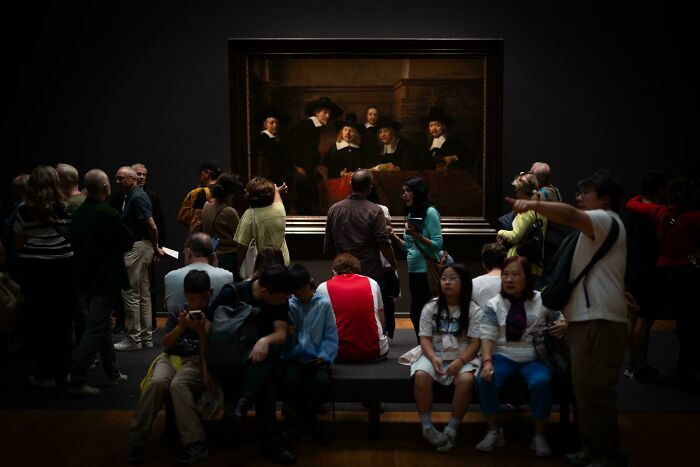
Even though the Renaissance period began around the 14th century, roughly 600 years ago, interest in it is still huge. One proof of this is Da Vinci's The Mona Lisa, which gets 10 million visitors a year in the Louvre, making it the most visited painting in the world. Funnily enough, 80% of Louvre visitors come to this museum specifically for the painting.
Another Renaissance art piece, Michelangelo's The Creation of Adam, is visited by approximately 6.5 million people, making the Sistine Chapel, where it’s located, one of the most visited sacred sites in the Christian world.
One more popular Renaissance period piece is Raphael's The School of Athens, which is crowded by roughly 30,000 people every day during peak season. Meanwhile, The Birth of Venus by Botticelli captures the attention of millions of tourists every year.
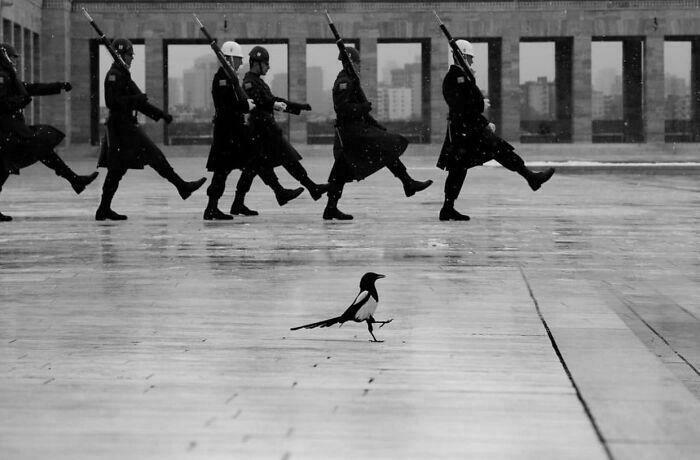
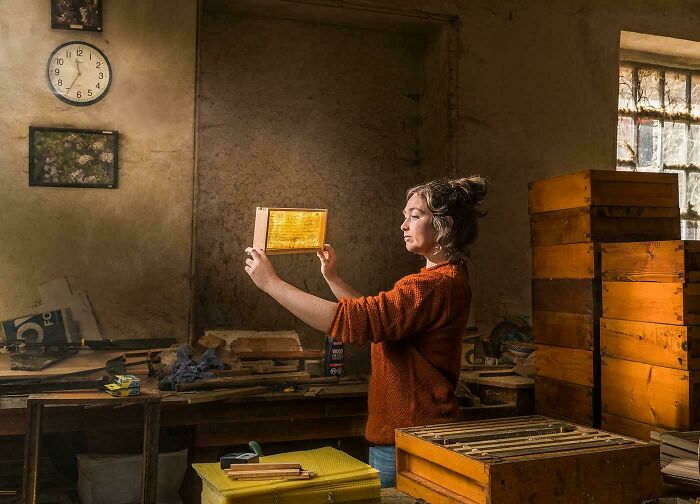
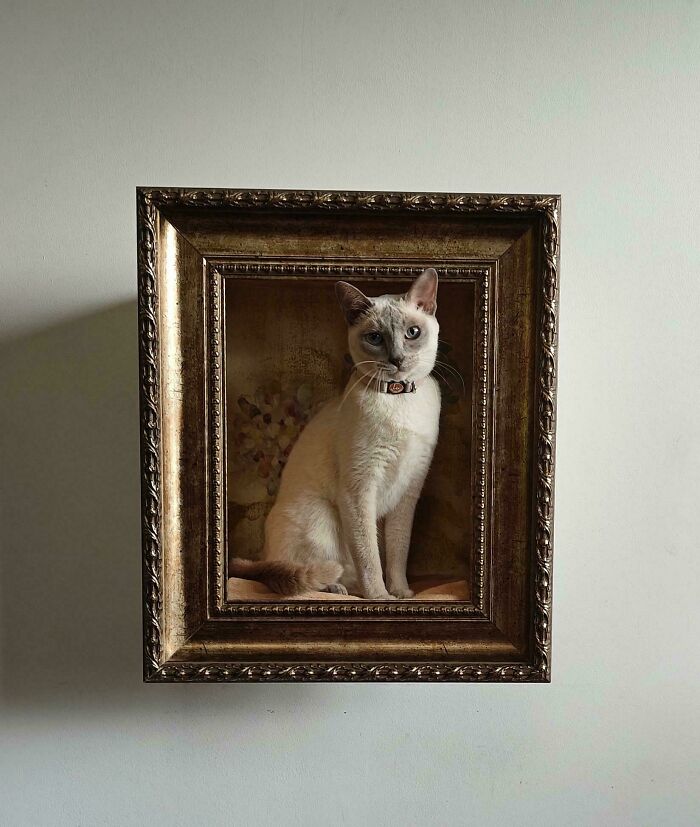
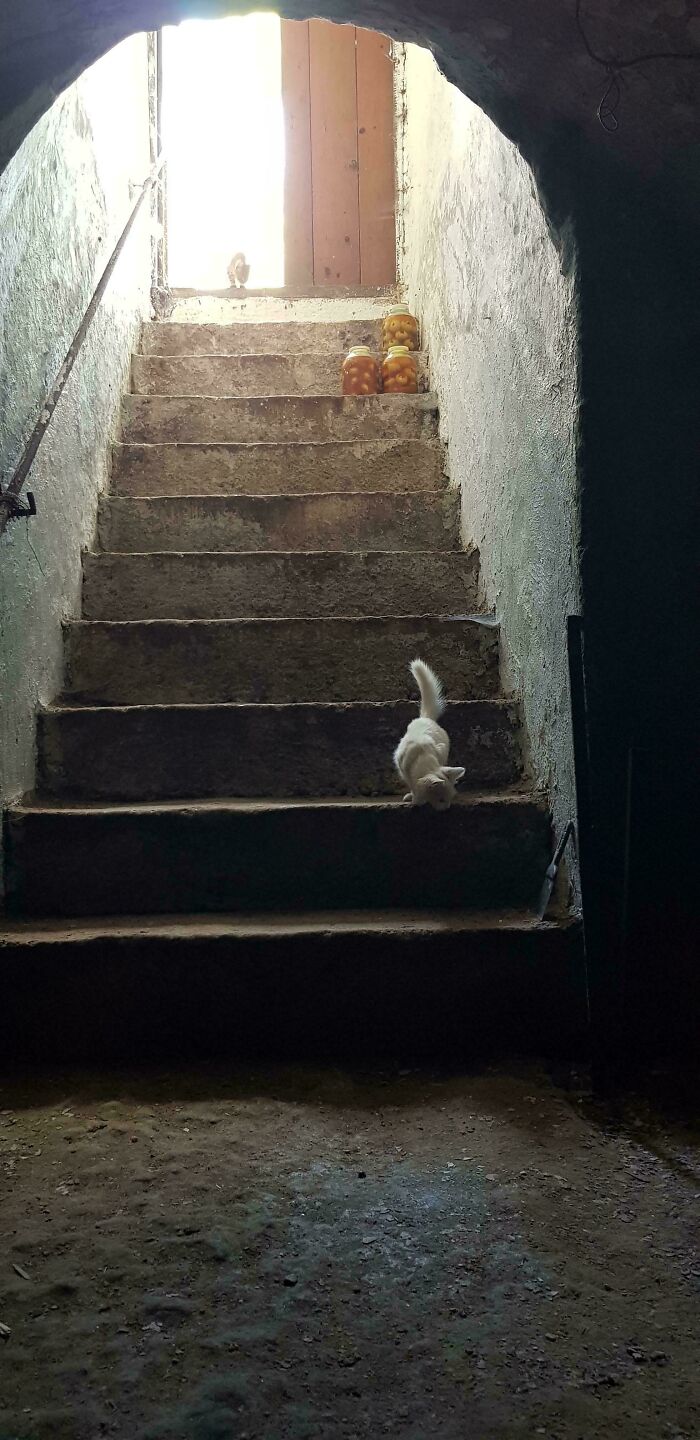
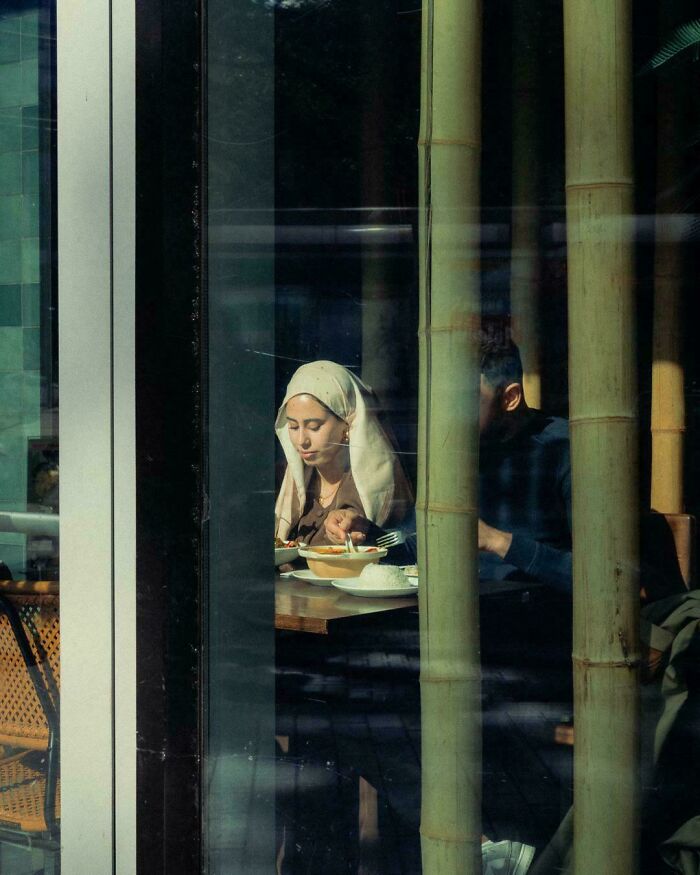
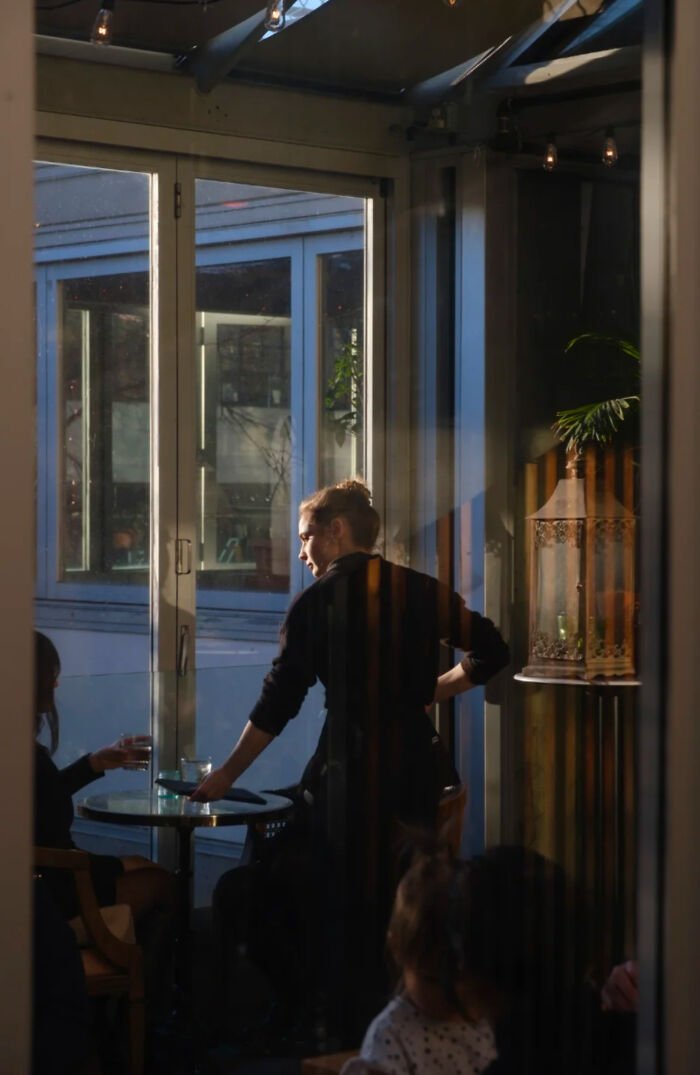
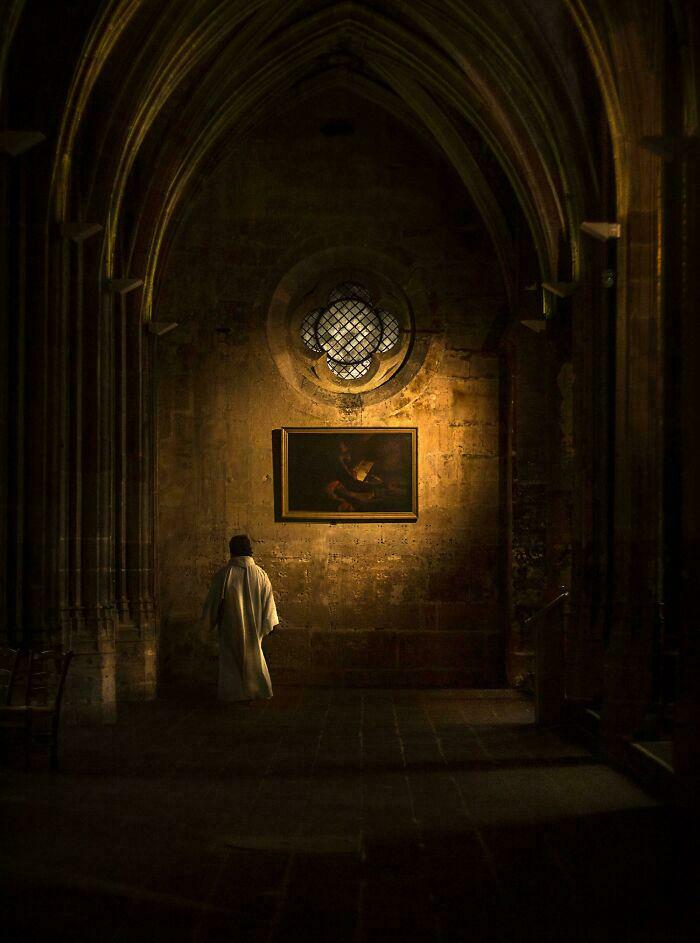
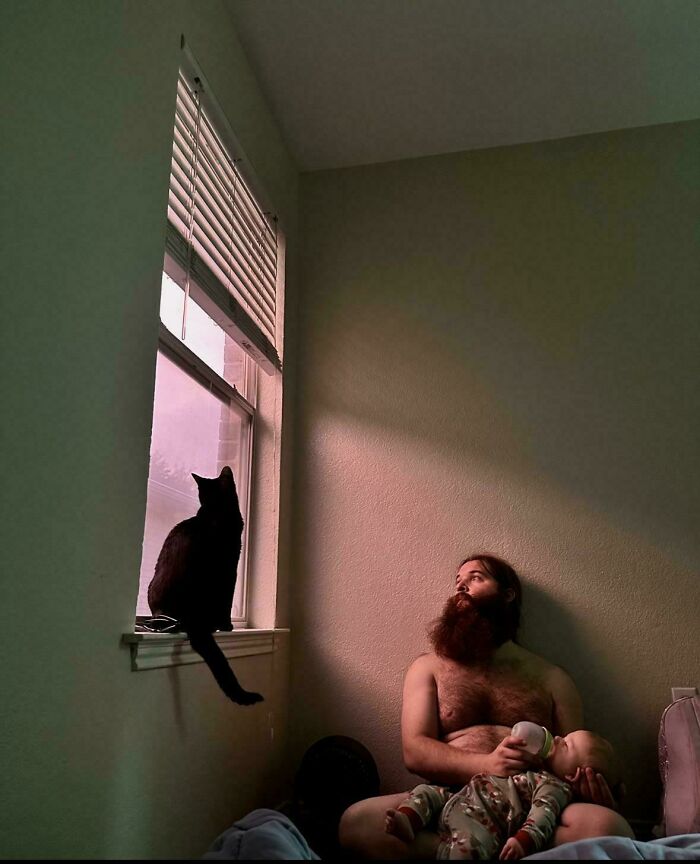
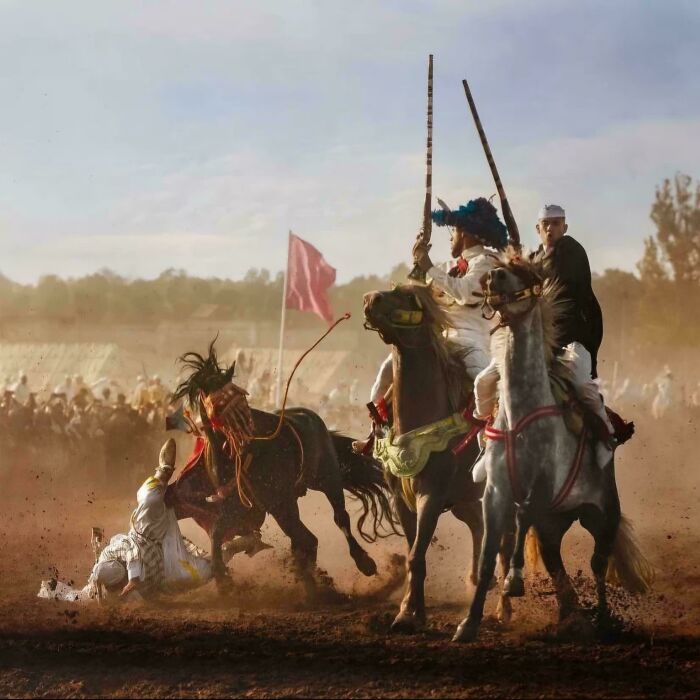
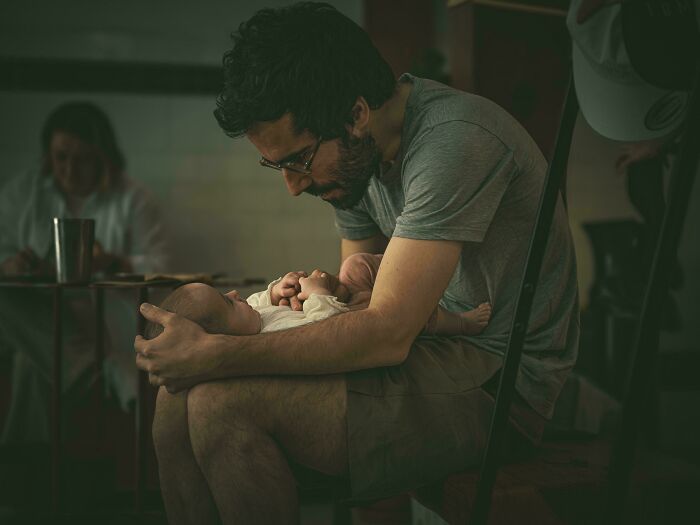
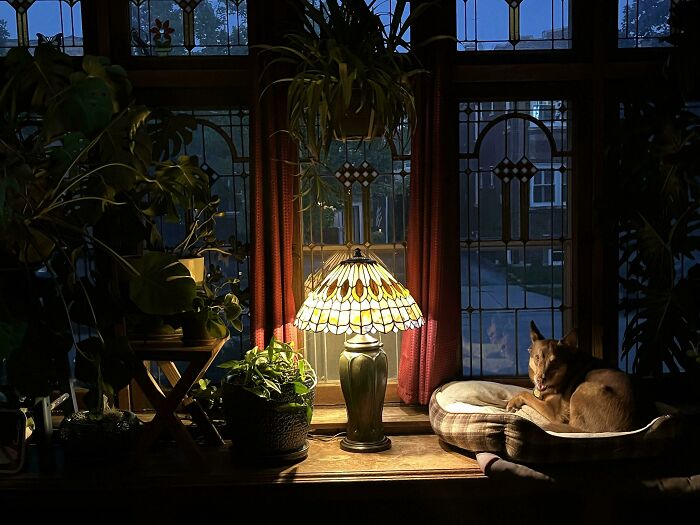
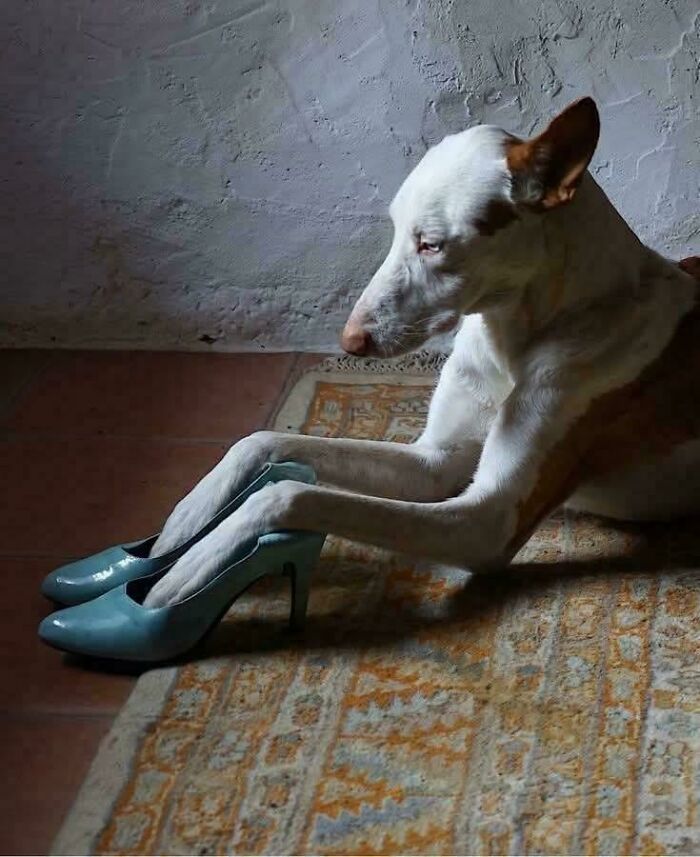
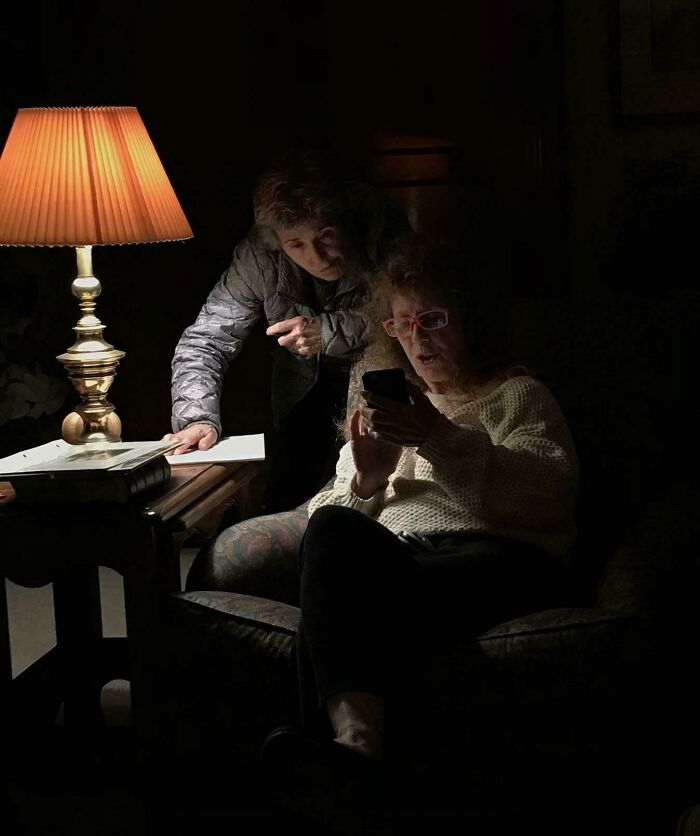
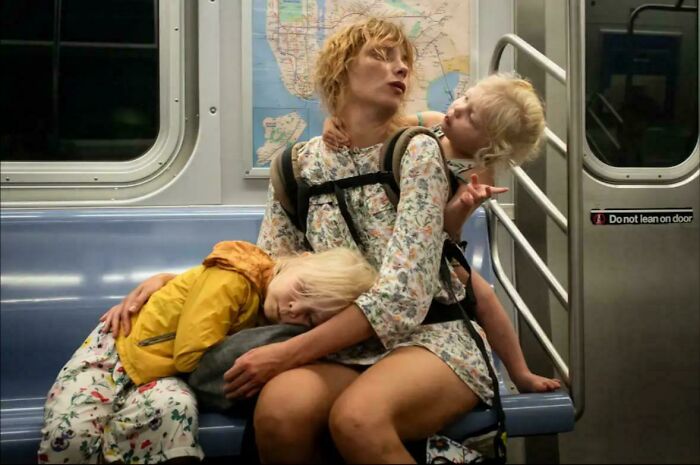
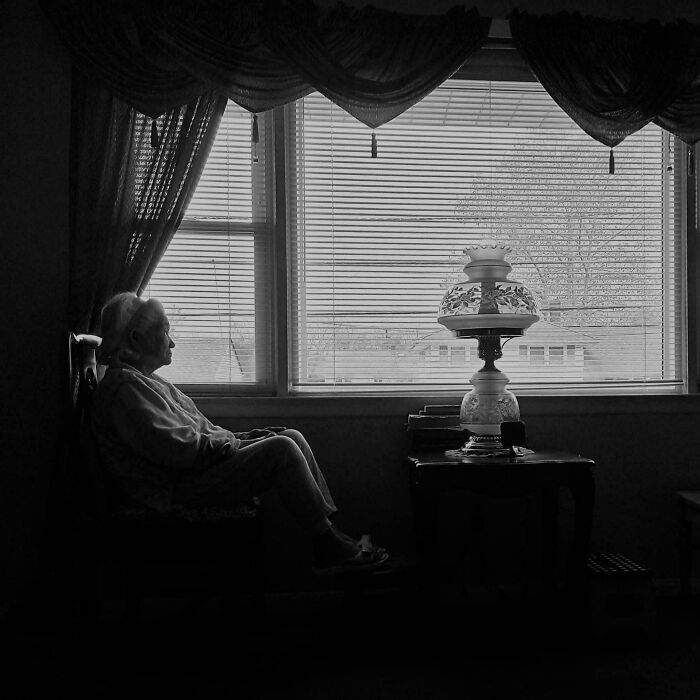
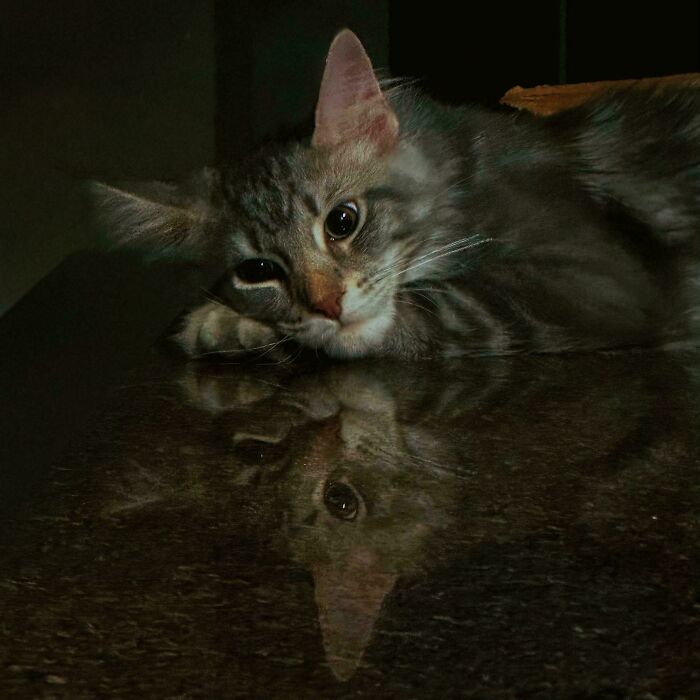
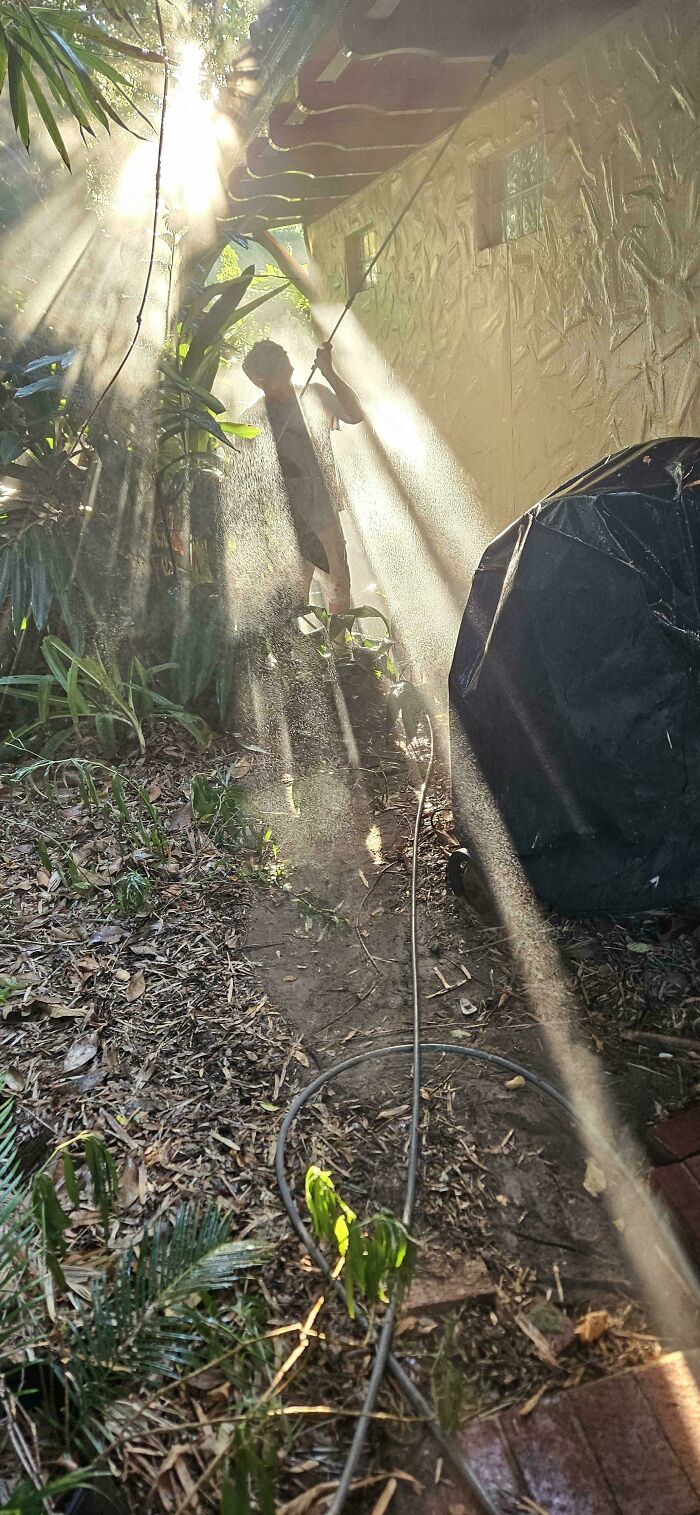
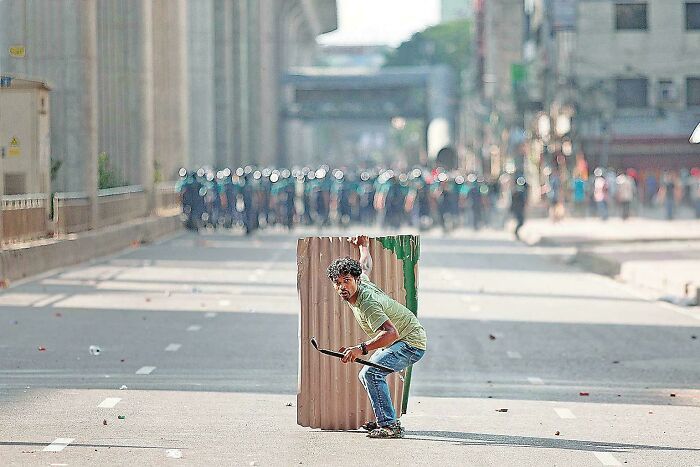
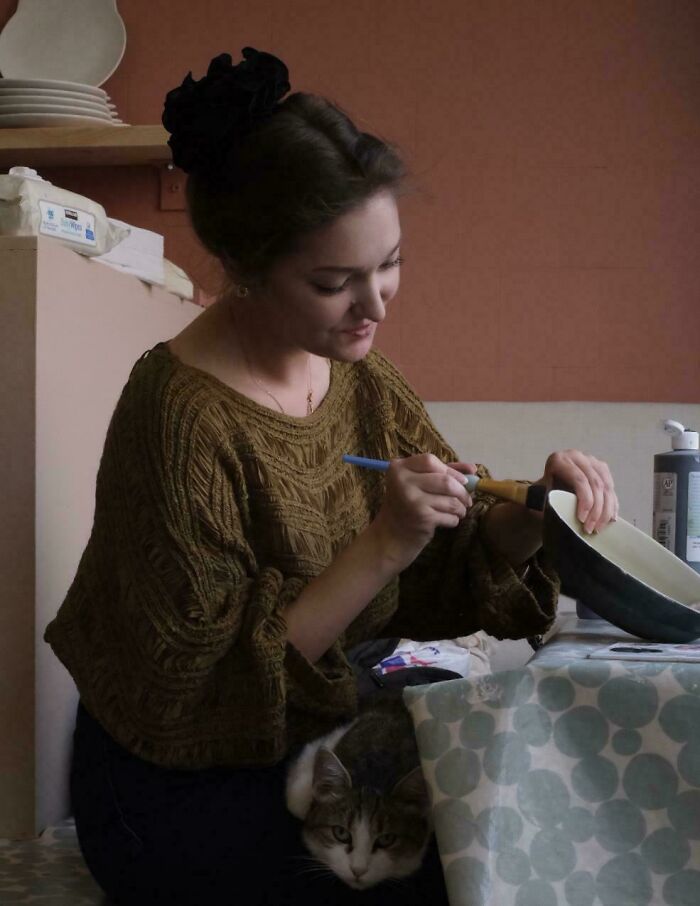
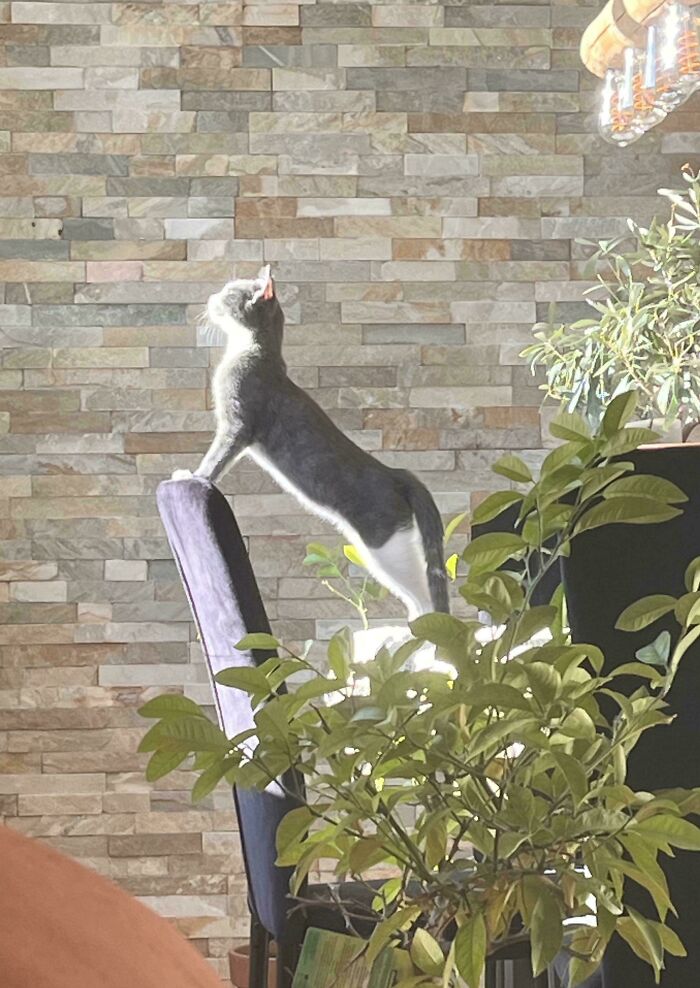
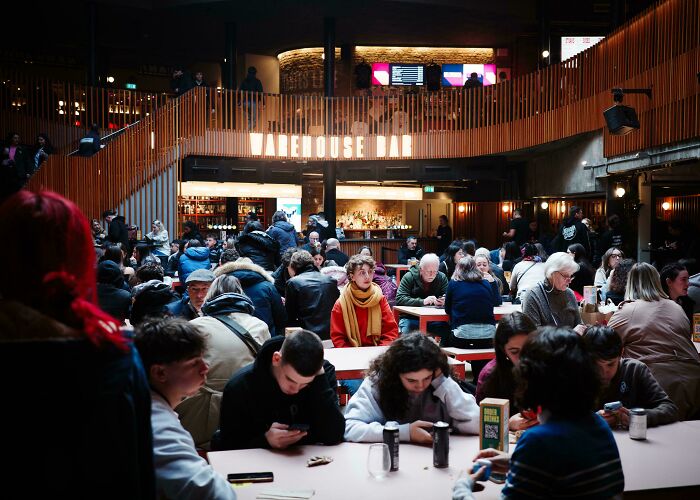
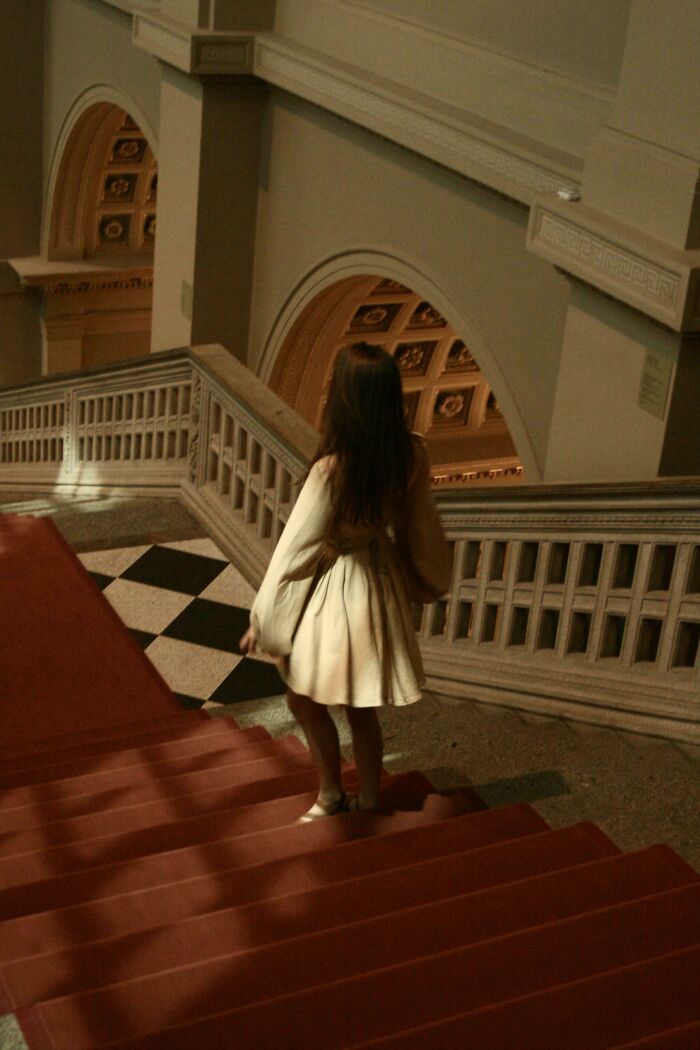
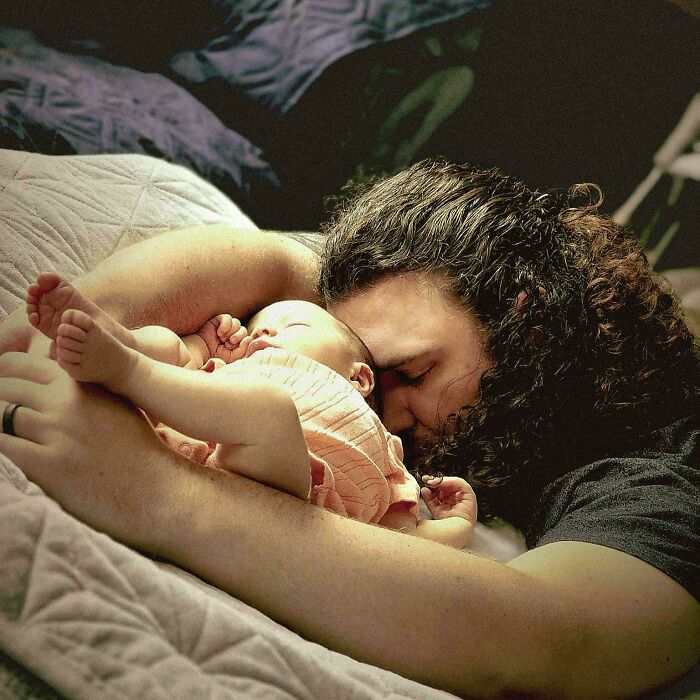
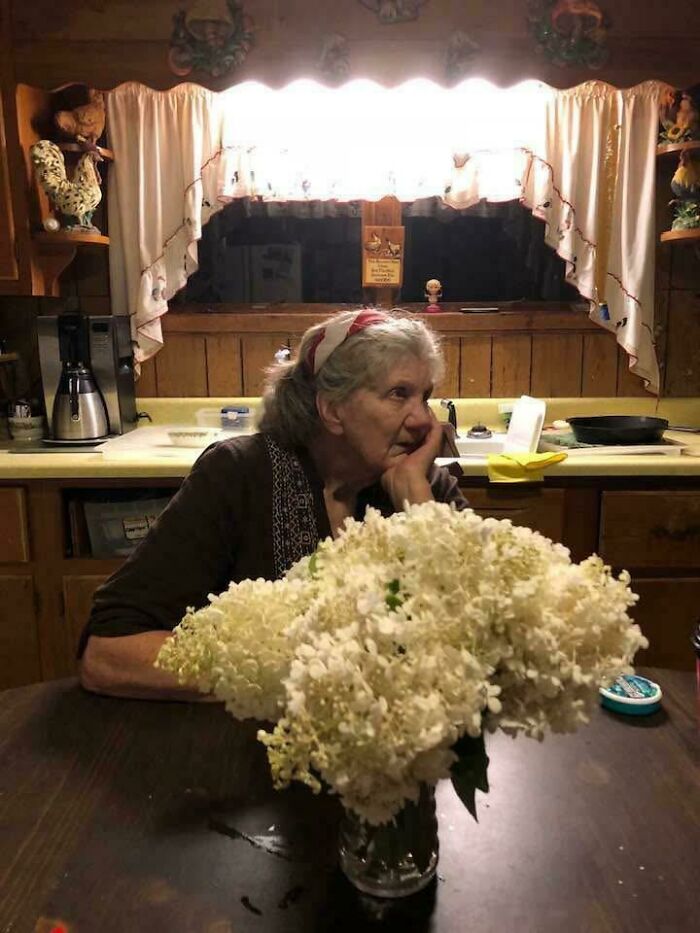
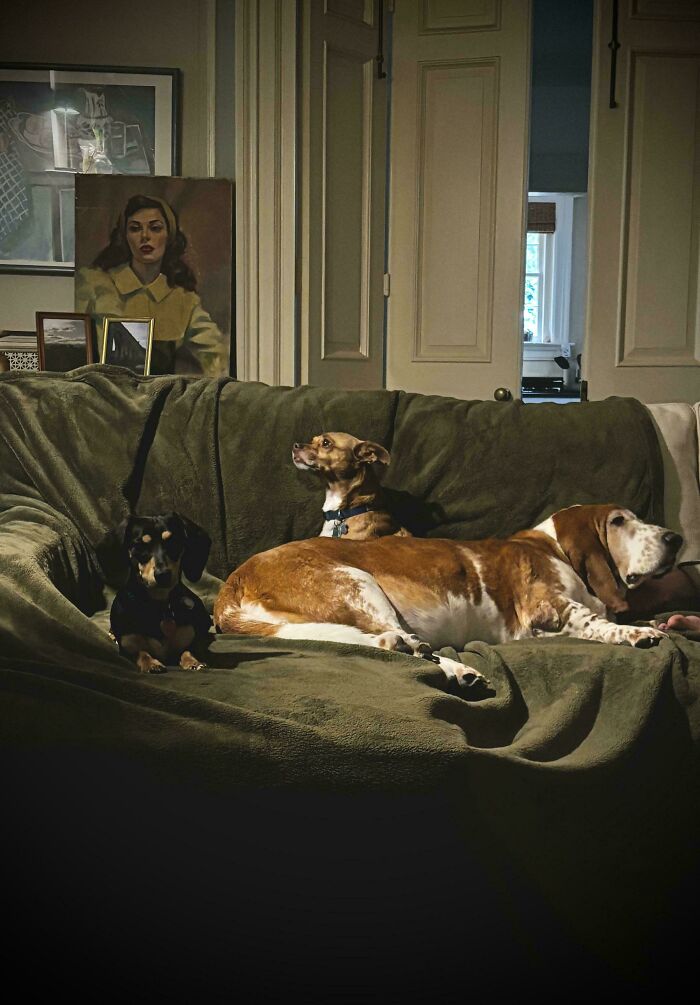
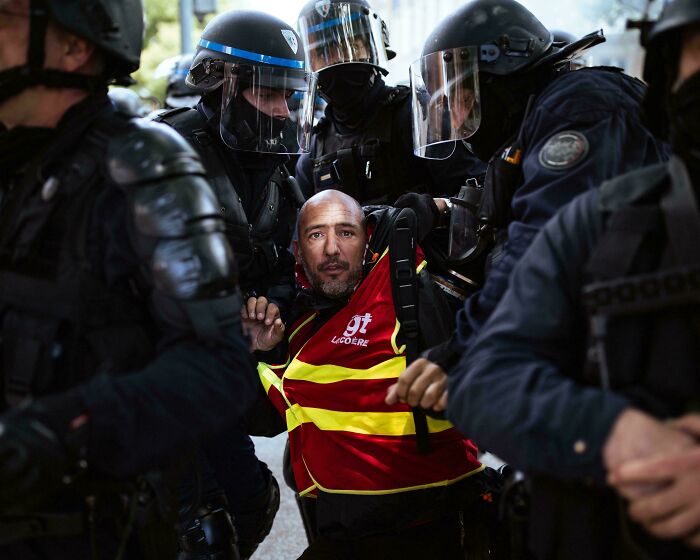
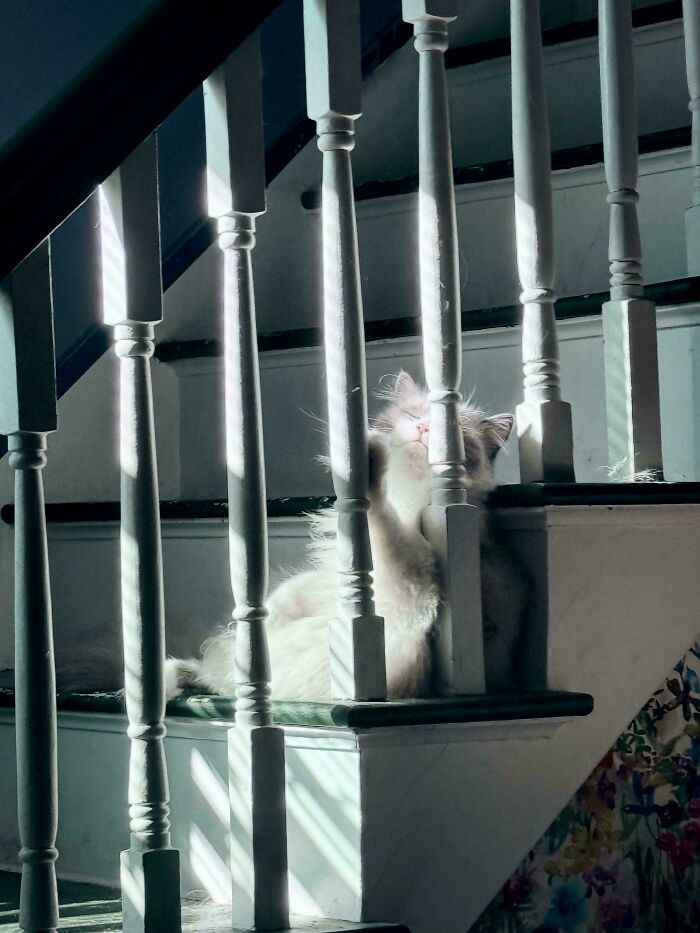
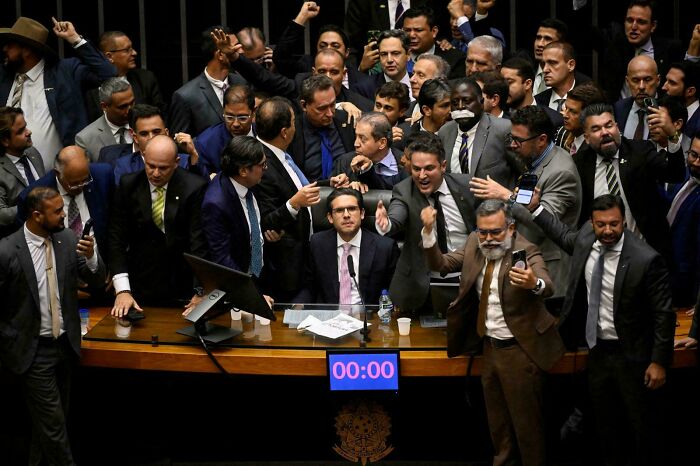
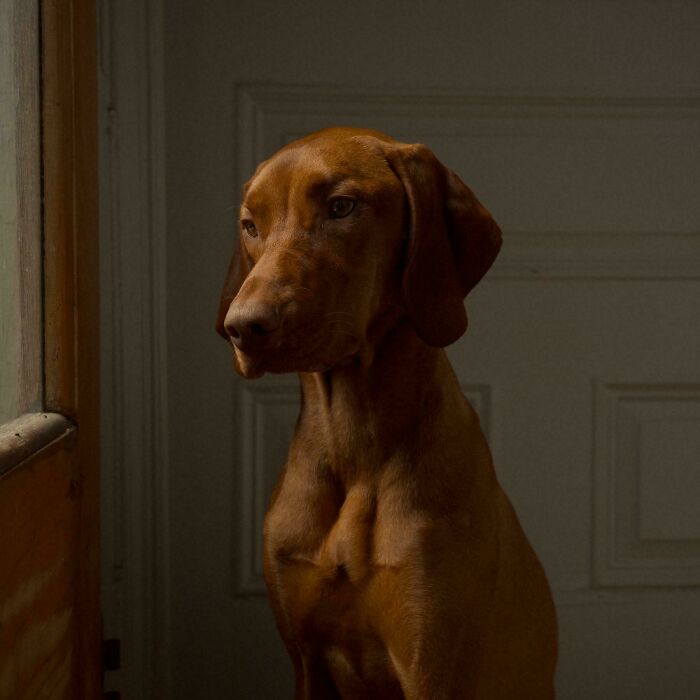
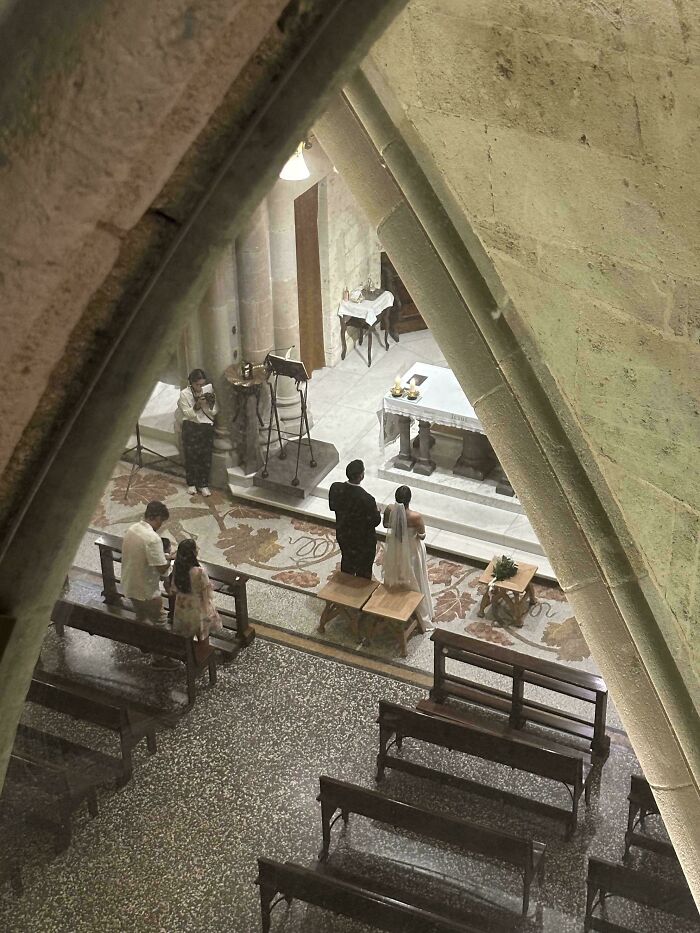
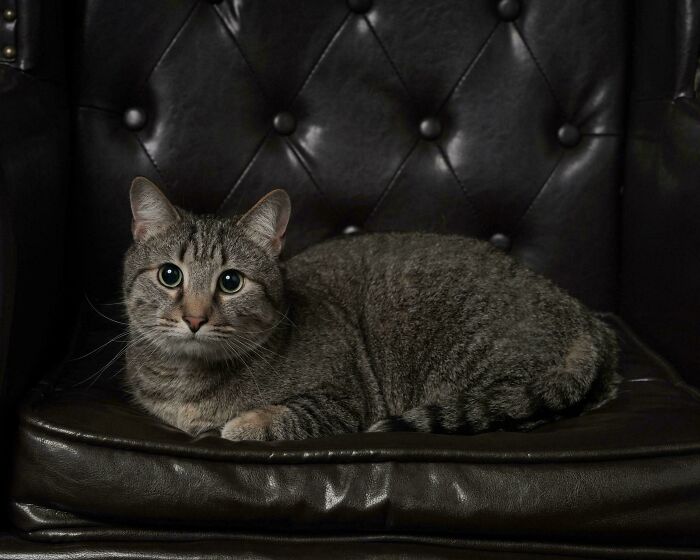
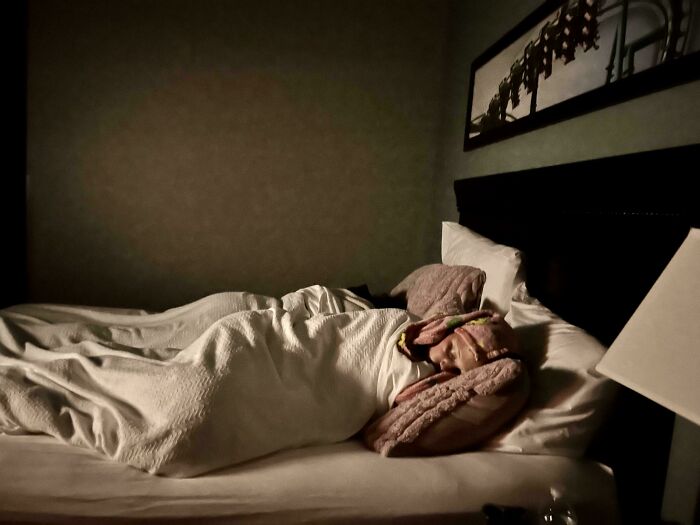
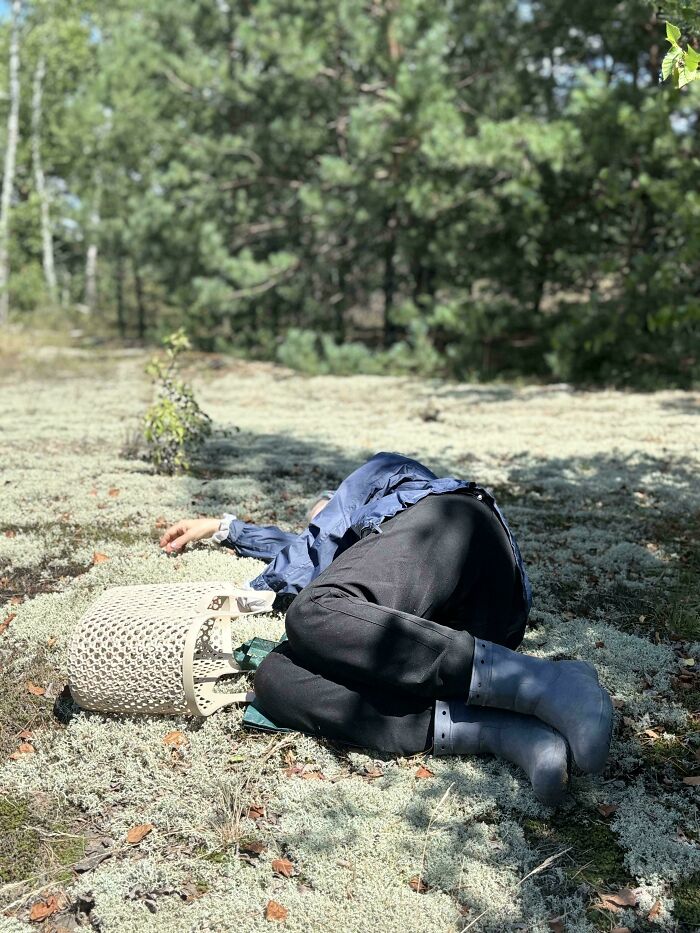
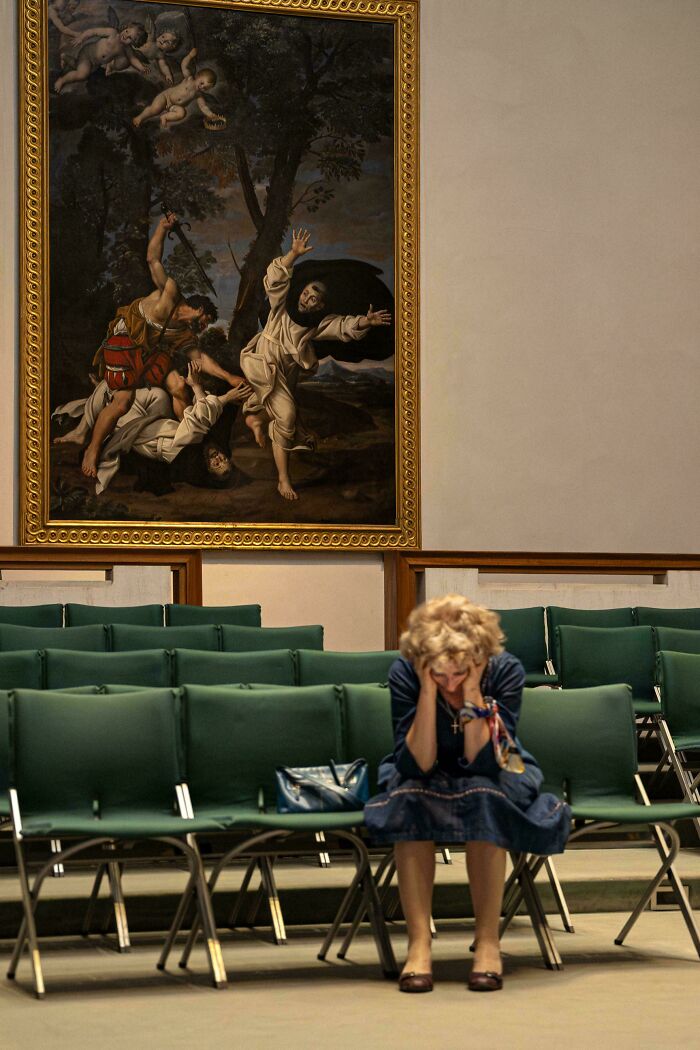
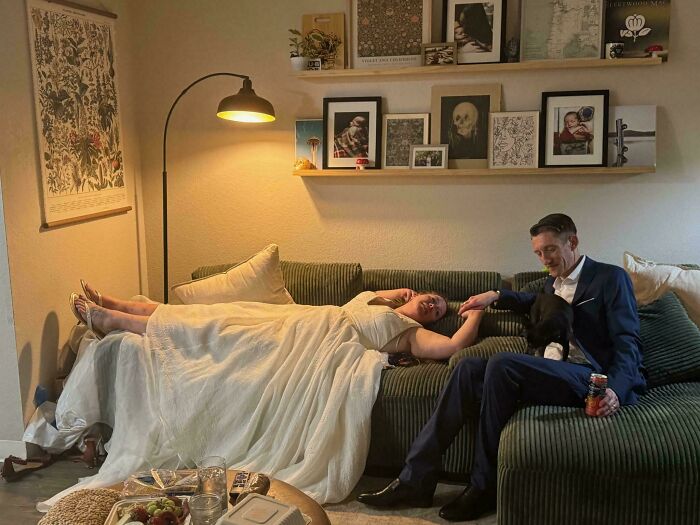
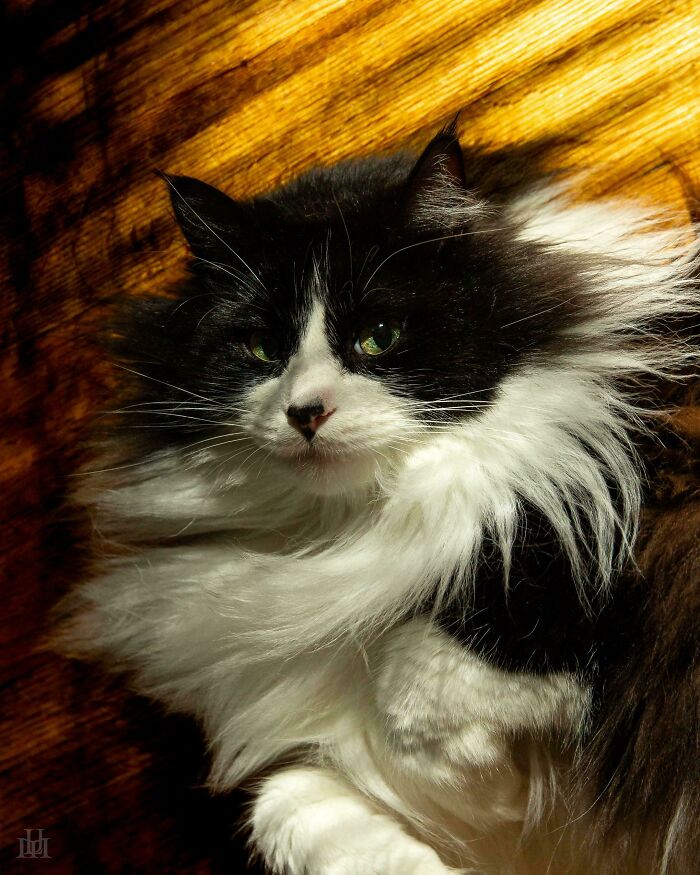
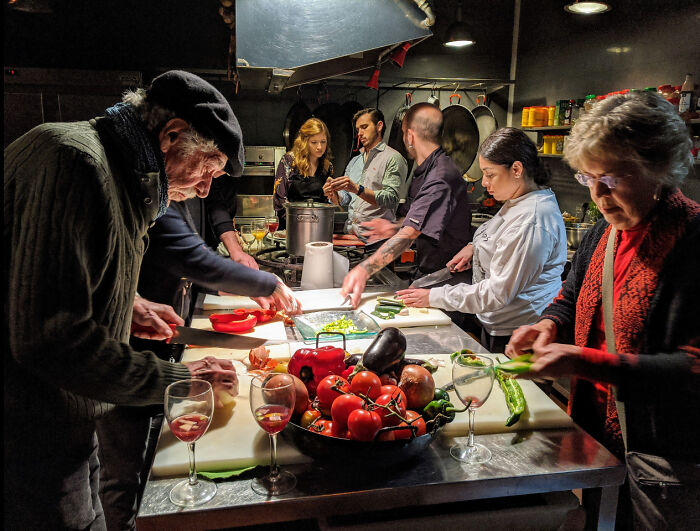
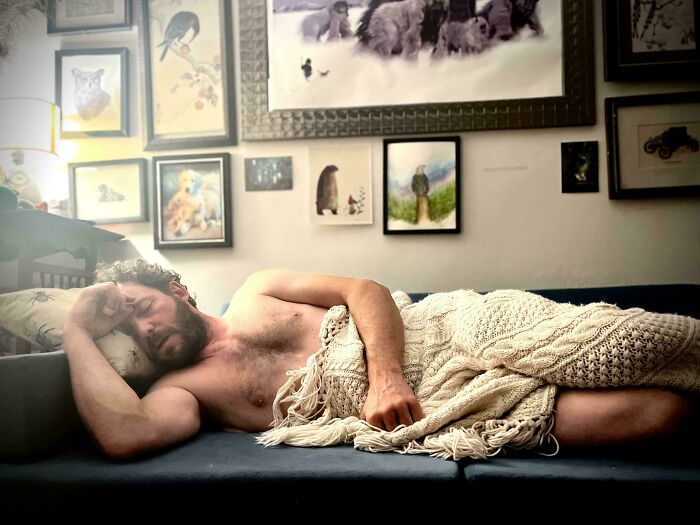
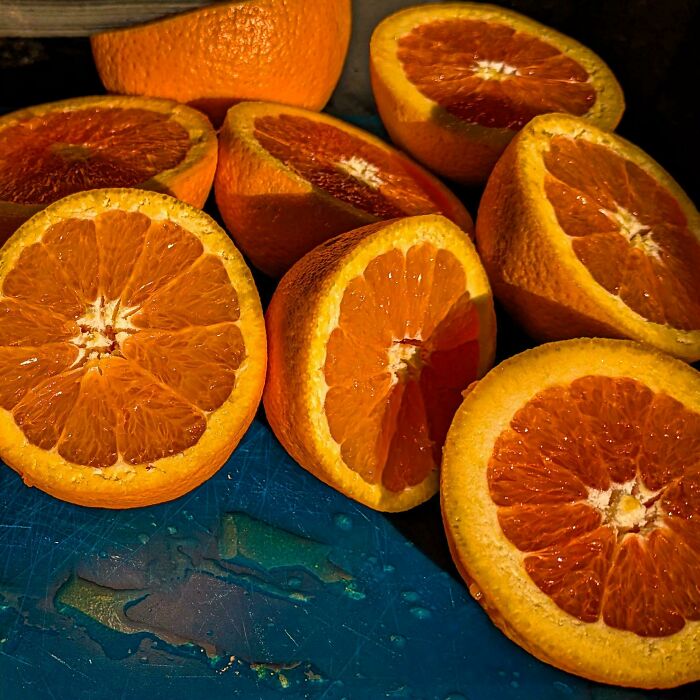
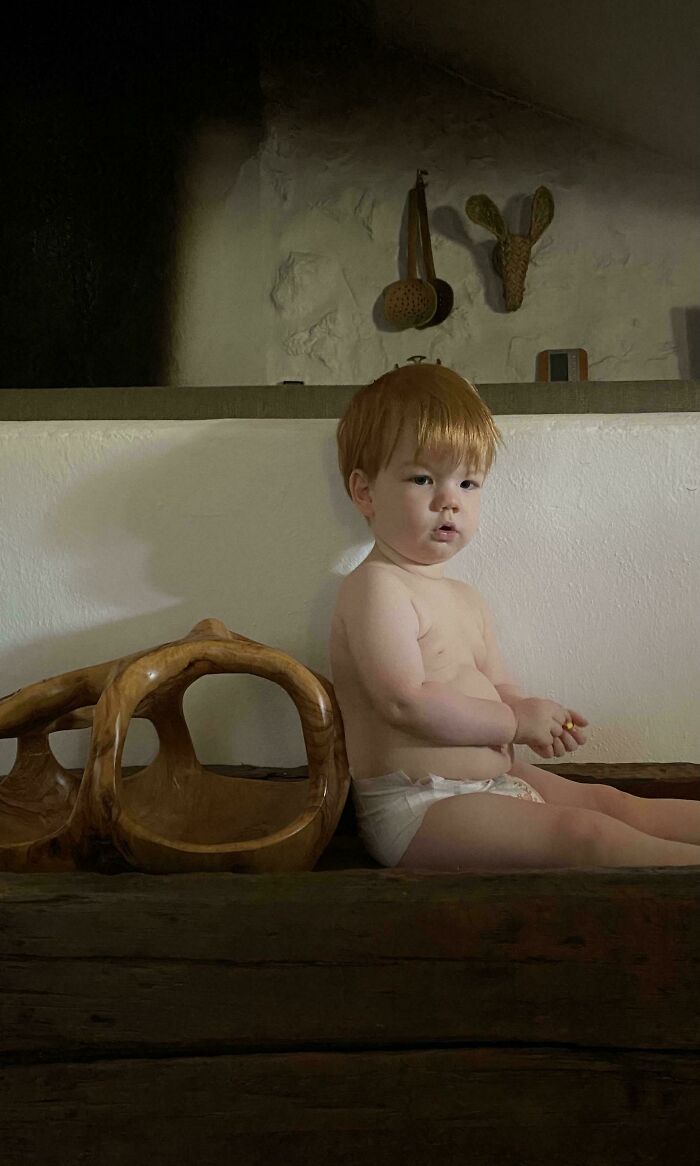
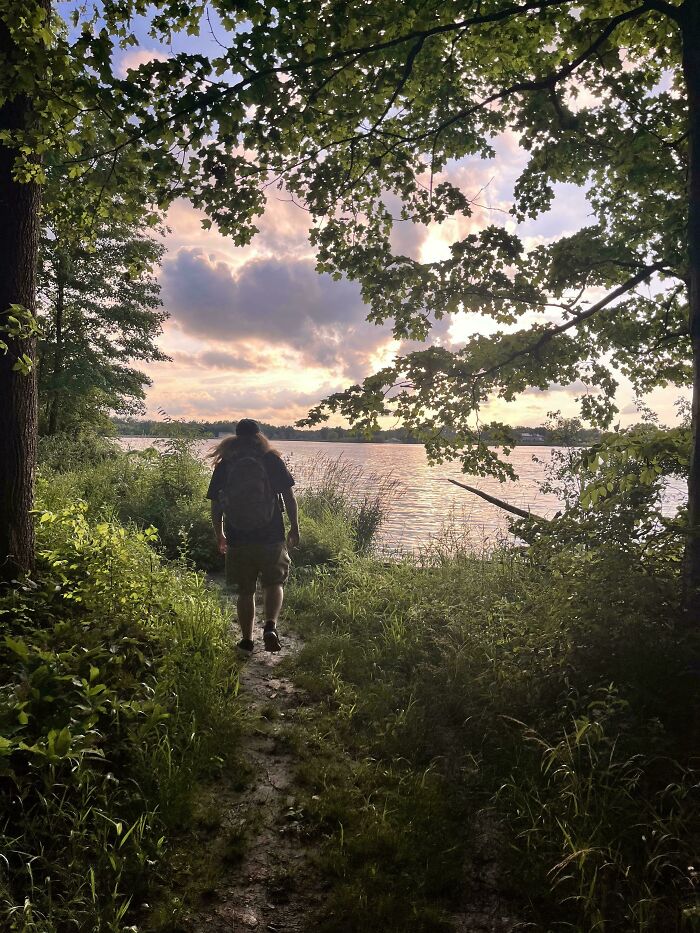
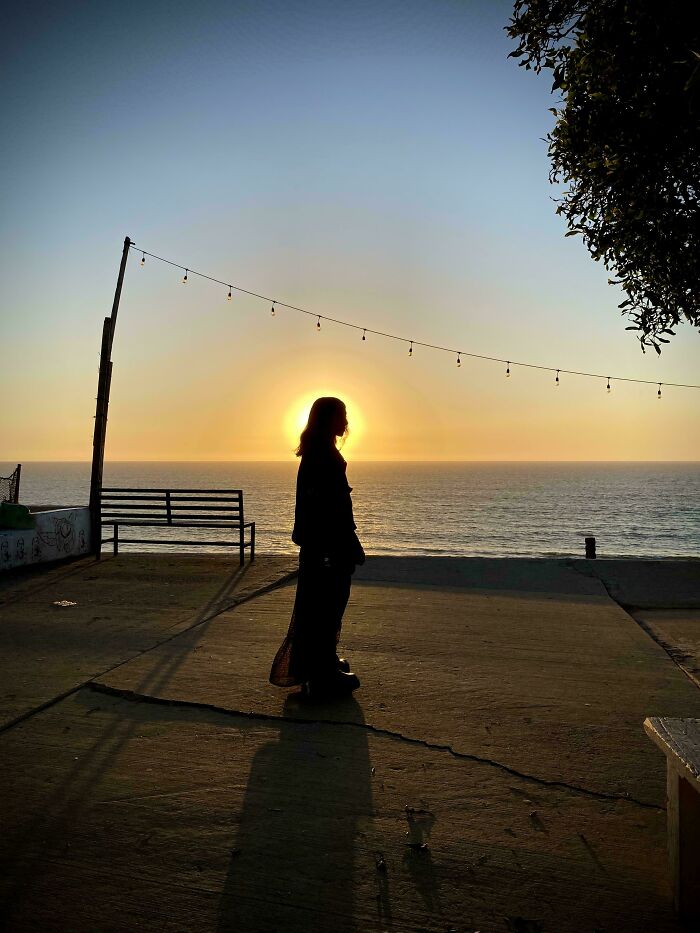
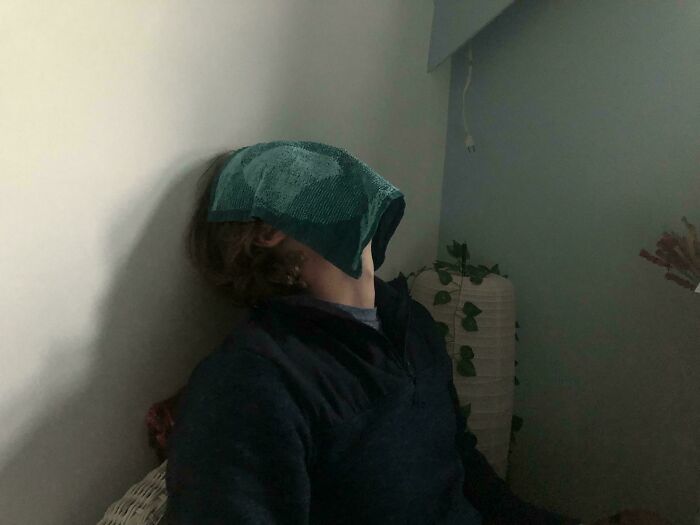
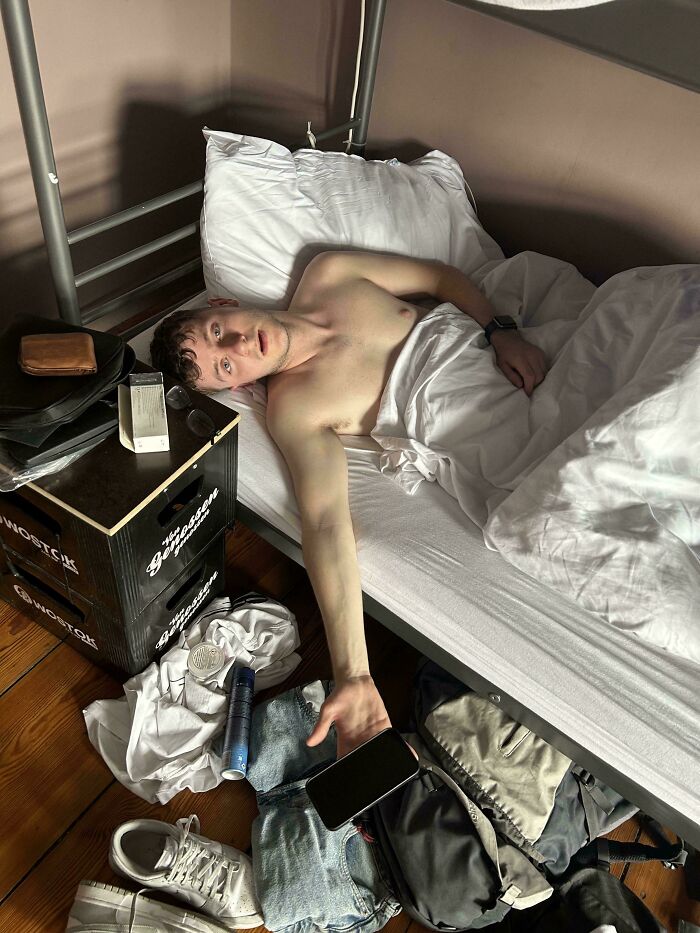
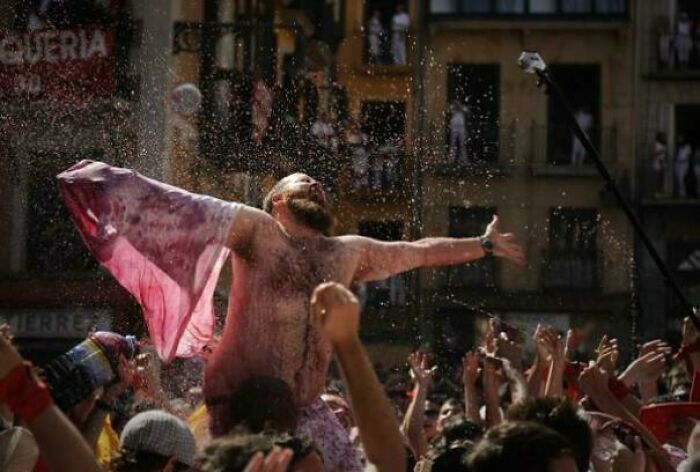
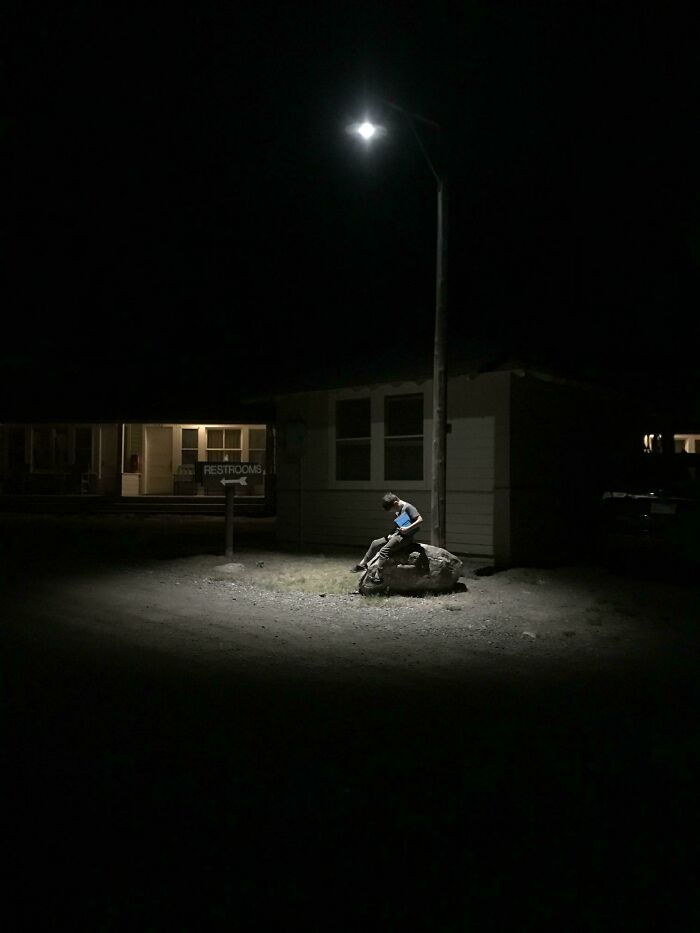
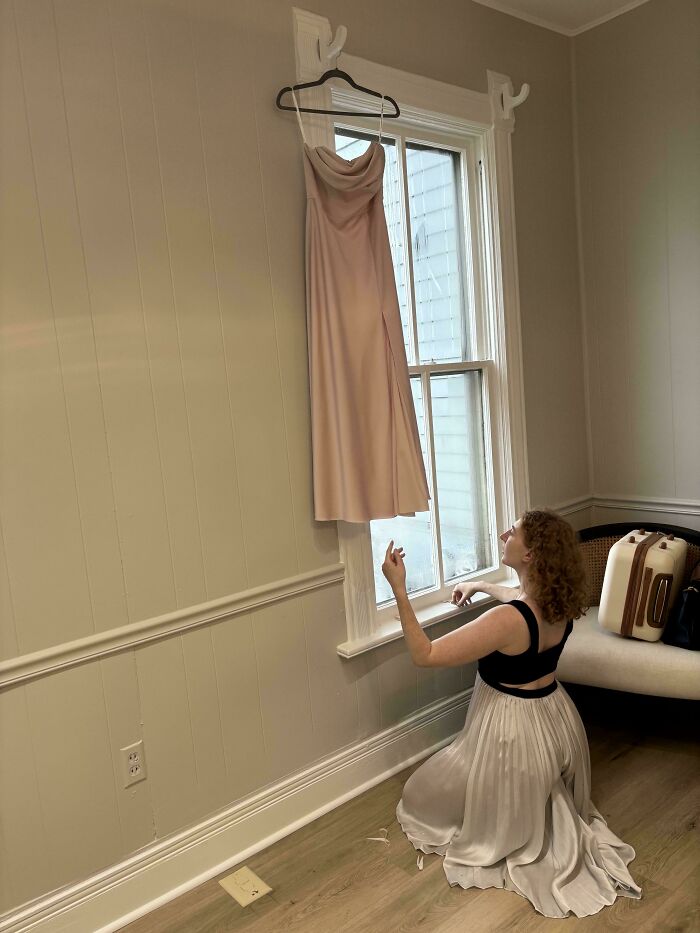
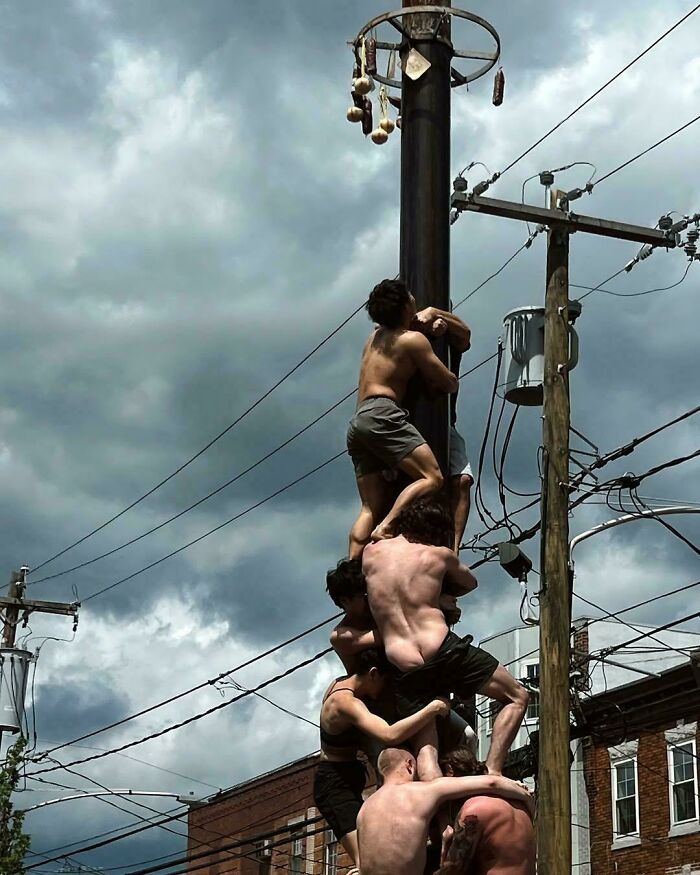
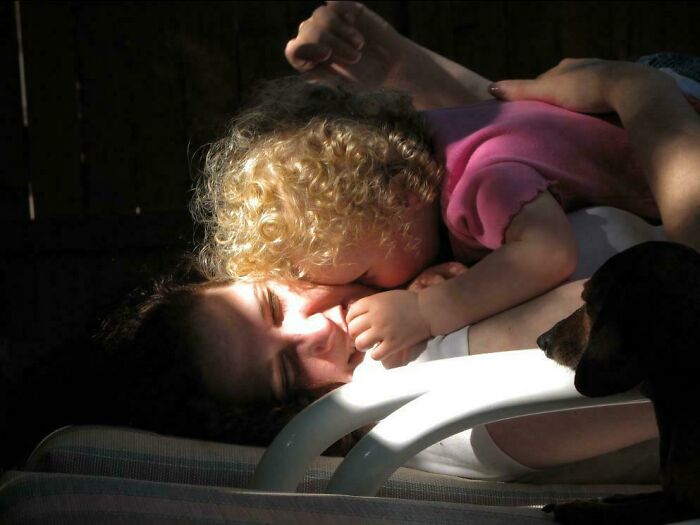
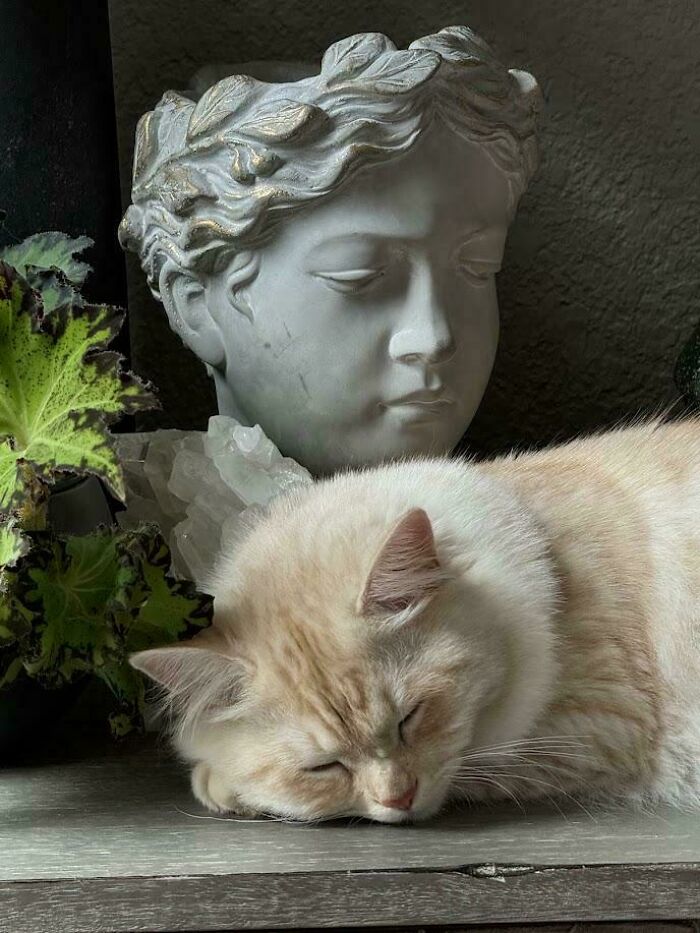
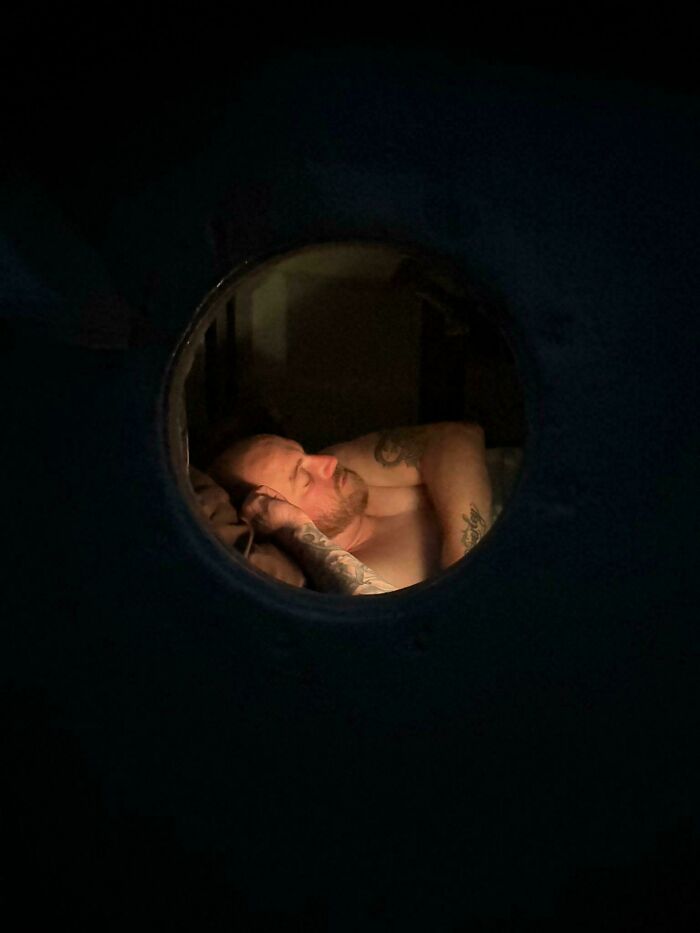
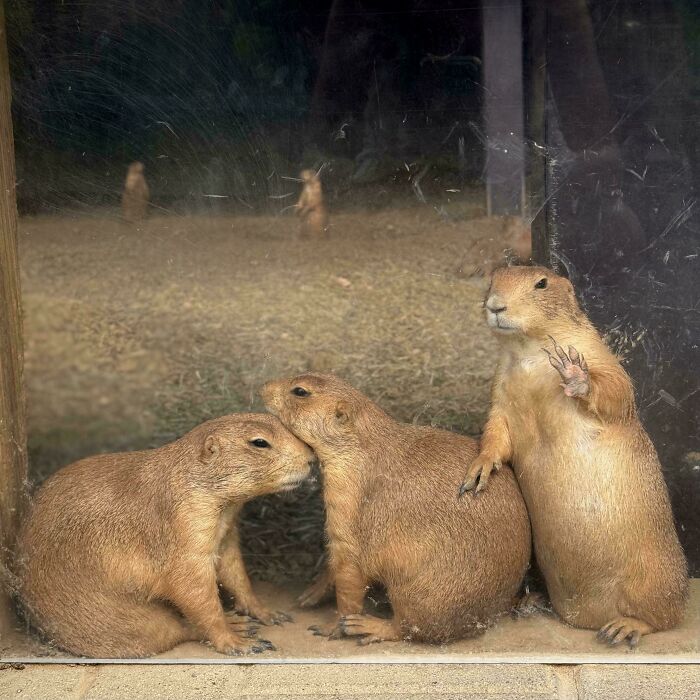
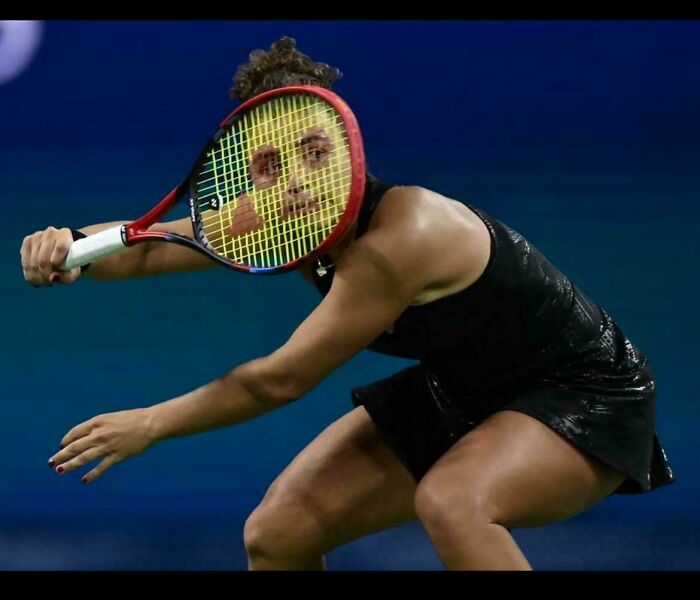
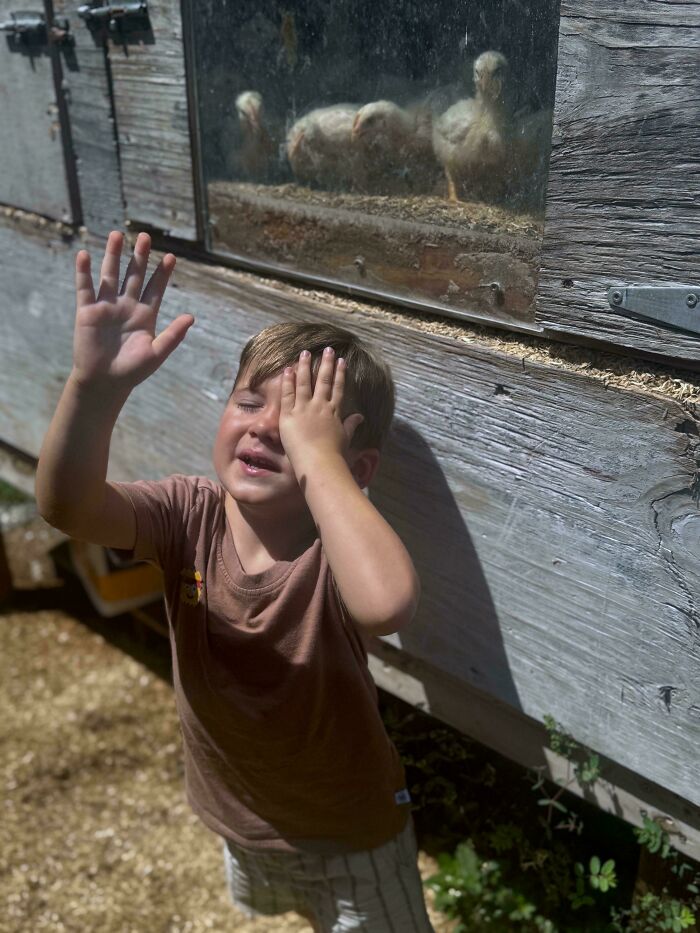
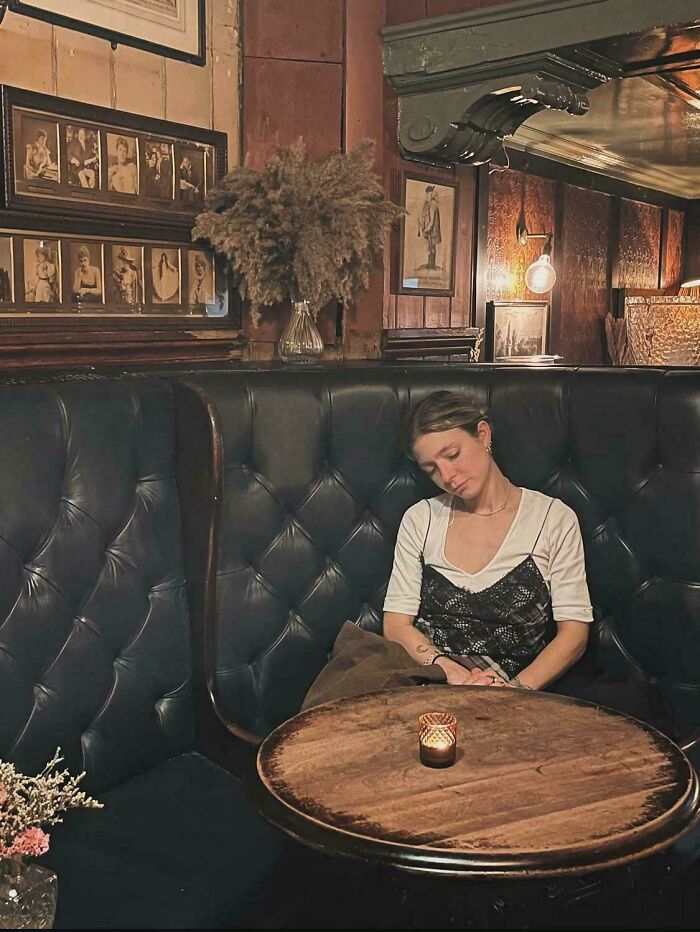
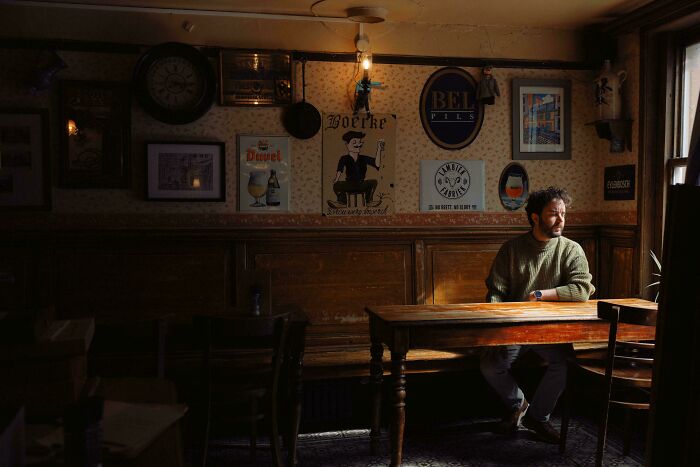
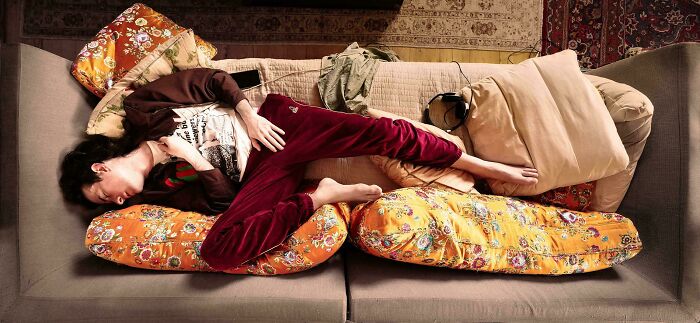
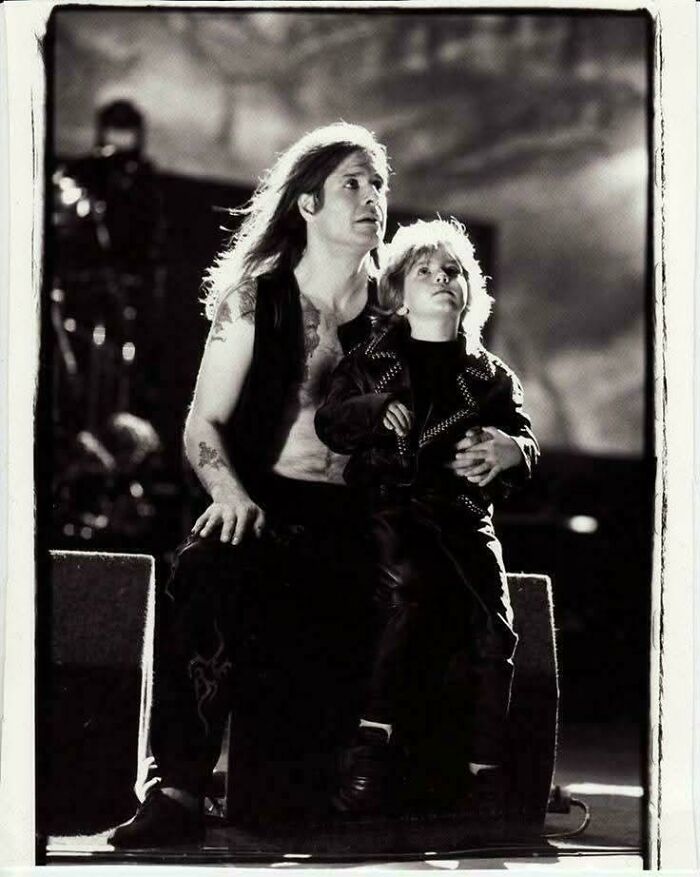
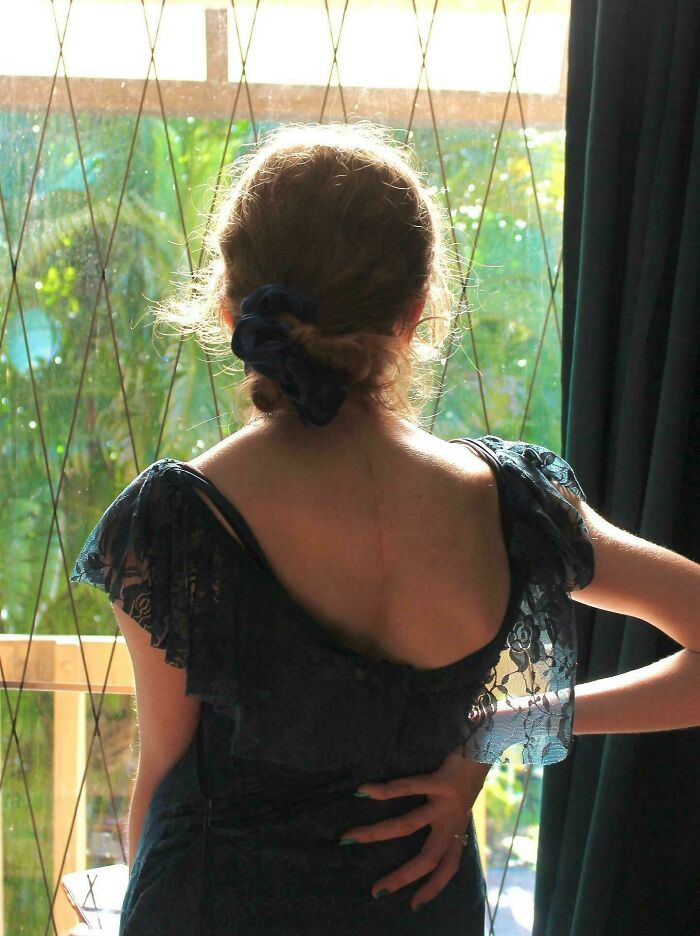
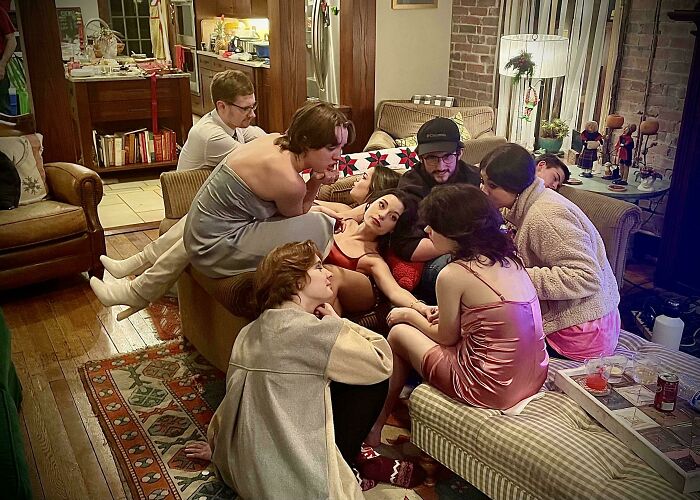
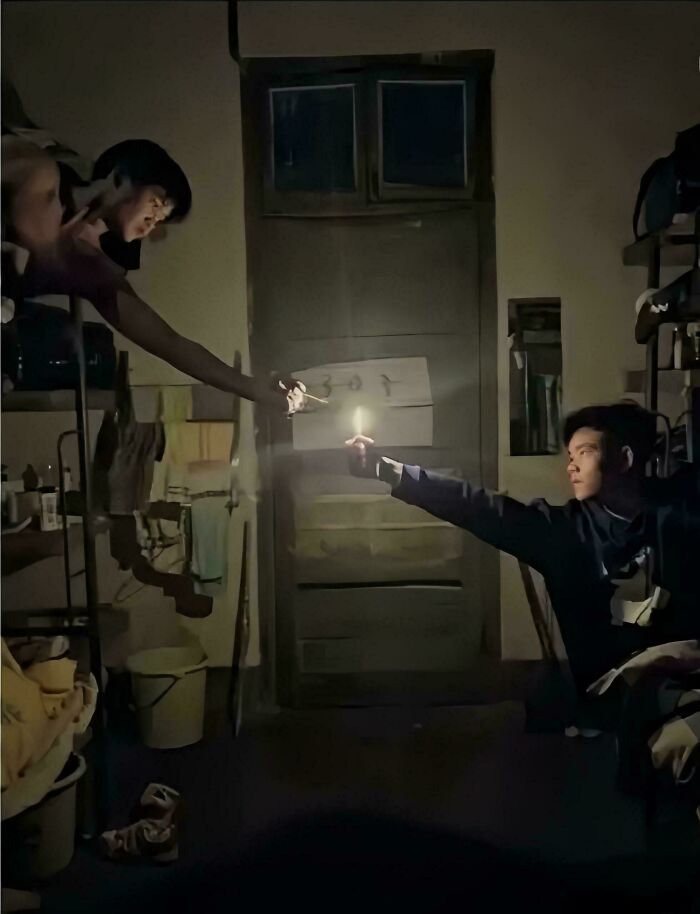
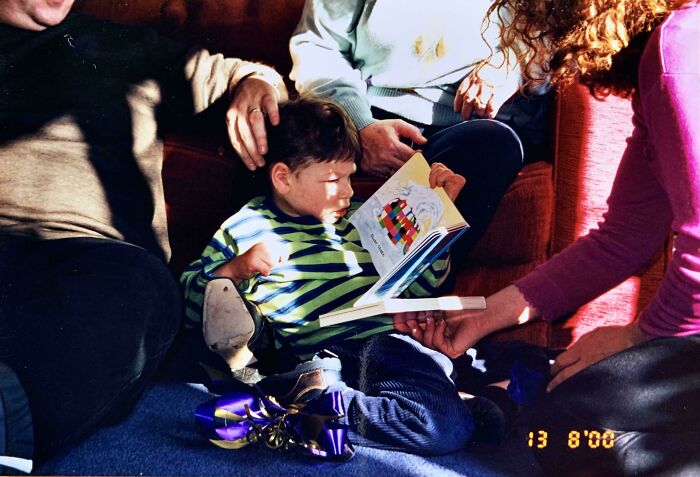
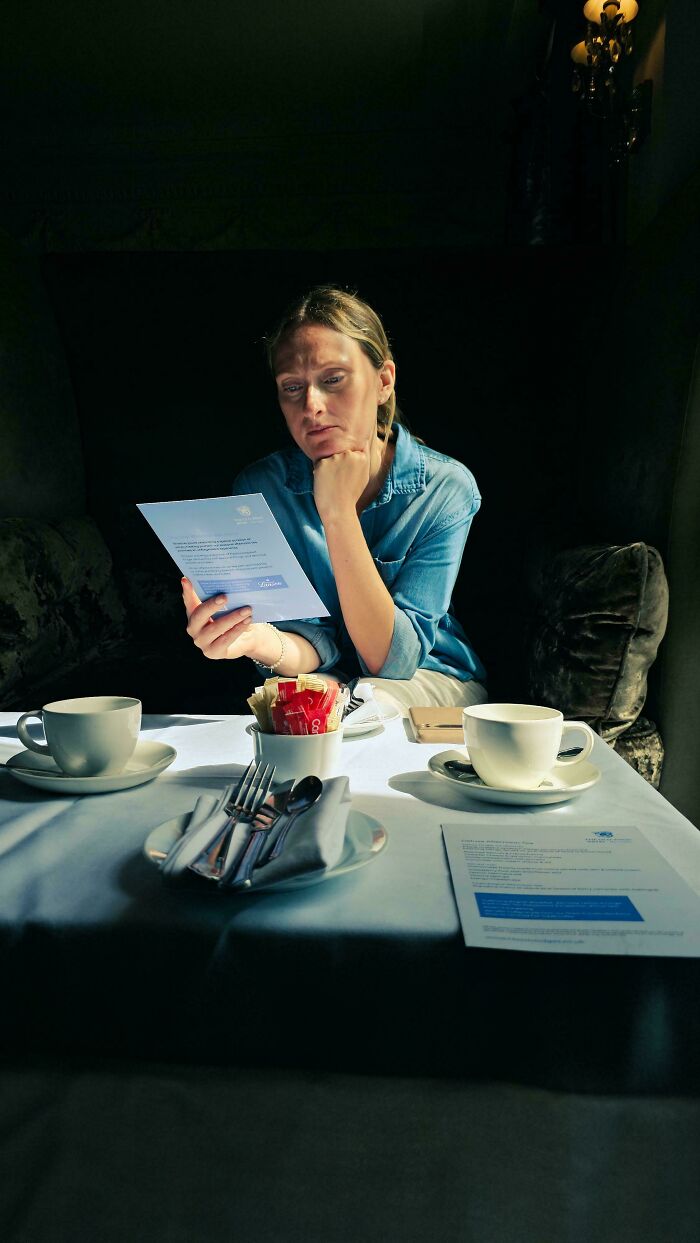
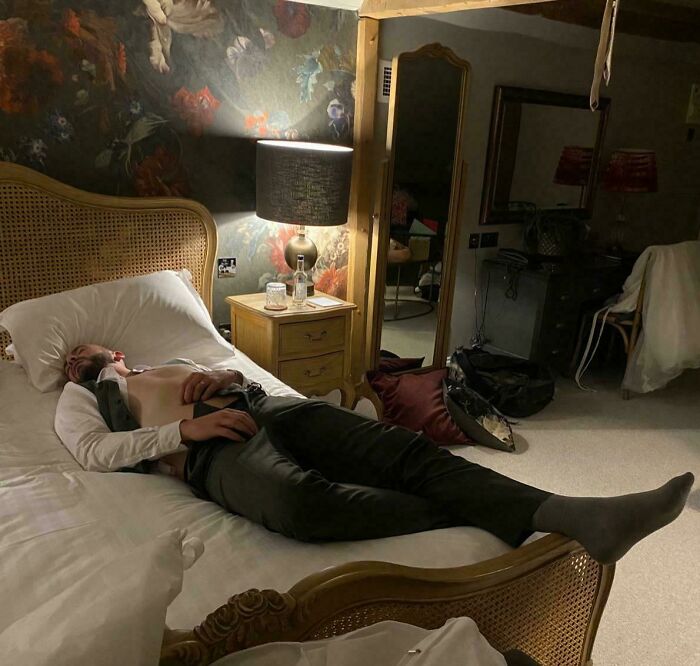
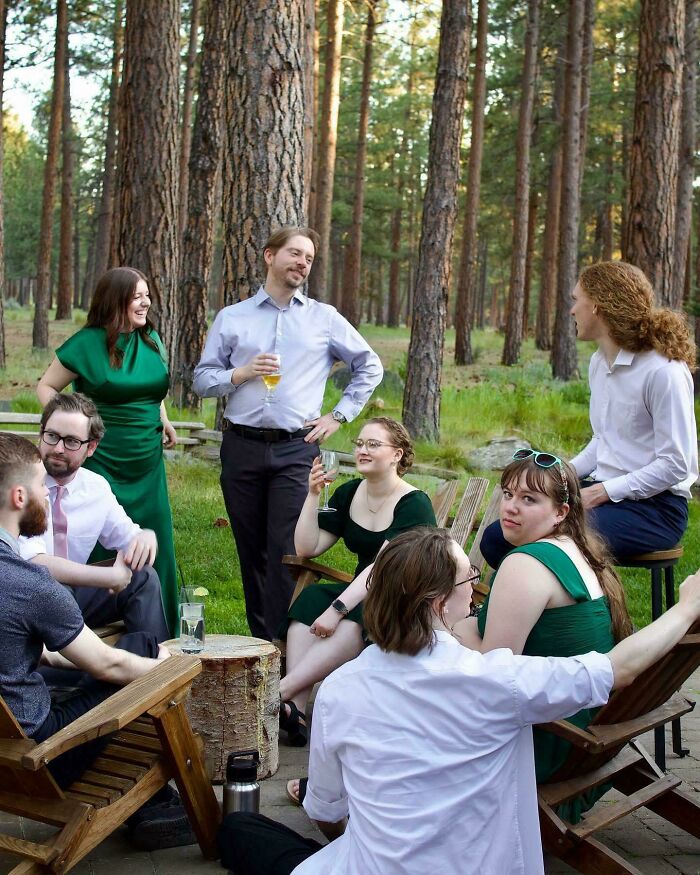
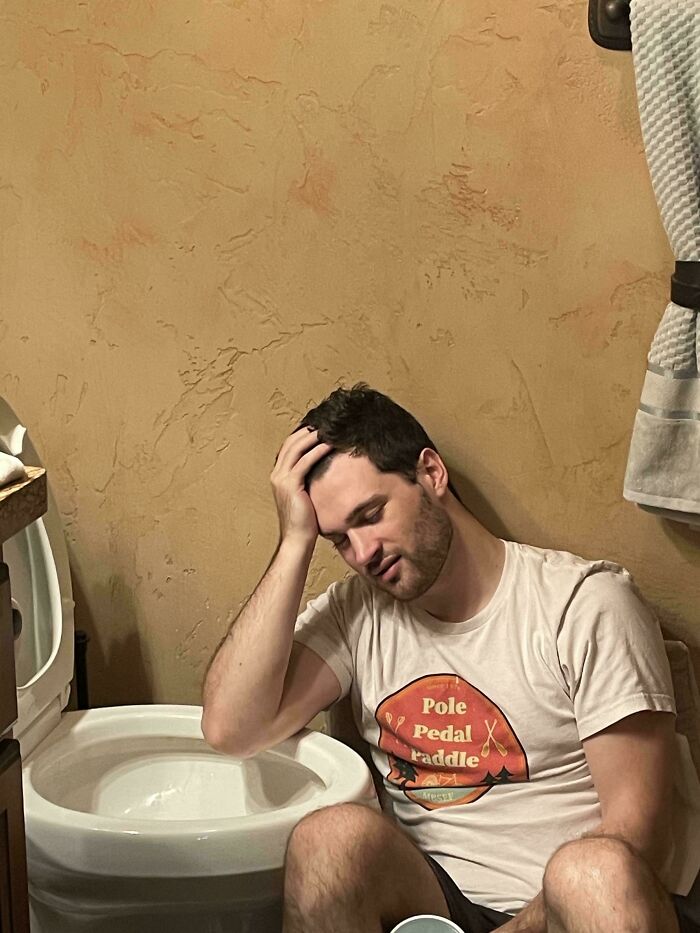
As we can see, people’s interest in the Renaissance era is constant. Even the subreddit ‘Accidental Renaissance’ has amassed over 1.4M accidental artists who enjoy recreating the century-old aesthetic. No other period has a dedicated community like this, so this begs the question—why is Renaissance art so special?
Covering all the changes that the Renaissance brought and that are still influencing the modern world is quite impossible in one brief article. But we’ll start at the beginning and cover those aspects that had the greatest impact.
One of the factors that sparked the Renaissance was the philosophy of humanism, which started putting human beings and not divine entities at the center of attention. The newly found interest in humans as intelligent creatures capable of reason, instead of mindless pawns helplessly led by God, encouraged artists to depict people as natural and realistic as possible.
This was the complete opposite of the previous medieval art, which depicted people as a sort of cartoon from a comic, completely lacking the naturalistic aspect of the Renaissance era.
In general, art from the 14th century becomes more naturalistic, looking closer to nature and the truth of lived human experience. It depicted life as it is—mundane, ugly, or even sordid. Therefore, it was important for artists to perfect the art of facial expressions. Leonardo da Vinci's Mona Lisa and The Last Supper are good examples of this.
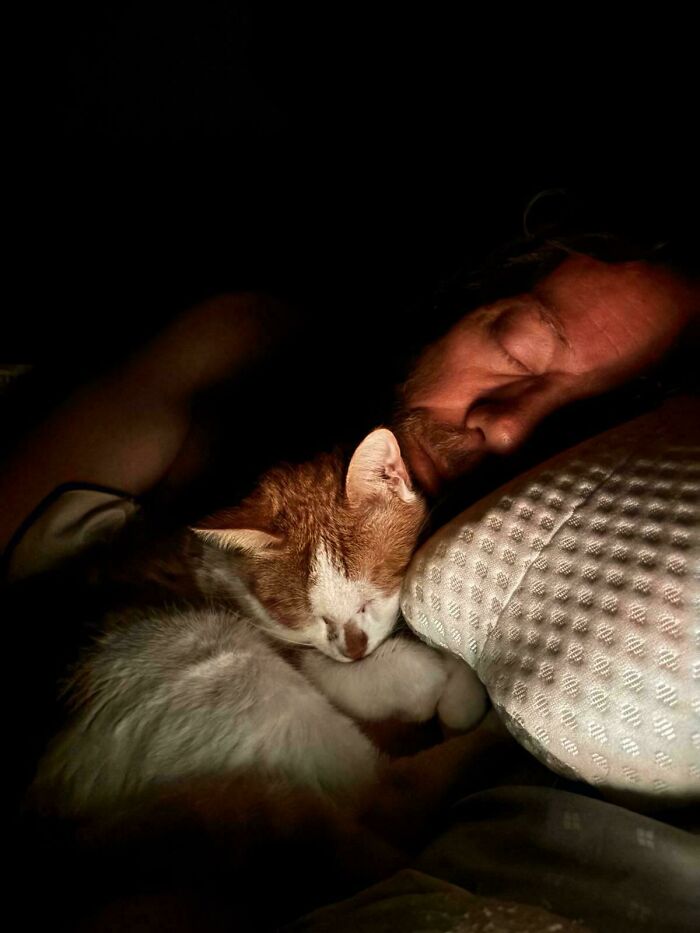
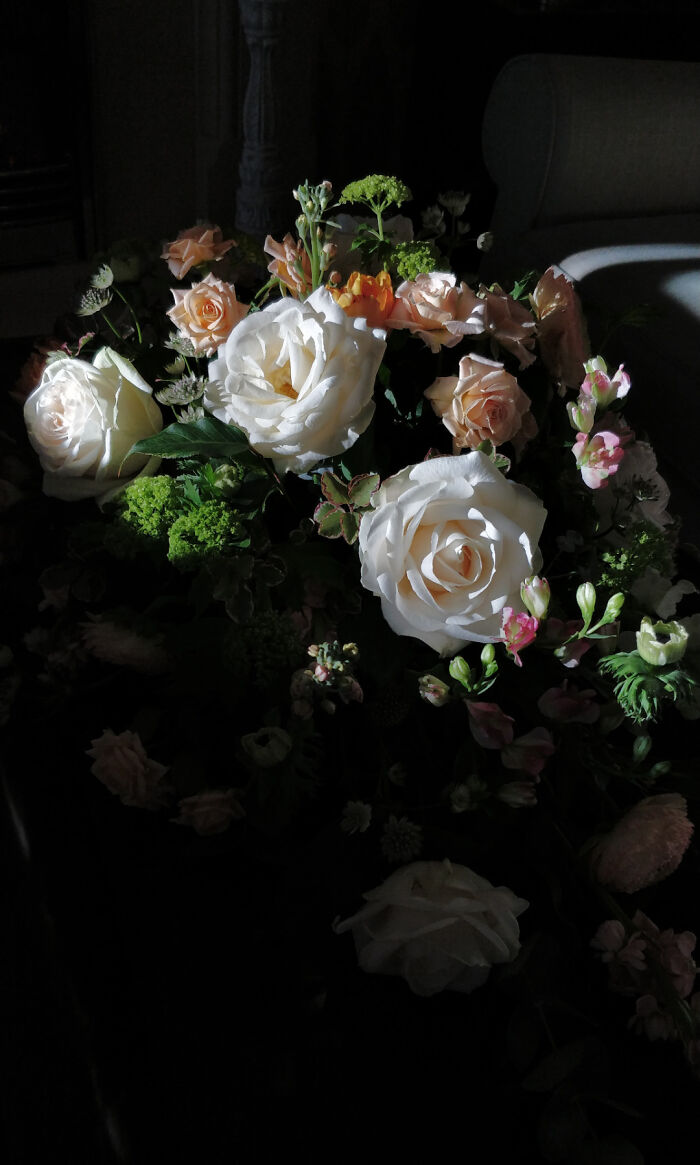
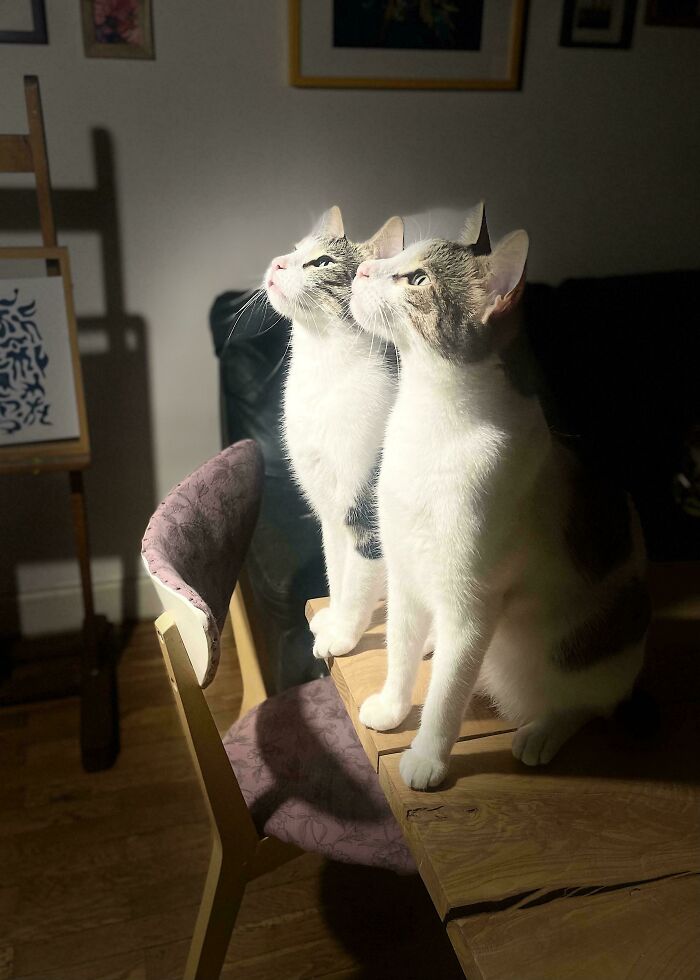
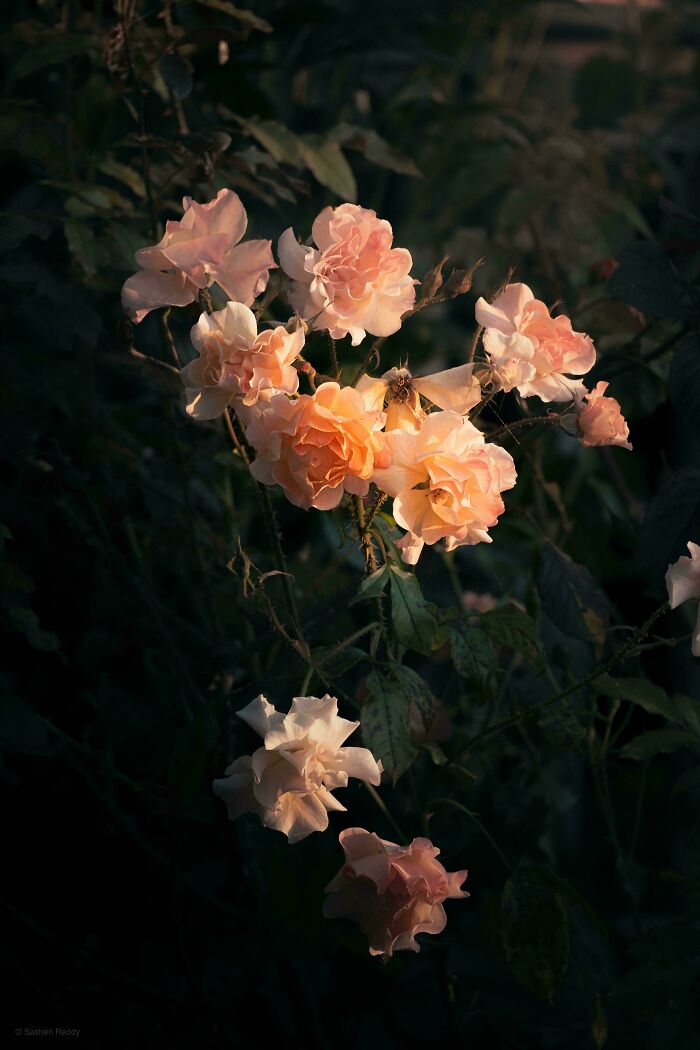
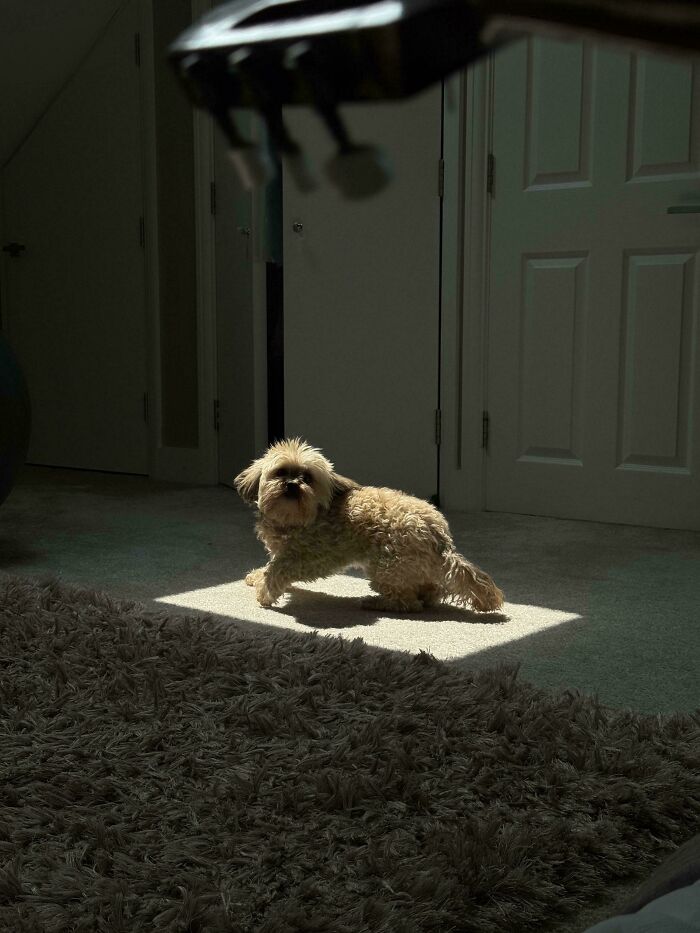
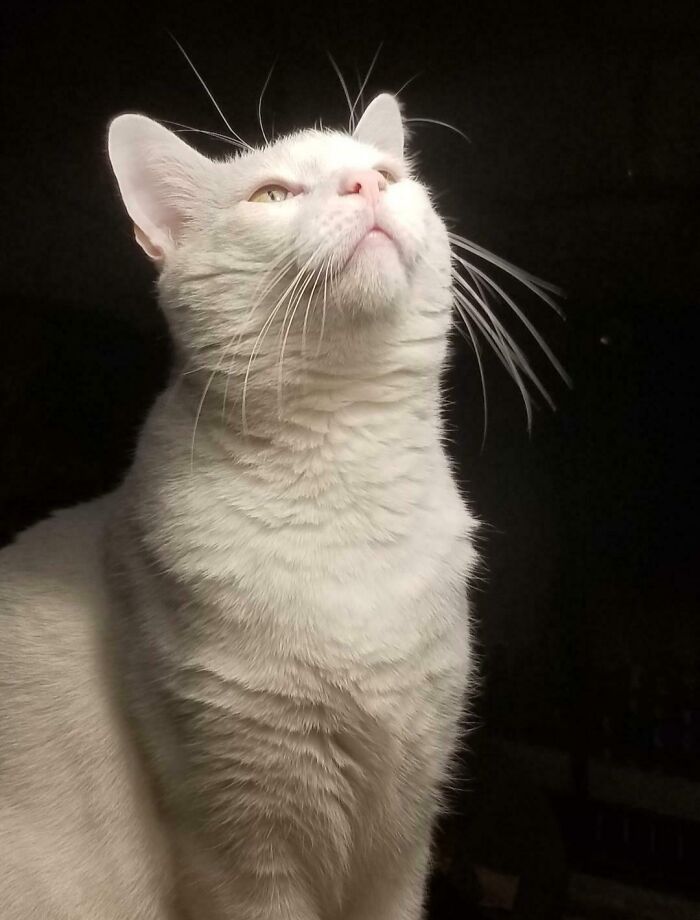
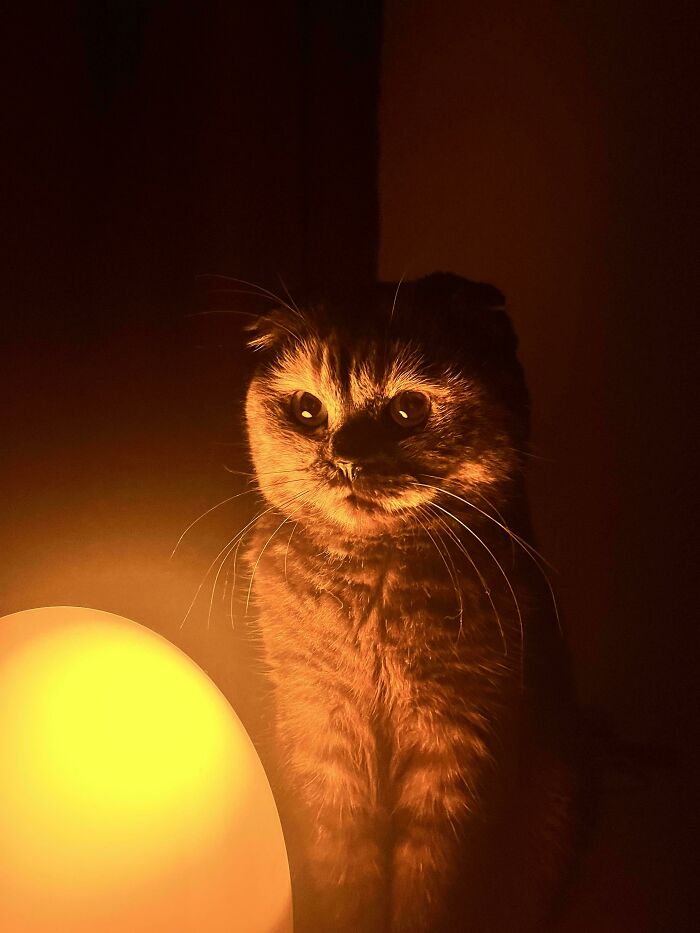
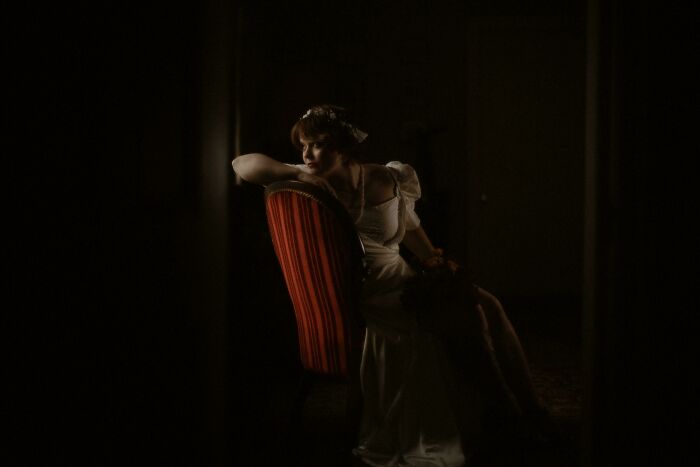
New techniques emerged to emphasize the realism and emotional intensity that artists wanted to portray in their creations. One of them is chiaroscuro, which helped painters to create a pronounced contrast between light and dark tones. Leonardo da Vinci even had a secret trick for it.
“A painter should begin every canvas with a wash of black because all things in nature are dark except where exposed by the light,” he said.
Another art technique used by Renaissance painters and popularized by da Vinci and his followers was sfumato. It involves blurring the edges of subjects or objects to mimic the natural blurring of the eyes that humans experience when staring for longer periods of time. What made their works even more realistic was studying anatomy and drawing the human figure using live models, which became an important part of artistic training during the Renaissance.
During the Renaissance, an artist built their skills from the ground up as an apprentice, starting with making the materials needed for painting, like paints and brushes. Then they would observe the master artist and copy his best works, this way perfecting their craft.
Artists during that time had a wide range of creative endeavors. So much so that the term “Renaissance Man” came to exist to describe a person successful in a wide range of skills.
Leonardo da Vinci is known to be the quintessential Renaissance man, who made paintings and sculptures. He designed buildings and machines and explored natural sciences at a high level. Artists of the Renaissance period were truly impressively skilled, so it’s no surprise that they created works that, even centuries later, people are pining for.
If you’re one of them and this list for you was not enough, make sure to check out our previous article on Accidental Renaissance.




















 No fees, cancel anytime