Get Premium
Dark mode theme is available exclusively for premium users. Learn more about the benefits of subscribing.
No fees, cancel anytime.

 Dark Mode Ad-Free Browsing Unlimited Content
 Ad-Free Browsing Unlimited Content Dark Mode
Join 1.2 million Panda readers who get the best art, memes, and fun stories every week!
Waking up felt different today. It was a high-energy morning—my mind racing with ideas and excitement. But deep down, I knew this burst of energy wasn’t just enthusiasm. It was the start of another manic episode.
For someone with bipolar disorder, thoughts don’t flow in a straight line. Imagine your mind as a freeway with no speed limit, cars swerving unpredictably. That’s how a person with bipolar thinks—constantly shifting between extremes of joy and despair.
By mid-morning, I was already 10 projects deep. My brain wanted to start new tasks but couldn’t finish anything. Everything felt urgent. My thoughts were big, bold, and brilliant—until they weren’t.
Then, without warning, a wave of exhaustion hit. My mind slowed down. Anxiety crept in. What was I even doing? Shame followed, filling my head with harsh words. The mood change was sudden, but it wasn’t new. I had lived this cycle many times before.
But I wasn’t giving up.
I took a walk, breathing in the crisp air. Moments like these help ground me when my mind spirals. It reminded me that these feelings—no matter how overpowering—aren’t permanent.
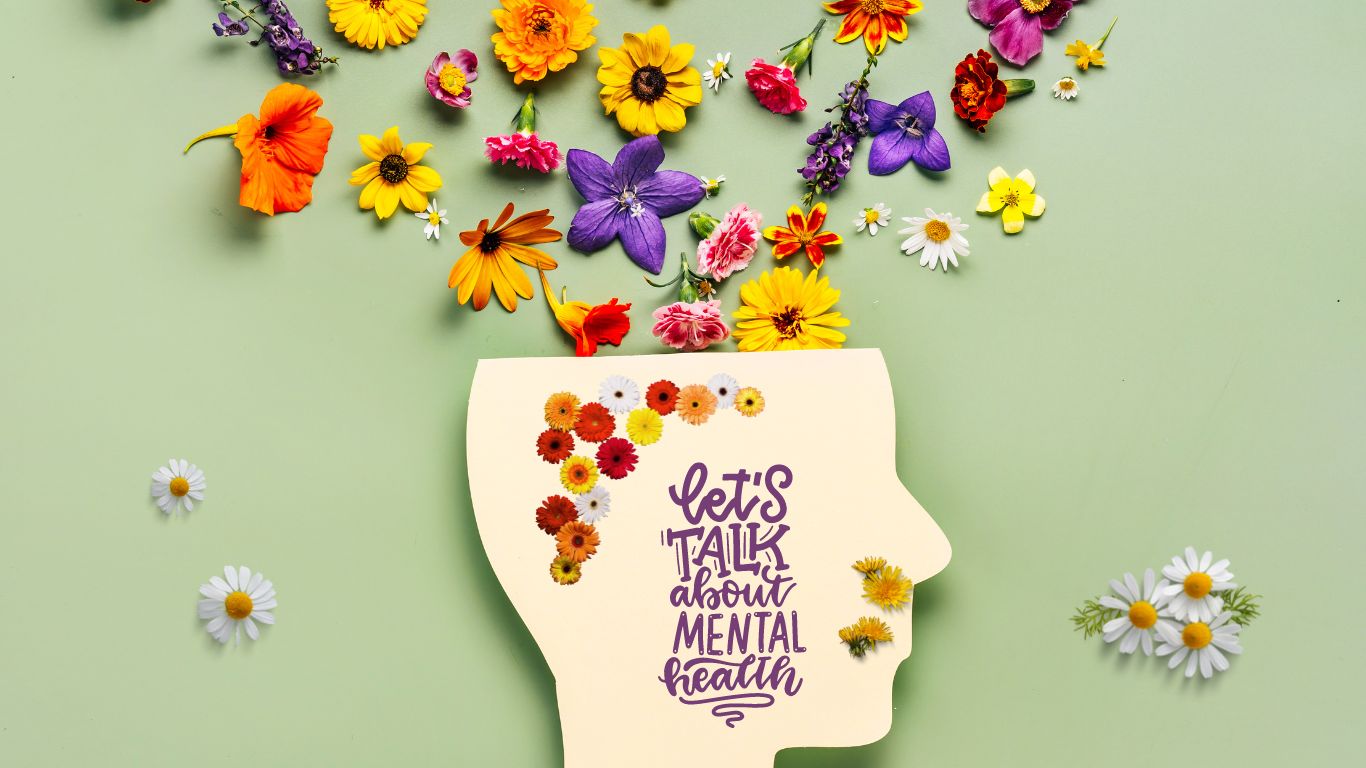
Mental health struggles are complicated, especially when people around you misunderstand what it means to feel mentally unstable. Understanding the mentally unstable meaning goes beyond assuming erratic behavior. It means navigating unpredictable mental shifts while still working to function in everyday life.
One day, my family tried to help. My mom said, “You don’t look like someone with bipolar.” The comment stung. Mental health disorders are invisible. They don’t always look like the stereotypes portrayed in movies or TV.
Living with bipolar disorder isn’t easy. But finding small ways to cope—like setting routines, going to therapy, and leaning on a support network—helps. Over time, I’ve learned to separate myself from the negative self-talk and embrace the person underneath the shifting moods.
If you’re interested in diving deeper into how bipolar disorder affects thought patterns and emotions, Alter Behavioral Health has a great article on how a person with bipolar thinks. It’s a resource that breaks down these experiences in a way that feels relatable and informative.
Mental health challenges don’t define who we are. They’re part of our story—but not the whole story. And even on tough days, there’s always hope.
More info: alterbehavioralhealth.com































 No fees, cancel anytime
 then open in external browser

 and click "Open in External Browser"







0
0