Get Premium
Dark mode theme is available exclusively for premium users. Learn more about the benefits of subscribing.
No fees, cancel anytime.

 Dark Mode Ad-Free Browsing Unlimited Content
 Ad-Free Browsing Unlimited Content Dark Mode
Join 1.2 million Panda readers who get the best art, memes, and fun stories every week!
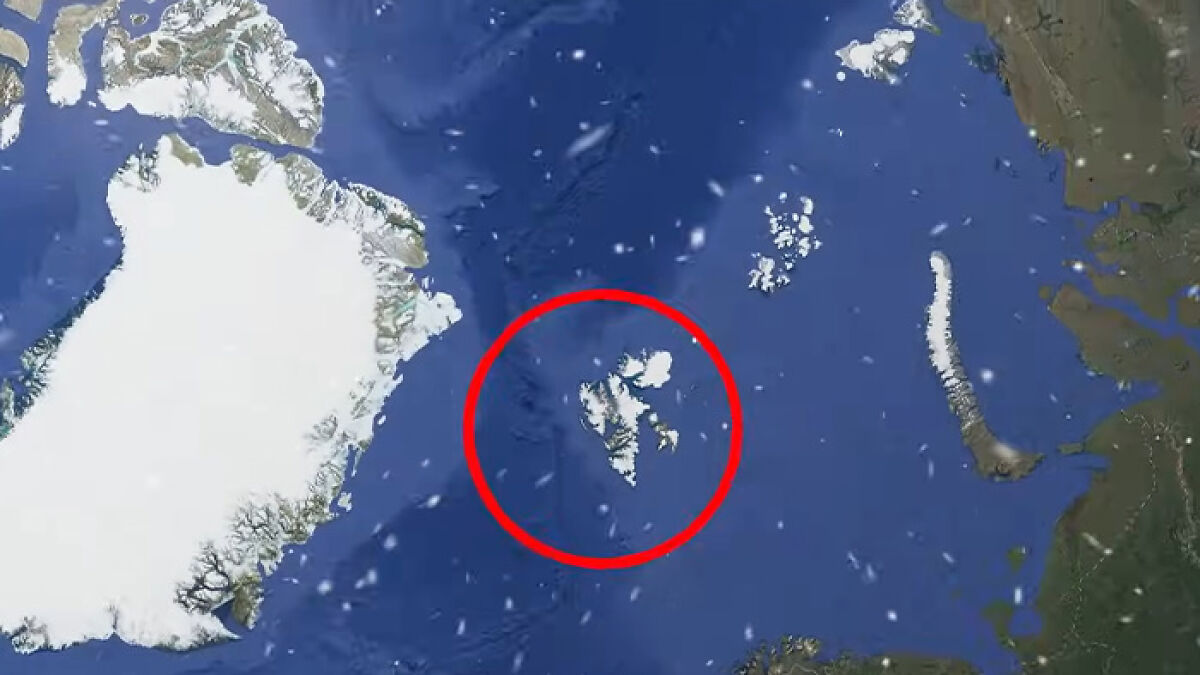
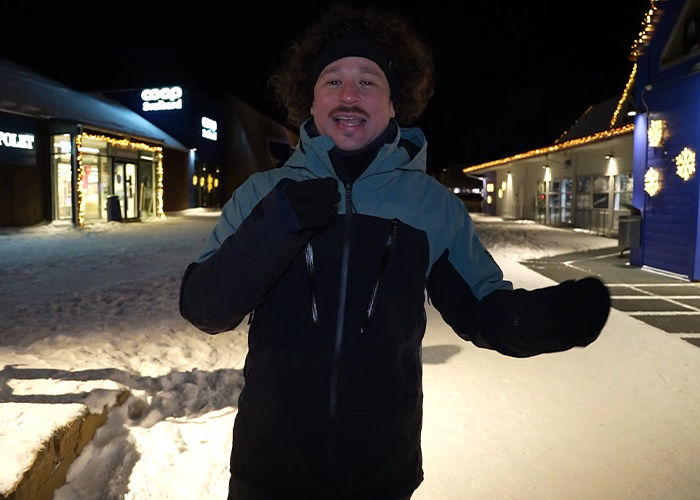
Luis Arturo Villar Sudek, better known as Luisito Comunica, is a travel vlogger who boasts over 45 million subscribers on YouTube. The content creator recently visited a land very different from his native Mexico: Svalbard, a Norwegian archipelago that is 60% covered with glaciers.
More specifically, he traveled to Longyearbyen, the largest settlement in Svalbard, with a population of roughly 2,500 people. It is also the world’s northernmost town.
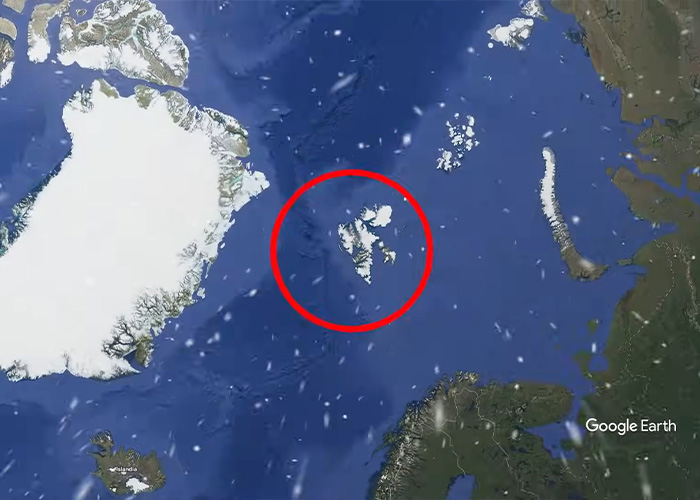
Image credits: Luisito Comunica
Image credits: Luisito Comunica
During his visit, the travel YouTuber, whose videos are also available in English, spoke with locals and documented how people live in this ice-cold environment.
Here are some of the most interesting aspects of life in Svalbard:
Image credits: Luisito Comunica
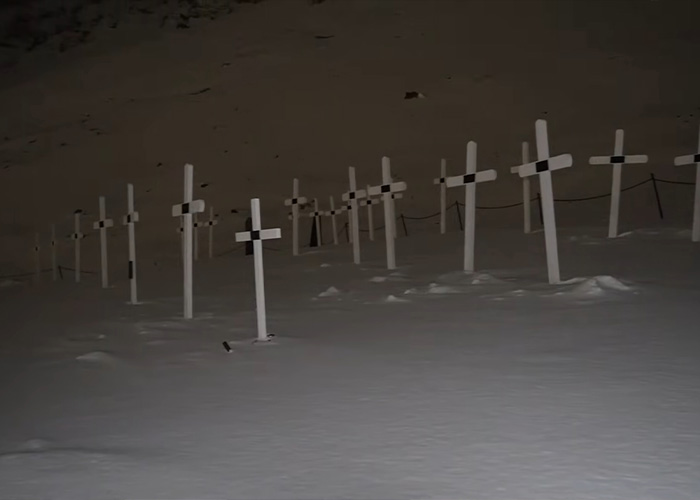
People can’t be buried in Svalbard due to a phenomenon known as permafrost.
The extremely cold conditions preserve bacteria and viruses, meaning it would pose a serious biohazard risk to residents if a body, whether human or animal, were buried beneath the icy ground, never to decompose.
If permafrost thaws, which is happening rapidly due to climate change, bodies could release long-dormant bacteria.
Because of this, burials have been prohibited in Svalbard since 1950, with deceased bodies flown to mainland Norway. Seriously ill residents are asked to travel to the mainland, which also has more, better equipped hospitals.
Image credits: Luisito Comunica
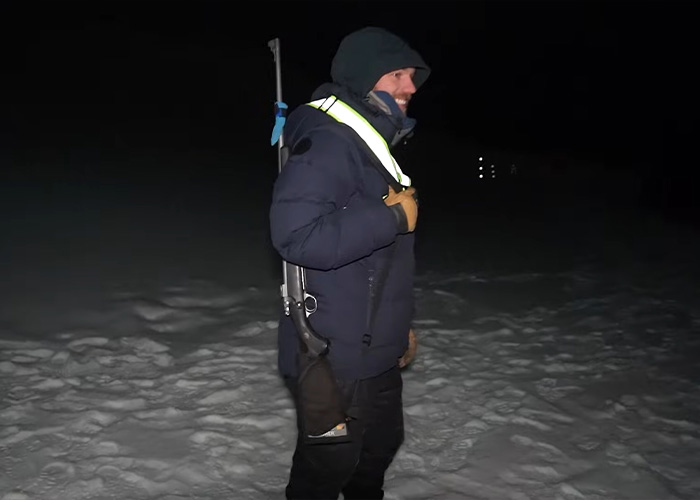
Visitors to Svalbard can find signs reading, “Polar bear warning. You must be prepared to encounter polar bears anywhere in Svalbard.”
Carrying a weapon is mandatory for anyone wishing to go outside areas with the highest concentration of people.
“The Governor also recommends taking a big game rifle. Relevant knowledge and experience are essential,” reads a sign shown by the travel content creator.
Rifles or flare guns should be used to scare off the predators, and weapons should only be fired as a last resort.
Because polar bears are a protected species, an investigation is opened if someone fires a weapon to determine whether they truly acted in self-defense. If not, those involved may face up to 15 years in prison and substantial fines, according to Luis.
Image credits: Luisito Comunica
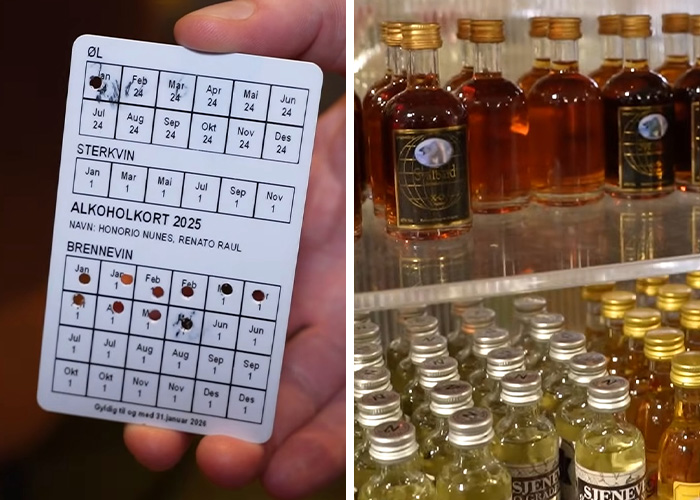
Getting used to long periods of complete darkness is not easy, and some people turn to drinking when feeling depressed.
In an effort to fix this issue and improve residents’ mental health, Norwegian authorities have regulated liquor consumption by assigning each adult a card.
The card limits how much liquor people can buy, with one hole punched for each bottle purchased at authorized stores.
Each month, residents are allowed to buy a maximum of two liters of liquor.
But the system isn’t completely effective. As Luis explained, some people bypass it by paying non-drinkers to purchase liquor for them with their unused cards.
Image credits: Luisito Comunica
To live in Svalbard, where winter temperatures typically range from −13 to −20 °C (8.6 to −4.0 °F), people need to become masters at wearing layers and layers of clothing.
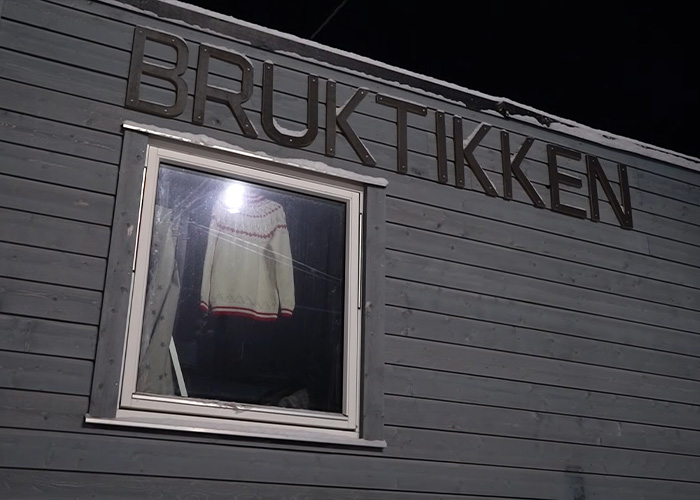
Winter clothing can be quite expensive, which is why residents began an initiative called Bruktikken (“used clothes”) to donate their coats, sweaters, long-sleeved tops, and other warm items to those who can’t afford them.
Anyone can enter the store and pick up winter clothing for free.
Image credits: Luisito Comunica
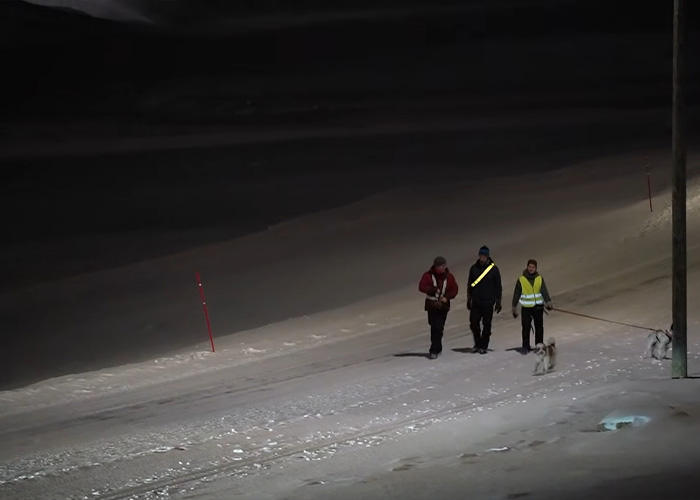
One of the most peculiar aspects of living in Svalbard is the long periods of darkness. On the island, people experience four months of complete darkness, four months of 24-hour daylight, and the remaining four months with a more balanced alternation between light and darkness.
Prolonged periods of darkness can have negative mental health consequences for residents. Renato, a chef interviewed by Luis, revealed that he was treated for depression shortly after he moved to Svalbard from Latin America.
According to Timo Partonen, a depression, insomnia, and winter blues expert at the Finnish Institute for Health and Welfare, there are many effects associated with prolonged darkness.
These include “lowered mood accompanied by prolonged sleep, increased appetite, weight gain, social withdrawal, and less feelings of having energy,” Partonen told Bored Panda.
“Severe symptoms may deepen to illness, e.g., depressive disorder (seasonal affective disorder) or insomnia disorder (midwinter insomnia).
“It appears that the predisposition to these symptoms is related to the biological sensitivity to light exposure as well as to regulation of the circadian clock system in the brain that paces all functions in the body,” he explained.
Partonen noted that bright light treatment is an effective strategy for alleviating this mental health issue.
“It means timed and repeated exposure to visible light that is bright (intense) enough to induce therapeutic effects,” the professor described. The exposure is administered indirectly to the eyes and repeated each morning throughout the winter.
Additionally, regular physical exercise and social connections are key to combating winter depression, Partonen said.
Image credits: Luisito Comunica / Freepik (Not the actual image)
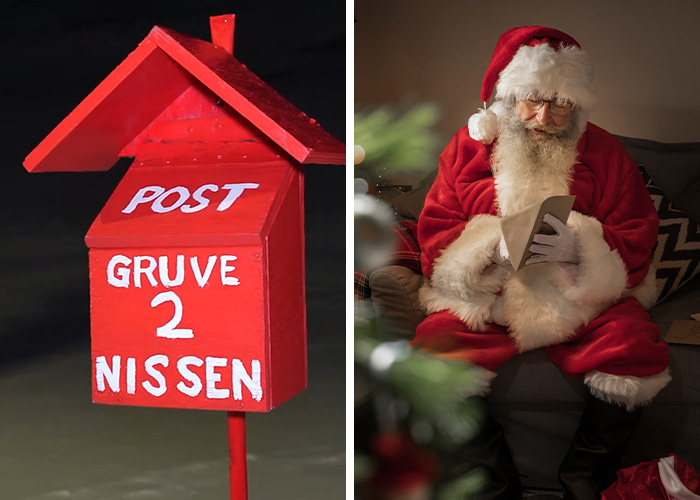
What used to be the entrance to a coal mine was turned into Santa Claus’ house.
As Svalbard is close to the North Pole, locals began spreading the story that the old structure on the hill is where Santa rests during the year before starting his long shift in December.
Each year, lights are placed on the house on December 1 and removed on December 31.
A red mailbox is also set up nearby, where children can send their letters during the holidays. If they have behaved, they will receive their presents; however, if they’ve been naughty, they will get coal from the now-shut-down mine, local youngsters are told.
Image credits: Luisito Comunica
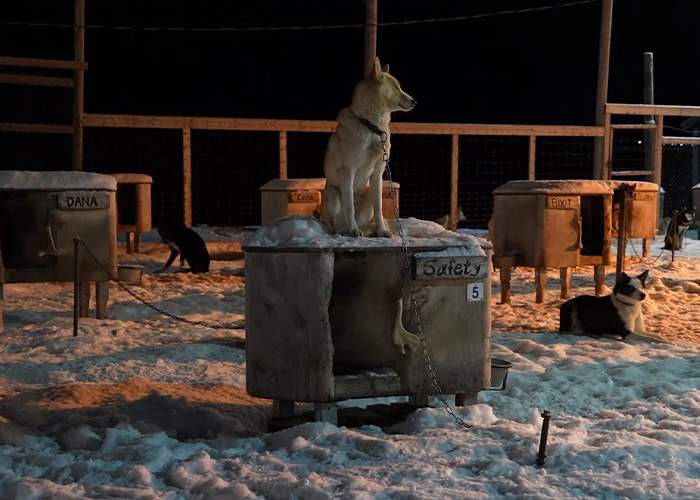
In Svalbard, dozens of Alaskan Husky dogs are trained to pull sleds for transportation. This breed is generally taller than Siberian Huskies.
At the location visited by Luis, approximately 80 dogs were being trained to spend long days pulling people in the snow, as there are no concrete roads connecting communities on the island.
Each dog has its own small house with its name on it. Inside, the canines are kept warm with reindeer fur.
These athletic Huskies do not work their entire lives. After they turn seven or eight years old, they are put up for adoption, the content creator explained.
Having worked with a trainer for several years, they make highly obedient pets for their new owners.
“The best part is going on the trips with them,” said Ivar, a dog trainer interviewed by Luis, explaining that each sled is pulled by eight Huskies.
Image credits: Gabriel Herrera
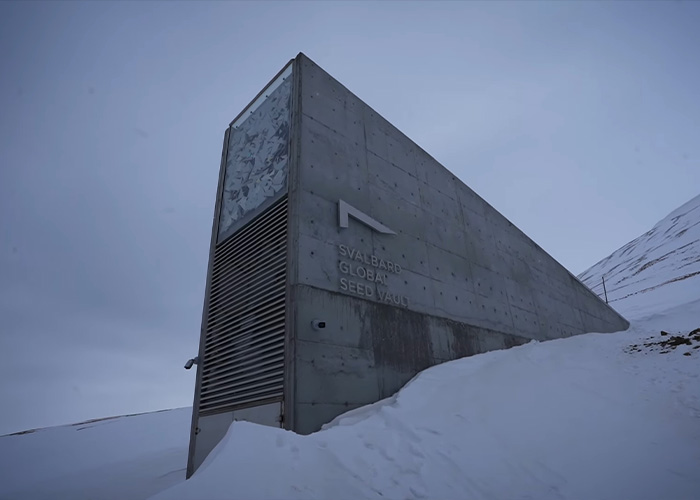
In the event of a global catastrophe, whether natural or human-made, Svalbard holds all the seeds needed to prevent our crops from going extinct.
This massive safety deposit box stores duplicates of seeds from all around the world.
The facility preserves 1.3 million deposits, representing more than 13,000 years of agricultural history.
It is no coincidence that it was built in a remote, icy location, far from the dangers of war.
Dubbed the “Doomsday Vault,” the global seed vault is managed by the Norwegian government, the Crop Trust, and the Nordic Genetic Resource Center.
Opened in 2008, the vault acts as a last resort for other countries’ gene banks. Between 2015 and 2019, it helped rebuild seed collections damaged during the war in Syria.



This was really interesting. I'm fascinated that dead bodies have to be transported elsewhere for burial. And if you're really ill to get out while still alive!
This was really interesting. I'm fascinated that dead bodies have to be transported elsewhere for burial. And if you're really ill to get out while still alive!






















 No fees, cancel anytime

















33
4