Get Premium
Dark mode theme is available exclusively for premium users. Learn more about the benefits of subscribing.
No fees, cancel anytime.

 Dark Mode Ad-Free Browsing Unlimited Content
 Ad-Free Browsing Unlimited Content Dark Mode
Join 1.2 million Panda readers who get the best art, memes, and fun stories every week!
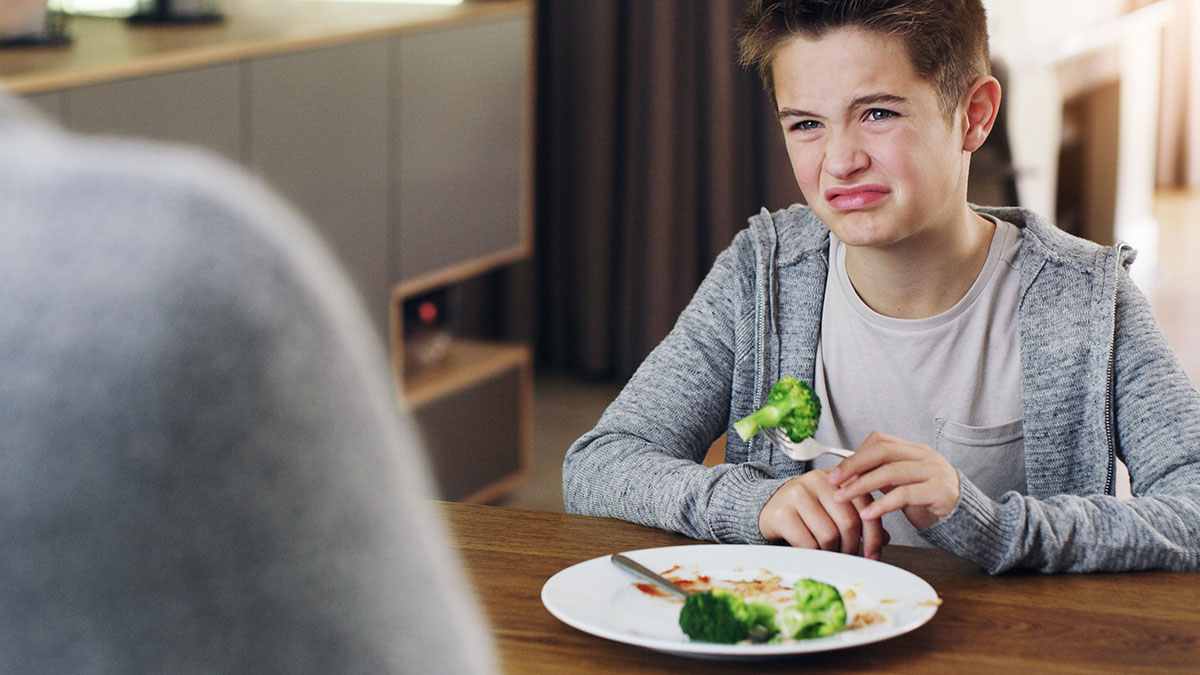
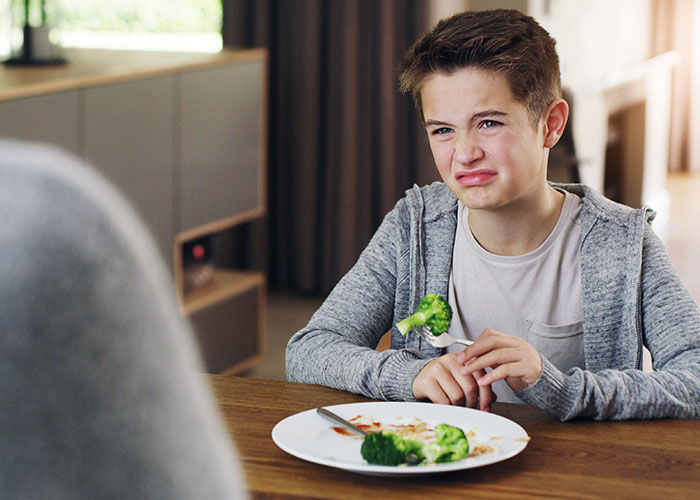
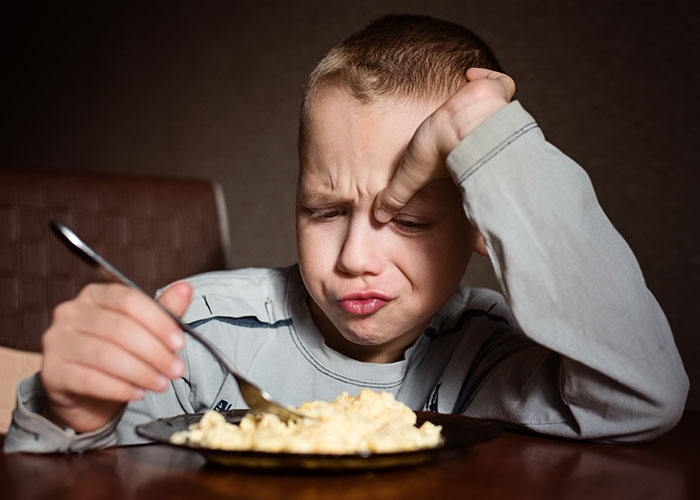
It’s very common for kids to be slightly fussy about their food, as some might be more sensitive to taste, smell, or textures. However, if their aversion to eating or trying new foods results in undernourishment and starts limiting their lives, it can become a serious problem.
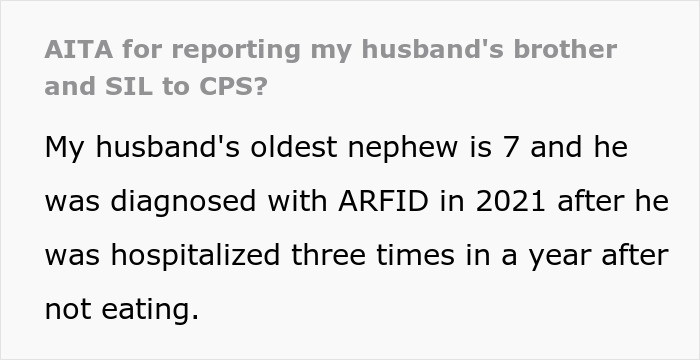
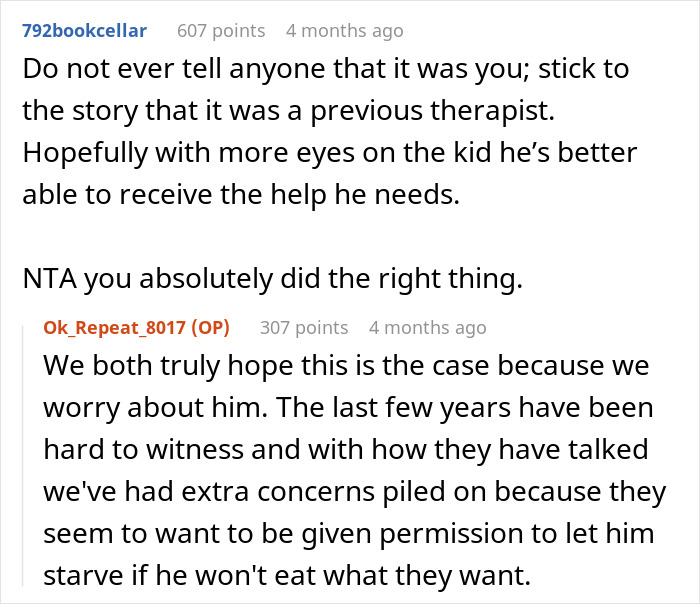
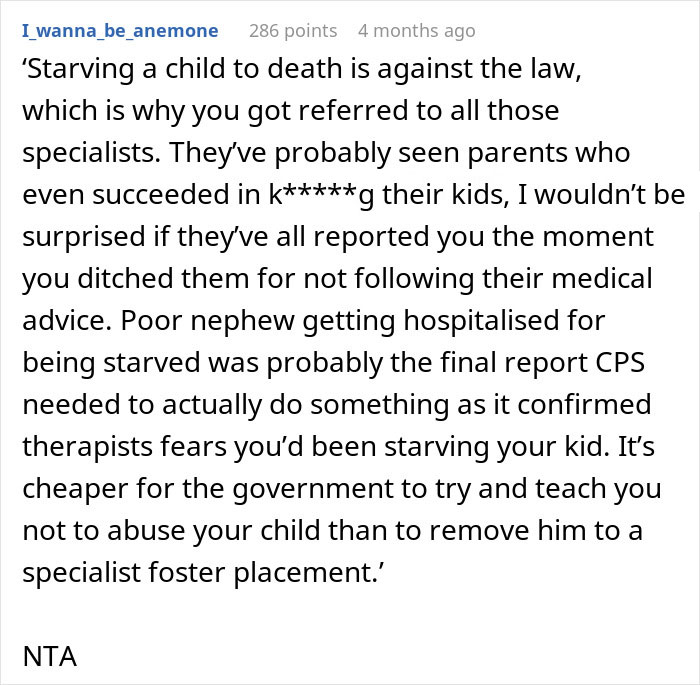
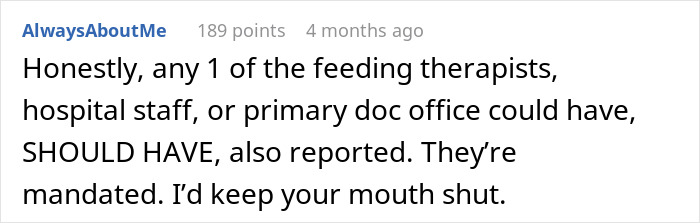
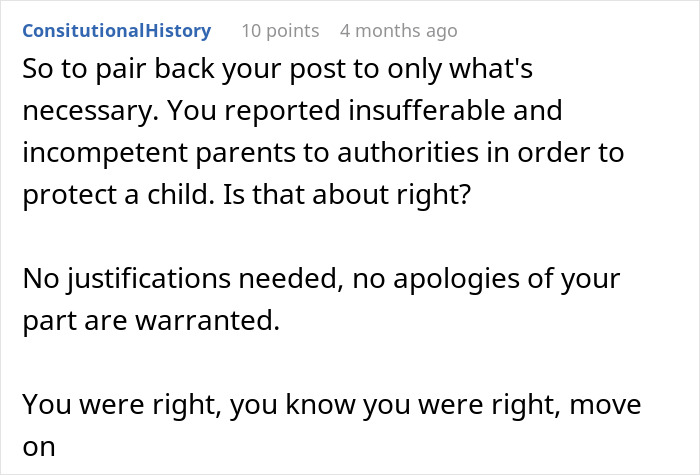
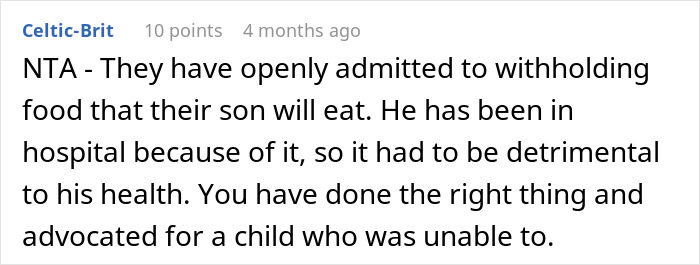
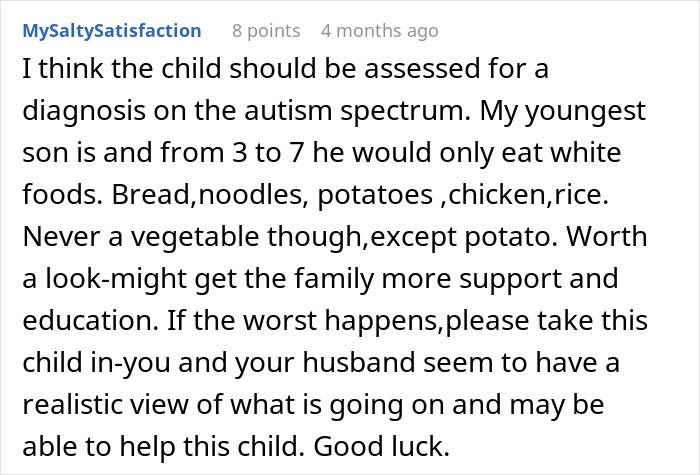
One that these parents faced but refused to accept. So instead of getting the help their kid needed, they tried taking away the foods he liked in hopes he would start eating other things. After numerous hospitalizations due to not enough nourishment, their in-laws decided to do something about it and reported them to CPS, which, well, caused quite the stir-up.
Scroll down to find the full story and conversation with board-certified specialist in pediatric nutrition Tok-Hui Yeap, pediatric occupational therapist and feeding specialist Marielle Marquez, and registered dietitian Dima Salhoobi, who kindly agreed to share their insights on fussy eaters.
Image credits: The Yuri Arcurs Collection / freepik (not the actual photo)
Image credits: wavebreakmedia_micro / freepik (not the actual photo)
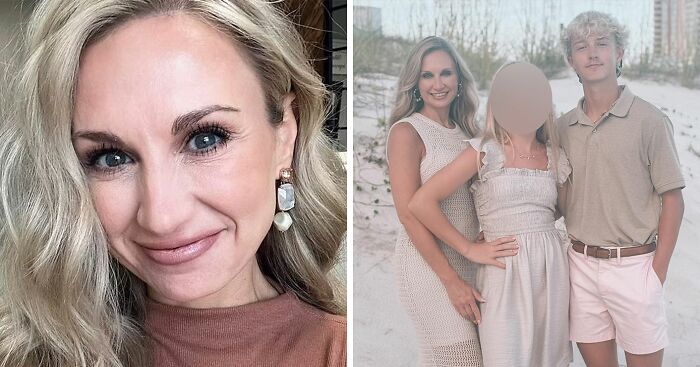
Image credits: Ok_Repeat_8017
Image credits: Tamara Kirsanova / freepik (not the actual photo)
Many children go through a phase of picky or fussy eating. It’s a natural stage of development that usually appears between 1.5 and 2 years of age. In fact, a study of 4,000 children found that one in four 1.5-year-olds and 3-year-olds were picky eaters.
“Picky eating can be a normal phase for many toddlers and young children. If they are particular about which foods they are willing to eat but still eat a wide enough variety that their nutritional needs can be met, I wouldn’t be concerned,” says pediatric occupational therapist and feeding specialist Marielle Marquez.
For some children, this phase passes on its own if parents handle it in a supportive and encouraging way. However, for others, picky eating can linger and peak at ages 7 to 8 or even be a sign of a bigger issue.
“While some food selectivity is normal in early childhood, persistent picky eating can lead to nutrient deficiencies, poor growth, and even ARFID. Research shows that children with extreme food aversions are at higher risk for academic struggles, fatigue, and frequent school absences due to inadequate nutrition. Early intervention is key—don’t wait for picky eating to escalate,” warns registered dietitian Dima Salhoobi.
Something that’s important to keep in mind is that picky eating and ARFID are two different conditions and shouldn’t be grouped together.
“Children who are average picky eaters will often grow out of their pickiness as they get older or when parents provide a positive feeding environment. However, children with ARFID will need a team of feeding experts and psychologists to help address their underlying issues, whether they stem from medical conditions, psychological trauma, sensory sensitivities, aversions or lack of interest in eating,” explains board-certified specialist in pediatric nutrition Tok-Hui Yeap.
Image credits: EyeEm / freepik (not the actual photo)
Most of the time, it’s not the parents’ fault that a child is diagnosed with ARFID, as almost 80% of a person’s chances of having ARFID come from genetic makeup. That said, children’s environment can contribute to it, but it has much less influence than the genes a person is born with.
“ARFID is an eating disorder that is associated mostly with psychological fear of consequences/anxiety (example: fear of choking, throwing up or physical abuse), sensory aversions (sensory processing disorders, can’t stand chewing sounds or can’t stand texture inside mouth), and/or medical conditions (such as allergies or GI disorders) that lead to fear of eating,” explains Yeap.
Salhoobi also adds a few more contributing factors to picky eating and ARFID:
What parents can do to help their kids who struggle with eating is to avoid forcing or pressuring them to eat, says Marquez. “The best thing to do is continue to gently expose them to new foods through meal preparation activities, food play, gardening, and grocery shopping together. Using food chaining strategies and offering foods very similar to those they already prefer is also helpful. If your child has severely restricted food preferences, seeking professional support can be very helpful.”

By entering your email and clicking Subscribe, you're agreeing to let us send you customized marketing messages about us and our advertising partners. You are also agreeing to our Privacy Policy.
Thank you! You've successfully subscribed to newsletters!
63Kviews
Share on Facebook
NTA. I'm so glad to have grown up in an era when people had common sense because I have ARFID (although the name didn't exist back then) Instead of freaking out and asking dumb therapists, my parents did what made sense: they fed me whatever I wanted to eat. I was always a healthy height and weight according to the doctor's charts, never been hospitalized, I was rarely even ill enough to miss a day or two of school... The only correct reasoning to have in this situation is to let the kid eat what they like rather than make them starve. Neurotypical people don't understand it, but that's what will happen. When I was homeless, I regularly went a couple of days without eating because being hungry is still better than eating anything other than the few kinds of food I like. It's not just being picky, I get sick whenever I eat something else because a psychological reaction can cause physical symptoms.

I don't think my son has it, he'll eat a wide range of snack type foods, but he's almost vegan in the foods he'll eat, or should I say the foods he won't eat.. no meat (except chicken nuggets), no eggs, and no cheese (which is one of my favorite foods). He'll drink milk, but doesn't even consume much of that. I've always worried he'll be deficient in some way (he'll eat only 3 or 4 different fruits and carrots and broccoli, raw, no other veggies) but he's always in the top of the percentiles at the doctor's office, and today I just learned he grew another inch and gained 5 more pounds.. I have him try new things every other week or so, and sometimes he'll say he really likes it, but when I offer to give him more, or make it again, he'll politely say "no thank you" every time. Well, 99% of the time.
Load More Replies...
Never heard of ARFID, although it's obvious from the context that it's an eating disorder. Avoidant/restrictive food intake disorder. https://en.wikipedia.org/wiki/Avoidant/restrictive_food_intake_disorder . . . . . Sounds like the parents' have some issues of their own, that they're refusing to accept medical opinion. I hope the child gets/got the treatment they obviously need.

That poor child. His parents were willing to literally let him *starve*, probably to déath, rather than accept that the child HAS a diagnosis (ARFID) and NEEDS to be allowed to eat the foods he will accept eating. It's not ideal but nutrients can be shored up with drinks and supplements or even a feeding tube if necessary. I cannot fathom letting a child starve to the point of hospitalization rather than allow them to eat one of their "safe" accepted foods.

Also starvation—-or hell, just poor nutrition—-during childhood, when the brain and body are still developing, can lead to learning issues and growth/physical problems. Nothing genetic, nothing having to do with a traumatic birth, the child was born completely normal and healthy and PEOPLE made them unhealthy. This child was born physically healthy, just with an issue around certain foods. The LAST thing you do is starve him and affect his brain and body development by not just letting him eat his safe foods. Like one commenter with ARFID said her parents did, she got her safe foods, but was encouraged to take a bite from a couple other foods first. No harm in gradually expanding the safe food list, you know. Rational, emotionally mature, critical thinking people who love their children can put aside their kneejerk frustrations and come up with clever ways to get them to at least try a tiny bite of another food, along with their normal portion of safe ones, so they get at least some sustenance. What they do NOT do is starve their kids by giving them any foods EXCEPT their safe ones, or no food at all. If you have to have a license to drive a car, catch a fish, or have a dog, I swear people should have to have a license to have a child. Some people would fail that test miserably, and we could at least spare the child they’d make a life of pure hell.
Load More Replies... NTA. I'm so glad to have grown up in an era when people had common sense because I have ARFID (although the name didn't exist back then) Instead of freaking out and asking dumb therapists, my parents did what made sense: they fed me whatever I wanted to eat. I was always a healthy height and weight according to the doctor's charts, never been hospitalized, I was rarely even ill enough to miss a day or two of school... The only correct reasoning to have in this situation is to let the kid eat what they like rather than make them starve. Neurotypical people don't understand it, but that's what will happen. When I was homeless, I regularly went a couple of days without eating because being hungry is still better than eating anything other than the few kinds of food I like. It's not just being picky, I get sick whenever I eat something else because a psychological reaction can cause physical symptoms.
I don't think my son has it, he'll eat a wide range of snack type foods, but he's almost vegan in the foods he'll eat, or should I say the foods he won't eat.. no meat (except chicken nuggets), no eggs, and no cheese (which is one of my favorite foods). He'll drink milk, but doesn't even consume much of that. I've always worried he'll be deficient in some way (he'll eat only 3 or 4 different fruits and carrots and broccoli, raw, no other veggies) but he's always in the top of the percentiles at the doctor's office, and today I just learned he grew another inch and gained 5 more pounds.. I have him try new things every other week or so, and sometimes he'll say he really likes it, but when I offer to give him more, or make it again, he'll politely say "no thank you" every time. Well, 99% of the time.
Load More Replies... Never heard of ARFID, although it's obvious from the context that it's an eating disorder. Avoidant/restrictive food intake disorder. https://en.wikipedia.org/wiki/Avoidant/restrictive_food_intake_disorder . . . . . Sounds like the parents' have some issues of their own, that they're refusing to accept medical opinion. I hope the child gets/got the treatment they obviously need.
That poor child. His parents were willing to literally let him *starve*, probably to déath, rather than accept that the child HAS a diagnosis (ARFID) and NEEDS to be allowed to eat the foods he will accept eating. It's not ideal but nutrients can be shored up with drinks and supplements or even a feeding tube if necessary. I cannot fathom letting a child starve to the point of hospitalization rather than allow them to eat one of their "safe" accepted foods.
Also starvation—-or hell, just poor nutrition—-during childhood, when the brain and body are still developing, can lead to learning issues and growth/physical problems. Nothing genetic, nothing having to do with a traumatic birth, the child was born completely normal and healthy and PEOPLE made them unhealthy. This child was born physically healthy, just with an issue around certain foods. The LAST thing you do is starve him and affect his brain and body development by not just letting him eat his safe foods. Like one commenter with ARFID said her parents did, she got her safe foods, but was encouraged to take a bite from a couple other foods first. No harm in gradually expanding the safe food list, you know. Rational, emotionally mature, critical thinking people who love their children can put aside their kneejerk frustrations and come up with clever ways to get them to at least try a tiny bite of another food, along with their normal portion of safe ones, so they get at least some sustenance. What they do NOT do is starve their kids by giving them any foods EXCEPT their safe ones, or no food at all. If you have to have a license to drive a car, catch a fish, or have a dog, I swear people should have to have a license to have a child. Some people would fail that test miserably, and we could at least spare the child they’d make a life of pure hell.
Load More Replies...



























 No fees, cancel anytime







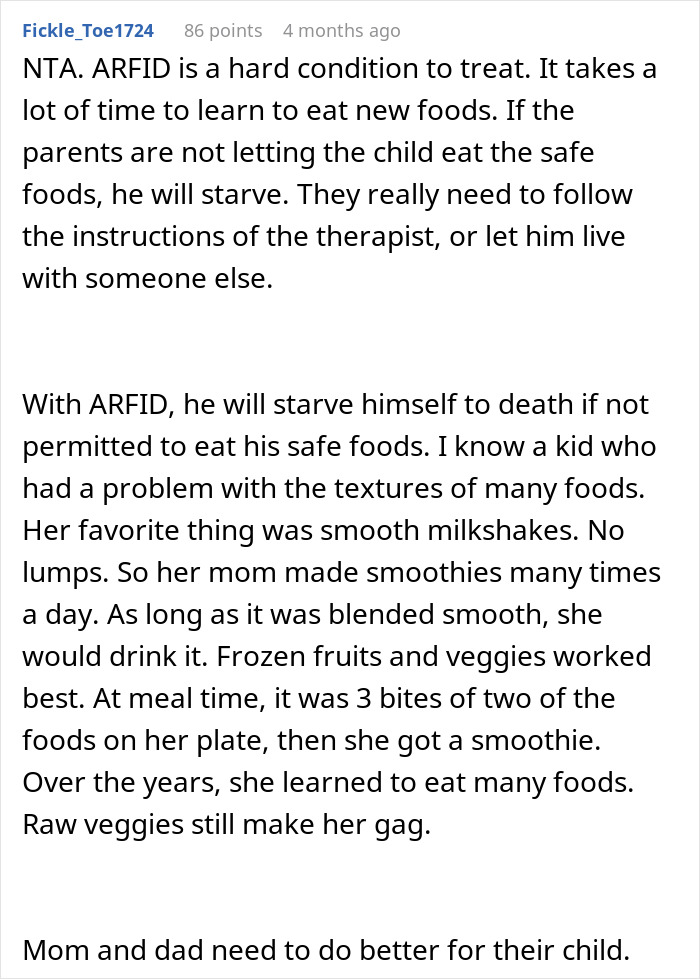
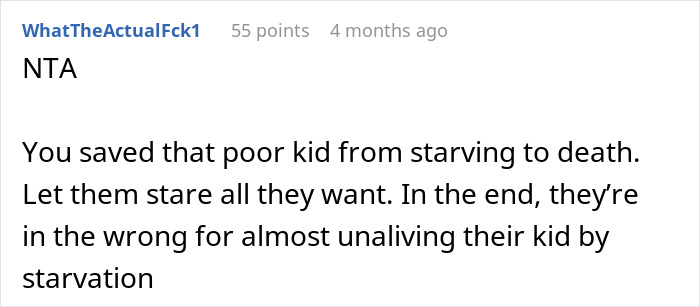
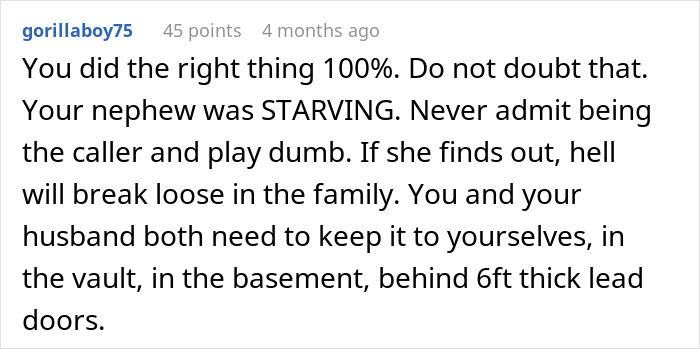
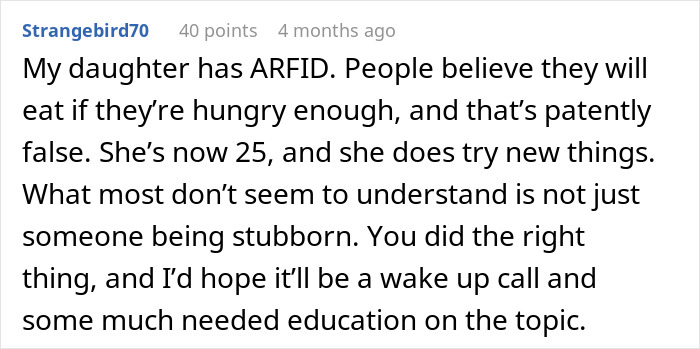













55
24