Get Premium
Dark mode theme is available exclusively for premium users. Learn more about the benefits of subscribing.
No fees, cancel anytime.

 Dark Mode Ad-Free Browsing Unlimited Content

 Ad-Free Browsing Unlimited Content Dark Mode

Join 1.2 million Panda readers who get the best art, memes, and fun stories every week!
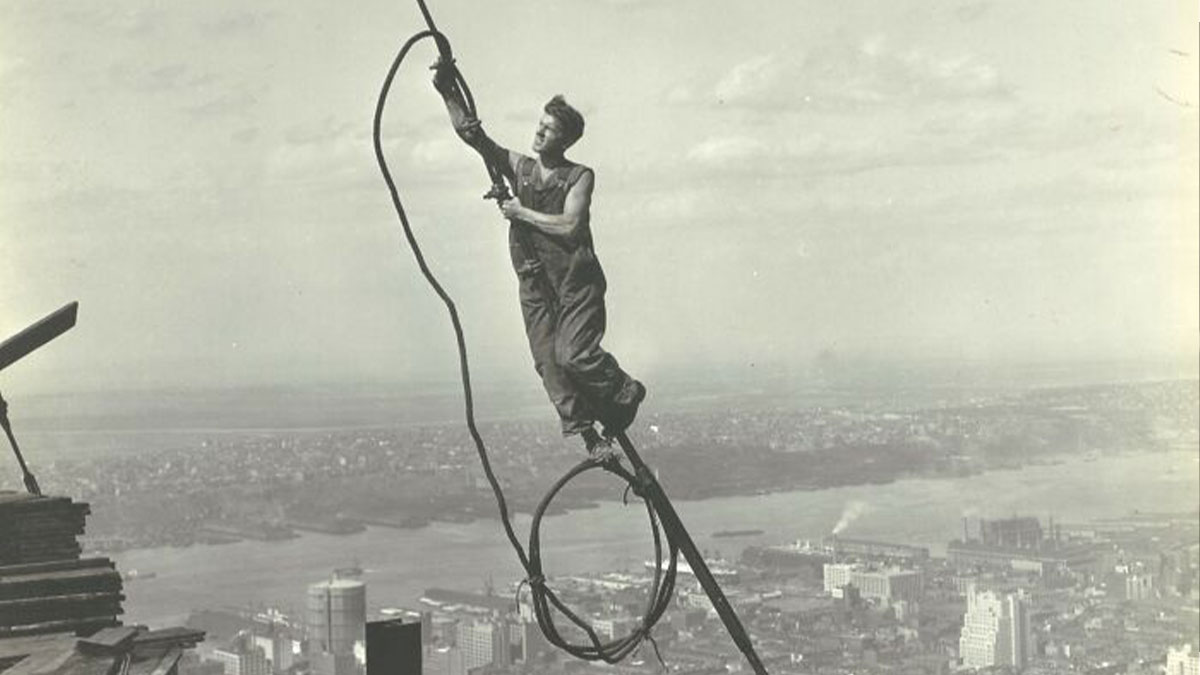
You could argue that the history of humankind is the history of work. In order to thrive, not just survive, people learned to specialize in a wide range of crafts. However, in this day and age, with so many folks working from behind a computer, you can sometimes forget that it’s still working-class people who form the backbone of society. It’s workers who keep civilization running. It’s they who keep the literal and proverbial lights on.
Our team at Bored Panda has painstakingly curated this list of the most impressive and powerful vintage photos of the American working class. Scroll down for a trip into the past and enjoy these old-timey pictures. The details in them are fascinating!
Bored Panda wanted to learn about how current industry trends such as the spread of automation and generative AI might affect the working and middle classes, so we reached out to marketing psychology expert Matt Johnson, PhD, the host of the Human Nature and Psychology of Marketing blogs. You'll find the insights he shared with us below.
This post may include affiliate links.

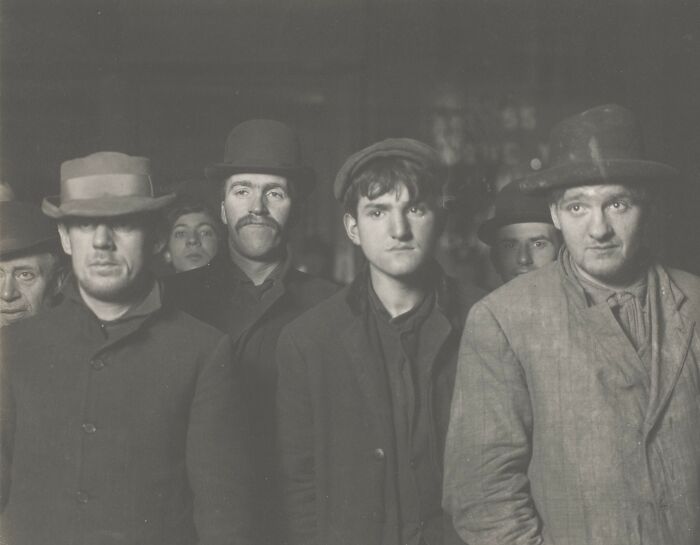
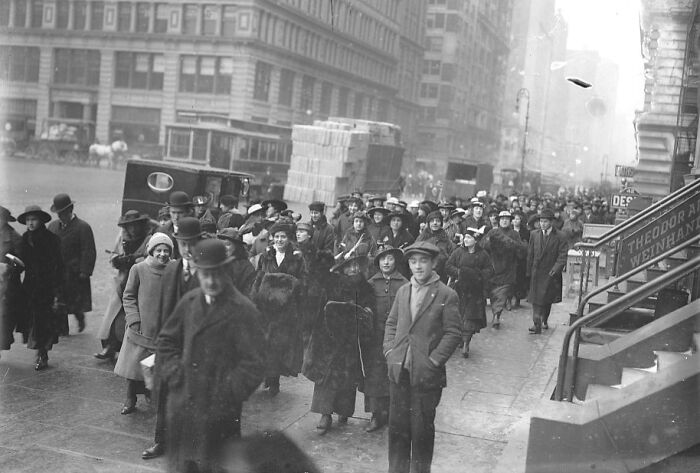
Apparently, the Mission still exists. https://www.bowery.org/timeline/#section-1870s

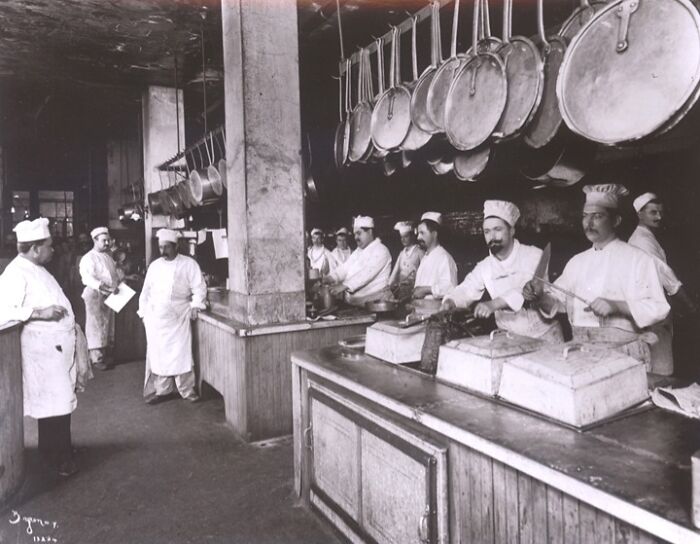
Delmonico's is the oldest NY high-end restaurants and steakhouse, in the Financial district, opened in 1827. They claim, the rather recklessly, to have invented the Egg Benedict (that were actually invented at the Waldorf Astoria), the Lobster Newburg (that is just a renaming of the French Thermidor), the strip steak (long predating the restaurant) and the Baked Alaska (that existed for over one century with the name "Norwegge Omelete"). They were involved in a nasty legal dispute over the name and copyright, and were closed for a few years until a recent reopening. They opened other branches, some of whom were apparently involved in serious health code violations.
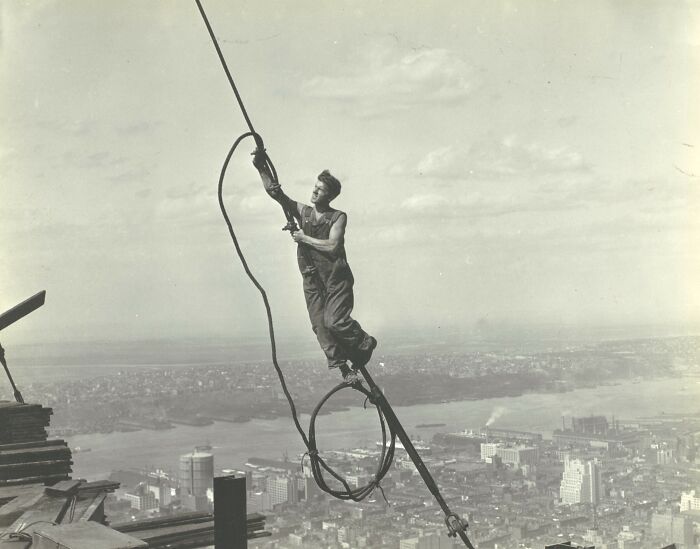
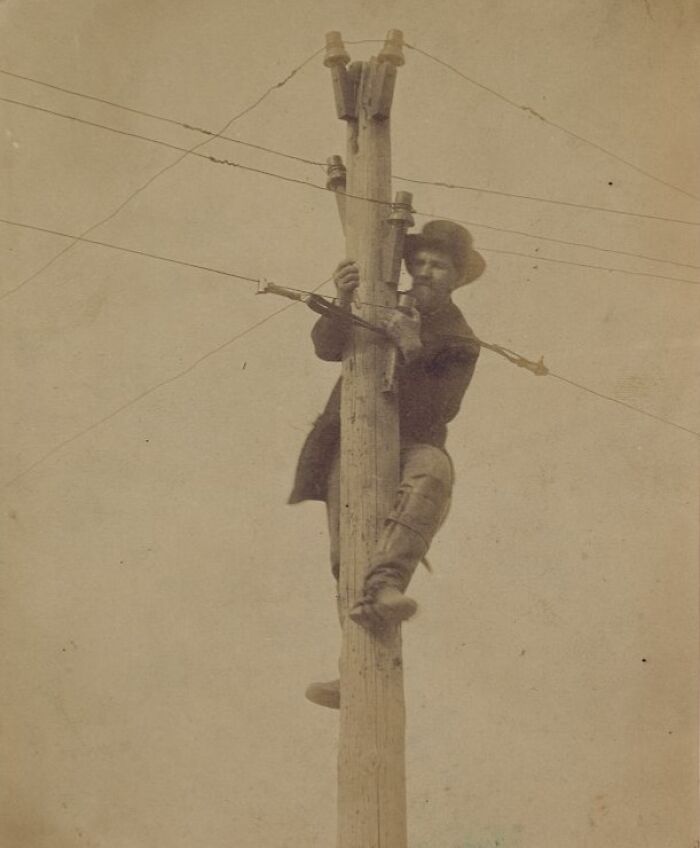
An early lineman. Telegraph lines ran on electricity, so this was a dangerous job.

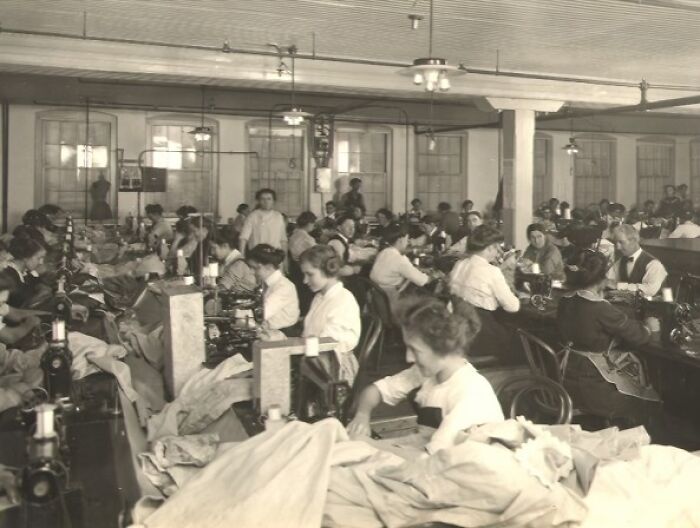
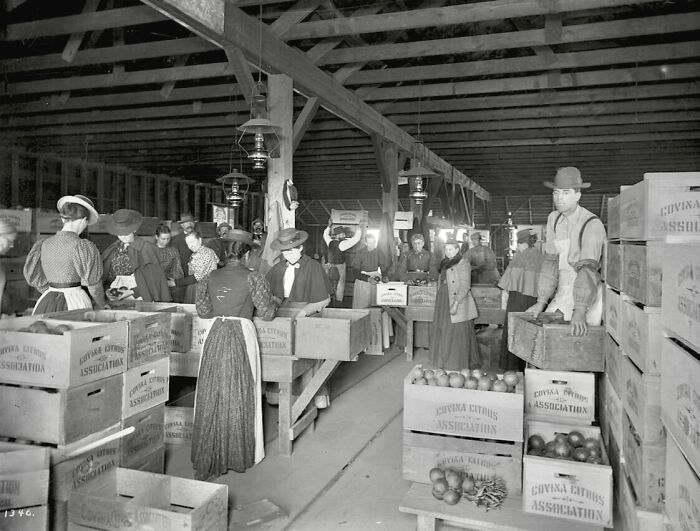
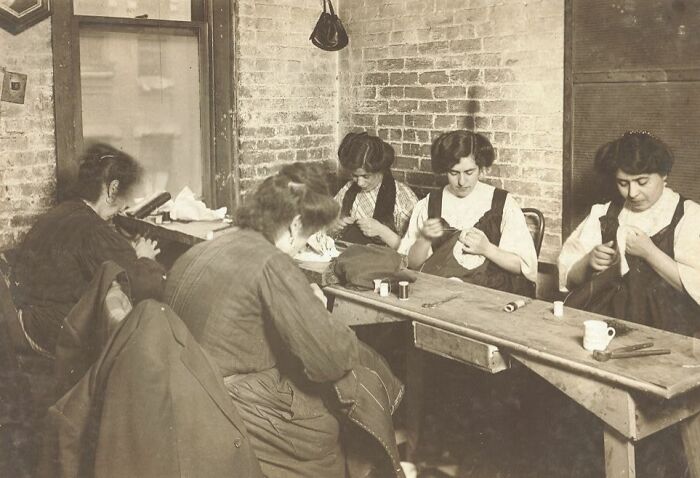
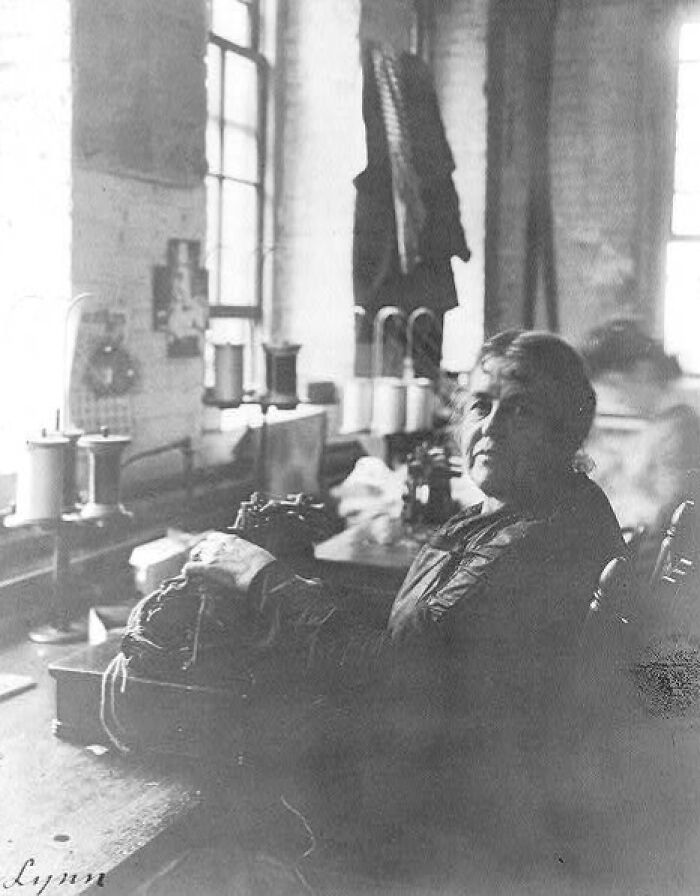
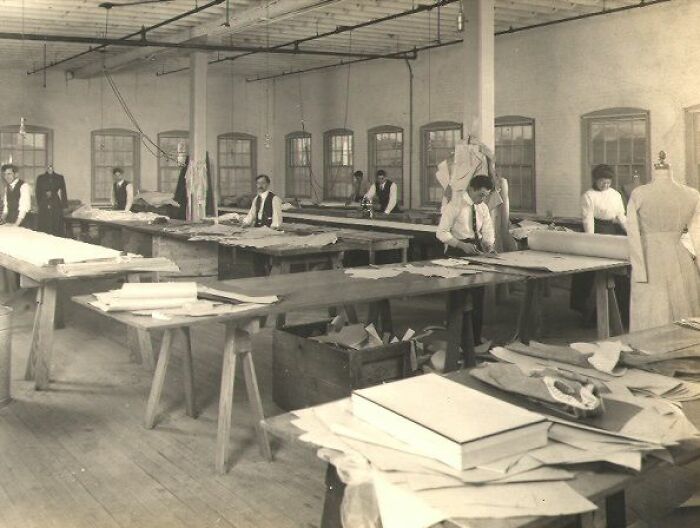
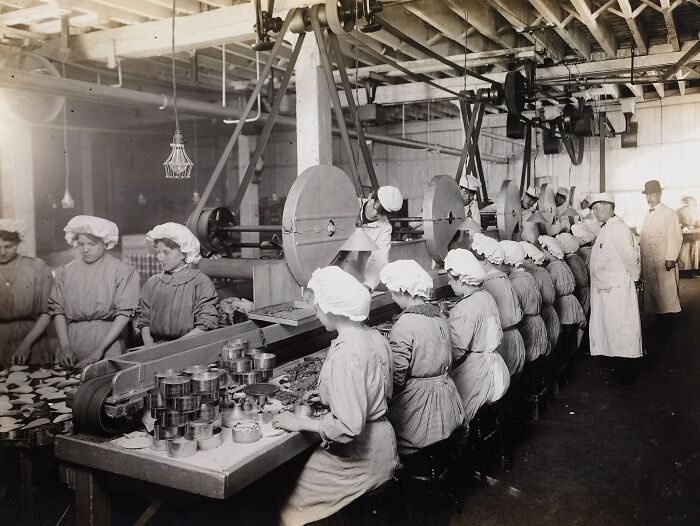
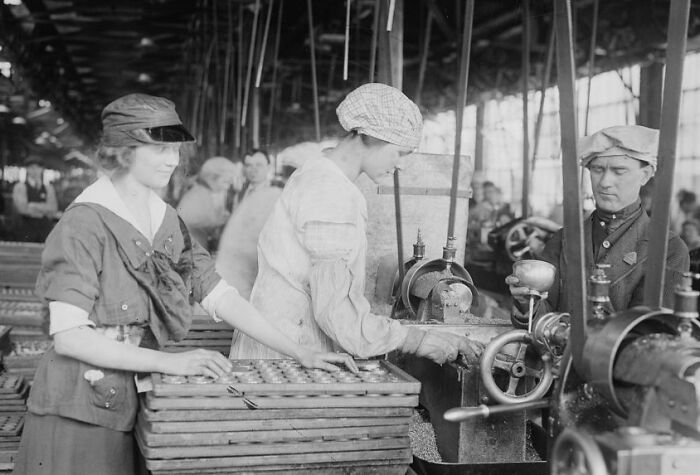
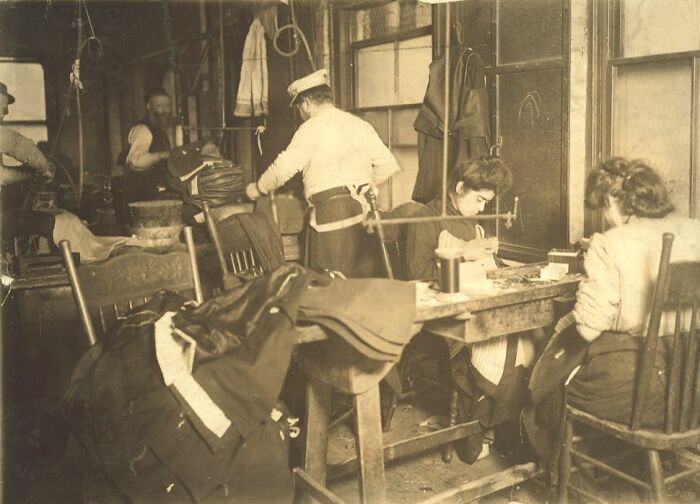
They enjoyed living indoors and eating. That was a good job for women of the day who had little education and needed the income. Remember what alternatives were available to women then. It was respectable and clean. Some (not all) would have been able to keep working after marriage until pregnancy forced them out (a practice that lasted well into the 1970s!) so all in all this was a happy(ier) place.

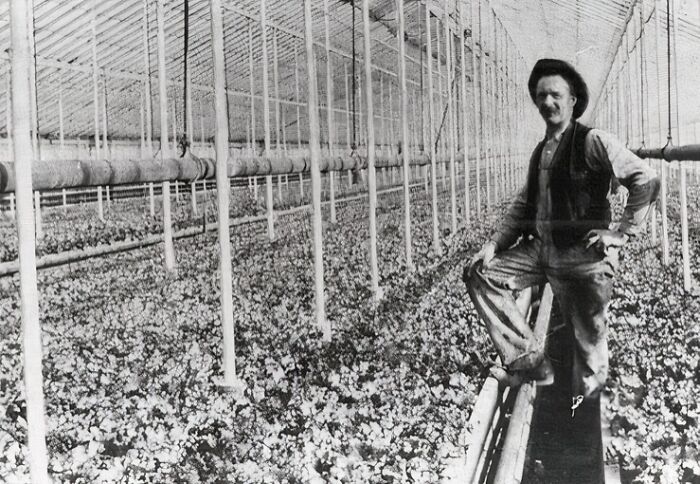
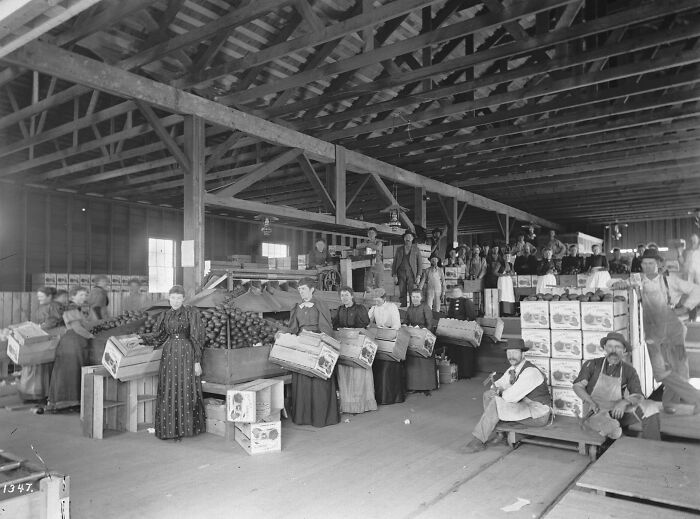
One of the main things my family used to grow was citrus. Carting-fr...0-jpeg.jpg 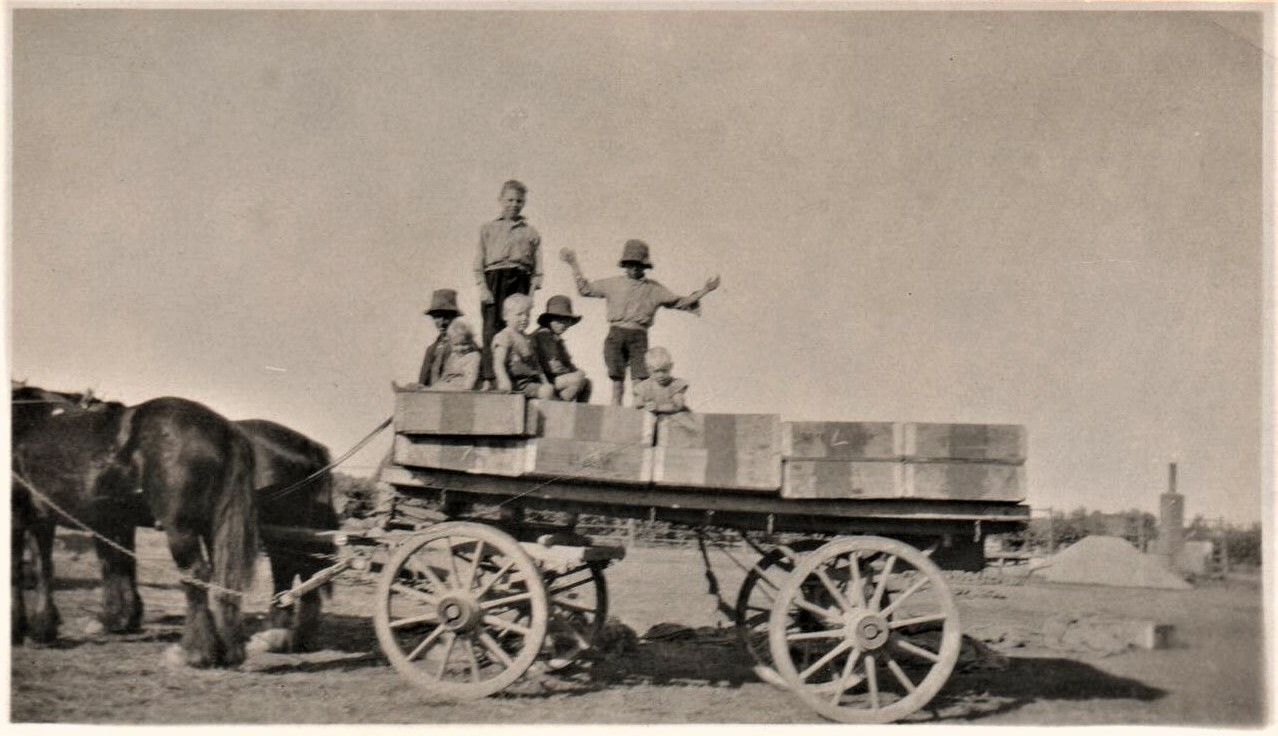
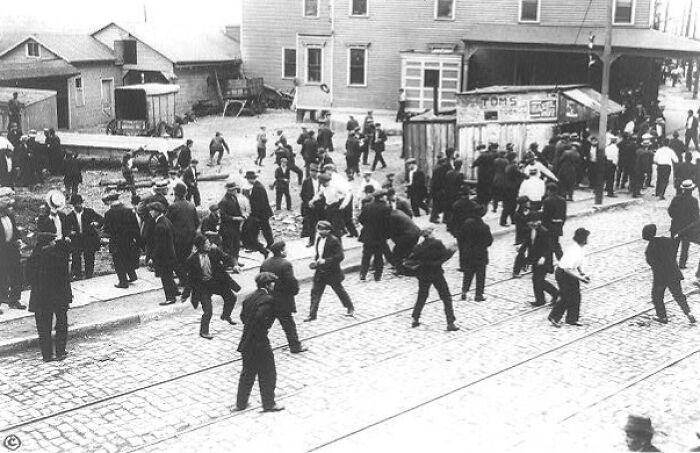
Workers demanded a small pay rise, the 8-hours day (6 days a week), and basic safety conditions. John D. Rockefeller was notorious for his hard line against labor demands, so Standard oil denied the request. 1200 workers walked out and camped in front of the gates. Standard Oil called in 250 strikebreakers and an undisclosed number of undercover "agent provocateurs" to infiltrate the protest; then they called their attorney Pierre Garvey, who was also a republican politician as well as the town major. Garvey sent in the police to disrupt the protest through violent means. Police shot and killed a worker. Workers rioted and tried to set fire to a refinery building. Police killed five more workers, and the protesters rioted throwing stones to the police (in the photo). Ultimately the company accepted some scaled down demands, but later reneged leading to a second strike in 1916 that ended up with two dozen dead workers and significant concessions on pay raise, working conditions & safety
The Self Master Colony also known as Floyd's Self Master Village was a residence for men in need of help that existed from 1908-1938. It was an experiment in housing the homeless in Union Township, Union County, New Jersey. https://en.wikipedia.org/wiki/Self-Master_Colony

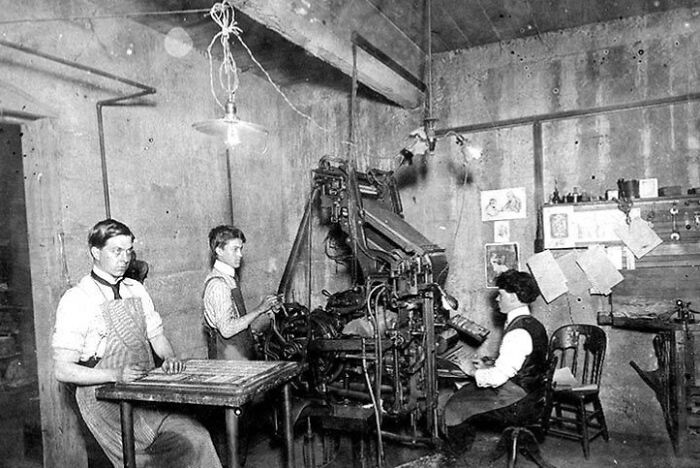
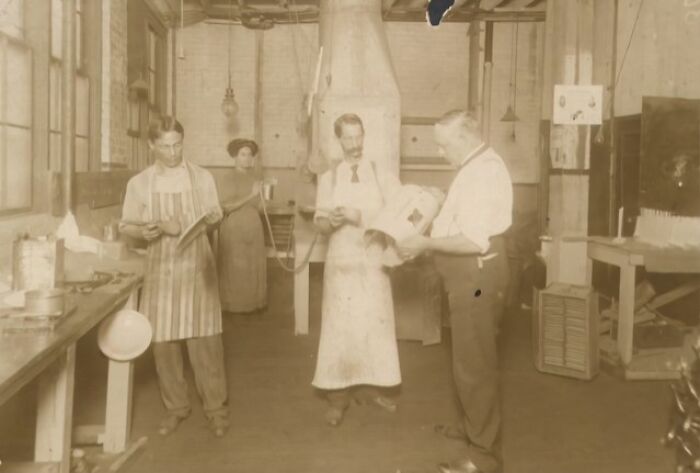
Considering Linotypes worked using hot molten lead, not the healthiest idea to run one in an enclosed unventilated space. Yet they were the indispensible flip side, with the movable type printing press, in spreading news, literacy, and literature on a truly massive scale, and were a much-overlooked major force in shaping today's world. We've moved beyond them, which is a good thing in many ways, but we owe Mr. Merganthaler quite a debt. Here's the whole story - https://www.youtube.com/watch?v=VDM-EbDCiQg EDIT: System Source Museum near Baltimore has one on display. In Twilight Zone's episode "Printer's Devil", you can see Burgess Meredith run one.

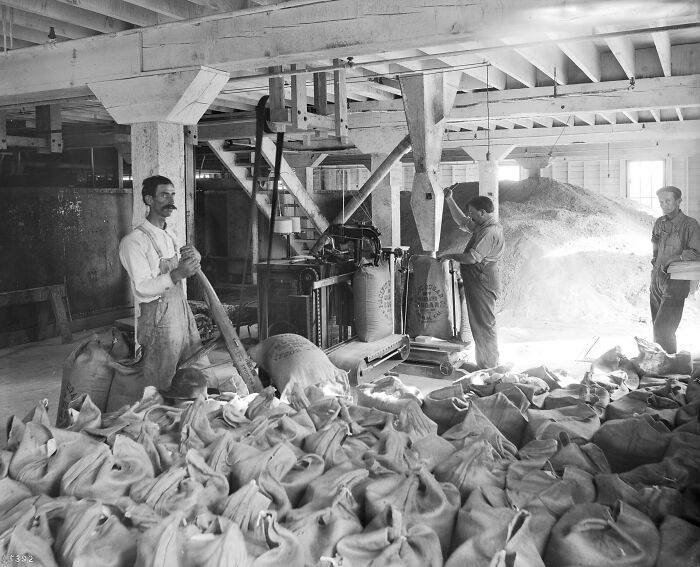
See the dust in the sunlight? If you want to shudder, look up "Sugar dust explosion" on google, and you'll feel real sorry for these fellows.
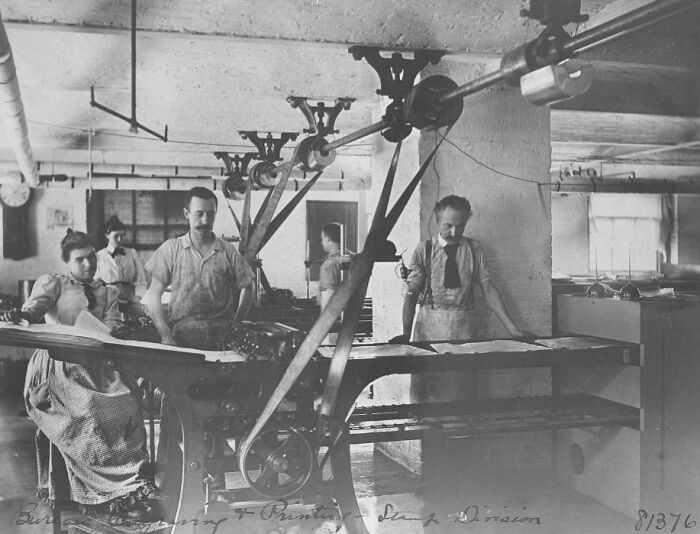
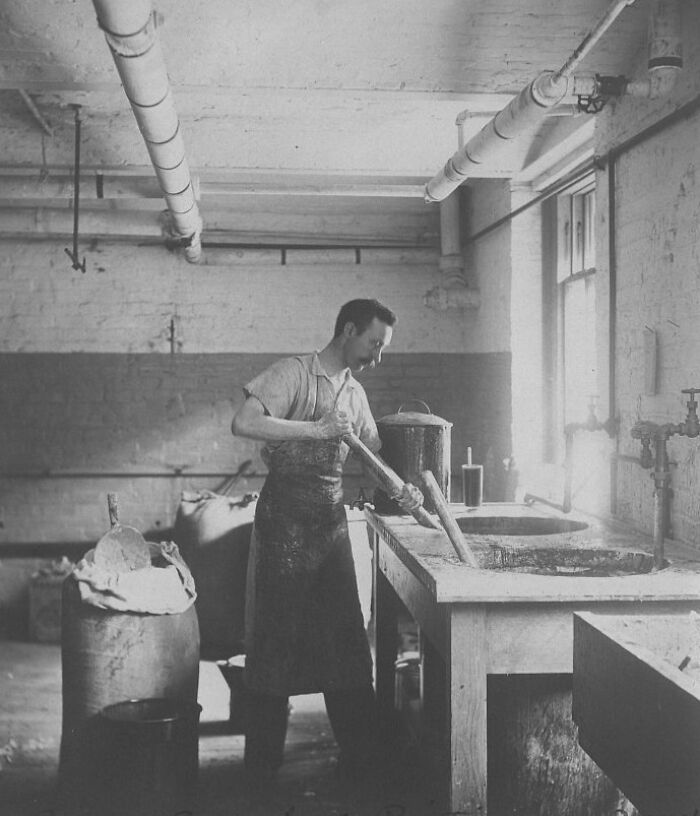
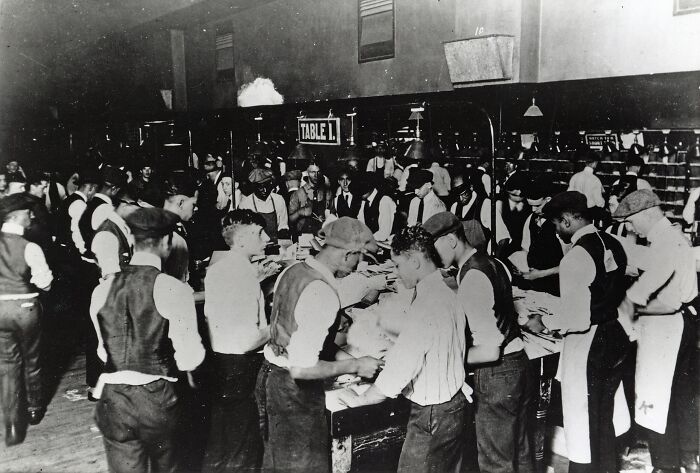
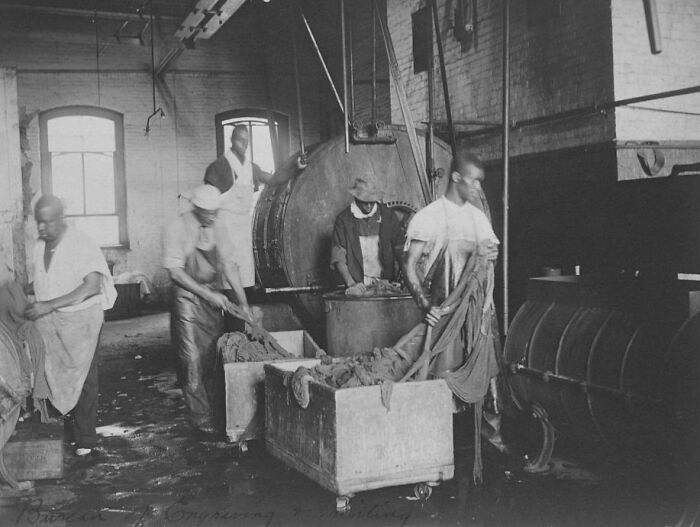
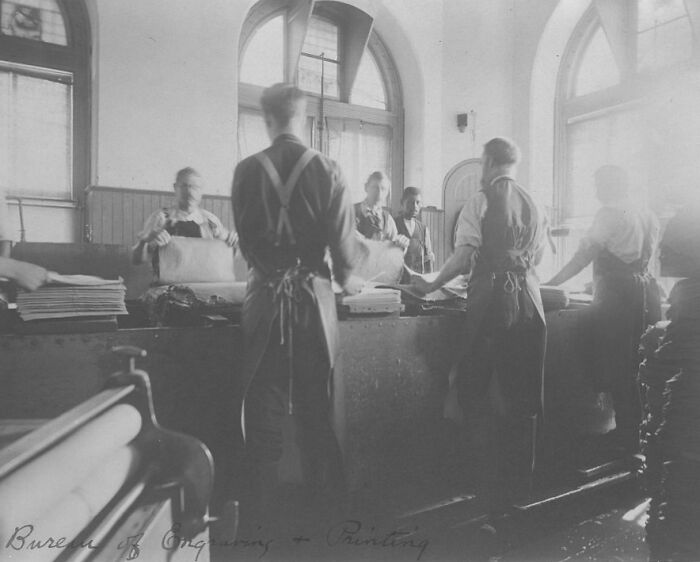
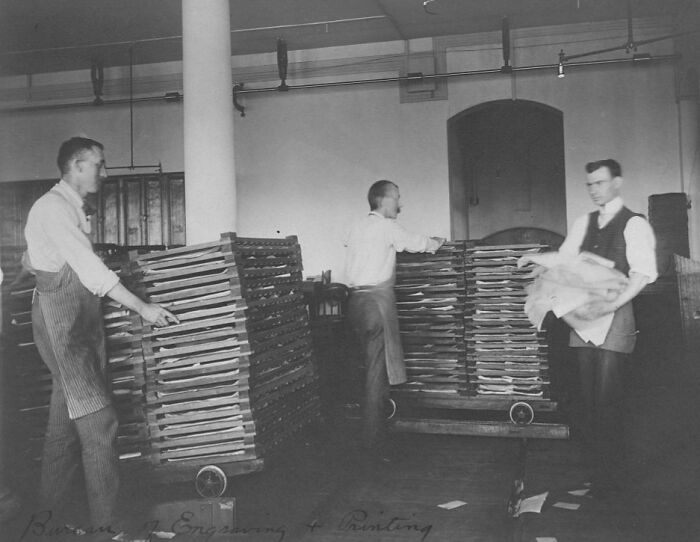
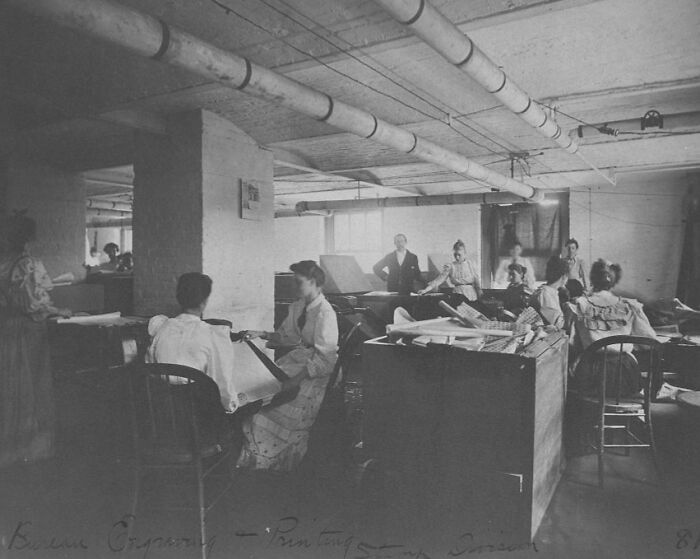
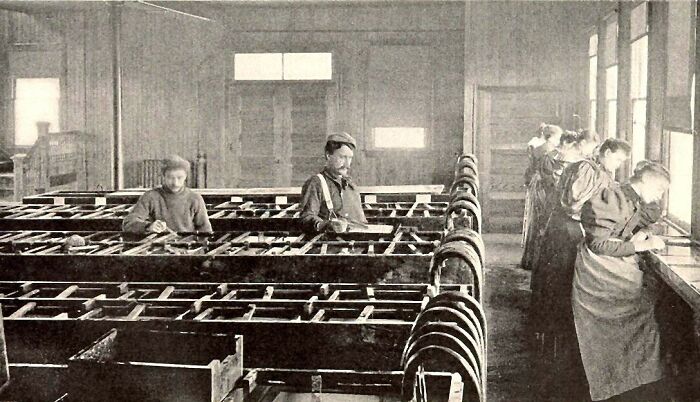
This was the first step in printing currency. The "paper" currency... isn't made out of paper. It's cloth. This 'laundry' was taking rags and scrap fabric and washing it to clean it, before it would be shredded, mixed in large pots with some other fabrics, and then made into sheets which were used to print the bills on.

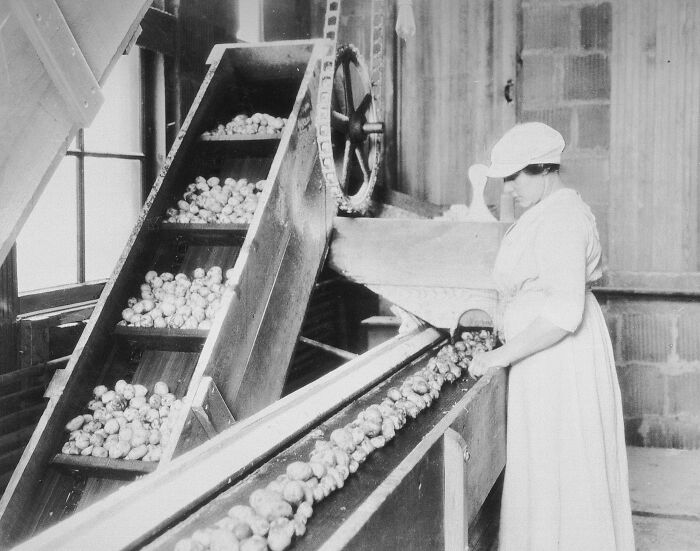
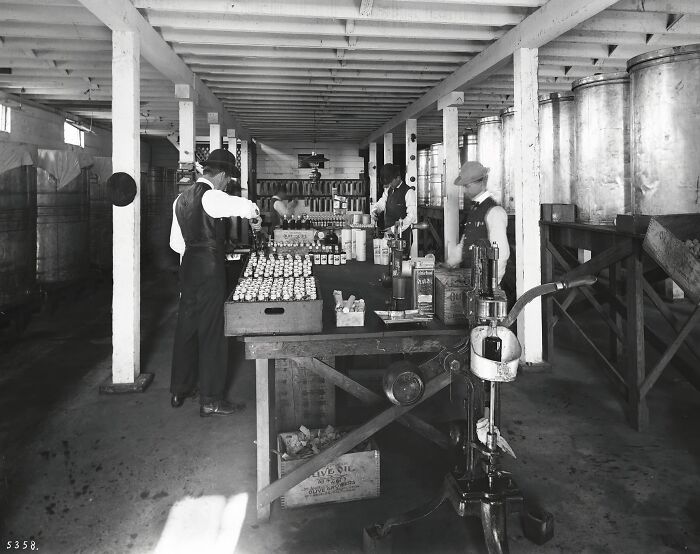
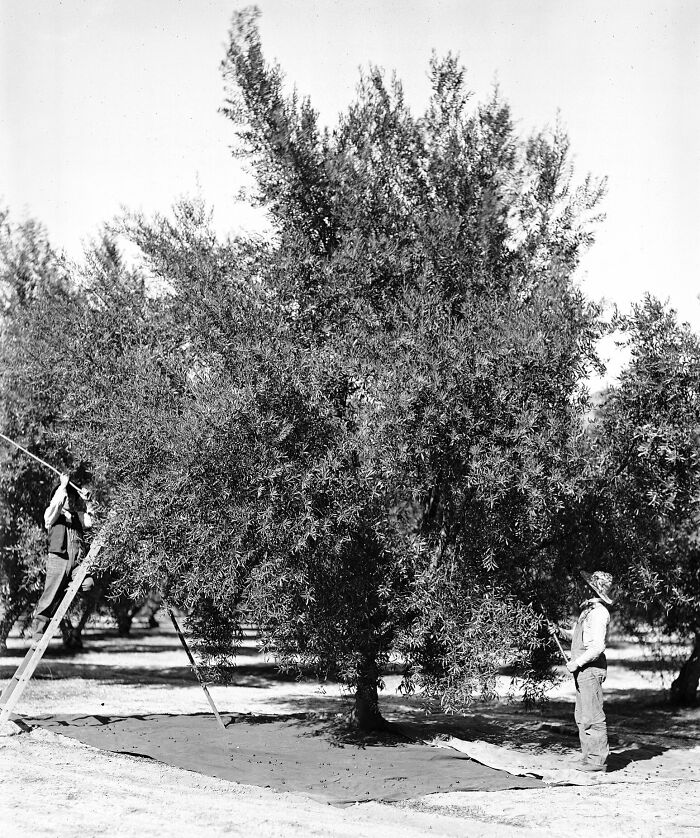
Ok. Never had olive oil from America. Interested what it tastes like
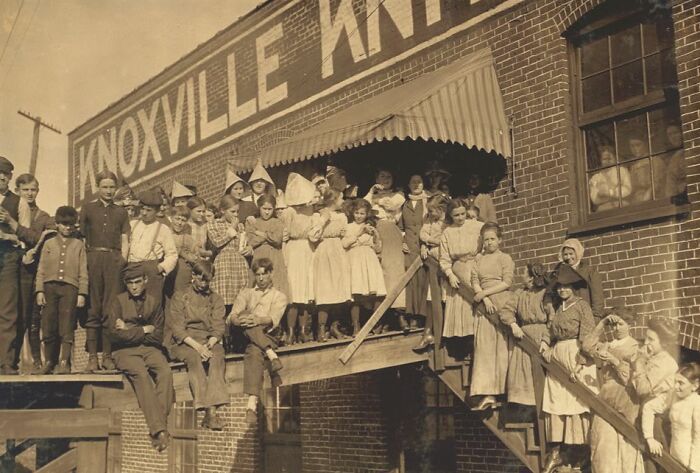
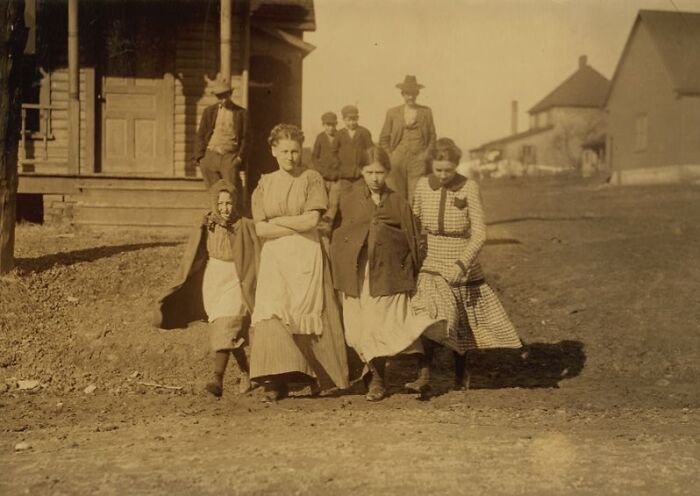
The line of very young girls (center). Apparently, I've recently read, Fla wants to bring this back.

What is ring facing? I searched the term, but all the results referred to the position of the ring on the finger.
It's not paper. It's fabric. It's a rather closely protected mix or blend, but it's made out of cotton, linen, and a few other fabrics.

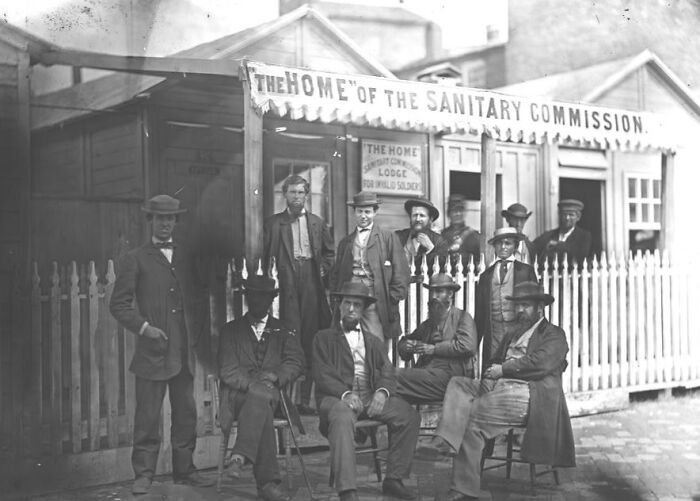
The Sanitary Commission held 2 jobs during the civil war. 1) To make sure Army camps met sanitary standards (like outhouses a certain distance from living areas, no vermin in camp kitchens, etc). And 2) Make sure the Contraband Camps (nickname for the camps that the army build for run-away slaves and their families bc before the emancipation proclamation, the legal grounds the US Army used was that the law allowed them confiscate "contraband for the war effort" so they would confiscate the run-aways as "war materials", and then free them right away. Made it all legal in the courts at the time) met sanitary standards for health and safety
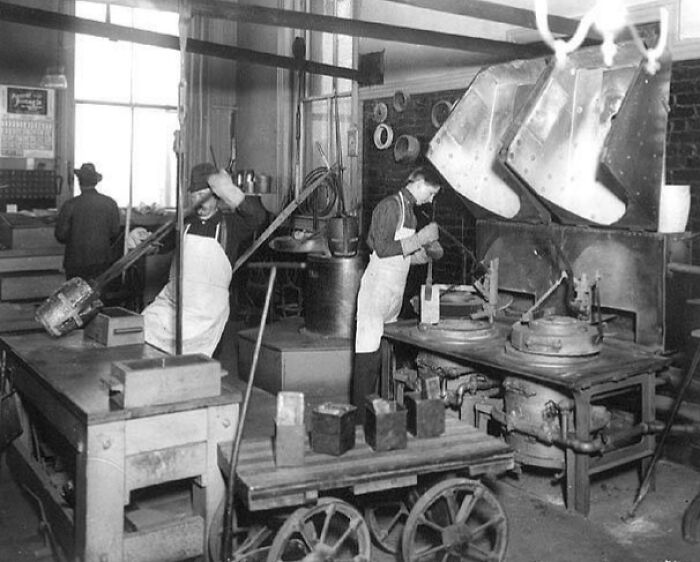
Gold and Silver assay... though they would also assay for other metals. Basically, they take samples of ore from mines, process it, and then use some rather complex math to figure out how much precious metals is present in various ores, and whether or not a mine was going to be profitable, or not. Some other metals they looked for were lead, copper, iron, and even mercury at some assay offices.
Black work gang, and no photo of a white foreman would put this after the civil war. More likely sometime in the 1890's, into the early 1900's.
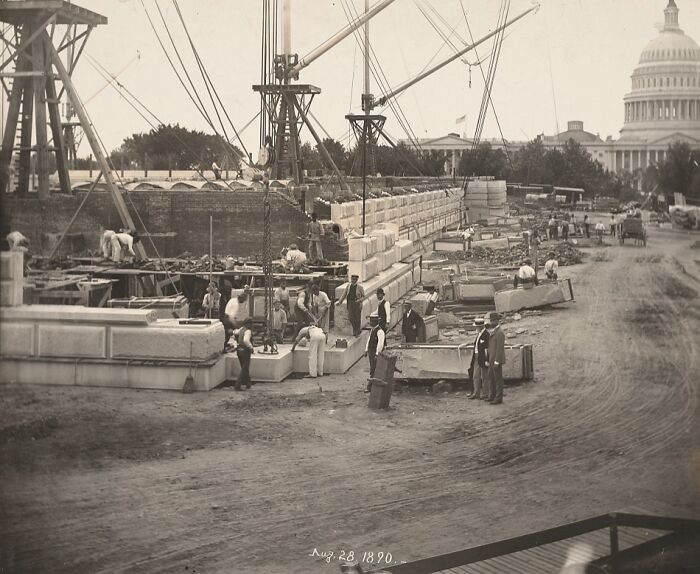
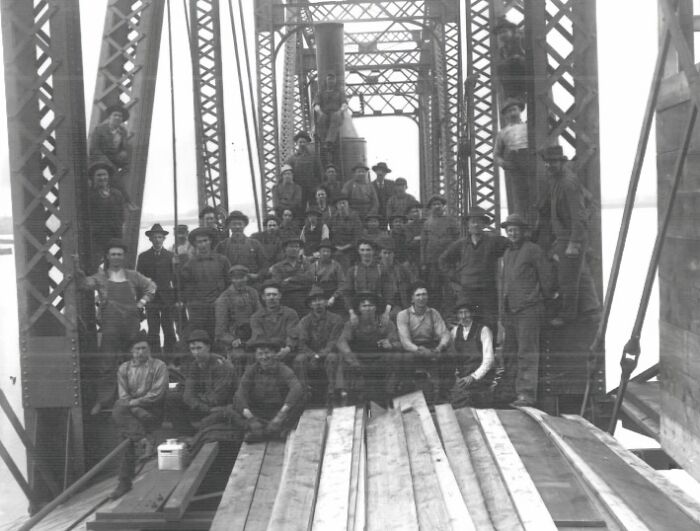
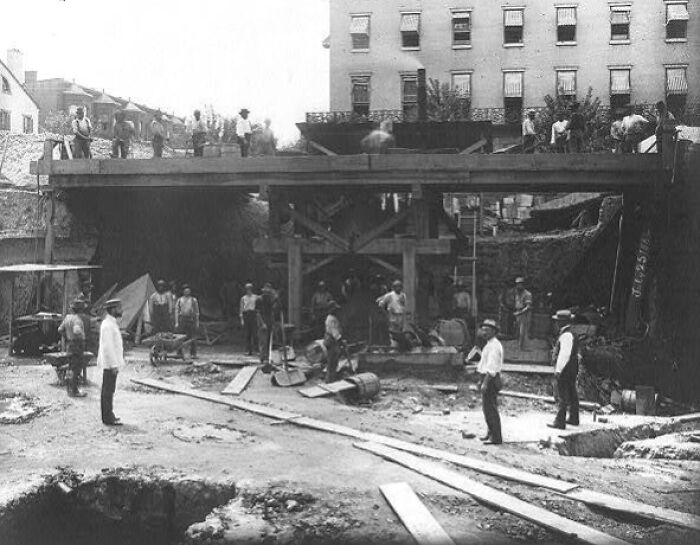
19 years post-Civil War. It was the hard work (for little pay) of these men who built these government buildings.
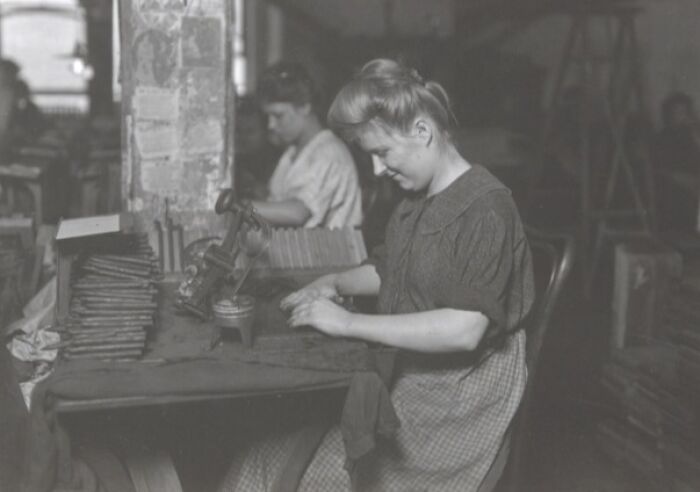
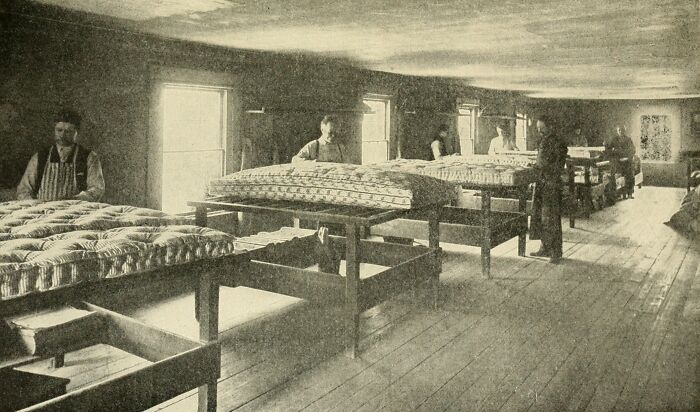
I had to look that word up. "mucilage - a viscous secretion or bodily fluid. a polysaccharide substance extracted as a viscous or gelatinous solution from plant roots, seeds, etc., and used in medicines and adhesives. North American: an adhesive solution; gum or glue. From Latin "mucus."
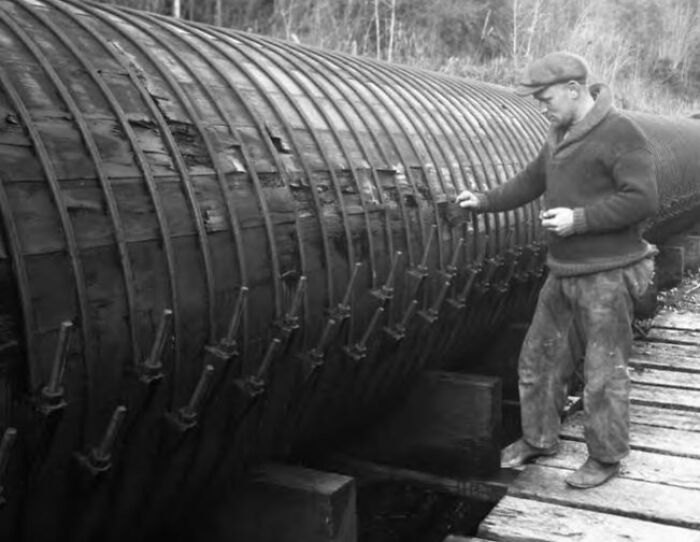
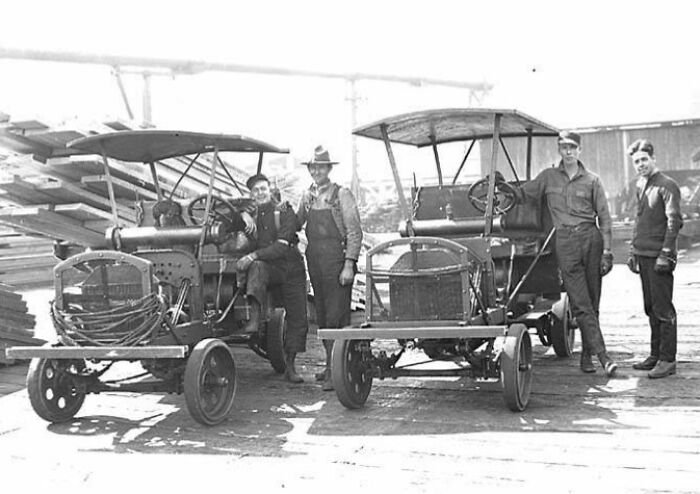
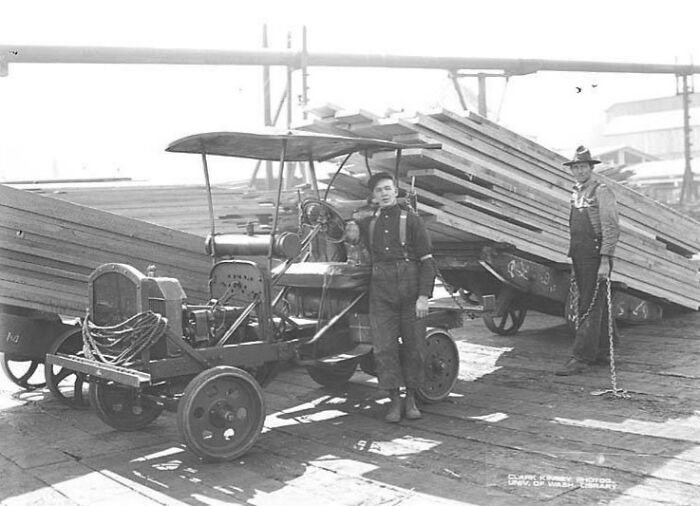
Thomas Bordeaux ran a logging & milling operation in Thurston County, WA, which is where Olympia is. You can see his house here: https://www.millionairesrow.net/80614thE.html#:~:text=Having%20mediocre%20luck%20with%20mining,in%20the%20Lumber%20Mercantile%20Company.
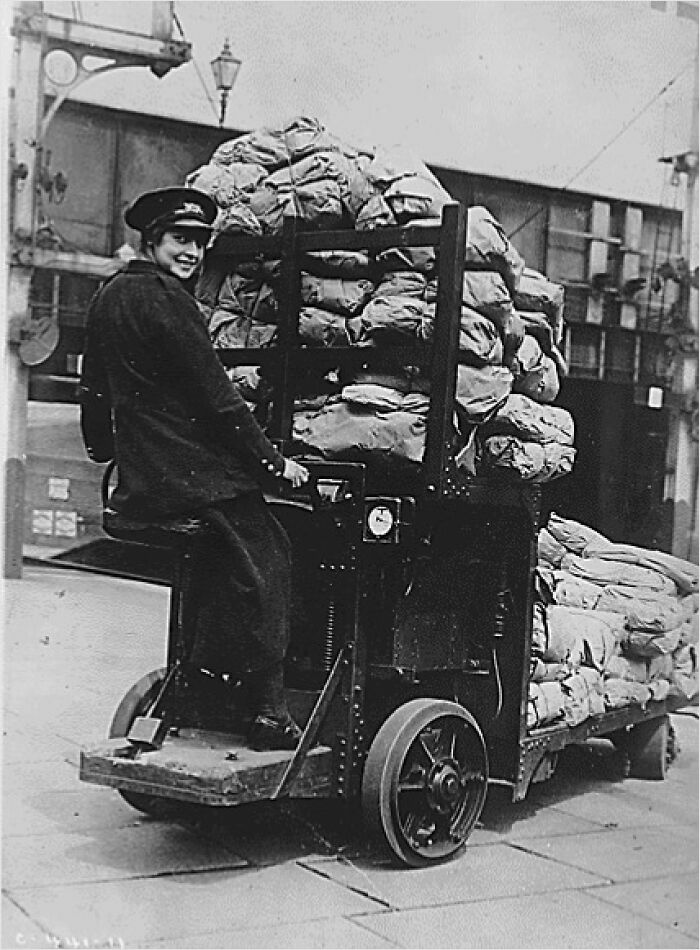
Reverse image search reveals that this was taken in England between 1914 - 1918 https://www.iwm.org.uk/collections/item/object/205288472
If anybody wants to page through that report, its 700 pages. https://babel.hathitrust.org/cgi/pt?id=hvd.32044096987557&seq=7

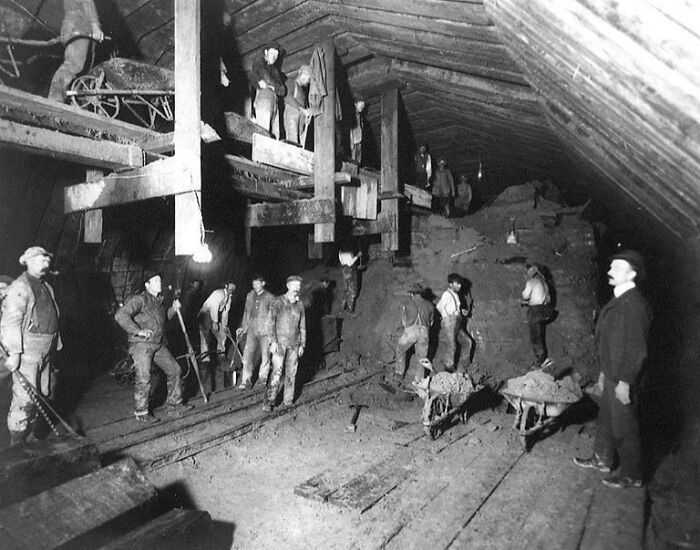
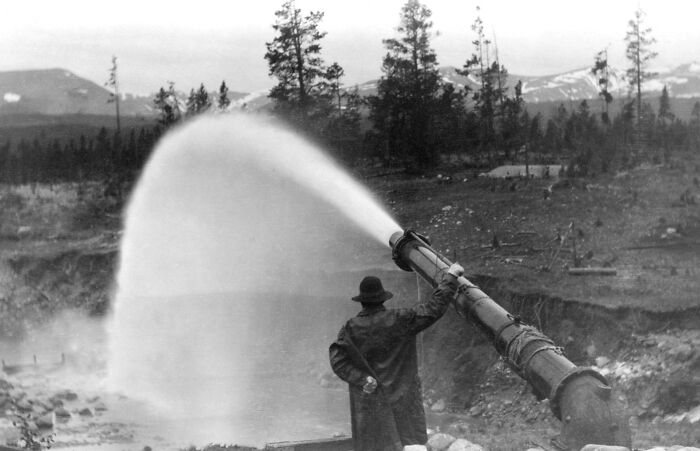
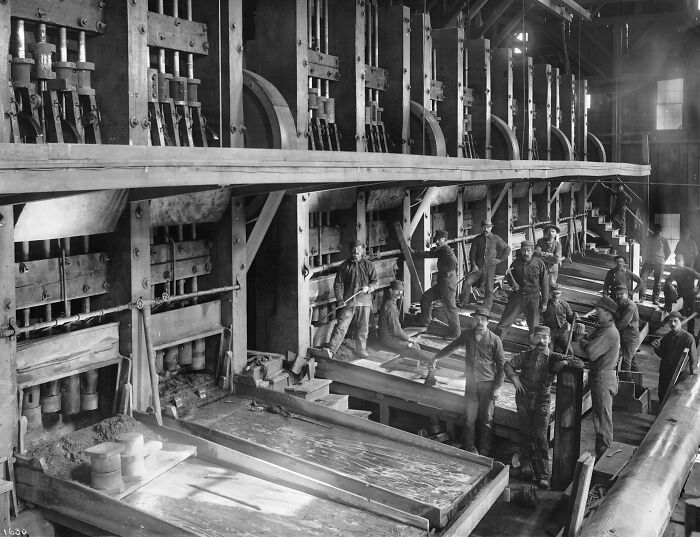
Rock is being pulverized so gold can be extracted. That was hard deafening work.

Imagine doing such physical labour while wearing all the layers of clothing they had to wear back then? Bloomers, petticoats, corsets or other boned shapewear, tight belt and all buttoned up to your chin and stockings down to your toes. How did they not faint constantly?
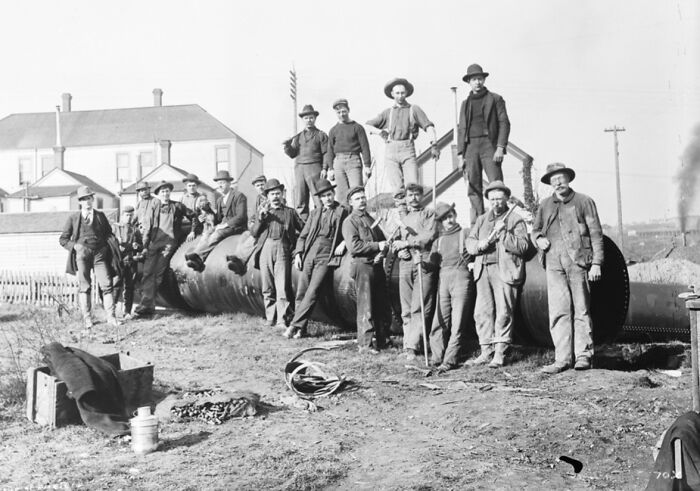
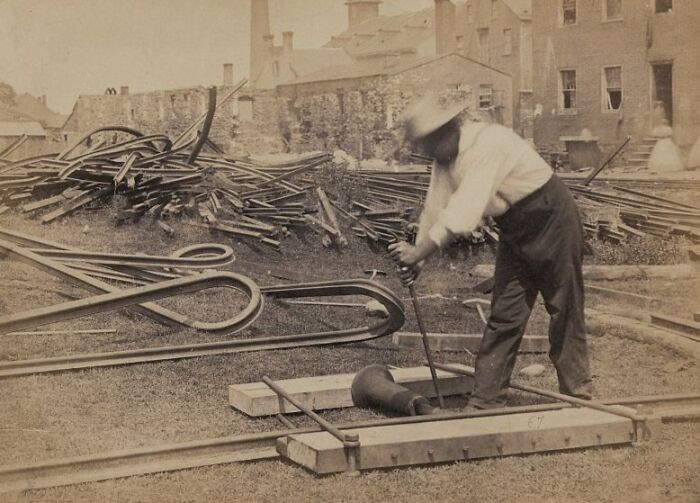
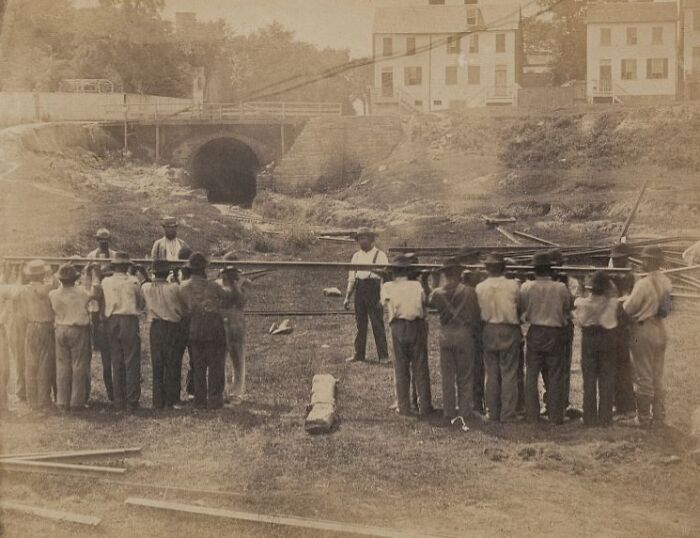
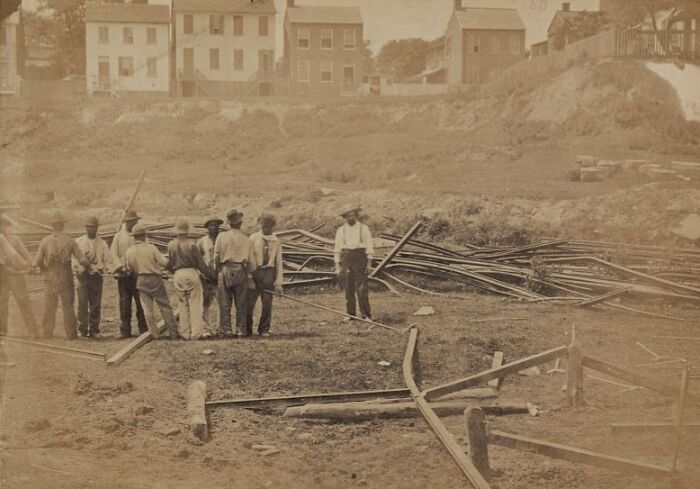
Post war, somewhere in the south. During reconstruction, where rails that were pulled up and destroyed by Union forces, need to be straightened.

Viktorija. You really need to pay more attention to your posts. Lack of information; one - very obvious - mistake, and one picture which was posted a couple of weeks ago. Lazy, lazy. lazy!

Agreed, I had to dig into every pic just trying to find info about it. Not sure why your were downvoted.
Load More Replies... Interesting. Thank you. Pay no attention to the small-minded critics.

Is this meant to be a threat? Or an exercise in shaming people for speaking up about bad conditions?
If you're referring to olaff 422's comment: to my mind, it's just a meaningless word salad.
Load More Replies... Viktorija. You really need to pay more attention to your posts. Lack of information; one - very obvious - mistake, and one picture which was posted a couple of weeks ago. Lazy, lazy. lazy!
Agreed, I had to dig into every pic just trying to find info about it. Not sure why your were downvoted.
Load More Replies... Interesting. Thank you. Pay no attention to the small-minded critics.
Is this meant to be a threat? Or an exercise in shaming people for speaking up about bad conditions?
If you're referring to olaff 422's comment: to my mind, it's just a meaningless word salad.
Load More Replies...

















 No fees, cancel anytime