Get Premium
Dark mode theme is available exclusively for premium users. Learn more about the benefits of subscribing.
No fees, cancel anytime.

 Dark Mode Ad-Free Browsing Unlimited Content
 Ad-Free Browsing Unlimited Content Dark Mode
Join 1.2 million Panda readers who get the best art, memes, and fun stories every week!
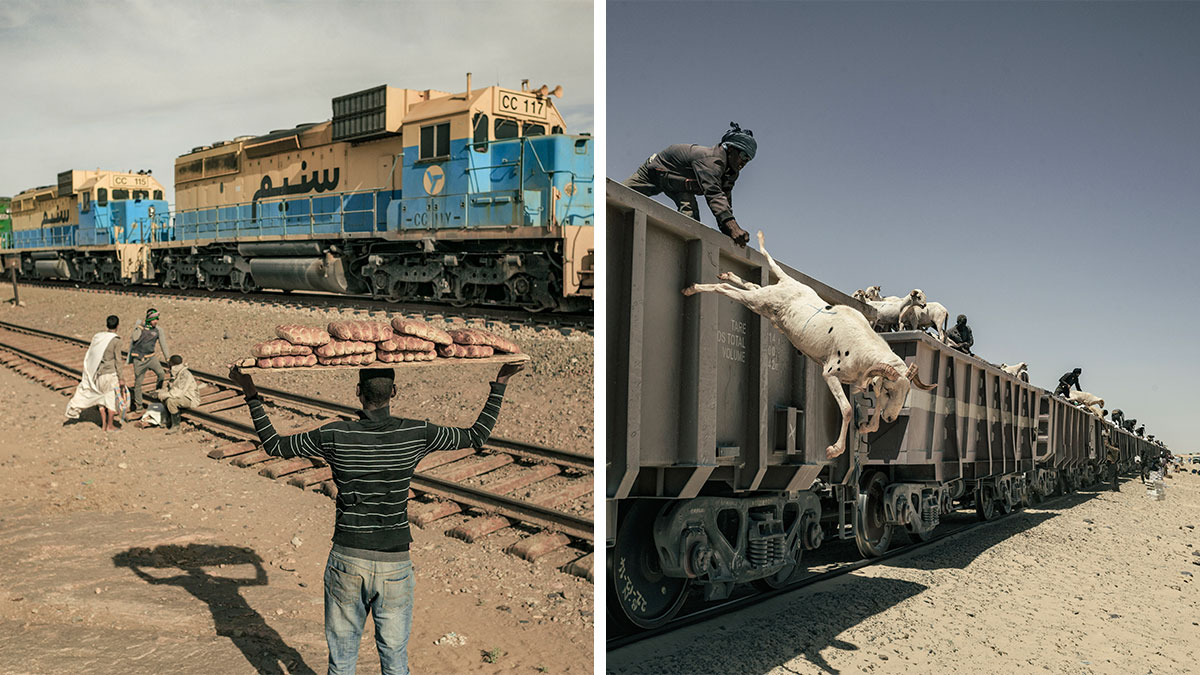
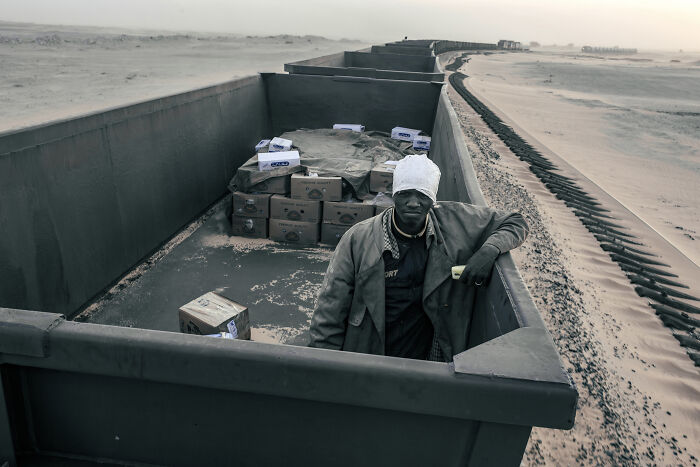
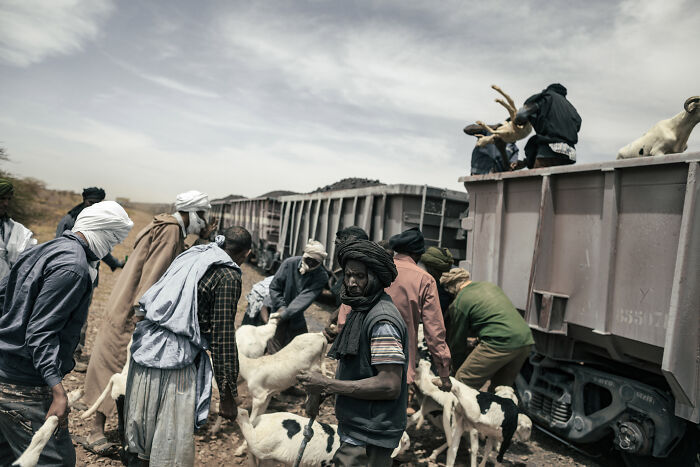
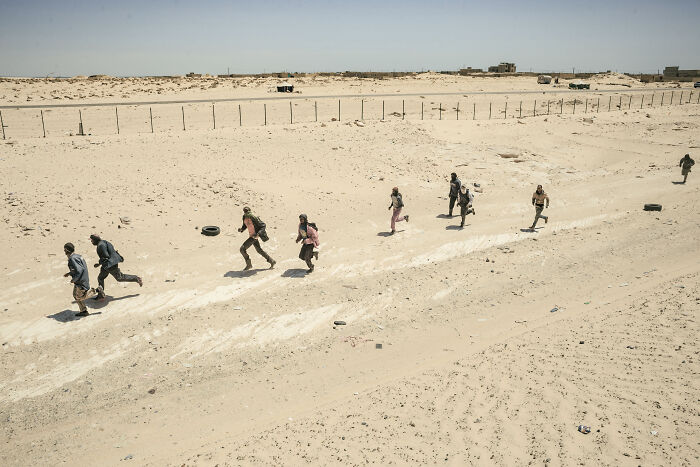
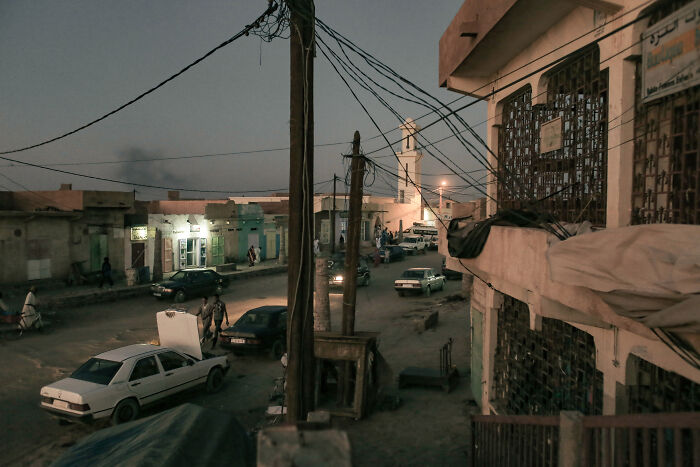
Beyond the endless dunes of the Western Sahara lies Mauritania — a country the size of France and Germany combined, yet home to a population of only 4 million. Poverty, scarce infrastructure, and a history of tourist kidnappings have made Mauritania one of the least explored countries in the region. Back in the late 19th century, during the European colonial era, French influence took hold of Mauritania, eventually incorporating it into French West Africa. The nation declared independence on November 28, 1960, evolving into the Islamic Republic of Mauritania. Despite this, post-independence brought political instability, coups, and ethnic tensions, with the enduring impact of French colonialism shaping the socio-political landscape and influencing ongoing developmental challenges.
More info: Instagram | behance.net | juodele.com
This post may include affiliate links.
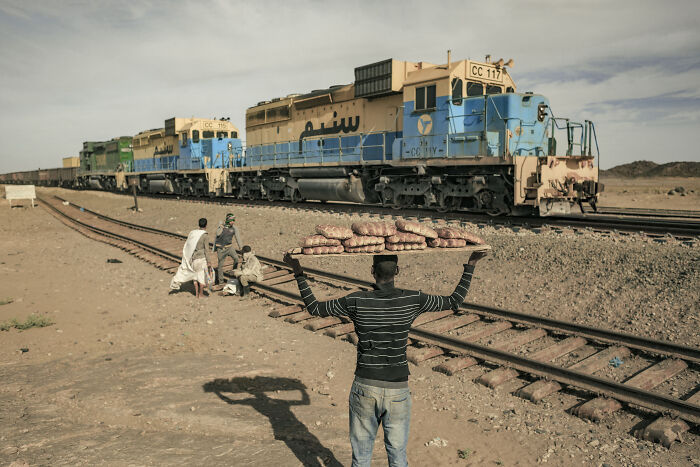
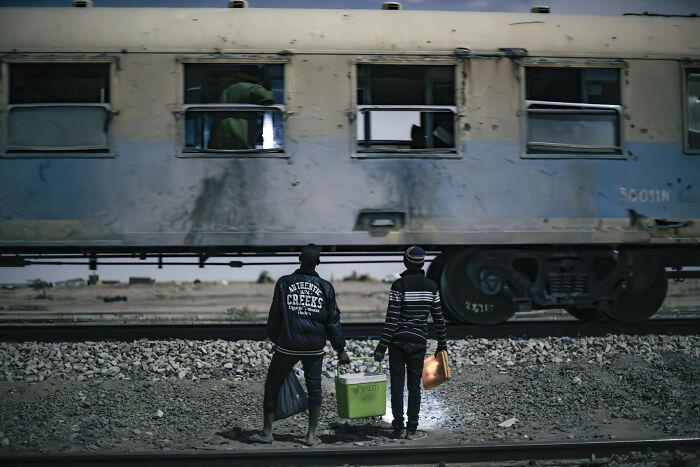
Some people wait to board the train, while a young man carries bread on his head, hoping to sell it to the train passengers.

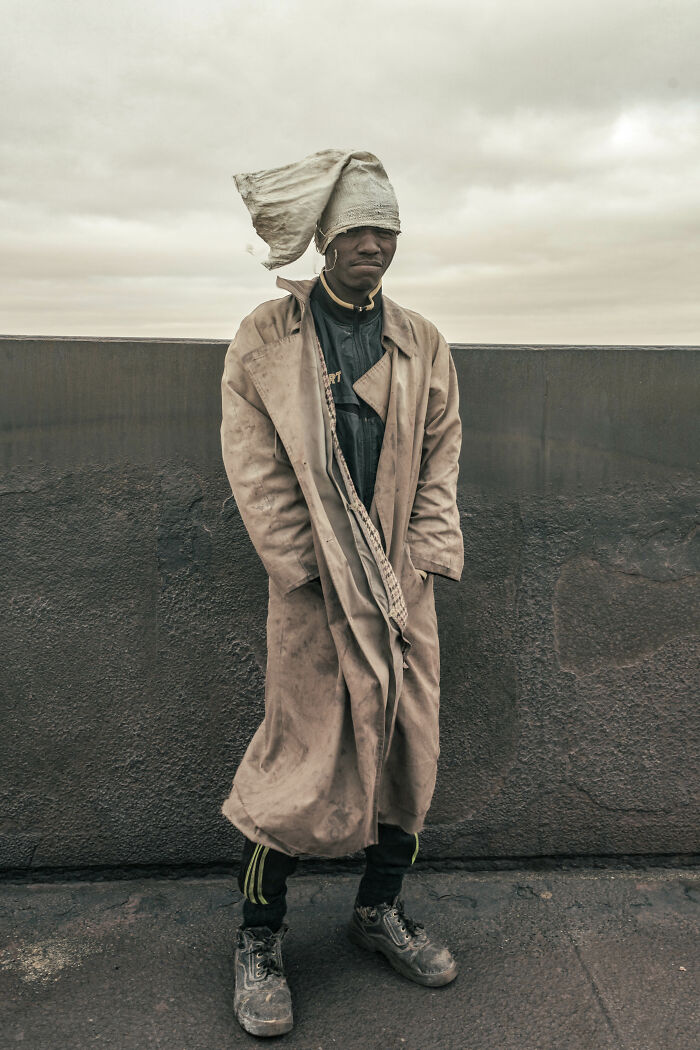
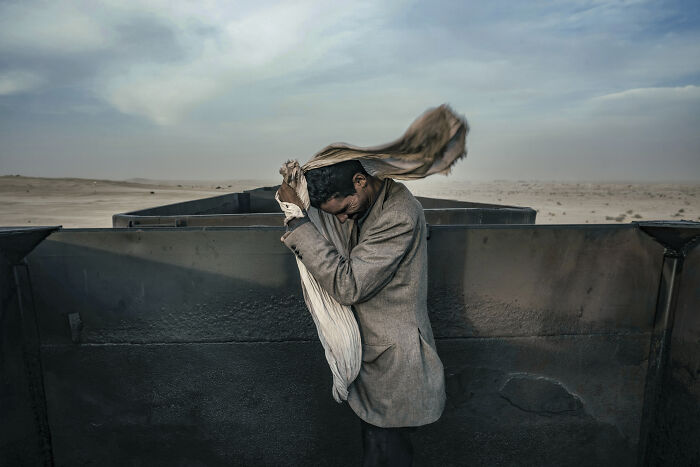
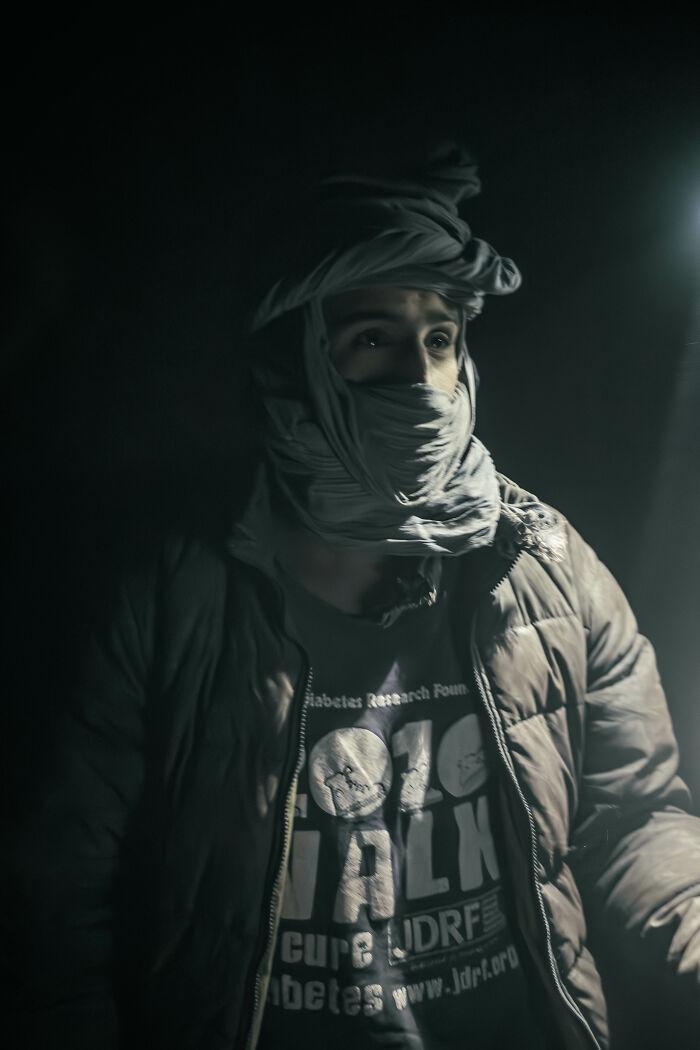
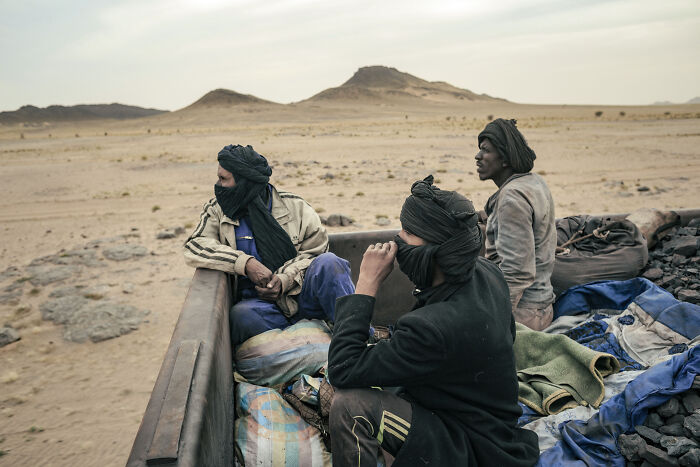
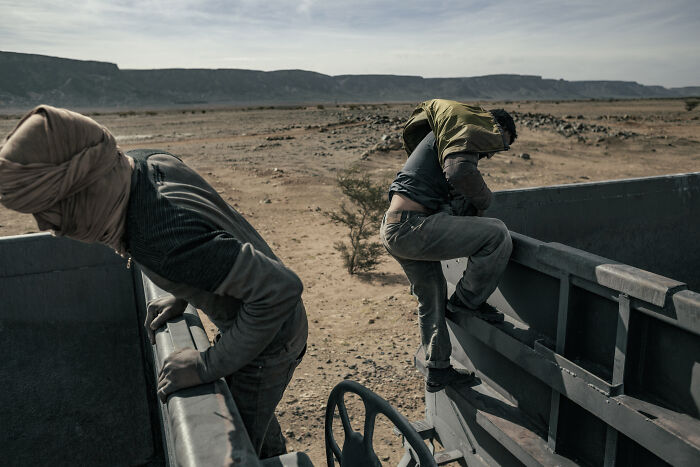
Headscarves are worn in order to protect the face from intense sun and dust.
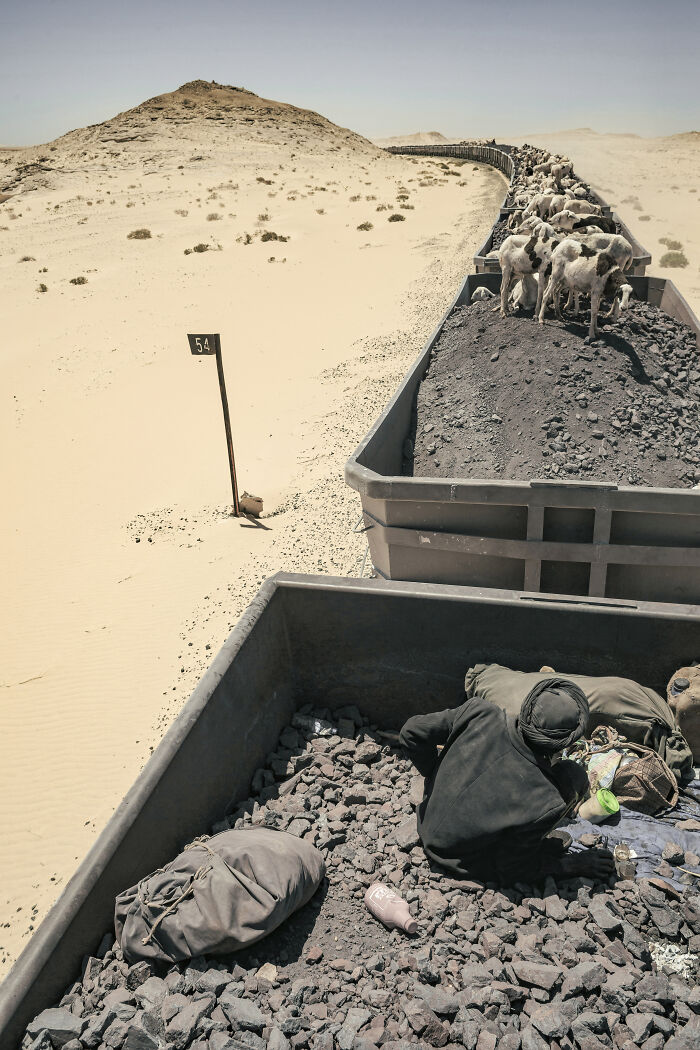
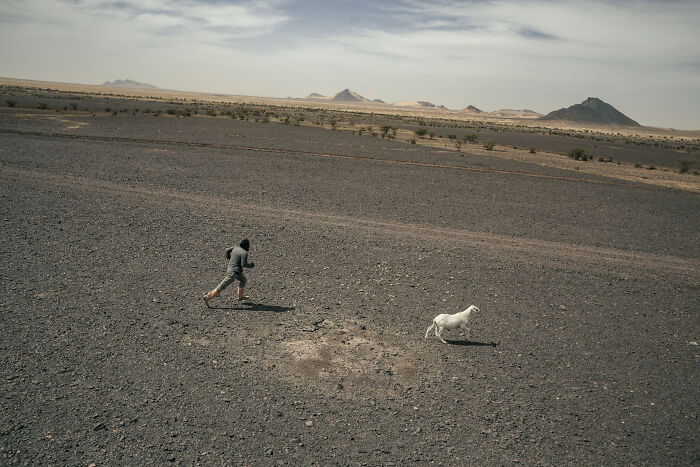
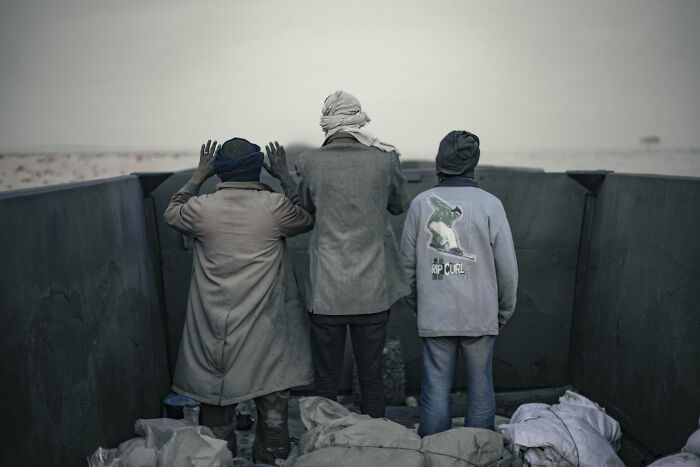
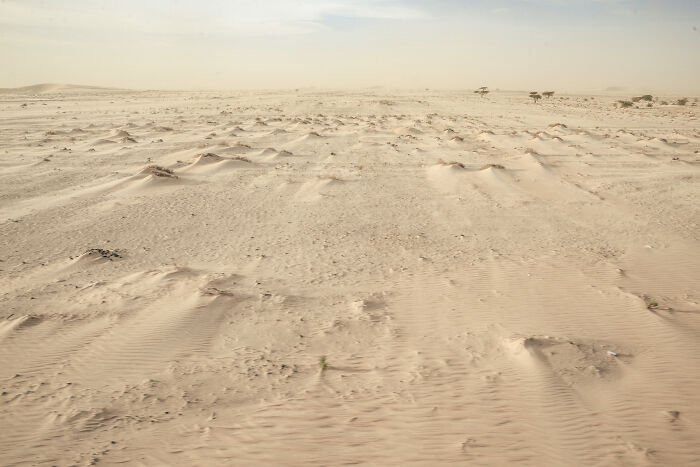
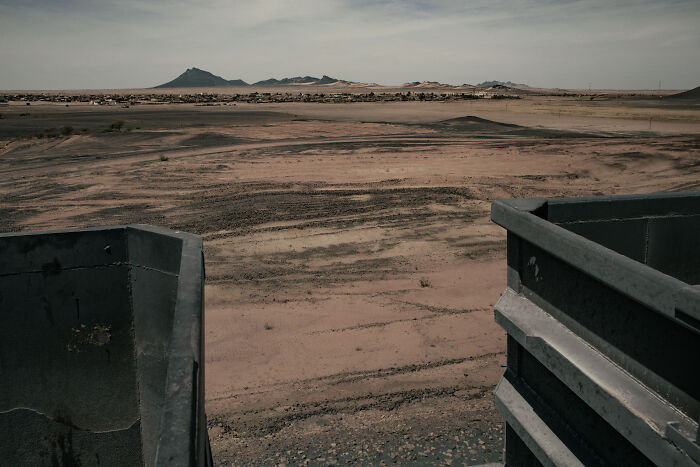
Somewhere on the horizon is Western Sahara – a disputed territory administered by Morocco. The border between Western Sahara and Mauritania is heavily mined.
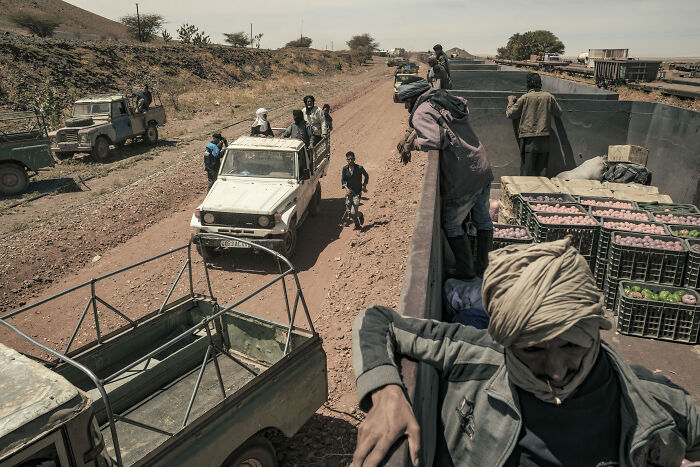
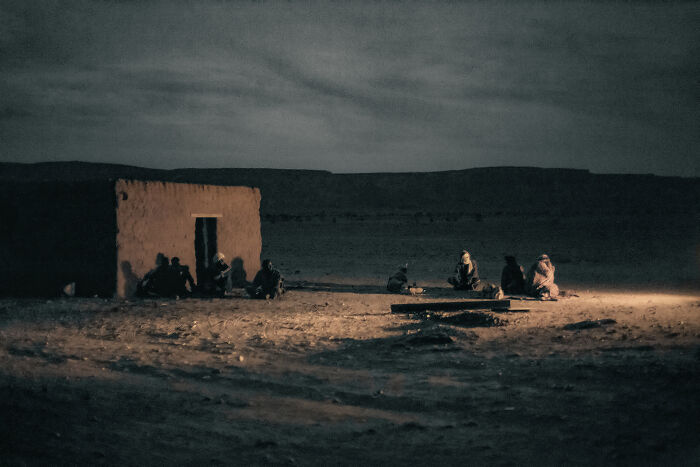
To reach Atar from the railway, however, you’ll need to hop into a 4×4 Toyota and travel across the pathless desert for about two hours.





























 No fees, cancel anytime