Get Premium
Dark mode theme is available exclusively for premium users. Learn more about the benefits of subscribing.
No fees, cancel anytime.

 Dark Mode Ad-Free Browsing Unlimited Content
 Ad-Free Browsing Unlimited Content Dark Mode
Join 1.2 million Panda readers who get the best art, memes, and fun stories every week!

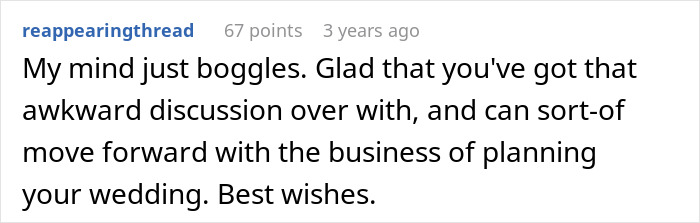
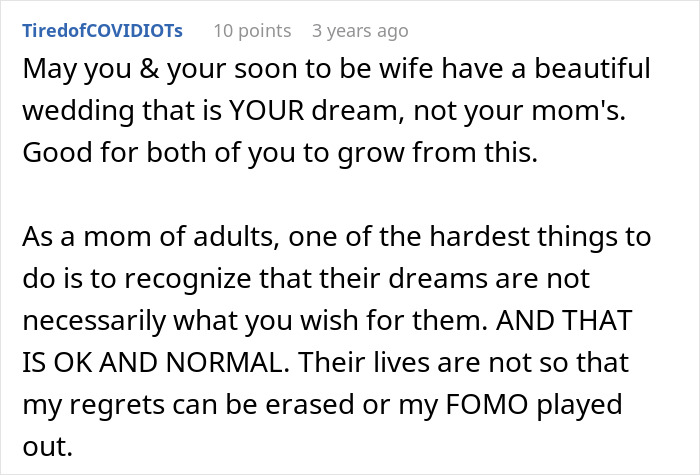
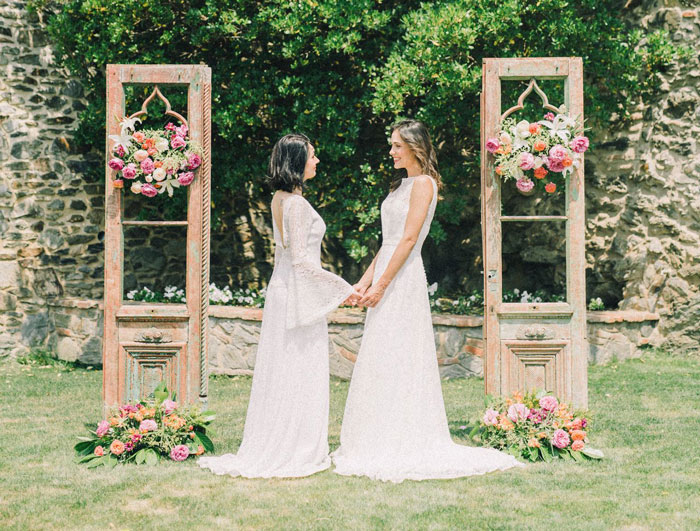
Planning a wedding can be hard, especially when everyone and their mother can have a say in it. Often, actual mothers overstep boundaries and start dictating what they imagine the perfect wedding to be. But isn’t the perfect wedding all about the newlyweds and not about the guests?
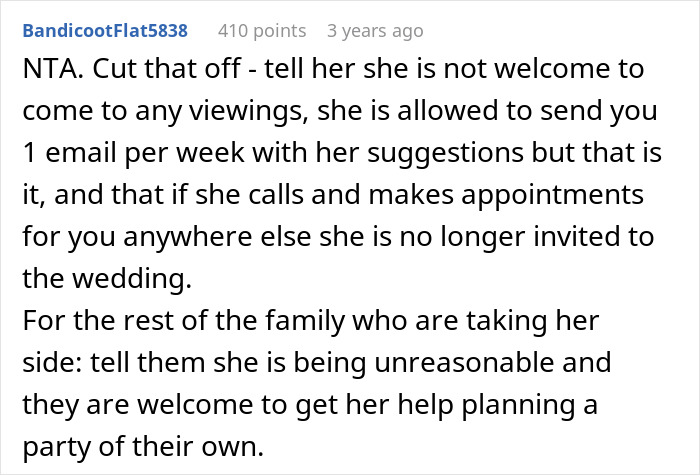
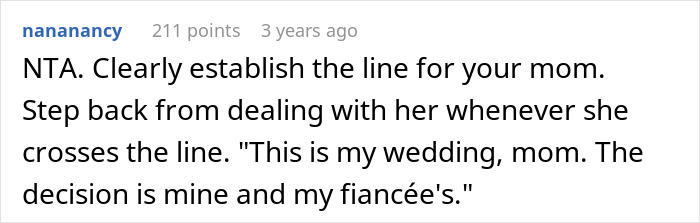
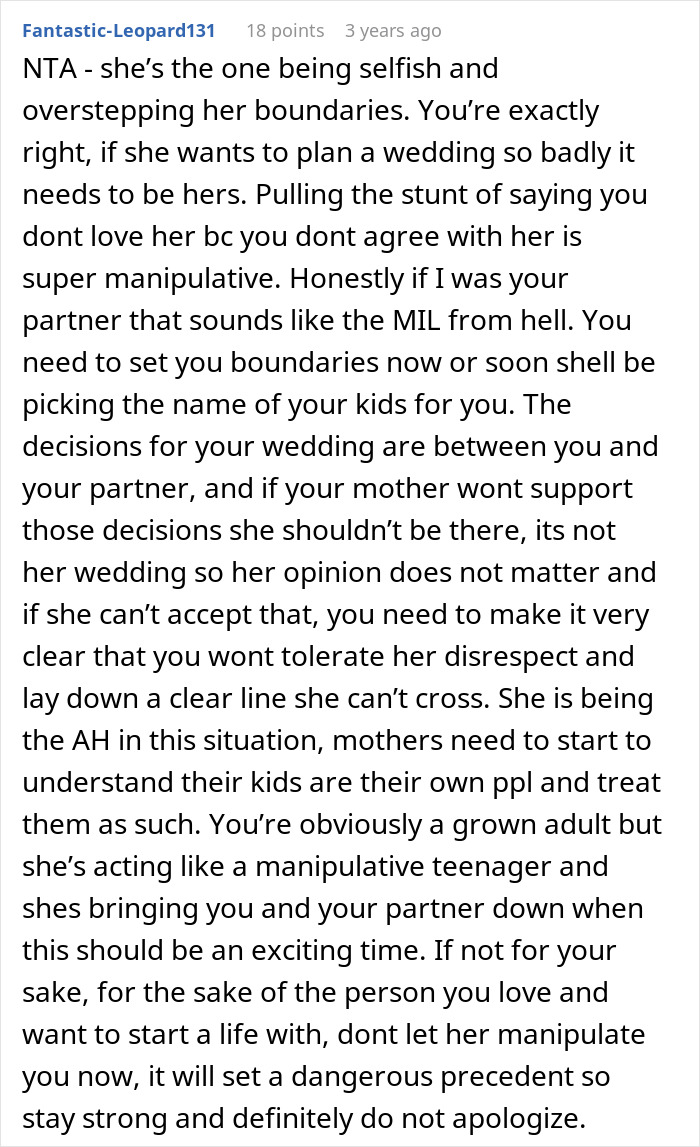
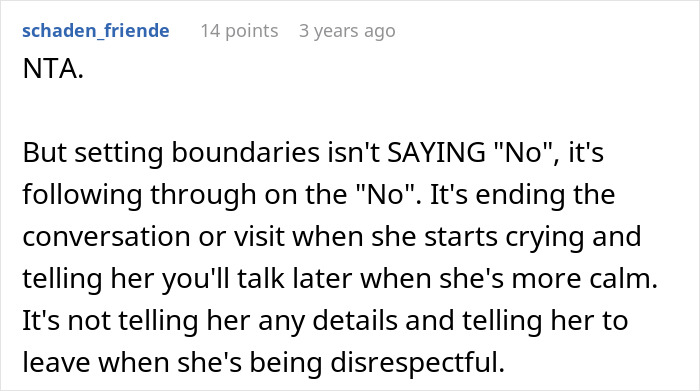
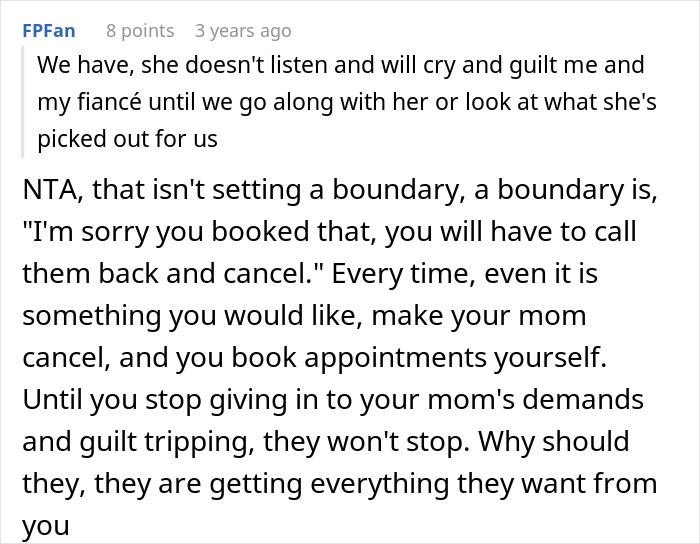
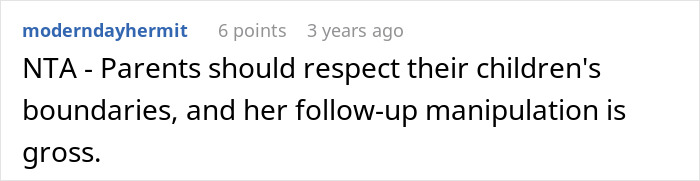
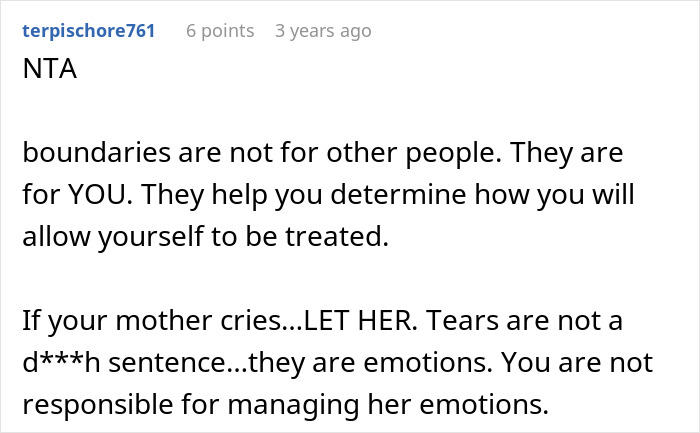
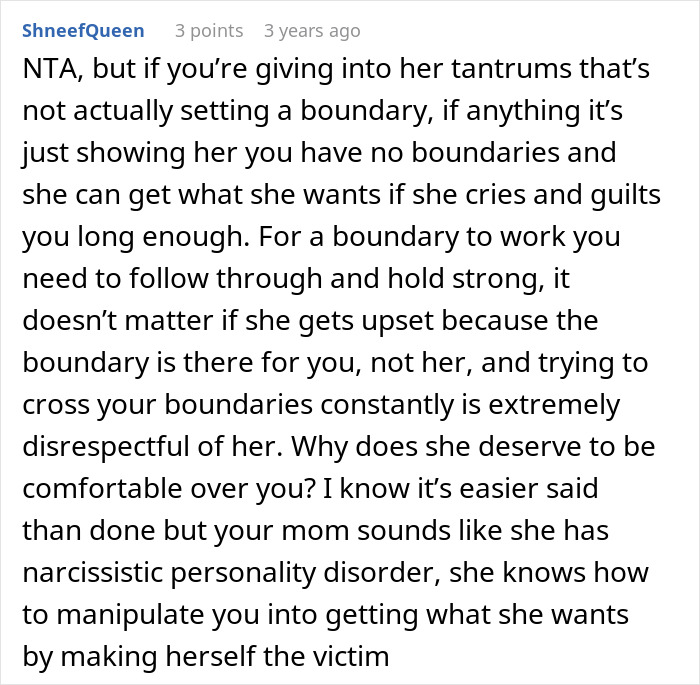
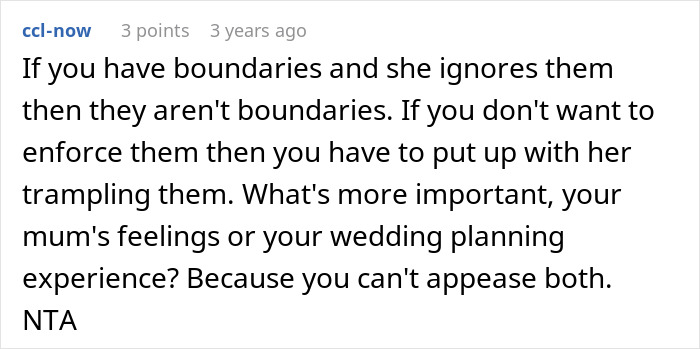
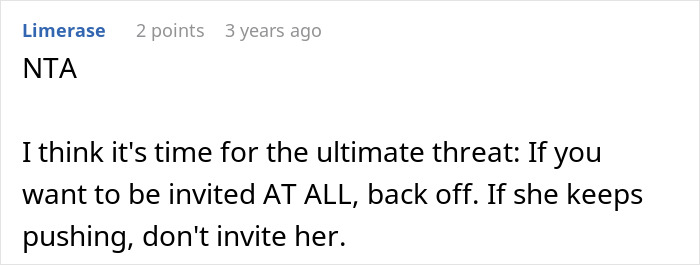
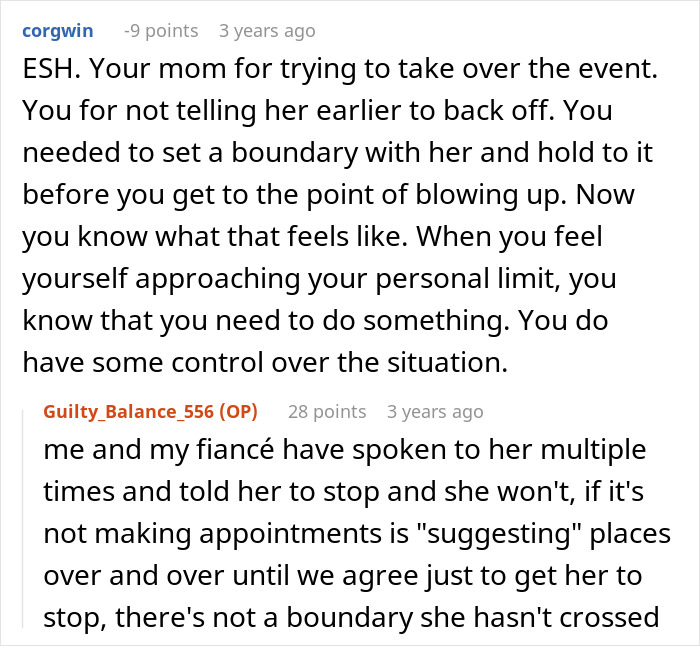
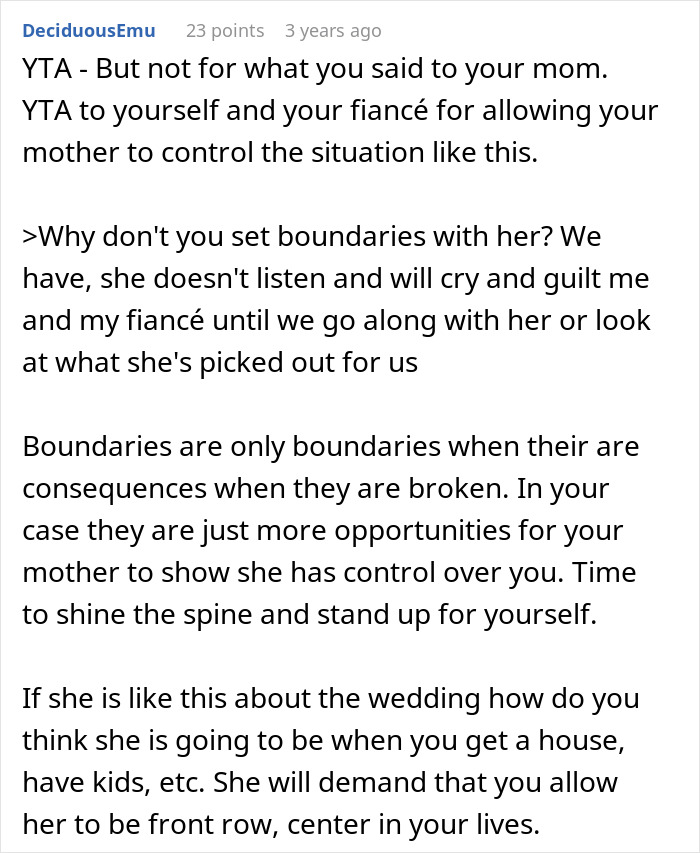
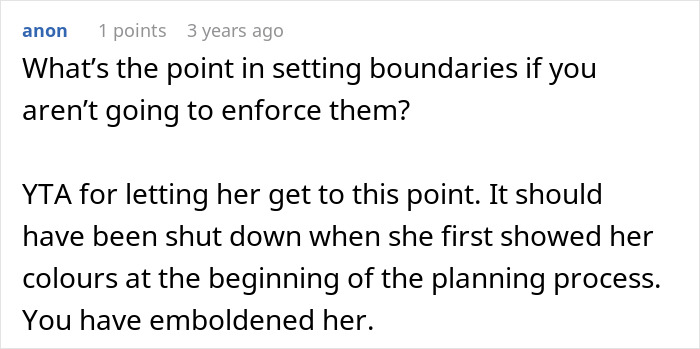
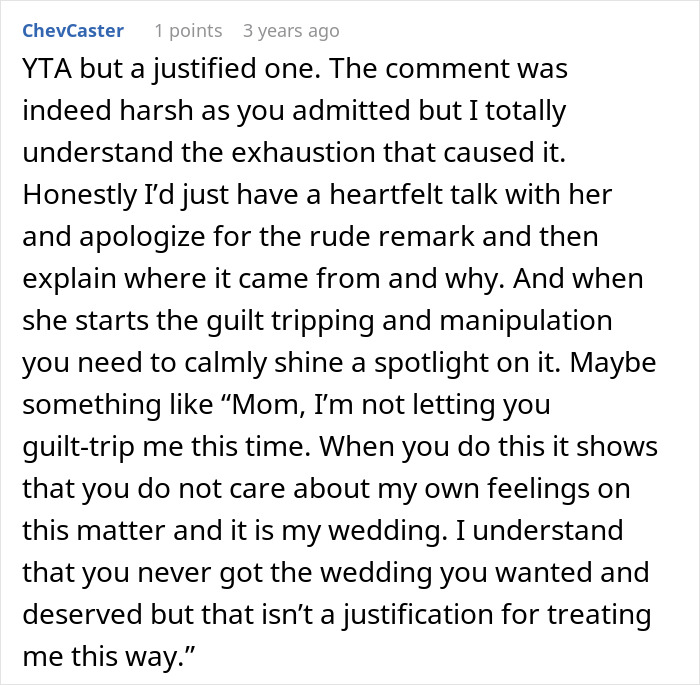
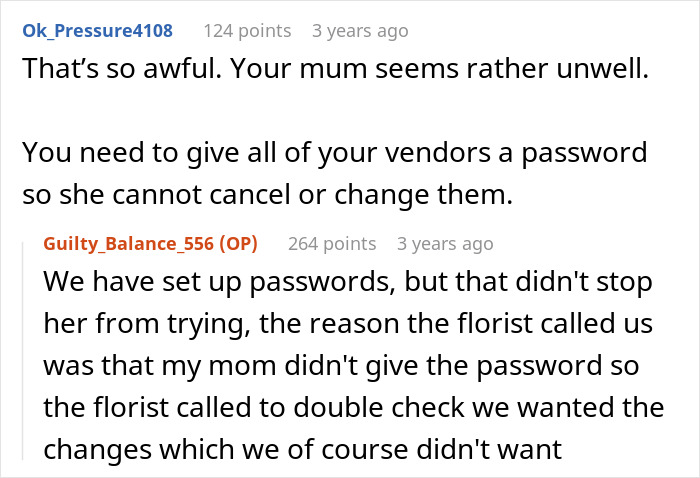
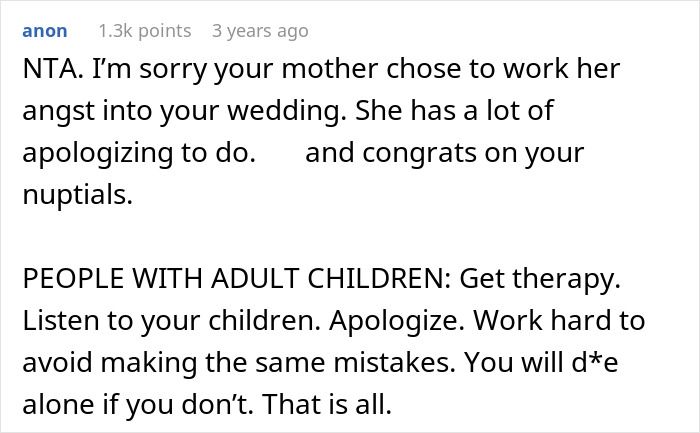
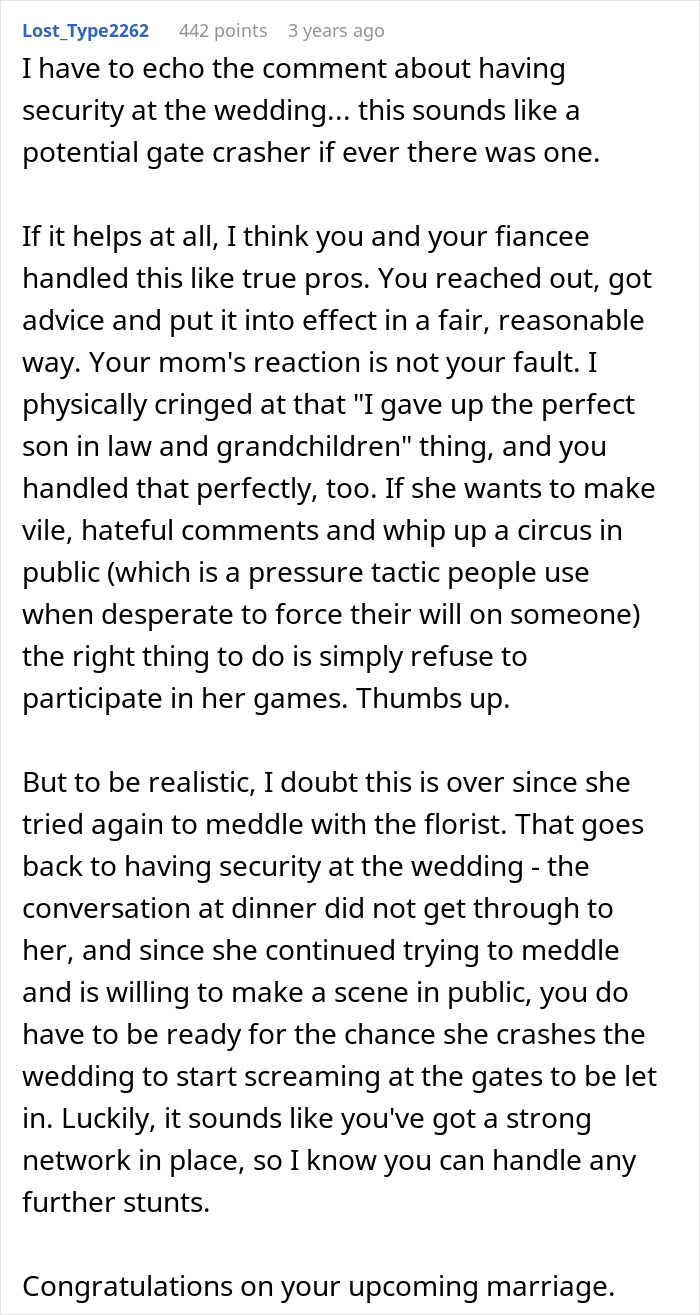
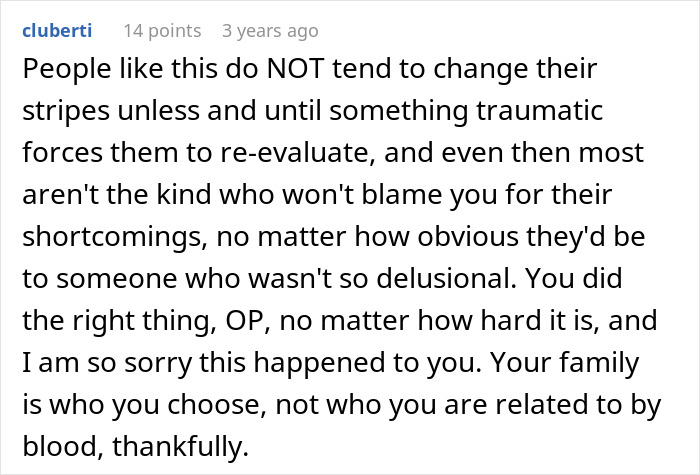
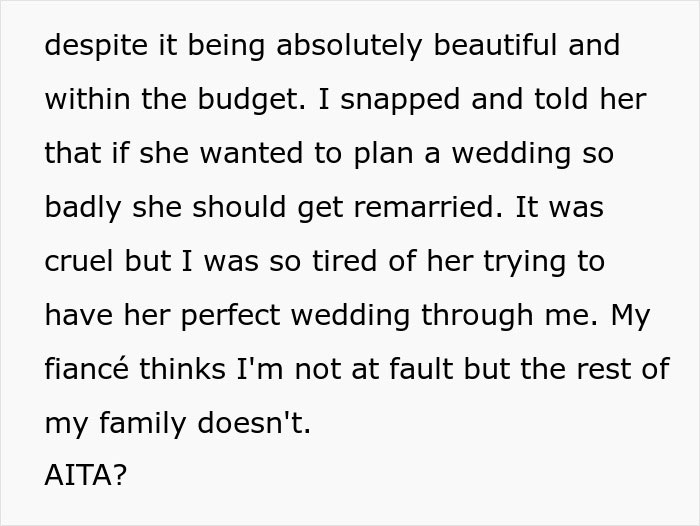
This bride and her future wife were stressing about her mother taking over her wedding planning. When the bride couldn’t take it any longer, she uttered a hurtful insult: that her mother could get remarried and plan her own wedding if she wanted it so much. Yet, later, it became clear she actually tried to sabotage their nuptials and not without a homophobic reason.
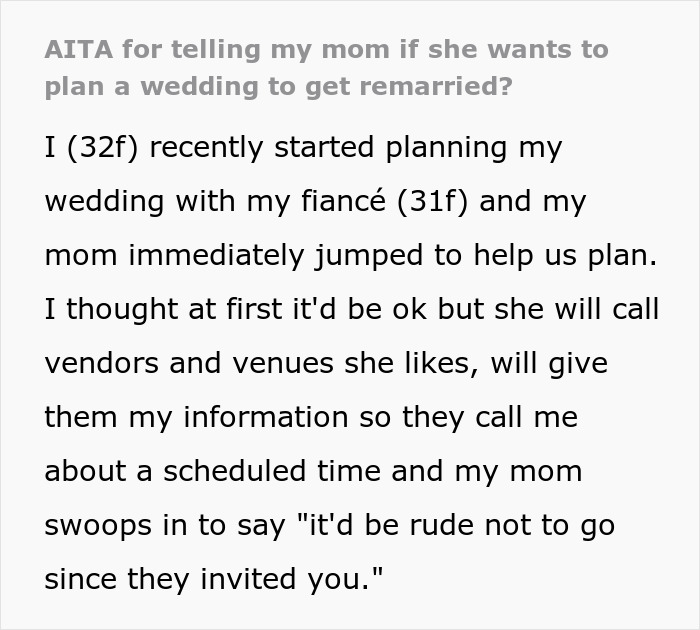
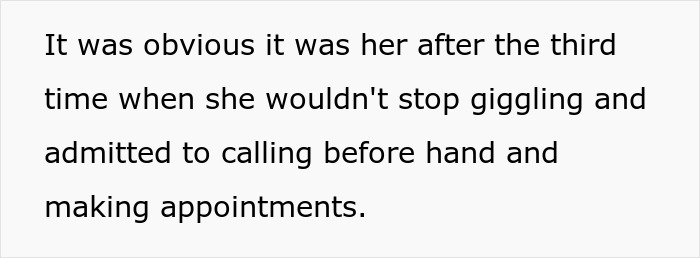
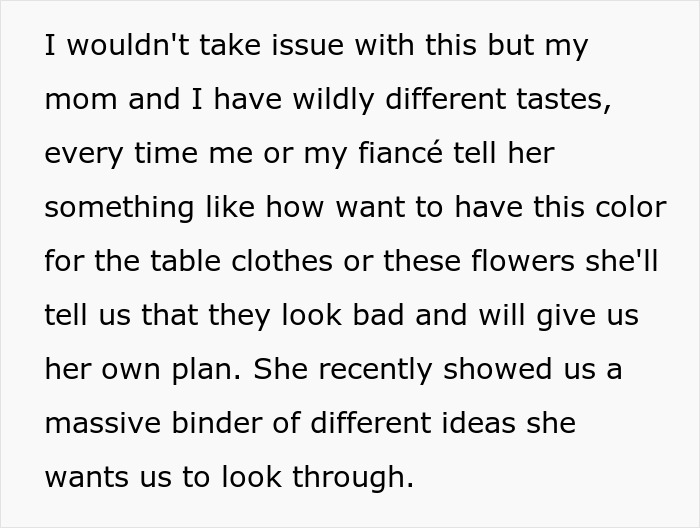
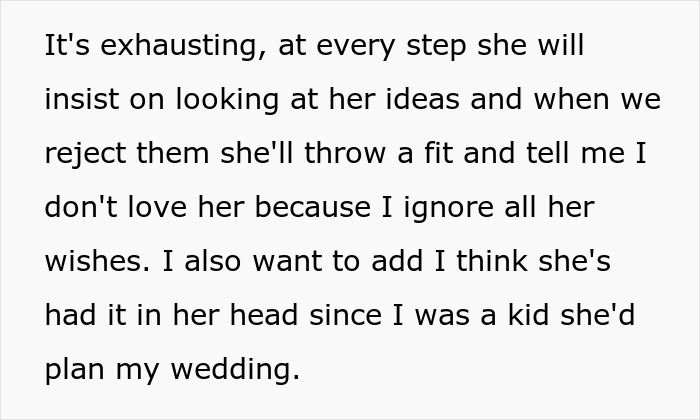
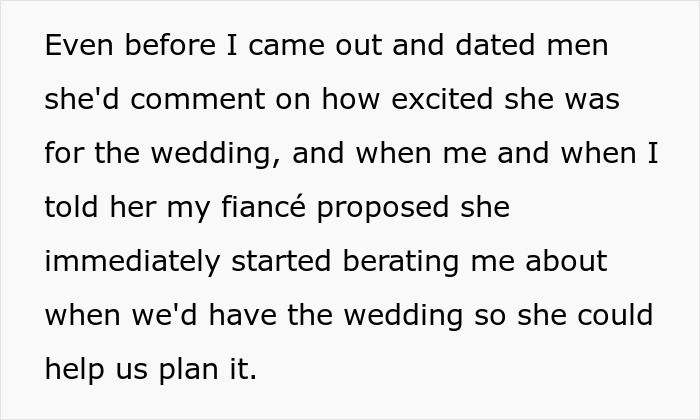
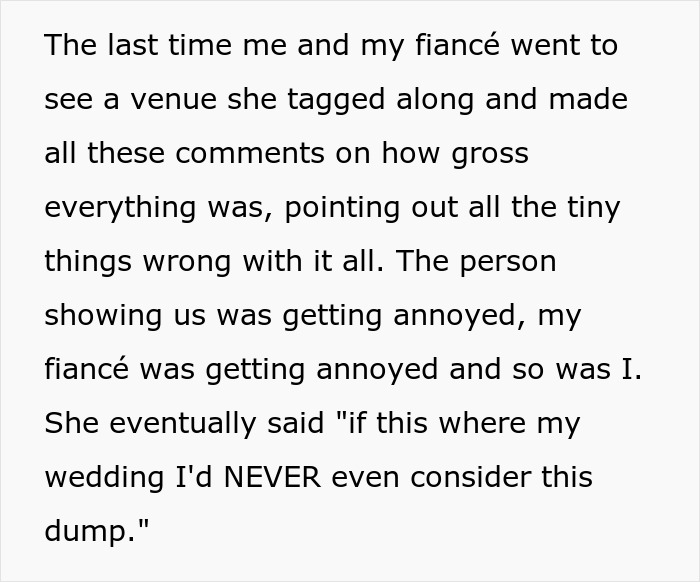
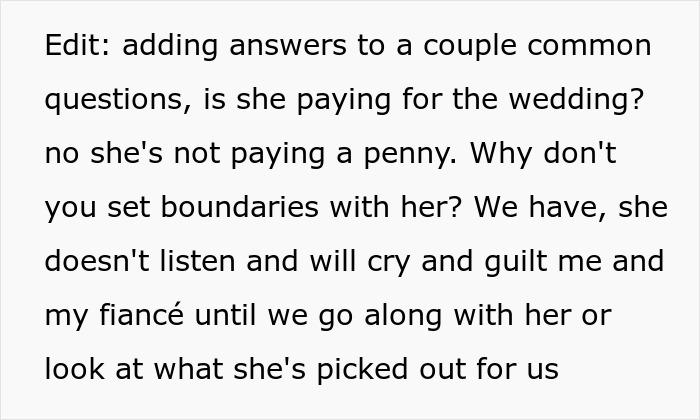
Many parents feel entitled to have a say in their children’s weddings because they’re the ones paying for it. But that’s not the case in this story, and even if it was — that’s no excuse to meddle in someone else’s wedding.
Stories of mothers and mothers-in-law trying to interfere with wedding planning are so common that almost every other drama story online is guaranteed to be about it. But, according to the founder of Cheersy Amy Shack Egan, it’s about more than just moms acting entitled or being overbearing.
According to Egan, who’s also the author of The Rebel Wedding Planning Guidebook, it’s about how women are conditioned to think of their children’s (especially daughters’) wedding as the most important event of their lives.
In our current society, Egan writes, weddings are not just celebrations of the love between two people, but rather “legacy events.” And, often, the planning falls on the shoulders of women: it’s the sort of invisible work that assumes women’s time is less valuable than men’s, where they take the backseat and, in heteronormative weddings, are passive participants.
Planning a wedding is a woman’s project: the dress, the venue, the flowers, the catering. When the work is left to women, it often leads to clashes between the bride and her mother or mother-in-law. According to Egan, both partners should be involved in the process: “A wedding shouldn’t be a dress rehearsal for unequal labor. It should be the first project of the partnership itself and the first proof that both people are ready to build a life together.”
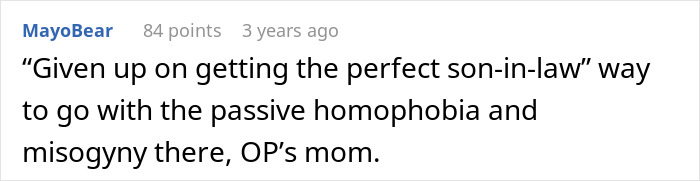
The mother in this story thinks in heteronormative terms and imagines that her daughter is the only “bride.” She sees her orientation as a “loss” and her acceptance of it as a sacrifice, which is probably why she feels entitled to make decisions about the wedding.
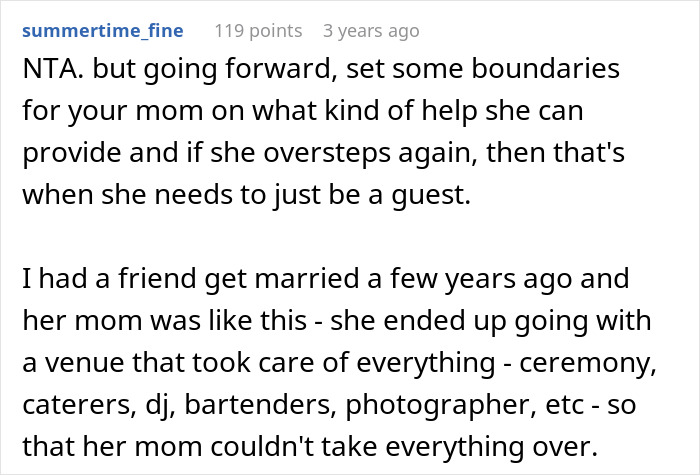
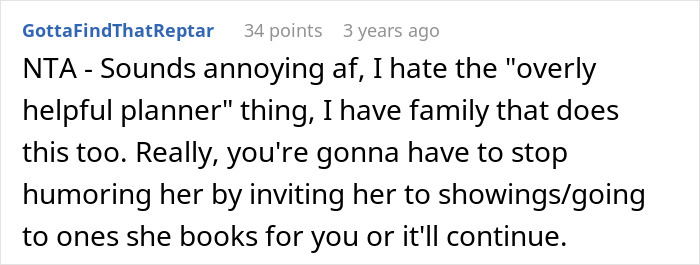
Even when it’s clear why your parent is trying to make your wedding all about them, it’s still helpful to know how to navigate the meddling. Whether they’re paying for it or not, parents may want to have a say in a few things, but there are ways to include them without letting them take over the process entirely.
According to the wedding planning website Zola, steering parents towards smaller tasks than the venue, the dress, or the guest list makes them feel included without the stress for the brides. Parents can make decisions about the wedding that are less important for the newlyweds: what kind of linens will be draped over the tables or what vendor supplies the food and drinks.
Paying for the wedding yourself is another great way to give parents less leeway in the planning process. Naturally, they might feel a sense of ownership over some decisions if they’re the ones financing them. So, while a self-financed wedding might sound less extravagant, it’s a way to ensure that all the decisions are up to the two people getting married.


















By entering your email and clicking Subscribe, you're agreeing to let us send you customized marketing messages about us and our advertising partners. You are also agreeing to our Privacy Policy.
Thank you! You've successfully subscribed to newsletters!





























 No fees, cancel anytime













27
2