Get Premium
Dark mode theme is available exclusively for premium users. Learn more about the benefits of subscribing.
No fees, cancel anytime.

 Dark Mode Ad-Free Browsing Unlimited Content

 Ad-Free Browsing Unlimited Content Dark Mode

Join 1.2 million Panda readers who get the best art, memes, and fun stories every week!
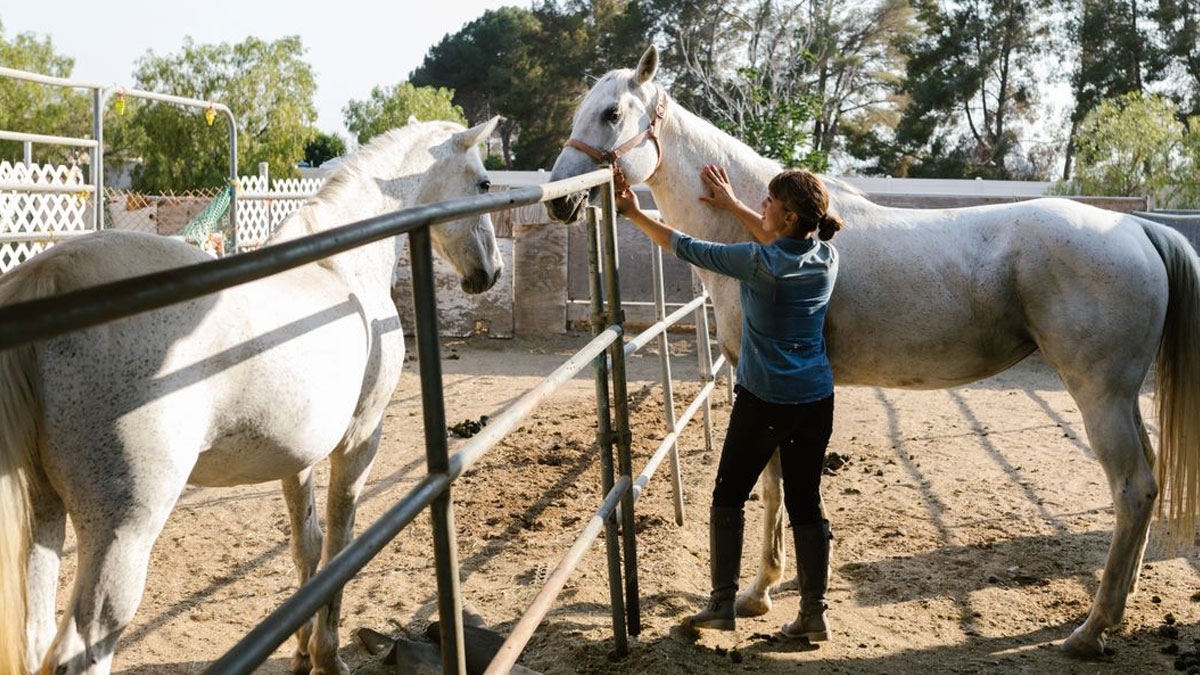
If you have siblings, you probably know how quickly a small disagreement can turn into a full-blown argument. It could be over borrowed clothes, missing snacks, or who should do the dishes. Usually, parents step in quickly and remind everyone to just get along. But what happens when the disagreement involves family, money, and a business?
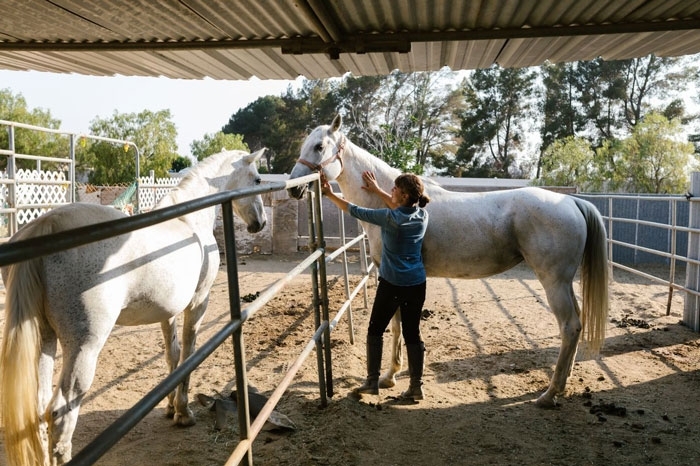
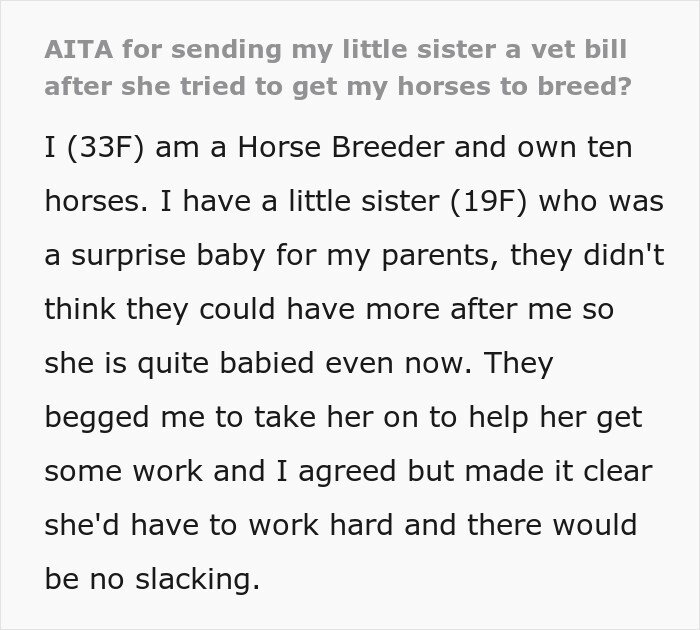
That’s what happened to a horse breeder who gave her younger sister a chance to work alongside her. Things took a turn when her sister ignored an important breeding rule involving her prized mare and an untested stallion. And when their parents expected her to simply forgive and forget, the situation got even messier. Keep reading to find out what happened.
We all love animals, right, pandas? Whether it’s dogs, cats, horses, or pretty much any creature that lets us pet it! But loving animals and understanding how to care for them are two very different things. And when it comes to horses, there’s a lot more responsibility involved than people might realize. So, given today’s story, let’s take a closer look at what actually goes into breeding these beautiful animals.
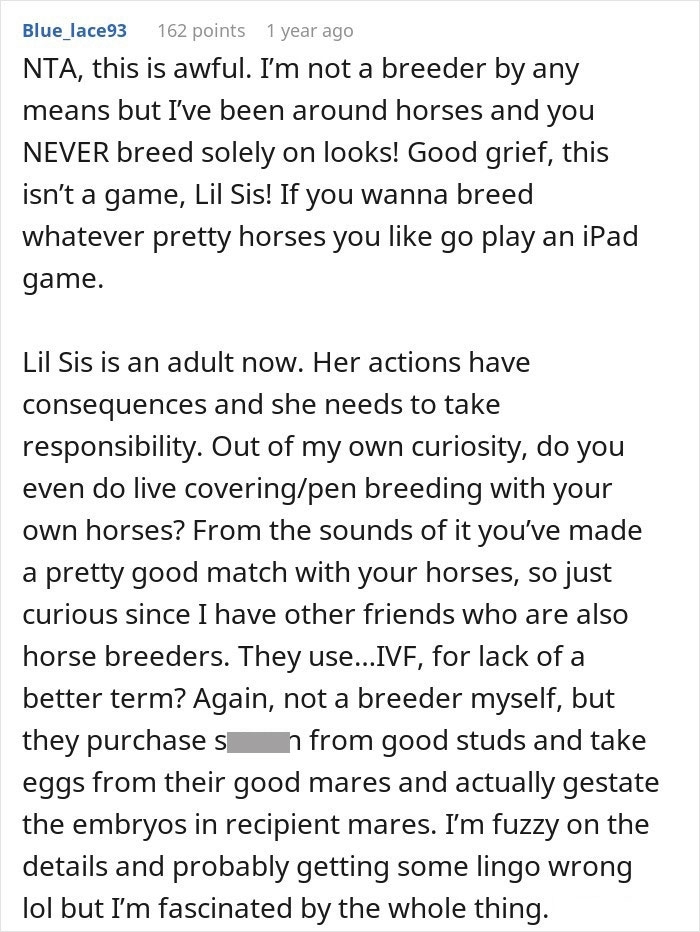
For starters, horse breeding involves carefully selecting a mare and stallion to produce a foal with desirable qualities. Breeders consider everything from temperament and health to bloodlines, physical structure, and performance. After all, a horse bred for racing may have very different requirements from one intended for farm work or recreational riding.
But here’s where things get a little complicated. Mares are seasonal breeders, meaning they’re naturally most fertile during certain months of the year, usually spring through autumn in the Northern Hemisphere. Their reproductive cycle lasts around 21 days, with the fertile period typically lasting just five to seven days. So, getting the timing right is important.
And that’s not the only thing breeders need to consider. Both horses should be healthy and suitable for breeding. Their physical structure, also known as conformation, matters because certain traits can affect a foal’s movement and long-term health. Breeders also need to consider the risk of passing on inherited conditions.
This is why veterinary checks are so important. Before breeding, a veterinarian may examine the mare’s reproductive health, check for infections, review vaccinations, and assess her overall condition. The stallion’s health and breeding suitability matter just as much. After all, the goal isn’t simply to produce a cute foal, but to give both the mare and her baby the best possible chance of staying healthy.
And even when everything goes according to plan, breeders have quite a wait ahead of them! A horse’s pregnancy lasts approximately 11 months, or around 340 days on average. During that time, the mare needs proper nutrition, a suitable environment, and regular monitoring.
Interestingly, a pregnant mare doesn’t necessarily need lots of extra food right away. The foal develops relatively slowly during the earlier months, with much of its growth happening toward the end of pregnancy. That’s when her nutritional needs increase, making a balanced diet especially important.
And let’s not forget, the work doesn’t end once the foal arrives! Newborn horses need careful attention, and breeders must be prepared to look after both mother and baby. Clearly, this isn’t something anyone should rush into without understanding the responsibilities involved. At the end of the day, responsible horse breeding takes time, money, knowledge, and careful decision-making. What might seem like a small change of plans to someone unfamiliar with the process could have serious consequences for the animals involved.
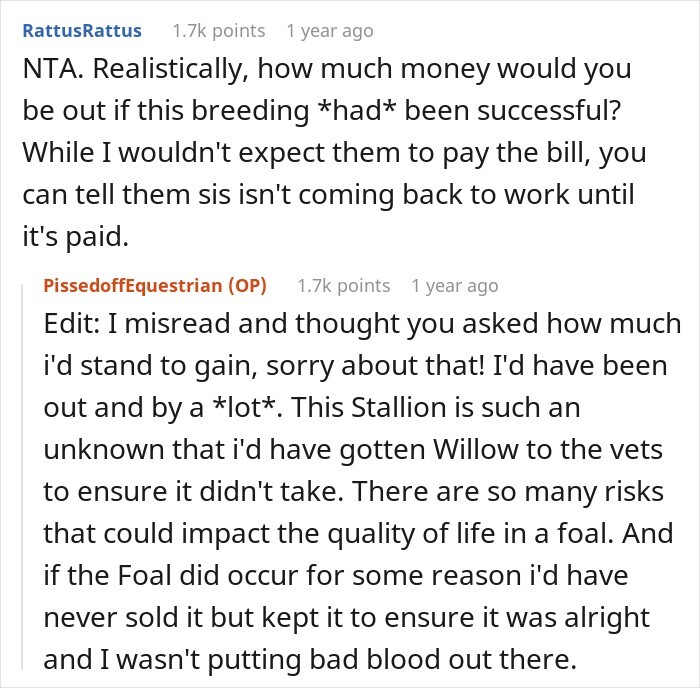
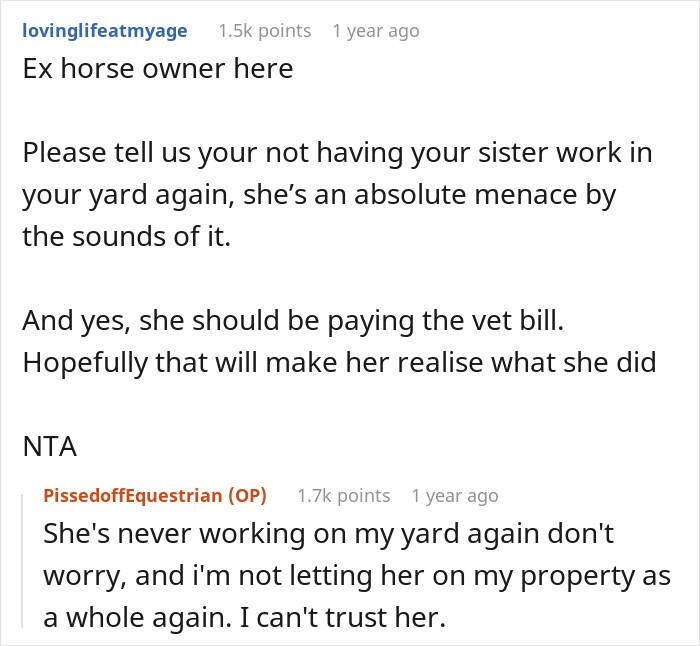
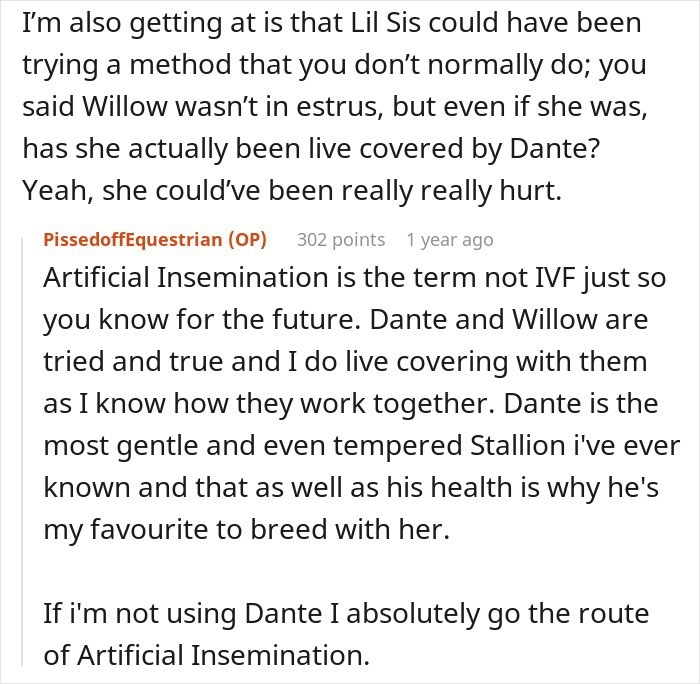
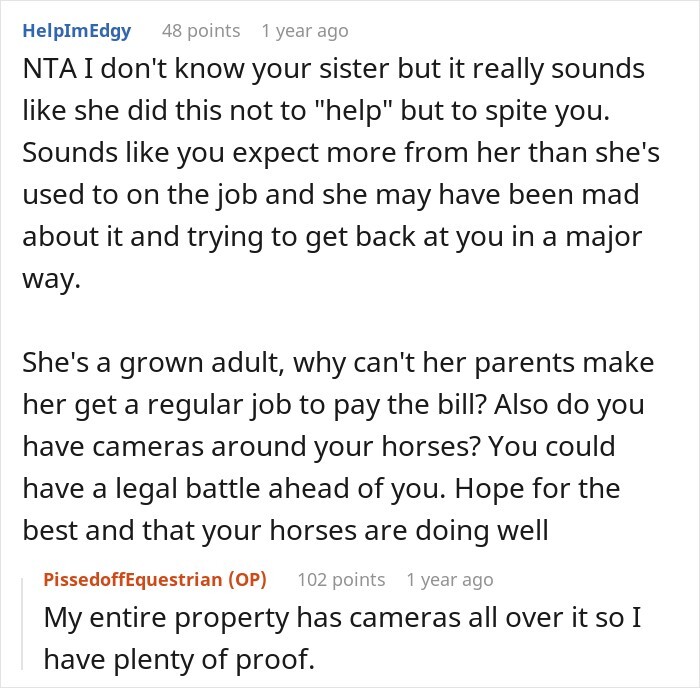
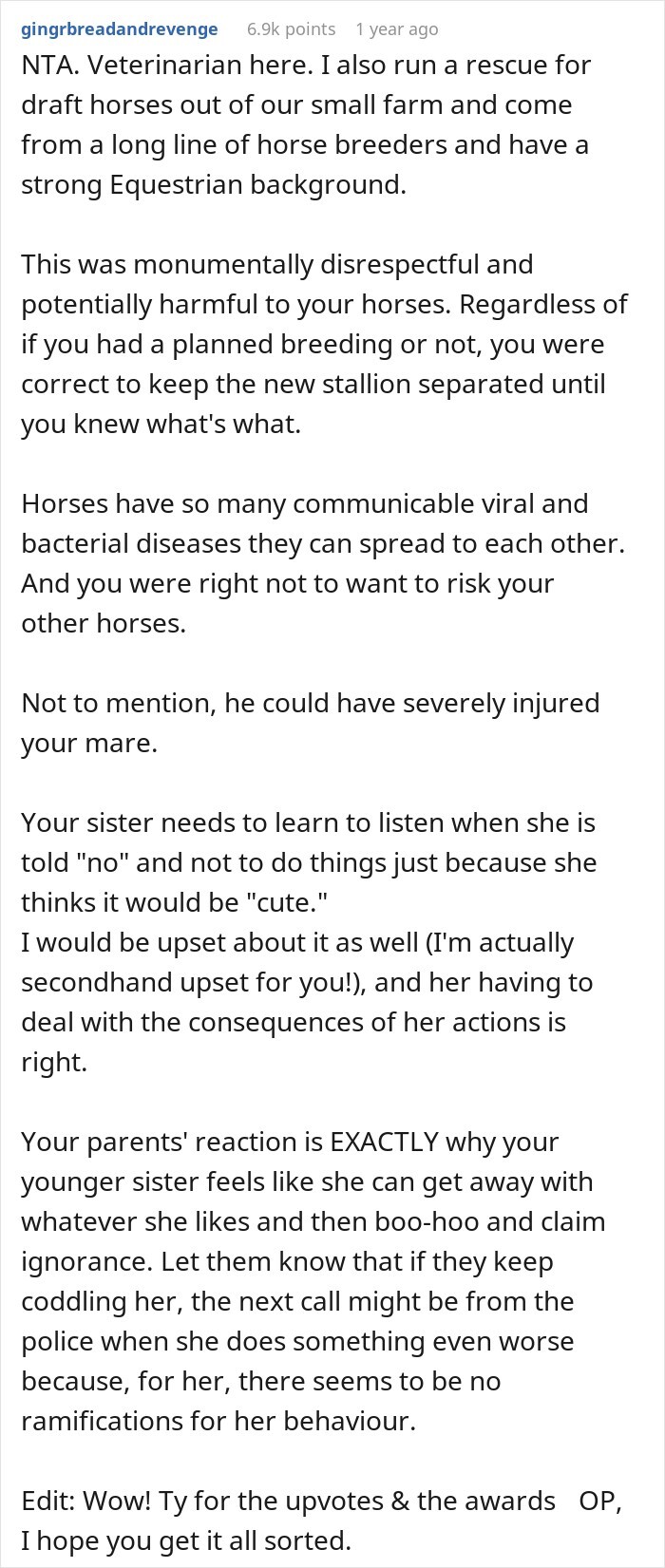
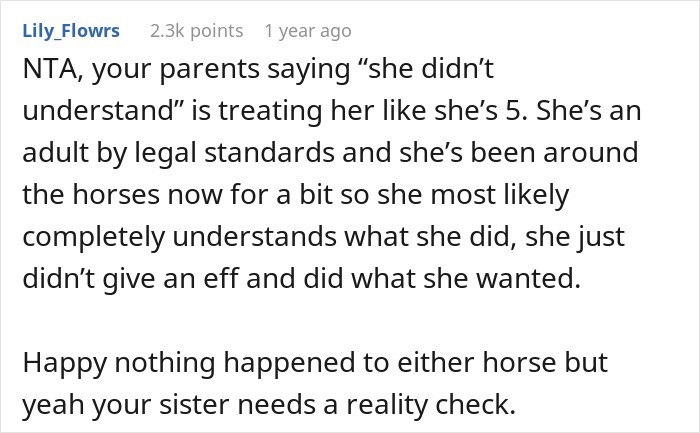
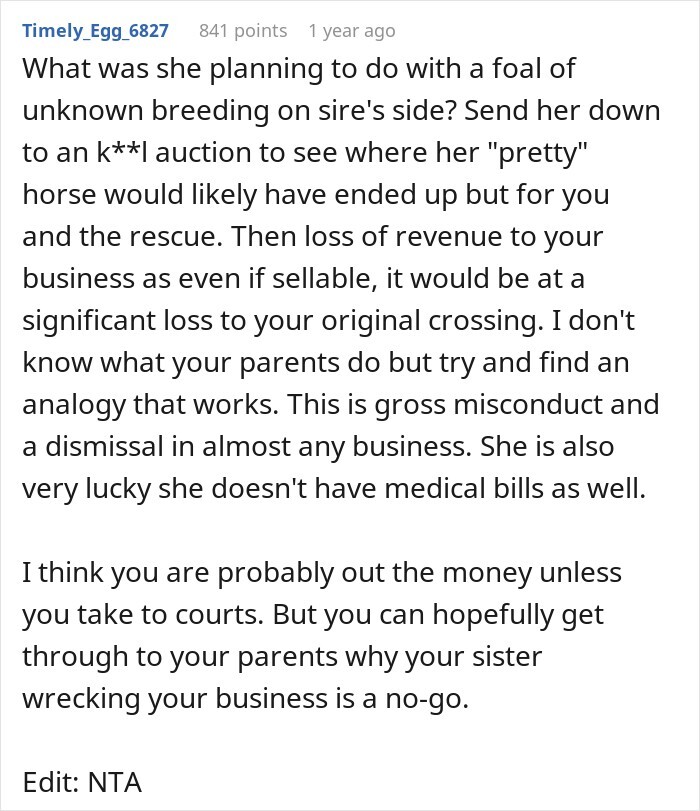
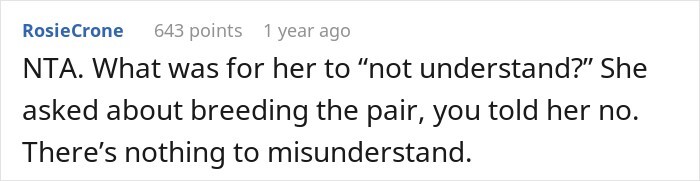
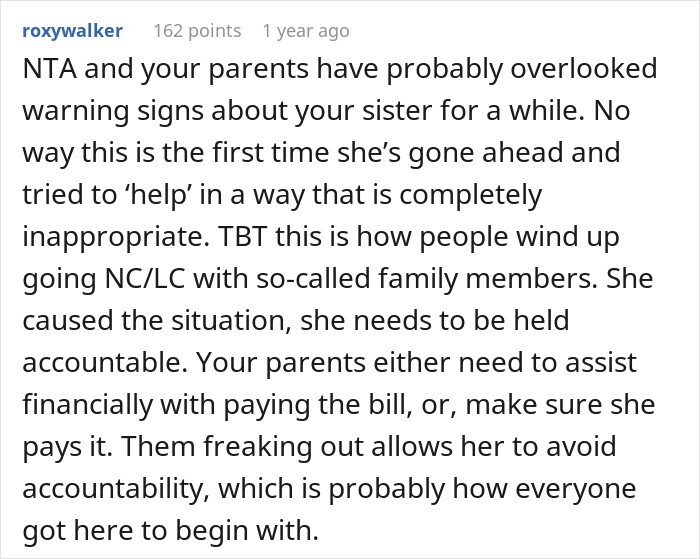
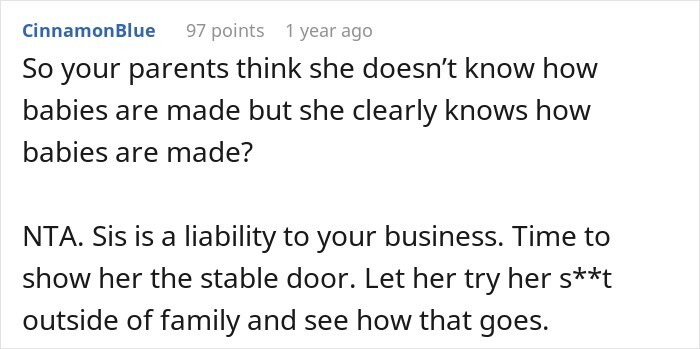
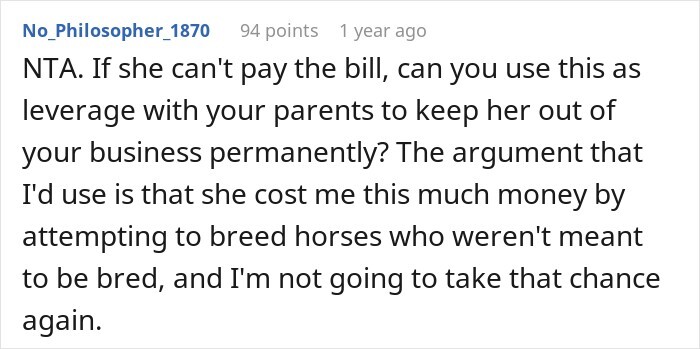
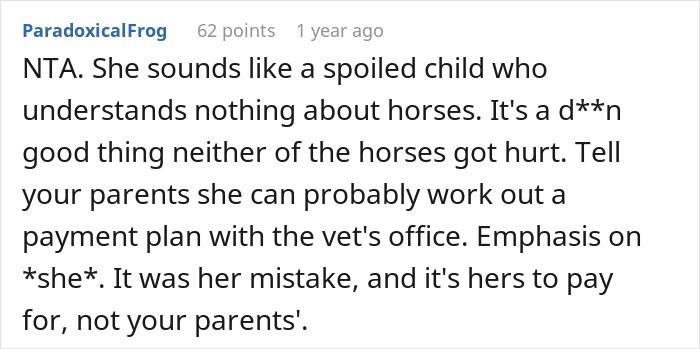
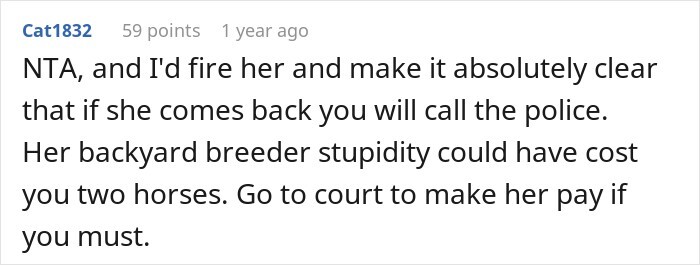
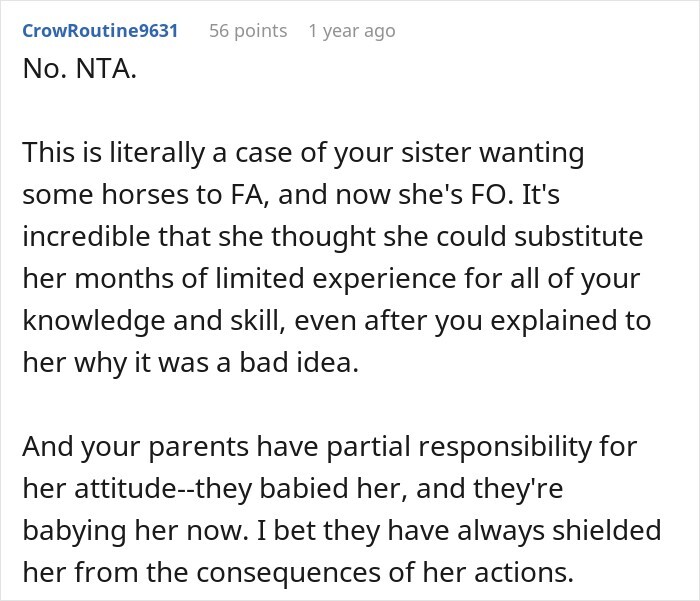
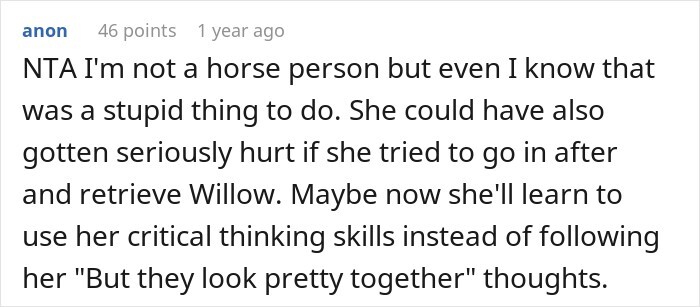
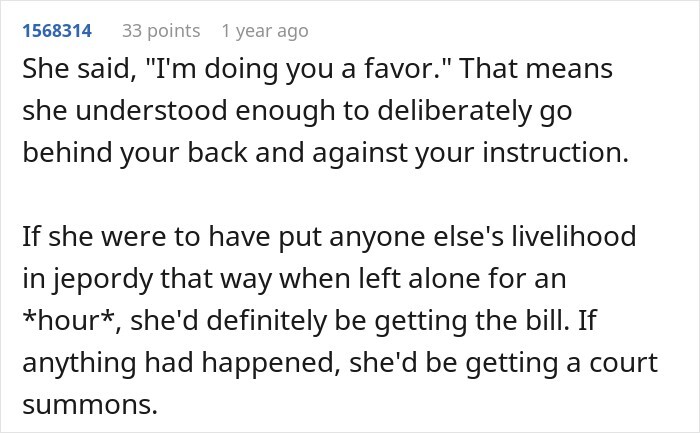
And that brings us back to today’s story. The woman had made her breeding rules clear, particularly when it came to using an untested stallion. But her sister went ahead and ignored those boundaries, potentially putting the mare’s health and the breeding plans at risk. It’s understandable why the woman was upset, especially considering how much preparation goes into the process. What do you think, pandas? Was she right to be angry with her sister, or should she have handled the situation differently because they’re family? Let us know in the comments below!

By entering your email and clicking Subscribe, you're agreeing to let us send you customized marketing messages about us and our advertising partners. You are also agreeing to our Privacy Policy.
Thank you! You've successfully subscribed to newsletters!



















 No fees, cancel anytime





















30
0