Get Premium
Dark mode theme is available exclusively for premium users. Learn more about the benefits of subscribing.
No fees, cancel anytime.

 Dark Mode Ad-Free Browsing Unlimited Content
 Ad-Free Browsing Unlimited Content Dark Mode
Join 1.2 million Panda readers who get the best art, memes, and fun stories every week!
We all love a good plot twist. For example, most of us had no idea that Darth Vader was Luke Skywalker’s father in Star Wars, or that the Avengers will pull off a successful time heist in Endgame to save the universe.
But the plot twists in real-life can be much stranger than fiction, because they don’t follow scripts, genre rules, or neat storytelling arcs.
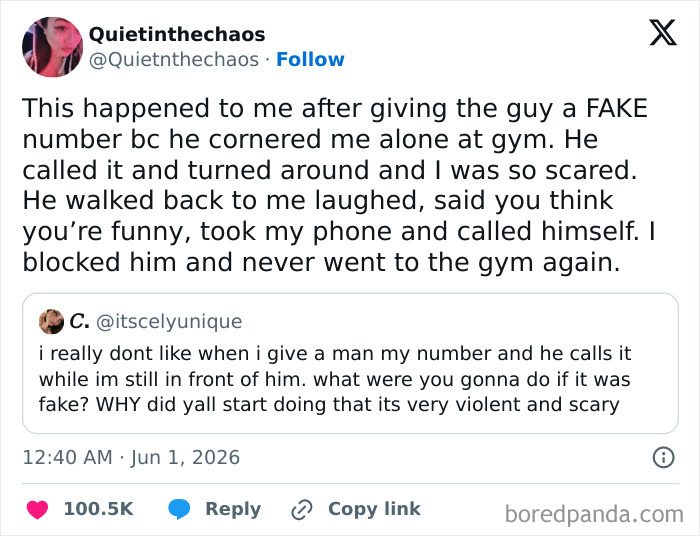
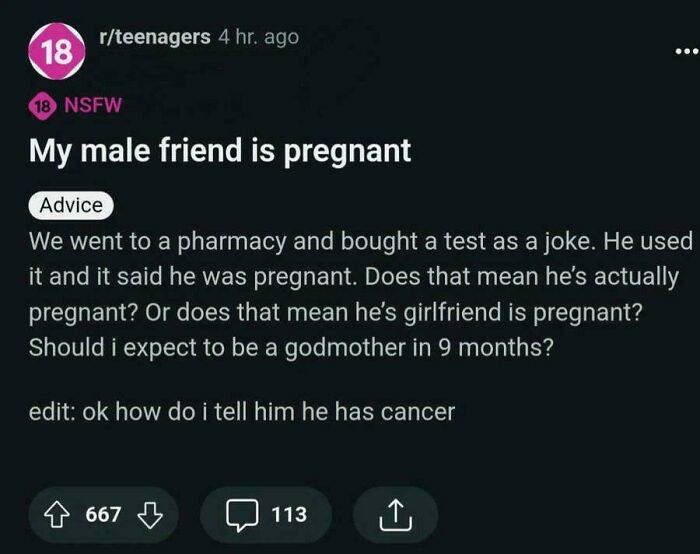
In this list, Bored Panda has collected real-life stories where everything flipped in an instant — ghosting that turned into tragedy, long-hidden adoptions revealed decades later, and family truths no one saw coming.
These stories prove that the most unpredictable scriptwriter in existence is the universe itself.
This post may include affiliate links.
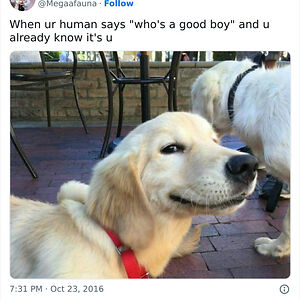
Did read many versions of this many times and still do not believe any of them
The universe, ancient Greek tragedies and modern filmmakers all exploit the exact same glitch: the human mind has massive and predictable blind spots.
We easily get distracted, lose track of how we know things, and see patterns in random chaos. This is mainly because our brain hates overworking. To save time and energy, it operates as a full-time prediction machine.
According to neuroscientist Andy Clark’s research, our mind is constantly guessing what’s about to happen next based on our past experiences.
Why do people even care what their in-laws think? You didn't marry the rest of the family. They can all go to h@ll
If you see someone walk up to a closed door, your brain predicts they’ll open it. It doesn’t waste energy analyzing every single detail of the doorknob.
As researcher Alireza Modirshanechi and her colleagues noted in a 2023 study, when reality matches your internal script, your brain just sits back and chills.
It conserves resources and updates almost nothing. Because these predictions are usually correct, the brain goes into autopilot most of the time and only pays full attention when something unexpected happens.
“Information we encounter early on influences our estimation of what is possible later. It doesn’t matter whether we’re reading a story or negotiating a salary: Any initial starting point for our reasoning — however arbitrary or apparently irrelevant — ‘anchors’ our analysis,” says Vera Tobin, assistant professor of Cognitive Science, Case Western Reserve University.
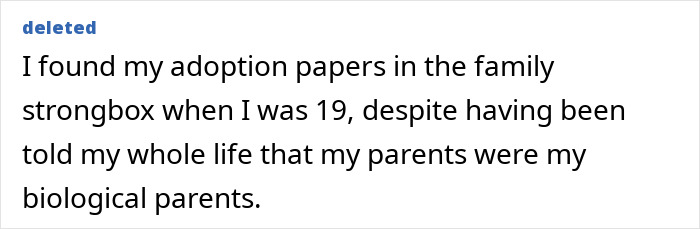
So when life throws a curveball, like someone finding out way into adulthood that they were adopted, the brain’s autopilot instantly crashes.
Our vulnerability to surprises and plot twists actually reveals something awesome about our psychology. This non-stop guessing game is a vital survival feature.
Without the ability to make lightning-fast assumptions based on totally incomplete information, we’d experience total analysis paralysis just trying to cross a street.
For example, if someone is completely blindsided by a cheating partner, the immediate instinct is to look back and feel foolish. People blame themselves for missing the signs.
But in reality, the brain was just doing its job.
Unless given a massive reason to expect betrayal, a person’s internal predictive engine defaults to placing a romantic partner into the safe and predictable category.
It’s an evolutionary feature designed to keep people from living in a constant state of paranoia.

I hunt for antiques too. Some may say it's not a sport but I give them a ten-minute headstart. Which is more like twenty minutes for the ones in wheelchairs.
So what happens when we experience a plot twist in real life?
First comes the prediction error, the exact moment when facts crash into your expectations.
Research has shown that the anterior cingulate cortex, a region in our brain involved in error detection, plays a key role in processing these mismatches. It helps us update our understanding of what’s happening.
As other areas of the prefrontal cortex integrate the new information, you may experience the mental discomfort of holding conflicting ideas at once, a phenomenon experts call cognitive dissonance.

"We wondered why he was always pontificating about things. Who knew? Hey, and this explains that car of his with the big glass bubble!"
Once the big reveal drops, we’re left with the curse of knowledge. This is a sneaky cognitive bias that makes it almost impossible to remember what it felt like not to know the truth.
For example, the second we hear the answer to a riddle, it suddenly feels incredibly obvious.
The same thing happens during massive tournament upsets, like a total underdog taking down a legendary champion at the football world cup. The second that final whistle blows, people often think they saw the shock victory coming all along. The brain suddenly hyper-focuses on pre-game red flags it completely ignored an hour earlier.
“What we know trips us up in lots of ways, a general tendency known as the curse of knowledge. For example, when we know the answer to a puzzle, that knowledge makes it harder for us to estimate how difficult that puzzle will be for someone else to solve: We’ll assume it’s easier than it really is,” says Tobin.
This exact sequence plays out in everyday life all the time. Real people are a million times more complex than fictional characters. Real life doesn’t have tidy or scripted conclusions. Humans are full of changing identities and hidden depths that don’t fit neatly into a basic and linear storyline.
Yet, we often form quick first impressions about each other based on incredibly limited data.

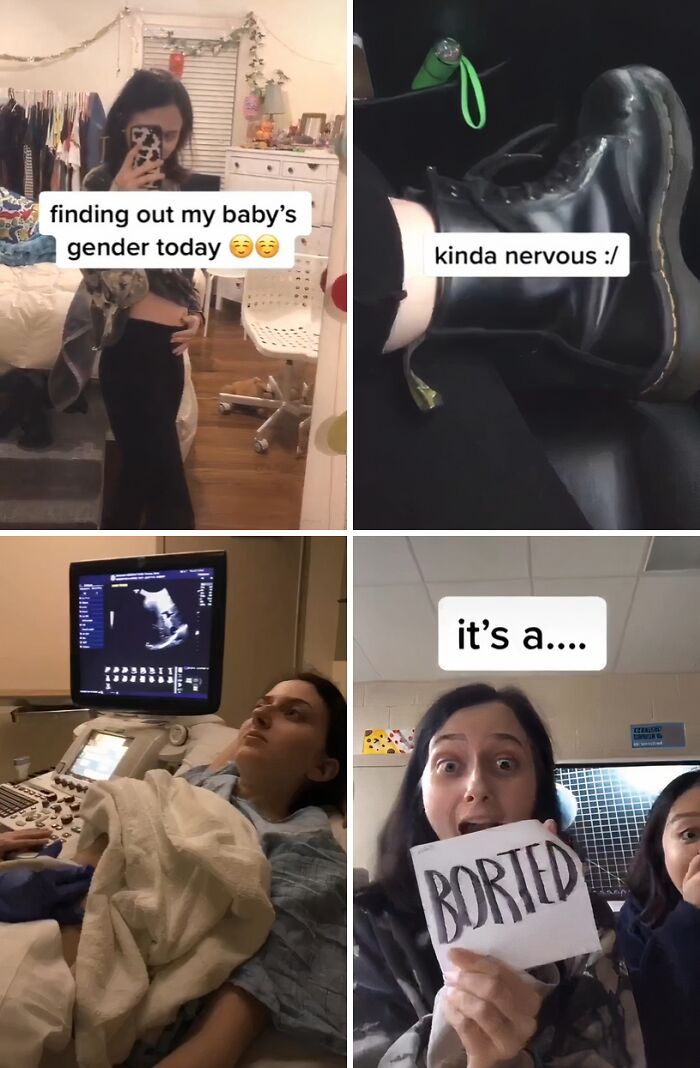
It seems plausible that the assumed conception date for the second pregnancy was incorrect. Even if she normally had very regular periods, after a miscarriage her cycle would have been wonky. A week later doesn't seem realistic, but two or three weeks later could be, and it's not that hard to mistake a conception date by a couple of weeks.

In our neighborhood, anything set out on the curb is understood to be free. So when a neighbor was mowing one day and went in to get a drink of water, she came back out to see some guy loading up her lawn mower that she left by the curb after finishing her front yard.
But a sudden plot twist doesn’t have to be a bad thing, even when it’s dark or totally unsettling.
In fact, unexpected shocks are exactly how we grow. Neuroscientists like Wolfram Schultz have shown that when reality violates our expectations, the brain instantly snaps out of autopilot and enters a learning state.
The surprise forces the brain to pay closer attention, boosts mental flexibility, and locks the moment into our long-term memory.
Basically, plot twists are a necessary software upgrade. When life blindsides us, the brain uses that new data to recalibrate its future guesses. It makes our internal map of the world much more accurate.
The best plot twists reveal deeper truths and force us to realize that the people around us are infinitely more complex.
Back in 2006, a guy joined our company because he totaled someone's car and didn't want to inform his parents. Worked for 3 months, paid for the car, resigned and left.

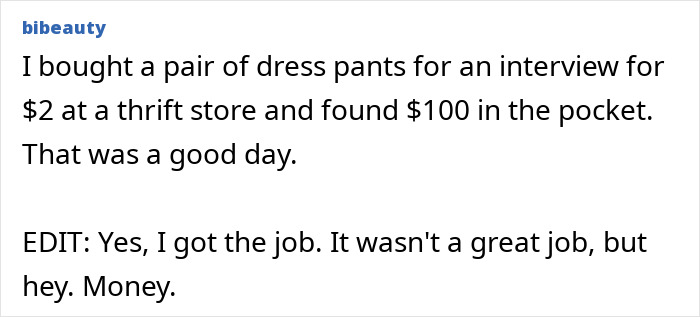
Husband bought a old, black wool dress coat at an estate sale for $10. Immediately took it to the dry cleaners. When he picked it up, the lady handed him an envelope with the 'contents of the pockets.' Six gold coins worth about $2500. I love that coat.
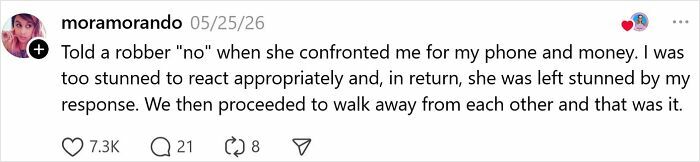
This happened to me and my brothers as kids when we were in a large city park. The would-be robbers were about our age and apparently had never received a flat "No" before. We just continued on our way.

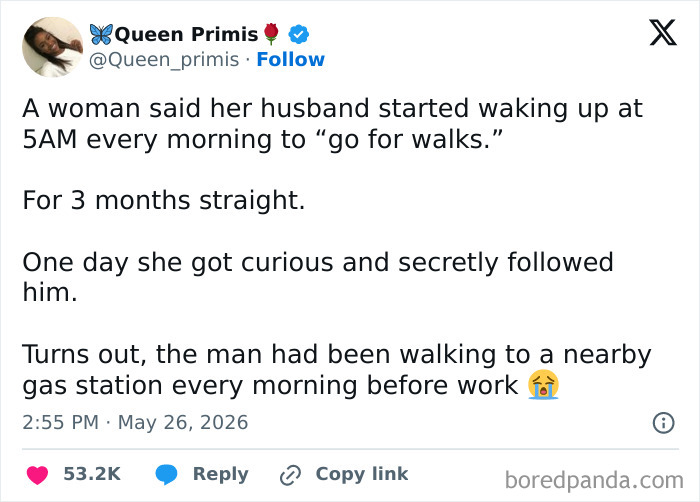
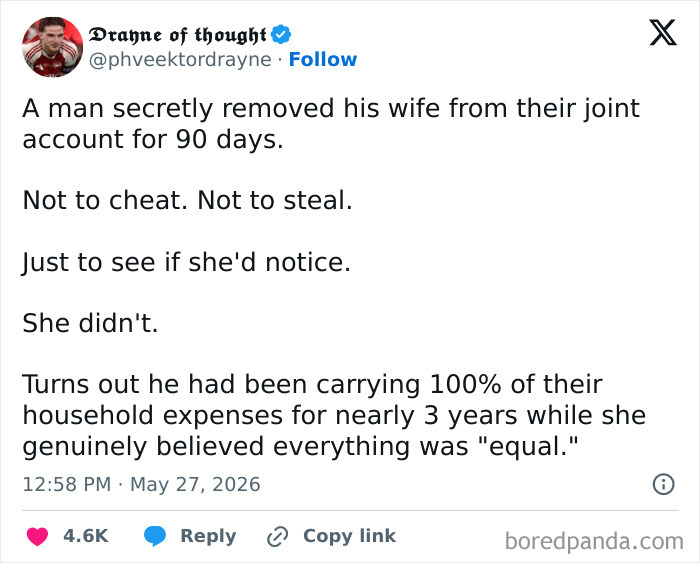
Not for anything suspicious. Just to buy coffee and sit alone quietly for one hour. According to him, "That's the only peaceful time I get to think.” Peaceful habit or major red flag?
if he has to run away to have an hour of peace, the red flag is the woman in the story
Well, no doubt he can't remember the last time he had a period, so ...
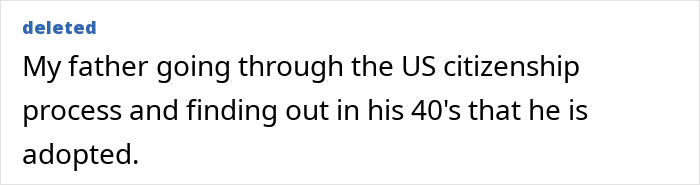
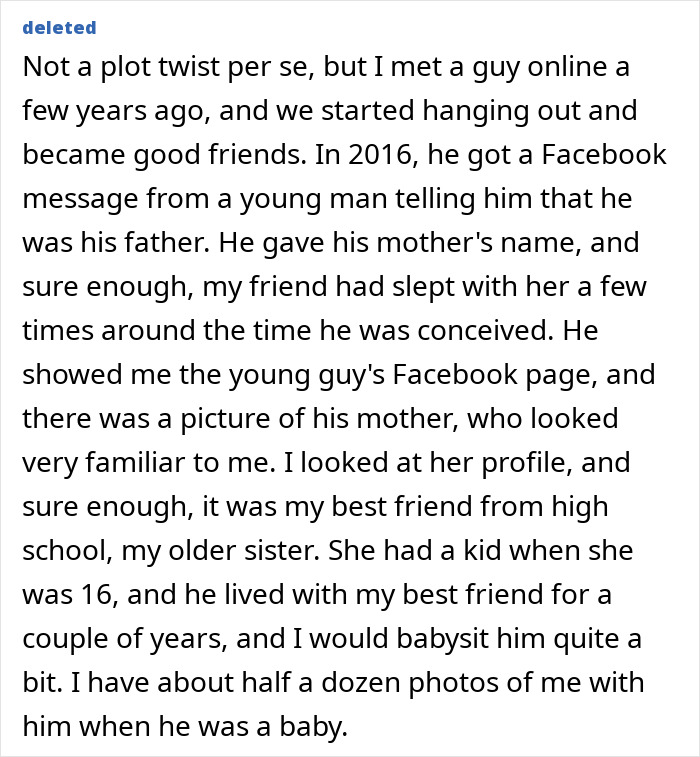
I knew a guy who was in his 40s before he found out that his dad wasn't his bio-dad, his first name wasn't what he thought it was, and his mother gave birth to him in Mexico but led him to believe he was born in the U.S.
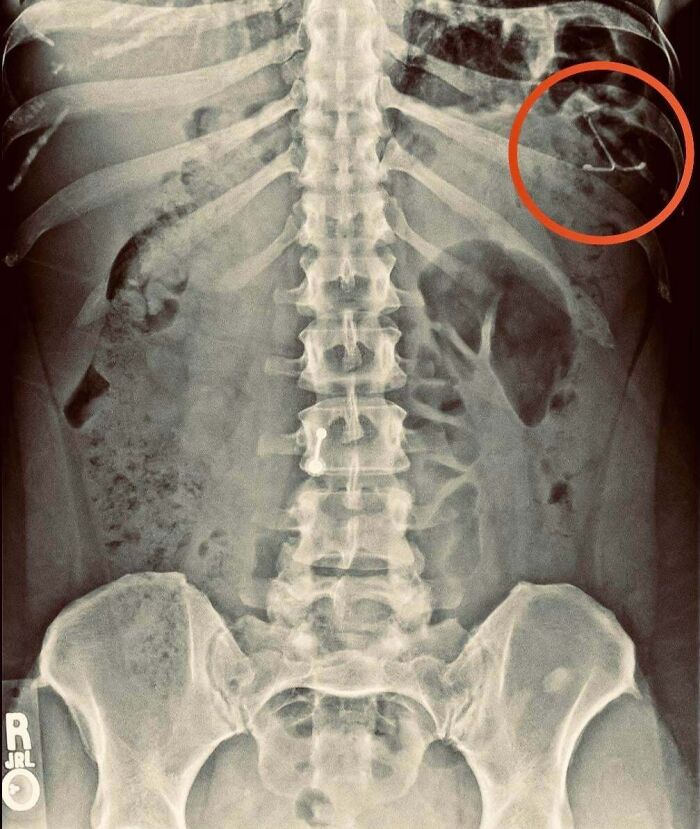
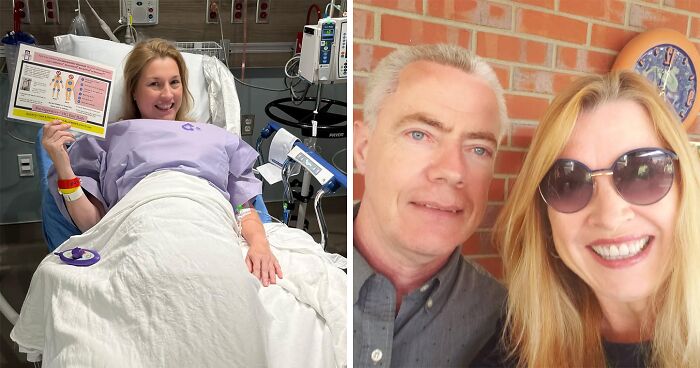
Well… plot twist: I have a Mirena IUD that migrated out of my uterus and is currently living its best life elsewhere in my body.
And yet — because life is funny — we’re now trying to get pregnant despite the IUD still being there (yes, doctors are involved, yes, it’s a whole thing).

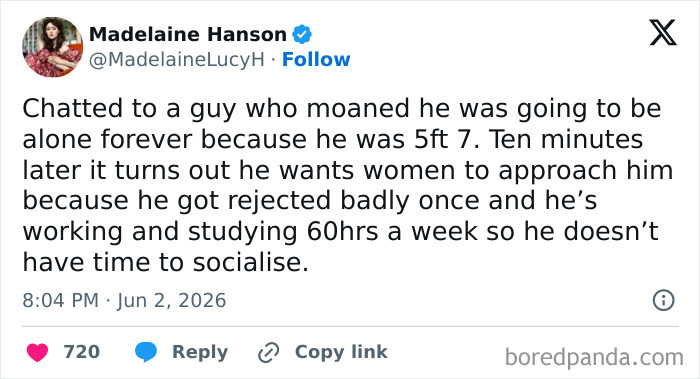
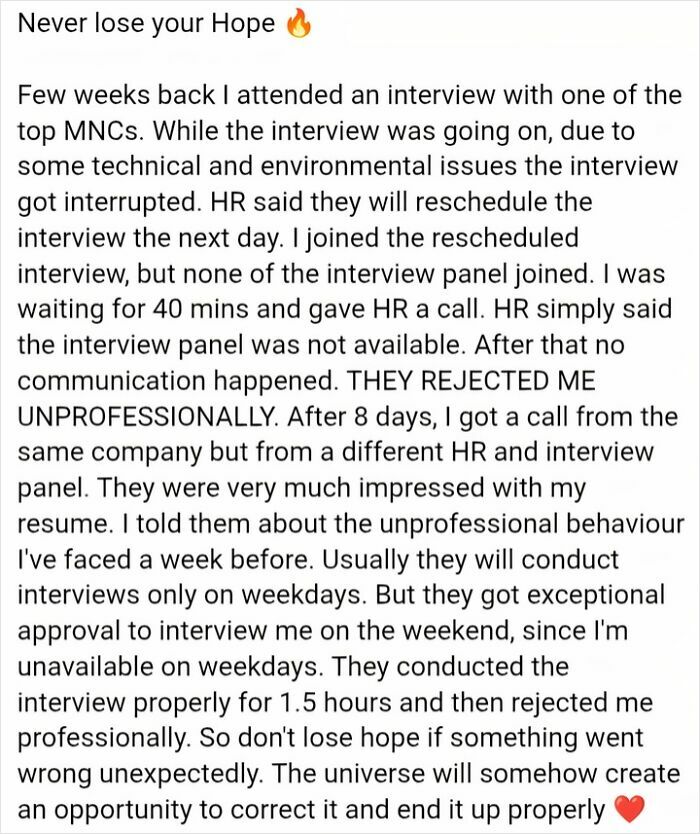
Don't lose hope. If you get rejected unprofessionally the first time, some divine intervention will make sure you get rejected professionally the 2nd time.




























 No fees, cancel anytime