Get Premium
Dark mode theme is available exclusively for premium users. Learn more about the benefits of subscribing.
No fees, cancel anytime.

 Dark Mode Ad-Free Browsing Unlimited Content
 Ad-Free Browsing Unlimited Content Dark Mode
Join 1.2 million Panda readers who get the best art, memes, and fun stories every week!

Marriage means putting each other first. So what do you do when you’re suddenly placed second?
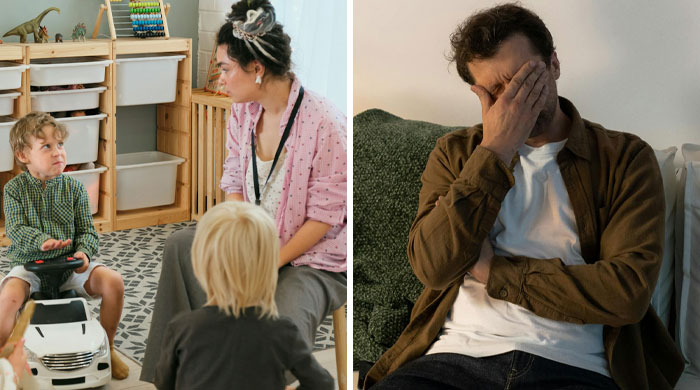
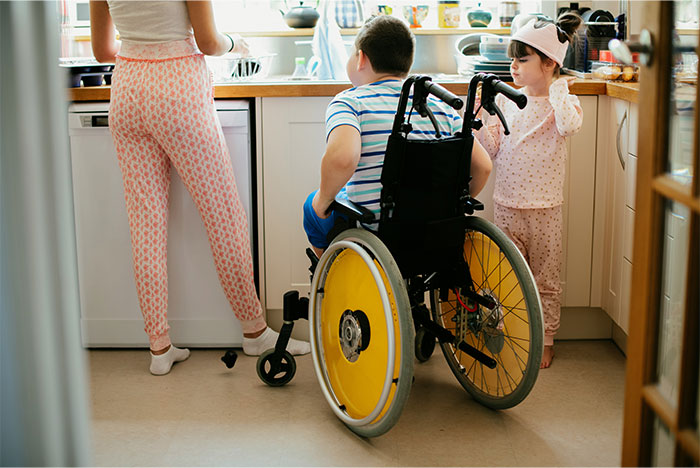
That’s the reality this woman faced when her husband moved his disabled siblings into their home with almost no warning, making their personal life feel like a distant memory.
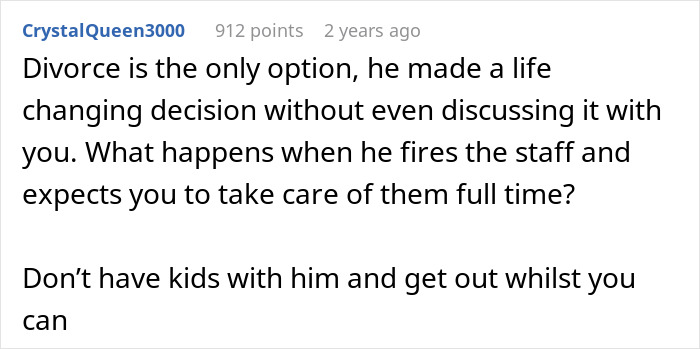
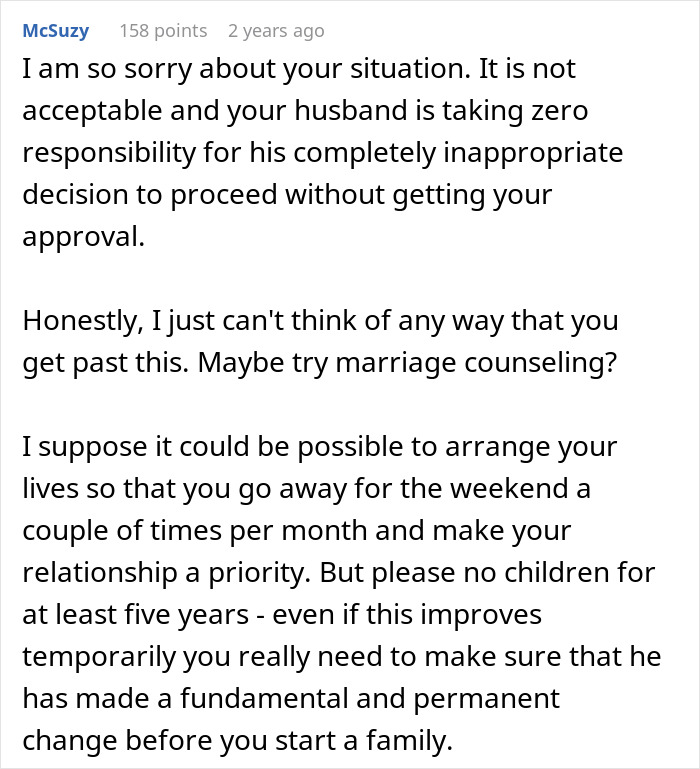
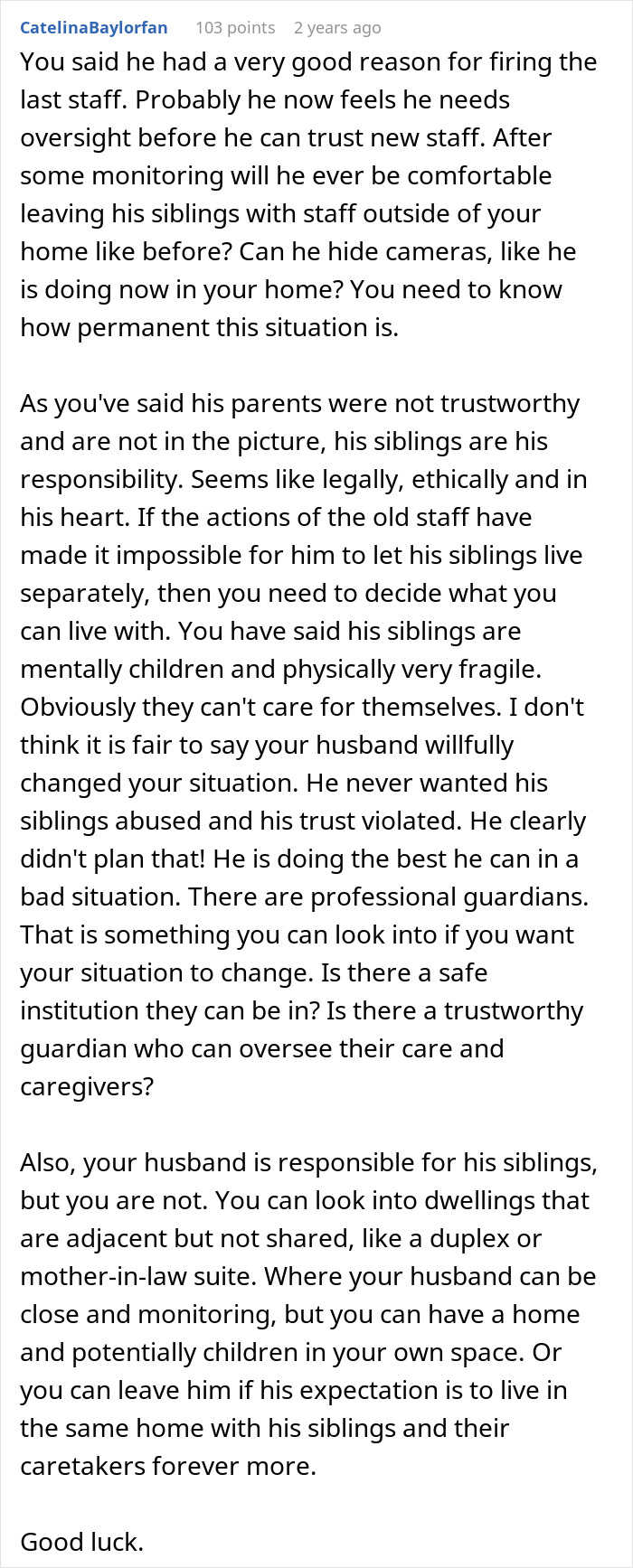
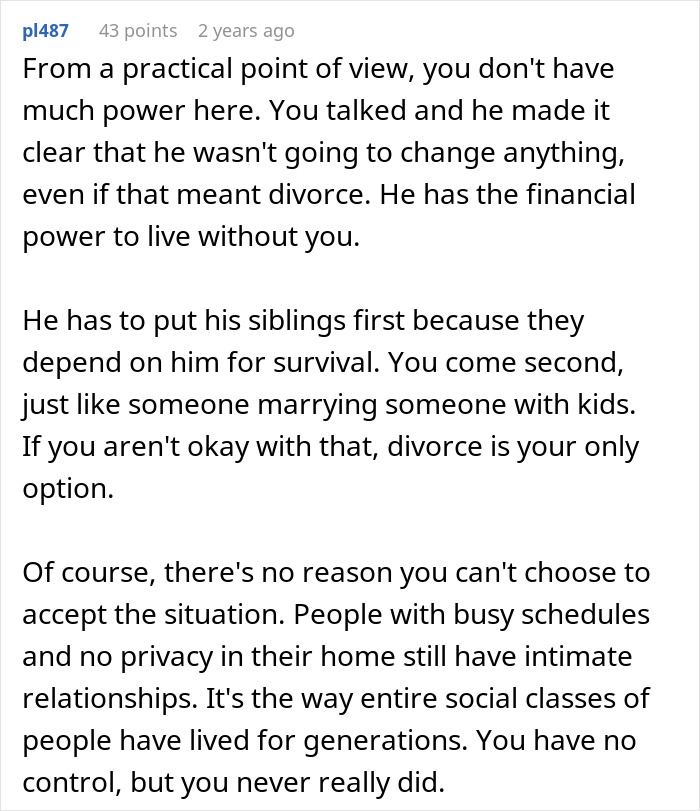
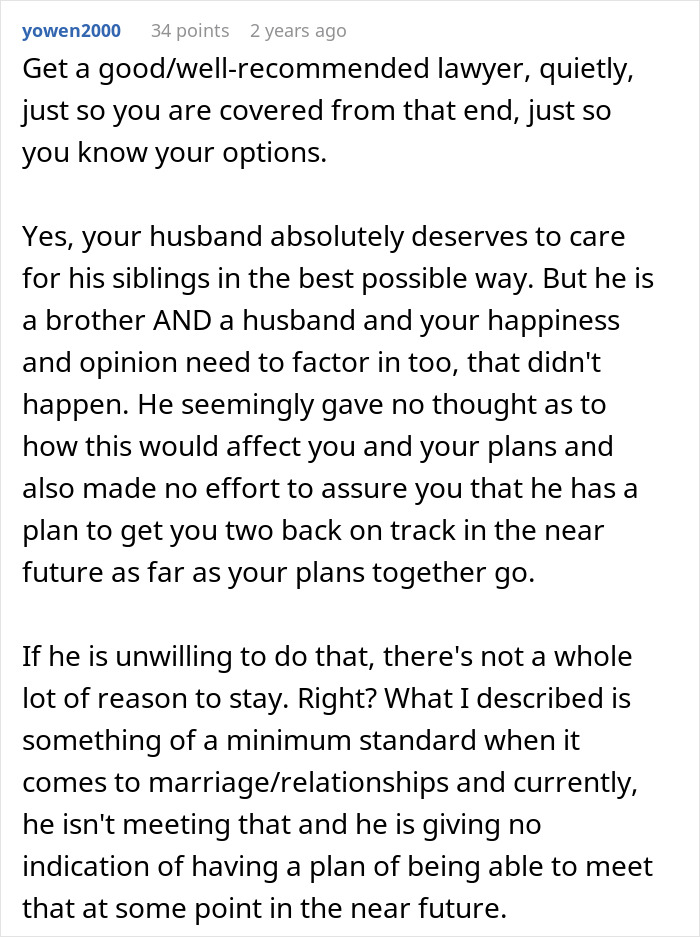
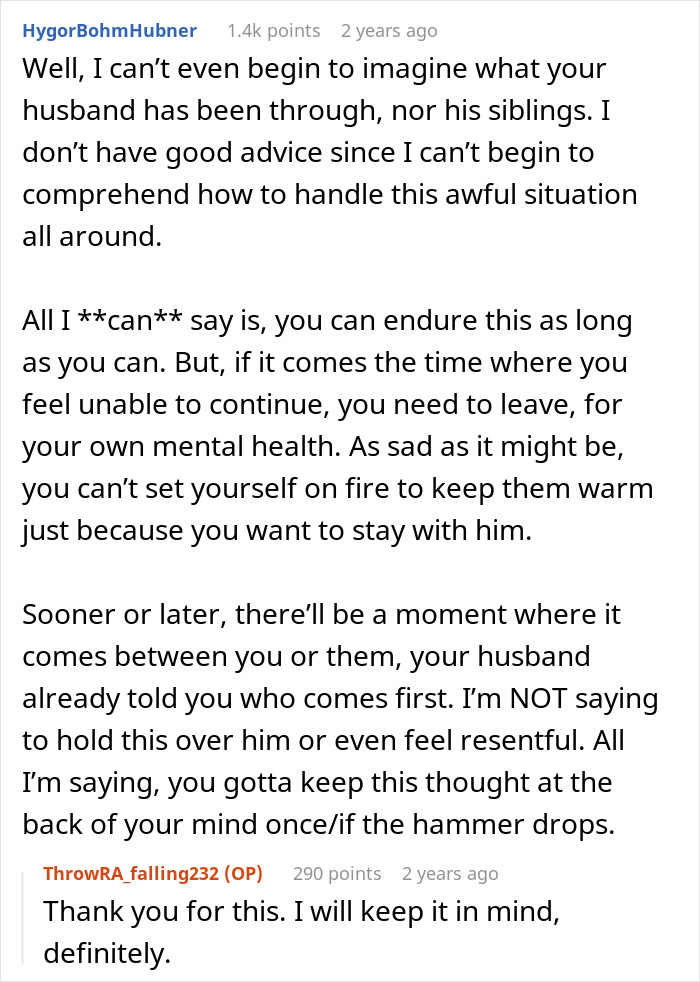
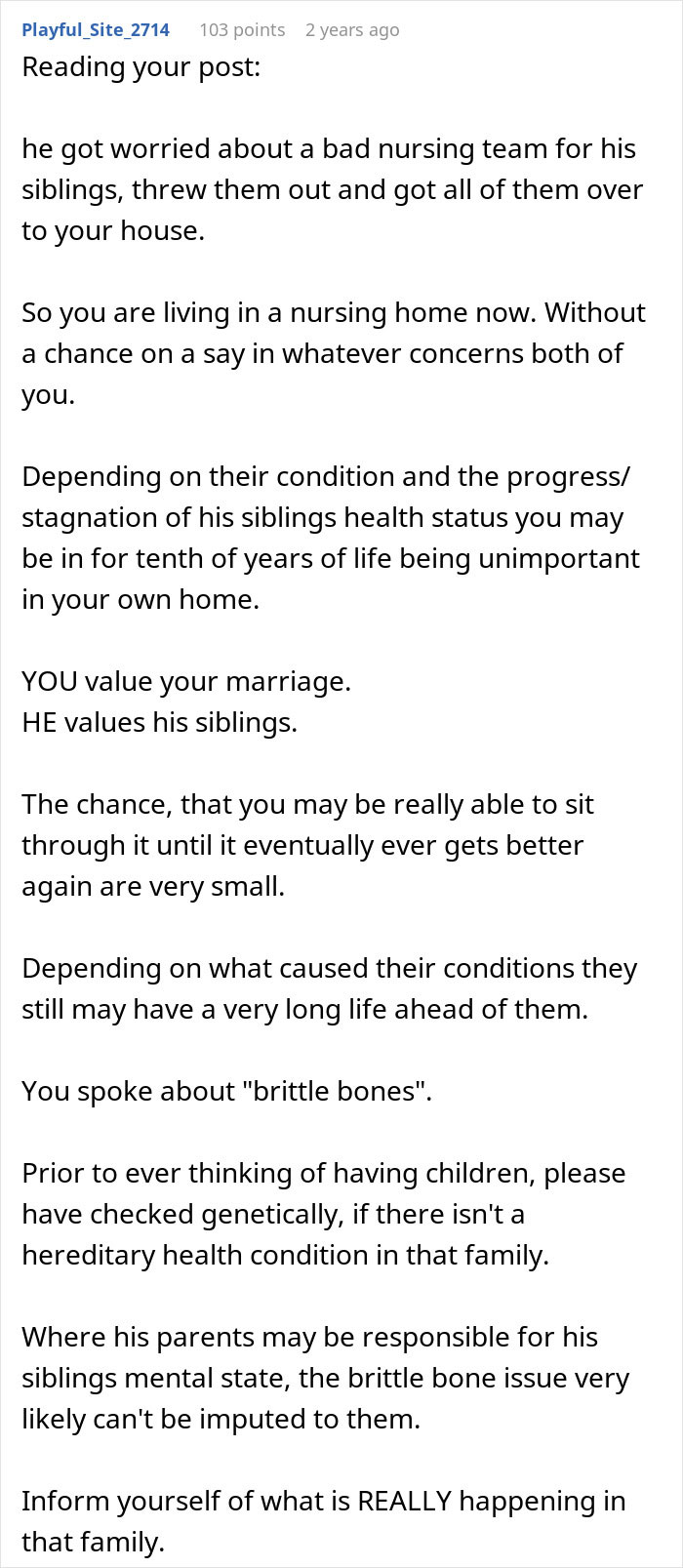
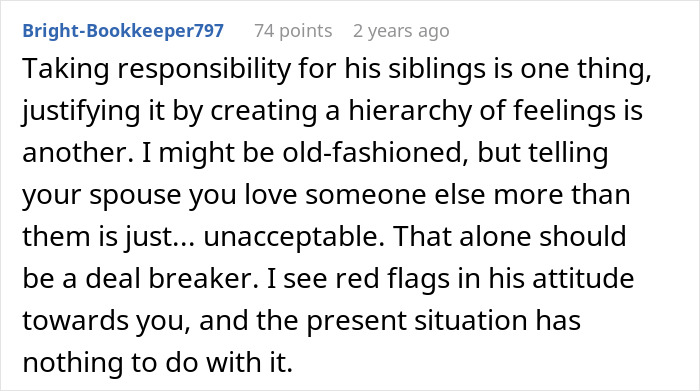
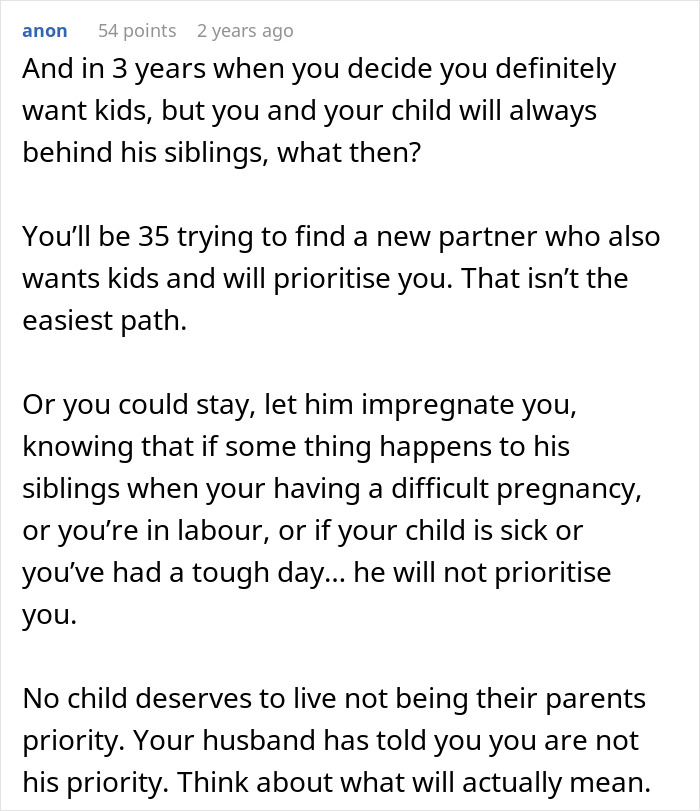
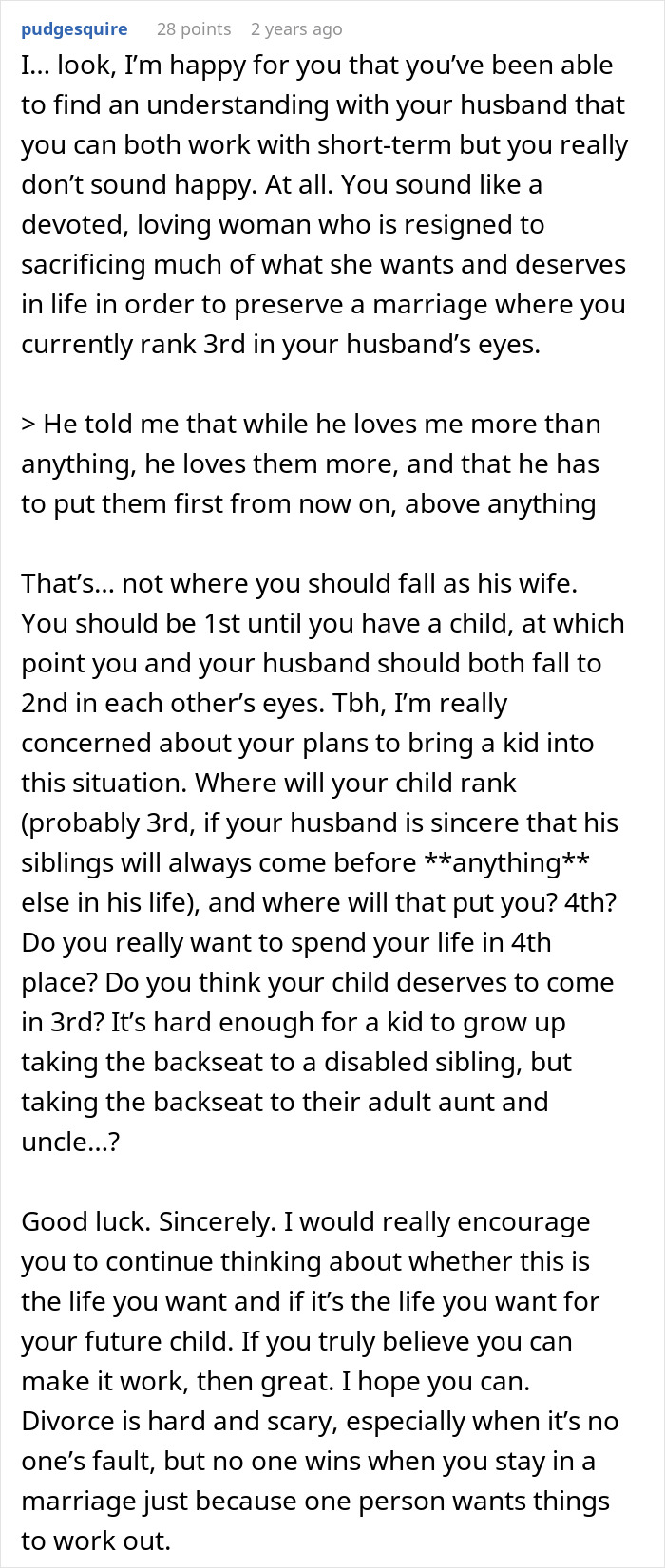
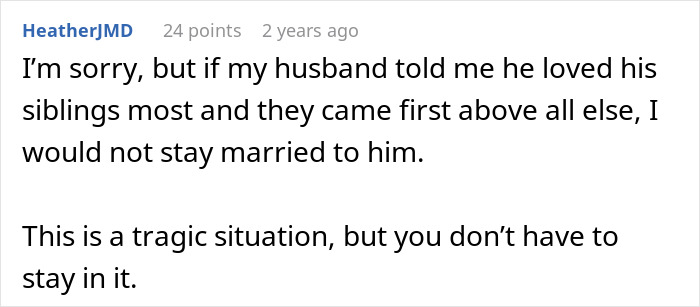
Advice poured in from strangers online, most saying the same thing: walk away.
But she wasn’t ready to give up. Read on to see if the couple weathered the storm.
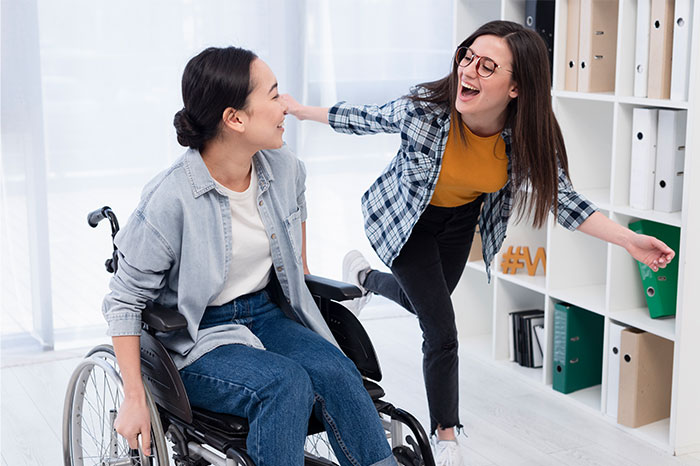
Image credits: freepik (not the actual photo)
Image credits: unsplash (not the actual photo)
Image credits: unsplash (not the actual photo)
Siblings often hold a special place in each other’s lives. They’re the ones we share our childhood with—a built-in support system through every high and low.
As someone with a younger brother, I know firsthand how deep that bond can run and how protective and connected you can feel toward each other.
Yet, when a sibling has a disability, that bond can take on a different weight.
The experience of growing up alongside a brother or sister with special needs brings a unique set of challenges and often unexpected rewards.
It’s also more common than many realize. Among the more than 6 million people in the United States with disabilities, most have at least one sibling.
According to Covey, a nonprofit organization that supports individuals with disabilities and their families, some siblings may struggle with anxiety, especially when their brother or sister faces behavioral challenges. Others might feel resentment if they believe their parents’ attention is always focused on the child with special needs.
Feelings of isolation, pressure to succeed, or even taking on a caretaker role too soon—a dynamic often called parentification—can influence how they experience childhood and adolescence.
At the same time, many siblings discover strengths they might not have expected.
Sharing life with a brother or sister who has a disability often teaches deep compassion, patience, independence, and leadership. They learn resilience, take on the role of advocate, and often develop a sense of maturity beyond their years.
Still, it’s important not to overlook the siblings’ own emotional needs.
As Emily Holl, director of the Sibling Support Project, told The New York Times, “The first thing is to recognize that the sibling experience parallels the parents’ experience.”
Like parents, siblings crave understanding and open conversations about their family member’s health, yet too often, they’re left out of those crucial talks.
This can lead to confusion, anxiety, and a premature sense of responsibility that follows them into adulthood, sometimes affecting how they view caregiving roles in future relationships.
That’s why experts emphasize allowing kids to be kids for as long as possible, giving them space to connect with peers, and creating opportunities to discuss family dynamics openly and honestly.
Feeling isolated is a common thread among siblings of children with disabilities. Studies show that loneliness, peer difficulties, and even depression can affect children as young as five.
They need to know they’re not alone: that support systems exist, and that their feelings are valid.
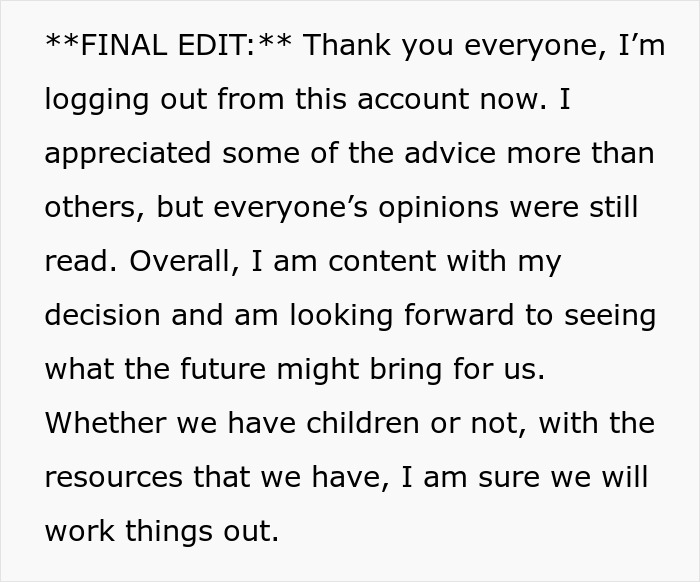
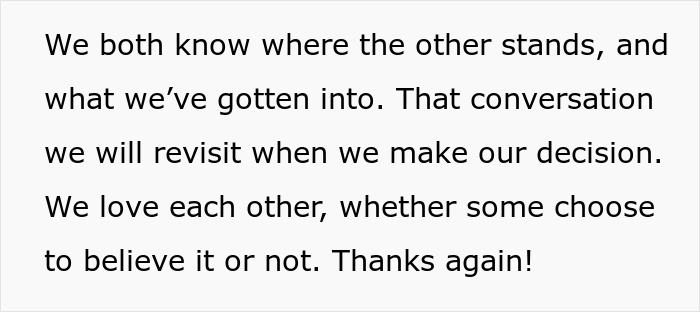
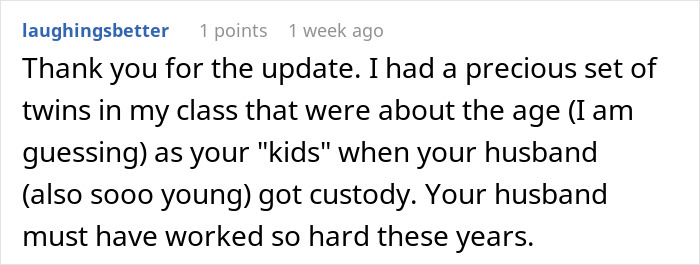
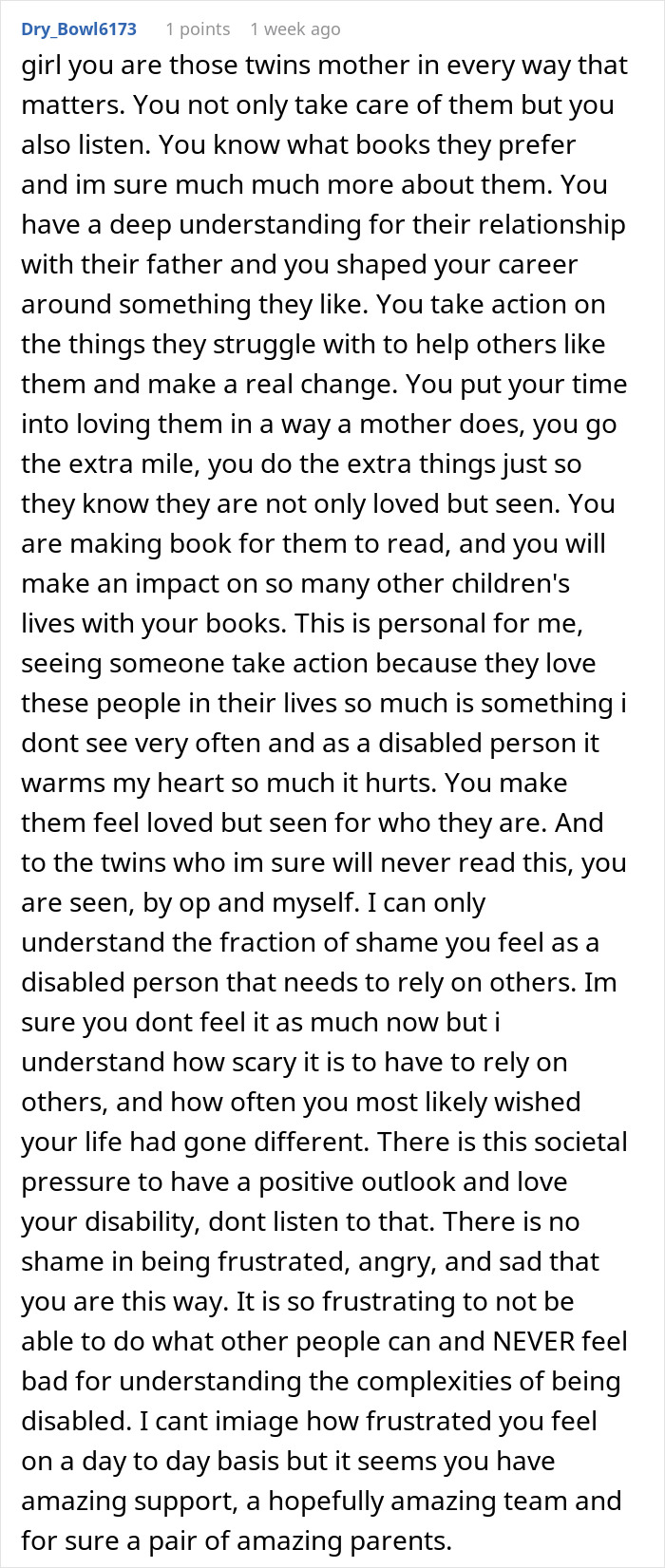
In this story, the woman’s husband took on a huge responsibility early in life. After his parents’ neglect caused lasting harm to his twin siblings, he became their caregiver. Not by choice, but because no one else would. It’s a powerful reminder of how much care, effort, and emotional weight this role can place on a sibling.
Ultimately, this experience calls for compassion, sensitivity, and kindness toward everyone involved, because every sibling’s story deserves to be seen and supported.
Image credits: unsplash (not the actual photo)
Image credits: unsplash (not the actual photo)
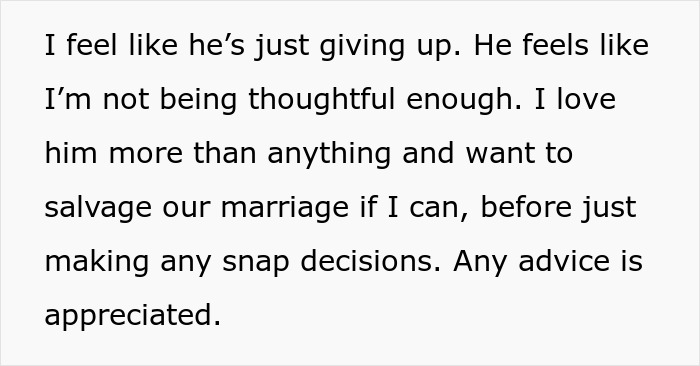
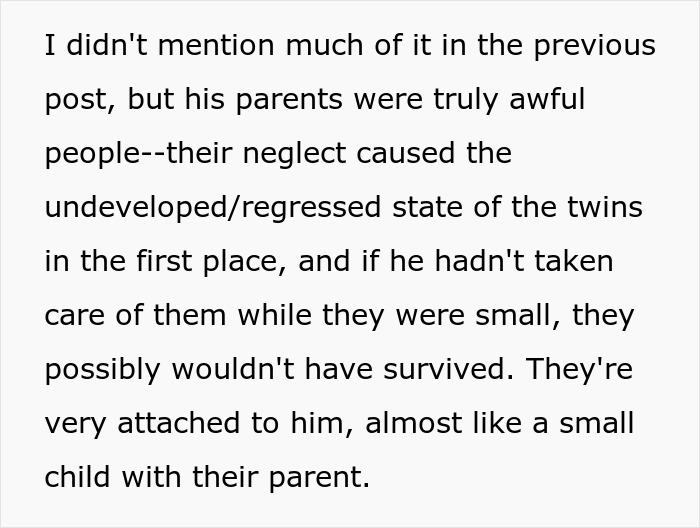
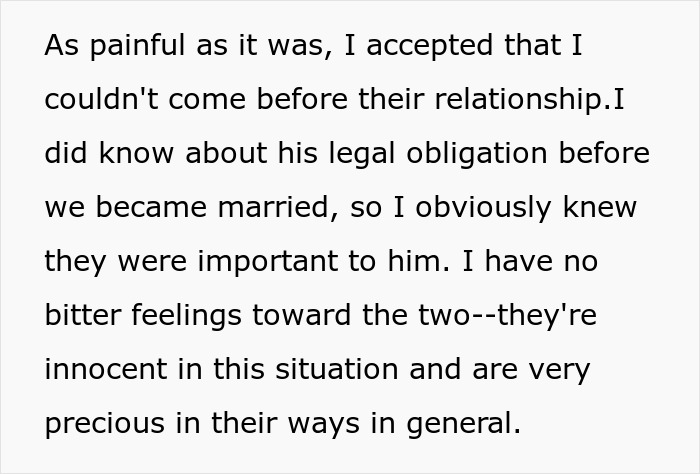
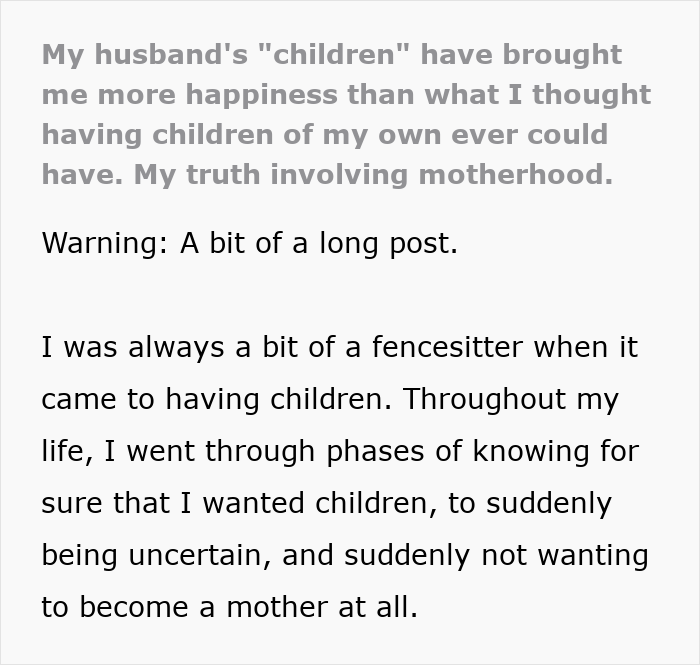
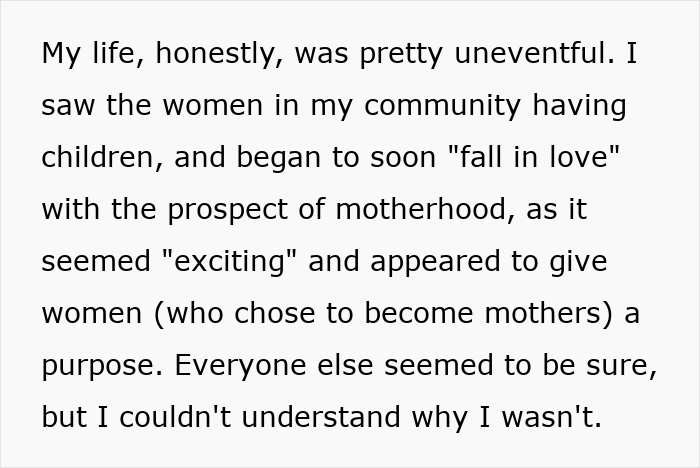
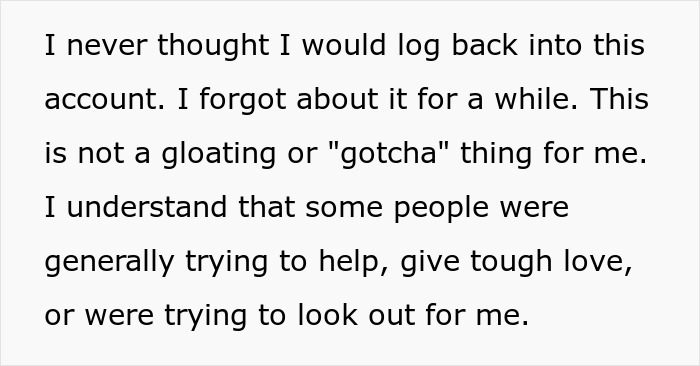
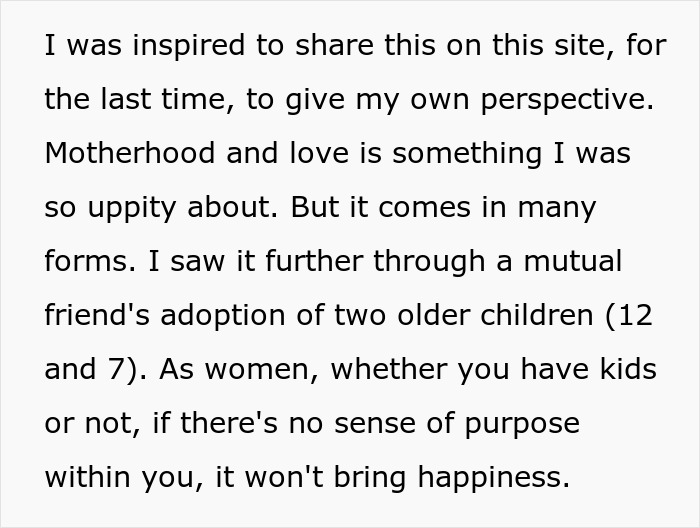
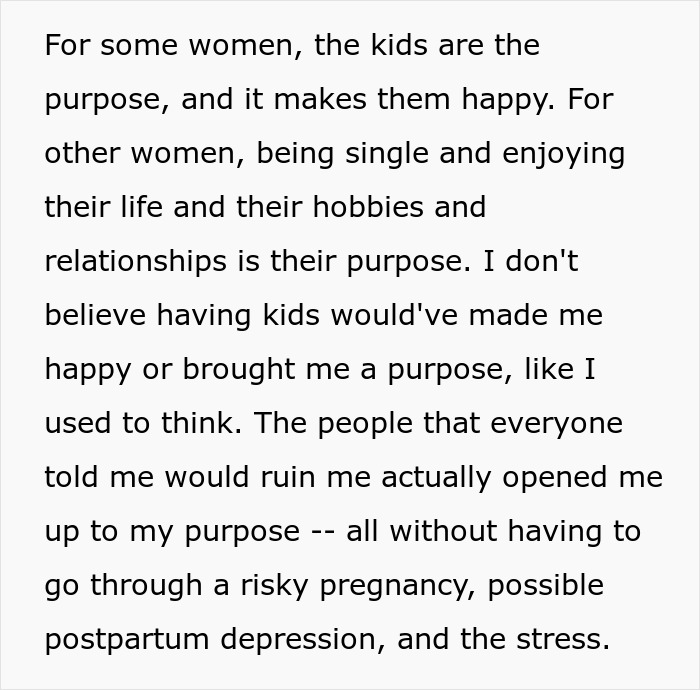
Image credits: ThrowRA_falling232
Image credits: freepik (not the actual photo)
Image credits: freepik (not the actual photo)
Image credits: unsplash (not the actual photo)
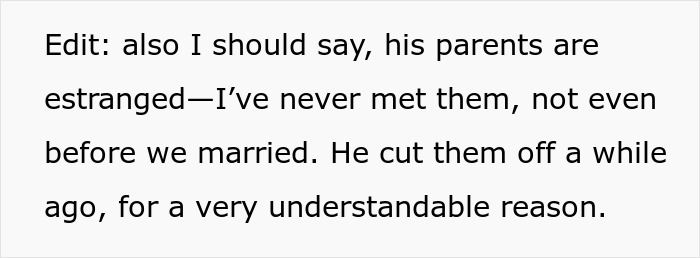
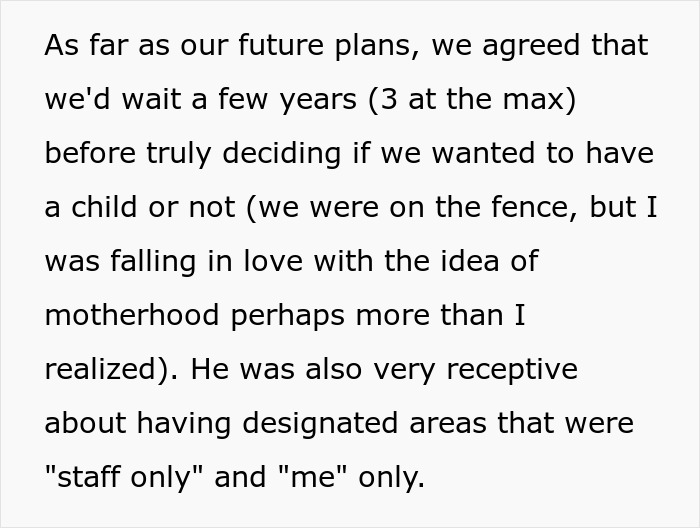
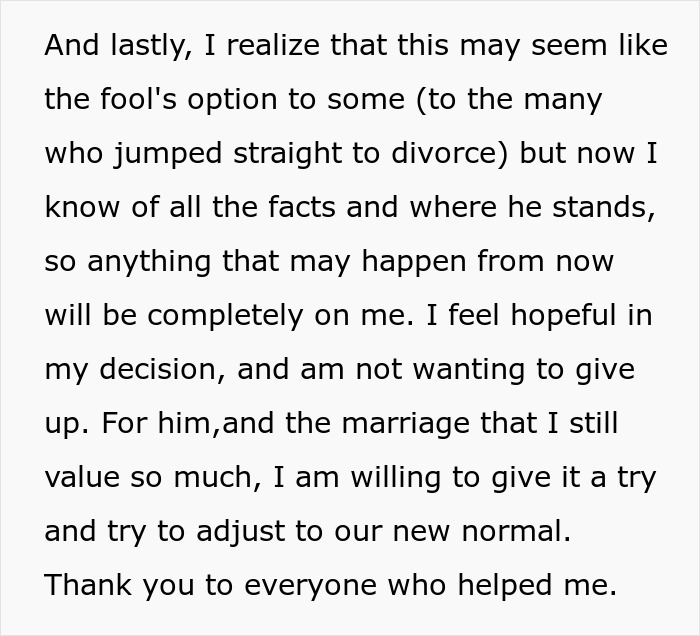
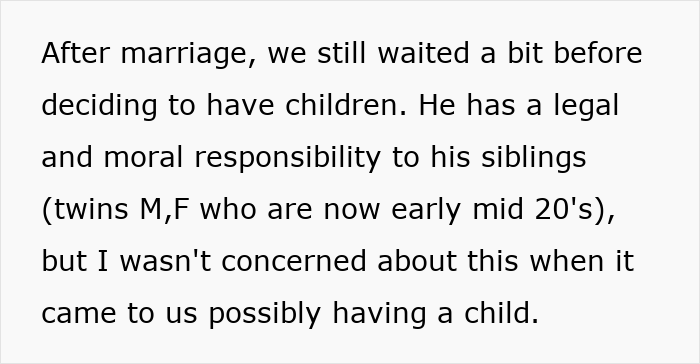
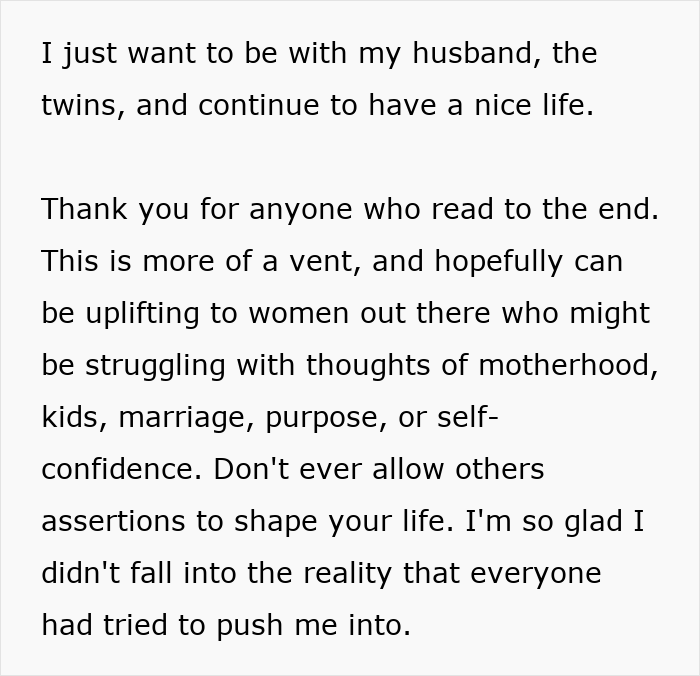
Image credits: ThrowRA_falling232

By entering your email and clicking Subscribe, you're agreeing to let us send you customized marketing messages about us and our advertising partners. You are also agreeing to our Privacy Policy.
Thank you! You've successfully subscribed to newsletters!
34Kviews
Share on Facebook
This is literally the best thing I think I've ever read on the internet thank you so much board panda

It is lovely, especially the update. But she's a bigger person than I am because I couldn't get past being told my husband loved someone more than me. But she's happy being in 2nd place so good for her. Different strokes.
Load More Replies...
I'm happy it worked out for OP, but this is by no means common. In my long experience as a care-giver, I've seen so many marriages fail, friendships end and families fall apart due to very high demands of care. Almost all spouses start out with the very best of intentions and then, after years, the lack of privacy, lack of agency and lack of freedom takes its toll. Care-giver burn-out is a real thing. The tragedy is, that when a care-giver burns out, there is no one to take over. We are all different and we all handle the same situation differently: let's not expect that the above example should be the benchmark.

My husband moved his mom, who had Alzheimer’s, into our house without really discussing it with me. I understood that he panicked when he realized that the only other option was placing her in a substandard nursing home (she had no money, we didn’t have much). I came to love his mom deeply, sometimes apparently more than he did, but her care gradually came to rest on me. He certainly rose to the occasion periodically, but I took care of her daily. And I did, until the day she died in my arms from pneumonia. I loved her, full stop. But my marriage was dead. My perception of my husband had changed too much, I came to understand that he was a profoundly selfish person, and I felt that I had lost my identity. We bumped along for another year, but I was done. I told him that our marriage was over and nothing he could say would change that. That was almost 15 years ago, and I have had a wonderful life since then. I will never give up my independence again.
Load More Replies... This is literally the best thing I think I've ever read on the internet thank you so much board panda
It is lovely, especially the update. But she's a bigger person than I am because I couldn't get past being told my husband loved someone more than me. But she's happy being in 2nd place so good for her. Different strokes.
Load More Replies... I'm happy it worked out for OP, but this is by no means common. In my long experience as a care-giver, I've seen so many marriages fail, friendships end and families fall apart due to very high demands of care. Almost all spouses start out with the very best of intentions and then, after years, the lack of privacy, lack of agency and lack of freedom takes its toll. Care-giver burn-out is a real thing. The tragedy is, that when a care-giver burns out, there is no one to take over. We are all different and we all handle the same situation differently: let's not expect that the above example should be the benchmark.
My husband moved his mom, who had Alzheimer’s, into our house without really discussing it with me. I understood that he panicked when he realized that the only other option was placing her in a substandard nursing home (she had no money, we didn’t have much). I came to love his mom deeply, sometimes apparently more than he did, but her care gradually came to rest on me. He certainly rose to the occasion periodically, but I took care of her daily. And I did, until the day she died in my arms from pneumonia. I loved her, full stop. But my marriage was dead. My perception of my husband had changed too much, I came to understand that he was a profoundly selfish person, and I felt that I had lost my identity. We bumped along for another year, but I was done. I told him that our marriage was over and nothing he could say would change that. That was almost 15 years ago, and I have had a wonderful life since then. I will never give up my independence again.
Load More Replies...


















 No fees, cancel anytime

























38
23