Get Premium
Dark mode theme is available exclusively for premium users. Learn more about the benefits of subscribing.
No fees, cancel anytime.

 Dark Mode Ad-Free Browsing Unlimited Content
 Ad-Free Browsing Unlimited Content Dark Mode
Join 1.2 million Panda readers who get the best art, memes, and fun stories every week!

“I forgive you.” In any relationship, forgiveness is often part of the journey. Your partner accidentally breaks your favorite vase? It stings, but you move on because mistakes happen. Healthy relationships usually involve letting go of small mishaps and giving each other grace. But things become far more complicated when someone’s actions aren’t accidental—they’re deliberate.
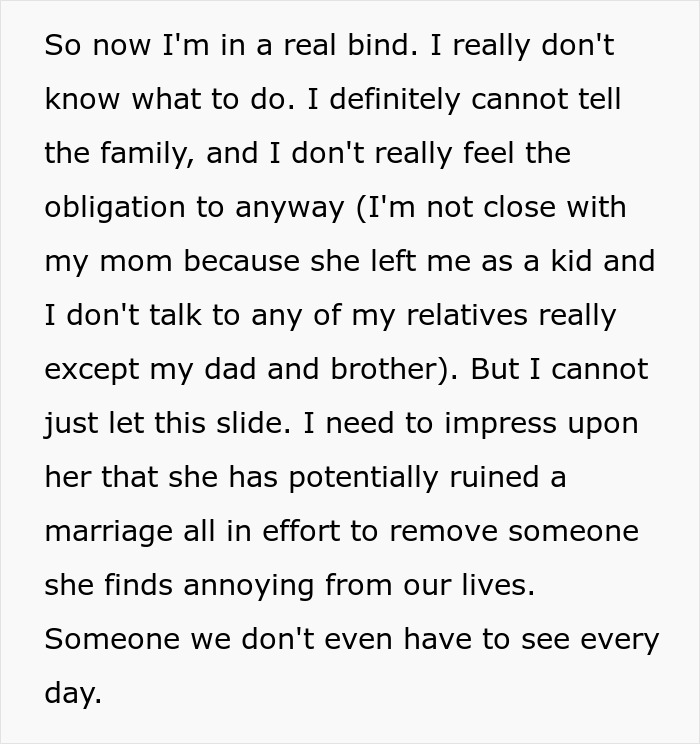
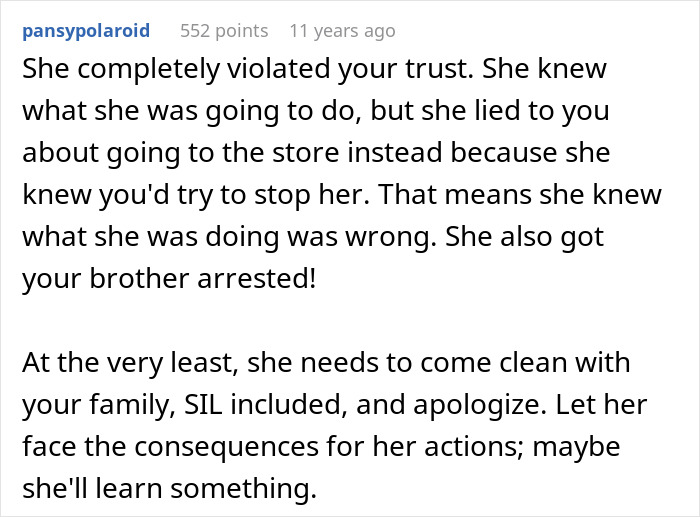
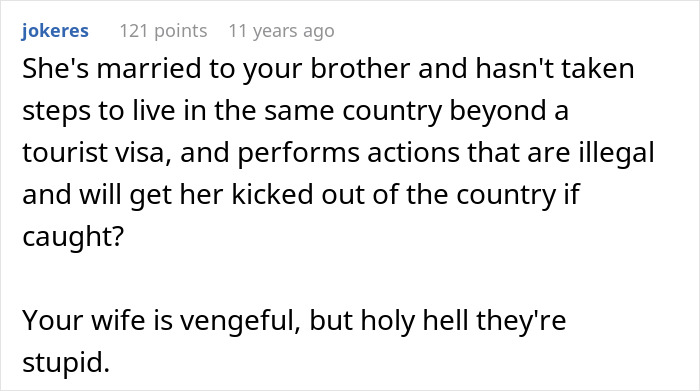
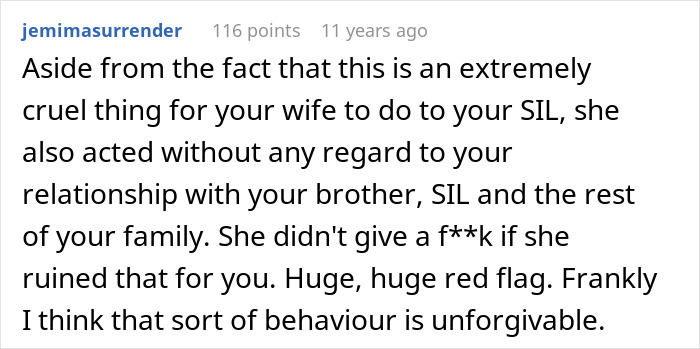
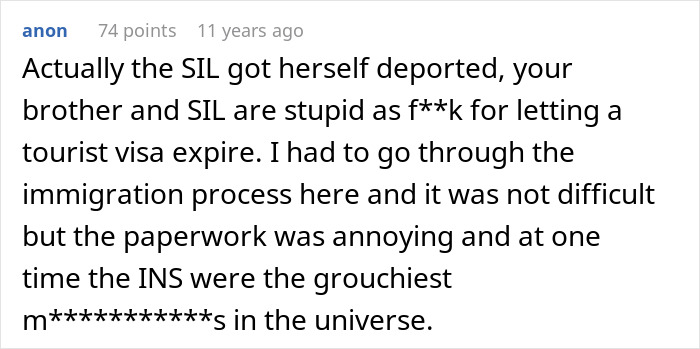
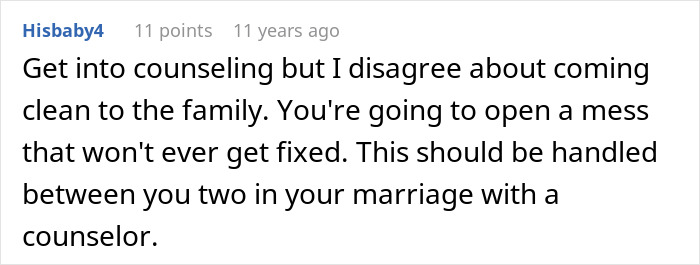
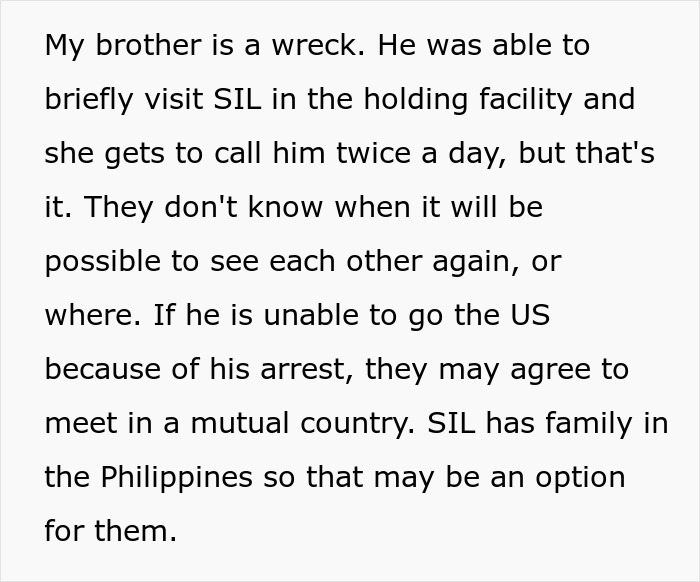
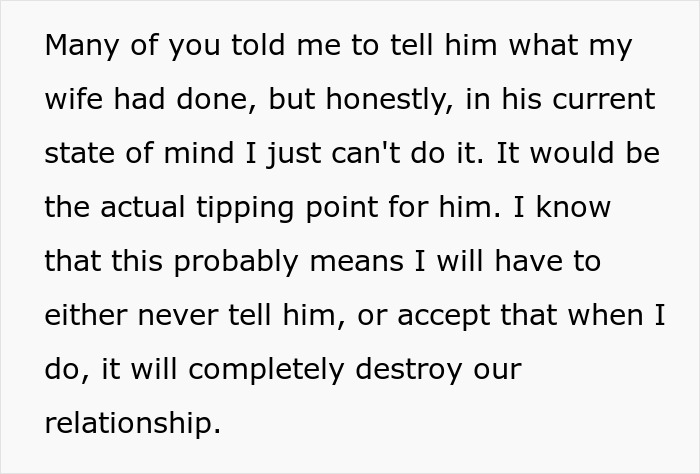
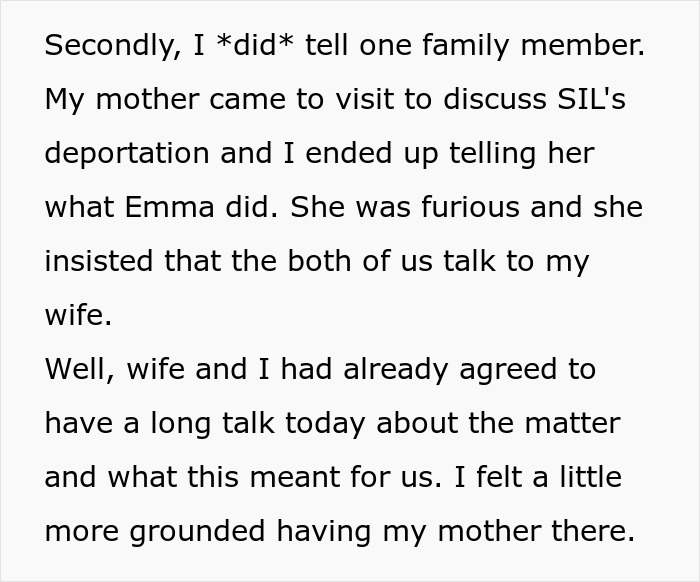
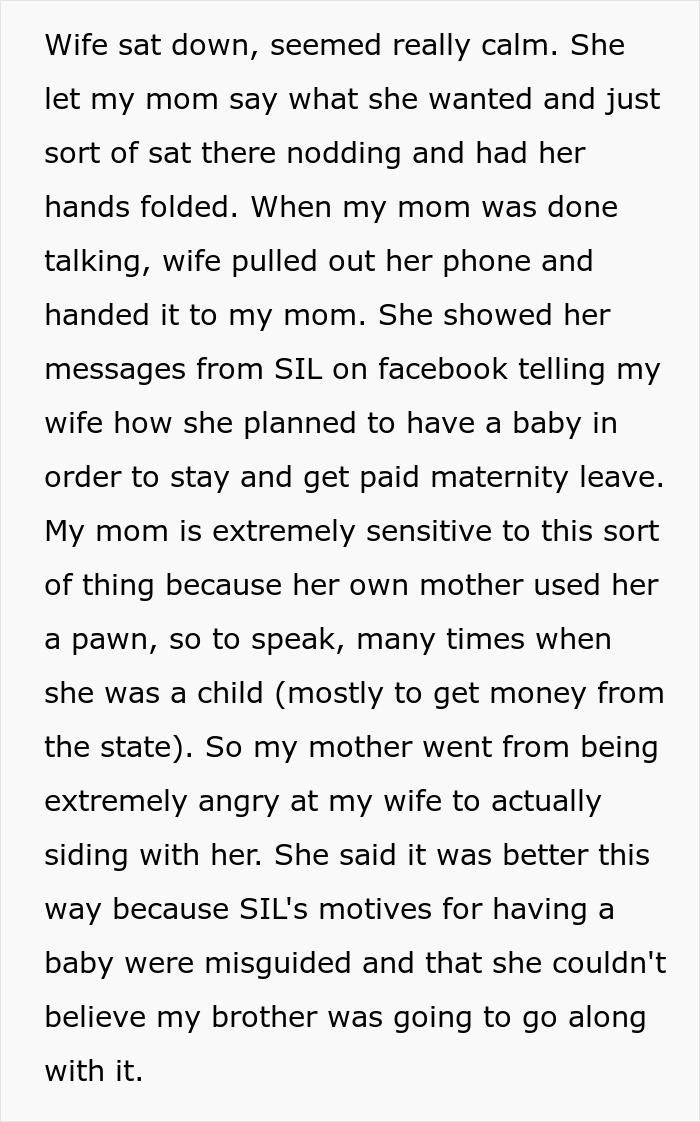
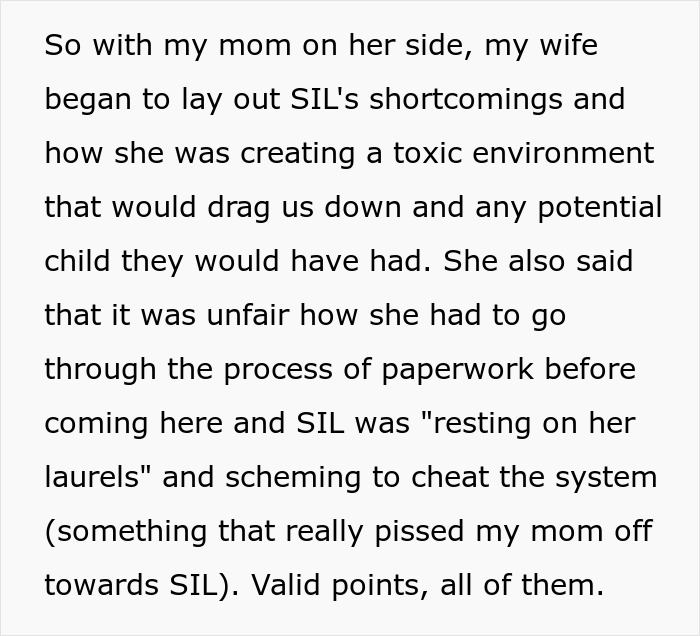
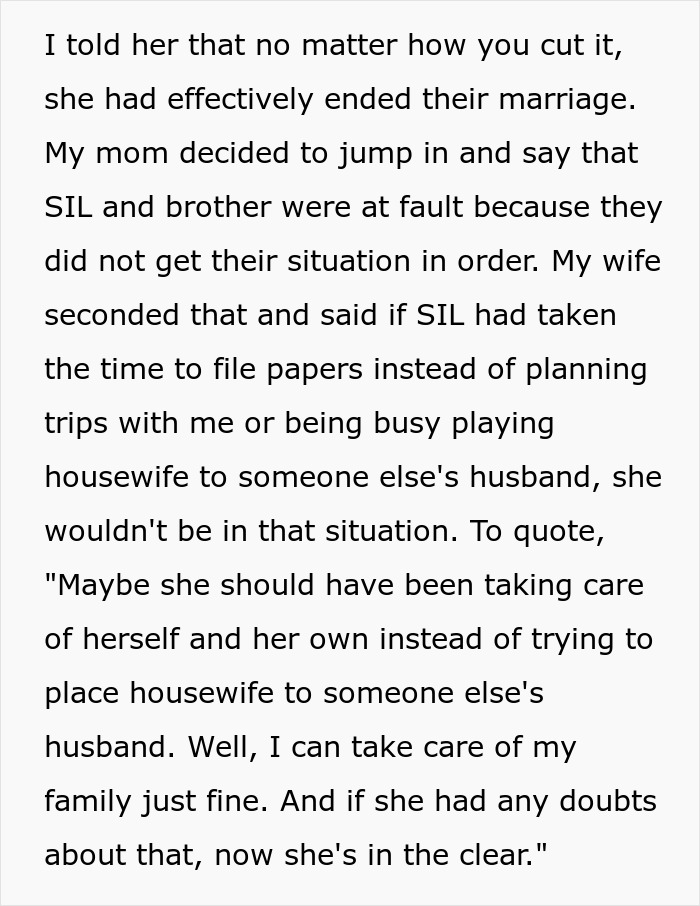
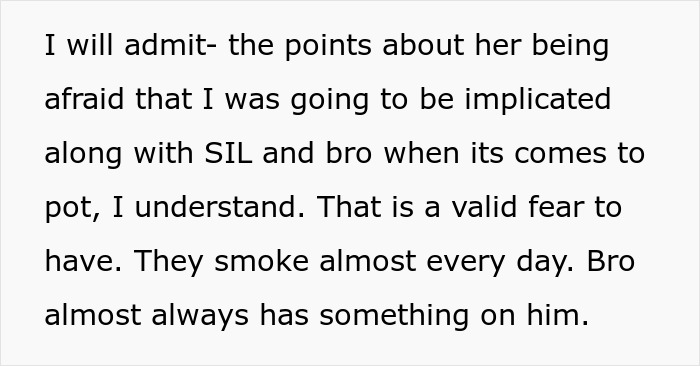
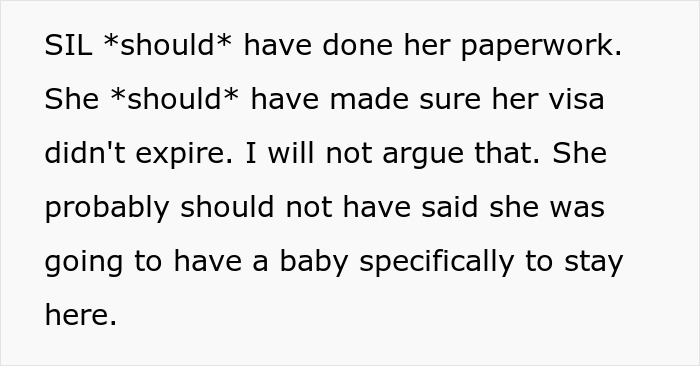
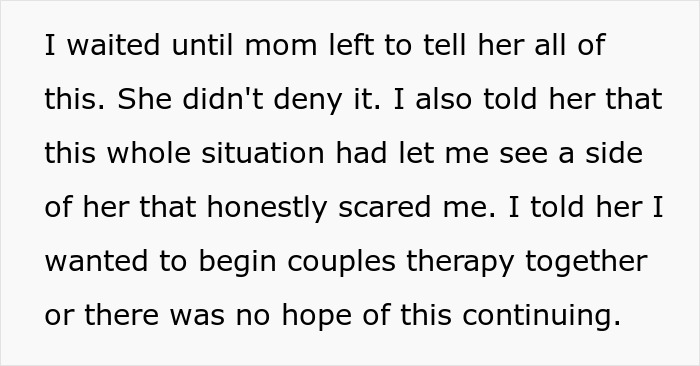
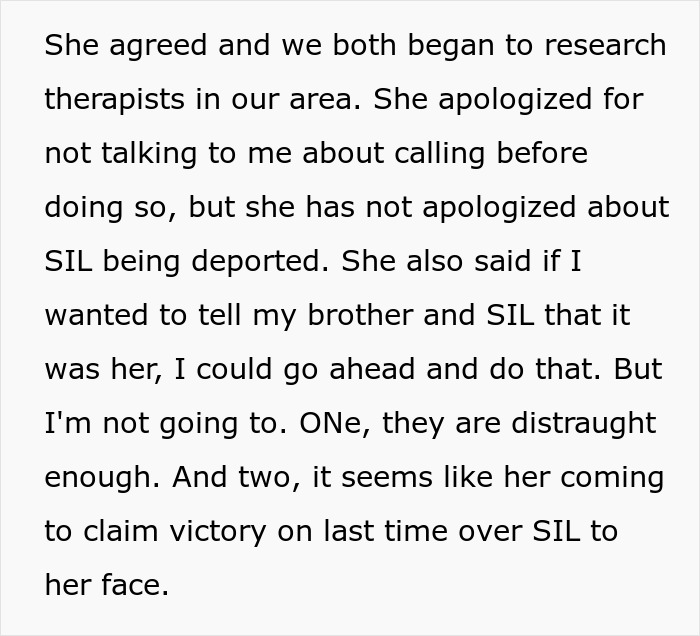
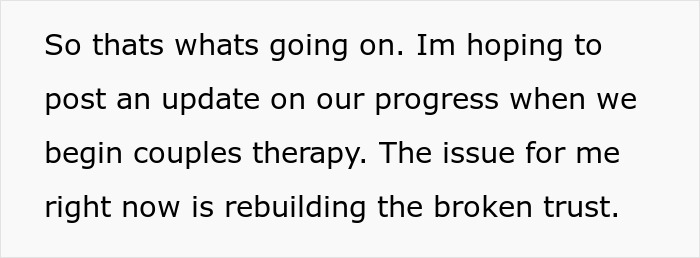
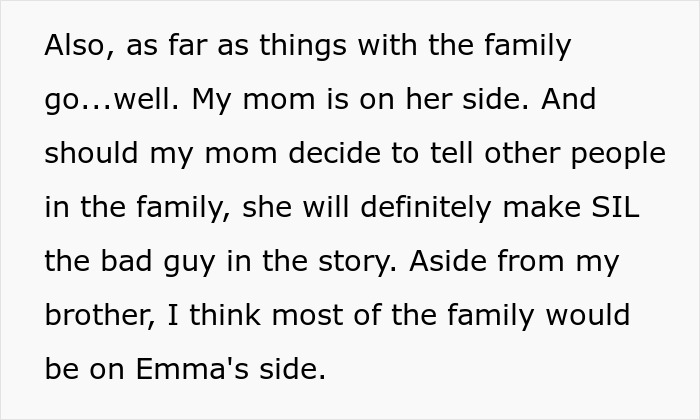
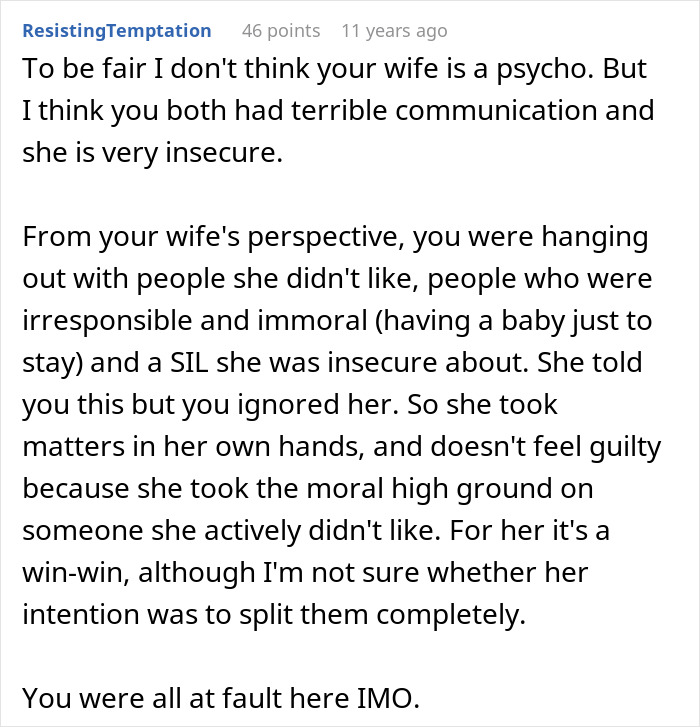
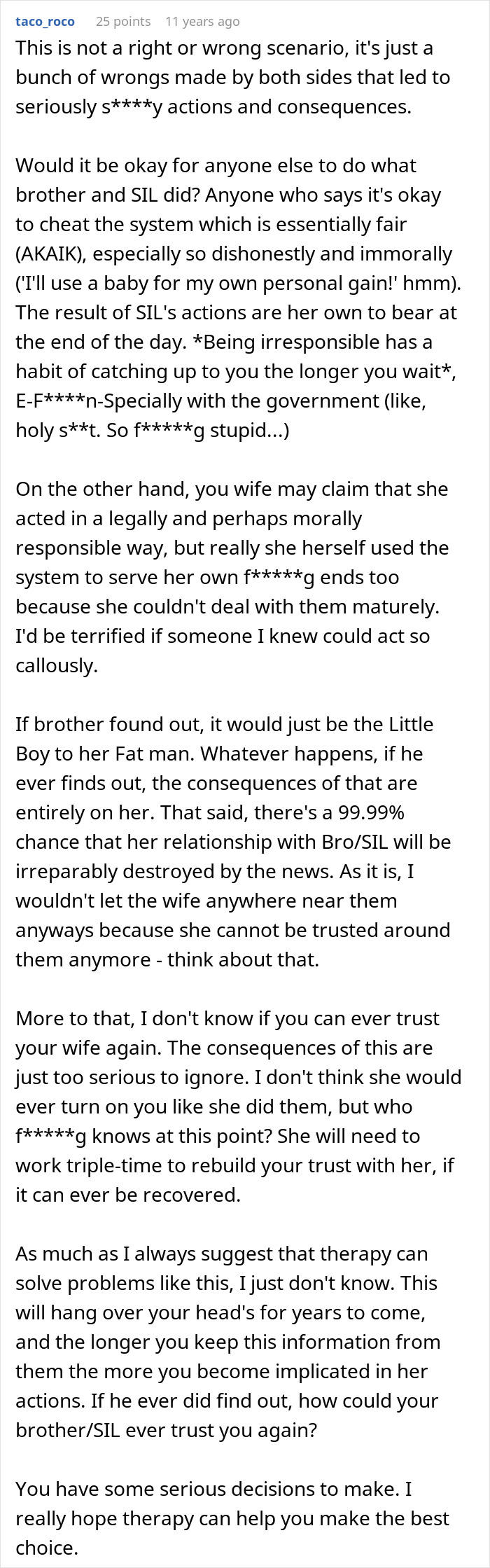
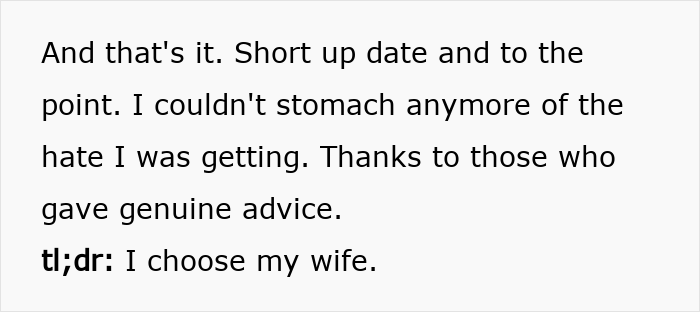
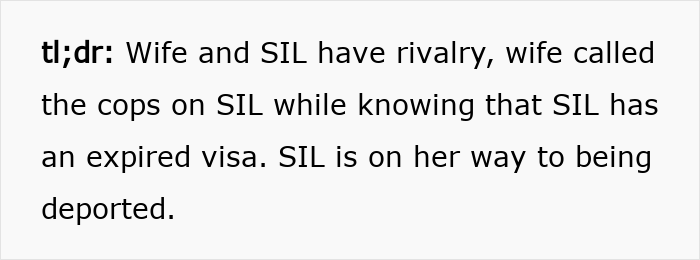
In today’s story, a man revealed how his wife reported his brother and sister-in-law to the authorities, leading to his sister-in-law’s deportation and a 10-year ban from the country. According to him, it all stemmed from jealousy—but as the story unfolds, it becomes clear there’s much more to it. Keep scrolling, Pandas, to find out what happened.

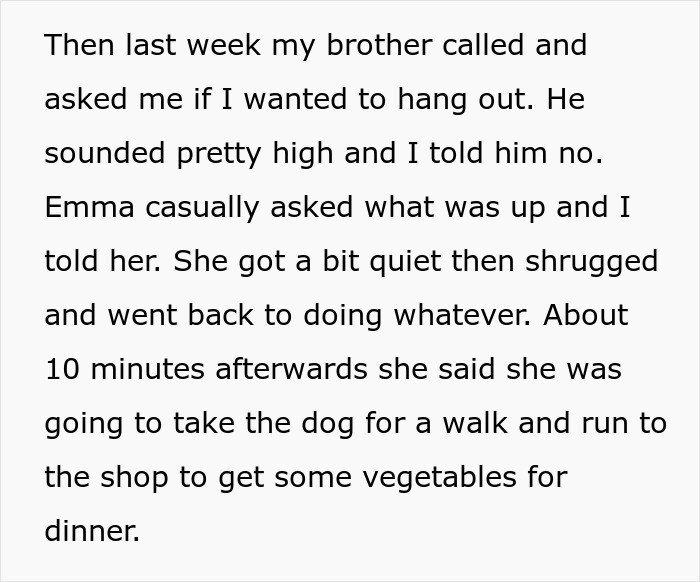
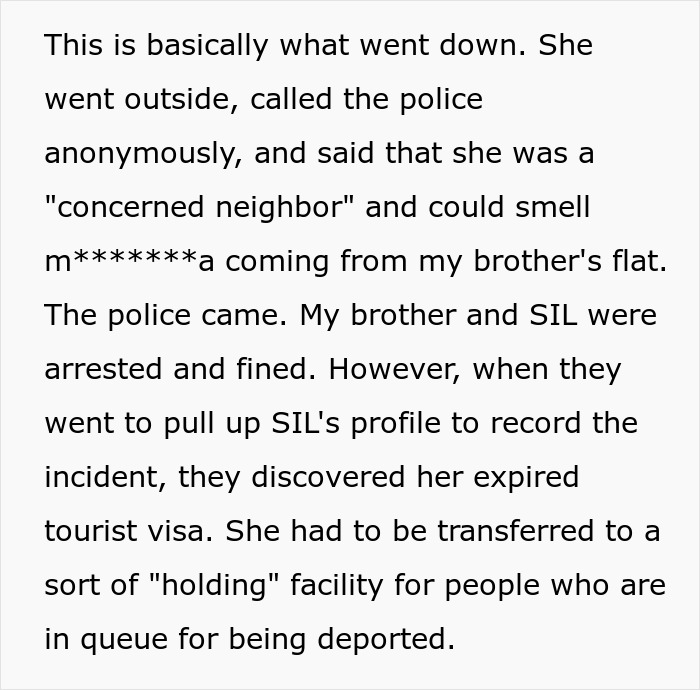
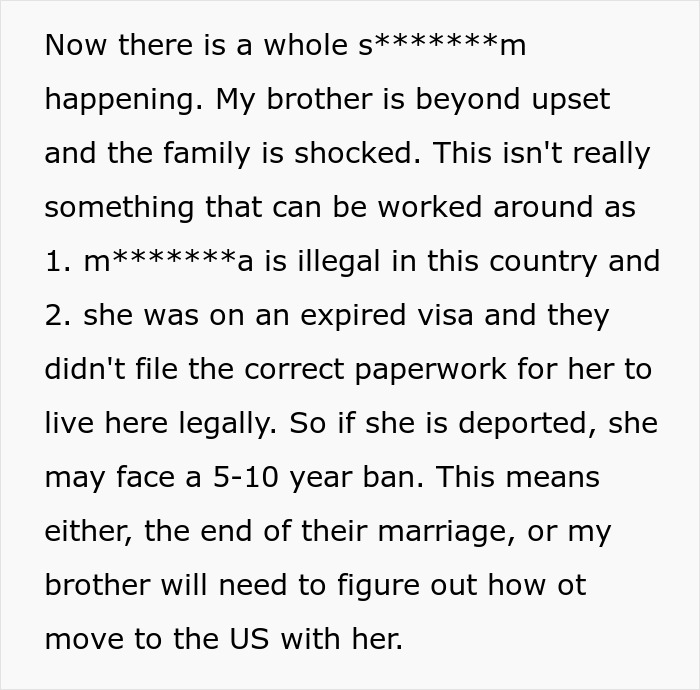
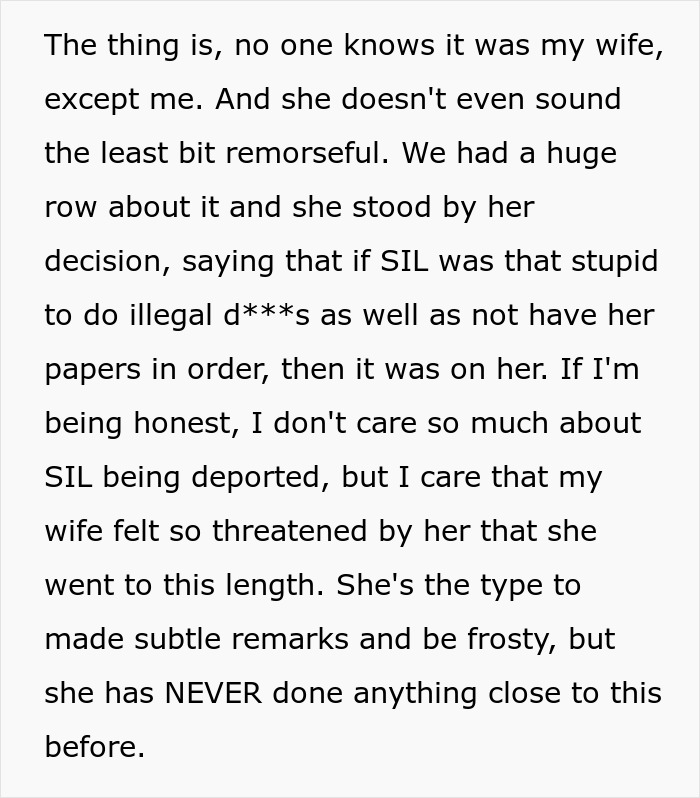
“Are you jealous of her/him?” It’s a question many couples have jokingly asked each other at some point. Maybe your partner teases you about getting along too well with a new coworker, or perhaps you playfully accuse them of liking their gym trainer a little too much. A little harmless teasing is common in relationships, but jealousy itself can be much more complicated. Left unchecked, it can slowly chip away at trust, communication, and emotional security. Clinical psychologist Rocío Monroy explains that jealousy is a deeply human emotion. She describes it as a natural feeling of discomfort that arises when we perceive a threat to an important relationship or fear losing someone we deeply value. In other words, jealousy isn’t unusual; it’s how we respond to it that often makes all the difference.
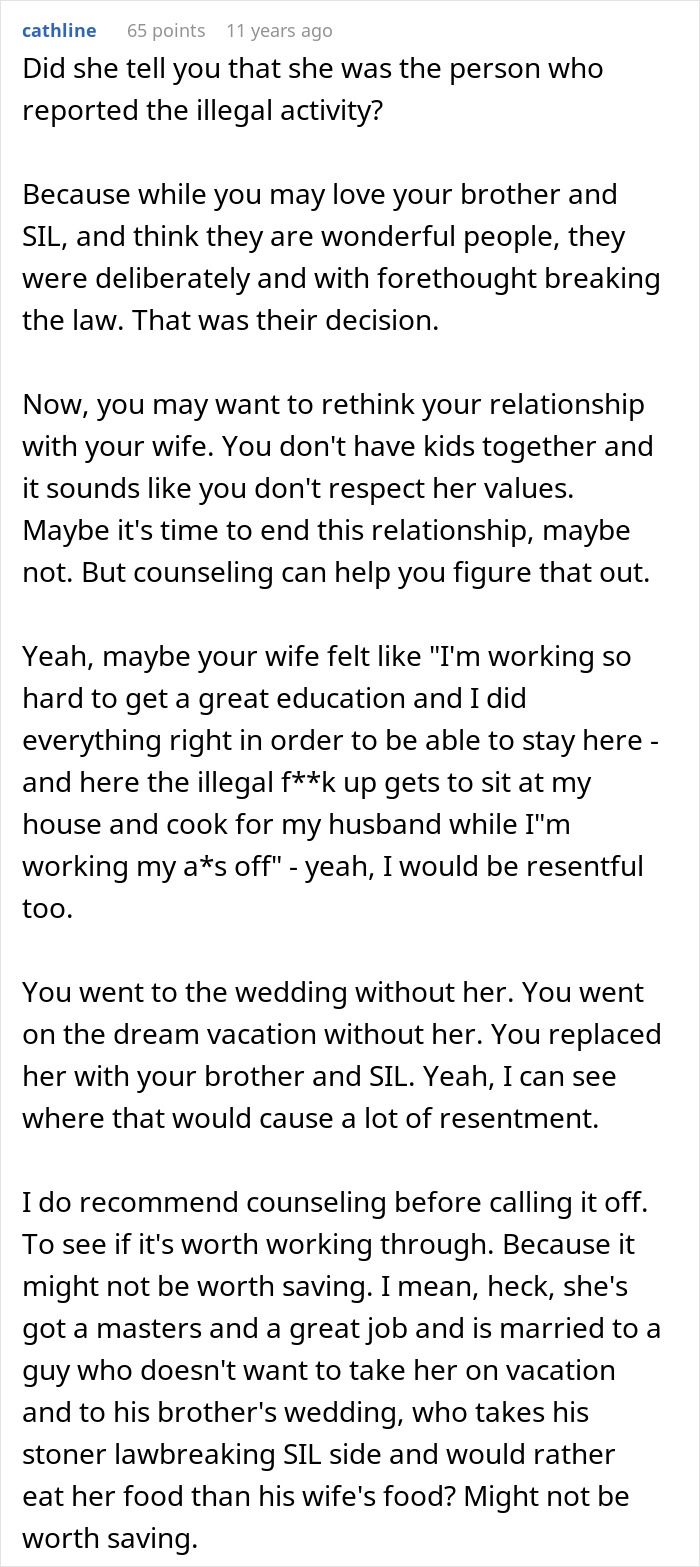
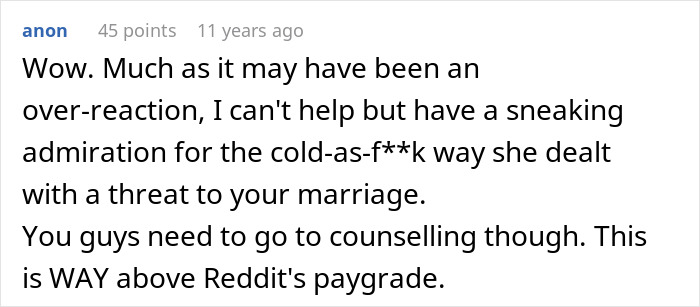
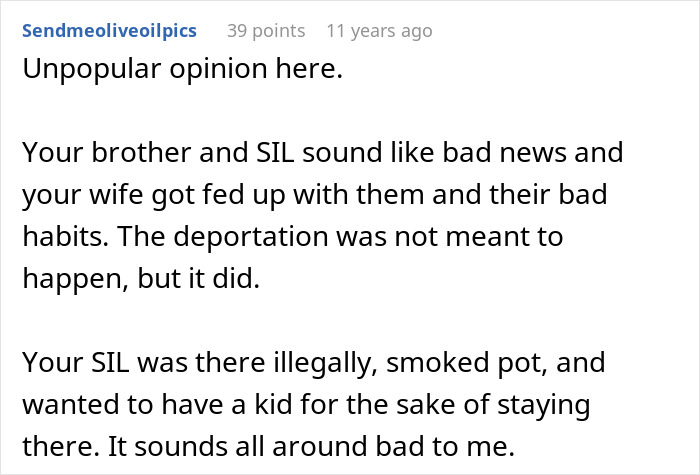
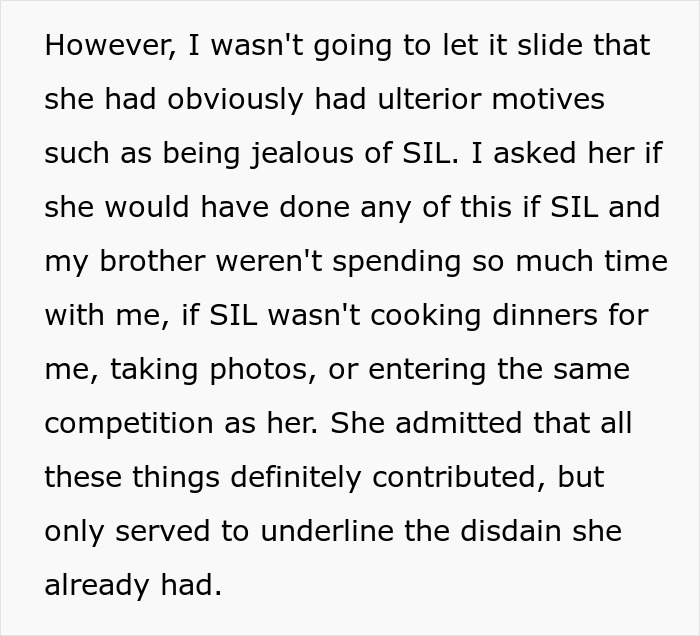
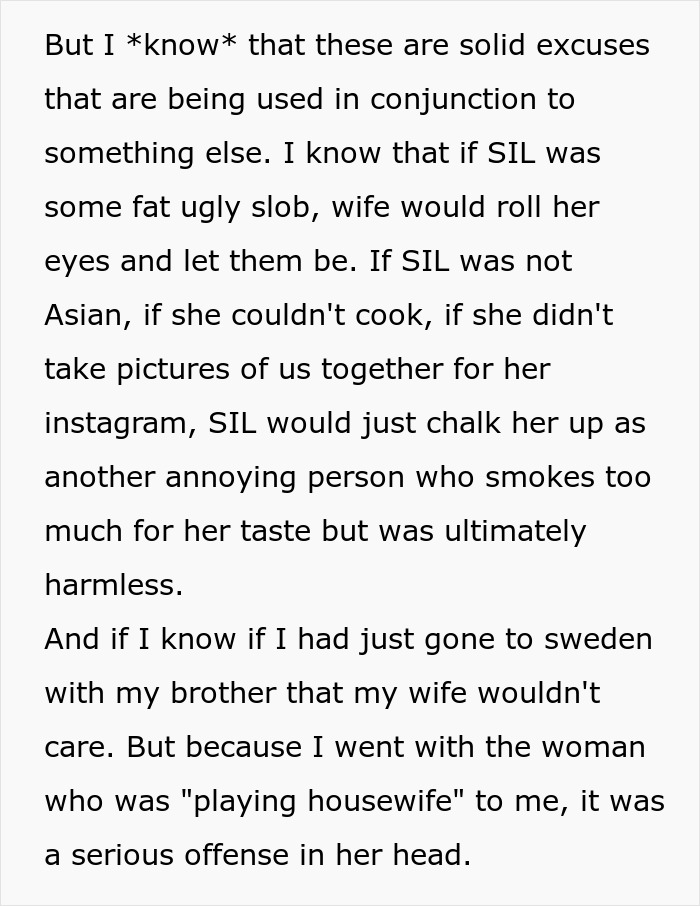
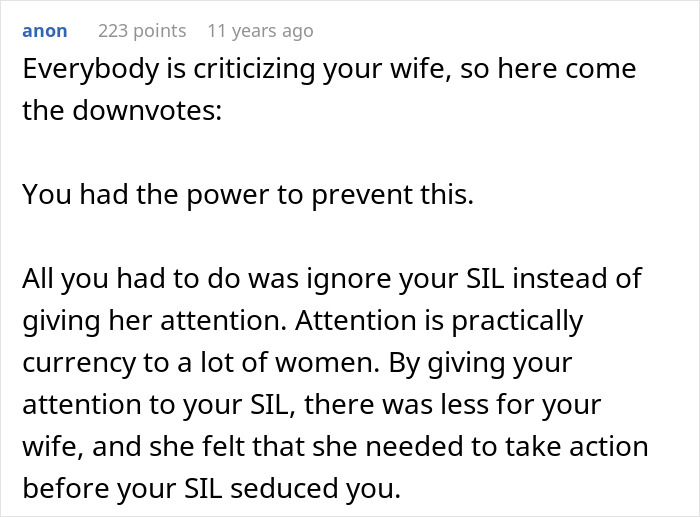
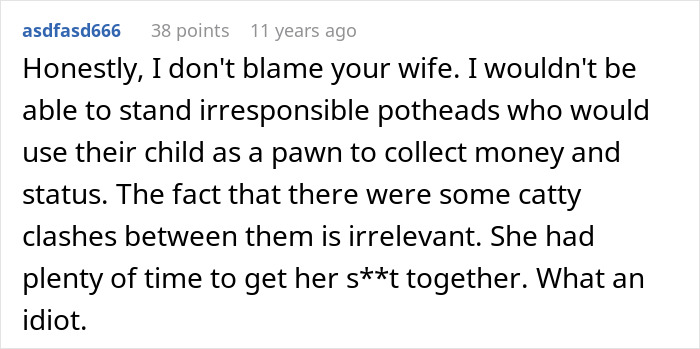
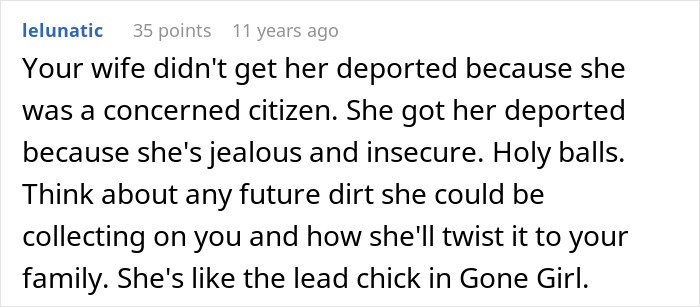
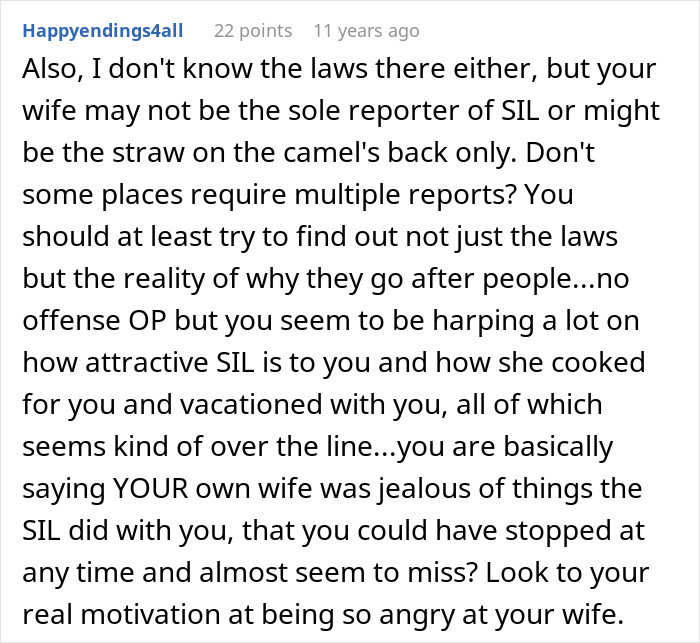
The American Psychological Association also points out that jealousy almost always involves three people. It typically arises when someone feels that another person is receiving attention, affection, or closeness that they themselves want. Sometimes the threat is real, but just as often it’s based on perception rather than reality. Looking at today’s story through that lens, many readers felt the author’s wife appeared to resent the relationship between her husband and his brother’s wife. While she was living abroad, her sister-in-law had been cooking meals for her husband and spending time with him, that may have intensified feelings of jealousy, even if there was no evidence that anything inappropriate had happened.
The problem is that jealousy rarely stays contained to a single feeling. If it isn’t addressed, it can slowly influence the way we think and behave. It may lead someone to become overly suspicious, constantly seek reassurance, compare themselves to others, monitor their partner’s actions, or interpret innocent situations in the worst possible light. Over time, jealousy can fuel resentment, arguments, controlling behavior, emotional distance, and in some cases even damage relationships beyond repair. The emotion itself isn’t necessarily unhealthy (it’s a normal part of being human) but allowing it to dictate decisions can quickly create problems for everyone involved.
However, experiencing jealousy doesn’t mean someone should feel ashamed or believe there’s something “wrong” with them. Like many emotions, jealousy can serve as a signal that something deeper deserves attention. Drawing on years of experience as both a counselor and nurse working with people in monogamous and non-monogamous relationships, Kathy Labriola offers this perspective in The Jealousy Workbook: Exercises and Insights for Managing Open and Monogamous Relationships. Rather than treating jealousy as a problem that simply needs to be eliminated, she argues that it’s an emotion worth understanding. Instead of asking, “How do I stop feeling jealous?” she encourages readers to ask, “What is this feeling trying to tell me?” That simple shift in perspective can make it easier to pause, reflect on the underlying cause, and respond thoughtfully instead of reacting impulsively.
One of the book’s most useful ideas is that what we casually label as “jealousy” is often a combination of several different emotions happening at once. Labriola encourages readers to slow down and identify what they’re actually experiencing. It might be:
Recognizing the real emotion underneath can make it much easier to address the actual problem instead of directing frustration at the wrong person.
The workbook also focuses heavily on communication because jealousy often shows up through explosive arguments, passive-aggressive comments, accusations, or attempts to control another person’s behavior. Instead of reacting in the heat of the moment, Labriola encourages people to express vulnerability more honestly. One technique she emphasizes is replacing accusatory “You-statements” such as “You’re making me jealous” with *“I-statements” like “I feel anxious when this happens because I’m afraid of losing you.”
The reasoning behind these exercises is fairly simple. When conversations begin with blame, the other person usually becomes defensive, and both people stop listening. But when someone explains what they’re actually feeling (whether it’s fear, insecurity, loneliness, or uncertainty) the discussion often becomes much more productive. That doesn’t automatically solve every disagreement, but it creates space for empathy instead of conflict. Healthy relationships aren’t built on pretending difficult emotions don’t exist; they’re built on learning how to talk about them respectfully before they spiral into something much bigger.
Ultimately, jealousy has probably existed for as long as human relationships themselves. We see it between siblings competing for a parent’s attention, among friends who feel left out, and in romantic relationships where people fear losing someone they love. Feeling jealous doesn’t automatically make someone a bad partner or a bad person. What matters far more is how those feelings are handled. Recognizing them, communicating openly, and taking responsibility for our actions are all far healthier than allowing jealousy to control our decisions.
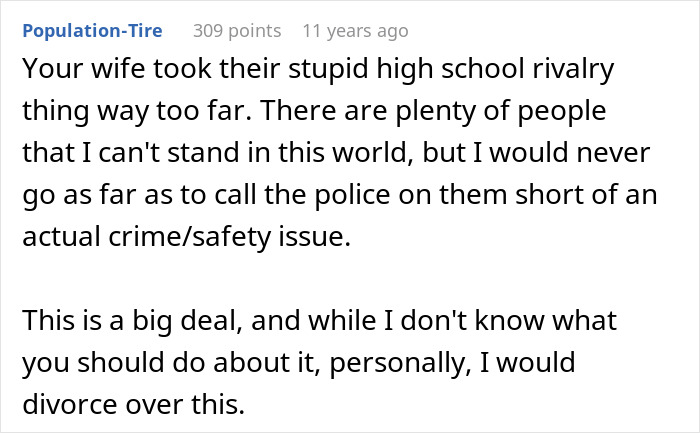
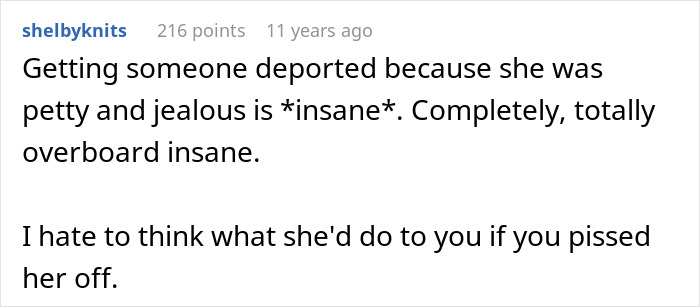
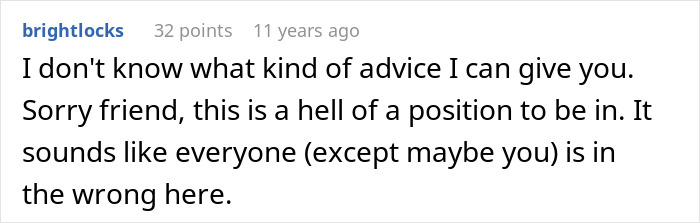
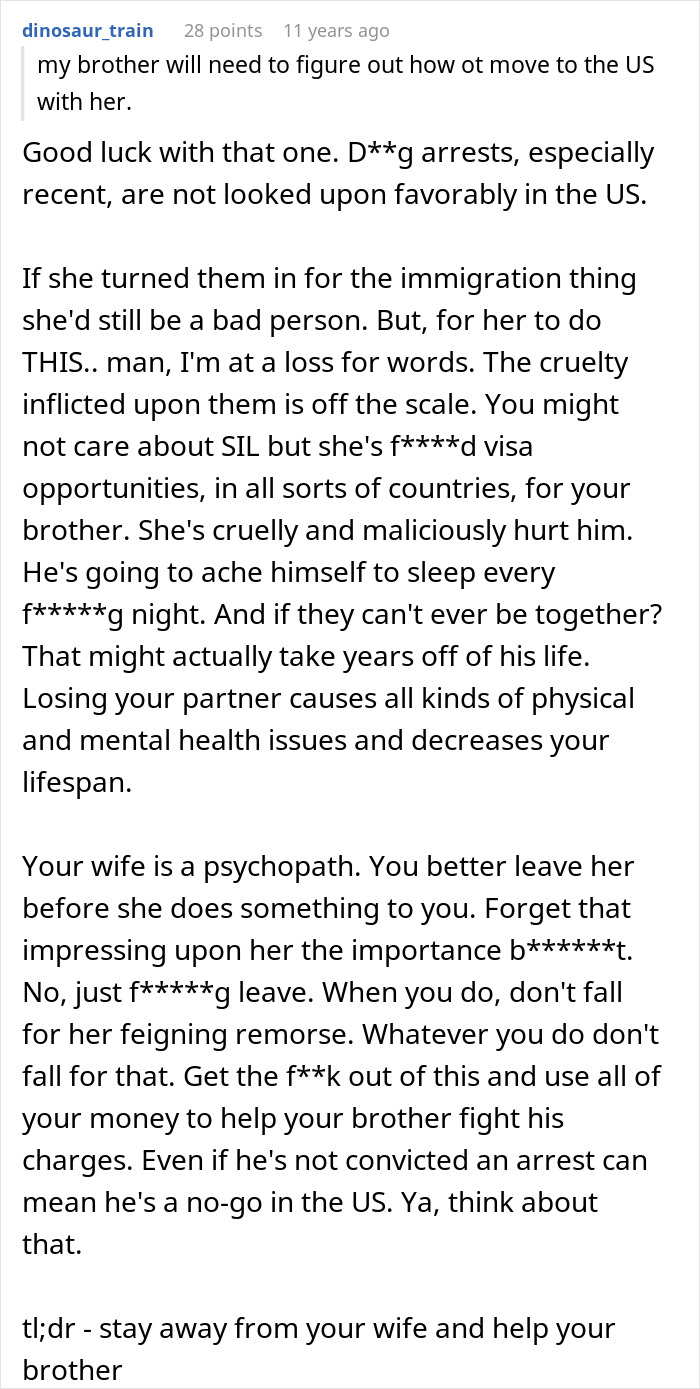
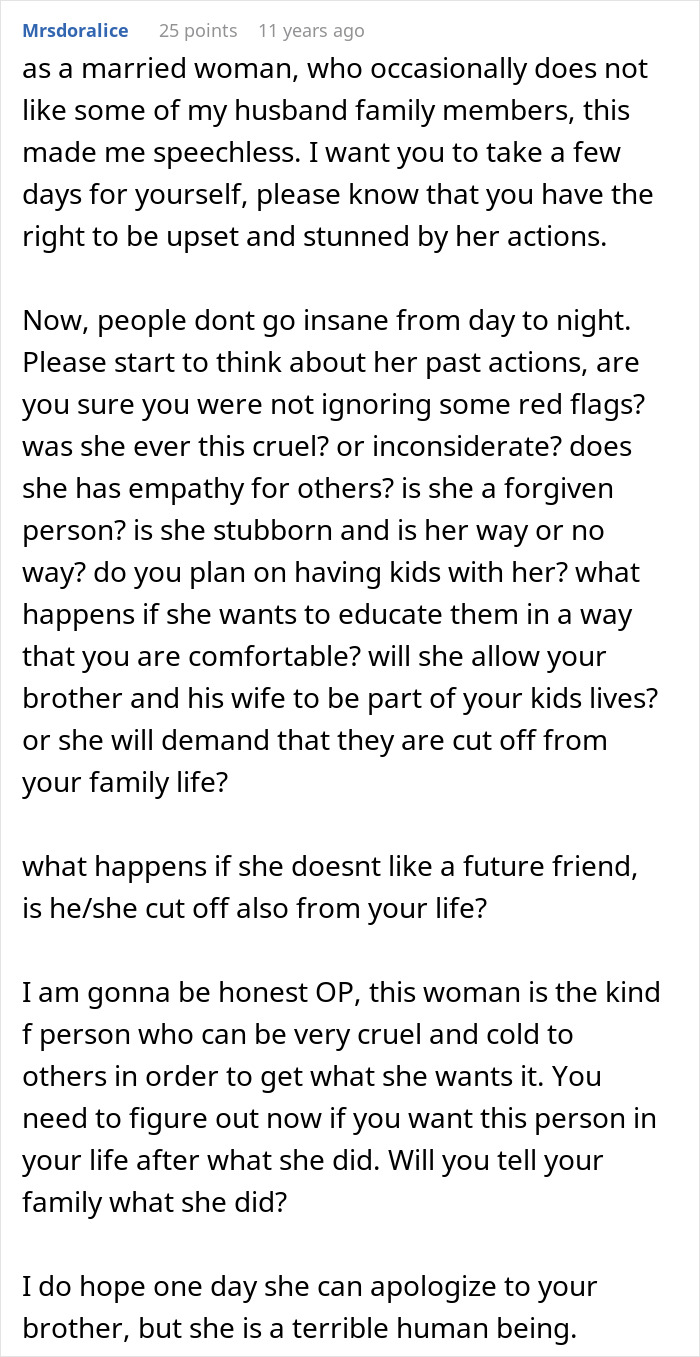
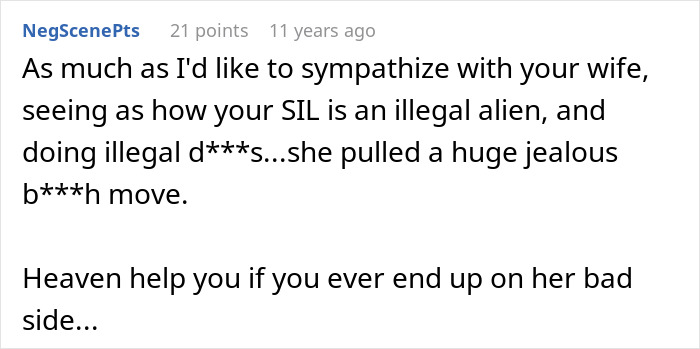
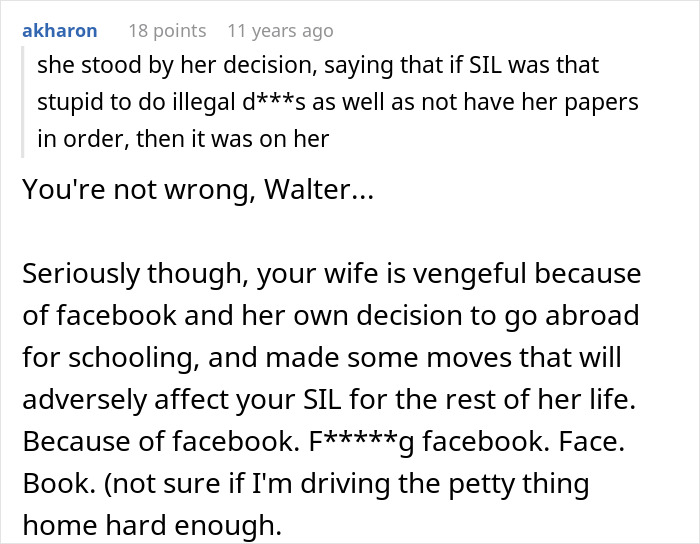
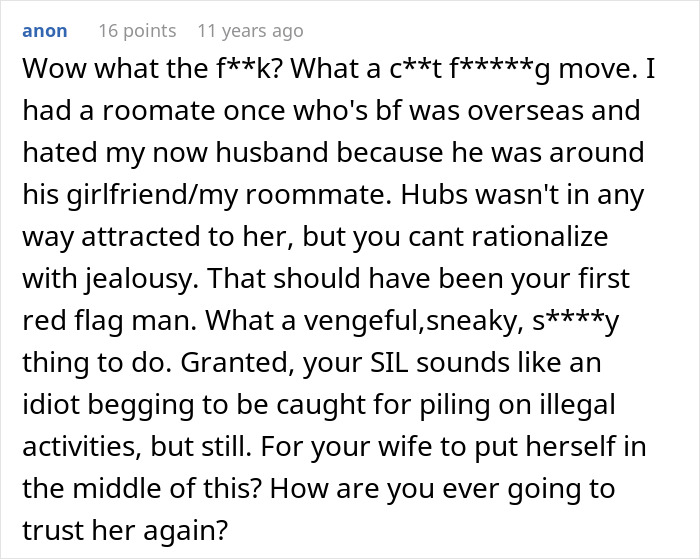
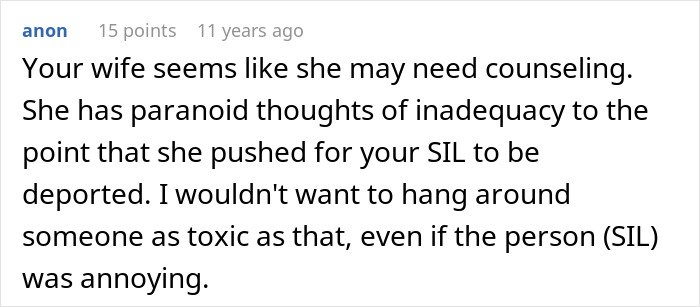
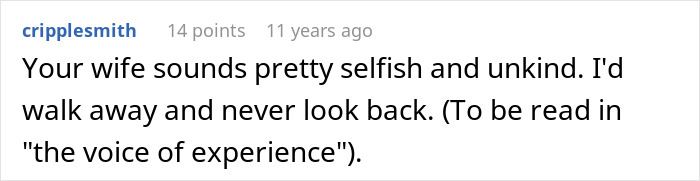
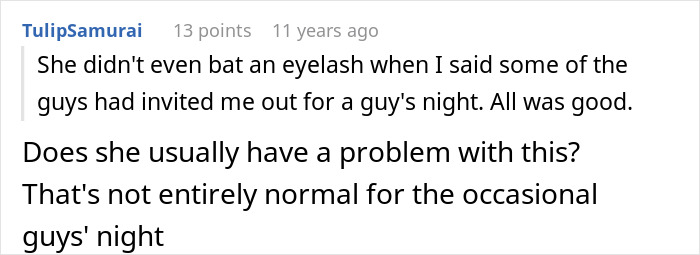
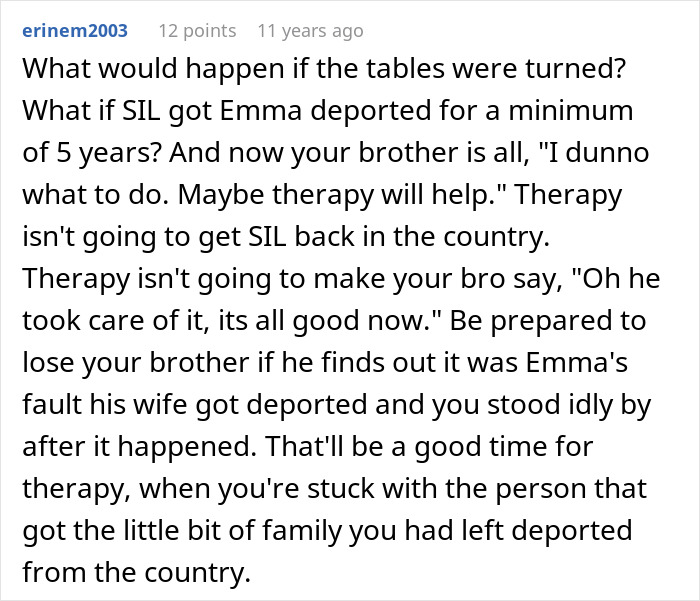
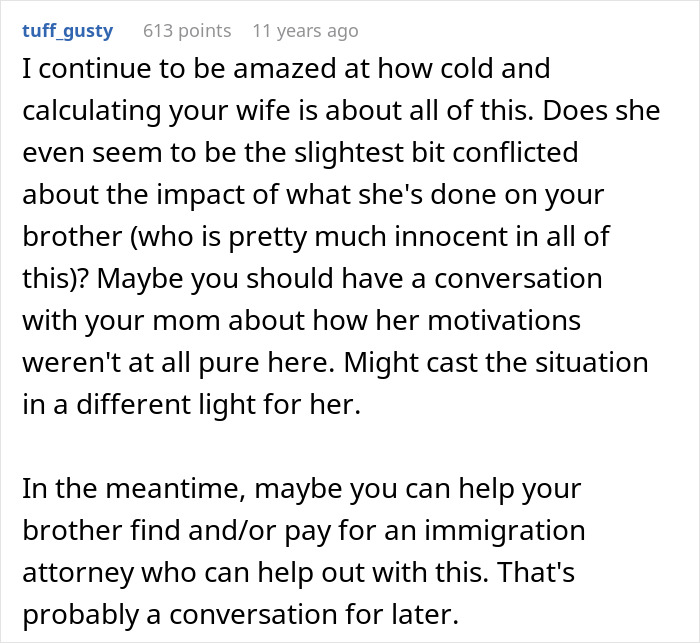
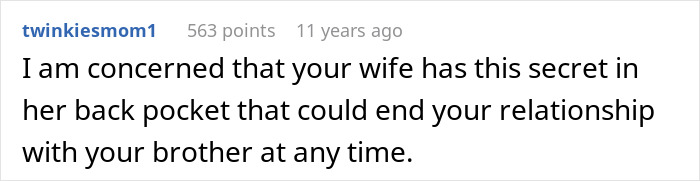
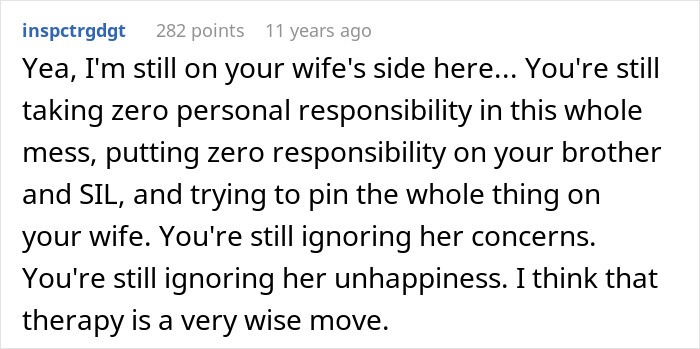
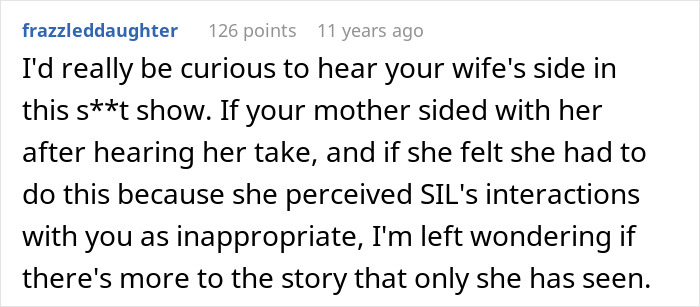
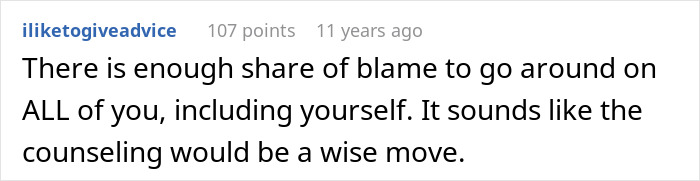
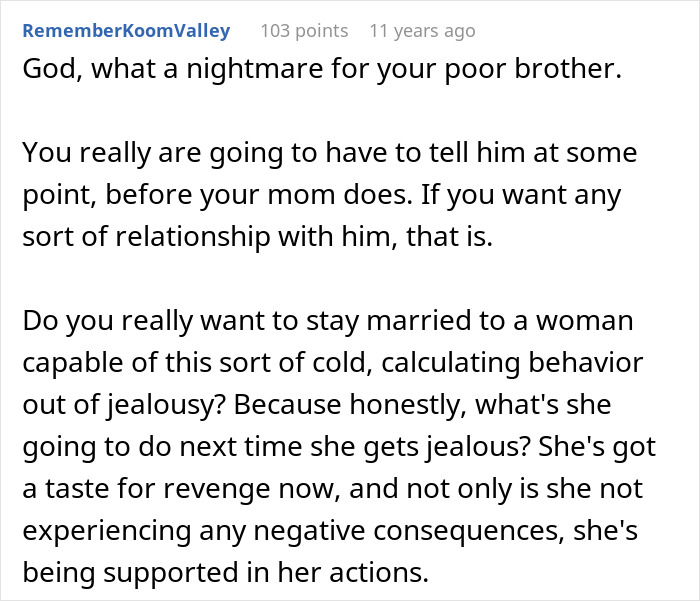
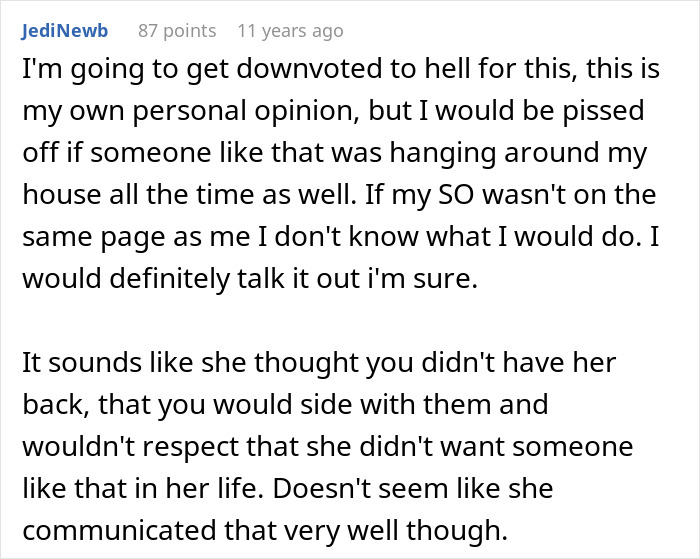
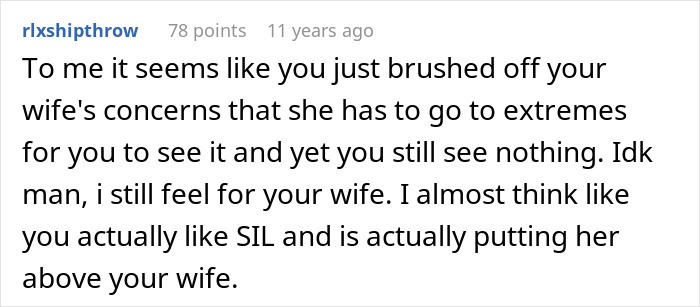
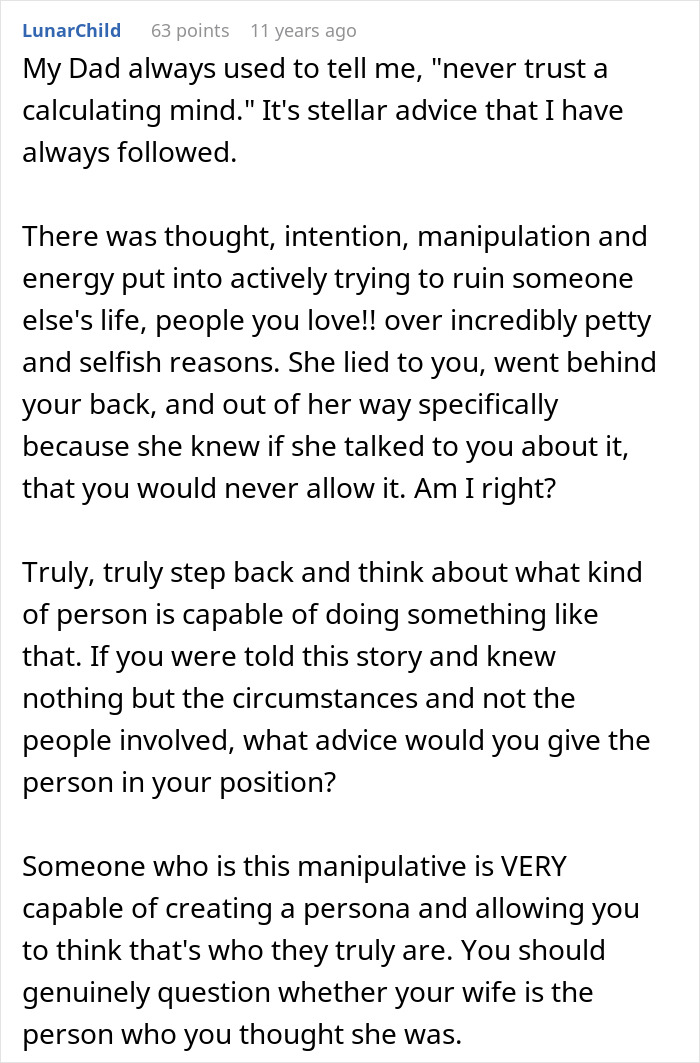
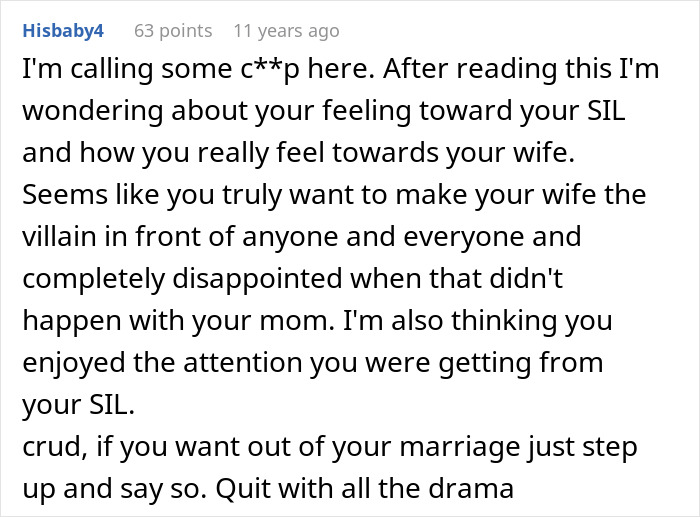
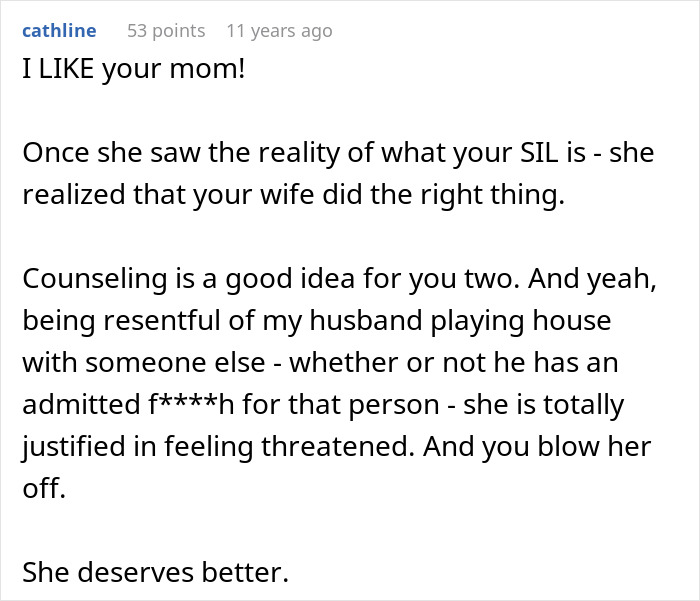
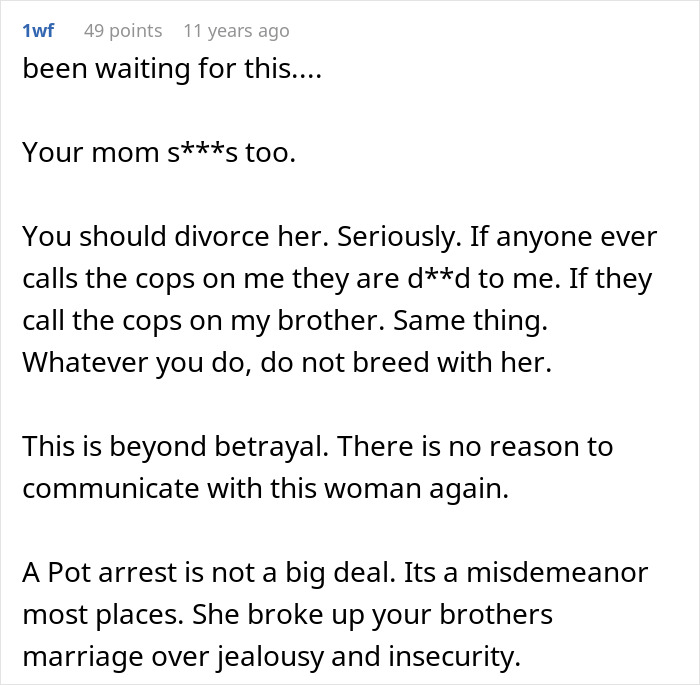
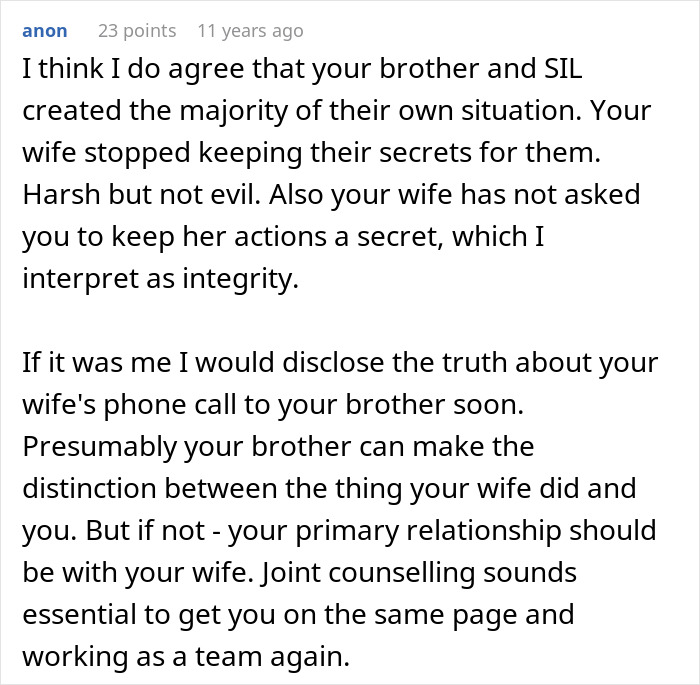
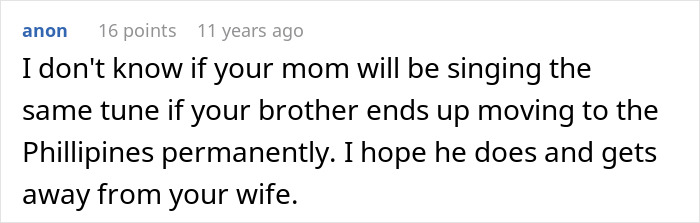
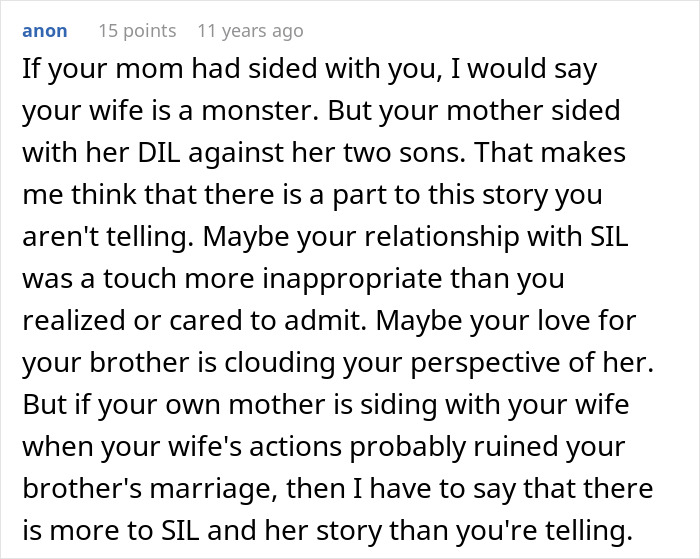
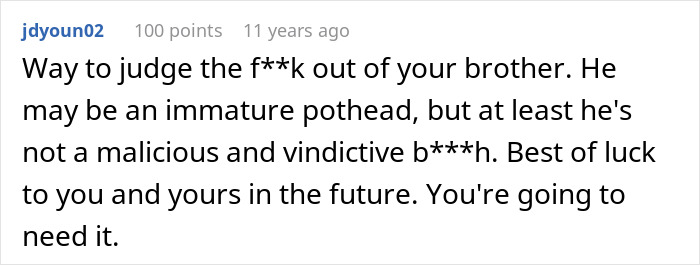
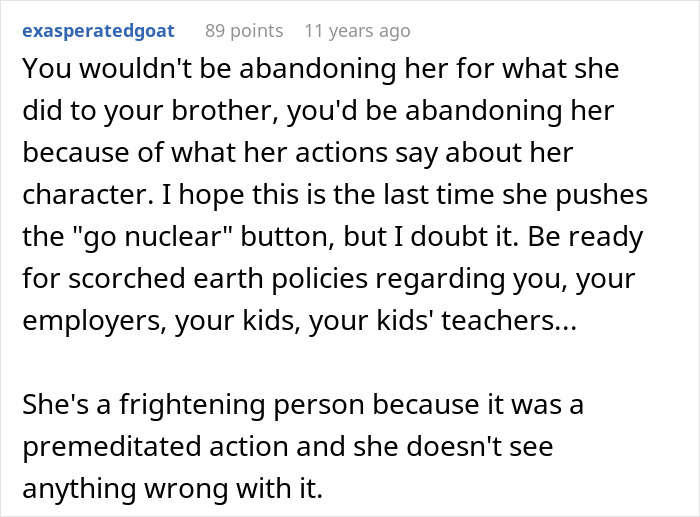
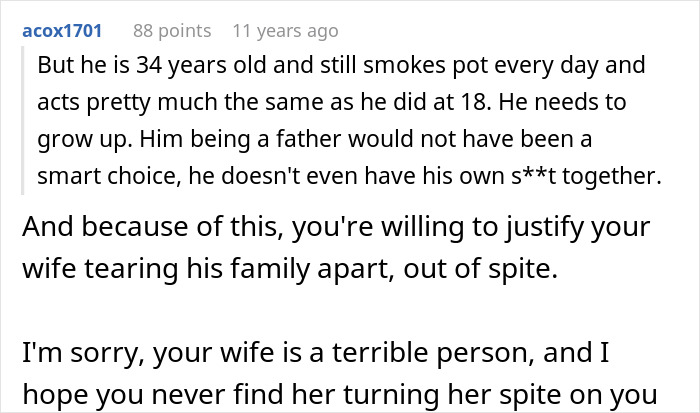
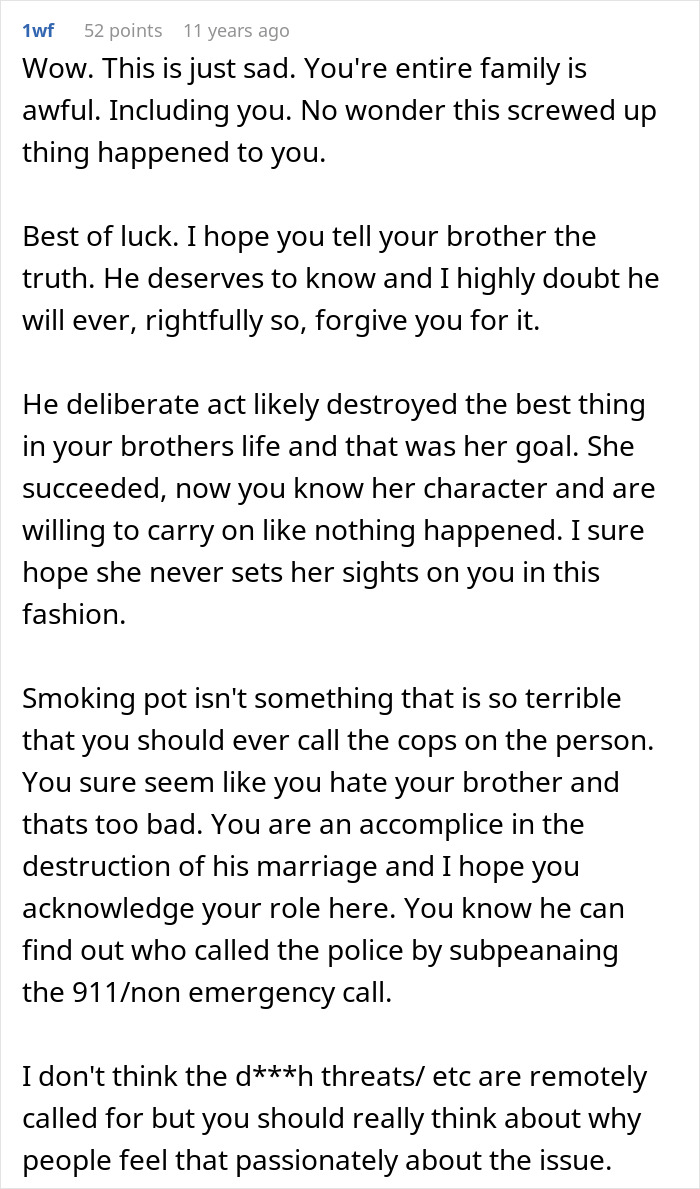
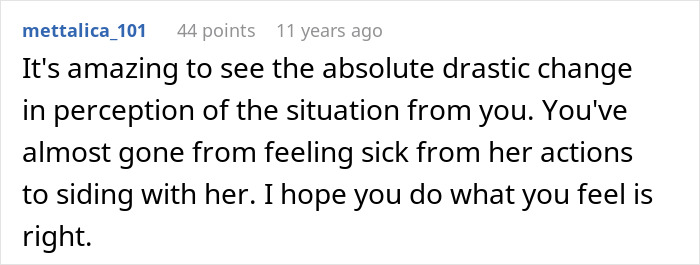
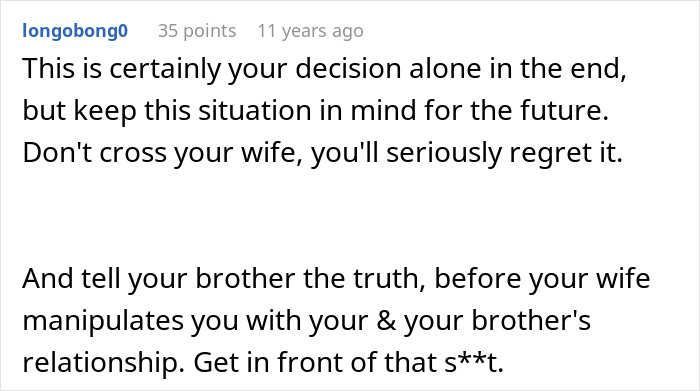
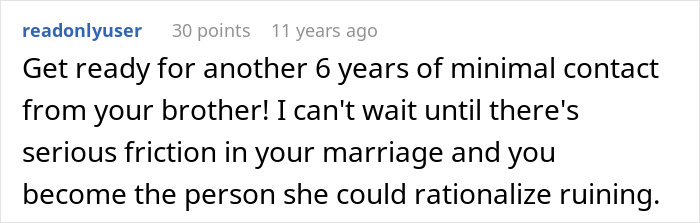
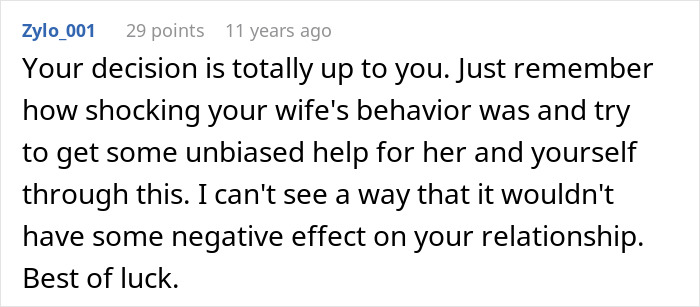
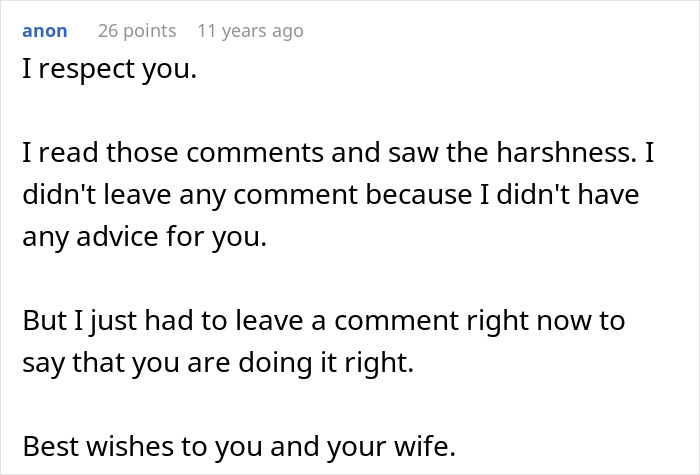
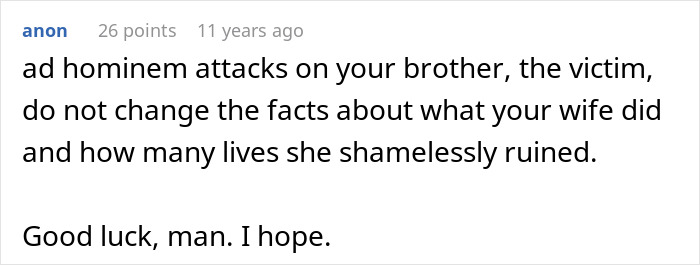
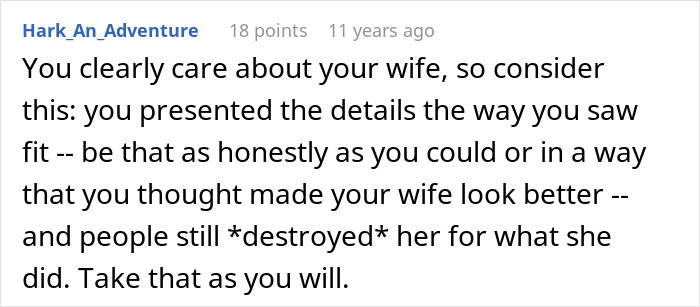
Coming back to today’s story, many readers felt jealousy may have played a significant role in the wife’s actions. While it’s impossible to know exactly what she was thinking, commenters argued that acting on those feelings in a way that dramatically affected another person’s life crossed a serious line. Others believed the situation was far more complicated and that responsibility didn’t lie with one person alone. What do you think, Pandas? Do you believe jealousy was the driving force behind her actions, or do you think something else was going on? Let us know your thoughts in the comments.
















By entering your email and clicking Subscribe, you're agreeing to let us send you customized marketing messages about us and our advertising partners. You are also agreeing to our Privacy Policy.
Thank you! You've successfully subscribed to newsletters!



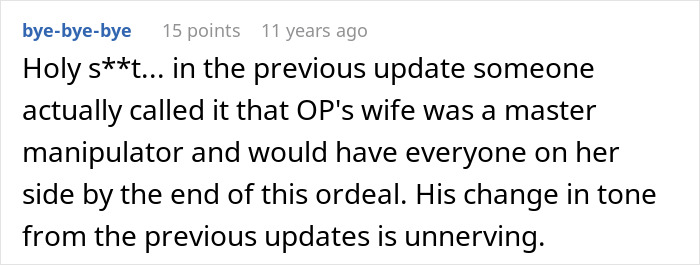
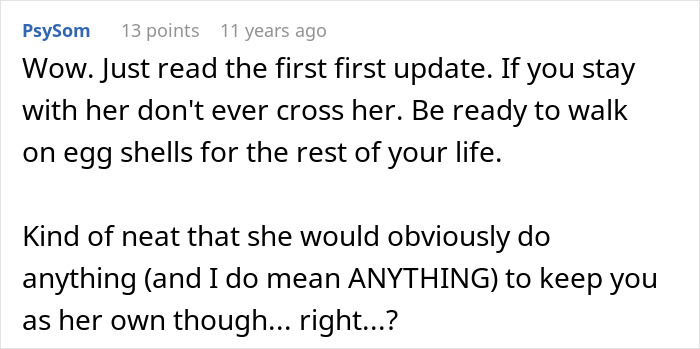
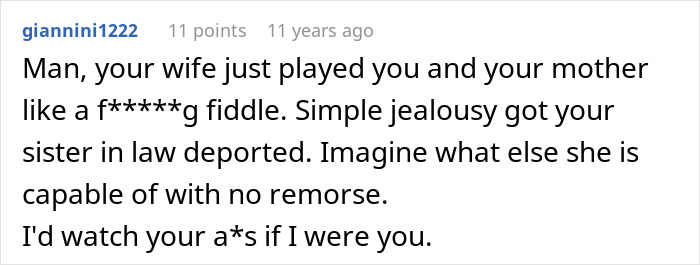
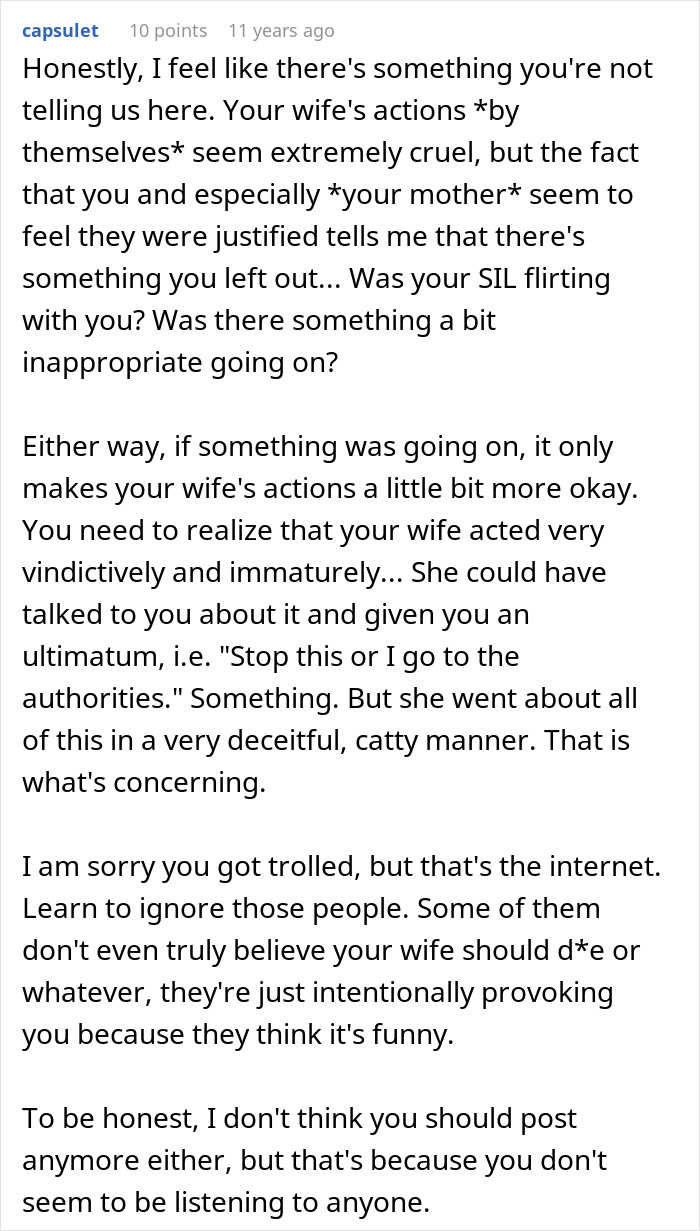
Given the last update lol I’m inclined to agree ,his wife is evil hes choosen her well good luck to him ,n I hope they don’t have kids !
Load More Replies...
If you're willing to remain I a relationship with a calous, petty person, you will eventually be the target of that cruelty, and don't deserve sympathy for it. Tha OP could even consider staying married turns my stomach.

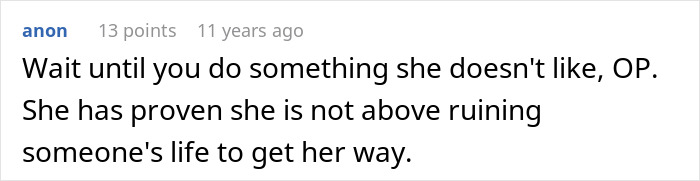
That was my first thought in the end. The second that OP does something that his wife doesn't like, she'll report him/tell his family/expose it.
Load More Replies...
Wow. There are no good people here, just varying degrees of dubious morality and decision making.
Given the last update lol I’m inclined to agree ,his wife is evil hes choosen her well good luck to him ,n I hope they don’t have kids !
Load More Replies... If you're willing to remain I a relationship with a calous, petty person, you will eventually be the target of that cruelty, and don't deserve sympathy for it. Tha OP could even consider staying married turns my stomach.
That was my first thought in the end. The second that OP does something that his wife doesn't like, she'll report him/tell his family/expose it.
Load More Replies... Wow. There are no good people here, just varying degrees of dubious morality and decision making.






















 No fees, cancel anytime

















34
35