Get Premium
Dark mode theme is available exclusively for premium users. Learn more about the benefits of subscribing.
No fees, cancel anytime.

 Dark Mode Ad-Free Browsing Unlimited Content
 Ad-Free Browsing Unlimited Content Dark Mode
Join 1.2 million Panda readers who get the best art, memes, and fun stories every week!

Every relationship has its ups and downs, and a few arguments here and there are completely normal. But when those arguments are fueled by constant suspicion and unproven assumptions, they can slowly erode trust and turn love into stress. Over time, that kind of tension can become impossible to live with.
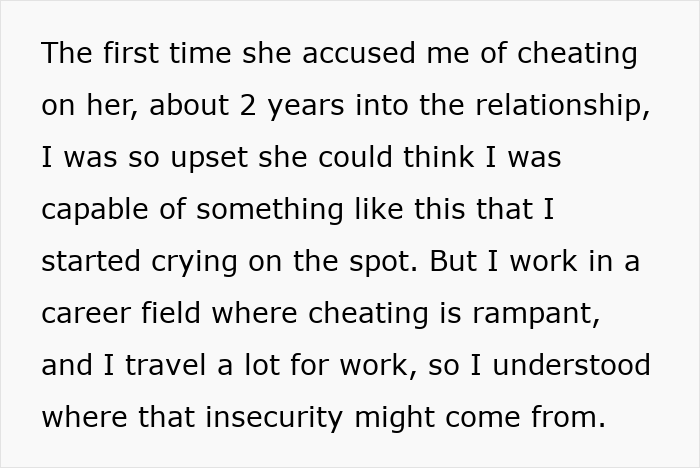
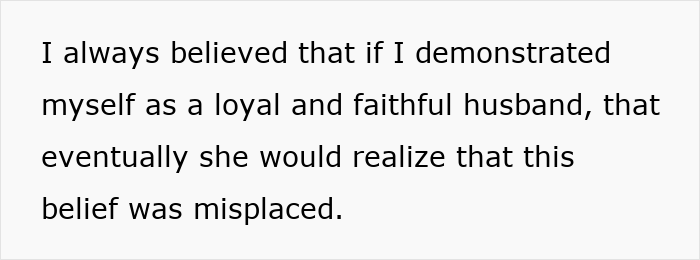
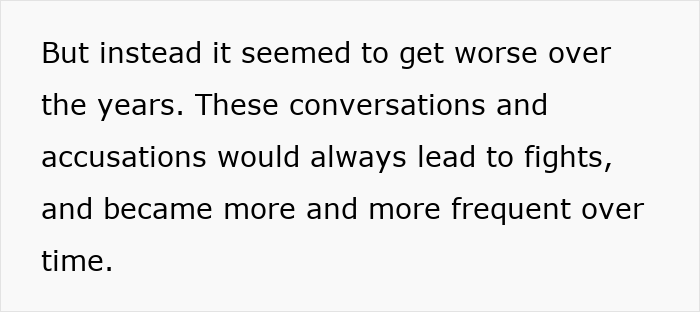
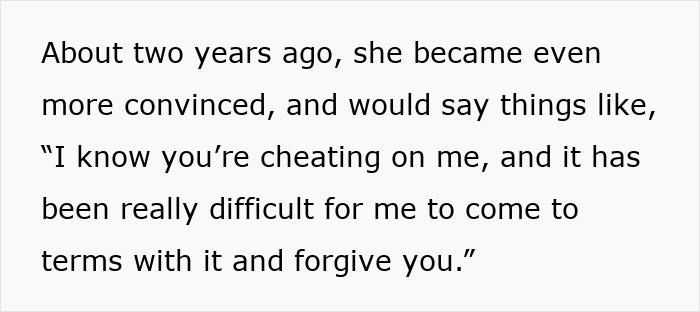
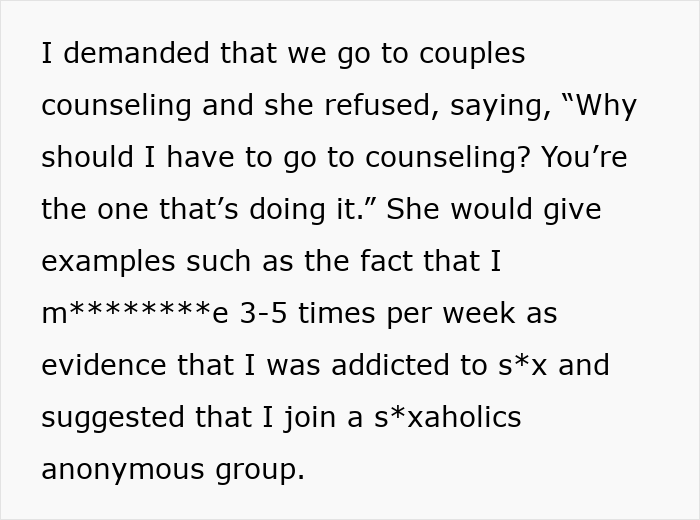
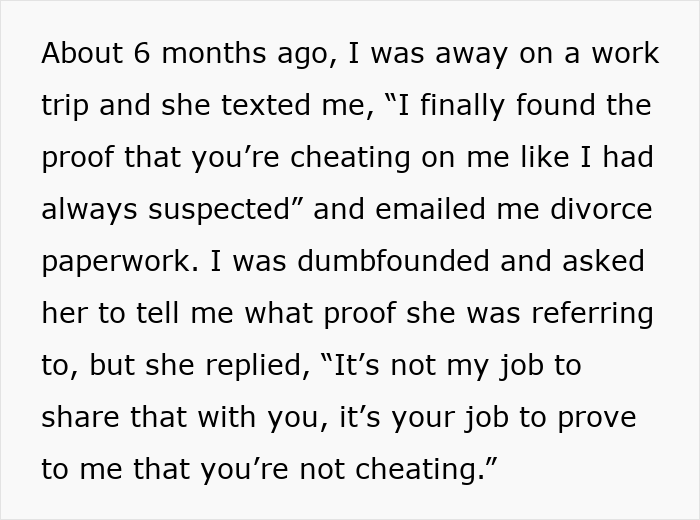
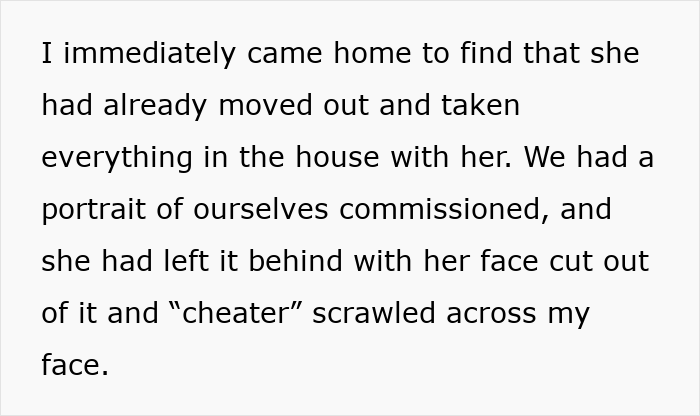
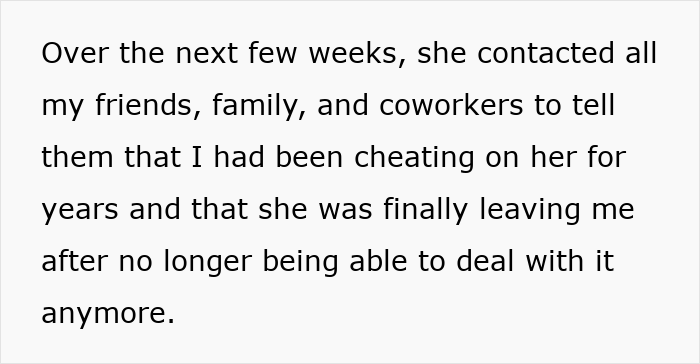
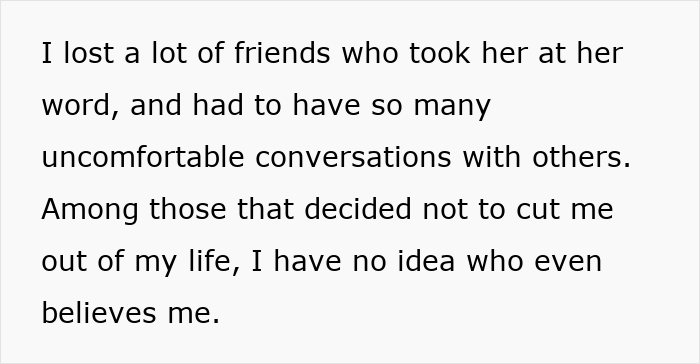
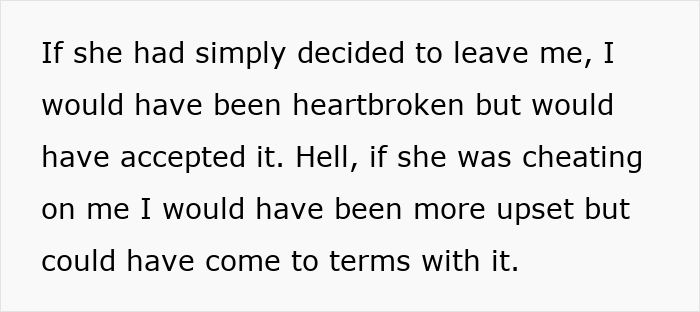
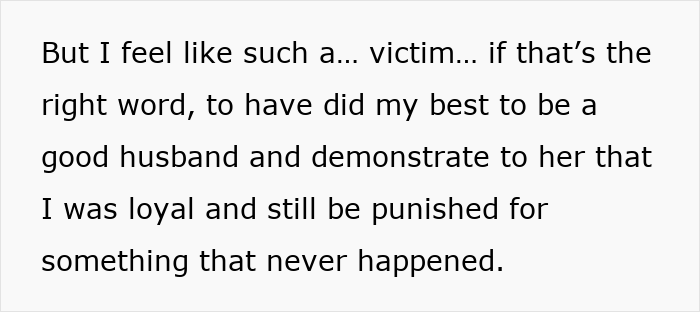
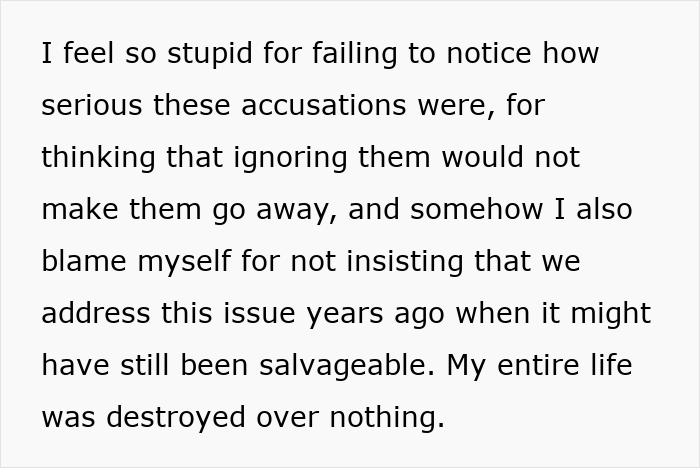
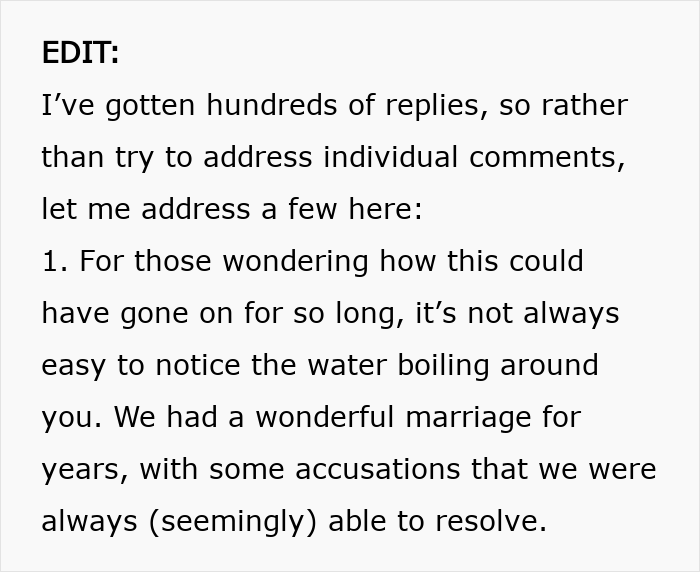
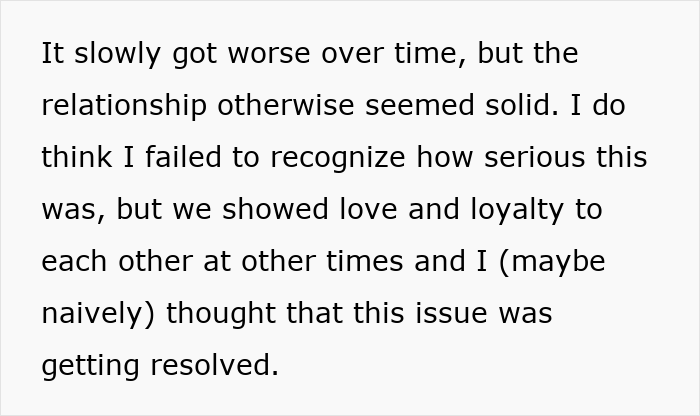
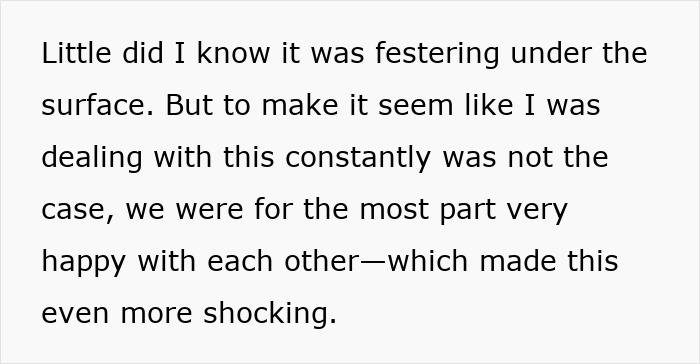
One man shared how his wife accused him of cheating for nearly eight years, despite him repeatedly trying to reassure her and prove his loyalty. He stayed patient, adjusted his life, and even pushed for counseling, hoping things would improve. Instead, his wife eventually served him divorce papers, moved out with his belongings, and told friends, family, and coworkers that he had been unfaithful. What followed was a painful unraveling of his personal and professional life—over something he says never happened.
Image credits: akobchuk / envatoelements (not the actual photo)
Image credits: Hoverstock / envatoelements (not the actual photo)
Image credits: Wavebreakmedia / envatoelements (not the actual photo)
Image credits: YuriArcursPeopleimages / envatoelements (not the actual photo)
Image credits: Anonymous
Image credits: wayhomestudio / freepik (not the actual photo)
Trust is supposed to be the quiet glue in a relationship — the thing you don’t even notice when it’s working. You text late, work runs over, plans change, and no one jumps to conclusions. But when trust issues sneak in, everything suddenly feels louder. A missed call becomes suspicious. A normal conversation gets replayed in your head like a crime scene. Instead of feeling secure, you’re constantly bracing yourself for something to go wrong, even when there’s no real reason for it.
When someone struggles with trust, their mind often goes straight to the worst-case scenario. If a partner is quiet after work, it’s not “they’re tired,” it’s “they’re hiding something.” If a friend cancels plans, it’s not bad timing, it’s rejection. Even people who’ve been reliable for years can end up under a microscope. This constant doubt isn’t just exhausting for others — it’s exhausting for the person carrying it too, because their brain never really gets to rest.
Over time, suspicion can become a default setting. You start questioning intentions even when actions clearly show care and honesty. Compliments feel fake. Kind gestures come with strings attached. Someone doing something nice suddenly feels like they’re “overcompensating.” It’s like wearing tinted glasses that turn neutral moments into negative ones, without you even realizing it’s happening.
Trust issues also have a sneaky way of causing self-sabotage. You might push people away before they get the chance to hurt you, start arguments over small things, or test others just to see if they’ll fail. It’s the emotional version of knocking over your own drink and then being upset that the table is wet. The fear of being betrayed ends up creating the exact distance you were afraid of in the first place.
In many cases, walls start going up, slowly at first, then all at once. You might stop opening up, avoid getting close, or keep relationships surface-level so nothing can really hurt you. It feels safer that way. But safety comes at a cost, because avoiding connection also means missing out on warmth, support, and genuine closeness.
Image credits: freepik (not the actual photo)
Another common pattern is focusing almost entirely on the negative. One small mistake can outweigh ten good moments. A single doubt can erase years of consistency. Instead of seeing the full picture, trust issues zoom in on flaws and ignore everything else. It’s like reading only the bad reviews and assuming the whole experience will be terrible.
All of this makes healthy relationships incredibly hard to maintain. At work, it can look like constantly doubting coworkers’ motives or assuming feedback is an attack. In friendships, it might mean believing people are talking behind your back or don’t really care. And in romantic relationships, trust issues can turn love into a constant interrogation, draining both people involved.
The hardest part is that trust issues don’t come from nowhere. They’re often built from past hurt, betrayal, or feeling let down when it mattered most. But when left unaddressed, they can quietly reshape how someone sees the world and not in a way that brings peace. The good news is that trust, like anything else, can be rebuilt. It just takes awareness, patience, and the willingness to believe that not everyone is out to hurt you.
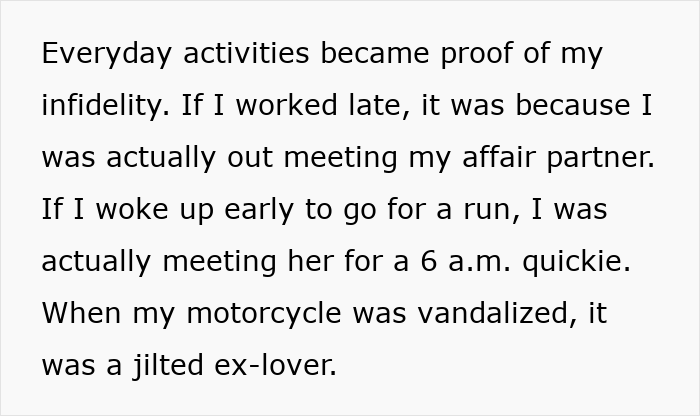
In this particular case, the lack of trust on the wife’s side slowly unraveled everything they had built together. Her constant assumptions turned everyday moments into evidence, and over time, that suspicion created a gap so wide it couldn’t be crossed. Late nights at work, early morning runs, even bad luck all became part of a story she had already decided was true. Instead of bringing them closer, those doubts pushed them further apart, until communication turned into conflict and love turned into defense mode. When trust breaks down like that, even the most patient partner can end up feeling unheard, isolated, and unfairly judged. What are your thoughts on this situation?

By entering your email and clicking Subscribe, you're agreeing to let us send you customized marketing messages about us and our advertising partners. You are also agreeing to our Privacy Policy.
Thank you! You've successfully subscribed to newsletters!
34Kviews
Share on Facebook

I might be able to stay with someone who accused me of cheating once, but if we worked through it, I don't think I could stay if it happened a second time.

She wanted him to prove a negative. I wouldn’t be able to stay with someone that unhinged. If she’s not cheating, then something is terribly wrong with her.
Load More Replies...
Someone with severe mental disorder is an extremely painful thing to live with. I know. There's also pretty much nothing you can do about it, except get hurt and move on, which makes it all the more difficult.
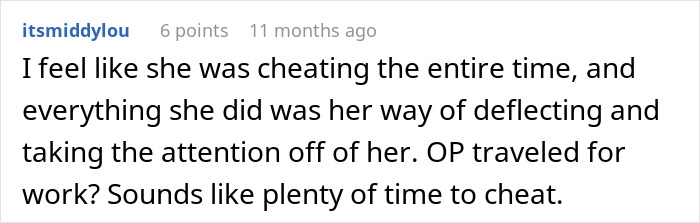
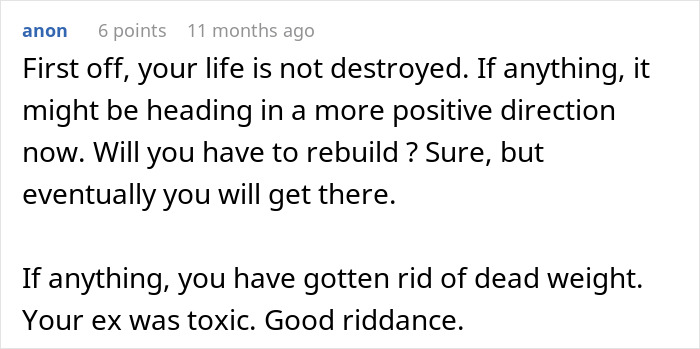
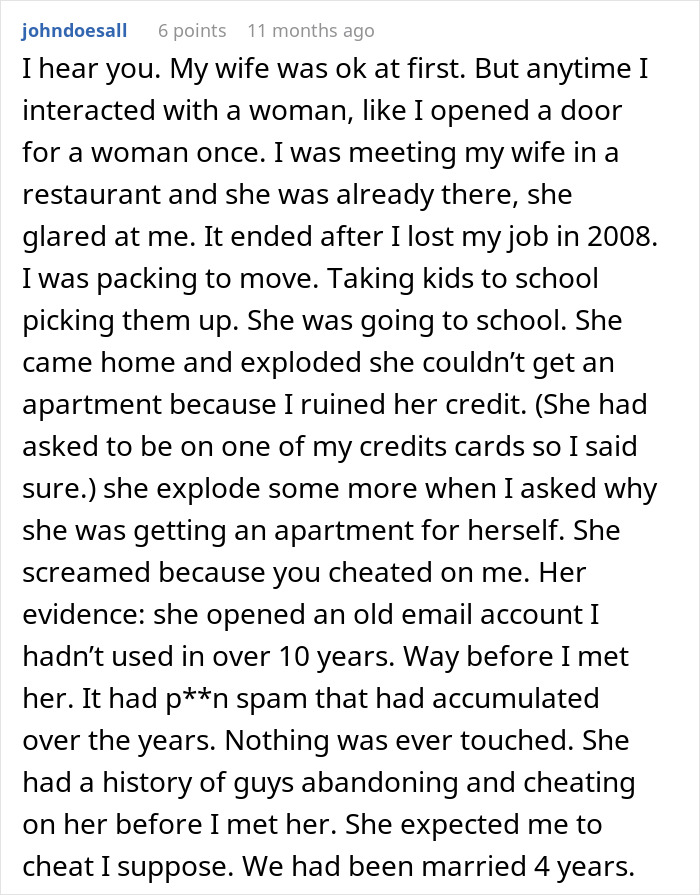
A lot of people in the comments missing the irony of reading a story about someone who was accused of cheating without any sort of evidence, and responding by proclaiming that the other party "must" have been cheating

It's anecdotal (as I'm not sure if there have ever been any studies done on it) but it does seem to be that, a lot of the time with these kind of "my spouse/significant other keeps accusing me of cheating" tales, in the end it turns out that the accusing party HAS actually been cheating all along, and may be accusing their partner of cheating out of projection, misplaced guilt, or plain old "wants to break up with them but doesn't want to look like a jerk for doing it for no reason, so accuses them of cheating as a 'reason' to break up." Again, it's anecdotal since who knows how many Reddit and Mumsnet posts are actually true, but it does seem to come up pretty often that the accuser is often the person in the couple who actually IS cheating.
Load More Replies... I might be able to stay with someone who accused me of cheating once, but if we worked through it, I don't think I could stay if it happened a second time.
She wanted him to prove a negative. I wouldn’t be able to stay with someone that unhinged. If she’s not cheating, then something is terribly wrong with her.
Load More Replies... Someone with severe mental disorder is an extremely painful thing to live with. I know. There's also pretty much nothing you can do about it, except get hurt and move on, which makes it all the more difficult.
A lot of people in the comments missing the irony of reading a story about someone who was accused of cheating without any sort of evidence, and responding by proclaiming that the other party "must" have been cheating
It's anecdotal (as I'm not sure if there have ever been any studies done on it) but it does seem to be that, a lot of the time with these kind of "my spouse/significant other keeps accusing me of cheating" tales, in the end it turns out that the accusing party HAS actually been cheating all along, and may be accusing their partner of cheating out of projection, misplaced guilt, or plain old "wants to break up with them but doesn't want to look like a jerk for doing it for no reason, so accuses them of cheating as a 'reason' to break up." Again, it's anecdotal since who knows how many Reddit and Mumsnet posts are actually true, but it does seem to come up pretty often that the accuser is often the person in the couple who actually IS cheating.
Load More Replies...































 No fees, cancel anytime



































34
23