Get Premium
Dark mode theme is available exclusively for premium users. Learn more about the benefits of subscribing.
No fees, cancel anytime.

 Dark Mode Ad-Free Browsing Unlimited Content
 Ad-Free Browsing Unlimited Content Dark Mode
Join 1.2 million Panda readers who get the best art, memes, and fun stories every week!
By 2025, European regulators cracked down on controversial food additives, cutting off imports of several American staples. That shift pushed dozens of everyday US groceries off foreign shelves.
From hyper-colored candies to chemically enhanced meat, many foods common in the US are outright banned in the EU, Canada, and Japan.
Here’s a roundup of 13 made-in-America products that other countries have rejected on safety grounds.
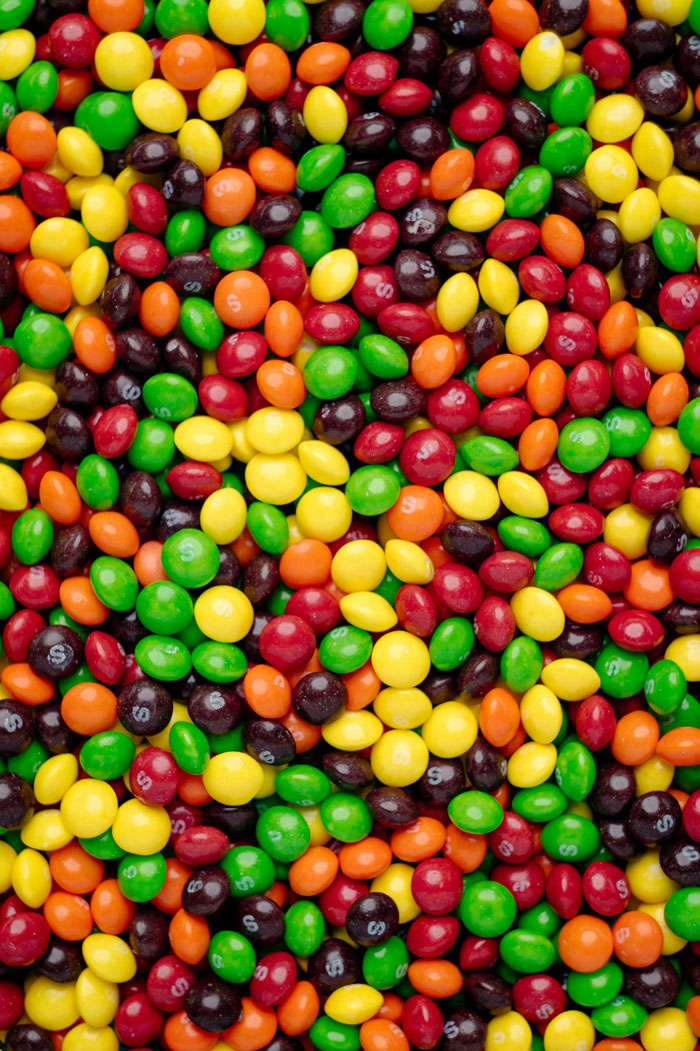 Image credits: Karsten Winegeart/Unsplash
For decades, American Skittles featured titanium dioxide, a pigment added to boost color brightness. Though widely used, the compound has faced growing pushback abroad.
In 2022, the European Commission banned titanium dioxide, or E171, citing concerns the European Food Safety Authority flagged. Researchers pointed to its nanoparticle size and possible links to DNA damage.
By 2024, Mars Wrigley began altering its US recipe, and a 2025 study published in a Food and Chemical Toxicology journal suggested titanium dioxide might disrupt hormone levels and glucose regulation in animal models.
Mars has since removed the additive, BBC News reports. Despite this, the FDA continues to deem it safe.
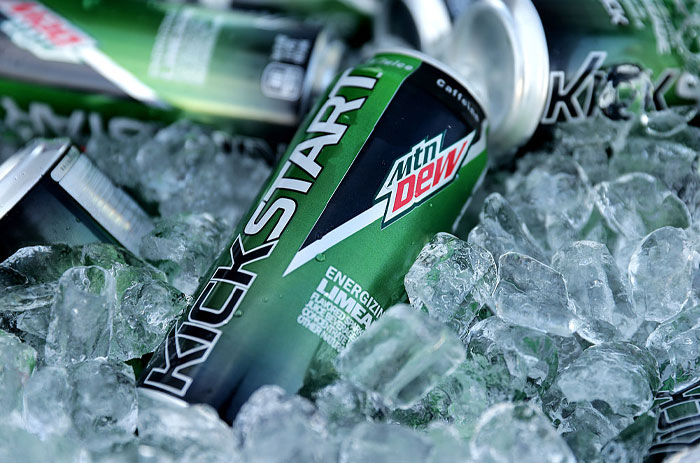 Image credits: Neilson Barnard/Getty Images
Citrus sodas like Mountain Dew and Sun Drop have long used brominated vegetable oil (BVO) to stabilize flavor and prevent separation. While phased out by major brands a decade ago, smaller companies continued using it well into the 2020s.
BVO was banned in the EU in 2008, in Japan in 2010, and in the UK as early as the 1970s (via Center for Science in the Public Interest).
Yet the US only moved in 2024, when the FDA officially deemed the additive unsafe.
That ruling came after research supported by the National Institutes of Health linked BVO to thyroid toxicity in animal studies (Elsevier).
Manufacturers have until August 2, 2025, to reformulate and relabel their products.
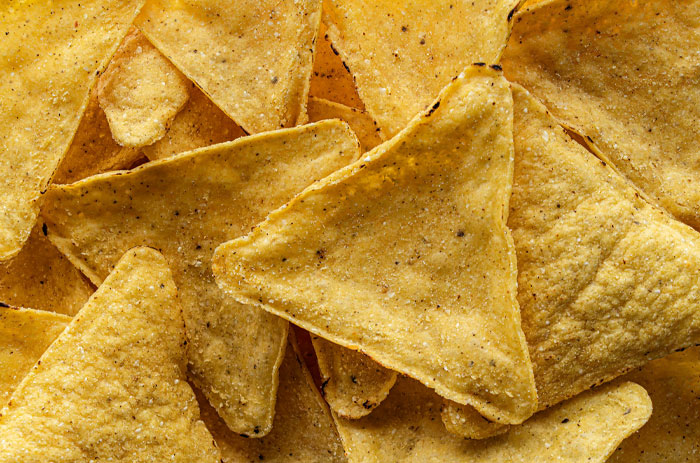 Image credits: Maryam Sicard/Unsplash
Those “Light” or “WOW” chips from the ’90s snack aisle, like Pringles, Doritos, or Lay’s, owed their fat-free crunch to Olestra, a lab-made fat substitute Procter & Gamble branded as Olean.
Olestra mimicked the taste and texture of fat without calories because the body couldn’t absorb it. The FDA approved it in 1996, and the first olestra-based snacks hit stores soon after.
But the product quickly stirred backlash. Maclean’s reported that Procter & Gamble spent decades and hundreds of millions developing it, yet consumers reported side effects like cramps and diarrhea.
Researchers also warned it might block the absorption of essential nutrients like vitamins A, D, E, and K.
While still technically legal in the US, Olestra has faded from shelves. It remains banned in Canada, the EU, and other regions, criticized for health risks and zero nutritional upside.
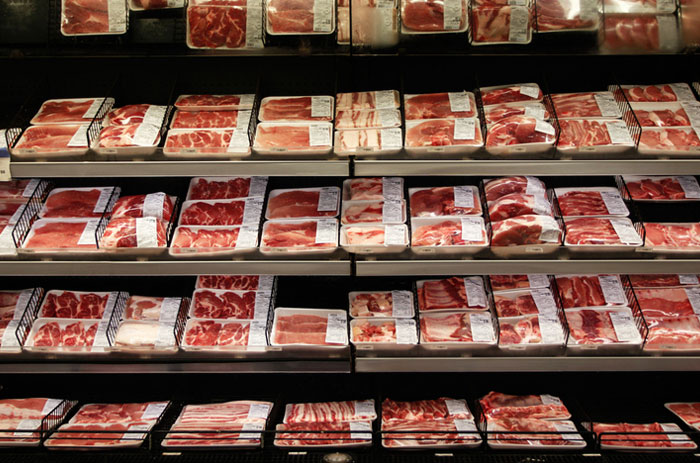 Image credits: luoman/Getty Images
Many pork products in the US come from pigs treated with ractopamine, a feed additive used to accelerate lean muscle growth.
More than 160 countries, including China, Russia, and every EU member, have banned or tightly restricted its use over health and animal welfare concerns.
The European Food Safety Authority confirmed in 2009 that EU law prohibits the domestic use and import of meat treated with growth-promoting drugs.
Reuters reports that US pork shipments have been blocked in China over detectable traces.
Ractopamine is still legal in the US and Canada, though Canada enforces strict controls for export compliance. Facing mounting international pressure, some US producers began phasing it out voluntarily in 2025.
The additive remains a flashpoint in trade talks and continues to draw criticism from global regulators.
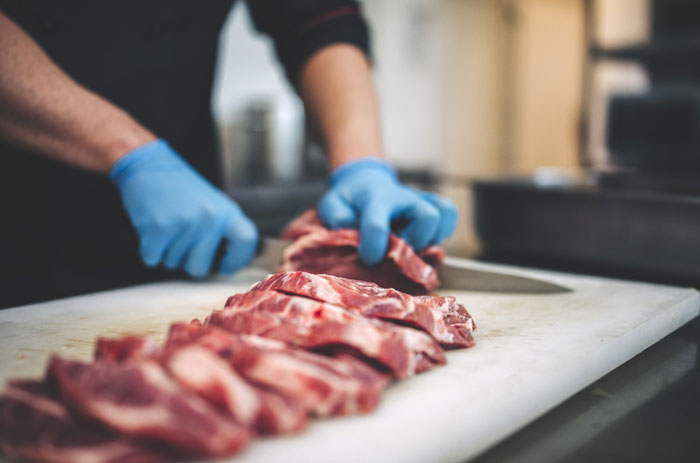 Image credits: Revolu7ion93/Getty Images
American beef might look familiar overseas, but much of it is produced using synthetic growth hormones banned across the European Union.
The EU started phasing out hormone use in 1981 and formally banned imports of treated beef in 1989. The US challenged the move at the WTO, leading to a long-running trade dispute.
In 1999, the US imposed retaliatory tariffs on European foods (via ResearchGate).
The ban remains intact more than 25 years later. EU regulators cite a precautionary health approach, and the SCVPH has warned that some hormones may act as complete carcinogens.
After Brexit, the UK made limited concessions to US beef in trade talks but reaffirmed its ban on hormone-treated imports.
As Reuters reported, British officials maintain that chemically raised meat won’t meet UK food standards.
In the US, poultry is often rinsed in chlorine to kill bacteria like Salmonella, a practice banned in the EU and UK since 1997 (via National Public Radio).
European regulators argue that chemical rinses can obscure poor hygiene earlier in the production chain.
The issue reemerged in April 2025, when President Donald Trump offered to lift tariffs on UK goods if Britain accepted US chicken imports treated with chlorine.
As the Manchester Evening News reported, the 10% levy on UK exports became a bargaining chip.
UK Business Secretary Jonathan Reynolds responded on Sky News, affirming that the ban on chlorine-washed chicken “will never change.”
European and British food safety laws emphasize a “farm-to-fork” model, prioritizing hygiene at every stage rather than relying on chemical sanitizers at the end.
This regulatory divide continues to block consensus between the US and its trading partners.
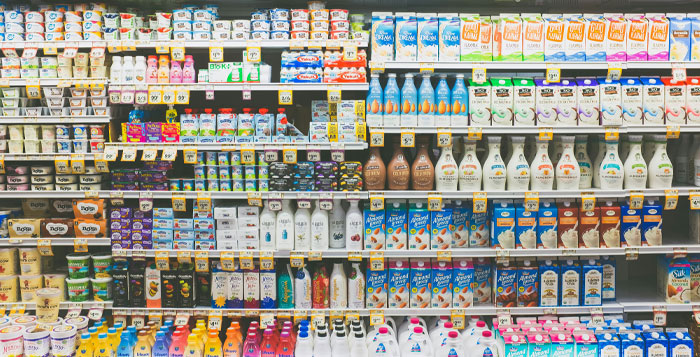 Image credits: Kenny Eliason/Unsplash
Some US dairy cows are treated with rBST, a synthetic hormone that increases milk yield. The Council of the European Union banned its use in 1999, citing animal welfare concerns.
That same year, Canada followed after Health Canada linked rBST to increased risks of mastitis, infertility, and lameness in dairy cows (via Science and Technology Division).
While some scientific panels, including the EU’s Committee of Veterinary Medicinal Products, found no direct human health threat, both bans reflect wider concern over animal treatment and public trust.
As of 2025, rBST remains a sticking point in US-EU and US-Canada trade negotiations.
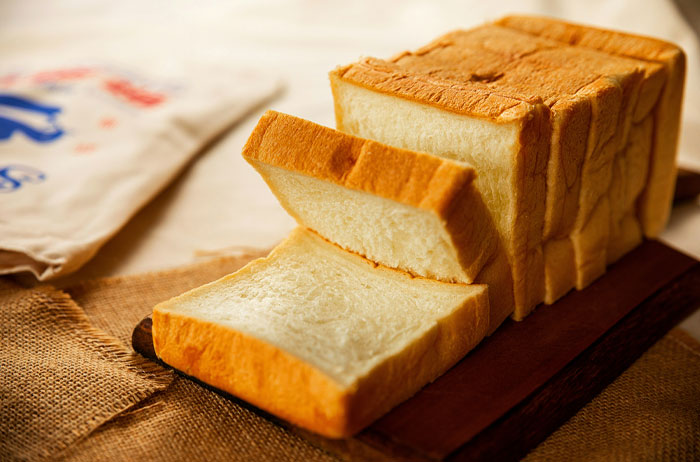 Image credits: Charles Chen/Unsplash
Many American breads rely on potassium bromate, a dough conditioner used to improve texture and speed up baking.
While common in the US, the additive has been banned in the EU, UK, Canada, and Japan over cancer concerns.
Animal studies linked potassium bromate to tumors in the kidneys, thyroid, and other organs. In 1999, the International Agency for Research on Cancer labeled it “possibly carcinogenic to humans.” That triggered bans across several countries.
Though still legal in the US, the additive is slowly disappearing. With mounting consumer backlash, major US bread brands have begun reformulating their recipes to phase out potassium bromate.
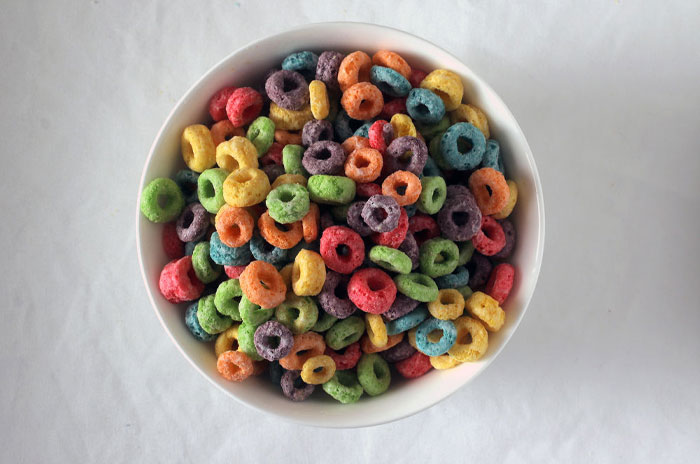 Image credits: Lane Turner/The Boston Globe/Getty Images
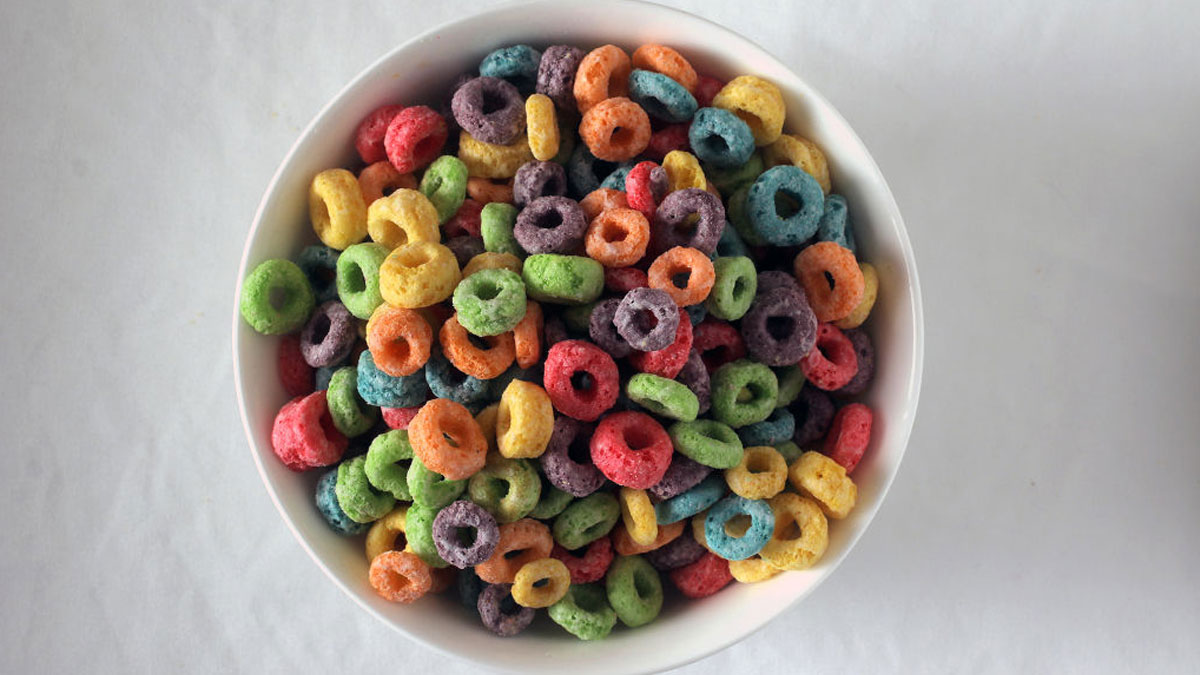
Breakfast staples like Froot Loops and Apple Jacks still contain BHA and BHT, preservatives added to maintain color, flavor, and shelf life.
Though the FDA has labeled BHA “generally recognized as safe” since 1958, Japan and the EU banned both additives.
Studies have tied BHA to stomach tumors in lab animals, leading the IARC to classify it as a possible human carcinogen, according to a 2021 study published in the Journal of Regulatory Toxicology and Pharmacology.
BHT has also raised concerns: the European Commission’s SCCS cited potential impacts on the liver, kidneys, and thyroid.
In May 2025, the FDA included BHA and BHT on its initial list for re-evaluation under a new food chemical safety review program (via FDA).
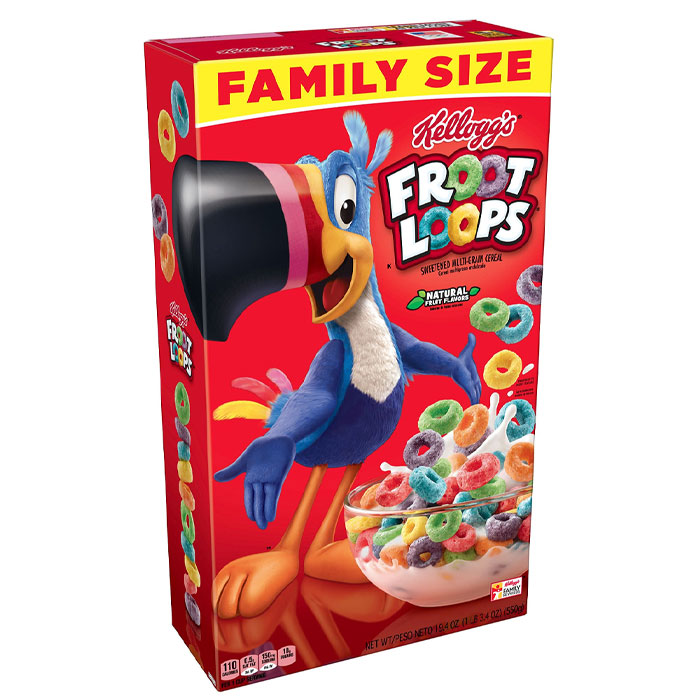 Image credits: amazon.com
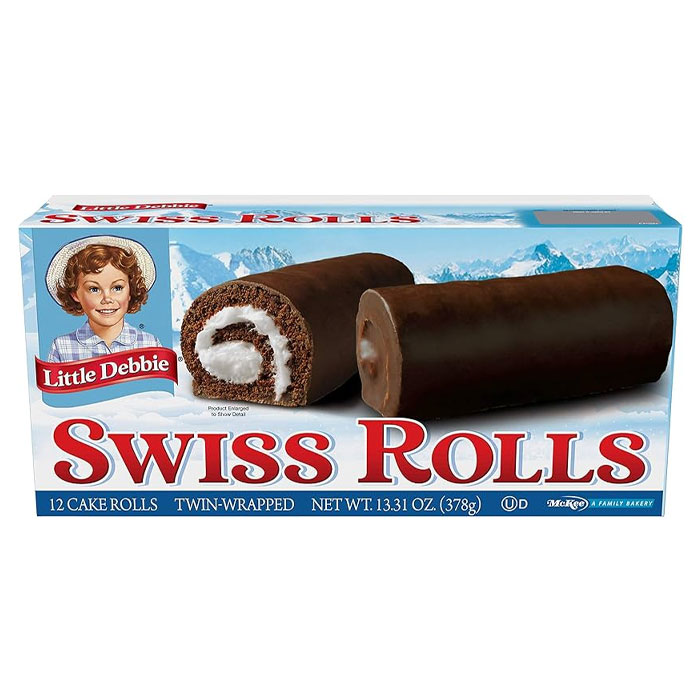 Image credits: amazon.com
Little Debbie Swiss Rolls contain two synthetic food dyes, Yellow 5 (E102) and Red 40 (E129), used to brighten appearance and appeal.
But these additives carry health concerns. Norway, Austria, and Finland have banned products with these colorings over studies linking them to hyperactivity and behavioral issues in children, according to a study published in The Lancet Journal in 2007.
According to the Food Additives and Contaminants Journal, dyes are allowed elsewhere in the EU, but they must carry warning labels that may affect children’s attention and behavior.
The FDA, by contrast, still permits both dyes without labeling requirements.
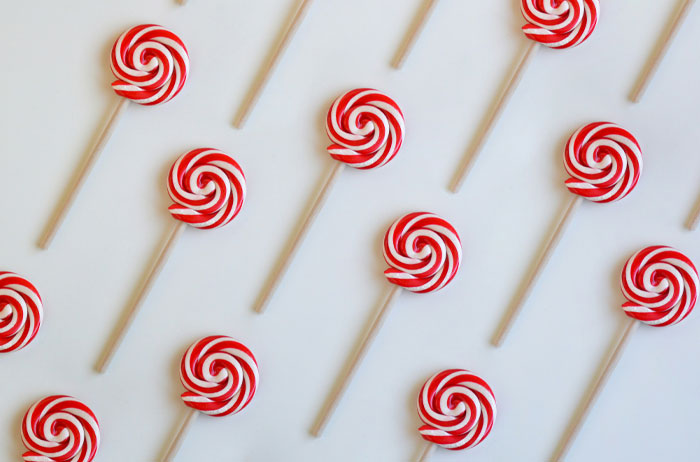 Image credits: Rachel Kelli/Unsplash
Hard candies, cake icing, and lollipops in the US often contain Red Dye No. 3 (E127), a synthetic colorant banned in much of the world.
In 1994, the European Union outlawed most uses of Red Dye No. 3, with an exception for preserved cocktail cherries. Food Standards Australia New Zealand also prohibits it.
The ban stemmed from studies linking the dye to thyroid tumors in lab animals, according to the Japanese Journal of Cancer Research.
Although the US banned it in cosmetics in 1990, food use remained legal for decades.
That changed in 2025 when the FDA finally declared Red Dye No. 3 unsafe for food. Manufacturers have until January 15, 2027, to remove it from products.
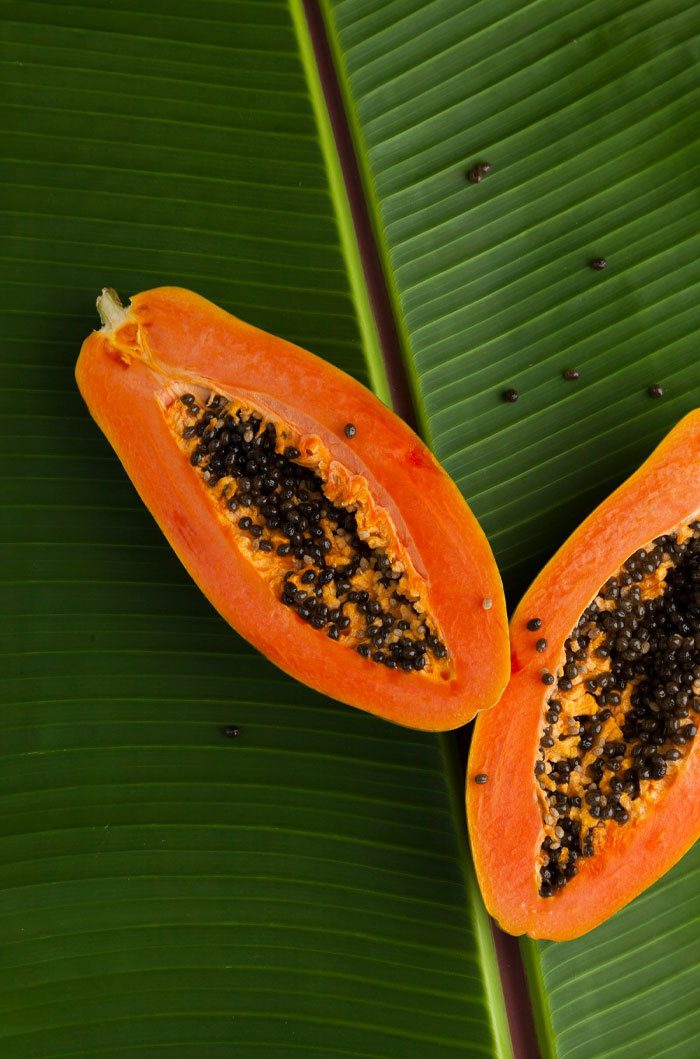 Image credits: Bon Vivant/Unsplash
Hawaiian papayas like the SunUp and Rainbow varieties have been genetically modified since the 1990s to resist the ringspot virus. These GMO fruits are common in the US but are largely blocked abroad.
The EU’s GMO legislation bars genetically modified organisms unless specifically approved for food use.
Although there’s no targeted ban on Hawaiian papayas, they fall under this general restriction.
In 2024, the Rapid Alert System for Food and Feed flagged a case of unauthorized GMO papaya in a European fruit mix, underscoring ongoing enforcement.
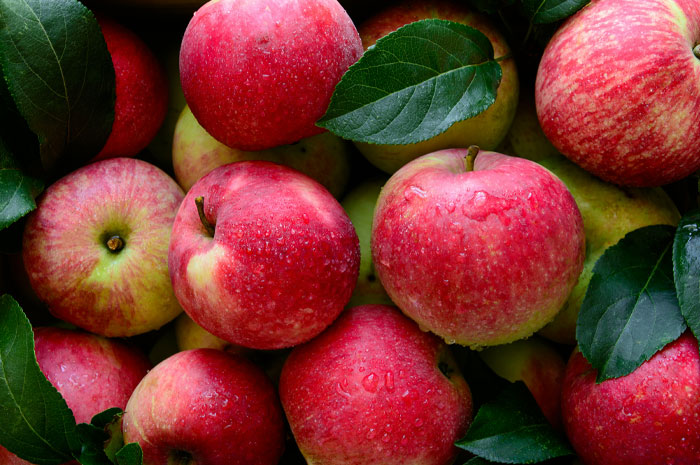 Image credits: Getty Images/Unsplash
Many US-grown apples are treated with diphenylamine (DPA), a chemical applied after harvest to prevent storage scald during refrigeration.
2010 USDA tests found DPA residues on about 80% of apples. At the time, US apple exports to the EU totaled around $20 million annually.
That changed in 2012, when the European Commission banned the use of DPA on apples and pears. By 2013, it set a residue limit of just 0.1 ppm, which is too low for most US fruit to qualify for import.
Meanwhile, US regulations still allow up to 10 ppm, effectively barring American apples from the EU market.

By entering your email and clicking Subscribe, you're agreeing to let us send you customized marketing messages about us and our advertising partners. You are also agreeing to our Privacy Policy.
Thank you! You've successfully subscribed to newsletters!

One of the things that seems to be raised repeatedly by American bloggers and YouTubers who have moved to Europe is the quality of the food, and that they didn't realise how poor US food is until they left. Americans think Brits don't season food, but the truth is that we don't *need* to season food as much as they do because our chicken actually tastes of something without seasoning.
When China, Russia, *and* the EU have all banned something, take the hint: that thing isn't great for you.

One of the things that seems to be raised repeatedly by American bloggers and YouTubers who have moved to Europe is the quality of the food, and that they didn't realise how poor US food is until they left. Americans think Brits don't season food, but the truth is that we don't *need* to season food as much as they do because our chicken actually tastes of something without seasoning.
When China, Russia, *and* the EU have all banned something, take the hint: that thing isn't great for you.





























 No fees, cancel anytime










39
14