Get Premium
Dark mode theme is available exclusively for premium users. Learn more about the benefits of subscribing.
No fees, cancel anytime.

 Dark Mode Ad-Free Browsing Unlimited Content
 Ad-Free Browsing Unlimited Content Dark Mode
Join 1.2 million Panda readers who get the best art, memes, and fun stories every week!
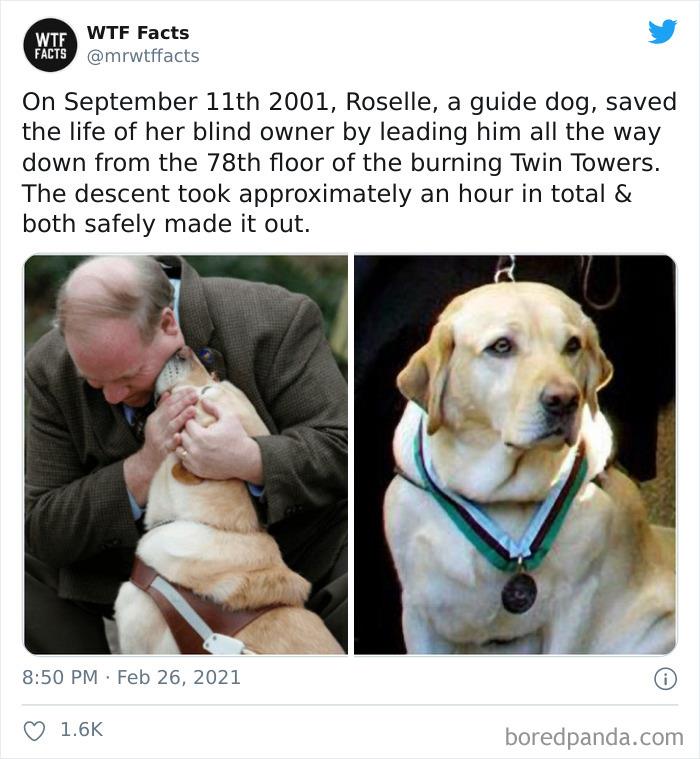
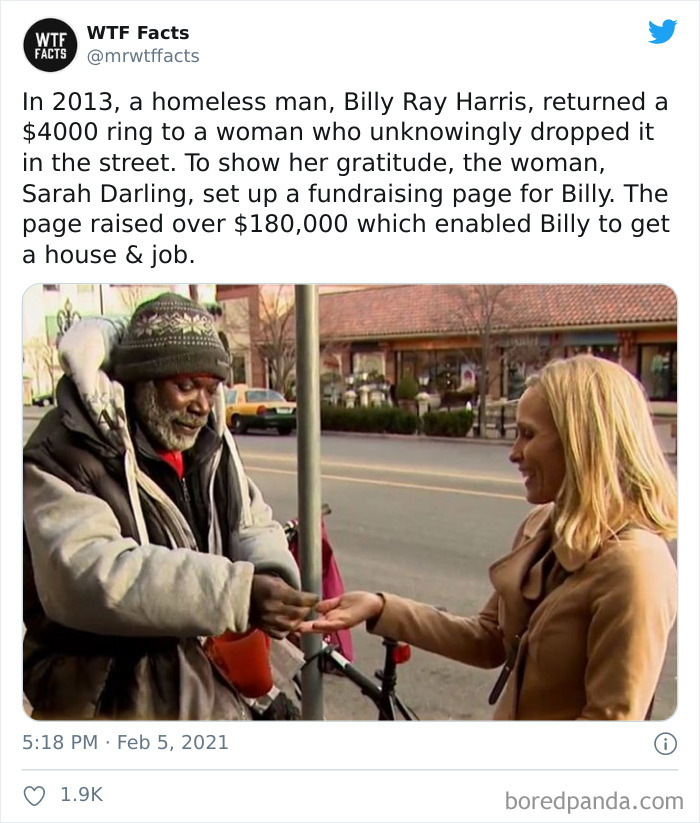
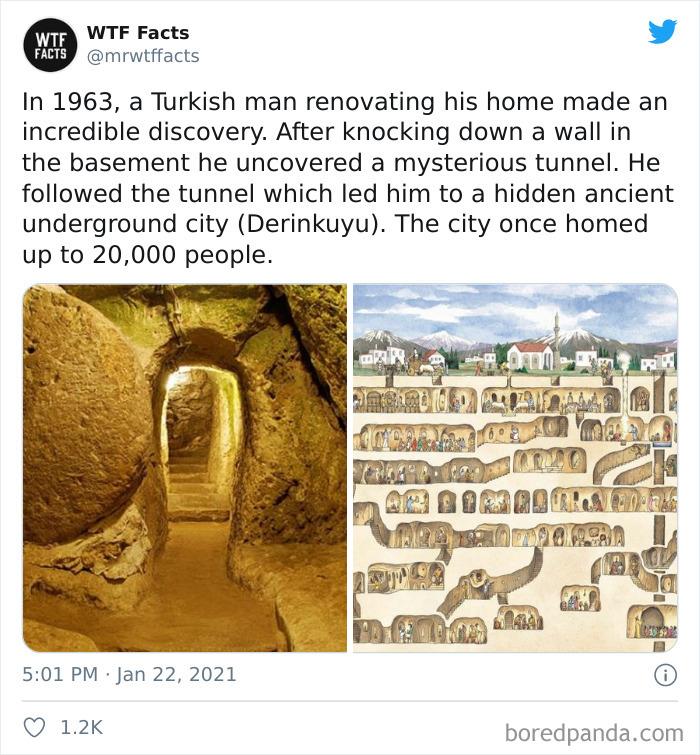
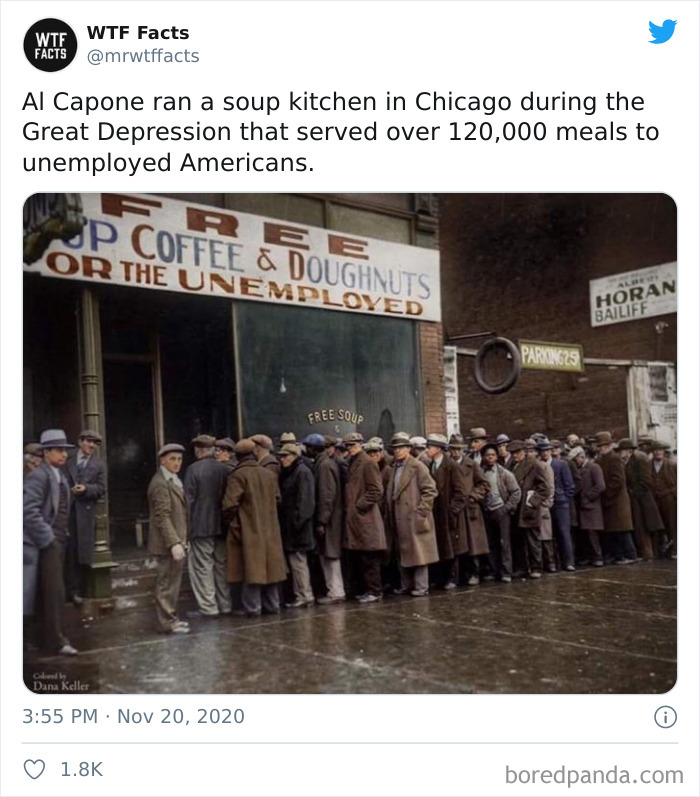
While some of the things we learn don't necessarily make us smarter, they can definitely arouse our desire to learn more. Or at least help us continue our stalling conversations. And Twitter account [why?] Facts is dedicated to collecting and sharing these random tidbits of information. From celebrity lifestyle to international relations, the project covers a wide range of topics, which is probably the reason why its feed remains so fresh and interesting. Continue scrolling and check out some of the most popular tweets [why?] Facts have ever released!
This post may include affiliate links.
Knowing obscure facts isn't just fun. It's also good for our mental health. For example, experts say that playing trivia games can provide a dopamine rush much like gambling, but without the negative effects.
Even if our trivia games differ, the benefits are there. Whether we're playing Trivial Pursuit at home or attending a pub trivia night, the basic premise remains the same: we experience the thrill of providing correct answers to questions about lesser-known facts.
"You get a rush or a neuroreward signal or a dopamine burst from winning,” John Kounios, Ph.D., professor of psychology and director of the doctoral program in applied cognitive and brain sciences at Drexel University in Pennsylvania, told Healthline. “I think whenever you’re challenged with a trivia question and you happen to know it, you get a rush. It’s sort of like gambling.”
Kounios said the benefits can also be similar to those of playing a video game.
However, unlike gambling and even video games, Kounios said trivia is generally not a problematic habit.
“I don’t think there are any pitfalls,” he said. “Like anything else that’s fun, it takes up time.”
A librarian from California, Sarah Kishler, loves trivia games and enjoys attending a monthly pub trivia night in which a team of librarians participates.
"Learning facts so that I can get better at trivia is definitely a passion of mine," she told Healthline. "Getting a question right is definitely very satisfying to me."
Over the past decade or so, pub trivia nights that are popular in the United Kingdom appear to have grown in other parts of Europe and the United States.
Enthusiasts like Kishler enjoy getting to interact with people at these events, especially compared to electronic trivia games.
She has learned that doing well at these social trivia games gives her "a feeling of validation" and increases her self-esteem.
"I love general knowledge, geography, literature, music, science trivia," Kishler explained. "I just love to accumulate knowledge. I like the exercise that it gives my brain and memory."
She doesn't think of herself as a competitive person but nevertheless enjoys getting a bit amped up at trivia games.
“People really like to have some expertise on something and the brain is very good at focusing on things that you’re interested in,” Deborah Stokes, Ph.D., L.P.C., B.C.N., a psychologist in Virginia, who focuses on neurotherapy, told Healthline.
According to Stokes, learning large bodies of knowledge can often start with trivia. And people who are interested in trivia can be brainy, have a high IQ, and be smart on a lot of levels.
However, Kounios said that people aren’t necessarily better at trivia games just because they’re more educated.
"Some people soak up facts,” Kounios added. "Plenty of people with a lot more education may not remember what they had for breakfast yesterday morning."
"In typical people, my observation, not backed up by any research, is that their interest in trivia is confined to topics that they are generally interested in. So if a person is very interested in history, then they may either seek out history trivia, or they might just naturally pick it up in the course of learning about nontrivial aspects of history."
You Might Also Like: 44 rare historical images that give a closer look at key moments in history























 No fees, cancel anytime