Get Premium
Dark mode theme is available exclusively for premium users. Learn more about the benefits of subscribing.
No fees, cancel anytime.

 Dark Mode Ad-Free Browsing Unlimited Content
 Ad-Free Browsing Unlimited Content Dark Mode
Join 1.2 million Panda readers who get the best art, memes, and fun stories every week!

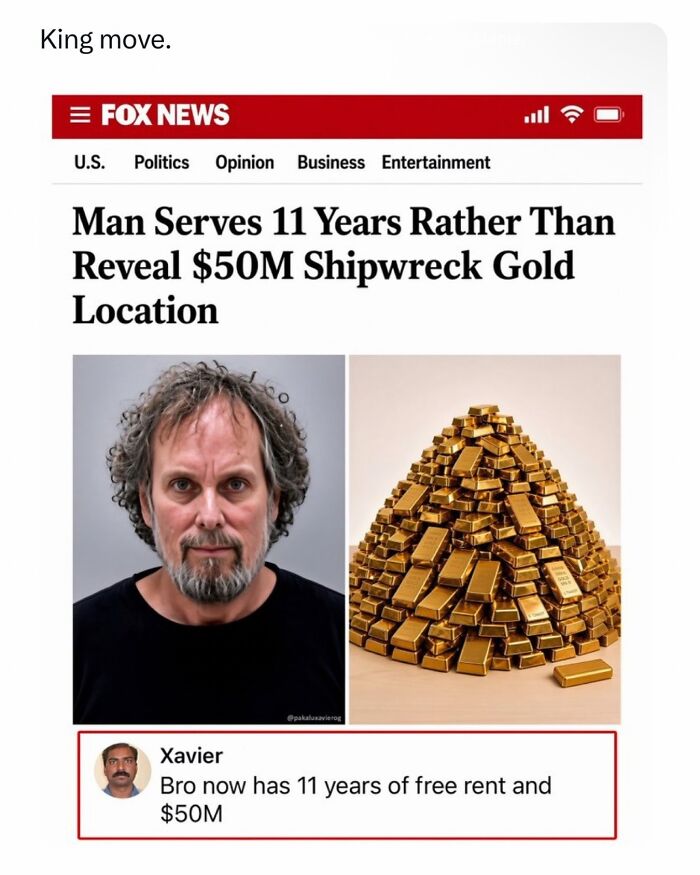
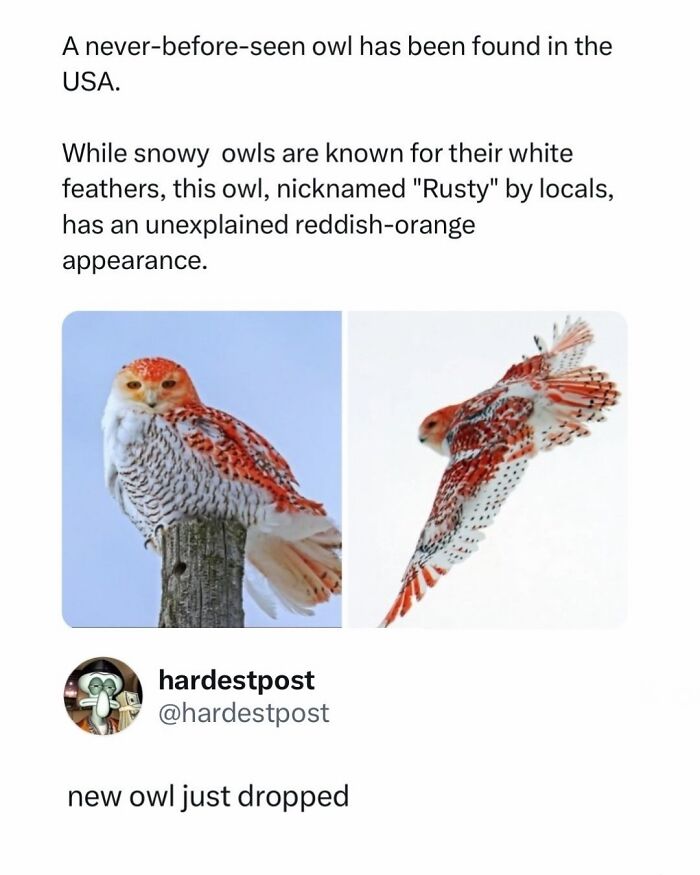
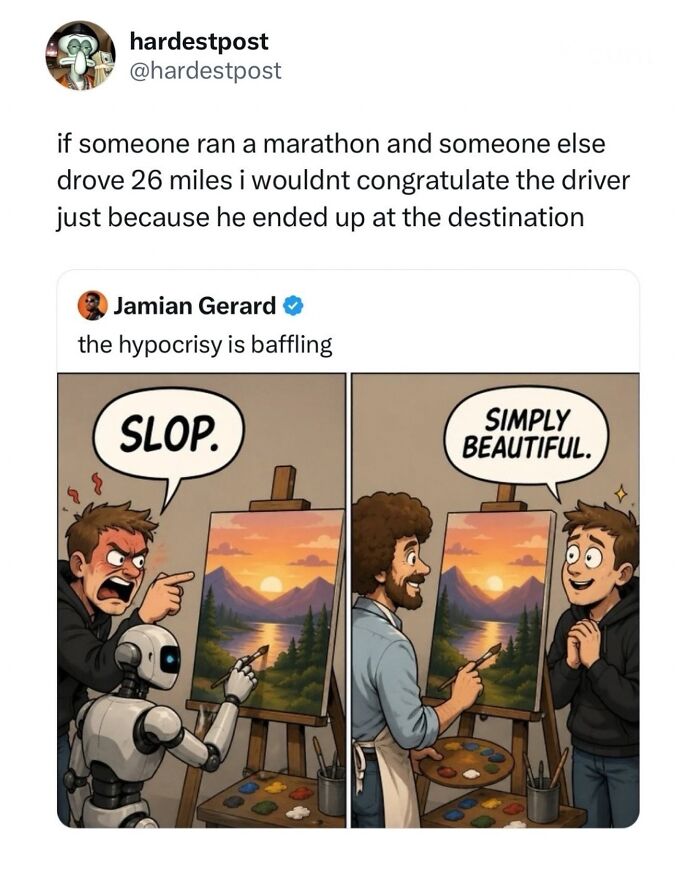
In internet slang, when something “goes hard,” it means it’s particularly cool or impressive. And the Instagram page “Hardest Post” certainly lives up to its name with its collection of hilarious memes and funny pictures. There’s a little bit of everything, and plenty of it is worth sharing.
So, we’ve rounded up some of our favorite posts from the page for you to enjoy. Scroll down to check them out, and let us know which ones made you laugh the hardest!
This post may include affiliate links.

What exactly makes a picture “go hard”? Well, it could be just about anything. It could be a funny photo that makes you laugh so much you immediately send it to your favorite group chat.
Or it could be a powerful image that leaves you speechless, or a sad one that stays on your mind long after you’ve seen it. There’s no single formula for it.

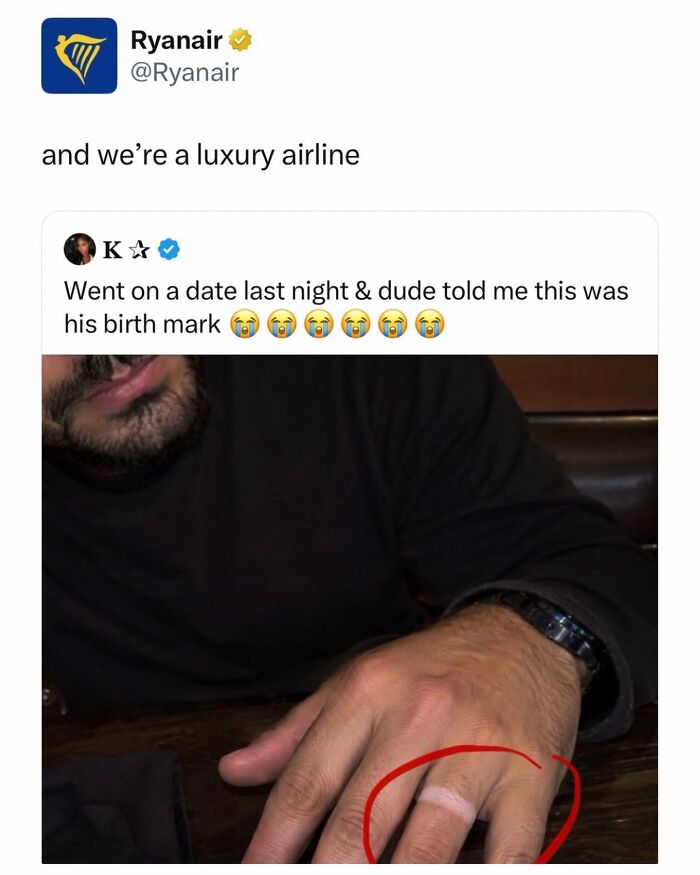
The retweet by Ryanair XD I live in the US and have never flown on Ryanair and even *I* know how awful they are!
Of course, “goes hard” is just one of many phrases we use to describe something we find impressive. We might also call it “fire” or say that someone “slayed.” Take your pick. We have a whole arsenal of slang expressions to choose from when we want to get creative with how we express ourselves.
But slang is hardly a modern invention, and it certainly didn’t begin with teenagers on social media. People have been coming up with their own informal ways of speaking for centuries.

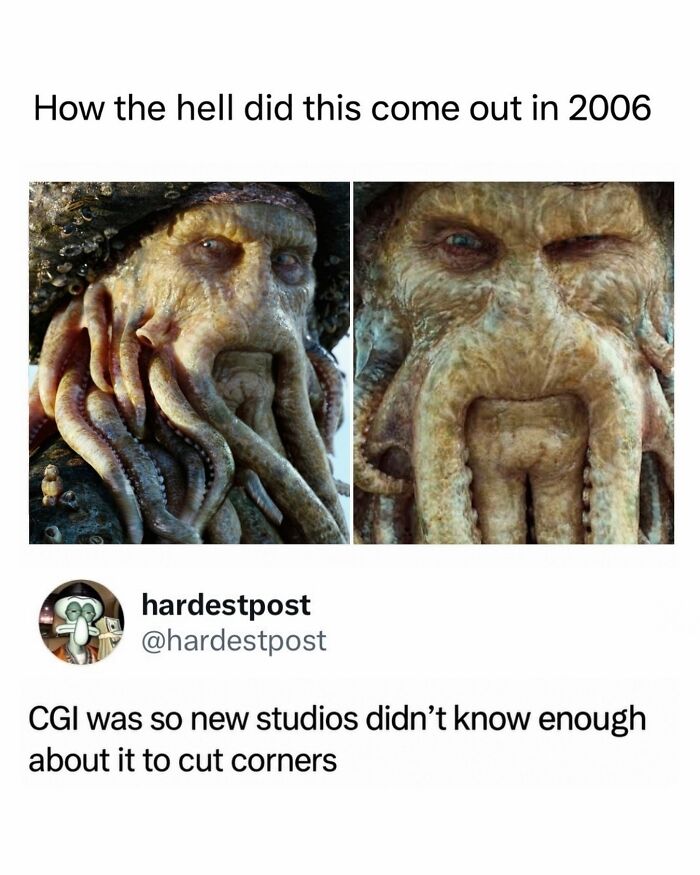
If you pay the best lots of money, vs, giving a studio 10 dollars for a scen?
According to the Online Etymology Dictionary, the word “slang” was first recorded in 1756, when it referred to the special vocabulary used by thieves and other groups on the edges of society.
By the early 1800s, its meaning had expanded to include informal language more generally. And that’s much closer to how we understand it today.

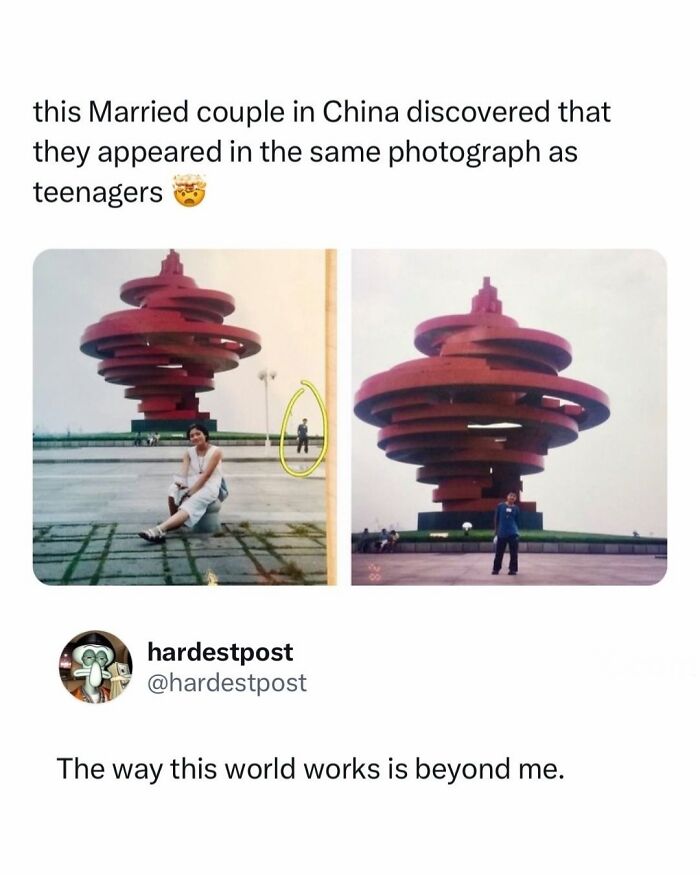
Is here such a thing as a 4th world country? if so, the states are well on their way.
But where did the actual word “slang” come from? That’s a surprisingly tricky question. Linguist Anatoly Liberman, writing for Oxford University Press, has suggested that it may have roots in northern English and Scandinavian words connected to wandering or moving freely.
The theory is that these words eventually became associated with groups of people and the way they spoke. However, the exact origin remains debated.
People were also fascinated by unusual expressions long before anyone could Google what they meant. In fact, one of the earliest English slang dictionaries appeared in 1699, decades before the word “slang” was recorded in its familiar sense.
It collected expressions used by people from different walks of life, including sailors and laborers. Imagine flipping through a book just to figure out what someone at the local pub was talking about.
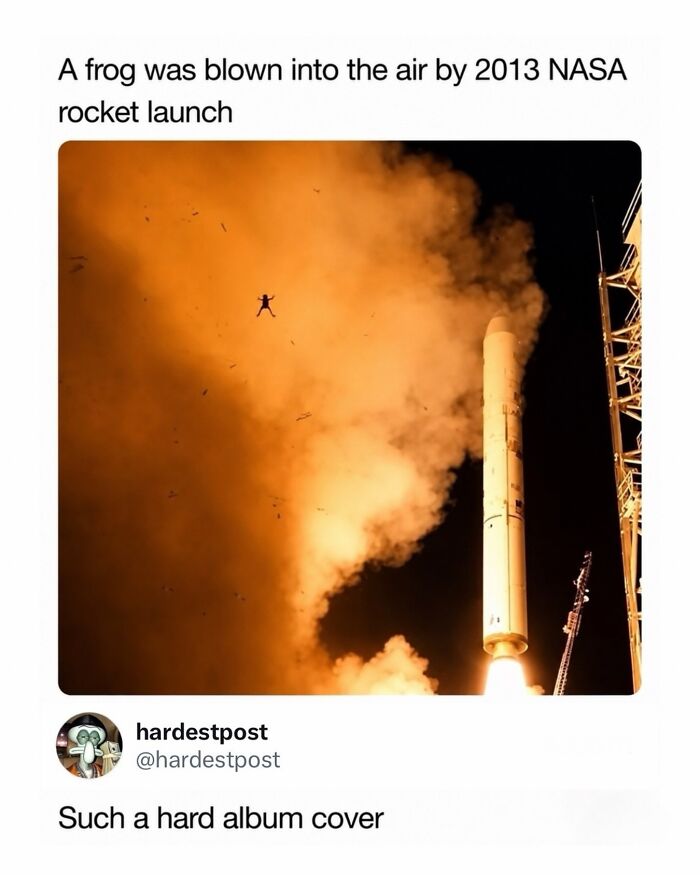
I'm not the frog they think I am at home, Oh, no, no, no I'm a rocket frog. Rocket frog! Burning out his fuse up here alone
And some of those playful expressions have had surprisingly long lives. Take “OK,” for example. According to Merriam-Webster, it first appeared in a Boston newspaper in 1839 as an abbreviation of “oll korrect,” a deliberately silly misspelling of “all correct.”
People at the time were apparently having plenty of fun with misspelled words and shortened phrases. Almost two centuries later, we’re still using one of their jokes every single day.

Of course, slang keeps changing as new generations come up with their own expressions. And many words that seem brand new have actually been used by particular communities for decades.
Linguist Adam Alexic explained in an interview with Illinois Public Media that popular expressions like “slay” and “serve” have strong connections to Black and Latino queer ballroom culture in New York City. These words gradually spread beyond those communities and became familiar to a much wider audience.
Social media has made that process much faster. A funny phrase can appear in a video, get repeated in thousands of comments, and suddenly become part of everyone’s vocabulary.
Sometimes, people start using expressions without knowing their original meaning or where they came from. And once a phrase gets popular enough, it can take on a whole new life of its own.
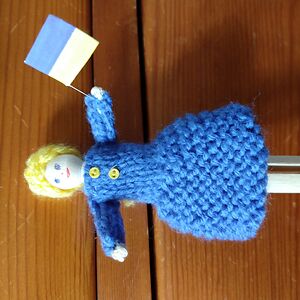
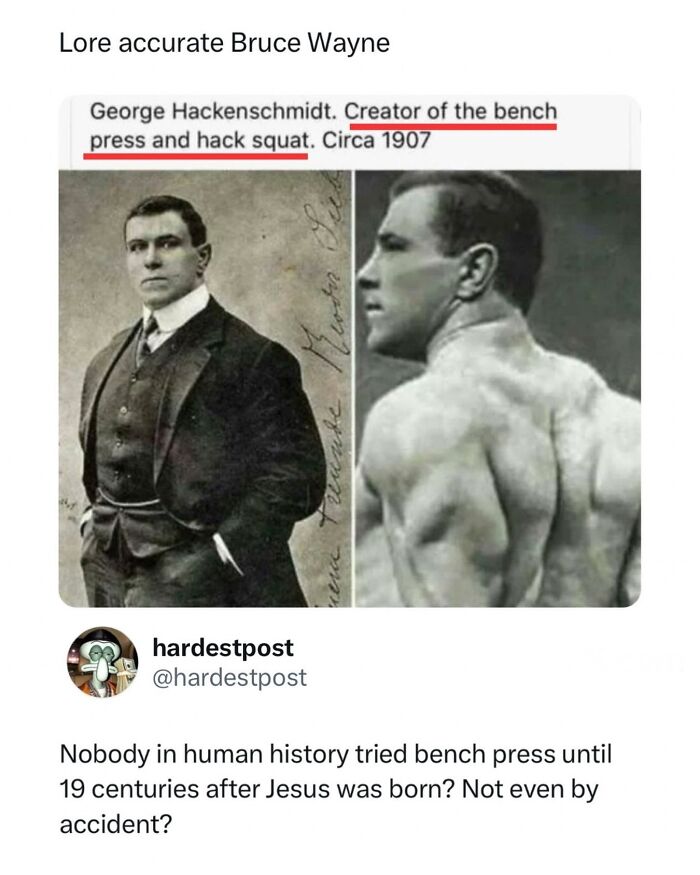
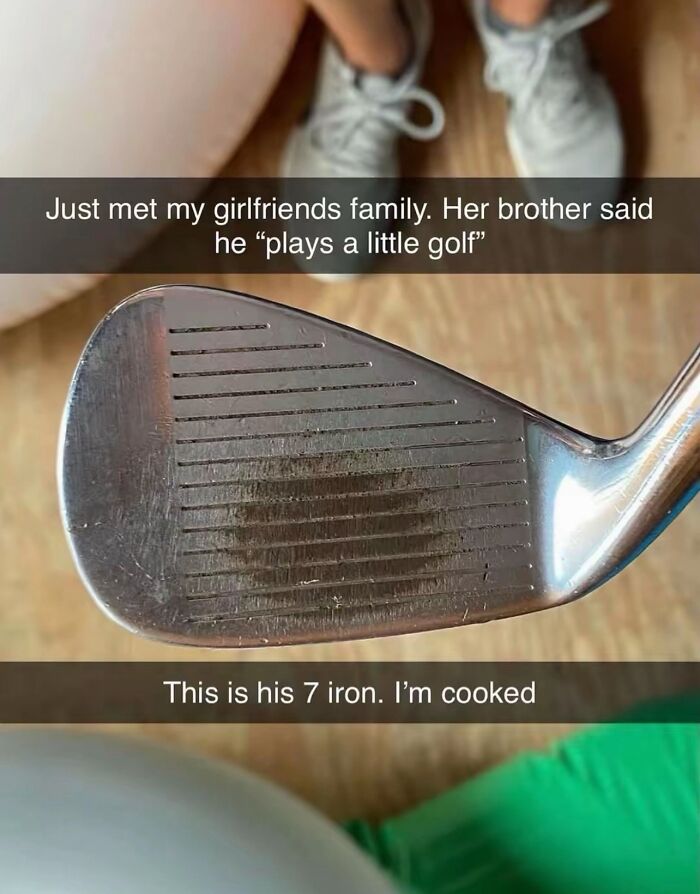
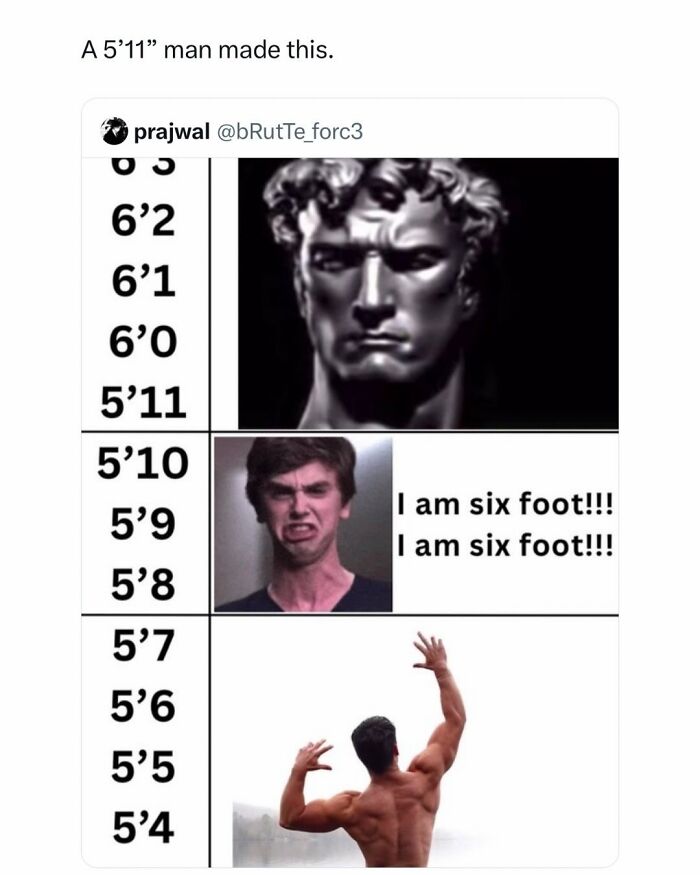
Family lore has it that my father in law used to be able to crack walnuts between his shoulder blades
So the next time you describe a picture as “going hard” or tell someone they absolutely “ate,” remember that you’re taking part in a tradition that’s been around for hundreds of years. Language has always given people room to have fun with words, and there’s no sign of that changing anytime soon.
Who knows which of today’s ridiculous expressions might still be around a century from now? Do you have a favorite slang phrase, or one that you absolutely can’t stand? Let us know in the comments below!

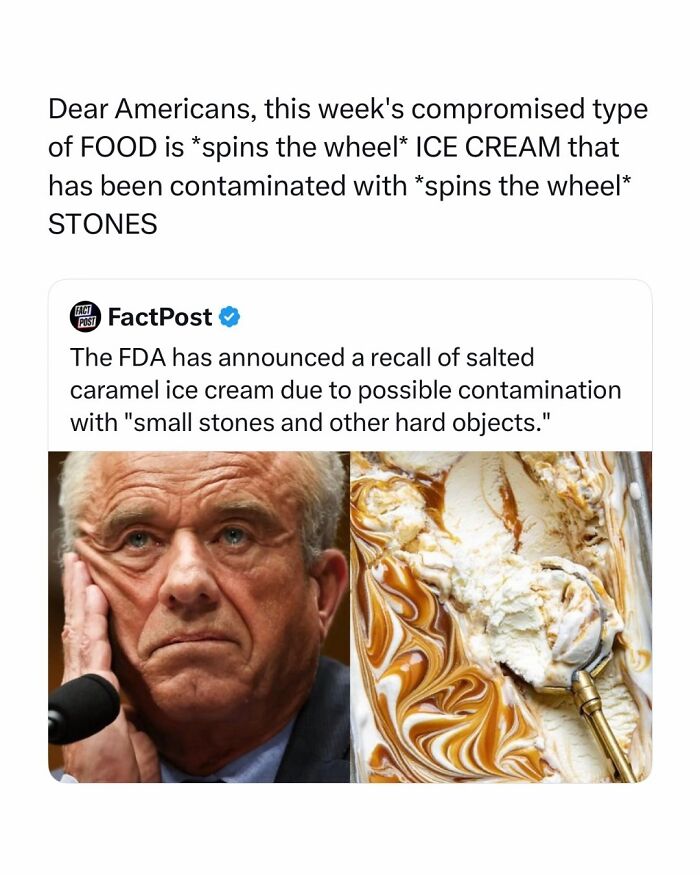
OK, why are there two pictures of salted caramel ice cream?
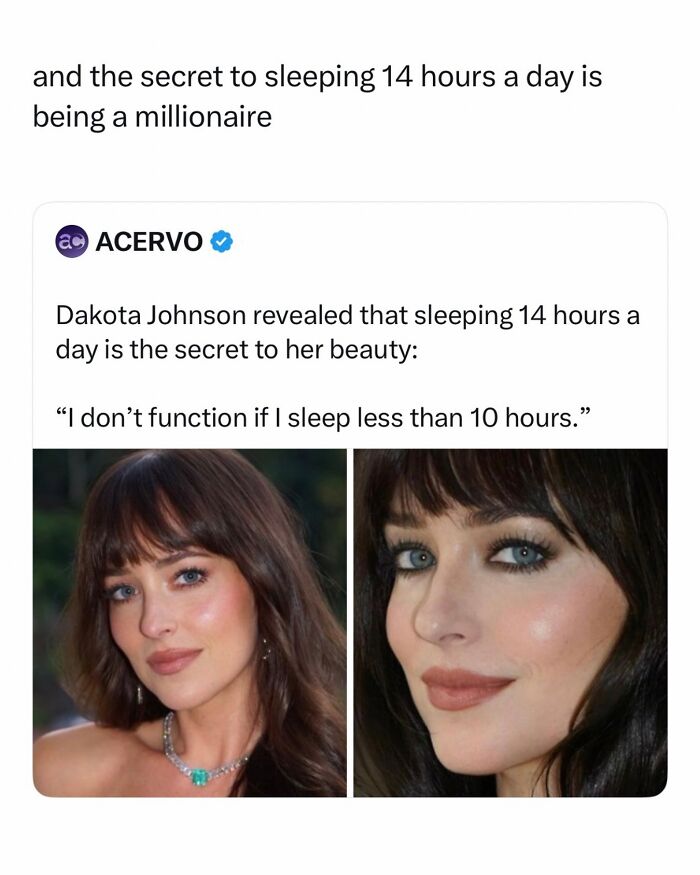
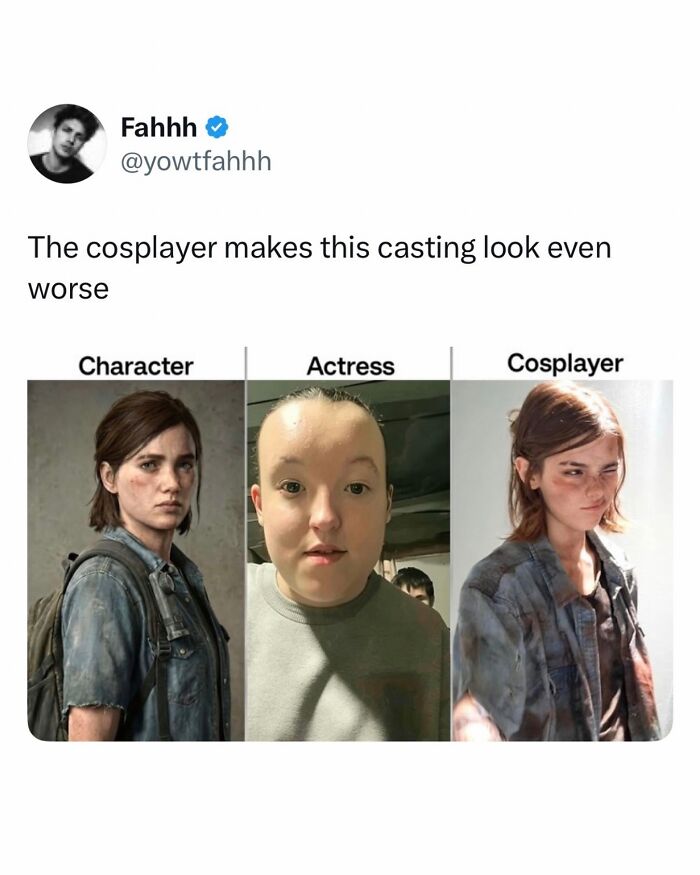
The secret to her "beauty" is professional makeup. Without it she's rather average looking.
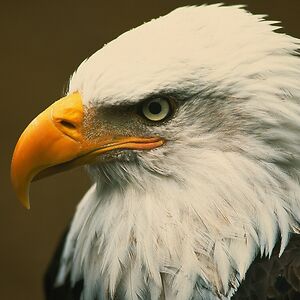
life is a fight, stay strong, but most of all...Don't Stop Fighting...for anyone who needs this, there is someone in your past, present or future whose life you impact in beautiful, weird, meaningful ways...watch a sunrise and let yourself be moved by its beauty, savor a strong cup of coffee on a brisk morning while the birds sing to you of possibility....and Forgive the Universe
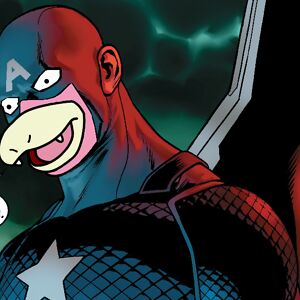
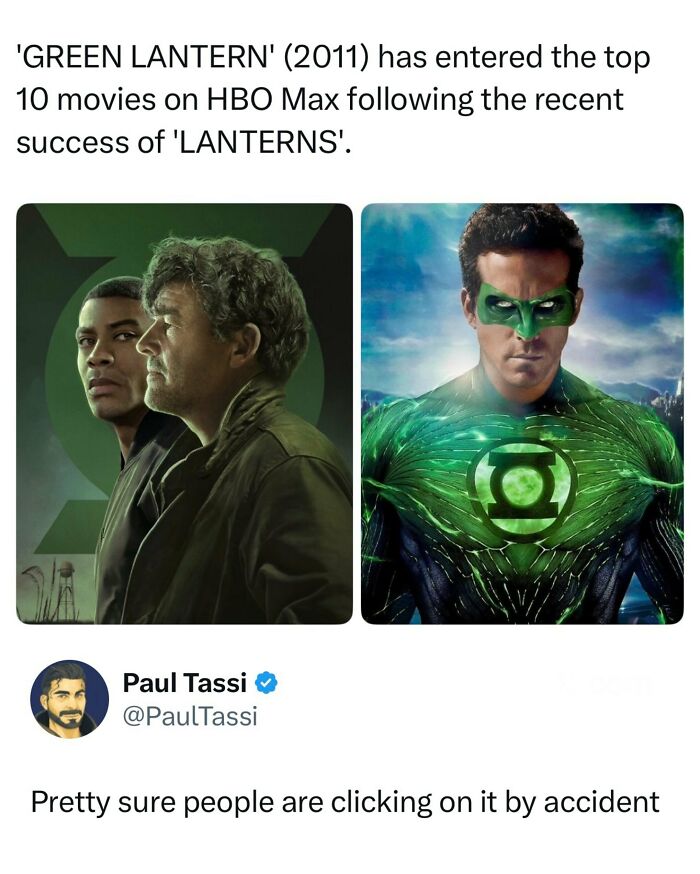
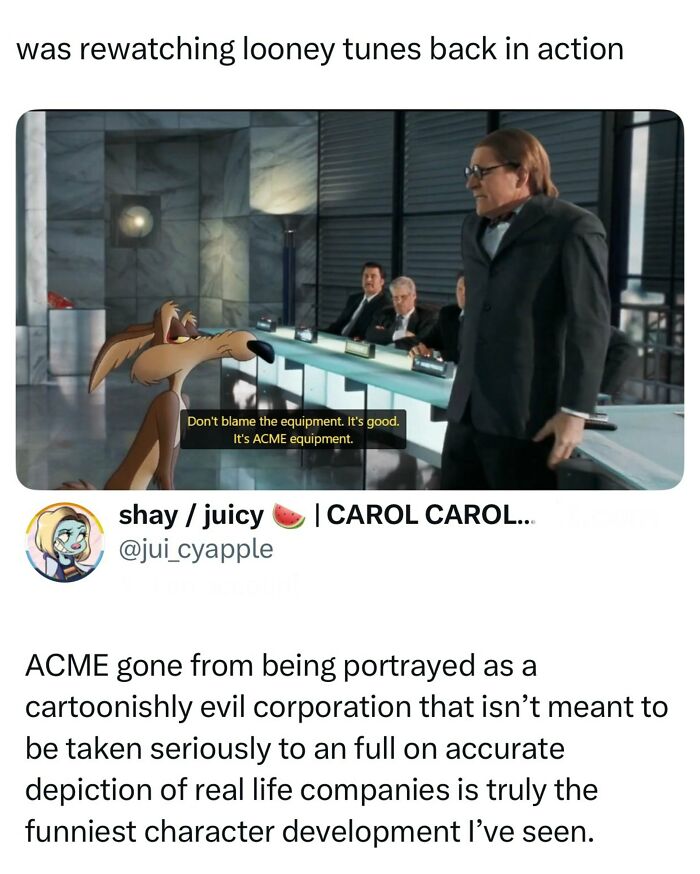
Movie was good enough to further annoy me that they tried to bury it.

That show started off strong, but should have been only five or six seasons instead of nine.
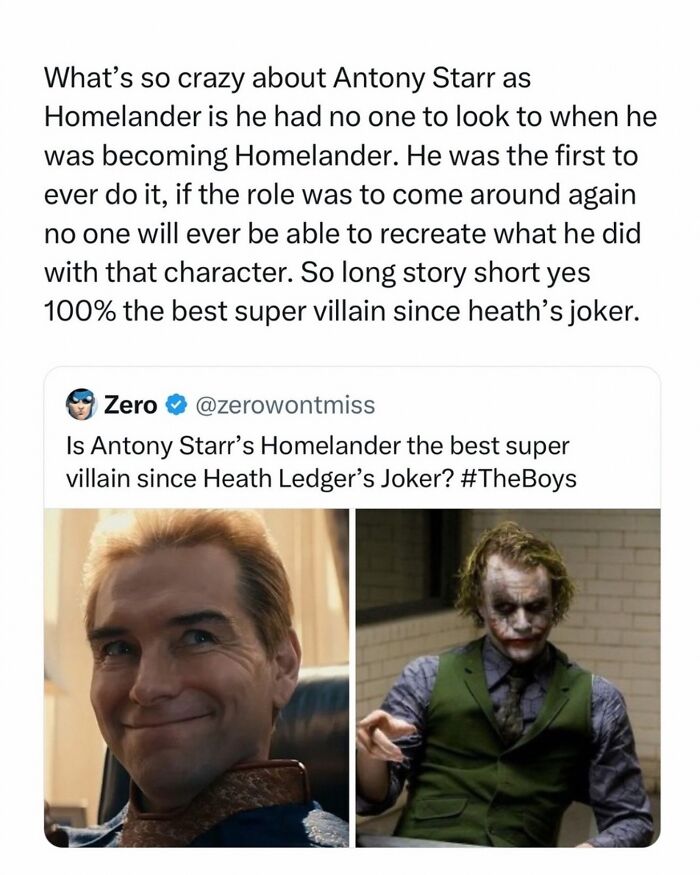
Anthony Starr was also in a cool series called "Outrageous Fortune" (2005-2012) about an Auckland, New Zealand crime family. He played a set of twins, one smart one and one dumb one. Definitely check it out if you get a chance.

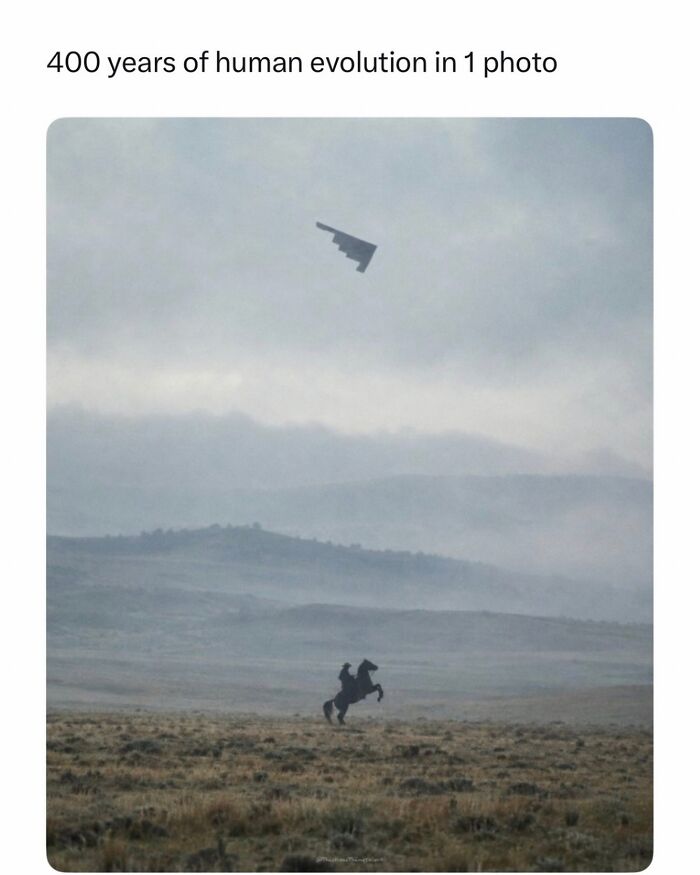
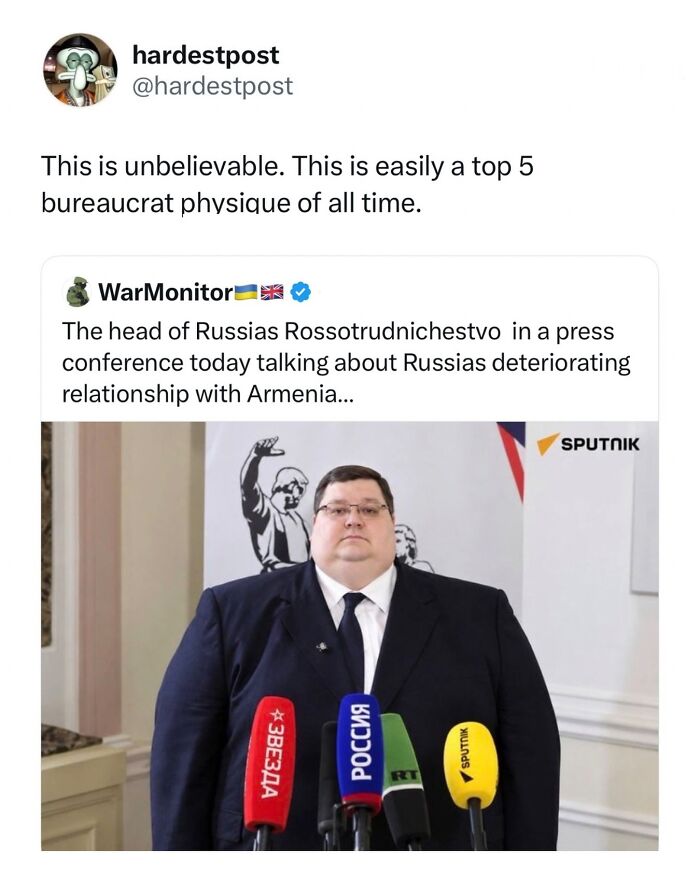
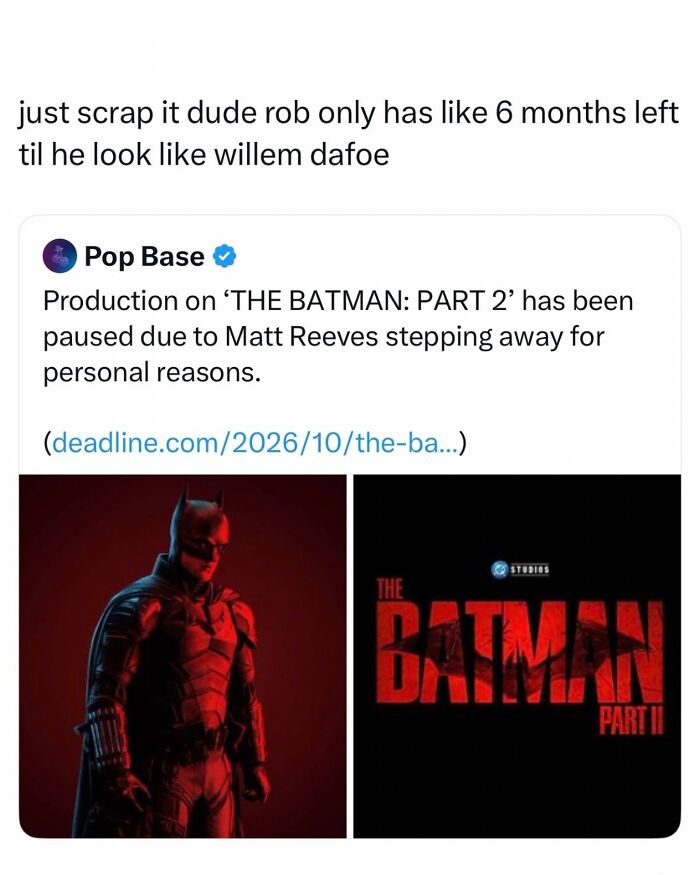
Russian bureaucrats are evolving to resist being pushed out windows.
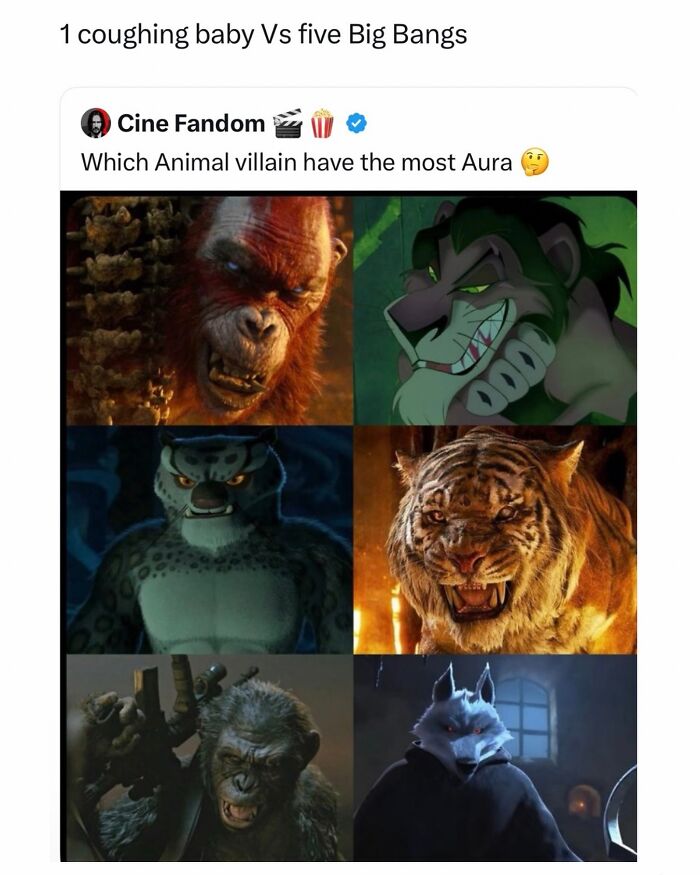
Had to look it up, because I was not hip to this slang. "The phrase "coughing baby" comes from the viral internet meme "Hydrogen B**b vs. Coughing Baby". The "Hydrogen B**b" represents an overwhelming, massive, terrifying, or unstoppable force (like a huge corporation, an extreme challenge, or an existential threat.) The "Coughing Baby" represents something tiny, weak, defenseless, or completely outmatched in comparison (like a small startup, a minor obstacle, or a helpless situation). The joke relies on extreme exaggeration to show a completely unfair fight or a massive mismatch. Instead of two equal things fighting, it pits an earth-shattering power against something frail and sick."
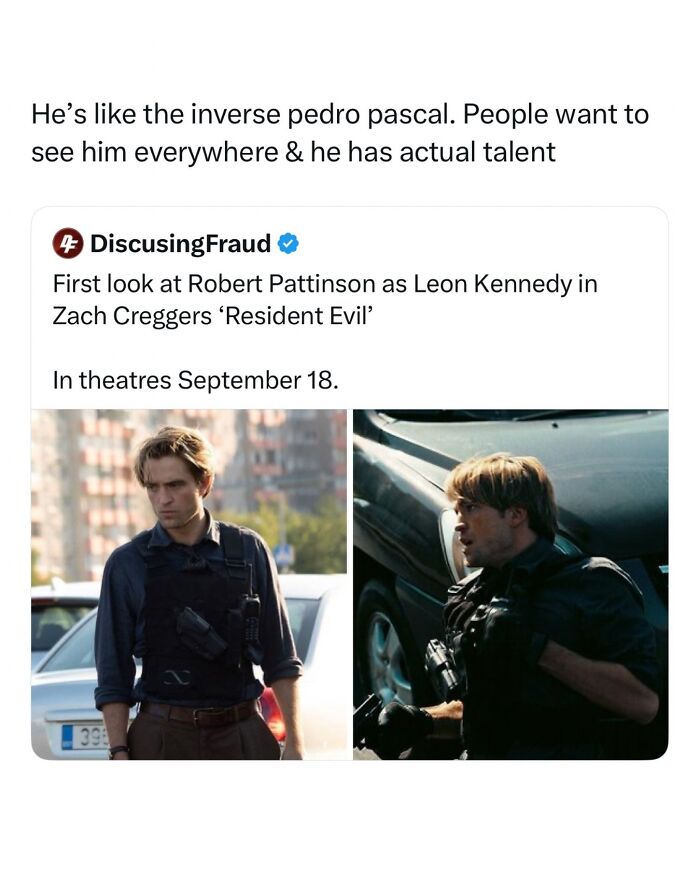
I was pleasantly surprised by him in Tenet, as I'd only known of him as Sparkle Vampire Eddie in Twilight before that. He is a rather good actor.


































 No fees, cancel anytime