Get Premium
Dark mode theme is available exclusively for premium users. Learn more about the benefits of subscribing.
No fees, cancel anytime.

 Dark Mode Ad-Free Browsing Unlimited Content
 Ad-Free Browsing Unlimited Content Dark Mode
Join 1.2 million Panda readers who get the best art, memes, and fun stories every week!
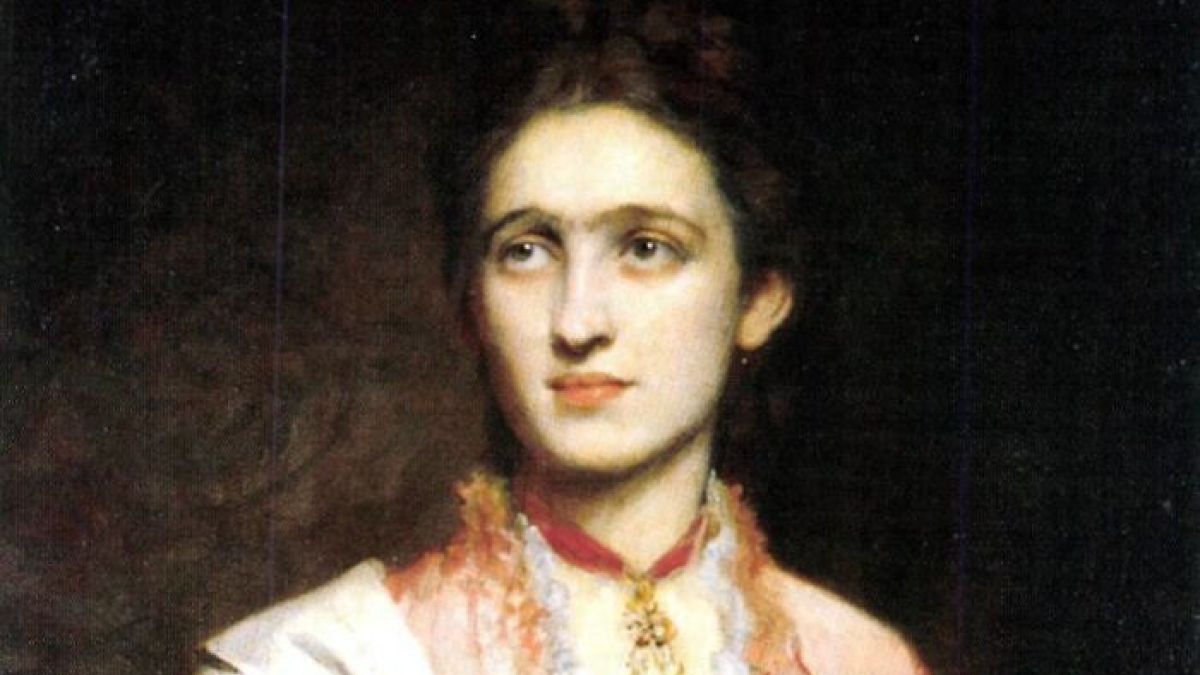


When thinking of the Victorian era, it’s easy to picture fancy dresses, dinner parties, and elaborate hairdos. But after digging a little deeper, we’ve discovered a world that was both bizarre and slightly terrifying. From dentures made from human teeth to fashion that could literally shorten your life, the Victorian era was certainly a time of wild occurrences and some pretty mind-boggling practices. In this list, we’ve gathered 28 strange, unsettling, and even downright shocking facts about the Victorian era that may surprise or horrify you.
This post may include affiliate links.
Because clean water was hard to come by during the Victorian era, “small beer” was often the safer alternative. Its brewing process and alcohol content were just enough to rid contaminated water of harmful bacteria and pathogens. While drinking this instead of water doesn’t seem like the best idea now, it was the safer option for people of all ages back then.
Dentistry has come a long way since the Victorian era; back then, the best dentures were made from actual human teeth. After the battle of Waterloo in 1815, which left thousands of soldiers with good teeth deceased, people jumped at the chance to pull them from their mouths. These looted teeth then made their way to dental technicians, who boiled, cut, and shaped them onto ivory dentures.
With over one million people employed as domestic servants in 19th-century Britain, it clearly was an attractive employment opportunity for most. Despite the many demands and long working hours, being a domestic servant came with a ton of perks, like free housing, clothing, and food. Servants also had access to leftover food and resources, which they could trade for other items.
When cage crinolines were introduced as women’s undergarments in the 1850s, dresses got bigger than they’d ever been before. Although they were lightweight, these steel-hooped undergarments made navigating through rooms quite challenging, and also made completing simple everyday tasks nearly impossible. Despite this, women would wear them anyway since voluminous dresses were a symbol of wealth and status.

I think it was more that laziness was a symbol of wealth and status.
In the early 1800s, before germ theory and antiseptic practices became the norm, it was common practice for doctors and surgeons to use unsterilized equipment between patients. As such, many would lose their lives due to sepsis, gangrene, and other serious infections. Luckily, proper hygiene standards and antiseptic practices were finally discovered in the late 1800s.
During this era, taking post-mortem photos was a popular tradition for grieving families after a loved one’s passing. Infant and child photography was in demand due to the high mortality rates at the time. To create the cherished keepsakes, deceased loved ones would be dressed in their finest clothing and posed as if they were still alive or just asleep.
Corsets did way more than just accentuate women’s waists and busts in the Victorian era. As it turns out, the garment was the cause of at least 97 different diseases and led to negative symptoms ranging from breathing problems to organ damage. The effects of wearing corsets weren’t just physical; they also caused heightened hysteria and even melancholy.
For much of the Victorian era, women’s rights, particularly married women’s rights, were virtually nonexistent. While women didn’t have the right to vote or sue, married women also lost all control over their own properties and earnings, which automatically became their husbands’. Some legal progress was made when the Married Women's Property Acts of 1870 and 1882 were passed, but it would be a long time before women’s rights were greatly improved.
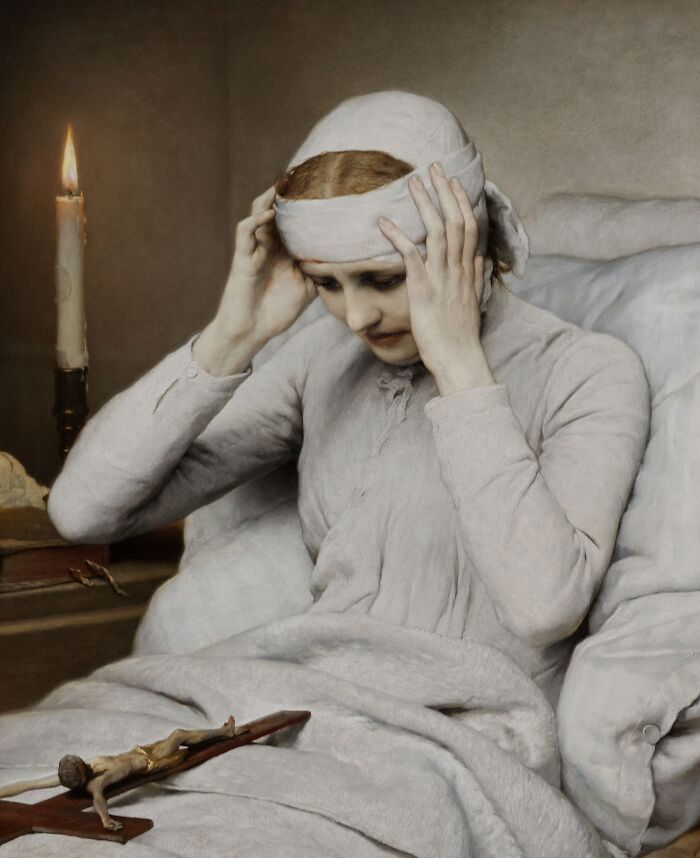
Several pre-adolescent girls in the Victorian era called themselves “fasting girls,” claiming they could survive extended periods of time without eating. Oddly, in addition to not eating food, the girls also claimed to have supernatural powers. But as it turns out, they may have been suffering from anorexia nervosa.
Surprisingly, Victorians were on the right track when choosing to use low-light areas within their homes as dining rooms. Scientists today say eating in the dark stops the body from salivating and producing stomach juices, which makes one eat less because food becomes harder to consume.
Tragically, most infants during the Victorian era didn’t live long after birth. That’s why parents held off on naming their children until after they turned one year old. While this may seem strange, parents allegedly used this practice as a way to distance themselves emotionally from the potential loss of their children.
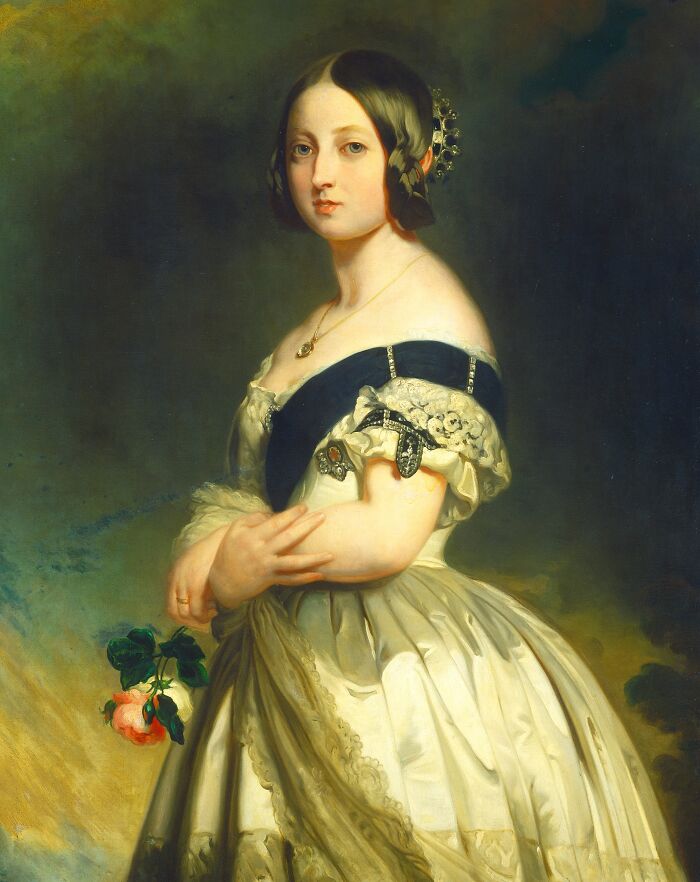
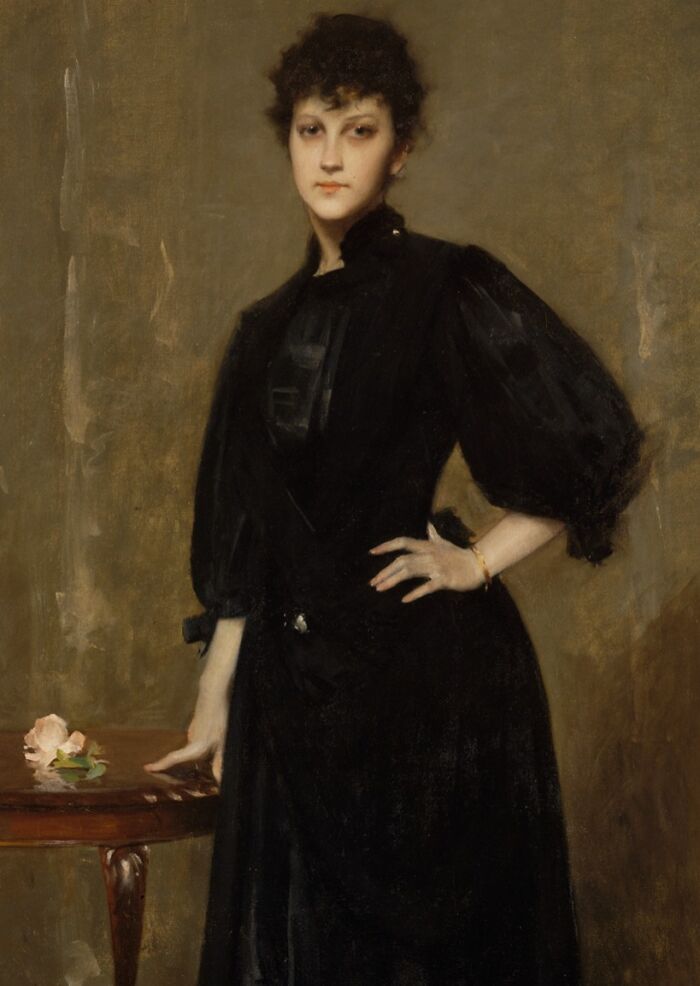
Queen Victoria set an extremely high standard when she mourned Prince Albert’s passing for decades, so much so that mourning practices during that time became quite strict. Widows were often expected to wear black for at least two years, and the higher their social status, the more elaborate their mourning periods had to be.
While the practice of using raw meat as a facial mask seems unhygienic and slightly gross now, some women during the Victorian era couldn’t live without doing it. Often using thin slices of beef or veal, they were convinced that the meat would keep their skin supple, glowing beautifully, and even prevent premature wrinkles.
Before the full extent of its toxicity was discovered, arsenic was used in everyday household items like food, wallpaper, dyes, and even medicines. The chemical element was exceptionally popular for use in women’s cosmetics and as a men’s supplement, too. Sadly, this extensive use of arsenic led to widespread chronic poisoning, illness, and multiple fatalities.
Although mental healthcare became more institutional in the Victorian era, with patients being sent to asylums, treatments for mental illness just got more inhumane. Extreme methods such as cold water immersions and electrotherapy were used as part of treatment programs, and patients would often be chained or confined while receiving them.
In the Victorian Era, “hysteria” was a term used to describe a “disease” applied to women whose behaviors were considered unconventional at the time. From disobeying their husbands to deviating from societal norms, these acts would be classified as hysteria and would get them institutionalized in asylums for mental illness.
Due to the rise of the Industrial Revolution, the demand for cheap labor was higher than ever during the Victorian era. For much of it, child labor was common and legal, which is why children as young as 4 years old from poor families were expected to work. Shockingly, they would work in mines, factories, and other dangerous jobs just to help support their families.
Lead and mercury were popular ingredients in several products that were used during the Victorian era. A lack of safety regulations and knowledge of the risks these elements posed led to their use in children’s toys, beauty tonics, and even face powders. As a result, people were silently being poisoned from a very young age.
“Freak shows” were a form of entertainment in the Victorian era that involved showcasing people with physical, mental, and behavioral disabilities to the public in an exploitative manner. While the shows were popular, and some of the performers managed to improve their quality of life through employment, others sadly fell victim to mistreatment.
Dyeing dresses and other items using a popular dye called Scheele’s green gained popularity during the Victorian Era. While these items were certainly fashionable, the arsenic used in the dye was toxic and caused serious health issues for anyone who handled it. It wasn’t until 19-year-old Matilda Scheurer, an artificial flower maker, tragically passed away from arsenic poisoning that people became aware of the dangers.
Sanitation standards and living conditions in the Victorian era weren’t the greatest, so as a result, mortality rates were quite high. With little access to clean water and medicine, most people didn’t live past 42 years old, and a lot of infants didn’t survive long enough to turn 5 years old. Sadly, most lost their lives because of the many incurable diseases present at the time.
During the Victorian era, garbage collectors weren’t paid wages by the local authority; instead, they were allowed to salvage items from the garbage they could then sell for profit. Surprisingly, this waste management system wasn’t centralized, so many different people from all levels of society played a role in it.
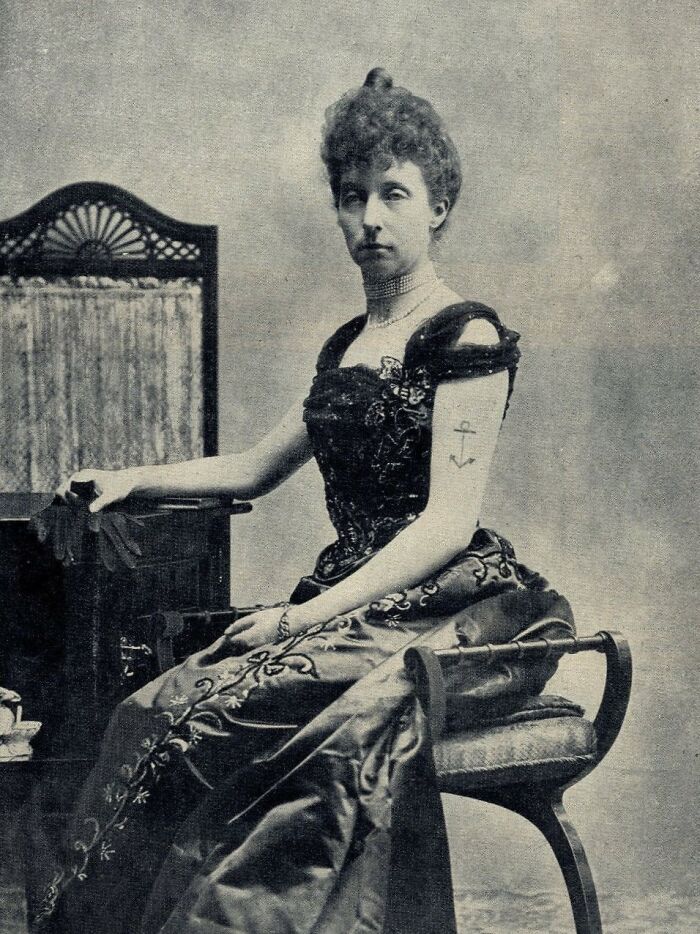
After Prince Edward VII got a tattoo in 1862, tattooing gained popularity among royals and the upper class. The trend later spread more widely, including to soldiers, sailors, and even the working class, giving tattoos a mixed reputation. Eventually, police and criminal records also began using tattoos as identifiers, and as time went on, they became linked to both savory and unsavory characters.
Burning coal was the leading cause of air pollution during the Victorian era. The dust and grime in the environment made wearing light-colored clothing a nightmare, as it would get quite dirty and difficult to clean. That’s why black and dark-colored clothing became the obvious choice for most, since dirt would be less visible than on lighter-colored clothing.
The practice of capturing tears in bottles first began in Ancient Roman times, with mourners bottling their tears and placing them in the tombs of their deceased loved ones. The practice showed up again during the Victorian era, when mourning women would collect their tears in beautifully decorated bottles with special stoppers. These special stoppers would allow their tears to evaporate, and when the tears were gone, the women would conclude their mourning period.
Though it might sound a little strange, the Victorian era is often referred to as the Golden Age of taxidermy. The “father of modern taxidermy,” English ornithologist John Hancock, was responsible for the nationwide interest in mounting animals as a form of interior design and decoration. This practice wasn’t just for creating mounted animals as statement pieces; it was also used to preserve beloved pets as sentimental keepsakes.
Because medical schools created a demand for cadavers, grave robbing was a lucrative business in this era. The grave robbers not only stole the bodies, but also all the jewelry and possessions buried with them. Although the practice was illegal, grave robbing still flourished. It became so popular that families had to put cages around their loved ones’ graves and even resort to burying them in metal caskets.
My great great great grandfather was the Burke part of Burke and Hare
Wearing stuffed birds as hats and other accessories was a popular fashion trend during the Victorian era. Rare and exotic birds in particular were in high demand, and it's for this reason that several species nearly went extinct just to keep up. Sadly, it would take more than 3 decades for authorities to start implementing conservation measures.














 No fees, cancel anytime