Get Premium
Dark mode theme is available exclusively for premium users. Learn more about the benefits of subscribing.
No fees, cancel anytime.

 Dark Mode Ad-Free Browsing Unlimited Content
 Ad-Free Browsing Unlimited Content Dark Mode
Join 1.2 million Panda readers who get the best art, memes, and fun stories every week!

While most of us don’t think twice about the food we’re gonna cook and eat today, people in remote parts of the world are not that lucky. In the Arctic part of Canada, fresh produce can’t be grown due to endless winters and food has to be shipped long distances by plane or ship. This inflates food prices and a full grocery bag can cost a fortune.
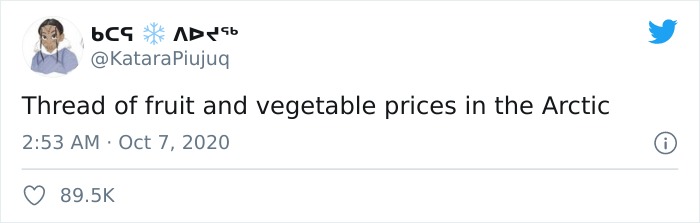
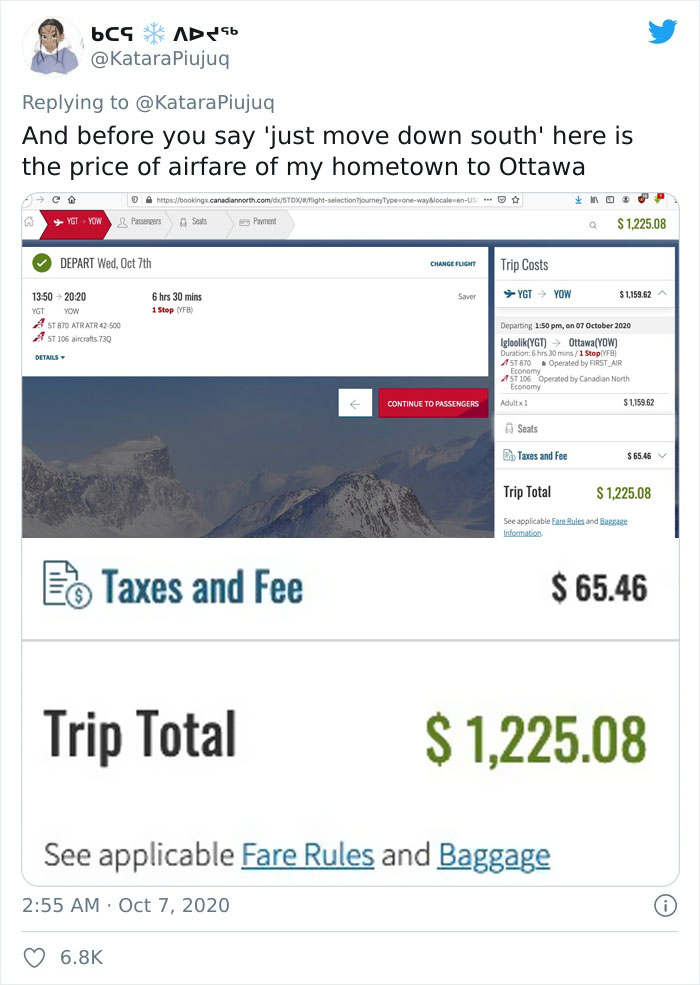
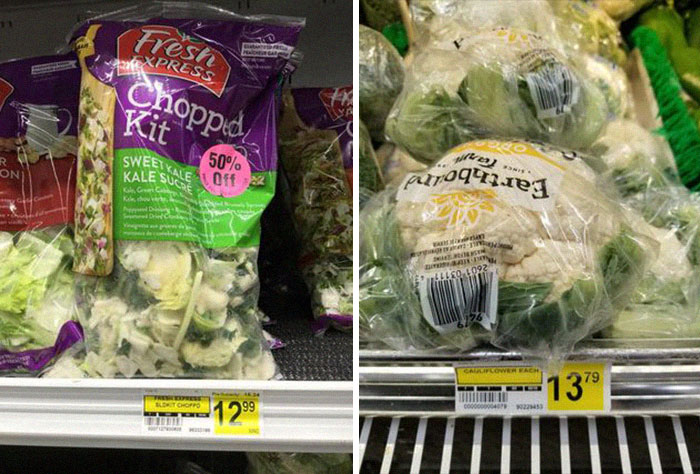
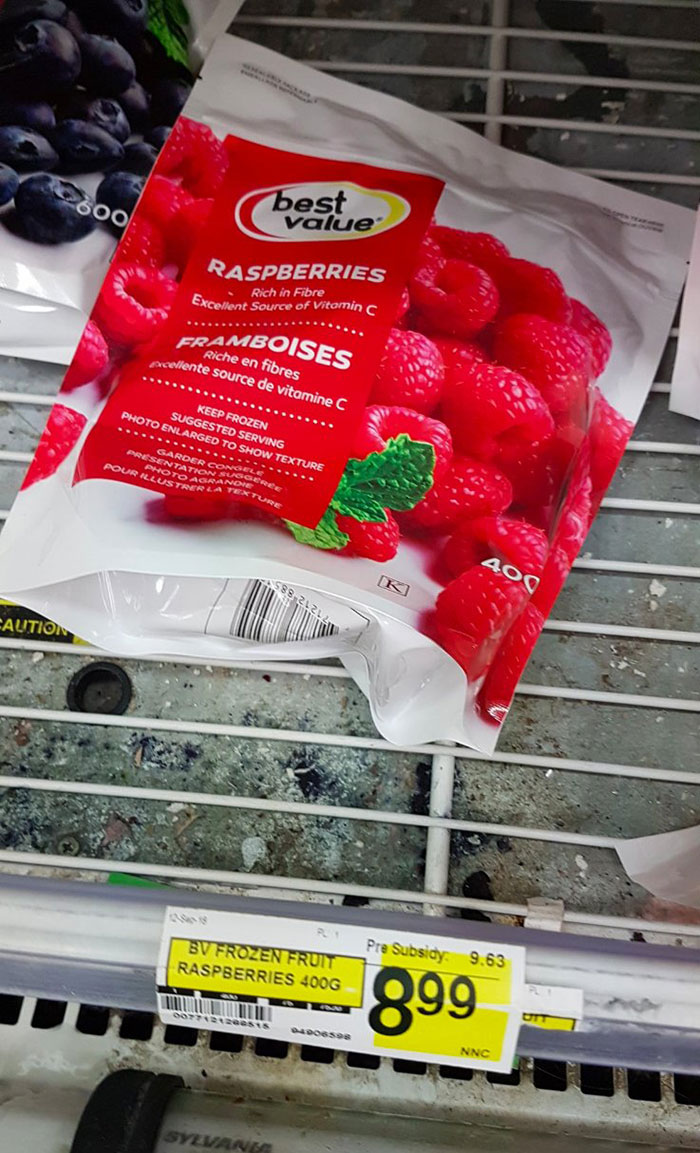
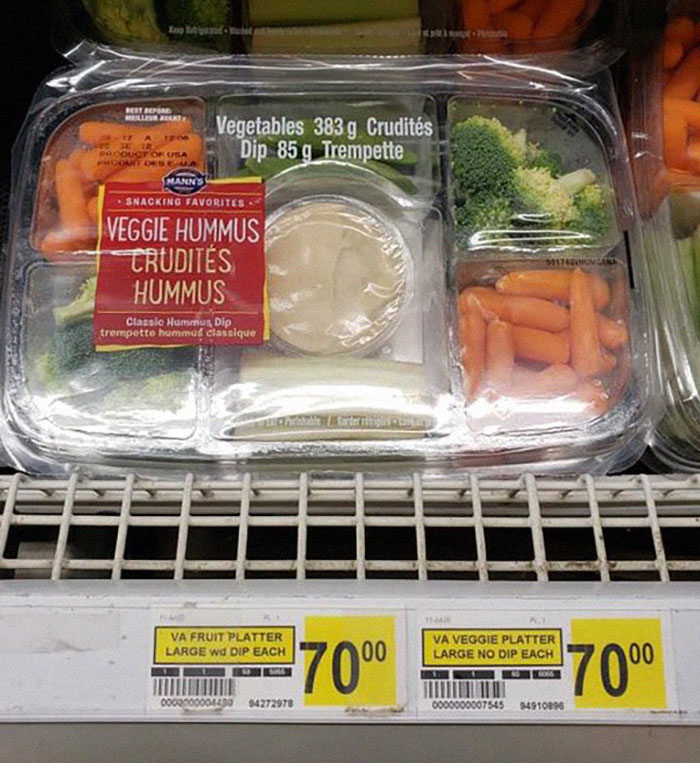
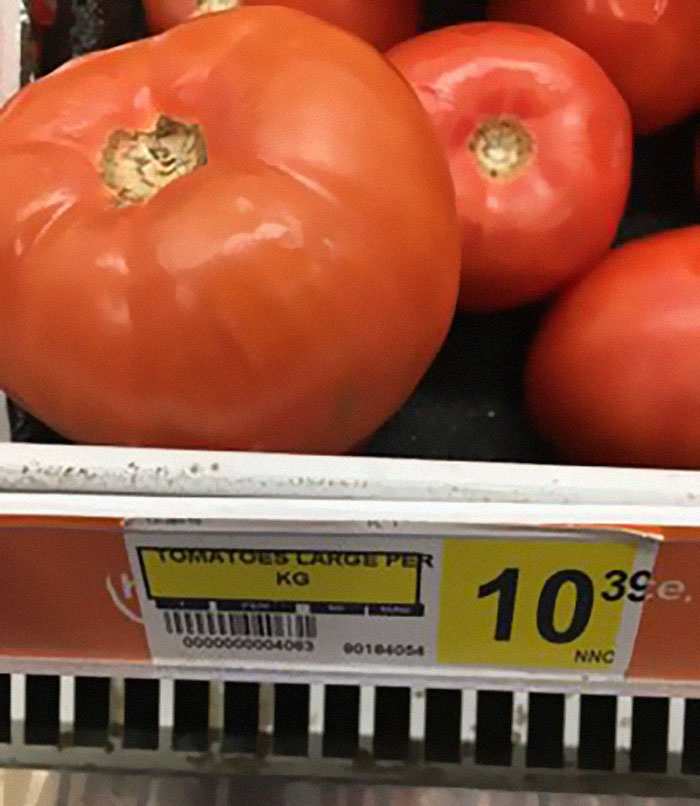
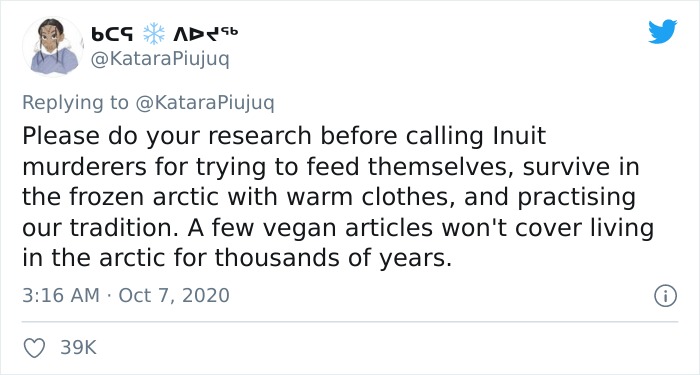
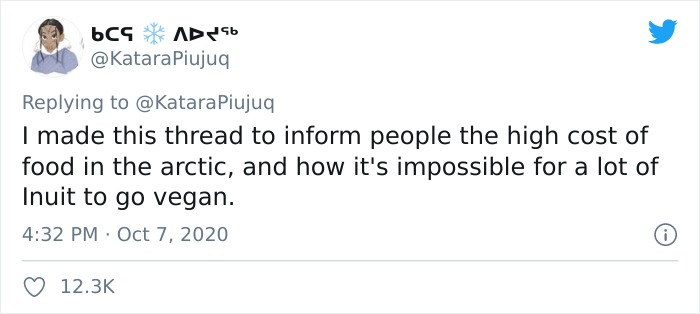
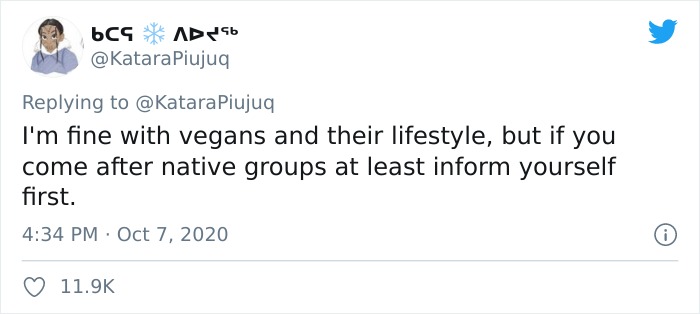
One Inuit woman who goes by the Twitter handle @KataraPiujuq has recently created a thread to share fruit and vegetable prices in the Arctic. After being called “a murderer for trying to feed themselves,” Katara made a thread to inform people of the harsh reality of food prices where she lives.
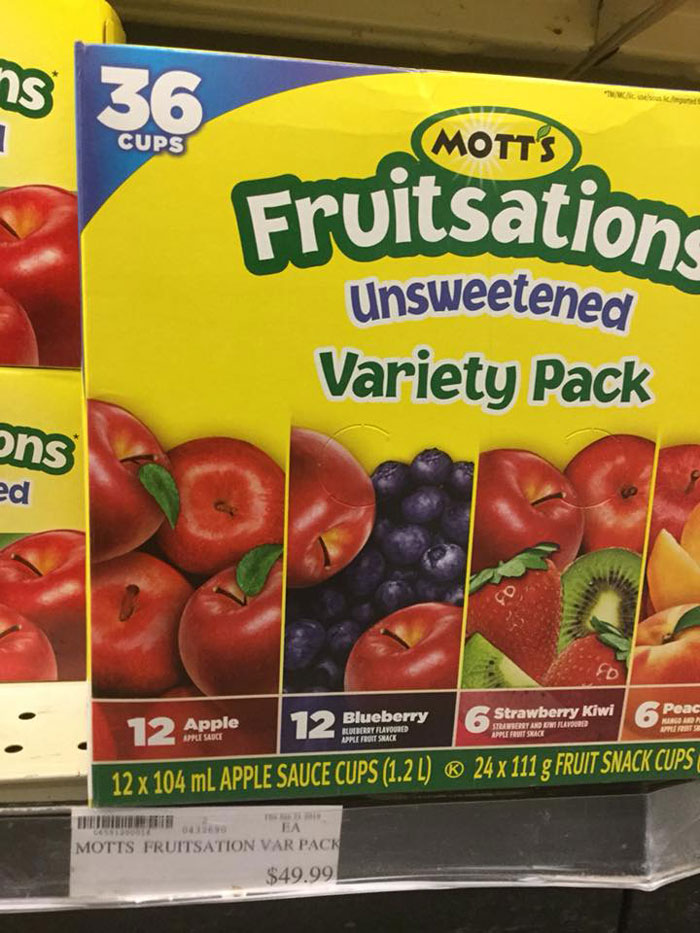
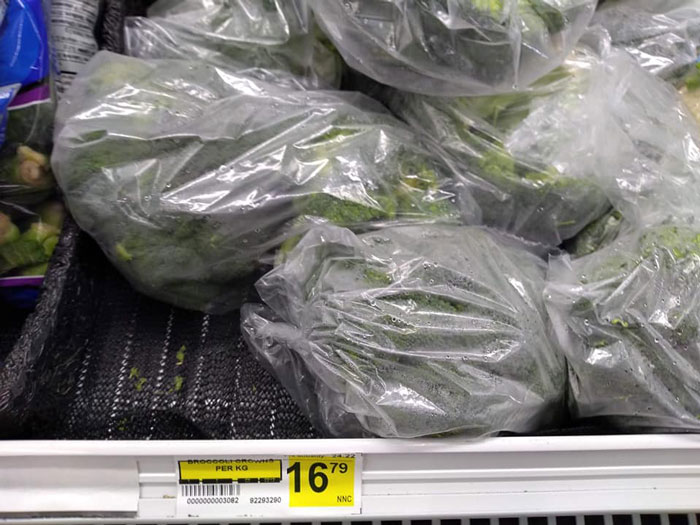
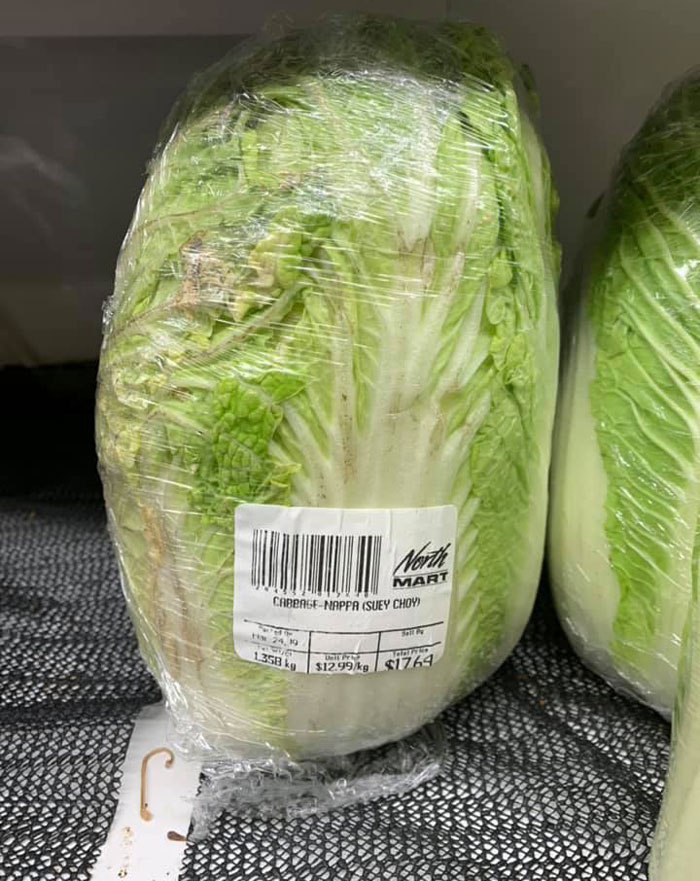
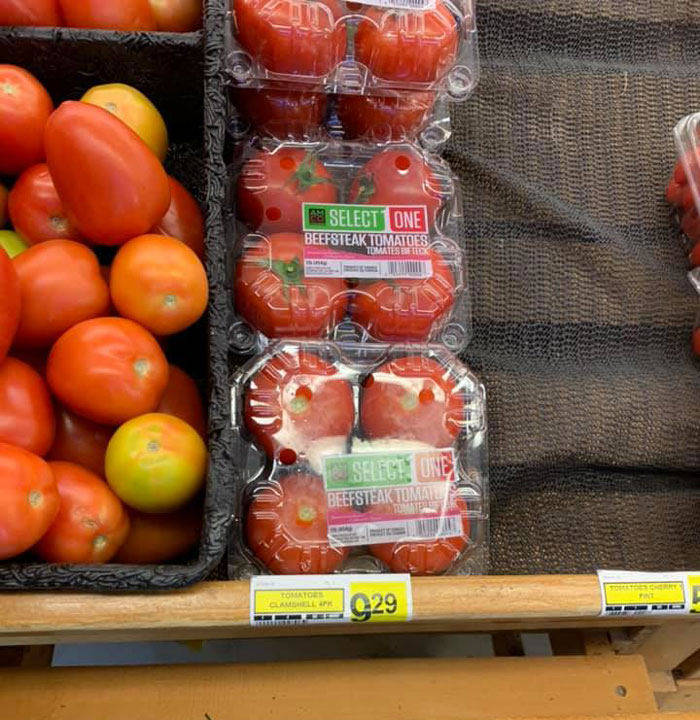
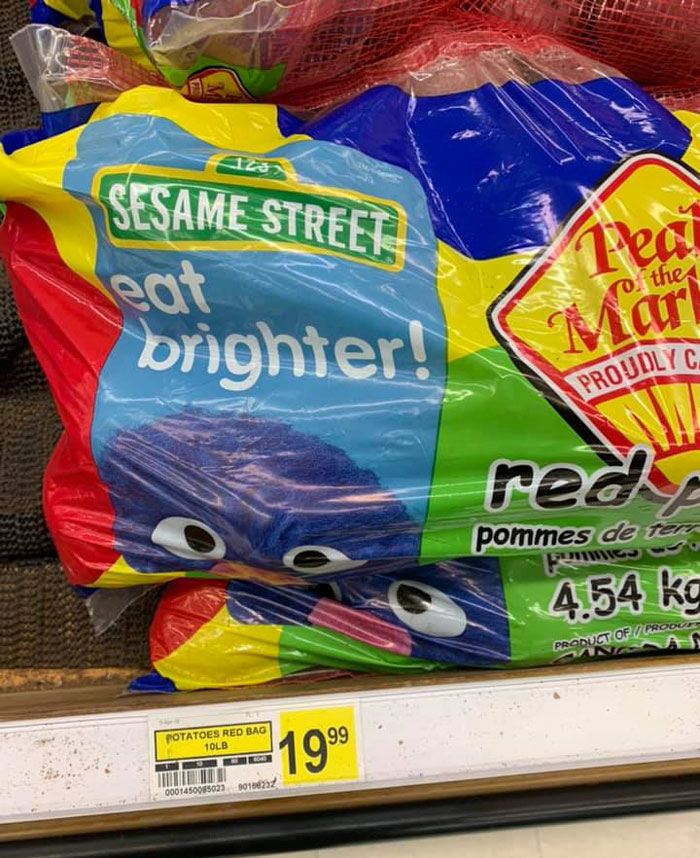
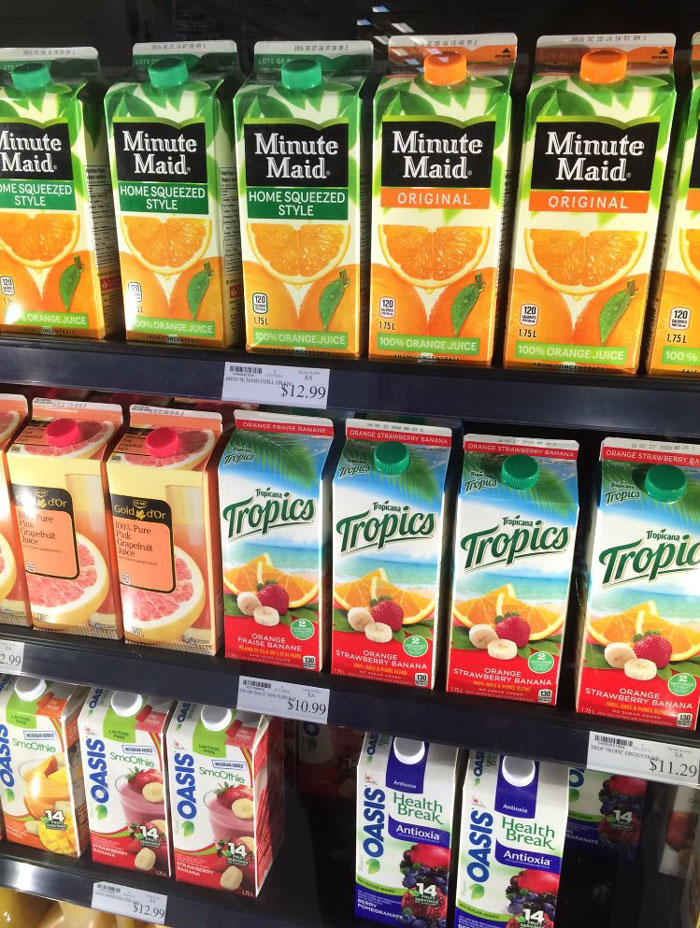
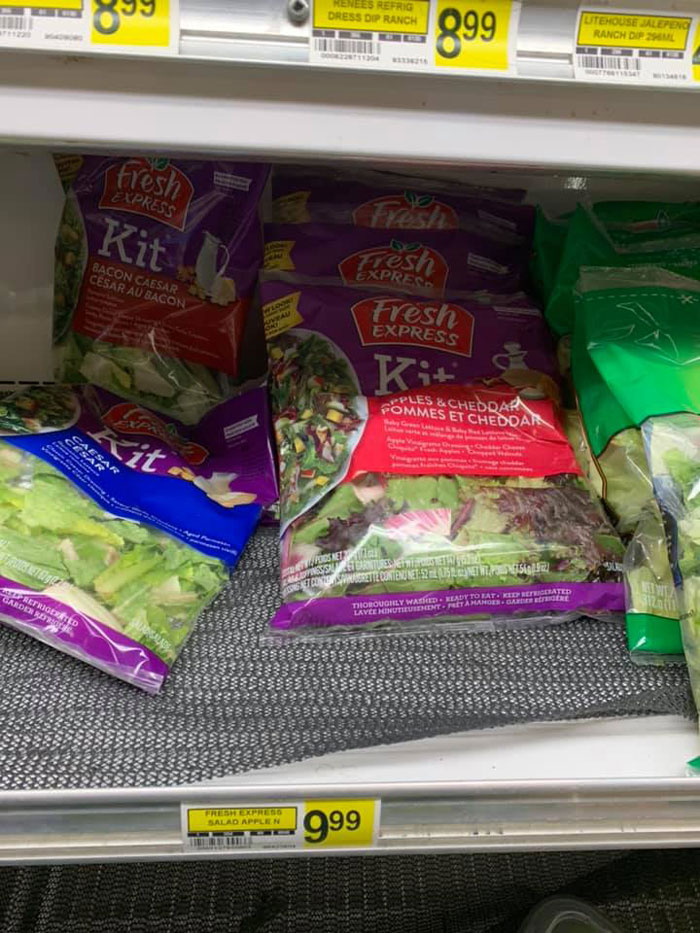
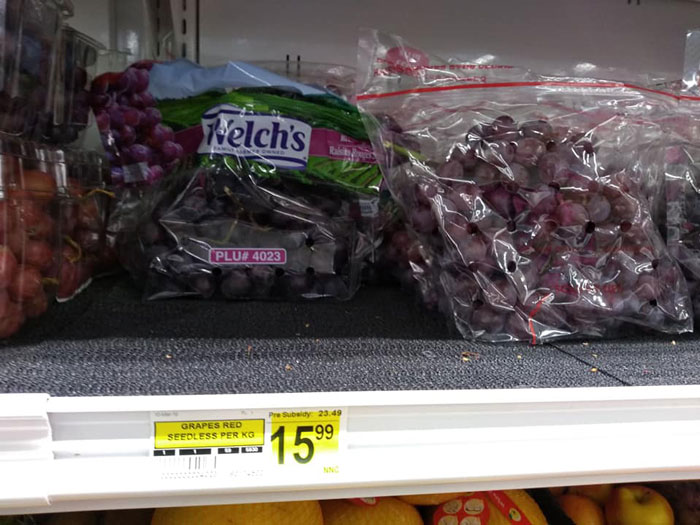
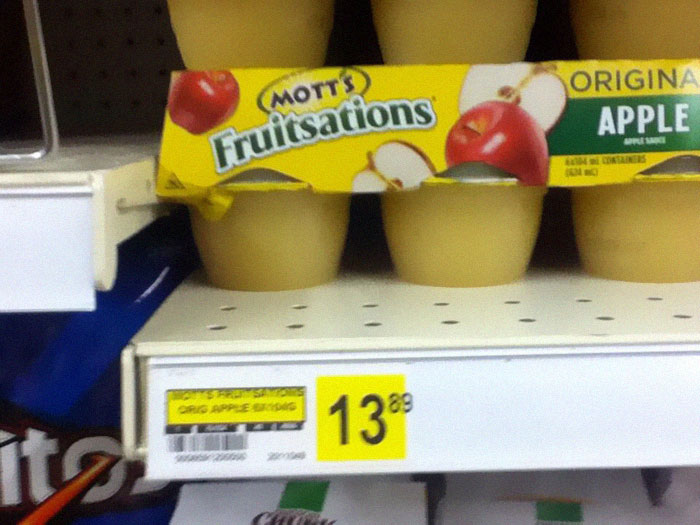
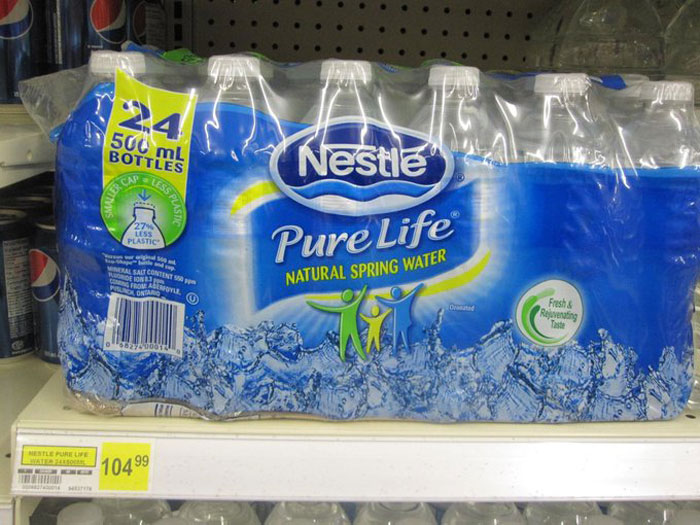
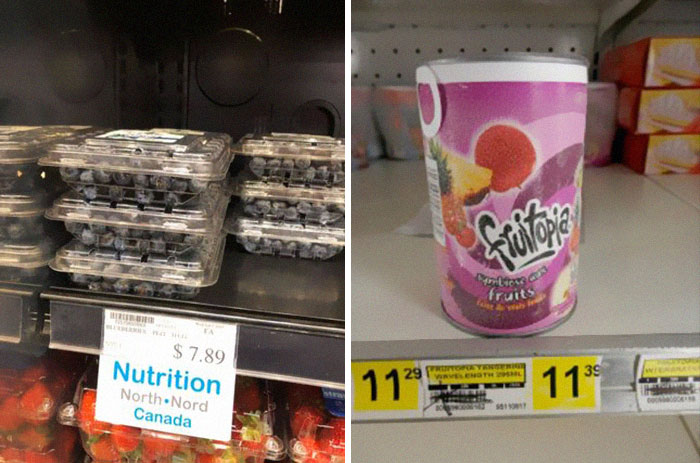
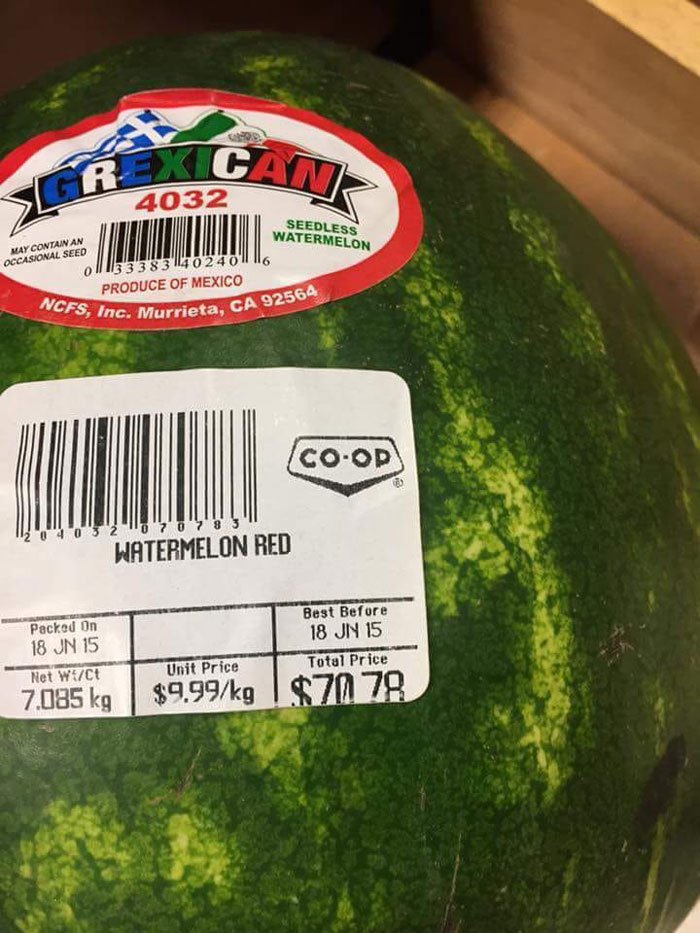
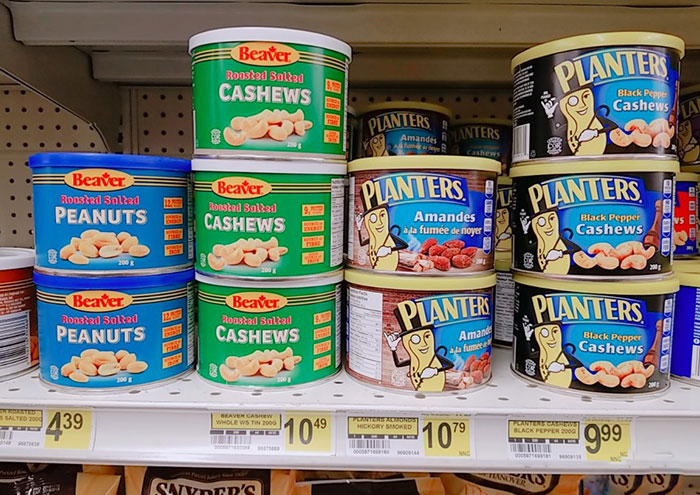
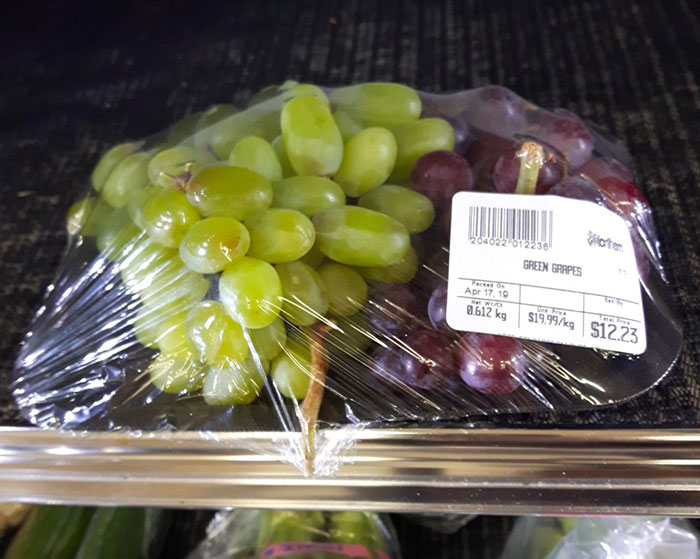
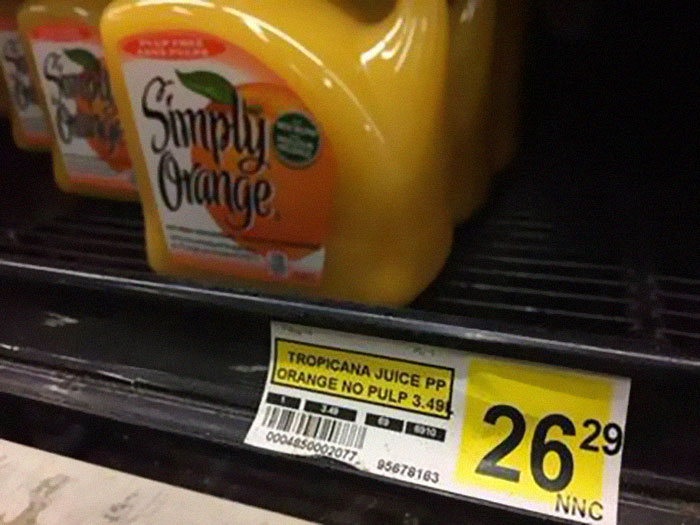
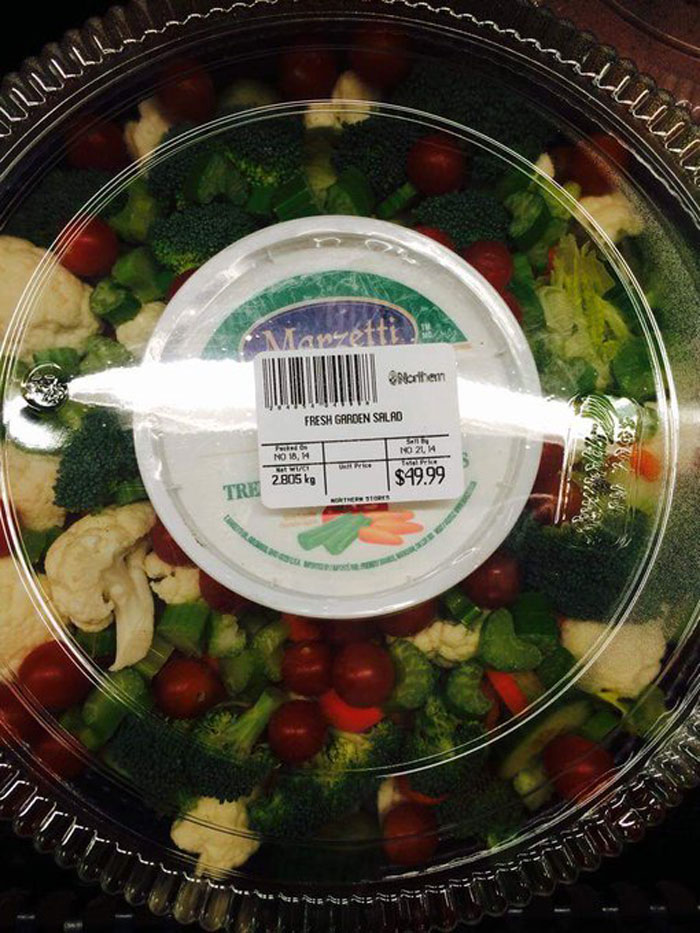
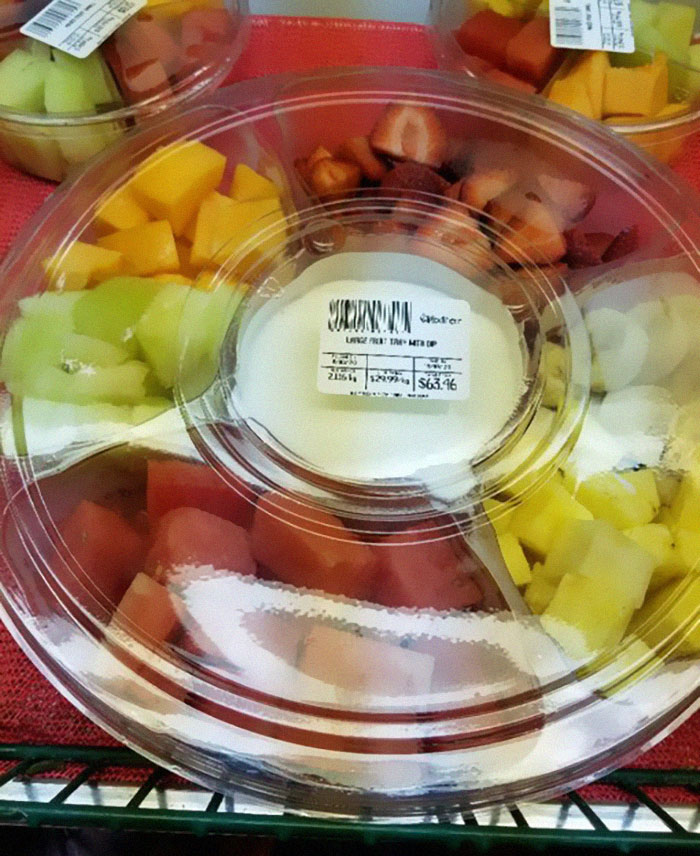
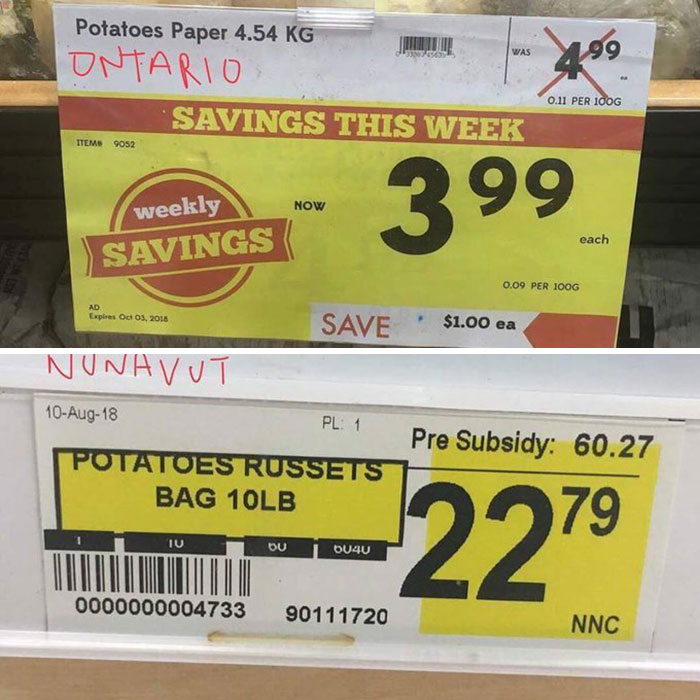
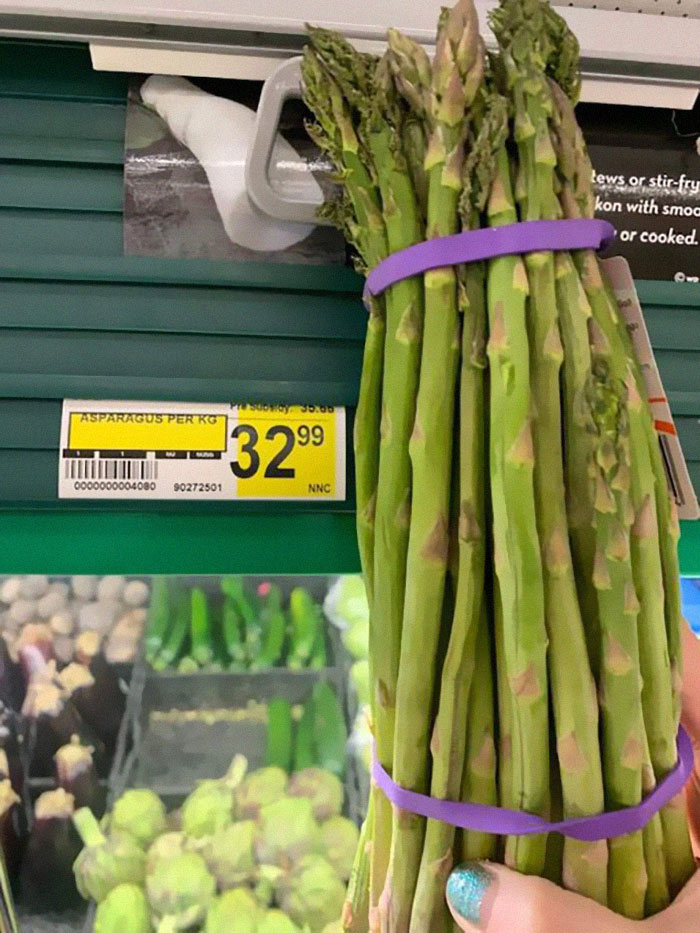
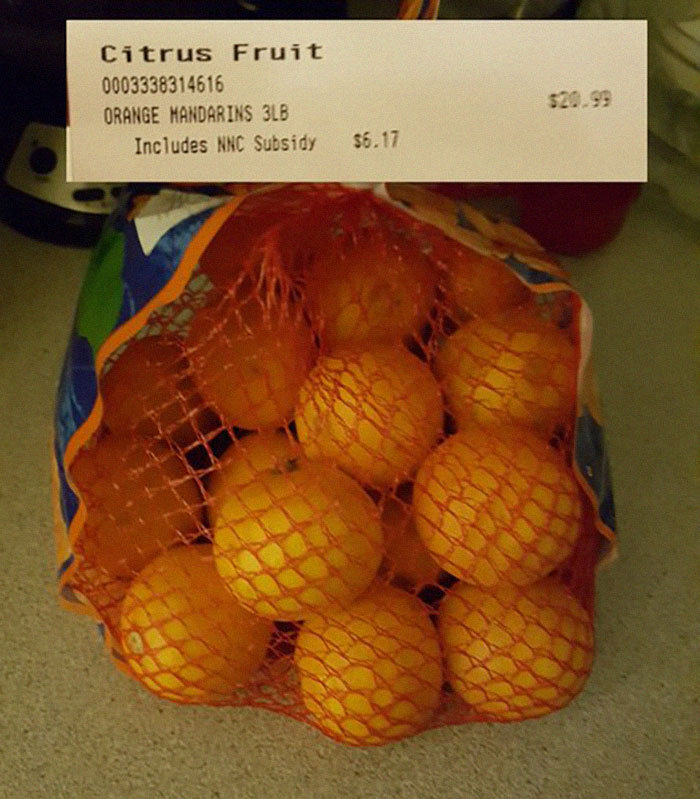
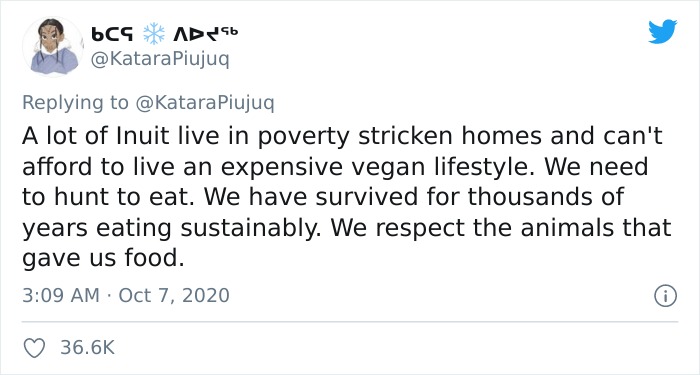
“A lot of Inuit live in poverty-stricken homes and can’t afford to live an expensive vegan lifestyle. We need to hunt to eat,” she tweeted. The price tags of products from the supermarket aisles are self-explanatory, and they leave no doubt that for native Arctic people, a nutritious fruit and veggie diet can be simply unattainable.
Image credits: KataraPiujuq
Image credits: KataraPiujuq
Image credits: KataraPiujuq
Bored Panda reached out to the Inuit woman who goes by the Twitter handle @KataraPiujuq behind the viral thread, who agreed to share what life is like in the Arctic. “A week’s worth of groceries typically costs around $600. If I make one trip to the shop and buy 1-2 bags of groceries, it would typically cost $50-100.”
An average weekly grocery bag consists of milk, bread, sugar, coffee, macaroni, rice, fries, soup, juice, meat boxes, frozen vegetables, butter, pasta, and occasionally fruit. The woman also said that her household buys a lot of processed food because “they’re cheaper in bulk and we have eight people living in one house.”
The Inuit woman encouraged everyone who thinks Inuit choose to “murder” animals for fur, meat, and culture to get some perspective of the world outside them. “Inuit have lived in the arctic for thousands of years. The animals have stayed consistent and they’ve never gone extinct. We are no different than polar bears who hunt seals, seals who hunt fish, fish who eat shrimp.”
Image credits: KataraPiujuq
Image credits: KataraPiujuq
Image credits: KataraPiujuq
The Inuit also said that even though veganism is great and she feels heartbroken about animals who live in factory farms and never lived lives as animals, when it comes to Inuit people, the world is a lot different there. “
There was a picture that was circulating of an owl’s nest that was made of lemmings. Inuit live like that. Nature takes care of us, it protects us, always has for millions of years,” the woman, who wakes up every day to help her 5 younger siblings and work at a care center, concluded.
Image credits: KataraPiujuq
Image credits: KataraPiujuq
Image credits: KataraPiujuq
To find out what an expert in vegan activism had to say about this unusual case, Bored Panda reached out to Alex J. O’Connor, an impassioned animal rights advocate and the founder of the Cosmic Skeptic YouTube channel, podcast, and blog, all dedicated to philosophical ideas and debates in an accessible format. Alex has produced videos with notable figures such as Peter Singer, Richard Dawkins, and William Lane Craig.
In relation to the Inuit woman’s situation of being accused of murdering animals, Alex said that the case highlighted the importance of vegans considering the individual circumstances of the people they are talking to. “It is very easy, especially online, for vegans to make blanket statements that do not in fact apply universally, and therefore place an unreasonably high standard upon people incapable of practically reaching it.”
Image credits: KataraPiujuq
Image credits: KataraPiujuq
Image credits: KataraPiujuq
Alex explained that “veganism is, by definition, a minimization of one’s contribution to the suffering of animals to the highest extent practicable.” That means that for someone like him living in Oxford, United Kingdom, it’s very easy to adopt a vegan diet, and “the highest extent to which I can eliminate animal cruelty from my diet is its complete removal.”
But he warned that this may not be true in other areas of the world, or even the country. Alex further explained that “this means that someone can agree with the vegan philosophy (properly stated) and yet continue to consume animal products, should their situation genuinely require it.”
“In reality,” the animal rights activist added, “somebody can simultaneously be eating animal products required for their health and survival whilst also eating the minimal amount possible and from the least unethical sources they can practically access.” He again stressed that “no vegan should hope to eliminate all animal suffering, as this is impossible,” but rather, to aim at minimizing animal suffering.
Image credits: KataraPiujuq
Image credits: KataraPiujuq
Image credits: KataraPiujuq
Moreover, Alex added that the author of the Twitter thread specifically mentioned hunting, which is “a completely different animal to factory farming.”
He went into detail: “The vast majority of animal products in my country are procured via factory farming, which is an undeniably cruel and brutal method of production in which incomprehensible numbers of animals face unimaginable tortures.”
However, “hunting, whilst still in my view unethical if done without good reason (such as in trophy hunting, or hunting for food when vegan alternatives are easily accessible),” in comparison, “is a far less cruel fate for an animal.”
Image credits: KataraPiujuq
Image credits: KataraPiujuq
Image credits: KataraPiujuq
Alex concluded that “it’s ethically irresponsible for vegans to administer the same moral analysis upon someone like myself buying factory-farmed animal products, and an Inuit hunting for food without any practical alternative.”
Even though vegans would prefer a world in which every person has reliable access to a plant-based diet, Alex warns not to get confused by this. “This is a goal, not a description of the current state of the world.”
Image credits: KataraPiujuq
Image credits: KataraPiujuq
Image credits: KataraPiujuq
Image credits: KataraPiujuq
Image credits: KataraPiujuq
Image credits: KataraPiujuq
Image credits: KataraPiujuq
Image credits: KataraPiujuq
Image credits: KataraPiujuq
Image credits: KataraPiujuq
Image credits: KataraPiujuq
Image credits: KataraPiujuq
Image credits: KataraPiujuq
Image credits: KataraPiujuq
Image credits: Shenaniganiry
Image credits: InvisibleFly21
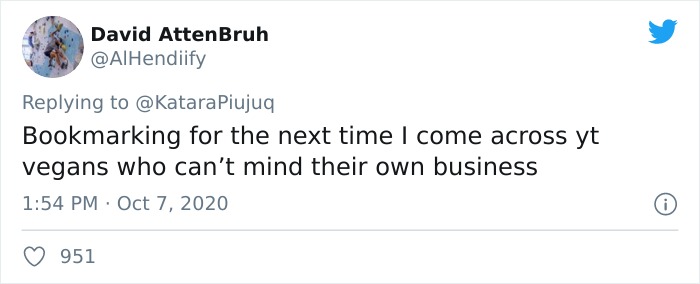
Image credits: AlHendiify
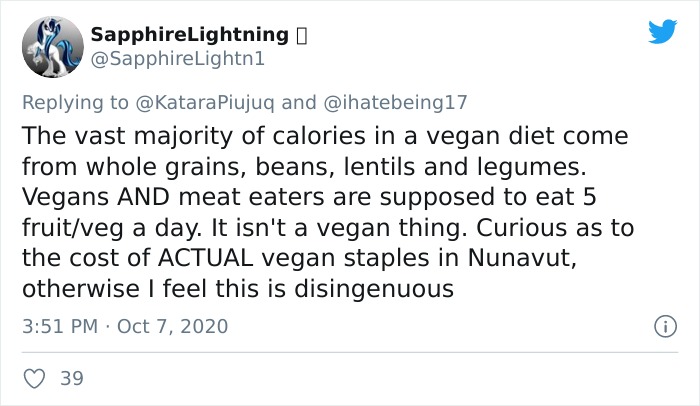
Image credits: SapphireLightn1
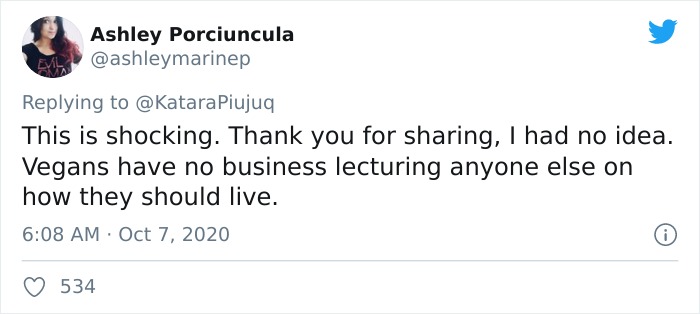
Image credits: ashleymarinep
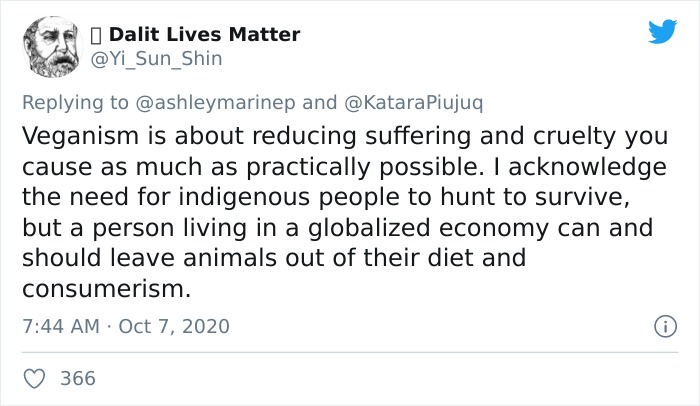
Image credits: Yi_Sun_Shin
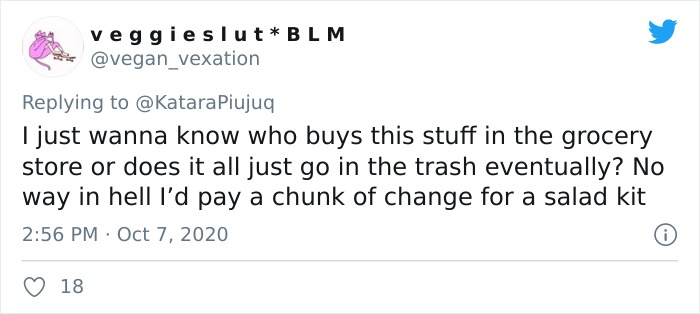
Image credits: vegan_vexation
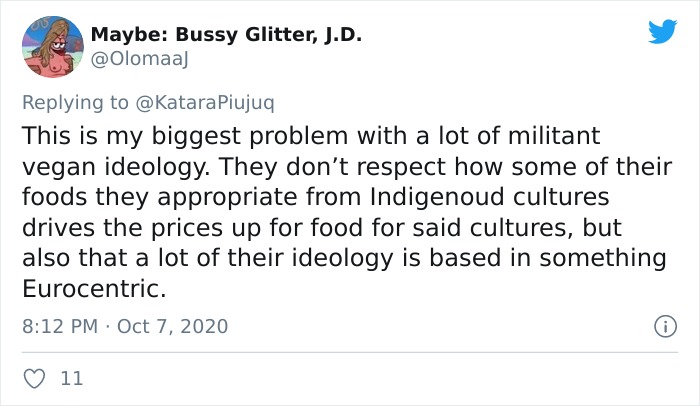
Image credits: OlomaaJ
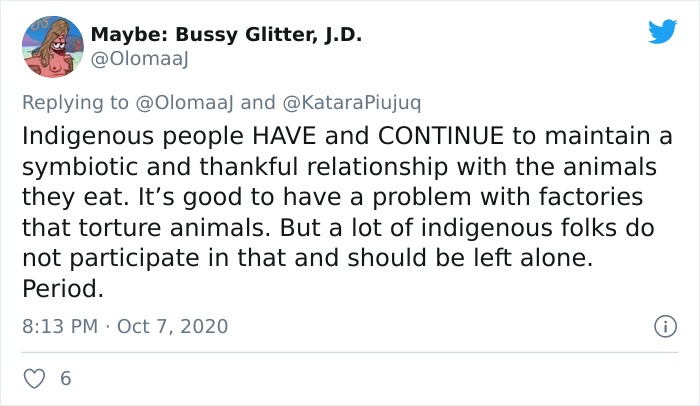
Image credits: OlomaaJ
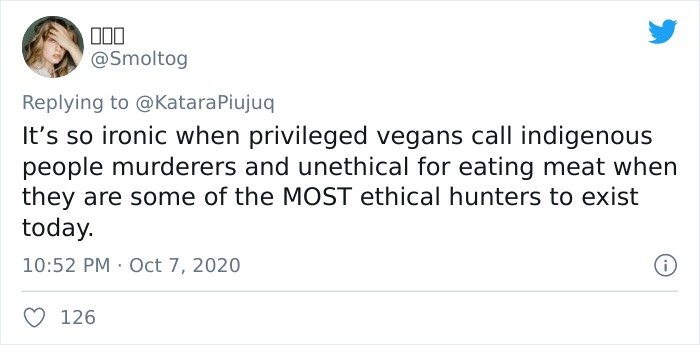
Image credits: Smoltog
I'm a vegetarian, but lets be honest. A skilled hunter killing an animal and using as much of that animal as possible is how an animal should be used.

The vegans and vegetarians around me are pretty respectful and open-minded. The folks who bug me more are the urban meat-eaters who feel bad for animals that are hunted. Factory-farming is better??
Load More Replies...

Upvoted and stood and clapped. I was reading thru before I posted the exact same. How bout you mind your diet and I will mind mine!
Load More Replies...
This is a problem in so many places healthy food, whether vegan or not, is out of the price range of a lot of people. All those celebrity and nutritionist diets are just too expensive for all but the highest income earners.

There are food deserts throughout the US. Community farm plots are springing up & many are buying direct from local/regional farms & farmer markets. These efforts & relationship are crucial to the health of consumers & non-corporate farms.
Load More Replies... I'm a vegetarian, but lets be honest. A skilled hunter killing an animal and using as much of that animal as possible is how an animal should be used.
The vegans and vegetarians around me are pretty respectful and open-minded. The folks who bug me more are the urban meat-eaters who feel bad for animals that are hunted. Factory-farming is better??
Load More Replies... Upvoted and stood and clapped. I was reading thru before I posted the exact same. How bout you mind your diet and I will mind mine!
Load More Replies... This is a problem in so many places healthy food, whether vegan or not, is out of the price range of a lot of people. All those celebrity and nutritionist diets are just too expensive for all but the highest income earners.
There are food deserts throughout the US. Community farm plots are springing up & many are buying direct from local/regional farms & farmer markets. These efforts & relationship are crucial to the health of consumers & non-corporate farms.
Load More Replies...






















 No fees, cancel anytime


























288
303