Get Premium
Dark mode theme is available exclusively for premium users. Learn more about the benefits of subscribing.
No fees, cancel anytime.

 Dark Mode Ad-Free Browsing Unlimited Content
 Ad-Free Browsing Unlimited Content Dark Mode
Join 1.2 million Panda readers who get the best art, memes, and fun stories every week!
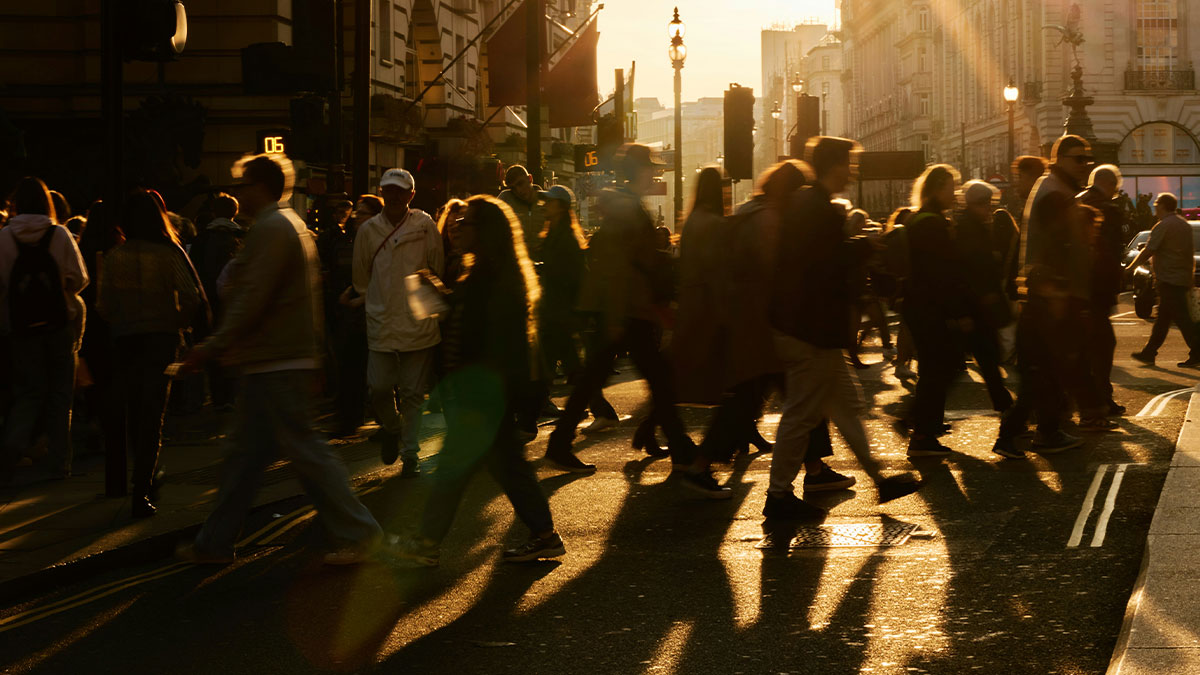
“Great Britain” is a name most of us have heard countless times, and chances are, many people already know a little about its history, landmarks, or global influence. These days, learning the basics about any country is just a quick search away. You can read about major historical events, famous attractions, political systems, and even local food traditions in minutes. But here’s the thing; knowing facts about a place and actually understanding how it works are two very different things.
To truly get a feel for a country, you have to understand the little things locals instinctively know. The subtle social cues, the unspoken etiquette, the tiny everyday habits that no travel guide fully explains. That’s often where the real personality of a place lives. And when it comes to Britain, there are plenty of these wonderfully specific cultural rules quietly shaping daily life.
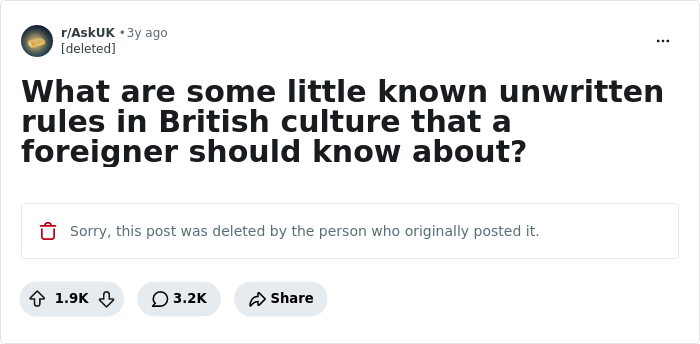
So today, we took a deep dive into exactly that by exploring answers to the question: What unwritten rules of British culture do you think every visitor should know? The responses were equal parts practical, and incredibly British. From knowing when “mate” is friendly, to mastering the subtle art of signaling that you’re ready to leave, these insights offer a surprisingly useful crash course in fitting in. Keep scrolling—these might just save you from a very awkward British side-eye.
This post may include affiliate links.
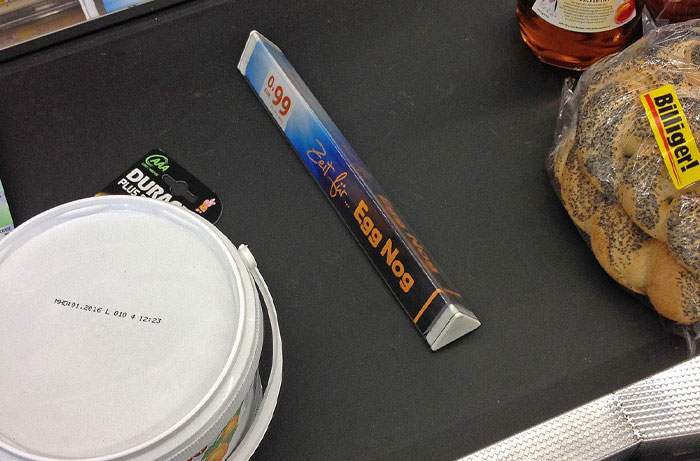 Putting the little divider down for the person behind you on the supermarket conveyor belt.
Seeing it as a lack of manners if it's not done for you.
Putting the little divider down for the person behind you on the supermarket conveyor belt.
Seeing it as a lack of manners if it's not done for you.
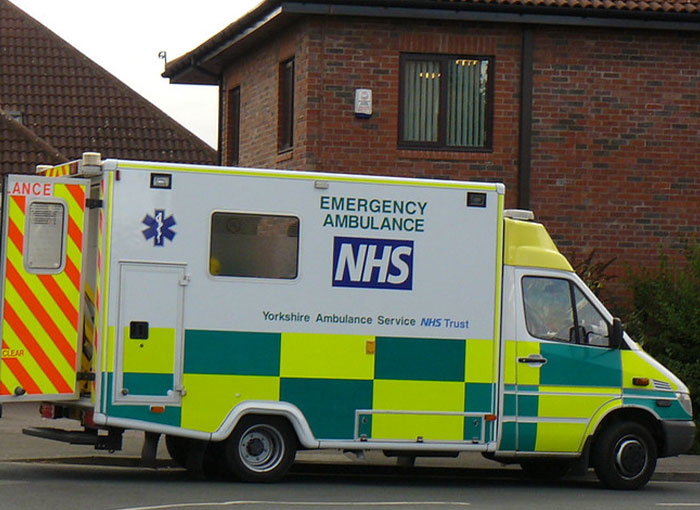 UK residents can gripe about the NHS
Those outside not so much. Americans can frick off.
 Hugely overstate minor inconveniences, hugely understate life-altering events.
Stapler has no staples: 'It's all gone horribly wrong'
Wife leaves you, you lose your job, house burns down: 'It's not ideal, really'.

The teabag bursts? "Aaaaah, the Apocalypse is here,I want to dìè now!" Lose your legs in an accident? "'Tis but a scratch. "
The world is more mobile than ever before. In fact, global estimates show that around 281 million people were living outside their country of birth in 2020, which works out to roughly 3.6% of the world’s population. That might sound like a small percentage at first, but when you stop and think about it, that’s hundreds of millions of people packing up their lives and starting fresh somewhere new.
Moving countries is no small feat. It means leaving behind familiar streets, routines, food, people, and often a big part of your identity in search of something different. And yet, every year, more people seriously consider doing exactly that.
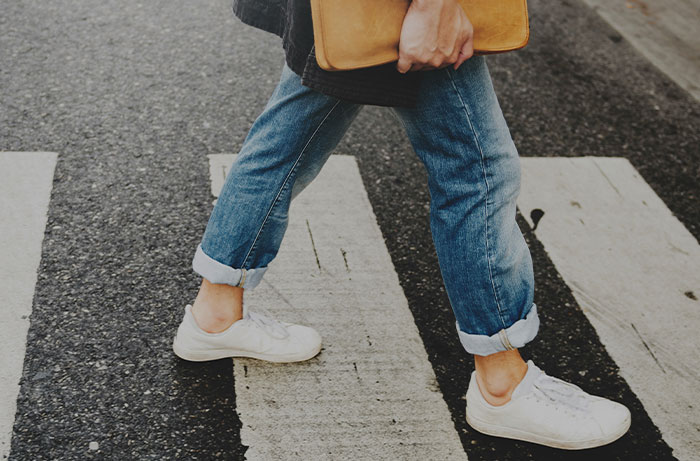 If someone stops their car to let you cross the road you MUST do a little run but that run CANNOT be faster than the speed that you walk at.
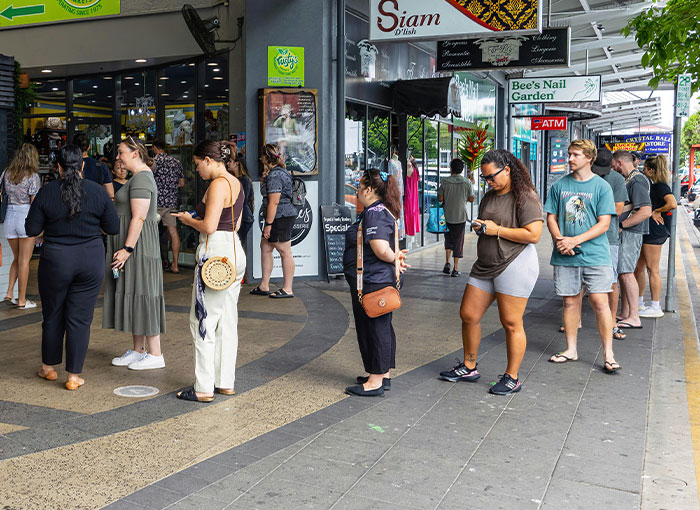 Don't skip the queue... ever!
We really should bring back public hangings for queue jumpers.
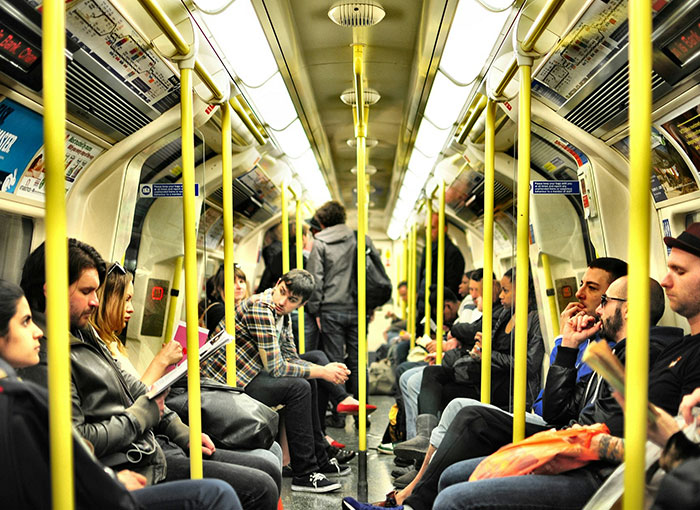 Trains aren't a communal exercise. We aren't there to have a conversation with you. Read your book/paper or listen to music and mind your own business.
That desire to start over somewhere else is far more common than many people realize. According to Gallup’s 2023 global research, about 16% of adults worldwide said they would permanently move to another country if given the opportunity. That translates to more than 900 million people globally imagining a life beyond their current borders.
Gallup gathered this data by interviewing nearly 146,000 adults across 142 countries and territories, asking a simple but powerful question: if they had the chance, would they stay or leave? The results came during a period when international migration was surging again after the slowdown caused by the pandemic. In fact, migration across the 38 OECD countries reached record levels in 2022, showing just how strongly people are once again looking outward for new possibilities.
 Crossing road a zebra crossing put hand up or nod to the driver/s stopping in acknowledgement/thank you
Thank the bus driver as you get off
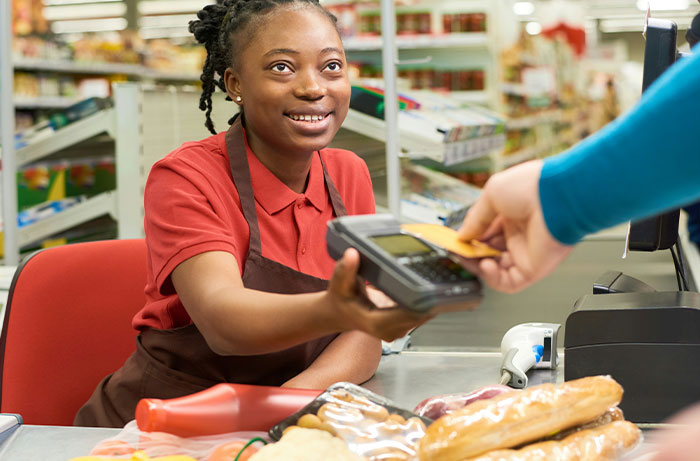
Please and thank you to shop staff/waiting staff
When paying for stuff if you got the odd change, say I've got the 20p for example.
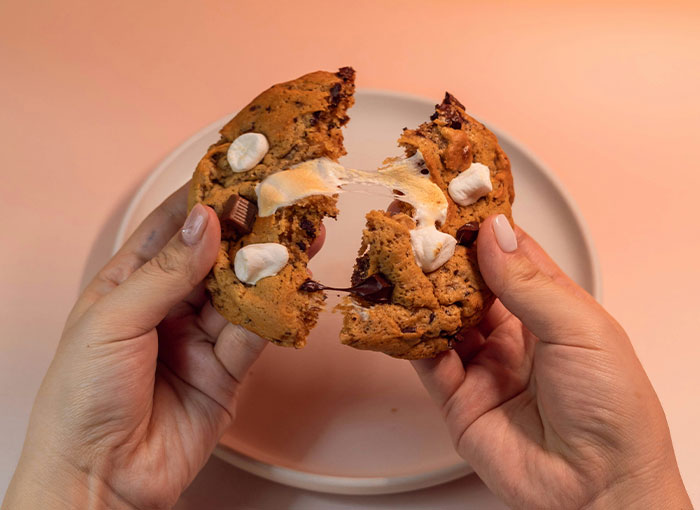 If someone says "would anyone like the last biscuit" they aren't really offering, it means they want it but etiquette says you must offer first.
And if there’s one destination that consistently dominates wish lists, it’s the United States. Gallup’s data shows that 18% of potential migrants worldwide (around 170 million adults) named the U.S. as their ideal future home. That means nearly one in five people dreaming of relocation have America in mind. Other top choices include Canada, Germany, Australia, and Spain, all countries known for strong economies, educational opportunities, healthcare systems, and quality of life.
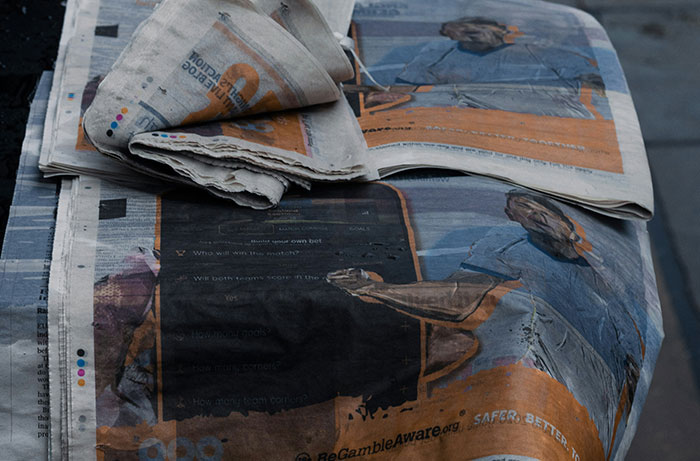 Don’t buy The Sun newspaper.
 American style customer service is considered creepy and sycophantic especially from service staff and comes off a beggy for a tip.
Our staff get paid wages so a tip is appreciated but they don’t pass out or go homeless without them so they act like normal people at work.
Expecting wait staff to baby you is considering massively entitled and for the love of god don’t mention that you would have tipped X amount but you was lacking.

And if you do tip, keep it realistic. I once saw somebody offer a £50 tip. The waiter handed it right back with an "I'm simply doing my job sir, do you think I don't get paid?" which is British for "WTaF is wrong with you?". He said it loud enough that the entire room joined the interaction - aawwwkkkwwwwaaarrrdddd! 😂
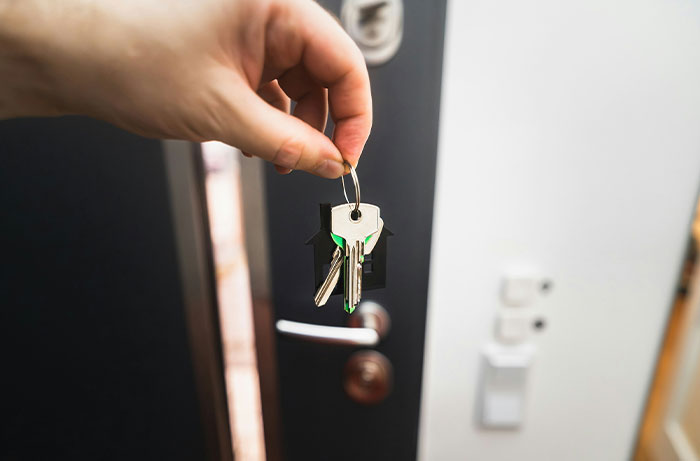 Someone exits the house and returns immediately because they have forgotten something or other. It is compulsory to say 'That was quick...'.

Europe, meanwhile, continues to be one of the busiest migration hubs in the world. In 2024 alone, 4.2 million immigrants arrived in EU countries from outside the bloc, while another 1.5 million people moved between EU member states. On the flip side, around 3.2 million people emigrated from EU countries, including 1.6 million who moved to destinations outside the EU entirely.
To put that into perspective, the numbers were similarly high in 2023, when 4.4 million people immigrated into the EU from non-EU nations. These numbers reveal just how dynamic migration patterns have become, with millions of people constantly moving in search of new opportunities, stability, and personal growth.
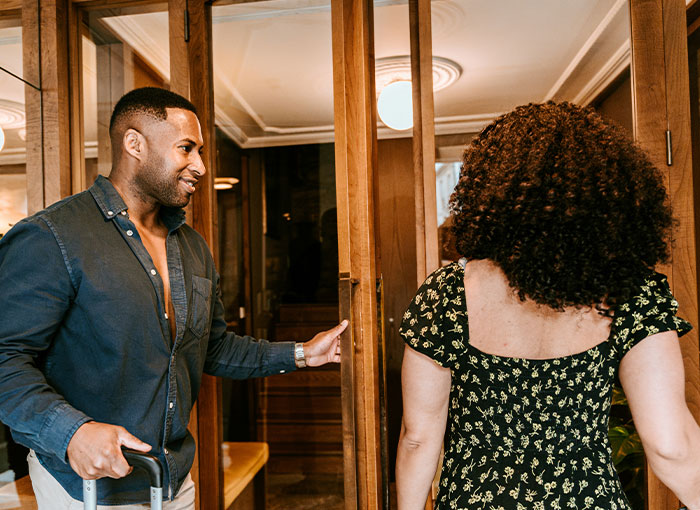 If you see someone holding a door open for you…. You run to the door awkwardly and say thank you. If you hold a door open for someone and they don’t say thank you then you must tut loudly and mutter “you’re welcome”.
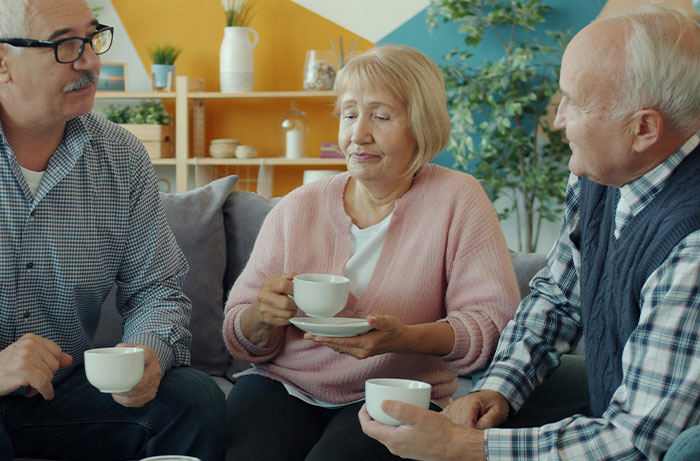 Having a cup of tea in a crisis, when you get good news, when you have friends over, when you’re on your own, to cheer yourself up, to steady your nerves, to make someone feel loved, to have with cake or biscuits, to warm yourself up, to celebrate, to commiserate … er … any reason at all
This. Very much this. My alarm has just gone off, it's a workday, time to get up. This absolutely needs tea.
Driving alone and talking, unheard, to other drivers: ‘don’t bother indicating, Charlie’, ‘pick a lane, any lane’, etc.
Interestingly, migration patterns also reveal some noticeable gender differences. In 2024, men accounted for 55% of immigrants entering EU countries, while women made up 45%. In 23 of the 26 EU nations with available data, male immigrants formed the majority.
Countries like Croatia reported the highest share of male immigrants at 73.6%, followed by Lithuania at 71.6% and Romania at 64.5%. Meanwhile, France had the highest proportion of female immigrants at 52.3%, followed by Sweden at 51.7% and Czechia at 50.3%. These differences often reflect labor market demands, family migration trends, and the types of opportunities drawing people into specific regions.
 *Let's meet for lunch/ meet up soon/ go out* = *I never want to see you again in my life.*.
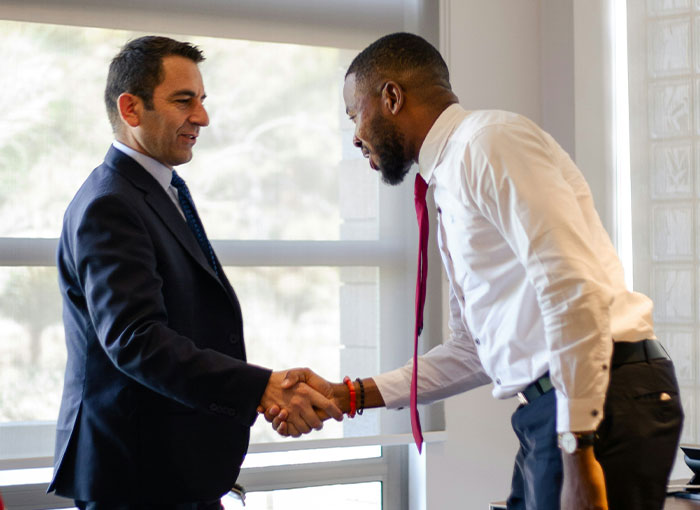 If someone turns up ten minutes late for work, they must be greeted with “Good afternoon”.
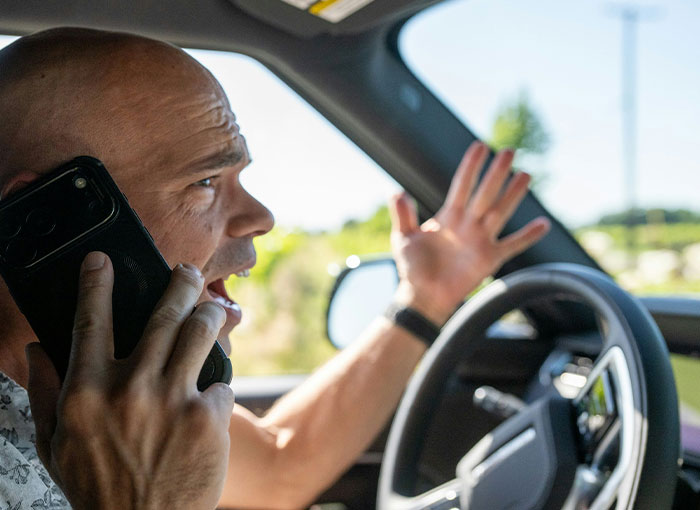 Telling people who’ve obviously just been in an accident that “you can’t park there, mate”.
So why do people move in the first place? The reasons are rarely simple. For many, migration is about economic opportunity. A better-paying job, stronger career prospects, or simply the ability to provide a more secure future for their family can be enough motivation to start over somewhere unfamiliar. In some cases, people are leaving countries where wages are stagnant or opportunities feel limited, hoping to build a life with greater financial stability elsewhere. It’s not always about luxury; it’s often about possibility.
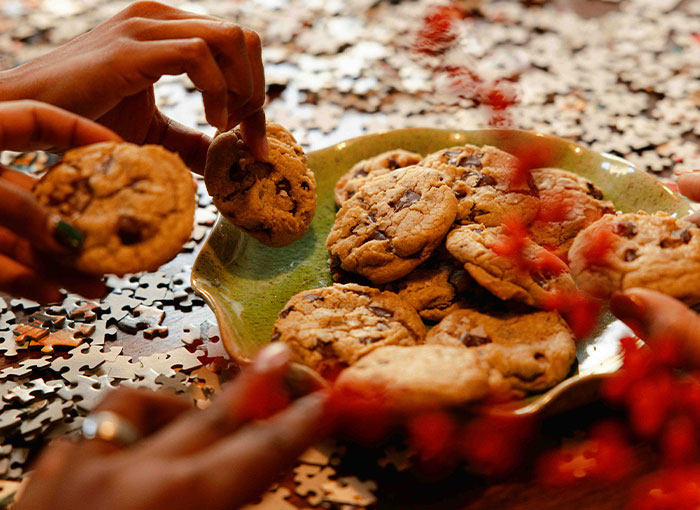 Pretending not to notice whenever there are biscuits being passed around, then acting surprised and going 'ooo' when it gets round to you.
And you will be judged, very harshly, if you take the last one of the hosts favourite.
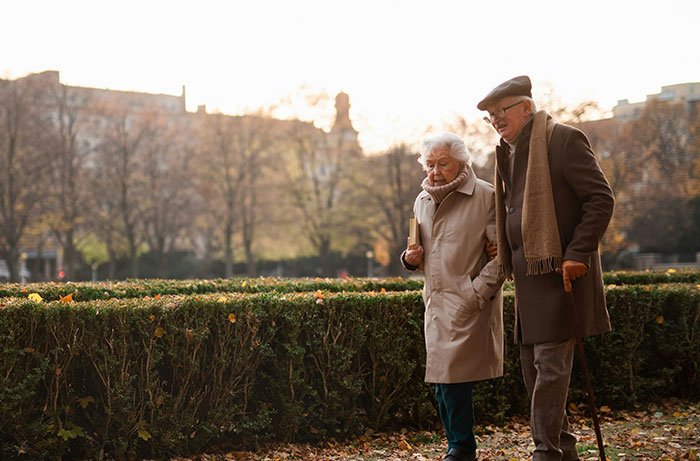 Smiling at elderly people in the street to inform them you aren't a mugger or a scallywag.
For others, the reasons go much deeper than career advancement. Safety is a huge factor. Political instability, conflict, social unrest, or lack of personal freedoms push many people to seek safer environments. Education is another major driver, with students moving abroad for access to globally recognized universities and stronger academic systems. Family reunification also plays a significant role, as many relocate to join loved ones already settled elsewhere. And then there are those drawn by lifestyle factors: better healthcare, cleaner cities, work-life balance, climate, or simply the appeal of a different cultural pace. Sometimes the motivation isn’t escaping something bad, but moving toward something better.
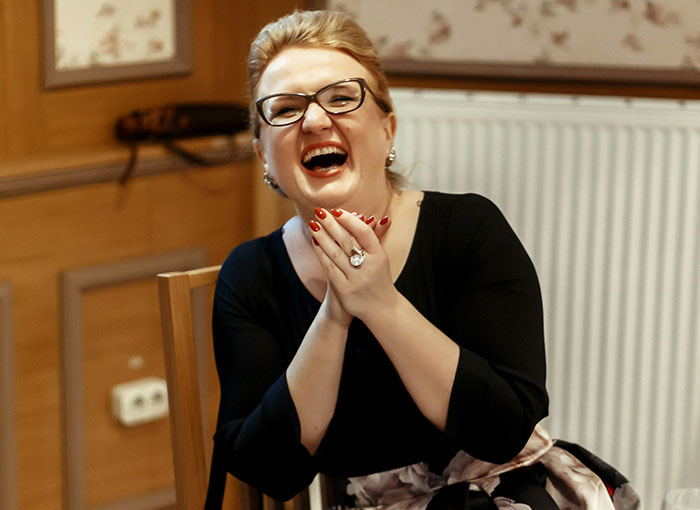 Instinctively apologise, even if you are not in the wrong.
Clap / cheer if someone smashes a glass in a pub/restaurant.
 When people ask how are you, the only acceptable response is a positive one.
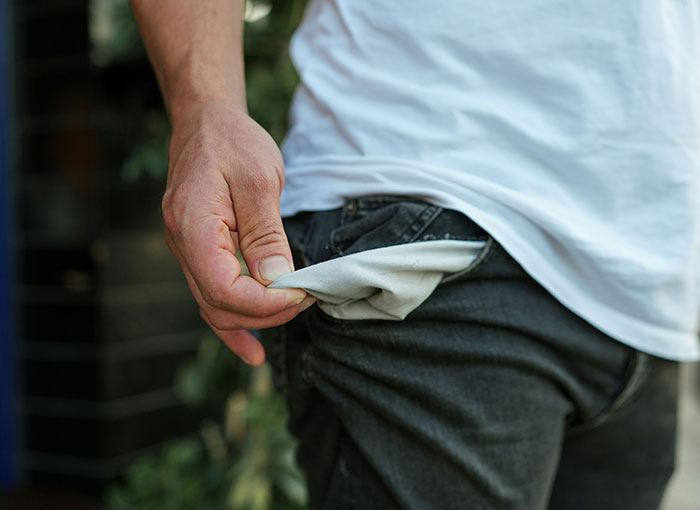 If you realise you are walking the wrong way and need to go back the way you came from, you MUST tap your pockets and pretend like you've realised you've forgotten something before committing to the turn.
It must be made clear to all onlookers that you knew exactly where you were going and are just just popping back before returning this way again later.
Why it's deemed less embarrassing to be the sort of buffoon that forgets your keys or whatever than to have simply walked in the wrong direction beats me, but I know in my very soul that it is.
Of course, moving is only the beginning. Actually settling into a new country takes far more than just getting the paperwork sorted. Many people eventually pursue citizenship, which often requires passing formal tests covering a country’s history, laws, politics, and civic values. These exams are important for legal integration, but they’re only one piece of the puzzle. True integration happens in the little things that no textbook can fully prepare you for.
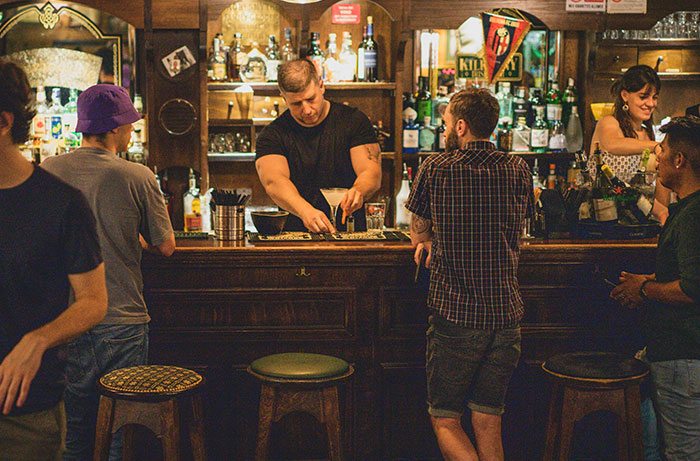 You know who's next at the bar and you're an absolute jerk face if you try to jump the invisible queue.
"They were here before me" if the bartender goes to you and you aren't next.
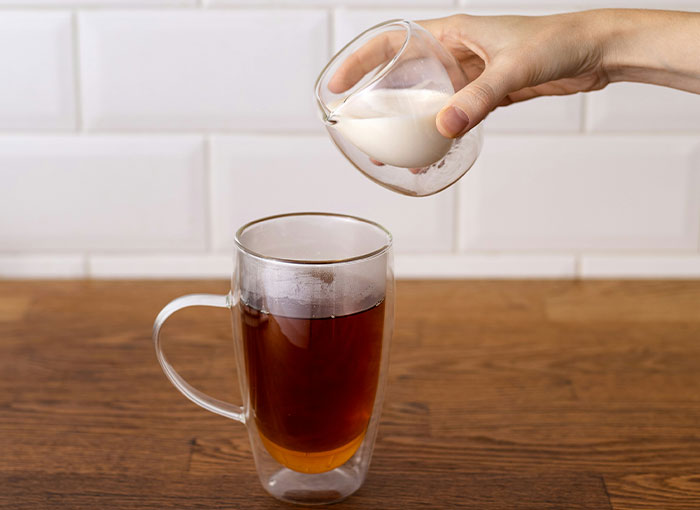 If making someone a cup of tea never ever put the milk in first! It’s a crime!
Specifically if you’re using a tea bag in a mug!!
It’s understanding local humor, recognizing social cues, knowing when to speak up, and when to politely stay quiet. It’s learning the unspoken rules; those tiny cultural habits that locals follow without ever consciously thinking about them. Whether it’s understanding queue etiquette, small talk norms, or how people navigate public spaces, these subtle social codes are often what make someone feel like they truly belong. Knowing the law may help you become a citizen, but understanding the culture is what helps you feel at home.
And that brings us back to these posts. They highlight those wonderfully specific British rules nobody formally teaches you, yet somehow everyone seems to follow. If you’re visiting Britain or thinking of moving there, knowing these little cultural quirks can save you from some mildly awkward moments and maybe even help you blend in just enough to pass as a local. So tell us, mate—which one of these unwritten British rules caught you completely off guard, or made you think, “Yep, that sounds very British”?
If someone is cleaning something, like a car for example, it is essential that you utter a “humourous” quip like “can you do mine next?”.
And don't forget to say "no thanks, I'm sweet enough" if you don't take sugar in your tea.
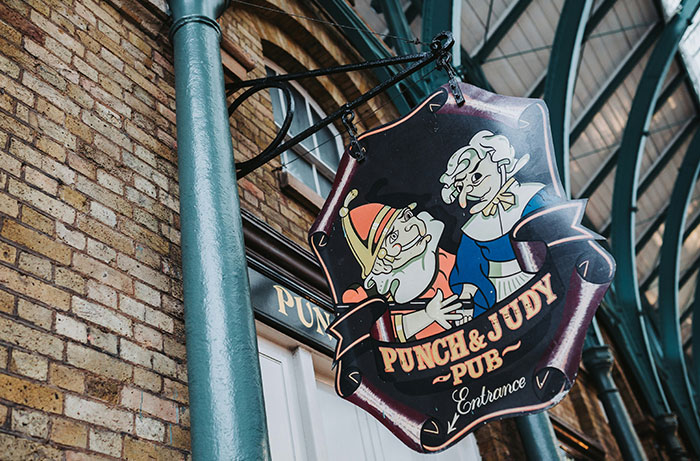 Pub ettiquette.
When you are at the bar and waiting to be served you do not whistle, snap your fingers or wave a note around to get the barman/barmaid's attention. A raised eybrow in their general direction is acceptable. If there is any confusion as to who should get served first always give way and point to the other guy, this is a surefire way to ensure you get served next.
Always order drinks that take longer to prepare first. Do not order a large round and then ask for a Guinness. It just wastes everyone's time.
If someone buys you a drink it is implicit that you return the favor. You may 'dip out' of a round if you are close friends and expect to see each other again, on which occasion you are obliged to get the drinks in first and ensure that the obligation is fulfilled.
We don't tip barstaff. Depending on the pub, an offer to buy your server a drink is perfectly fine (One for yourself? is the accepted invitation). Don't be surprised if they don't actually drink the drink though. They may keep it in the till and either have a drink on you after closing or pocket the cash once the day is done. Wetherspoon's pubs are an exception. The staff are not allowed to accept drinks.
If you are coming from the US, however quiet you think you're being, take it down a couple of notches.
Trying to avoid neighbours without making it obvious. Even if you like them.
 Holding the door open for someone even if they're in the next postcode

Oh that pisses me off. Go in. I'll handle the door when I get there, ffs.
 When someone asks if “you alright?” It’s pretty much a hello…they don’t want a full on conversation with you.
If someone says "that's great thanks, we'll get back to you", that does not mean they will get back to you.
It's actually a polite way of saying they aren't interested and you will never hear from them again. Most times.
You have to say 'Right' when you stand up from being sat down. Regardless of company.
If a single flake of snow falls we all agree that we can’t go anywhere and anyone who goes into work is a skiv.
Aussies, Kiwis, Indians and Pakistanis are allowed to say “bloody” as a swear word. Americans (and Canadians, sorry) just sound stupid if they try.
The difference between "I don't mind," and "I don't care."
In a lot of countries saying "I don't care" is basically saying "I'm okay with whatever,." In the UK saying "I don't care" means anywhere from "I'd rather not talk to you," to " I really don't give a darn about you or what you're saying"
Try to say "I don't mind," if you really are okay with any outcome.

English learners saying 'of course' when they mean yes. It's not their fault. I swear somewhere there is an English Language learners book that gives alternatives to 'yes'. I taught English as a Foreign language and the number for people who used 'of course' was ridiculous. I explained that it made them sound rude : Did you have breakfast this morning? Of course [obviously, you bloody idiot, what a stupid question]. Its a subtle nuance most learners would be totally unaware of. Thank you for listening to my Ted rant.....
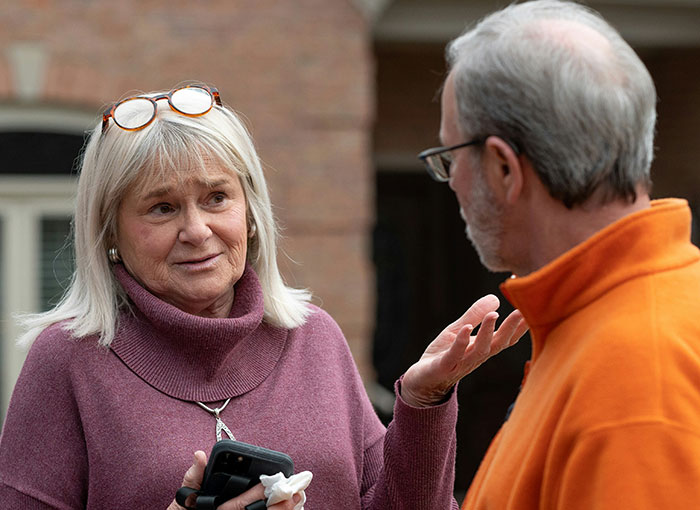 If you accidentally make eye contact with one of your neighbours the only acceptable response is to comment on the weather.
To be specific if it's sunny and even slightly warm you're obliged to complain "it's too hot for this nonsense" or something similar.
If it's not sunny and warm you're obliged to complain about how bad the weather is.
And that's it. No follow up questions should be expected in return and any reply should at most be met with a smile or nod of the head.
If someone in a pub/restaurant drops something, especially a glass, you have to drum on the table and go “waaaaaaaayyyyyyyyy”.
In the waiting room at the doctor’s, if you see someone you know, you must ask them how they are, & they must say “fine, how about you ?” Then you say “ fine” even though neither of you are fine, because you need to see a doctor
Tutting loudly and rolling your eyes when someone doesn’t thank you for holding the door. Or complaining about your meal until the waiter asks you if everything is alright when you say it’s wonderful.
It's that understatement again: wonderful = acceptable; okay = bloody awful; could be better = I'd rather eat fried rat than whatever this is.
The correct response if someone bumps into you is “sorry” , then they say “sorry”, you say “sorry” again and go on your way.
Please and thank you are not optional - forget them and you are seen as rude.
That's because you are rude and need a dàmned good flogging.
Just because it doesn't look like a queue doesn't mean that it isn't one.
If someone says "a cheeky wee" - pint, drink, lunch etc
It is absolutely not just one drink, you're out for the night.
If you need to leave someone’s house the only acceptable thing to do is to slap your thighs and say “right”.
If you trip a little on the pavement, look back and shake your head. Blame your shoe. Then incorporate this little skip and dance into your walk, or a big limp, until you’re out of sight.
It is fine to talk to people and be friendly, generally, but we are a bit more reserved and a bit less open to physical contact than some other cultures.
Start conversations with people in a fairly polite way and respect their physical space / privacy.
"Excuse me, could I just ask..." will be much more likely to result in a positive exchange than "Hi buddy" accompanied by a hand on the shoulder or similar.
Never engage with people on public transport, aside from offering your seat to someone in need.
We moan a lot about our country but watch out if you criticise us!
A cup of tea and a biscuit are basically haute cuisine.
When you're offered, the correct response is "ooh that's nice".
Never directly criticise somebody or their work. Talk around it using the words ‘a little bit’ or ‘rather’. A Brit would know exactly what you mean. To say even a minor criticism directly is unfathomably rude - it would be taken politely but you would have an enemy for life.
My Japanese friend said this is exactly what made her feel at home in the UK. Japanese is a lot like this, too. And we share a love of tea.
If you're American talk more quietly and people will be much more positive to you.
If someone asks how you are, never tell them how you are.
Thank the bus driver as you get off- but not in London. It's a flogging offence if you don't.
Ask the Uber or Taxi driver without fail "You been busy tonight?"
Also "Nearly there now," to any fashion retail worker after 6pm.
Also for taxi drivers, "Anywhere round here will do, mate."
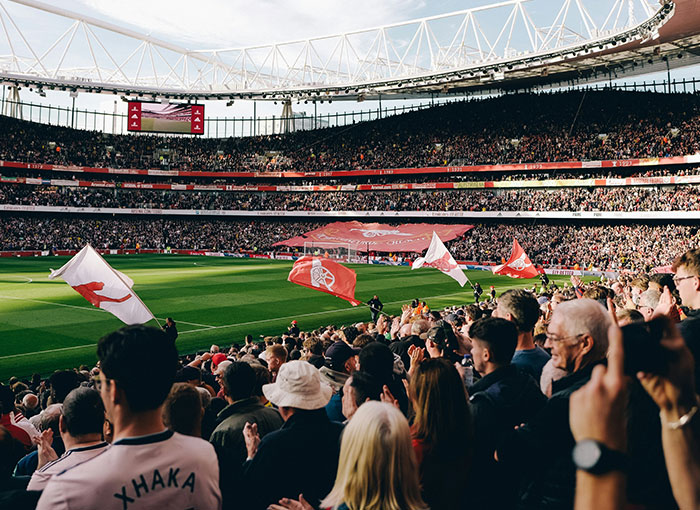 The thing about Arsenal is they always try and walk it in.
Something I've learnt when living in the UK as a foreigner : british people say a lot of things they don't mean and use euphemisms a lot because they want to appear polite. For example when your boss says "have a look someday", they might mean "do it right now". When someone says they like you or want to meet you most of the time they don't mean it. It can be quite confusing.
- If someone says “alright” as a greeting, they’re usually not asking if you’re alright. You’re best to return the greeting and move on
- Though British, most people feel more connected to their home nation than to Great Britain. As such, if you’re speaking to someone Scottish, Welsh or northern Irish, it’s better to refer to them as such. We English are least likely to be bothered but I’d always say English over British if asked
- Sometimes an insult can be a term of endearment; if someone calls you a funny c word it’s more likely to be a compliment than an insult. You’ll have to read the room on this one though.

This one's only partly correct, we're all Brits, but the English generally make no distinction at all, and will always support the other nations' sports teams, for example, although obviously not as much as their own, whereas the other way around is absolutely not true. The Scots in particular will give their support to any team playing against England.
Always take your shoes off when you enter someone’s home / or ask them if they’d like you to remove your shoes 😂😂.
We don't just drive on the left.
Passing someone on stairs? Stay left.
Busy corridors? Stay left
Pavement? Stay left
Walking up or down an escalator? Left
Standing on an escalator? Right!
It's not universal, or even noticed by a lot of people outside a car, but as a general rule, if we are passing any kind of oncoming traffic, left is the default.
I read somewhere, long forgotten where, that Britain is a don't ask country. We see it as impolite to say no. We understand it is impolite to say no. So its even more so impolite to ask if the answer would be no. So we don't ask.
Another culture that is more upfront and not as adverse to saying no you would simply say "i'm tired can I stay here tonight?" whereas uk culture you would delicately drop a few hints how subtle or not depends on the closeness of your relationship, like "i'm tired" or even mention its a long drive later on in the conversation.
An ask culture would say "We should meet up for a coffee or meal." A brit may reply enthusiastically "yeah that would be great, I'll message you sometime soon." Then the ask culturee may be confused and hurt why they never arranged to meet and baffled why they said they would.
Slapping your leg then saying "Right then, I should be off" when preparing to leave your friends house.
The milk goes in last.
If you see someone in a rush don't stop them.
Honestly the amount of times people have stopped me on the way to work or a client to ask me directions to somewhere they're using google maps to find is insane.
This person is from London, I'm guessing. Most British people are actually quite nice. Londoners are always in hurry. That's another thing that we have in common in the UK. Outside of London, most of us would rather stick pins in our eyes than live there.
Something I'm surprised hasn't been mentioned in all this time that could save your life: look *LEFT*, then right, then *LEFT* again. Then walk.

And keep looking left and right as you cross. Darth Vader...sorry...The Green Cross Code Man said so.
Load More Replies...
You can turn right on a red light in the US. You can't turn left on a red light in the UK, just because they drive on the other side of the road. Found this out through experience.
You can (sometimes, rarely), but like right turn on red here in France, it must be clearly marked as an option, otherwise red means STOP, no exceptions. This tends to crop up in medium sized towns that have arcane road systems.
Load More Replies... Something I'm surprised hasn't been mentioned in all this time that could save your life: look *LEFT*, then right, then *LEFT* again. Then walk.
And keep looking left and right as you cross. Darth Vader...sorry...The Green Cross Code Man said so.
Load More Replies... You can turn right on a red light in the US. You can't turn left on a red light in the UK, just because they drive on the other side of the road. Found this out through experience.
You can (sometimes, rarely), but like right turn on red here in France, it must be clearly marked as an option, otherwise red means STOP, no exceptions. This tends to crop up in medium sized towns that have arcane road systems.
Load More Replies...







 No fees, cancel anytime