Get Premium
Dark mode theme is available exclusively for premium users. Learn more about the benefits of subscribing.
No fees, cancel anytime.

 Dark Mode Ad-Free Browsing Unlimited Content
 Ad-Free Browsing Unlimited Content Dark Mode
Join 1.2 million Panda readers who get the best art, memes, and fun stories every week!

A man’s second stroke somehow cured the paralysis his first stroke had caused. In another part of the world, an elderly woman flatlined at breakfast, was given minutes to live by the doctors, then sat up wide awake the moment her sister arrived. She went on to live for eight more years.
As different as these cases are, they have something in common — they’ve stumped medical experts to this day.
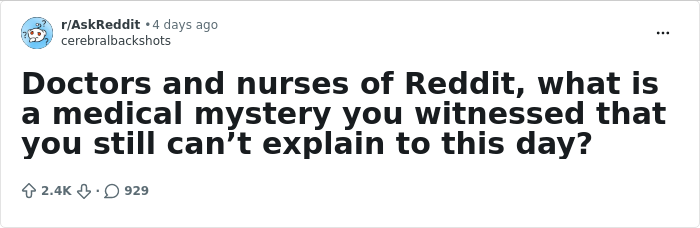
When healthcare workers were asked to share the most unexplainable medical mysteries they’ve ever witnessed with their own eyes, the answers online poured in faster than a Friday night ER rush.
But it wasn’t just the pros sharing their wild stories. Patients and families chimed in, too, proving that sometimes, the human body completely ignores the medical textbook.
This post may include affiliate links.
 As a vascular sonographer, I see a lot of elderly patients, most of whom are declining rapidly with all kinds of problems happening simultaneously. It’s pretty expected to put your probe down on these patients and see moderate to severe vascular disease right away.
I scanned a patient who was over 100 years old, and she had told me she was a dancer for most of her life, even had been on Broadway for a while. She walked into our lab perfectly fine, normal gait, and spoke very clearly. When I examined her arteries, they looked perfect, like they had never even heard the word plaque before. I searched for anything significant to report and I couldn’t find a single abnormality. Perfect blood pressure too.
Patients like her are unicorns. You just simply don’t see patients over 100 without some form of vascular disease. To top it all off she had no apparent cognitive deficits and looked like she could race you down the hallway. It was genuinely impressive how healthy she looked.
 Hospice nurse here. Gentleman was taking his final breaths. All of his children were there except one son who the siblings were praying would make it before the end. Unfortunately he didn't. I had declared him deceased, started the paperwork and contacted the coroner. He was gone gone. About 15 minutes pass and his daughter came out of his room and asked me to come back in to check on him. Somehow, he started breathing again. Not a minute later his son rushed through the door and was able to say his final goodbyes. The old man quite literally came back to life so his son could be there for the end. I've seen some wild things. This tops them all.
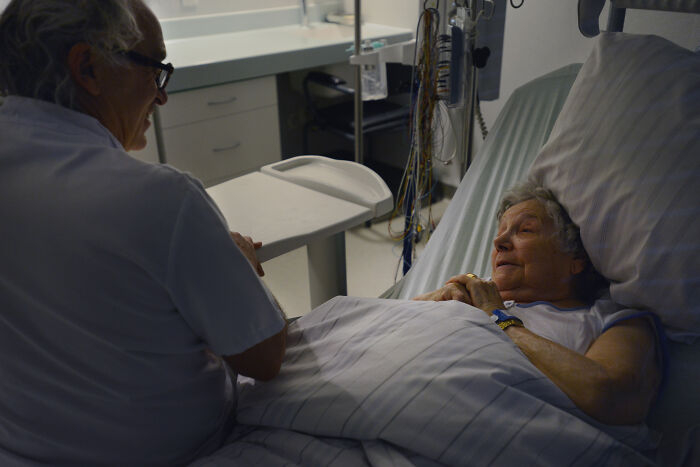 When I was a senior resident, working with a fellow (advanced training), we were working with oncology patients when unfortunately a woman with ovarian cancer, died before saying goodbye to her husband. We listened and confirmed no heart beating, no pulse or breathing. Several minutes later her husband arrived and came into the room. As we were expressing our condolences, he went over to her and started talking. She then proceeded to sit up, open her eyes and started talking to him to say goodby. When she was done saying goodbye, she laid down and “died again “. Before we pronounced her again, we even hooked her up to an EKG machine. We were both so amazed, we never spoke of this.

Until they s**t and pee themselves from loss of sphincter control...no one is d**d.
With technology that can 3D-print human organs, edit faulty genes with a single tool, and grow lab-made skin for burn victims, you’d think doctors and scientists have the human body pretty much figured out. Unfortunately, they don’t.
The COVID-19 pandemic alone ripped that assumption apart. Even now, researchers can’t fully explain why some people had no symptoms while others lost their lives within days.
Long COVID is now estimated to affect more than 400 million people worldwide and has left many with fatigue, brain fog, and organ damage that doctors still can’t consistently diagnose or treat. A 2024 study found over 200 symptoms linked to the condition, with no clear pattern.
 Rehab therapist here. Had a rather young man, late 20’s, married with a newborn who experienced a stroke. He had significant tone/tightness on one side of his body. Saw him periodically over a year with minimal change. Walked with a cane and needed a splint. One day, a full year after his stroke, (a week after I’d seen him walking into the hospital with said cane,) he came in to our department, no cane, no tone, no tightness. The only finding on a follow-up CT scan was evidence of a possible second stroke that somehow resolved the spasticity. 🤷🏻♀️.
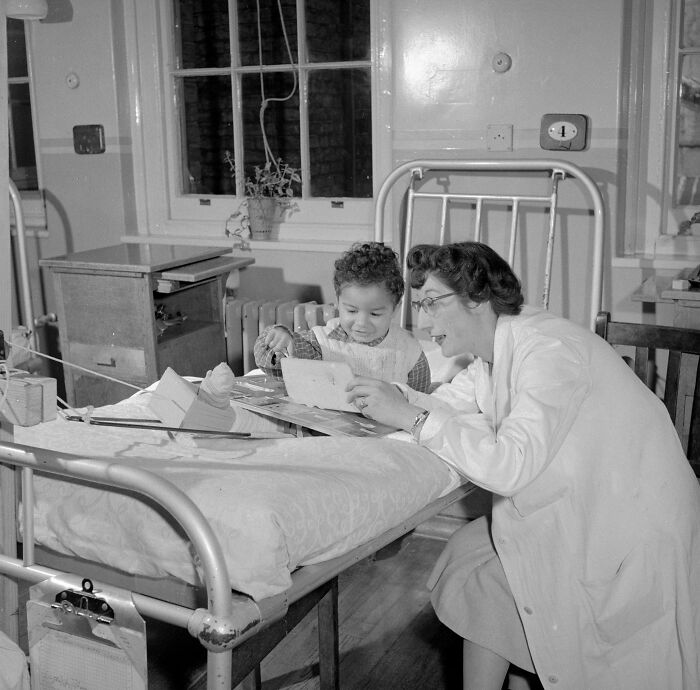 Not a doctor but a medical researcher. My husband comes from a family of strange medical cases. His dad is probably the strangest and most miraculous. He was one of the first babies in the US to survive being born with a large omphalocele - a large hole in the abdominal wall with most organs on the outside of his body. He was born in a rural hospital in the PNW in the late 1940s. The local docs said nothing could be done for him and to let him d*e. His teenage parents did not accept that answer. He was taken to a Shriner’s hospital where he spent the first 5 years of his life being treated. He literally lived at the hospital and only saw his family when they could afford to make the 4 hour trip.
He underwent multiple surgeries to repair the defect, which involved creating an abdominal wall with mesh wiring and multiple skin grafts. His organs were held in a sort of pouch they created in his abdomen. He looked like he had a beer belly, but it was his internal organs. Because of where his organs were and the delicate nature of the repair, he was told he would never be able to play sports (he played both high school baseball and football) and that he would never have kids. He had 3 healthy children. He had medical challenges all his life, but lived a full and wonderful life. He died at 70. He has four grand children and 5 great grandchildren. Pretty amazing outcome for a baby that doctors said would only live a couple days.
 I was an oncology social worker, had a case I will never forget. I was the support/sounding board/case manager for a very dear older man who's wife was on our ward dying of cancer. No kids, no other family, just this sweet guy by her bed night and day. He was healthy, spry, energetic. One week after she died, right after her funeral, he died quietly at home in his sleep. No medical issues, no known chronic or acute medical diagnosis, nothing other than a broken heart. The power of love, people.

When I go, I want it to be this way - quietly, at home, in my sleep.
The stories in this list come directly from doctors, nurses, and patients who witnessed things that no textbook, no scan, and no specialist could explain.
That’s not a failure of medicine. It’s just the fact that the human body is far more complex than even our most sophisticated tools can fully map.
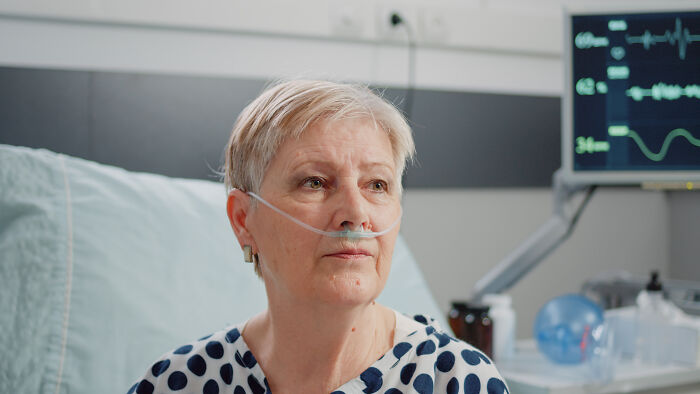 I worked in a rehabilitation unit. This morning we served breakfast as usual and brought out the patients, including this one old lady who was in a wheelchair. During the meal she seemingly fell asleep. We just let her sleep for a minute, but decided to wake her up to move her into her room.
Issue was, we couldn't get her to wake up. We tried shaking her harder and harder, yet discreetly so the other patients wouldn't get scared.
My co-worker and I looked at each other. F**k, this is bad. We quickly wheeled her out of the room and just as we were about to enter her room we ran into the nurse who was in charge that day. "You're coming with us" I said.
I was 16 or 17, mind you.
My coworker and I quickly explained the situation, we quickly got her into her bed and the nurse jumped up in the bed and did CPR.
This all happened within 3 minutes.
The nurse got her back, barely.
We called her sister and the nurse called the on-called doctor. This was not just bad, it was bad-bad.
The doctor arrives. The doctor takes a look on the patient, but there is nothing that can be done. Likely a stroke, he said. She's hanging on my a thread and will be gone any minute. He hopes the sister is able to make it on time.
The doctor and the nurse head off to talk about the medical aspect, what they can do to make the end of her life easier and so on.
The sister arrives, we take her into the room. Our patient is barely breathing and not looking good.
Some time passes and I decide to check in, not expecting it to be good.
To say I was shook is an understatement.
The patient was sitting up on her bed. Wide awake. As if nothing happened.
I chat with them for a short minute before I go grab the doctor and the nurse, who were still talking end-of-life stuff.
They were just as shook as me.
What the heck?
She lived 8 more years, as if it never happened. Her body just... Reset?
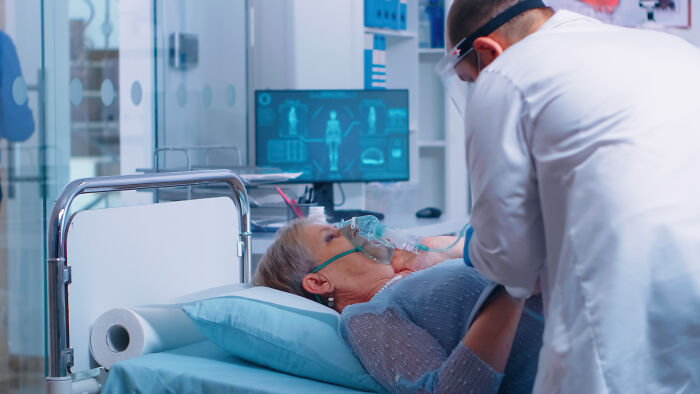 Had a patient in her mid forties. She went into cardiac arrest. We worked a resus on this woman for hours. Probably the longest I have ever experienced. As part of investigating the h's and t's she had a rapid bedside echo, and it showed very clearly no tamponade, no thrombus, no foreign objects, and global asystole. We eventually called it, she got time of d***h. We cleaned everything up and called the family in. It was about 40 minutes between time of d***h and when family arrived, during that time we had washed her and changed the sheets etc. She was d**d, no senior ICU nurses would not have washed her and ICU consultant issuing d***h certificate would have noticed if she was not d**d. It was in a major trauma teaching hospital of a large city, we are very experienced at recgonising d***h.
Family arrived and a few moments after entering the room one of them came to get us to tell us she was breathing.
She woke up a few days later. We expected, of course, profound hypoxic brain injury. She had very mild hemiparaesis. Otherwise completely fine. To this day absolutely no one can explain it.
Family tried to sue the hospital- I dunno what for, she was fine! But because we had the resus record with various arrhythmias- VT, then VF then asystole, plus an echo recording of absolutely zero heart contraction, there was no case. Even according to court she was d**d.
And even assuming spontaneous cardiac recovery, her downtime meant her brain should have been soup. But nup, somehow just came back to life.
Would have enjoyed this story 10x more if OP would have explained what all of the medical terms meant.
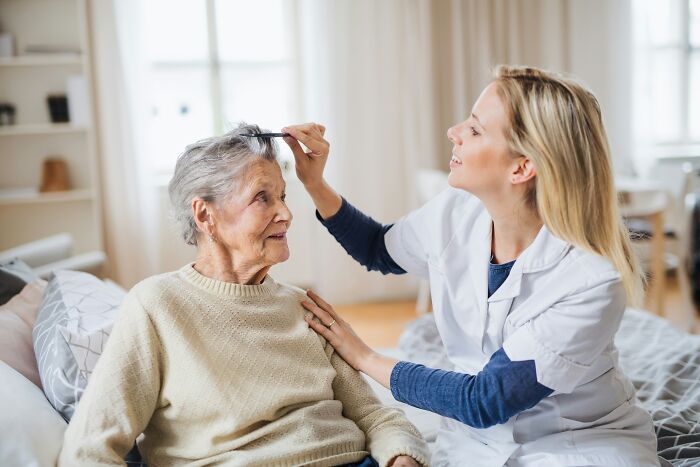 One of my patients in general practice had an out of hospital cardiac arrest. They are in their 90s. They had a double digit minutes downtime. That is unsurvivable.
The ambulance crew got a pulse back, hospital said they won’t live. Comfort care only.
Months later I spoke to them at home. Fully neurologically intact.
That just doesn’t happen. Asystolic cardiac arrests in the over 80s have a survival rate that is essentially 0%. They should not be alive, let alone able to talk sense. A genuine miracle.

This happened to me. I'm 76 yrs old. I told my husband I wasn't feeling well and needed to lie down. I passed out & he called 911. Paramedics gave me CPR, I had cardiac arrest twice more in the ER, they inserted a stent, and then I was on life support & in a coma for 3 weeks. When I woke up, I didn't know any time had passed. After a couple of weeks in acute rehab I went home & was fine. Until I fell & broke my ankle 3 weeks later! I'm a f'king miracle!
A Johns Hopkins study — the first of its kind — estimates that diagnostic errors leave roughly 800,000 Americans permanently disabled or fatally harmed every year.
“We focused here on the serious harms, but the number of diagnostic errors that happen out there in the US each year is probably somewhere on the order of magnitude of 50 to 100 million,” said lead author David Newman-Toker.
The National Academy of Medicine puts it even more plainly: most Americans will experience at least one wrong diagnosis in their lifetime.
To be fair, most wrong diagnoses don’t end badly. That’s because most people visiting a doctor aren’t seriously ill to begin with — a misread rash or a mixed-up prescription rarely turns catastrophic.
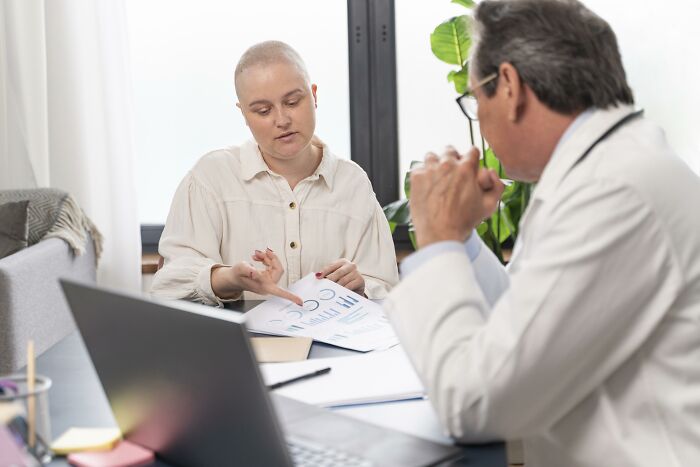 Not a Dr or Nurse. But I was recently diagnosed with breast cancer and my tumor shrunk to half its size over a few weeks with no medical intervention. The team are pretty interested.
 My mom who works in a smallish center in a rural area had a patient that came in a really bad shape. As he was carried to the ER he got into cardiac arrest and my mom started chest compressions while another doctor intubated him. After a few minutes they managed to get him out and stabilize him enough to put him into an ambulance towards a bigger hospital with more advanced care.
A month passed and the patient came back to thank the medical team for saving his life. Once there he went on and asked one of the nurses for "his teeth".
Turns out she was the one at the ER that day, and she got the dentures of the patient after the doc performing the intubation got them out before starting. This all happened while the patient was unconcious, while his heart was NOT beating.
They asked him how did he knew she had taken his dentures, and how he managed to recognize her after not even seeing her before coding. He told them he saw them "from above", as if he were "floating next to the lights". He then pointed out everything that they do to him while he was on cardiac arrest, down to the places where they stood and the things they used (bare in mind this was in the early 90' in a rural setting, so this man didn't have any previous idea of how CPR worked).
I have a few strange happennings on my practice, but none of them trumps this.

There have been several research studies where specific objects or symbols have been placed above the line of sight in medical environments (They put playing cards on top of cupboards in the UK IIRC), to test if after out of body experiences patients recalled seeing any, but none of them were correctly remembered/reported
 Not a doctor or nurse, but former clinic worker. Keeping details limited for anonymity.
We had an elderly man with dementia who would come in with his wife. They were both patients. Often, he’d come ask me where she was when she was seeing the doctor (she was his caretaker, and preferred to have appointments alone to minimize interruptions when she was receiving care herself). He’d sit in the chair in the waiting room and I’d occasionally go over and reassure him that she’d be out shortly. He rarely spoke beyond asking where she was.
One day, I got a call from his wife that he’d died. We chatted for a bit and I expressed my condolences and she said she’d be in next week for her appointment.
And…the next week…I am not kidding you. This man shows up. Without his wife. He’s wandering around confused and I’m like w*f, how overtired am I, did I get the wrong deceased patient?? He just sits in his usual chair for a while and then leaves. Before clocking out, I double checked the file, and sure enough, he’d been - correctly - marked deceased by both myself and my supervisor.
So of course, when his wife showed up for her appointment, he turned up again and sat in his usual chair. This was the tail end of Covid and not even close to the most shocking thing I’d seen — just the most supernatural — so I went over to him and told him that his wife was ok, we would take good care of her, and that we’d miss seeing him around. I said he could stay as long as he wanted. He smiled, and walked out the automatic doors.
Not the kind of story I share with anyone non-medical and maybe not the mystery you were looking for, but a sweet one, all the same. I told my spouse and no one else.
In autopsies, doctors who were completely certain about the cause of someone’s passing away turned out to be wrong 40% of the time.
Across all clinical decisions on diagnosis and treatment, recent studies suggest 10 to 15% are simply incorrect.
 Had a patient who had the biggest dissecting aortic aneurysm I’ve ever seen in 8 years of working in healthcare. For reference, dissecting aortic aneurysms are pretty fatal as is. But this thing was massive, unlike anything I had ever seen. Looking at the scans, my jaw literally dropped. Doctors gave them a 0.5% chance of living. They walked out a few months later.
 I used to work in healthcare with patients on end of life. There was a lady I used to see who had been "on the verge of d***h" for 8 years.
She refused to get tests. So we didn't know what was wrong. But she would get so close to d***h that we'd make preparations, get the family over, up the painkiller doses, 24 hour staff etc. I mean she could only mumble random words, would get confused, rattle of d***h, rock bottom blood pressure, all the usual signs.
And then she would... bounce back. And be up and about walking and talking as usual. No medical explanation. She just... escaped d***h over and over again.
She said the secret was she had no fear. She didn't care what was wrong with her. Or if she was going to d*e. She just got on with things.
I'm inspired to do the same when I get to my 90s. I'll just crack on and if d***h wants to take me, so be it!

its probably a Bill and Ted like situation she keeps beating the grim reaper at various games
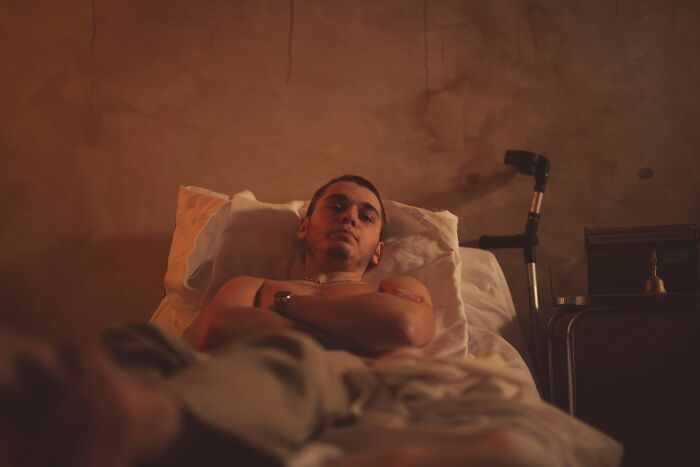 Was working Neuro ICU New Years day night shift It was insane. Sixteen year old boy hit by drunk driver. Severe head injury back from the OR with coma score of 4 and intercranial pressure drain. All night ICP would spike and we bagged and bagged to bring it down. Dr's were grim and we all knew it likely wasn't going to end well. I remember that team members were spelling each other off because our hands were cramping. At one point during the night his parents came up to the desk and said, " if our boy dies we want to donate his organs". We all fell apart it was completely overwhelming but although we were all sobbing we carried on. We made the night and when I came back the next night he was still critical but ICP had settled down. Anyway 2 weeks later he was discharged to step down. A month later he came in to the unit to say thank you and although he needed some rehab other than a bit of left side neglect he was doing amazing. I think we cried even harder that day.
But medicine isn’t throwing its hands up in defeat. Instead, a massive shift is happening behind the scenes to turn these medical blind spots into open books.
For starters, doctors are leaning into collective human intelligence. Using specialized medical apps, a primary care doctor in a small town can securely exchange notes with thousands of global specialists in real time, catching rare symptoms that a single human brain might miss.
A few things I saw but couldn’t explain. I was working in the ICU and the patient in bed 2 coded. A few minutes later the patient in bed 4 codes. They both were resuscitated and both live to leave the hospital. Several months later, one man came back to the hospital and once again found himself in the ICU bed number two. A few hours later, the second man came back to the hospital and he was placed back in ICU bed four. A few days later bed two coded and within a few minutes bed four coded, and they both died. It was as if bed two said, we’re out of here. Let’s go.
I had a patient who developed complications at the end of her pregnancy and the baby died. She got pregnant again and despite our efforts she experienced complications again. We managed to deliver the baby but she was not in good shape and the neonatologist said she wasn’t going to make it. She was in terrible condition and they had run out of all treatment options. Apparently this baby decided she had a trick up her sleeve because she is alive today and a mom of her own. Every single doctor and nurse couldn’t explain how she survived and we ended up saying that it was a miracle and I truly believe it was.
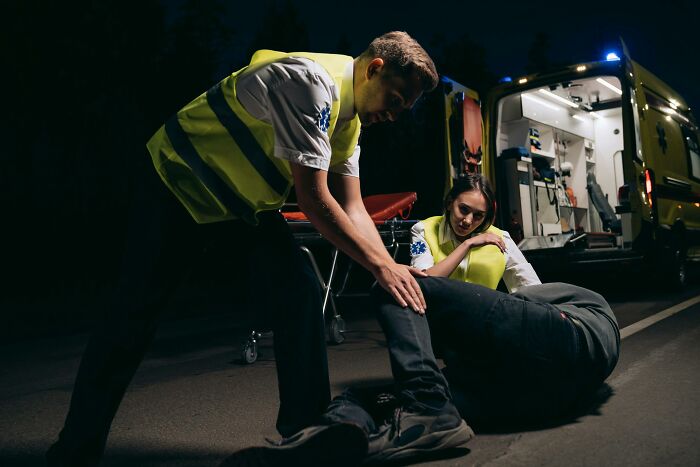 Worked the emergency room one night when we got a call that someone was driving in a really serious patient in the back of their pickup. Took a team out front waiting for him and sure enough, we saw a guy standing on the back of a pickup truck, waving his arms wildly saying we’re coming we’re coming! He arrived and there was literally a d**d man in the back of the pick up truck. He had been shot in the leg and it had caused him to bleed out. Everyone had slowly started to pull him out of the truck bed and onto a regular bed and the doctor said forget it. He’s a goner. I (just a physican assistant) said no, we have to start CPR until we can get them inside. He rolled his eyes at me and said do whatever you want but this guy is a goner. I started CPR and we put pressure on the gunshot wound. We got him into the trauma bay, got multiple IVs started, started pushing tons of fluid into him and started all the typical trauma related d***s. Within 11 minutes (I’ll never forget that number because it was the longest 11 minutes of my life), we had a pulse. Guy walked out of the hospital a couple months later. We had to transfer him to a big trauma center, we were only a community hospital, but yeah, he lived. I have no idea how because he was really d**d in the back of that truck.
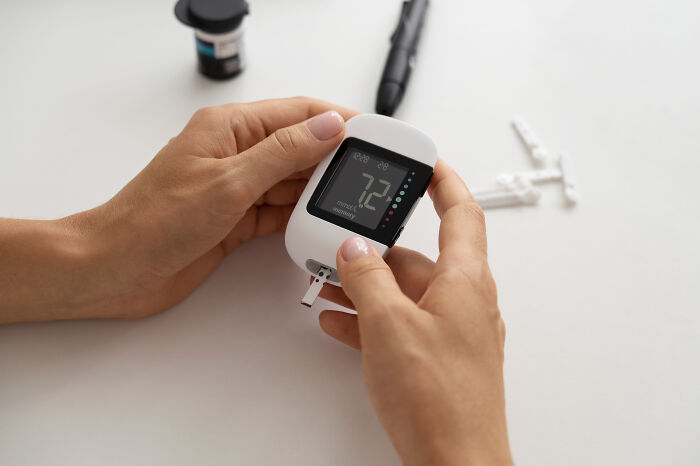 Back in my ER days, I had a diabetic patient come in with her blood sugar in the 1200s… which is more than 10x what a person’s blood sugar should be. That in itself is insane, but what made it really bonkers was that the patient was conscious and totally with it. Most anyone else would be in a diabetic coma at that point, but she was far from it. I also recall getting a urine sample was hell, since she was just peeing pure semi-liquid sugar.
At the same time, advanced artificial intelligence (AI) is stepping into the clinics, acting like a super-powered digital assistant. It can scan years of a patient’s records in seconds, and cross-reference symptoms against thousands of similar cases.
For example, Dartmouth Health Medical Center physician resident Dr. Katharina Schmolly founded zebraMD, which uses AI to help diagnose and manage rare and genetic diseases.
“The diagnostic delay is roughly 10 to 15 years for these diseases because physicians don’t see them very often. And while waiting for diagnosis, the disease can progress and cause irreversible damage. So, our goal is to diagnose patients earlier and manage their disease appropriately,” she said.
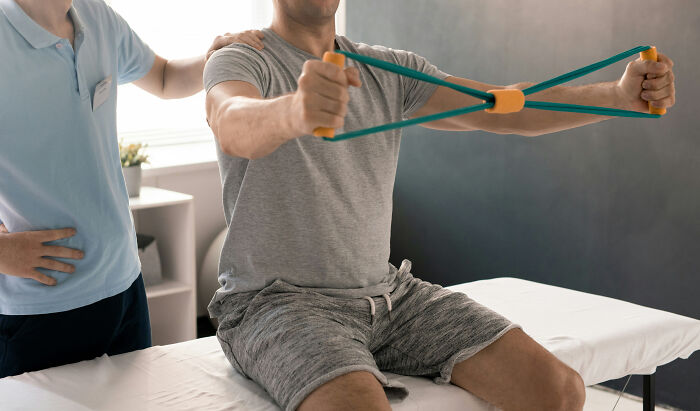 I used to work in a surgical ICU, and one time I had a 30 y/o patient who was attacked and ended up with a massive brain bleed. I'll call him Jacob (not his real name obviously) for clarity. The entire left side of Jacob's brain looked like mush on imaging. He had a craniotomy and his brain was so swollen that in addition to taking out a large bone flap the neurosurgeon had to remove part of his brain to be able to close the incision. Jacob was totally unresponsive and unlikely to recover. If he did recover at all he would likely never be able to speak or understand speech again because the area of the brain responsible for speech was severely damaged.
For about two weeks, I took care of Jacob every time I worked and nothing changed. I always talked to unresponsive patients like they could hear me and one day as we were giving him a bed bath I told him we were about to roll him on his right side to clean him up and do a skin check. Imagine my surprise when he started moving his left side as if to help with the positioning. By the end of the day he was sitting at the edge of the bed doing physical therapy. He couldn't use his right side at all and he couldn't speak but he could understand us and follow commands. I showed him how to sign yes/no with his left hand and he was able to communicate that way.
Eventually he improved enough to transfer out of the ICU. Before we transferred him to a med/surgery floor I sat with him and said something like "What happened to you was horrific and unfair. But it happened and now it's up to you to decide how your recovery goes." His aunt was visiting but out of the room at the time. She had left the TV on and whatever show was on was super obnoxious. I asked Jacob if he wanted to keep the show on and handed him his call light/remote and he turned the TV off. It was just a little thing but to me it felt like a sign that he was deciding to take control of his recovery.
After I finished that shift I never saw Jacob again, but a few weeks later his husband called our unit and asked to talk to me. He told me that Jacob was in rehab and was walking, talking, and expected to make a full recovery. I'm not a religious person but his recovery definitely felt like the closest thing to a miracle I've ever witnessed.
Palliative care NP here. My colleague and I were with a dying patient and her two kids. With the withdrawal of her life support, including multiple medications keeping her blood pressure up, she should’ve died instantly. She didn’t. I offered the option for all four of us to leave the room. One kid said “my mom hasn’t been here for me, but I won’t leave her, not now.” I said “you hear that, Ms. Smith? Your kids are not going anywhere.” It was then her vitals started to dip… then plateau. I told her kids my colleague and I were going to leave to give them privacy. “Ms. Smith, we are going to leave to give you time with your kids,” I told her.
The second we crossed the threshold of her door to exit her room, her heart rate slowed… 50’s, 40’s, 30’s, 20’s… then stopped. She died.
As her younger child laid onto her and cried, my colleague stepped in to offer comfort; whereas I stayed outside her room. Suddenly, her heart started to beat again, showing a rate in the 40’s on the monitor. I nudged my colleague so we could step out of the room, figuring she wanted to die in that room alone with her kids. Sure enough, her heart stopped again as soon as we were in the hallway. My colleague and I made sure to stay out there for a bit longer, so she could finally rest in peace.
I like to believe that in all this chaos in life—some way, somehow—we get some level of control in how (and with whom) it ends.
What researchers are now finding is that the most effective approach isn’t AI or doctors alone. It’s the combination.
A 2025 study published in PNAS found that human-AI collectives — doctors working alongside AI systems — produced the most accurate differential diagnoses, outperforming either humans or AI working independently.
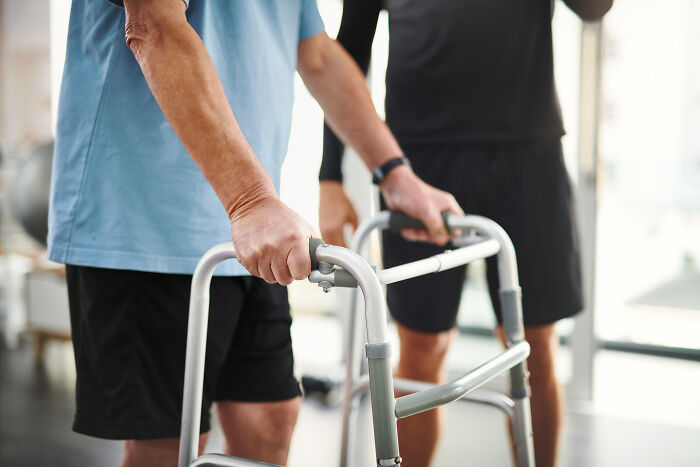 I have a resident who has down-syndrome and severe dementia and he is 74 years old! He never used to speak at all up untill about 2 years ago. He suddenly started talking more and more to the point where he just won't shut up anymore. Instead of the steady decline we were expecting, he seems to be blossoming up!
Also had a resident who had been in a wheelchair for over 2 years after a severe stroke, who suddenly had the urge to get up and walk again. He now has physical therapy and is walking with a walker. This man is also mentally disabled and turned 80 last year.

If you don't know something's impossible, you can get a lot more done.
 Identical twin brothers roughly 70 years old.
Both usually fit and well. Lived separate lives in different parts of England.
Both had to have aortic valve replacement within 6 months of each other due to infective endocarditis (infection of the main heart valve).
(They both had structurally normal hearts, not bicuspid).
What we call supernatural today is simply something science hasn’t figured out yet. Every unexplainable recovery or bizarre symptom on the list can be a blueprint for tomorrow's medical breakthroughs.
But the thing about the human body is that no two are the same. The same virus hits ten people ten different ways. The same treatment saves one patient and does nothing for the next.
We are, each of us, a slightly different machine… and that variability is exactly what makes us so hard to fully understand.
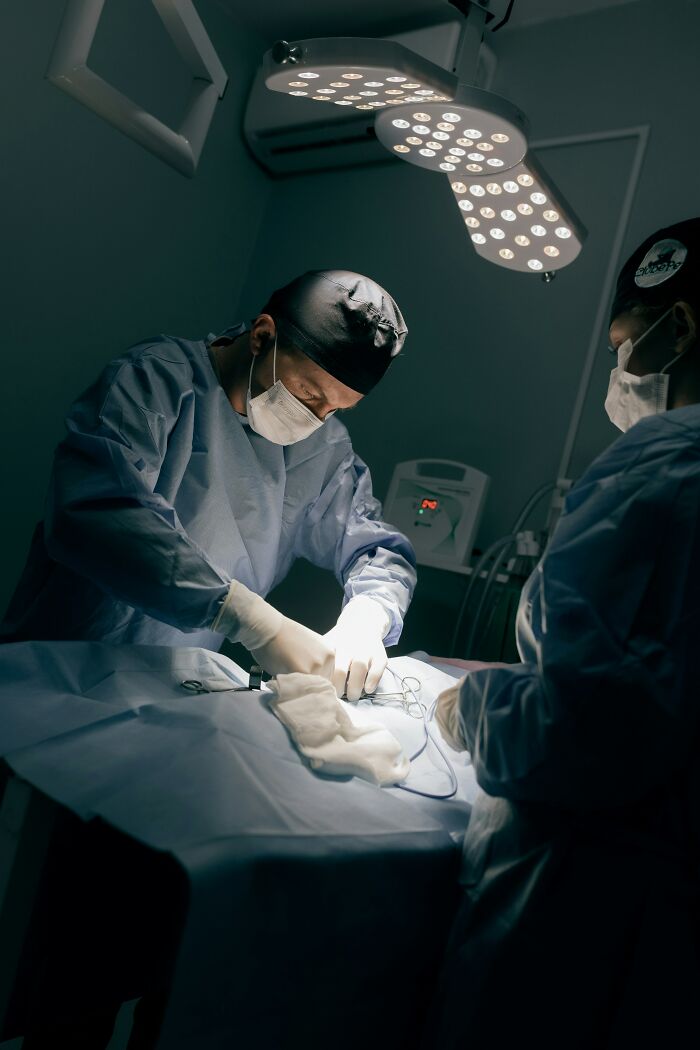 My partner dropped his pH up to 6.3, had 75 units of blood in 48 hours, dropped his systolic BP to 14, lost half his pelvis, had his aortic artery clamped by hand, and survived. He was talking when his BP was 14 and only lost consciousness when they tubed him.
I'm an ICU/ER nurse, and have never seen someone that close to dying not die. If he was my patient I wouldn't have given him a chance (not that i wouldn't have tried).
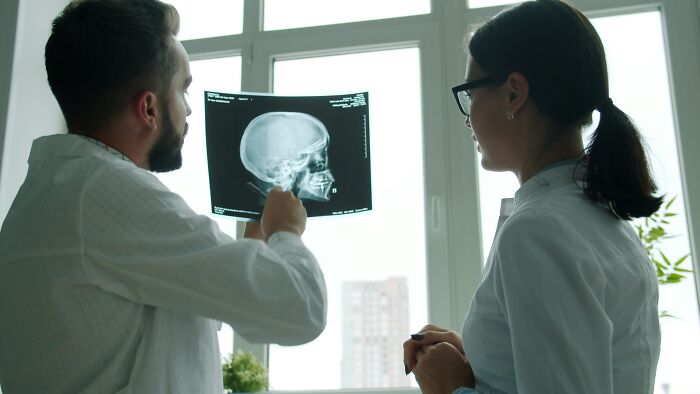 Not a doctor, just the family of a patient, but this is something we still talk about and no one has ever really explained.
My uncle was completely fine one day, then within hours he started having severe neurological symptoms: confusion, loss of speech, and then full paralysis on one side. We rushed him in thinking stroke, but scans, blood work, everything came back normal. The doctors kept repeating that nothing matched what they were seeing.
What stuck with us was one specialist literally saying they’d “never seen a presentation like this with completely clean imaging.” They treated symptoms, but never found a cause. He slowly improved over weeks, but even now there’s no official diagnosis that fully explains what happened.
Had a 2 year old admitted for observation because although he had been run over by a UPS truck, he had no apparent injuries found in the ER. Mother witnessed it and truck driver felt the bounce. Happy ending - baby boy was fine. Devastated, unbelieving driver was invited to hospital to see for himself before discharge.
 My uncle walked into the ER complaining about "weird indigestion" and they found a tumor the size of a grapefruit just chilling in his abdomen. dude had been playing tennis that morning. bodies are absolutely unhinged.

My uncle went to the doctor for a persistent sore throat. Turned out to be throat cancer. Went from diagnosis to d***h in under two weeks.
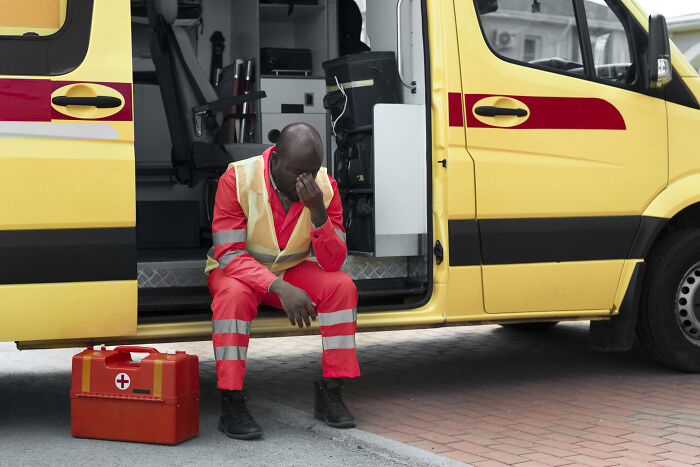 EMT. Had a call yesterday. A woman had left her 64 yo totally not demented husband home and went to work. She told us he had some diarrhea over the past few days. She arrived home that evening to find him in cardiac arrest and called 911.
We got there, and there is s**t literally everywhere. The bathroom, the bedroom, the kitchen. It's on the floor, the walls, the doors, the windows. He was stone cold d**d.
I can't imagine what his last hours were like. What was he doing?
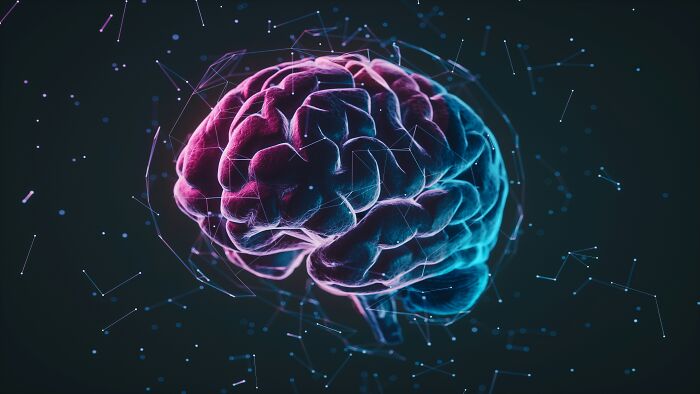 Had a patient who had a traumatic brain injury, lost half of his brain, and yet was still conscious; walking, talking etc.
Since then, i no longer believe consciousness exists or arises in the brain.
And now holds political office! LOL (pick your favorite politician ...)
17 year old boy with catatonia. Would just lay there and stare at the ceiling. If he did move, it was in slow motion (and then all the nurses would freak out and call a code M (manpower needed) as if slowly sitting up was somehow dangerous). Unresponsive to benzos. Responded to ECT and it was AMAZING. By the time he transferred (turned 18) he was sitting up in bed, reading a book. Truly it was like a miracle.
A friend of mines son is dealing with that right. He's like 12ish or so and non verbal autistic
 I was a CNA, a sweet woman went to hospice.
We all thought she was going to pass with in a few hours. Staff that loved her were all upset the process took so long. We wanted her to go peacefully!
She was there for 5 weeks. They sent her back to us. She said those people were nice but an angel told her not yet. She lived several more years with us in the nursing home.
My sister in law’s Nana was like this. She was discharged from hospital to a hospice and was on the end of life pathway ie d***h was imminent. 6 weeks later she was moved to a residential rehabilitation centre and within 3 months was back home with carers going in 4 times a day. Still at home 2 years later!
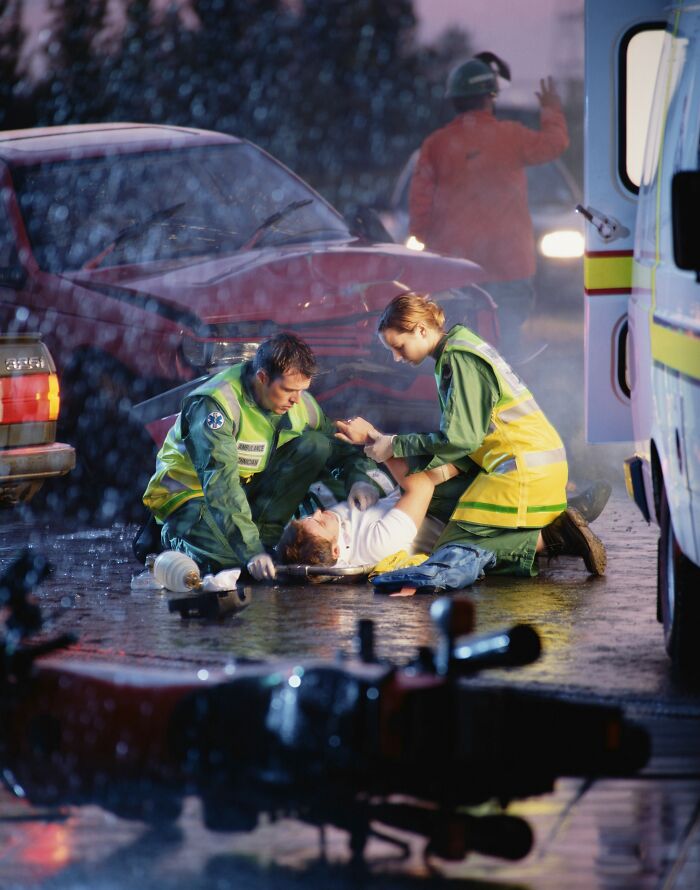 I had a teenaged patient crash his car, rolled over a few times and wasn’t wearing a seat belt. Not only was he not dead, he was totally fine. I told him people don’t survive that kind of accident and his life must have been preserved for a reason, and he’d better figure out what it was.
 My grandmother had a TIA at one point that prevented her from recalling human names while she was having it. *Only* human names. Me, my mother, the family that made barbecue sauce she ate since she was young? She could recognize all of them, but couldn’t actually name them. The dog? Named right away without difficulty.
Not in medical but my family is apparently destined to live long, painful lives.
My grandmother has had 8 different types of cancer. She pulls through every time through any stage. What’s finally going to take her out is Parkinson’s.
My dad went into septic shock after gallbladder surgery. Died twice, medical coma, he was already an unhealthy T2D and his kidneys got worse with the sepsis. He should be dead. He’s completely normal a year and some change later. After the hospital stay, he switched to the carnivore diet and it took him from stage 5 kidney failure to stage 3. None of his doctors can explain it, one of them is writing a paper to publish about him.
Obviously left out a ton of detail but that’s the gist.
My dad was a Maine farmer. When he had lung x-rays they asked about his broken back when they saw healed bone. He said it was “sore” once after he fell off a truck but he’d kept working!
Incidental findings like these happen a lot more often than you’d expect!
Had a patient who started talking perfect Japanese while in a comatose state
When they woke up they had no recollection of it at all, they were white.
Not as interesting as the others, but one time one of my patients coughed up what looked like a bite of chewed-up steak. He was NPO/ tube feeds so it wasn’t anything he’d eaten. I was like maybe it’s something from inside his mouth? Like he bit off a chunk of his cheek or something? Went crazy looking in his mouth with the pen light and it looked like a normal old man mouth.
So I saved it in a specimen cup and showed it to the providers and they were like 🤷♀️ who cares? I CARED I WANT TO KNOW what the meat chunk was and where it came from.
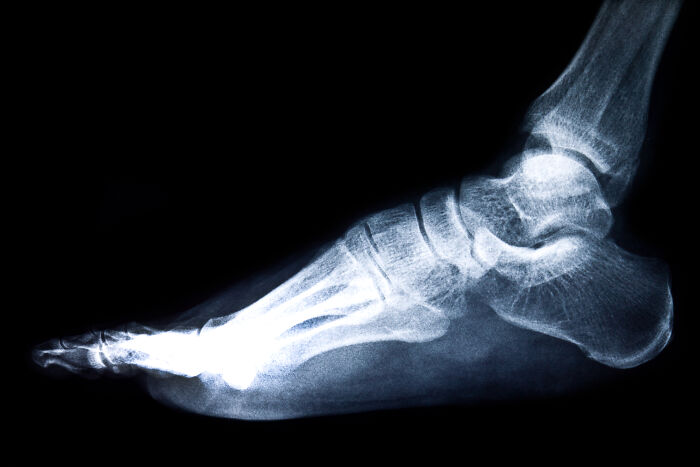 I managed to walk on a broken ankle for over two years without knowing. Seriously.
The orthopaedic doc who finally spotted the fracture told me that this sort of thing is surprisingly common.
My mother and her sister had a stroke on the same day. January 3 2000. Both survived and were at rehab hospital together. They were both paralyzed on one side. They had to have speech and intense physical therapy to walk and do daily functions.
 I dont have a specific case but I do have a nasty aunt that was and continues to be terrible to her kids and most everyone else. Has mobility issues and keeps falling and breaking bones, making life even harder for my cousin/cousin-in-law to care for her. Is 86 and shows no sign of slowing down.
Everyone says that God doesn't want her yet.
It is also implied that the other side don’t want her either!
I had a friend who had a terrible headache and drove herself from work to the nearest urgent care. They immediately put her in an ambulance and raced her to the nearest hospital with a stroke unit. She barely made it. Everyone was stunned that she managed to drive herself to the urgent care. Fun fact: she was peri menopausal and on birth control pills to alleviate symptoms...after lying to her doctor about having no family history of stroke.

Not a nurse or doctor but me - I was diagnosed with MS in my early 30's. My MRI showed brain lesions all over one side of my brain. The neurologist told me I shouldn't be able to walk or talk. Here I am, 40 years later after a career of teaching still walking and talking! The other side of my brain apparently took over from the damaged side.

It is a combination of hubris and optimism which gives rise 6o the theory that "we know everything" about human physiology. Currently, in 2026, we actually know so little that it is frightening. We have no idea how the way hormones work between sexes, even though we can change a person external biology. We know next to nothing about the hormonal changes in women from puberty to adulthood anyone, yet it happens to 50% of the population. We don't even know if medicinal doses should vary between sexes, or bodyweight, even though Vets will automatically calculate by size. We know so little about human physiology that it should be embarrassing.

Not a nurse or doctor but me - I was diagnosed with MS in my early 30's. My MRI showed brain lesions all over one side of my brain. The neurologist told me I shouldn't be able to walk or talk. Here I am, 40 years later after a career of teaching still walking and talking! The other side of my brain apparently took over from the damaged side.
It is a combination of hubris and optimism which gives rise 6o the theory that "we know everything" about human physiology. Currently, in 2026, we actually know so little that it is frightening. We have no idea how the way hormones work between sexes, even though we can change a person external biology. We know next to nothing about the hormonal changes in women from puberty to adulthood anyone, yet it happens to 50% of the population. We don't even know if medicinal doses should vary between sexes, or bodyweight, even though Vets will automatically calculate by size. We know so little about human physiology that it should be embarrassing.





 No fees, cancel anytime