Get Premium
Dark mode theme is available exclusively for premium users. Learn more about the benefits of subscribing.
No fees, cancel anytime.

 Dark Mode Ad-Free Browsing Unlimited Content
 Ad-Free Browsing Unlimited Content Dark Mode
Join 1.2 million Panda readers who get the best art, memes, and fun stories every week!
Did you know which are the national flowers of European countries? Some of those are sung in legends and old tales, others have only been chosen recently, but all of them carry out cultural and religious traits of the given country.
For additional information and even more pictures of each European country’s national flower, click on the author’s link below.
More info: blog.fantasticgardeners.co.uk
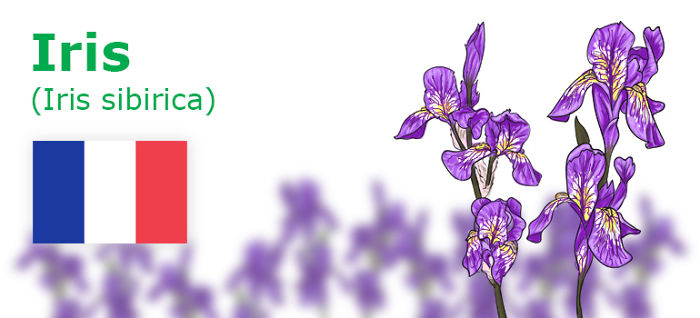
The fleur-de-lis is present in the country’s coat of arms and national emblem. The iris is a royal symbol since the 1300’s. It depicts light, life and perfection.
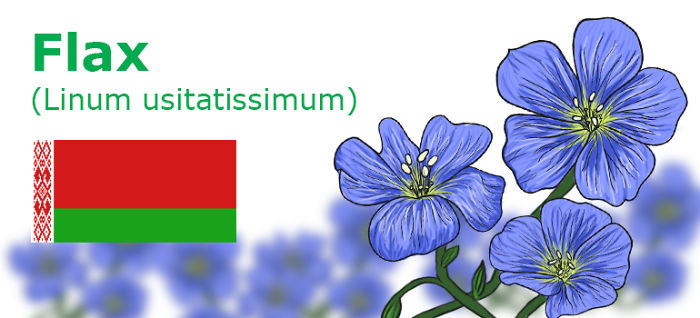
Belarus is full of large fields of flax, with the harvest mainly used for the food and medicinal industries.
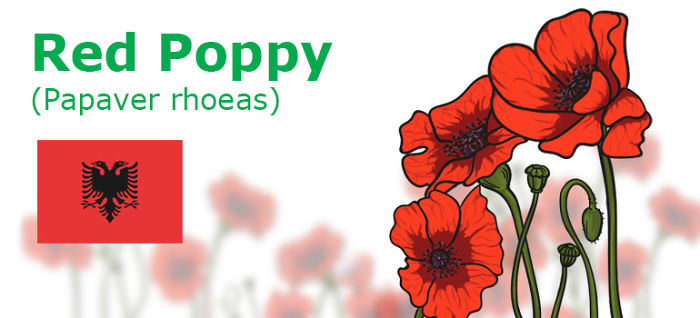
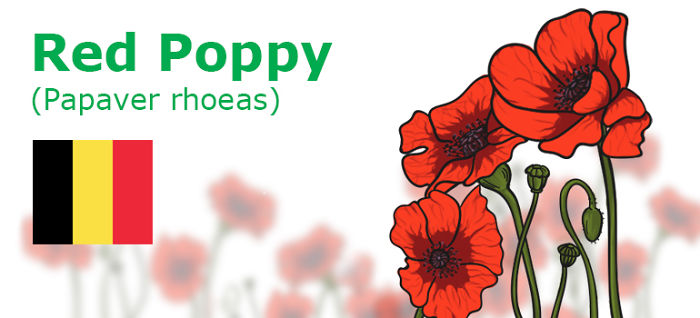
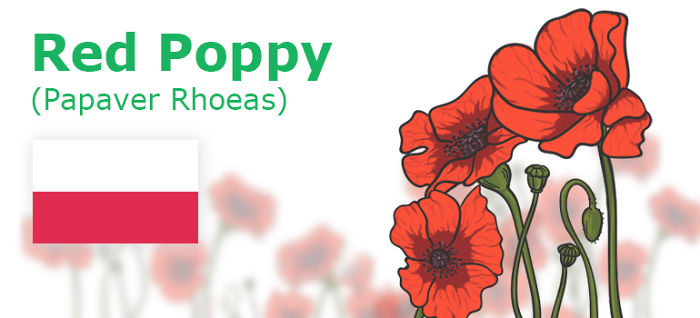
You can find red and black Poppy everywhere in this country. The plant is valued for its beauty, medicinal superpowers and seeds used in cooking and baking.
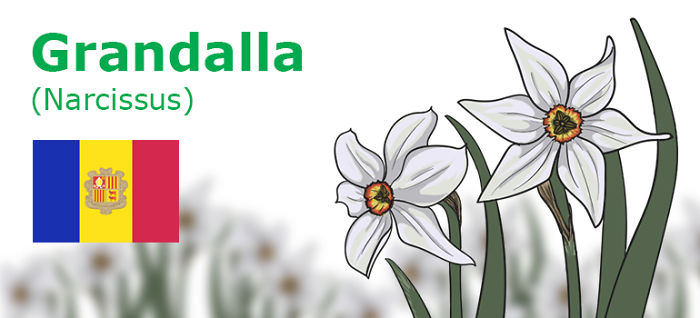
Also known as the poet’s narcissus or the pheasant’s eye. The petals represent the parishes of the Principality, and the two coloured crown in the centre represents the two co-princes of Andorra.
The red poppy is connected with remembrance of those who have died in war times.
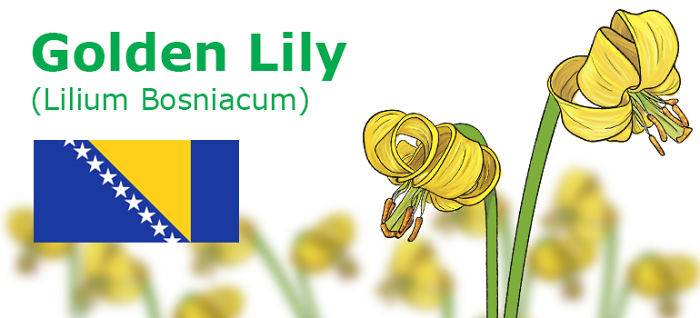
The flower is native for Bosnia and it is used in the coat of arms of the country.
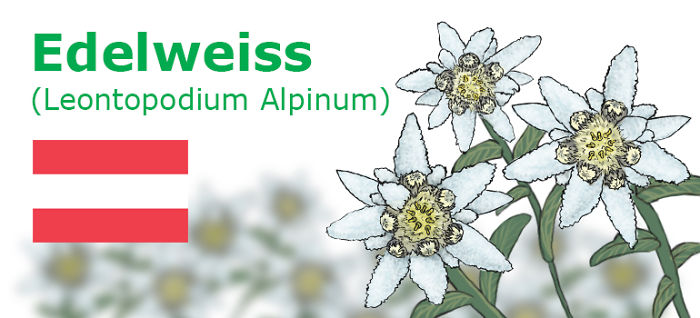
Land of mountains, land by river” is the National Anthem of Austria. A mountainy country where the otherwise rare beauty of the Edelweiss is relatively common.
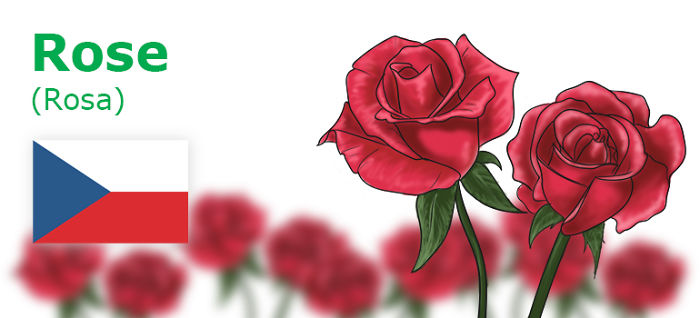
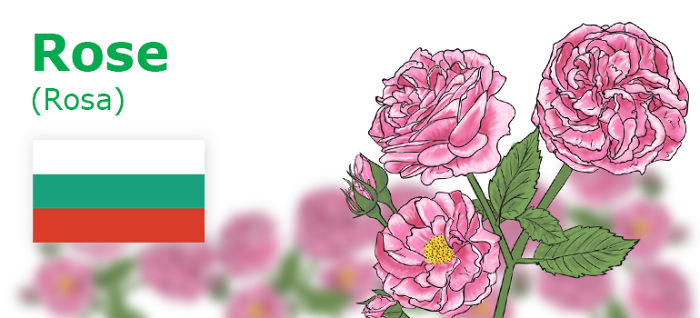
Different urban legends proclaim the rose as a symbol of war, love, beauty and politics.
Bulgaria is the biggest rose oil producer in the world.
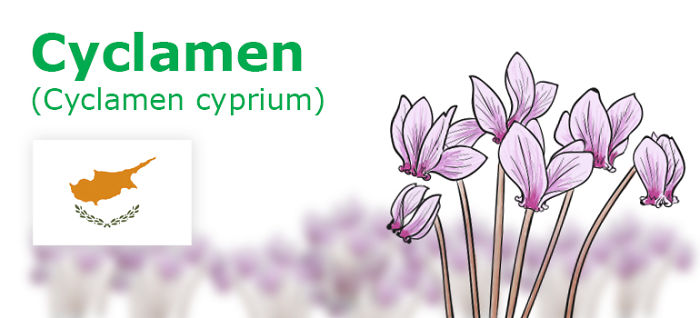
Arguably the most important flower in the Cyprus flora due to its endemic rarity.
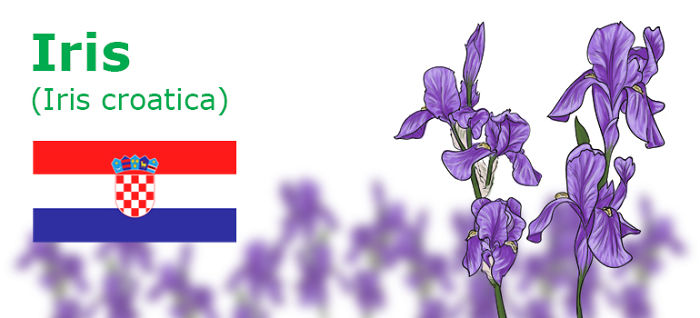
In Croatian, the name of this flower is perunika, coming from the name of the Slavic god Perun. Perun is the highest god in the Slavic mythology, an overlord of thunder and lightning. Hence the belief that perunika grows on the ground that is struck by lighting.
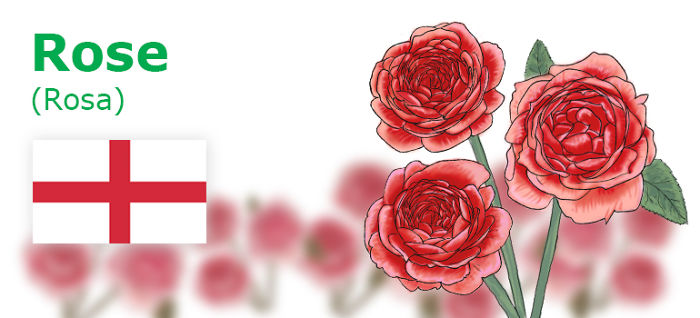
The emblematic War of the Roses between the Royal house of Lancaster (red rose sigil) and the Royal house of York (white rose sigil), marked the adoption of the flower as a national symbol.
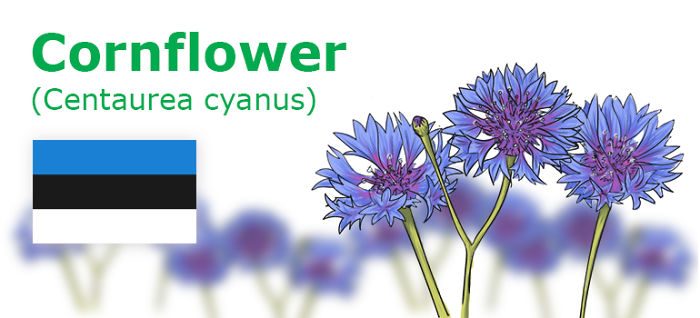
It predominantly grows on rye fields, connecting a strong association with bread in the minds of the folk. Cornflower was elected as a national symbol after a public contest back in 1968.
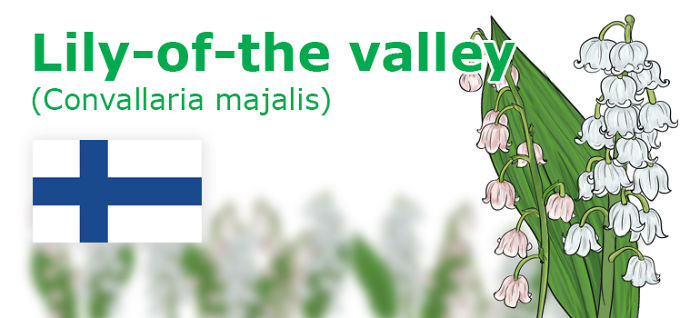
Lily-of-the-valley was chosen as a Finnish national flower as its beauty and sweet scent are well-recognised by the Finns. It can also be easily found at large around the country.
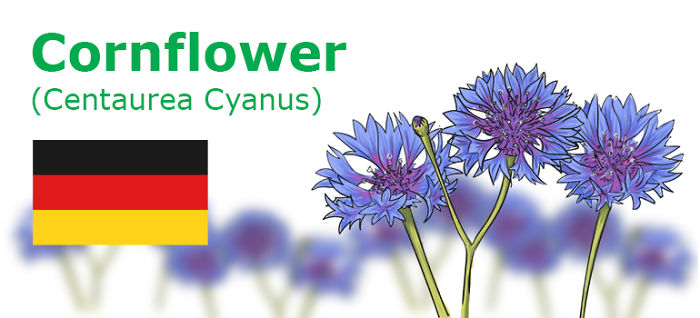
Also known as cyani flower, the cornflower was adopted as a national symbol of Germany in the 1800’s. Its colour is no coincidence – Prussian blue. What’s more, unmarried people at the time showed that they are single by wearing the flower on their chest.
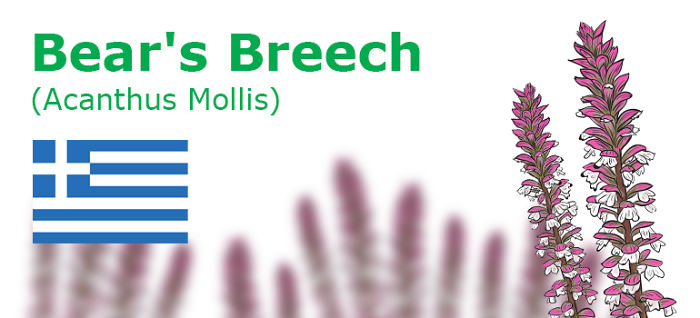
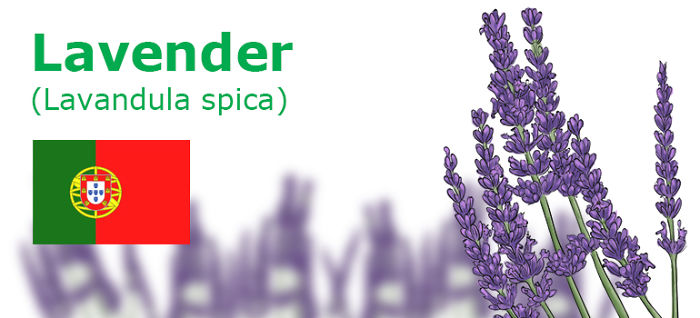
The fresh or dried flower spikes are used in floral arrangements throughout the country.
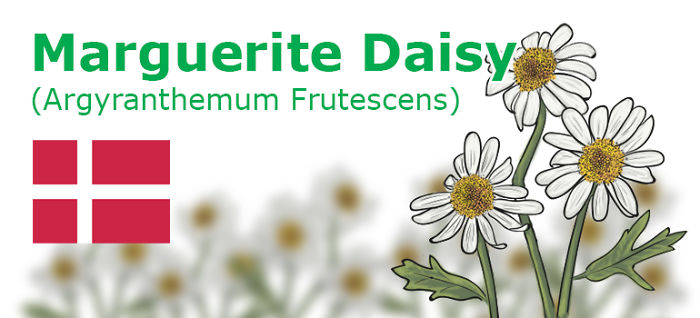
Denmark doesn’t have an official national flower. However, Marguerite Daisy is found and cultivated in excessive amounts in Denmark, is the favourite flower of the queen and hence, it’s often mentioned as a national symbol.
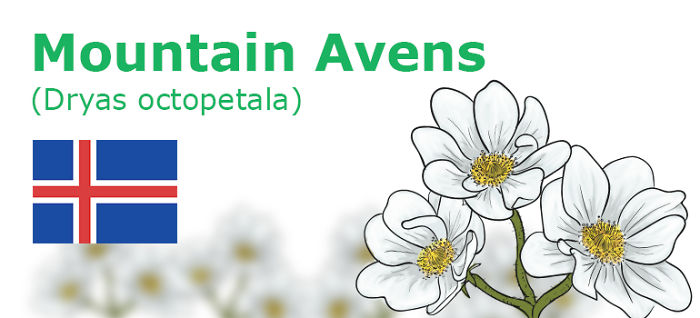
It can be commonly found in Iceland as it grows in heathers and gravely soils.
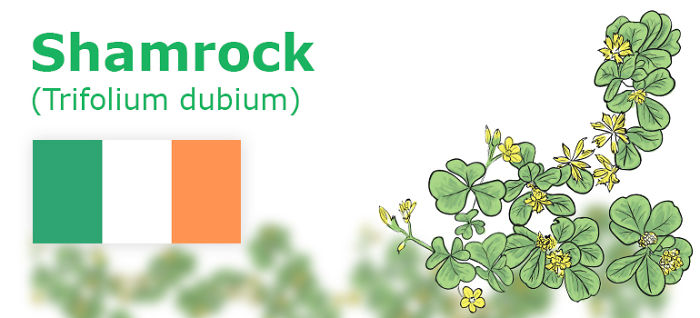
As one of the most well-known national flower symbols, the Shamrock’s legend tells that St. Patrick of Ireland had used it to illustrate the Doctrine of the Trinity – The Father, The Son and The Holy Spirit.
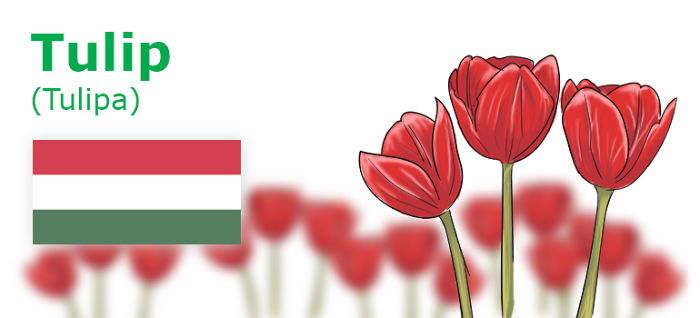
During the Ottoman conquest, the tulip was brought in the country and through it, to other parts of Europe. It was the Sultan’s favourite and it remained a national symbol of Hungary since then.
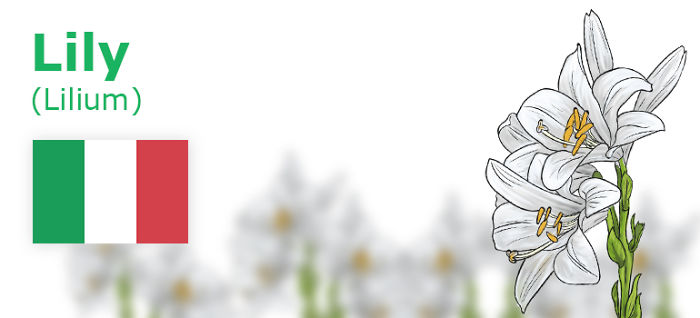
With violet and rose, as other highly popular flowers in the country, Italy’s lily is associated with religion and purity.
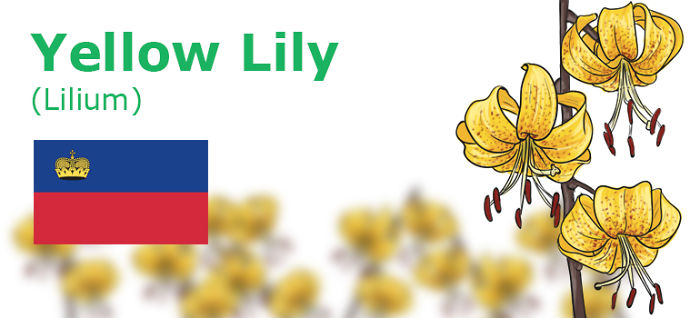
One of the flowers, associated with happiness and joyful people – hence its yellow colouring.
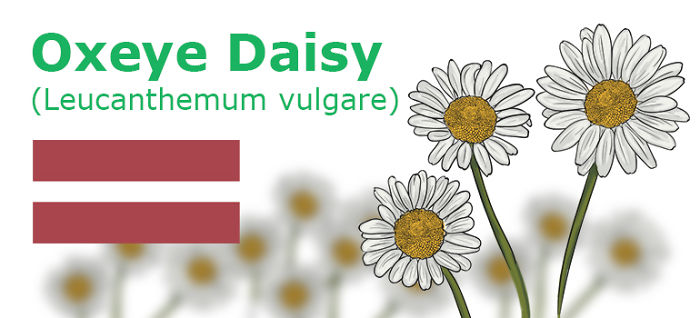
Daisies are a very popular flower in Latvia and are often used in flower arrangements or given as gifts. No doubt they are chosen as one of the national symbols of the country.
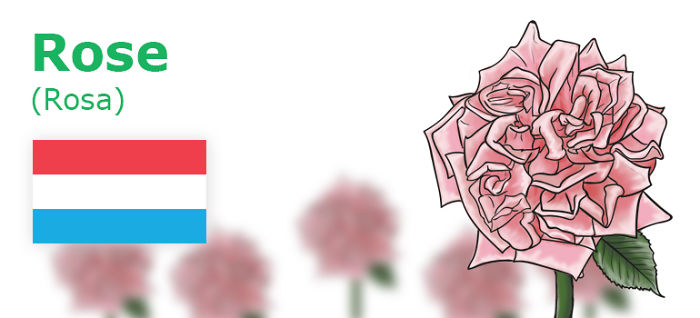
A royal flower for an affluent country, the Rose has been a symbol of Luxembourg for many years.
The poppy can be found on the coat of arms of the country and is widely spread around the fields.
During and after World War I, fields that had been disturbed by battle, bloomed with Corn Poppies, and the flower has become a symbol of that war.
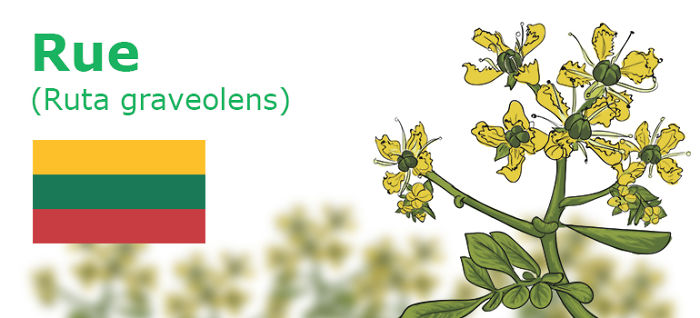
Rue symbolizes virginity and plays an important role in wedding ceremonies in Lithuania. The bride usually wears a wreath of rue.
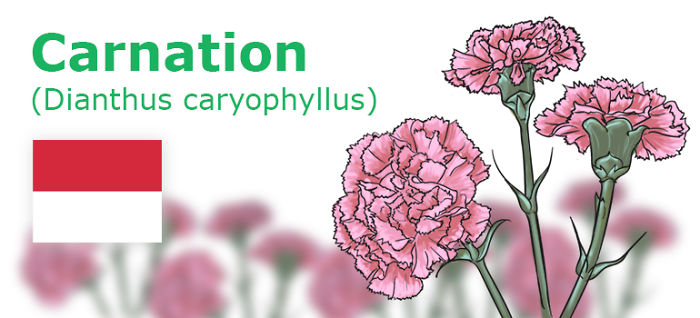
The small but fair country of Monaco chose Carnations – flowers that represent admiration, deep love and affection.
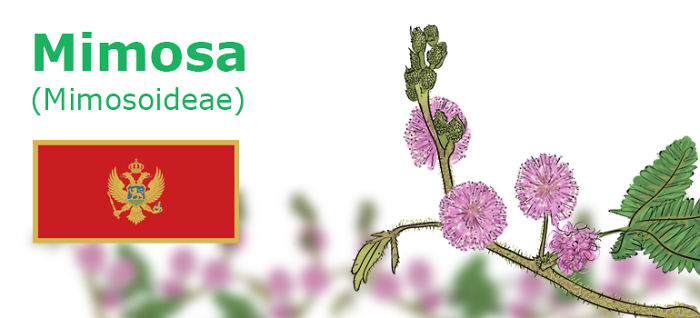
Associated with spring festivities, Mimosa grew freely everywhere around Montenegro for the past couple of centuries. The blossoming flower marks the beginning of the spring season.
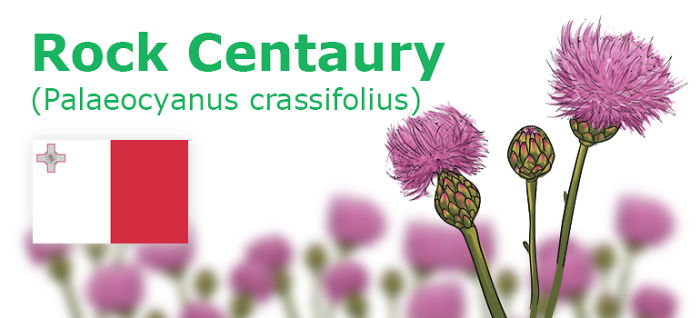
An endemic plant to Malta, and a national flower since 1973.
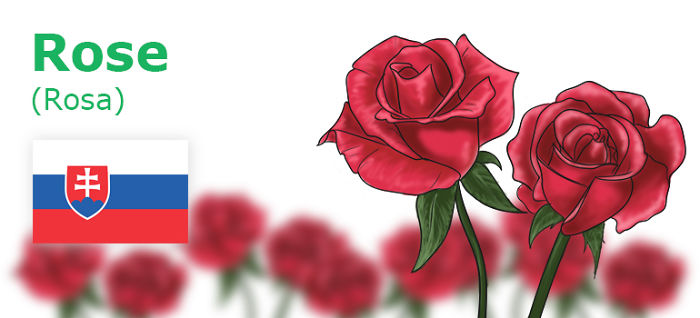
Many countries have chosen the rose as their national flower, and Slovakia follows suit.
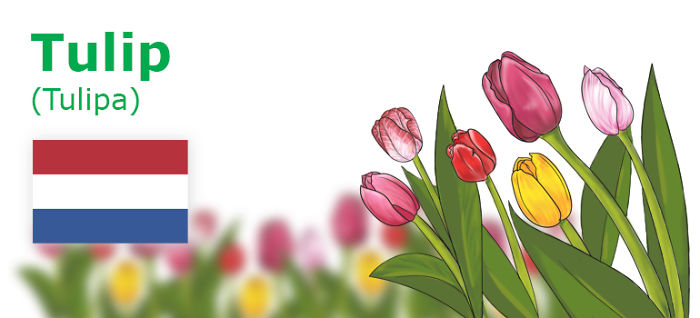
In the 16th and 17th century the Netherlands grew the tulips in such large numbers that they quickly became world famous for the flowers.
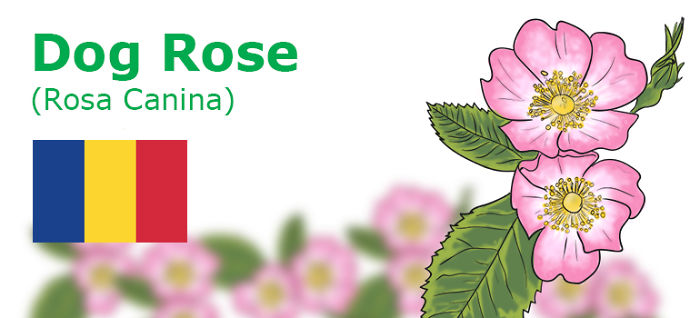
One of the most widespread flowers in the country, the dog rose has many applications in health and beverage industries.
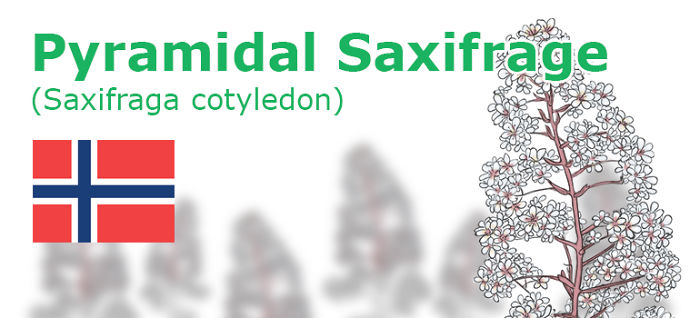
The flower grows well in rough conditions, and can be found even in rock cracks, too. From it, the heather honey is made – it’s incredibly helpful for the urinary system.
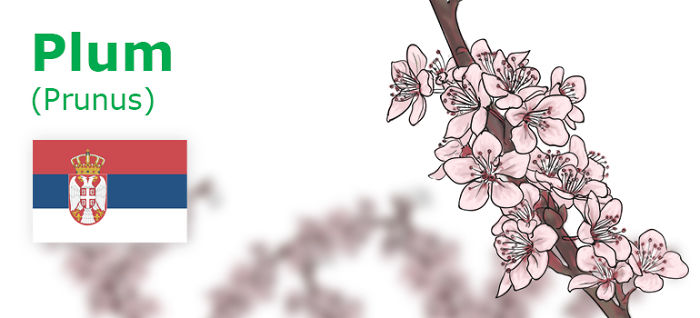
The country adopted the plum as their national plant symbol – it’s fruits and produce are of utmost important to the Serbian culture, particularly for their national drink, Šljivovica.
A flower that represents refinement, grace and elegance, with a certain note of royalty.
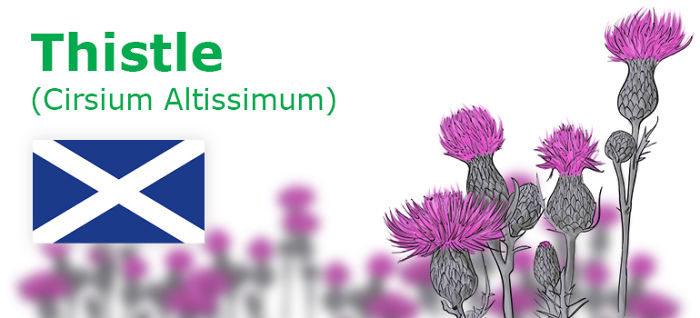
If there’s a first recorded national flower, then the Scottish Thistle is close to winning the race. It’s also one of the easiest to recognise national symbols of the country.
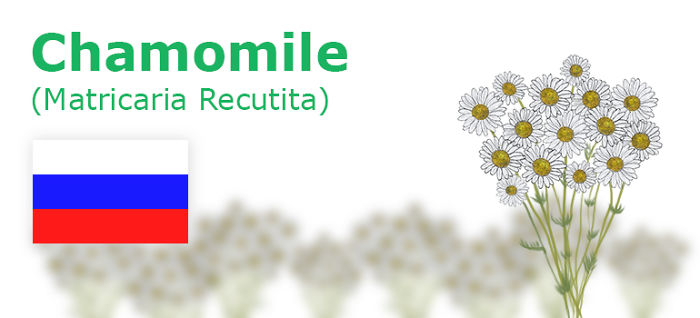
Chamomile is one of the most widespread flowers in Russia. It’s everyone’s favourite and used in preparation of herbal tea, treating conditions such as stress and insomnia.
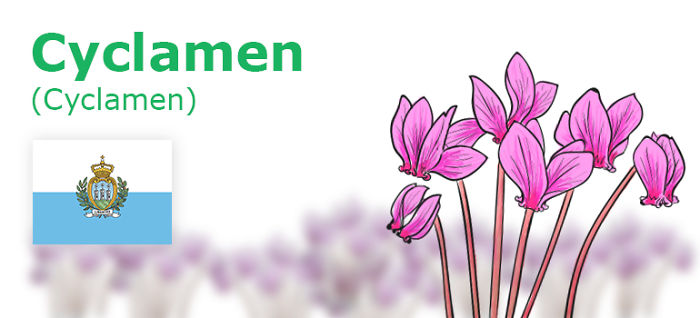
It’s a plant of lasting feelings and love – you will surely feel the same way towards San Marino once you visit this beautiful country.
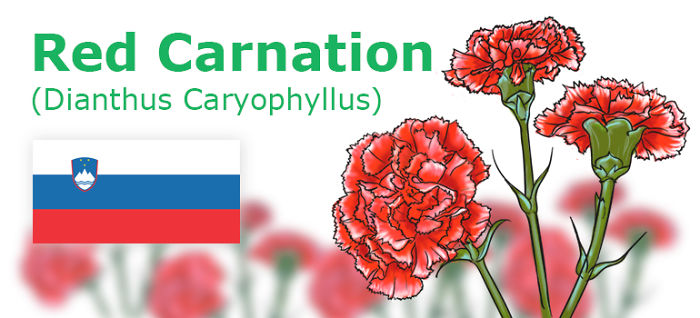
The national flower of Slovenia is the red carnation. The flower, as a whole, is widely spread and grown by Slovenians.
109views
Share on Facebook








































 No fees, cancel anytime




4
0