Get Premium
Dark mode theme is available exclusively for premium users. Learn more about the benefits of subscribing.
No fees, cancel anytime.

 Dark Mode Ad-Free Browsing Unlimited Content
 Ad-Free Browsing Unlimited Content Dark Mode
Join 1.2 million Panda readers who get the best art, memes, and fun stories every week!
Whether you want it or not, the world is in constant motion. New inventions, changing generations, social norms, nature, climate change. It all plays a role, and nothing really stays the same. Some things that we are accustomed to might soon phase out, and we might not even know it yet.
Someone on Reddit asked, “What is something that is basically on life support and we don’t realize it yet?” It sparked a thoughtful conversation about outdated gadgets, old-fashioned tendencies and behaviors, and a few fun observations that rarely get the attention they deserve. Grab your favorite snack and see which submissions make you reminisce about how things used to be.
This post may include affiliate links.
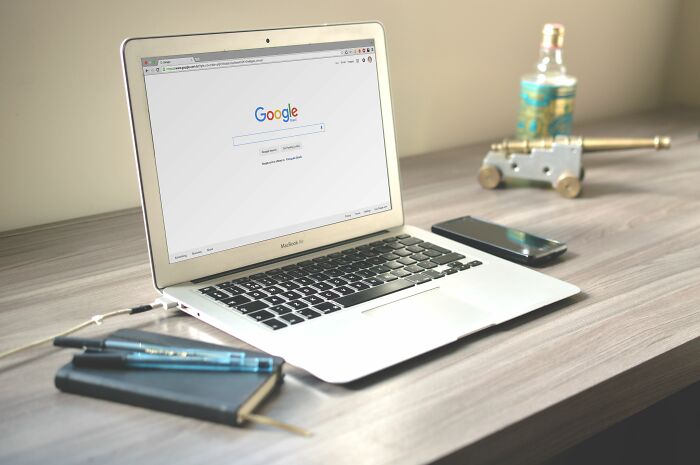 The open internet. It used to be millions of unique, independent websites. Now it’s just 5 giant apps sharing screenshots of each other.

You mean BP reposting Reddit, which is collection of post from other web pages?
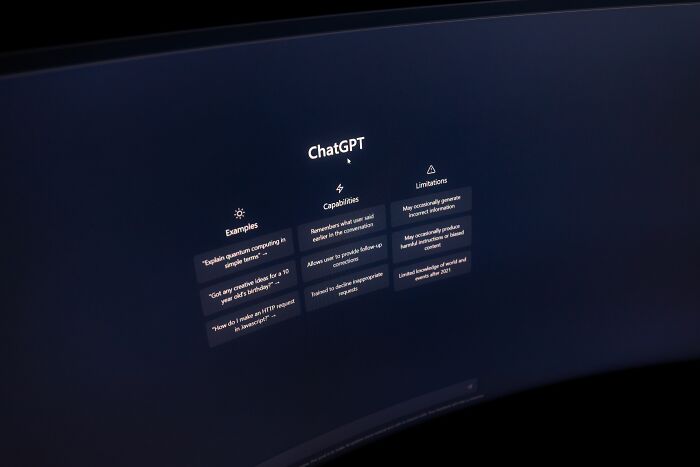 Between climate change and AI, I'm afraid the answer may be us.
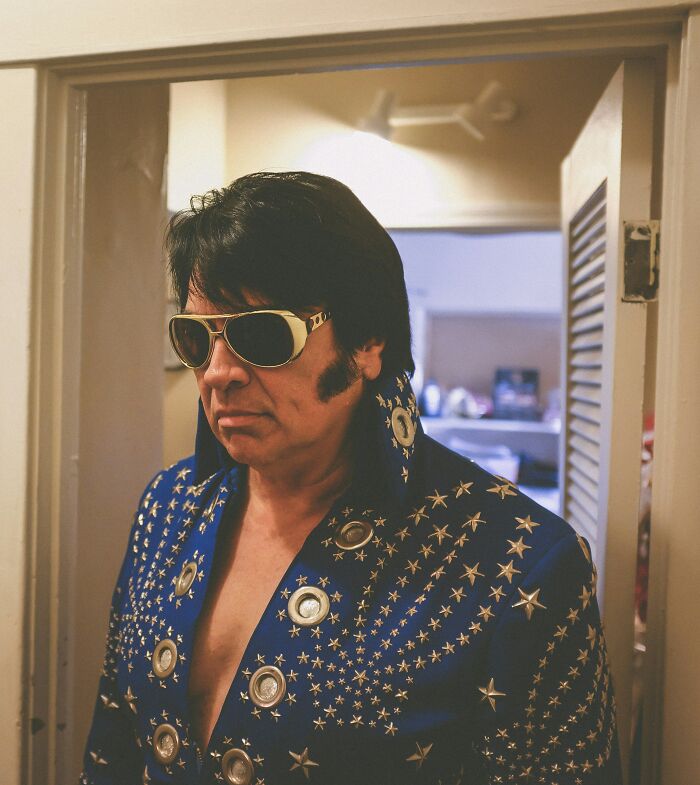 The Elvis impersonator industry.
Reddit389:
Lmao they had an Elvis impersonator at a conference I went to a few weeks back and it was embarrassingly bad I outright felt bad for the guy….80% of the people left before he was halfway through the first song.
Resistance to change is very human, says Alice Boyes, Ph.D. People tend to stick to their favorite brands and see the same specialists, even when mildly dissatisfied. But welcoming some changes into one’s life can have significant benefits. Getting familiar and comfortable with constant change builds creativity, resourcefulness, and resilience to fear of new things.
To embrace change, there’s no need to dive into the deep end right away. Boyes suggest starting with active observation. Note how you react to eventual changes. Are you experiencing fear beforehand? Do you wish you had made the change earlier? These insights could help you set free from bias and make the first move quicker next time. You don’t need to take a big jump out of the comfort zone. It only makes it more likely that you’ll come running back. Take little steps.
 Critical thinking. An shared objective reality where we defer to the facts as they can be known. A shared understanding of language to engage in productive conversations.
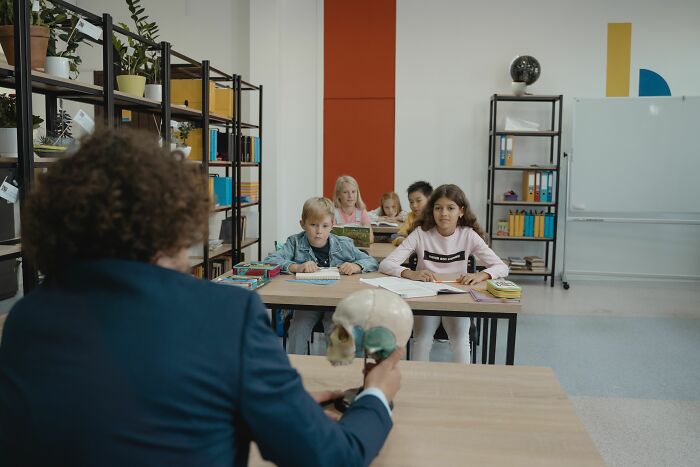 Education. I'm surprised I haven't seen it mentioned yet.
Most public school teachers are running on fumes. They're paid so little and asked to fit an impossible amount of work into their schedule. They have to deal with violent students, kids who are profoundly disabled (because there aren't enough SPED teachers or aides,) kids who are coming to school not potty trained, or not recognizing early concepts like shapes, colors, numbers, letters, often because they didn't attend preschool or were "homeschooled." Most administrators do not have a firm enough stance when these issues arise, and parents are also overwhelmed so they end up not enforcing any consequences at home, and the whole thing has devolved into a [chaos]. Teachers are leaving in droves and schools are closing because enrollment is down, but that means the teachers that remain have even bigger caseloads. When I left teaching a few years ago I knew multiple teachers who'd had mental breakdowns, one was a SPED instructor without a permanent classroom who was asked to float between FOUR different schools.
Private and charter school teachers are paid even less, often because they have fewer educational requirements, but that also means they're even less equipped to deal with the sharp rise in poor behavior, students who are way below grade level, struggling parents, the politics of education.
It's bad out there.
So sad. I can honestly understand home schooling when administered properly.
Another way to welcome more change into your life is to make it routine. Set a goal to alter something every month or quarter. Making a switch can feel like a hassle, but making it routine reduces the effort, Boyes explains. Try switching where you buy groceries, or shopping for different brands of essentials than you usually do. Try taking a different way home, or find a new path to walk the dog. Many small changes will warm you up and help you get used to a more unpredictable lifestyle. You might even encounter pleasant surprises you otherwise wouldn’t know about.
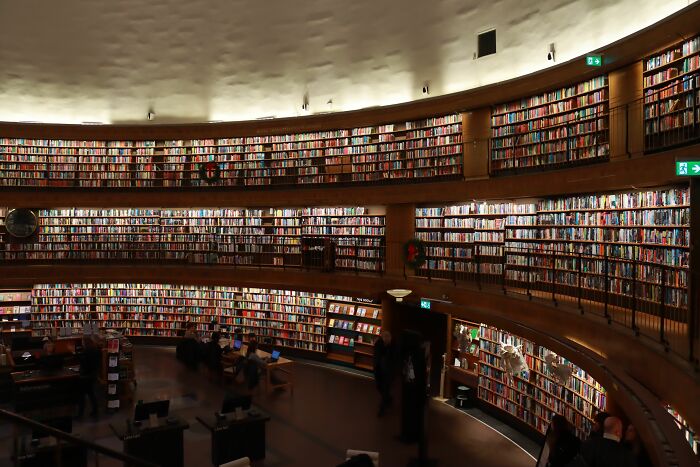 Public libraries. I really hope I’m wrong.
helix400:
Ours has been slowly morphing into a community center of sorts. Rooms for conferences, recitals, study rooms, gaming clubs, kids activities, even a little cafe. The book part is still there, but it's not the main reason why people go anymore.
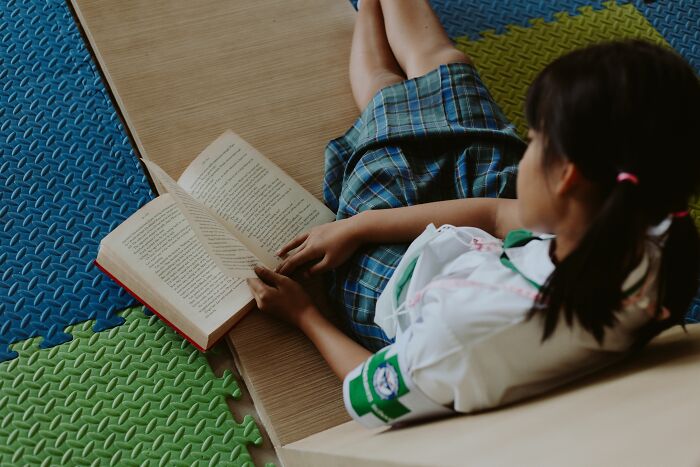 Literacy. In certain areas of the US, only 3% of students are at or above reading levels. Other areas are “as high as” 39% of students. An alarming amount of kids cannot read or write well. And rates are falling, not rising.
Boyes also encourages taking up zany challenges. Try going a week without your most-used ingredients, but keep your diet varied and nutritious. Try swapping your usual workout for other exercises that train the same muscle groups. Try not using your car for an entire weekend outside. Try new whimsical hobbies. Try something crazy. It builds resourcefulness and counters the typical tendency to walk past great opportunities.
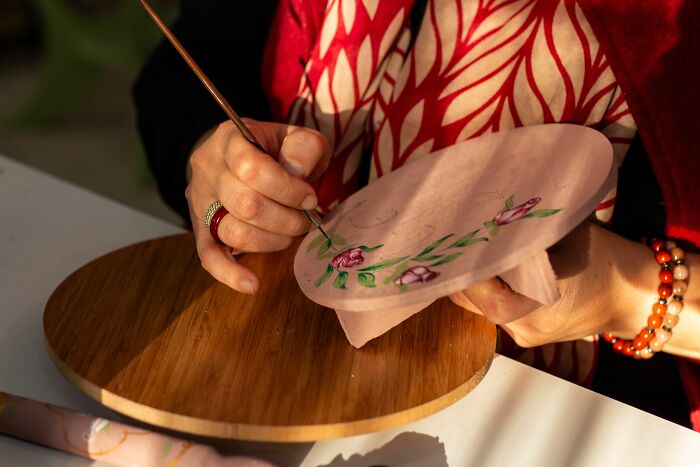 Handmade anything - woodworking, embroidery, music, paintings, etc etc. I get the love of CNC machines and AI for shortcuts, but people, we still need the HUMAN HANDS to do these things.
mikeyfireman:
The problem is the they have made the world so expensive to just survive that no one has time to be a craftsman. On top of that, people don’t have enough extra money to pay for hand crafted items.

I'm a calligrapher as a hobby and a side hustle. Think wedding invitations and such. I don't need the money other than motivation to do 100 of the same thing. My name was referred to a bride from a former customer and when she heard the quote, "I can have them printed for 1/20th of that cost" "Yes ma'am, you certainly can, but hand lettering on hand-made Indian cold press costs."
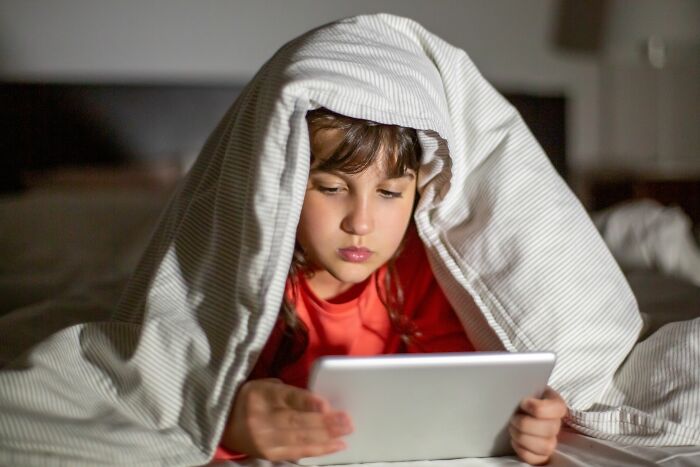 Although on one hand it's amazing to have quick connections with people from all over the world, human attention spans and genuine face-to-face conversations are definitely on life support...!!!
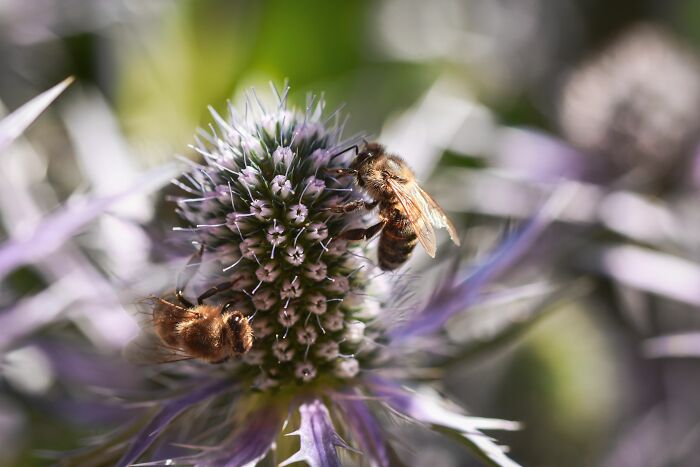 Bees! Their habitats have been destroyed and now they are a rare sight in the wild indeed. Honey bees are effectively farmed for honey and so while they are unlikely to go extinct the population drop has been dramatic.
Well I'm doing my part there are five honeybee hives in my back yard.
To counter biases that keep you from allowing change, Boyes recommends asking yourself clarifying questions. For example, if you fear letting go of a subscription service, ask yourself, “If I were given $20 to spend on anything, would I renew this subscription or get something else?” If you’re afraid of judgment, ask yourself, "How would I view this situation if someone else made this choice?" It lets you think from a fresh perspective and adopt a mindset open to new experiences.
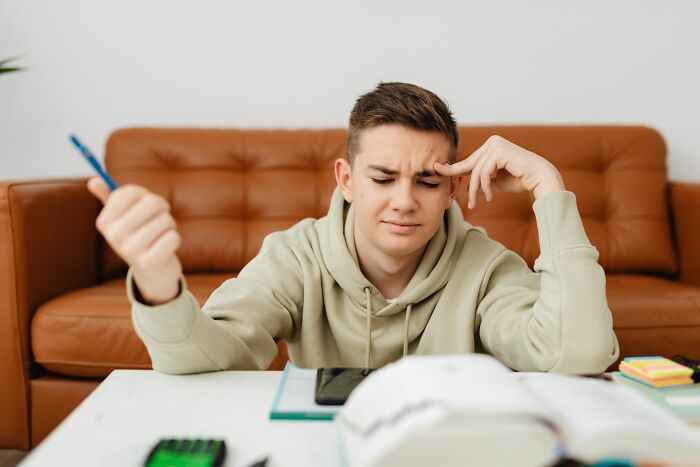 Attention span.
My students are all adults and post-covid continuing education passing rates are the worst I've ever seen in our program.
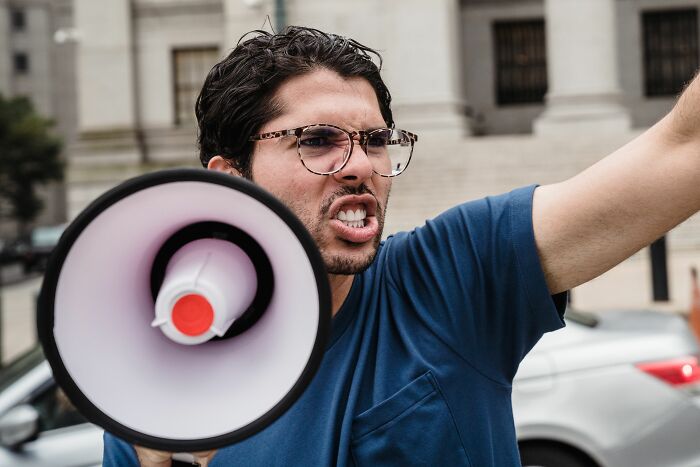 The social contract.
utahh1ker:
This is so depressing but spot on. I see people behaving despicably on the regular now. It's only a matter of time until people throw social norms away for the sake of self-preservation.
The_Tooter_Snooter:
think we’re on that slippery slope. People are getting burned out “being the only one doing the right thing”. I mean, I’ll never stop returning my shopping cart but I get it.
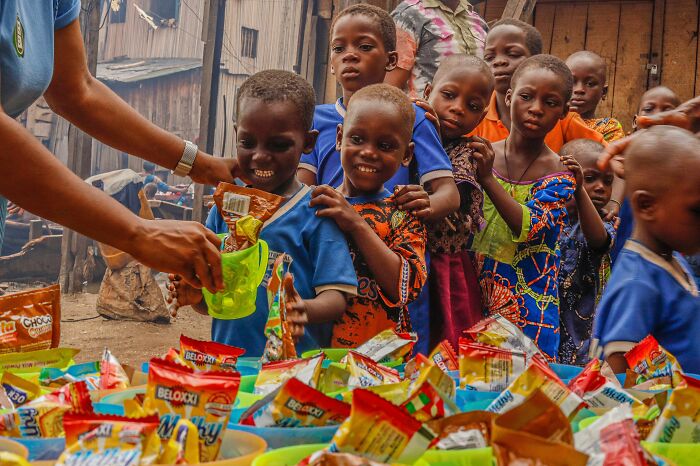 Social service/safety net programs. Considering a lot of the people who work these humanitarian services also still *live* within them (if you ever go into this sector "for the money" you won't find it) this is going to spell disaster.
Rollthembones1989:
The worst thing is that these programs are there for the most vulnerable but any safety net/social service is bashed as handouts to the lazy.
If you face changes you didn’t choose for yourself, don’t turn your back on them right away. Boyes says that new constraints usually force creative choices. There might be a lot to learn from that new way of doing things at work that you just can’t stand. Even if there’s no obvious reason to go on, working around unwanted changes teaches creativity and adaptability. It breaks you out of the rigid mold that hurts you when change inevitably comes your way and lets you flow freely. Adverse changes don’t always come with an upside, but you can try creating one. See where it leads.
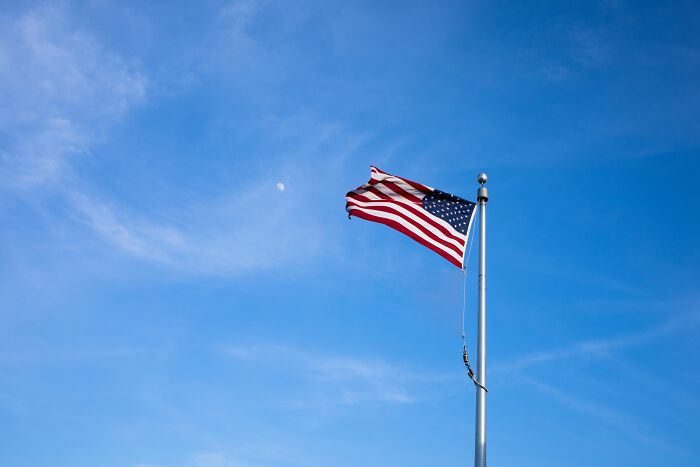 America.
HashRunner:
Was gonna say the same.
Republicans gutted this country and destroyed all international goodwill and trust. Would take decades to restore, at best.
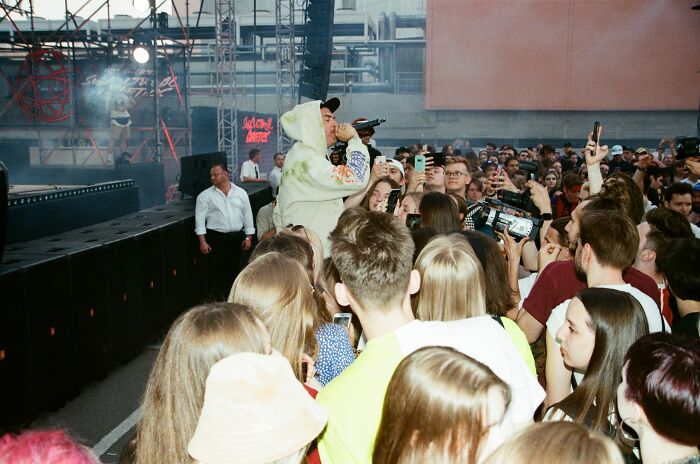 The rap game.
Edawg661:
Yeah, it all sounds the same. Autotuned rapping about trapping. Rhyme scheme’s no longer matter. Just throw in some r&b sounding emo singing parts in it.
Older rap where it's just people bragging on how b****s they are was so original.
Humans are made for a changing world, says Glenn Croston, Ph.D. He believes that human evolution and tool development are driven by huge changes in our environment. Research suggests that periods of climate change millions of years ago coincide with the appearance of the first stone tools. Massive, world-changing events would later push human evolution again, but innovation didn’t occur nearly as much during stable times in human history.
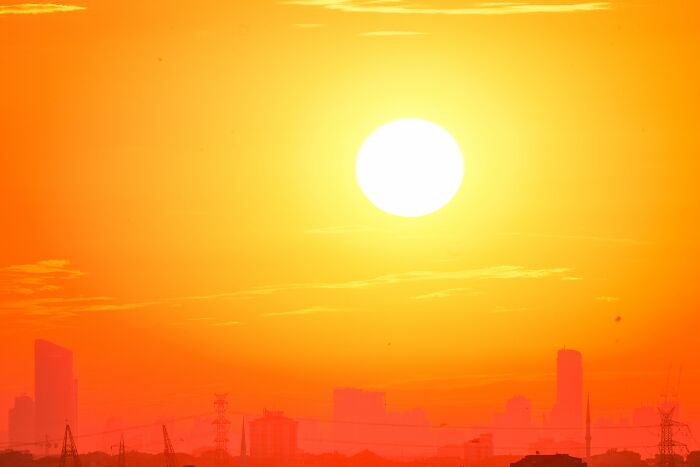 The climate. We have known for years that we have to keep annual warming below 1.5°C to avoid major loss of life and habitats, but the big Orange clown has helped speed run as to that number within the decade.
The UN has basically said it's impossible to avoid this future so we are going to have to work on mitigating the damage and maybe dip below 1.5 again by the end of the century.
Millions of lives will be lost, climate refugee crises around the world, and distuptions to our food supply are coming. This is being optimistic that we only hit 1.8°C and not the mode realistic 2.3°C.
 Antibiotic resistance (Antimicrobial resistance (AMR))
Too few new antibiotics are being developed to replace those that no longer work, leaving fewer treatment options for people with medicine-resistant infections.
Access to clean water.
Courts have already ruled in the US that clean water is not a human right. We’re in some very dangerous territory imo.

They buy it from clean countries like mine (Canada - the most number of lakes in the world.)
The success of the human race likely stems from its outstanding resourcefulness and ability to adapt. So don’t fear change. We’re likely to adapt and overcome it. That’s what we’re made for!
What’s the toughest change you’ve faced? Do you miss an older way of doing things? How have you adapted to an ever-changing world? Share your wisdom in the comments! Someone might need it more than you realize.
 Cognitive labor.
JZMoose:
I doubt it. I work in a niche consulting area and AI will never replace the human component.
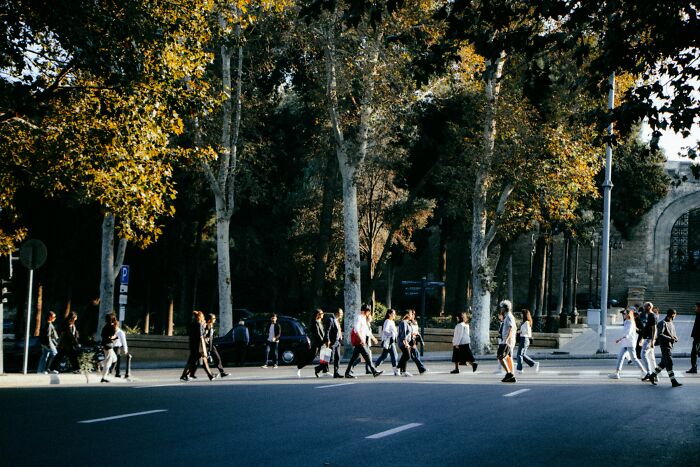 Modern Society. We ignore clear threats to us that we have caused, and we don't care cause of money. It will do us in, our time is limited.
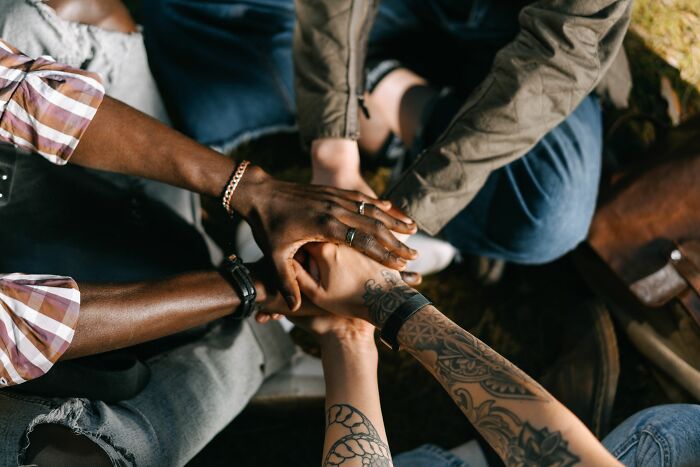 Communities. And I’m not talking about simple small towns. I mean those places where your neighbors were like family, and people genuinely cared about one another.
Those places where raising a kid was basically a shared responsibility and there was always that guy that helped you with the right tools.
 I'm going to go with family recipes. I was watching an old cooking show recently and heard a chef say "I don't put lasagna on my menus because everyone has a grandma or aunt who makes it a very specific way that's they're favorite". I notice more and more people being unable or unwilling to cook and the rise of delivery and meal kits and microwave meals that I genuinely think we're about to lose a ton of great family cooking.
I work as AM for one of the food delivery service. I never used it, neither any other competitors.
News Literacy. Regardless of what side of the socio-political spectrum you’re on, having the ability to digest news from multiple/opposing sources and use critical thinking to evaluate them is a dying craft. Everyone is entitled to an INFORMED opinion, not just an opinion.
 Maybe not life-support exactly but air travel feels about as strained as I can remember it ever being in 20-odd years of traveling frequently for work. This year in particular I think I have had more delays (with weirder causes) than any year I can remember and at the same time it feels like every piece of the system is understaffed and overworked in a way that makes problems spiral more easily. All while it has gotten significantly more expensive besides. Not to mention it's also all the cottage industries that exist around air travel that seem similarly strained. Hotels and transport and the likes also seem hanging on threads.
 Single seniors in the US. I know so many who don’t own their own home and who’s monthly Social Security amount is $1,700~ before the $200~ Medicare premium is deducted. They either don’t have or don’t have enough in their 401K, and their children can’t afford to help. It’s sad watching them unable to afford basic rent, food, medical needs, utilities and transportation.
Civic groups, be it church/faith groups, unions, working man’s clubs, women’s institutes, etc. Gordon Brown covers it in his new book and explains how it’s led to isolation in society.
United States Air Traffic Control system. Nearly 60% of the workforce is eligible for retirement in the next decade and certification cannot keep up with the losses. Pay is not competitive enough to entice high level candidates.
Medicare/Medicaid and Social Security, both of which are forecasted to become insolvent within 10 years, potentially by the first year of the next president's term.
Teaching, schools and colleges, museums, libraries, archives, all the arts and humanities, anything that has no immediate ability to be converted to money. For the record in the early 70s Steve Jobs was an English major and didn't own a phone.
Las Vegas as a destination, or at least casinos there.
-People have no money.
-You can gamble anywhere including an app on your phone 24/7
-"What happens in Vegas stays in Vegas" not true in social media / constant video culture. Don't party too hard or you'll end up on a stranger's Tik-Tok being laughed at by a million people!
Physical media. Regardless of how you choose to consume entertainment, whether it be movie's, videogames, or music, people like the novelty of owning a physical copy of it. In the case of videogames, people like owning collectors editions that come with books, figurines, and other memorabilia.
Tomorrow's gamers might not know the joy of having a poster or shelf decor they got from a Physical copy of a game.
Buffet Style Restaurants. Buffet style restaurants have been [struggling] for years and once gone the joy of an half meat, half chocolate cake dinner plate go with them. No more endless Crab Ragoons, no more mystery chicken noodles, no cold pre-sliced baked ham, none of it! We are on the verge of gluttonous extinction and no one even sees it coming!
Try the Midwest. There are still tons. Heck there is a guy that does nothing but go to Chinese buffets on tic tok. There is also a pizza hut with a lunch buffet near me.
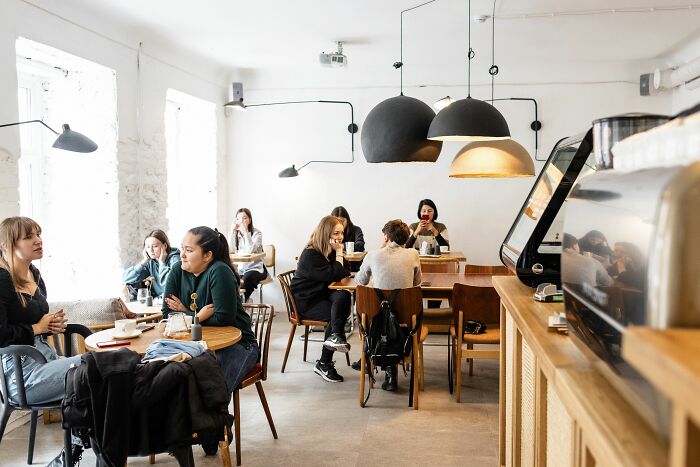 Third spaces.
operafromeden:
I went around to different cafes and book stores today trying to find a place to study and NONE OF THEM HAD OUTLETS IN THE SEATING AREA? Like sorry as a grad student I need my laptop to have juice. It’s almost like they don’t want us there :(
I would’ve ordered like three coffees and lunch too.
Our freedoms in the US. Despite our constitutionally protected rights the SCOTUS has carved out so many exceptions that government has practically carte blanche to trample over any rights it decides to.
Farming (as in the big fields of one crop all over the US). It cannot exist without massive subsidies and the actual farmers are working for smaller and smaller returns and more debt.
I desperately wish someone could figure out how to effect a paradigm shift toward vertical farming (fully enclosed hydroponics) because it's a win/win/win/win situation.
Loosely explained:
1. sell farmland back to states so they can reestablish habitats and green spaces = better for everybody
2. no more big expensive machinery eating up dollars in the form of fuel, maintenance, insurance and taxes. also no more of said vehicles clogging the roads.
3. no more seasonal crops. you can work a fully enclosed climate-controlled farm every single day of the year, so your yield becomes (at the very least) quadrupled.
4. no more worry about drought, disease, pests, storms or seed drift
5. with hydroponics you literally control every drop of water so none is wasted
6. you get to employ techs and reap the benefits of small business ownership (republicans love that)
7. no more fertilizers/pesticides and no more dependency on monsanto and other massive soulless corporations for your seed
8. no more chemical runoff into local waterways that eventually makes it down to the gulf and destroy the fishing industry down there. also no more dust pollution from harvest days (trust me, that is awful).
9. the ability to completely control your crops and grow many different things in one facility, so you can actually sell to your local markets and not have to contract your labor and yield to a giant company that will just ship it far away anyway
10. the ability to market everything you grow as "organic"
There are probably other benefits, but I am going on already. This would solve SO many problems, but it's a very difficult transition for someone to contemplate, much less the entire industry.
Now where is all that power to operate it come from? Some crops need a set amount of light amounts to grow. Where does the money to fund these large grow houses come from? This high cost makes it impossible for the independent farmer to exist. This would put corporations firmly in control of our food supply and the government would not be any better one bad decision could jeopardize the whole thing.
The for-profit news industry. Not just print newspapers, which we've known to be on life support for a long time. Print is largely [gone], and what little money corporations could squeeze from web traffic and digital subscriptions is cratering as search engines pivot users toward AI information.
 Internet forums.
I don't know if it counts though, because they have been [gone] for 15 years. Reddit is the exception.
Nope. Tons are still around. I get almost all of my vehicle repair advice from a huge one dedicated to just one model.
About 40% to 50% of Universities in America. Gone are the days of a University on every street corner or in every medium-sized city. We are going back to the large cities and major state-supported schools, existing, not the smaller local ones.
The American health care system.
We can only hope: rated among the worst in the world considering the wealth of the nation.
2/3 of the population in America are broke. The cost of living will continue to rise, food, just having a roof over your head, the basic necessities will out pace the avg wage.
Harley-Davidson. When the Boomers are gone, they’re gone.
Fax machines! If only the healthcare industry finally decided to drop it once and for all...
The police use it too. The only reason they do exist is that the info goes from machine to machine. It is scanned sent then the sending machine "forgets" it the receiving machine receives it and prints then "forgets" it. It is harder to intercept as the machines only talk to each other while transferring the data and the information is not sitting on a server somewhere that could be hacked.
The United States Treasury and IRS. No going back to what we had and no one outside realizes that the US won’t be collecting anywhere near the same revenue for at least a decade.






 No fees, cancel anytime