Get Premium
Dark mode theme is available exclusively for premium users. Learn more about the benefits of subscribing.
No fees, cancel anytime.

 Dark Mode Ad-Free Browsing Unlimited Content
 Ad-Free Browsing Unlimited Content Dark Mode
Join 1.2 million Panda readers who get the best art, memes, and fun stories every week!

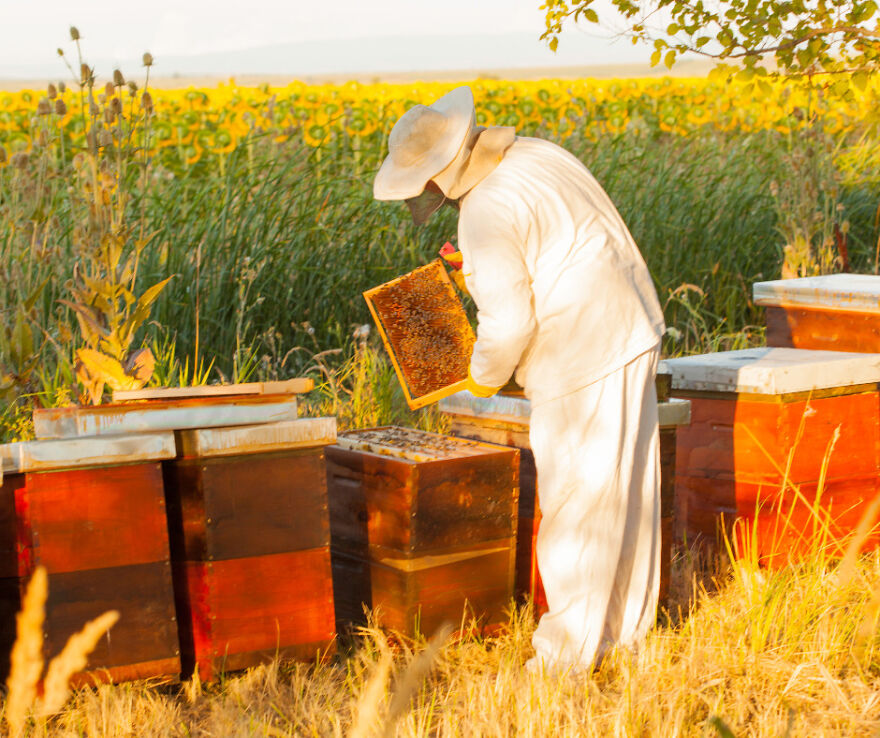
Beekeeping is an ancient practice that has gained significant importance in recent times due to the crucial role bees play in pollination and the overall health of our ecosystems. As beekeepers, it is our responsibility to ensure the safety and well-being of both ourselves and the bees. One essential tool in beekeeping is the beekeeper suit, a protective gear designed to shield beekeepers from potential hazards during hive inspections and honey extraction. In this article, we will highlight the importance of beekeeper suits and the role they play in preventing injuries and promoting successful beekeeping practices.
Protection from Bee Stings:
Bees are naturally defensive creatures, and they can perceive even the slightest threat to their hives. When a beekeeper approaches a hive without proper protection, they become susceptible to bee stings. Bee stings can cause severe pain, allergic reactions, and in some cases, even life-threatening conditions. A beekeeper suit acts as a barrier, preventing direct contact between the bees’ stingers and the beekeeper’s skin. By wearing a suit, beekeepers significantly reduce the risk of painful stings and potential allergic reactions.
Minimizing Disturbance:
When beekeepers open hives for inspections or honey extraction, they disrupt the bees’ routine. This disturbance can trigger defensive behavior, leading to aggressive swarming or stinging. A beekeeper suit, along with other protective accessories such as gloves and veils, provides a calm and secure environment for both the beekeeper and the bees. By minimizing disturbances and maintaining a peaceful atmosphere, beekeepers can carry out their tasks more efficiently and safely.
Preventing Contamination:
Beekeeper suits also play a crucial role in preventing contamination. Bees are highly sensitive to foreign smells and chemicals. When a beekeeper wears a suit, it acts as a protective barrier, preventing the transfer of scents, chemicals, or contaminants from the outside world to the hive. This helps maintain the overall health and hygiene of the bees and their honey production.
Psychological Comfort:
Beekeeping can be an intense and challenging endeavor, especially for beginners. Wearing a beekeeper suit instills a sense of confidence and reassurance in beekeepers, allowing them to focus on their tasks without fear of stings or injuries. The suit serves as a psychological shield, enabling beekeepers to work calmly and diligently, which ultimately leads to better beekeeping practices and outcomes.
Conclusion:
Beekeeper suits are a vital component of beekeeping equipment. They offer crucial protection against bee stings, minimize disturbances, prevent contamination, and provide psychological comfort to beekeepers. By emphasizing the importance of wearing proper protective gear like beekeeper suits, we can promote safe and responsible beekeeping practices. Remember, prevention is the key to successful beekeeping and fostering a harmonious relationship with these incredible pollinators.
More info: bebeesuit.com
Beekeeping is an ancient practice that has gained significant importance in recent times due to the crucial role bees play in pollination and the overall health of our ecosystems. As beekeepers, it is our responsibility to ensure the safety and well-being of both ourselves and the bees. One essential tool in beekeeping is the beekeeper suit, a protective gear designed to shield beekeepers from potential hazards during hive inspections and honey extraction. In this article, we will highlight the importance of beekeeper suits and the role they play in preventing injuries and promoting successful beekeeping practices.
Protection from Bee Stings:
Bees are naturally defensive creatures, and they can perceive even the slightest threat to their hives. When a beekeeper approaches a hive without proper protection, they become susceptible to bee stings. Bee stings can cause severe pain, allergic reactions, and in some cases, even life-threatening conditions. A beekeeper suit acts as a barrier, preventing direct contact between the bees’ stingers and the beekeeper’s skin. By wearing a suit, beekeepers significantly reduce the risk of painful stings and potential allergic reactions.
Minimizing Disturbance:
When beekeepers open hives for inspections or honey extraction, they disrupt the bees’ routine. This disturbance can trigger defensive behavior, leading to aggressive swarming or stinging. A beekeeper suit, along with other protective accessories such as gloves and veils, provides a calm and secure environment for both the beekeeper and the bees. By minimizing disturbances and maintaining a peaceful atmosphere, beekeepers can carry out their tasks more efficiently and safely.
Preventing Contamination:
Beekeeper suits also play a crucial role in preventing contamination. Bees are highly sensitive to foreign smells and chemicals. When a beekeeper wears a suit, it acts as a protective barrier, preventing the transfer of scents, chemicals, or contaminants from the outside world to the hive. This helps maintain the overall health and hygiene of the bees and their honey production.
Psychological Comfort:
Beekeeping can be an intense and challenging endeavor, especially for beginners. Wearing a beekeeper suit instills a sense of confidence and reassurance in beekeepers, allowing them to focus on their tasks without fear of stings or injuries. The suit serves as a psychological shield, enabling beekeepers to work calmly and diligently, which ultimately leads to better beekeeping practices and outcomes.
Conclusion:
Beekeeper suits are a vital component of beekeeping equipment. They offer crucial protection against bee stings, minimize disturbances, prevent contamination, and provide psychological comfort to beekeepers. By emphasizing the importance of wearing proper protective gear like beekeeper suits, we can promote safe and responsible beekeeping practices. Remember, prevention is the key to successful beekeeping and fostering a harmonious relationship with these incredible pollinators.
More info: bebeesuit.com
 No fees, cancel anytime



1
0