Get Premium
Dark mode theme is available exclusively for premium users. Learn more about the benefits of subscribing.
No fees, cancel anytime.

 Dark Mode Ad-Free Browsing Unlimited Content
 Ad-Free Browsing Unlimited Content Dark Mode
Join 1.2 million Panda readers who get the best art, memes, and fun stories every week!
The Bodega Cat Is Having A Legislative Moment
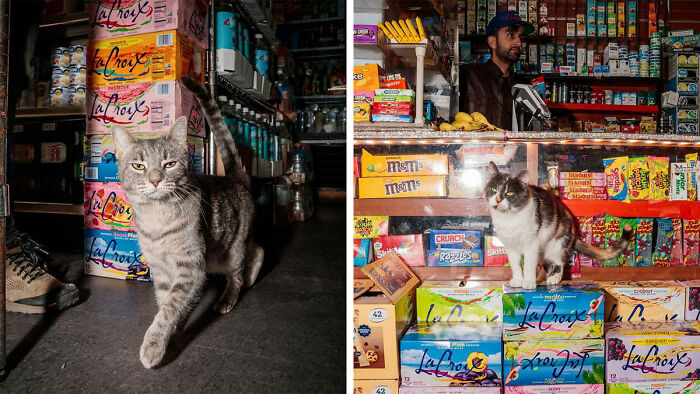
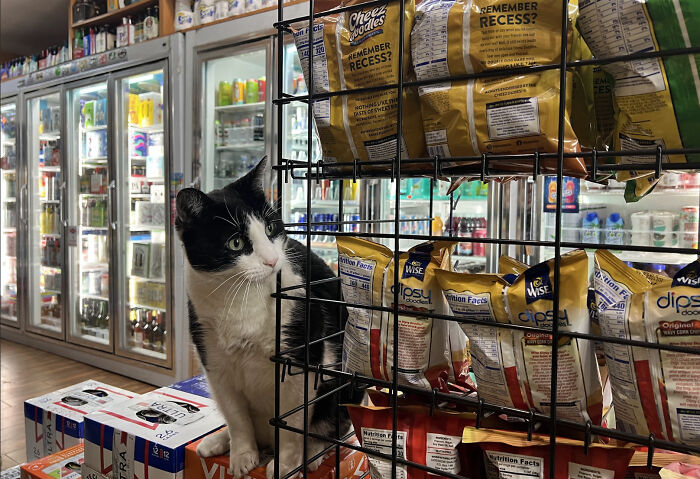
On November 12, Councilmember Keith Powers filed Int. 1471, the first bill in New York City history aimed at protecting cats in retail food establishments. The legislation would stop city agencies from penalizing stores for keeping working cats and create free vaccination and spay/neuter programs.
This didn’t happen on its own.
Change.org petition with over 13,000 signatures
In January, we launched a petition on Change.org asking the city to create a legal category for bodega cats. Classify them as working animals. Stop fining owners who keep healthy, vaccinated cats. Support voluntary partnerships with rescues and vet clinics. Over 13,000 people signed.
In April, we formed the Bodega Cat Collective with @bodegacatsofinstagram, @shopcatsshow, and @bodegacatspirits, the largest bodega cat accounts on Instagram. Together, we launched a fundraiser that raised $7,400 for six rescue groups doing the actual work: Bronx Tails Cat Rescue, Catstoria Rescue, Sassee Cats and, Bronx Community Cats.
NPR covered it nationally. Jeff Lunden came to Brooklyn and walked through bodegas with us. The piece aired on Morning Edition and All Things Considered. He disclosed in the story that he’d signed the petition.
More info: bodegacatsofnewyork.com
By June, Councilmember Powers reached out. We worked with this office to shape the idea. On November 12, Int. 1471 was filed with five co-sponsors.
The legislation exists because people showed up. The signatures, the donations, the coalition, the press. That’s what moved it from idea to introduced bill.
But 2025 wasn’t just about policy wins. It was also about loss.
On June 27, a cat named Freddy was killed outside Michelle’s Flowers in Washington Heights. He’d been the shop cat there since 2020, when the owners rescued him. According to witnesses and surveillance video reviewed by Cat Collective NY, two pit bulls mauled him while their owner and bystanders watched and cheered.
I told the New York Post it was evil. I still think that’s the right word. Someone deliberately set dogs on a defenseless cat while people laughed. The store owner collapsed in tears when he got the news. Volunteers spent $400 to cremate Freddy’s remains with dignity.
What made it worse was the legal reality. An NYPD spokesperson said “harm or death to an animal caused by another animal is not a criminal matter.” There was nothing to charge. No accountability. A state bill called Penny’s Law, which would close that loophole, remains stalled in Albany.
Freddy’s death exposed how little protection these cats have. Int. 1471 won’t fix everything. But it’s a start.
Four months later, San Francisco learned the same lesson.
On October 27, a gray tabby named KitKat was killed by a Waymo robotaxi outside Randa’s Market in the Mission District. He’d been there six years. Neighbors called him the Mayor of 16th Street. Within hours, people started building an altar on the sidewalk. Marigolds. Candles. Kit-Kat bars. Tequila. A portrait of the cat wearing a crown. The shrine kept growing for weeks.
“He was a special guest,” owner Mike Zeidan told reporters. “Made for a store like this. Friendly with everybody.”
I never met KitKat. But I’ve met hundreds of cats like him. I’ve spent four years documenting working cats across New York. The grief coming out of the Mission District is familiar. It’s the same grief I’ve seen in neighborhoods across this city when a bodega cat dies.
Supervisor Jackie Fielder used KitKat’s death to push a resolution giving local voters control over autonomous vehicles. It hasn’t passed. But two weeks later, Int. 1471 was filed in New York. Two coasts. Two legislative responses. The same recognition: these cats matter enough to protect.
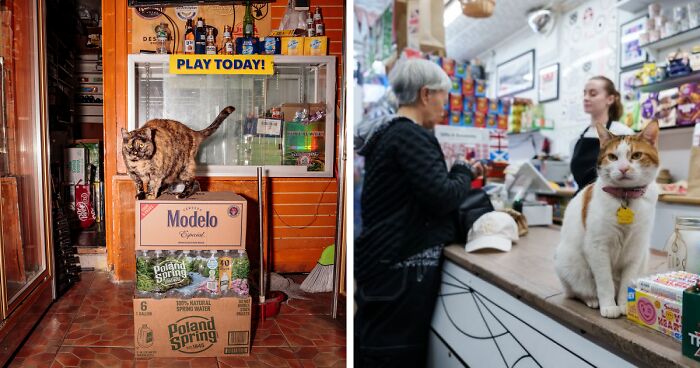
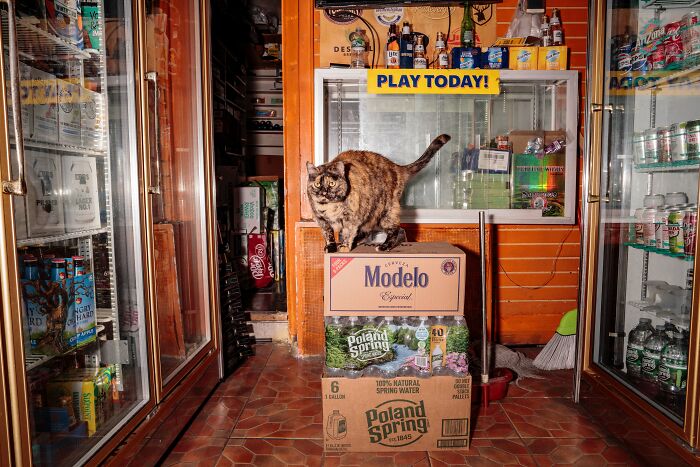
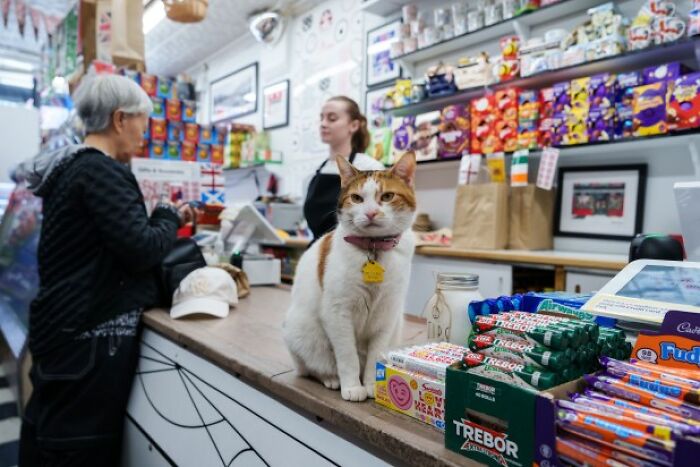
This is how bodega cats work. They start as rodent control. They become infrastructure. The neighborhood claims them without anyone signing paperwork.
In New York, health code says no animals in food establishments. Fines run $200 to $2,000. Owners keep the cats anyway, because the cats work. The city tolerates something it has never officially acknowledged.
Int. 1471 tries to change that. The bill wouldn’t override state regulations, so full legalization still requires Albany. But it’s the first time New York has formally recognized that working cats serve a purpose.
A month after KitKat’s death, Randa’s Market got a new cat. Her name is Coco. She’s six months old, white with blue eyes. Customers voted on the name via Instagram poll.
“There won’t be another KitKat,” one customer said, “but she’s bringing a spark back to the neighborhood.”
That’s the cycle. A cat dies. The neighborhood grieves. A new cat arrives. The store stays open. The continuity holds.
The legislation will take time. Int. 1471 still needs to clear committee. Albany might never act on Penny’s Law. But the conversation has started.
Freddy didn’t know he’d become part of a legal debate. KitKat didn’t know he was part of a political moment. They just knew their blocks, their routines, and the people who stopped to say hello.
The rest of us are finally catching on.
175views
Share on Facebook








 No fees, cancel anytime





15
2