Get Premium
Dark mode theme is available exclusively for premium users. Learn more about the benefits of subscribing.
No fees, cancel anytime.

 Dark Mode Ad-Free Browsing Unlimited Content
 Ad-Free Browsing Unlimited Content Dark Mode
Join 1.2 million Panda readers who get the best art, memes, and fun stories every week!
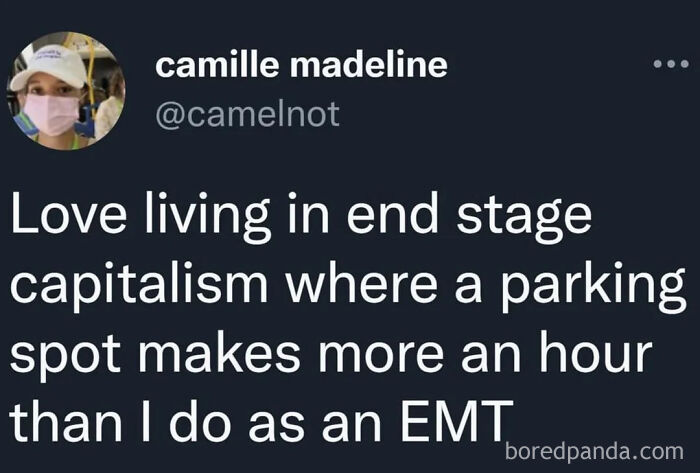
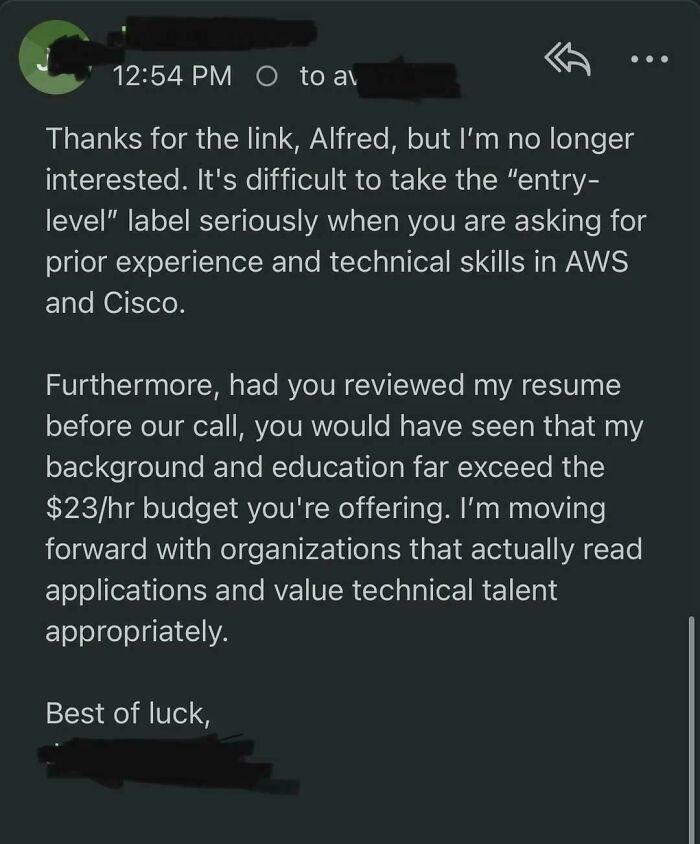
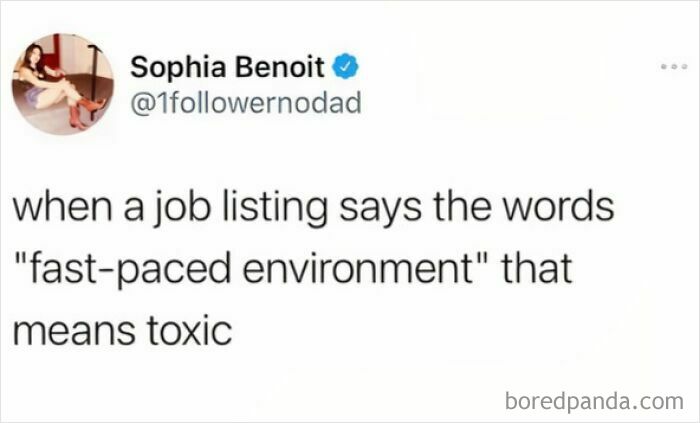
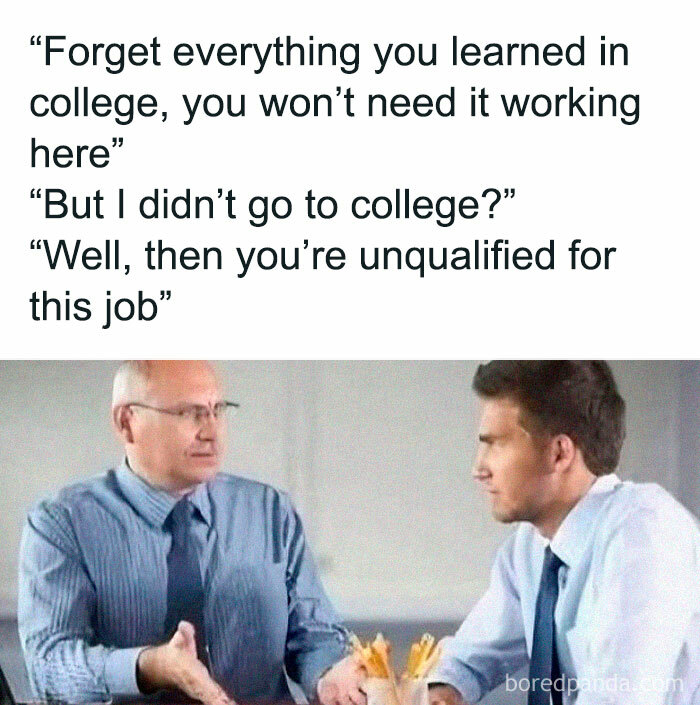
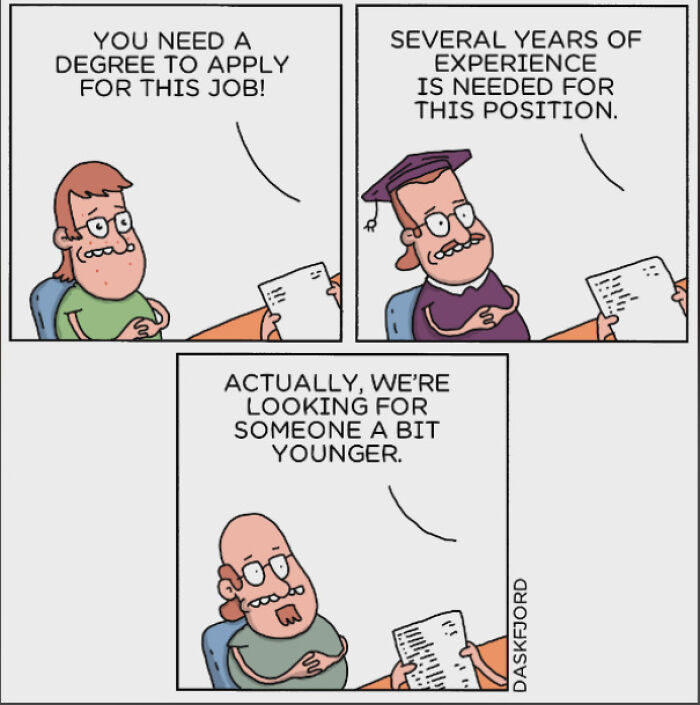
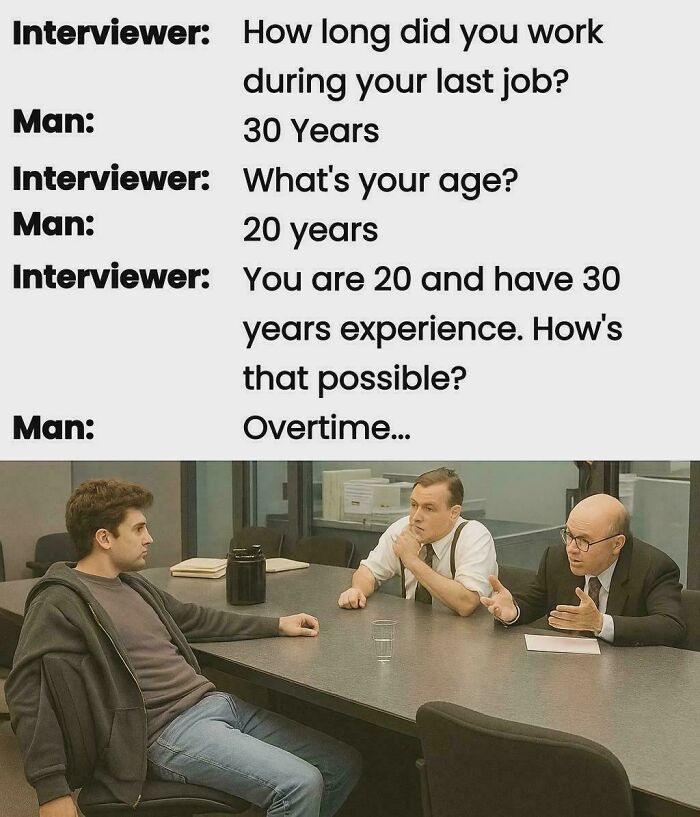
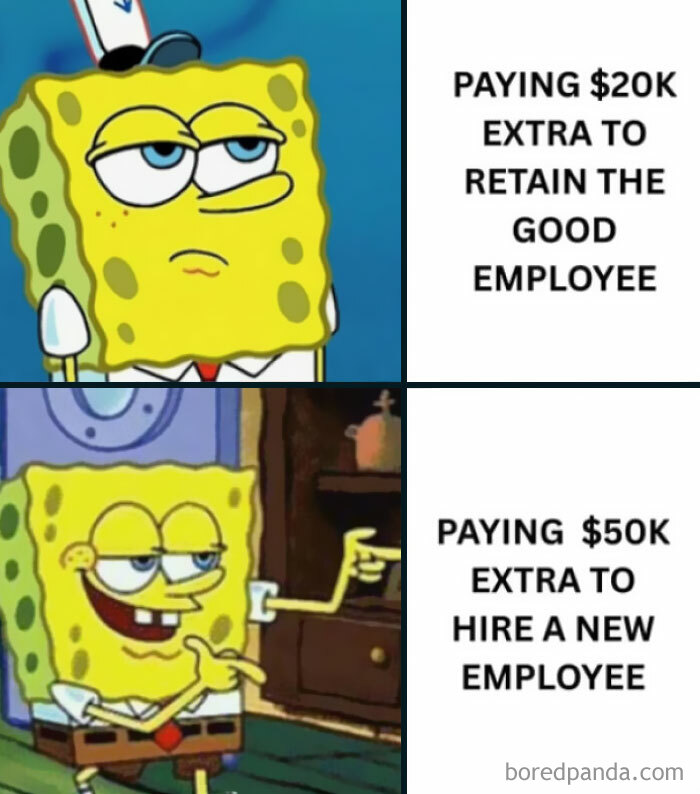
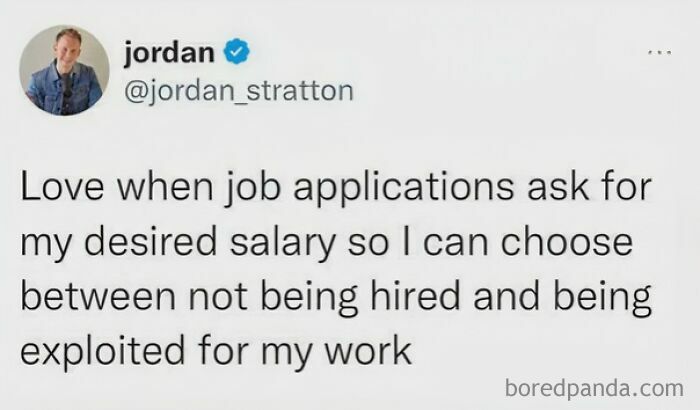
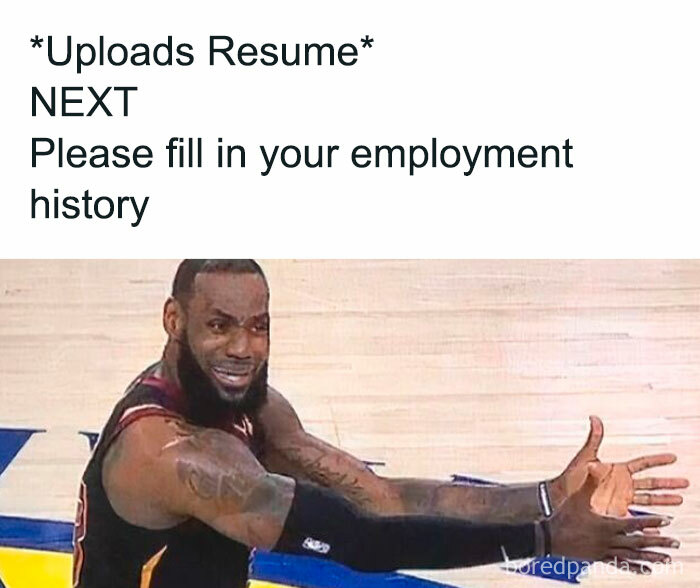
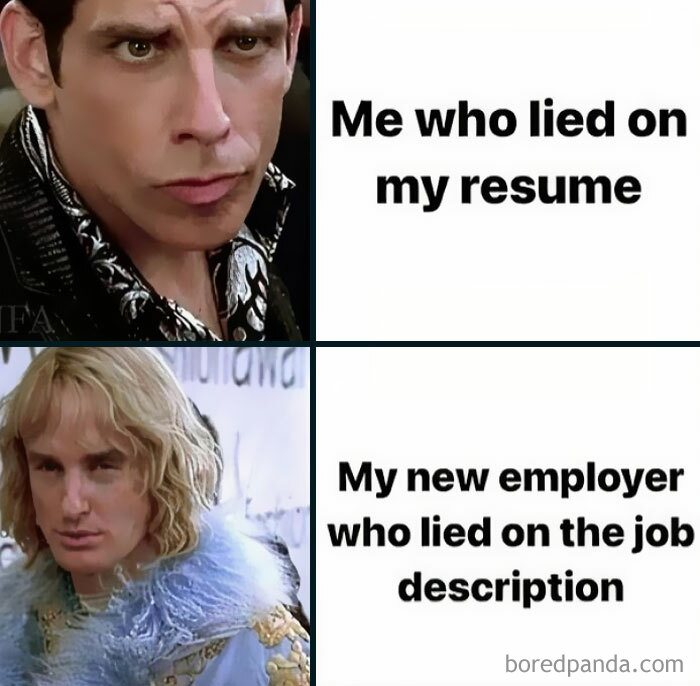
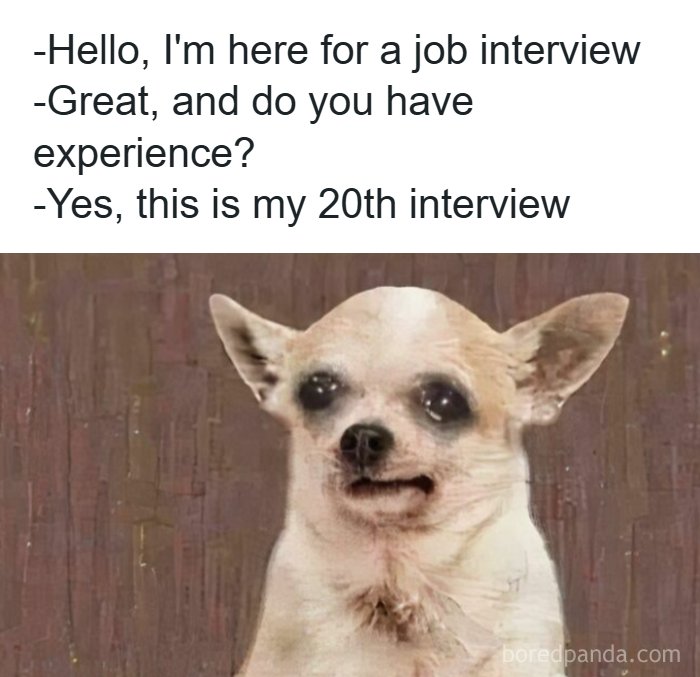
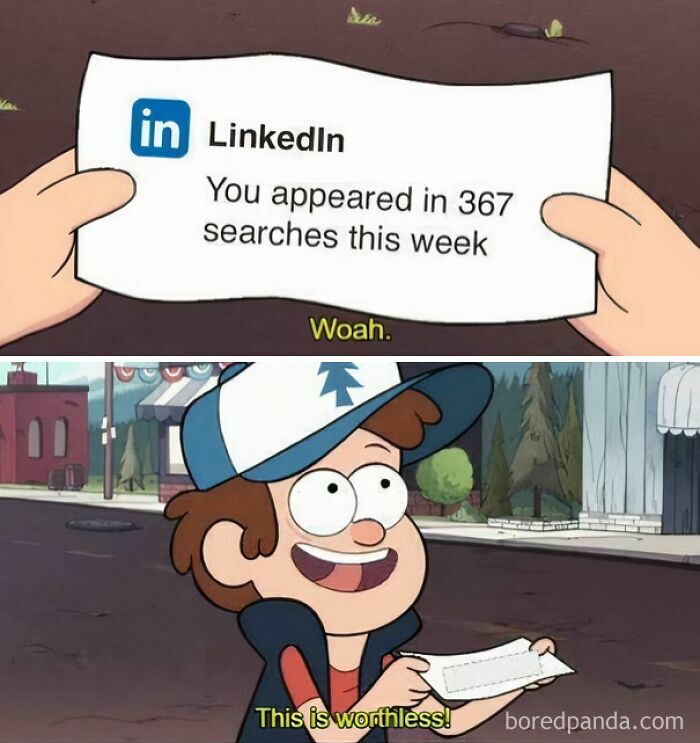
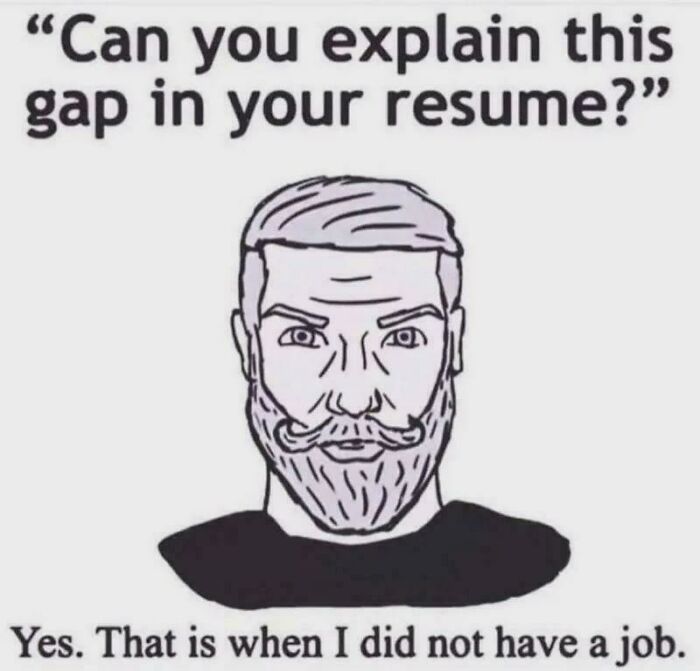
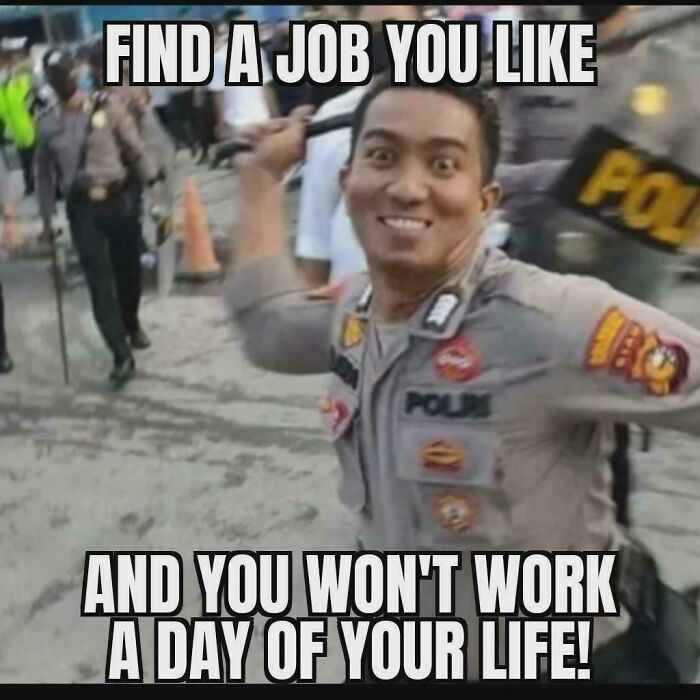
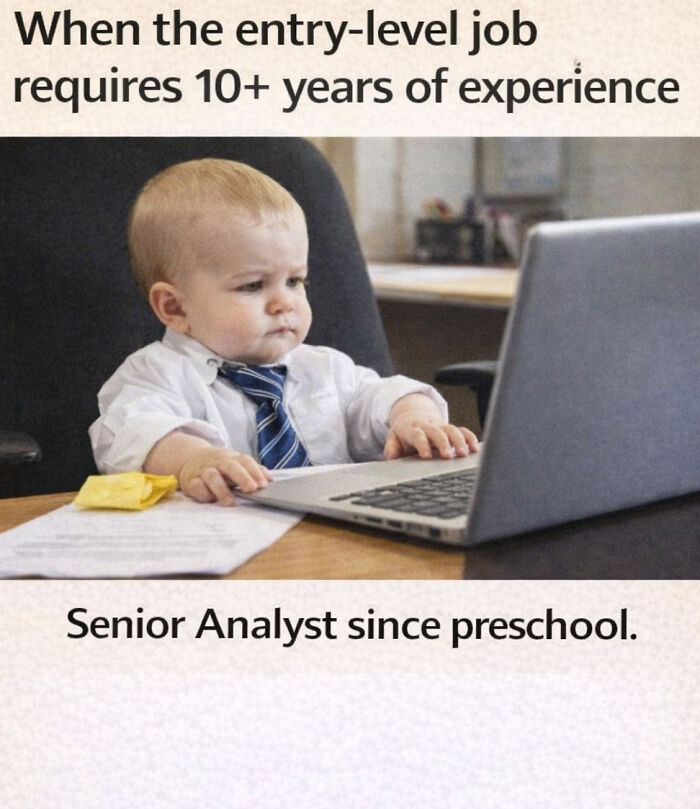
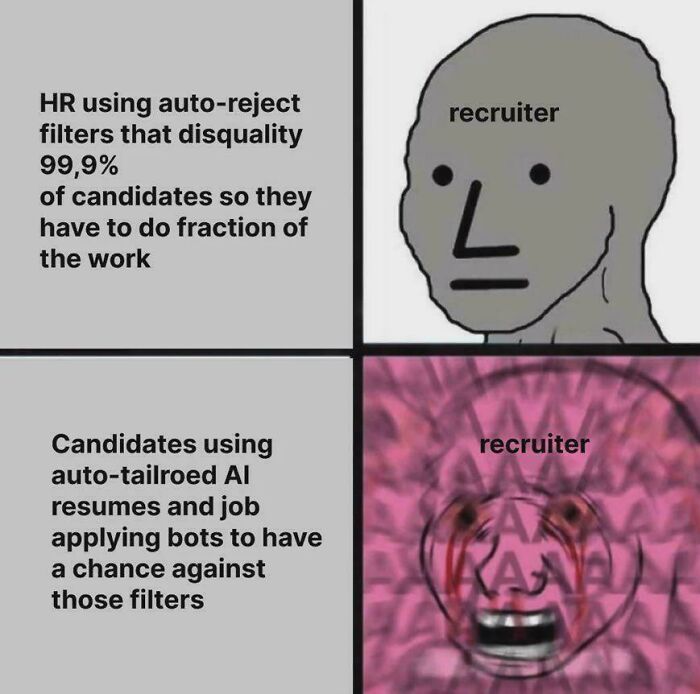
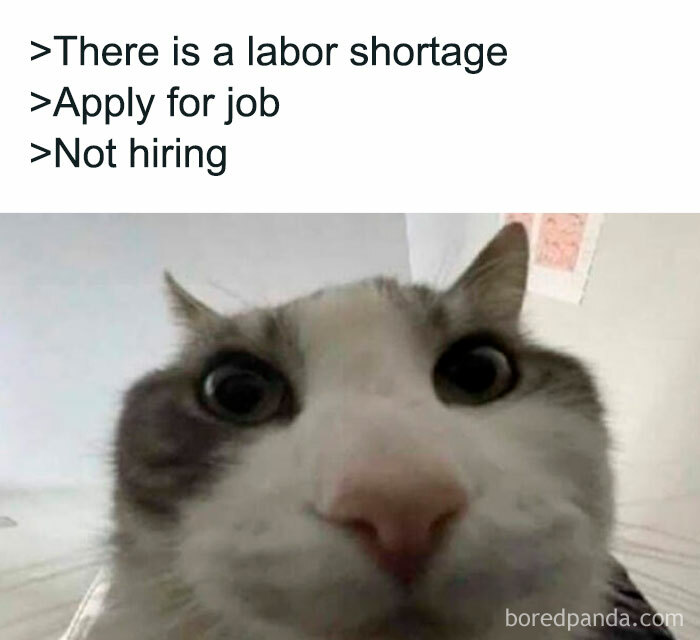
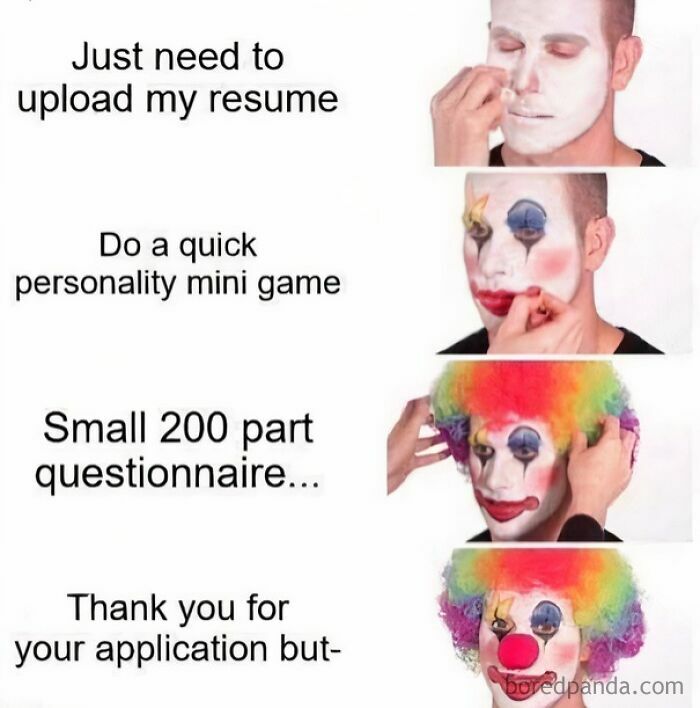
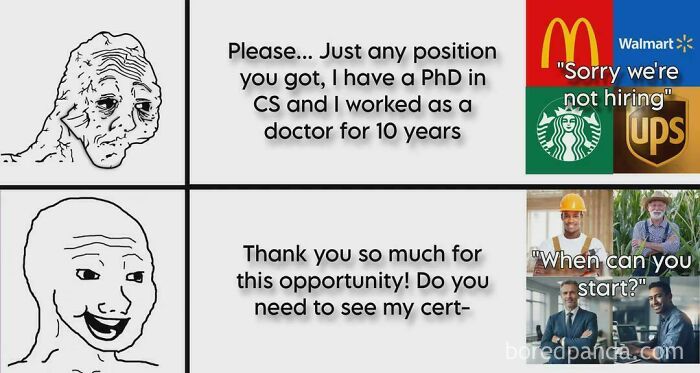
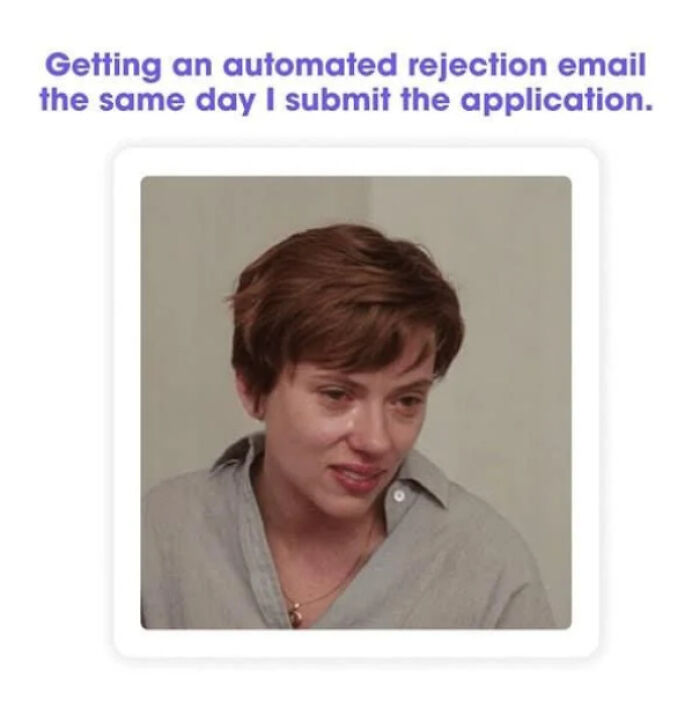
The job market is a brutal place. The listings read like wish lists, applications vanish into thin air, and the ones that do go through lead to a never-ending stream of test tasks.
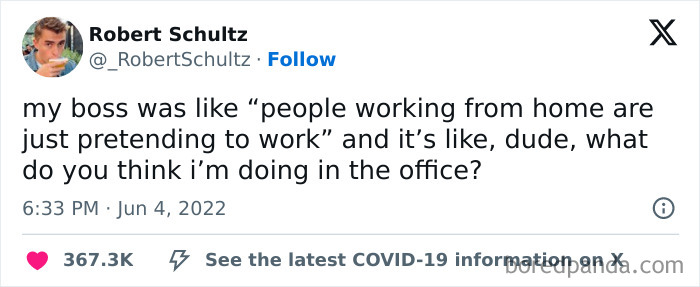
But it’s not like all of your problems end when you get hired, either. From awkward onboarding to confusing expectations and office politics, every position comes with its own unique set of challenges.
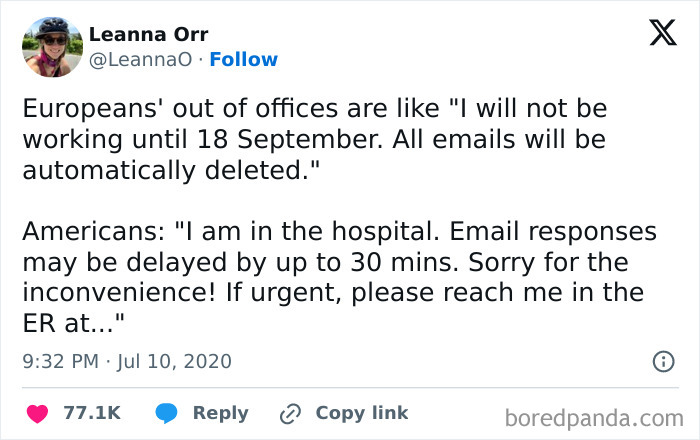
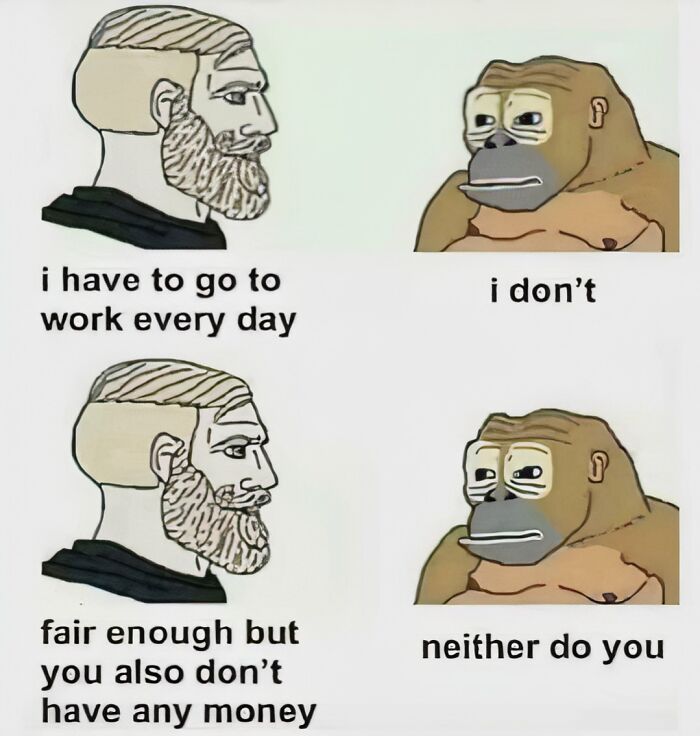
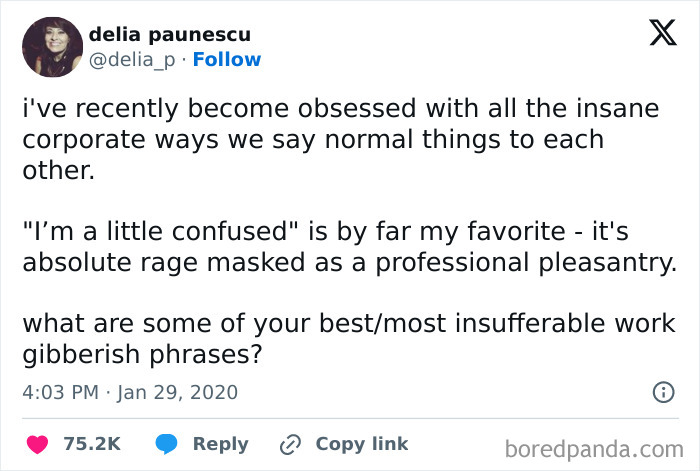
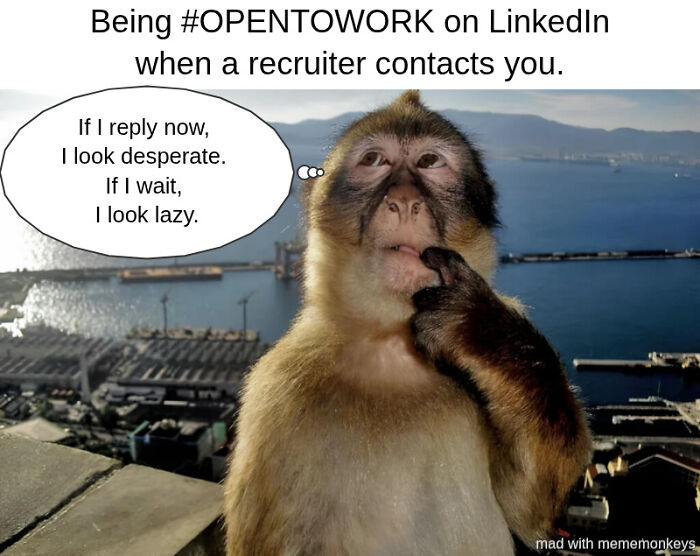
So to reassure you that the struggle is not just real but also universal, we’ve rounded up some of our favorite memes from the subreddits r/InterviewMan and r/InterviewWoman. Oftentimes, the only way to survive it all is to embrace the absurd.
Click here & follow us for more lists, facts, and stories.
This post may include affiliate links.
Research from Moodle (conducted by Censuswide) shows that two-thirds (66 percent) of American employees have experienced some form of burnout in 2025.
The numbers reveal that younger generations are having the most issues, with 81 percent of 18- to 24-year-olds and 83 percent of 25- to 34-year-olds reporting burnout, compared to just 49 percent of those aged 55 and older.
According to the data, employee burnout is mostly driven by:
Jason Gamel, president and CEO of the American Resort Development Association (ARDA), suggests that taking time off is essential to maintaining a healthy mental and physical well-being, reducing stress, and improving overall productivity.
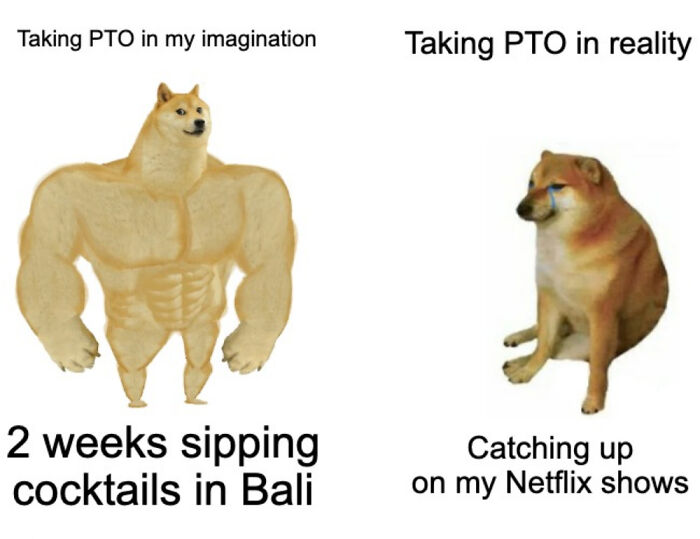
However, despite a correlation between lack of vacation and decreased productivity/increased burnout, nearly two-thirds (62%) of Americans don’t use all of their PTO.

























 No fees, cancel anytime