Get Premium
Dark mode theme is available exclusively for premium users. Learn more about the benefits of subscribing.
No fees, cancel anytime.

 Dark Mode Ad-Free Browsing Unlimited Content
 Ad-Free Browsing Unlimited Content Dark Mode
Join 1.2 million Panda readers who get the best art, memes, and fun stories every week!
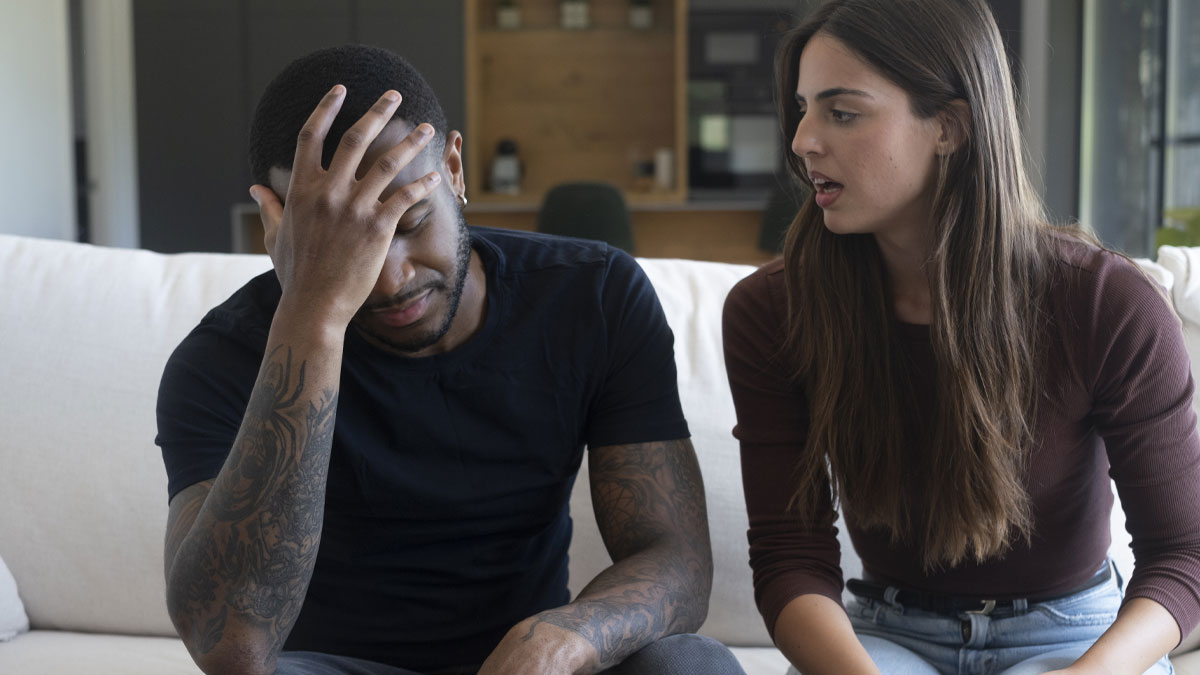
There is a huge difference between being a welcome guest in somebody’s house and acting like your name is on the mortgage. Most couples figure out these boundaries through a few honest talks before deciding to move in together. However, some prefer to figure it out as they go.
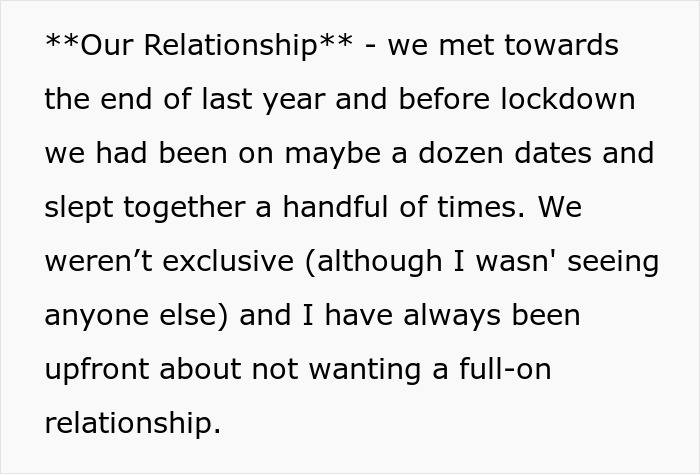
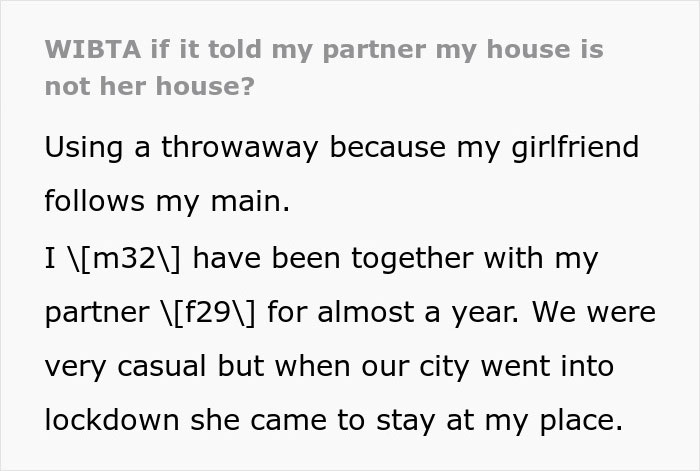
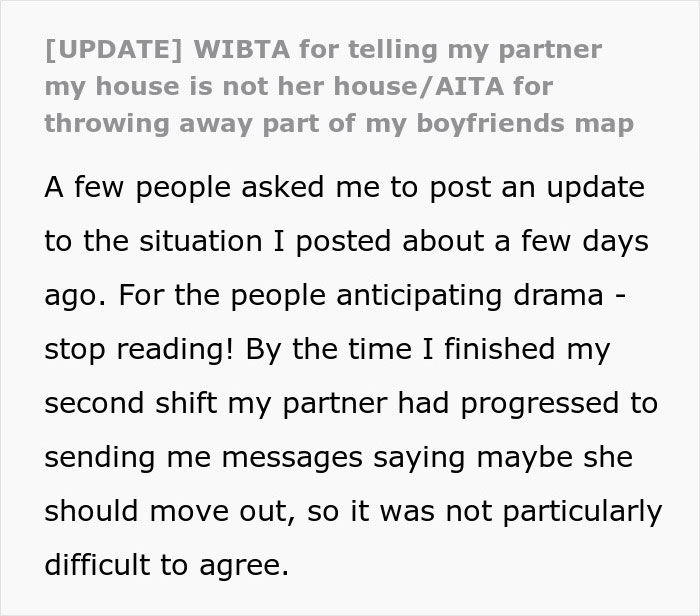
That’s exactly how one guy ended up letting his casual girlfriend stay over temporarily — only to regret it five months later.
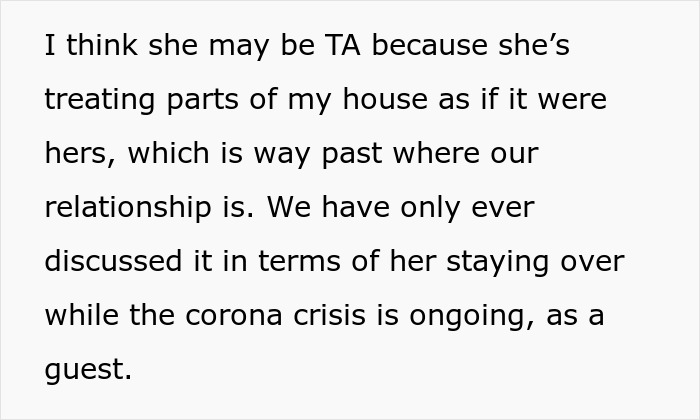
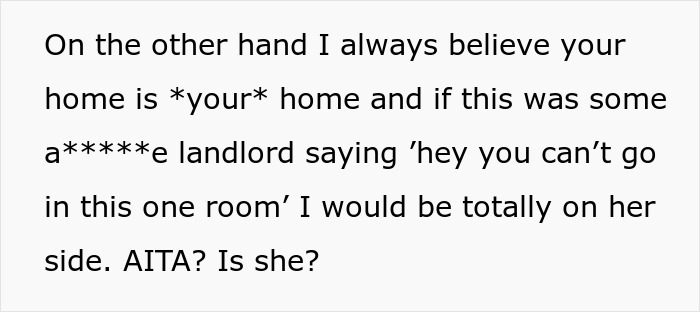
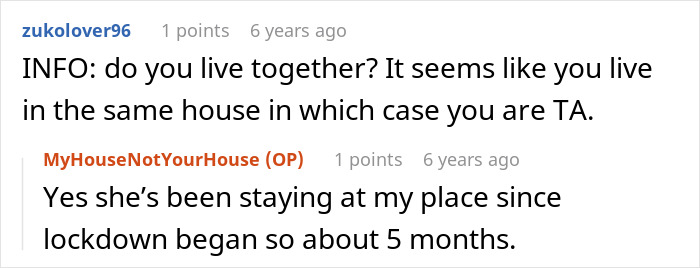
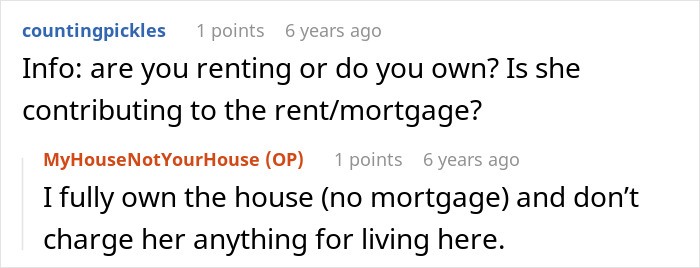
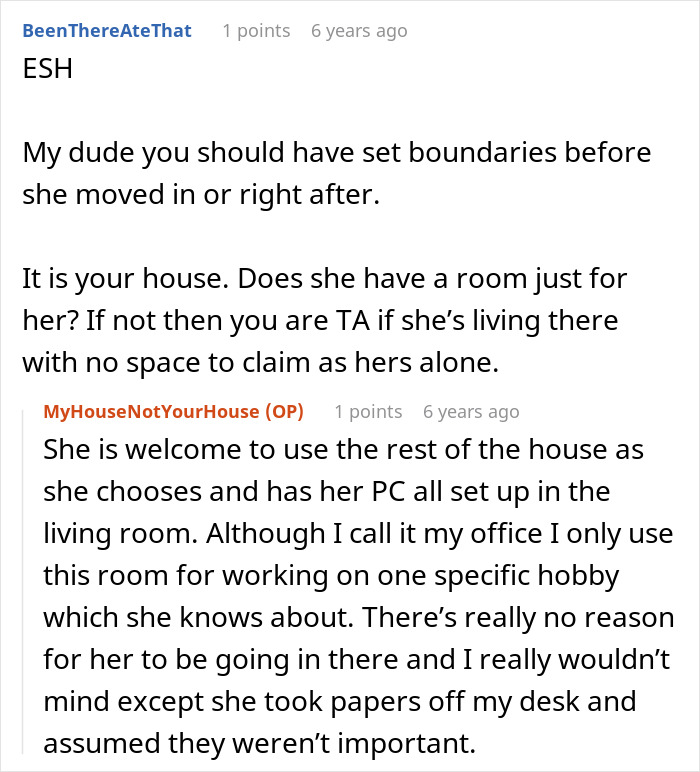
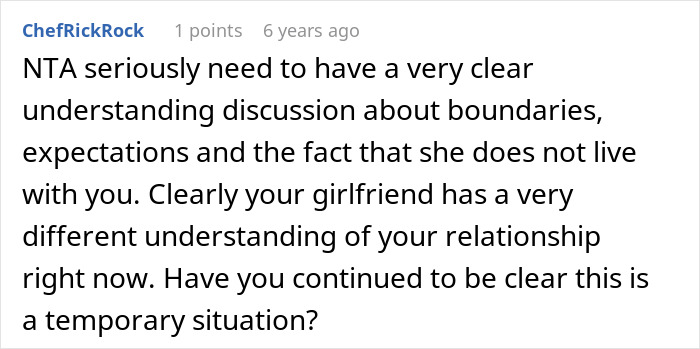
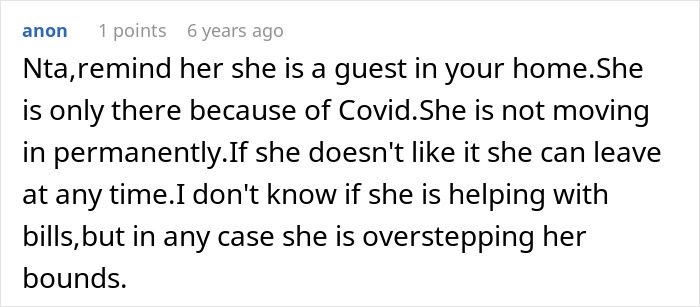
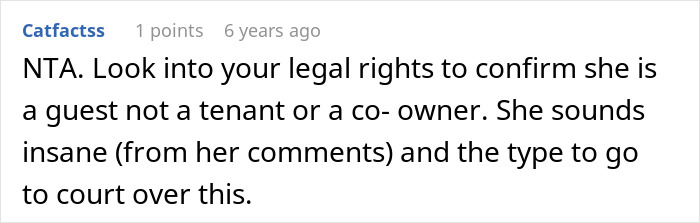
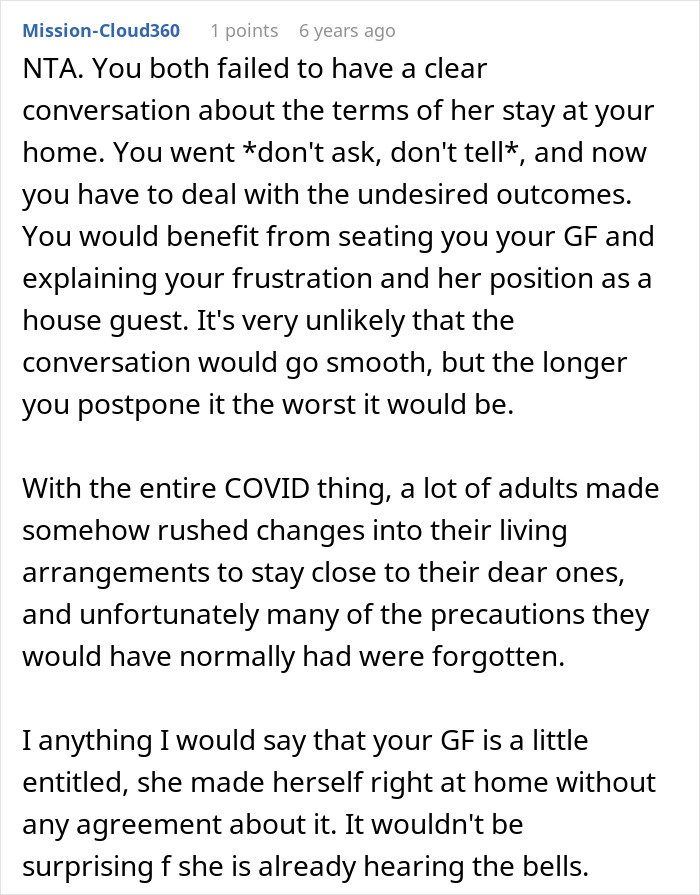
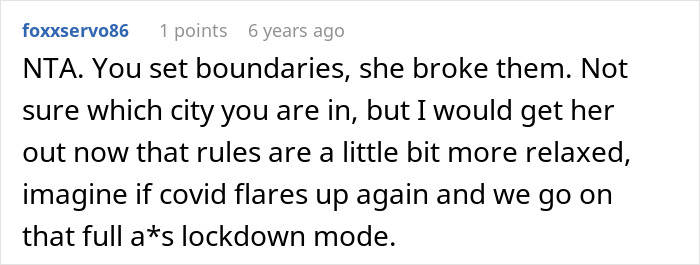
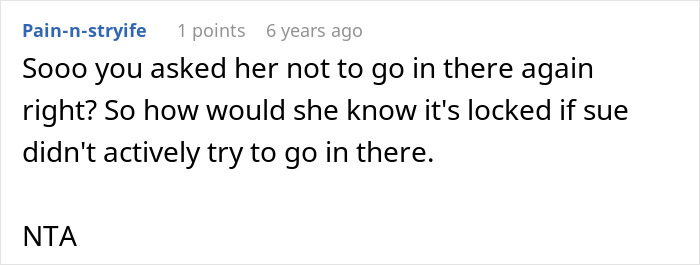
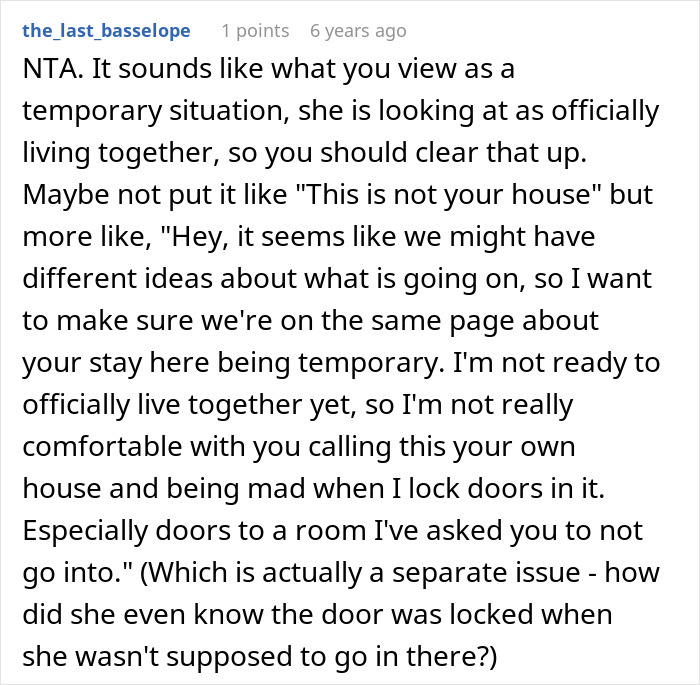
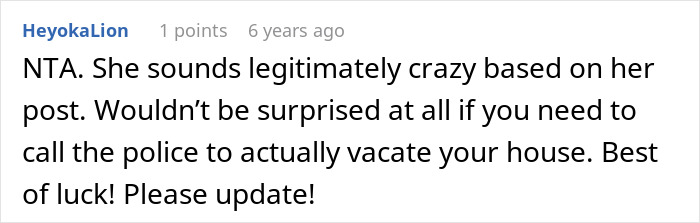
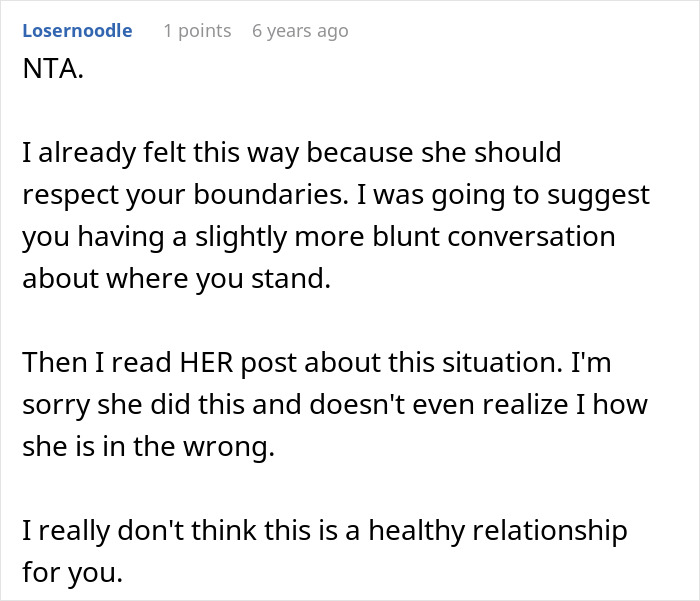
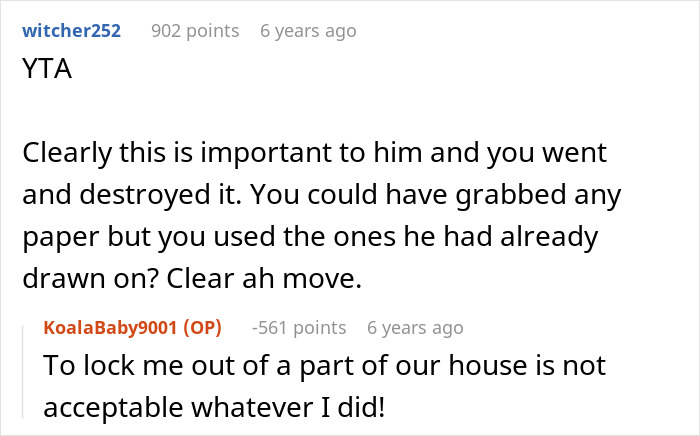
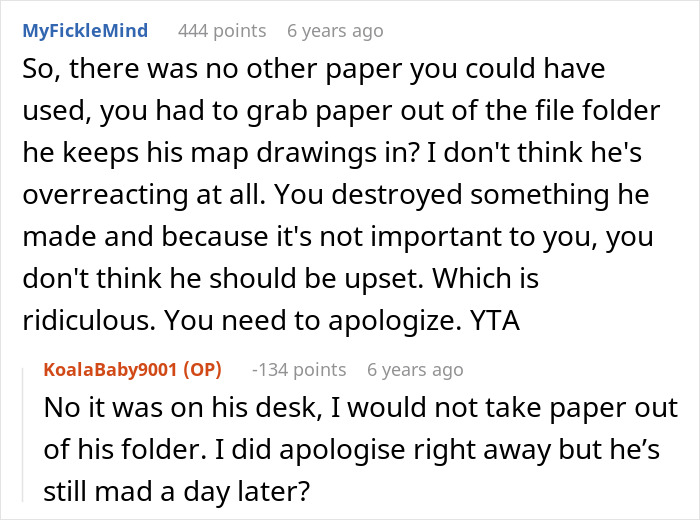
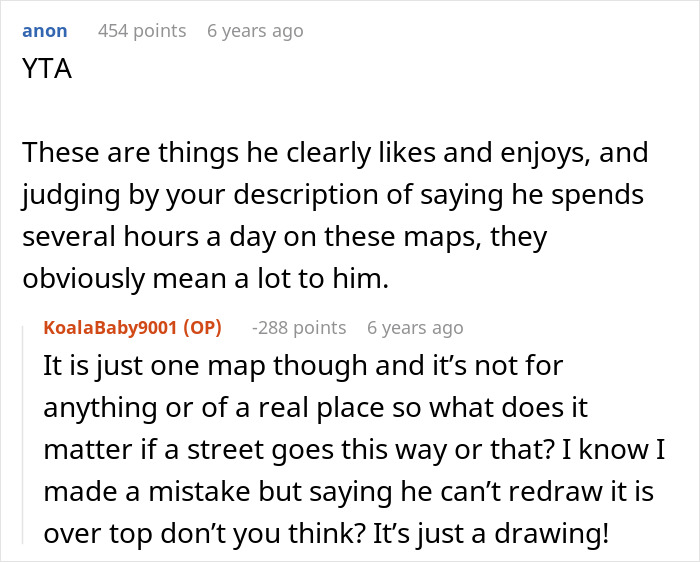
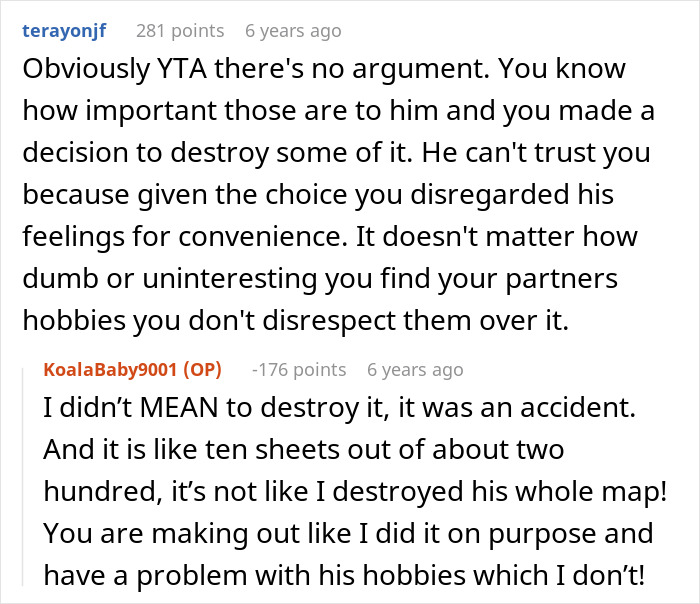
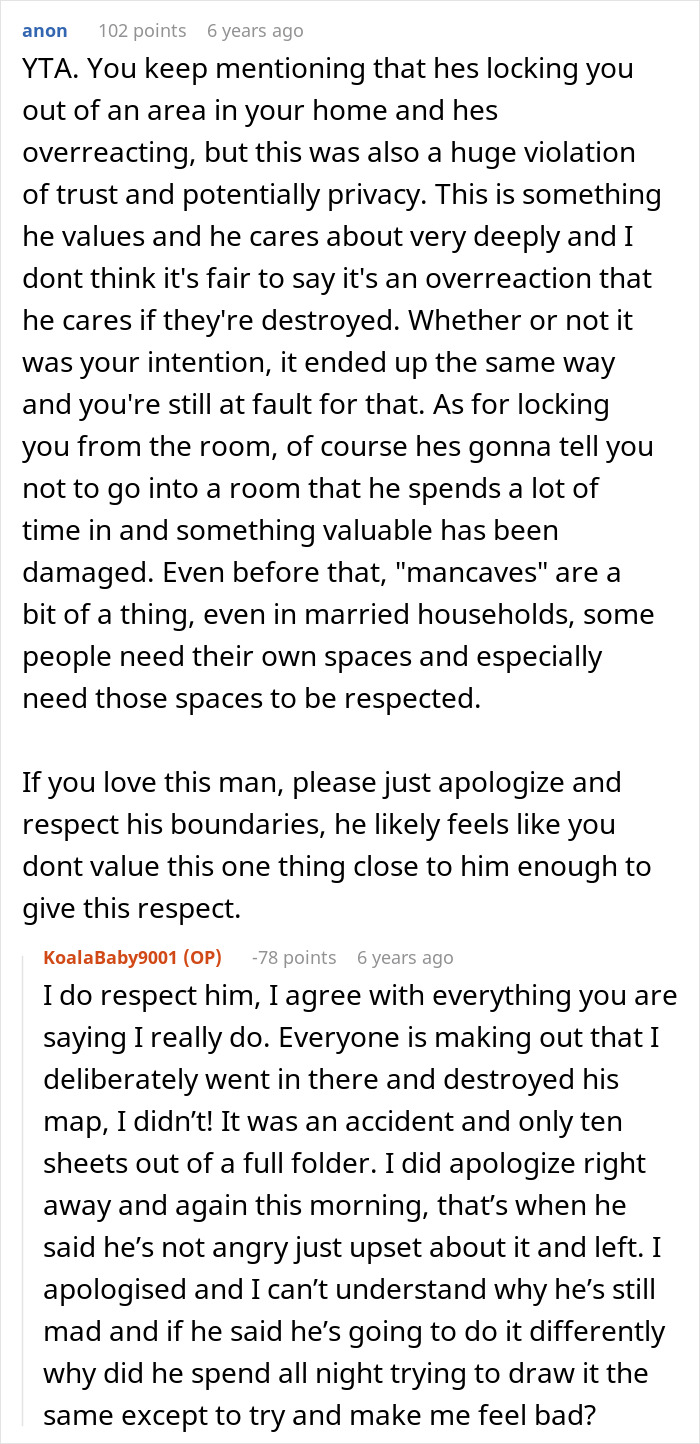
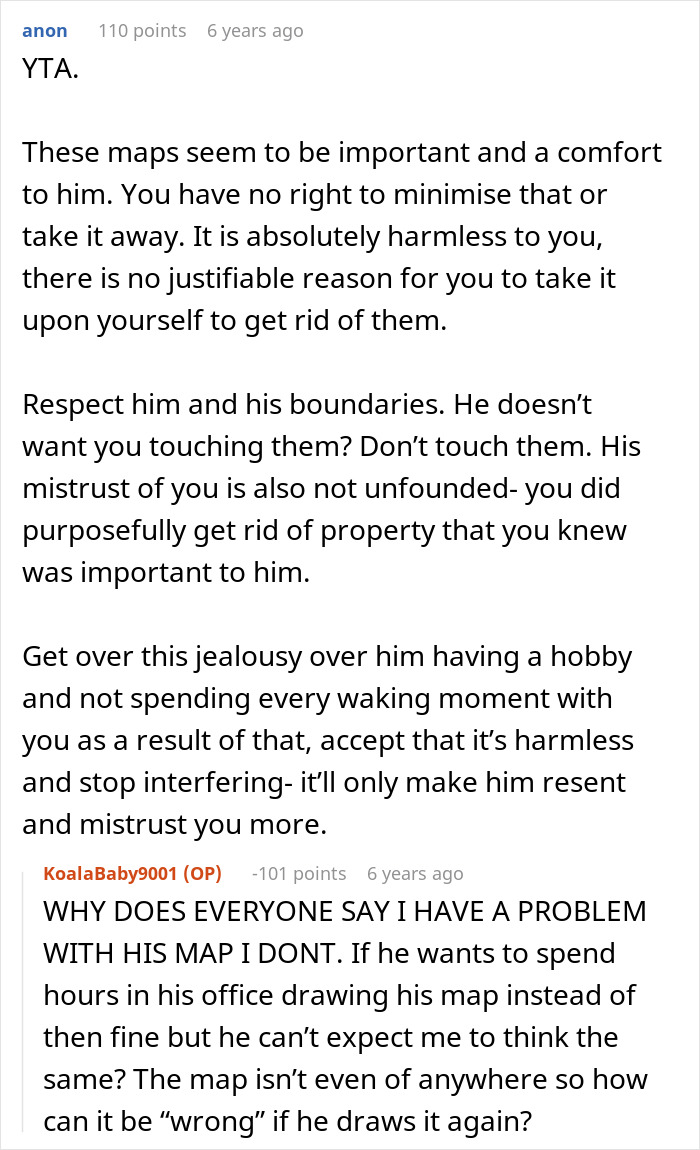
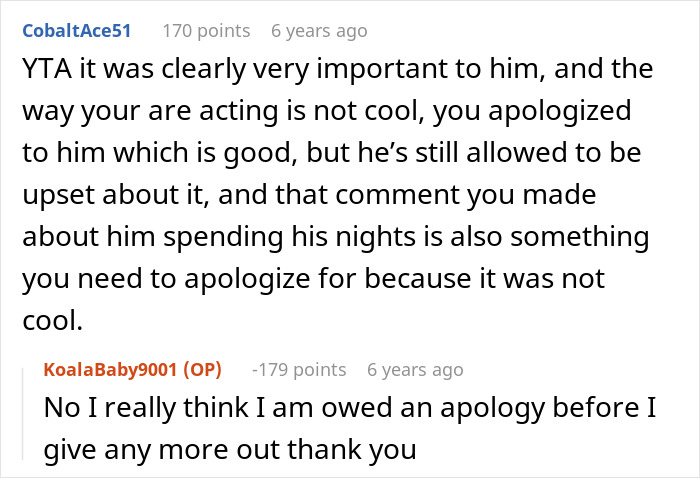
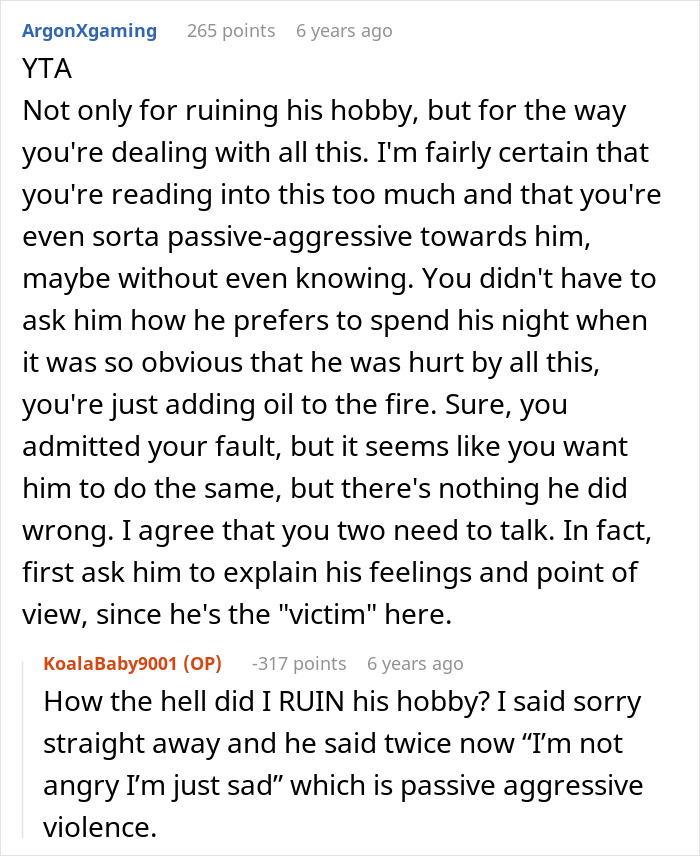
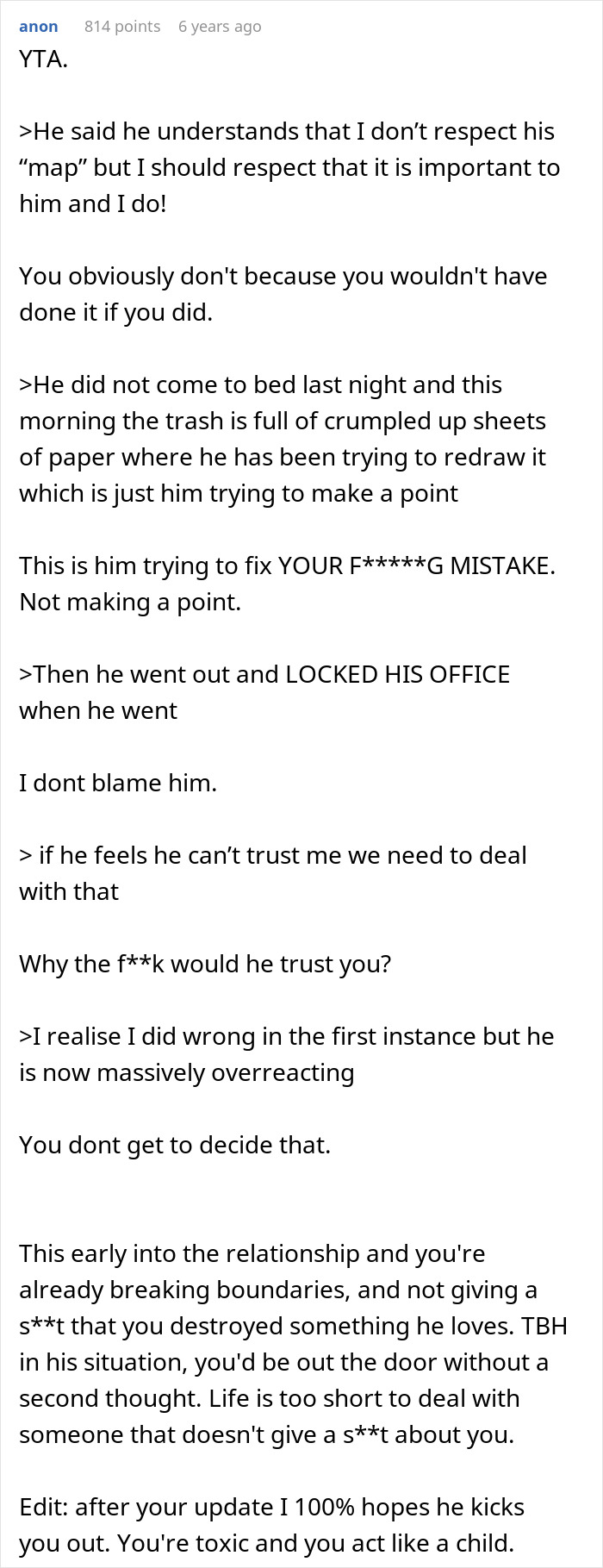
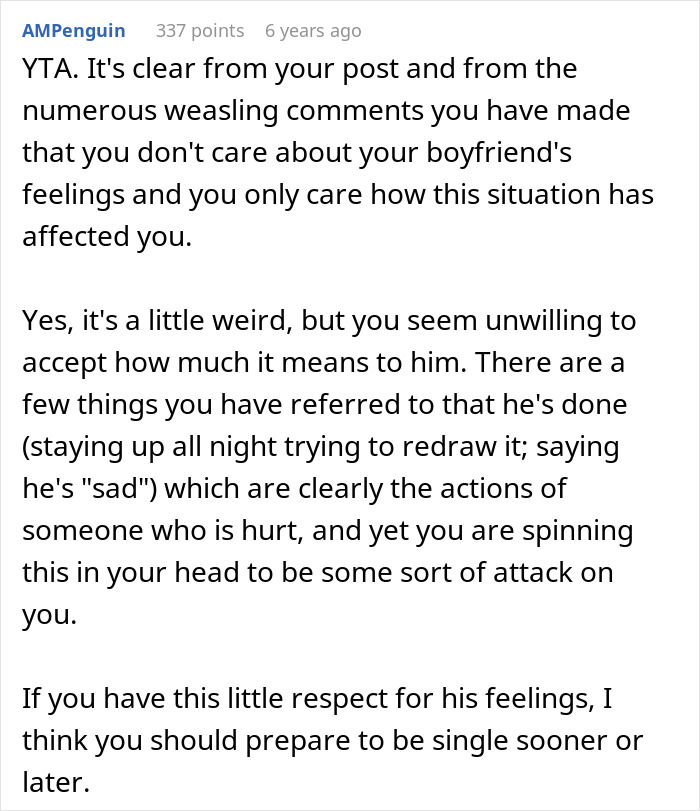
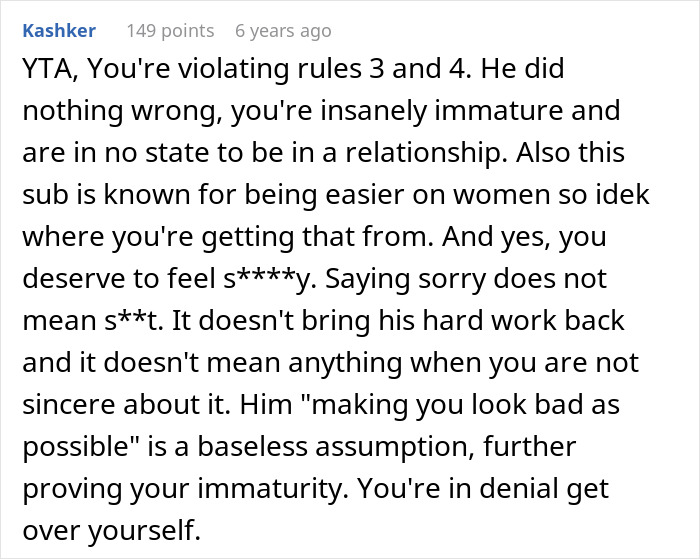
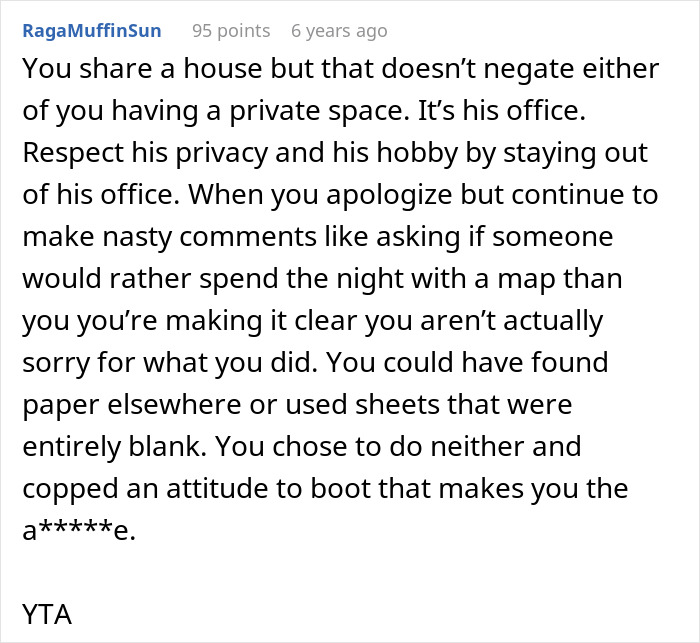
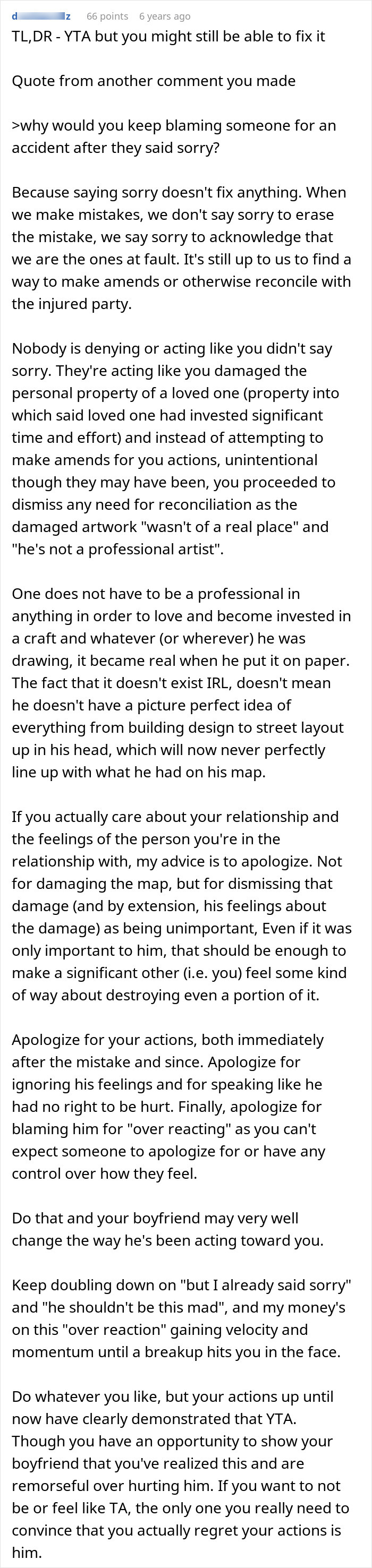
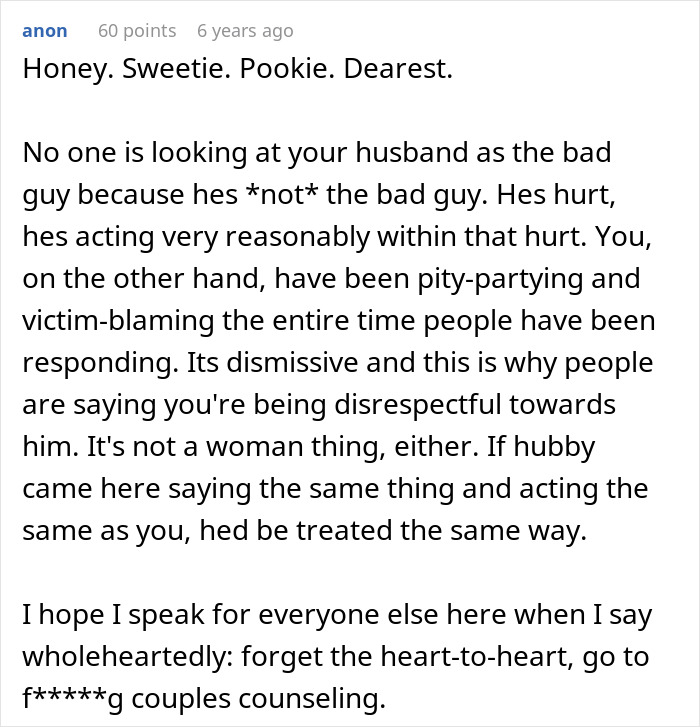
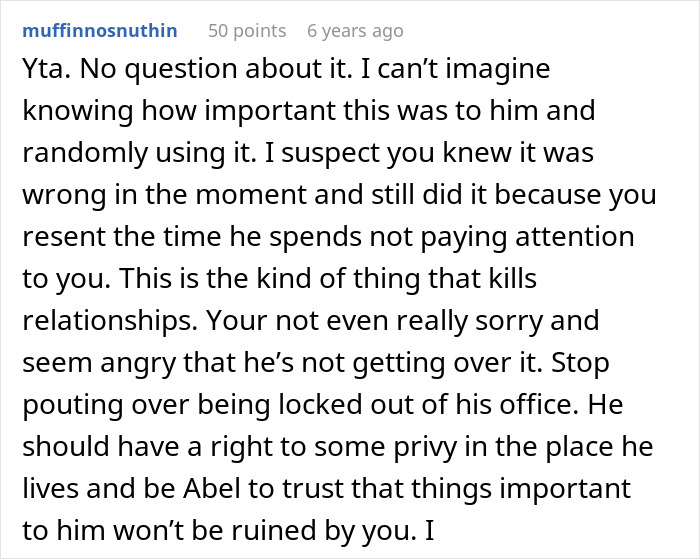
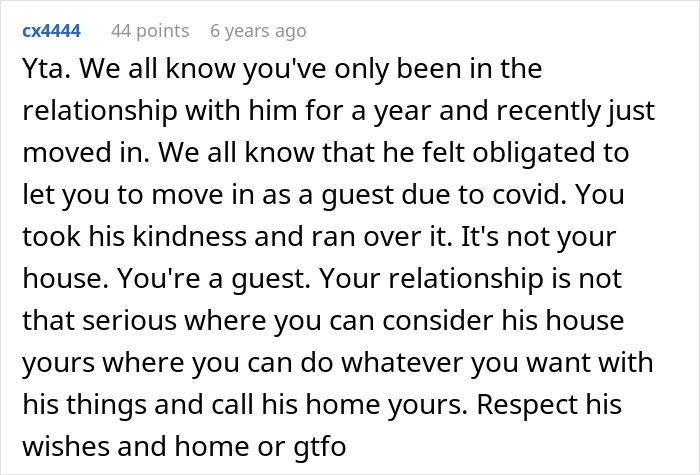
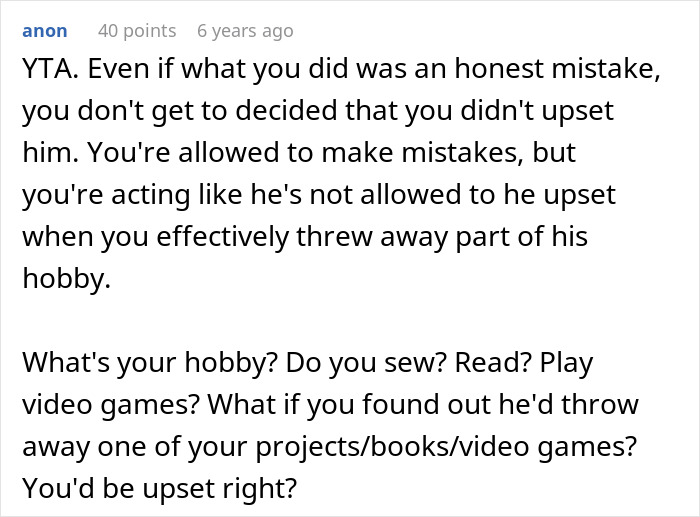
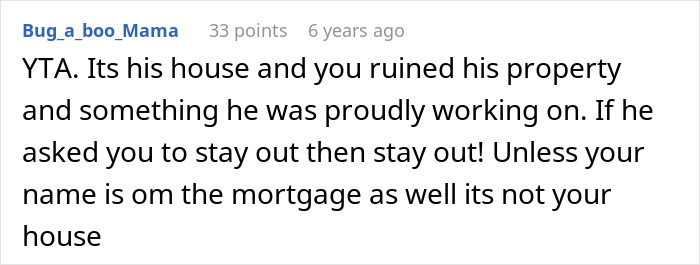
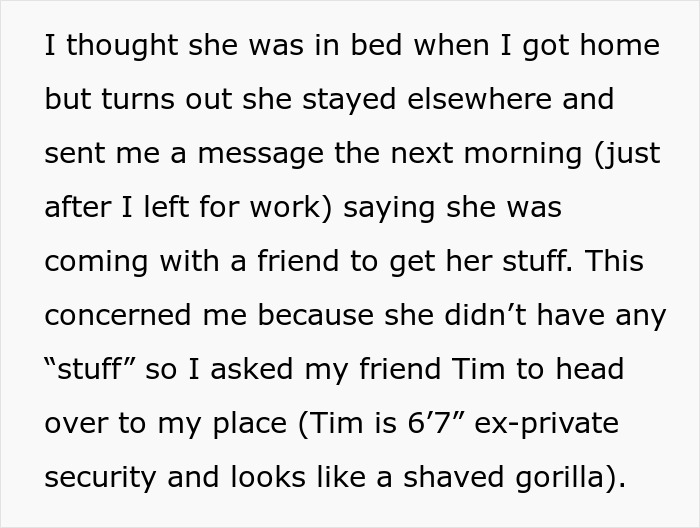
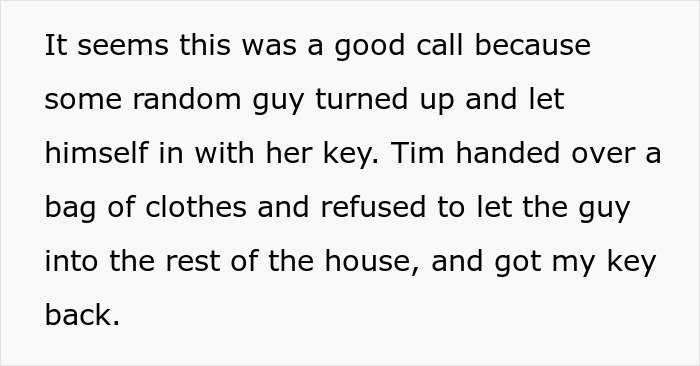
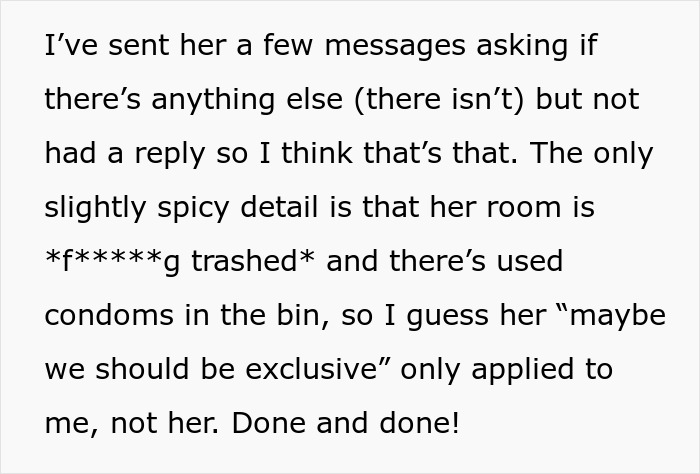
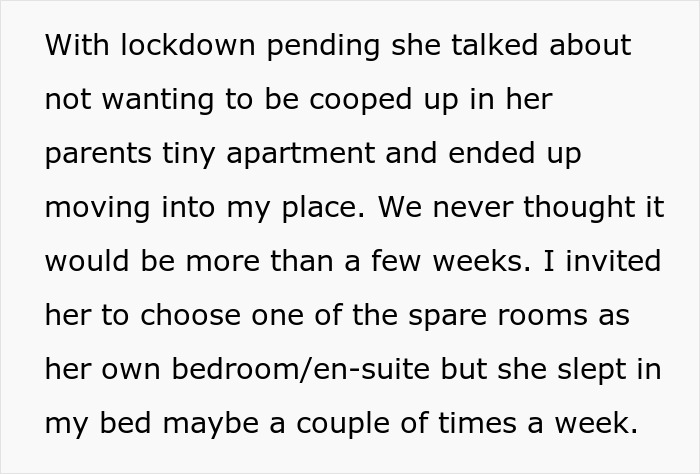
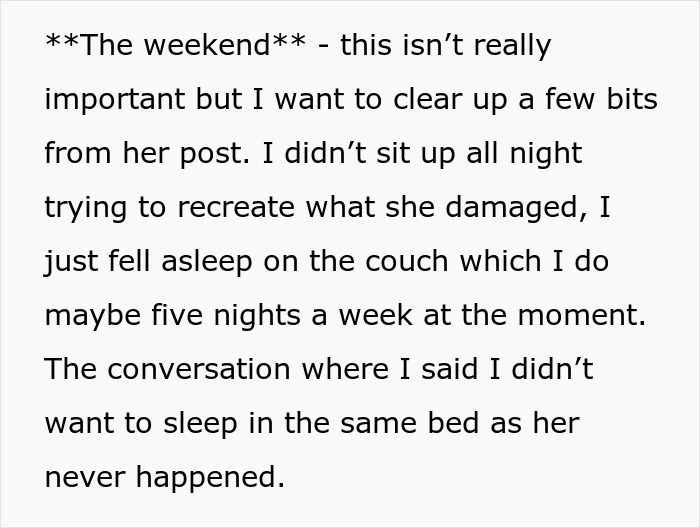
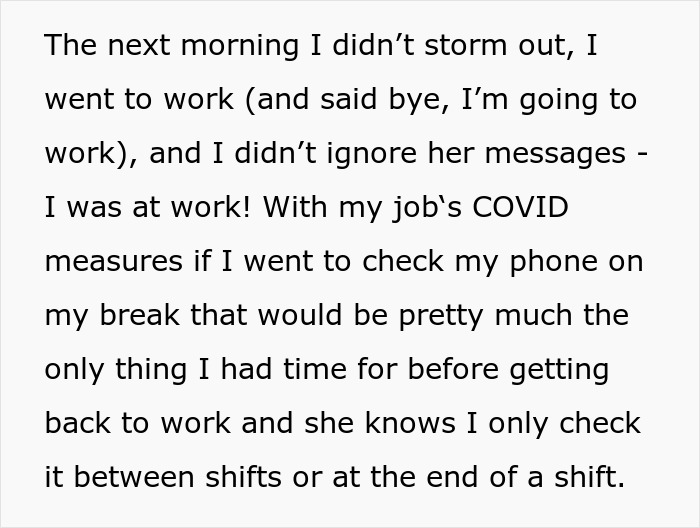
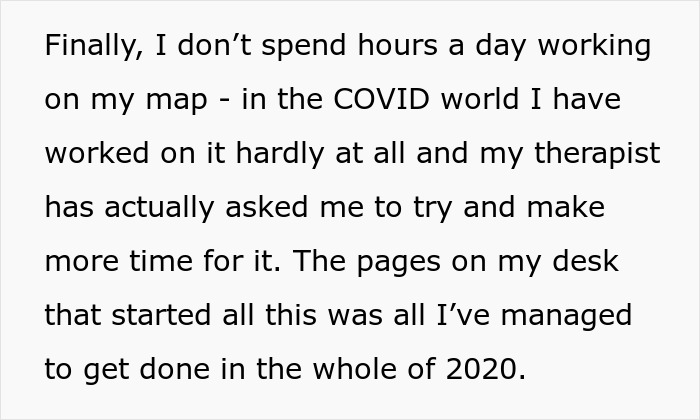
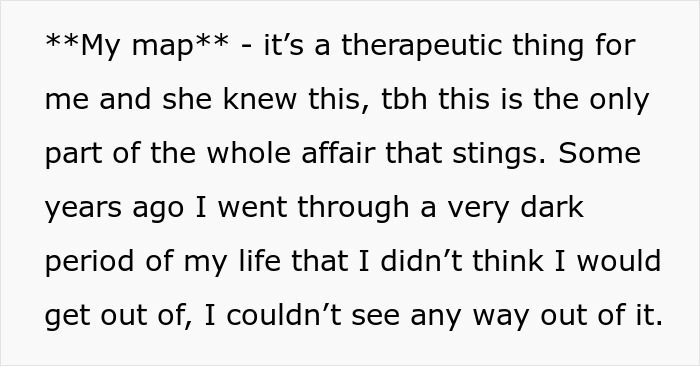
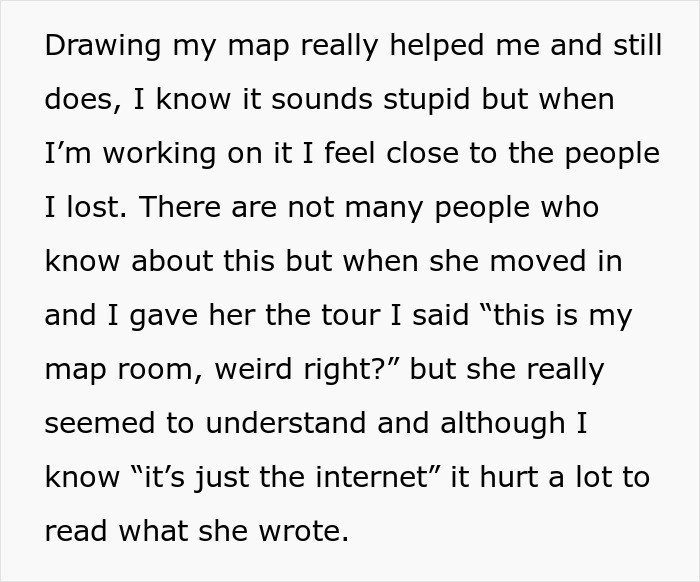
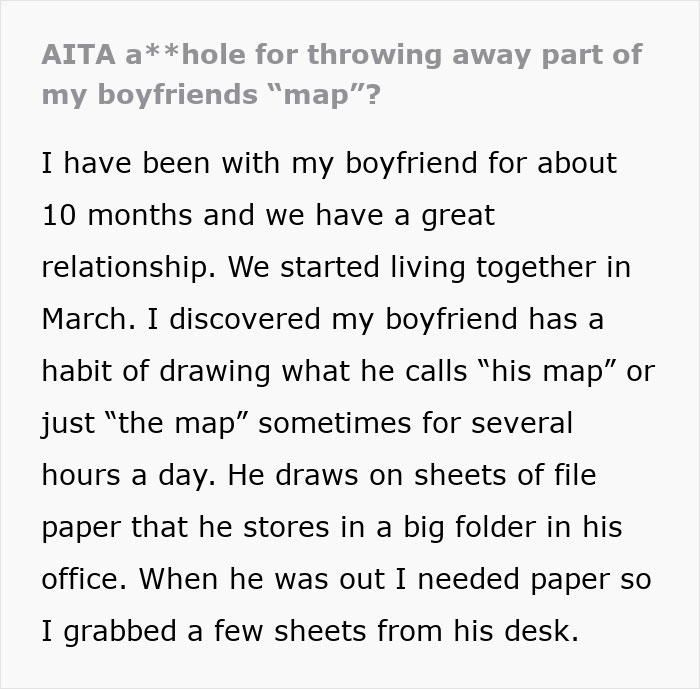
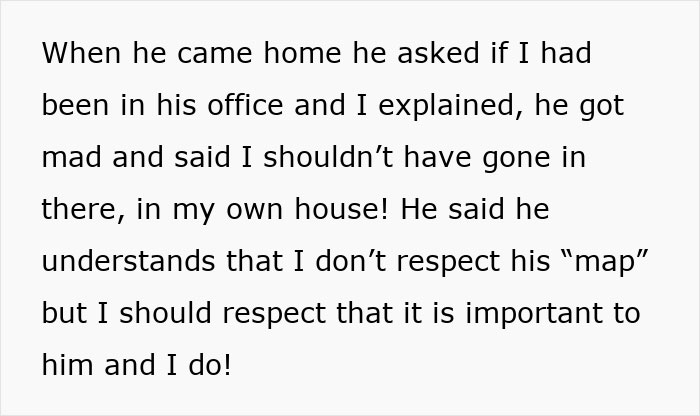
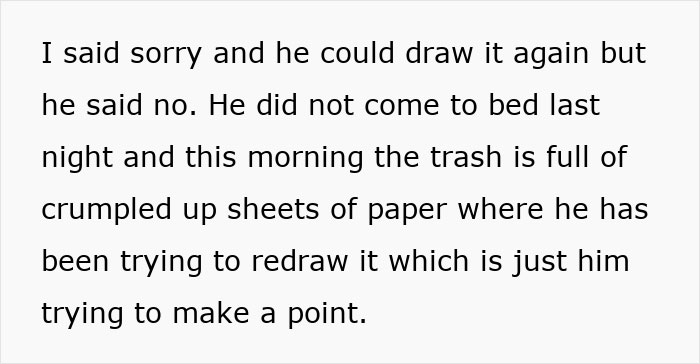
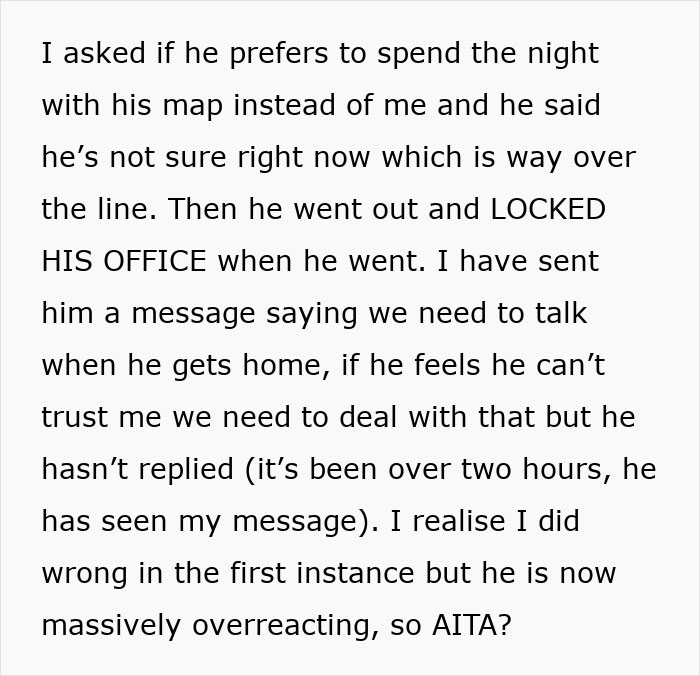
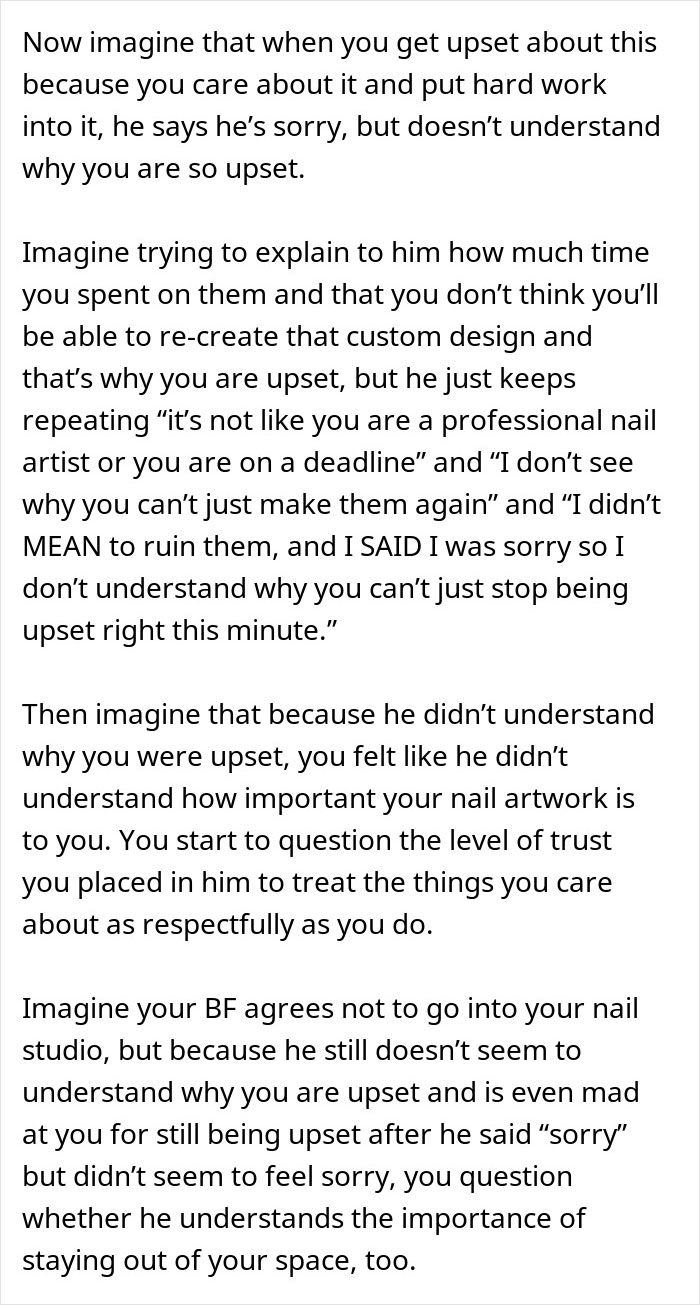
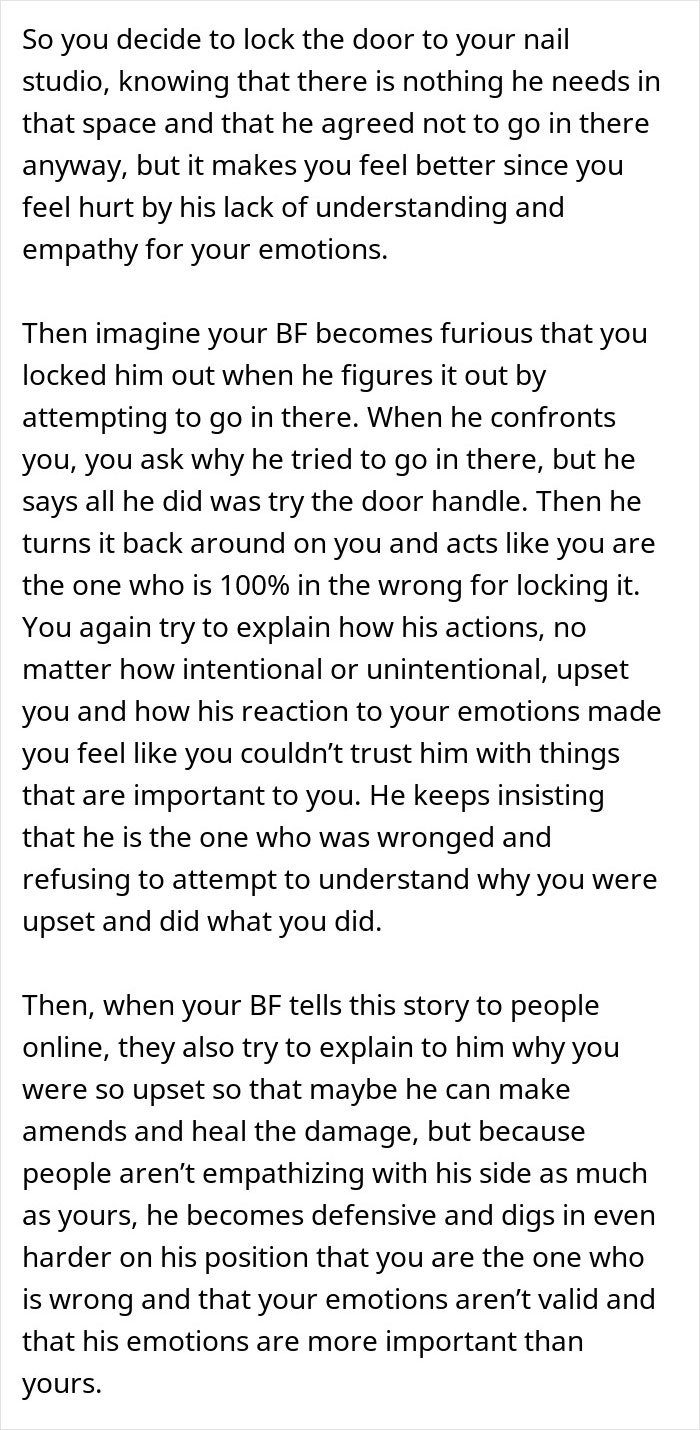
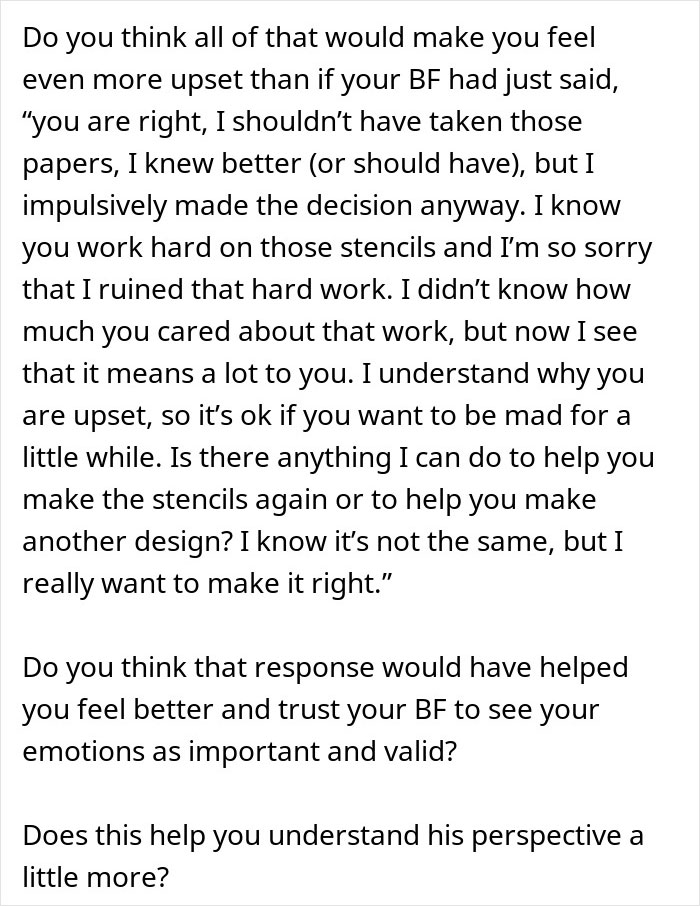
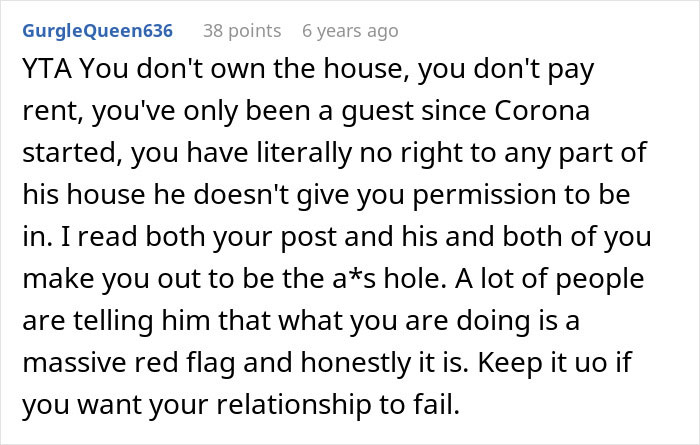
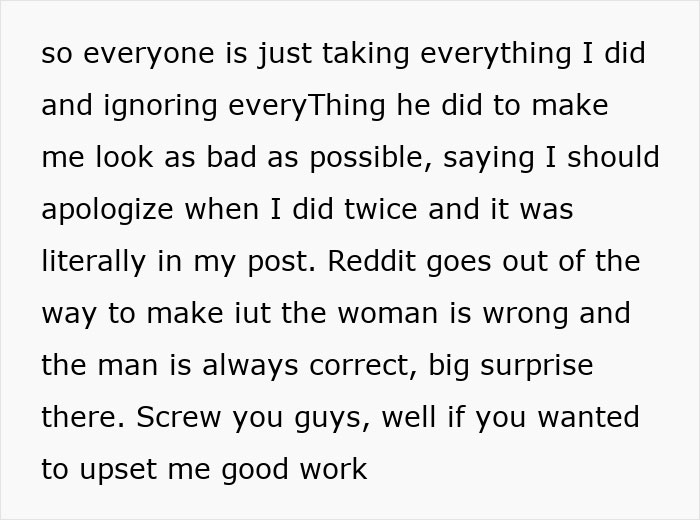
Sharing the story on Reddit, the man said his girlfriend was starting to treat his house as her own. She even got mad when he locked his home office because she ruined his things.
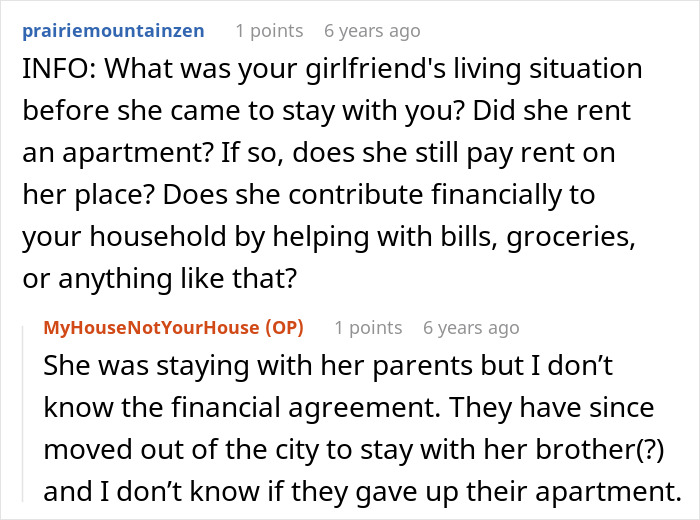
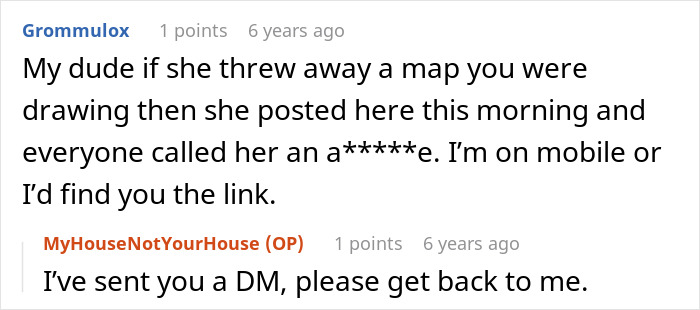
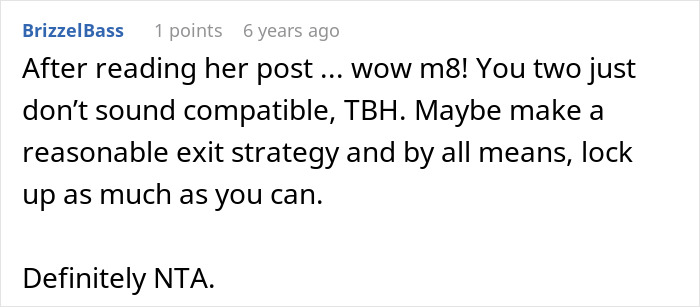
What makes the story interesting is that the girlfriend also posted her side in the same forum.
Read on to see the internet’s verdict on who was actually in the wrong.
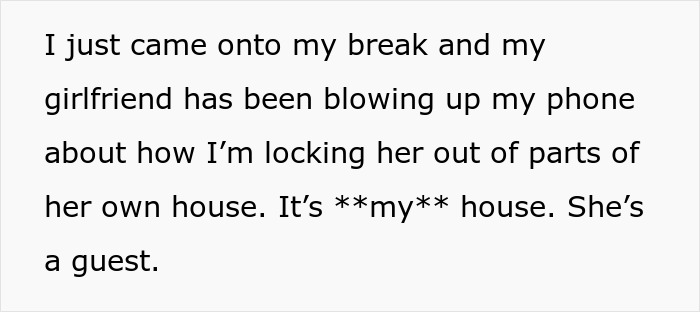
Living together before marriage seems like a logical step for many. Instead of commuting across town for date night, you get to share quiet mornings, late-night chats, and the everyday routine. In fact, over half of Americans believe cohabiting before tying the knot improves their chances of a happy marriage.
It has also become the new normal. According to a report from the Pew Research Center, more than 77% of adults in the US have, by their early 40s, lived with a partner they’re not married to.
But making a home together isn’t as easy as just unpacking boxes. Research shows that why and how couples move in together can ultimately make or break a relationship.
To test this, researchers at the University of Denver (DU) followed over 300 unmarried heterosexual couples, aged 18 to 34, for two years. Their study, published by the Institute for Family Studies, revealed that clarifying marriage intentions beforehand makes a world of difference.
Also, couples who move in because they genuinely want to spend more time together are usually much happier. On the other hand, moving in to save on rent or for convenience often leads to worse long-term outcomes.
“That nuance is what’s missed, oftentimes. The risk is really in living together before the two of you have made a clear and mutual decision — and an announcement, even — to get married,” says one of the researchers and DU psychology professor Galena Rhoades.
“Identifying the reason why you want to move in together is just as important as identifying the reason why you want to get married.”
When couples don’t identify their reasons, it can lead to an imbalance where one partner is far less invested than the other.
This imbalance is called asymmetrical commitment relationships (ACR), which was found in about 35% of unmarried couples living together. Unsurprisingly, two-thirds of those less-committed partners were men.
But when the woman was less invested, a breakup was much more likely within two years. More than half of those relationships ended, compared to under 30% of couples with an apathetic guy or 34% of couples with equal commitment.
Despite these risk factors, live-in relationships are not all doom and gloom. Even couples facing these challenges can lower their odds of divorce by communicating early and setting clear boundaries.
A study published by the Journal of Family Psychology notes that for emerging adults in their 20s, intentional cohabitation can offer the same emotional health benefits as marriage.
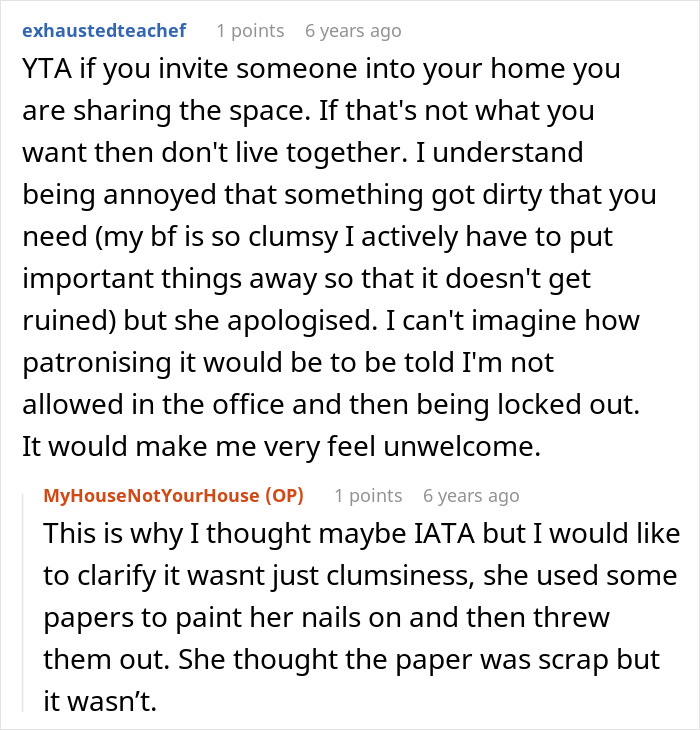
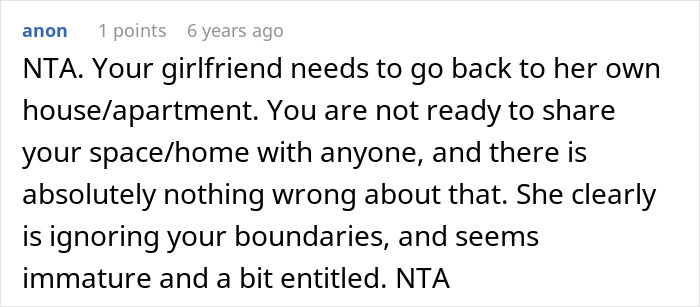
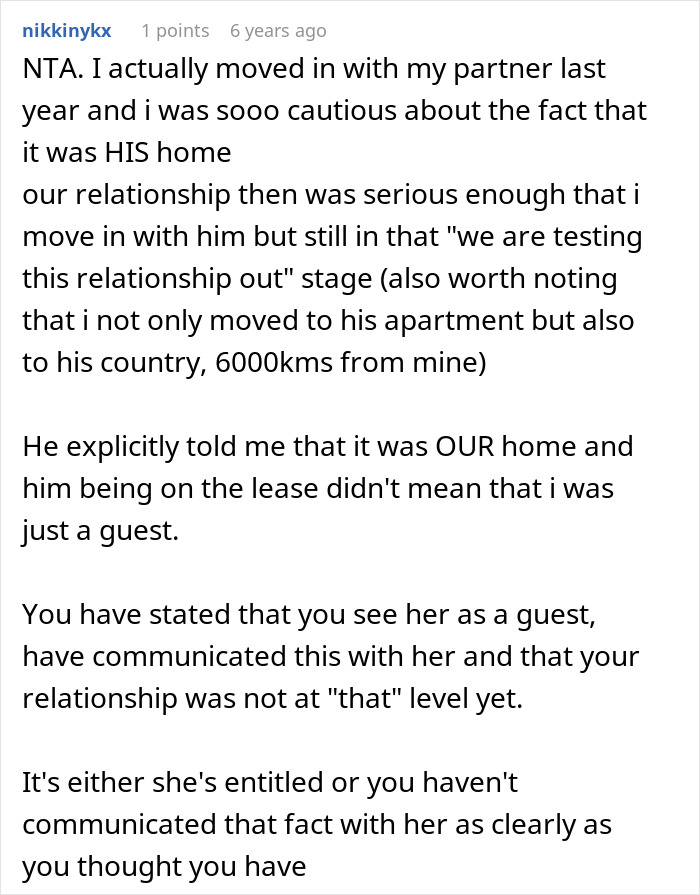
After five months of cohabitation during lockdown, he still viewed her as a “guest.” And instead of sitting down for a proper conversation about their dynamic, he locked his office door. This reaction highlights the exact risk researchers warn about when couples slide into living together out of convenience.
Rather than talking about his need for personal space or clarifying their relationship status, he used a physical barrier to express an emotional boundary.
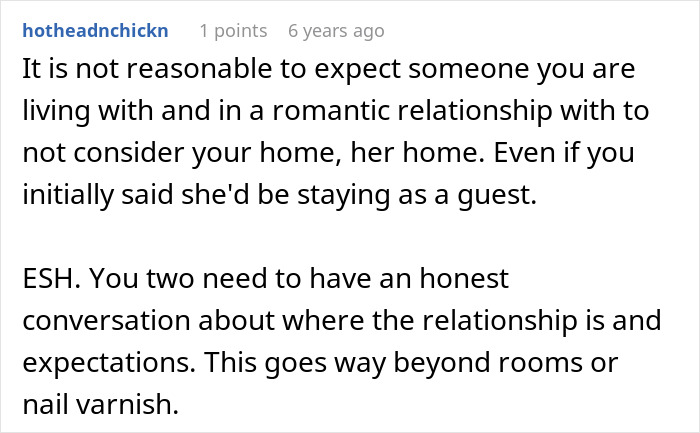
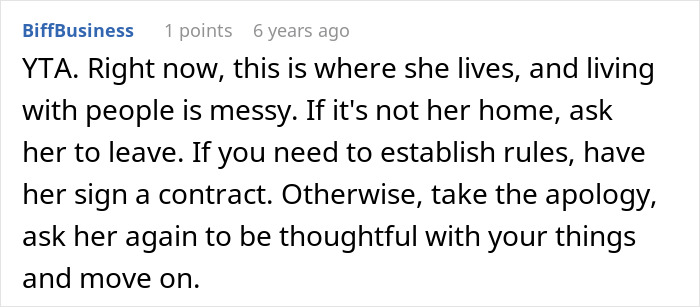
On the flip side, the girlfriend — without ever getting clarification — assumed his home was now her house. And at the same time, she failed to respect her partner’s personal boundaries.
Research shows that entitled partners treat every boundary as a personal attack.
“People who respect you may feel disappointed, yet they usually adjust. People who assume access often escalate with guilt, irritation, or sulking,” says Dr. Jennifer Brown, a forensic psychologist.
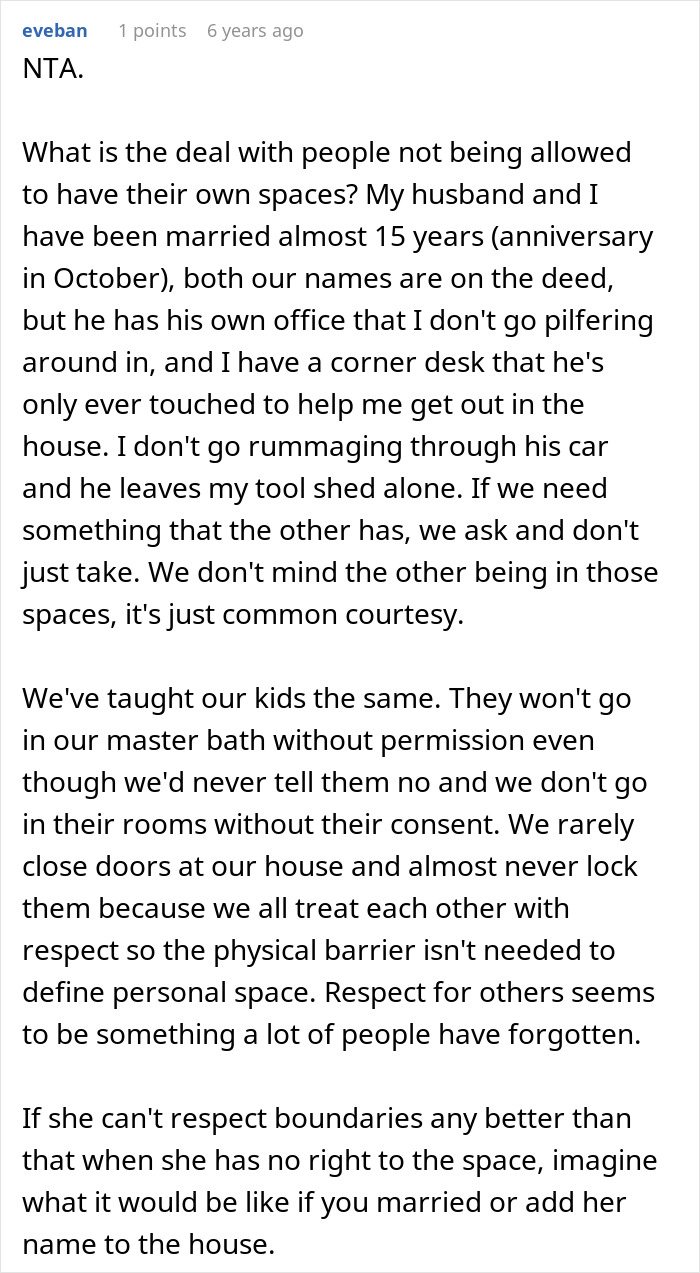
At the same time, needing personal space isn’t a sign of a failing relationship. Everyone needs time alone to recharge and reduce stress. Relationship experts consistently find that healthy couples maintain their own identity outside the partnership.
In that sense, locking a door or asking for alone time is a healthy way to reset so you can show up as a better partner.
“Personal space is an essential component of any healthy relationship. It allows individuals to maintain their independence, nurture their individuality, and develop a sense of self-worth,” says psychotherapist Grace Dowd.
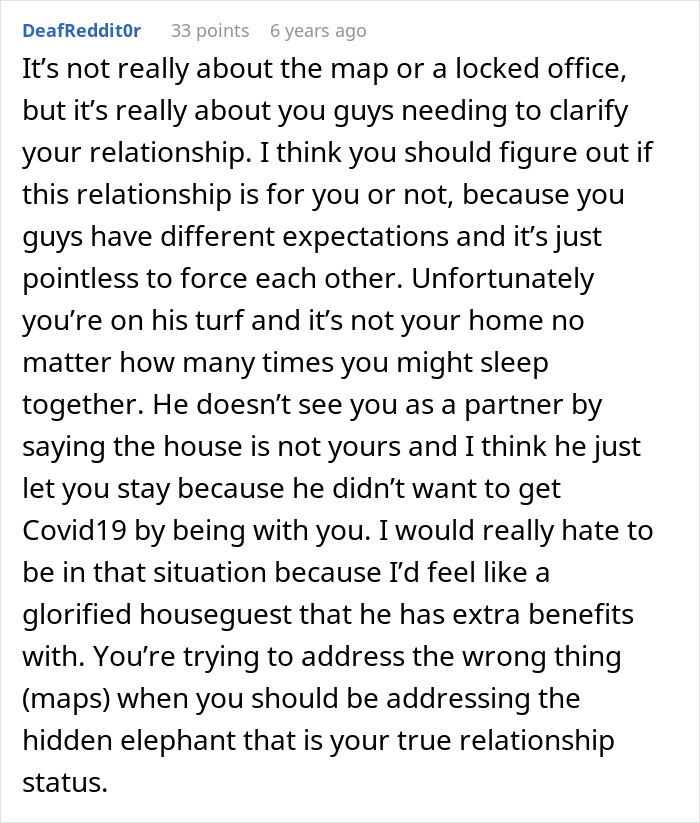
Ultimately, the core issue isn’t whether the house is hers. It’s that the couple never agreed on what living together actually meant and failed to establish clear boundaries from the start.












By entering your email and clicking Subscribe, you're agreeing to let us send you customized marketing messages about us and our advertising partners. You are also agreeing to our Privacy Policy.
Thank you! You've successfully subscribed to newsletters!



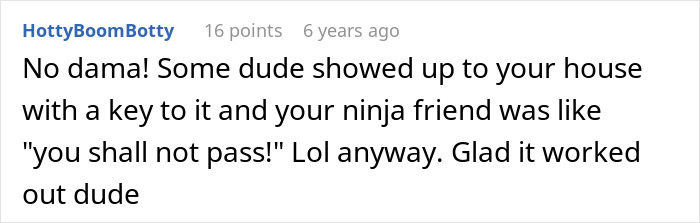
She sounds as if she’s absolutely crazy! When she said his being “sad is s****l violence,” I went from disliking her enormously to hate and fear. I can’t imagine how these two hooked up in the first place, but am sooo relieved she’s someone e else’s problem now! I also hope Tim stays in OP’s life ‘cause he’ll come in handy if others try to steamroll OP.
Load More Replies...
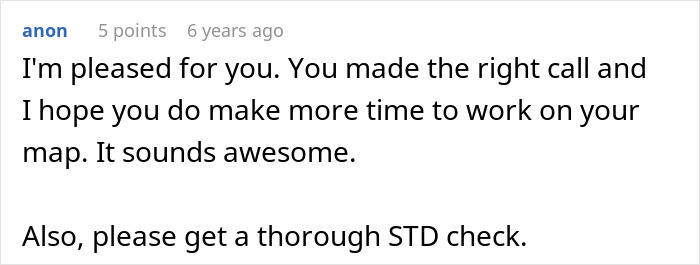
Honestly my main takeaway is that I want to know more about the map, but I think that says more about me than anyone in the story.
It sounds cool. And her insisting it didn't matter because "it wasn't a real place" was driving me nuts
Load More Replies...
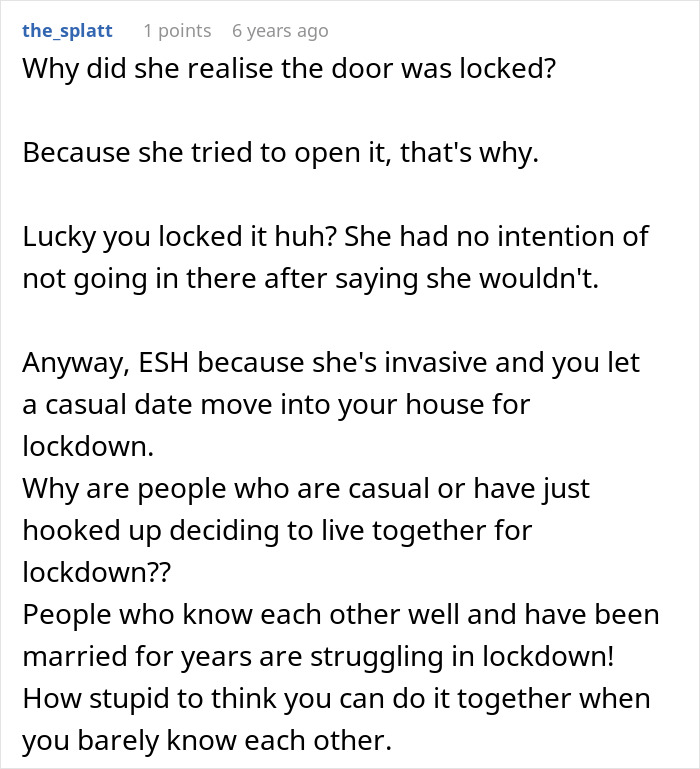
One of the commenters to the original thread ("She had no intention of not going in there after she said she wouldn't") was spot-on. I was kind of borderline ESH until KoalaBaby9001 herself weighed in.
except she was going to go in there, that is literally how she knew the door was locked. A lock door and an unlocked door look exactly the same when locked, there is only one way to know the difference, and weirdly enough, it is to try and go in.
Load More Replies... She sounds as if she’s absolutely crazy! When she said his being “sad is s****l violence,” I went from disliking her enormously to hate and fear. I can’t imagine how these two hooked up in the first place, but am sooo relieved she’s someone e else’s problem now! I also hope Tim stays in OP’s life ‘cause he’ll come in handy if others try to steamroll OP.
Load More Replies... Honestly my main takeaway is that I want to know more about the map, but I think that says more about me than anyone in the story.
It sounds cool. And her insisting it didn't matter because "it wasn't a real place" was driving me nuts
Load More Replies... One of the commenters to the original thread ("She had no intention of not going in there after she said she wouldn't") was spot-on. I was kind of borderline ESH until KoalaBaby9001 herself weighed in.
except she was going to go in there, that is literally how she knew the door was locked. A lock door and an unlocked door look exactly the same when locked, there is only one way to know the difference, and weirdly enough, it is to try and go in.
Load More Replies...





















 No fees, cancel anytime














37
39