Get Premium
Dark mode theme is available exclusively for premium users. Learn more about the benefits of subscribing.
No fees, cancel anytime.

 Dark Mode Ad-Free Browsing Unlimited Content
 Ad-Free Browsing Unlimited Content Dark Mode
Join 1.2 million Panda readers who get the best art, memes, and fun stories every week!
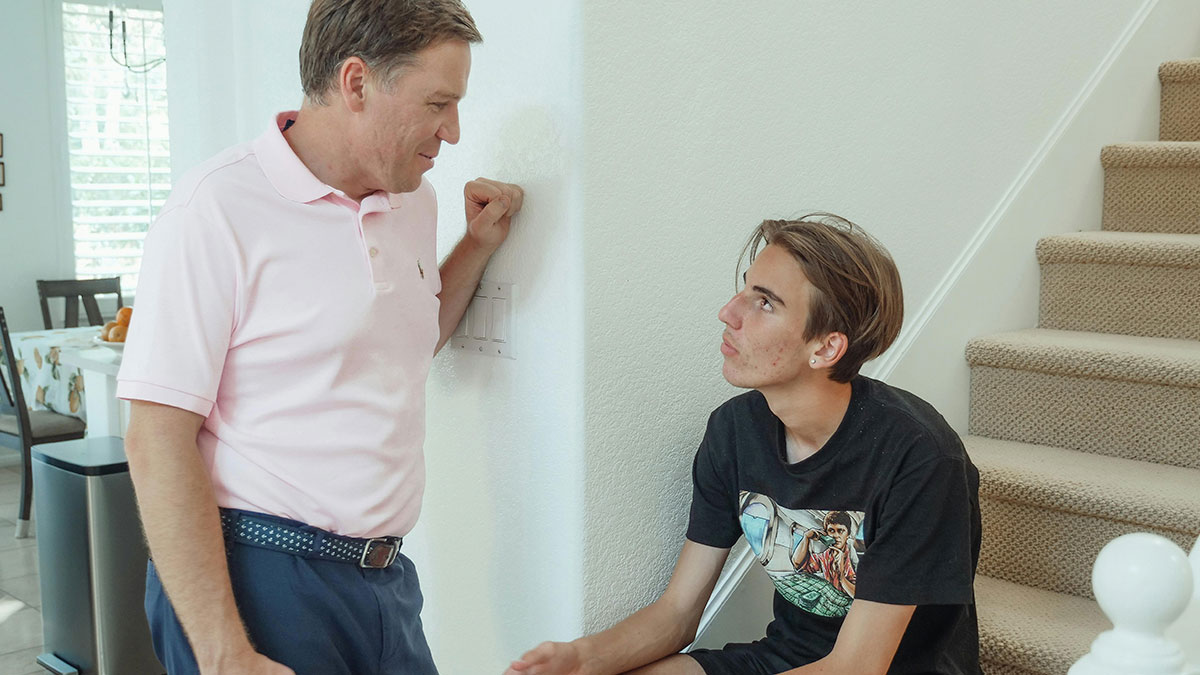
The word stepparent has two parts: step and parent. And while a lot of people put all the weight on the “step,” the “parent” part still means something. If you take on that role, you take on responsibility, and part of that is being involved in the child’s life. If someone can’t handle that, it’s fair to question whether they should get the title at all.
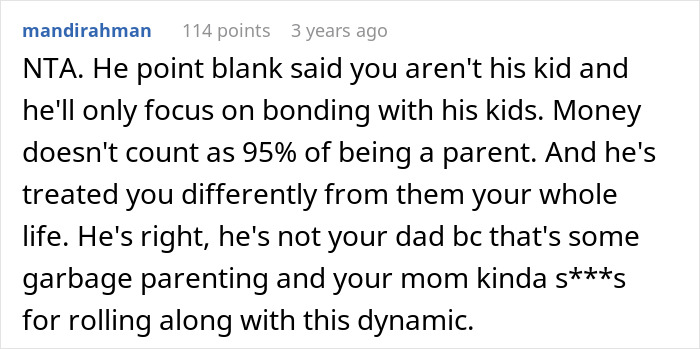
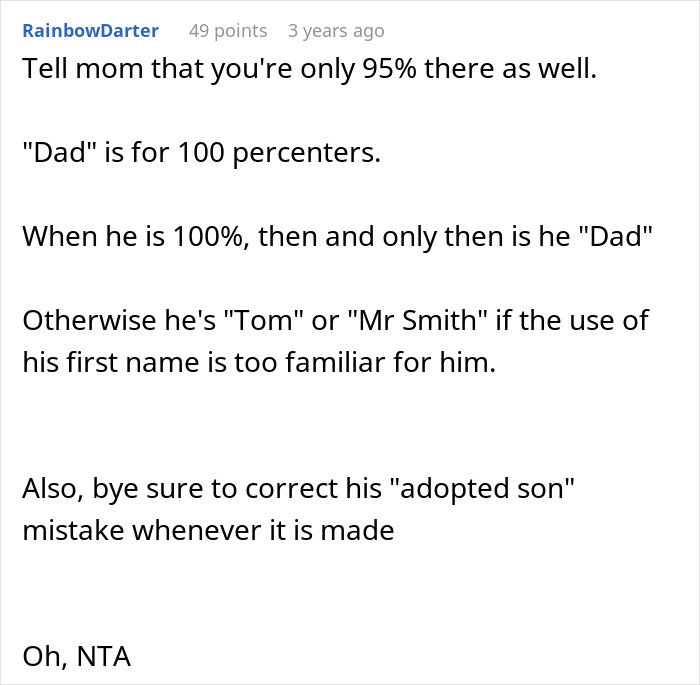
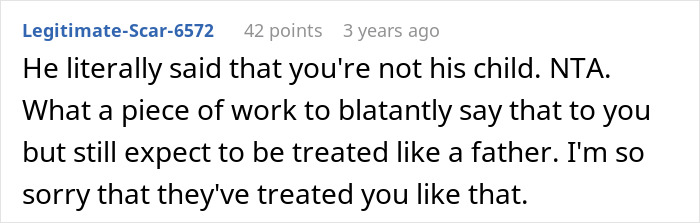
One teen had his stepdad in his life for as long as he could remember. But over the years, the man made it clear he didn’t see him as his real son and kept prioritizing his biological children. So after one more reminder of where he stood, the teen stopped calling him dad.
Turns out it’s not so easy to stomach that treatment when you’re on the receiving end of it. Read the full story below.
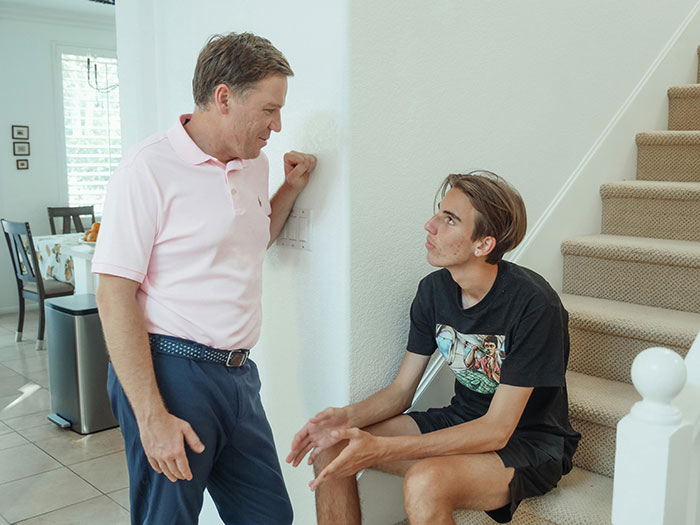
Image credits: Kindel Media (not the actual image)
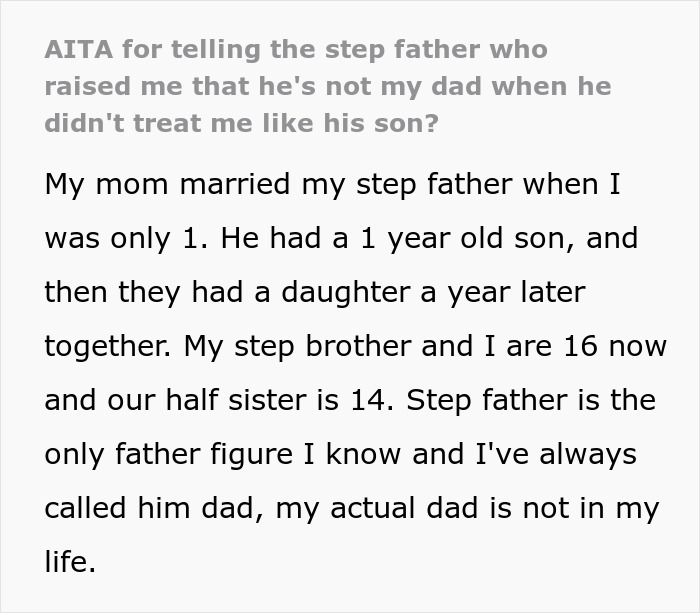


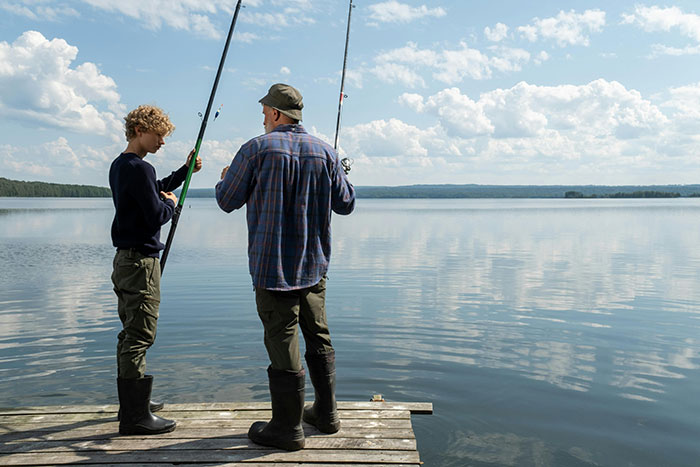
Image credits: Ron Lach (not the actual image)
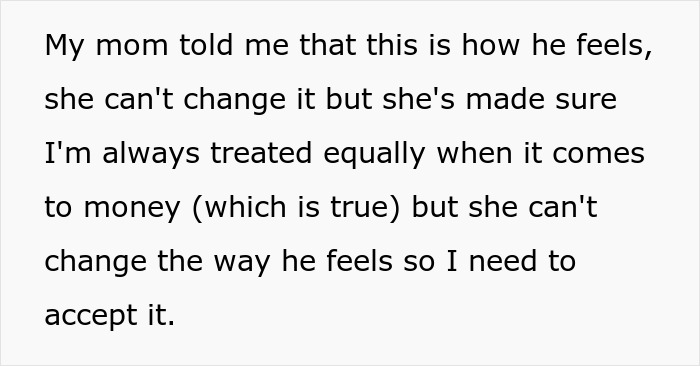

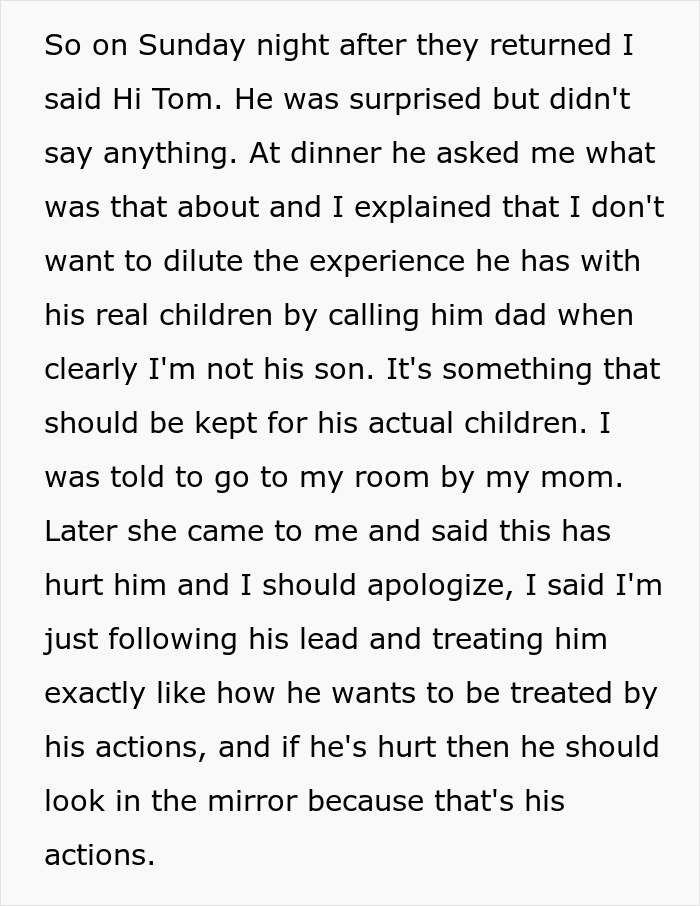
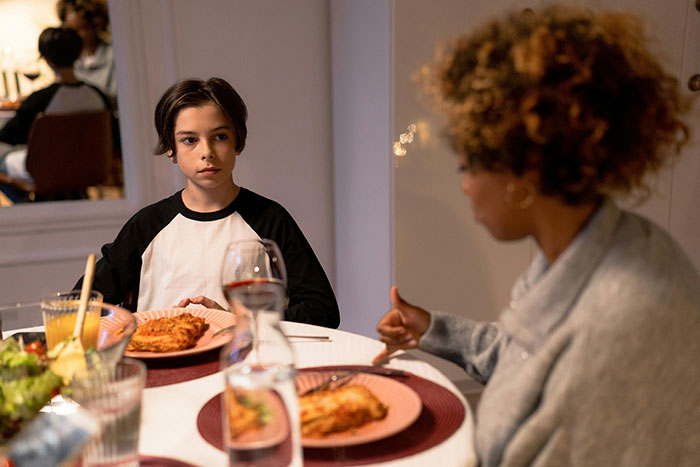
Image credits: cottonbro studio (not the actual image)
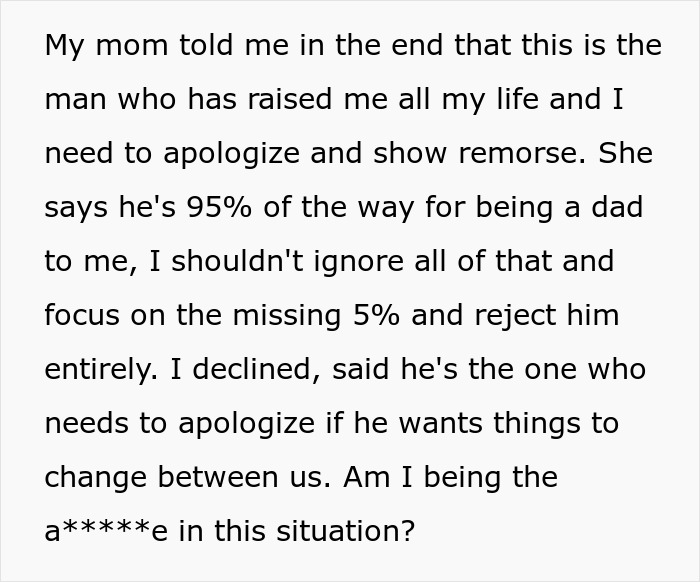
Image credits: Contkad851
Blended families are rarely easy. Even on paper, the task is as difficult as it sounds: you’re taking two families with their own routines, personalities, and histories, putting them under one roof, and hoping everyone clicks. That’s a lot to ask. Every small habit can become a big deal, and every awkward moment can feel personal.
Because it’s not just one relationship that needs work. Stepchildren are expected to accept a stepparent who can feel like a stranger, not quite a parent. Stepparents are expected to show up with patience and care for kids they’re still learning how to love. Stepsiblings have to figure out their own place in the new hierarchy, sometimes while grieving the old one. It’s a tightrope, and it’s normal for people to wobble.
The difference is, adults don’t get to pretend they’re just along for the ride. They’re the ones with the most responsibility, because that’s what comes with being an adult. They set the rules and the emotional temperature of the home. Which brings us back to the story above: can that be said for the stepdad here?
If you read any advice on blending a family, favoritism is one of the biggest “don’t do this” warnings. And it’s not hard to see why. Joining a new family as a child already comes with a fear that you’ll be the outsider. Watching someone else get the attention and comfort you’re craving is a fast track to hurt.
“I love my half-brother, but it was so hurtful to see how his needs seemed to be prioritized over mine,” Finlay, 31, whose father got together with his stepmother when he was 10, told The Times. “They would go on holiday and not invite me; I was discouraged from staying over; and the few times I was allowed to stay with them, I was asked to make up and strip my bed and bring my own towels. I felt like a second-class citizen.”
That’s the part people underestimate. There’s way more to favoritism than being the butt of a joke, or someone saying, “Haha, guess who the favorite is in this family.” It can teach a kid that love is something they have to earn or compete for.
Studies have linked favoritism to lower self-esteem, higher depressive symptoms, and more problematic behavior for kids who feel like they’re always getting the short end of the stick. Not exactly a nice goody bag to walk away with. No wonder the author of the story above eventually snapped.
Image credits: freepik (not the actual image)
So what does “doing it right” actually look like?
For one, stepparents need to actually step up. In a blended family “all the relationships need conscious time and attention in order to work”, Katherine Walker is a psychotherapist, couples therapist and blended family coach whose new book, Step Up, told The Times.
That’s true whether the kids are with you full-time or just on weekends. And it matters even more when a couple has more children together. The kids, “for however much of the time they’re in your house, deserve to feel safe and welcome,” Walker said.
There are different approaches stepparents can take to make stepkids feel included. Verywell Mind suggests starting with simple connection points, like finding mutual interests everyone genuinely enjoys and doing them regularly. It also helps to create shared traditions, meaning new routines the whole family can take part in, so no one feels like a guest in their own home.
Communication matters too. Try to keep conversations constructive, and aim for an environment where family members can share thoughts and concerns without worrying they’ll be judged or shut down. And when conflict happens, because it probably will at some point, focus on handling it in a healthy way. That can mean teaching kids how to cool off, talk through disagreements, and express emotions without turning the situation into a fight.
And of course, it takes time. Under the best conditions, it may take two to four years for a new stepfamily to adjust to living together, according to the APA. But when everyone puts in the effort, it really can grow into a happy, harmonious family.
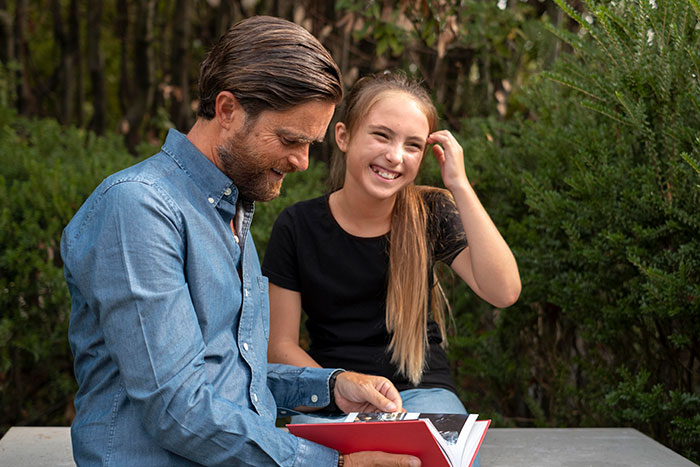
Image credits: The Yuri Arcurs Collection (not the actual image)













By entering your email and clicking Subscribe, you're agreeing to let us send you customized marketing messages about us and our advertising partners. You are also agreeing to our Privacy Policy.
Thank you! You've successfully subscribed to newsletters!


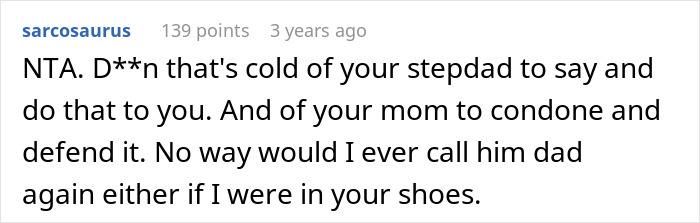
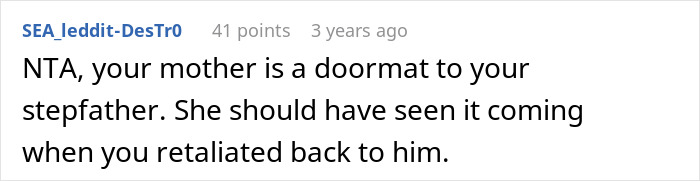
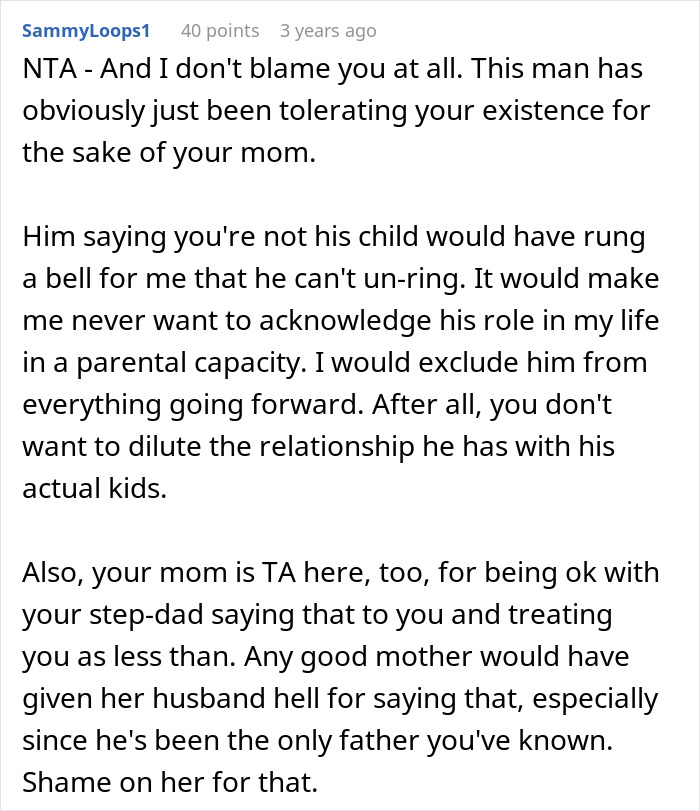
Shame on OP's mother for continuing to raise children with a partner who doesn't love one of their kids.

Shame on OP's mother for continuing to raise children with a partner who doesn't love one of their kids.

















 No fees, cancel anytime





19
28