Get Premium
Dark mode theme is available exclusively for premium users. Learn more about the benefits of subscribing.
No fees, cancel anytime.

 Dark Mode Ad-Free Browsing Unlimited Content
 Ad-Free Browsing Unlimited Content Dark Mode
Join 1.2 million Panda readers who get the best art, memes, and fun stories every week!
In today’s world, people are becoming increasingly open-minded and accepting of the LGBTQ+ community. Conversations about identity, inclusivity, and equality are more common than ever, and many families are learning to grow alongside these changes.
However, acceptance isn’t universal. Sometimes, the very people closest to us—our parents, relatives, or family friends—struggle to understand or adapt, leaving LGBTQ+ individuals feeling unseen or unsupported in their own homes. For instance, one teen recently shared how his parents reacted harshly during a seemingly harmless moment, revealing the challenges he faces simply for being himself.
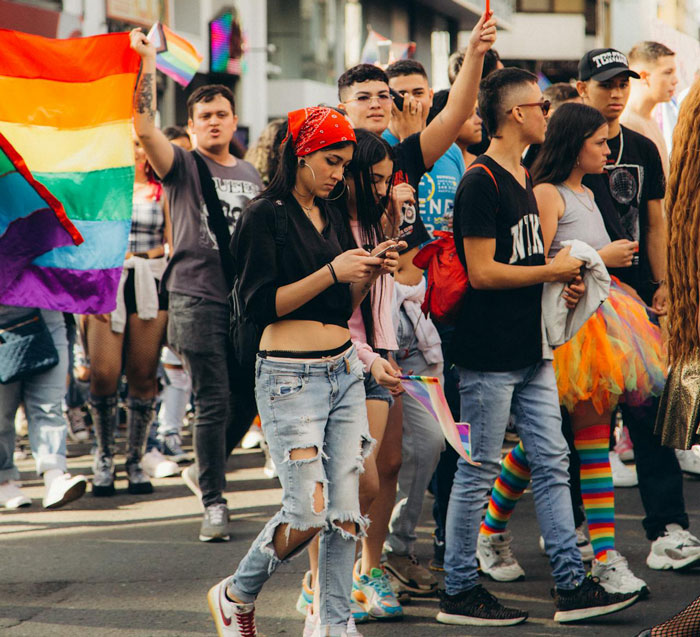
Image credits: Yan Krukau / Pexels (not the actual photo)
Image credits: Eduardo Ramos / Unsplash (not the actual photo)
Image credits: hartono subagio / Pexels (not the actual photo)
Image credits: ElPanaRichie
Image credits: Yura Forrat / Pexels (not the actual photo)
Over the years, the world has slowly but surely been getting kinder and more open-minded toward LGBTQ people. Acceptance has climbed in dozens of countries, and some places are practically leading the positivity parade. Nations like Iceland, Norway, the Netherlands, Sweden, and Canada are topping the global charts with their warm, welcoming attitudes. These aren’t overnight changes either, they’re decades in the making. It’s proof that progress doesn’t just happen; people make it happen. And honestly, it’s refreshing to see entire countries choosing compassion. The global vibe is shifting, and it’s shifting in the right direction. A little progress here, a little kindness there — it adds up.
Representation has also gotten a glow-up in recent years, especially in film, TV, and online media. In 2022, LGBTQ characters hit record visibility, making stories more diverse, relatable, and real. And the ripple effect? Attitudes are changing too. In the U.S., a huge 72% of people now say homosexuality should be accepted, which is a massive jump from just 42% in 2007. That’s not a tiny shift; that’s a complete cultural flip. Visibility truly does wonders. When people see others for who they are, empathy grows naturally.
But even with all this progress, there’s still some homework left for everyone, especially when supporting someone who’s LGBTQ. Step one? Take them seriously. If someone trusts you enough to share who they are, believe them. Don’t brush it off as a “phase” or something they’ll magically grow out of. That kind of thinking isn’t supportive; it’s dismissive. Being there for someone means respecting their truth. Even if you need time to process, the kindness in your reaction makes all the difference. Support doesn’t require expertise, just sincerity.
It also helps to check in with your own biases, because everyone has them in one way or another. Most of us grow up with ideas we don’t even realize we absorbed. Taking a moment to question those old assumptions shows maturity, not guilt. And it’s totally okay if you don’t have all the right words yet. What matters is the intention to be better. Learning is lifelong, and no one expects perfection. Growth can be as simple as listening, reading, or admitting, “Hey, I didn’t know that.” That’s already a big step.
Another key part of supporting someone in the LGBTQ community is staying away from assumptions altogether. Don’t guess someone’s identity, experience, or preferences just because you think you “see signs.” Labels belong to the person who lives the experience, not outsiders. And don’t assume that one person’s story represents everyone. Let people tell you who they are in their own words. When you leave assumptions out of it, you make room for real understanding and trust.
Image credits: Mental Health America / Pexels (not the actual photo)
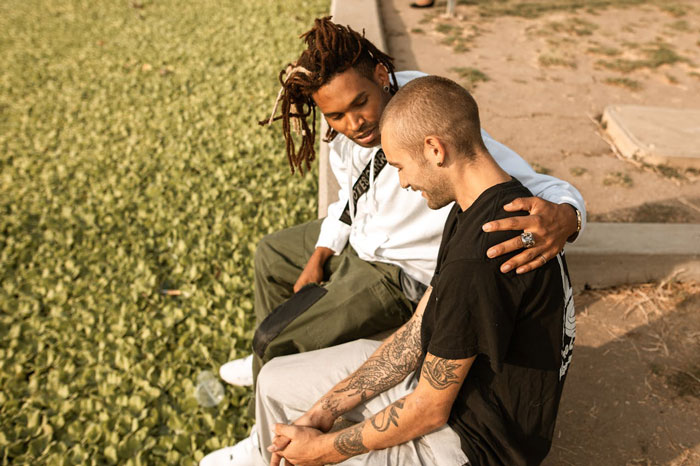
Listening goes a long way — much farther than people think. Sometimes, someone just wants to tell their story without being corrected or judged. Saying things like “I’m glad you told me” or “I care about you no matter what” can make someone feel seen and safe. You don’t need grand speeches or perfect phrasing. Just show genuine interest and compassion. The more you listen, the more you understand their world. And yes, support can be as simple as sitting together and hearing them out. Your presence matters more than you know.
Of course, support doesn’t mean prying into every personal detail. Some people are open books; others take time. Avoid asking intrusive questions about their body, relationships, or past, especially if you wouldn’t want someone asking you the same things. Let conversations unfold naturally. Respecting boundaries builds trust, and trust turns into deeper connection. Curiosity is normal, but respect is essential. And honestly, when someone is ready to share, they will. No need to dig. Kindness and patience always win.
Overall, being a good ally or supportive friend doesn’t require anything dramatic — just empathy, respect, and an open heart. The world is already moving toward greater acceptance, and you can be part of that change simply by being thoughtful. Every supportive word, every moment of understanding, adds a little more light to someone’s life. Progress happens on a personal level long before it shows up in statistics. And who knows? Your kindness might be the reason someone feels safe enough to be themselves. That alone is a beautiful contribution.
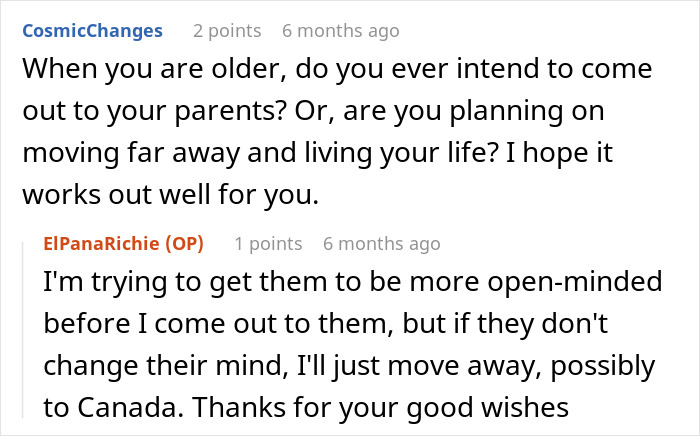
In this particular case, it seems like the teen’s parents have at least started to soften their stance, even if it happened in a pretty unexpected way. With time, patience, and more open conversations, hopefully he’ll be able to help them understand who he is without fear or hesitation. Change doesn’t happen overnight, especially within families, but small steps can lead to big shifts. What are your thoughts on this story? Have you ever experienced something similar? Let us know in the comments below.

By entering your email and clicking Subscribe, you're agreeing to let us send you customized marketing messages about us and our advertising partners. You are also agreeing to our Privacy Policy.
Thank you! You've successfully subscribed to newsletters!

It's all too stupid. In the old testament, there was little said about homosexuality, and eating bacon was a worse sin. Besides, christians are supposed to follow the new testament, and jesus never said anything about it. Religious people like to cling to the very little about the topic in the bible so that they can justify their hate and discomfort.

But religion doesn’t explain *all* the hate. There are PLENTY of atheists who hate “fаgs” for not being the norm. That’s why I’ve kept my mouth shut around my folks my entire life. (I was 57 and visiting my dad when he was taking a nap, and I saw Hannah Waddington for the first time on “Ted Lasso” and murmured something like “Dayum! I wanna climb her tree!” unaware my dad was up and looking over my shoulder. When I realized, I clammed up and prolly turned scarlet. He said, “Bink, did you really think I didn’t know?” If he knows, then why have I spent my life listening to diatribes about how he can always spot a lesbian? It dawned on me he’s never really said anything awful, but mostly just icky. He’s also mellowed out at almost 94.)
Load More Replies...
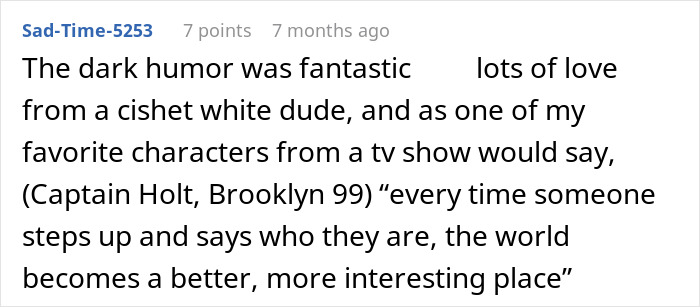
Everyone knows there are only two sexualities: straight and "political", two forms of ability - able-bodied and "political", two genders - male and "political", and so on. Be nice to be seen as f*****g human beings instead of "political". Nice work with the dark humour at least.
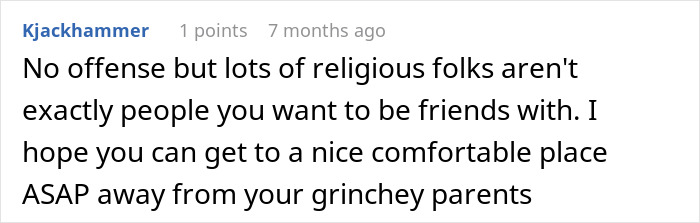
If people who follow their religion would stop using that as a belief system and more as a way to behave morally and humanely, maybe all of this hostility would go away. How can religions say all people should be treated fairly and the same later say that anyone who believes differently than I am doesn't deserve fair treatment? It's rhetoric and they don't use critical thinking, they just follow blindly. Very sad. Hasn't religion caused enough problems already with fighting, k*****g, wars and hatred?
It's all too stupid. In the old testament, there was little said about homosexuality, and eating bacon was a worse sin. Besides, christians are supposed to follow the new testament, and jesus never said anything about it. Religious people like to cling to the very little about the topic in the bible so that they can justify their hate and discomfort.
But religion doesn’t explain *all* the hate. There are PLENTY of atheists who hate “fаgs” for not being the norm. That’s why I’ve kept my mouth shut around my folks my entire life. (I was 57 and visiting my dad when he was taking a nap, and I saw Hannah Waddington for the first time on “Ted Lasso” and murmured something like “Dayum! I wanna climb her tree!” unaware my dad was up and looking over my shoulder. When I realized, I clammed up and prolly turned scarlet. He said, “Bink, did you really think I didn’t know?” If he knows, then why have I spent my life listening to diatribes about how he can always spot a lesbian? It dawned on me he’s never really said anything awful, but mostly just icky. He’s also mellowed out at almost 94.)
Load More Replies... Everyone knows there are only two sexualities: straight and "political", two forms of ability - able-bodied and "political", two genders - male and "political", and so on. Be nice to be seen as f*****g human beings instead of "political". Nice work with the dark humour at least.
If people who follow their religion would stop using that as a belief system and more as a way to behave morally and humanely, maybe all of this hostility would go away. How can religions say all people should be treated fairly and the same later say that anyone who believes differently than I am doesn't deserve fair treatment? It's rhetoric and they don't use critical thinking, they just follow blindly. Very sad. Hasn't religion caused enough problems already with fighting, k*****g, wars and hatred?

















 No fees, cancel anytime











30
11