Get Premium
Dark mode theme is available exclusively for premium users. Learn more about the benefits of subscribing.
No fees, cancel anytime.

 Dark Mode Ad-Free Browsing Unlimited Content
 Ad-Free Browsing Unlimited Content Dark Mode
Join 1.2 million Panda readers who get the best art, memes, and fun stories every week!
Getting a tattoo is often described as a collaboration between artist and client, but that doesn't mean every request gets a "yes". Experienced tattoo artists spend years learning not only how to create beautiful work, but also when to push back, ask more questions, or recommend a different approach altogether. Whether the concern is how a design will age, the cultural significance of certain imagery, or simply whether a tattoo reflects what the client actually wants, knowing when not to tattoo something is just as important as knowing how to tattoo it well.
Turning down a request is rarely about personal preference or artistic ego. More often, it's the result of experience, seeing how tattoos change over time, understanding the technical limitations of skin, recognizing ethical boundaries, and knowing that a permanent piece deserves more consideration than an impulsive decision. Saying no isn't always easy. In a profession built on trust, referrals, and client relationships, refusing a project can mean walking away from both the work and the income that comes with it.
We asked the artists at our Sacred Gold Tattoo, each with their own specialty, experience, and artistic perspective, to share the requests they are most likely to decline, and, more importantly, why. While every artist has their own approach, their answers revealed a common thread: the best tattooing isn't about agreeing to every idea that walks through the door. It's about making decisions that give clients the best chance of loving their tattoo not just on the day it's finished, but for years to come.
More info: sacredgold.shop | Instagram | Facebook | tiktok.com
This post may include affiliate links.
This is one of the few issues on which there is virtually no disagreement within the profession. No reputable tattoo artist will knowingly tattoo racist symbols, imagery associated with hate groups, or designs intended to intimidate, threaten, or dehumanize others. Refusing this type of work isn't about artistic preference or personal taste, it's a matter of professional ethics and responsibility. A tattoo is a permanent statement, and most artists are unwilling to use their skills to create imagery that promotes hatred or causes harm.
Tattooing has served as a form of personal expression, cultural identity, and artistic craftsmanship for thousands of years across countless societies. While its styles and meanings have evolved, one principle remains unchanged: the relationship between artist and client is built on trust. Most tattoo artists see that trust as extending beyond the individual sitting in the chair to the wider community as well. For that reason, any studio that values its reputation and professional integrity will decline requests for hateful or discriminatory imagery without hesitation.

And yet there are apparently plenty of (non-reputable) tattoo artists who don't share these ethics and morals, since we see nasty imagery on people all the time :(
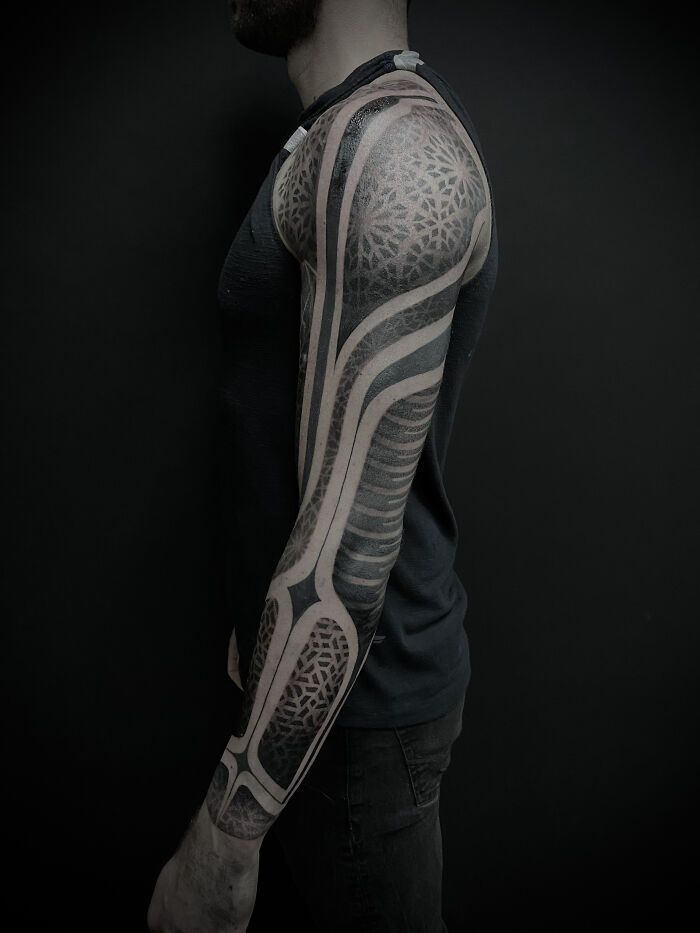
This is perhaps the most nuanced point on the list, and the one most likely to spark debate. Most experienced tattoo artists aren't opposed to face or hand tattoos. In fact, some of the most striking work in contemporary tattooing is created for these highly visible placements. What gives artists pause isn't the location itself, but whether the decision has been considered from every angle. A tattoo that's difficult, or impossible, to conceal carries different long-term implications than one that can be covered when needed, making the consultation just as important as the design.
For younger clients especially, artists often encourage a longer conversation before committing to such a visible piece. Personal style, career goals, and even a sense of identity can change significantly over the course of a decade. A design that feels like the perfect reflection of who you are today may not carry the same meaning years from now. There's also the practical reality that, despite changing attitudes toward tattoos, visible ink can still influence how people are perceived in certain industries and social settings. None of this means the answer is automatically "no." It simply means the decision deserves the same level of thought as the permanence it carries. Clients who have already weighed those considerations usually recognize the conversation as part of the process, not an obstacle to it.
This is perhaps the least obvious point on the list, but it's often one of the most valuable. Sometimes the design a client requests isn't actually the best solution for what they're trying to achieve. A person who wants to make stretch marks less noticeable may choose delicate fine-line work, even though that style can emphasize skin texture rather than distract from it. Someone looking for a bold, statement piece may choose a placement that's hidden most of the time. Neither idea is "wrong," but neither fully serves the intention behind it.
One of the most important parts of a tattoo consultation is identifying the difference between what a client is asking for and what they're ultimately hoping to accomplish. Experienced artists don't simply focus on the design, they ask why it matters, how it will be worn, and what the client wants to feel when they look at it years from now. Those conversations often lead to adjustments in style, scale, placement, or composition that better support the original goal. The best consultations don't just produce better tattoos, they help clients leave with something that truly reflects what they wanted all along.
The Buddha is perhaps the best-known example, but the principle extends far beyond a single religion or culture. In many Buddhist communities, tattoos depicting the Buddha, particularly on the legs, feet, or other placements considered disrespectful, are regarded as deeply offensive. In countries such as Thailand and Sri Lanka, visitors have faced serious consequences for displaying these tattoos in public. Similar considerations apply to traditional Māori tā moko, Polynesian tattoo patterns, Hindu deities, Indigenous symbols, and other forms of cultural or religious imagery that carry specific meanings within the communities they come from.
These designs were not created simply to decorate the body. Many represent ancestry, spiritual beliefs, social status, rites of passage, or cultural identity, and their significance often extends far beyond what is visible. That's why experienced tattoo artists usually ask questions before agreeing to tattoo them. The goal isn't to discourage cultural appreciation, it's to understand the intention behind the request and ensure the design is approached with knowledge and respect. In many cases, an artist can create a piece inspired by a culture's artistic language without reproducing sacred or culturally specific symbols out of context, resulting in a tattoo that is both more personal and more meaningful.

I love the ta moko and the Inuit facial lines but I do not belong to those cultures and it would be ridiculous and inappropriate for me to wear them. Same with religious iconography that don't pertain to me. Just because we could doesn't mean we should.
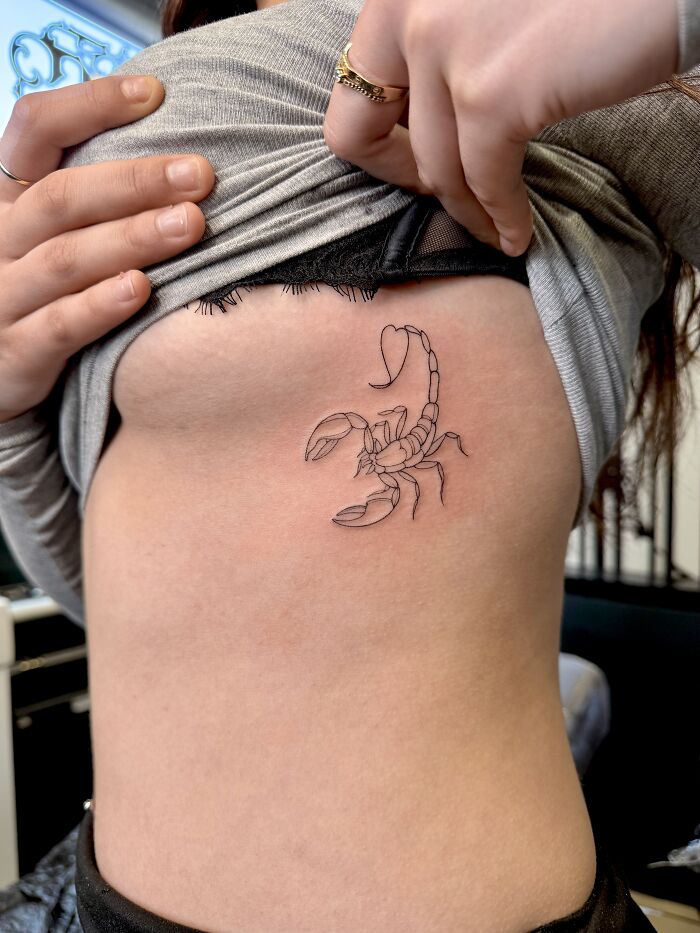
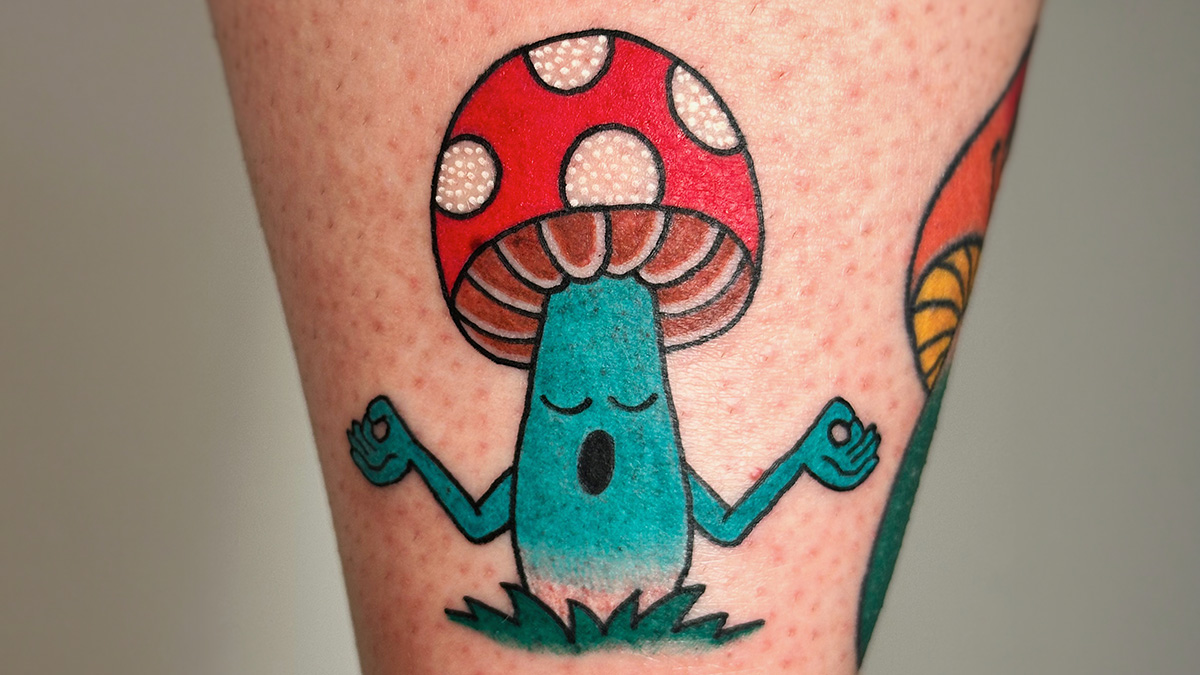
Not every tattoo that looks beautiful on day one will still look beautiful years later. Designs with ultra-fine lines placed too close together, highly intricate details scaled down beyond what the skin can realistically hold, or delicate lettering that's too small for its placement are all prone to losing definition over time. An experienced artist can often spot these issues before the first line is ever tattooed. That's because tattoo ink doesn't stay exactly where it's placed. As it settles into the skin, it naturally diffuses slightly, while years of movement, sun exposure, and the skin's aging process gradually soften edges and reduce contrast. What begins as a crisp, highly detailed design can eventually blur into shapes that are difficult to read.
That doesn't mean fine-line or minimalist tattoos should be avoided. When they're designed with the right proportions, spacing, and placement, they can age beautifully. The problem isn't the style itself, it's ignoring the physical limits of skin. Saying no to a design that's unlikely to stand the test of time isn't about restricting a client's creativity; it's about protecting the integrity of the tattoo. In many cases, a few thoughtful adjustments can preserve the original idea while ensuring it remains clear and recognizable for decades rather than just the first few years.
This one comes up almost unanimously, and it's easy to understand why. When a client walks in with a screenshot of a tattoo they found online and asks for an exact replica, they're not simply requesting a design, they're asking an artist to reproduce someone else's original work without permission. A tattoo belongs to two people: the artist who created it and the person who wears it. Copying it is, at best, an ethical gray area and, at worst, a clear violation of creative ownership.
Beyond that, a tattoo is never just an image. It was designed for a specific body, a specific story, and a specific person. Reproducing it strips away that context and reduces something deeply personal to a duplicate. The better approach is to talk about what drew you to the piece in the first place, the composition, the symbolism, the style, or the feeling it evokes, and then create something that captures that same essence while remaining entirely your own.
Cover-ups and reworks are among the most technically demanding services a tattoo artist can offer. Success depends on far more than covering old ink, it requires careful planning, a solid understanding of color theory, an honest assessment of what the existing tattoo will allow, and, in many cases, multiple sessions. The one thing the process can't accommodate is being rushed. Agreeing to a large cover-up without clear reference material, without discussing realistic expectations, or simply because a client wants it finished as quickly as possible often leads to the same outcome: replacing one disappointing tattoo with another. The better approach is to slow down, schedule a proper consultation, evaluate the existing tattoo, discuss the limitations, and develop a design that has the best chance of succeeding.
Every refusal on this list reflects the same principle: getting a tattoo right matters more than getting it done quickly. The artists who consistently produce their best work aren't the ones who say yes to everything, they're the ones who know when to pause, ask more questions, or recommend a different approach. If you've ever left a consultation feeling rushed, pressured, or unsure about the design, it's worth finding a studio that's willing to have an honest conversation before the machine ever touches your skin. That conversation often determines whether you'll love your tattoo for years to come.
This is a related issue, but for a different reason. Combining Polynesian tribal patterns, Aztec symbolism, and Celtic knotwork into a single tattoo simply because each element looks appealing on its own often strips those traditions of the cultural context that gives them meaning. These visual languages developed independently over centuries, each carrying its own history, symbolism, and artistic conventions. Removing individual elements from that context and blending them together without understanding their significance can unintentionally reduce them to decoration rather than expressions of living cultural traditions.
This isn't about gatekeeping or insisting that cultures should never inspire one another. It's about creating a design that is thoughtful, coherent, and respectful. If you're drawn to several different artistic traditions, an experienced tattoo artist will usually encourage you to explore what resonates most with you and build a piece around that foundation. In other cases, the better solution is to create an original design inspired by shared themes rather than borrowing recognizable cultural symbols without their context. The result is almost always a tattoo that feels more authentic, more personal, and ultimately more meaningful.
















 No fees, cancel anytime