Get Premium
Dark mode theme is available exclusively for premium users. Learn more about the benefits of subscribing.
No fees, cancel anytime.

 Dark Mode Ad-Free Browsing Unlimited Content

 Ad-Free Browsing Unlimited Content Dark Mode

Join 1.2 million Panda readers who get the best art, memes, and fun stories every week!
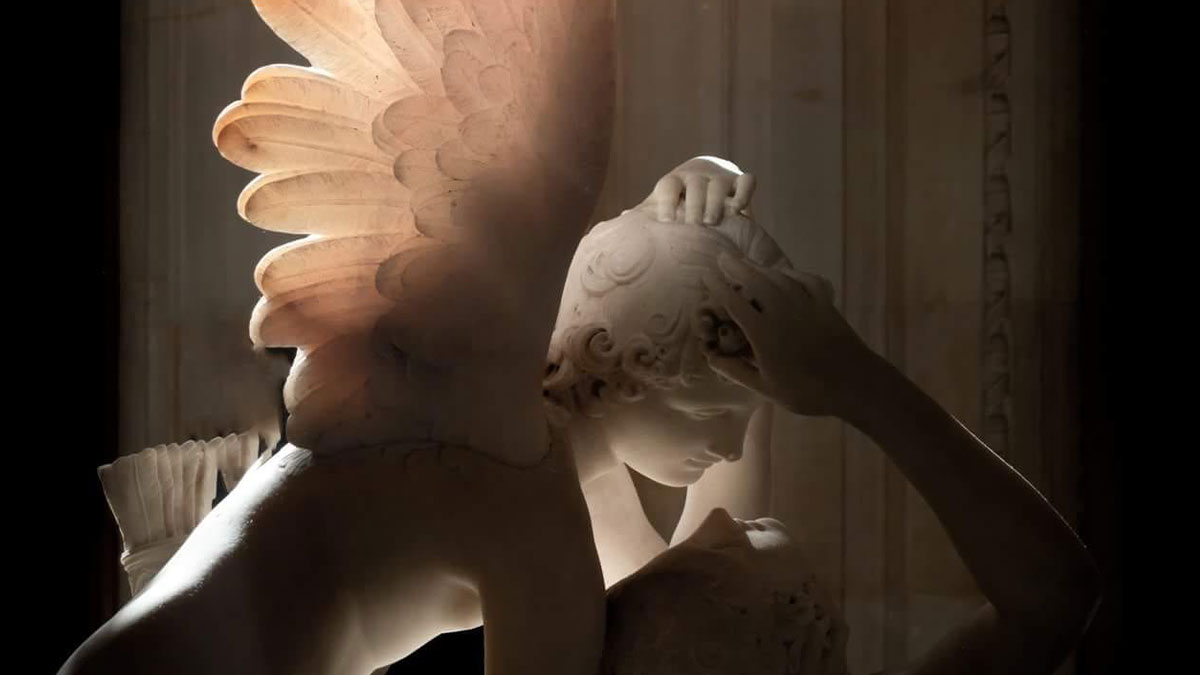
There's something eternally fascinating about the art of sculpture, more so when it depicts the human form. Michelangelo, for example, lived and created more than 500 years ago, yet we still marvel at the level of mastery and beauty that he was able to accomplish.
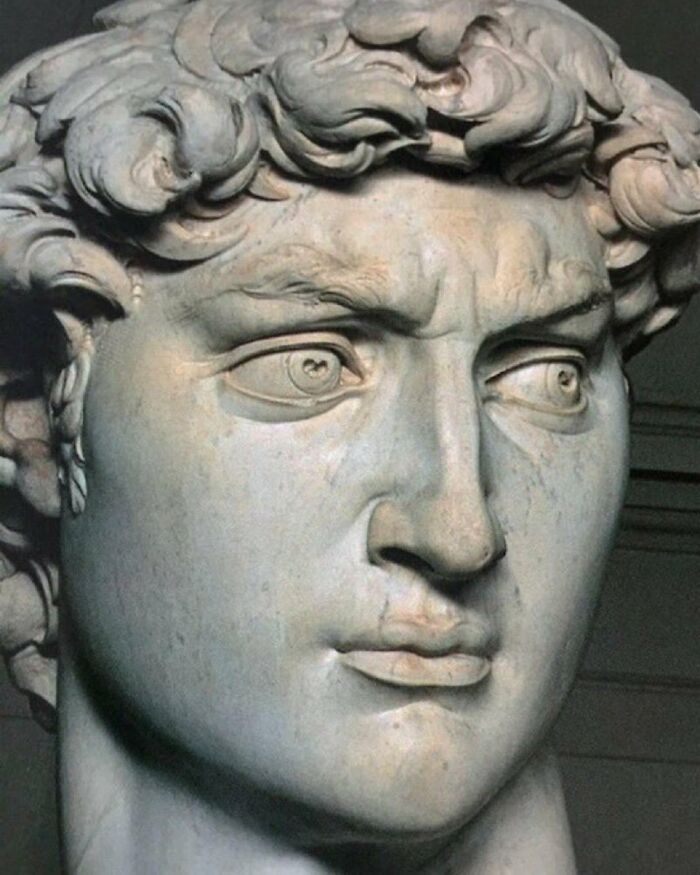
Recently, a Twitter (X) user James Lucas shared some interesting details in sculptures that people sometimes might overlook. For example, did you know that Michelangelo's David has heart-shaped pupils? Scroll down and find more fascinating details about the most famous sculptures in art history!
Bored Panda reached out to the author of this thread, James Lucas. He kindly agreed to tell us more about where he got the inspiration and knowledge about these interesting facts. Read our short conversation with him below!
More info: Twitter (X) | Substack
This post may include affiliate links.
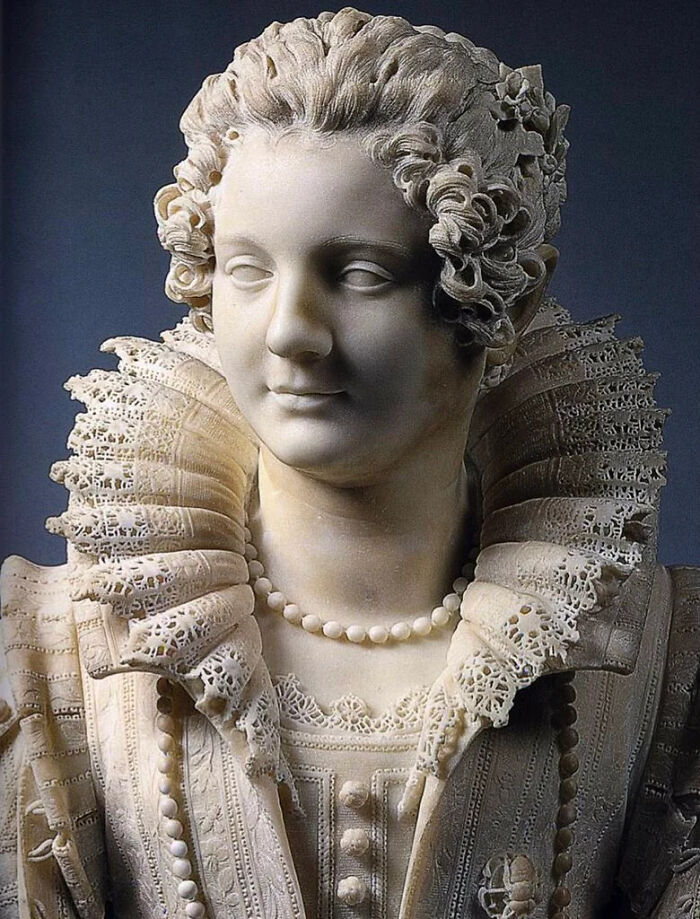
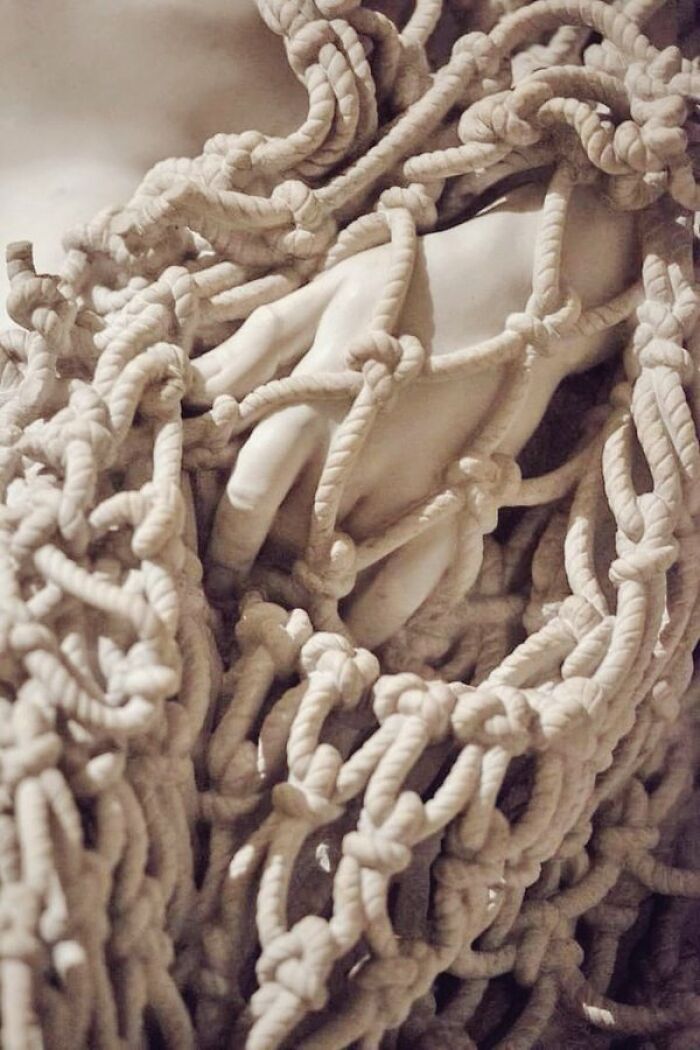
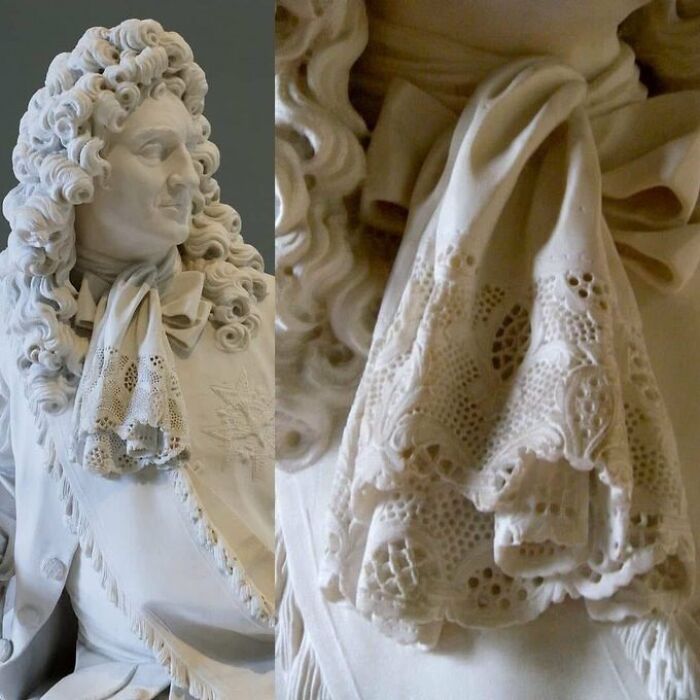
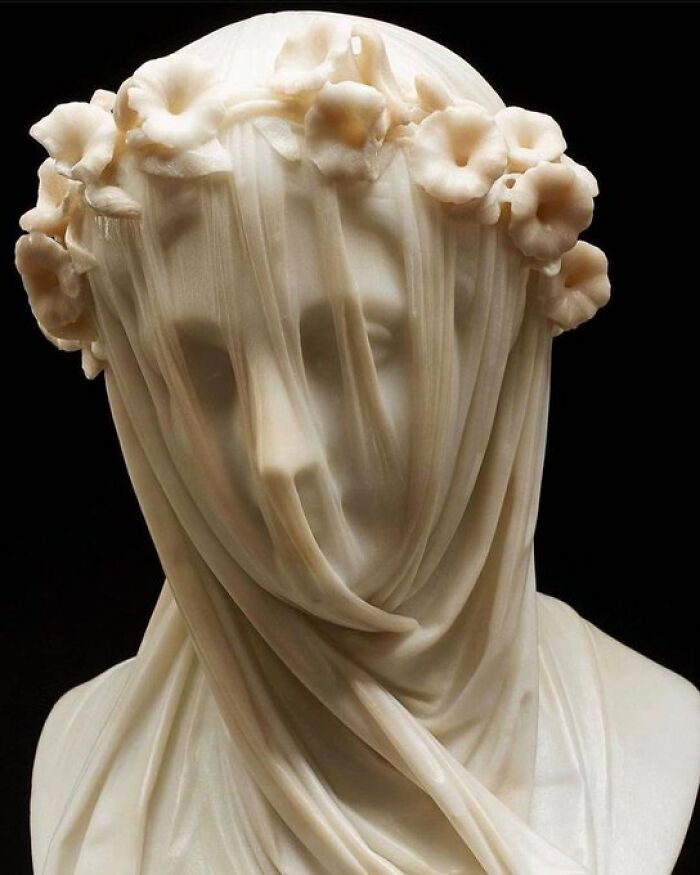
Giuliano Finelli's bust of Maria Duglioli Barberini (1626)
No apprentice would touch the sculpture for fear of the delicate net crumbling in their hands.
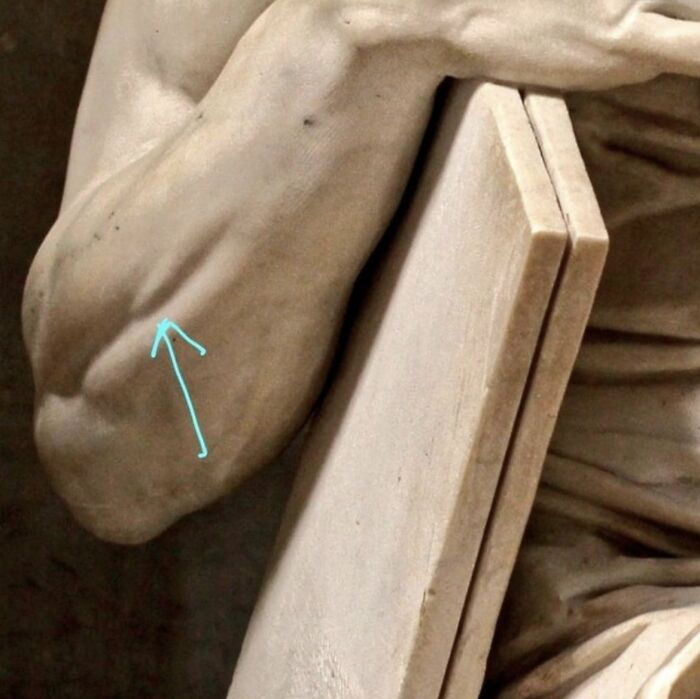
There is a tiny contracted muscle in the forearm, which only contracts when the little finger is raised. Moses is lifting the pinky, therefore that tiny muscle is contracted.

anyone else just spend 5 min lifting their pinky and checking their forearm? .......... Just me?
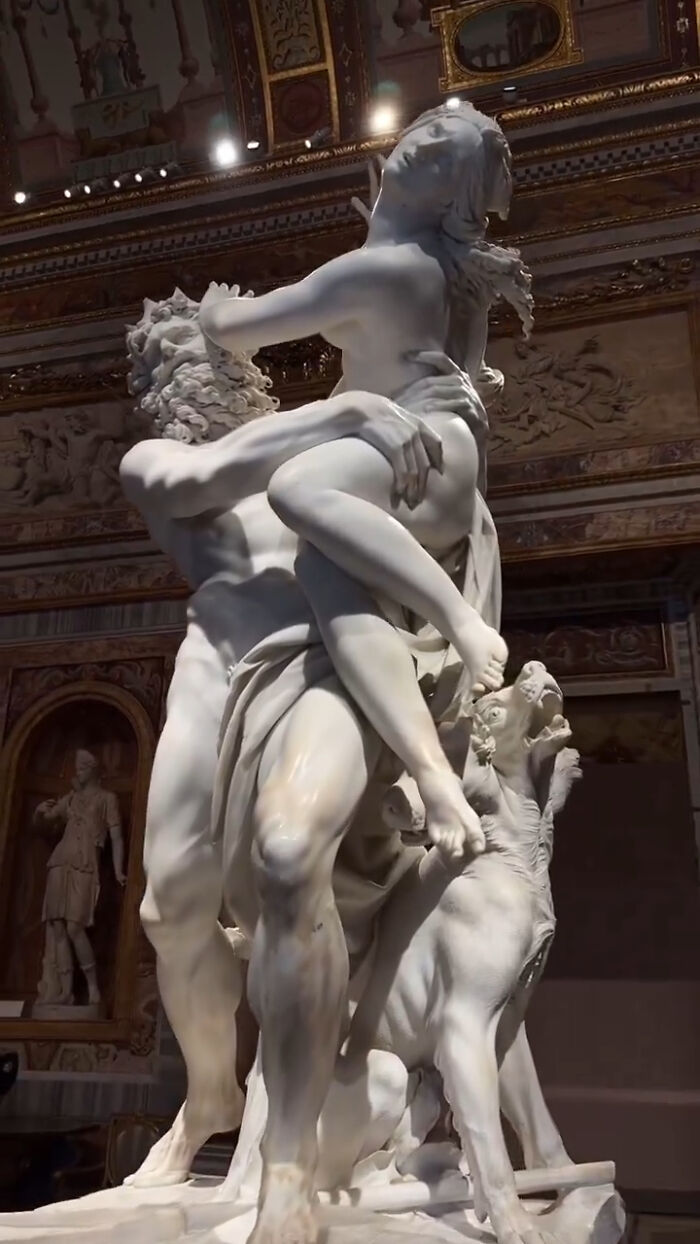
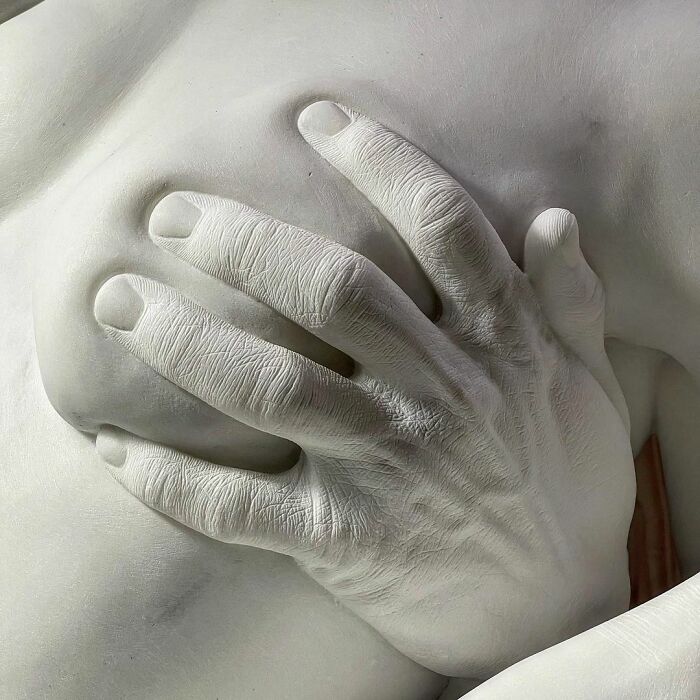
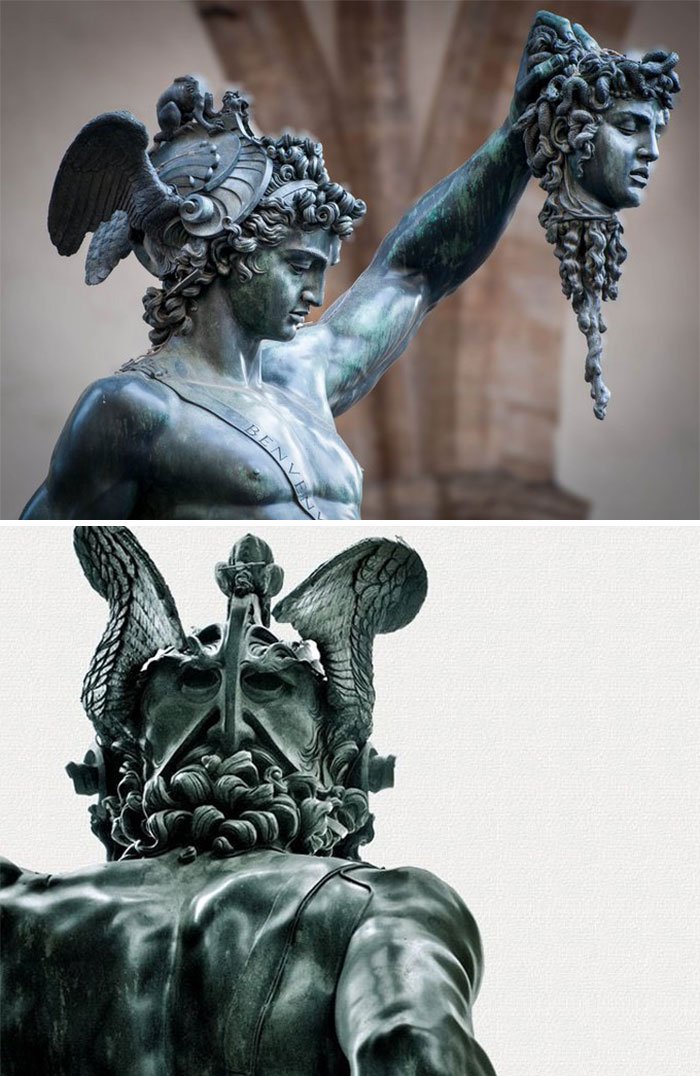
The legendary Italian sculptor was only 23 years old when he completed "The Abduction of Proserpina".

I mean of the reasons people were accused of things that don't exist this is one of the fairer ones
To be pedantic or not to be pedantic: Five foot six is 5'6", not 5"6'.
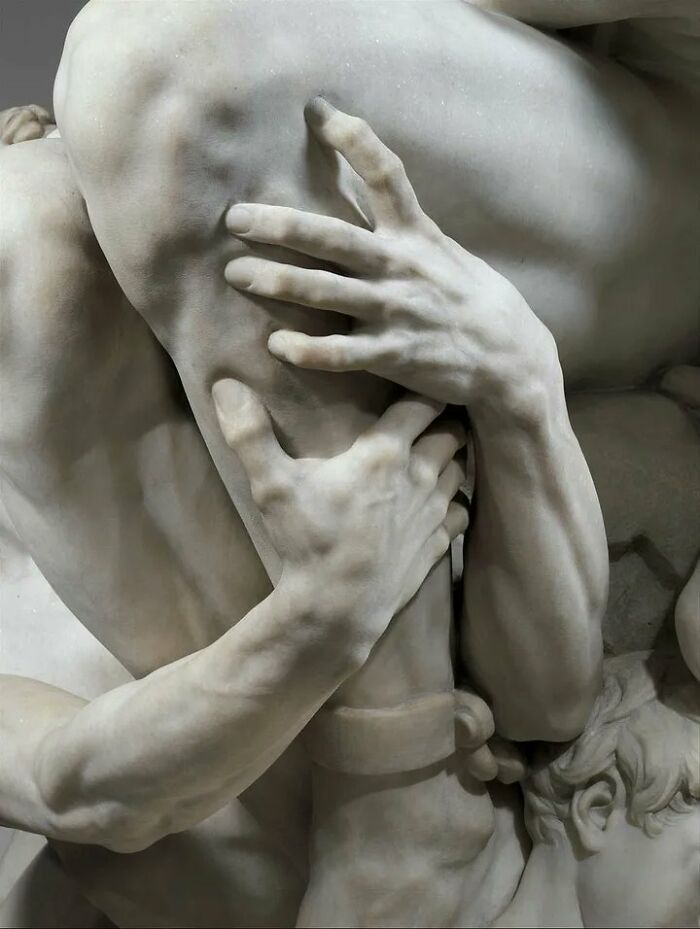
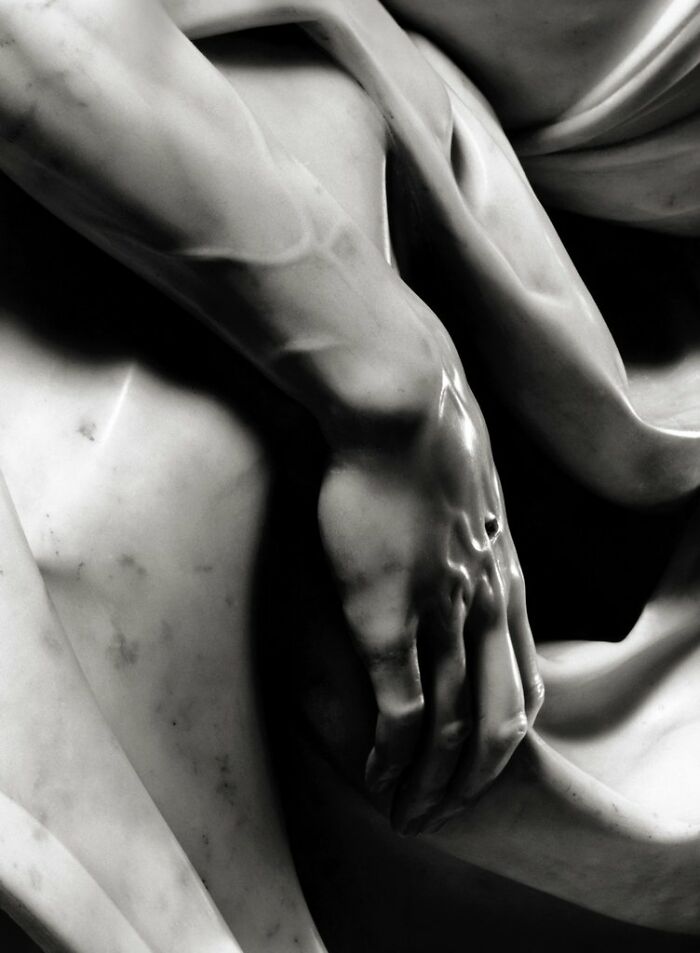
The superb artistry of Jago, one of Italy's most accomplished contemporary artists, is evident in this "Ajax & Cassandra" stunning hand detail.

I want to touch these so bad, but I know everyone else wishes to touch them too, and we would ruin them with our oils, but I'd love to hold his hand.
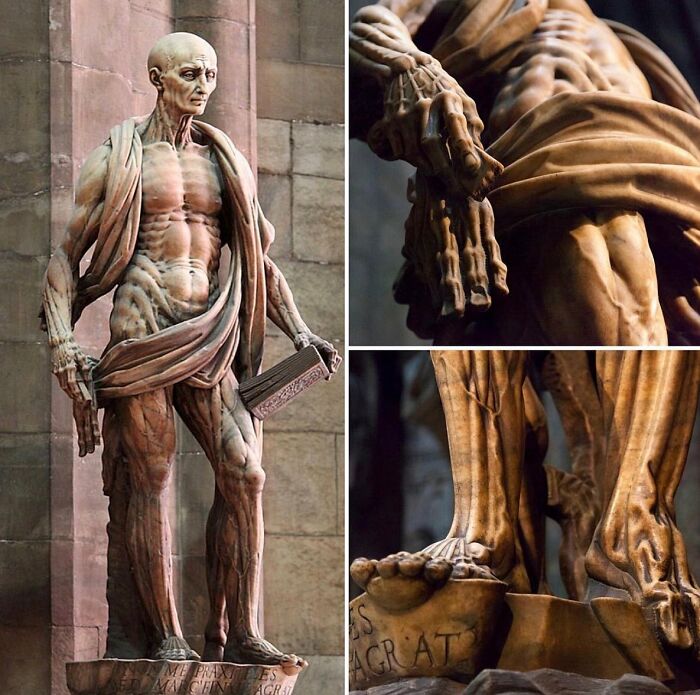
If you look closely, you’ll notice that’s not a robe that he’s holding. It's actually his dissected skin.
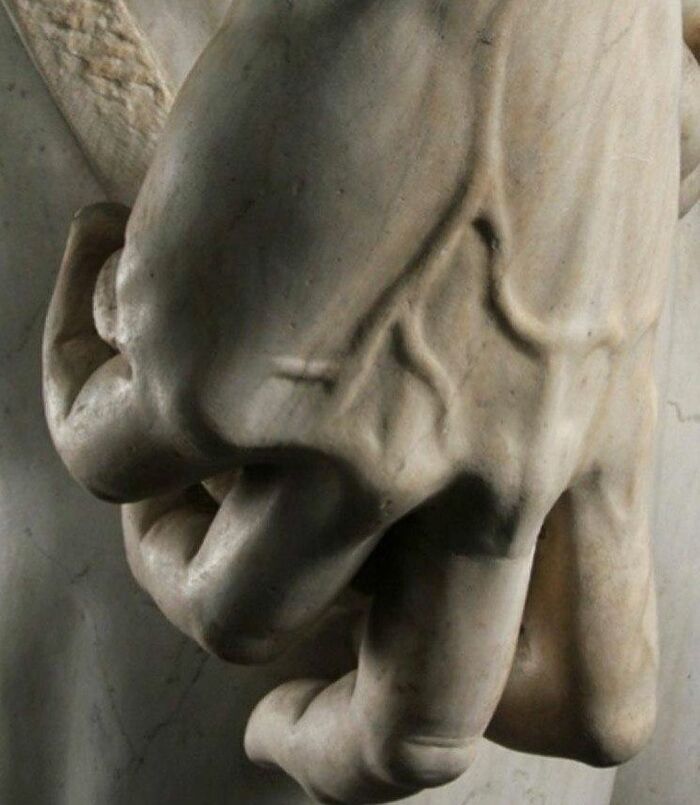
This trait is anatomically accurate: the biblical hero is in a state of excitement, as he prepares to face Goliath.

Can we have a source or name of the work/sculpture? Very impressive but without a source I’m wondering if it’s ai.
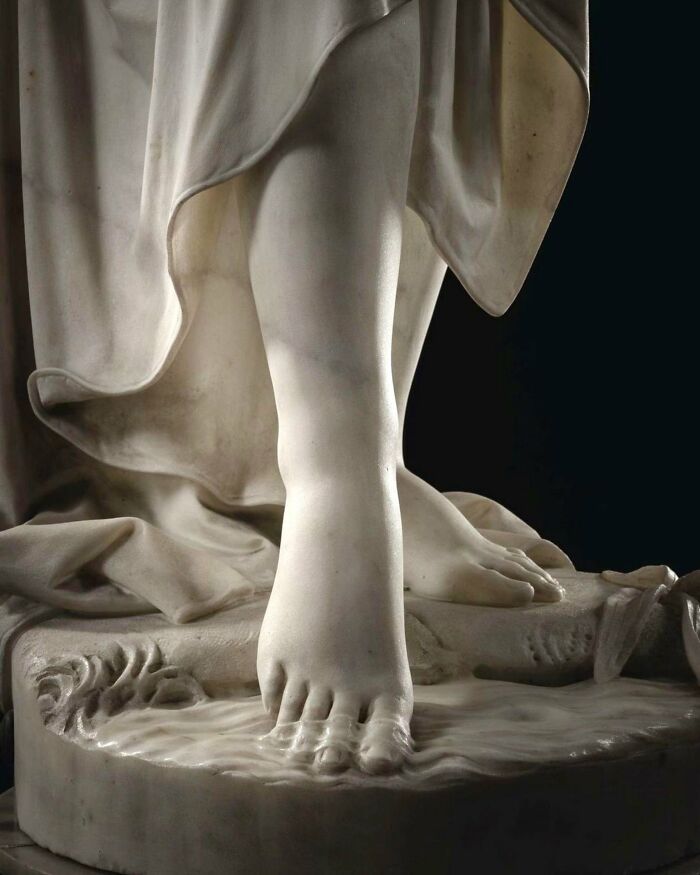
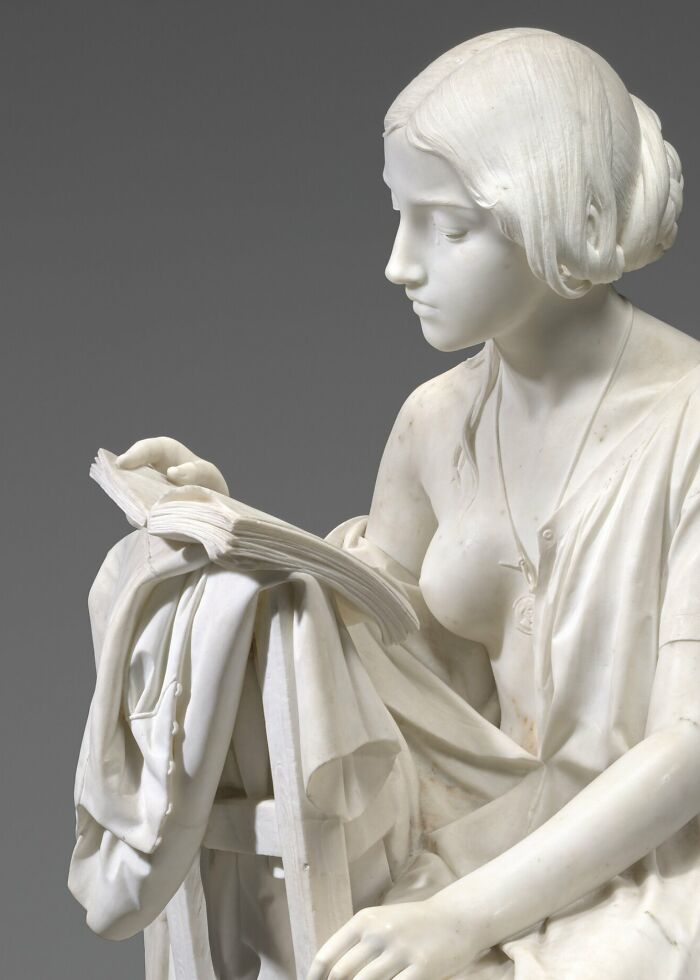
If you look closely at this sculpture, you’ll notice a solitary tear gracefully rolling down the young reader's left cheek. It shows how much the story in the book has affected her.
When I was a girl I always read sitting backwards in a chair with one breast exposed.
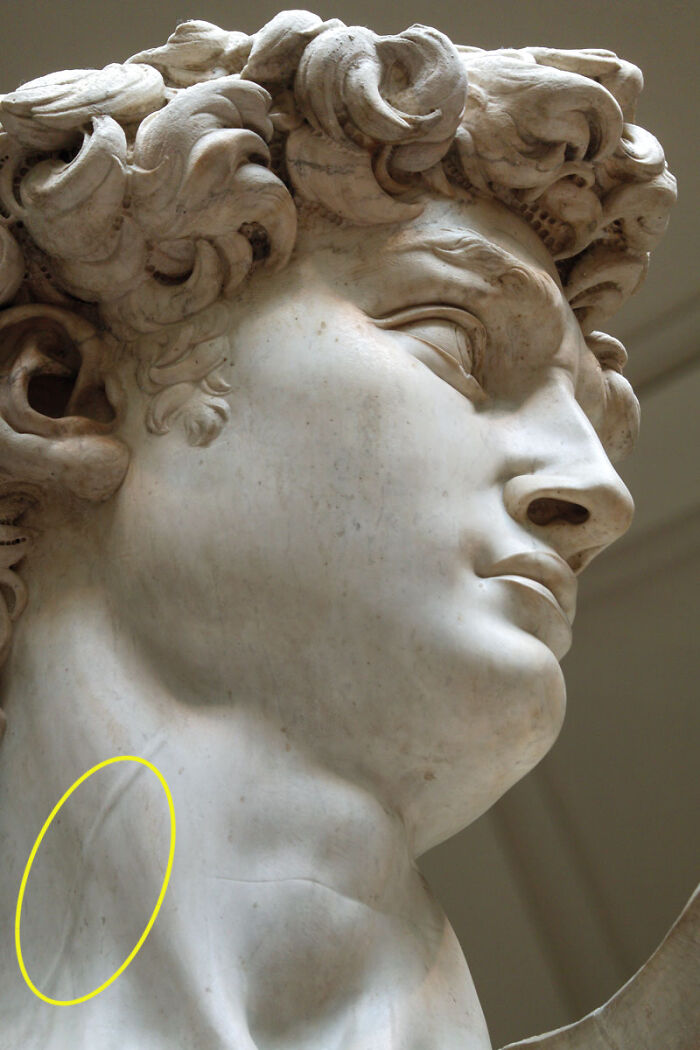
Sculptures often have a slit in the pupils, adding depth or symbolizing the reflection of light. However, in David's case, his eyes possess distinctly heart-shaped pupils.

I don't think they're supposed to be heart-shaped. There is no point at the base, like a Valentine; the shape is merely that of a circle with an indent on the top. My bet is he's simply trying to show light reflecting in David's eyes, and use shadow to make the rest of his eyes appear darker.
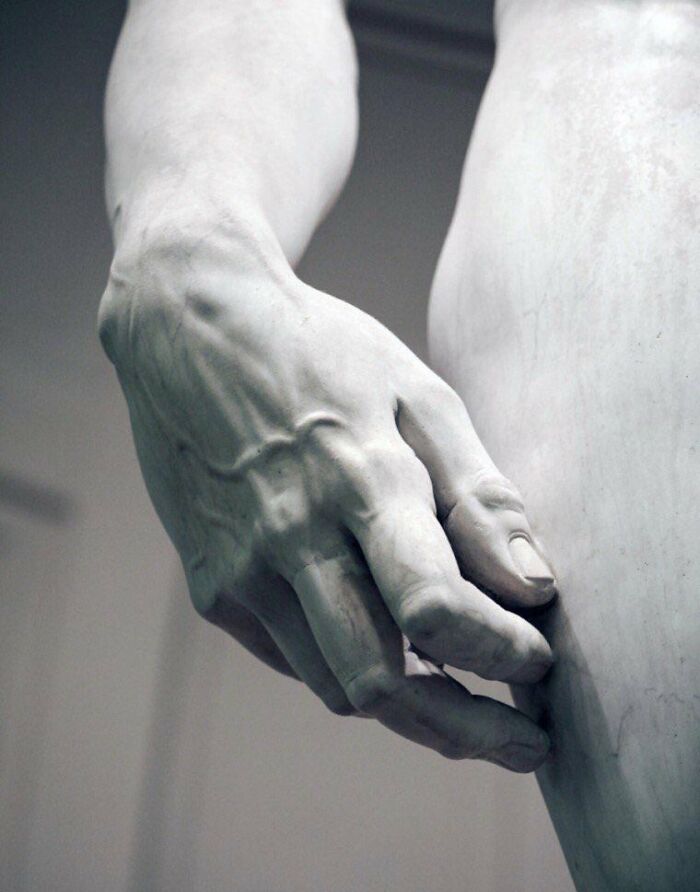
I'm one of those fair-skinned people whose veins also get very prominent when stressed or overheated. So much so, that others will sometimes remark on it or ask if I'm all right. This detail makes me appreciate Michelangelo's skill.even more.

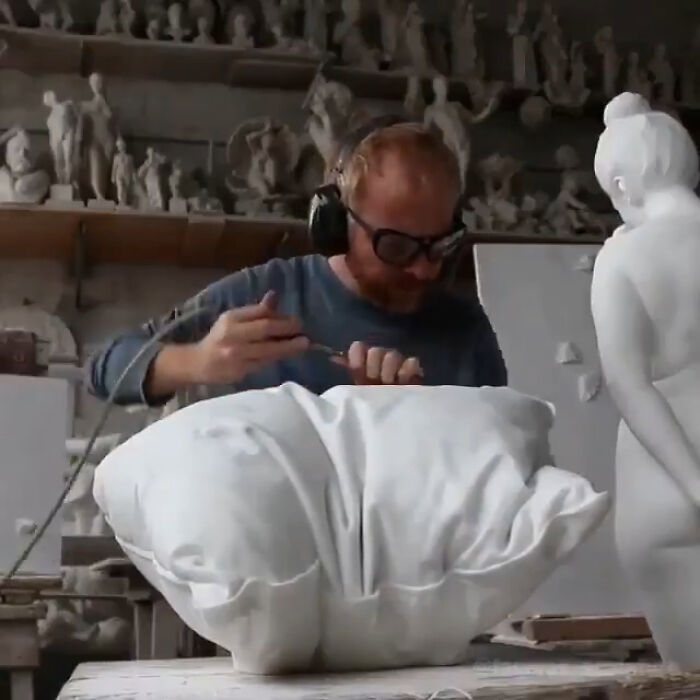
what boggle me is how some of them did such fine sculpting. Today we have grinding tool for fine work but without them I'm curious of the exact methods. I always think hammer and chisel, but the amount of time polishing is mind boggling.
Sculptor here : You might be surprised with the variety of tools used in the past, such as the (drilling) bow, rifles, et c. But I would say that the main ingredient was time, as time allowed thinking. What today is regarded as slow (and maybe vain) was the right pace.
Load More Replies...
what boggle me is how some of them did such fine sculpting. Today we have grinding tool for fine work but without them I'm curious of the exact methods. I always think hammer and chisel, but the amount of time polishing is mind boggling.
Sculptor here : You might be surprised with the variety of tools used in the past, such as the (drilling) bow, rifles, et c. But I would say that the main ingredient was time, as time allowed thinking. What today is regarded as slow (and maybe vain) was the right pace.
Load More Replies... 







































 No fees, cancel anytime