Get Premium
Dark mode theme is available exclusively for premium users. Learn more about the benefits of subscribing.
No fees, cancel anytime.

 Dark Mode Ad-Free Browsing Unlimited Content
 Ad-Free Browsing Unlimited Content Dark Mode
Join 1.2 million Panda readers who get the best art, memes, and fun stories every week!
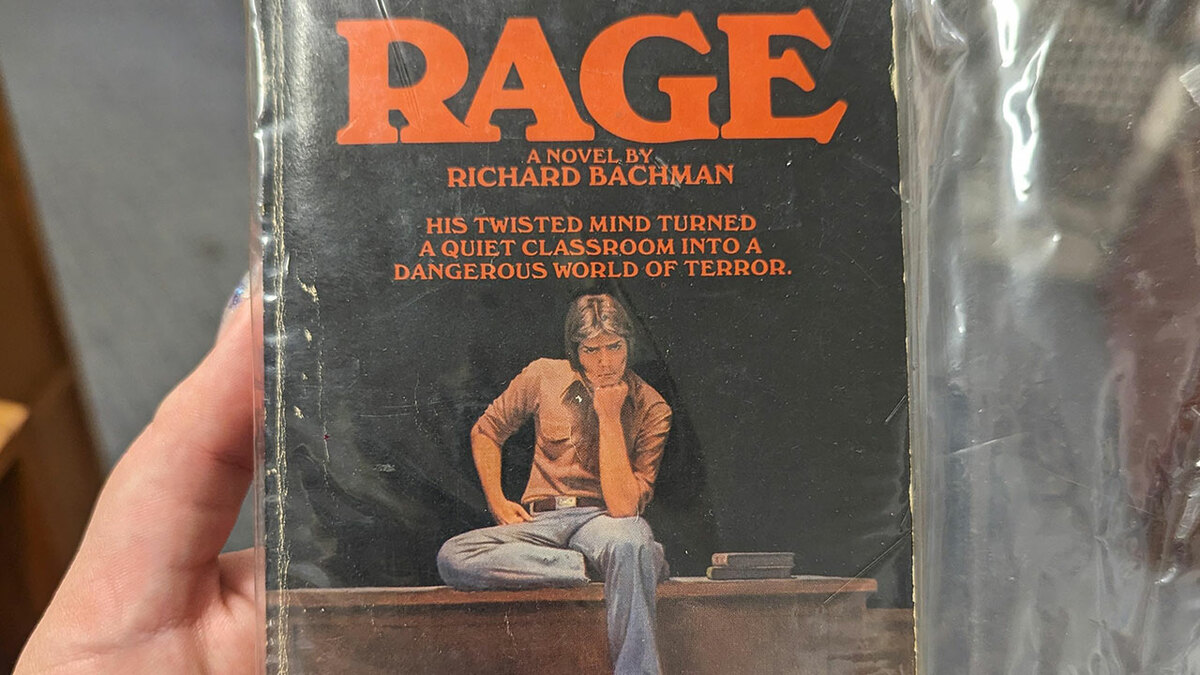
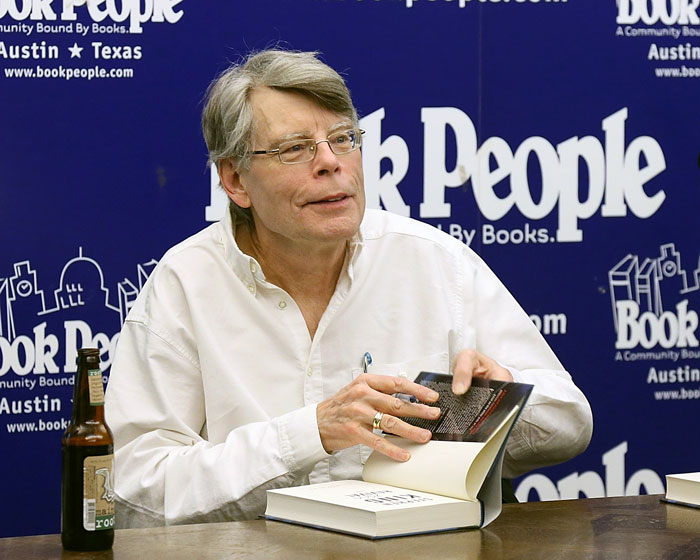
Stephen King has spent decades giving us fictional nightmares to enjoy from the safety of a sofa. The terrifying clown in the sewer. The haunted hotel slowly driving a father to madness. The telekinetic teenager with a bucket of pig’s blood and a very bad prom night. They are all deeply disturbing, brilliantly crafted and, crucially, entirely fictional.

By entering your email and clicking Subscribe, you're agreeing to let us send you customized marketing messages about us and our advertising partners. You are also agreeing to our Privacy Policy.
Thank you! You've successfully subscribed to newsletters!
The kind of horror you can shake off by morning, aside from a lingering and completely reasonable fear of clowns that many of us will carry to our graves. But one of King’s novels crossed a line that even he could not ignore, not because of what was in the book, but because of what started happening in real life decades after he wrote it.
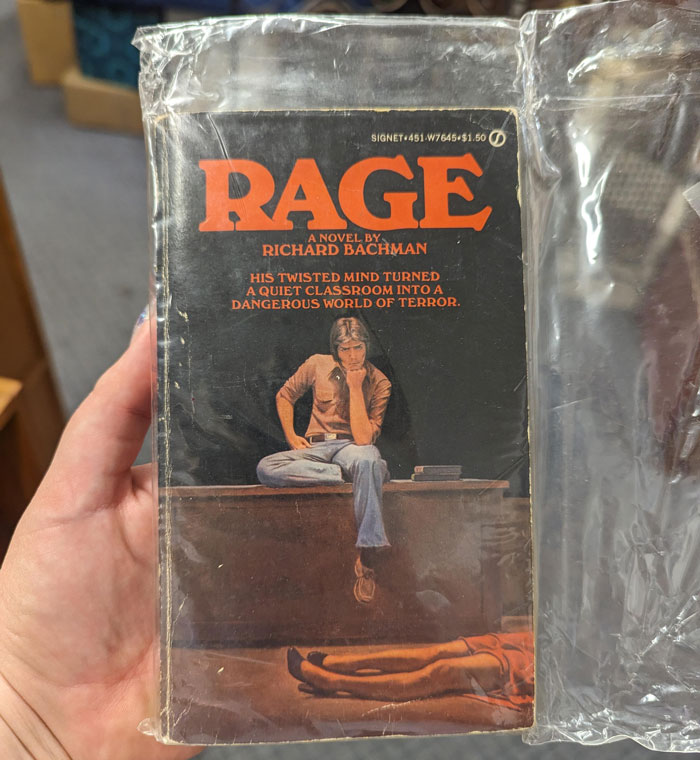
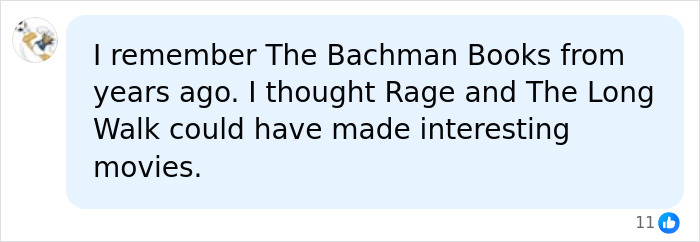
Rage was published in 1977 under the pseudonym Richard Bachman, one of several pen names King used early in his career to publish work separately from his main output. Originally titled Getting It On, the psychological thriller follows Charlie Decker, a high school student who, after a series of run-ins with authority, takes a pistol from his locker, shoots his algebra teacher and holds his classmates hostage.
King has said he drew on his own frustrations and pains as a high school student when writing it. The alienation, the powerlessness, the simmering resentment that many teenagers feel but few act upon. As a piece of psychological fiction, it was unsettling and deliberately provocative. As a piece of fiction published in 1977, it felt safely removed from reality. That would not last.
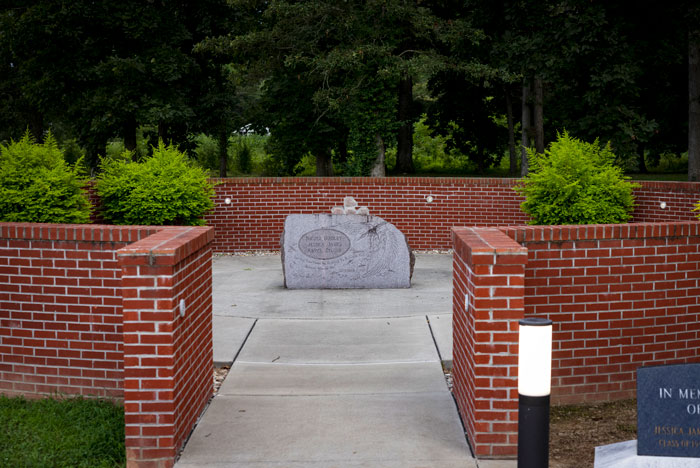
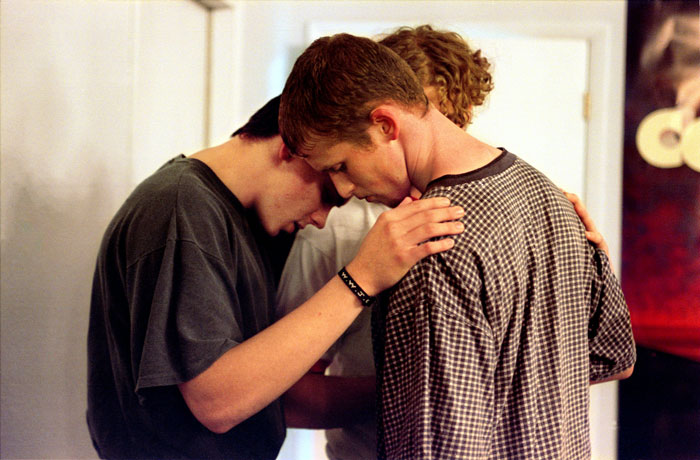
Over the following two decades, a series of real-life school shootings took place across the United States. And on several occasions, investigators discovered that the shooters had read Rage. The connection was uncomfortable but somewhat deniable, until December 1st, 1997, when 14-year-old Michael Carneal walked into Heath High School in Kentucky and opened fire, taking the lives of three students and injuring five.
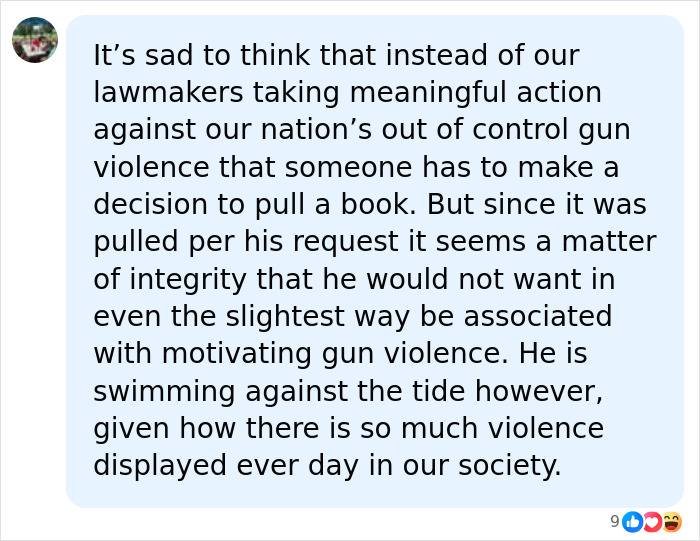
When authorities searched his belongings, they found a copy of Rage in his locker. That was the moment Stephen King made a decision that almost no author in history has voluntarily made. He asked his publisher to take the book out of print. No more copies, reprints, or editions. The book was done.
The Heath High School shooting was not the first time Rage had appeared in the aftermath of a real-life incident; it was just the one that made the pattern impossible to ignore. In 1987, Jeffrey Lyne Cox held 60 classmates at gunpoint at San Gabriel High School in California and was known to have read the book multiple times.
In 1988, Ronald Barkow took his class hostage in California and stated directly that he had been partially inspired by it. In 1989, Dustin Pierce took 11 students hostage at Jackson County High School in Kentucky, specifically attempting to recreate the plot of the novel.
In 1993, Scott Pennington shot two people and held his class hostage at East Carter High School in Kentucky, shortly after writing a school essay about Rage. And then, in 1997, Michael Carneal. Five incidents across a decade. Five young men who had read the same book.
The book has never been reprinted in the United States since. It is now one of the most sought-after collector’s items in literary history, with editions selling for significant sums between $1,000 and $4,000. The author who gave us Pennywise and Jack Torrance and Carrie White will tell you himself that Rage is the one piece of his work he wishes did not exist.
It is worth noting that the debate around whether fiction can genuinely cause violence is a complex and unresolved one, because many people have read Rage and never harmed anyone, and the factors that drive someone toward violence are rarely reducible to a single book. But King himself was not interested in that argument. He saw enough to act, and he did.
Rage is not the only work of fiction that history has made uncomfortable. Margaret Atwood published The Handmaid’s Tale in 1985. It was a novel set in a totalitarian theocracy called Gilead, where women are stripped of their rights, their autonomy, and their identity, reduced to their reproductive function and nothing more. Atwood insisted at the time that everything in the book had already happened somewhere in human history.
Decades later, as real-world debates about reproductive rights have intensified across the United States and beyond, the novel has become less a dystopian warning and more a political flashpoint, uncomfortably relevant in ways its author never hoped it would be.
George Orwell’s Nineteen Eighty-Four, published in 1949, depicted a world of mass surveillance, rewritten history, and totalitarian control so precisely that the Soviet Union banned it for decades. Mostly because the regime recognised itself in the pages and did not like what it saw. The book that was supposed to be a warning about authoritarianism was, in the eyes of an authoritarian state, too accurate to be allowed.
Both books share something with Rage: they were written as fiction, as cautionary tales, as imaginative leaps into darkness. And then reality caught up with them. The difference is that Atwood and Orwell lived to see their warnings ignored. King lived to see his realised, and chose to do something about it.
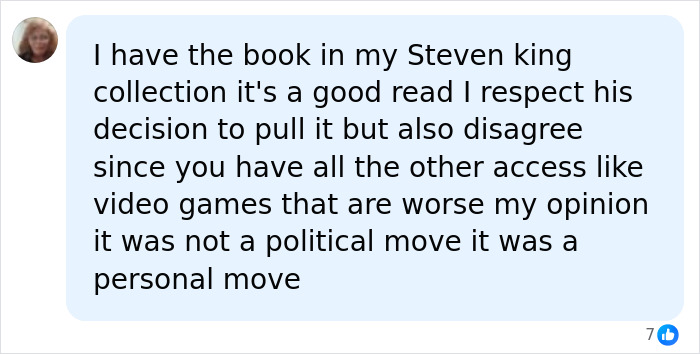
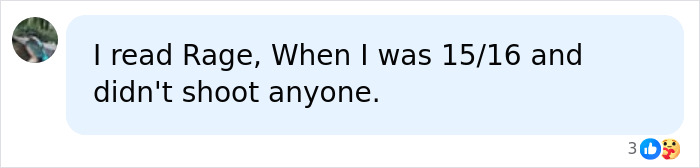
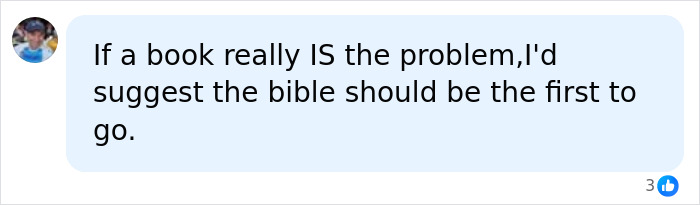
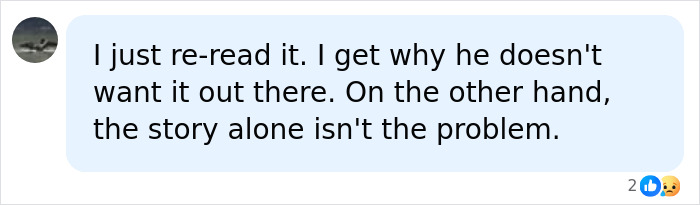
Do you think we should ban books that serve as inspiration for violence, or can most people still see it as literary art? Share your thoughts in the comments.

I read that book as a child before it was banned. I was bullied mercilessly in school, there was a***e in my home. I'm a veterinary assistant and I've never purposely hurt or harassed another living thing in my entire life. I've made a career out of helping vulnerable creatures. Do with that information what you will.

Any Stephen King fan knows about Rage, it's an ancient book and an ancient issue XD It's not going to make anyone who reads it instantly become a shooter any more than reading Fifty Shades Of Grey is going to make anyone who reads it suddenly into BḊŚM.
If I could upvote this comment more than once I would. I've been reading his books since I was 11-12, and I'm 47 now. You hit the nail squarely.
Load More Replies... I read that book as a child before it was banned. I was bullied mercilessly in school, there was a***e in my home. I'm a veterinary assistant and I've never purposely hurt or harassed another living thing in my entire life. I've made a career out of helping vulnerable creatures. Do with that information what you will.
Any Stephen King fan knows about Rage, it's an ancient book and an ancient issue XD It's not going to make anyone who reads it instantly become a shooter any more than reading Fifty Shades Of Grey is going to make anyone who reads it suddenly into BḊŚM.
If I could upvote this comment more than once I would. I've been reading his books since I was 11-12, and I'm 47 now. You hit the nail squarely.
Load More Replies...

























 No fees, cancel anytime













40
12