Get Premium
Dark mode theme is available exclusively for premium users. Learn more about the benefits of subscribing.
No fees, cancel anytime.

 Dark Mode Ad-Free Browsing Unlimited Content
 Ad-Free Browsing Unlimited Content Dark Mode
Join 1.2 million Panda readers who get the best art, memes, and fun stories every week!
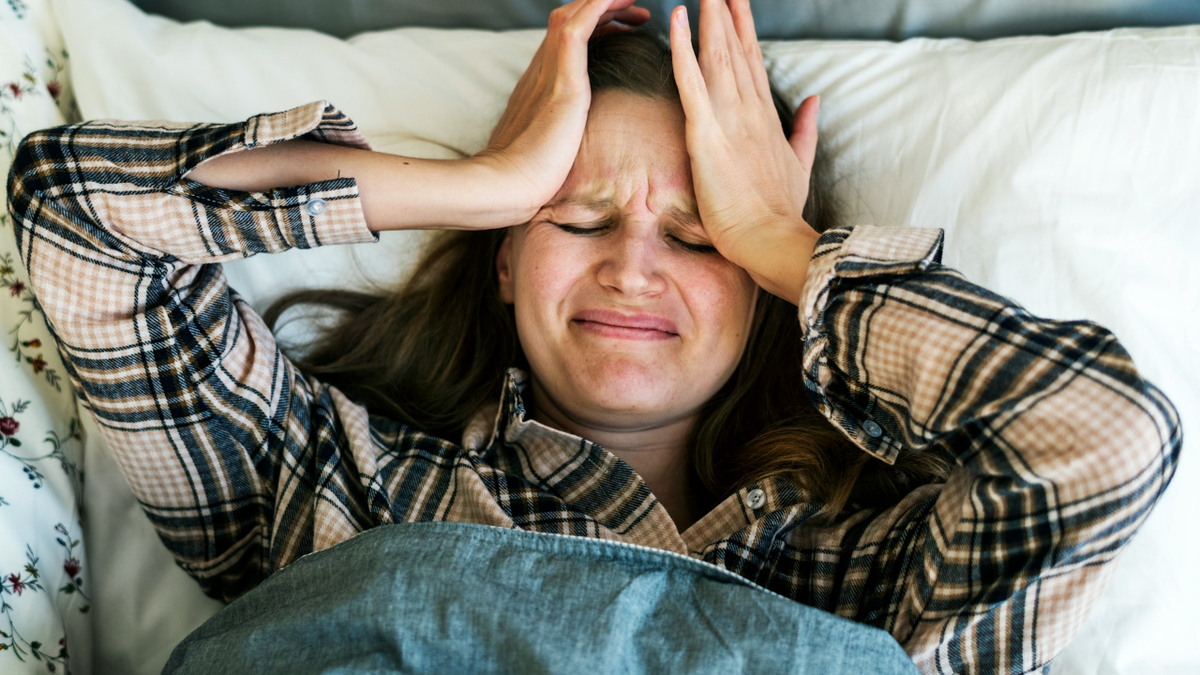
A woman’s sleep study came back with good news: her sleep had measurably improved. She didn’t believe it, because every morning her Fitbit told her she’d slept badly, and she had started staying in bed longer to make the number go up.
Her case is one of several in a paper that gave this behavior a name, and sleep clinics now see it walk through the door regularly: patients arriving with a graph, convinced they have a disorder that testing says they do not have.
The devices behind those little graphs are a market expected to reach $58 billion by 2030, and most of them measure from the wrist or finger a process that happens in the brain. When a 2026 study put three of the most popular wearables up against a laboratory sleep test, the gap between what the devices reported and what actually happened ran to more than an hour on some measures.
A consultant in sleep medicine at one of London’s biggest hospitals has a two-word description for the score on your app, and the researchers who named the condition it produces say the fix is not a better tracker. It starts with what the number is actually counting.
 Exclusive Content Ad-Free Browsing Dark Mode Exclusive Content Ad-Free Browsing Dark Mode
























 No fees, cancel anytime