Get Premium
Dark mode theme is available exclusively for premium users. Learn more about the benefits of subscribing.
No fees, cancel anytime.

 Dark Mode Ad-Free Browsing Unlimited Content

 Ad-Free Browsing Unlimited Content Dark Mode

Join 1.2 million Panda readers who get the best art, memes, and fun stories every week!

In many cultures, names are much more than just words we use to identify one another. They can hold great significance, and some people even believe they possess magical powers. That’s why protecting them can be so important.
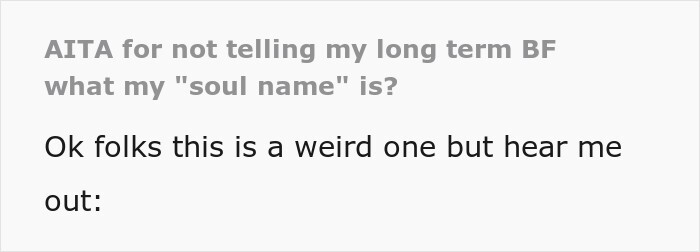
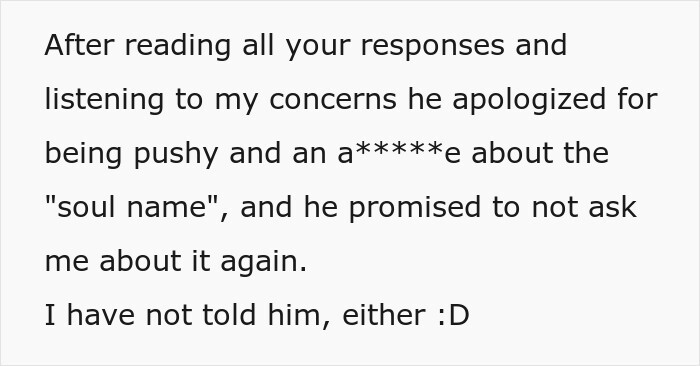
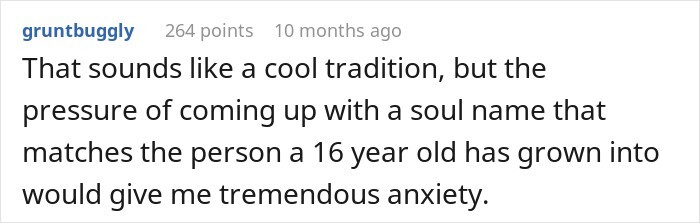
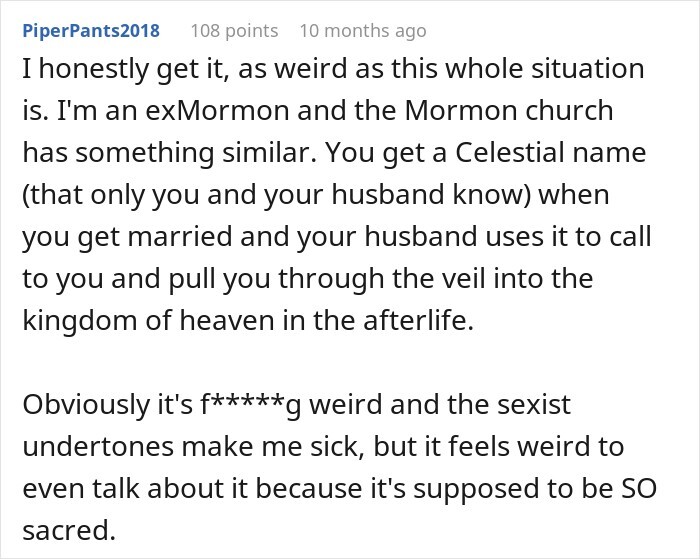
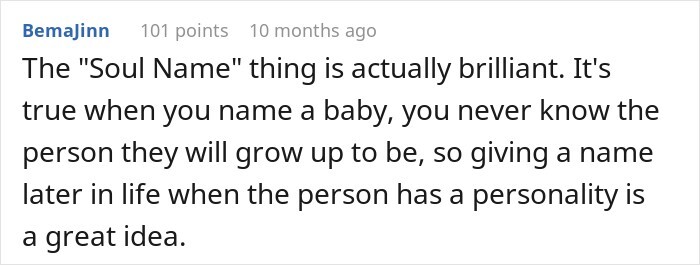
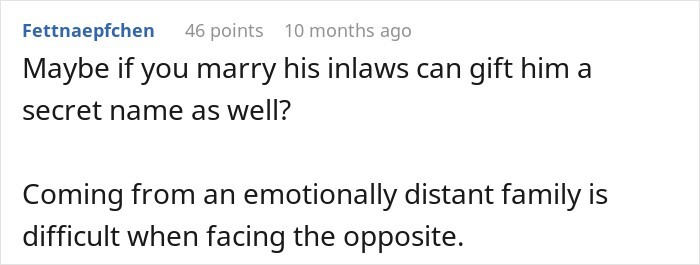
One woman’s pagan parents gave her a secret “soul name” when she turned 16, which she wasn’t supposed to share with just anyone. But when her long-term boyfriend learned about the tradition, he insisted she should tell him what it was. Now, she’s wondering if she was wrong to keep it to herself.
Paganism might seem mysterious to those who haven’t grown up around it, but there are plenty of people who still practice it today.
For example, in England and Wales, around 74,000 people identified as Pagan in the 2021 census, while another 13,000 identified as Wiccan. In Scotland, the 2022 census recorded over 19,000 Pagans, compared to just over 5,000 in 2011.
Meanwhile, in Italy, the number of neopagans was estimated at more than 230,000 in 2017. And across the Atlantic, Pew Research Center found that less than 1% of American adults identify as Pagan or Wiccan, equivalent to fewer than approximately 2.6 million people.
What exactly do pagans believe? Well, that depends on whom you ask. Paganism covers a wide range of beliefs, and there is no single holy book or set of rules that everyone follows. Some worship multiple gods and goddesses, while others see these figures as symbols rather than actual beings.
One thing many pagan paths have in common, however, is a strong connection to nature. According to the Religion Media Centre, the natural world plays an important role in pagan beliefs, with many practitioners celebrating the changing seasons and cycles of life. Rituals can involve making offerings or marking important events with ceremonies.
Of course, paganism has also attracted its fair share of misconceptions. Thanks partly to horror movies and popular culture, some people associate it with sinister rituals or devil worship.
However, Satan is a figure associated with Christianity and other Abrahamic religions, and most pagans don’t believe in him at all, let alone worship him. In fact, many pagans dislike having their beliefs described as a religion, as the word carries negative associations for them. Instead, they see paganism as a spiritual practice or philosophy.
There are also plenty of differences in how individuals practice their beliefs. Some belong to organized groups and take part in ceremonies with others. Meanwhile, others prefer to practice privately or develop their own customs.
This freedom helps explain why two pagan families might have completely different ways of celebrating important occasions.
That brings us to the rather interesting subject of names. Throughout history, many cultures have attached special significance to them.
In certain belief systems, knowing someone’s name was thought to give you power over that person. This idea appears in everything from ancient magical practices to familiar fairy tales.
For example, ancient Egyptians sometimes wrote the names of enemy rulers on pottery before smashing it as part of a ritual intended to harm them.
Ancient Greeks and Romans also used names in curses, sometimes writing them backward or scrambling the letters. The belief was that what happened to someone’s name could also happen to the person themselves.
Interestingly, ancient Egyptians also had beliefs about secret names. They believed each person had a hidden name, known as a ren, which only the individual and the gods knew. Discovering it was thought to give someone power over that person. This helps explain why keeping a name private could be such a serious matter.
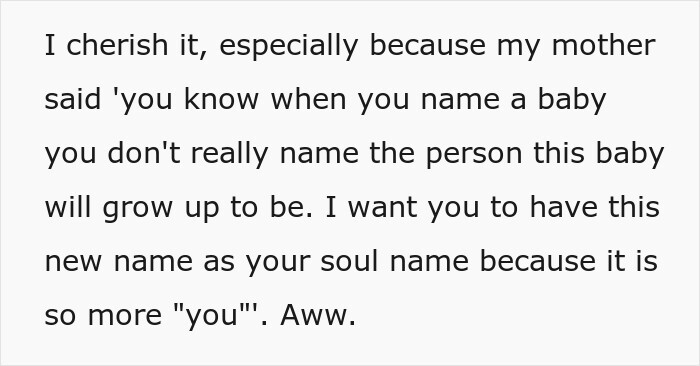
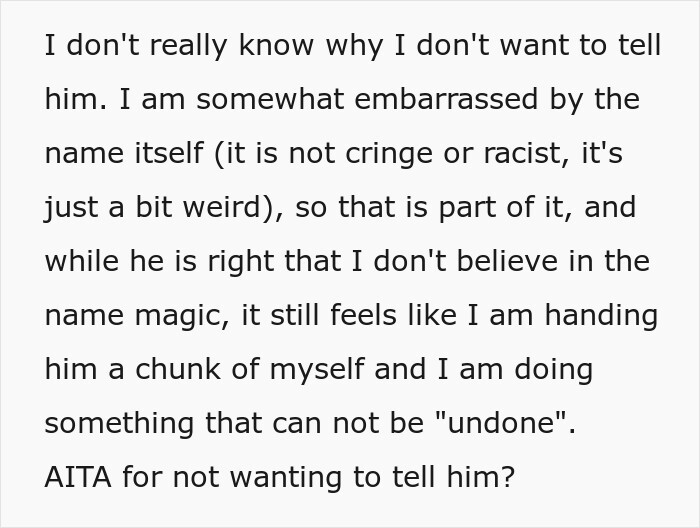
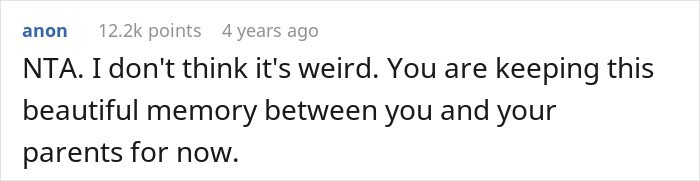
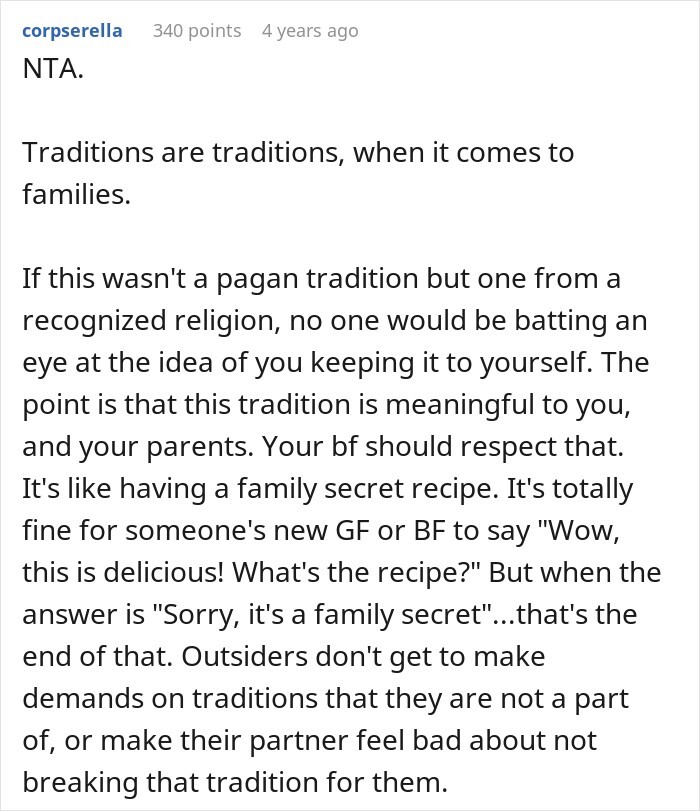
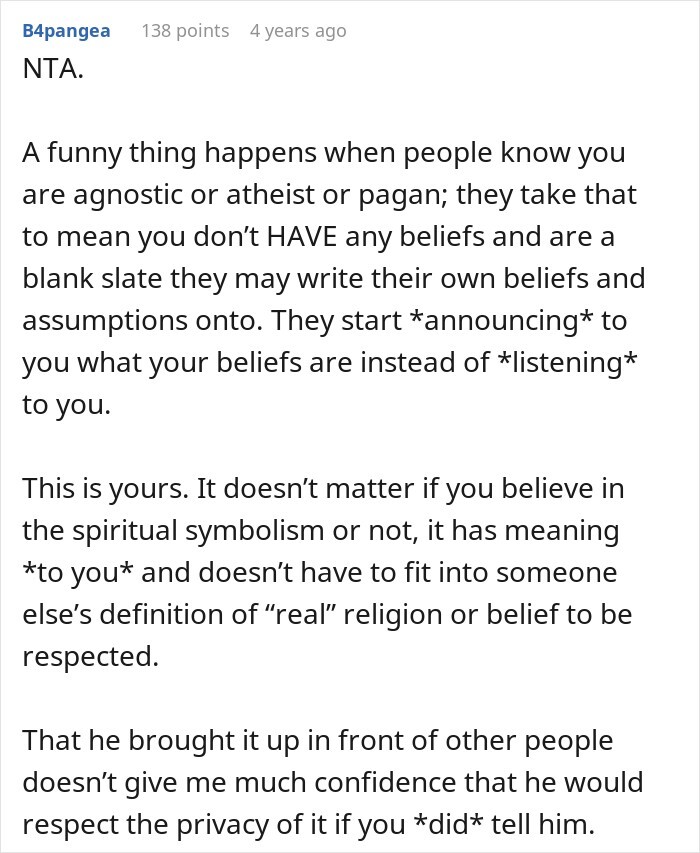
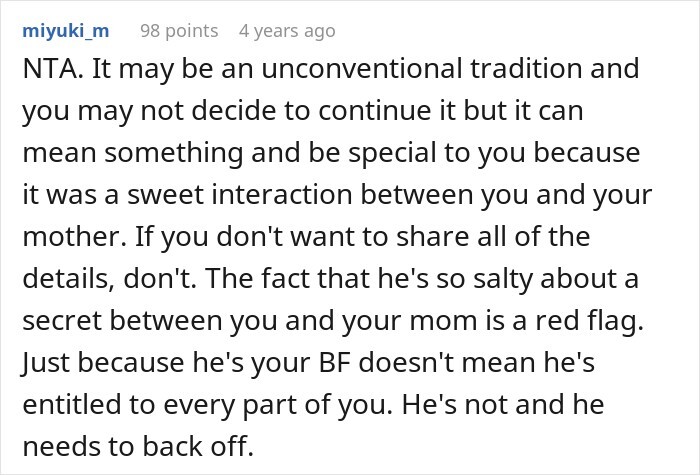
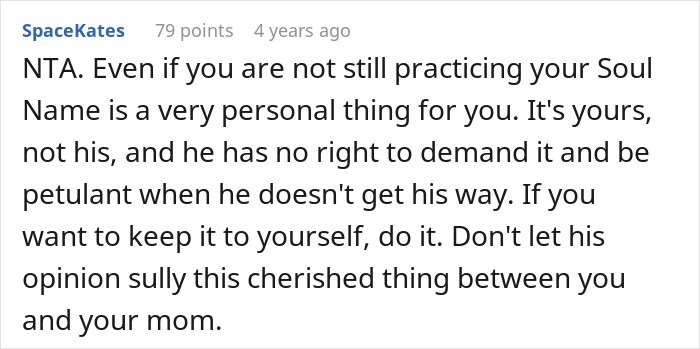
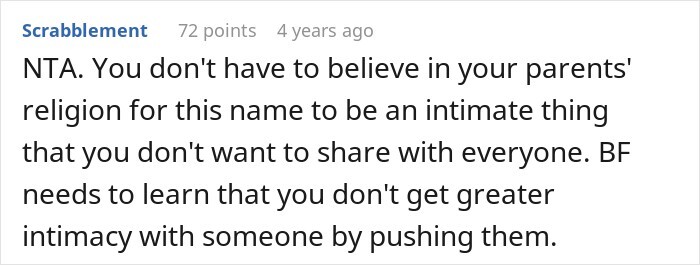
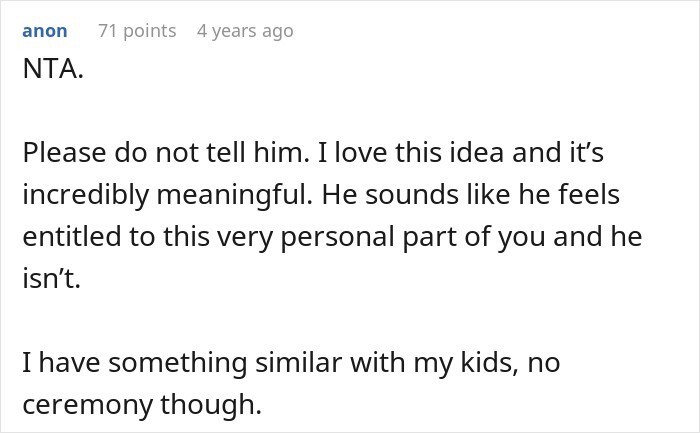
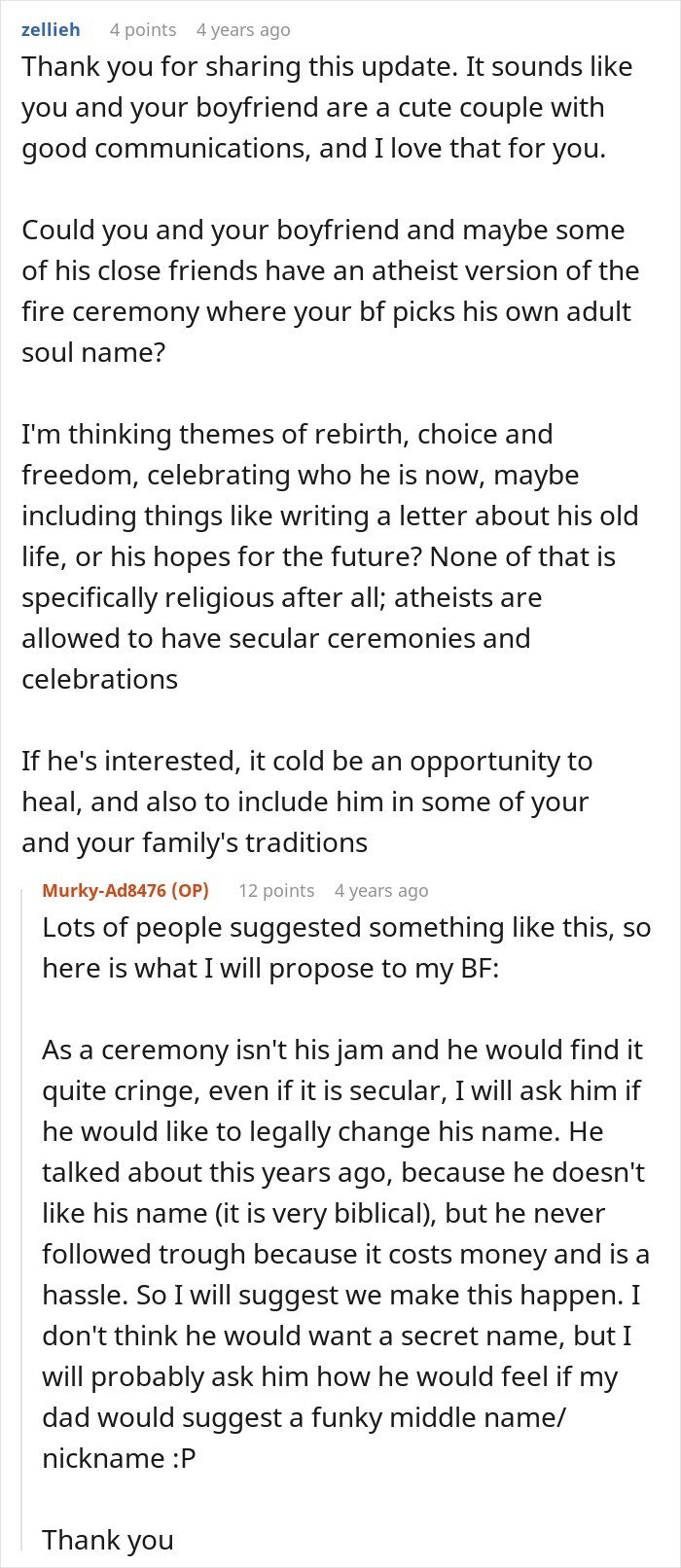
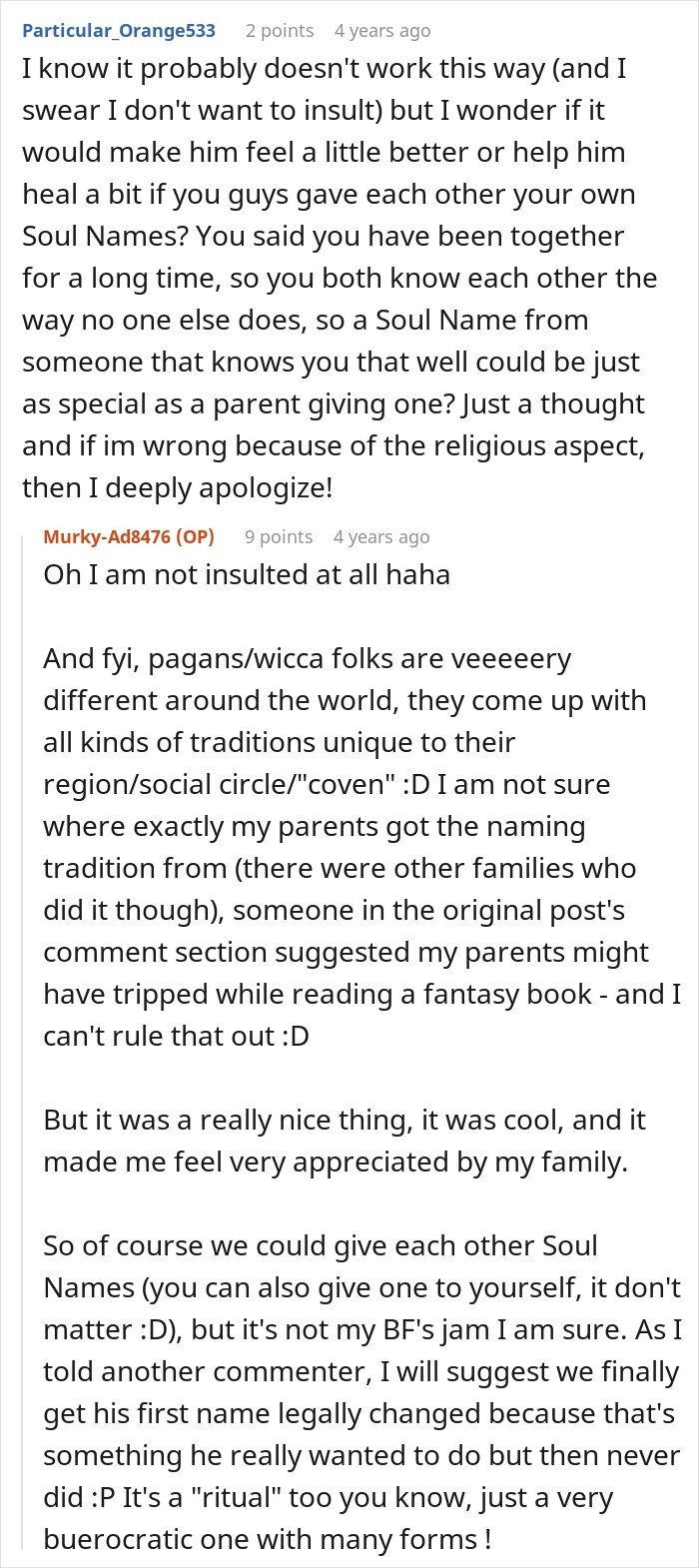
Of course, the woman in this story had her own reasons for protecting her “soul name.” Her family’s naming ceremony might seem unusual to outsiders, but her mother had put considerable thought into choosing something meaningful for her daughter. Even though the woman no longer believed in the magic behind it, the memory remained special to her.
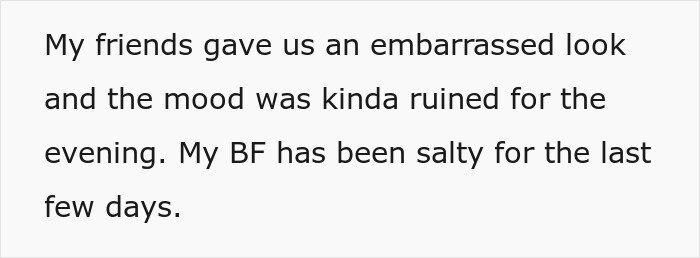
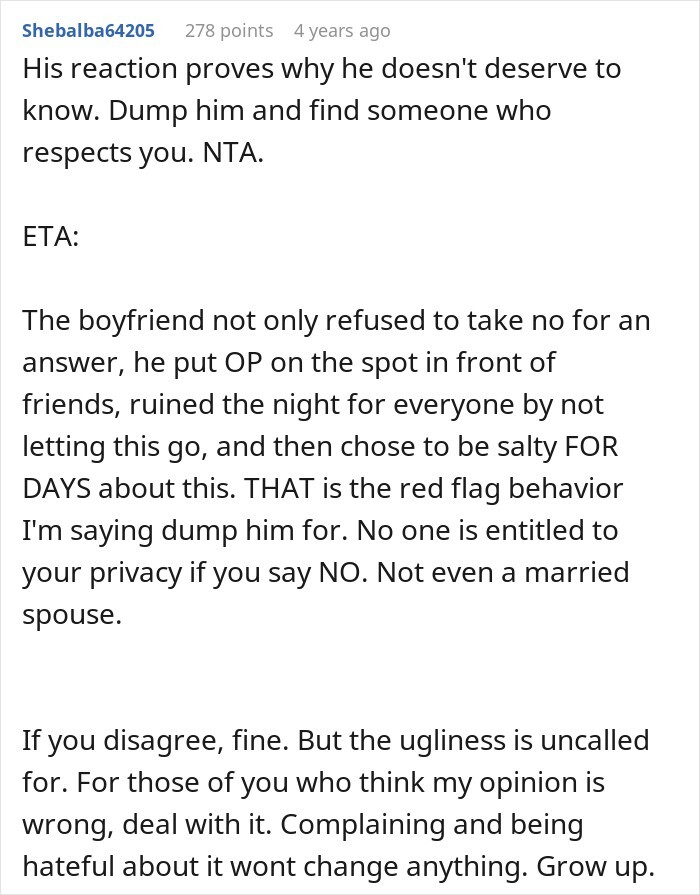
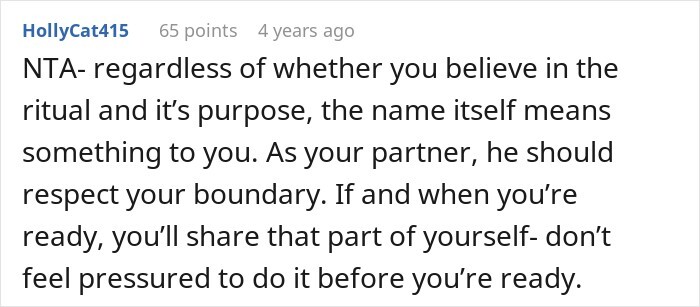
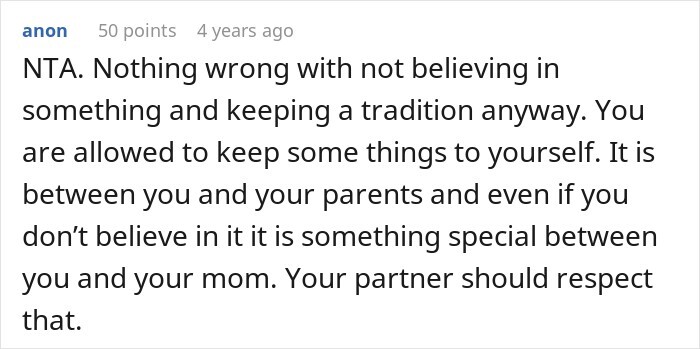
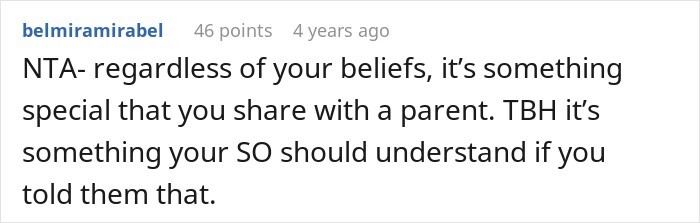
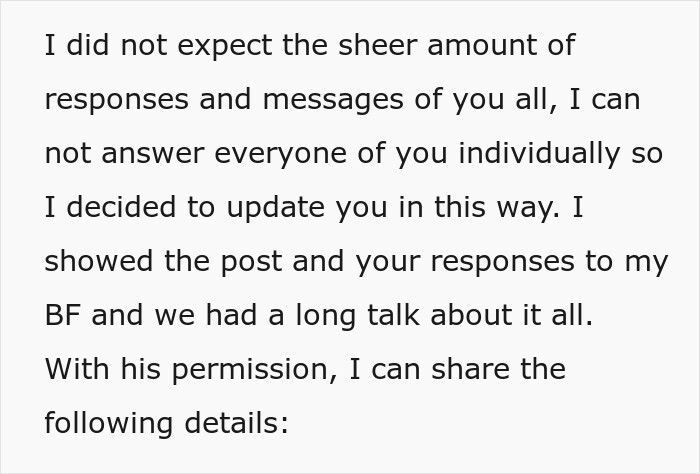
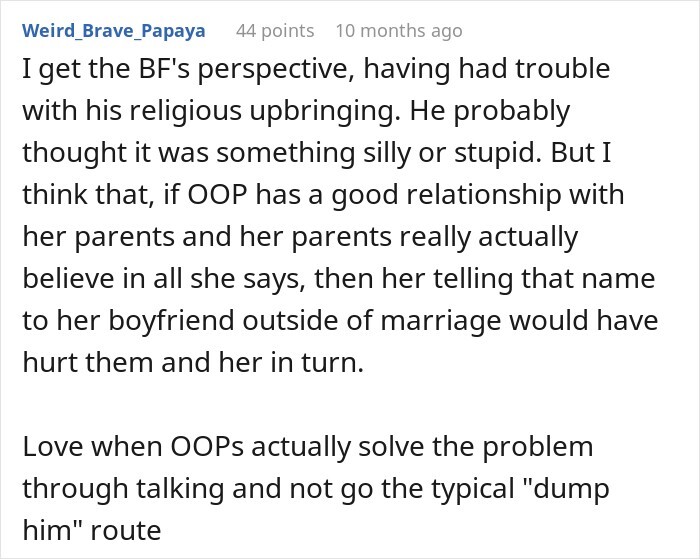
Perhaps that’s what matters most here. A childhood custom can still mean a great deal to someone, even if they no longer follow the beliefs behind it. The woman’s boyfriend, however, felt he had a right to know her soul name, despite her wishes to keep it private.
What do you think? Was she fair to refuse to reveal her soul name? Share your thoughts in the comments below.

By entering your email and clicking Subscribe, you're agreeing to let us send you customized marketing messages about us and our advertising partners. You are also agreeing to our Privacy Policy.
Thank you! You've successfully subscribed to newsletters!


Its a little strange for someone that claims to be atheist and puts no stock in religious tradition to want to keep this tradition going.

Lots of atheists celebrate Christmas. The OP’s example of people who were raised Catholic still appreciating their confirmation names despite no longer believing in Catholicism was ani5er great example of humans having affection for traditions without believing in the religion behind them.
Load More Replies... Its a little strange for someone that claims to be atheist and puts no stock in religious tradition to want to keep this tradition going.
Lots of atheists celebrate Christmas. The OP’s example of people who were raised Catholic still appreciating their confirmation names despite no longer believing in Catholicism was ani5er great example of humans having affection for traditions without believing in the religion behind them.
Load More Replies...

























 No fees, cancel anytime



















29
3