Get Premium
Dark mode theme is available exclusively for premium users. Learn more about the benefits of subscribing.
No fees, cancel anytime.

 Dark Mode Ad-Free Browsing Unlimited Content
 Ad-Free Browsing Unlimited Content Dark Mode
Join 1.2 million Panda readers who get the best art, memes, and fun stories every week!
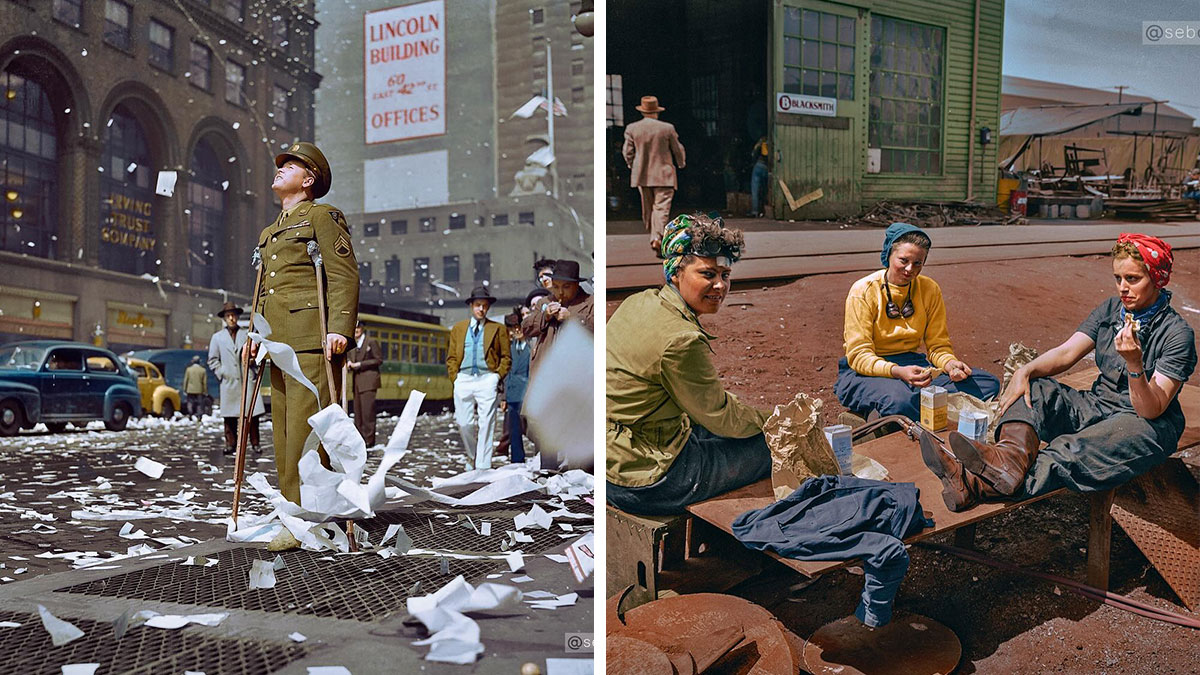


Online content choices are endless. After all, approximately 402.74 million terabytes of data on the internet are created each day. Good thing you have the opportunity to choose what to do, and what kind of content you want to consume.
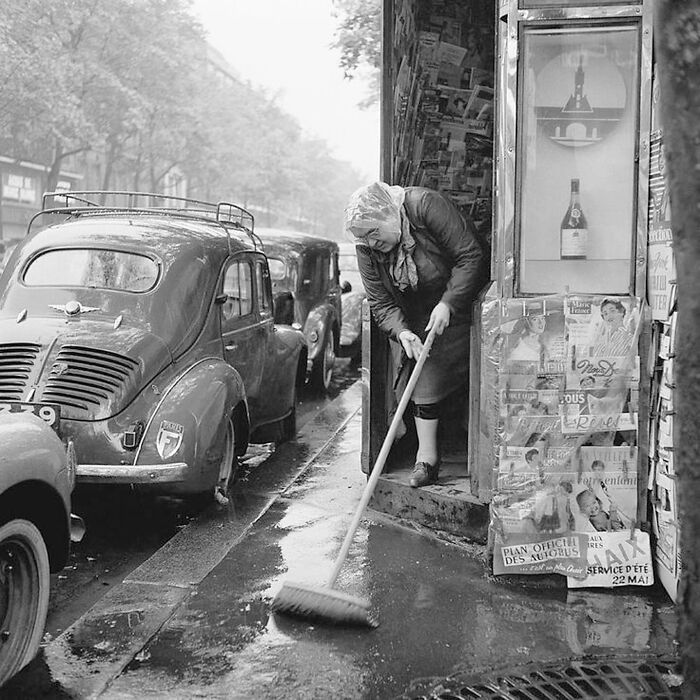
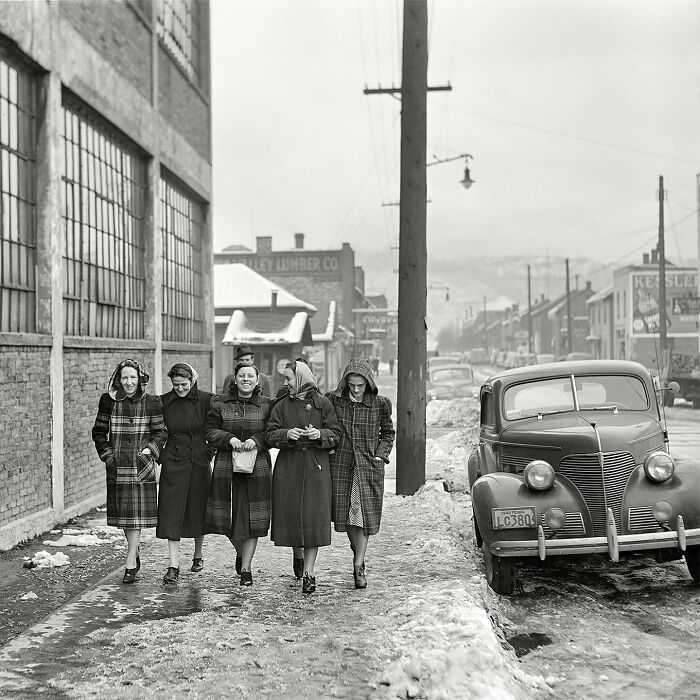
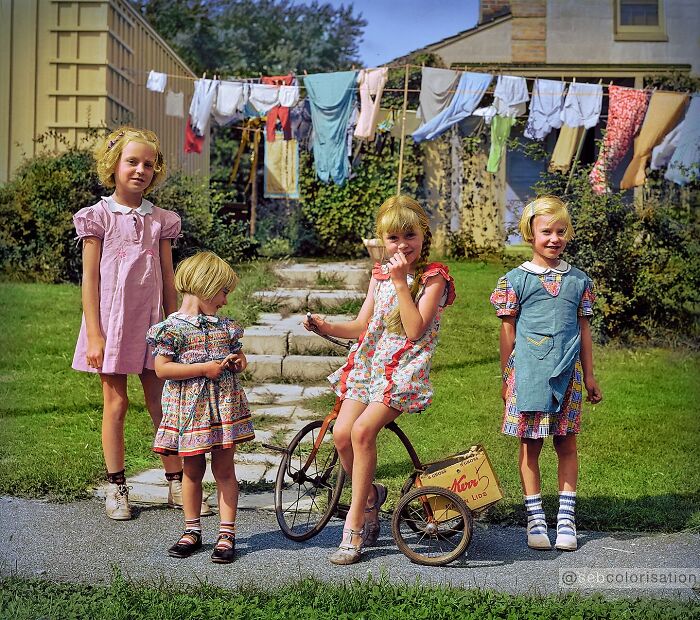
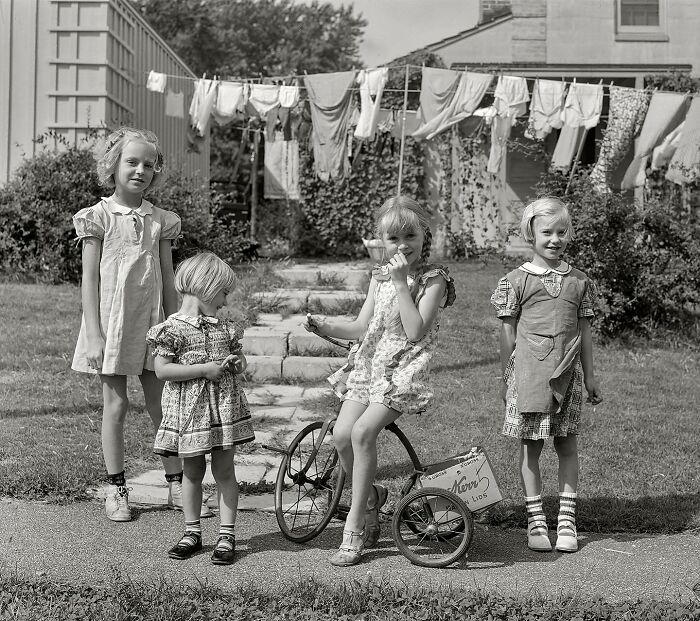
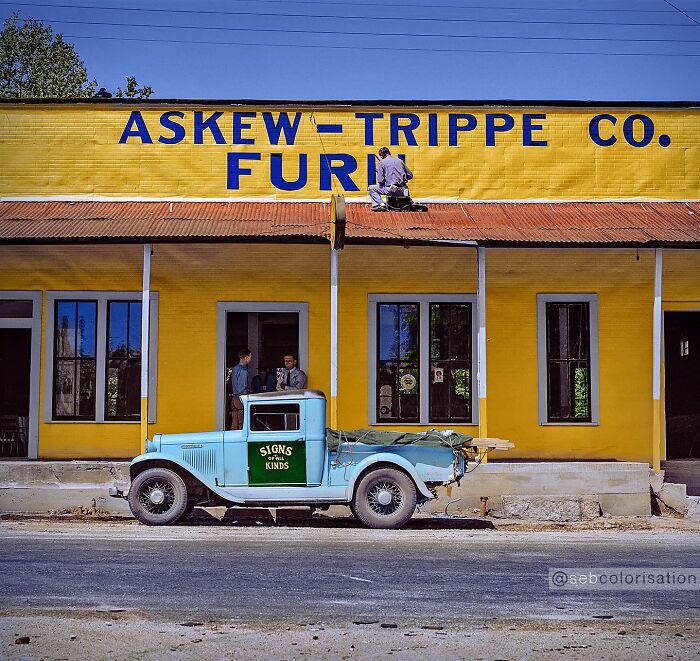
Then how about you choose to learn a little history? With today's list, you'll be able to see historical pictures both in black and white and in color, which gives you a chance to empathize with the past. What's even better is that in this article, you can also learn about the creative process of the artist who made these pictures. So, don't wait up and dive in!
More info: Instagram
This post may include affiliate links.
It’s important to learn history. Some might even say we need to study, so it won’t stay behind us. Basically, it helps us to understand how past events made the world into the shape it is today and what we need to do in order not to repeat certain mistakes and not to destroy ourselves.
Some people may think that learning history is pretty boring, but they couldn’t be more wrong – you need to find a way that works the best for you. There are plenty to choose from – studying it from a textbook is only the most basic one.
In a world that’s littered with content of various kinds, it’s not that hard to find something to study history from. From podcasts to short videos to articles – there’s something for everyone.
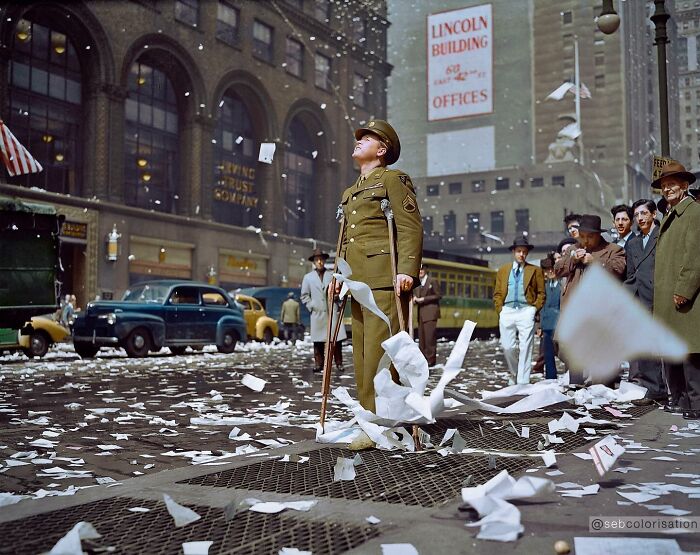
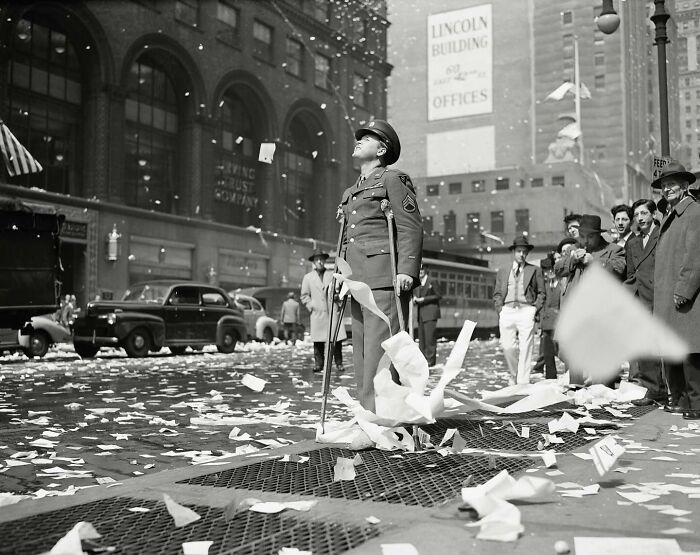
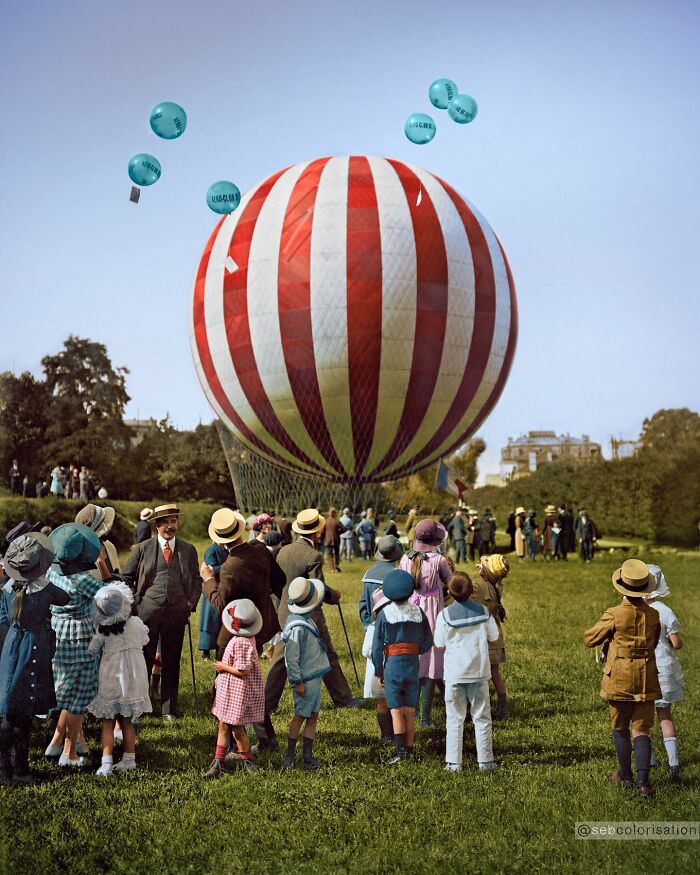
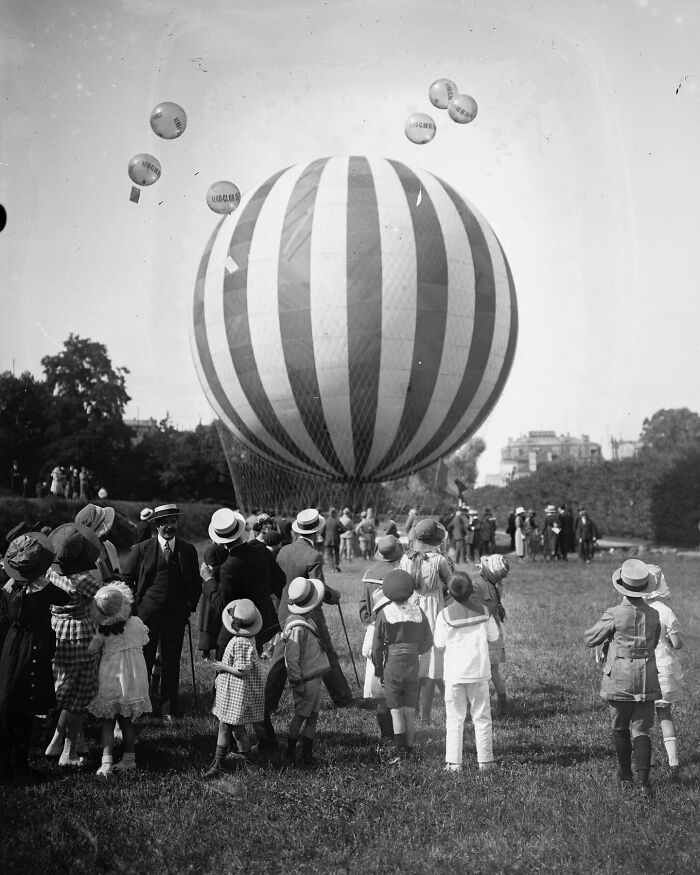
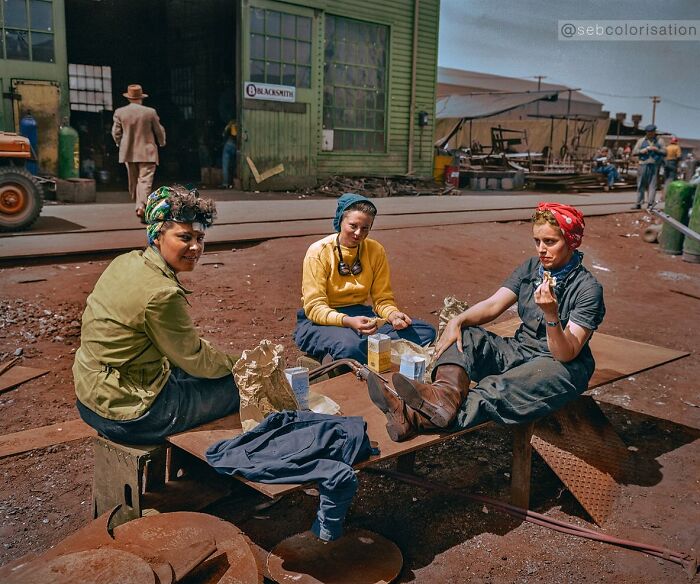
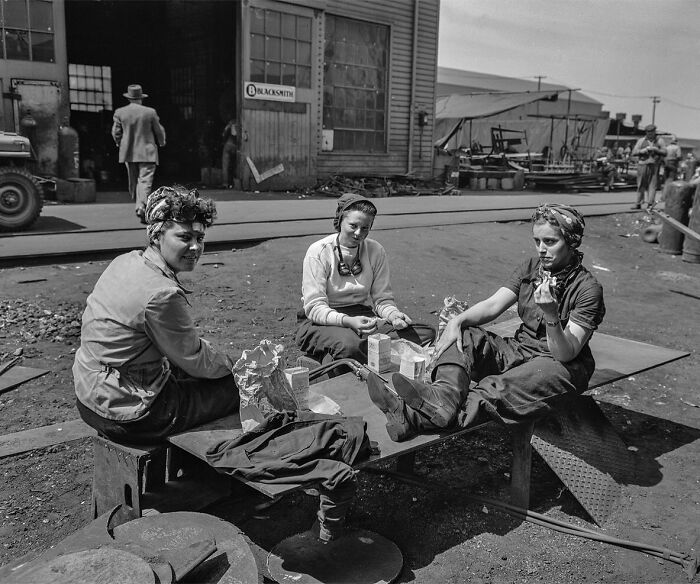
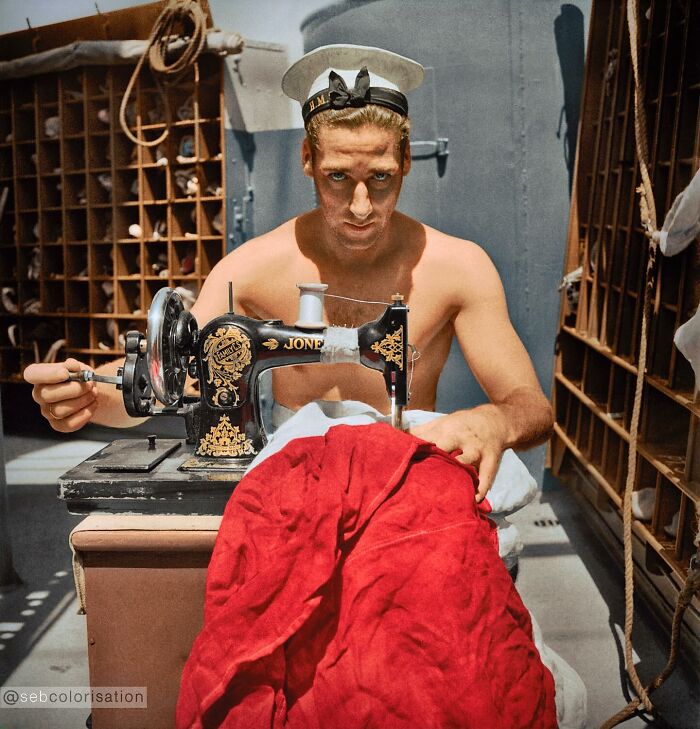
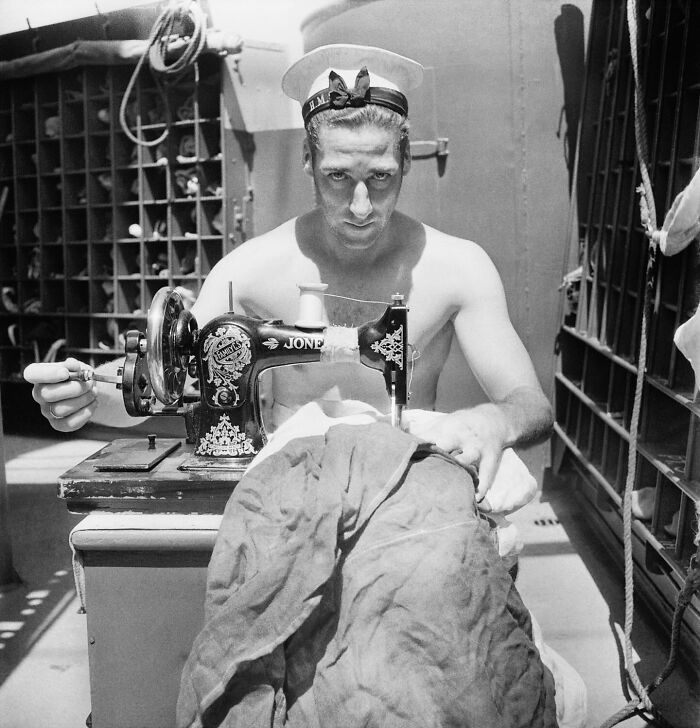
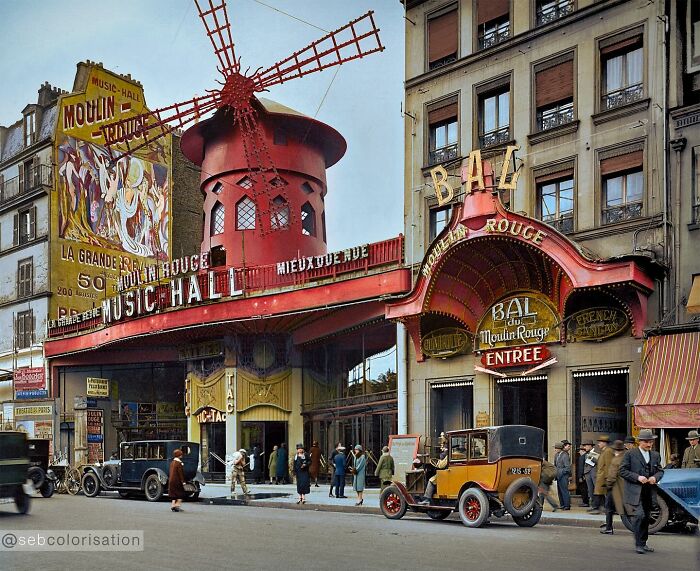
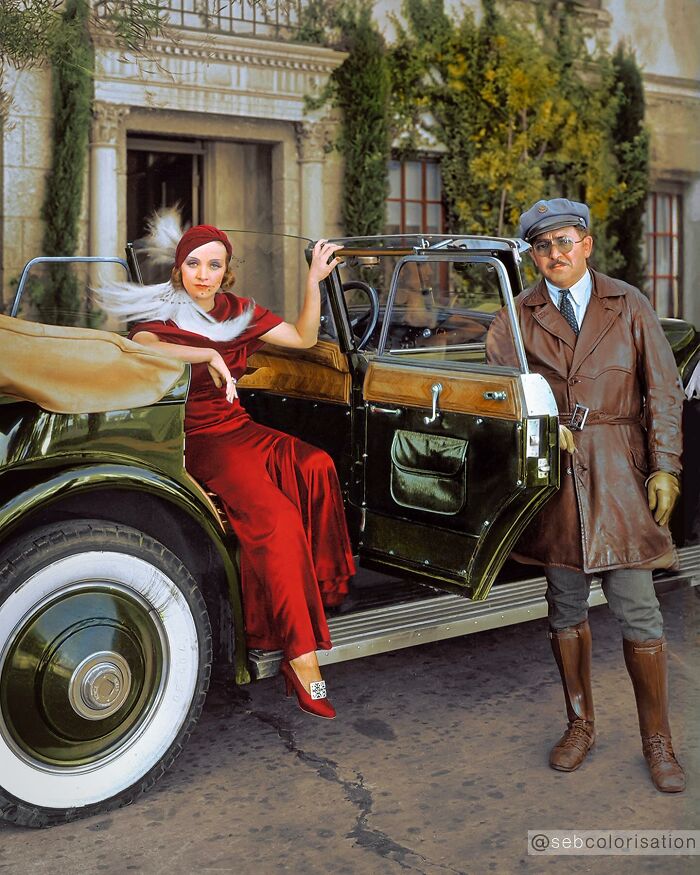
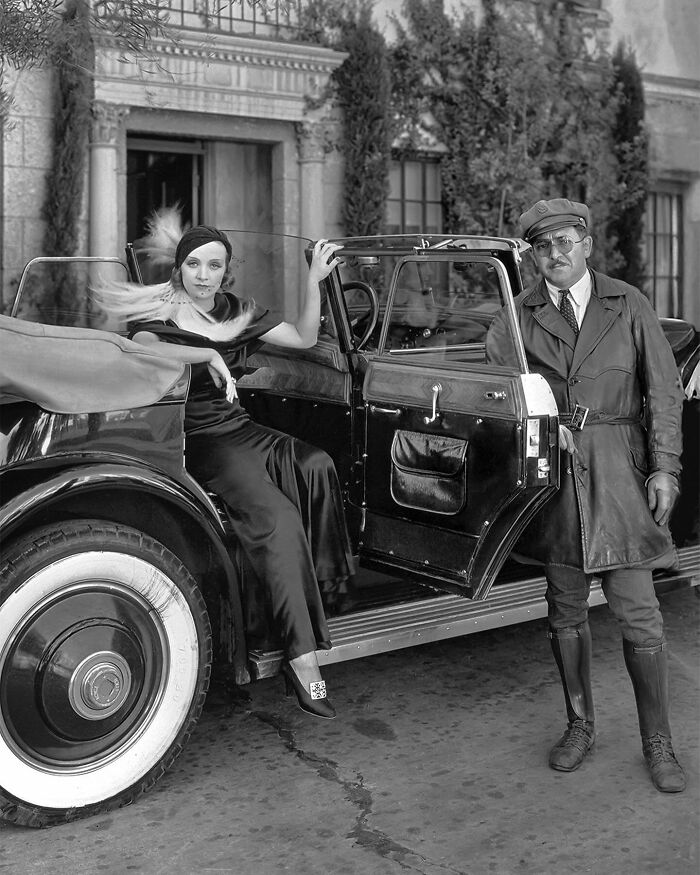
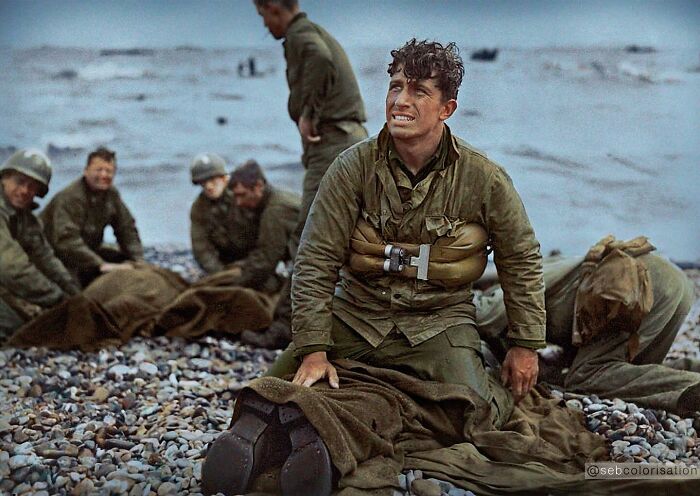
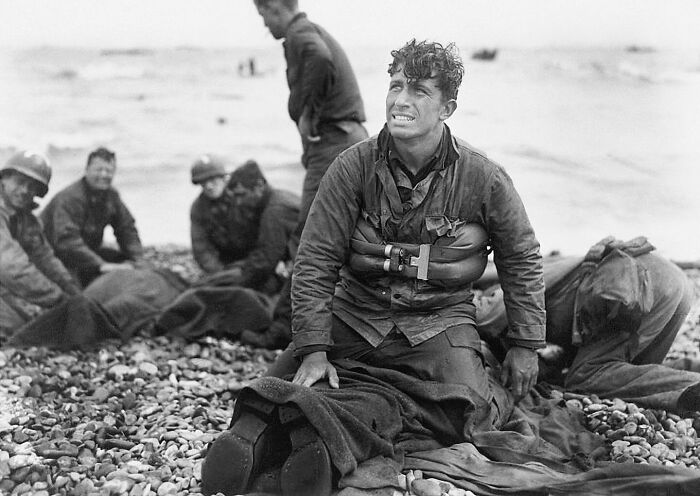
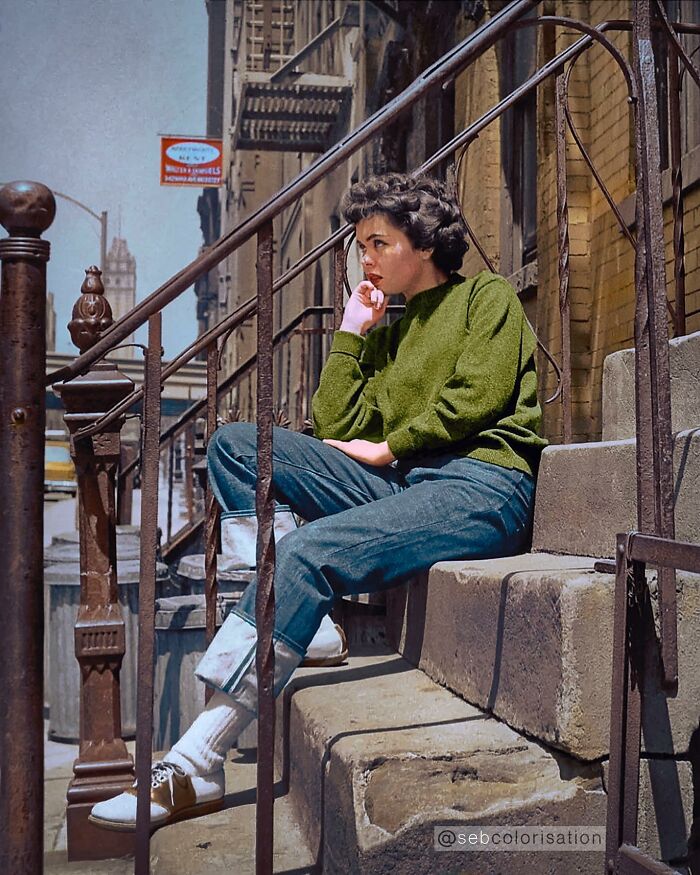
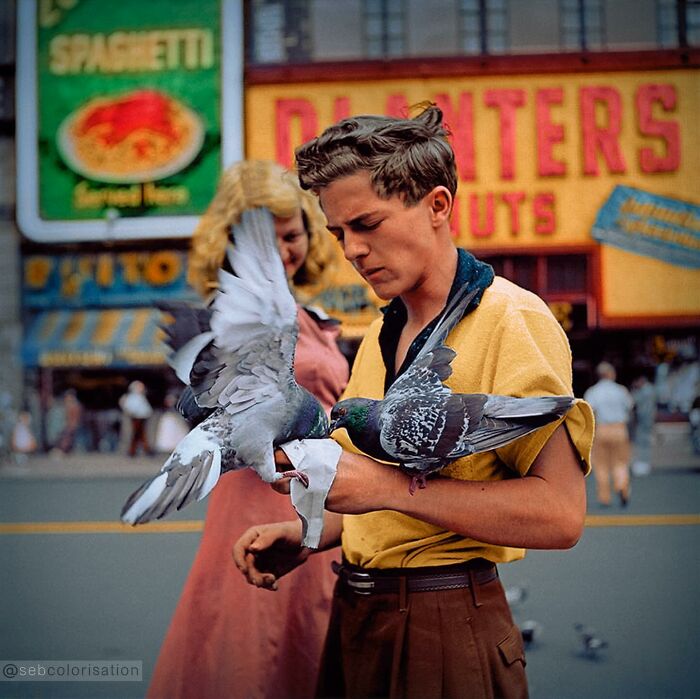
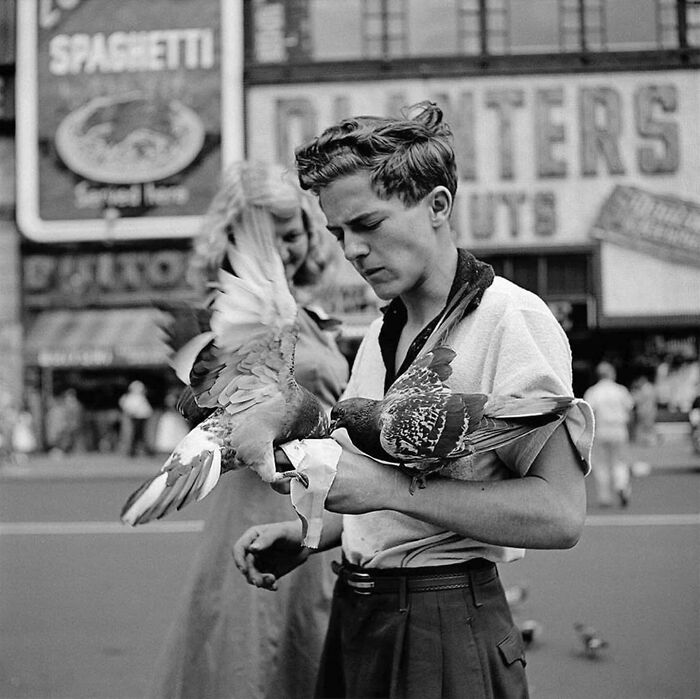
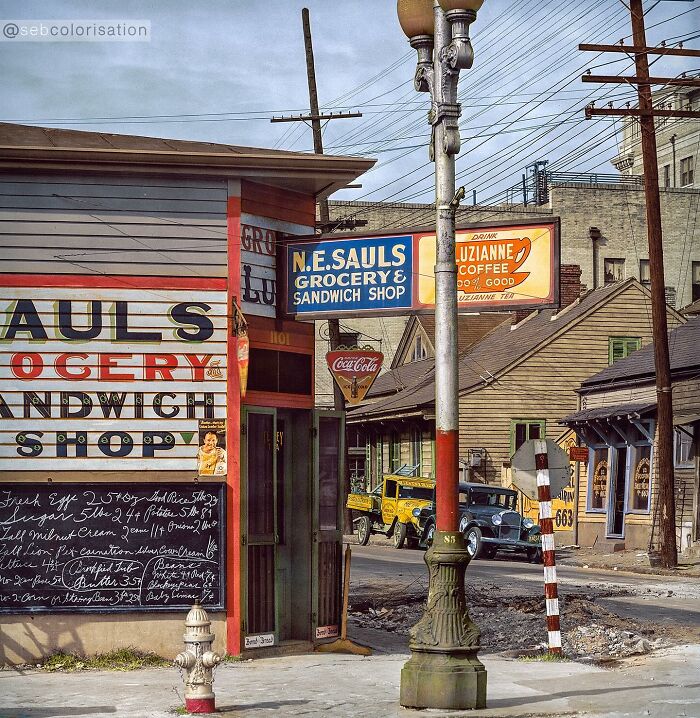
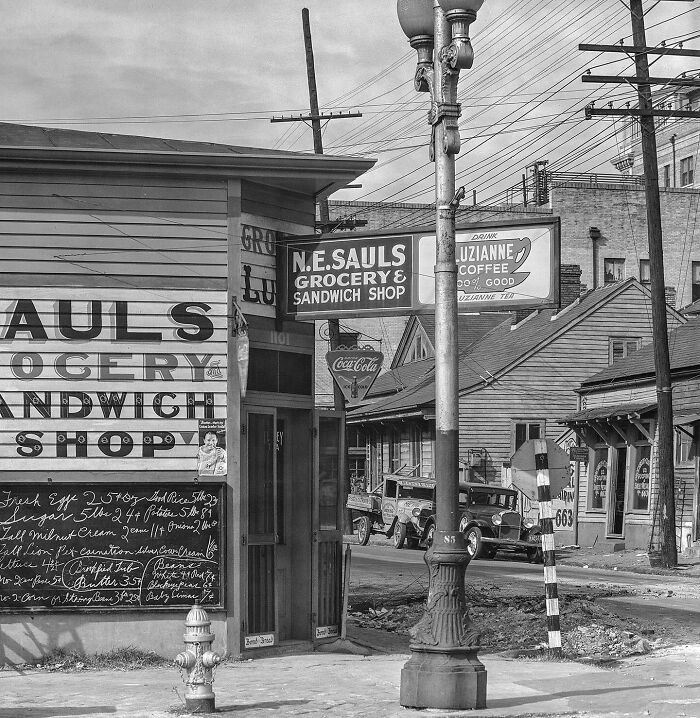
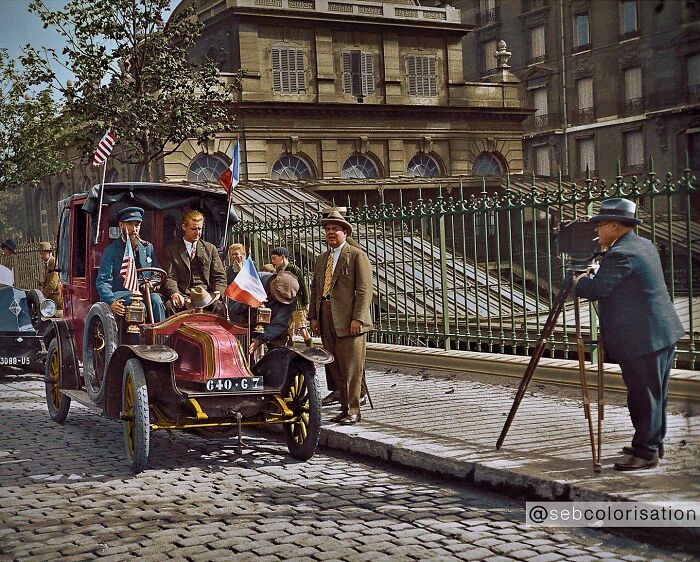
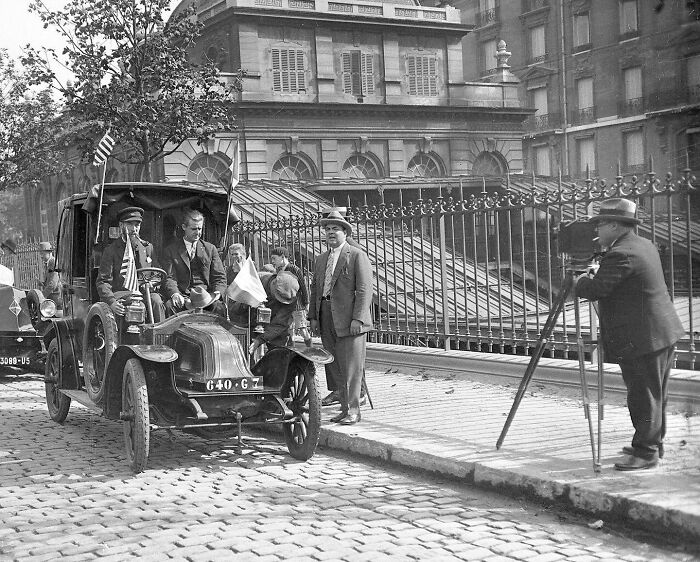
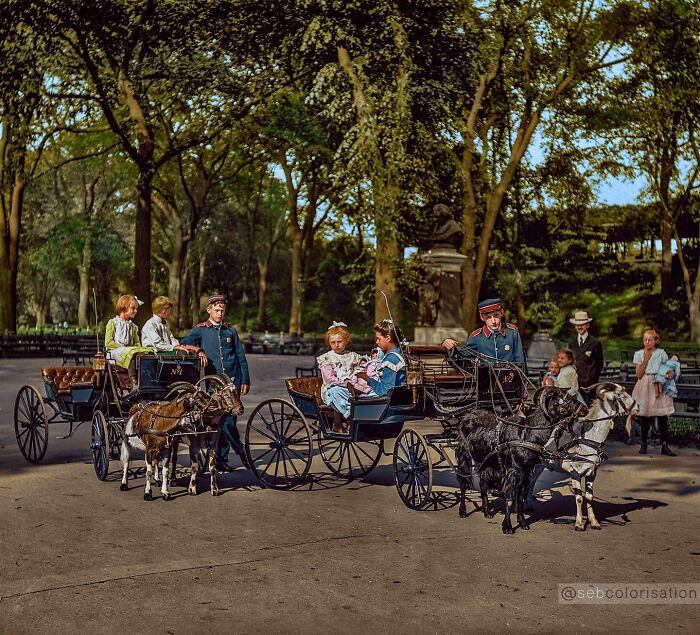
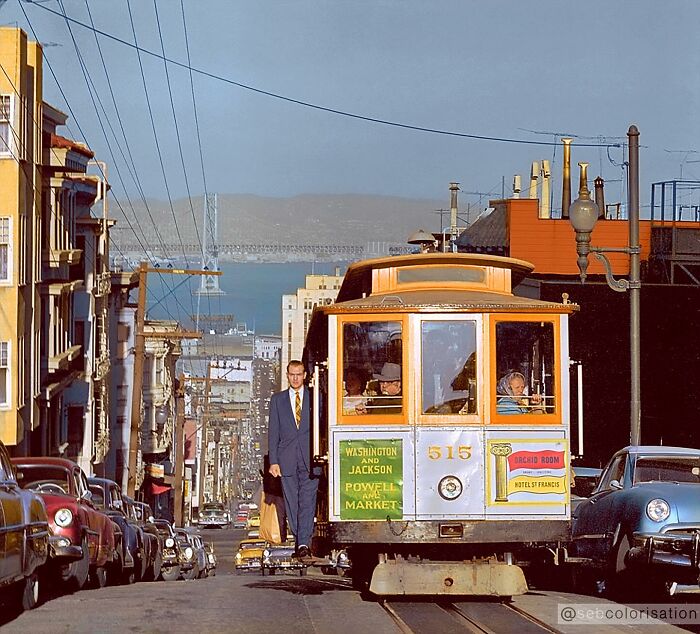
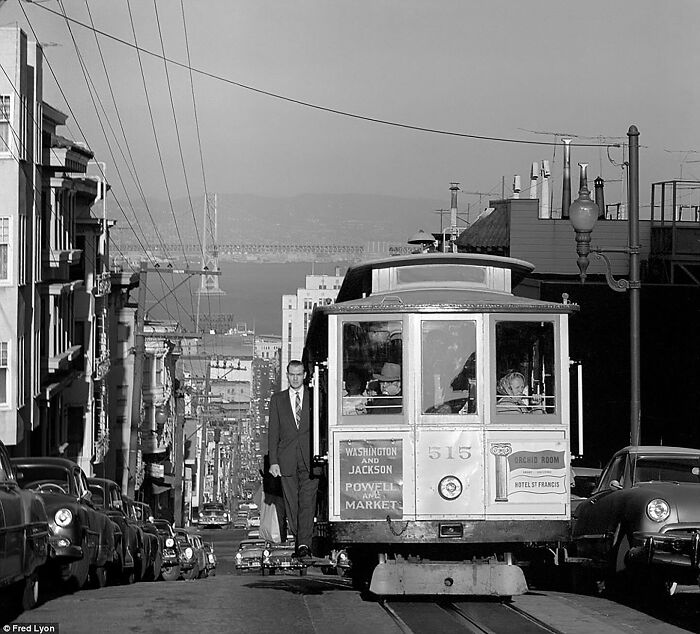
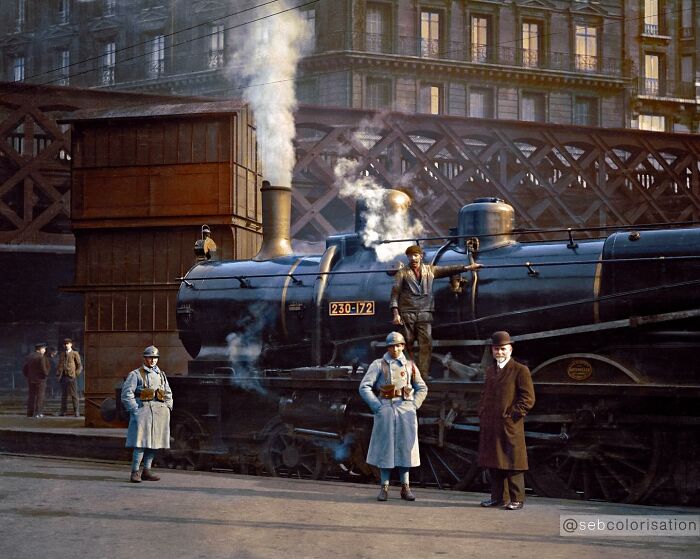
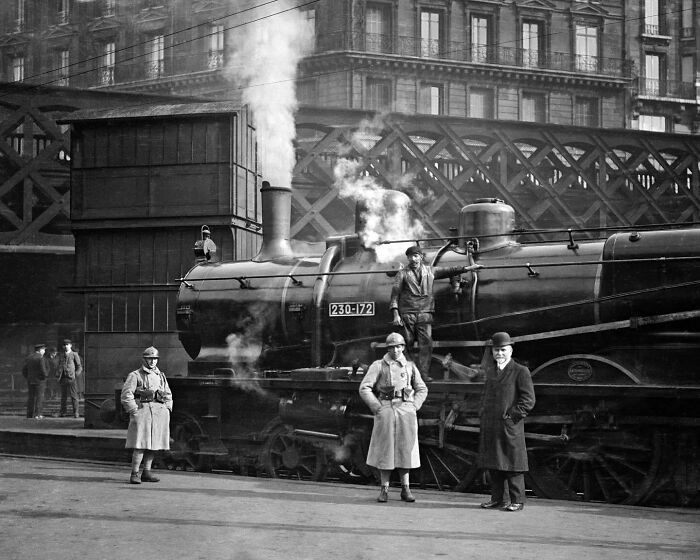
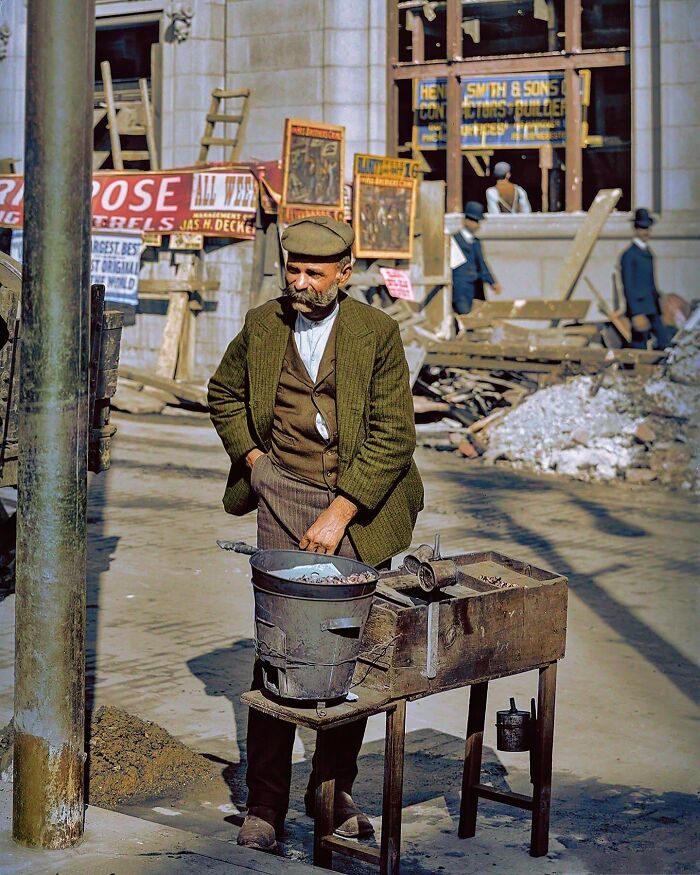
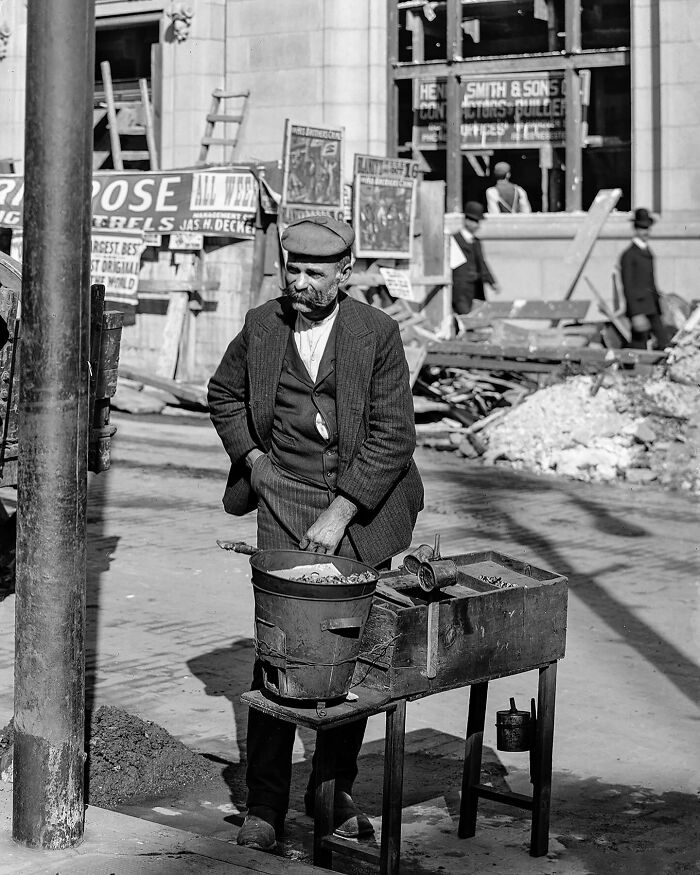
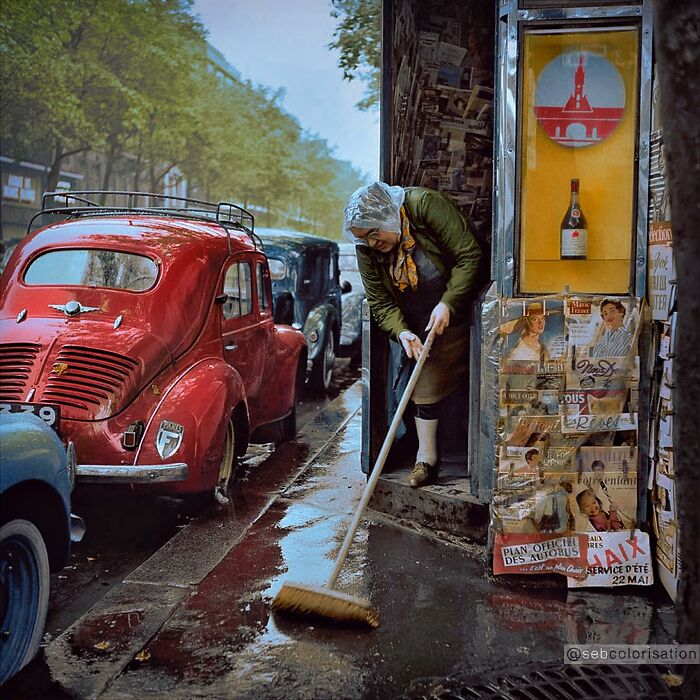
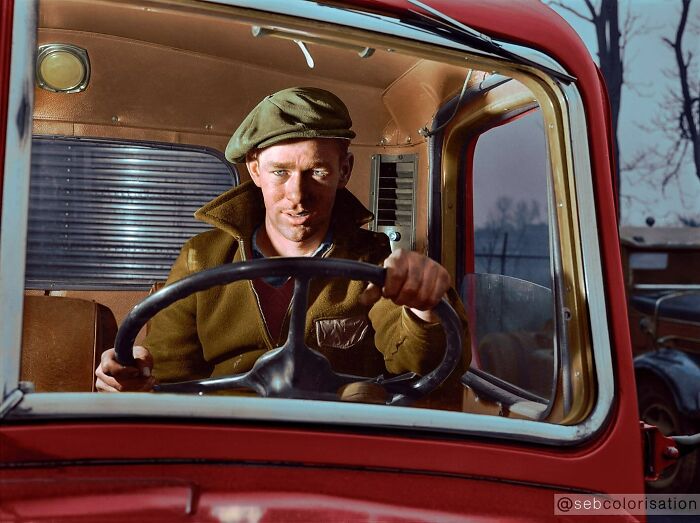
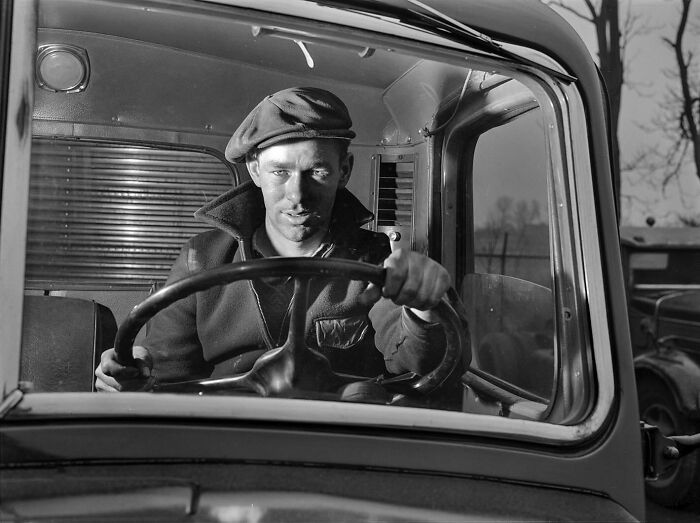
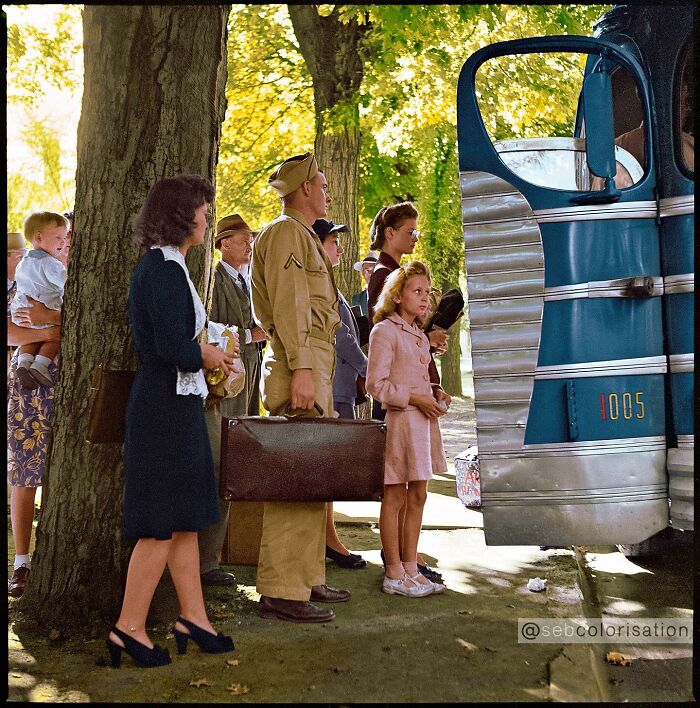
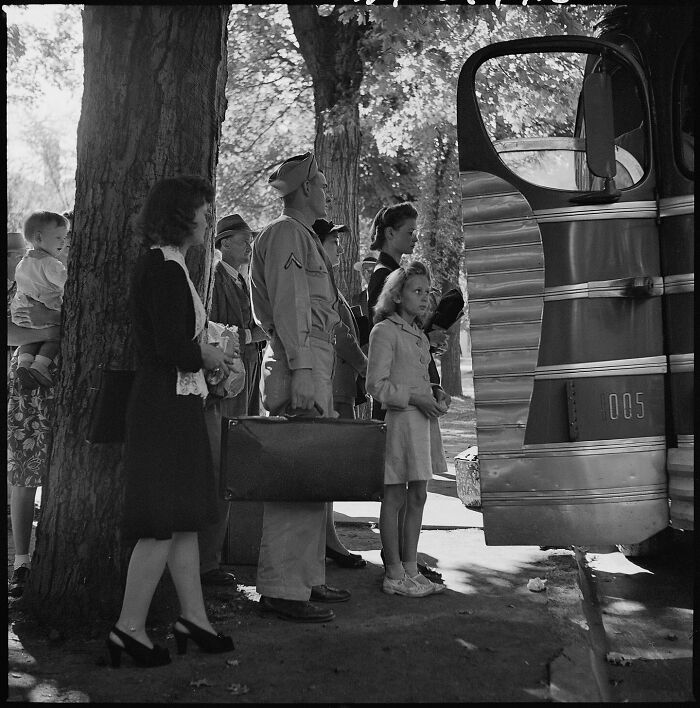
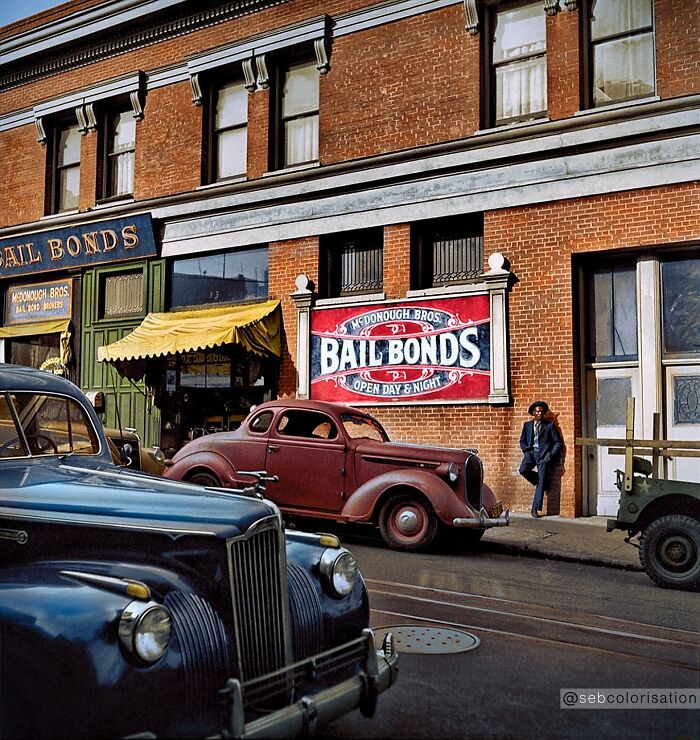
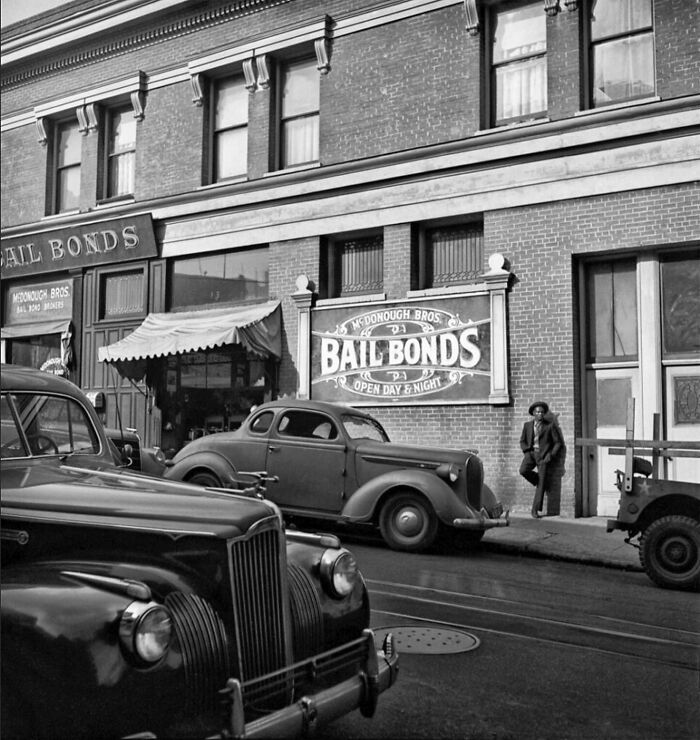
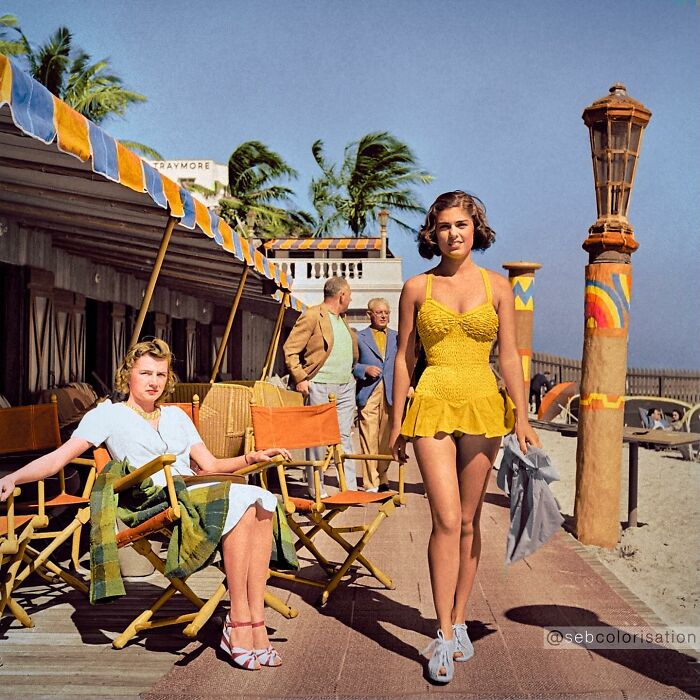
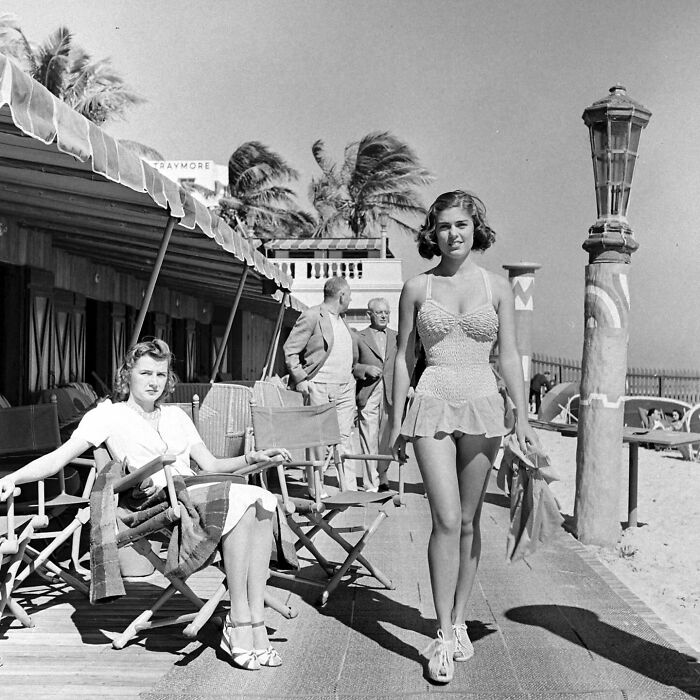
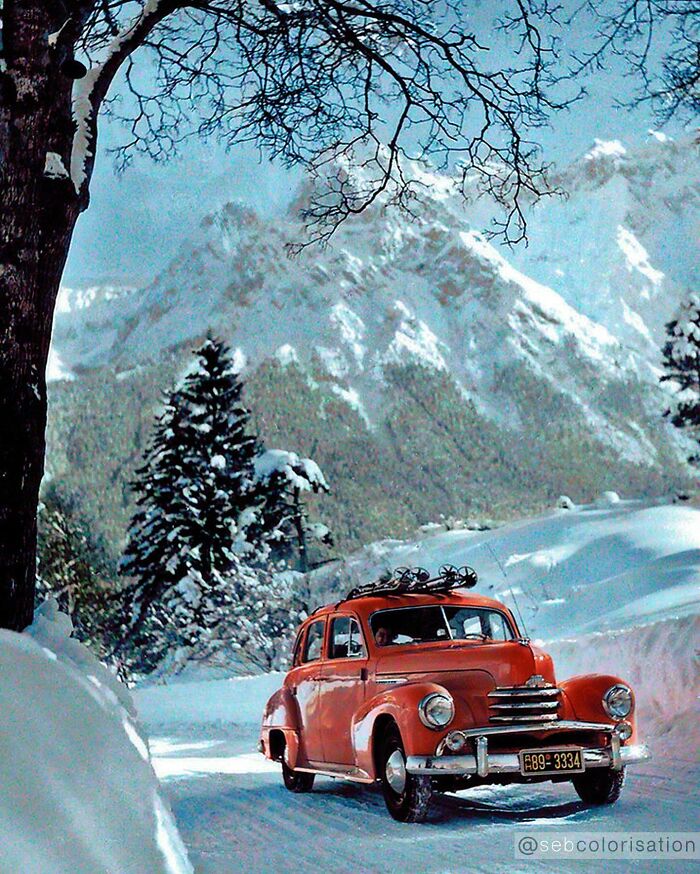
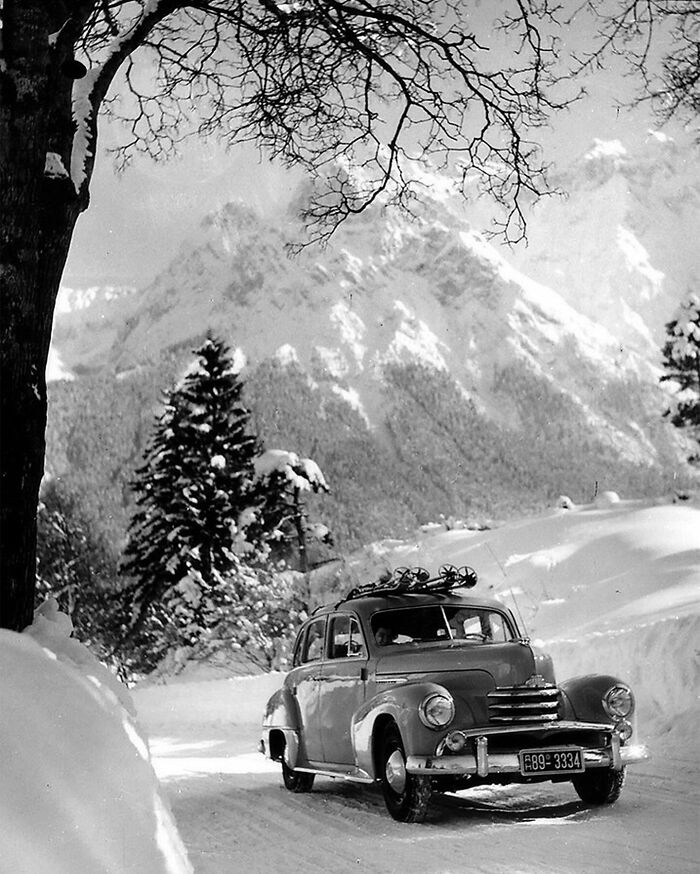
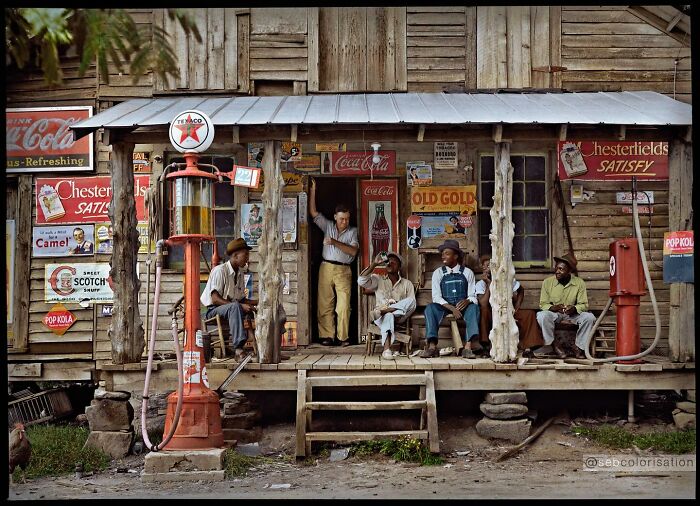
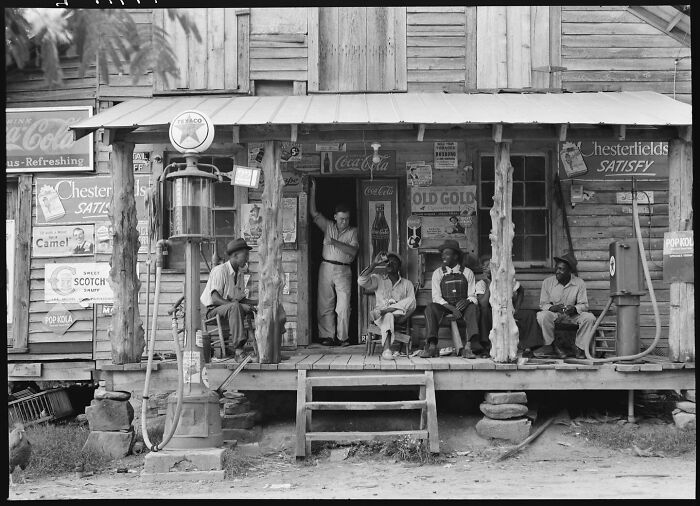
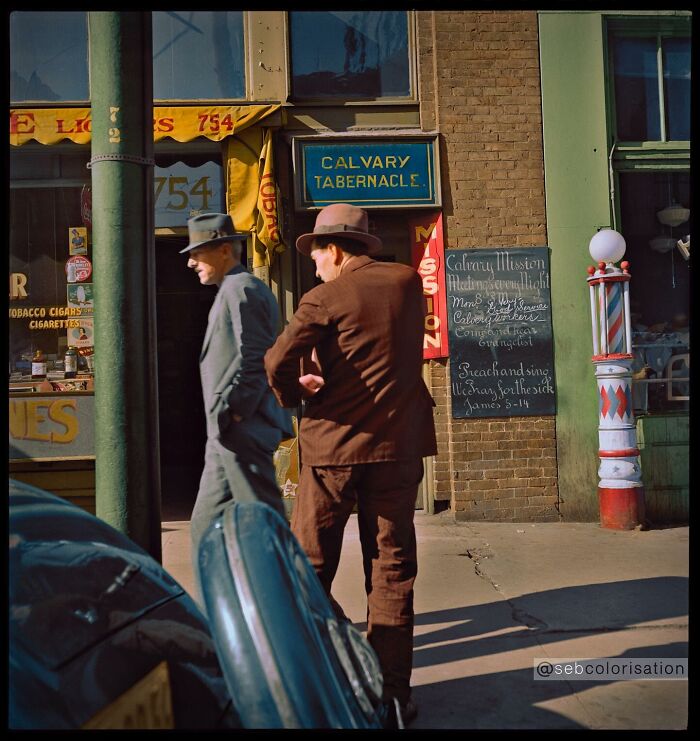
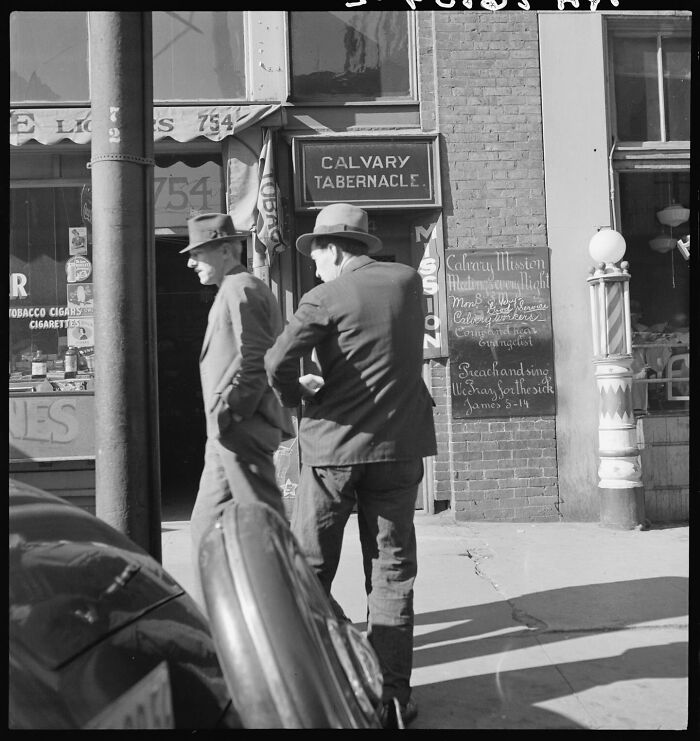
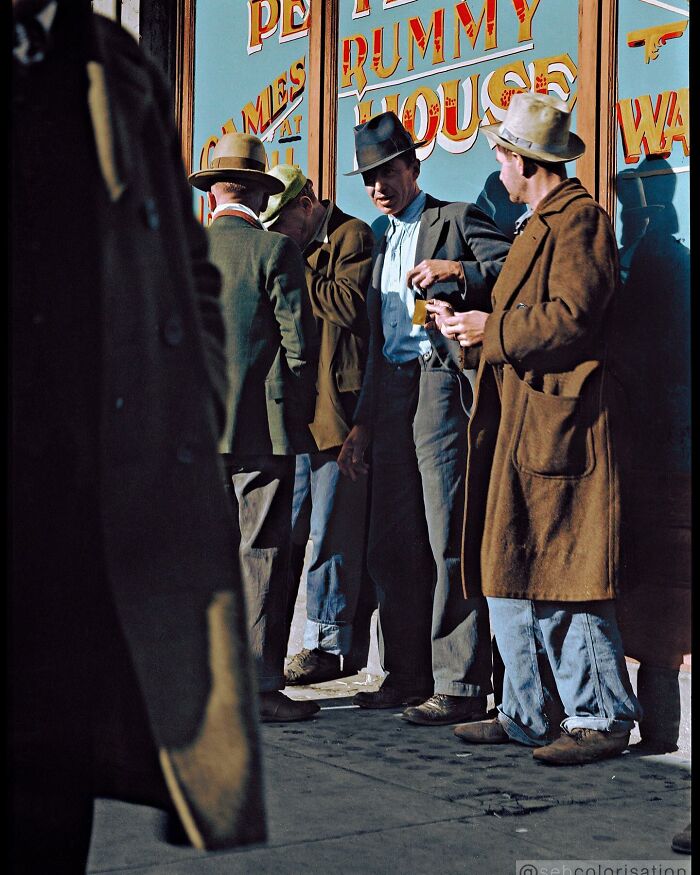
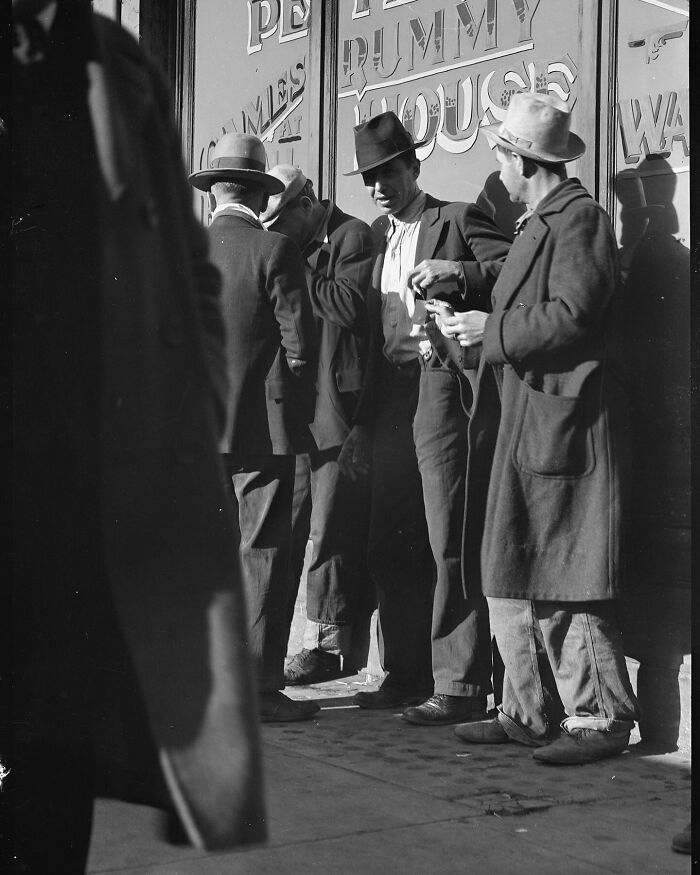
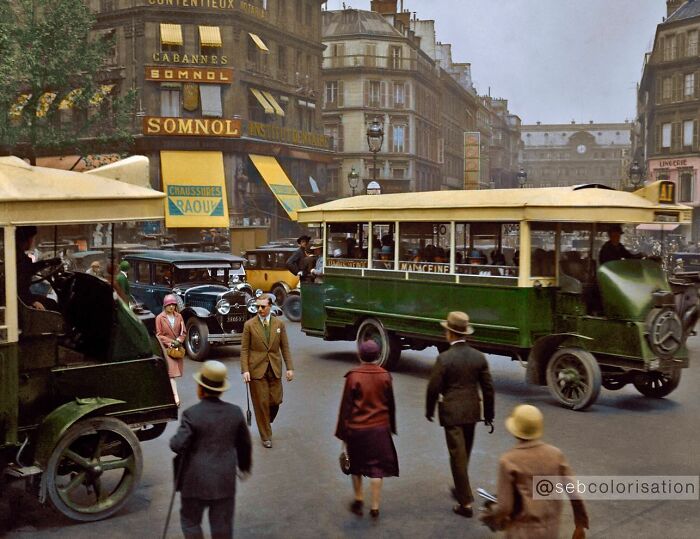
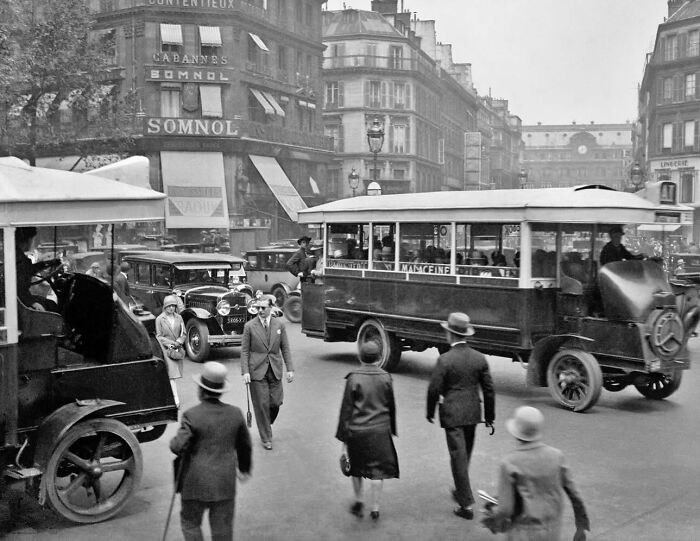
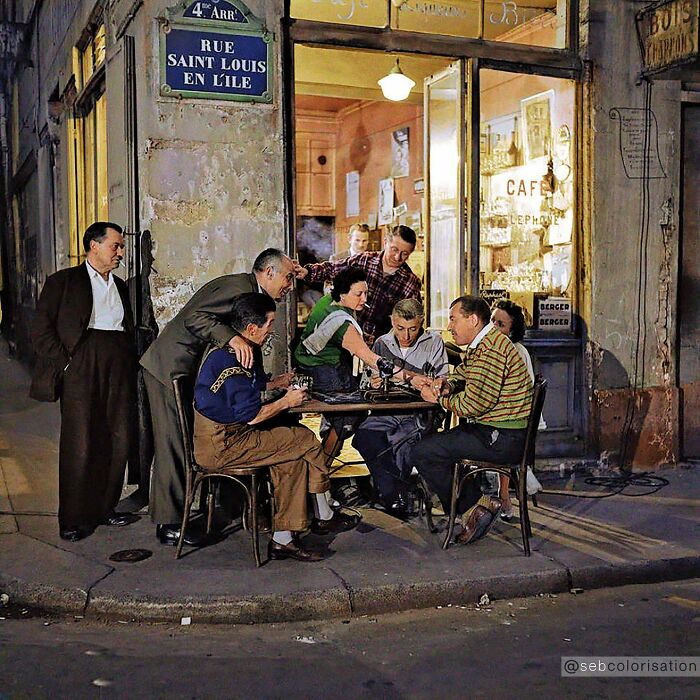
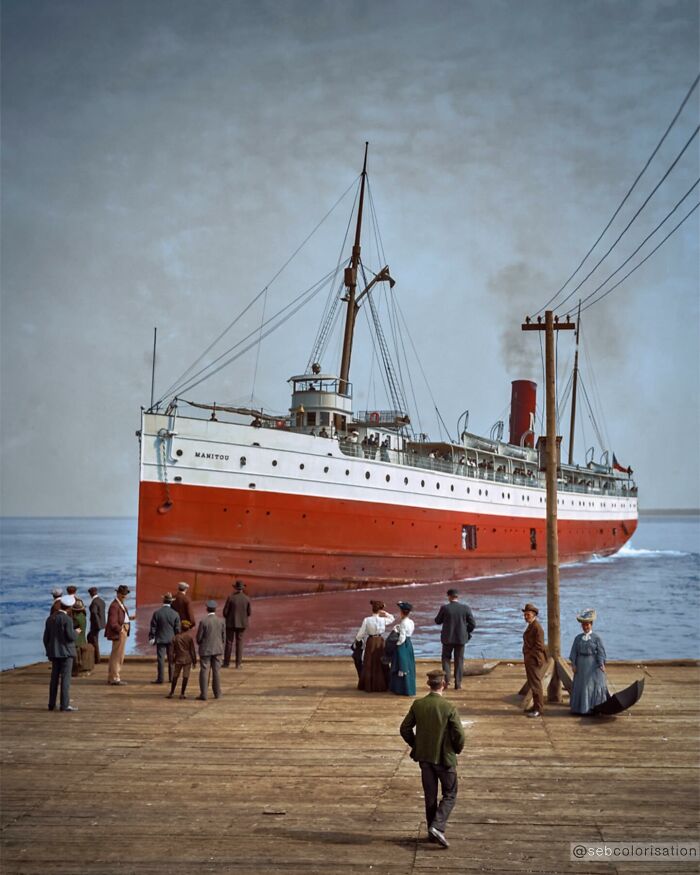
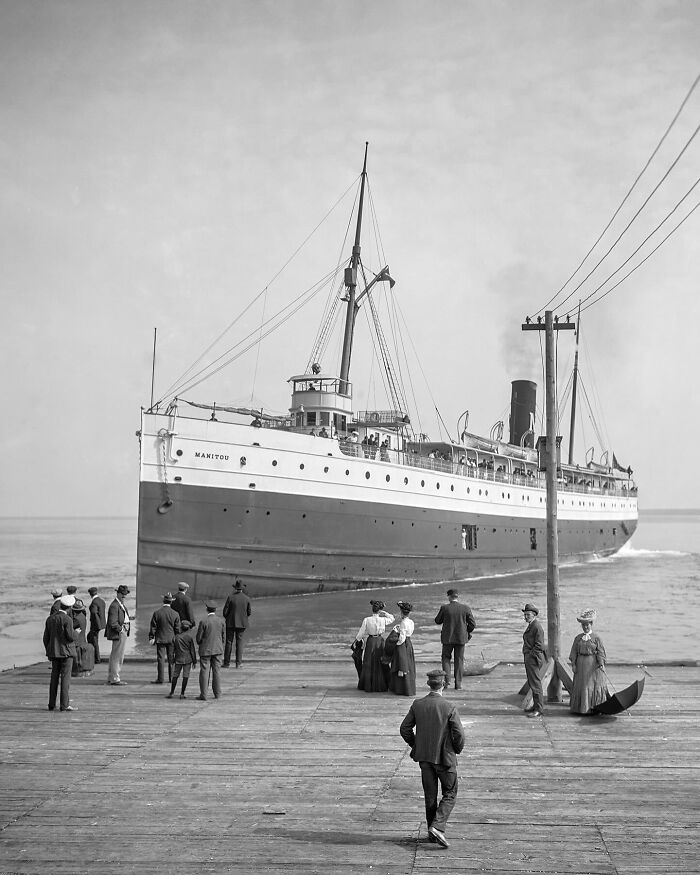
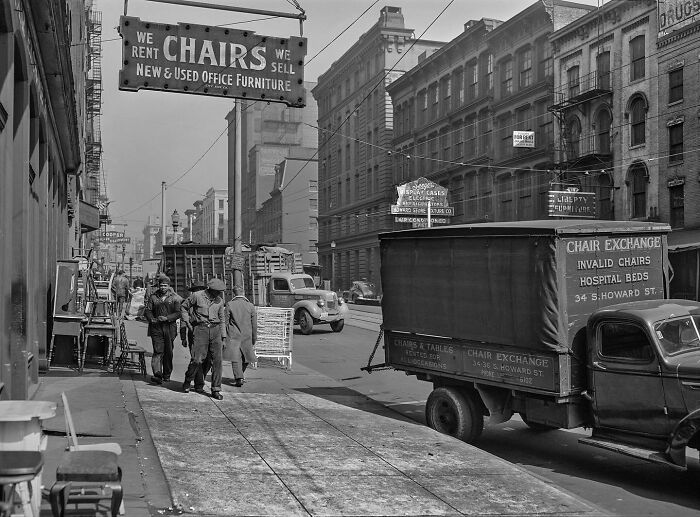
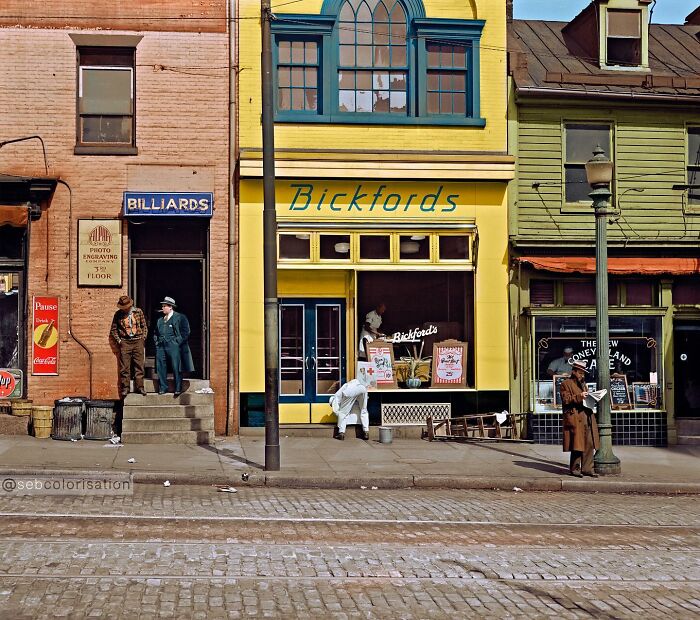
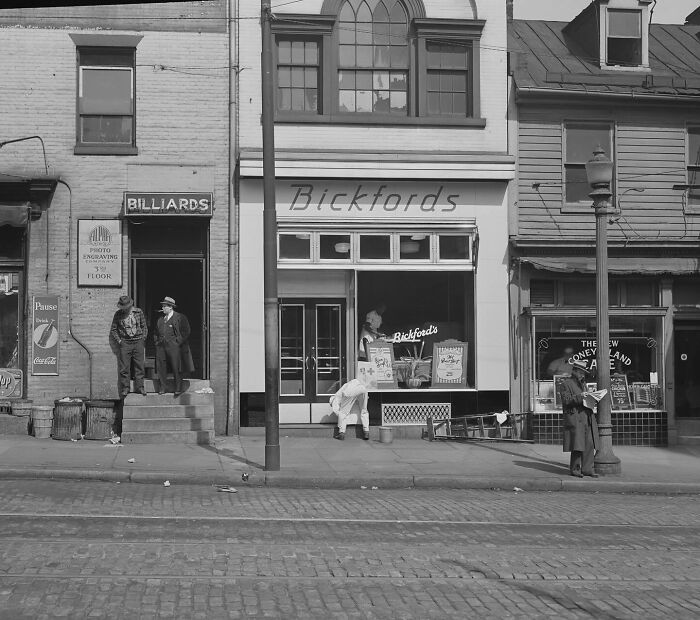
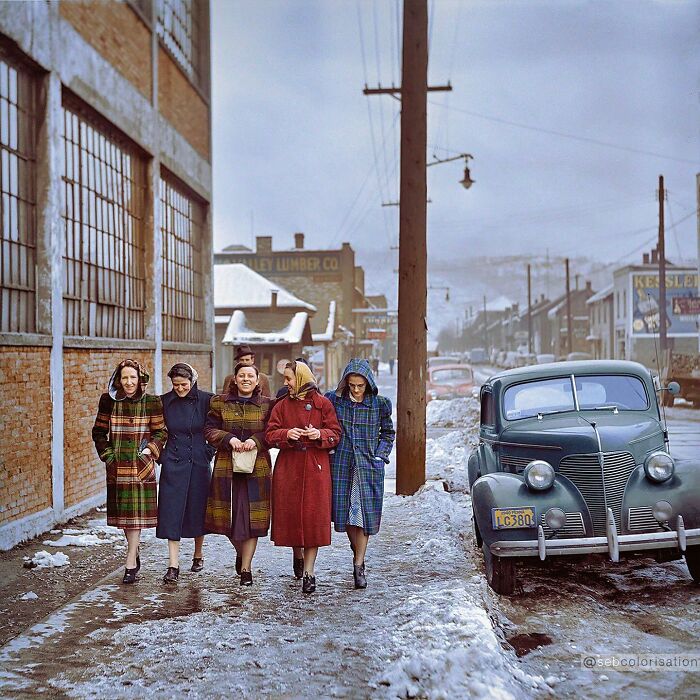
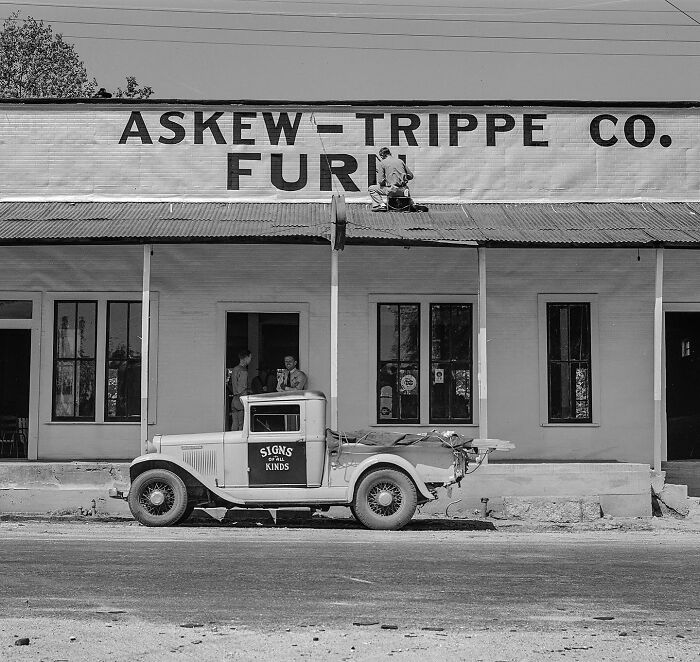
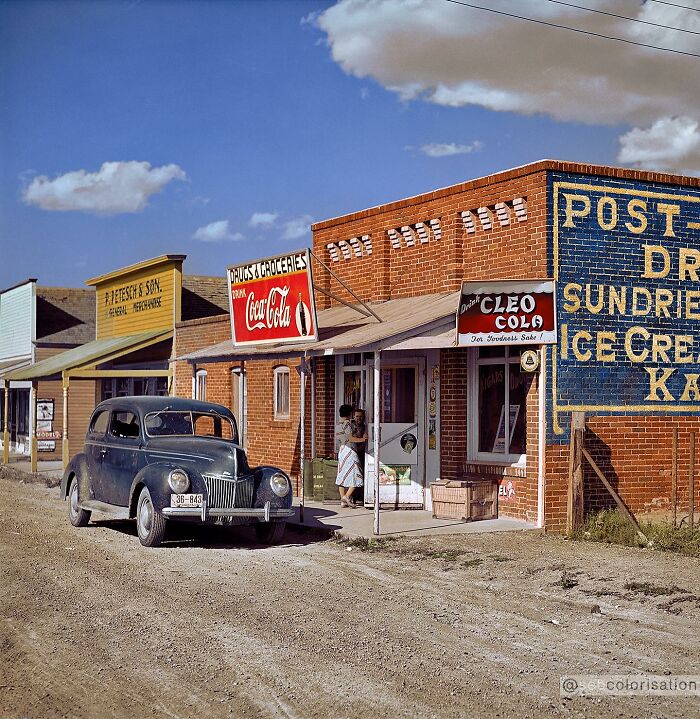
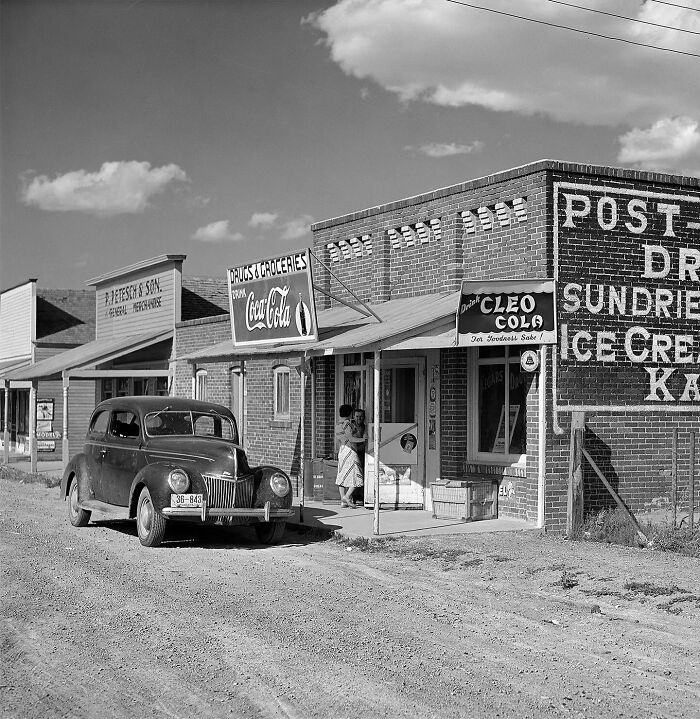
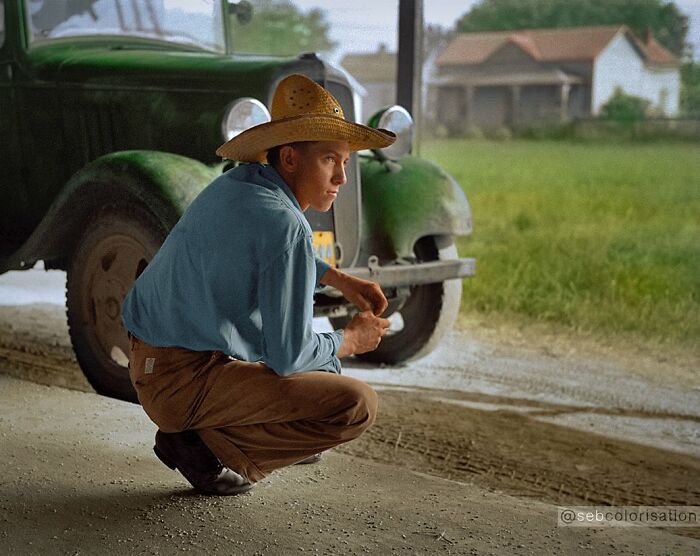
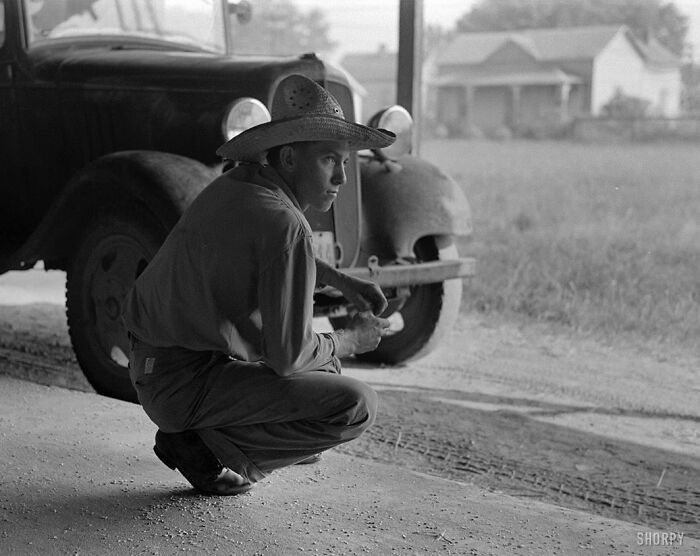
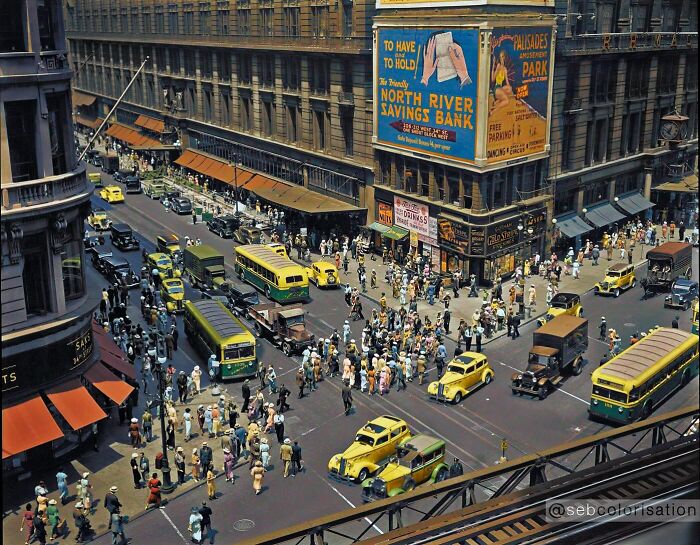
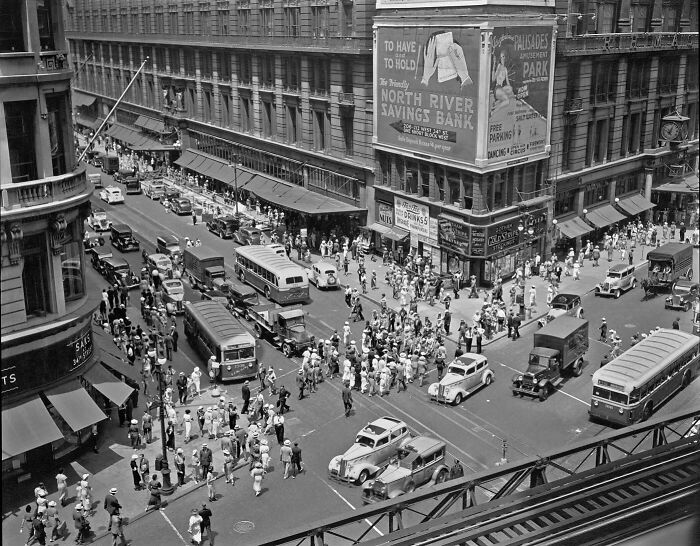
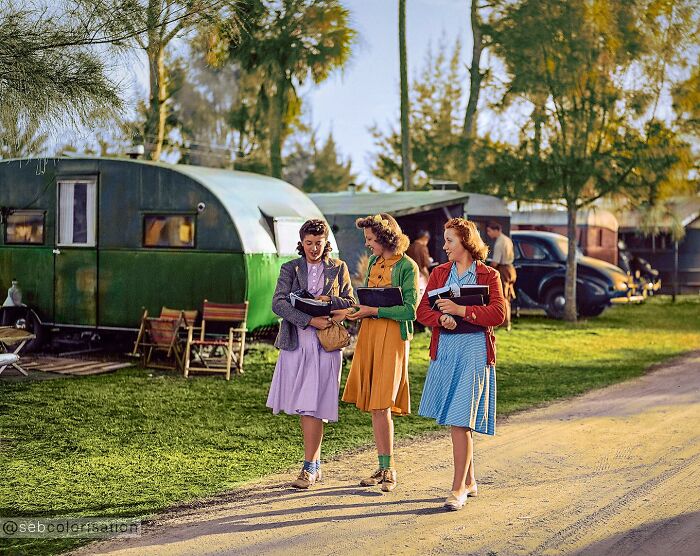
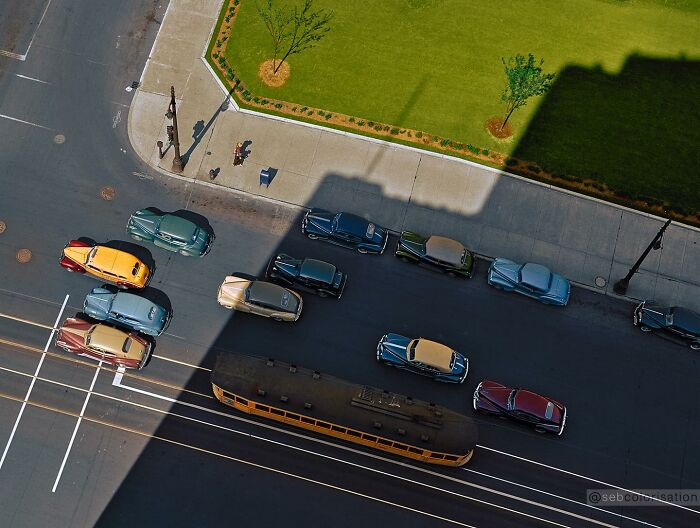
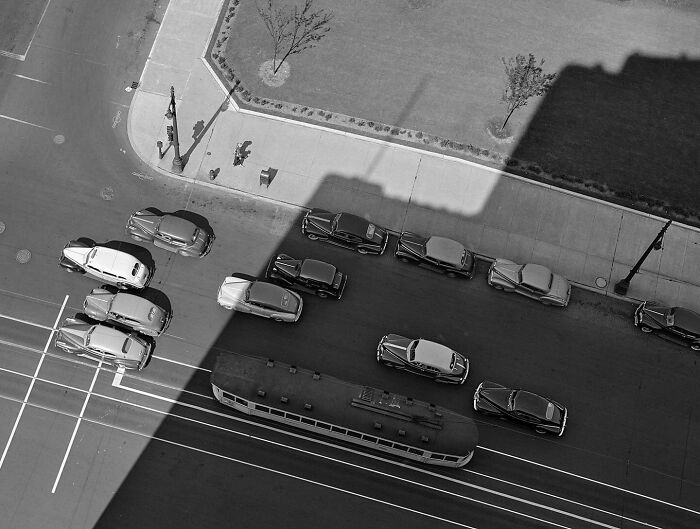
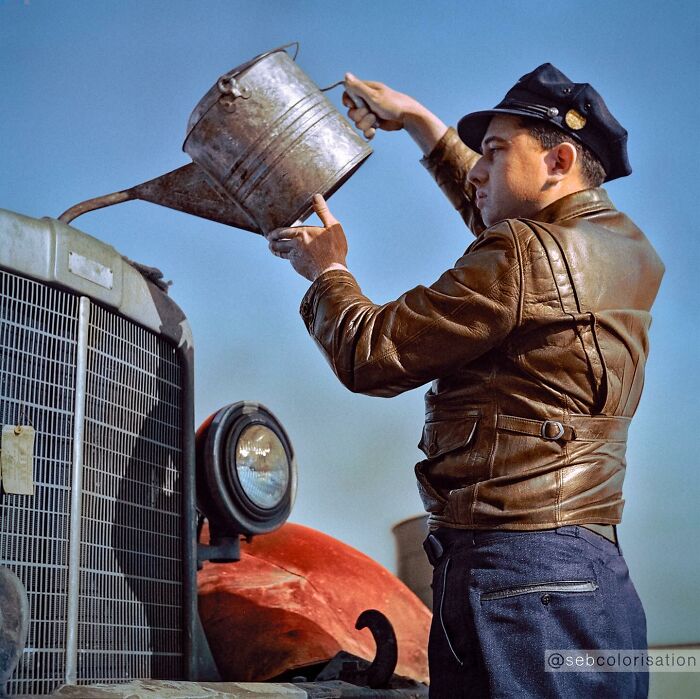
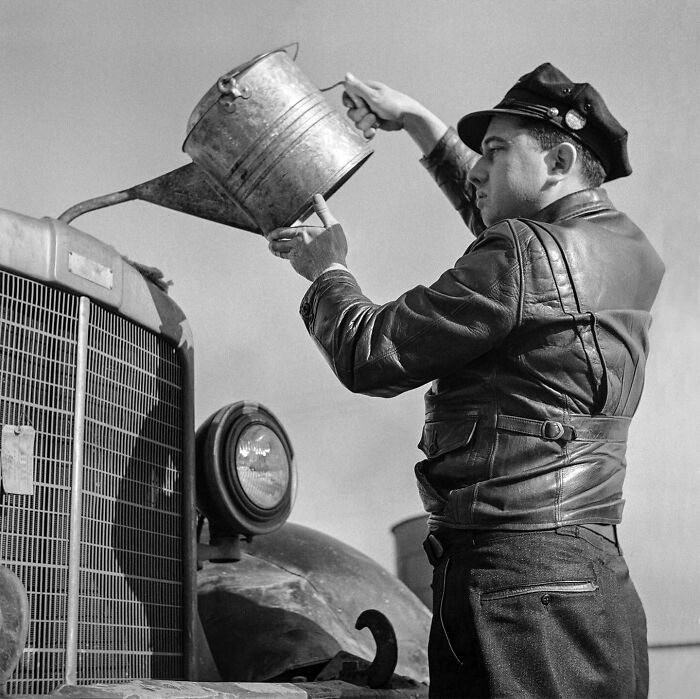
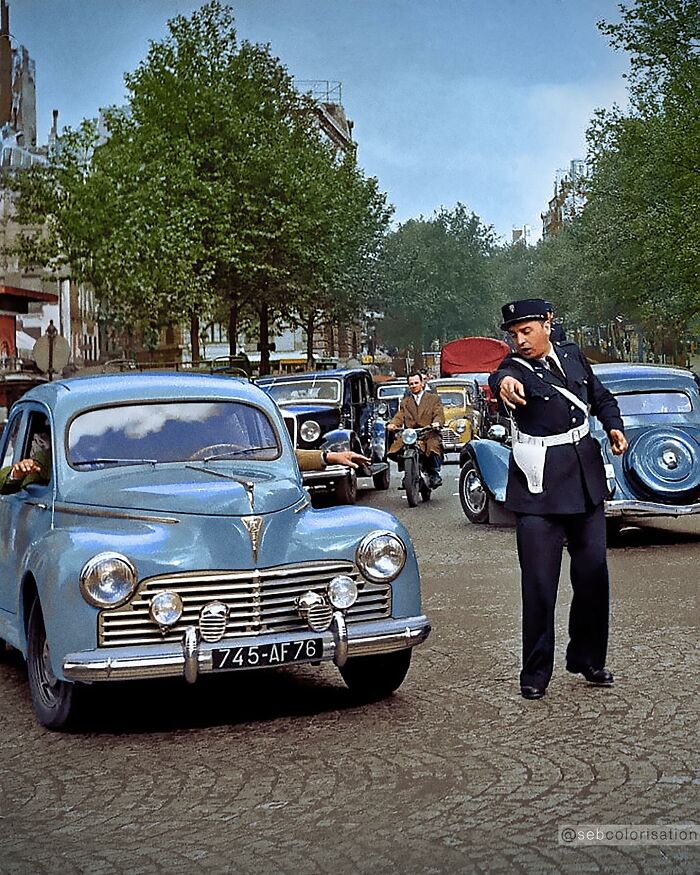
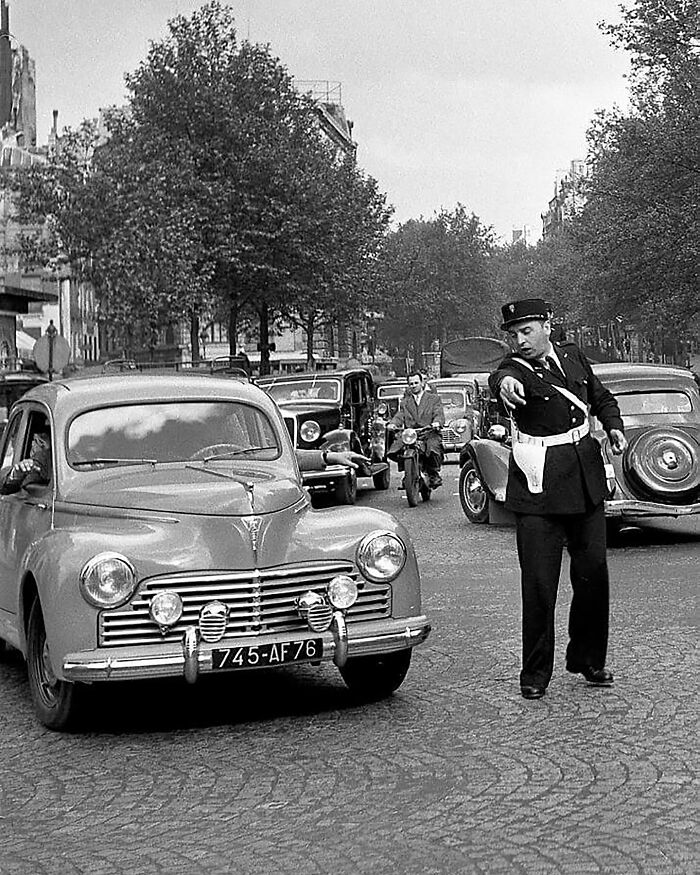
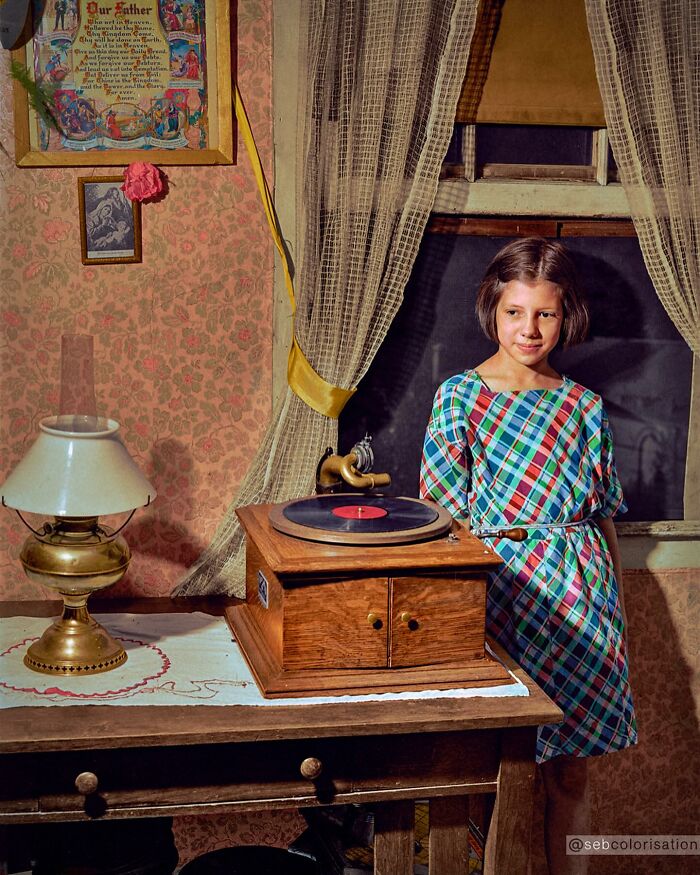
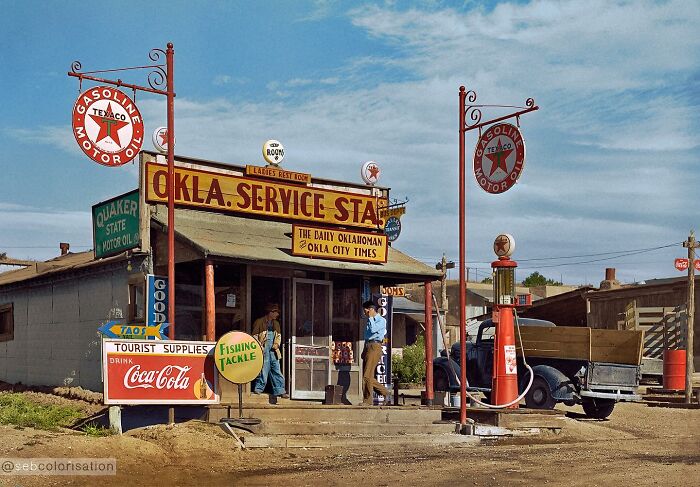
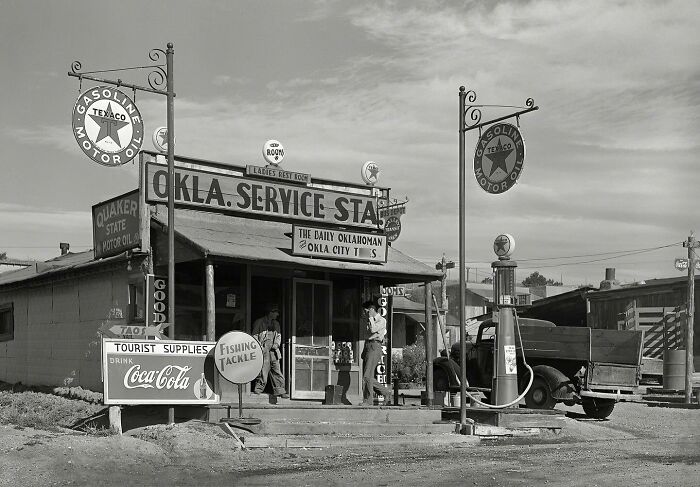
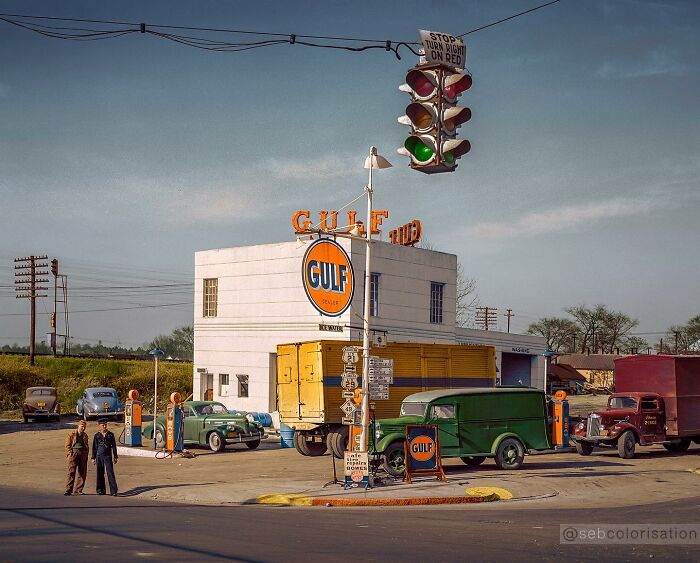
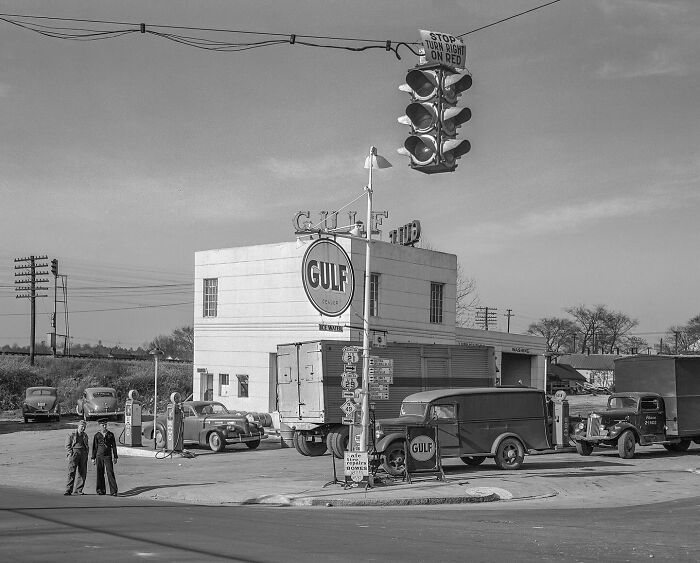
Instead of focusing on the whole plethora of historical learning choices, today we’re focusing on only one – photographs. To be more specific, colorized photographs. All the examples of before and after that you can find in today’s list are credited to the colorist Sébastien de Oliveira, who graciously agreed to talk about his work with Bored Panda.
He explained that in his opinion, “Colorized photos offer the best time machine possible, the colors work as a revelation for us, people from the past were exactly like us, their world was not so different, their sky was as blue as our sky. It gives you a sense of timelessness, the only differences were the clothes and the objects around us but for the main aspect of life, nature, the humanity, they lived like us.”
Sébastien also revealed what drew him to this job as a colorist. Apparently, it comes naturally to him because of his passions: history, photography, and painting. The first one brings out “the fascination of no longer existing places and people”, the second gives an ability to freeze aspects of our world in time and the last one is all about searching for complexity in colors.

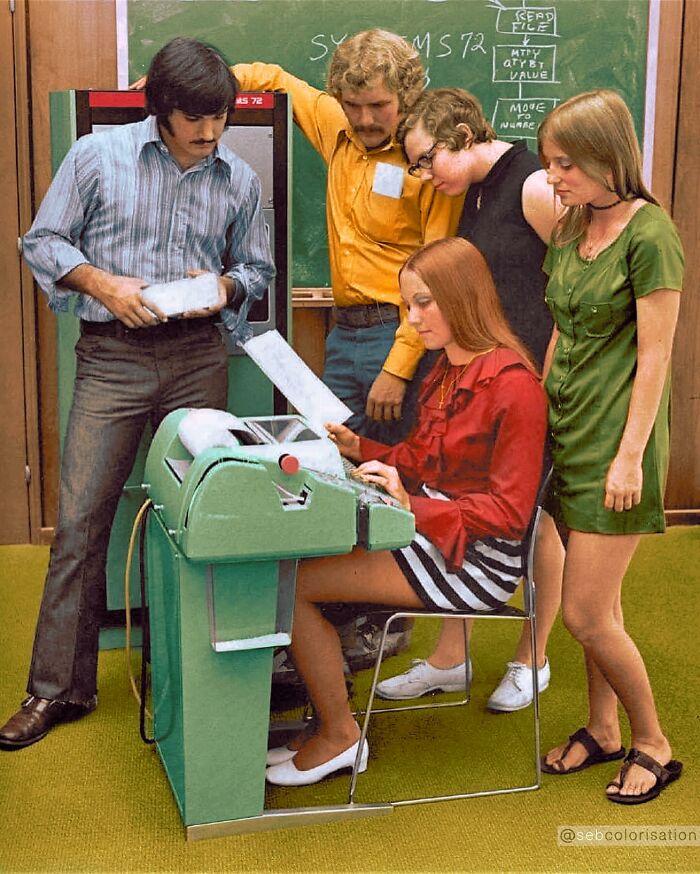
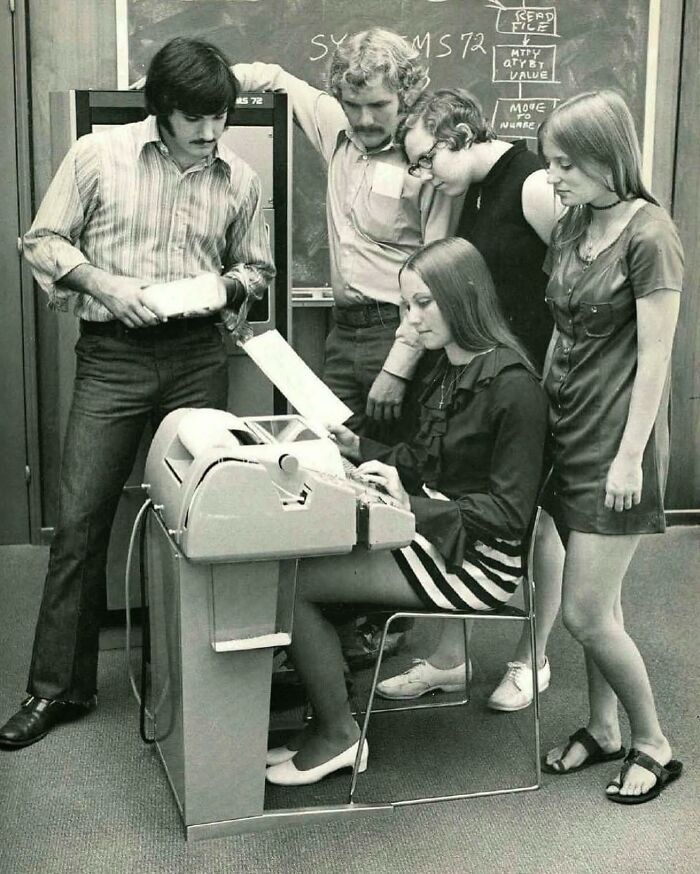
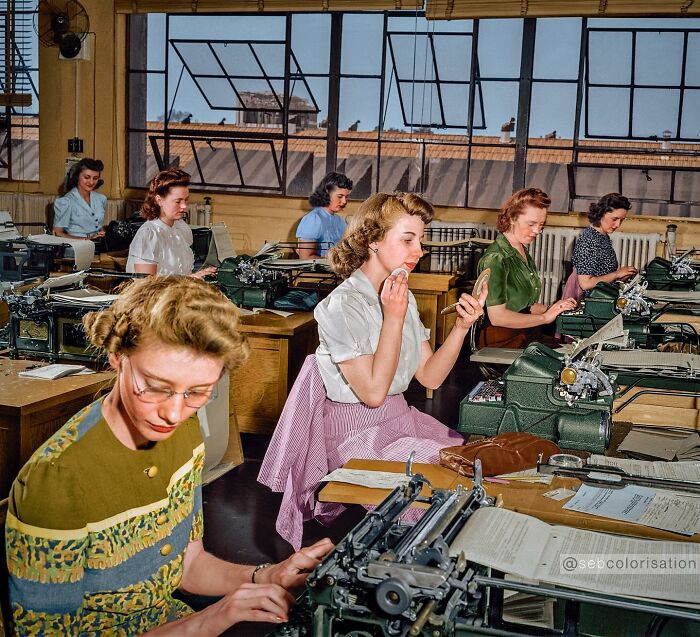
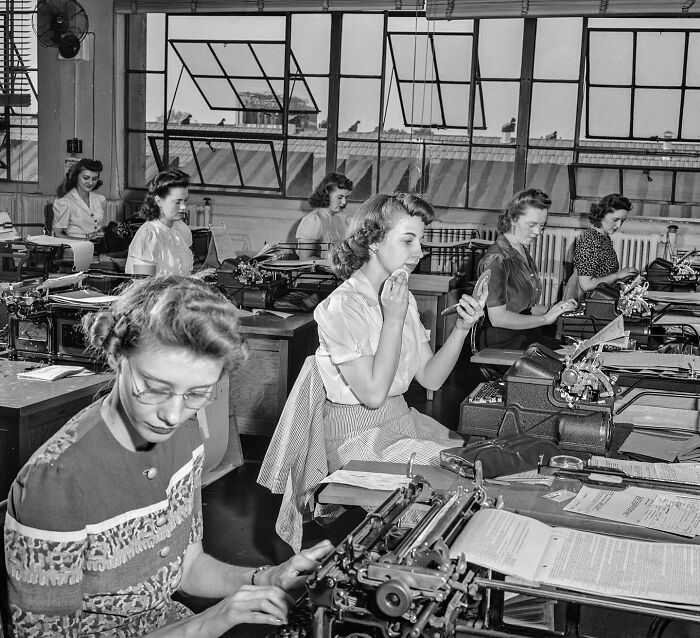
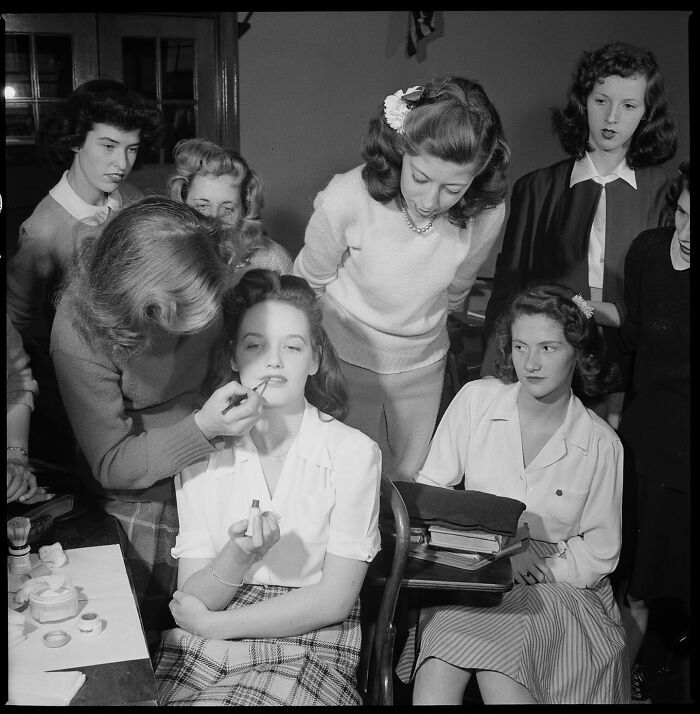
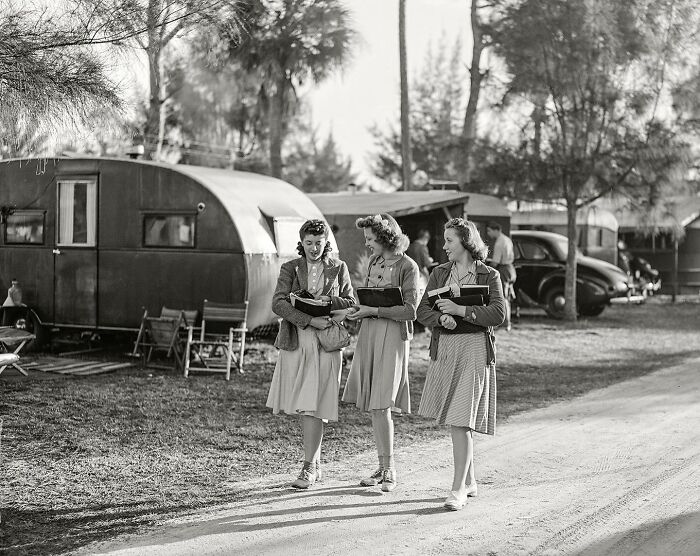
They were typing forms using carbon paper between the original typed form and the copy. It's surpringly difficult and requires great accuracy, even tho you can make corrections.
Sébastien’s typical workflow when colorizing photos has a few important steps. Firstly, he has to find the right images to colorize, because, as it turns out, not all of them can be colorized.
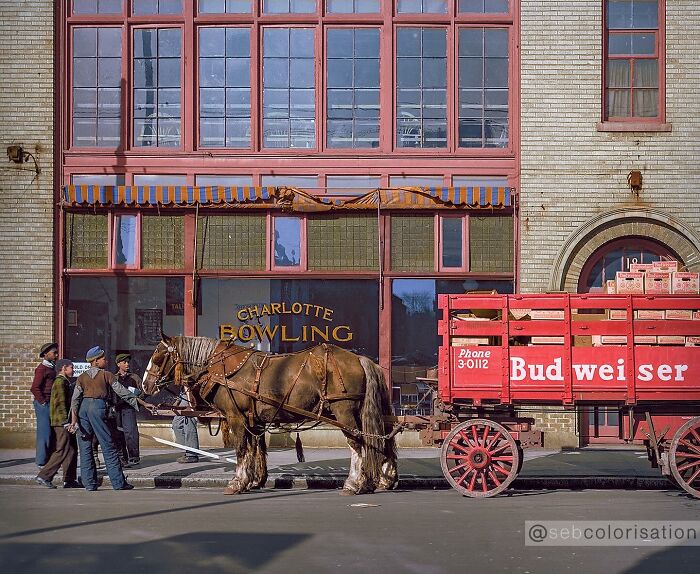
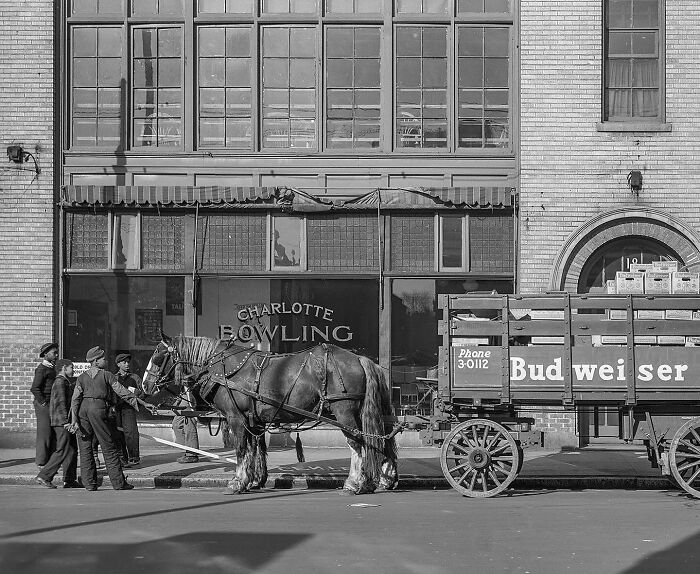
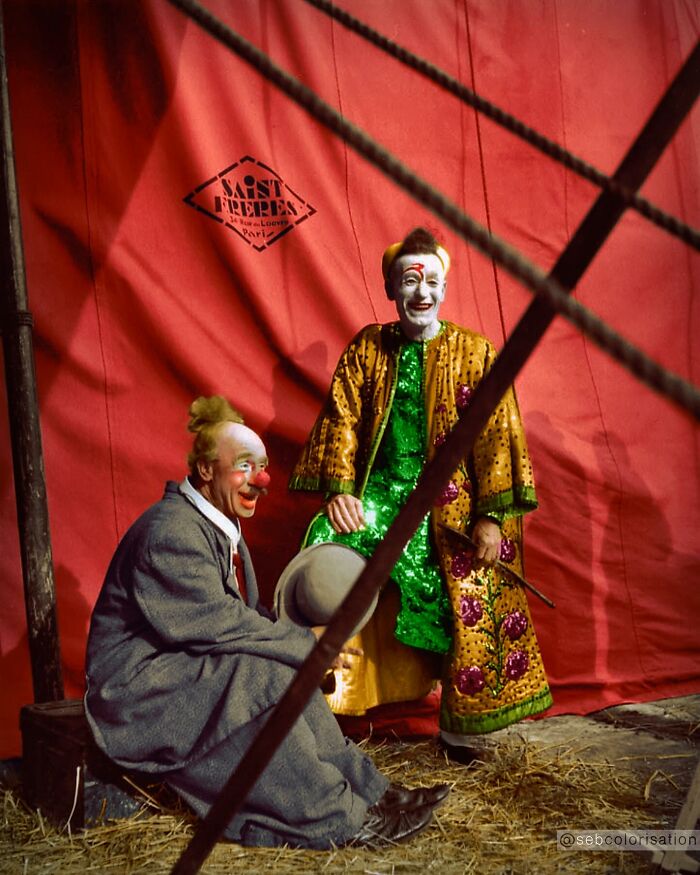
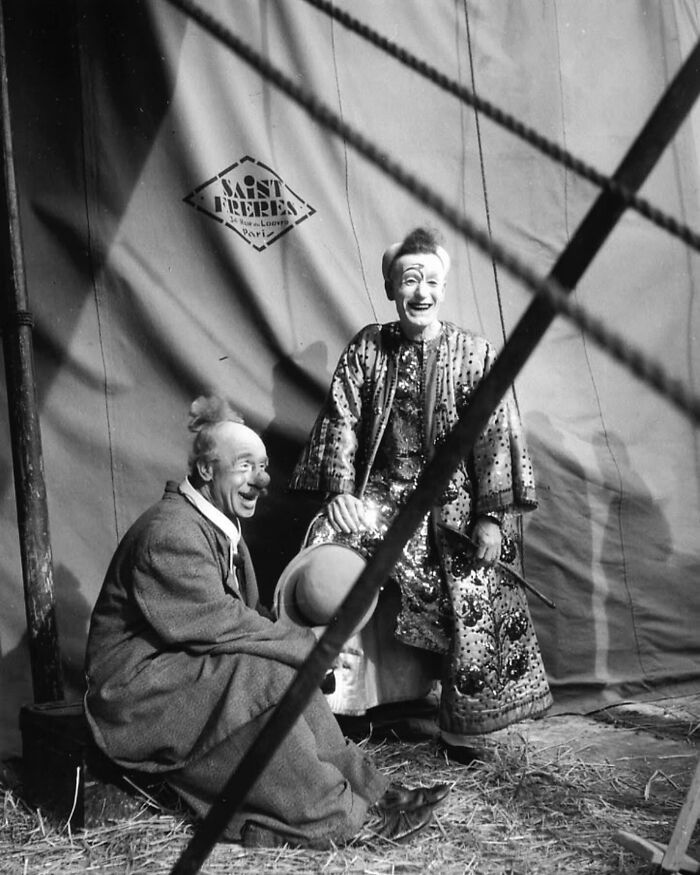
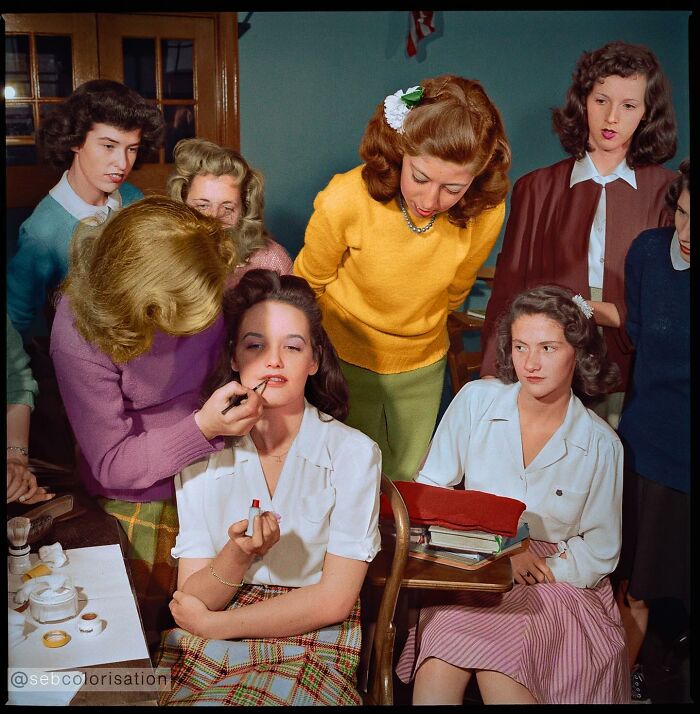
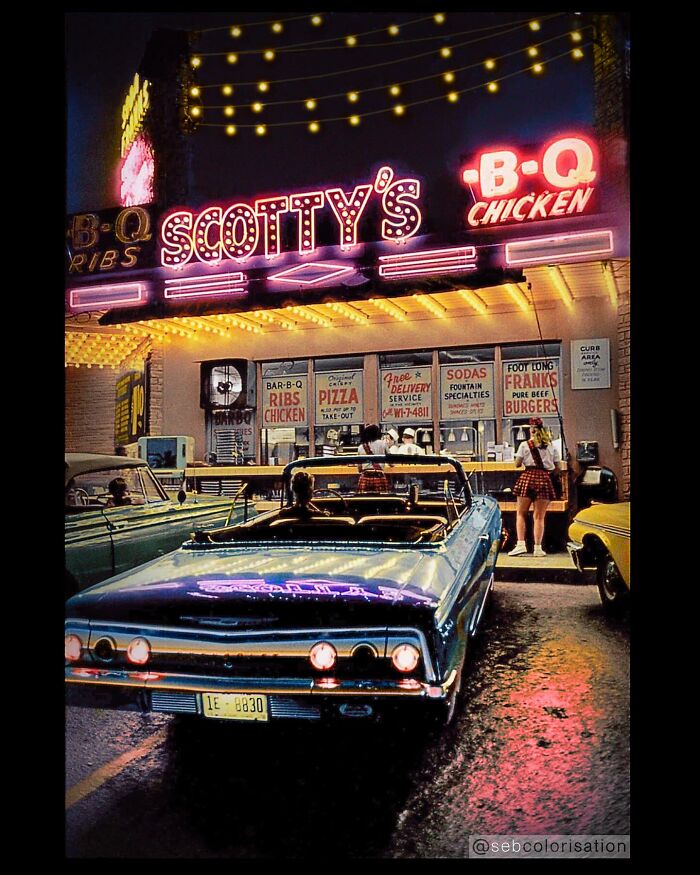
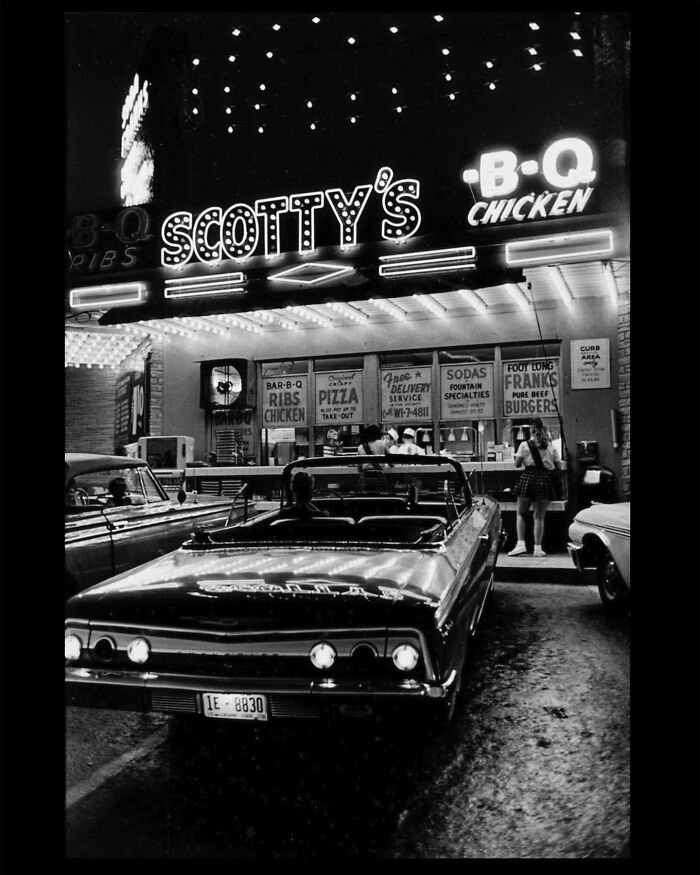
Secondly, he cuts out all the different parts that help him to apply the flat basic color. Then, he tries to change these colors by using different greys in the image. After that, he said that he uses certain settings to control the saturation and density of all the different colors. Finally, he uses colored grain for a finish like old autochromes.
He made it clear that his main goal is “to give the impression that we've been back in time to take a photo from an iPhone." He finished by saying that he does his best to "mimic the beauty and the density of the colors of that time."
This statement perfectly fits in with our thesis that photographs are a perfect way to learn history – they give us a glimpse into the world that isn’t around today and give us a chance to understand what it was like to live back then.


This is so gorgeous to behold in color. It invokes a heavy feeling of nostalgia in my chest and think it would make an amazing large scale hanging wall picture in my living room during Christmas time. Sorry if you don't celebrate and you feel offended. None intended.

I remember Palisades Amusement Park. Swings all day, and after dark!
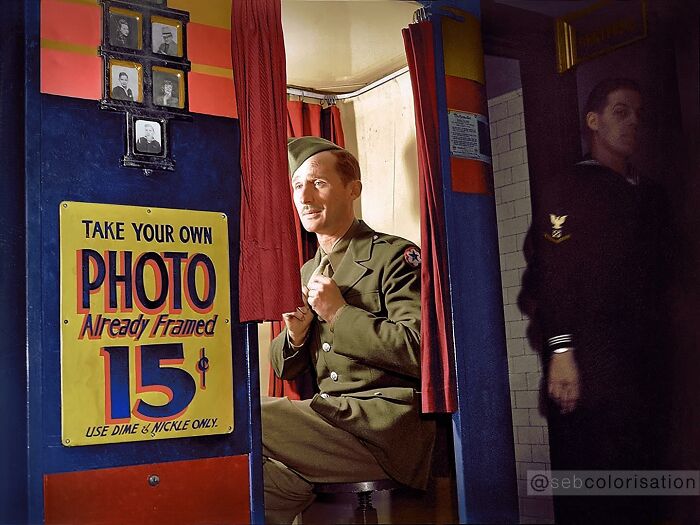
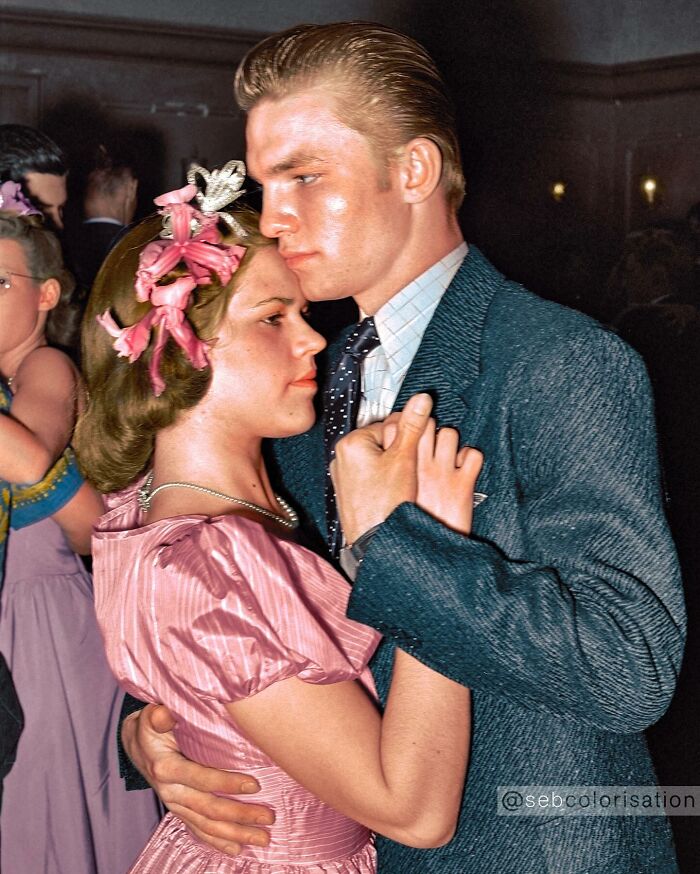
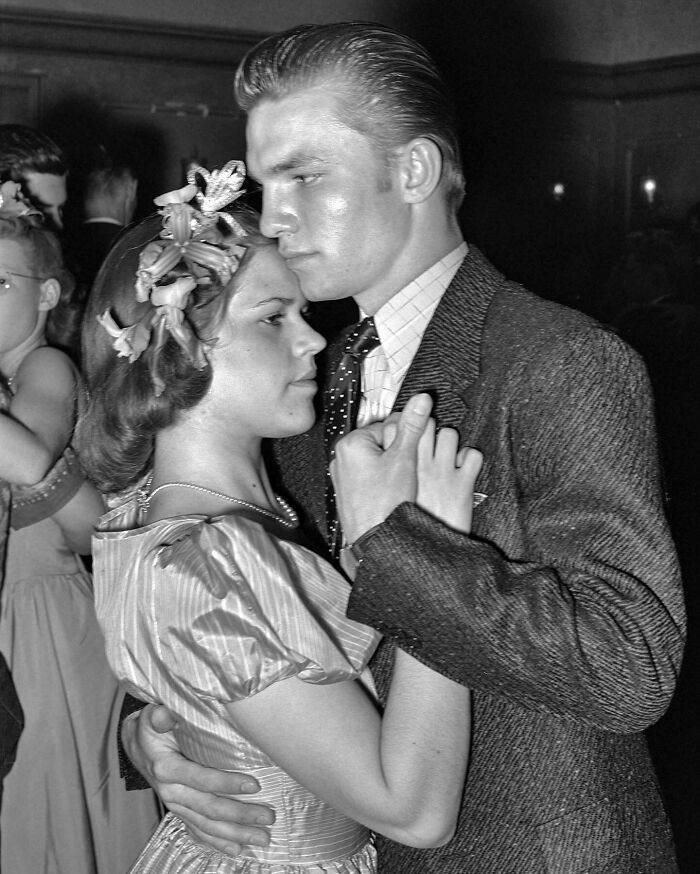
He's greazy lol. I'm not being mean, perhaps his date made him a little nervous?

I wonder how accurate the AI is in coloring the photos. They seems insanely amazing. Just wondering.
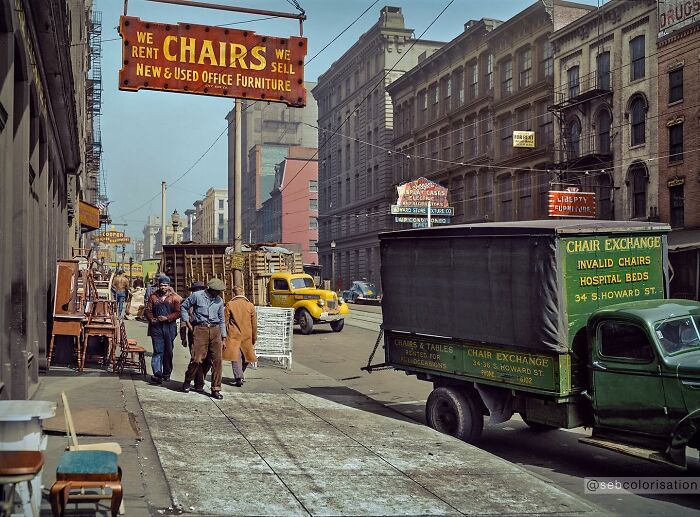
Those 2 guys on the curb? I think they're servicemen waiting for cars so they can hitchhike a ride





























 No fees, cancel anytime