Get Premium
Dark mode theme is available exclusively for premium users. Learn more about the benefits of subscribing.
No fees, cancel anytime.

 Dark Mode Ad-Free Browsing Unlimited Content
 Ad-Free Browsing Unlimited Content Dark Mode
Join 1.2 million Panda readers who get the best art, memes, and fun stories every week!
Cars: you can love them, you can hate them, but you can’t deny their overwhelming prevalence in the world. And while some of us are so used to it, we don’t really pay attention to it anymore, others are getting increasingly furious.
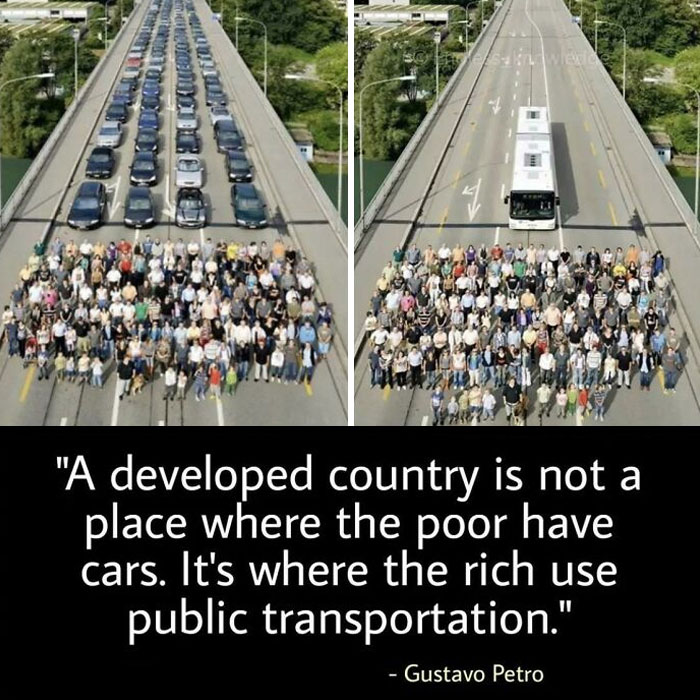
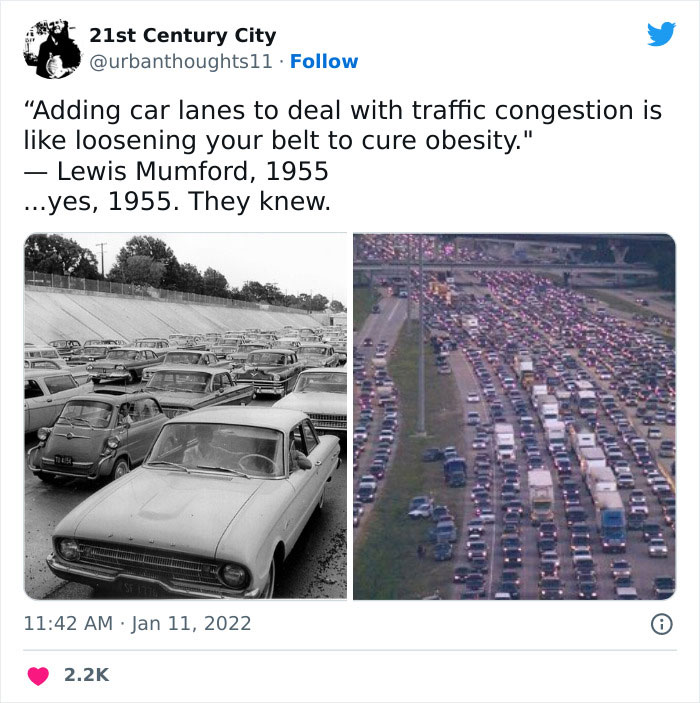
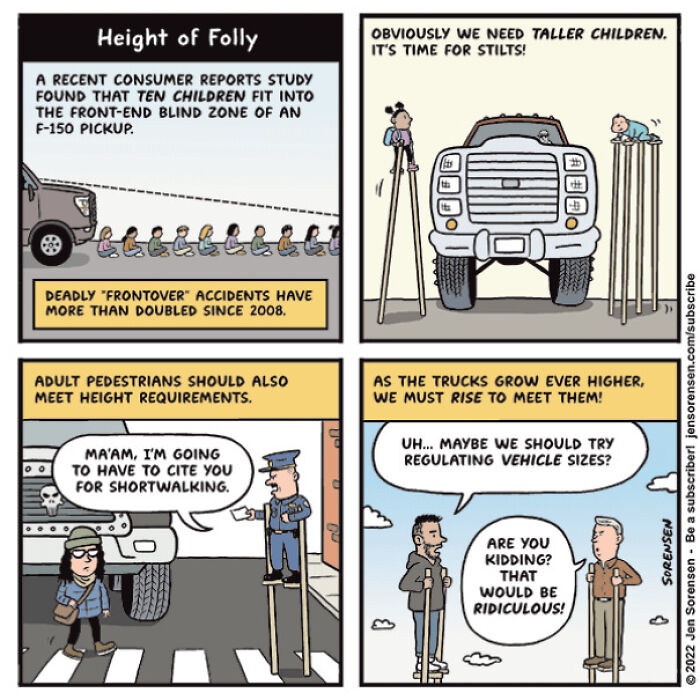
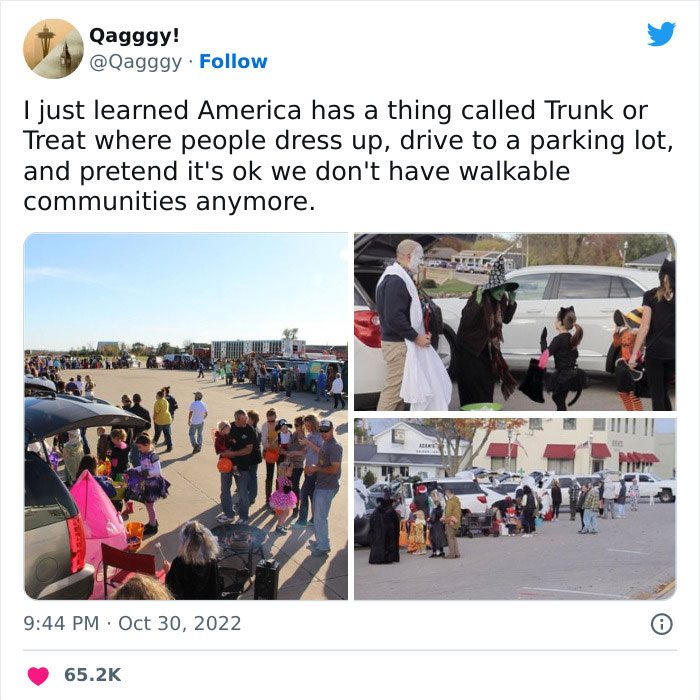
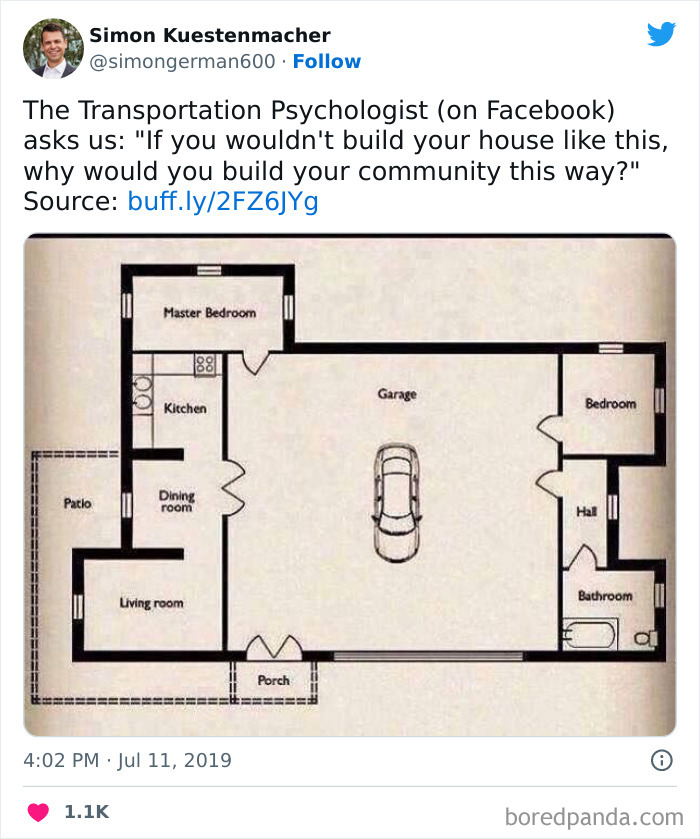
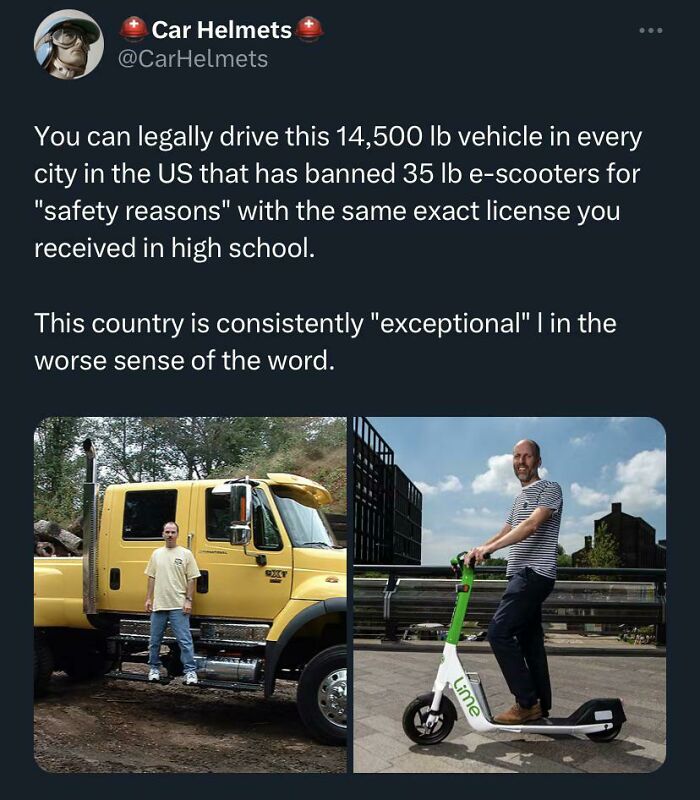
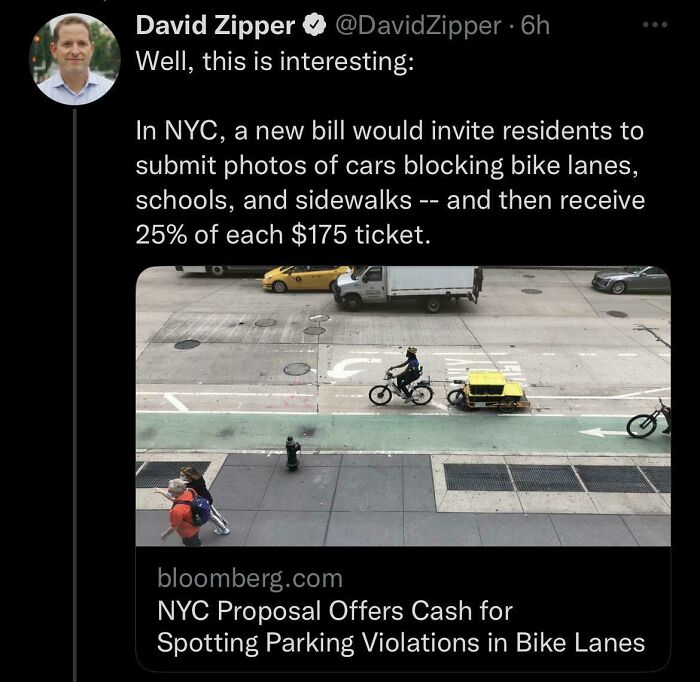
If you’re also getting annoyed by oversized pickup trucks, this online anti-car community welcomes all car-hating folk with open arms, and so far, they have over 400k members. It’s a safe space to vent about insane traffic, car-focused city design, poor public transit infrastructure, and the lack of green and community areas.
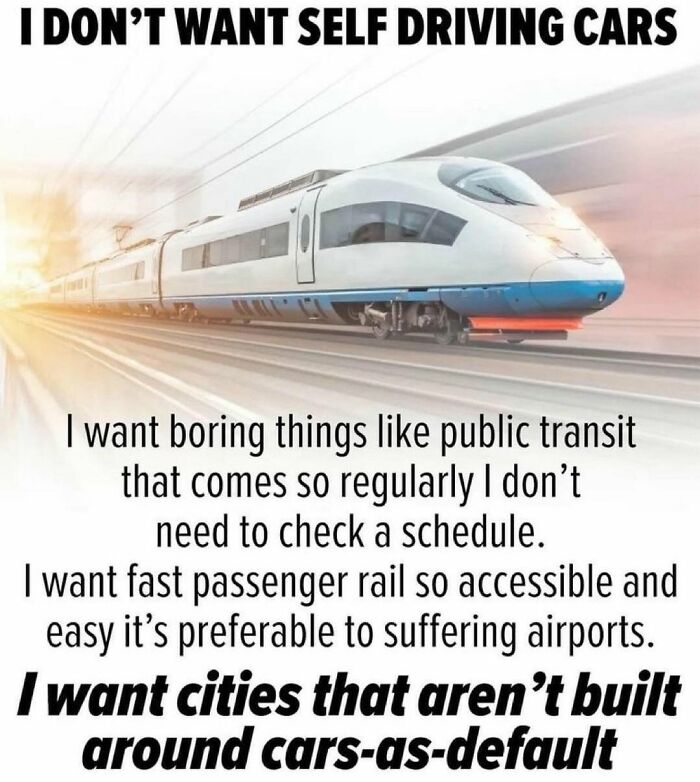
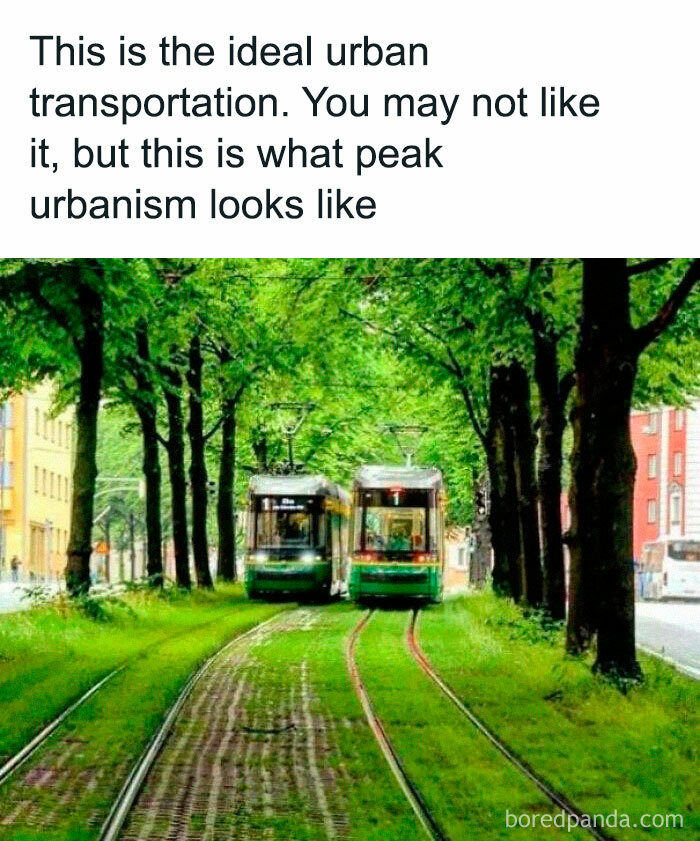
The car-free movement idea in general is quite big these days. It is supported by many urban planners, environmentalists, social activists, and transportation engineers. They advocate for walkable cities, mixed-use buildings, high density housing, and accessible public transportation.
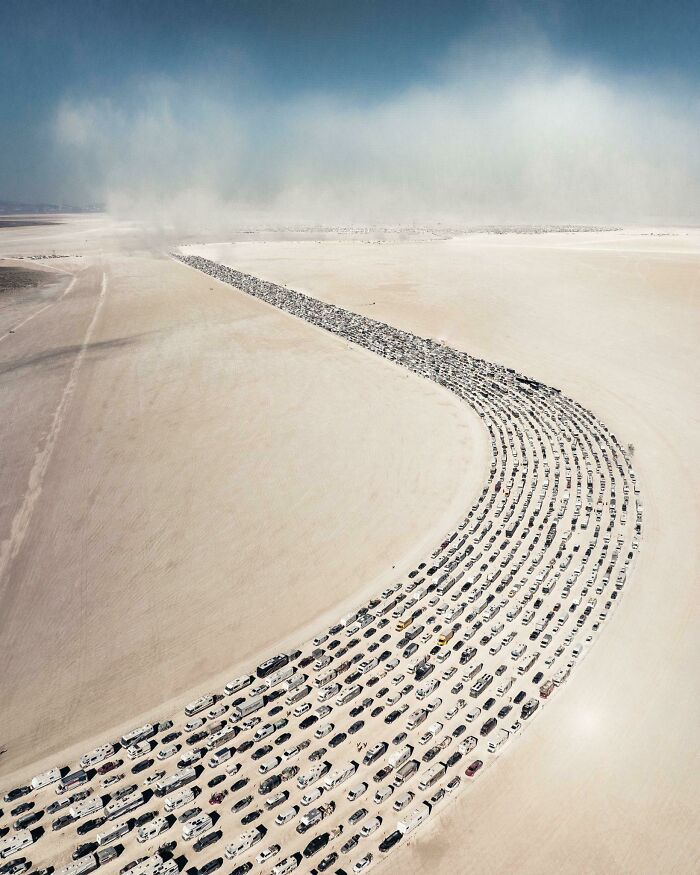
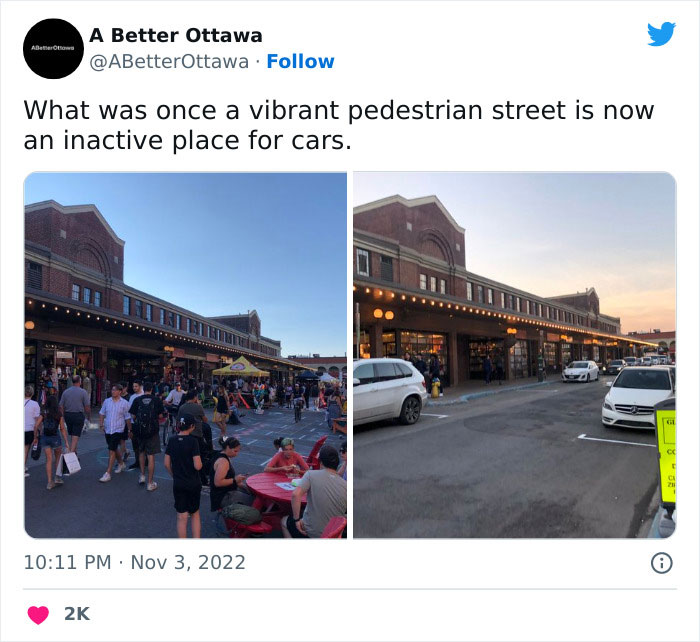
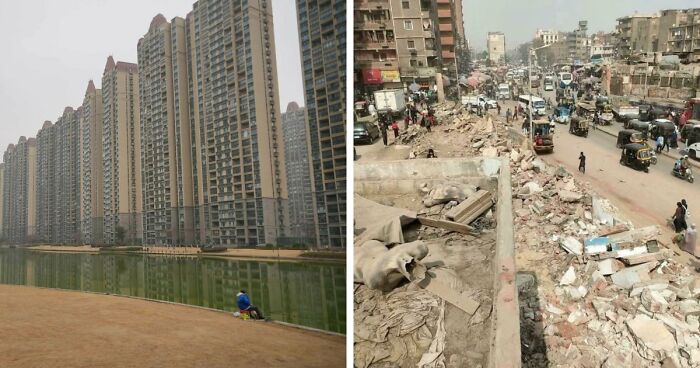
To get some firsthand insight, we spoke to Paul Stout, a graduate student of urban design who gained a following on TikTok because of his videos explaining it. But before we get into the nitty gritty of things, check out this collection of some of the most infuriating instances of car dominance and some of the most beautiful examples of how it could be different.
Click here & follow us for more lists, facts, and stories.
This post may include affiliate links.
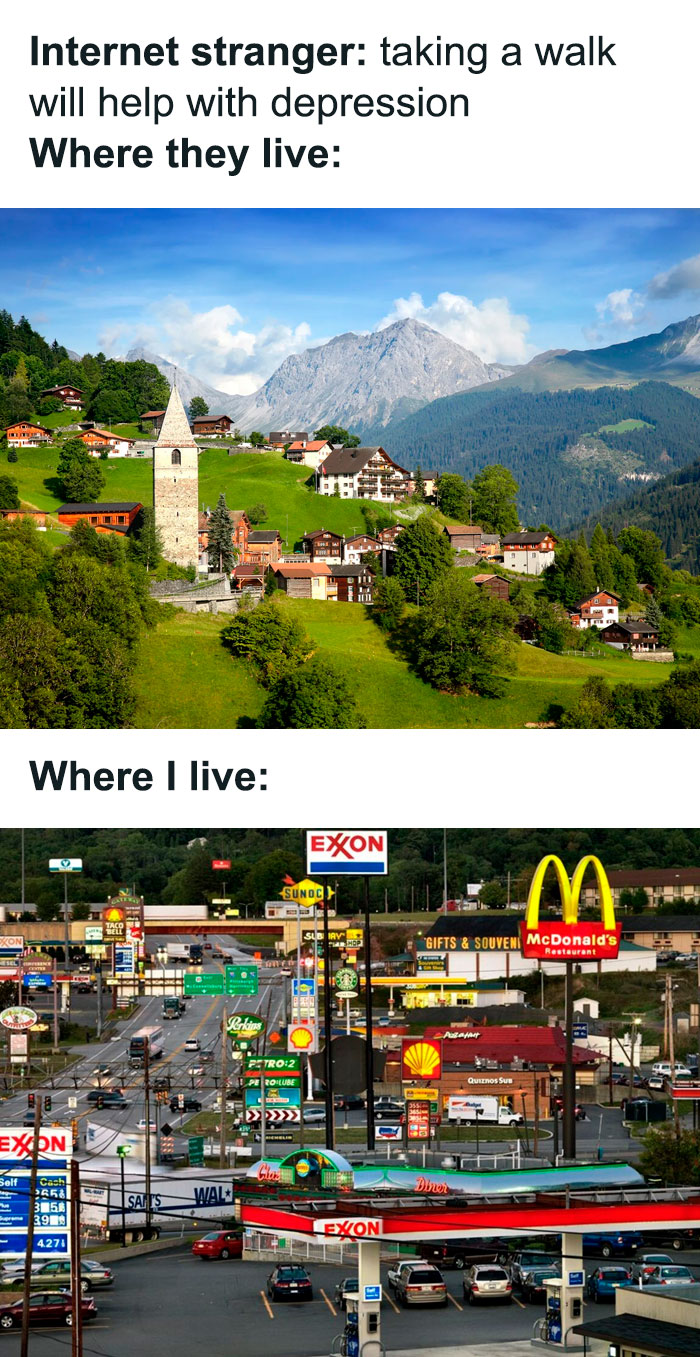
Car dominance is a thing all over the world, but it’s the most noticeable in the US. Paul Stout quotes a few reasons for that, including disinvestment in city centers, urban renewal, and a strong automotive industry. However, according to him, the biggest one is the zoning law which allows cities to enforce single-use areas in city planning. This means that certain sections of a city can only be used for residential, commercial, or industry buildings. This gave rise to the suburbs, which, in turn, made cars an essential part of living.
However, the increasing concern for climate change and the often-unbearable traffic is encouraging more and more individuals to reconsider the necessity of a car in their lives. Hence, the car free movement idea is getting increasingly popular.
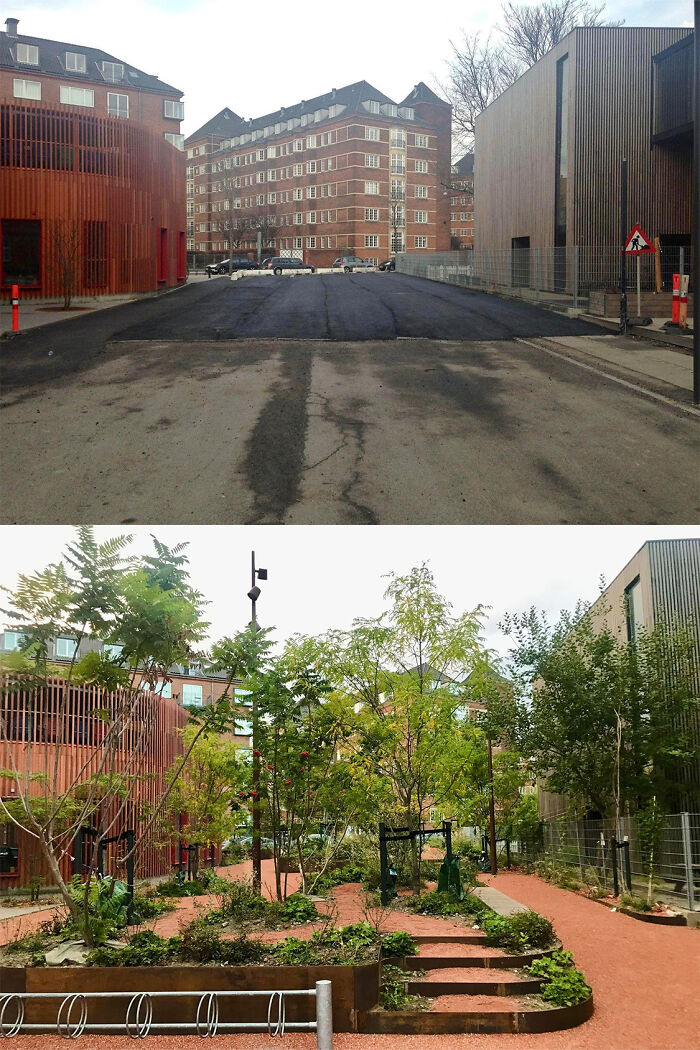
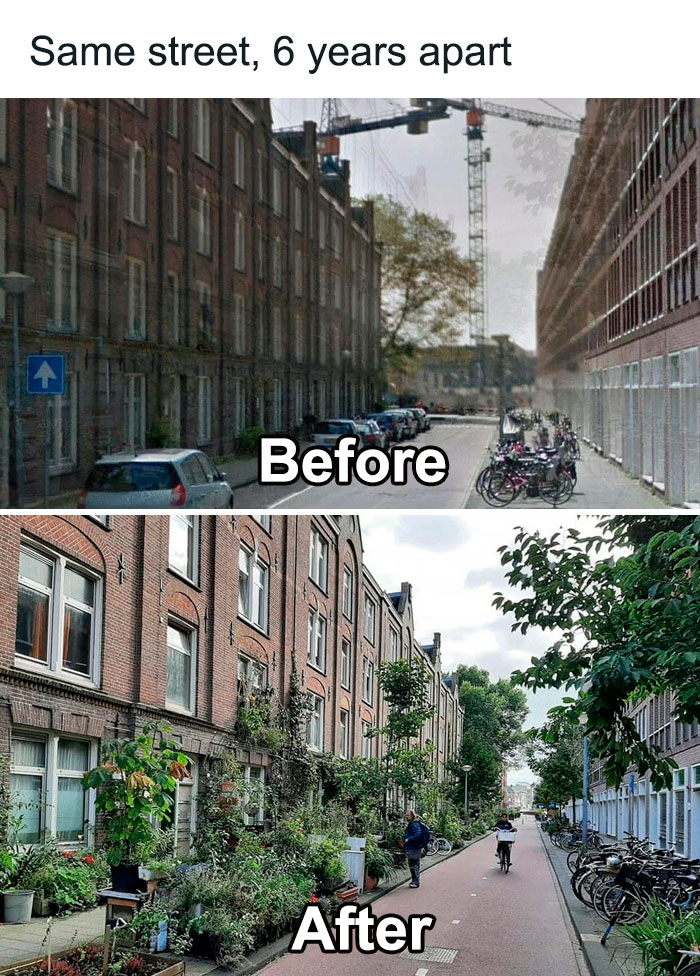
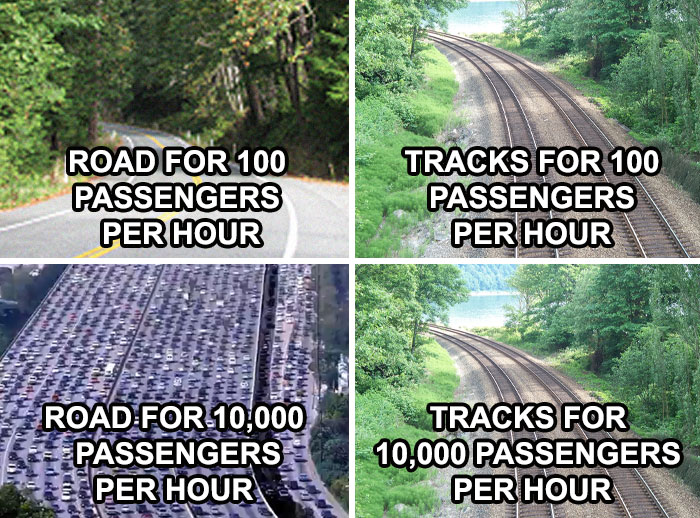
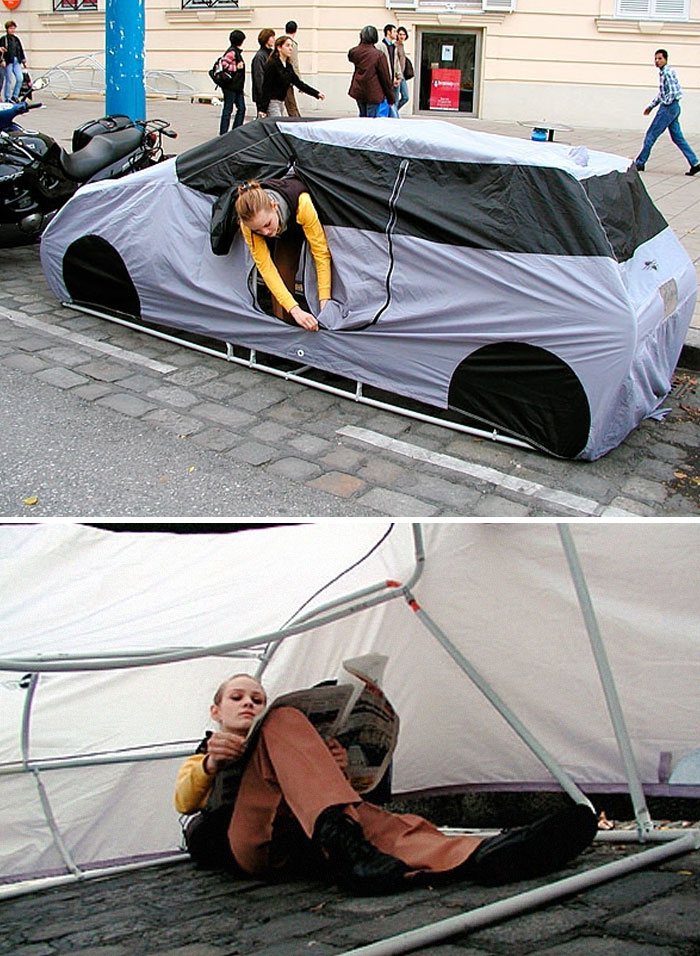
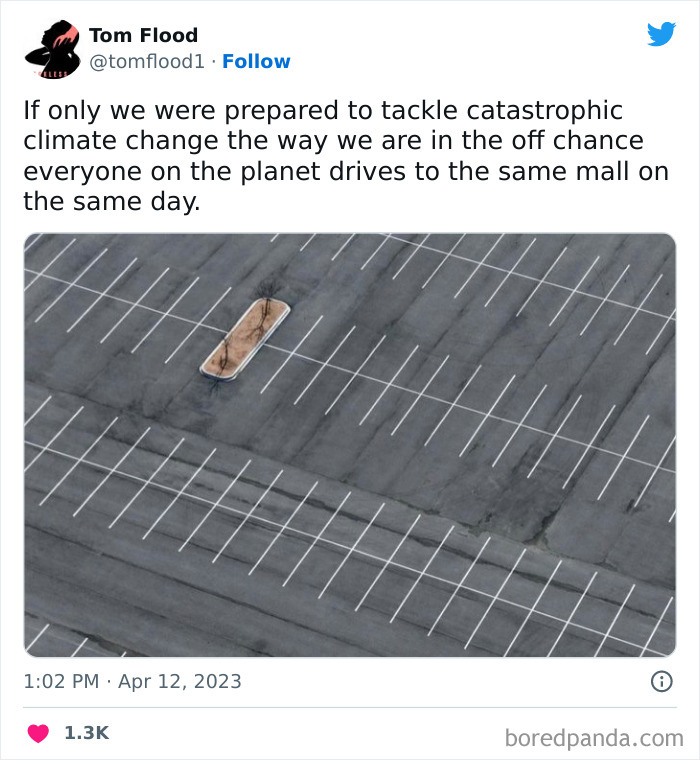
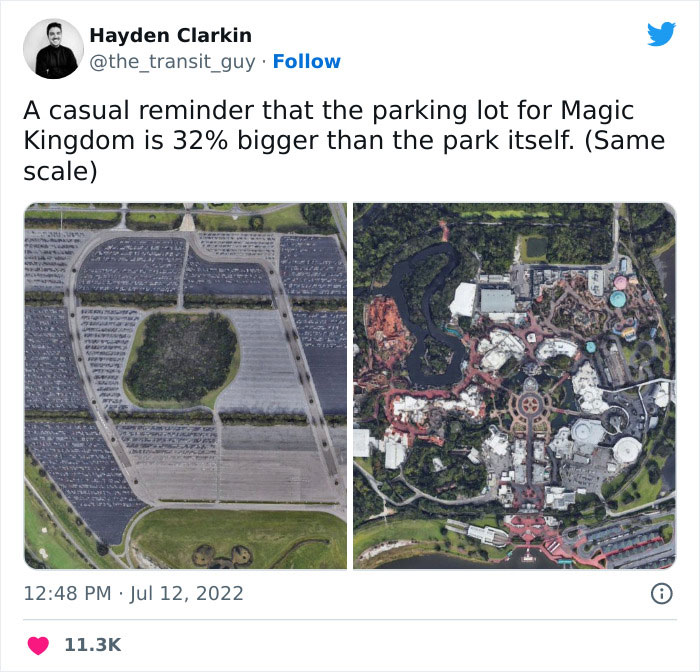
The benefits of the car-free movement are many. The study that analyzed plans for private car free city centers found significant reductions in traffic-related air pollution, noise, and temperature. The reduction of cars also minimizes the need for parking spaces, which provides more room for green and community areas. This is a point that Stout emphasizes as well, as he believes that getting rid of parking minimum mandates can make a positive impact on communities. According to him, in addition to creating more public space, it would also “bring down the cost of housing, and allow density to exist in places it currently cannot.”
On top of all that, cleaner air, communal spaces that encourage socializing, and potential for more active mobility and physical activity can also lead to health benefits. And we haven’t even started about the reduction of CO2 emissions.
However, not all car free initiatives work as well. The impact of car free days during which car traffic is restricted in certain areas varies a lot depending on the scale and goals of the project. Diverting traffic can increase congestion and air pollution in neighborhoods where it wasn’t a problem before. Retail business owners are also weary of car free initiatives as it might deter locals from shopping.
In general, it seems that the car free movement concept is embraced more readily in Europe. Madrid, Oslo, Helsinki, and Hamburg have in the past pledged their commitment to become partly car free cities while Ghent and Nuremburg are already there. Then, there’s Barcelona that is often praised for their superblocks—clusters of city blocks designed to prioritize pedestrians and reduce car traffic.
Of course, this trend, as well the pressing matters that force it, is not limited to Europe. For example, China’s megacity Shenzhen is investing in a massive car free district, while The Line, the ambitious Saudi Arabian project city is intended to have no cars, streets, or carbon emissions. African countries such as Uganda, Ethiopia, and Rwanda have adopted monthly car free days and enough citizens are taking advantage of it to see these initiatives grow.
Overall, it seems that the car-free movement is the future. And, after looking at all these posts, it seems that that future cannot come soon enough.
You might also like: 50 People Who Tried To Be Creative With Their Homes And Failed (New Pics)








































 No fees, cancel anytime