Get Premium
Dark mode theme is available exclusively for premium users. Learn more about the benefits of subscribing.
No fees, cancel anytime.

 Dark Mode Ad-Free Browsing Unlimited Content
 Ad-Free Browsing Unlimited Content Dark Mode
Join 1.2 million Panda readers who get the best art, memes, and fun stories every week!
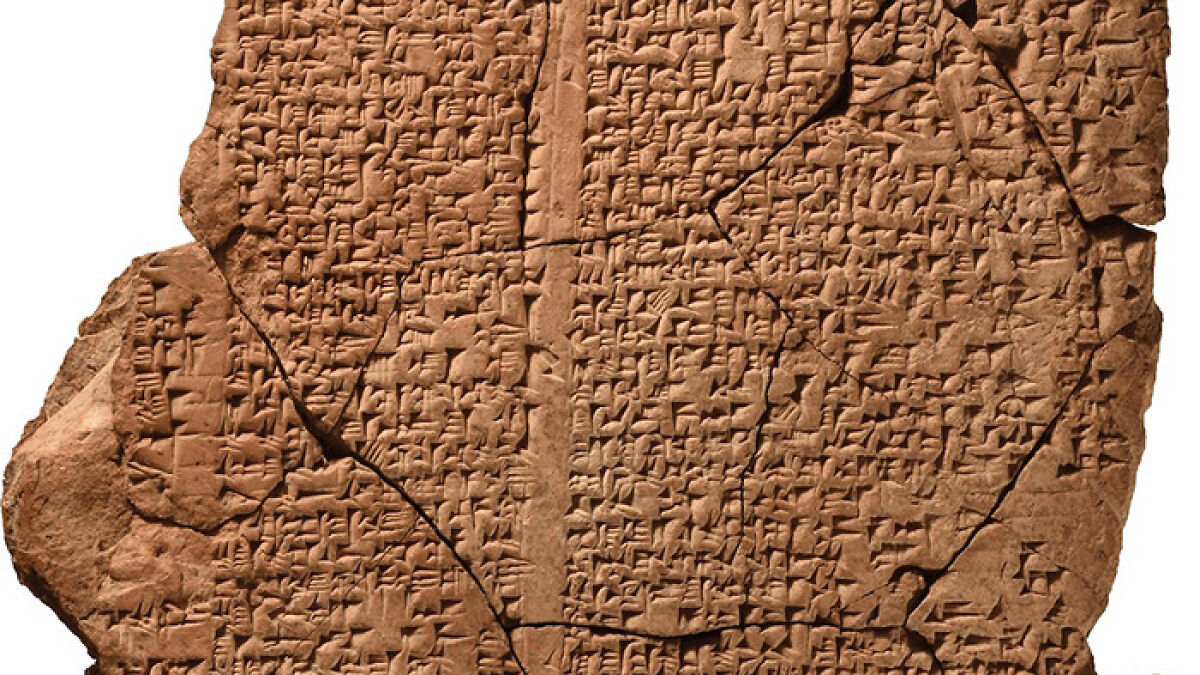
Scientists have used artificial intelligence to piece together ancient cuneiform fragments that belong to the same long-lost text—an ancient hymn of praise to Babylon, once the largest city in the world, founded in Mesopotamia around 2000 BCE.
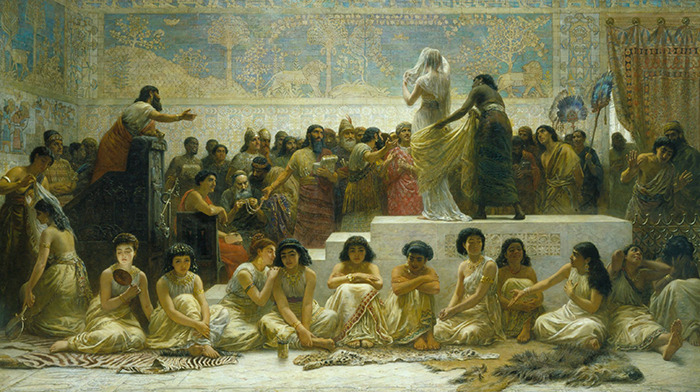
The deciphered text sheds new light on the daily lives of the Babylonians, particularly the roles of women.
Experts were surprised to find references to priestesses and their duties, as no previously known documents described these aspects.
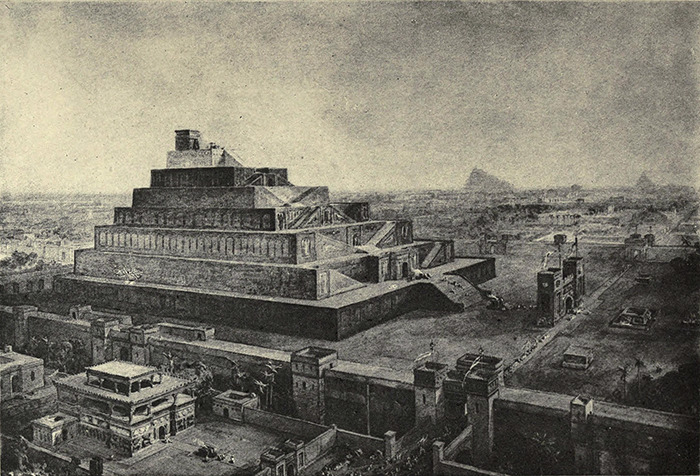
Image credits: William Simpson
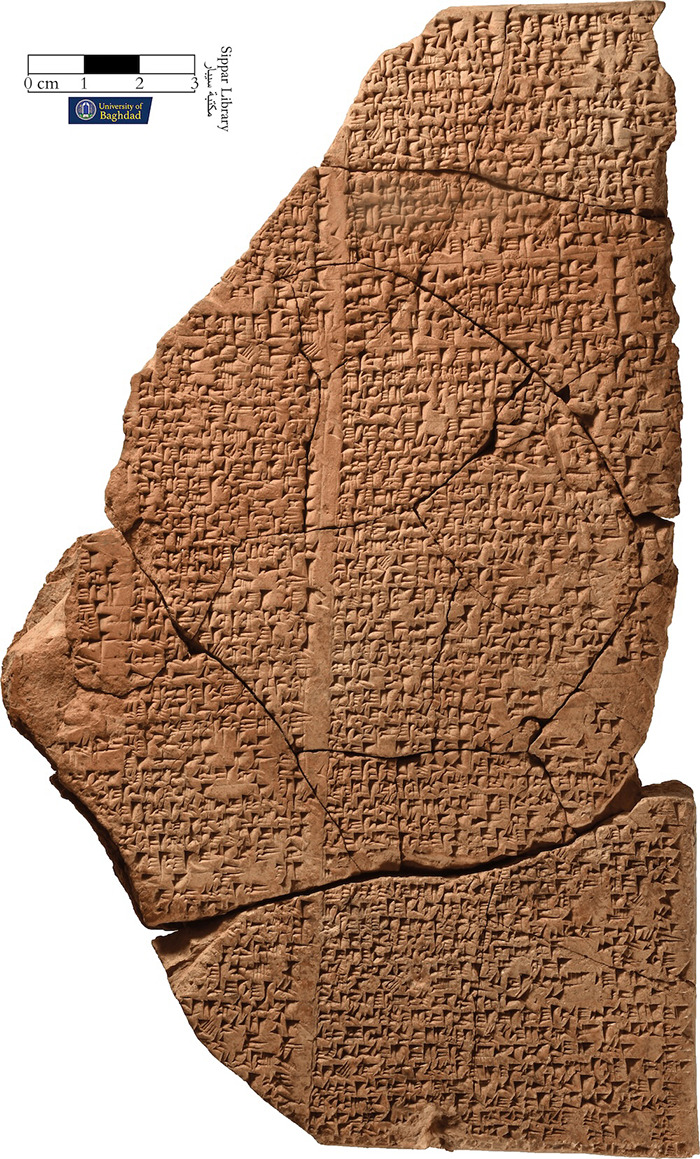
The hymn, etched on clay tablets, consists of no fewer than 20 manuscripts written between the 7th and the 1st centuries BCE.
Scholars believe it was part of the school curriculum at the time and that literate Babylonians likely knew it by heart.
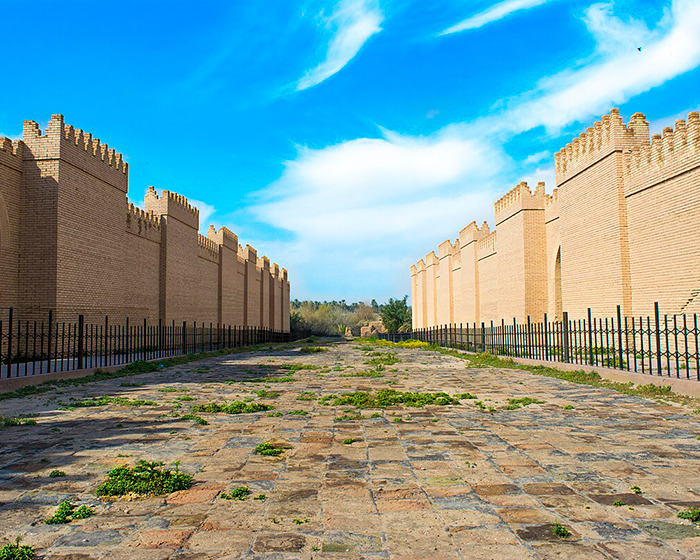
Image credits: Osama Sarm/Wikimedia
“The hymn was copied by children at school. It’s unusual that such a popular text in its day was unknown to us before now,” said LMU Professor Enrique Jiménez, who collaborated with the University of Baghdad for the study.
“Using our AI-supported platform, we managed to identify 30 other manuscripts that belong to the rediscovered hymn – a process that would formerly have taken decades.”
Babylon is described as a city whose “ordinances are perfect” and as a hoard of precious stones of all kinds.
Image credits: Anmar A. Fadhil
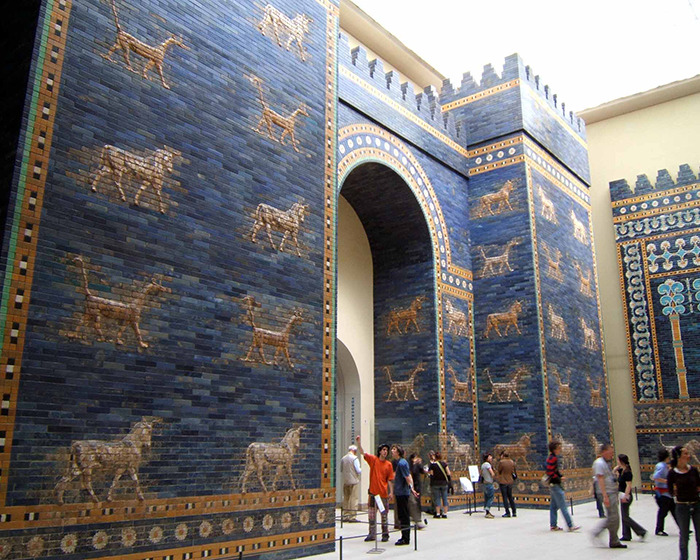
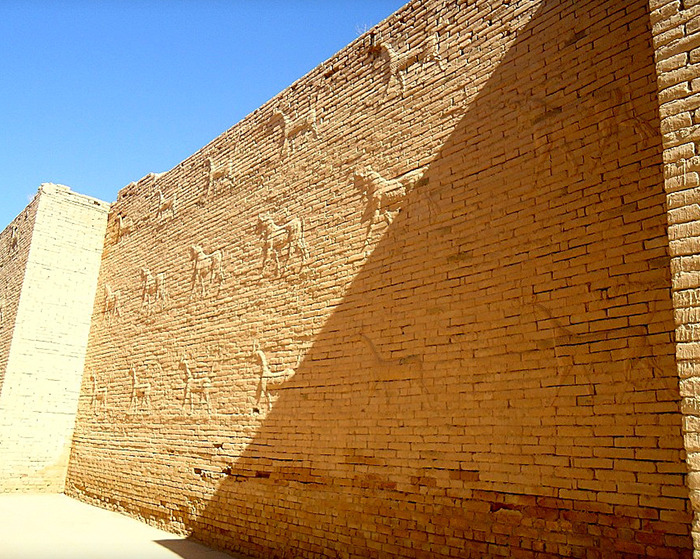
The text mentions that the city “flourishes in her charms” like a fruit garden, before describing its different components: its star—the “star of Marduk,” named after the city’s patron god—its “gate” and its wall, Imgur-Enlil, and its king, Alulu.
Then, the poet directs their attention to the river Euphrates, on whose shore Babylon lay at that time. It mentions that water makes the fields bloom, the grain sprout, and the flocks graze on it.
“This is all the more spectacular as surviving Mesopotamian literature is sparing in its descriptions of natural phenomena,” notes Professor Jiménez, adding that the hymn was written by “a Babylonian who wanted to praise his city.”
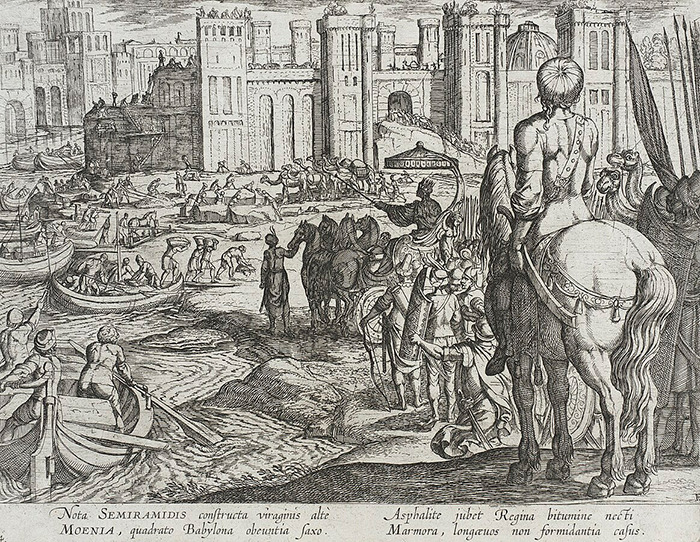
Image credits: Wikimedia
The poem offers insights into the roles women held in Babylonian society. One passage highlights the duties of various classes of priestesses: ugbakkātu, nadâtu, and qašdātu.
“The priestesses are particularly virtuous, but, in contrast to the active role of men in protecting the helpless, the main virtue praised in women is devotion and discretion,”the study reads.
In ancient Mesopotamia, women were often represented in their relation to men—as mothers, daughters, or wives. However, exceptions existed, including priestesses as well as female authors, scholars, and businesswomen.
Image credits: Wikimedia
The author of the hymn draws a connection between “free citizens” and the priests of Babylon, leadingscholars to believe that he likely belonged to this class.
According to the text, the Babylonians were fair, protected the orphan and the humble, followed the divine precepts, and kept justice. They abided by “the original stele, the ancient law,” and respected and pleased one another.
Image credits: American Colony (Jerusalem). Photo Dept., photographer.
The findings also shed light on the coexistence of the Babylonians with foreigners. In the hymn, inhabitants are described as being respectful to the foreigners who live among them.
“The concept of respecting the foreigners has, of course, Biblical connotations, although in our text the foreigners referred to are specifically the foreign priests living in Babylon.”
Image credits: Wikimedia
Additionally, a formula introduces the speech of a god that experts believe is addressed to Marduk, a warrior god. It mentions that Marduk aids the Babylonians by alleviating financial loss, as well as providing food and shelter through vegetation.
The text associates the divine triad of Anu, Enlil, and Ea—three of the most powerful deities—with three elements: water, fire, and air, which the Babylonians considered the basic constituents of the universe.
Professor Jiménez toldABC News that he was surprised by “the poetic perfection of the text” and the “abundance of precise details,” including the name of the mythical king of Babylon and the types of priestesses.
Image credits: Rictor Norton & David Allen/Flickr
He said the hymn is “a true treasure trove of information” and believes his team has so far recovered two-thirds of the original text.
“The missing third is surely still waiting to be identified,” he said.
Image credits: Osama Sarm/Wikimedia
“A few weeks ago, we launched a photography project at the British Museum as part of an effort to digitize around thirty thousand [cuneiform]tablets. I’m confident we will be able to identify more fragments of the text among them.”
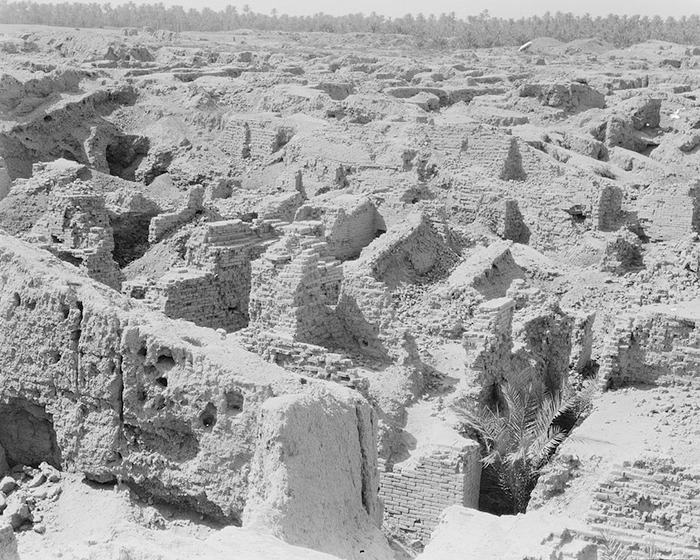
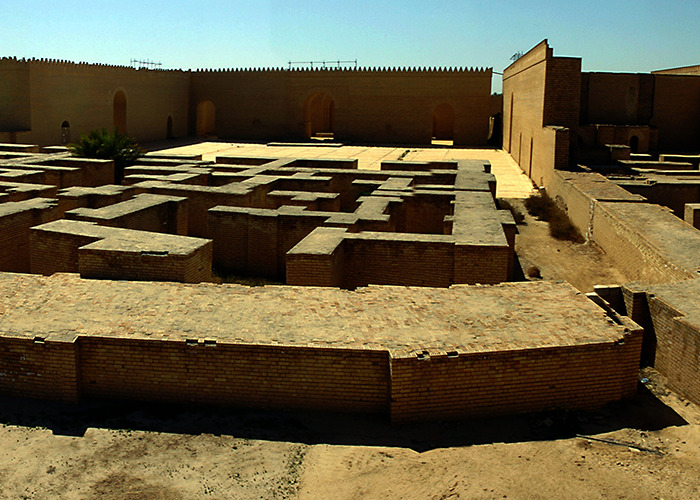
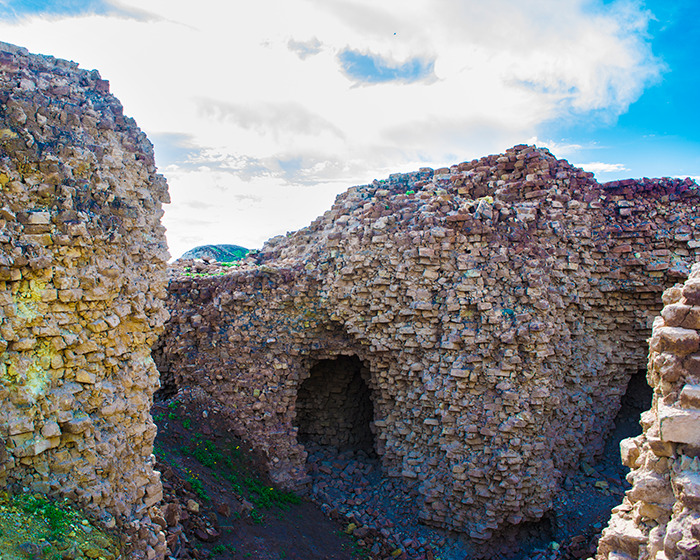
Today, Babylon lies approximately 85 kilometers (52 miles) south of Baghdad. Its ruins are a UNESCO World Heritage Site.
Image credits: Osama Shukir Muhammed Amin FRCP(Glasg)/Wikimedia
Using the same technology, Jiménez and his team are also working to recover more fragments from The Epic of the Flood, which he says directly influenced the Biblical account. The literature professor hopes to publish the study in the coming months.

By entering your email and clicking Subscribe, you're agreeing to let us send you customized marketing messages about us and our advertising partners. You are also agreeing to our Privacy Policy.
Thank you! You've successfully subscribed to newsletters!


A society that had valued women as well as "being respectful to the foreigners who live among them." Sounds wonderful!

This comes as a follow-up to the discovery of the frieze at Luxor Temple, where scientists discovered computers could link dissimilar information and discover similarities in texts.
A society that had valued women as well as "being respectful to the foreigners who live among them." Sounds wonderful!
This comes as a follow-up to the discovery of the frieze at Luxor Temple, where scientists discovered computers could link dissimilar information and discover similarities in texts.





































 No fees, cancel anytime











34
2