Get Premium
Dark mode theme is available exclusively for premium users. Learn more about the benefits of subscribing.
No fees, cancel anytime.

 Dark Mode Ad-Free Browsing Unlimited Content
 Ad-Free Browsing Unlimited Content Dark Mode
Join 1.2 million Panda readers who get the best art, memes, and fun stories every week!
Science helps us make sense of the world around us, but sometimes, learning how things actually work can be a little unsettling. You know that feeling when you come across a random fact and suddenly wish you could unlearn it? Well, some scientific discoveries can have exactly that effect. The deeper we look into our planet, nature, and the creatures we share it with, the more we realize that reality can occasionally be much stranger (and scarier) than anything we see in a movie.
When someone online asked, “What’s the scariest science fact that the public knows nothing about?” people were more than ready to share the facts that have stayed with them. Their answers ranged from the bizarre animal kingdom and nature's mysteries to unsettling realities hiding in plain sight. Some are genuinely fascinating, some are a little creepy, and a few might make you pause and go, “Wait… seriously?” Keep reading—but don’t say we didn’t warn you if a couple of these facts stick in your mind afterward.
This post may include affiliate links.
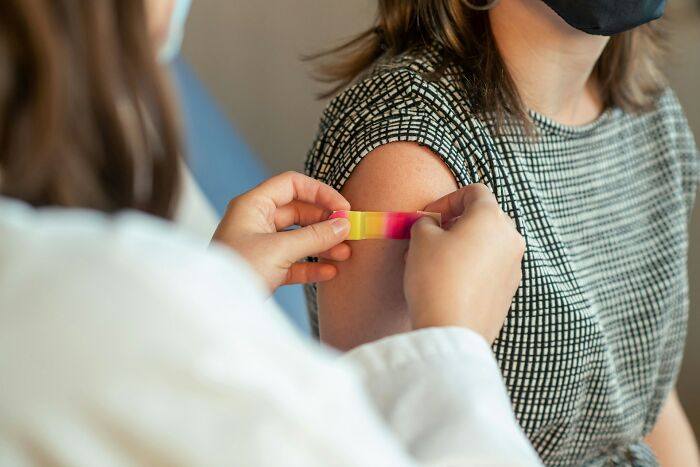 That a measles infection can suppress the immune system, sometimes for up to two years. Any immunities you acquired before having measles -- whether via an infection or a vaccine -- will be impaired, making it difficult for your body to fight off future infections for some time.
Measles vaccine prevents this problem. Please get your kids vaccinated.
 Prions are misfolded proteins that force your brain proteins to misfold too and there's no cure, they cant be gotten rid of because they'e not alive and we barely understand them.
 How AI is running around reddit , social media and other forums disliking and liking stuff to change people's views on stuff and even commenting.
Today's intriguing science facts are a good reminder that the world can be both fascinating and a little scary once you look closely enough. And it’s not just our planet that is full of strange surprises—our own bodies are pretty incredible too. In her popular book, Gut: The Inside Story of Our Body’s Most Underrated Organ, Giulia Enders explores some of the wonderfully weird things happening inside us every day. For instance, our saliva contains a natural pain-relieving substance called opiorphin, which may help soothe the throat from the constant friction caused by swallowing food. And get this: over the course of a lifetime, a person produces roughly 40,000 liters of saliva. That’s enough to fill around 500 bathtubs. Suddenly, swallowing doesn’t seem quite as simple as it did a few seconds ago.
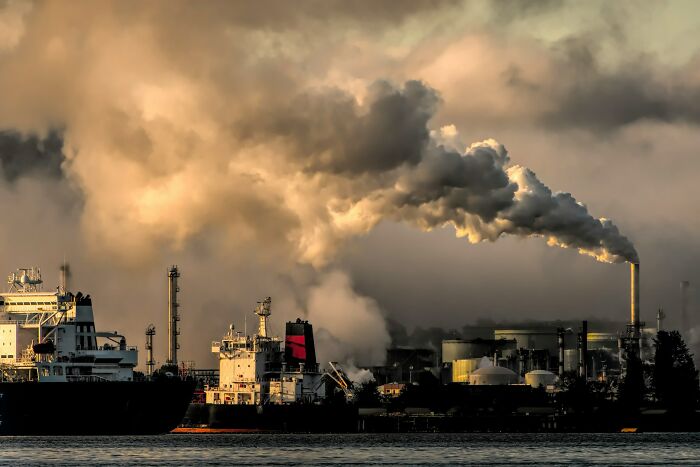 People "know" about climate change, and global warming. There are deniers, sure, but most people educated enough accept the premise and understand "CO2 is warming the Earth, sea levels might rise, more hurricanes and typhoons" etc. Imo, people don't REALLY comprehend what the world is going to look like in 100 years or 200 years because of this.
Humans have existed as a species for like MAYBE a million years. There have been human civilization for MAYBE 12,000 of those years. Where humans built cities, the food we've farmed, the creatures we've domesticated and hunted, sources of energy we've gathered....ALL of that stuff has basically revolved around the climate of our planet, and the climates in specific regions around Earth.
The rate at which we are changing the CO2 in our atmosphere has no precedent on Earth, and every other example even close on record has correlated with MASSIVE changes: large %'s of species going extinct, entire regions completely overhauling the biology that exists there, weather patterns completely changing, biomes completely disappearing. There are so many "chaotic" systems that have been in balance our entire existance that are going to be pushed beyond limits they've ever been. Even the best climate models, or wildlife models, can't predict how everything will change...and there are so many systems that could collapse and wreack havoc on countries, economies, and ways of life.
I don't think people realize it isn't just going to be "warmer" 100 years from now. The world your grandchildren will live in will be more different than ANY other world any other generation has lived in, and there is no way we will be prepared for the consequences this quickly.

Talking about what it's going to look like in "100 or 200 years" isn't helping much. It's happening NOW and we are already experiencing the effects.
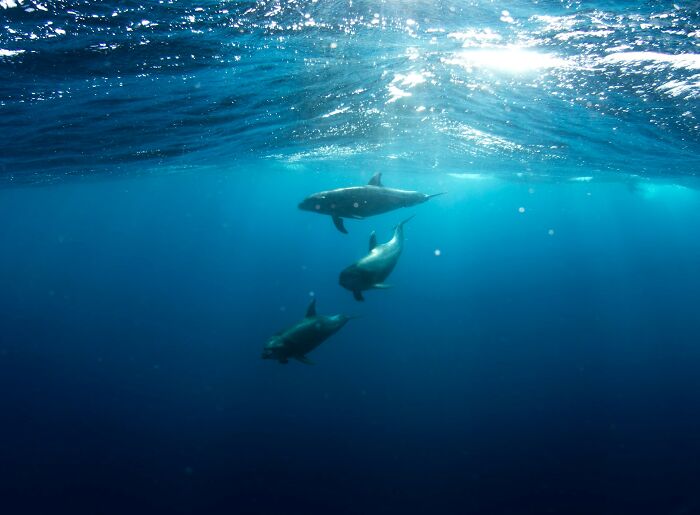 One that freaks me out is how much of our ocean we’ve never explored, there could be entire ecosystems or giant predators we have no clue about. Also, stuff like CRISPR gene editing moving faster than regulations makes you realize science can rewrite life before society even knows how to handle it.

Can? My good human, I do believe you meant to use the phrase "science IS rewriting".
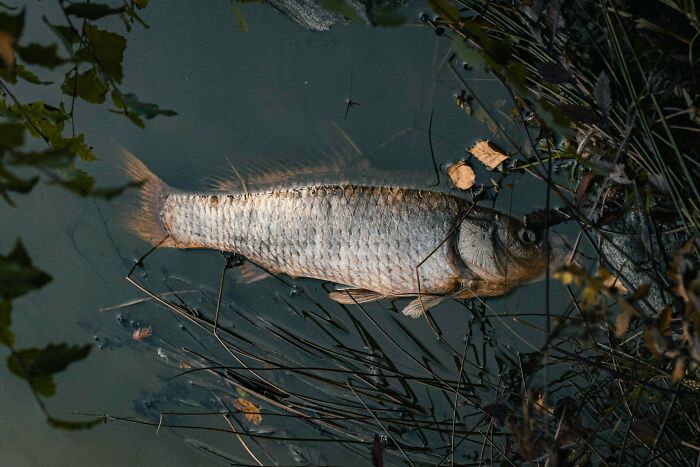 Something is disrupting the formation of vitamin B at the lowest levels of the marine food chain. This has a knock on effect further up, causing huge issues in fish and birds, and further undermining ecosystems teetering on the brink of collapse.
Only a handful of people seem to know about this, and fewer still are looking into it.
Now, you might have looked at the bluish veins on your hands and wondered just how much of your body is actually made up of blood vessels. The answer is honestly hard to wrap your head around. If all the blood vessels in a single adult human body were laid end to end, they could stretch somewhere between roughly 60,000 and 100,000 miles. We have billions of blood vessels in our body, and most of them are capillaries, venules, and arterioles. That’s an enormous network quietly working inside you every second of the day, carrying oxygen and nutrients and helping keep everything running as it should.
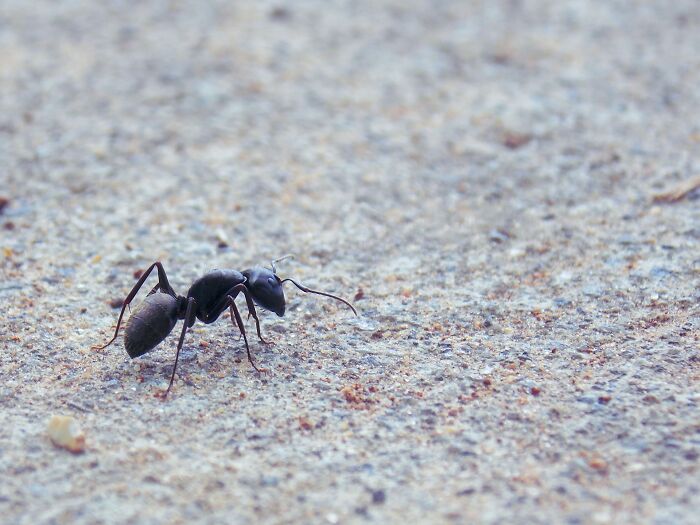 50% of insects have disappeared since 1970. Insect population is down 27% in the last 30 years. Declining between 1 and 4% each year depending on the genus.
The amount is pesticides used in Big Farming is directly affecting this population. Changes in commercial farming alone could have a massive effect in reversing these numbers.
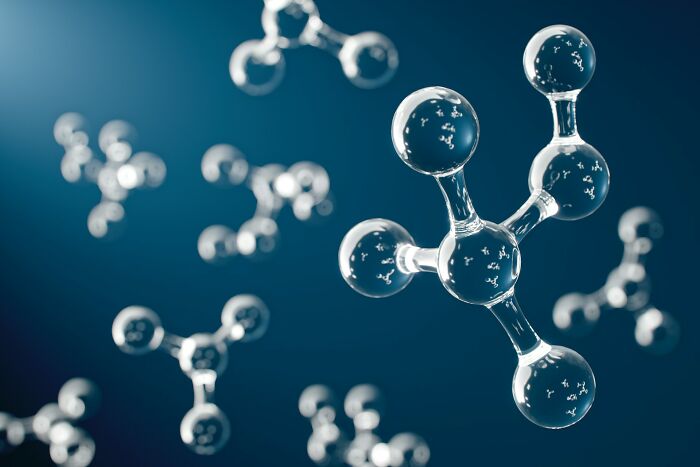 Molecular chirality is pretty freaky.
Basically all DNA on earth is ‘right handed’ so our immune systems can’t recognize mirror DNA ‘left handed’ like bacteria or other cells. There’s no naturally occurring mirror bacteria but it has been made in labs, as well as different chemicals which have pretty unpredictable effects in people.
It's as if science was a slip and slide and scientists are all out there in the sprinkler with a massive bottle of dish soap covered in it up to their ears and then launching themselves with wreckless abandon at the plastic covered ground. 😆
 Approximately one-third of food produced is lost or wasted, which contributes about 10% of total global greenhouse emissions. Food waste in landfills is a significant contributor of methane emissions.
And while we’re talking about body parts we tend to underestimate, let’s give the humble pinky some credit. A pinky promise might not seem particularly powerful, but your little finger plays a surprisingly important role when it comes to gripping things. Your pinky and ring fingers provide crucial support when you wrap your hand around objects such as handles, bats, or steering wheels. Research indexed in PubMed has found that removing the pinky from a functional gripping pattern can cause an immediate drop of around 33% in total hand strength. Remove both the pinky and ring finger, and overall hand power can fall by an average of about 55%. So, the next time you think your pinky isn’t doing much, just remember that it is quietly carrying far more of the workload than you might realize.
Antibiotic Resistance. Please finish your full rounds of antibiotics, and I mean every single pill.
Lyme disease, and other tick-borne coinfections, are at epidemic proportions.
 I'm sure plenty of other people know about this, but to me, it's honestly fascinating science-wise. We pass on survival instinct genetically. This is what causes babies to flail if they feel they're falling or to go completely still in the water. It's why babies will quiet down if they're watching things from overhead and why they cry when they're hungry or thirsty. It's BORN into us with these super basic survival skills.
Scientists performed an experiment showing babies different "monster" faces to see if there were certain visual dangers babies will look for. The one babies responded to with total fear 100% of the time? An elongated face with pointed facial features, sharp teeth, and black eyes. The rest of the "scary" faces pulled mixed results.
That leaves to question... What existed that forced a genetic trait into us that made us fear THAT particular look?
Your stomach is another part of the body that sounds almost terrifying once you learn what it can do. The hydrochloric acid inside it is extremely corrosive and is powerful enough to dissolve certain metals. According to Dr. Sally Bell, a gastroenterologist at Monash University in Australia, who spoke to Live Science, the stomach’s job is to break food into smaller components so the small intestine can eventually absorb them. To do that, the stomach contains specialized cells that produce powerful digestive chemicals. Hydrochloric acid is a main component of gastric juice, while enzymes such as pepsin and lipase help break down proteins and fats. Thankfully, your stomach has evolved to withstand this harsh environment—because otherwise, digestion would be a much bigger problem than deciding what to eat for dinner.
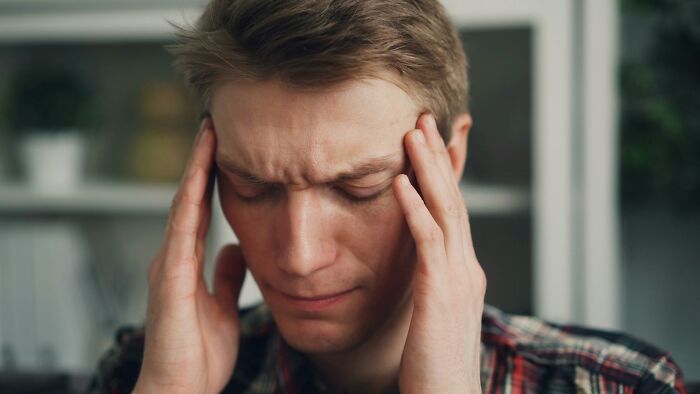 Approximately one percent of people have an aneurysm lurking in their bodies at any given time. If it bursts, your chances of survival are roughly 50/50.
In related news, if you get a sudden, extremely painful headache, go to the ER immediately.

A lot more than 1% of people have high blood pressure, greatly increasing the rate of burst blood vessels. The good news is that blood pressure lowering medicines are now all three of safe, effective and available.
 The weight of structural concrete used for infrastructure in concentrated areas has altered the tilt of the earth and actually slowed the earth's spin. Humans redirecting groundwater to the oceans have also caused the earth's poles to drift.
 Thermobaric weapons that evaporate people, leaving no trace.
Your tongue is pretty impressive, too. Like fingerprints, every person is believed to have unique patterns on their tongue and lips. And those tiny bumps covering your tongue do much more than give it its distinctive texture. They are called papillae, and they come in several different types. Filiform papillae cover much of the front portion of the tongue and have a thread-like appearance, although they do not contain taste buds. Fungiform papillae, which are mostly found along the sides and tip, are mushroom-shaped and contain around 1,600 taste buds. Larger circumvallate papillae sit toward the back of the tongue and contain roughly 250 taste buds, while foliate papillae form folds along the back sides and contain several hundred more. So, yes, your tongue is essentially covered in a tiny and surprisingly complex sensory landscape.
IDK how unknown it is, but science doesn't know how a lot of our medical treatments/processes actually work. They just know they work. anesthesia is the one that comes to mind.

So often quoted, so very misleading, the way it's usually worded. It's not so much that w don't understand how they work at a molecular level, just that we don't really know how the brain works. It is the very concept of consciousness itself that is not fully understood.
That decades of leaded gasoline fumes have been proven to reduce the intelligence of people but it doesn’t show up until age 60 or later. That makes today’s Congress more understandable.
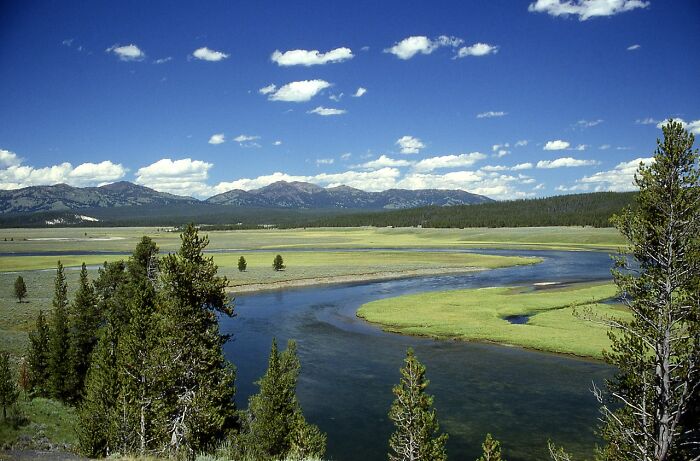 The Yellowstone supervolcano.
Your bones might feel solid and simple, but they are also capable of producing tiny electrical signals. This phenomenon is known as piezoelectricity. When mechanical stress is applied to a bone (such as when you walk, run, jump, or lift something) the bone deforms ever so slightly and can generate a small electrical charge. Bones are made from a natural combination of hard mineral crystals, including hydroxyapatite, and flexible organic fibers such as collagen. When the bone is squeezed or bent, its internal structure shifts, creating localized electrical potentials. These tiny signals can help communicate with cells such as osteoblasts and osteocytes, encouraging the body to deposit minerals and strengthen areas of bone experiencing regular stress. In other words, every time you put healthy pressure on your bones, your body may be getting a tiny reminder to keep them strong.
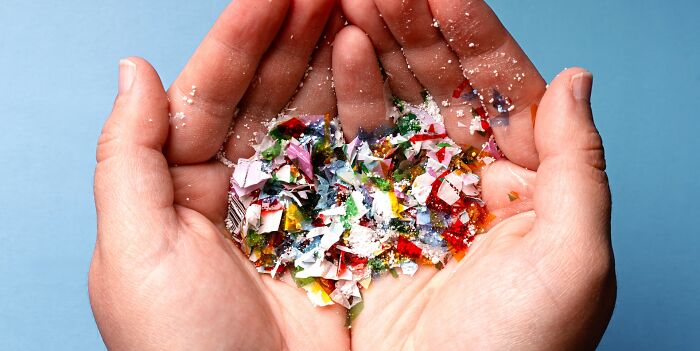 The amount of microplastics showing up everywhere is unsettling to think about. They’re basically in water, air, food, even our bodies, and we’re still guessing about the long-term impact. It feels like a quiet background issue people don’t focus on much.
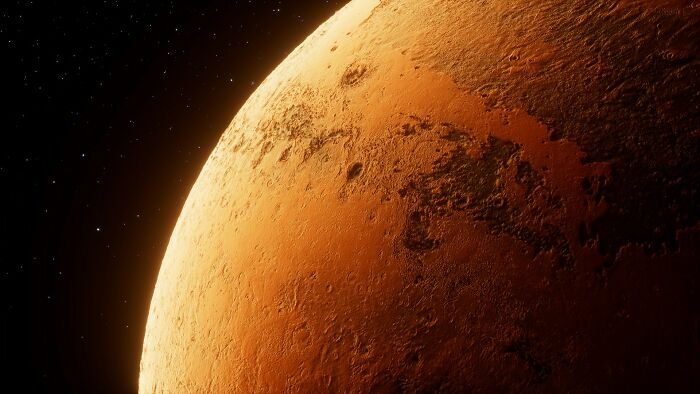 Mars used to have an atmosphere and I believe the planet was not unlike earth. That atmosphere existed much like ours because the planet had a magnetosphere which deflected solar winds and stopped them from tearing away the atmosphere. Sadly for Mars at some point that magnetosphere ceased to exist and the solar winds stripped it of its atmosphere leaving it as the arid bleak place it is today. (I'm not an expert here, it's entirely possible I got some of the details incorrect).
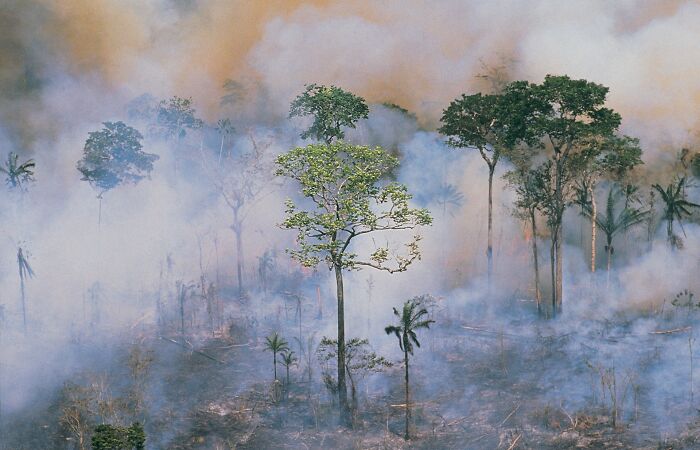 If we start reducing global warming now by technological means, it takes a 100 years until we reach the current state (CO2 levels). Why is this so? The problem is that the economy is growing, so there'll be still lots of emissions being emitted *during* this technological shift, even if full decarbonization is achieved. At the same time, the rate of carbon binding is much slower than the rate pollution can be emitted.
It's scary because I really doubt humanity has the foresight to plan for something that happens in 100 years, yet the most important period for actually doing it achieving decarbonization is pretty much now - the next few decades. For the target of 2050, we'll spend the years 2050-2100 repairing the damage from years 2025-2050.
This is not a political opinion. It's based on a scientific study done by an engineering consultant.
And here’s one that sounds like something straight out of a science-fiction movie: your body actually gives off a tiny amount of visible light. Scientists have observed that humans emit an extremely faint glow caused by biochemical processes happening inside the body. The catch is that this light is around 1,000 times dimmer than what our eyes can detect, so don’t expect to see yourself glowing in the bathroom mirror anytime soon. Still, it’s strange to think that you are technically emitting light right now without even realizing it. The human body constantly runs countless chemical reactions behind the scenes, and this faint glow is another reminder of how much is happening beneath the surface.
That we have a growing number of parties with nuclear weapons, and that the launch of even 1 would very possibly trigger nuclear escalation. We assume that since we made it through the Cold War, it’s all good now. Yet nuclear powers are still walking on the same tightrope they were from the start, and as more and more nations get on it, the chances someone falls increases pretty significantly.

And with unstable leaders like Trump whose volatile emotion leads everything he does, we are closer to being annihilated than ever.
That there are ancient viruses and bacteria currently frozen in glaciers that are thawing that we, as modern humans, have no immunity to. Kinda puts climate change in a whole new light.
Interestingly, not very ancient. Even viruses and bacteria buried beneath Antarctic ice are only about 10,000 to 100,000 years old. Evolution tyically works on timescales of 1 to 10 million years.
1000s of reindeer corpses infected forever with anthrax are potentially going to thaw out of the permafrost of Siberia due to climate change, which may lead to a disastrous global health event.
The one that really frightens me is Yersinia pestis. It's still with us, and not under the permafrost either; it's in Arizona and elsewhere.
Space is so vast and so insanely dangerous the possibility of us leaving the earth is basically null. If we destroy it we destroy our future. We aren't going to colonize mars ellen musk is a fruit loop pop tart grifter not a scientific revolutionary.
"Elon Musk is a fruit loop pop tart grifter not a scientific revolutionary" is one of my favourite sentences ever.
Well, those were just a few of the fascinating things about the human body. But coming back to today’s collection, these science facts show that the world around us can be just as strange as the world inside us. Some are fascinating, some are unsettling, and a few might make you wish you had never learned them in the first place. Still, that’s part of what makes science so interesting: there is always something new and unexpected waiting to be discovered. Which of these facts made you stop, think, and maybe feel just a tiny bit creeped out?
 Warm water pollution. Water holds gasses (oxygen and nitrogen) in solution at a higher rate at lower temperatures. As water temperatures climb in rivers streams and oceans, more marine life will suffocate.
This has been a huge one in places like the Baltic Sea. But now the Baltic Sea has mostly recovered. Algal blooms are increasing in other shallow ocean areas which gives more food for zooplankton, and so on up the food chain to fish and whales. The discharge of industrial hot water into the rivers and oceans has been steadily declining as industries have become more environmentally aware.
Your brain completely fabricates your sense of continuous reality. What you experience as smooth perception is actually stitched together predictions.
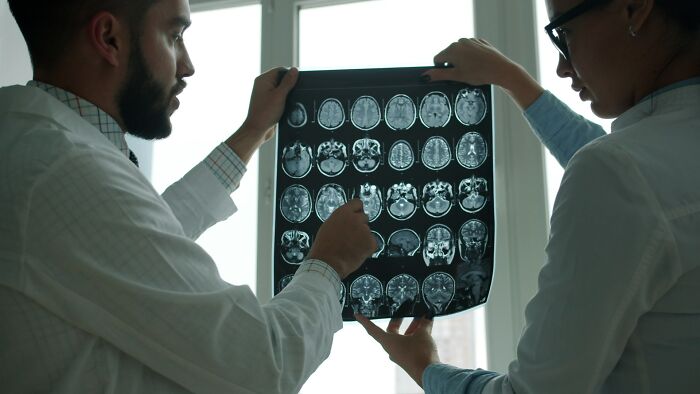 A virus previously only found in algae (typically green algae in lakes and rivers) has recently been discovered in mammal brain tissue, including humans.
The virus doesn't appear to cause any sickness or visible symptoms, however is reducing brain activity.
There's a skeleton inside you RIGHT NOW.
DHMO has caused billions of dollars worth of infrastructure damage each year, is often cited as a major cause of corrosion in iron based compounds, is a common solvent used in industrial manufacturing, and is found in all of our drinks and foodstuffs.
iykyk.
 AI has been reacting to tests knowing it is being tested, and reacting differently.

It's already starting to be a bit creepy considering it's still not real, thinking intelligence. What'd happen if we actually created a real, conscious intelligence is up to anyone's guess.
Many people said prion diseases, but specifically Fatal Familial Insomnia is the scariest thing in the world to me. I’ve struggled with very bad insomnia all my life, at one point I was unable to sleep 7, 8 days at a time. I read of really, super rare cases of people developing it with no genetic history. I would be terrified during this time it was happening to me… ironically making it harder to sleep. People with Fatal Insomnia don’t experience microsleeps, but microsleeps are often undetectable to a person anyway.
I have a high tolerance for fear and scary things. I find prion diseases more fascinating than scary. But that one? If it even comes up in one of those “creepy things” Youtube videos I have to skip over it. Nope, I’m not watching that.
Ok yes OP makes a good point. I listed my fears in order in an earlier entry, and I would like to add: 5.Fatal Familial Insomnia. I struggle to sleep already and that would intensify what I'm already dealing with? No and thank you.
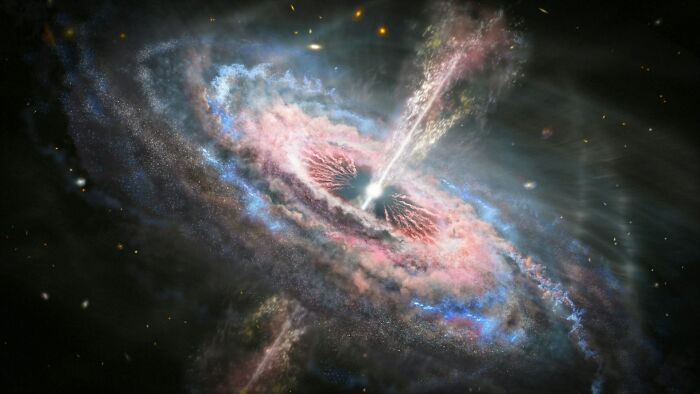 Rougue black holes. Not that it might eat us because that would be an interesting way to go but that our whole solar system could get disrupted. Im not ready for a dark and cold existence.
That the average person has 2 grams of fecal matter on them when entering a swimming pool or hot tub.
10²³ stars. 10²⁴ planets. 10²⁵ moons. 10¹⁰ years.
Not a peep.
SETI. My opinion on this is split three ways. The most encouraging is that ET is everywhere but we are too primitive to decipher its signals. Any significantly advanced communication is indistinguishable from random noise.
 That we may be in a false vacuum. There is a possibility (extremely minute) that our observable universe is in a false vacuum state and could instantaneously tunnel to a lower state. This would create a bubble of space expanding at the speed of light, in which all matter would be destroyed, the laws of physics rewritten, or basically everything we know would cease to exist. I am not a physicist and I have stated this as best my understanding will allow. There is much information available if one looks.
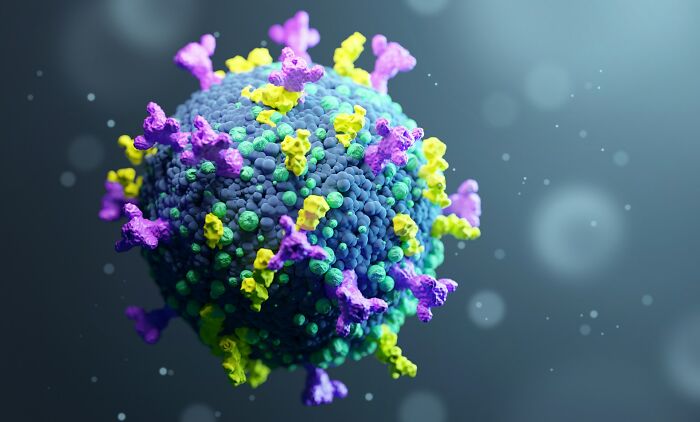 There are about 7000 known viruses and about one trillion unknown viruses.
Hmm. I need to check this. There are currently 16,000 named virus species. Each vertebrate species (eg. humans) is home to only about 50 viruses. So we're talking roughly about 4 million viruses capable of infecting vertebrates. Well short of "one trillion".
 PFAS -per and polyfluoroalkyl substances, or forever chemicals- are all over us; they’re used in virtually all of the industries out there. 90% of American citizens alone are expected to have PFAS in their bodies and they’ve been found all over the world in the environment -soil, water, air- humans and wildlife (even polar bears). We are all being slowly and consistently intoxicated and it doesn’t seem to have a solution whatsoever.
"forever chemical" is rubbish. The longer a chemical survives, the more chemically inert and therefore more harmless it is. Further, the lifespan of PFAS chemicals is only typically 50 to 150 years. Even glass is more durable, and more deadly.
If an asteroid approaches earth from behind the sun we won’t see it until it’s too late, quantum entanglement - like that still blows my mind, we only experience a fraction of reality, pesticides in high concentrations in gardens and golf courses are a direct cause of Parkinson’s. Sooooo many.
There are a lot of rock outcrops that are radioactive.
Particularly recently formed granite outcrops, there are some highly radioactive ones under houses in parts of the UK.
 Your eyeballs are alien to but (thankfully) unrecognised by your immune system. If they were your immune system would attack your eyes, resulting in blindness.
That your nose is always in your line of vision but your brain removes it.
If a gamma ray burst hit Earth, it could potentially wipe out all life in a matter of seconds, and we probably wouldn't know it was coming.
Blinking out short and sweet is actually a nice way to go.
We are all building up microplastics in our blood and organs and it is accelerating. We don't know what type of impacts it may have on the next generations and no one is doing anything about it. It is literally in the air now.
 When you eat a fig you eat a wasp.
"Some wild or traditional figs contain a deád female fig wasp inside, but you do not actually eat insect parts. A tiny female Agaonidae fig wasp squeezes through a narrow opening (ostiole) to lay eggs, usually breaking off her wings and antennae in the tight space. If a wasp dies inside an edible female fig, the fruit releases a special protein-digesting enzyme called ficin. This enzyme completely breaks down and dissolves the wasp's body into protein, leaving no physical trace or insect parts behind."
 Most working class people are regularly rawdogging communicable diseases in the air when they’re in church/school/at work/grocery etc. Only the rich have good ventilation and clean air.
We are constantly moving in the galaxy. ALWAYS VIBRATING SO FAST IT LOOKS LIKE WE STILL.






















 No fees, cancel anytime