Get Premium
Dark mode theme is available exclusively for premium users. Learn more about the benefits of subscribing.
No fees, cancel anytime.

 Dark Mode Ad-Free Browsing Unlimited Content
 Ad-Free Browsing Unlimited Content Dark Mode
Join 1.2 million Panda readers who get the best art, memes, and fun stories every week!
Metrics are essential to running a successful business. And we know that. But if bosses prioritize a single number over all others, they will leave out a lot of priorities. Ones that are vital to the organization too.
A few days ago, Reddit user InfinitiumVortex submitted a story to the ‘Pro Revenge’ community that shows exactly that.
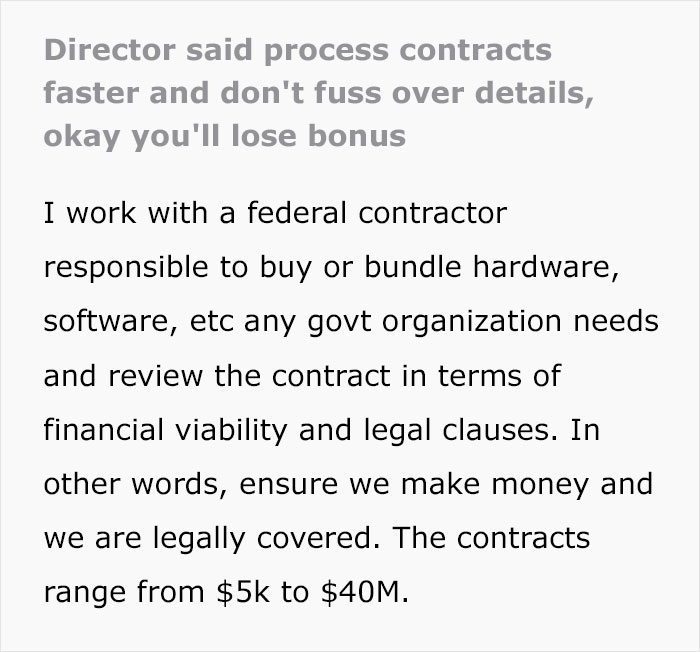
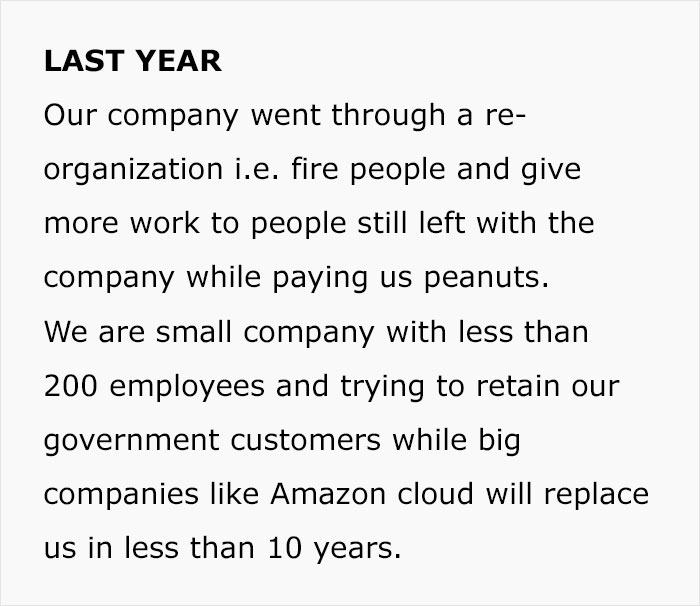
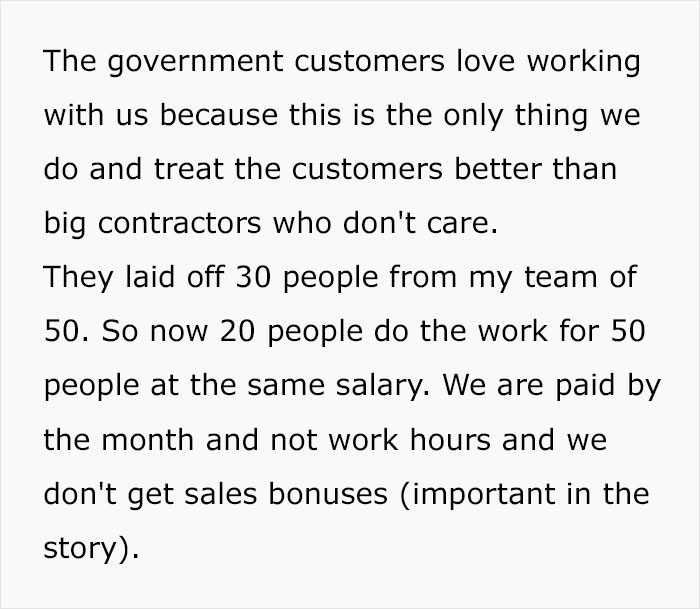
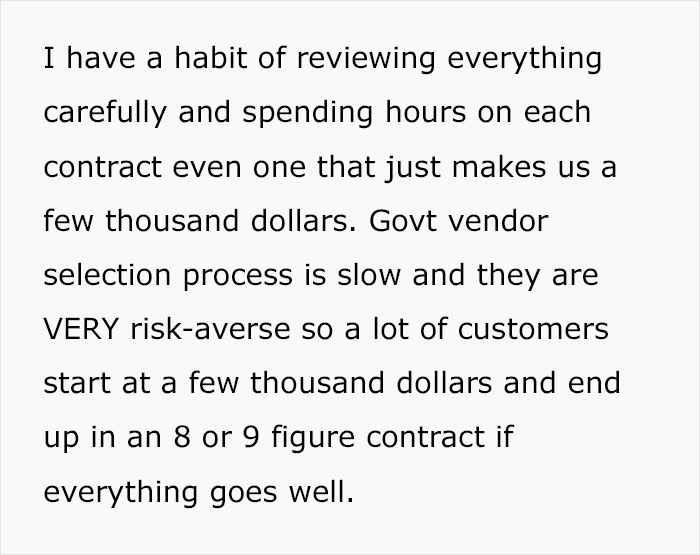
In it, InfinitiumVortex explains how his employers, after running a hectic reorganization, started to care more and more about the size of the contracts they were pulling in rather than how well they could deliver.
The employee tried to warn the higher-ups of the potential risks, but his concerns were silenced by the sales department, caring only about their bonuses.
Needless to say, it was only a matter of time before this short-sighted approach brought serious and very expensive consequences.
Luckily, InfinitiumVortex, sensing the coming doomsday, prepared for what was about to happen and avoided being turned into a scapegoat. No matter how hard everyone attacked, he still managed to come out on top.
Image credits: Pexels (not the actual photo)
Image credits: Pexels (not the actual photo)
Image credits: Unsplash (not the actual photo)
Image credits: Unsplash (not the actual photo)
We managed to get in touch with InfinitiumVortex and asked him to tell us more about his time at the company but he wanted to keep his identity a secret and didn’t think he was able to share any specifics. “I do not want to reveal more details regarding restructuring as it could give even more details to find the company, hence me,” the Redditor told Bored Panda.
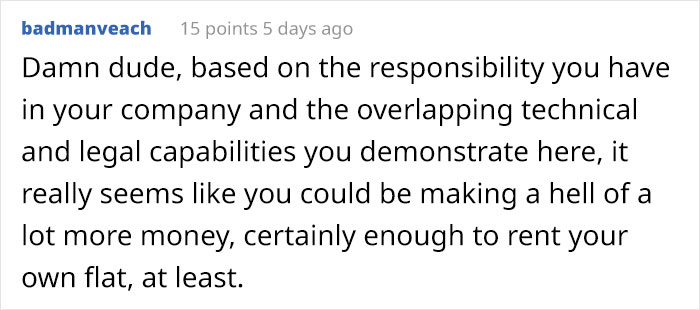
However, InfinitiumVortex said he started considering other options. “I am underpaid so I will look for another job. Work consumes me a bit too much that I don’t have the energy to apply or interview for new roles. But plan to do that in 2-3 months.”
This mess could’ve been avoided if management hadn’t been blinded by the dollar signs in their eyes. Jonathan Golden, who was the director of product at Airbnb, where he helped the company scale 100 times over 6 years, says there’s a combination of measures a business needs to follow if it wants to succeed.
“In relationship to each other, [these metrics] tell the story of your business and allow for prioritization and alignment,” he wrote in Harvard Business Review. “They become a shorthand language internally when committing resources and making investments — or trade-offs.”
“Of your top three metrics, one should become a north star for the business — almost always this will be the quantity metric that you are trying to optimize,” Golden explained. “Quantity measures the value that you are creating for both the customer and the business.”
However, he strongly recommended choosing a product metric, not a financial one. “Why not just use revenue? Both as a startup leader and now as a partner at NEA, I’ve seen that financial metrics are a derivative of a great product.”
He went on to explain that if Airbnb had optimized on revenue, rather than nights booked, it might have skewed the business to high-priced properties. Instead, the company focused on delivering the same magical experience whether a night cost $100 or $1,000, and built a customer base of evangelists.
“Your other two metrics then become threshold metrics — that is, you want to maintain quality above a certain level or efficiency under a certain ratio. For a SaaS product, that north star quantity metric might be the number of monthly active users (MAUs). The quality metric might then be daily active users (DAUs) over MAUs, with the efficiency metric being a sales efficiency measurement like the magic number, which measures revenue growth over sales and marketing expenses.”
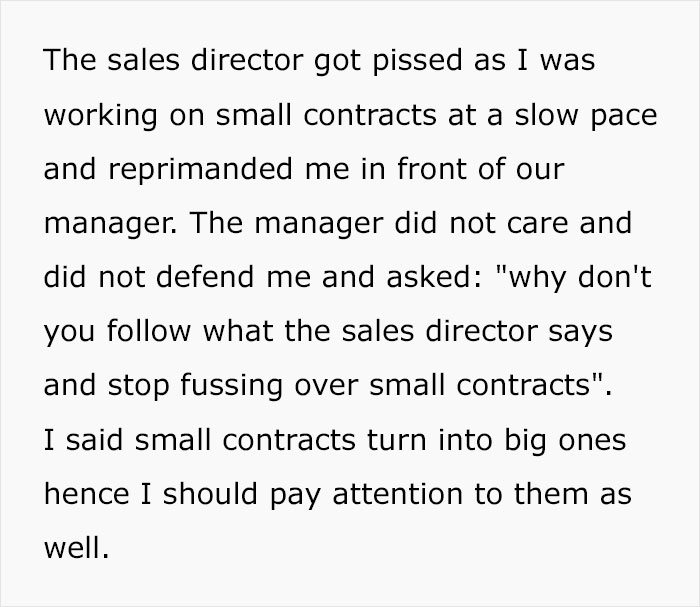
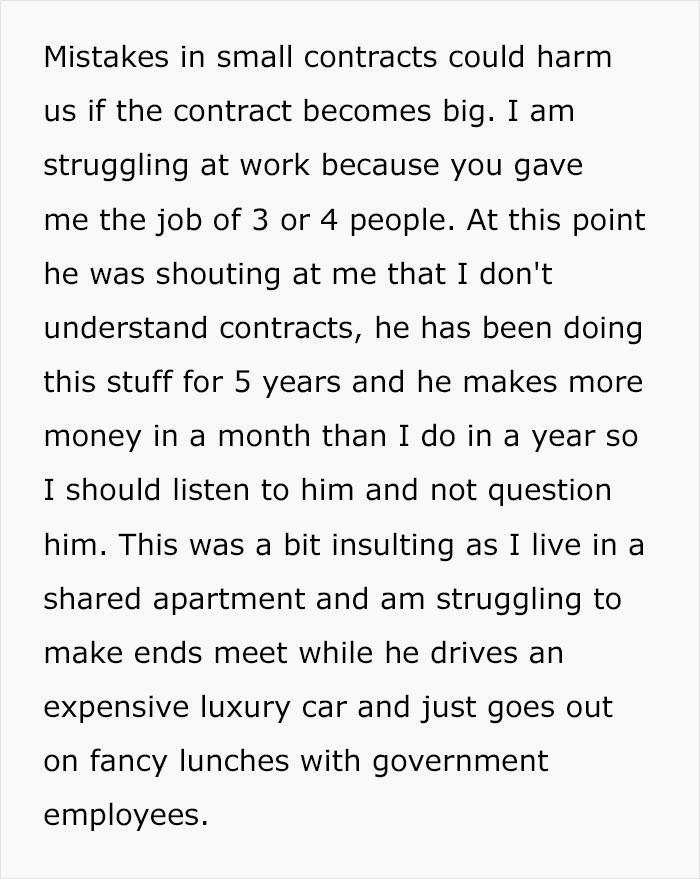
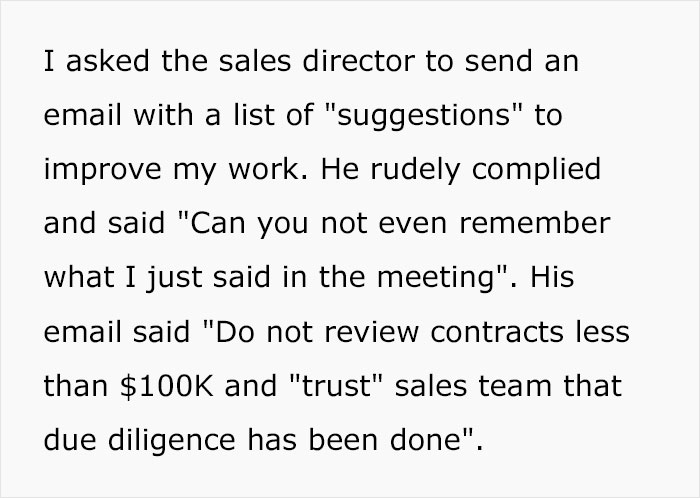
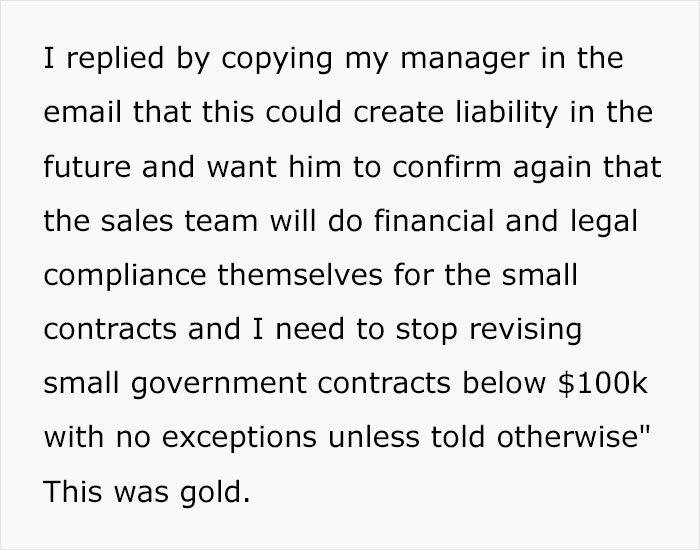
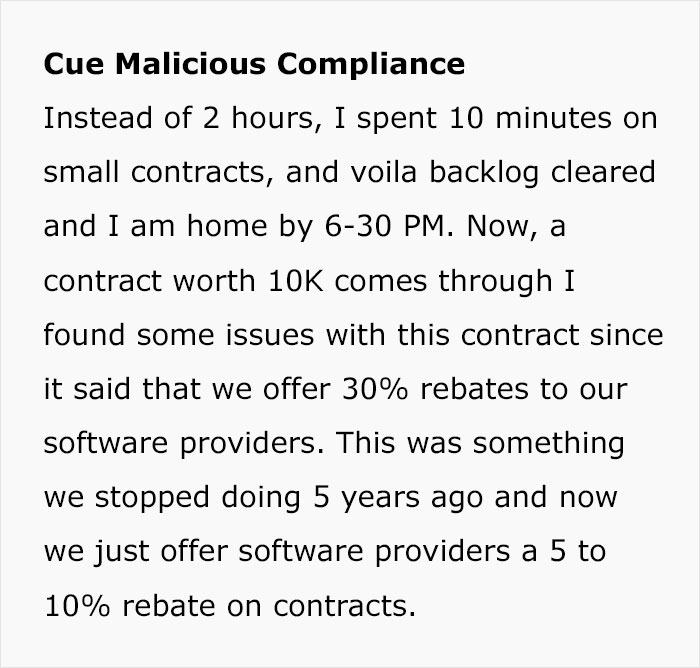
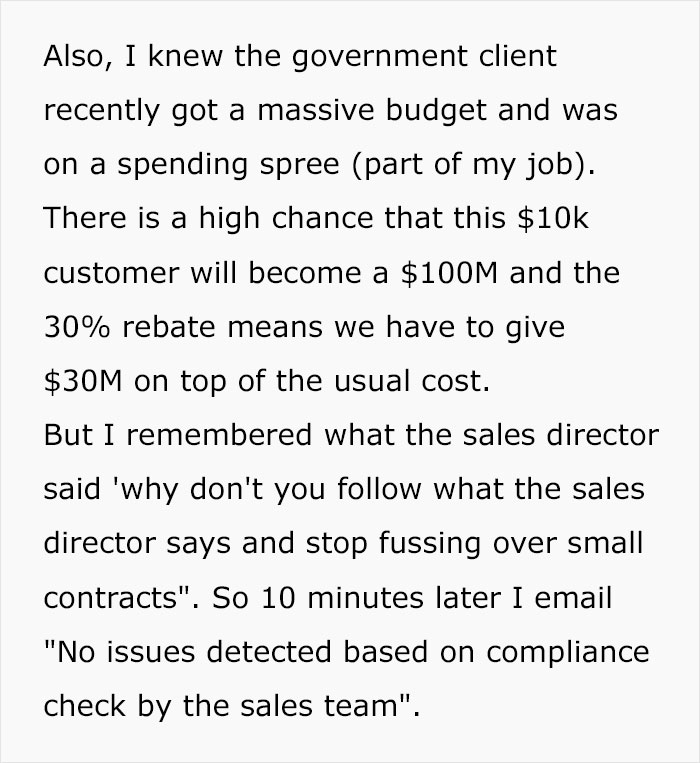
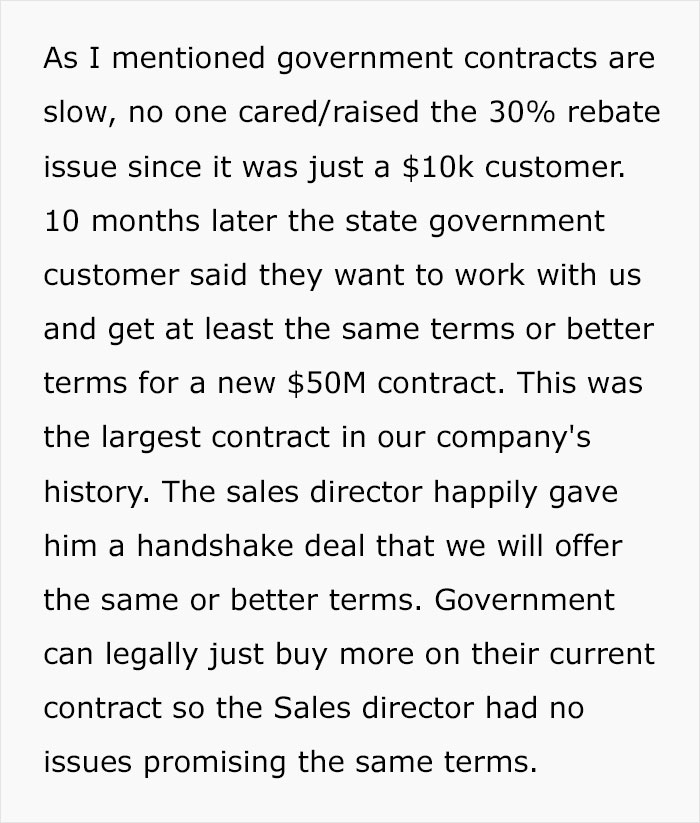
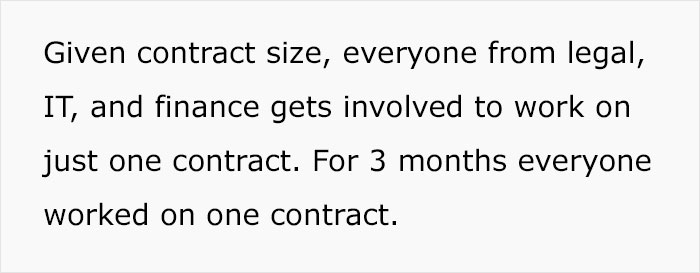
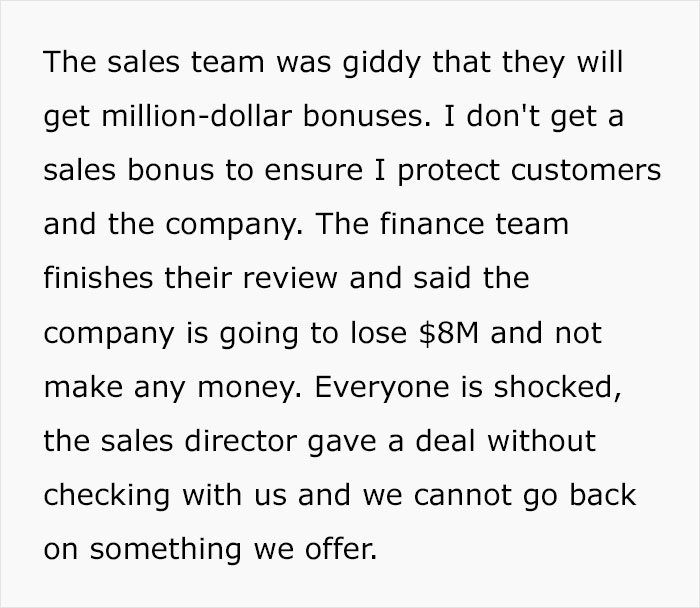
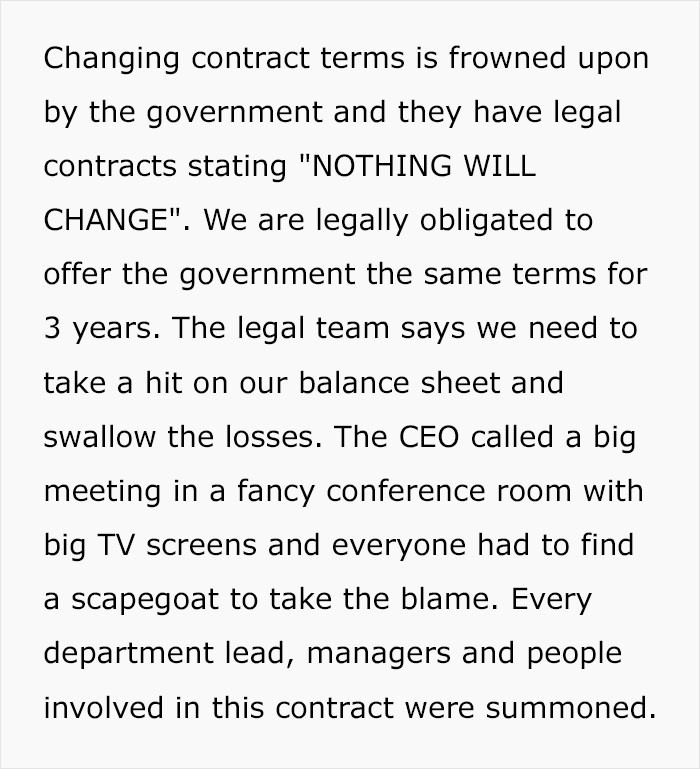
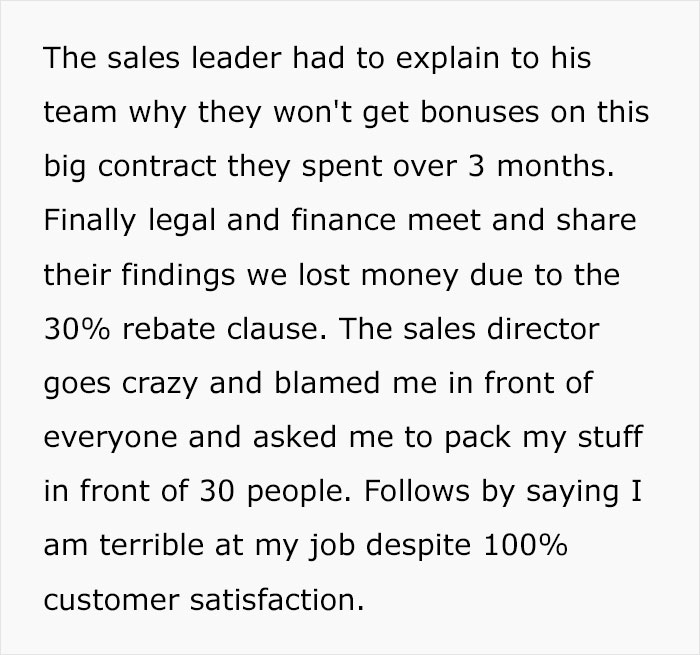
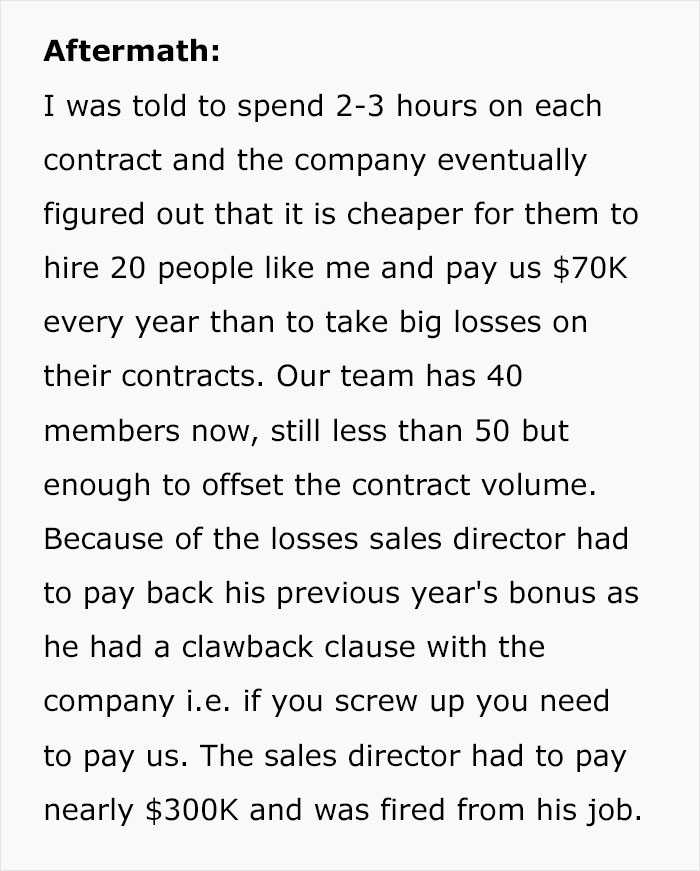
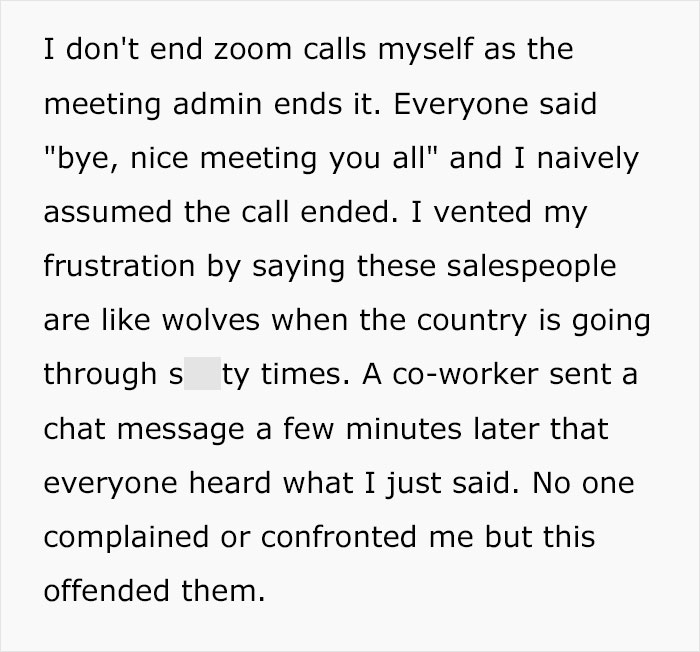
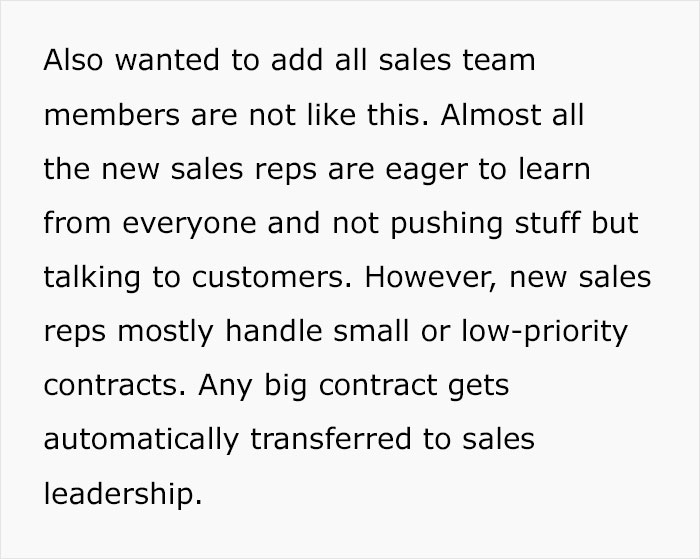
Image credits: infinitiumvortex
But why do so many bosses tie the performance of the company to its revenue? Well, as Robert Sher pointed out in Forbes, it is a readily-available number that is simply a very convenient proxy for success. As an ever-ready metric for performance, it does provide a consistent and measurable data point.
However, Sher is also not a fan of it and thinks the metric falls short in three critical ways:
I wonder, have InfinitiumVortex’s employers taken anything away from this? “I’m unsure if they learned their lesson in the long term,” he said. “The short-term impact was quick, they learned from their mistakes, we did go back to the old process and hired more people.”
Either way, that was a pretty expensive training program.

This is example of inequality in the workplace. By nature most sales people are extroverted and charismatic as those traits are needed to do their job. These same traits make it easier for them to demand a commission and get it on top of a good salary. Meanwhile the introvert who is doing the actual work and fixing things after bad promises are made is only able to get minimum wage and told to stop ruining the sales teams numbers. That introvert is very good at their job but it will never matter because they don't have the personality to demand their due. The company landed a $50 million contract that sales was going to get a several million dollar commission on and the OP wasn't even offered a raise. I assure you, in those 3 months of getting the contract done, the OP did as much work or more than any member of the sales team.

sales and upper management rights the check everyone else has to pony up the money/work to get it done except for sales who sees a bonus just for righting a check pretty much while everyone else sees more money because of the overtime. So it's fair the employees that do 99% of the work get 1% of the profit while ther person that does 1% of the work gets 99% of the profit. They both equal 100% so its got to be fair and equal /s.
Load More Replies...

This is example of inequality in the workplace. By nature most sales people are extroverted and charismatic as those traits are needed to do their job. These same traits make it easier for them to demand a commission and get it on top of a good salary. Meanwhile the introvert who is doing the actual work and fixing things after bad promises are made is only able to get minimum wage and told to stop ruining the sales teams numbers. That introvert is very good at their job but it will never matter because they don't have the personality to demand their due. The company landed a $50 million contract that sales was going to get a several million dollar commission on and the OP wasn't even offered a raise. I assure you, in those 3 months of getting the contract done, the OP did as much work or more than any member of the sales team.
sales and upper management rights the check everyone else has to pony up the money/work to get it done except for sales who sees a bonus just for righting a check pretty much while everyone else sees more money because of the overtime. So it's fair the employees that do 99% of the work get 1% of the profit while ther person that does 1% of the work gets 99% of the profit. They both equal 100% so its got to be fair and equal /s.
Load More Replies... 




































 No fees, cancel anytime














96
4