Get Premium
Dark mode theme is available exclusively for premium users. Learn more about the benefits of subscribing.
No fees, cancel anytime.

 Dark Mode Ad-Free Browsing Unlimited Content
 Ad-Free Browsing Unlimited Content Dark Mode
Join 1.2 million Panda readers who get the best art, memes, and fun stories every week!
Memes dominate modern humor online, reshaping how we share jokes and cultural commentary. But satirical art has deep roots, reaching centuries before Doge and Distracted Boyfriend.
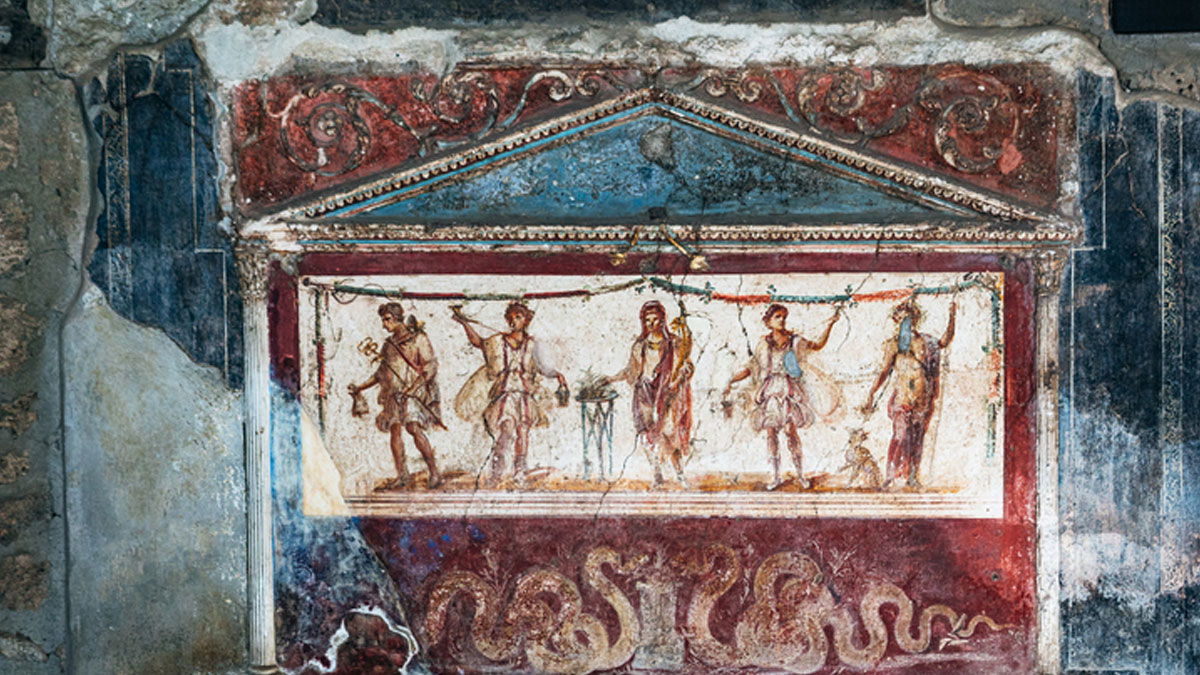
More than 1,500 years ago, Roman artists painted witty scenes across homes and public buildings, turning daily life into visual punchlines.
Unlike the solemn busts or mythic murals that usually come to mind, this ancient art reveals an unexpected flair for comedy.
Their humor may have been ancient, but it hit familiar notes, from awkward mishaps, social gossip, and public roasts.
So let’s step into those painted rooms and see how each vivid gag sets the stage for Rome’s first comic era.
Roman wall painting falls into four historical styles, first classified by German archaeologist August Mau during excavations in Pompeii: Incrustation, Architectural, Ornamental, and Intricate.
Incrustation (c. 200–80 BCE) features bold, painted slabs that mimic luxurious marble, crowding walls with vibrant faux finishes. This illusionistic style is eye-catching but could feel cramped in the small Roman homes where it appeared.
Architectural (c. 60–20 BCE) breaks open those tight interiors. It introduces realistic-looking windows, cityscapes, and objects to trick the eye, offering viewers sweeping scenes that look far beyond the room.
Ornamental (20 BCE–20 CE) takes a different turn, emphasizing minimalism and balance. Like ancient gallery walls, wide monochrome walls are accented with slender columns and small central images.
Intricate (20–79 CE) is a chaotic blend of its predecessors’ fantasy structures, mythological dramas, and ornate flourishes arranged in bold, sometimes bizarre compositions (per Washington Education).
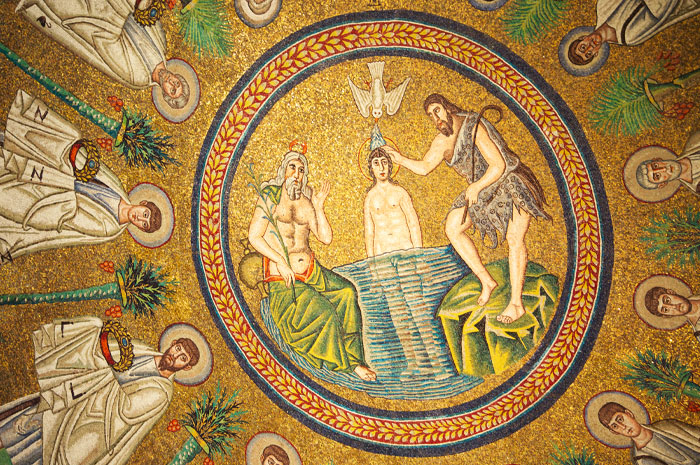 Image credits: nimu1956/Getty Images
It’s no surprise that most comic scenes are in this fourth style. Its imaginative layering makes it the perfect playground for humor.
These comic artworks came in three formats: massive wall frescoes in homes and public spaces, tiny mosaics tucked inside private baths, graffiti cartoons, and scribbled one-liners paired with crude sketches that roasted local scandals or political drama.
In April 2024, archaeologists working at Pompeii uncovered a vibrant collection of murals and comic-style paintings, offering a striking new look at ancient Roman life.
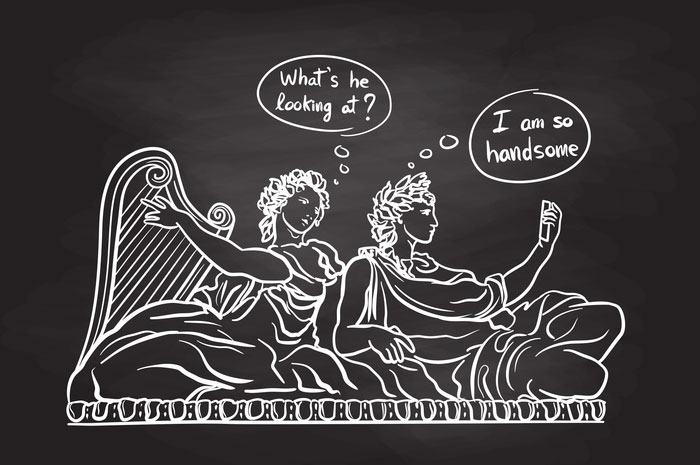 Image credits: A-Digit/Getty Images
Unlike formal mythic scenes or stiff public mosaics, these frescoes feel raw and spontaneous, capturing everything from drunken brawls to awkward glances. Their vivid pigments, preserved by volcanic ash for over 1,500 years, look astonishingly fresh.
Among the standouts are slapstick-style depictions: a man being chased by a donkey and a gladiator fumbling with his gear, which feel like the ancient world’s take on graphic novels.
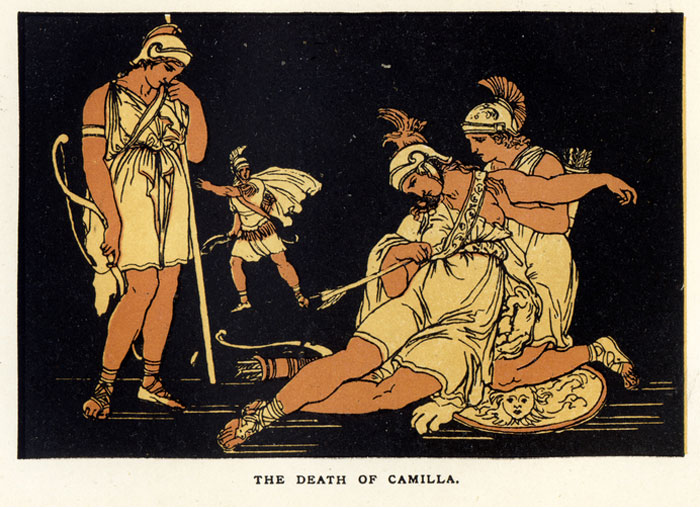 Image credits: duncan1890/Getty Images
Two frescos shine brightest. One shows Apollo trying to seduce the priestess Cassandra. The other depicts Paris meeting Helen, a moment Cassandra foresaw would end in war and ruin (per How Stuff Works).
History tends to spotlight Rome’s conquests and empires, but Pompeii’s ruins reveal a cheekier legacy, graffiti full of gripes, jokes, and social snark.
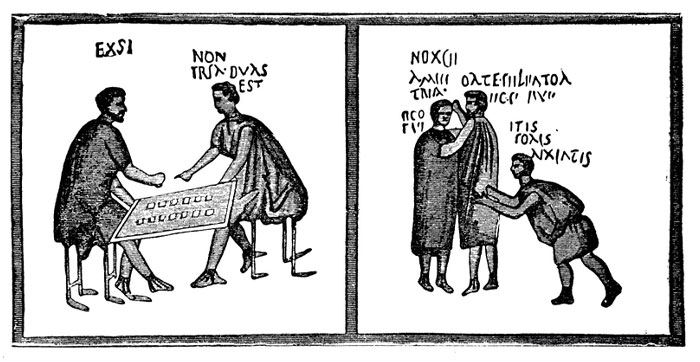 Image credits: clu/Getty Images
History tends to spotlight Rome’s conquests and empires, but Pompeii’s ruins reveal a cheekier legacy, graffiti full of gripes, jokes, and social snark.
Etched across walls now studied by archaeologists, these messages captured a slice of everyday life that’s surprisingly familiar.
As in Ancient Roman memes, you’ll find sarcastic jabs, crude warnings, public callouts, and declarations of loyalty, all of which wouldn’t feel out of place in a modern comment section.
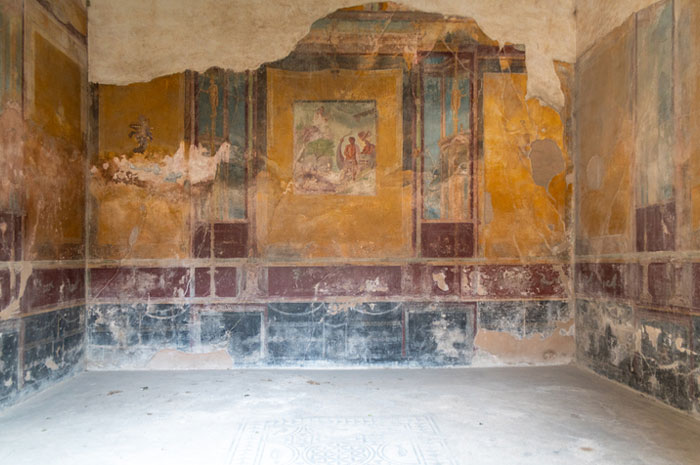 Image credits: George Pachantouris/Getty Images
One glance at the translated graffiti, and it’s clear why Pompeii is hailed as the meme capital of antiquity:
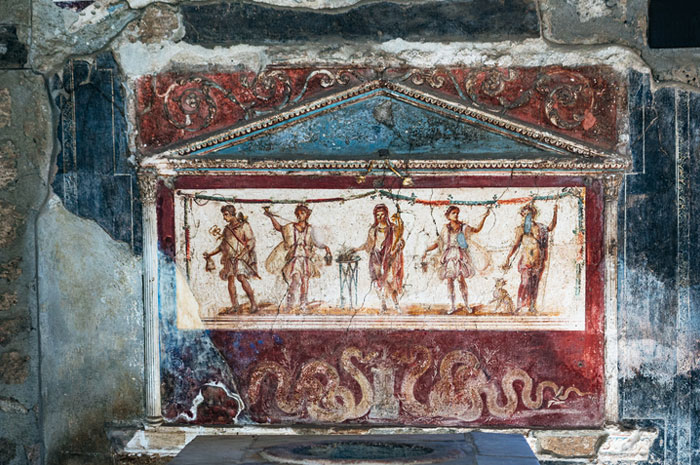 Image credits: Nikada/Getty Images
These scribbles mock, mourn, confess, and warn. And in doing so, they make ancient Romans feel far less distant, reminding us that even 2,000 years ago, people couldn’t resist leaving their mark.
Beyond the jokes and roasts, Roman graffiti also served as a public noticeboard, used to advertise goods, critique leaders, or declare loyalties.
For historians, it’s a rare lens into how everyday Romans expressed themselves.
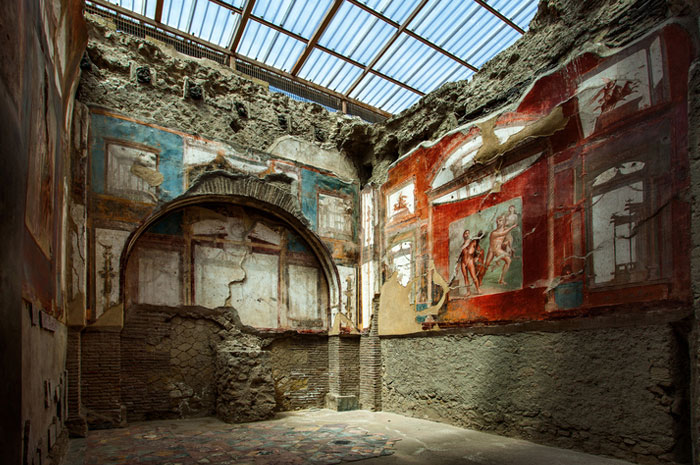 Image credits: Artie Photography(Artie Ng)/Getty Images
Some of these messages offer a glimpse into gender roles, too. Women, especially those involved in trade, could make their voices heard in a world where they were otherwise excluded from political life.
Evidence from Pompeii also suggests literacy wasn’t limited to elite men. Many inscriptions hint at women chatting in code, leaving notes, or even gossiping, clear signs that writing was more widespread than once thought.
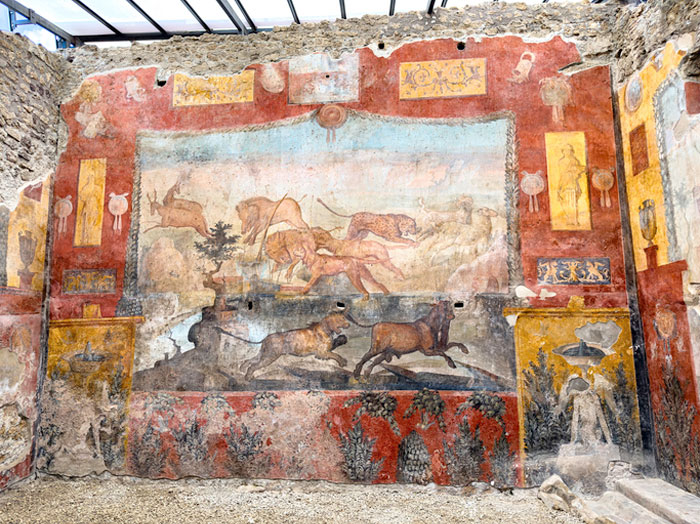 Image credits: Jeff Schneiderman/Getty Images
These scribbles document ancient events, but they also capture emotions, disagreements, jokes, and desires, making long-gone Romans feel less like characters in a textbook and more like people we might know.
We may be centuries apart, but their voices still echo proof that the human experience hasn’t changed much (per The Travel).
In a fascinating twist, archaeologists discovered two Roman-era tombs in Jordan adorned with murals that resemble early comic panels.
The walls were covered in vivid scenes and dialogue bubbles, Aramaic inscriptions spelled out in Greek letters.
One tomb in Capitolias featured 260 painted figures and 60 captions narrating their actions.
Jean-Baptiste Yon of HiSoMA explained to CNRS that some lines were eerily similar to today’s comic speech: “I am cutting (stone)” and “Alas for me! I am dead!”
Researchers from CNRS and an international team are still unpacking the findings, but it’s clear that these visuals bridge text and image in a startlingly modern way (per Atlas Obscura).
According to Let’s Roam, much of Rome’s ancient graffiti would feel right at home on modern bathroom stalls, dive bar walls, or the wildest corners of meme culture.
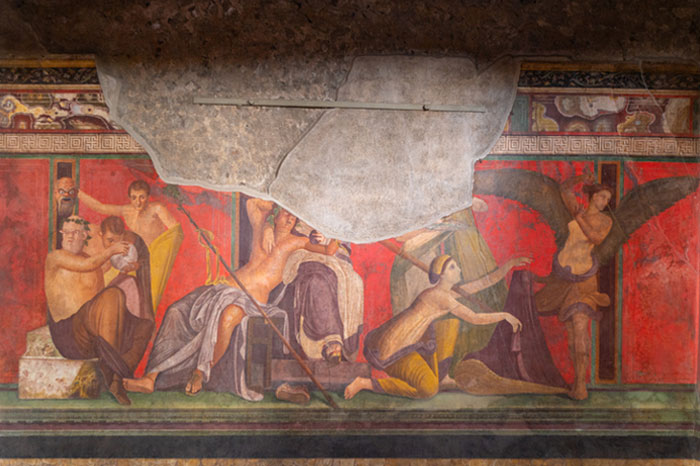 Image credits: George Pachantouris/Getty Images
Some favorite gems include:
The content may be crass, but the punchlines still land. Humor, it seems, hasn’t evolved all that much in 2,000 years.
There’s also a mural from around 200 AD in Rome, considered among the earliest depictions of Jesus.
The figure has a man’s body and a donkey’s head, likely satire aimed at early Christians. In Bologna, Latin graffiti from this era still covers the ceilings and porticos.
Of course, much of this is interpretation.
As archaeologist Dr. Gennaro Iovino told the BBC, excavating Pompeii is like staging a play with missing actors. “You have the scenery, the backdrop, and the culprit, which is Mount Vesuvius. The archaeologist has to be good at filling in the gaps.”
No matter how you read them, these ancient punchlines suggest a universal truth: comedy has always been a way to cope, critique, and connect.

By entering your email and clicking Subscribe, you're agreeing to let us send you customized marketing messages about us and our advertising partners. You are also agreeing to our Privacy Policy.
Thank you! You've successfully subscribed to newsletters!


































 No fees, cancel anytime







33
2