Get Premium
Dark mode theme is available exclusively for premium users. Learn more about the benefits of subscribing.
No fees, cancel anytime.

 Dark Mode Ad-Free Browsing Unlimited Content
 Ad-Free Browsing Unlimited Content Dark Mode
Join 1.2 million Panda readers who get the best art, memes, and fun stories every week!
66submissions
1week left

If you’ve ever heard stories about how things were done in your great-grandparents’ time and thought, “Wait…people really did that?”—you’re definitely not alone. While there’s plenty we can learn from previous generations, there are also moments from the past that seem completely baffling today. Social norms, safety rules, and everyday habits have changed so much that some old practices now feel downright unbelievable.
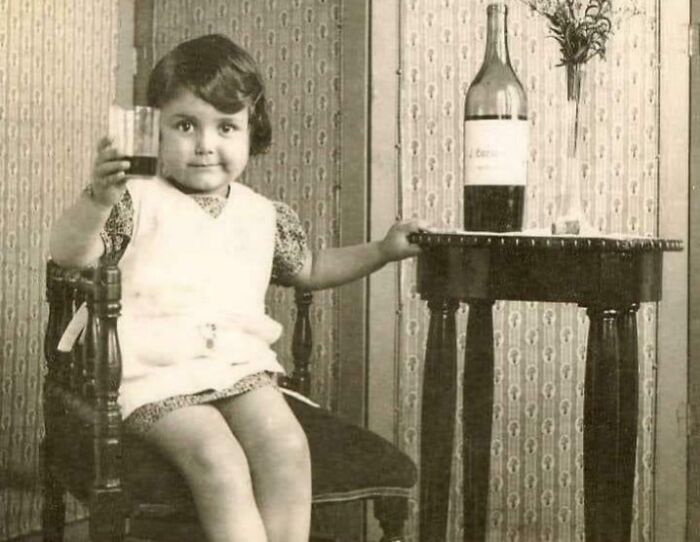
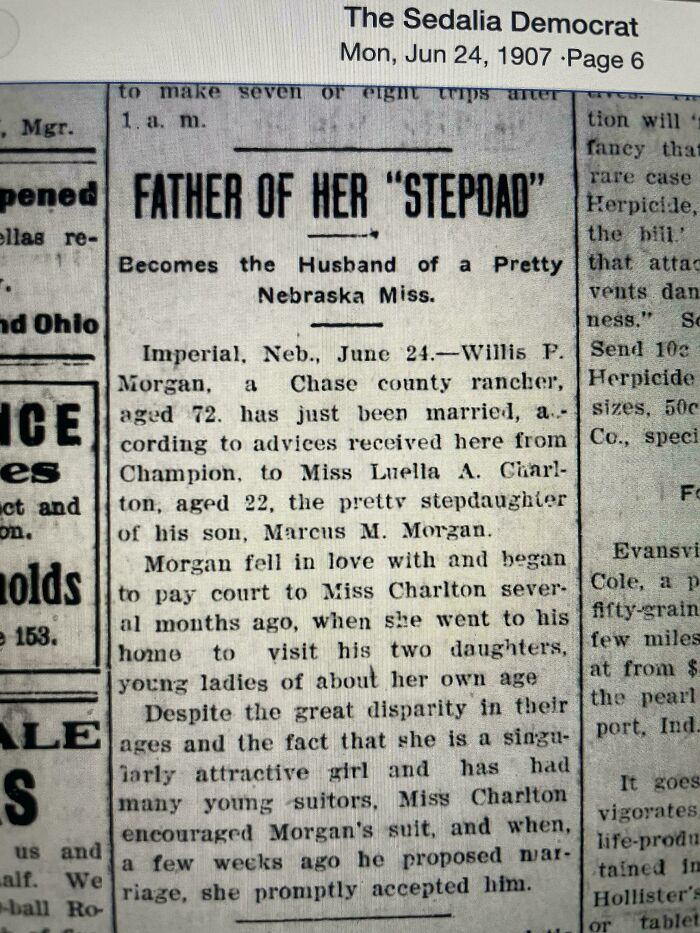
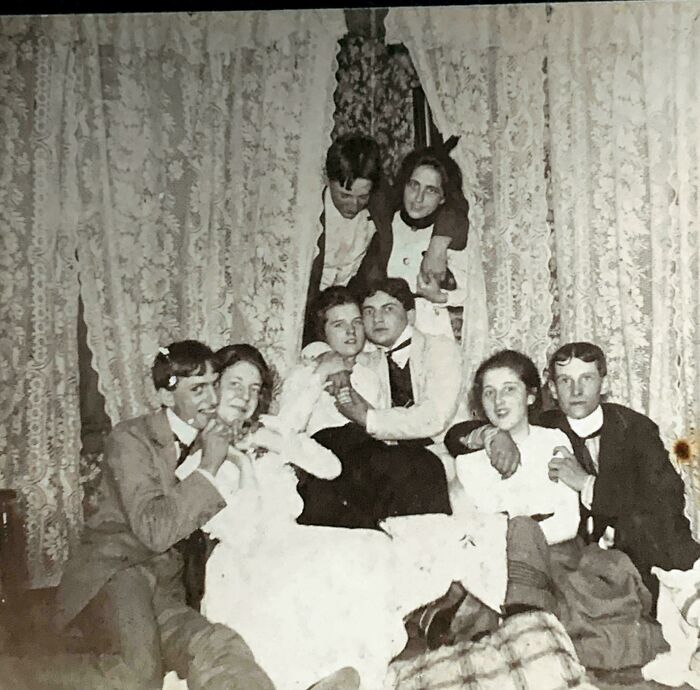
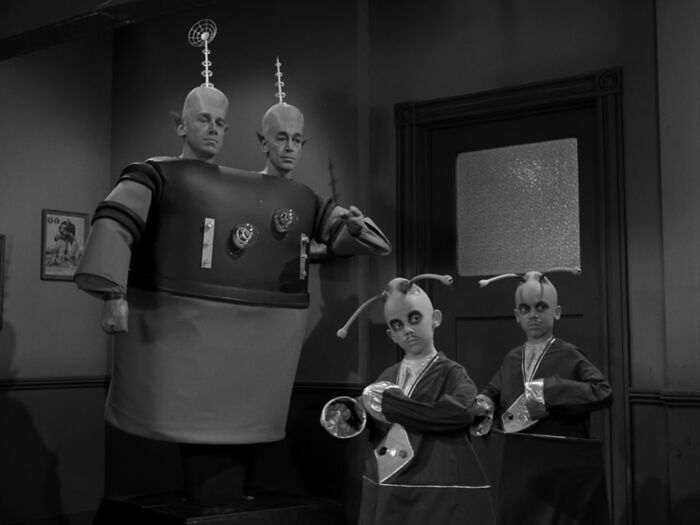
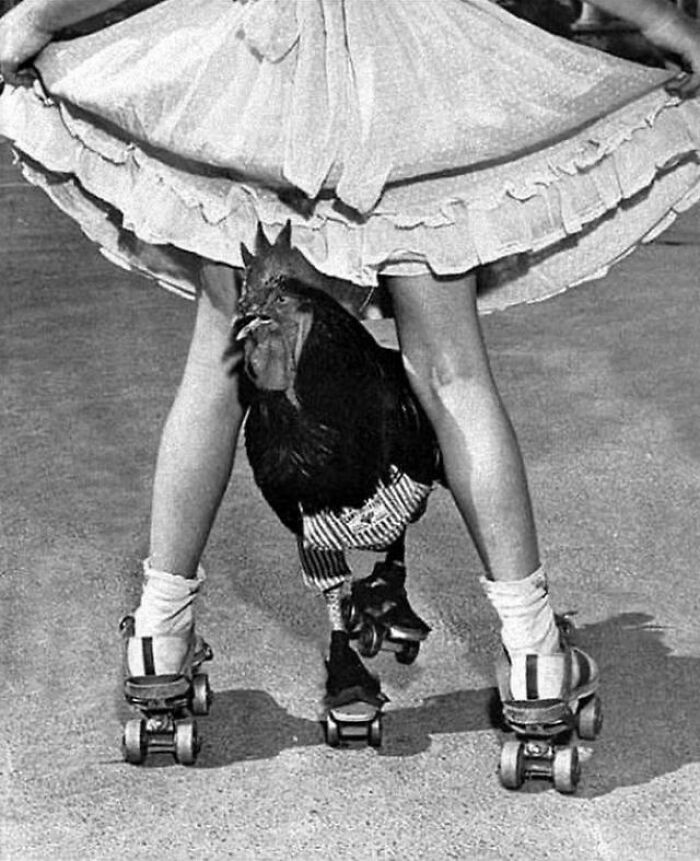
That’s exactly the kind of thing you’ll find on the page “Old School Ridiculous.” From questionable activities like letting young children drink wine to bizarre events such as asbestos-shoveling competitions, history has its fair share of eyebrow-raising moments. Some of these posts highlight serious reminders of how times have changed, while others are so strange they’re almost funny. We’ve gathered a few of the most unusual photos from the page, so take a look, Pandas.
This post may include affiliate links.
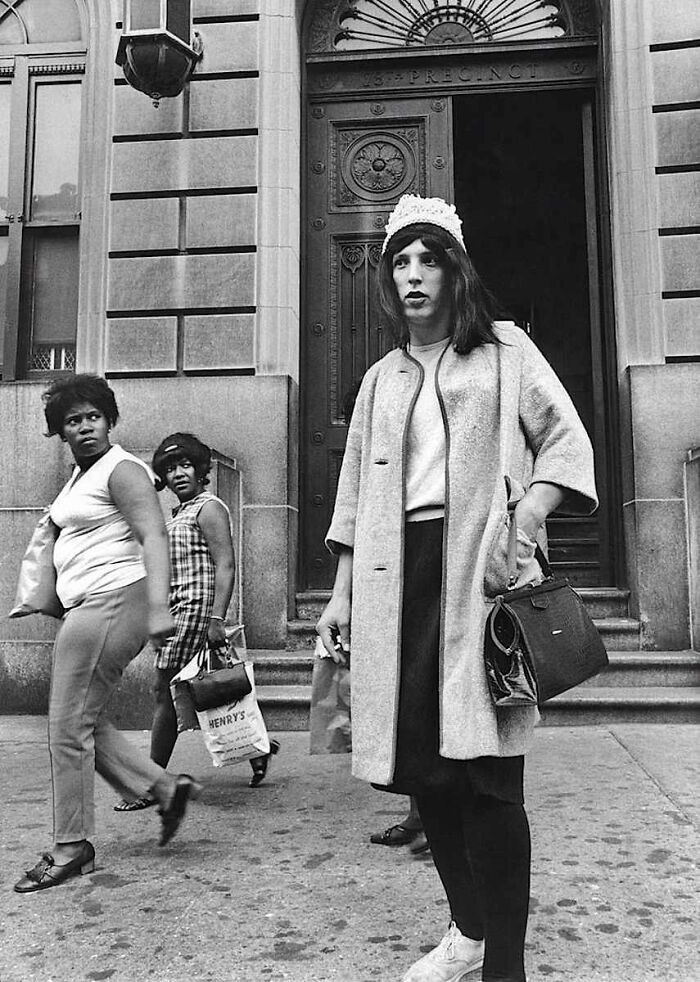
While there are many things we still admire or appreciate from the early 1900s, there are also many areas where society has thankfully moved forward. One of the most significant changes has been in the way LGBTQ+ individuals are viewed and treated. Throughout much of the 20th century, many LGBTQ+ people faced systemic discrimination, legal persecution, and social stigma. Laws, institutions, and cultural attitudes often tried to control or “explain” people’s identities and relationships in ways that today seem deeply unfair and outdated.
For example, in 1910, courts in Ontario began requiring psychiatric evaluations for men accused of same-gender relationships. Instead of seeing these relationships as a matter of personal identity, authorities treated them as signs of mental illness. In many cases, private relationships were reframed as medical or legal problems, showing how strongly society tried to pathologize something it didn’t yet understand.
Literature also faced censorship. In 1928, the novel The Well of Loneliness, which featured a lesbian protagonist, was declared obscene. Authorities ordered copies of the book to be destroyed, believing it could influence readers simply by acknowledging the existence of same-gender relationships. Today, the book is often discussed as an important early work in LGBTQ+ literature.
Laws in many parts of the world also targeted same-gender relationships in uneven ways. In 1902, in several territories, “indecent practices” between men were criminalized. Interestingly, lesbian relationships were often left out of these laws—not out of acceptance, but because many male lawmakers either ignored or refused to acknowledge that women could have same-gender relationships at all.
In the early 1900s, many countries were reshaping their laws in an effort to appear more “modern” on the global stage. In 1903, Thailand introduced punishments for same-gender relationships, partly influenced by Western legal systems. Interestingly, before this shift, same-gender relationships had not been widely targeted or heavily prosecuted there. But as nations tried to align themselves with what were then considered international standards, some adopted laws that reflected Western attitude toward personal identity. In a way, this showed how global pressure and the desire to appear progressive sometimes led to policies that actually restricted freedoms rather than expanding them.
Attitudes like these were also reflected in popular entertainment of the time. During the 1910s, many early films—including those from the era when Charlie Chaplin was one of cinema’s biggest stars—often used queer-coded characters purely for comic effect. Effeminate men were frequently portrayed as exaggerated stereotypes meant to make audiences laugh. While these portrayals were considered harmless humor at the time, they helped shape public perceptions and reinforced the idea that people who didn’t conform to traditional gender roles were something to be mocked. Looking back today, these depictions offer an interesting reminder of how much both storytelling and social attitudes have evolved over the past century.
These are just a few examples of how attitudes and policies once shaped everyday life for LGBTQ+ people. While the world still has progress to make, it’s clear that society has come a long way since those times. Looking back at these moments reminds us how important it is to keep learning from history. Some practices, beliefs, and laws truly belong in the past, and recognizing that progress helps ensure we continue moving toward a more understanding and inclusive future.
While these posts are certainly good for a laugh, it’s also astonishing to see how some things from the past were just… unbelievable. History can be funny, strange, and sometimes downright baffling all at once. What do you think—were any of these past practices more shocking than amusing? Share your thoughts with us!
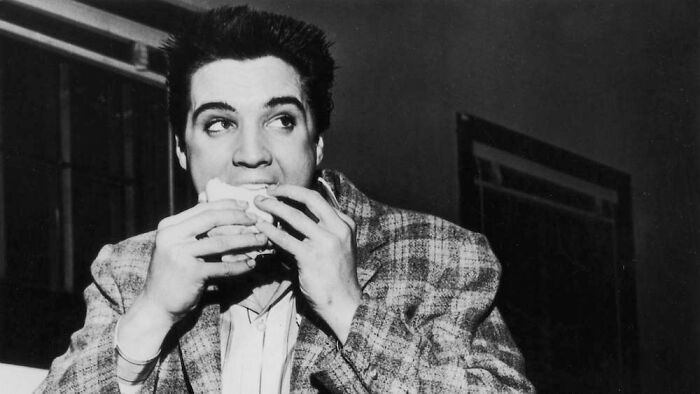
"Made from a hollowed out loaf filled with an entire jar of peanut butter, one jar of jelly, and a pound of bacon."
































 No fees, cancel anytime










!["Winky The White Cat, Signals Cars Behind You, Red Eyes Flash Warning" - [1980s]](https://static.boredpanda.com/blog/wp-content/uploads/2026/03/69b7ce3d074e4_SHKFd6y-png__700.jpg "\"Winky The White Cat, Signals Cars Behind You, Red Eyes Flash Warning\" - [1980s]")


!["Even A Lady Could Learn To Like Soft Whiskey. It's Not Hard." - Calvert Extra [1965]](https://static.boredpanda.com/blog/wp-content/uploads/2026/03/69b7ce4a8ef02_AeYOitz-png__700.jpg "\"Even A Lady Could Learn To Like Soft Whiskey. It's Not Hard.\" - Calvert Extra [1965]")