Get Premium
Dark mode theme is available exclusively for premium users. Learn more about the benefits of subscribing.
No fees, cancel anytime.

 Dark Mode Ad-Free Browsing Unlimited Content
 Ad-Free Browsing Unlimited Content Dark Mode
Join 1.2 million Panda readers who get the best art, memes, and fun stories every week!
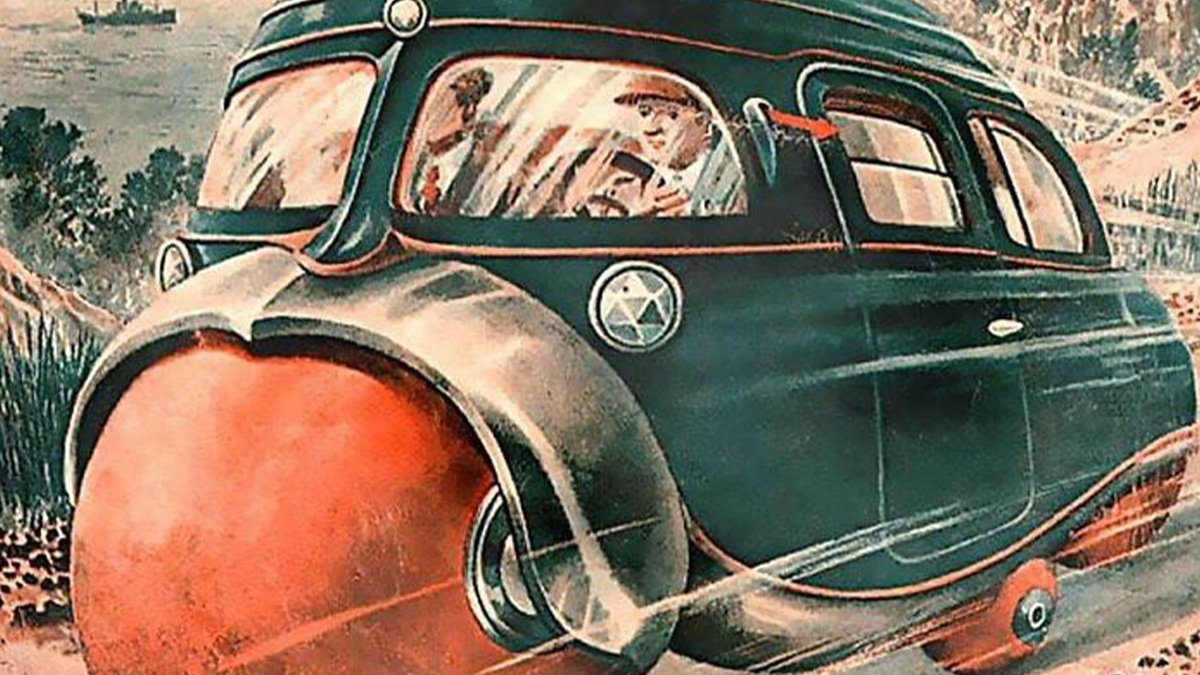
I might be showing my age here, but I can’t be the only one who fondly remembers The Jetsons—you know, the futuristic cartoon with flying cars, robot housekeepers, and, of course, Astro the talking dog. I remember being in awe of their futuristic world, especially the idea that one day we might actually live like that. If you know what I’m talking about—or if you’ve ever found yourself enthralled by some fantastical vision of what the future might look like—this list might be just for you.
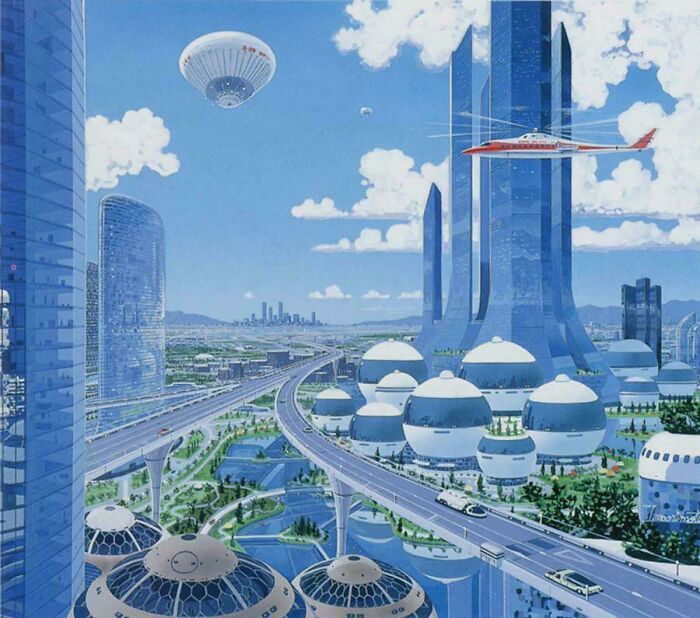
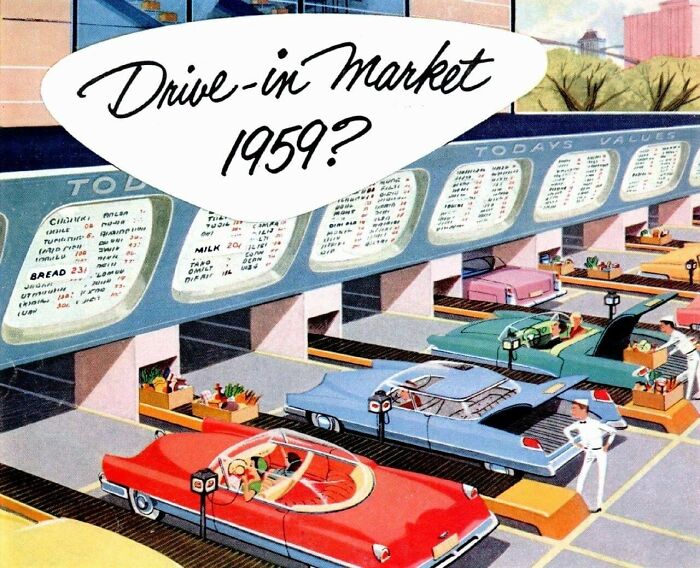
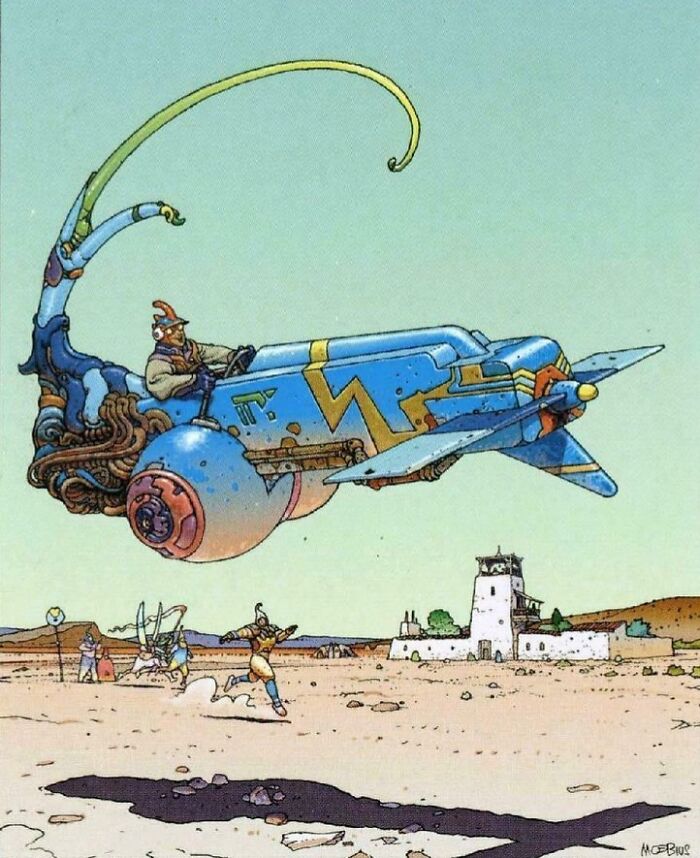
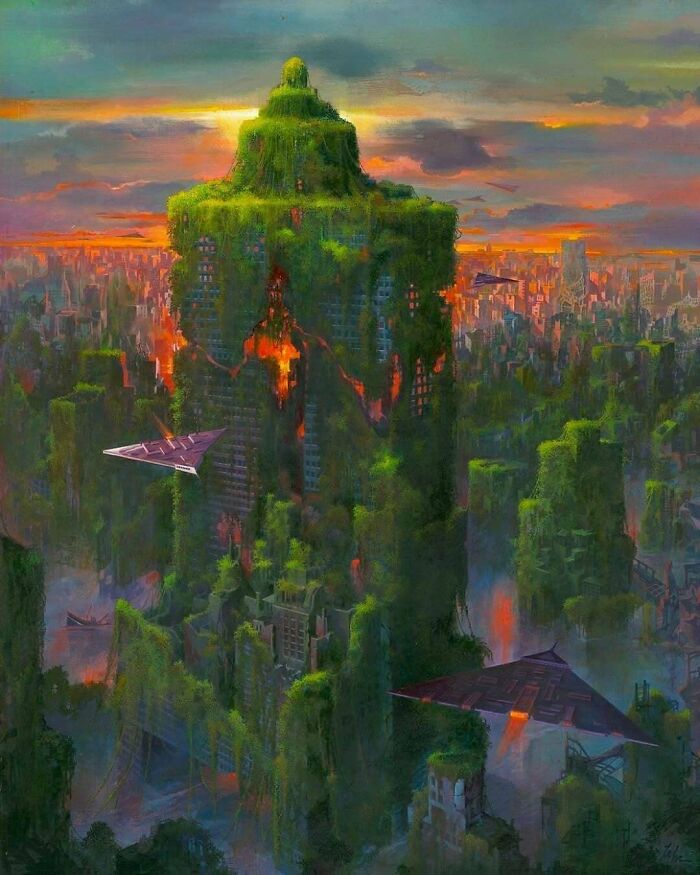
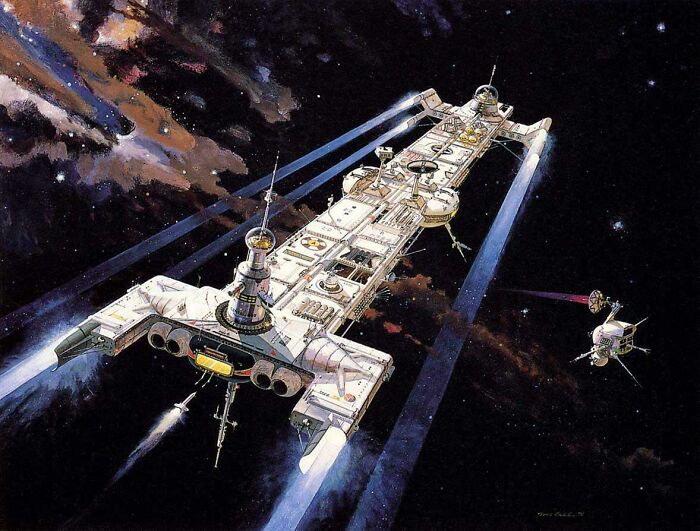
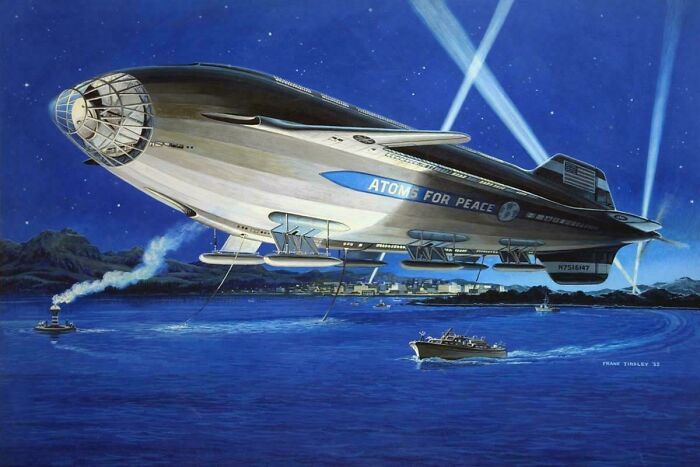
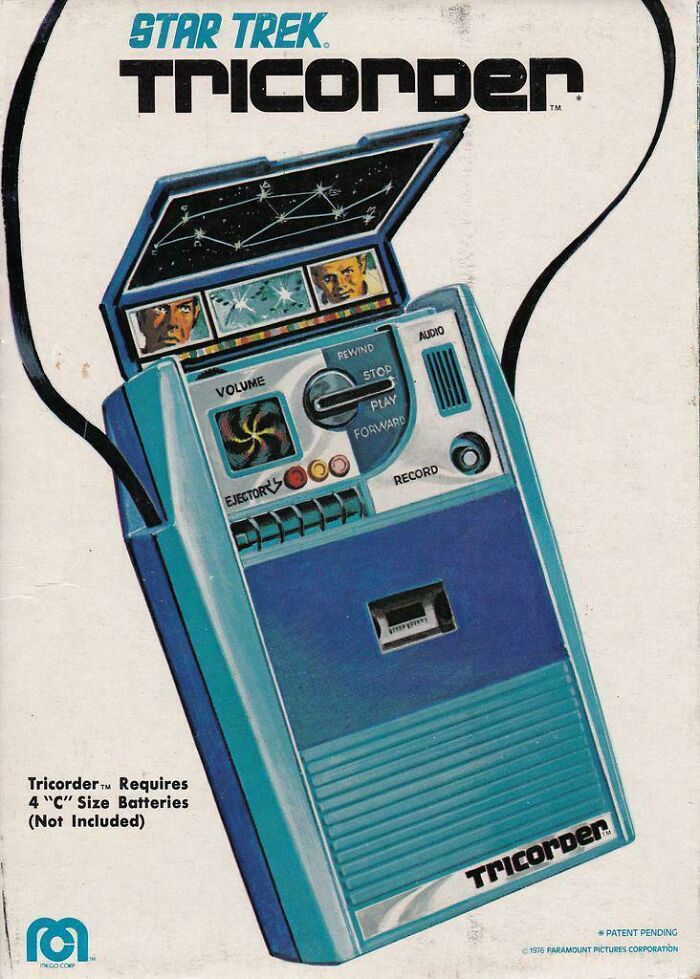
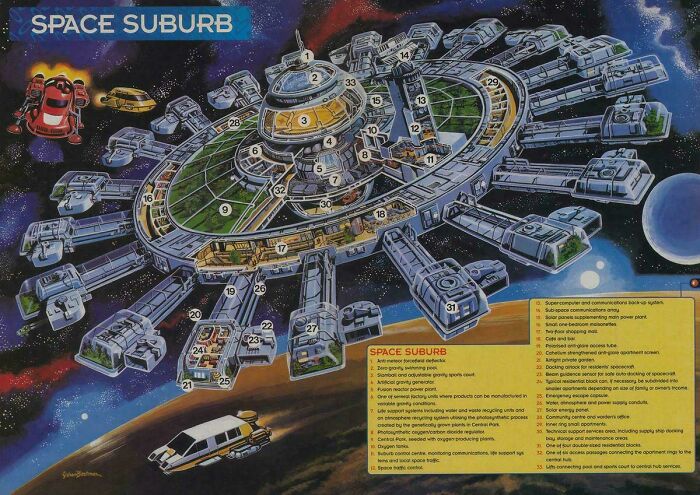
We’ve rounded up some of the most interesting posts from r/RetroFuturism, spanning decades of visions of what the future would hold. Some got a whole lot closer than you’d expect, while others are a reminder that the future rarely arrives the way we picture it (alas, I’m still waiting on talking dogs). But they’re a pretty fascinating mix of nostalgia and imagination either way.
Click here & follow us for more lists, facts, and stories.
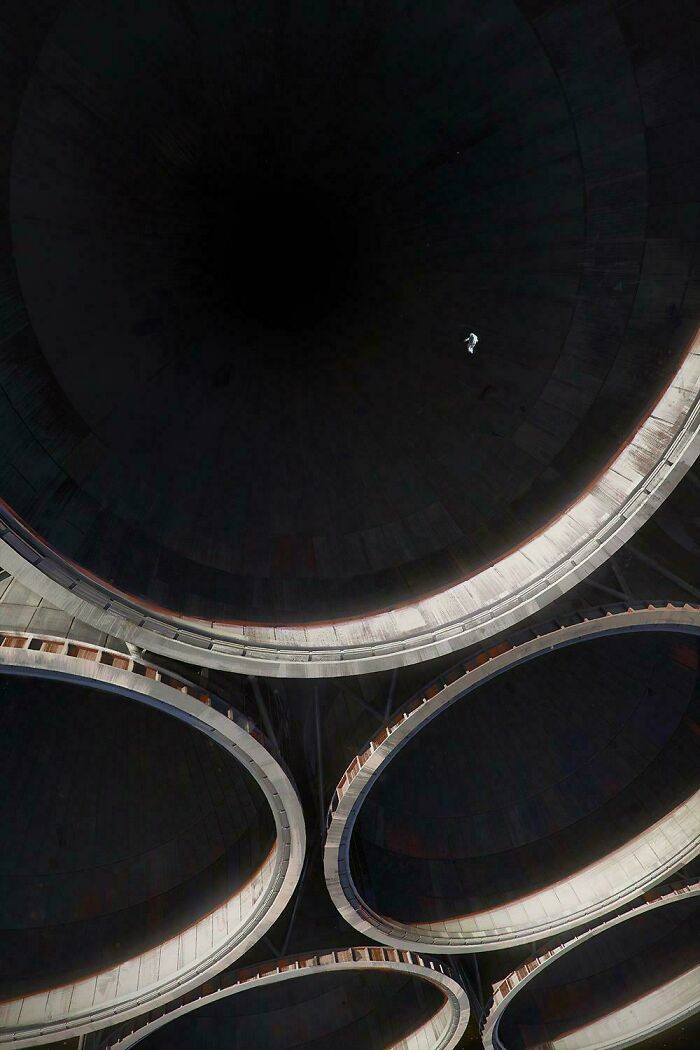
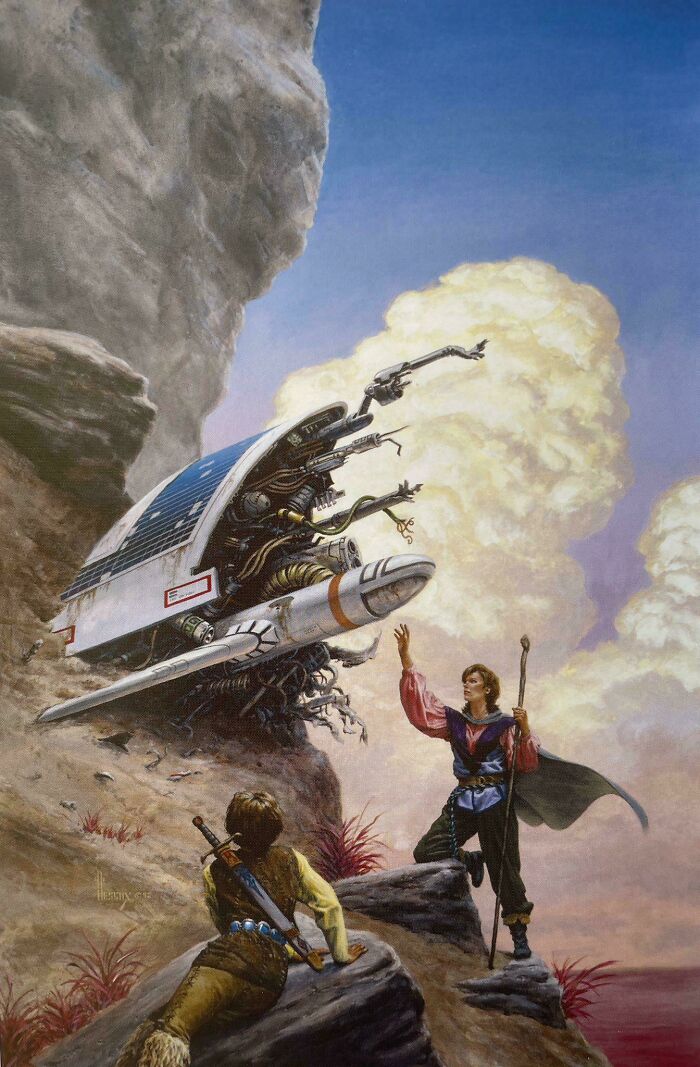
Retrofuturism is essentially about looking at the future through the eyes of the past. In The Oxford Handbook of Science Fiction, Elizabeth Guffey and Kate C. Lemay describe it as an “ambivalent fascination for a future that never came to pass.”
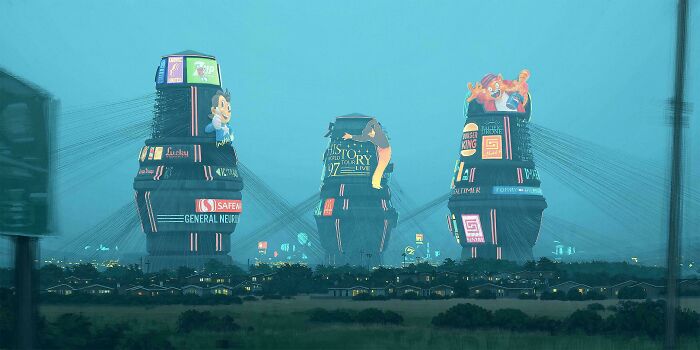
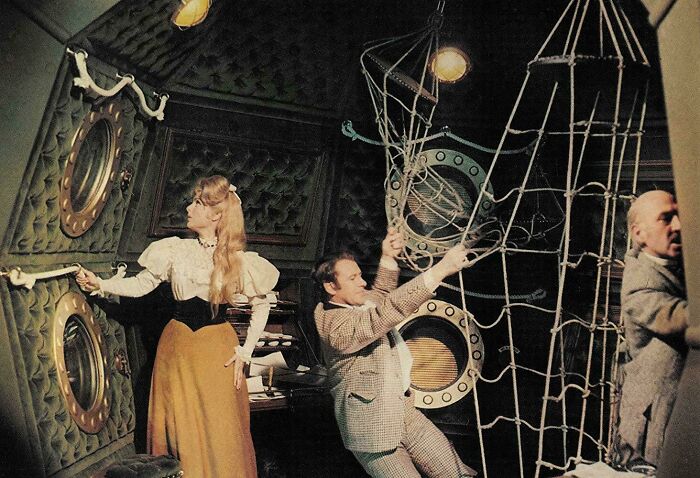
The r/RetroFuturism subreddit, created in 2009, describes itself as a sub focused on “futuristic visions of eras past.” But it also notes that posts “may also contain contemporary art with a retrofuturist theme.” And that’s the thing about retrofuturism: it can look both ways. It isn’t necessarily limited to visions created in the past. In fact, the BBC describes it as incorporating “two overlapping trends: the future as seen from the past and the past as seen from the future.”
Image credits: User
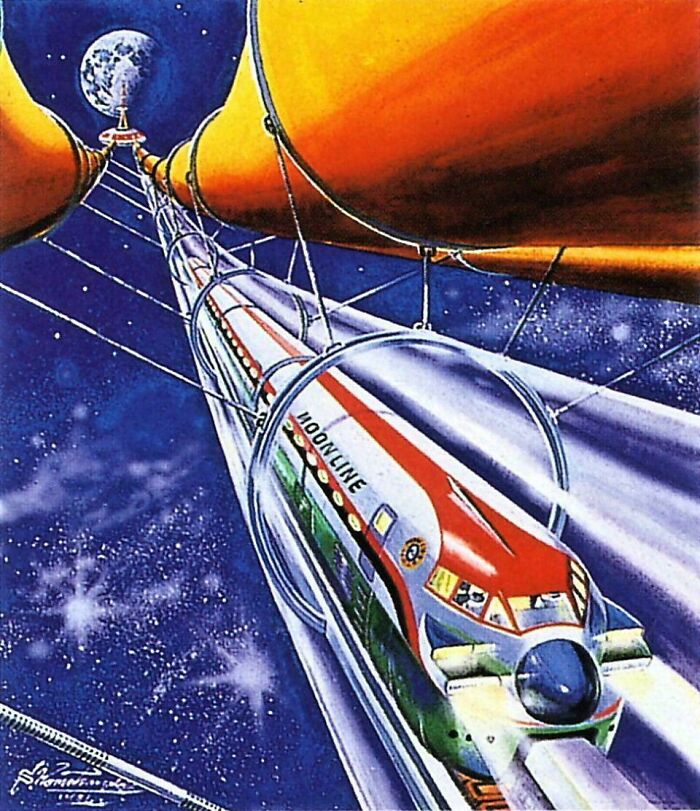
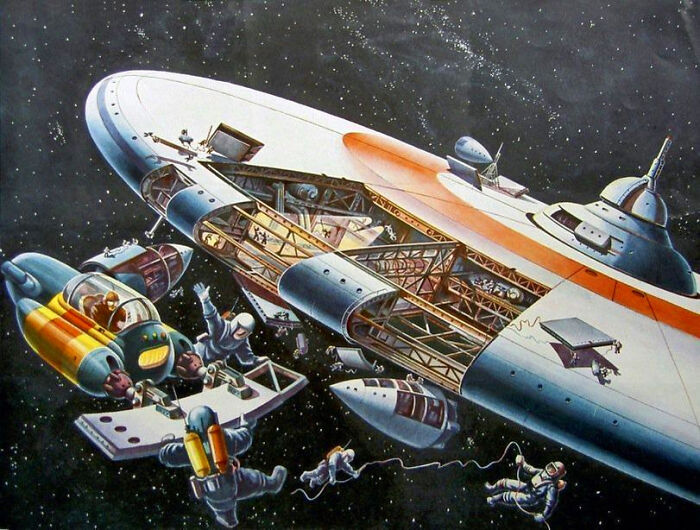
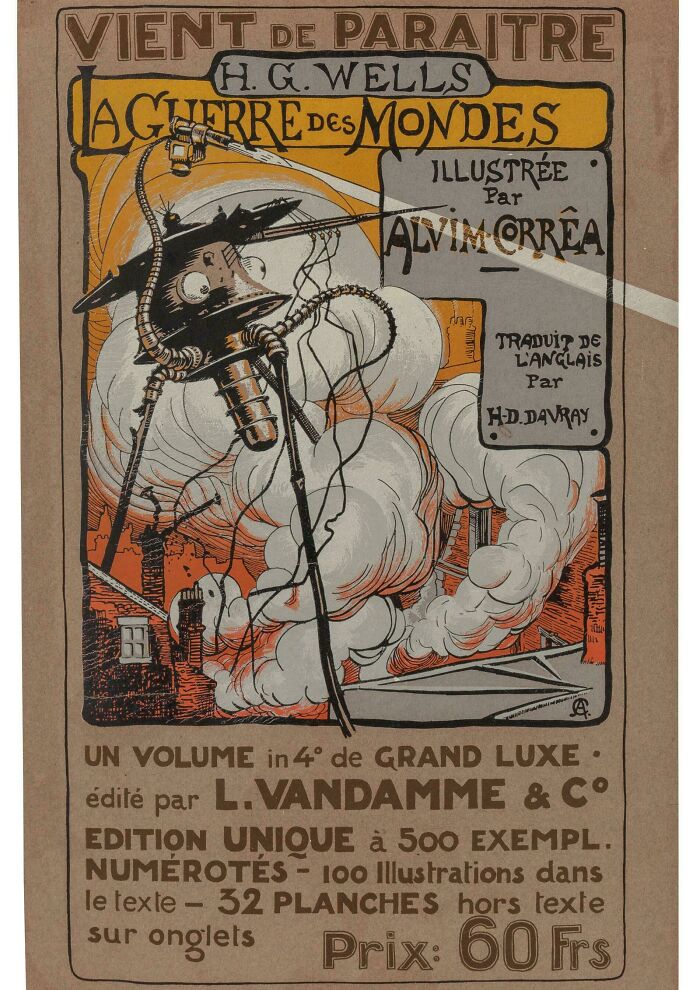
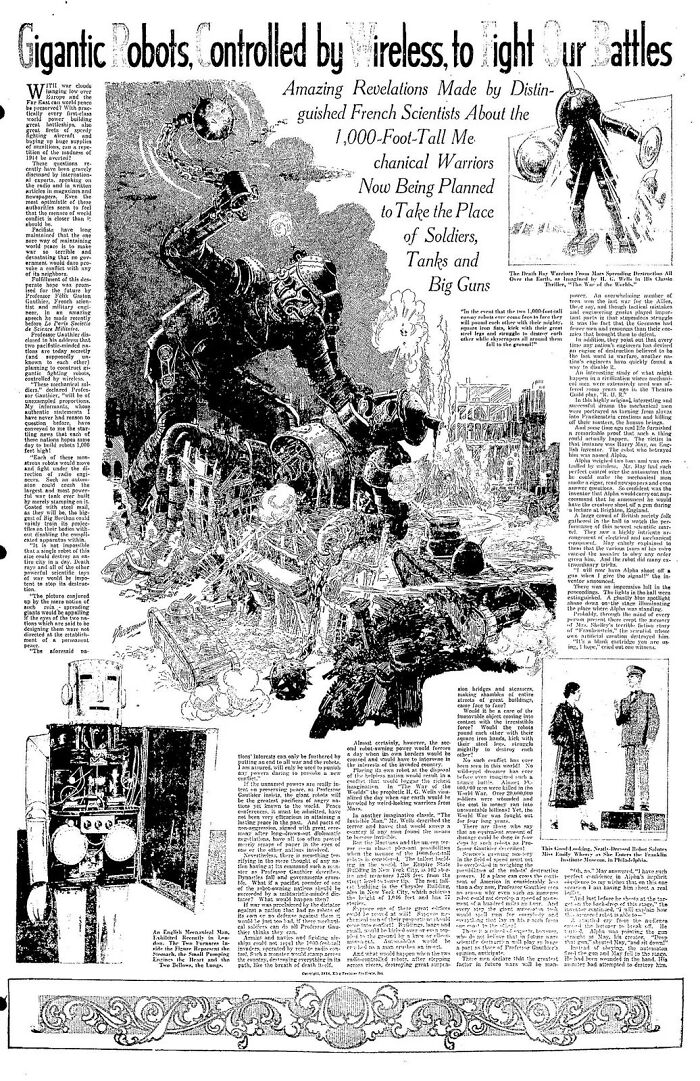
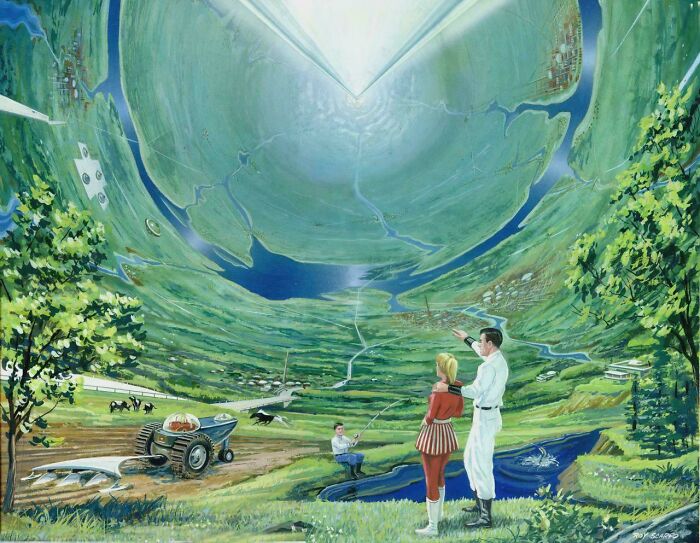
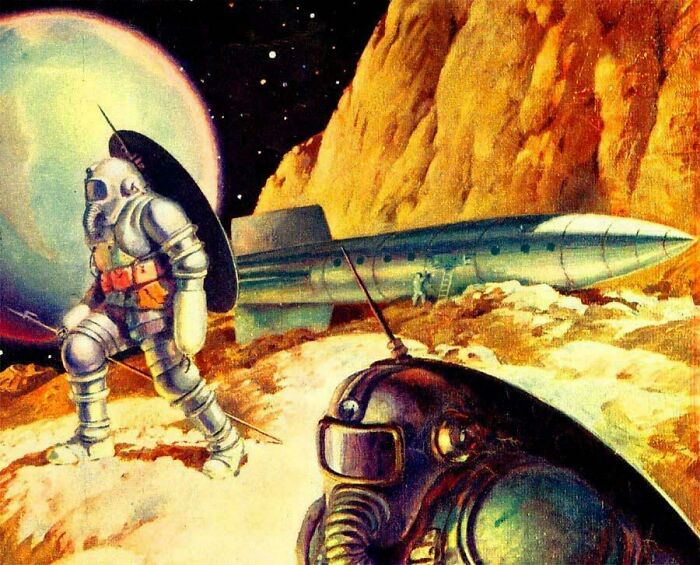
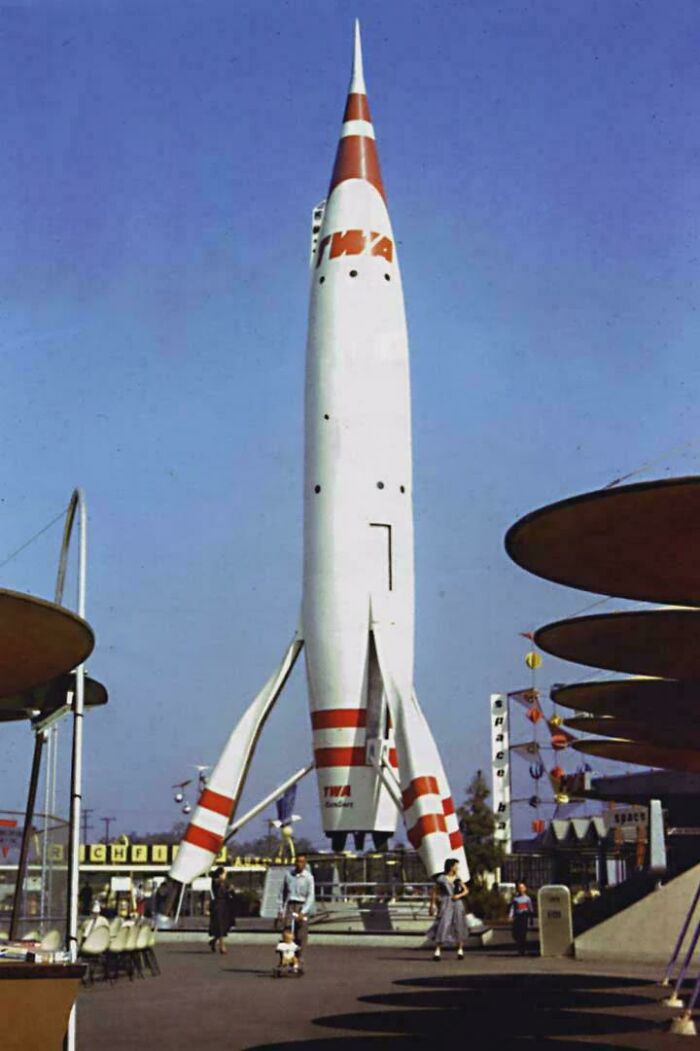
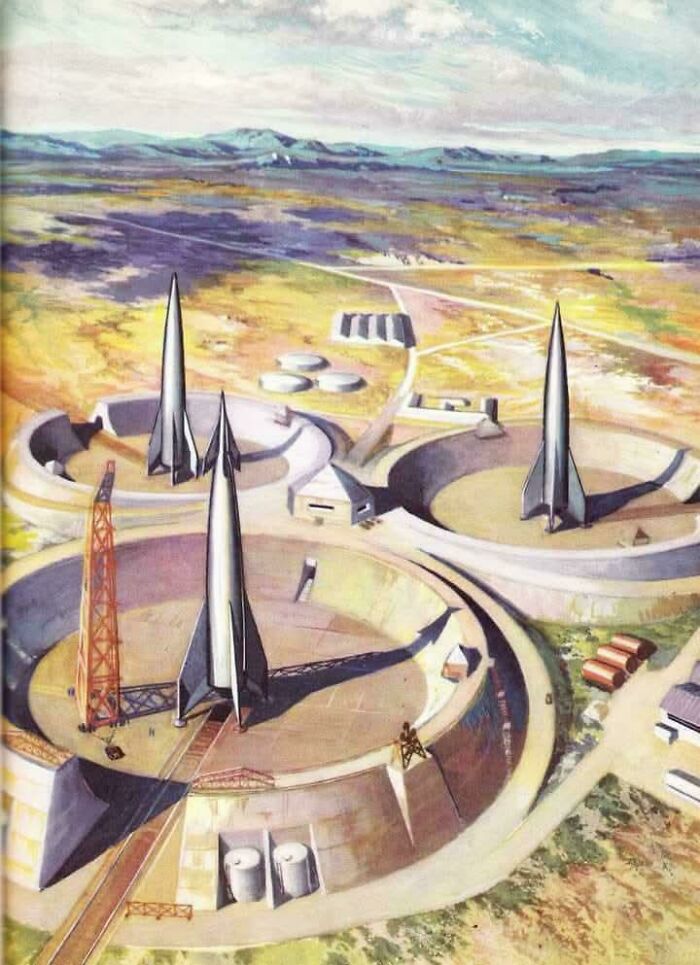
The term “retrofuturism,” Guffey and Lemay explain, was first coined in the 1980s, but it’s often associated with the futuristic visions that emerged during the early to mid-twentieth century. Notably, this was a pretty transformative era, defined by major industrial growth, global conflict, and rapid technological change. Considering, for example, the economic depression of the 1930s and WWII, it’s perhaps not surprising that, as the BBC explains, at that time, “ideas of the future began to look to the sky and into space.”
Image credits: User
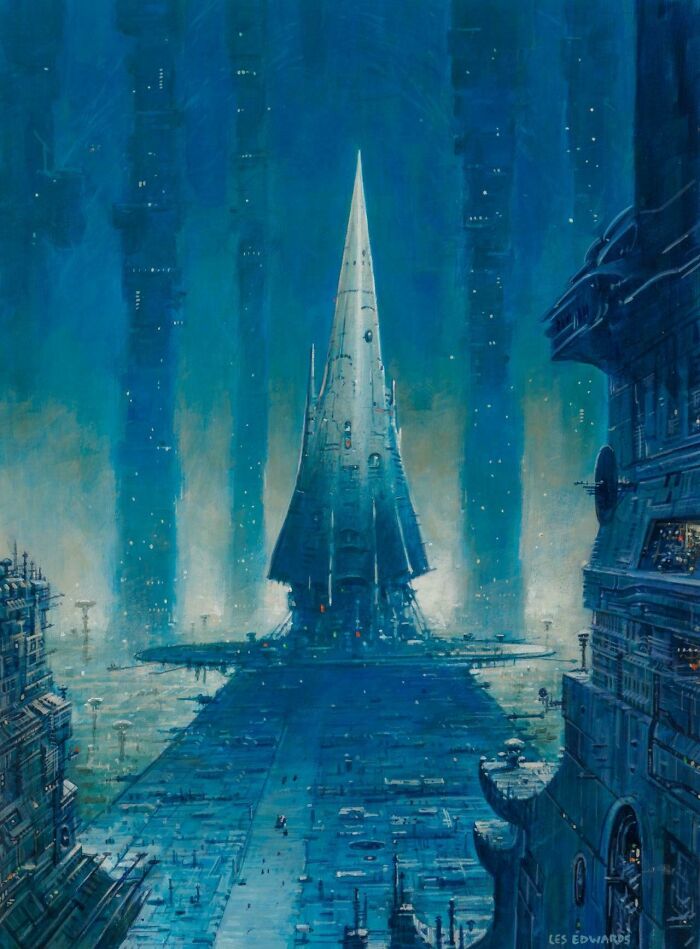
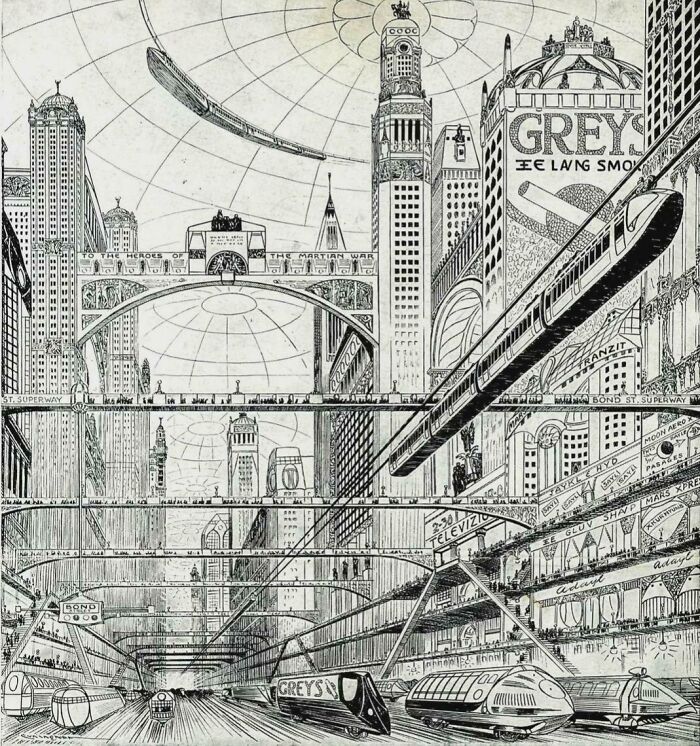
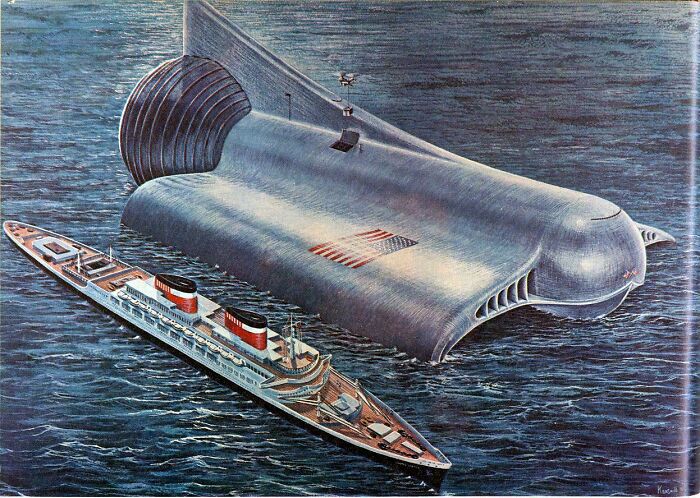
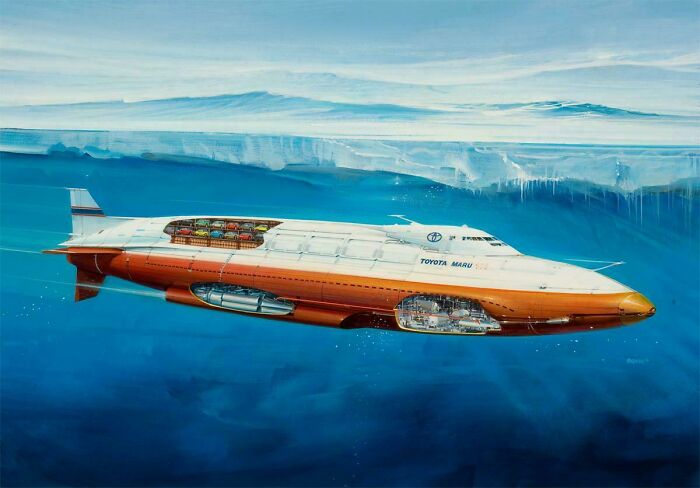
So, sure, retrofuturism helps us to see what people from an earlier era imagined (or hoped) was still to come, but those visions simultaneously tell us a lot about their present, too. That’s because every generation inevitably imagines the future from the vantage point of its own present. The technology people had encountered, the way their cities looked, the things they were excited about, and even the problems they hoped technology could solve—all this could influence what they thought the future might bring. And it’s also why a view of the future from the 1930s can look so different from one created decades later.
Image credits: User
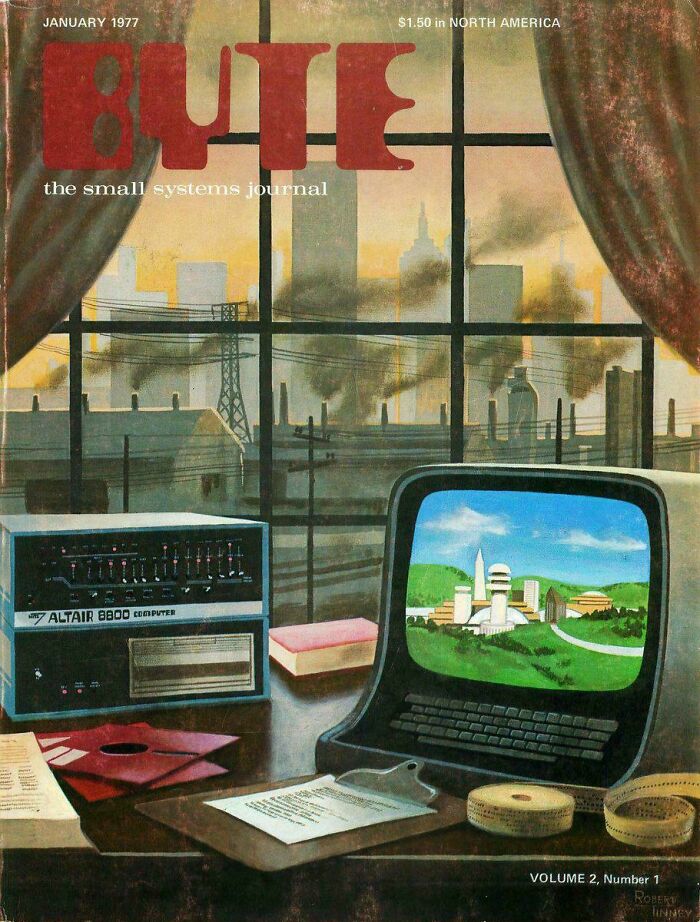
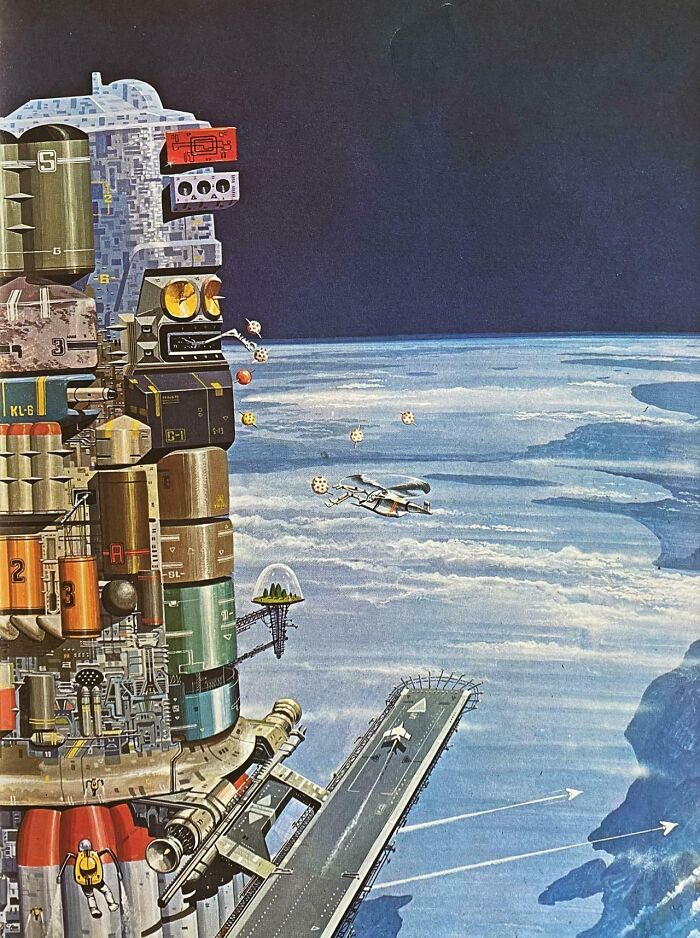
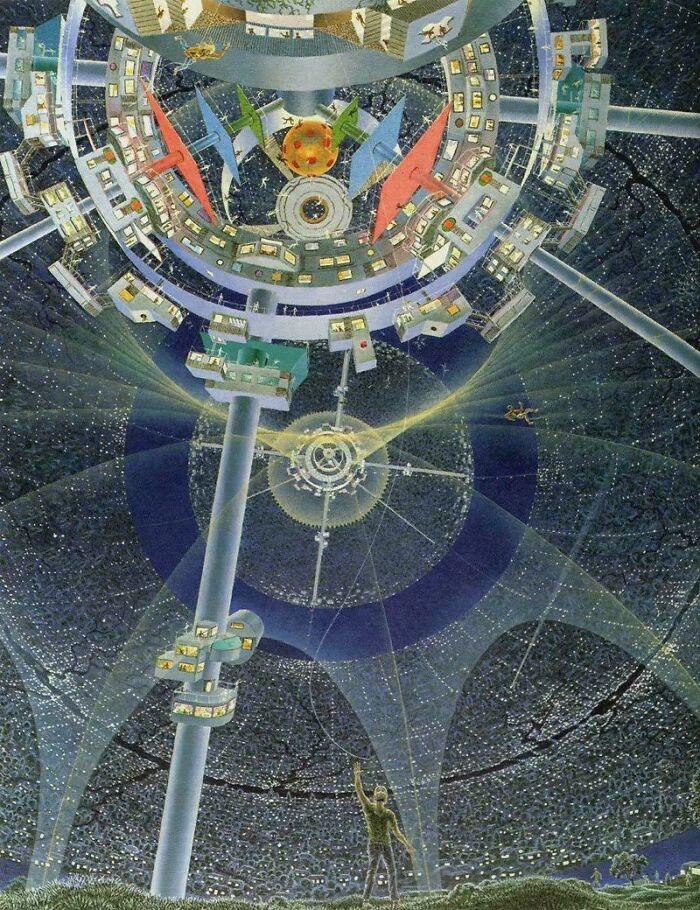
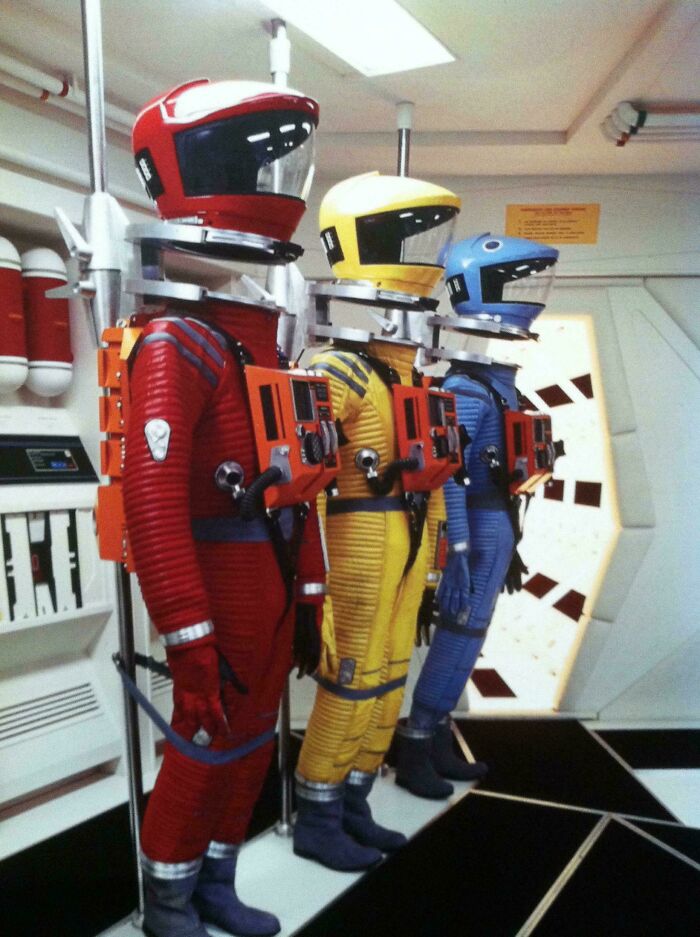
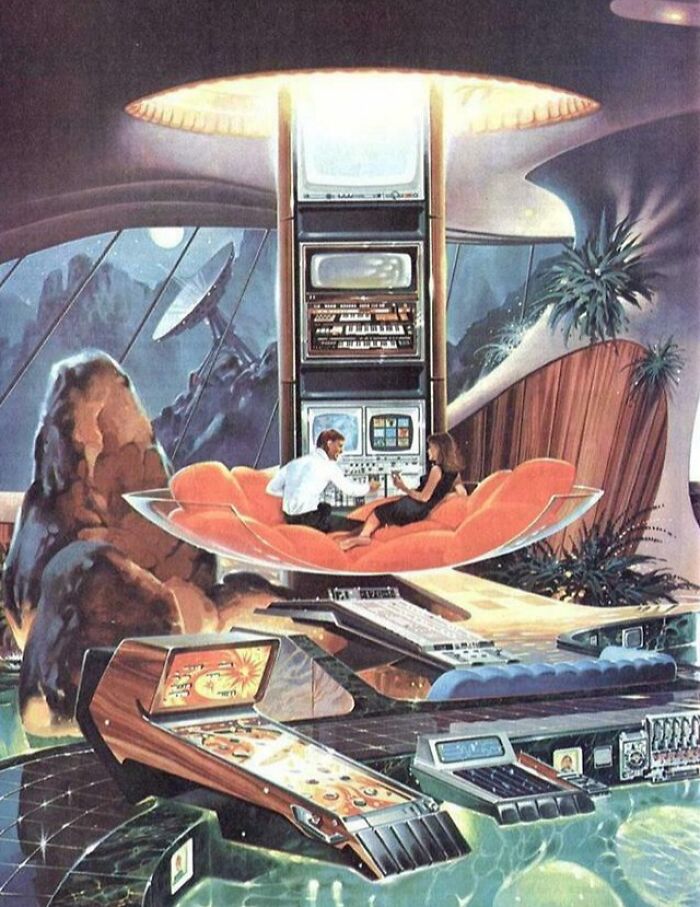
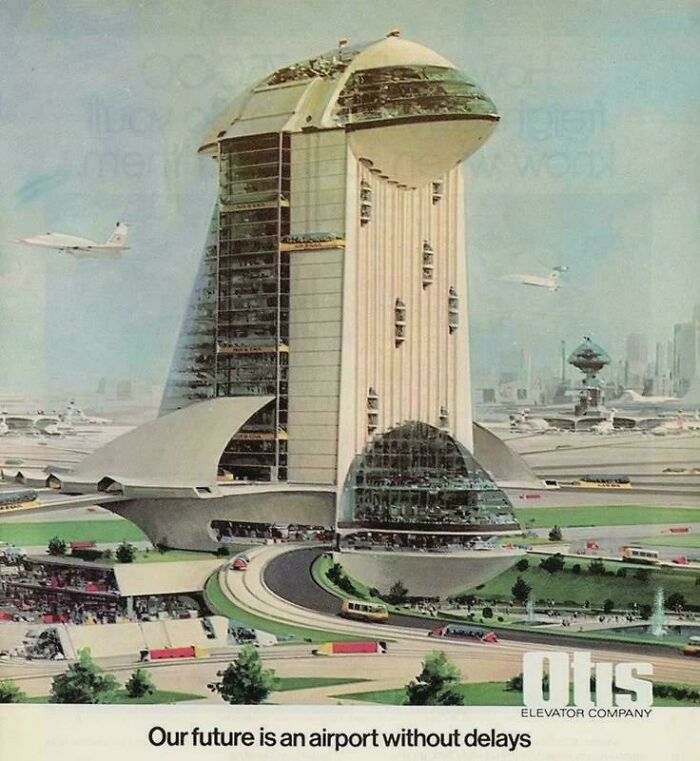
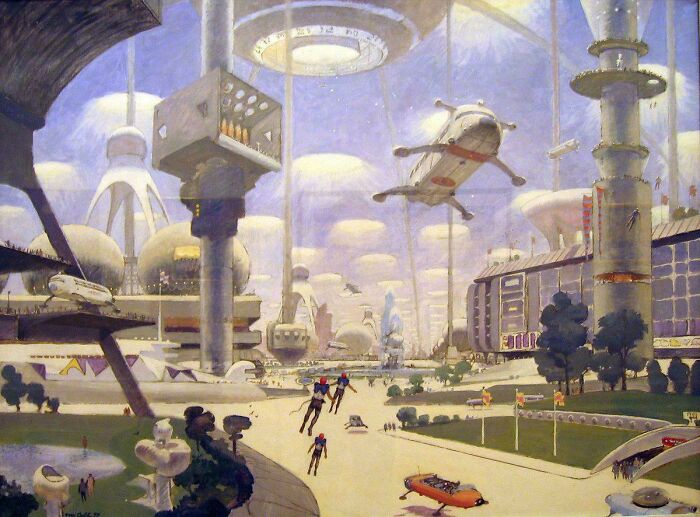
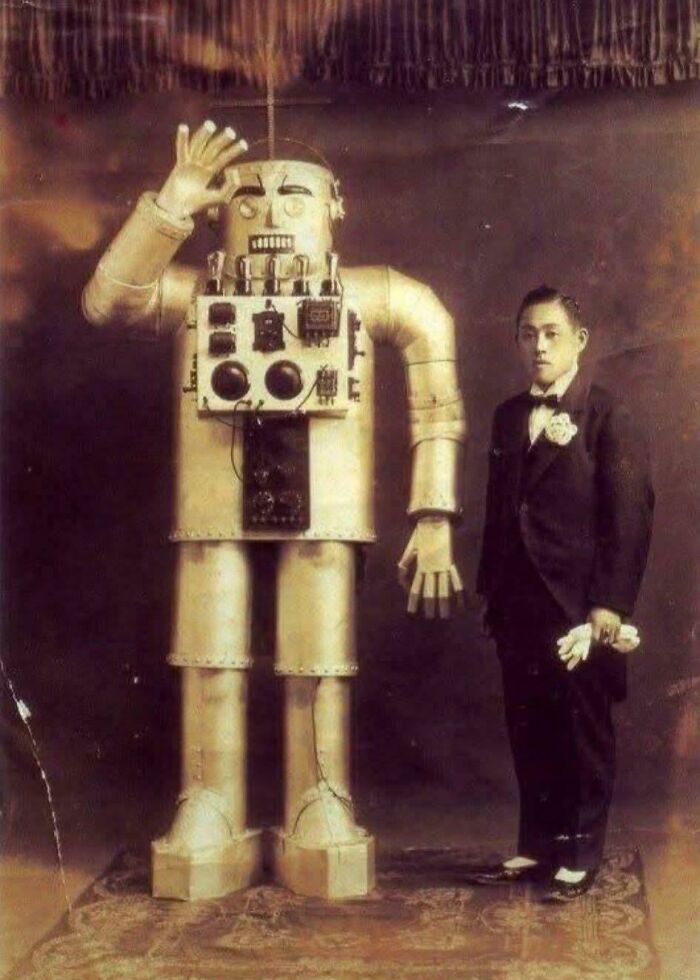
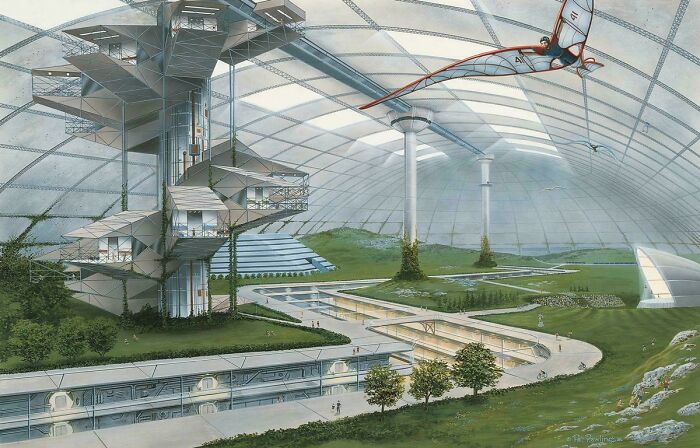
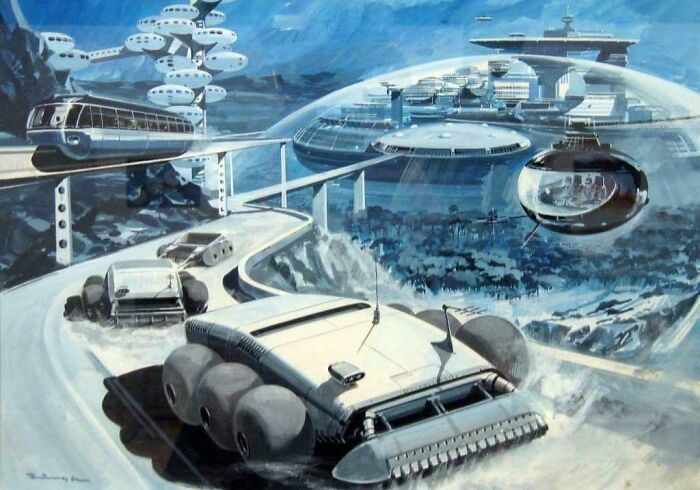
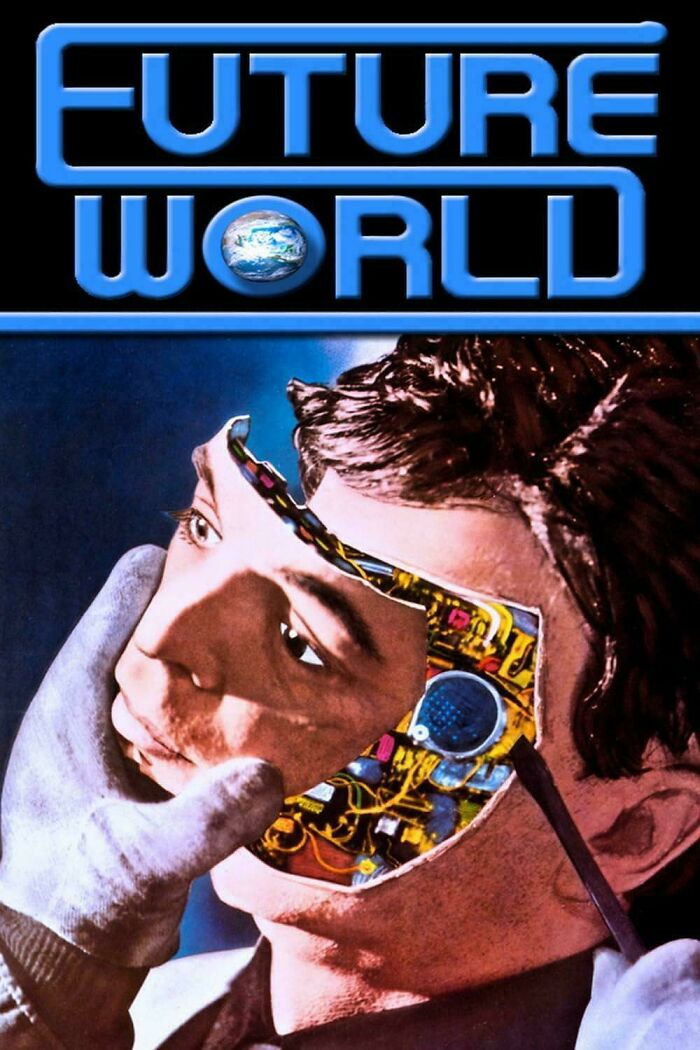
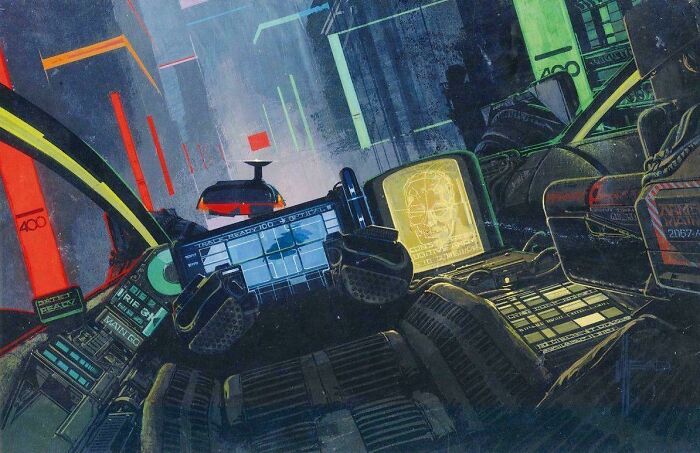
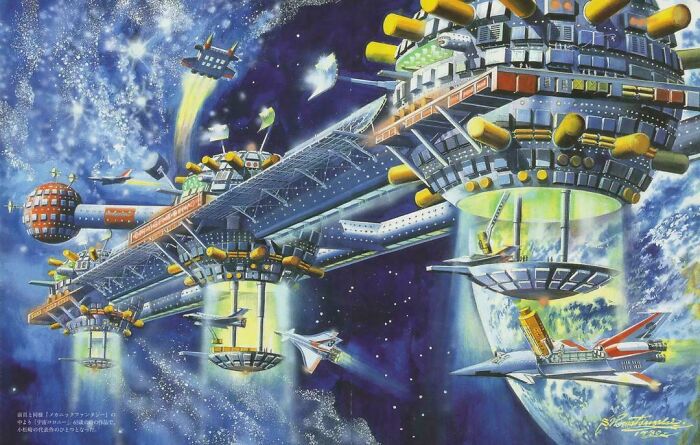
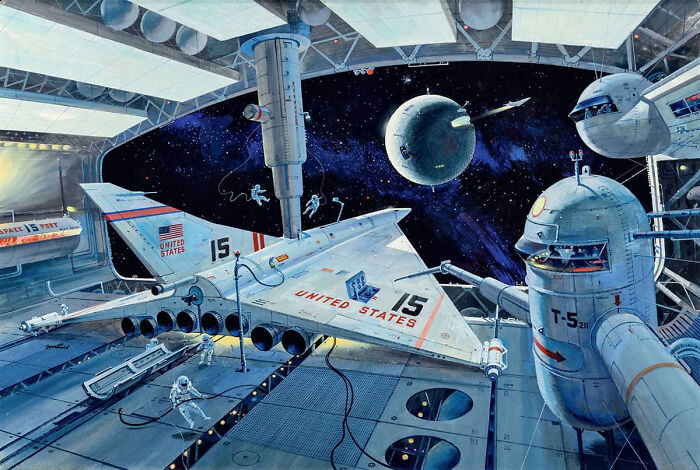
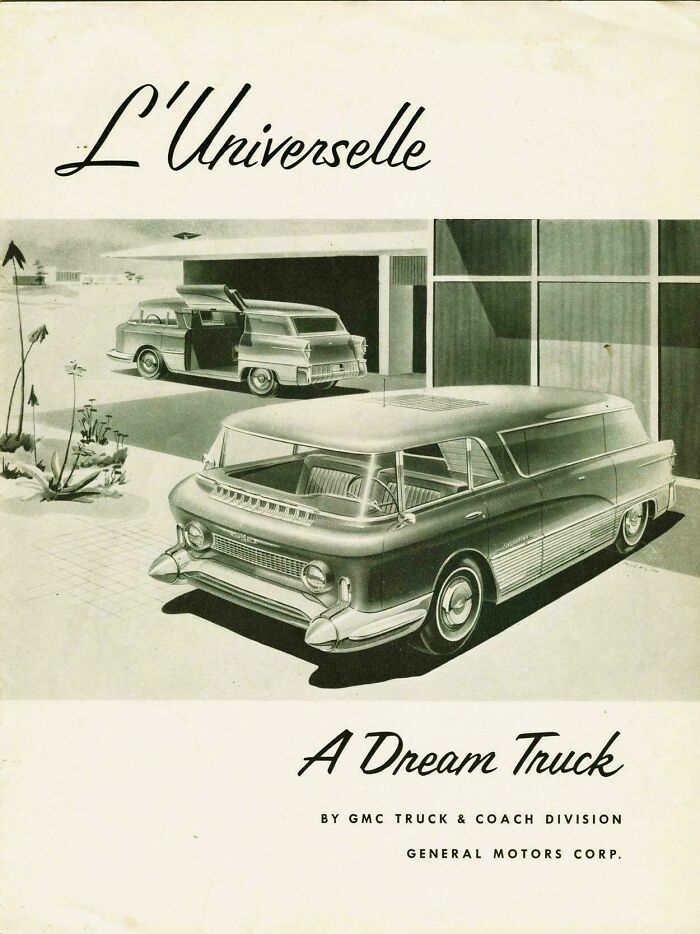
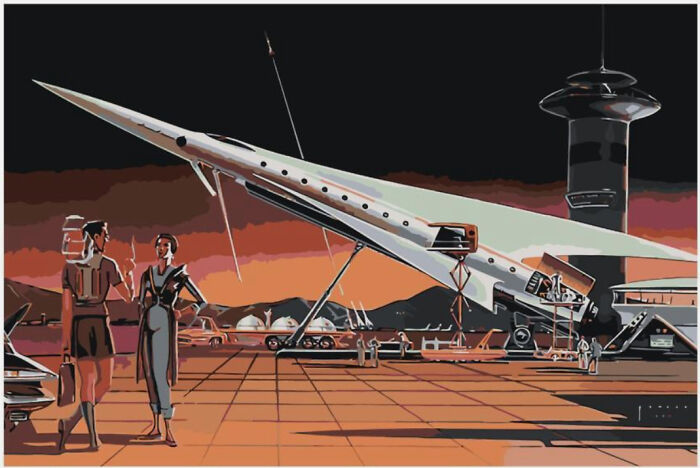
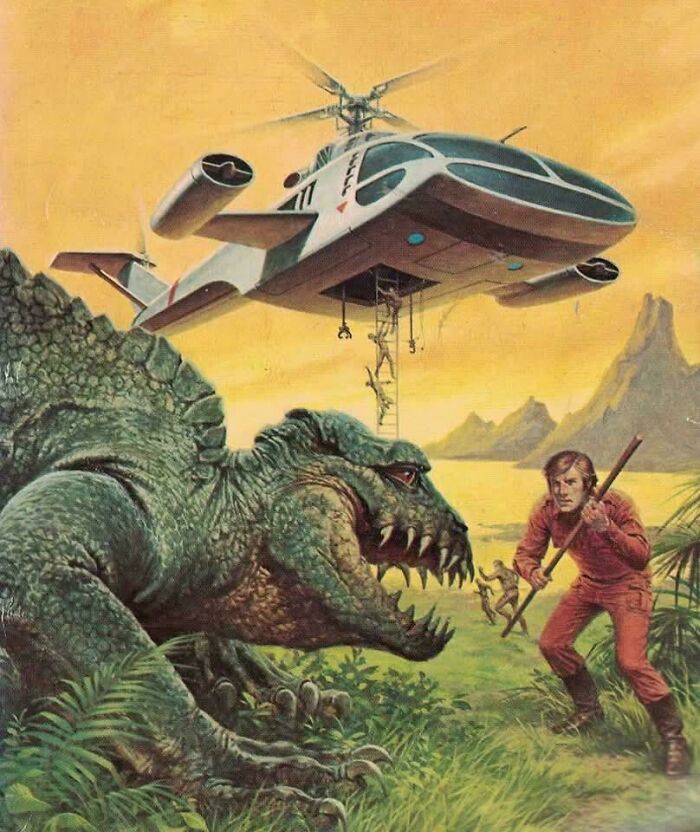
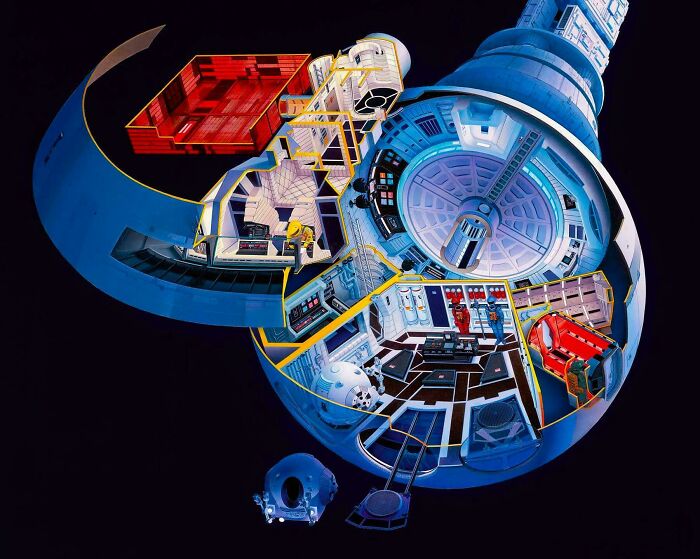
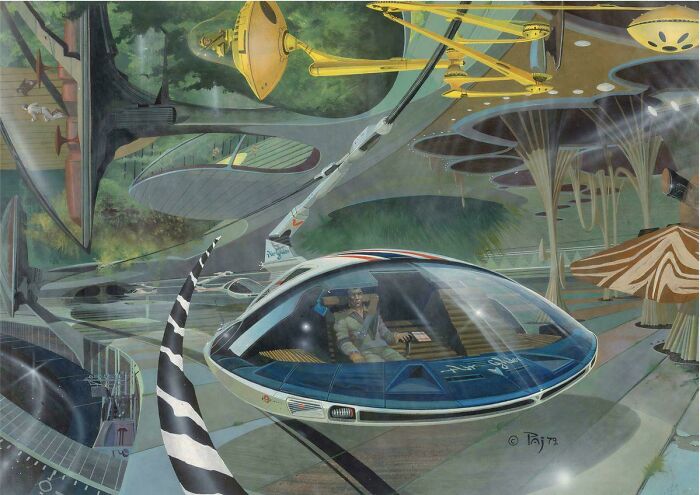
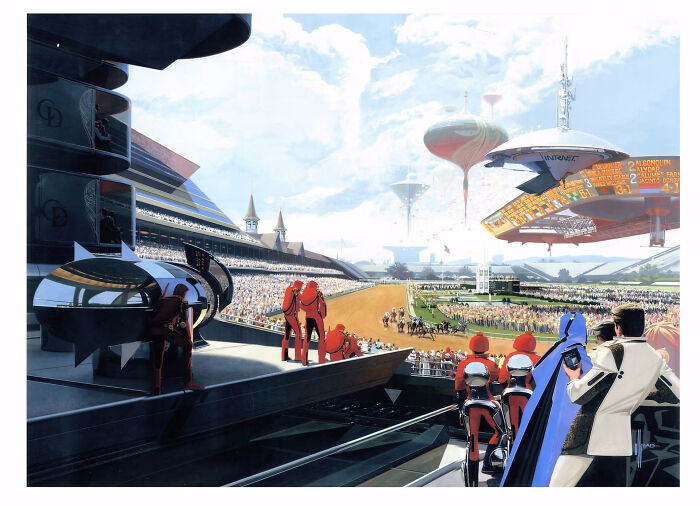
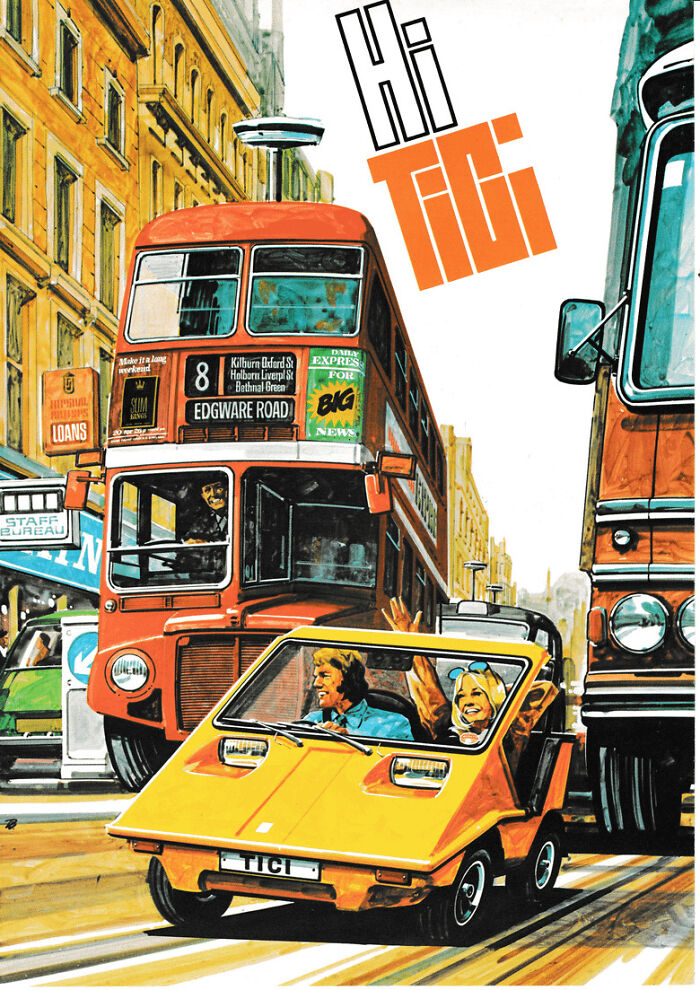
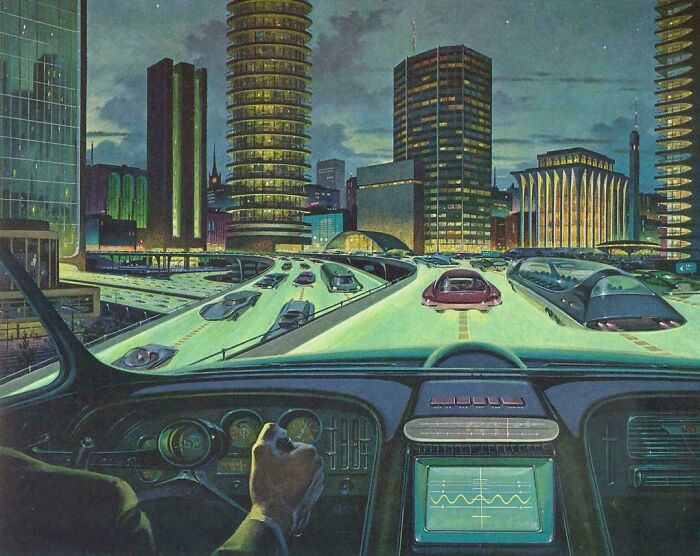
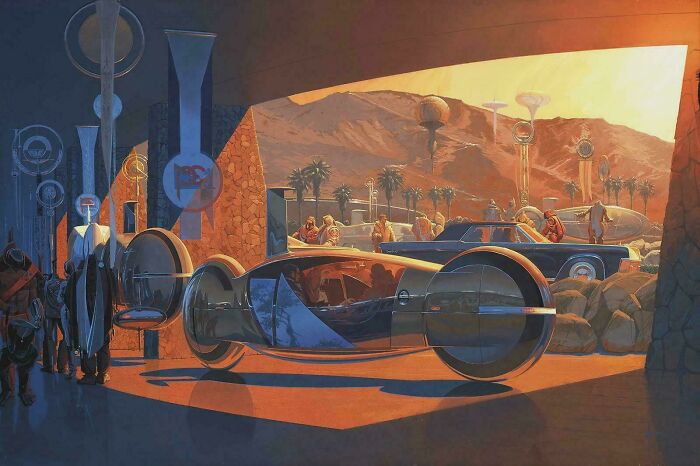
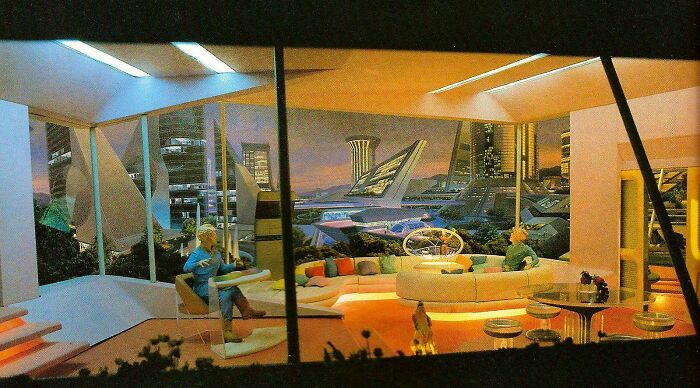
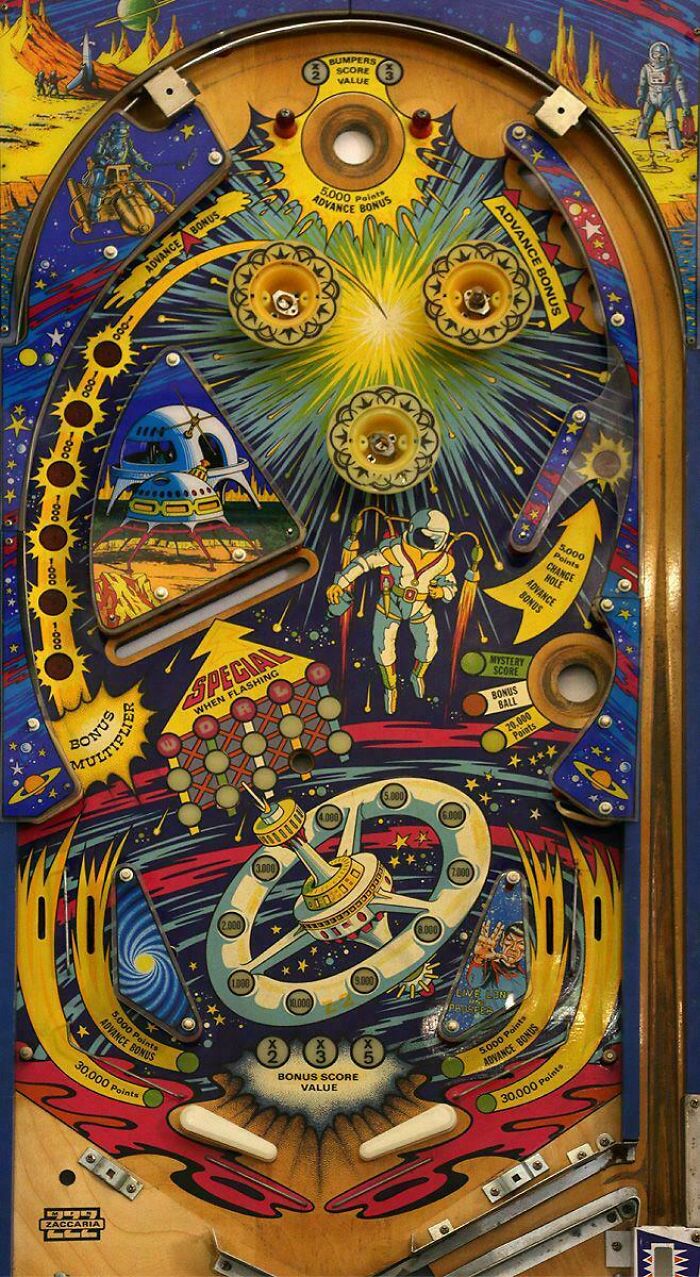
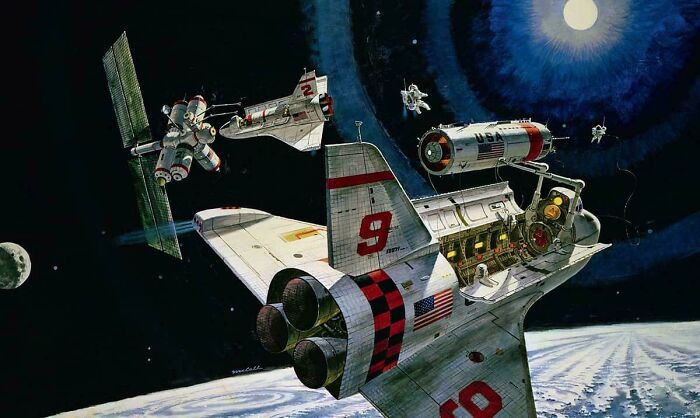
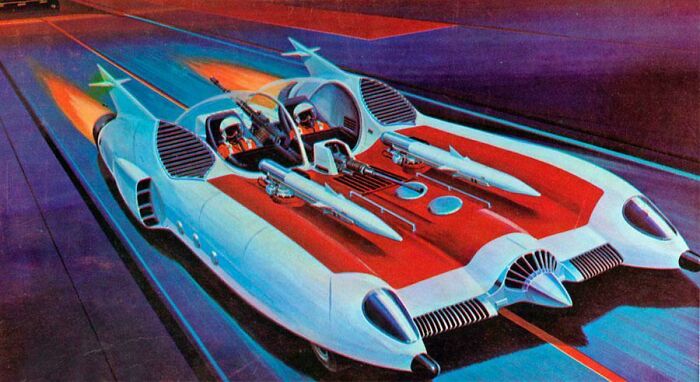
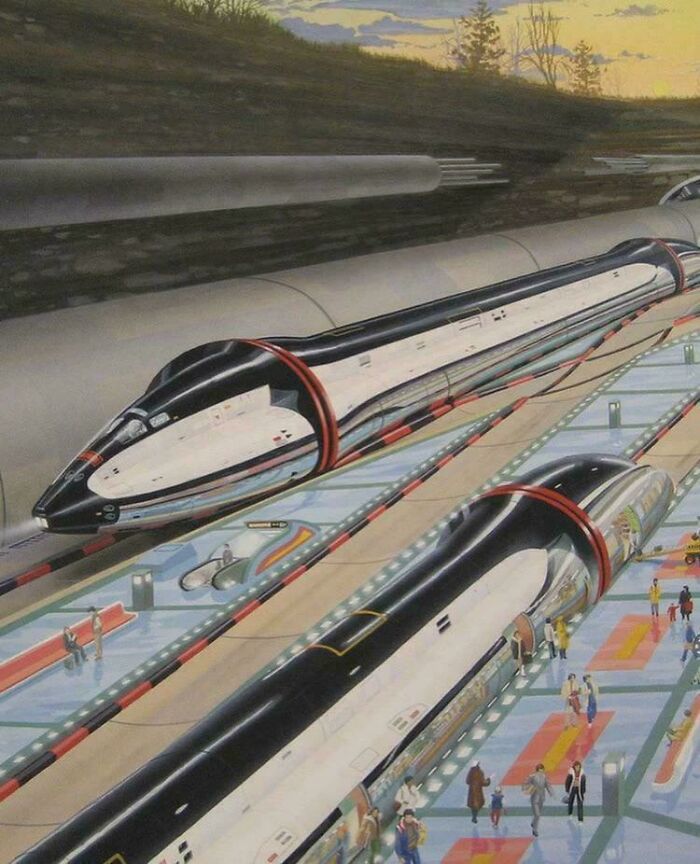
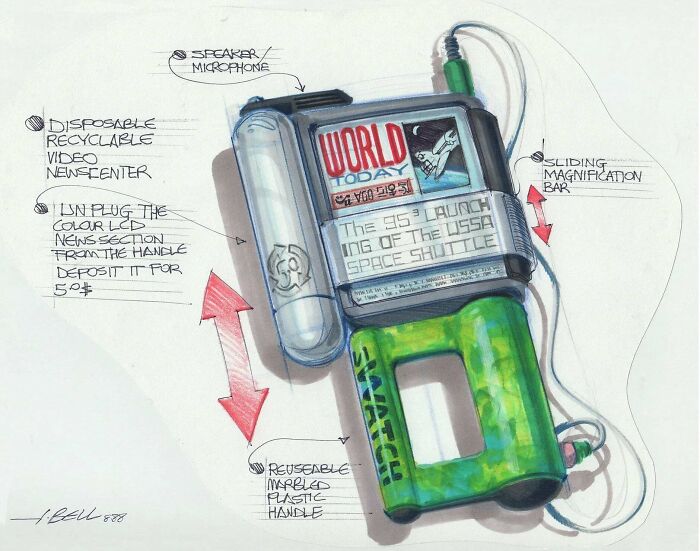
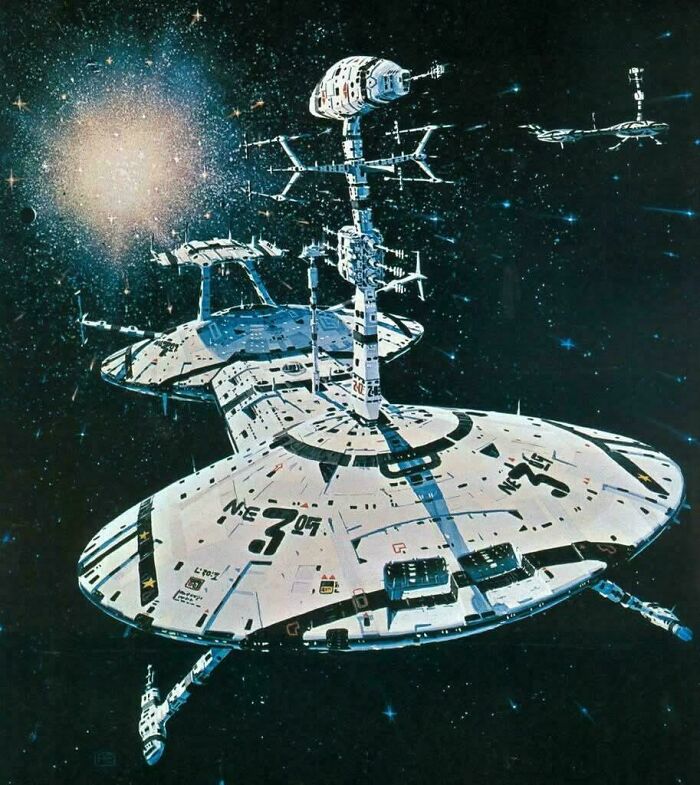
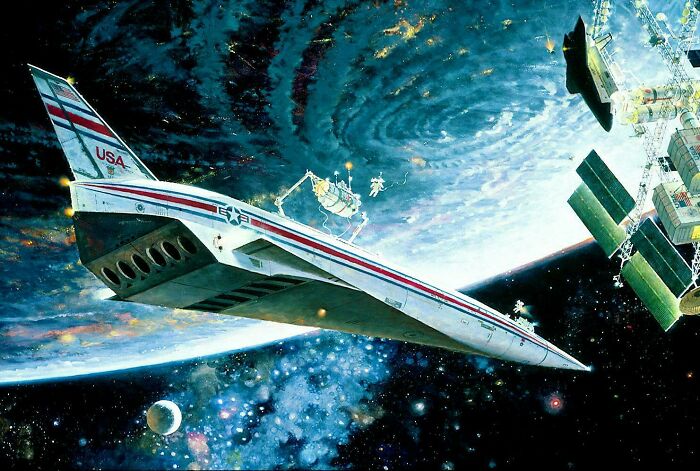
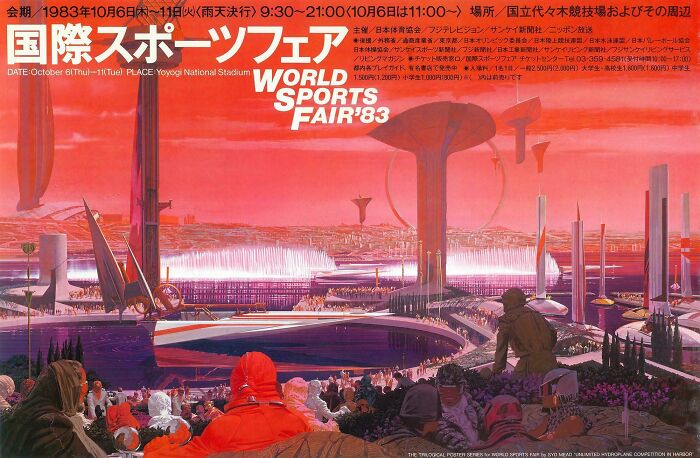
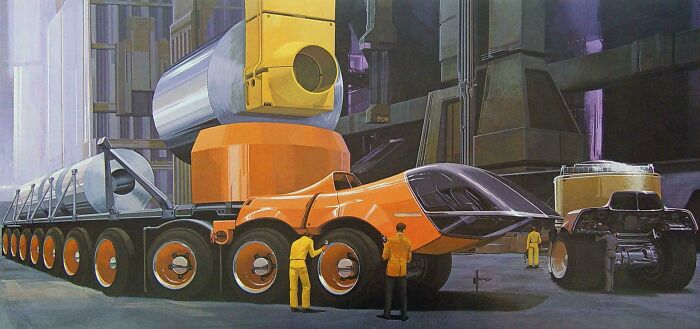
The technology depicted—like robot housekeepers and personal jet packs—is only part of what makes these visions so distinctive, though. Just as the ideas were shaped by their era, so too was the way they were presented. Futuristic buildings, vehicles, gadgets, clothing, and even aesthetic elements like typography and color often borrowed from the trends of the time, creating that unmistakable blend of the familiar and the fantastical that we now associate with retrofuturism. In that sense, it could be described as a meeting of nostalgia and imagination: we recognize the visual language, even when the world it depicts is one that never quite came to pass.
Image credits: User
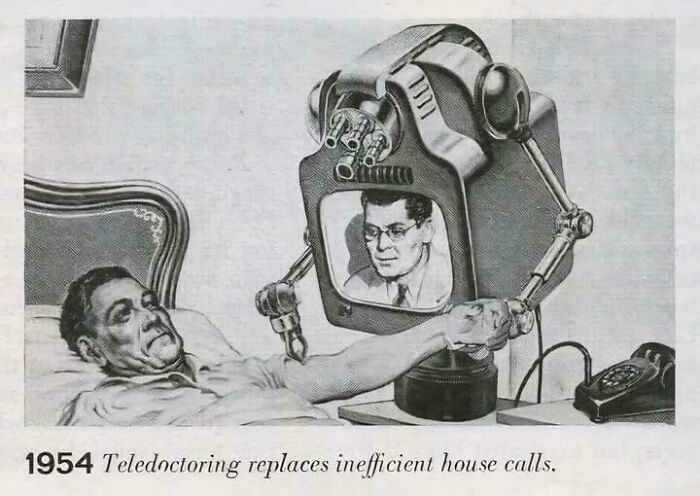
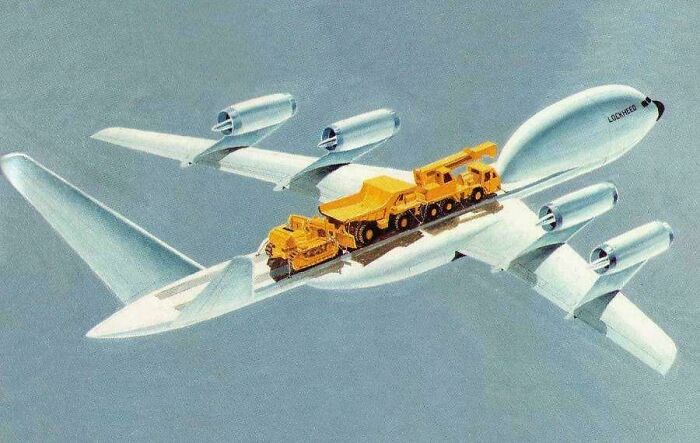
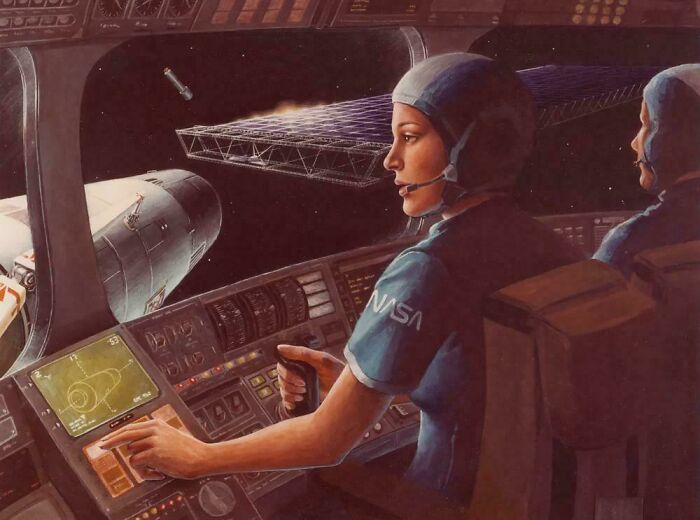
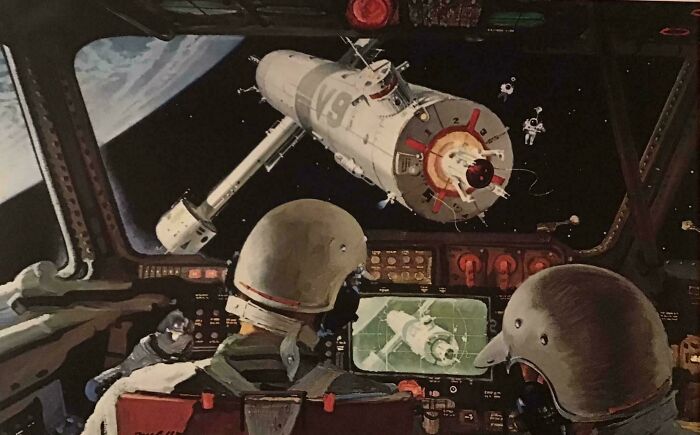
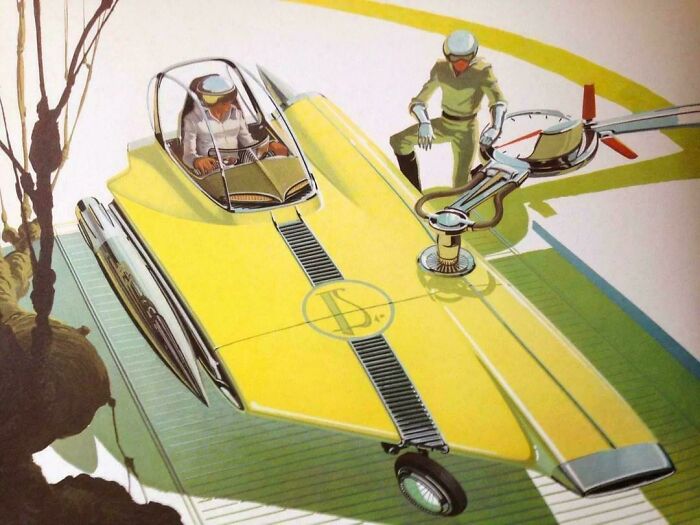
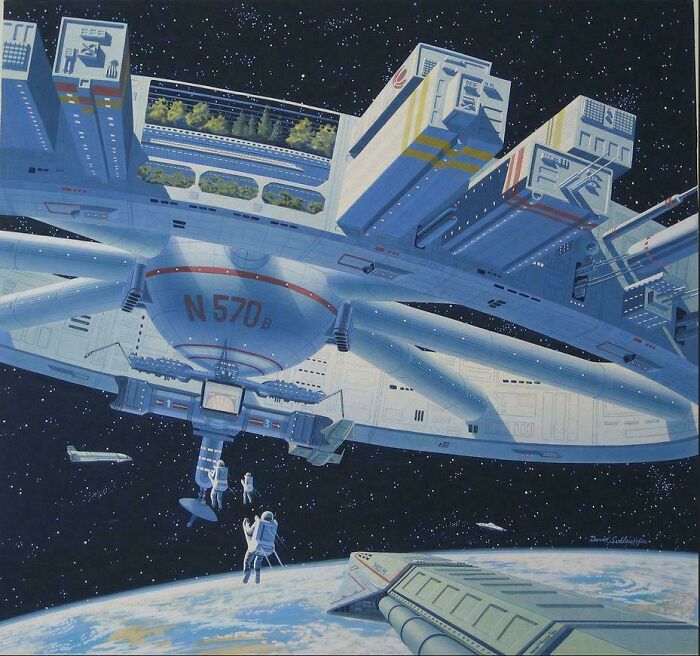
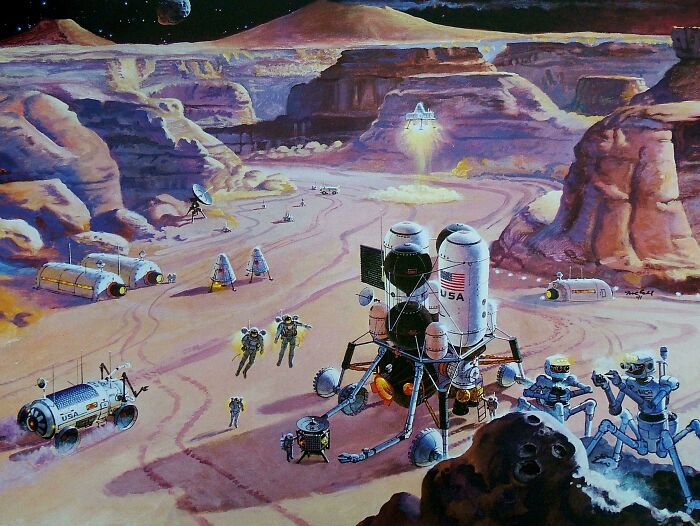
And that brings us to yet another reason why these images are so much fun to look at from the present. As one source puts it, retrofuturism “places yesterday’s rockets, streamlined cities, glowing consoles, synthetic clothes, and machine optimism beside the knowledge of what actually happened.” We have the benefit of hindsight. We know how the story turned out. Some visions came surprisingly close—think video calls, personal computers, spacecraft traveling to other planets, and increasingly automated homes. But others remain out of reach. We’re yet to build cities on the Moon or fill the skies with flying cars.
Image credits: User
But, as the BBC puts it, “It’s in the gap between these grand visions and reality that retrofuturism playfully exists.” And it’s where some of that ambivalence that Guffey and Lemay referred to comes in—what’s been described elsewhere as the “emotional and visual friction between a promised tomorrow and the present that inherited it.” We can admire the confidence and optimism of these visions while also knowing what actually happened, including the assumptions, blind spots, and unintended consequences that may have accompanied them.
Image credits: User
And perhaps that’s why these visions continue to hold our attention. They’re snapshots of what people in different eras thought was possible, exciting, desirable, or just around the corner. Looking at them now means seeing both the future they imagined and the present they were living in.
Image credits: User
As the BBC points out, “Today, the rate of change is so incredibly fast, it can be hard to imagine the future.” Maybe that’s part of what makes these older visions so compelling: they remind us of a time when people seemed perfectly willing to imagine futures that went far beyond an even smaller phone or the next update to a familiar technology. But who knows? A few decades from now, someone might look back at our own visions of tomorrow and find that some were surprisingly on the money, while others were charmingly off the mark.
Image credits: User
Image credits: User
Image credits: User
Image credits: User
Image credits: User
Image credits: User
Image credits: User
Image credits: User
Image credits: User
Image credits: User
Image credits: User
Image credits: User
Image credits: User
Image credits: User
Image credits: User
Image credits: User
Image credits: User
Image credits: User
Image credits: User
Image credits: User
Image credits: User
Image credits: User
Image credits: User
Image credits: User
Image credits: User
Image credits: User
Image credits: User
Image credits: User
Image credits: User
Image credits: User
Image credits: User
Image credits: User
Image credits: User
Image credits: User
Image credits: User
Image credits: User
Image credits: User
Image credits: User
Image credits: User
Image credits: User
Image credits: User
Image credits: User
Image credits: User
Image credits: User
Image credits: User
Image credits: User
Image credits: User
Image credits: User
Image credits: User
Image credits: User
Image credits: User
Image credits: User
Image credits: User
Image credits: User
Image credits: User
Image credits: User
Image credits: User
Image credits: User
Image credits: User
Image credits: User
Image credits: User
Image credits: User
Image credits: User
You might also like: 36 famous people who did evil things in the past, but the world sort of ignored it
Follow Bored Panda’s daily dive into internet culture on MSN for more curious finds, quirky content, and offbeat observations.
































 No fees, cancel anytime










0
0