Get Premium
Dark mode theme is available exclusively for premium users. Learn more about the benefits of subscribing.
No fees, cancel anytime.

 Dark Mode Ad-Free Browsing Unlimited Content
 Ad-Free Browsing Unlimited Content Dark Mode
Join 1.2 million Panda readers who get the best art, memes, and fun stories every week!
Scammers are always innovating so one really has to be aware. Typically, when we spot a scam, most of us are just relieved that we escaped it, but some folks have a vindictive streak to them and are willing to strike back.
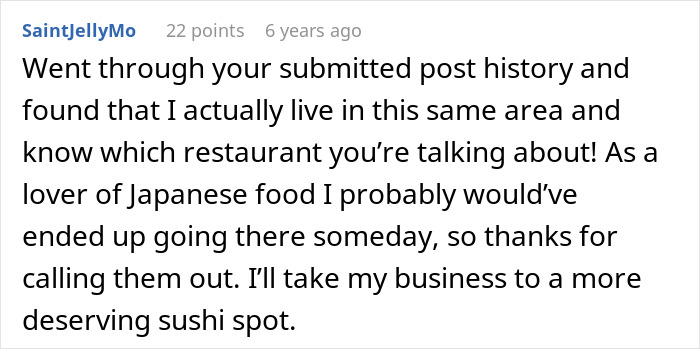
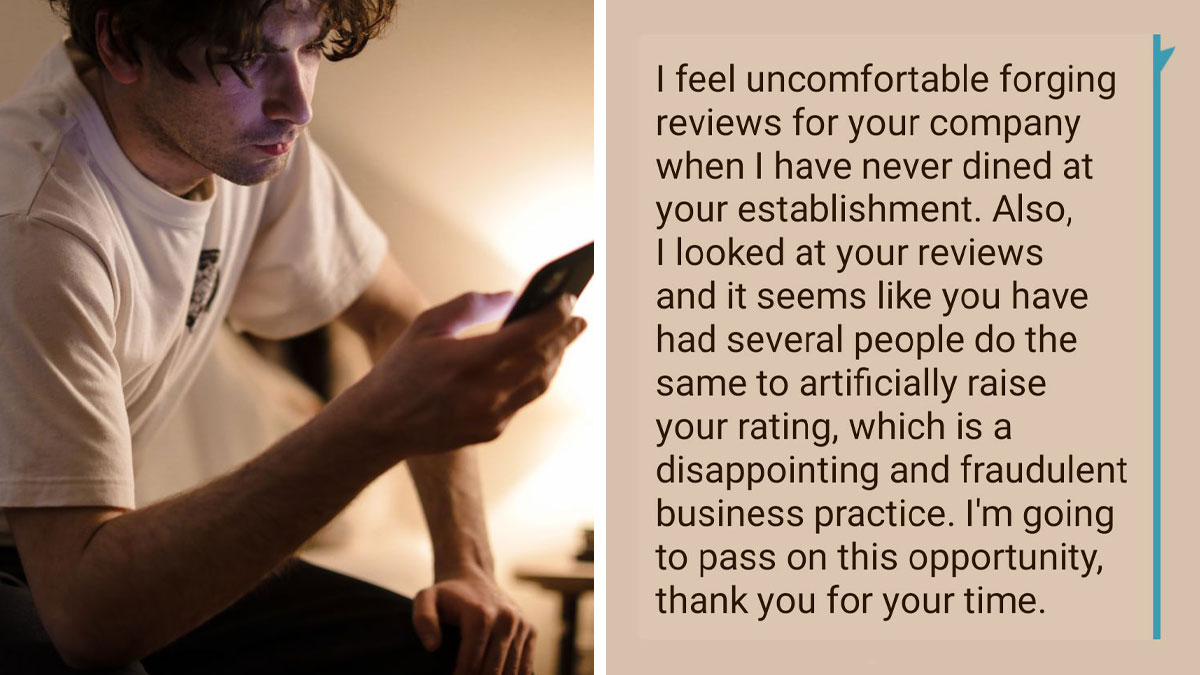
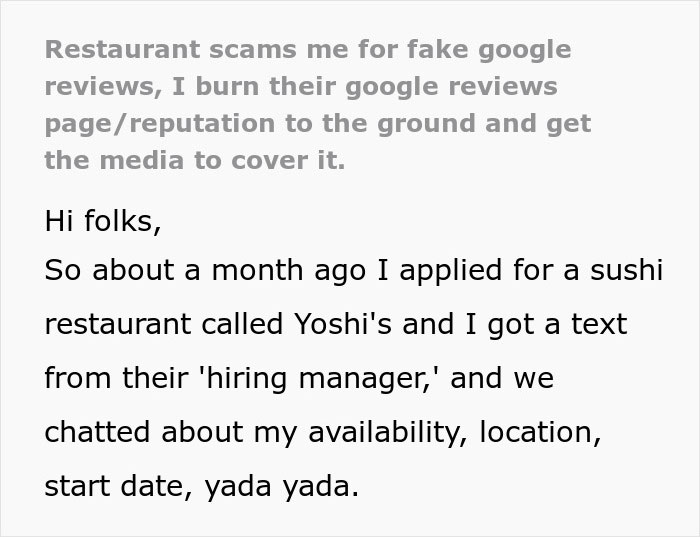
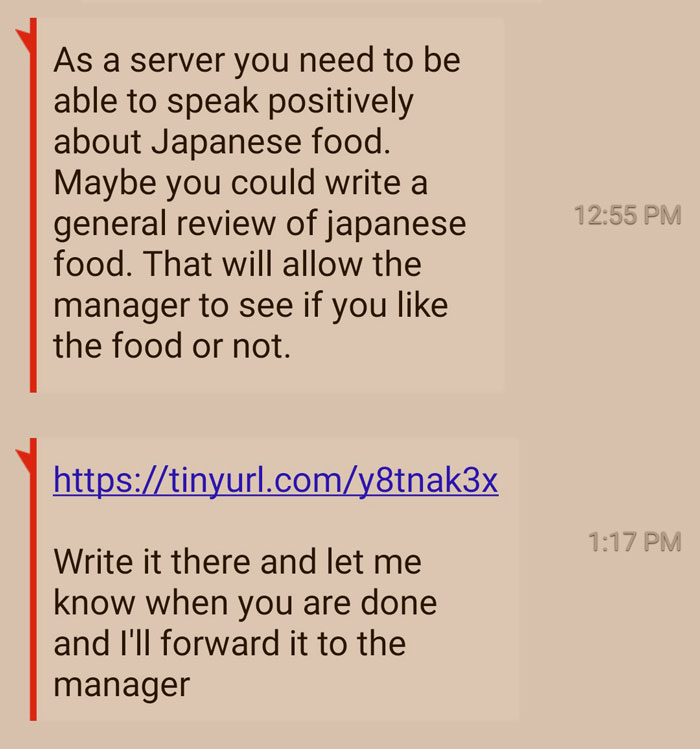
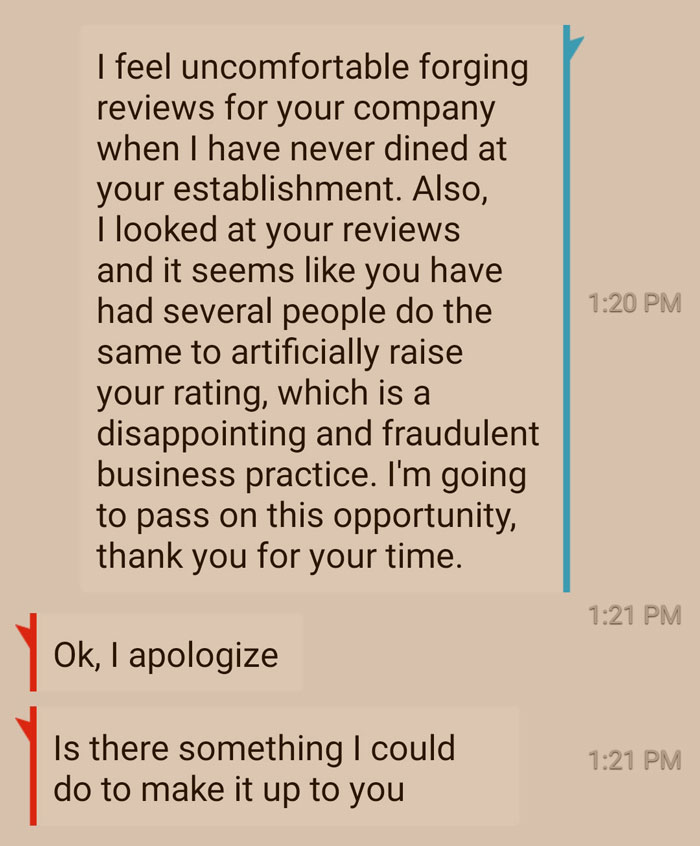
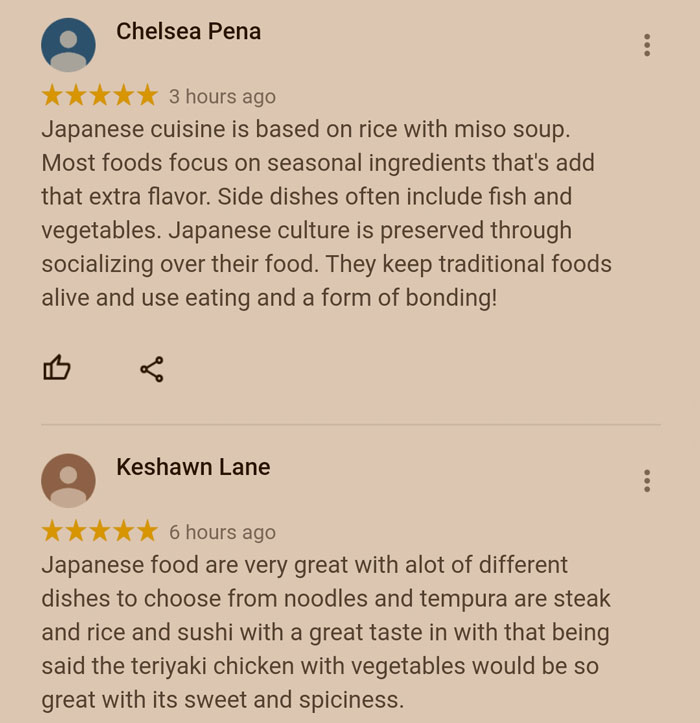
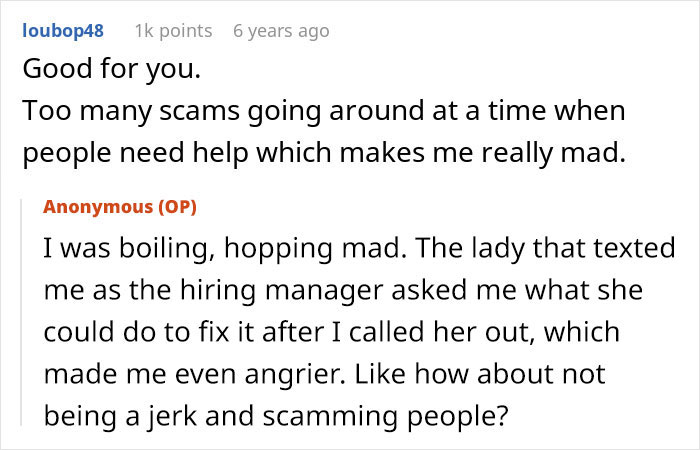
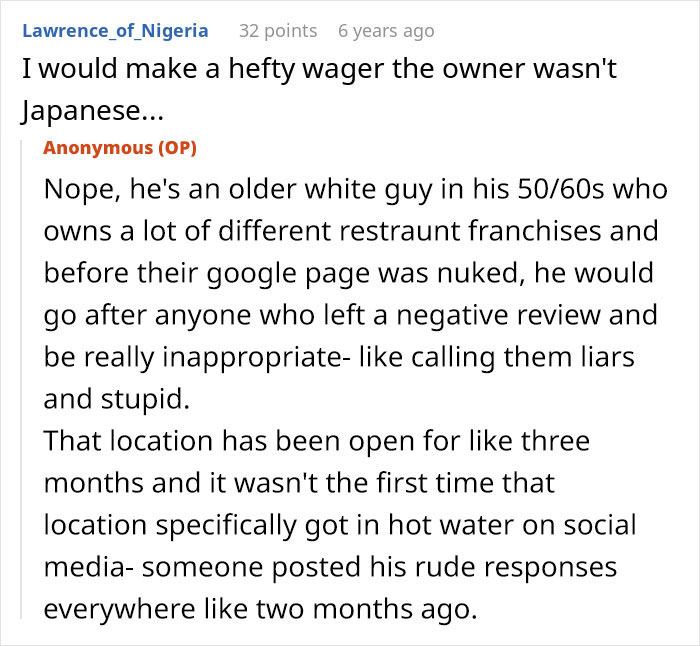
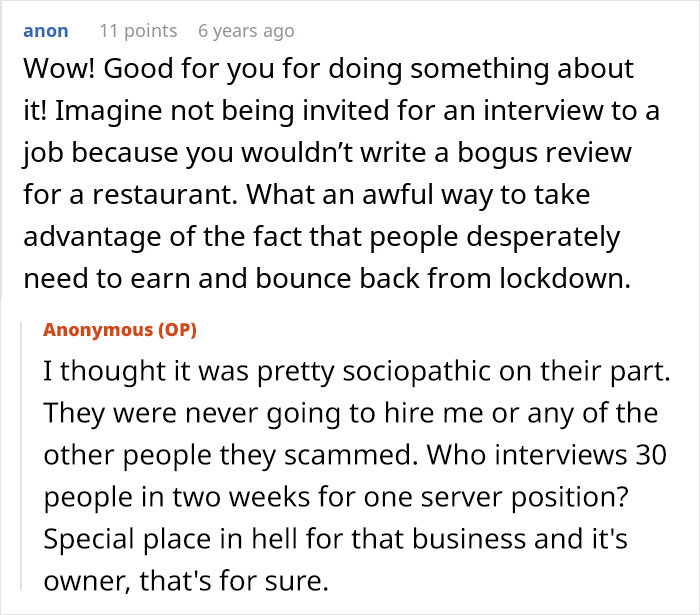
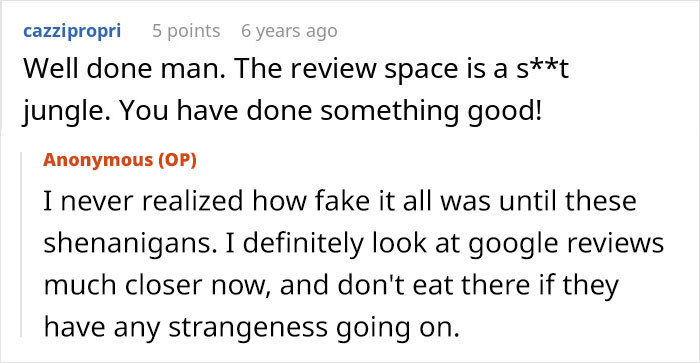
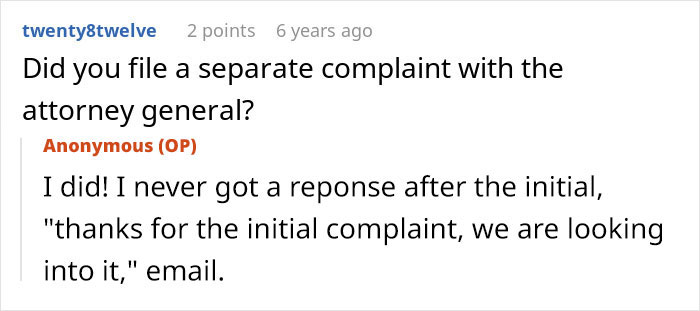
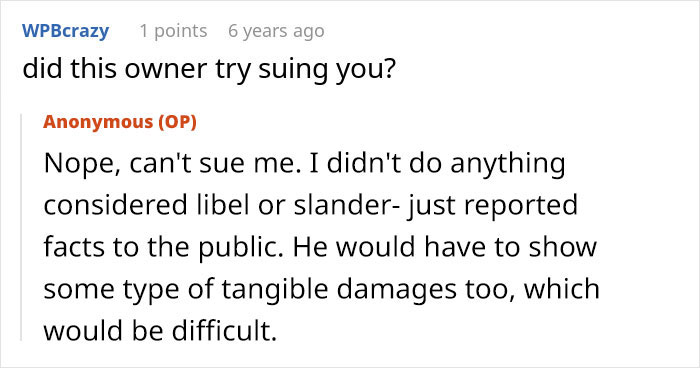
A netizen realized part of the way through a job interview that the entire setup was a way for a restaurant to get fake Google reviews. So they decided that enough was enough and proceeded to get every review taken down. Their story ended up going viral as a wonderful example of patience and vengeance.
Image credits: Ron Lach / Pexels (not the actual photo)
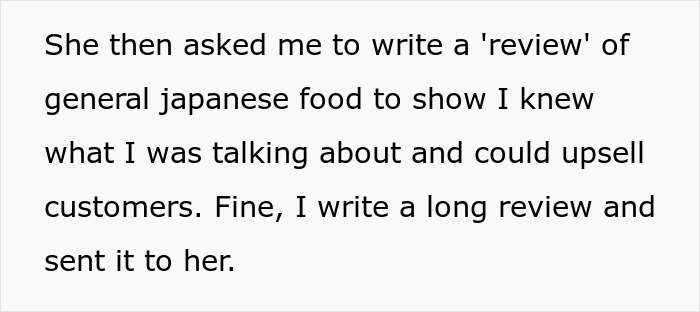
Image credits: AndrewGrayCreations
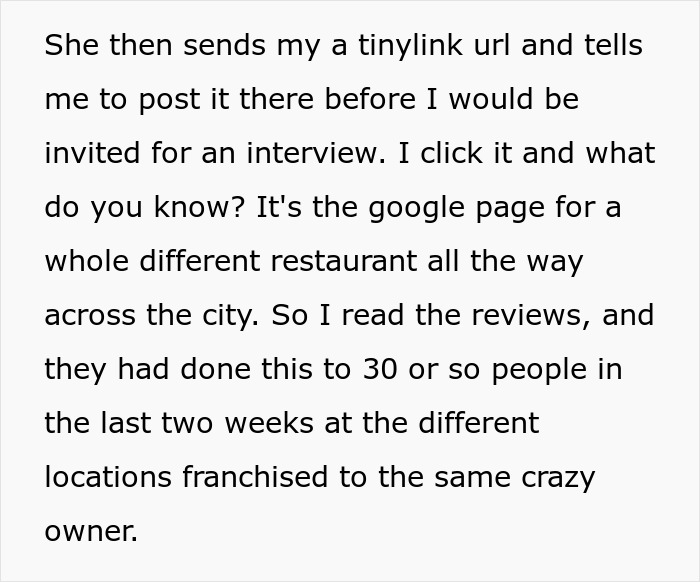
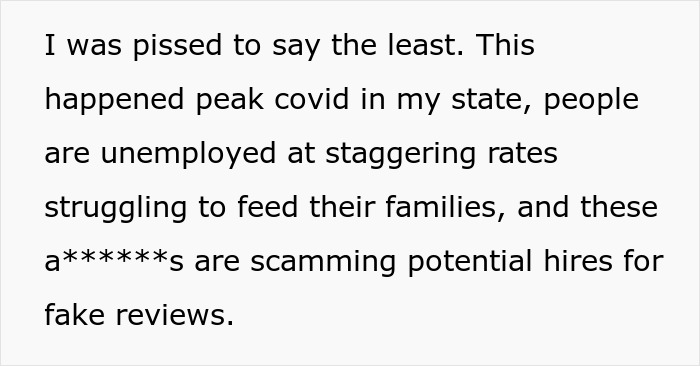
Image credits: AndrewGrayCreations
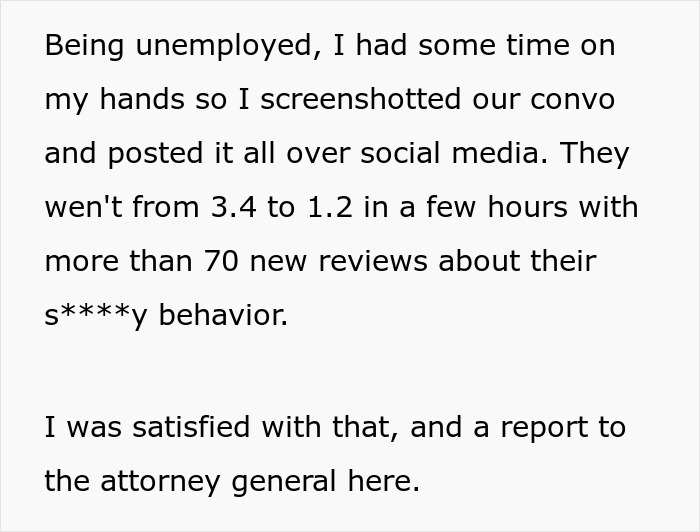
Image credits: Ayşe / Pexels (not the actual photo)
Image credits: anonymous
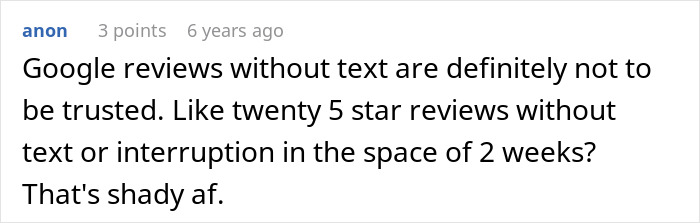
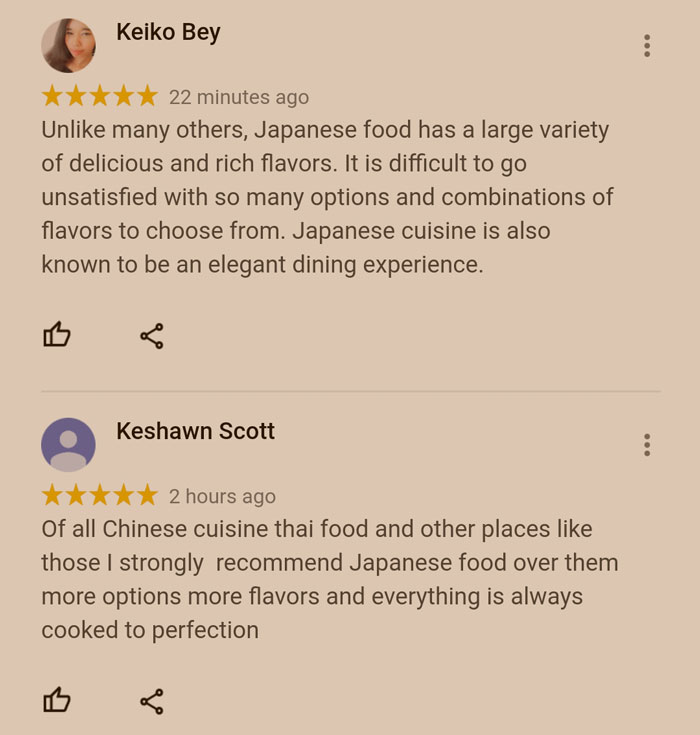
Using unsuspecting job seekers to generate Google reviews is a creative twist on a problem that runs much wider across the restaurant industry. Businesses have been manufacturing fake positive reviews for years, through everything from paid review farms to getting employees and family members to flood a listing. What the Yoshi’s situation illustrates is just how far some operators are willing to go, and how vulnerable job hunters can be to that kind of manipulation.
The underlying motivation is not hard to understand. Research shows that a single additional star on a restaurant’s Google rating can push revenues up by as much as 9%. In a low-margin industry where every table matters, that kind of jump from tweaking a number is genuinely significant. It also helps explain why the owner in question ran the scheme across multiple franchise locations rather than keeping it contained. More locations, more applicants, more fabricated reviews flowing in.
The job applicant angle is particularly cynical because it outsources the work to people who have every incentive to write something convincing. Someone trying to land a job is not going to phone it in. They’ll write something thoughtful and credible, which is exactly what makes these reviews harder for automated systems to catch. Google removed more than 240 million policy-violating reviews in 2024, with over 85% of problematic content blocked before it even goes live. But reviews written by real people, from real IP addresses, with genuine culinary knowledge baked in, are a much harder target than bot-generated copy.
There is a legal dimension to this that many businesses overlook.
Since October 2024, the FTC has been operating under a formal rule banning fake reviews and testimonials, covering reviews that misrepresent the reviewer’s actual experience with a business. The rule gives the FTC authority to pursue civil penalties of up to $51,744 per violation. That figure stacks up fast across a franchise with multiple locations running the same scheme. The rule prohibits providing compensation or incentives in exchange for reviews expressing a particular sentiment, whether or not the conditional nature of that offer is stated explicitly. Dangling a job interview in exchange for a glowing write-up fits that definition quite neatly.
Image credits: MART PRODUCTION / Pexels (not the actual photo)
The business risks go beyond regulatory exposure. What happened to the restaurant in the original post illustrates a fragility that owners running these schemes rarely account for: once the method becomes public, the reputational damage tends to far outpace whatever the fake reviews were worth. It took only a few hours for the rating to crater from 3.4 to 1.2 after the person posted screenshots on social media. The aforementioned research shows that negative fake reviews reduce business by around 25%, but that figure assumes the reviews are manufactured. When real, genuinely angry people pile on in response to a documented scam, the effect can be far worse and far faster.
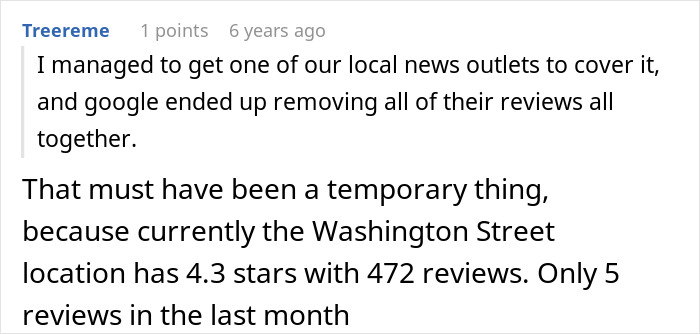
There is also the question of what happens when Google gets directly involved. Critics have pointed out that Google’s approach to fake reviews can resemble a whack-a-mole operation, with fraudulent new profiles constantly replacing removed ones. But that dynamic can cut both ways. When a coordinated effort to game the system gets formally reported, the platform has shown it will remove a business’s entire review history rather than parsing through it line by line, which is exactly what happened in this case.
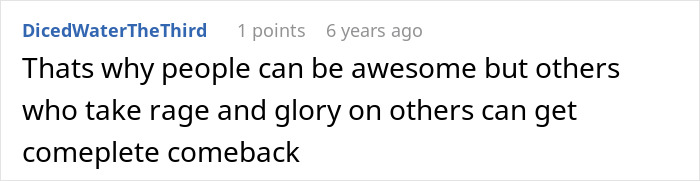
Over 72% of consumers already believe fake reviews are becoming a routine part of online life, which means trust in these systems is eroding whether or not any individual restaurant gets caught. Every business that runs a scheme like this contributes to a problem that ultimately penalizes the operators playing it straight. The people being exploited along the way, job seekers often under real financial pressure, are simply treated as a means to an end. The fact that it so spectacularly backfired this time is at least a small reminder that the internet has a long memory, and that people with nothing to lose and screenshots to share can be a formidable opponent.









By entering your email and clicking Subscribe, you're agreeing to let us send you customized marketing messages about us and our advertising partners. You are also agreeing to our Privacy Policy.
Thank you! You've successfully subscribed to newsletters!


What three precent said "Somewhat understandable but still wrong"? Are you the sort of people that would ask for someone to do this?
What three precent said "Somewhat understandable but still wrong"? Are you the sort of people that would ask for someone to do this?































 No fees, cancel anytime










30
2