Get Premium
Dark mode theme is available exclusively for premium users. Learn more about the benefits of subscribing.
No fees, cancel anytime.

 Dark Mode Ad-Free Browsing Unlimited Content
 Ad-Free Browsing Unlimited Content Dark Mode
Join 1.2 million Panda readers who get the best art, memes, and fun stories every week!
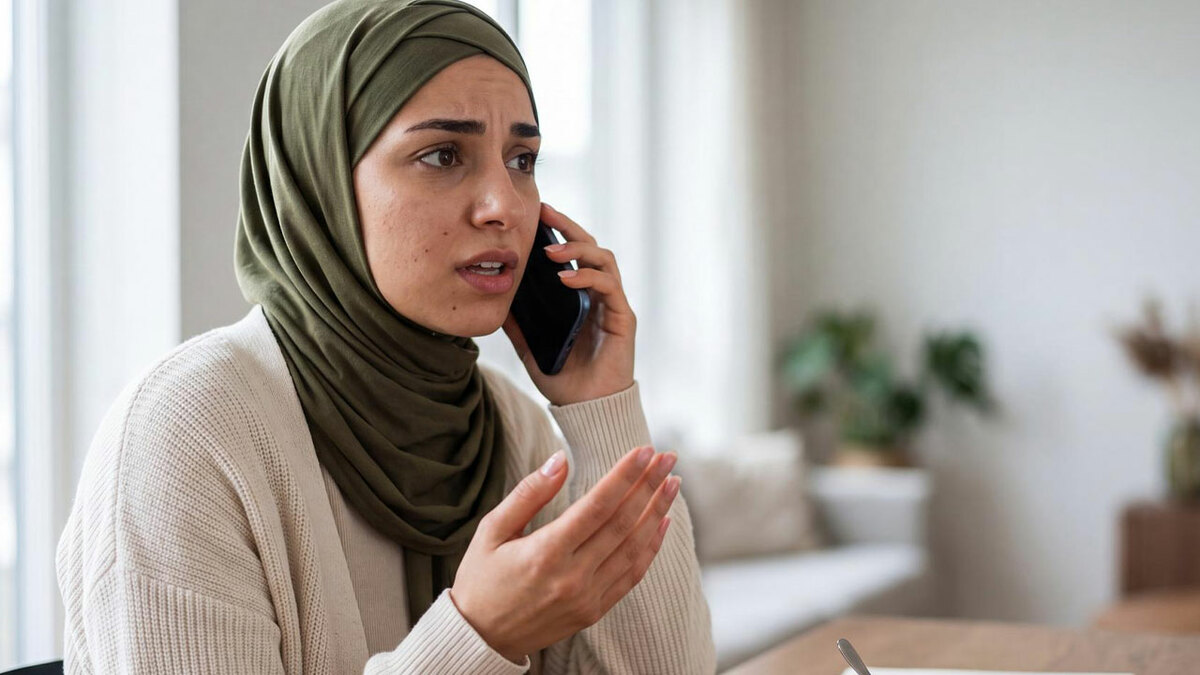
Weddings can bring together people from very different backgrounds, beliefs, and families. Usually, it’s a great chance to celebrate love and share a happy moment together. But it can also create tension when not everyone sees eye to eye.
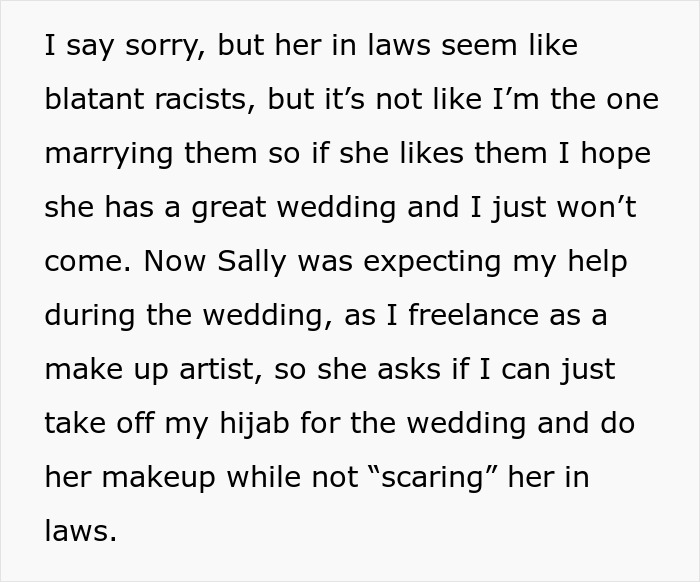
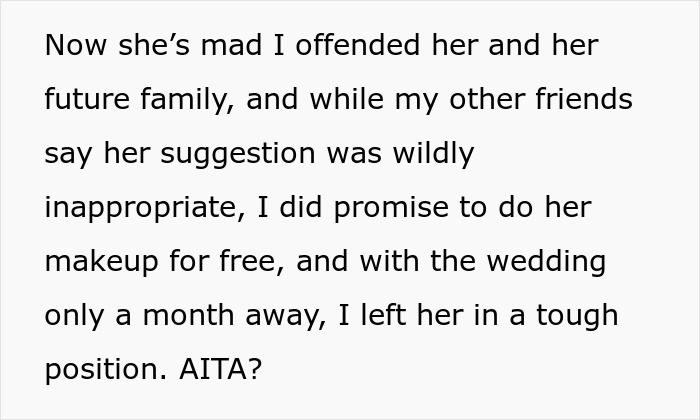
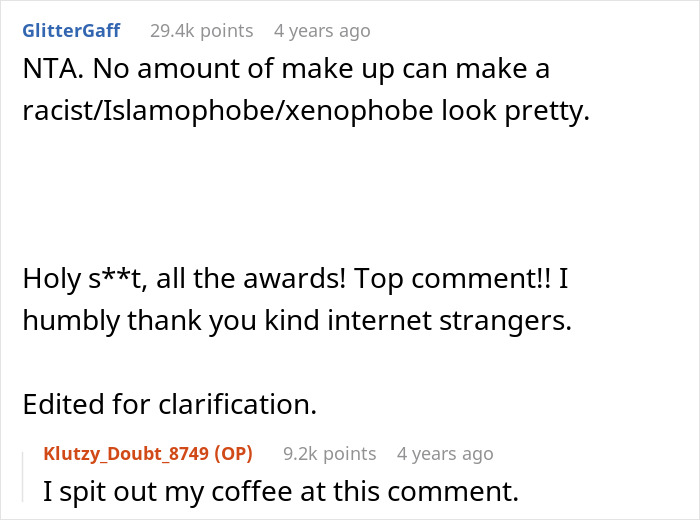
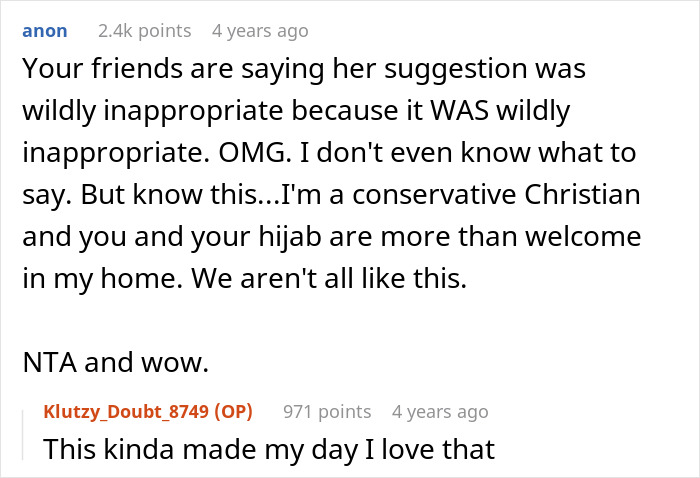
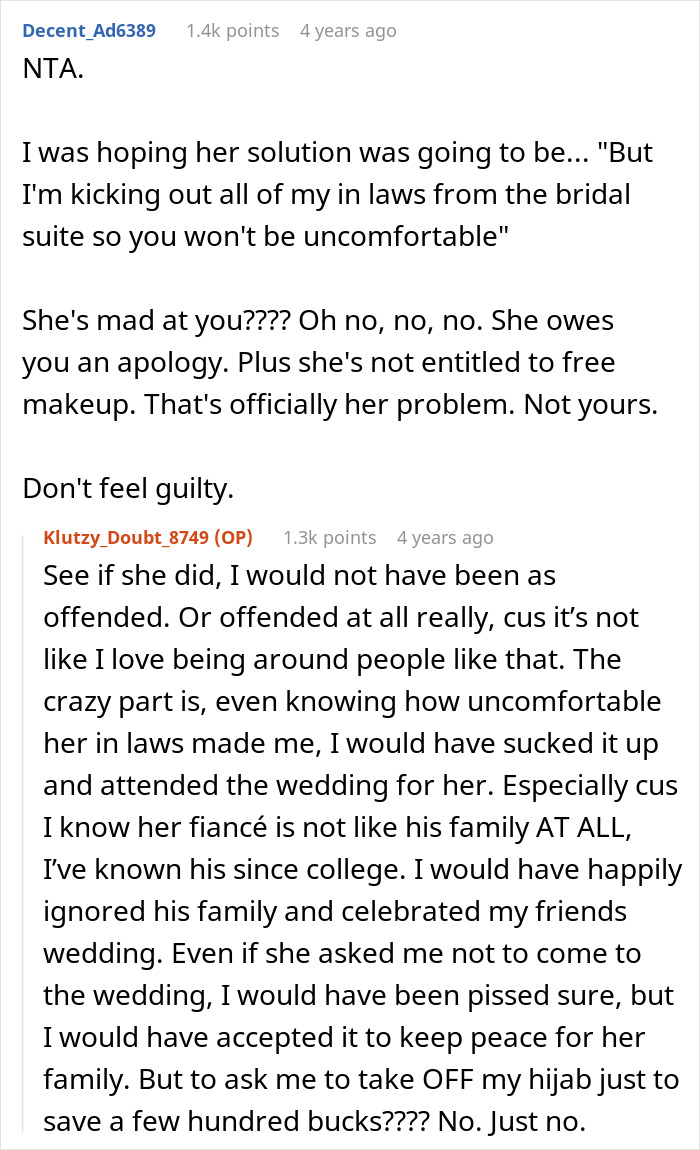
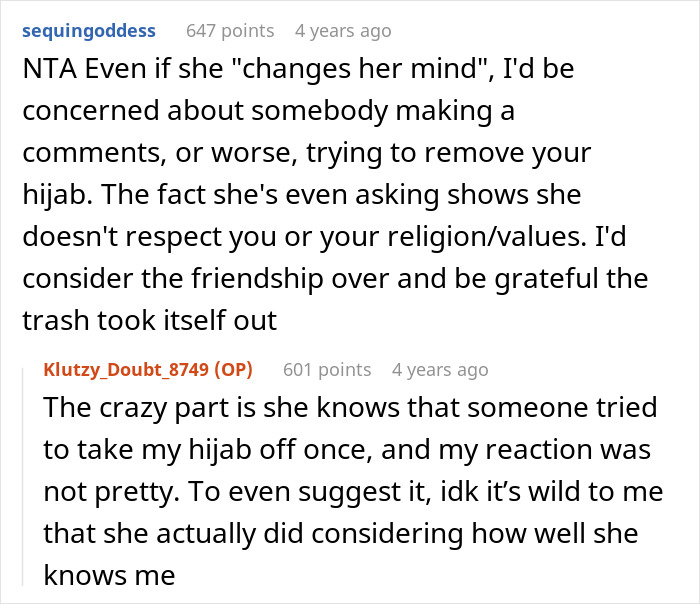
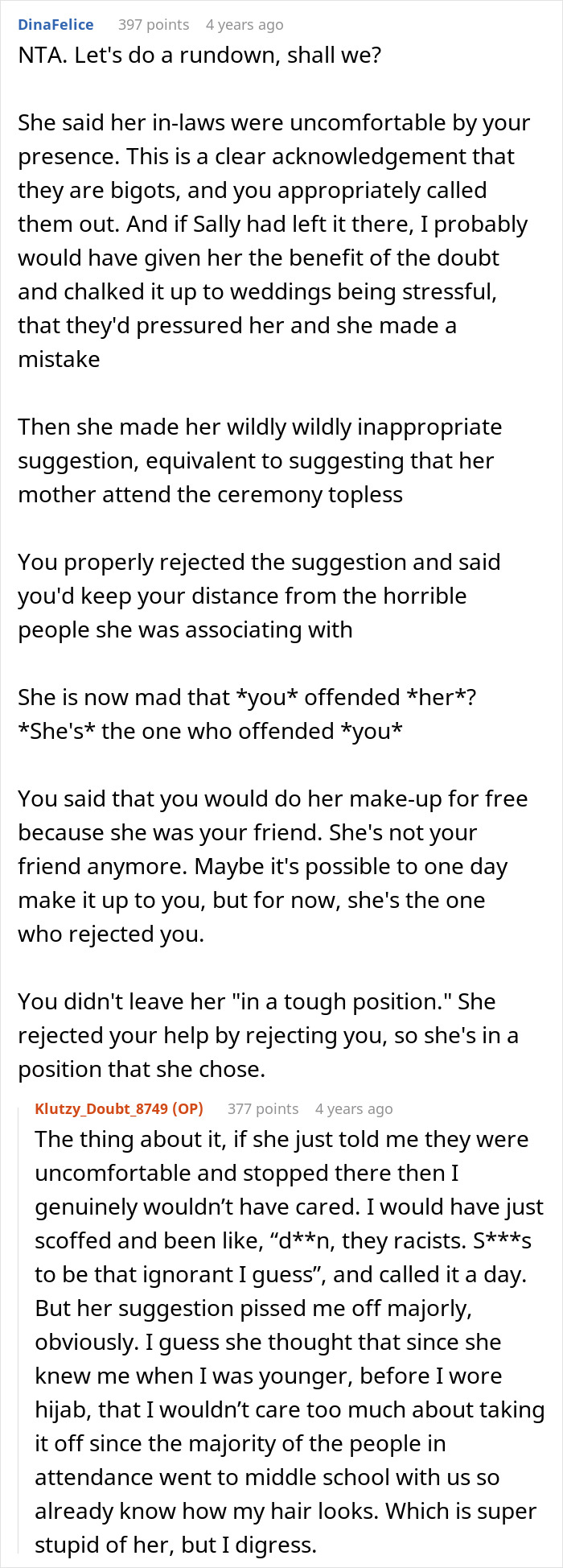
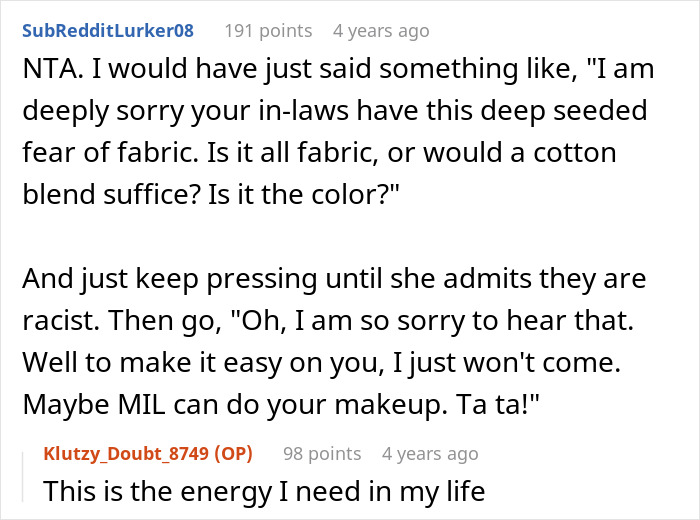
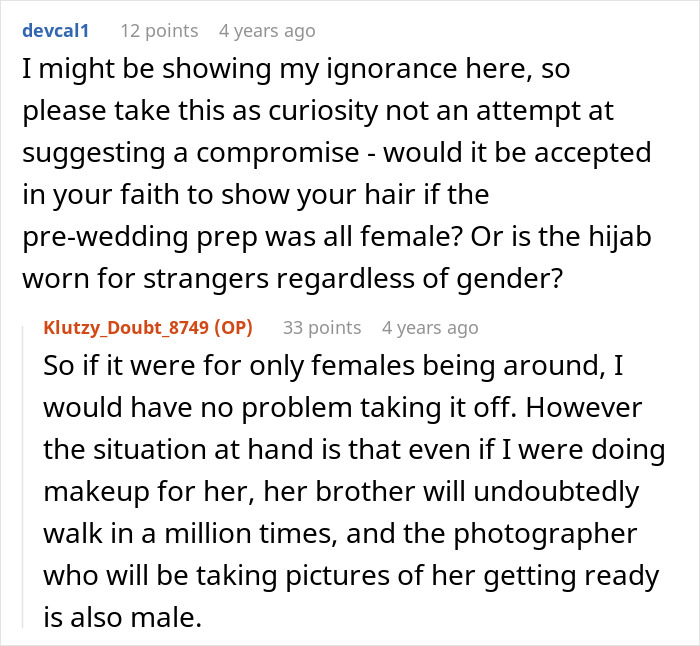
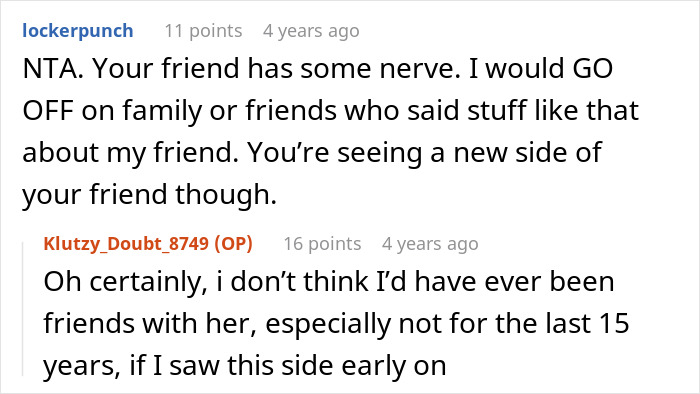
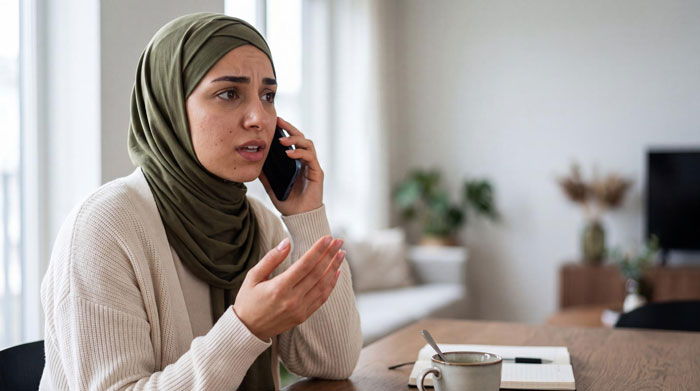
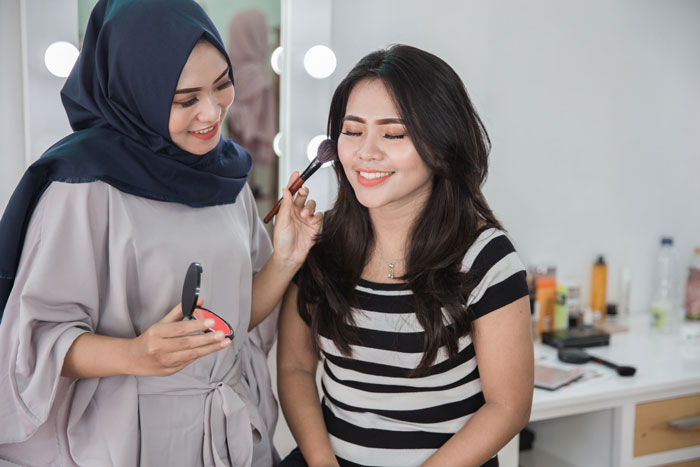
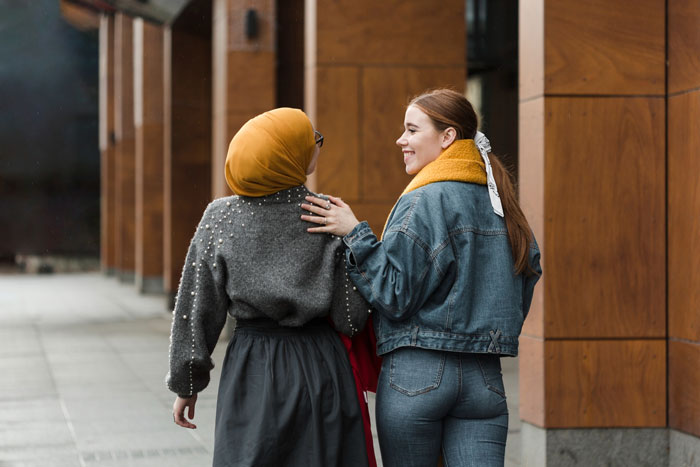
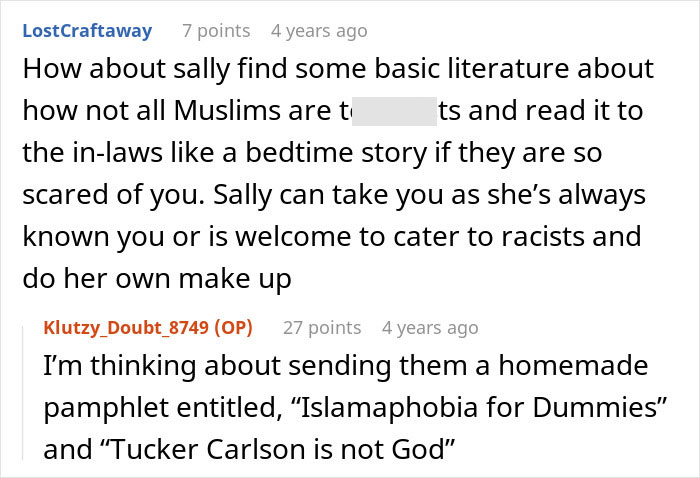
One woman was all set to attend her friend’s wedding and even do the bride’s makeup. That is, until the bride asked if she could take off her hijab for the day so she wouldn’t “scare” her future in-laws. Needless to say, that request didn’t sit well with her, and the friendship took a serious hit.
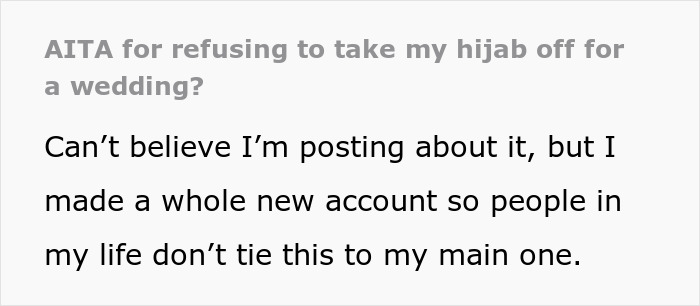
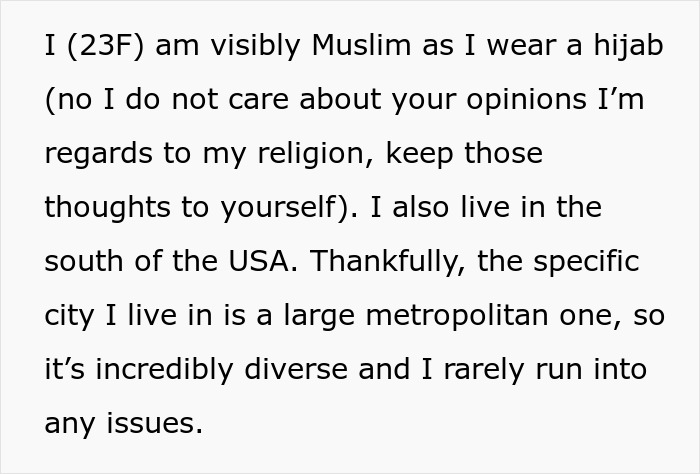
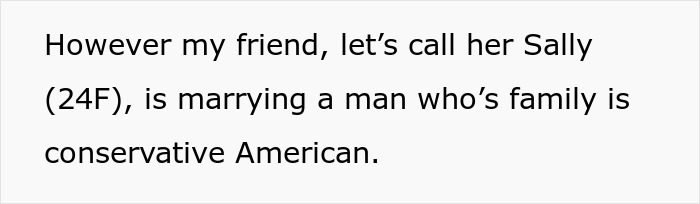
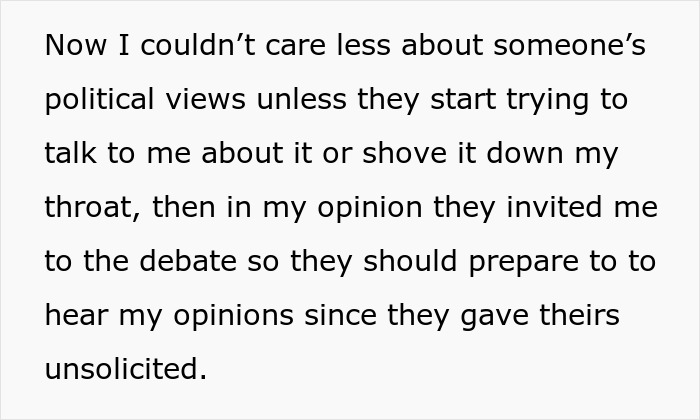
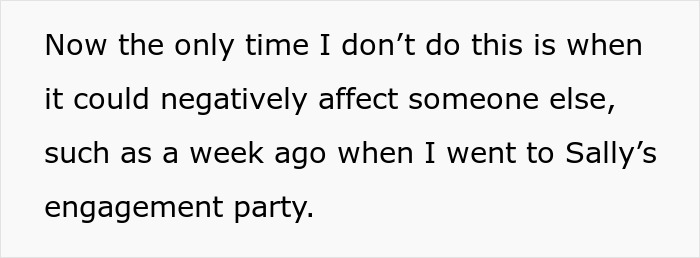
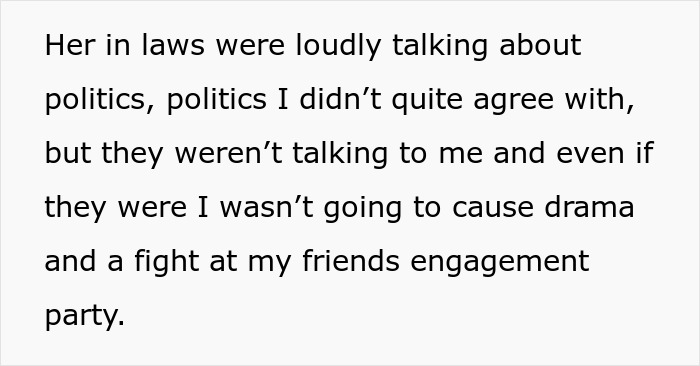
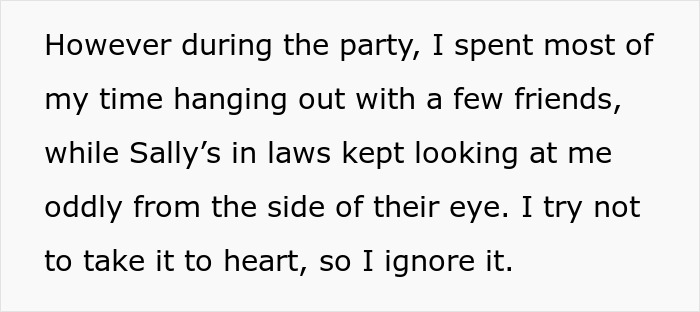
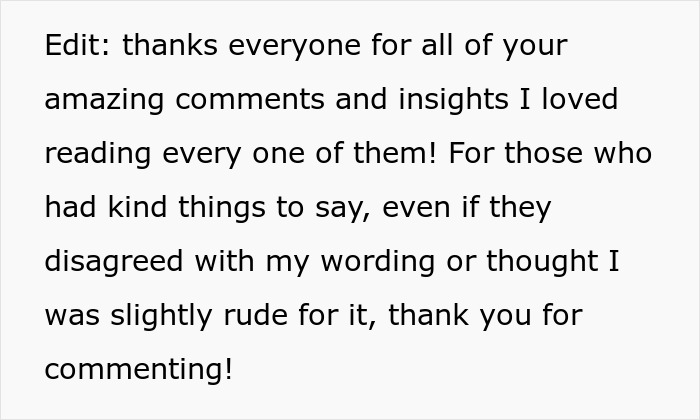
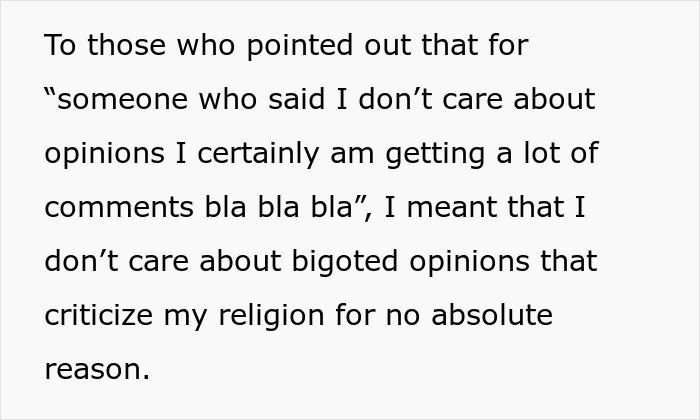
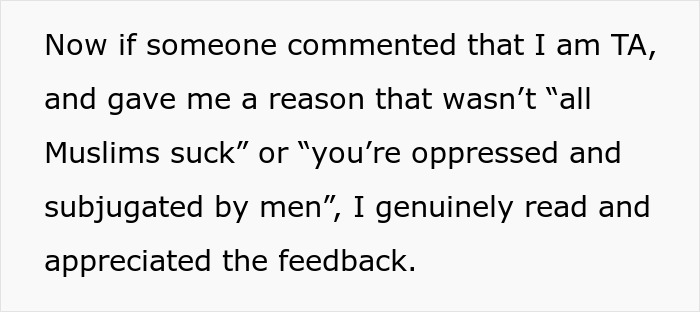
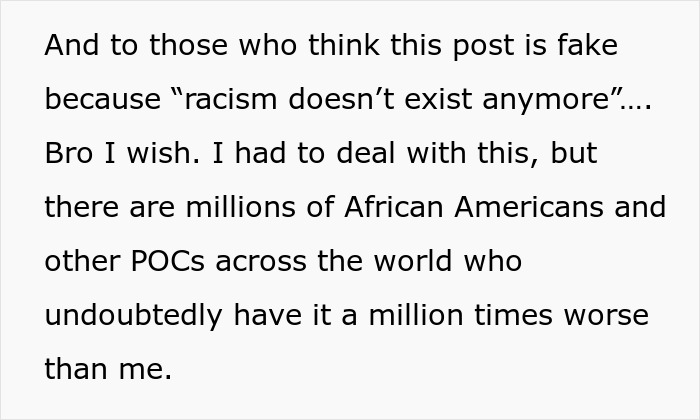

For many Muslim women, wearing a hijab is simply part of everyday life. Yet because it makes their faith more visible, it can also make them a target for prejudice.
Sometimes, that comes in the form of insults or blatant discrimination. Other times, its more subtle, showing up as microaggressions, lingering looks, or assumptions people make about them.
A 2023study of Muslim women in the US found that those who wore the hijab more frequently were more likely to report experiencing religious discrimination during the previous year.
Similar research from Pew Research Center showed that among Muslims whose appearance made them easily identifiable as Muslim, 64% said they had experienced at least one form of discrimination, compared with 39% of those who werent easily identifiable.
Sadly, the problem only seems to be getting worse with time. In 2025, theCouncil on American-Islamic Relations (CAIR) received 8,683 complaints of anti-Muslim discrimination, the highest number since the organization started publishing its reports in 1996.
Why does a piece of clothing attract this kind of reaction? Experts point to a couple of possible reasons. One is simply unfamiliarity. People can feel uneasy around something they do not understand, and that discomfort can turn into judgment.
Pew Research Center found that Americans who personally knew a Muslim rated the group at 56 degrees on its “feeling thermometer,” while those who did not know any Muslims gave them just 42.
Naturally, without any real-life connection to the Muslim community, people can only form an opinion based on what they hear from others, the news, or politicians. Unfortunately, much of that messaging tends to be negative.
CAIR’s latest report noted that anti-Muslim narratives resurfaced in 2025, especially the idea that Muslims’ religious principles are “inherently threatening and anti-American.”
“Nonwhite immigrant groups are viewed as perpetual foreigners and aliens in their own land, even though many have been in the country for several generations or view themselves as completely American,” psychologist, author, and activist Kevin L. Nadal, PhD, told the American Psychological Association.
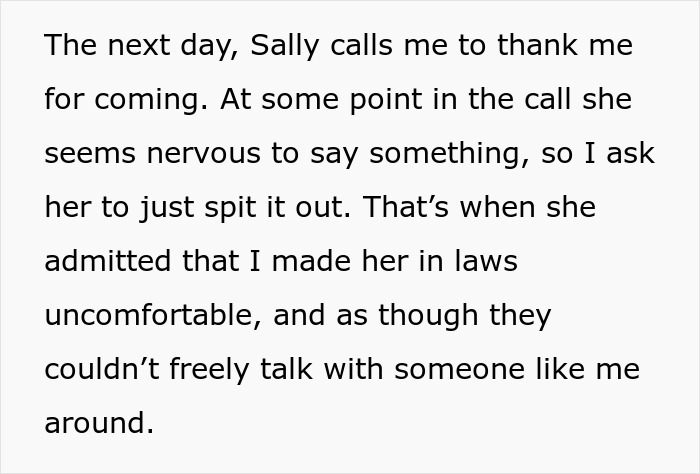
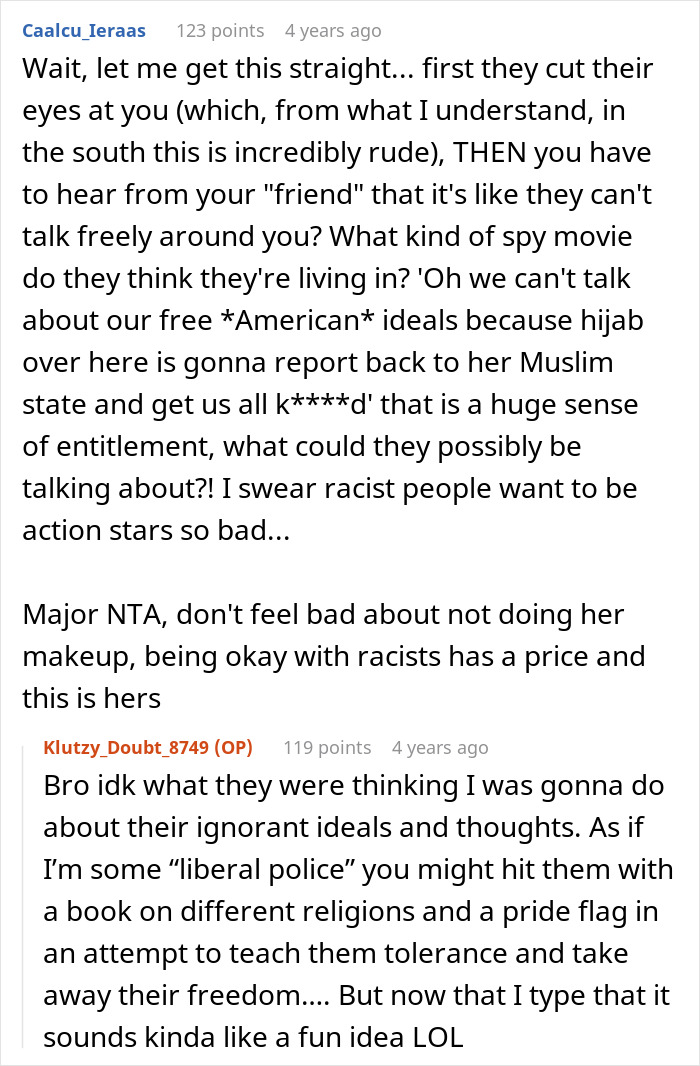
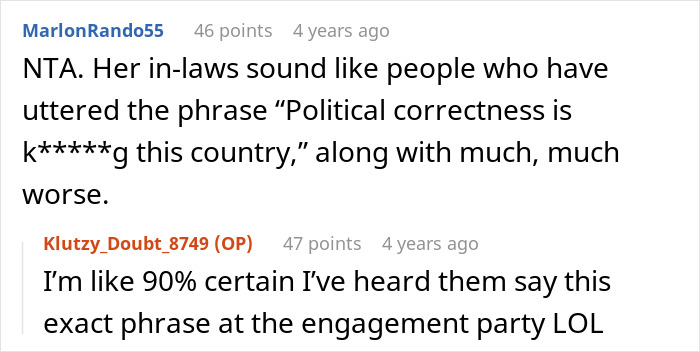
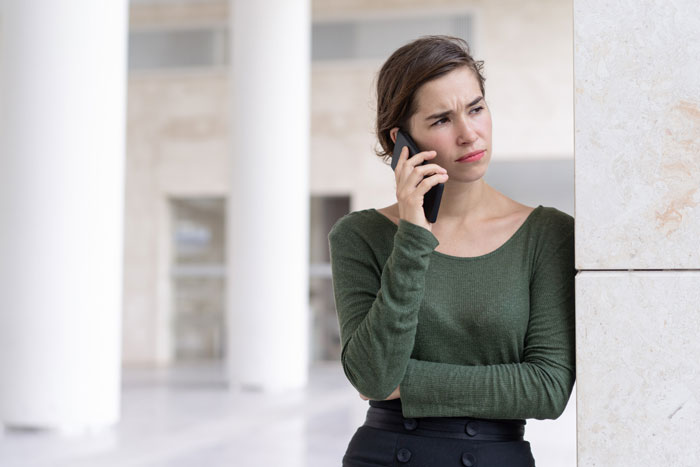
As a result, Nadal says, many Muslims end up living in a constant state of vigilance. So it is not surprising that the woman in this story quickly noticed the brides future in-laws side-eyeing her during the engagement party.
When the bride later admitted they had felt uncomfortable around her and asked her to remove her hijab for the wedding, it confirmed what she had picked up on.
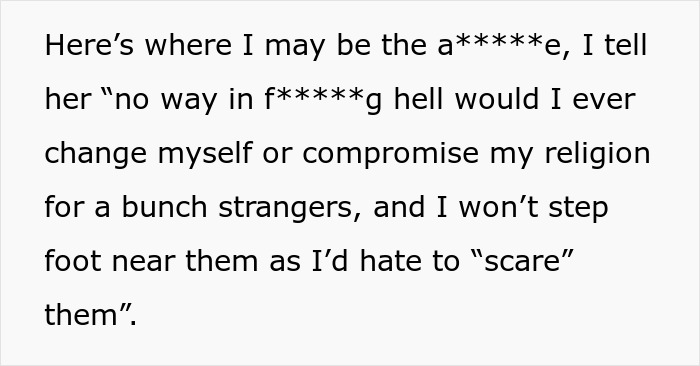
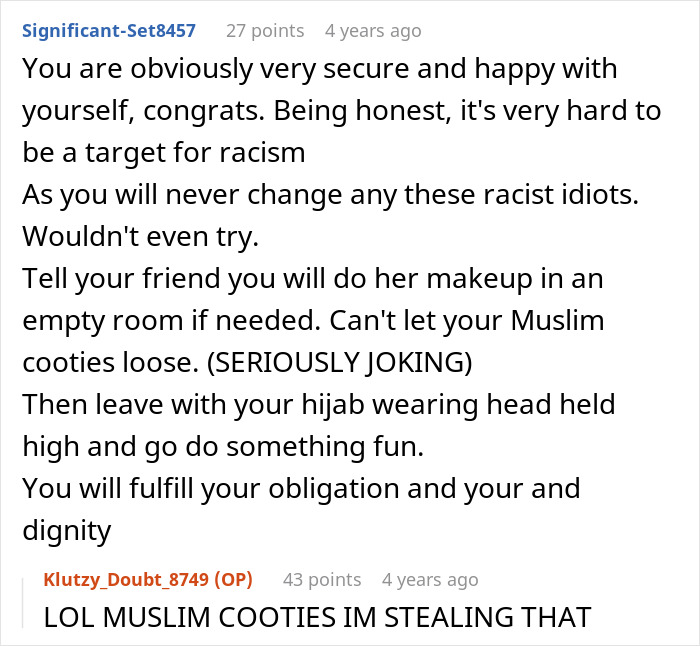
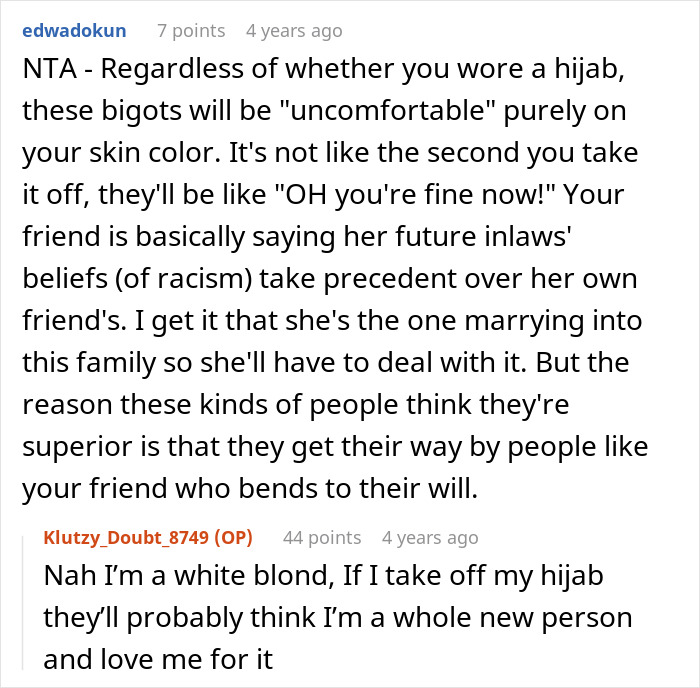
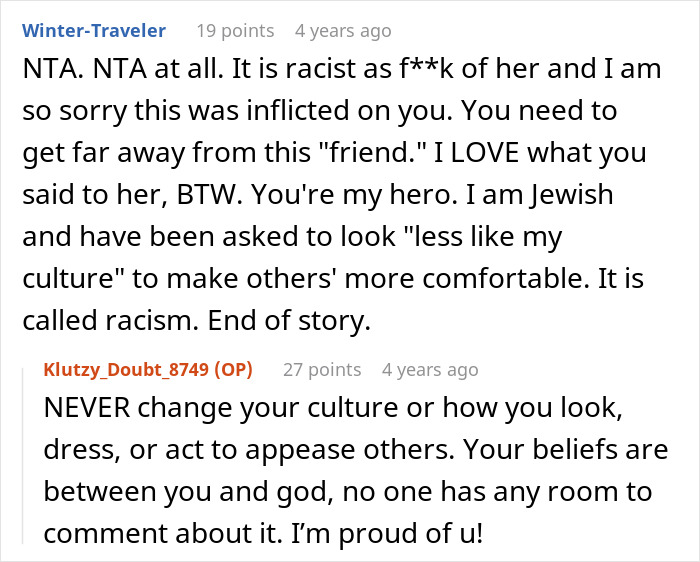
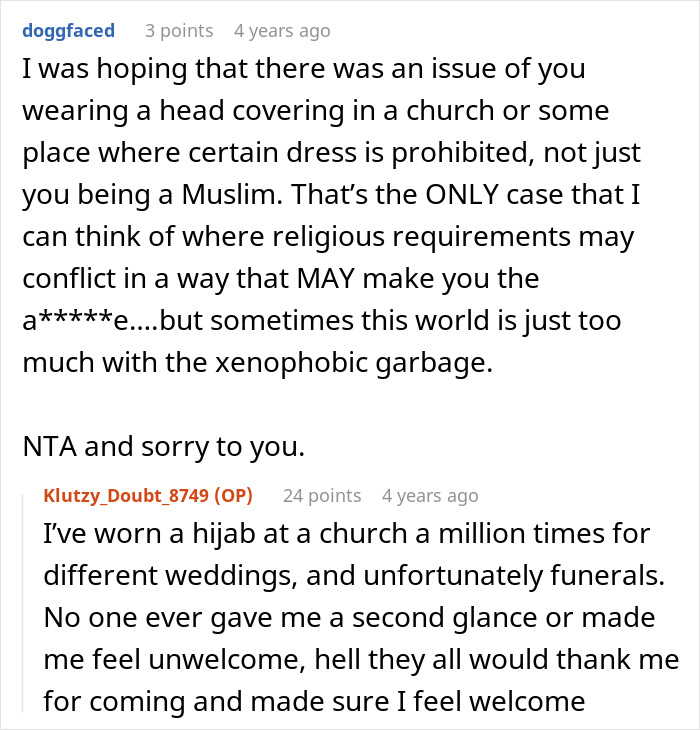
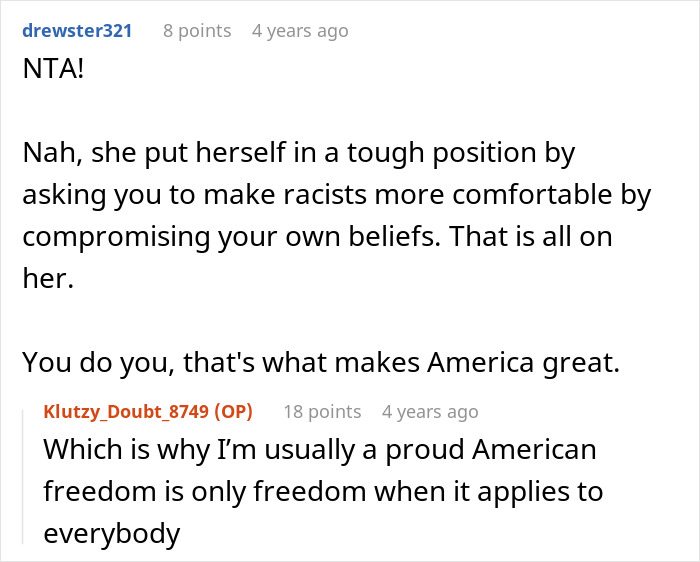
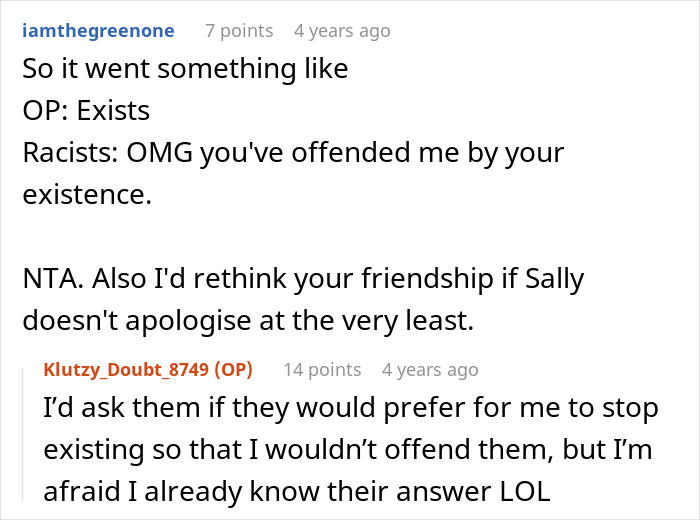
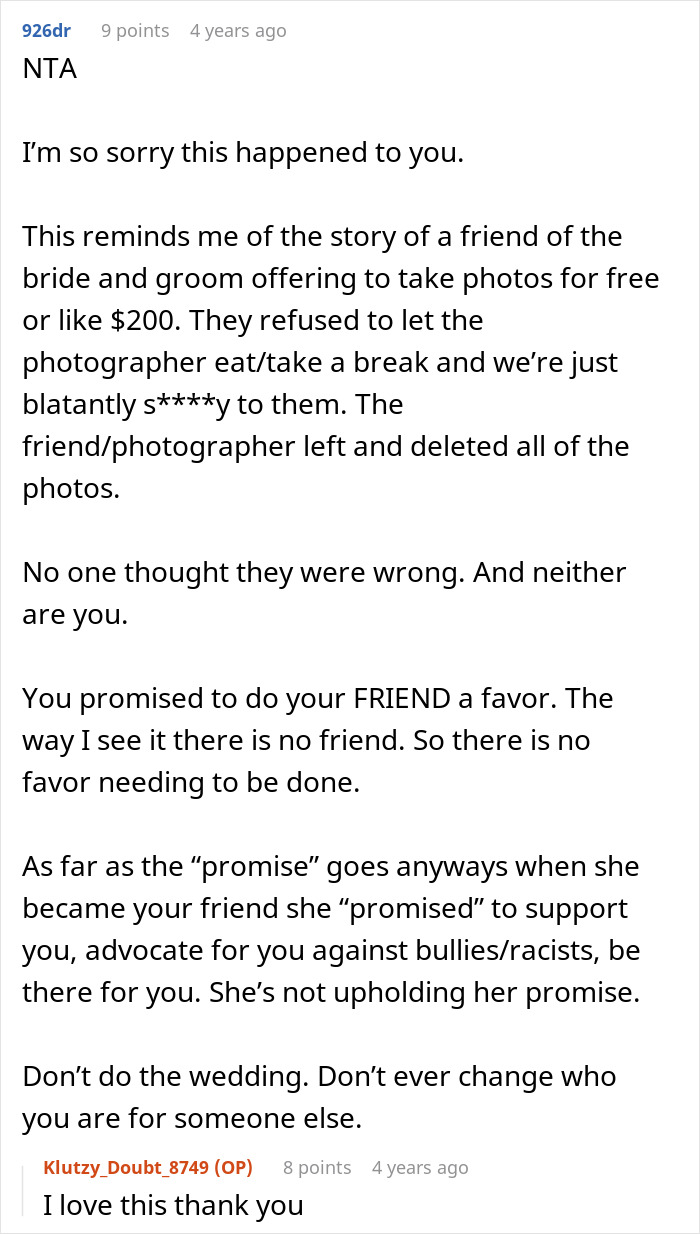
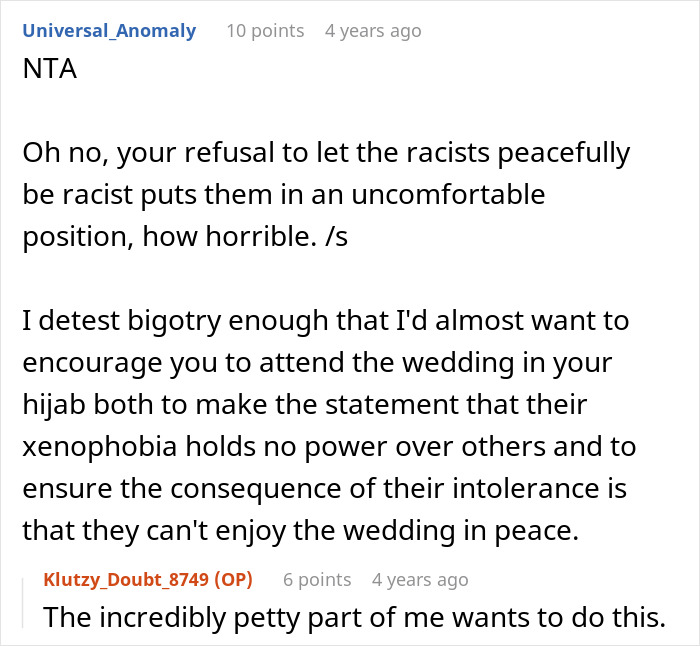
She ultimately stood her ground and refused to change something so important to her just to make strangers more comfortable. Most readers supported that decision, though it is sad that she was put in that position by a close friend in the first place.
Do you think she handled it fairly, or should she have approached the bride differently? Share your thoughts in the comments below.


By entering your email and clicking Subscribe, you're agreeing to let us send you customized marketing messages about us and our advertising partners. You are also agreeing to our Privacy Policy.
Thank you! You've successfully subscribed to newsletters!

Can you imagine being made uncomfortable and "scared" by a piece of fabric on someone's head?

In two weeks I'll be attending my niece's wedding. It'll be half Spanish and half Muslim. While I doubt the two sides will mingle much (partially due to language barrier) no one on our Spanish side is going to side-eye the Muslim side or make demands. I will say though that to appease the Muslim mother in law it will be a dry wedding and my Spanish niece is having her dress adjusted to not show any cleavage (also to appease the mother in law). I expect it to be a boring event with no racist drama. The racist part of the family have already said they aren't coming.
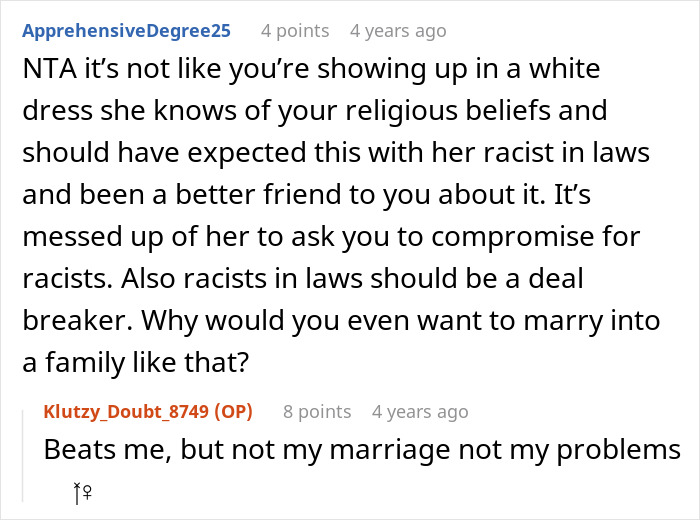
Hmmm. Has the future mother in law been willing to make any sort of compromise? If not, I see trouble ahead, and not necessarily because of the different cultures.
Load More Replies... Can you imagine being made uncomfortable and "scared" by a piece of fabric on someone's head?
In two weeks I'll be attending my niece's wedding. It'll be half Spanish and half Muslim. While I doubt the two sides will mingle much (partially due to language barrier) no one on our Spanish side is going to side-eye the Muslim side or make demands. I will say though that to appease the Muslim mother in law it will be a dry wedding and my Spanish niece is having her dress adjusted to not show any cleavage (also to appease the mother in law). I expect it to be a boring event with no racist drama. The racist part of the family have already said they aren't coming.
Hmmm. Has the future mother in law been willing to make any sort of compromise? If not, I see trouble ahead, and not necessarily because of the different cultures.
Load More Replies...















 No fees, cancel anytime











35
33