We and our trusted partners use technology such as cookies on our site to personalize content and ads, provide social media features, and analyze our traffic. You can read more about it and change your preferences here.
Whether you’re from the Baby Boomer generation or Gen X, there are some school experiences we all seem to share. Things like stressing over grades, trying to keep up with strict rules, or worrying about one wrong move affecting your future feel almost universal. And when it comes to academics, professors can sometimes be surprisingly rigid about policies that don’t leave much room for understanding.
In one case, a student recently shared how their professor enforced a strict classroom rule that ended up putting their grades, finances, and graduation plans at serious risk. The issue centered around a mobile phone policy that the student never realized was being enforced so harshly. Keep reading to find out what happened next.
RELATED:
Professors can make college life either smooth and supportive or unexpectedly stressful for students
Professor explaining math concepts on chalkboard as students push back after phone rule enforcement in class without warning
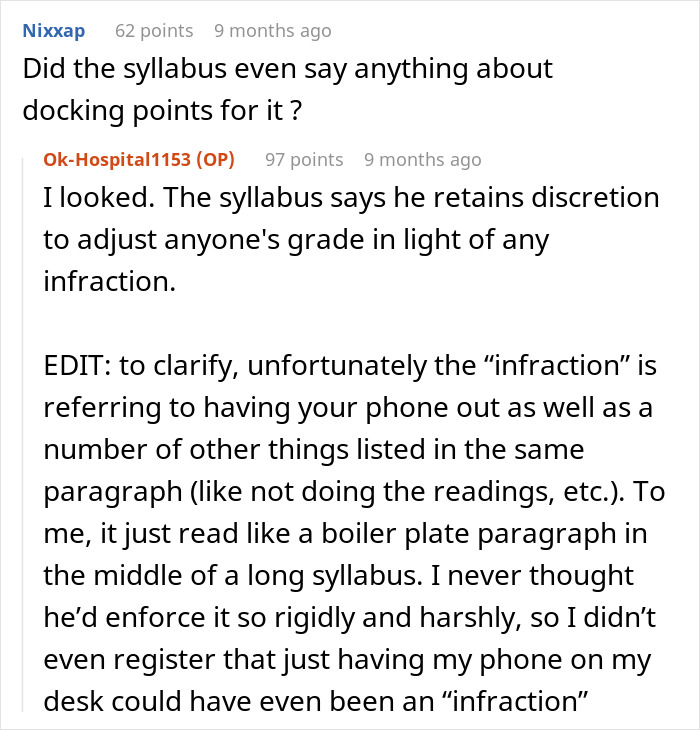
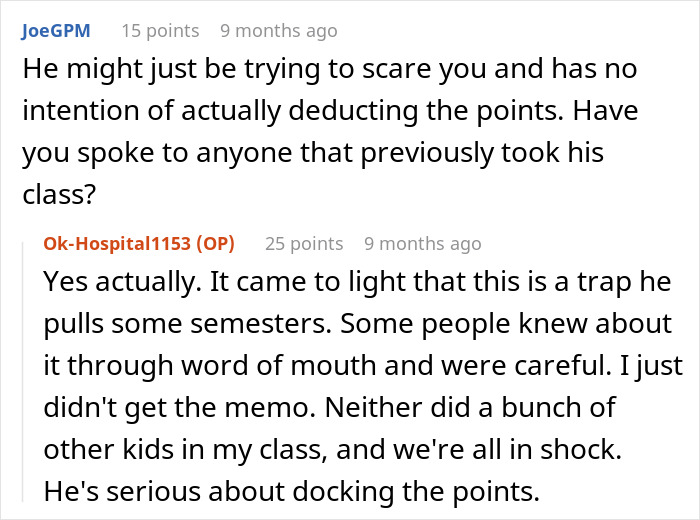
The student also mentioned that the professor had used this same tactic in previous semesters
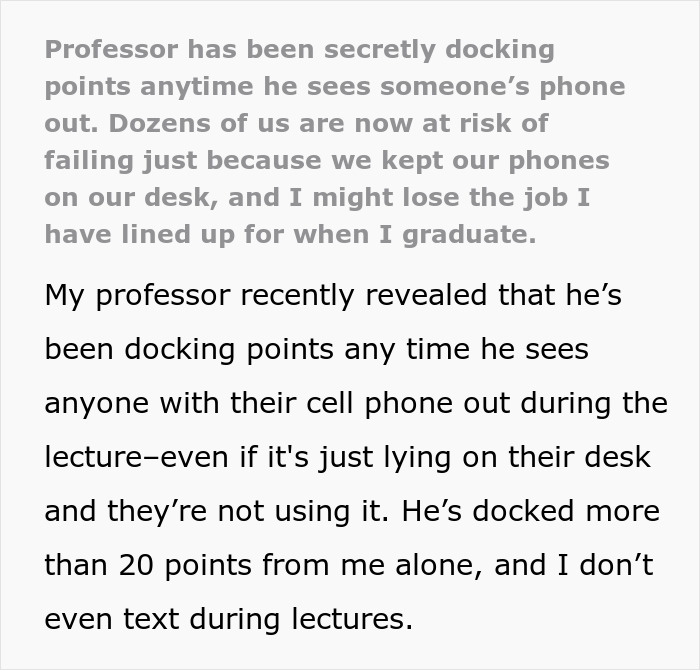
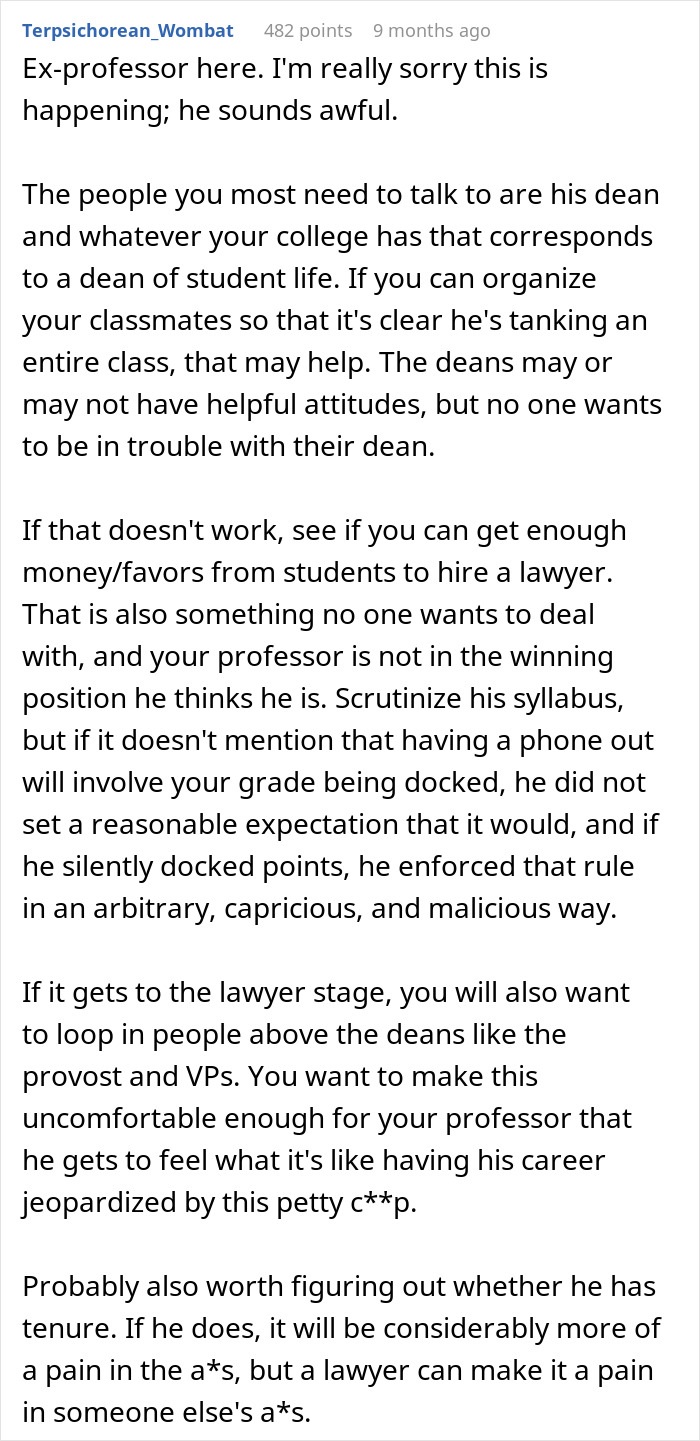
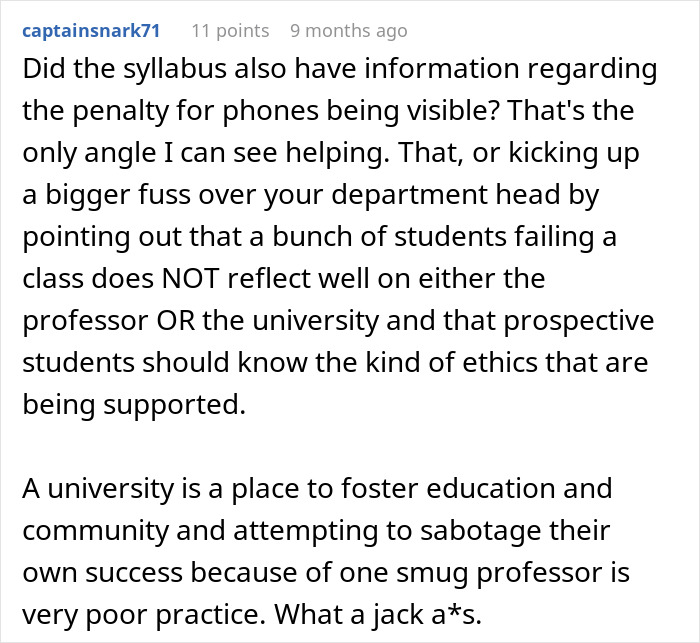
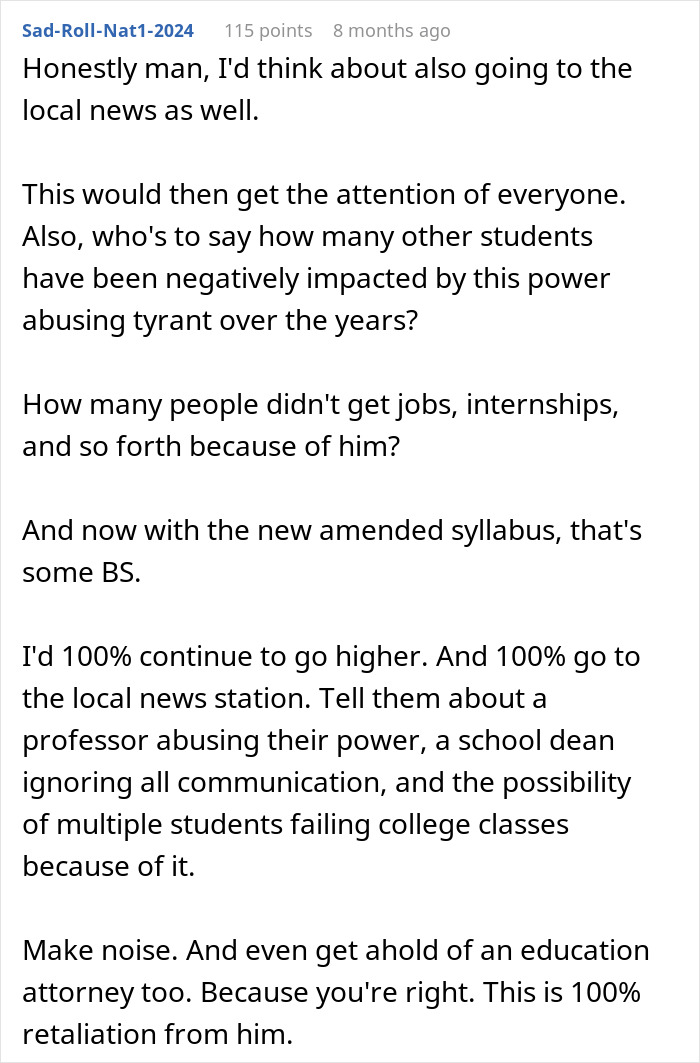
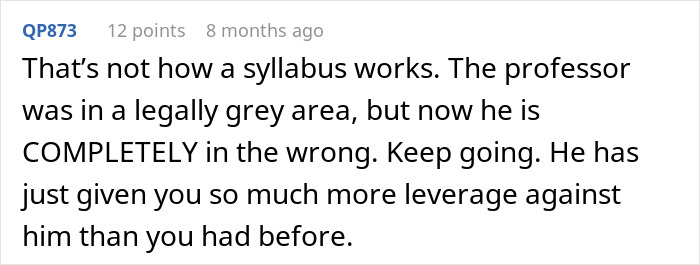
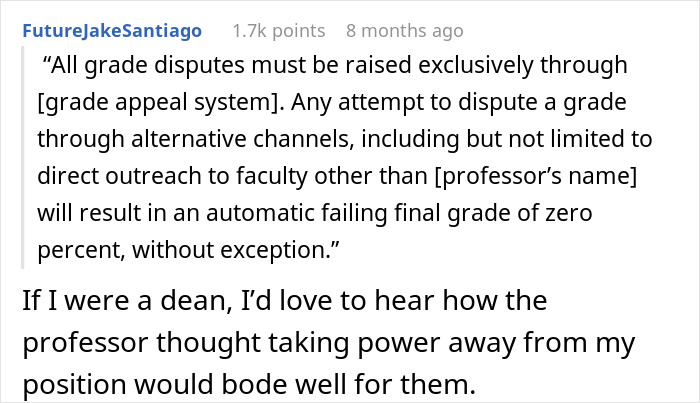
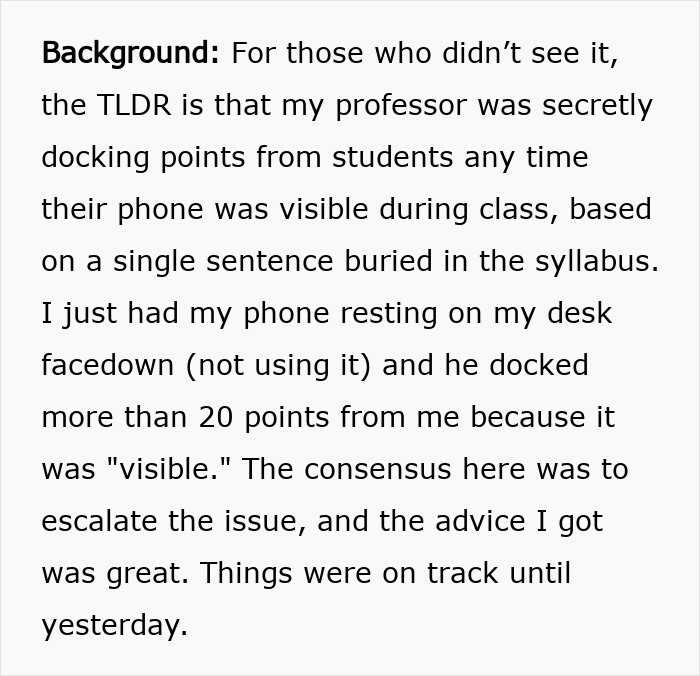
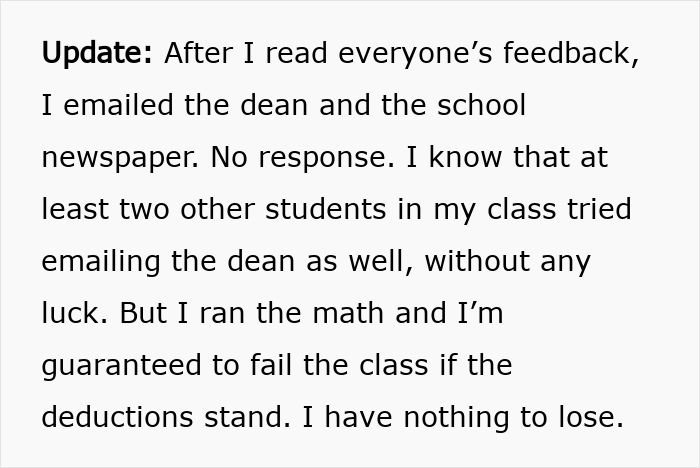
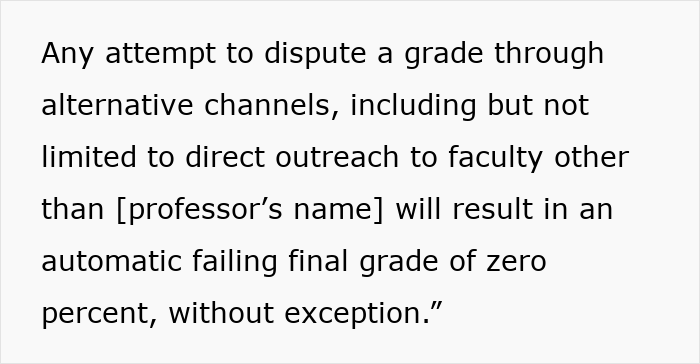
Screenshot of online discussion about professor enforcing phone rule causing students to risk failing class after no prior warning given.
ADVERTISEMENT
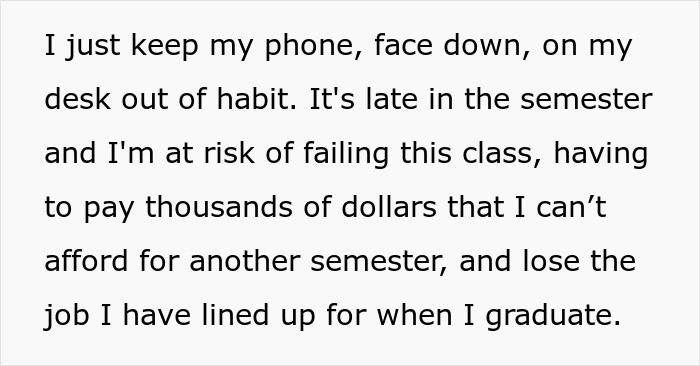
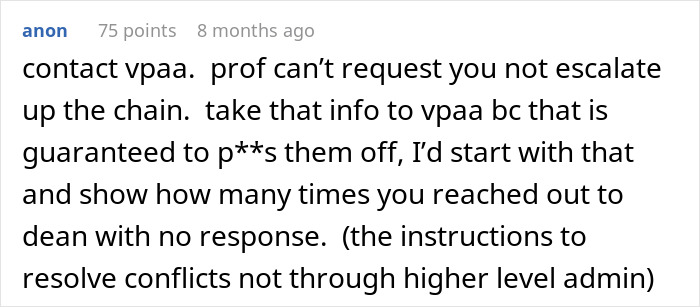
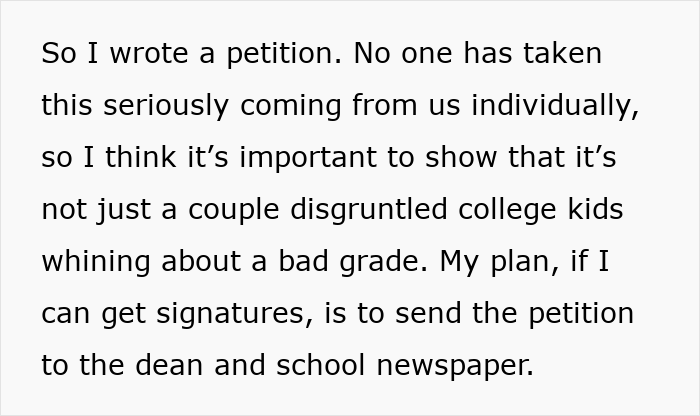
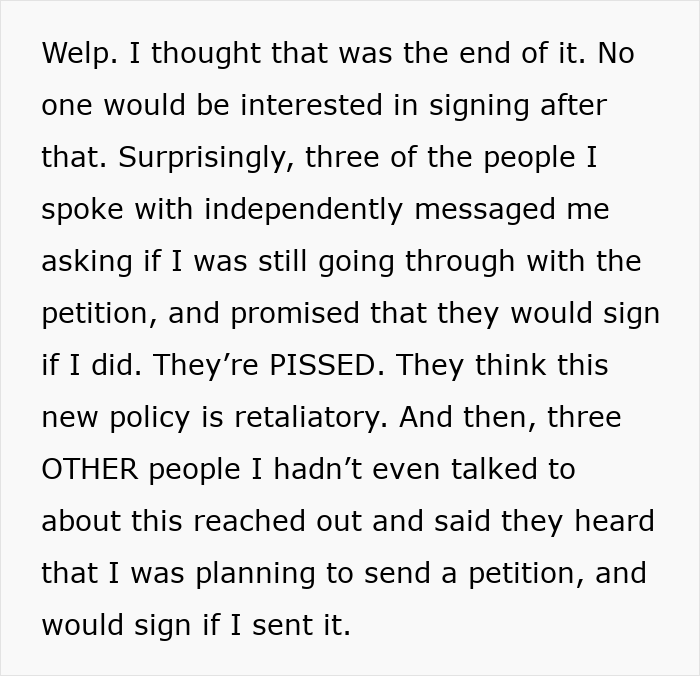
Screenshot of an online discussion where students push back after professor enforces phone rule without prior warning.
ADVERTISEMENT
Schools around the world are implementing policies to limit phone usage among students, aiming to reduce distractions and protect mental health
It’s no secret that countries around the world are getting stricter about how young people use phones and social media. Australia recently made headlines by banning under-16s from major platforms like TikTok, Instagram, Snapchat, YouTube, and X. Kids can’t create new accounts, and existing profiles are being deactivated. Interestingly, the focus isn’t on punishing families. Instead, social media companies face hefty fines if they don’t comply. The idea is to shift responsibility upward. It’s a bold move that’s sparked global conversations. And Australia isn’t alone in this thinking.
Across the globe, many governments and schools are quietly tightening their phone rules. In the US, phone restrictions in schools are already pretty common. Most schools don’t allow phones for non-academic use during the day. The goal isn’t to ban technology entirely but to reduce distractions. Teachers want students focused on lessons, not notifications. Even simple rules like keeping phones in lockers can make a big difference. It’s less about control and more about attention. Learning works better when scrolling takes a backseat.
ADVERTISEMENT
England has taken a similar approach, and schools there moved fast. A massive national survey showed that nearly all primary schools and most secondary schools have some form of smartphone ban during school hours. Headteachers didn’t wait around for national laws. They saw the problem firsthand and acted. Phones were disrupting classrooms and social dynamics. So schools stepped in. For many students, this meant more face-to-face interaction again.
Education leaders have been vocal about this shift too. Daniel Kebede, head of the UK’s largest education union, has openly supported a legal ban on phones in schools. He believes it’s time for serious conversations about online harm. Phones aren’t just tools anymore, they’re constant companions. And that constant access can come at a cost. Kebede argues that protecting kids’ mental health should be a priority. His stance reflects growing concern among educators worldwide.
In the US, Surgeon General Vivek Murthy has also weighed in. He’s pointed out that heavy social media use may increase anxiety and depression in children. While research is still ongoing, the concern is real. Kids today aren’t just learning in classrooms. They’re also juggling messages, notifications, and social pressure online. Multitasking like that isn’t easy for adults, let alone kids. When attention is split, learning suffers. And emotional well-being can too.
ADVERTISEMENT
Student handing phone to professor enforcing phone rule in classroom while classmates focus on exam or assignments.
At the same time, smartphones can offer several benefits, from helping students quickly research topics and stay organized to enabling communication and access to educational resources when used responsibly
There’s no denying that phones can be a huge distraction in learning environments. One buzz turns into ten minutes of lost focus. Even a phone sitting face down can be tempting. Teachers often compete with screens for attention. That’s a tough battle. Removing phones from classrooms creates fewer interruptions. It allows students to be present. Sometimes, boredom even sparks creativity. And that’s not a bad thing.
Social media itself adds another layer to the problem. It’s designed to keep people hooked. Endless scrolling, notifications, and likes are hard to resist. For young minds still developing self-control, it’s even harder. What starts as a quick check can turn into hours online. This can affect sleep, concentration, and mood. Many adults struggle with this too. So it’s understandable why limits are being discussed.
ADVERTISEMENT
That said, phones aren’t all bad. They can be powerful learning tools when used right. Students can research topics instantly, access educational apps, and collaborate on projects. In emergencies, phones also offer safety and reassurance. Technology isn’t the enemy. It’s about balance. The challenge is knowing when phones help and when they hurt. Used wisely, they can support learning instead of replacing it.
It’s also important to remember that blanket bans don’t work for everyone. Some children need phones for medical reasons, learning support, or caregiving responsibilities. Others rely on them for accessibility tools. That’s why flexibility matters. Most policies include exceptions for these cases. The goal isn’t to punish, but to protect. As with most things, the solution lies somewhere in the middle. Thoughtful rules tend to work best.
In this particular case, it seems like the professor was being unnecessarily rigid and unfair, especially given how high the stakes were for the students involved. A rule that was barely highlighted ended up putting grades, finances, and even future plans at risk. Situations like this raise serious questions about fairness and accountability in academic settings. What are your thoughts on how this was handled? Let us know in the comments below.
ADVERTISEMENT
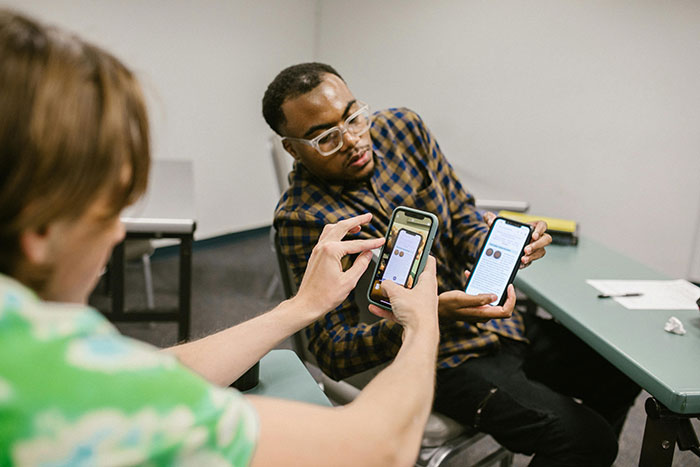
Two students in a classroom discussing phone use and rules after professor enforces phone policy without prior warning.
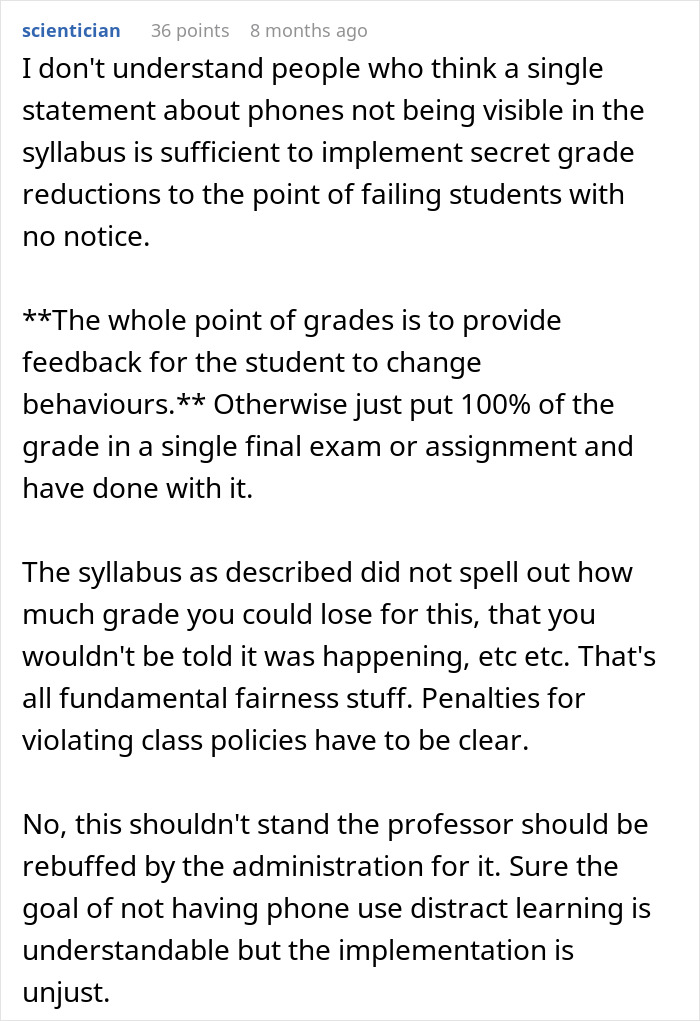
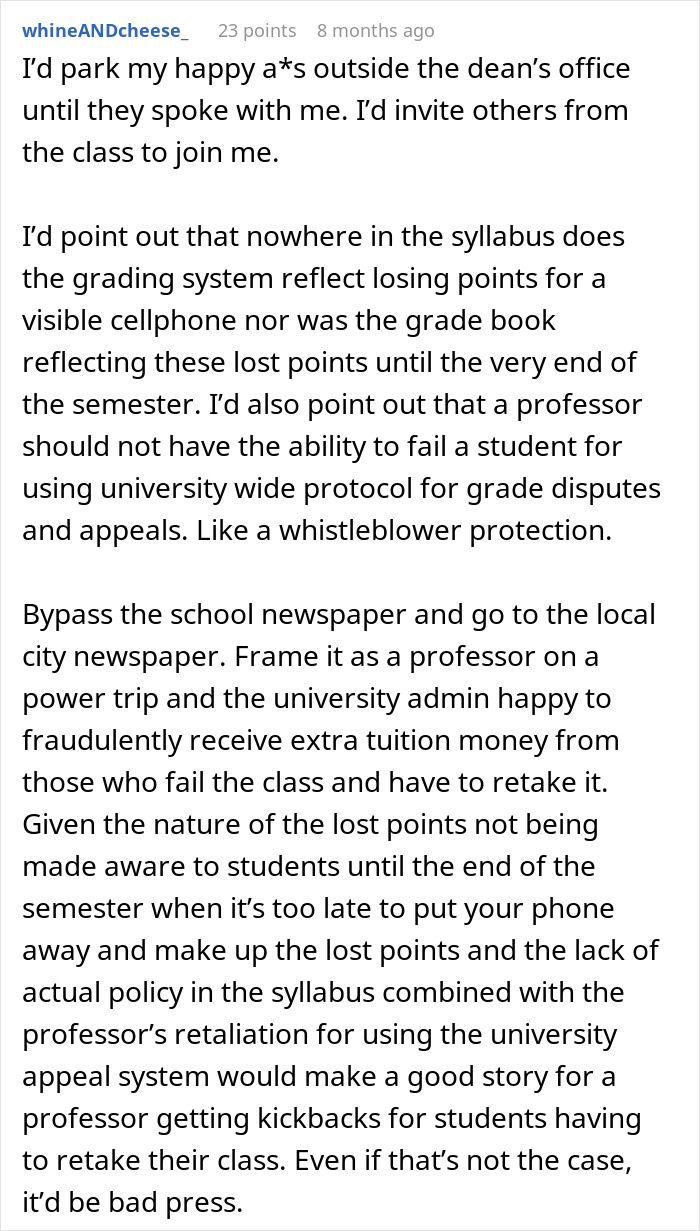
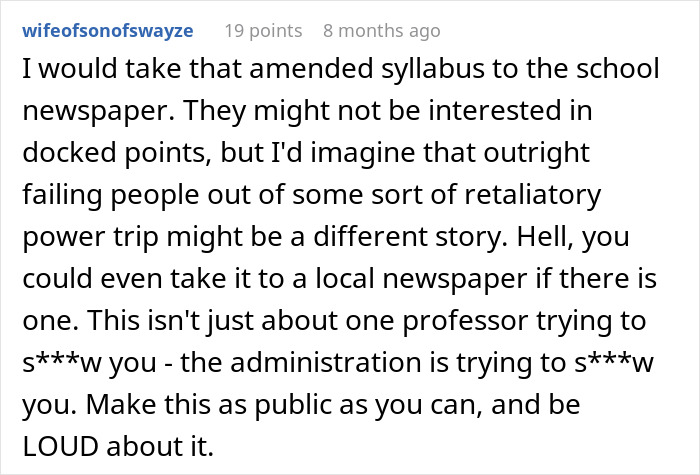
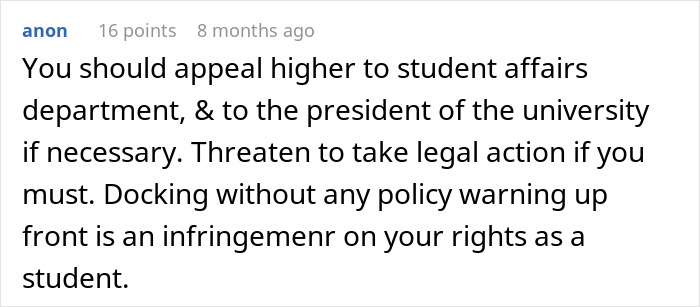
Still, many readers were unhappy that the student had to go through so much stress over the situation
ADVERTISEMENT
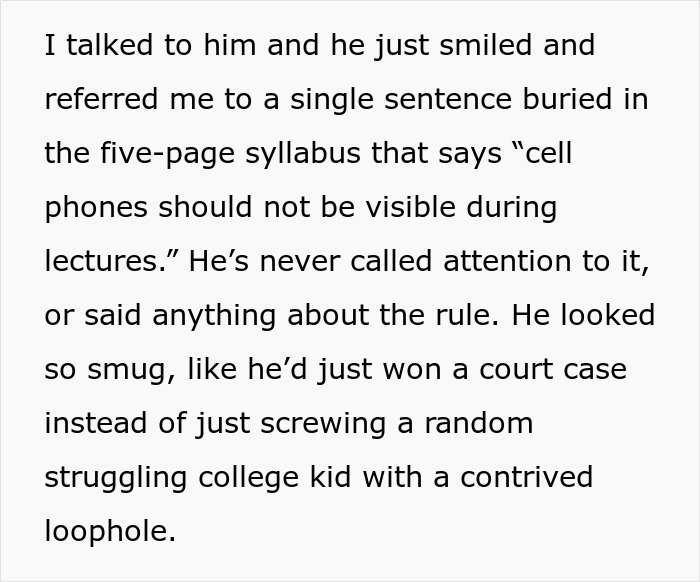
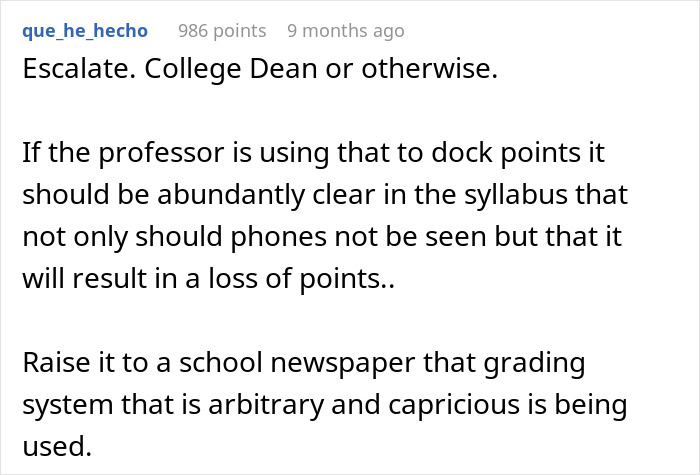
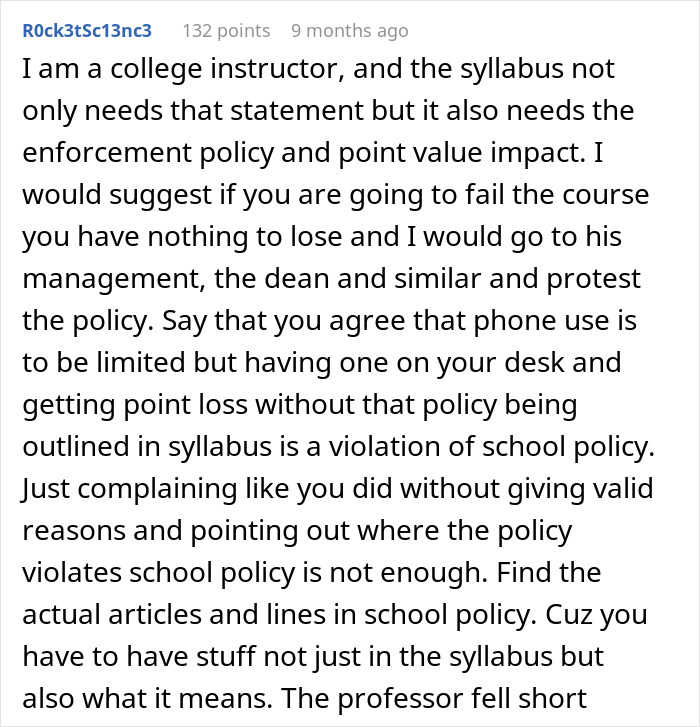
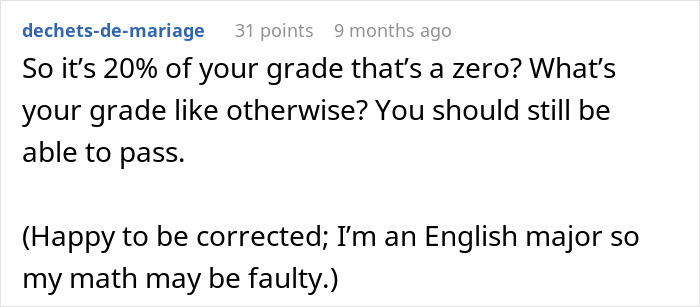
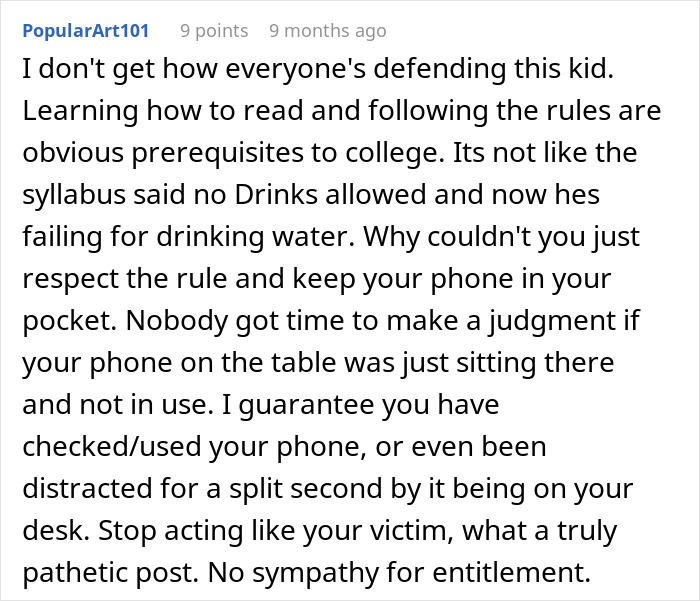
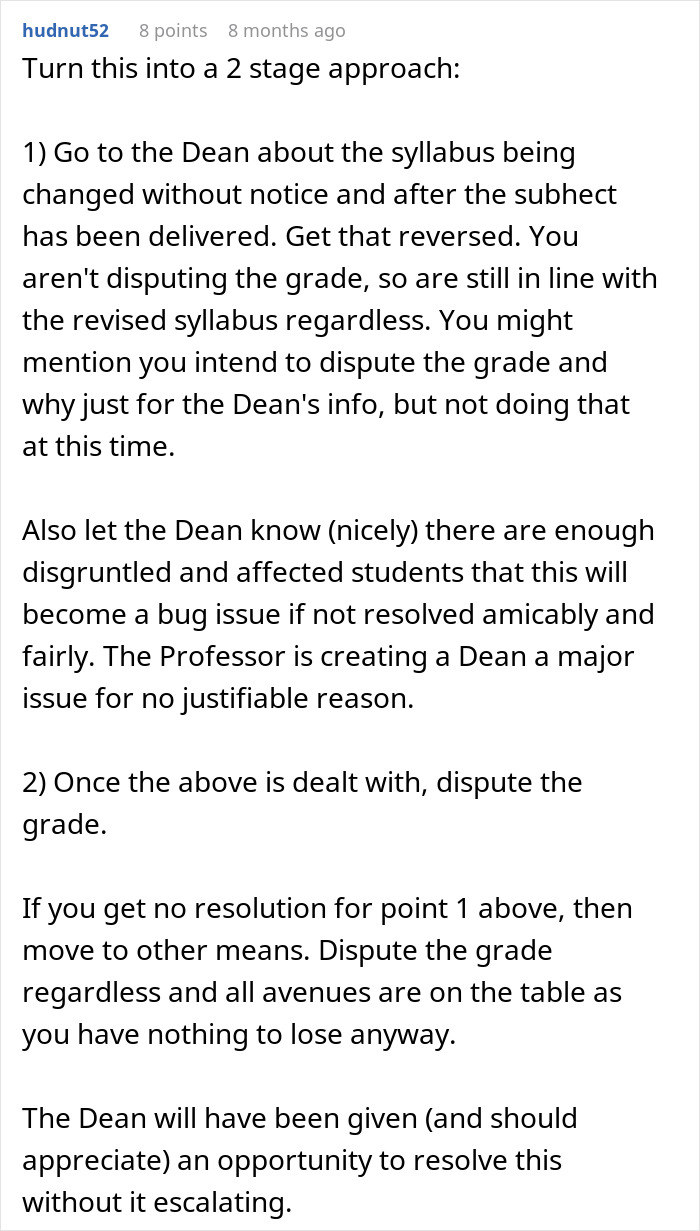
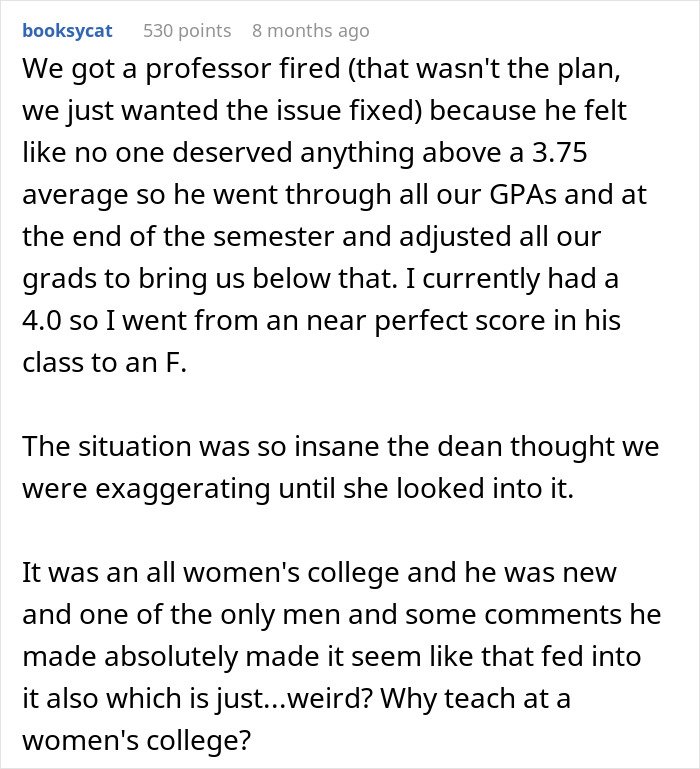
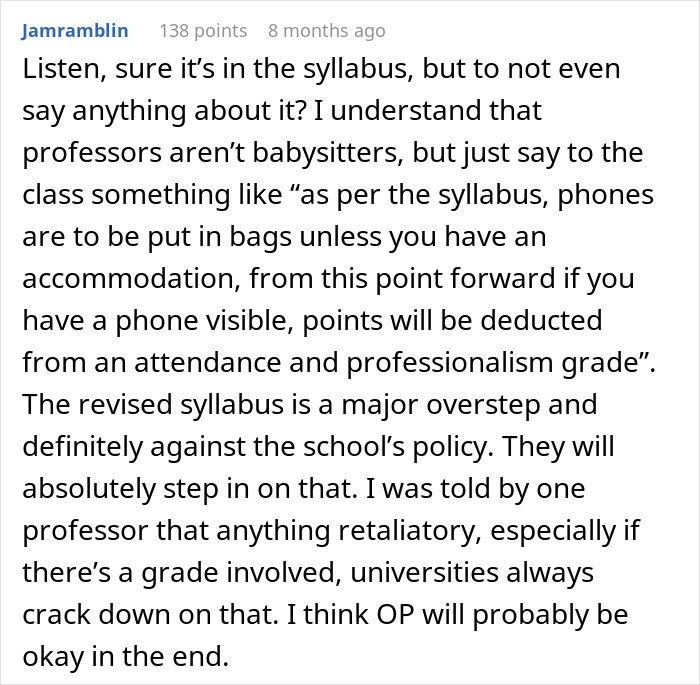
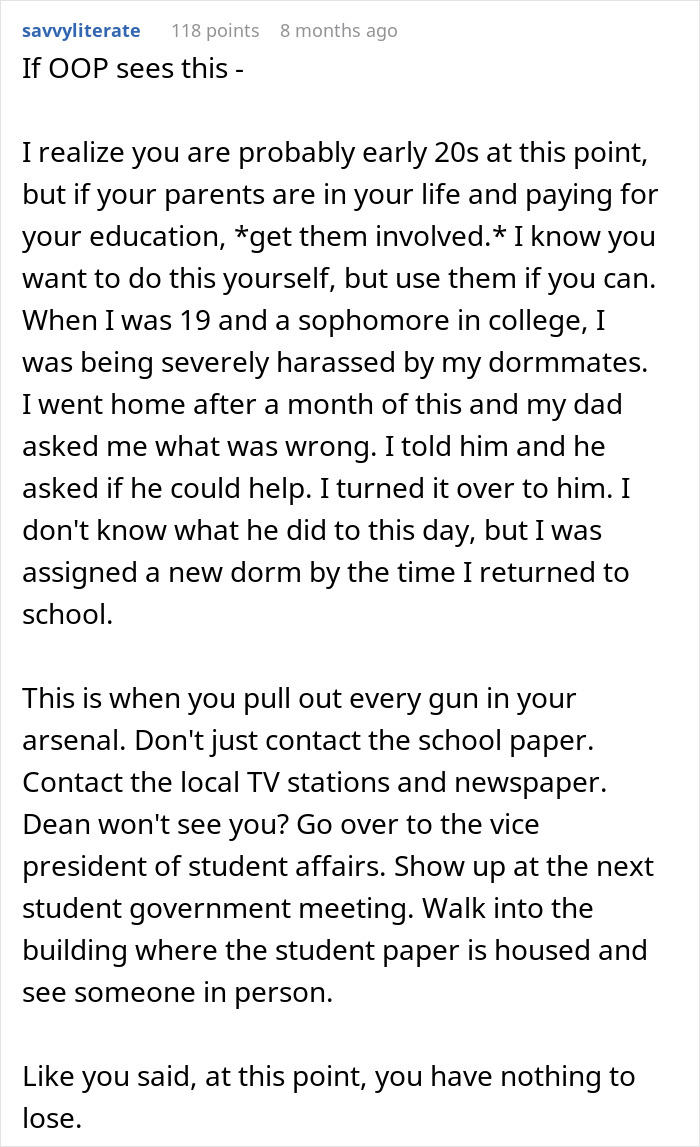
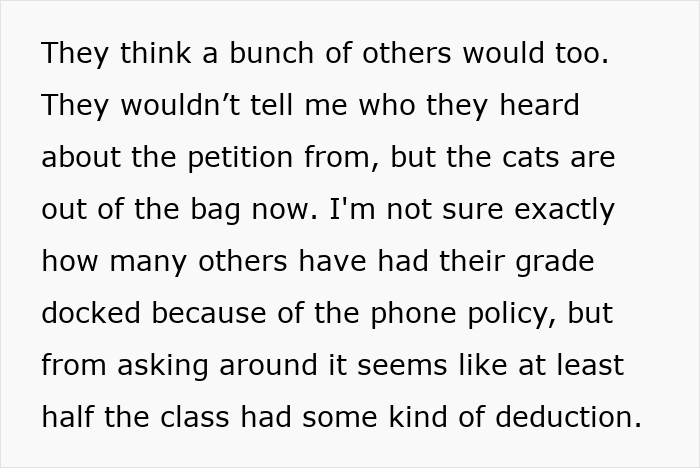
Comment on a forum discussing students pushing back after a professor enforces phone rule without prior warning.
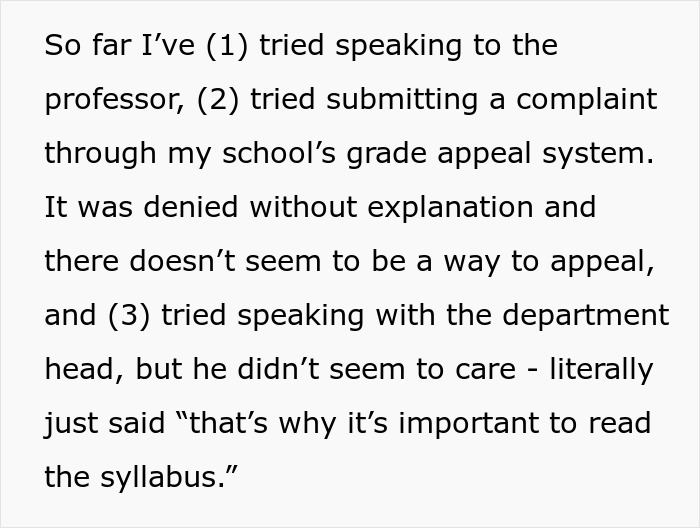
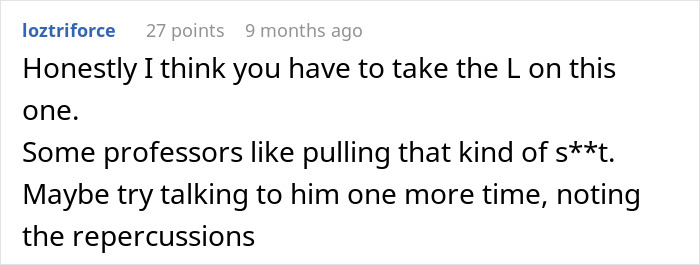
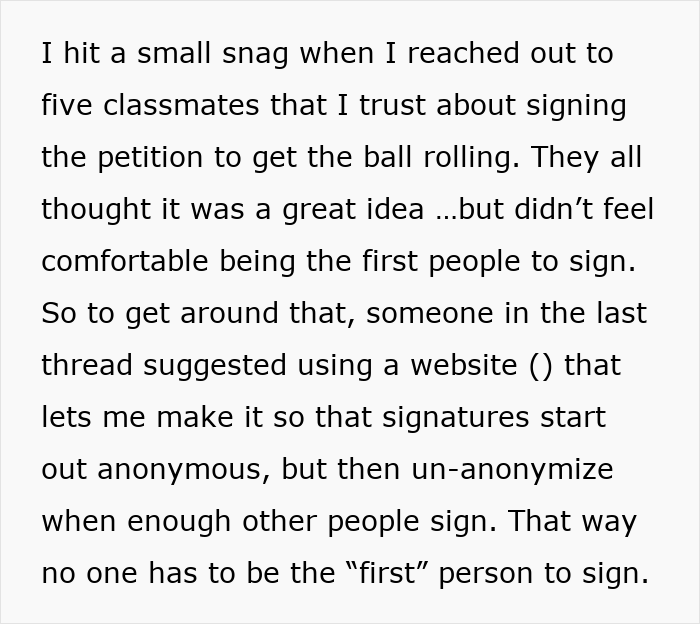
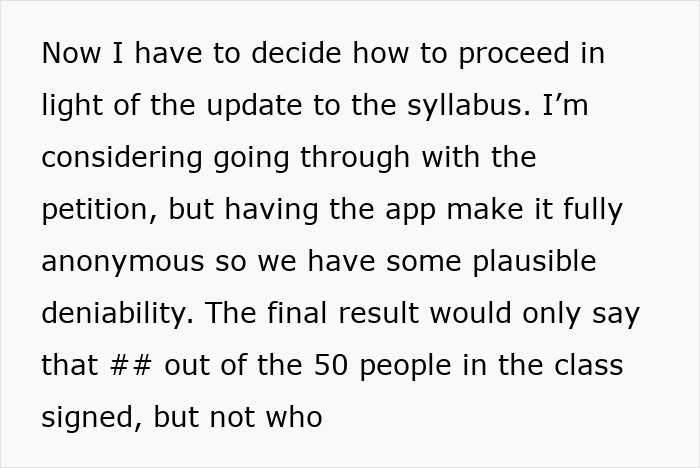
Screenshot of a student forum discussing consequences after professor enforces phone rule without warning.
ADVERTISEMENT
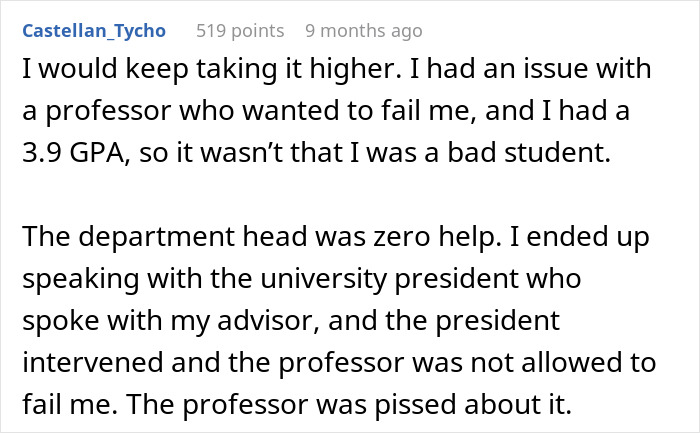
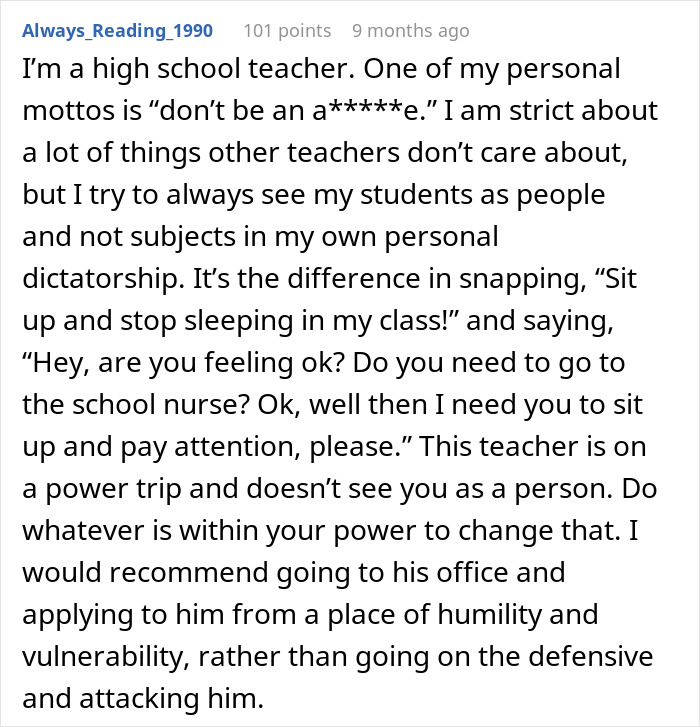
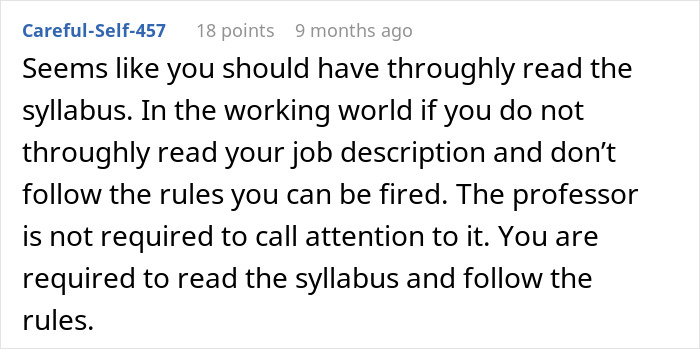
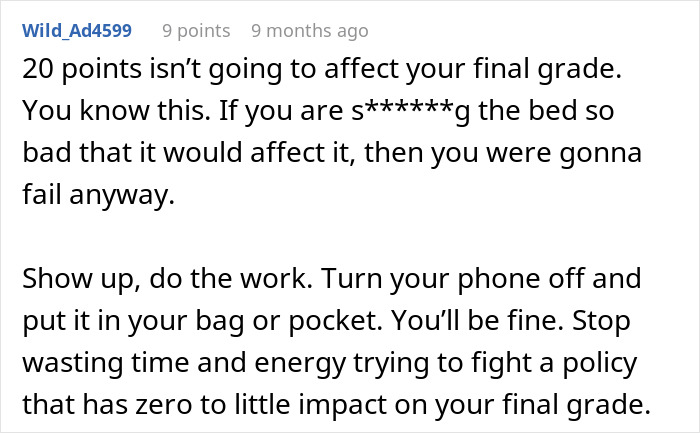
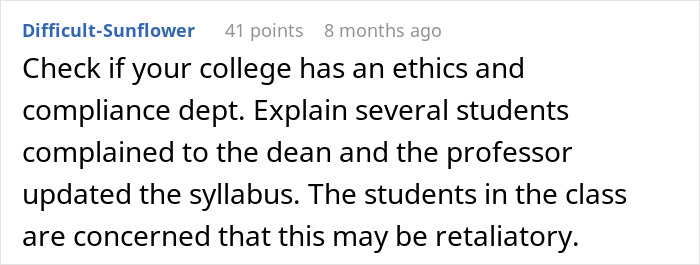
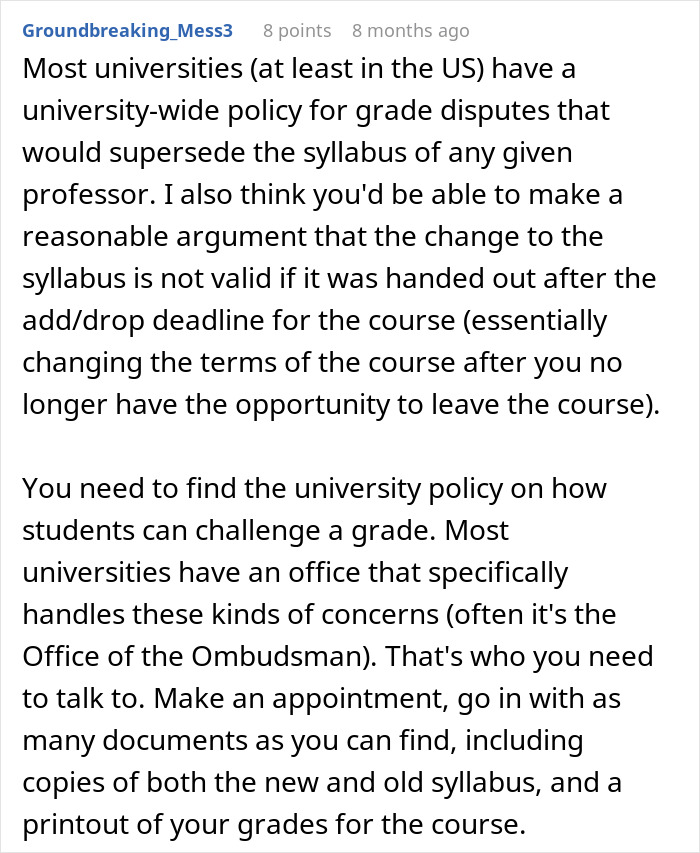
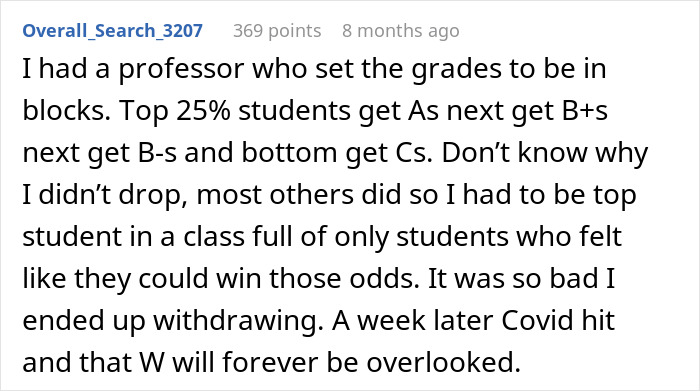
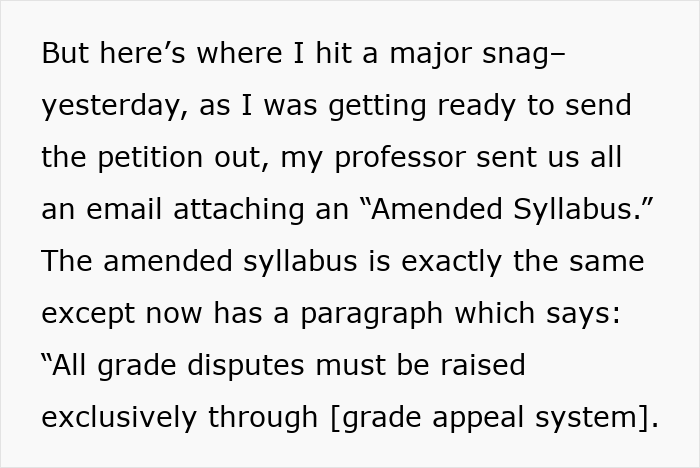
Screenshot of an online discussion where students push back after professor enforces phone rule without warning.
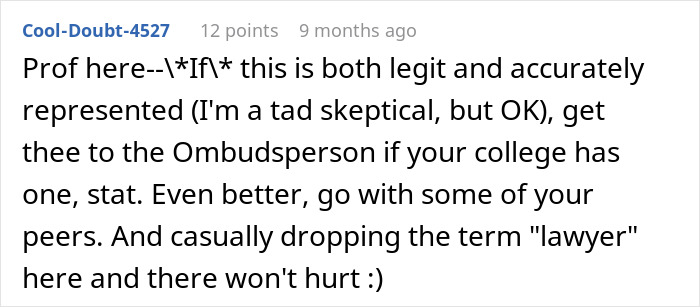
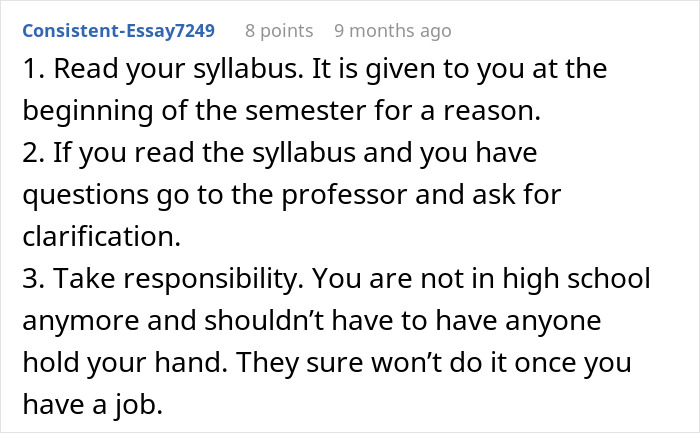
Reddit comment detailing students pushing back after professor enforces phone rule risking class failure.
ADVERTISEMENT
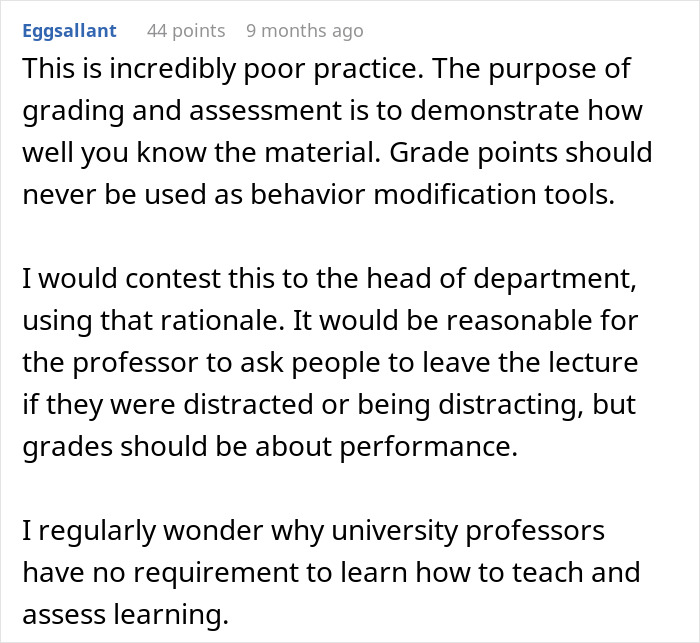
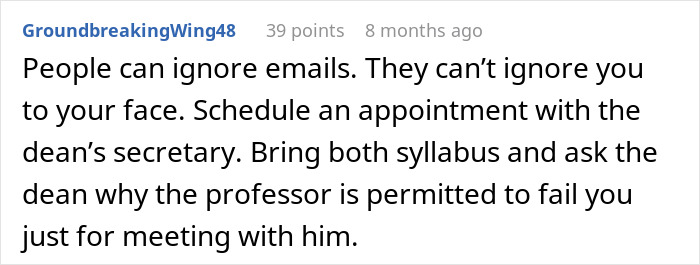
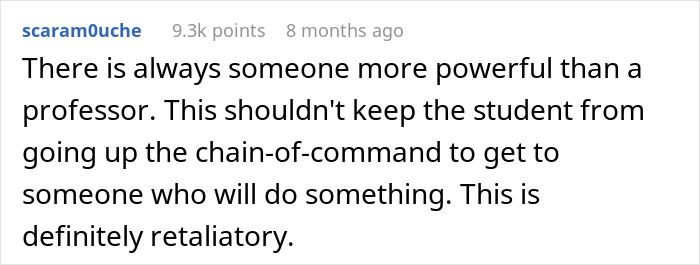
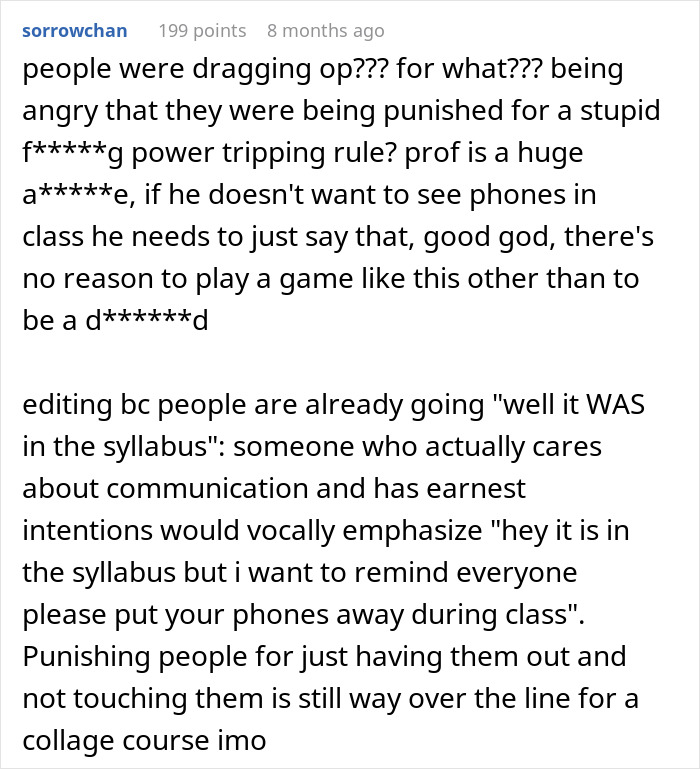
Comment on students pushing back after professor enforces phone rule, expressing risk of failing the class.
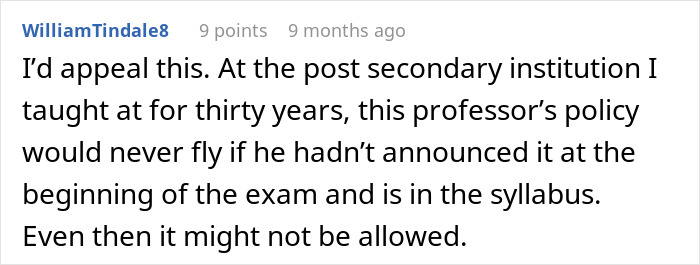
Reddit user discussing students push back after professor enforces strict phone rule without prior warning in class.
ADVERTISEMENT
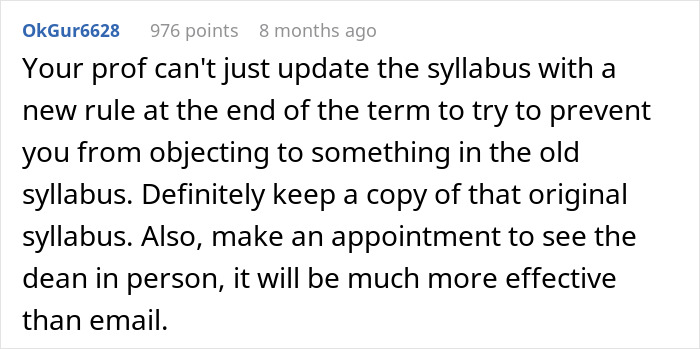
Comment about students pushing back against professor phone rule enforcement risking failing the class shown in online discussion.
ADVERTISEMENT
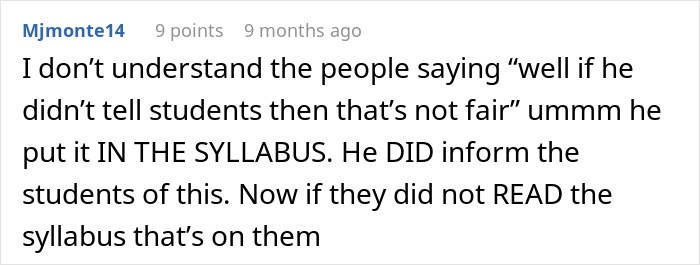
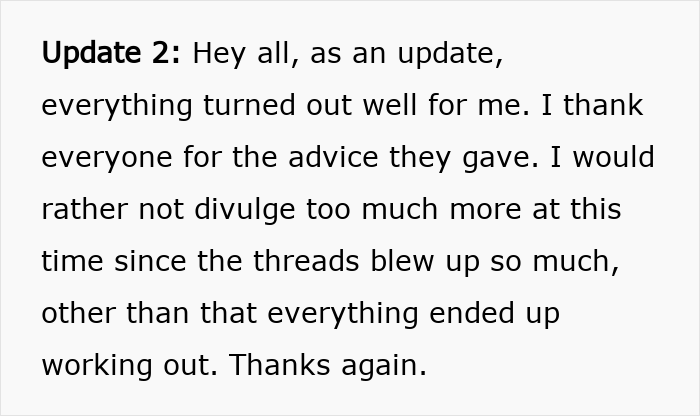
Text excerpt from a Reddit comment discussing student pushback after professor enforces phone rule without warning.
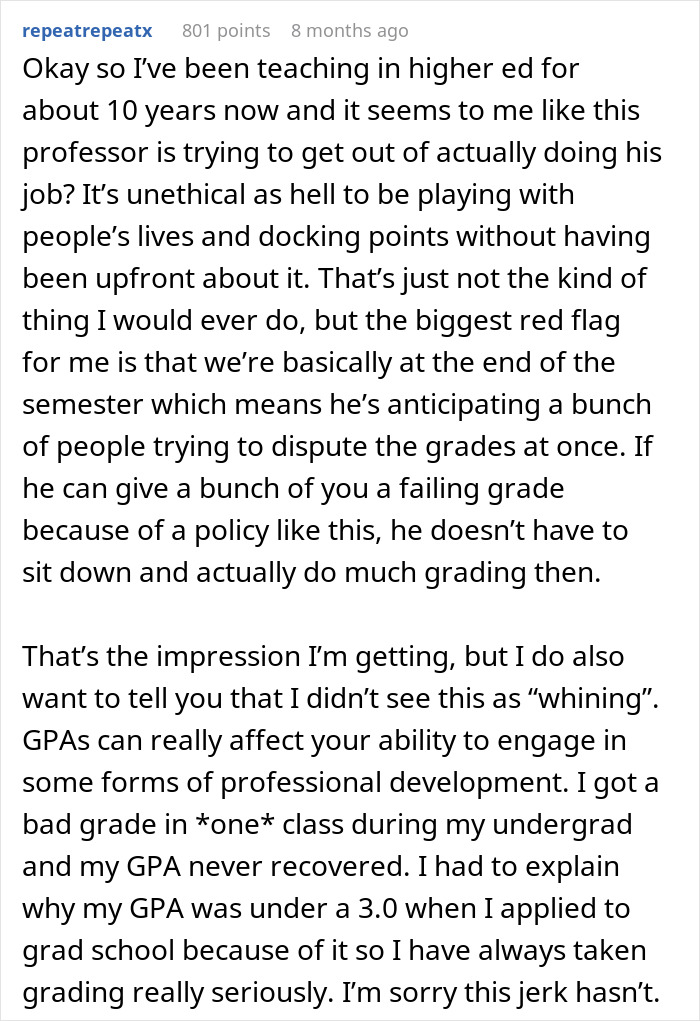
Students push back against professor enforcing phone rule without warning, fearing risk of failing the class and academic consequences.
ADVERTISEMENT
Poll Question
Total votes ·
Thanks! Check out the results:
Total votes ·
Newsletter
Subscribe to Access Exclusive Polls
By entering your email and clicking Subscribe, you're agreeing to let us send you customized marketing messages about us and our advertising partners. You are also agreeing to our Privacy Policy.
Thank you! You've successfully subscribed to newsletters!
Nikita's knack for storytelling and creativity has led her into the world of writing. With a robust foundation in business studies, she crafts compelling narratives by seamlessly blending analytical insight with imaginative expression. At Bored Panda, she embarks on an exhilarating quest to explore diverse topics, fueled by curiosity and passion. During her leisure time, she savors life's simple pleasures, such as gardening, cooking homemade meals and hosting gatherings for loved ones.
Nikita's knack for storytelling and creativity has led her into the world of writing. With a robust foundation in business studies, she crafts compelling narratives by seamlessly blending analytical insight with imaginative expression. At Bored Panda, she embarks on an exhilarating quest to explore diverse topics, fueled by curiosity and passion. During her leisure time, she savors life's simple pleasures, such as gardening, cooking homemade meals and hosting gatherings for loved ones.
I'm the Visual Editor at Bored Panda, responsible for ensuring that everything our audience sees is top-notch and well-researched. What I love most about my job? Discovering new things about the world and immersing myself in exceptional photography and art.
I'm the Visual Editor at Bored Panda, responsible for ensuring that everything our audience sees is top-notch and well-researched. What I love most about my job? Discovering new things about the world and immersing myself in exceptional photography and art.
I always kept my phone in my bag. But then people weren't so obsessed with their phones in early 2ks. Different times for sure. This prof is nuts though.
Sorry, but if 20 points are going to make you fail the class, you were going to fail anyway. How hard is it to put your phone in your pocket or bag? I’m not saying the professor is right, exactly - he’s definitely a d**k - but students have a responsibility to act like adults and part of that is following the syllabus.
Oi vey. Why is this on BP? It's not remotely entertaining. Someone had a problem, they need advice and here on BP, we can't give it. So what's the point? Downvoted, because.
People like the OP annoy the hell out of me. Come looking for advice from other people and then don't even have the decency to let said other people know the end result. I used to frequent a forum where people would often get the answer they wanted (or the answer they very much didn't, lol) and then delete their original post so nobody else could benefit from it. Jerks.
Oh, Forrest, you seem very certain that no one else in the world will ever, EVER encounter this issue (or a similar one) ever again, and thus, this person's experience is completely without value, according to you XD You probably should start complaining to your local newspapers if they run advice columns, since you can't personally give advice directly to the people who write in to the column looking for advice. While you're at it, better boycott all medical and psychiatric books that have patient/case studies, since you can't personally give the patients advice.
LakotaWolf (she/her): you misunderstand me. A problem was posed, actions were suggested, and nothing was resolved. So what's the point in reposting it here? IF there had been a resolution one way or another, THEN there might be some worth in reposting this here - but as it is? No. As it is, it's all just pointless waffle. Oh, LakotaWolf (she/her), I can do patronising condescension at least as well as you, if I put my mind to it. But I'd rather not. You are no enemy of decency. I think you know I'm not, either. 🤨
I always kept my phone in my bag. But then people weren't so obsessed with their phones in early 2ks. Different times for sure. This prof is nuts though.
Sorry, but if 20 points are going to make you fail the class, you were going to fail anyway. How hard is it to put your phone in your pocket or bag? I’m not saying the professor is right, exactly - he’s definitely a d**k - but students have a responsibility to act like adults and part of that is following the syllabus.
Oi vey. Why is this on BP? It's not remotely entertaining. Someone had a problem, they need advice and here on BP, we can't give it. So what's the point? Downvoted, because.
People like the OP annoy the hell out of me. Come looking for advice from other people and then don't even have the decency to let said other people know the end result. I used to frequent a forum where people would often get the answer they wanted (or the answer they very much didn't, lol) and then delete their original post so nobody else could benefit from it. Jerks.
Oh, Forrest, you seem very certain that no one else in the world will ever, EVER encounter this issue (or a similar one) ever again, and thus, this person's experience is completely without value, according to you XD You probably should start complaining to your local newspapers if they run advice columns, since you can't personally give advice directly to the people who write in to the column looking for advice. While you're at it, better boycott all medical and psychiatric books that have patient/case studies, since you can't personally give the patients advice.
LakotaWolf (she/her): you misunderstand me. A problem was posed, actions were suggested, and nothing was resolved. So what's the point in reposting it here? IF there had been a resolution one way or another, THEN there might be some worth in reposting this here - but as it is? No. As it is, it's all just pointless waffle. Oh, LakotaWolf (she/her), I can do patronising condescension at least as well as you, if I put my mind to it. But I'd rather not. You are no enemy of decency. I think you know I'm not, either. 🤨

 Dark Mode

























































 No fees, cancel anytime
 then open in external browser


 and click "Open in External Browser"














21
7