Get Premium
Dark mode theme is available exclusively for premium users. Learn more about the benefits of subscribing.
No fees, cancel anytime.

 Dark Mode Ad-Free Browsing Unlimited Content
 Ad-Free Browsing Unlimited Content Dark Mode
Join 1.2 million Panda readers who get the best art, memes, and fun stories every week!
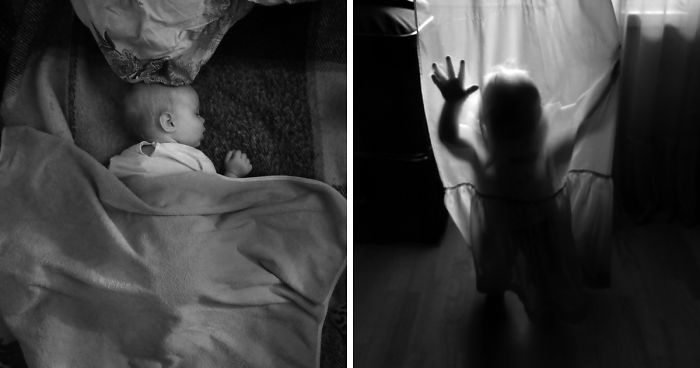
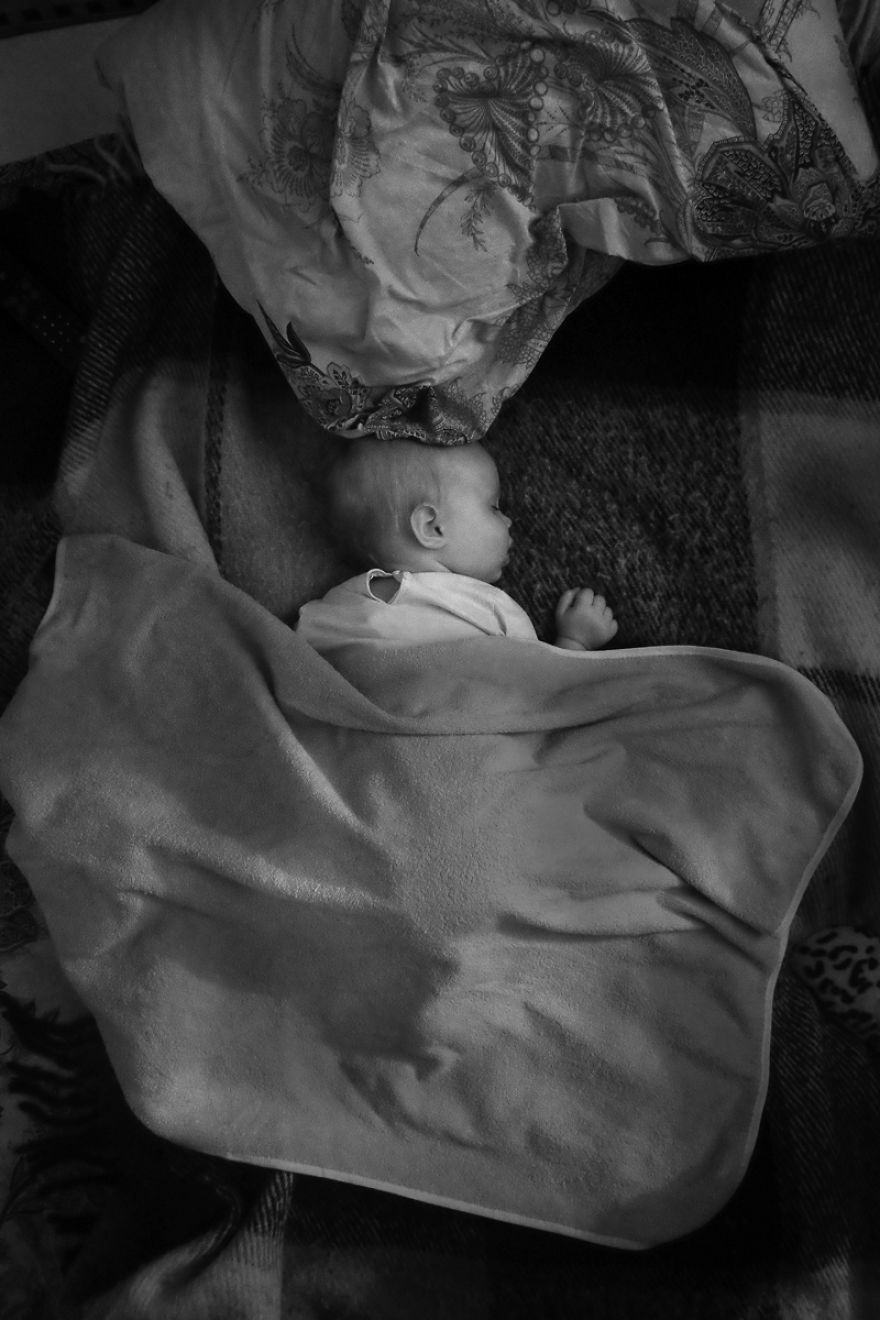
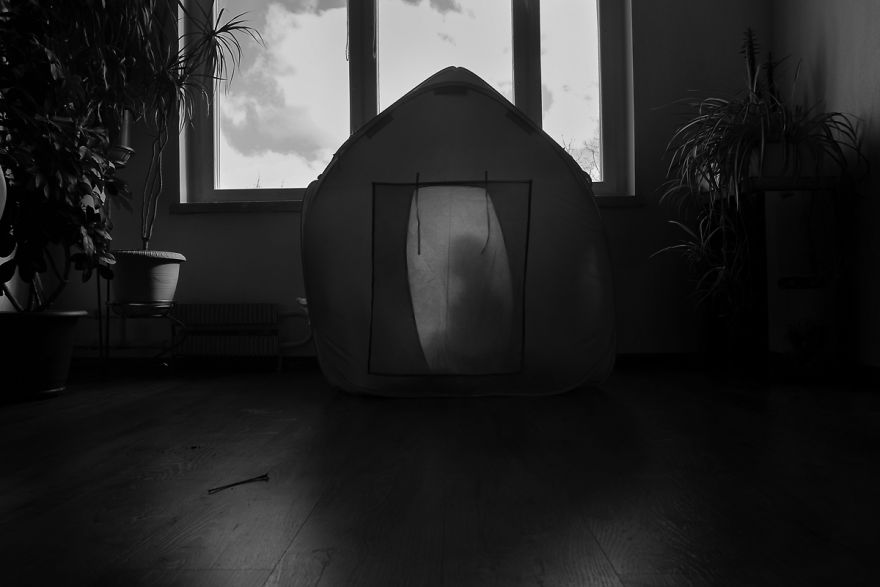
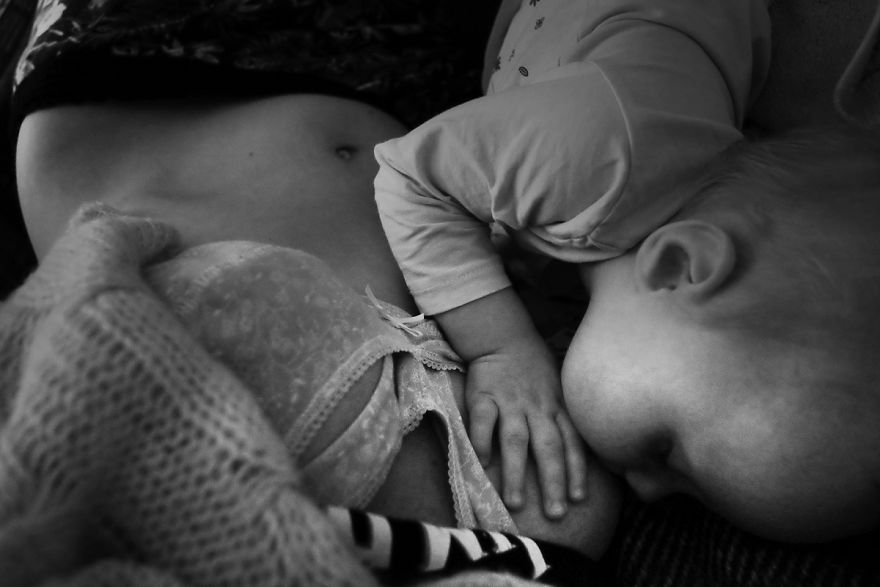
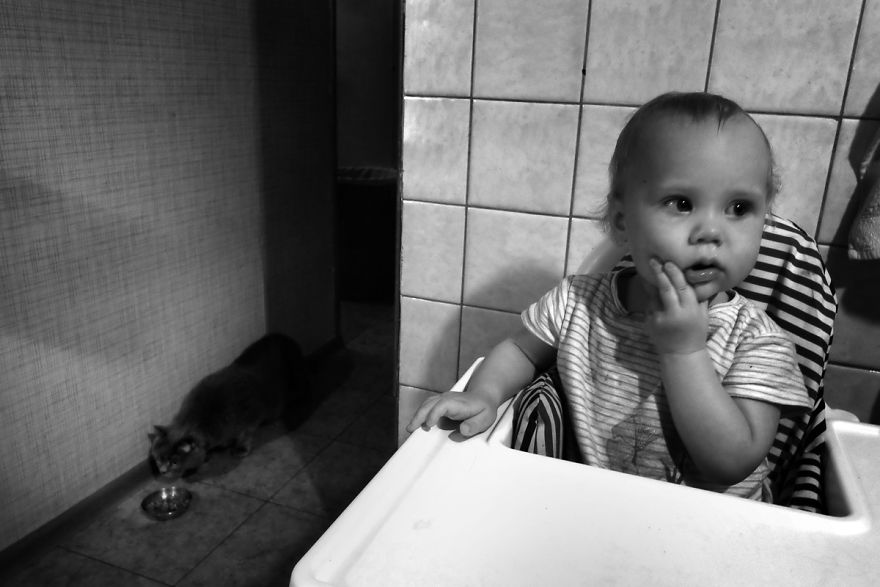
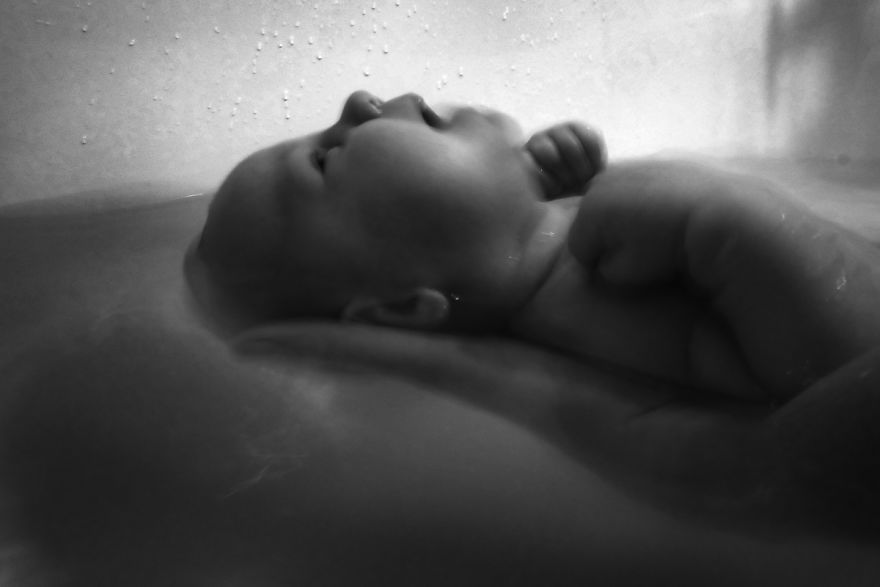
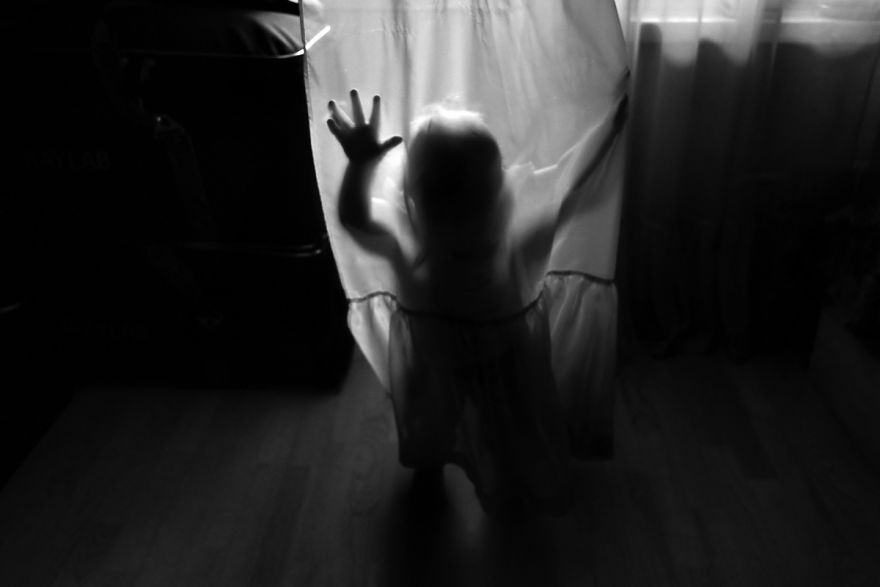
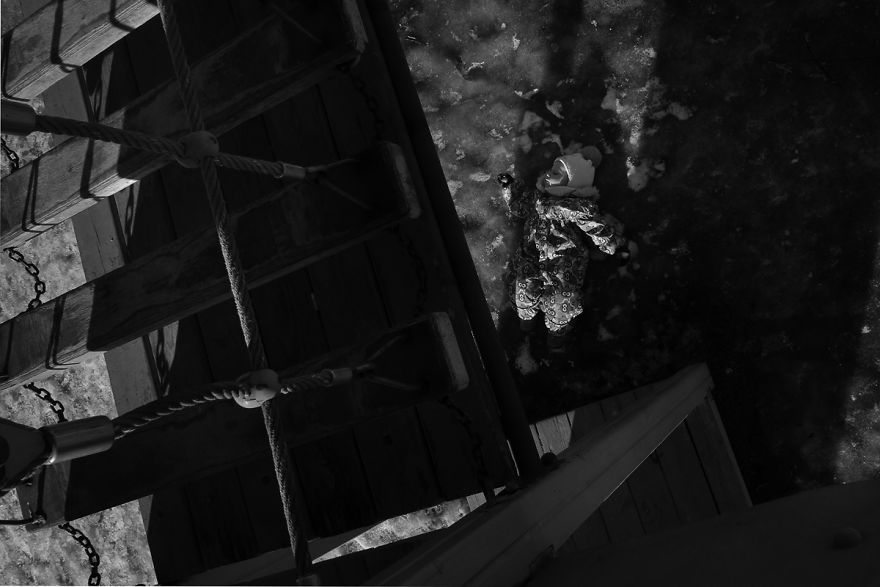
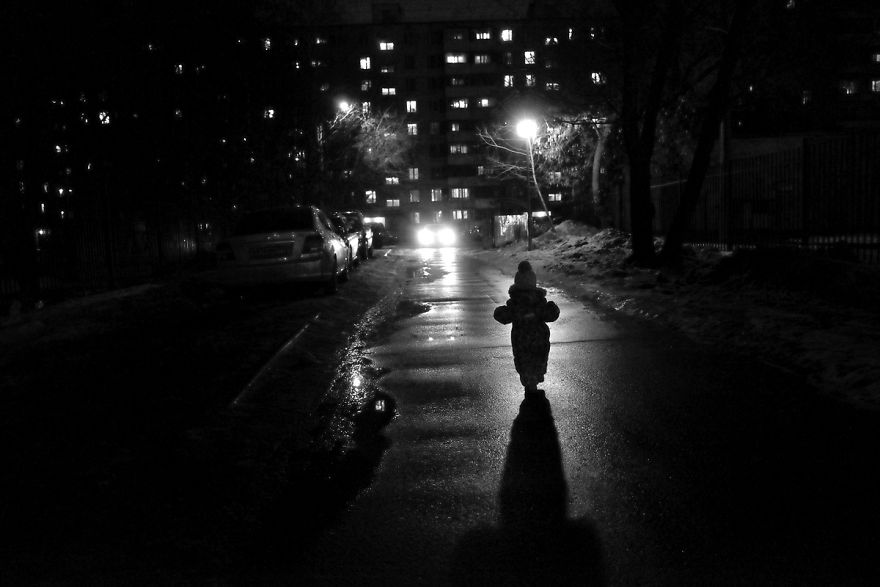
Loneliness, constant anxiety, fear for the child, loss of interest for life, ideas about self-destruction, despondency and irritability are signs of PND (postnatal depression). At the same time the woman feels guilty in front of the child which makes her think of herself as a bad mother. According to statistics, between 5 and 7 out of every 10 women suffer from some level of depression after giving birth.
Most mothers are afraid to admit to themselves, let alone to other people that their child is a source of unpleasant emotional stress. If a woman can’t manage her new condition and isn’t getting the support she needs from people close to her, it’s highly probable that the burdensome condition will worsen and last for months, even years.
The mother’s state is passed on to her baby. Instead of warmth and tenderness, he or she receives from the person closest a sense of alarm, uncertainty and sorrow. Researchers emphasise that a mother’s depression can cause problems with the child, beginning with development, sleep patterns, behaviour and even leading to certain mental disorders, in particular a tendency towards depression. These children are more troubled, lonely, less sure of their mother’s love and therefore of themselves.
More info: Instagram
16Kviews
Share on Facebook

I think is a hormonal disorder. Not lack of love. Its like fear to fail or not be a perfect mom.


I think is a hormonal disorder. Not lack of love. Its like fear to fail or not be a perfect mom.
































 No fees, cancel anytime




104
9