Get Premium
Dark mode theme is available exclusively for premium users. Learn more about the benefits of subscribing.
No fees, cancel anytime.

 Dark Mode Ad-Free Browsing Unlimited Content
 Ad-Free Browsing Unlimited Content Dark Mode
Join 1.2 million Panda readers who get the best art, memes, and fun stories every week!
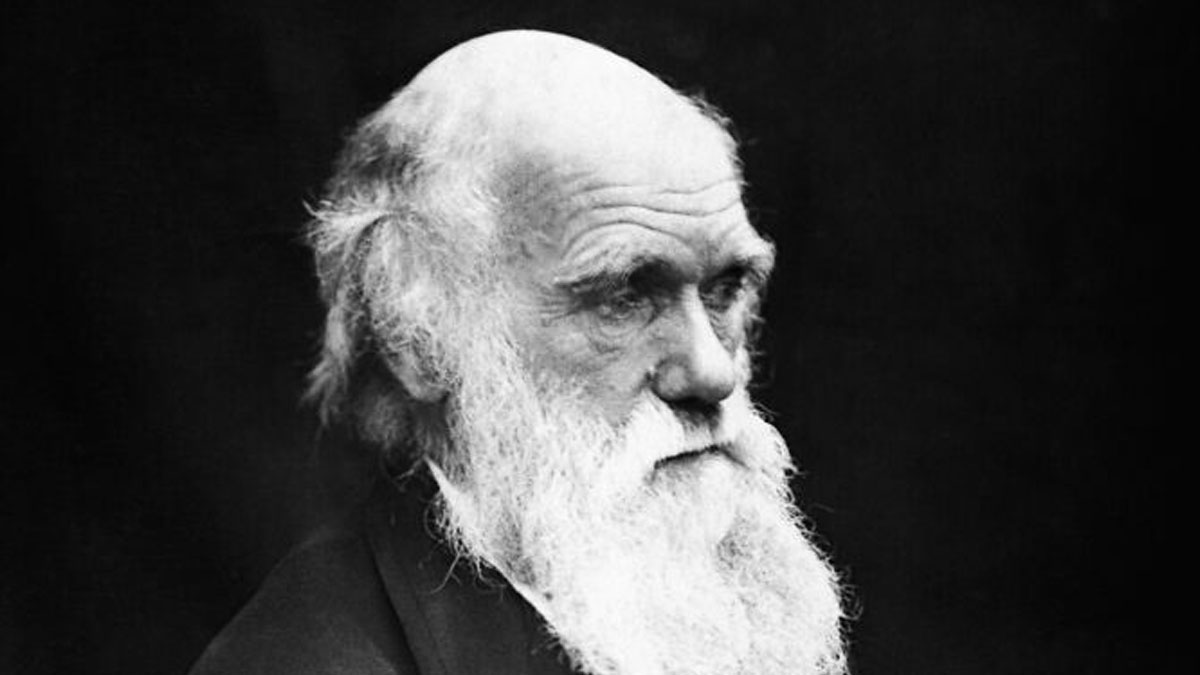
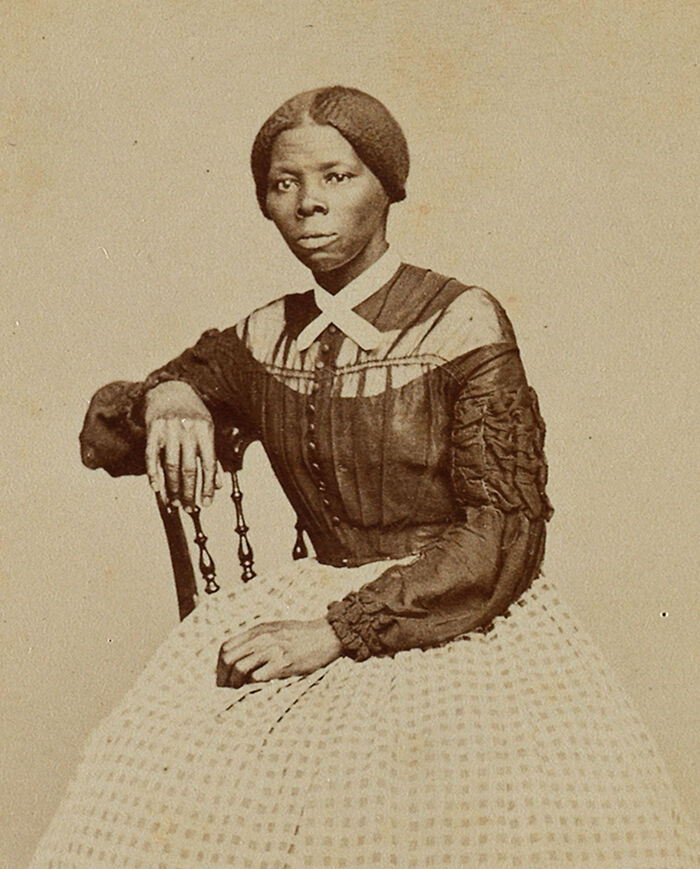
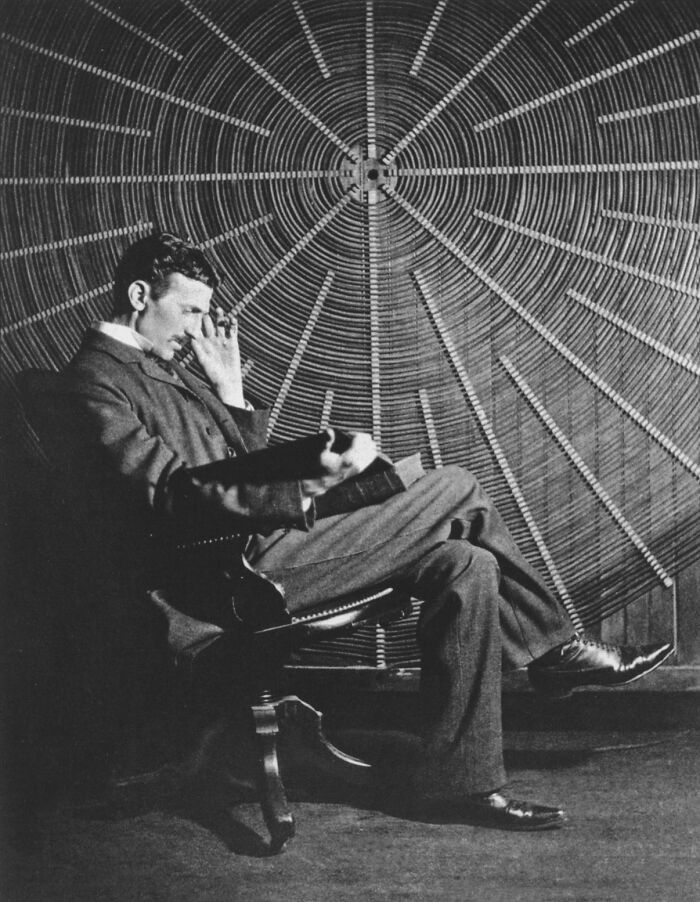
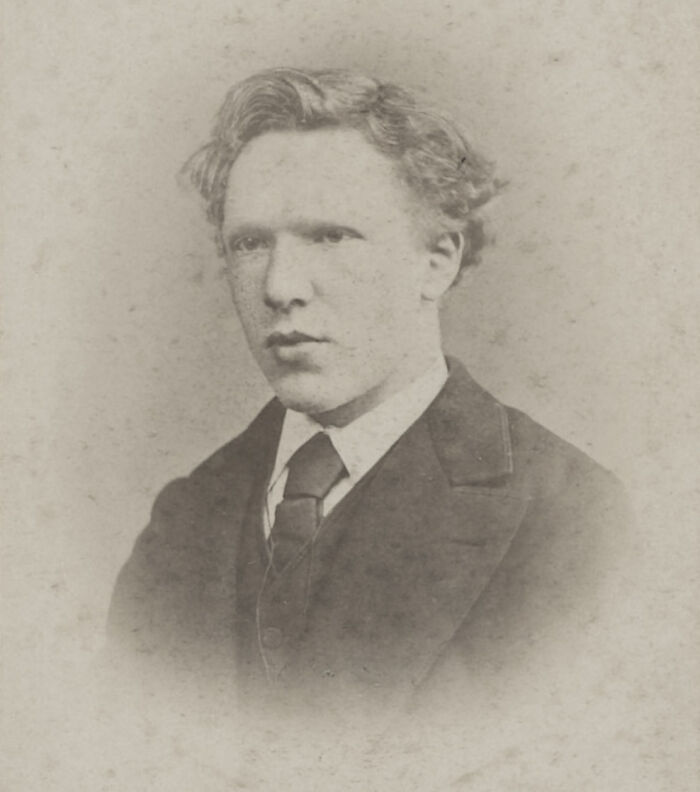
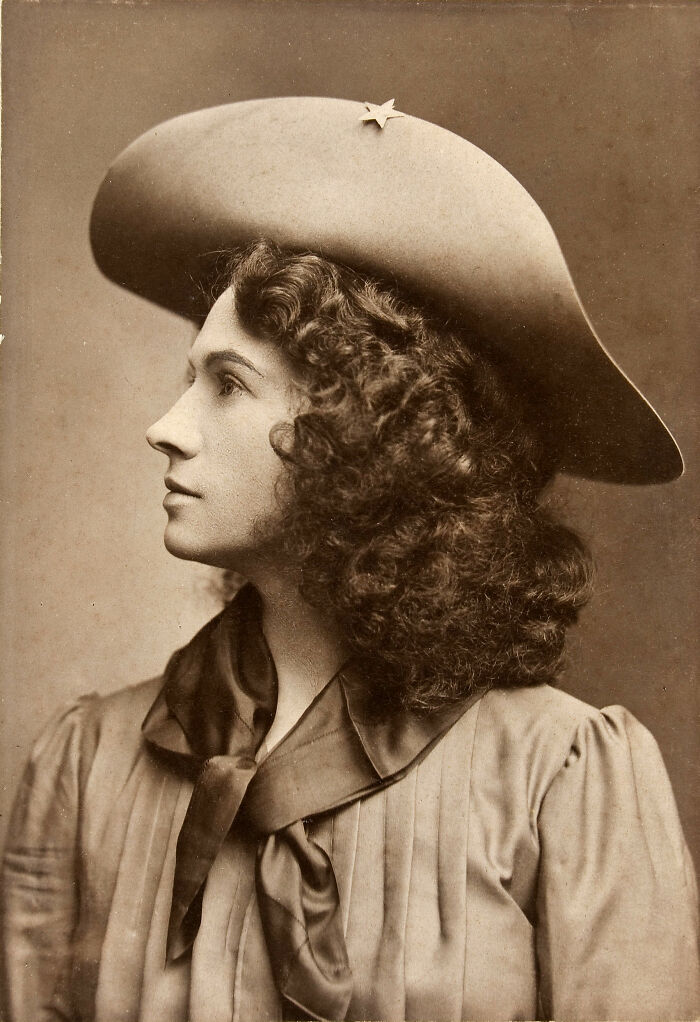
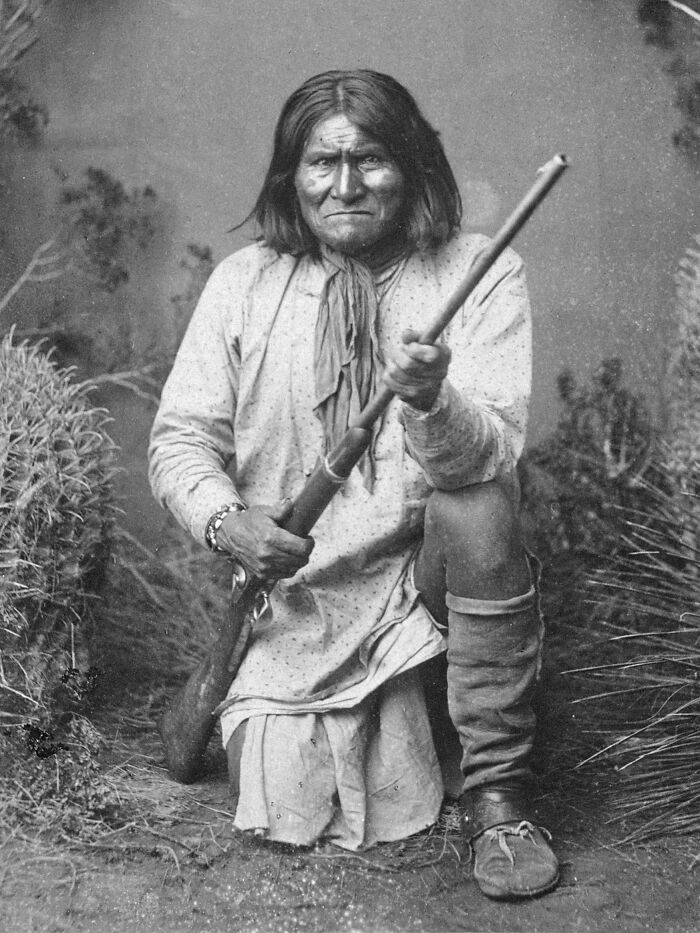
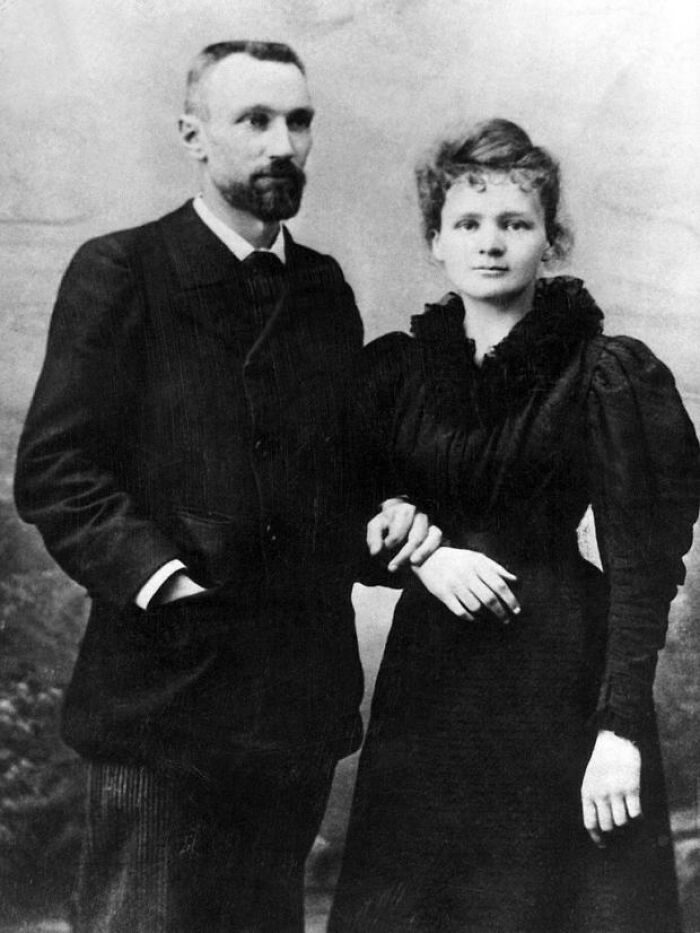
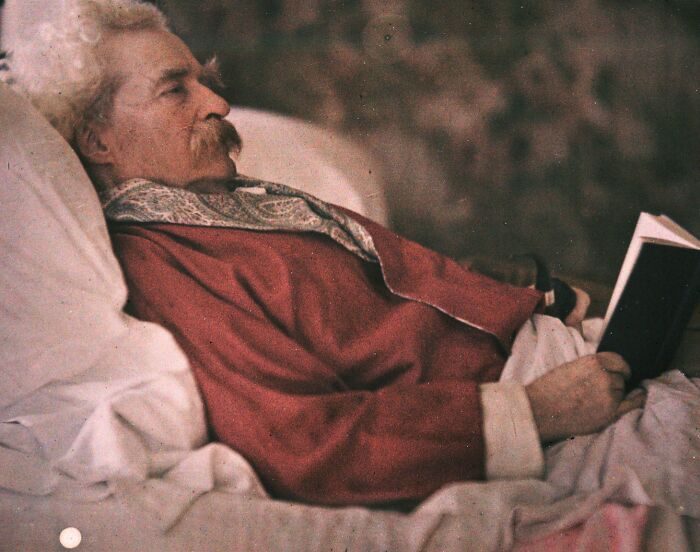
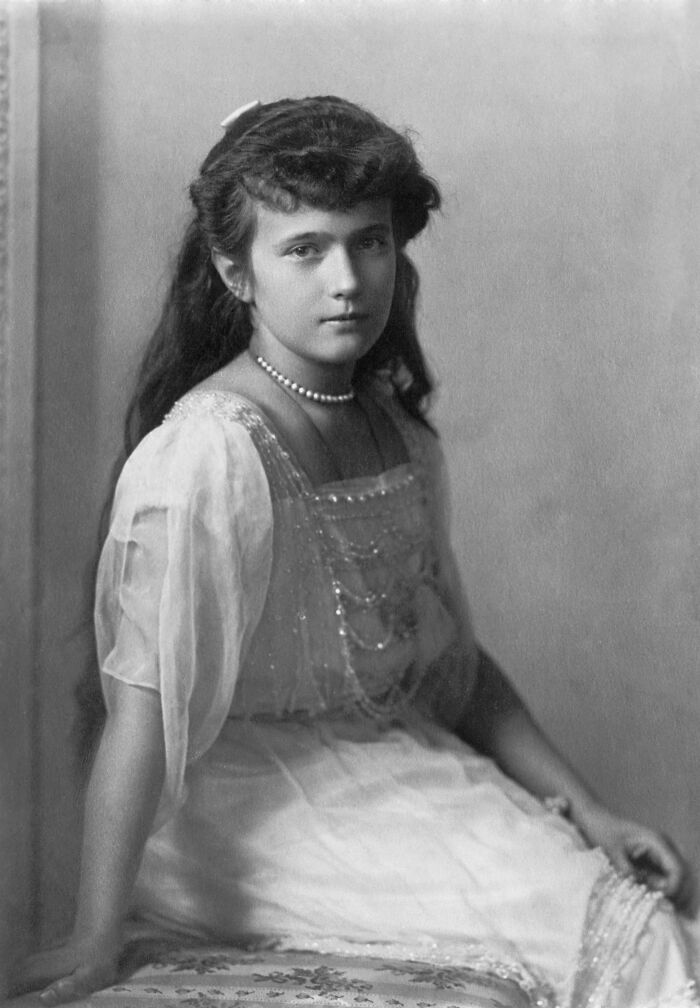
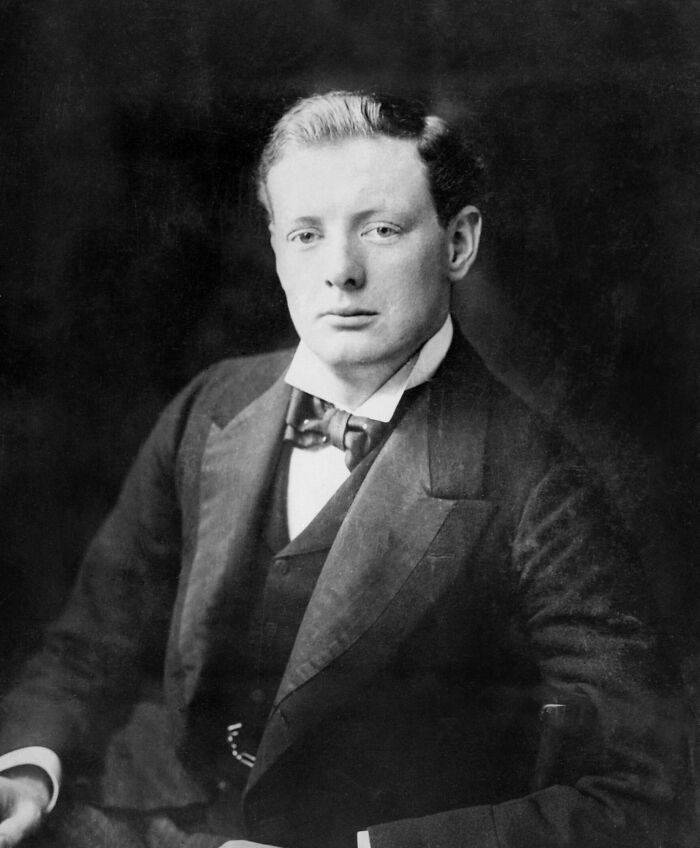
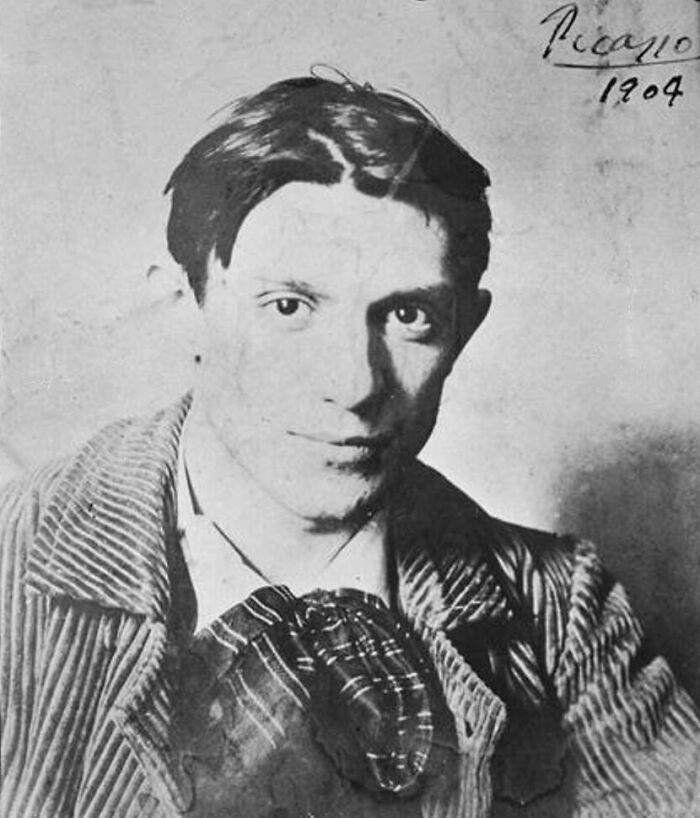
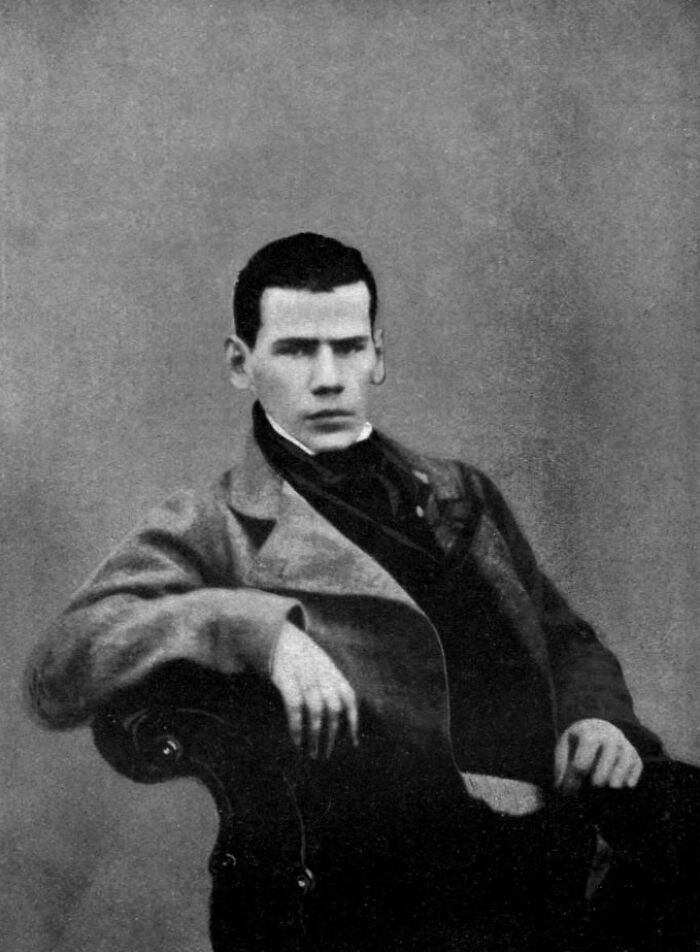
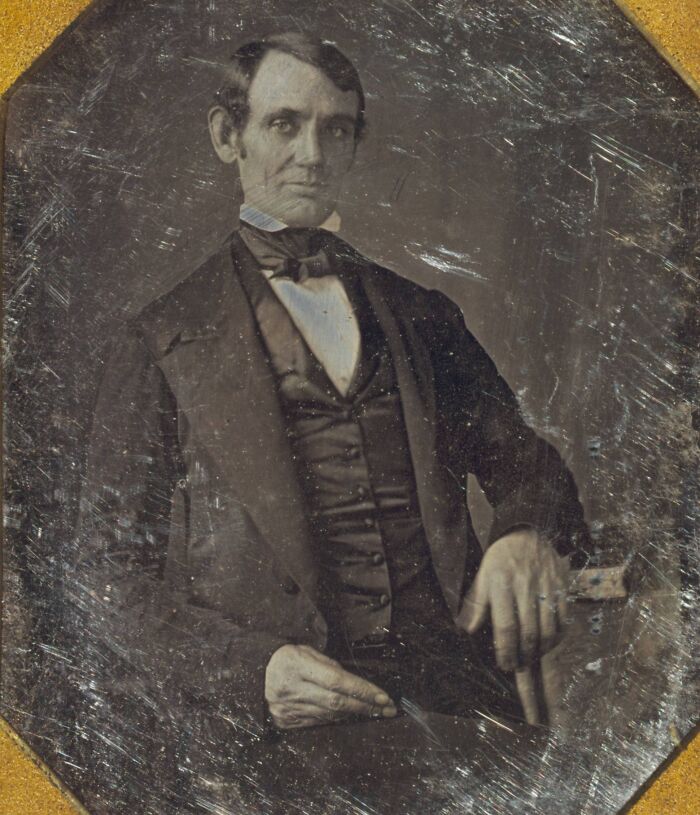
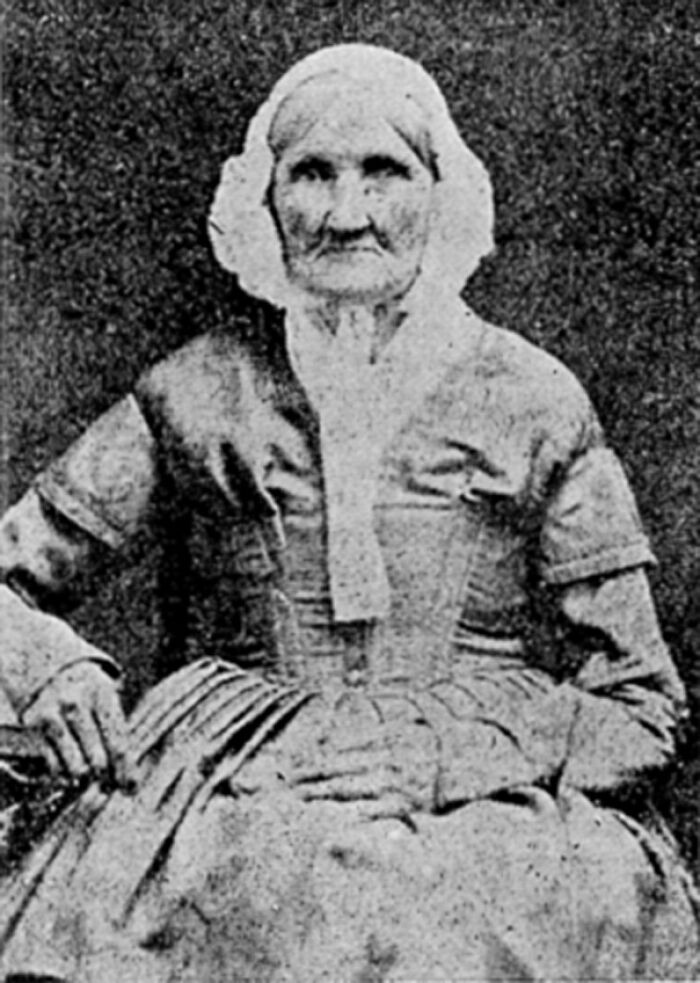
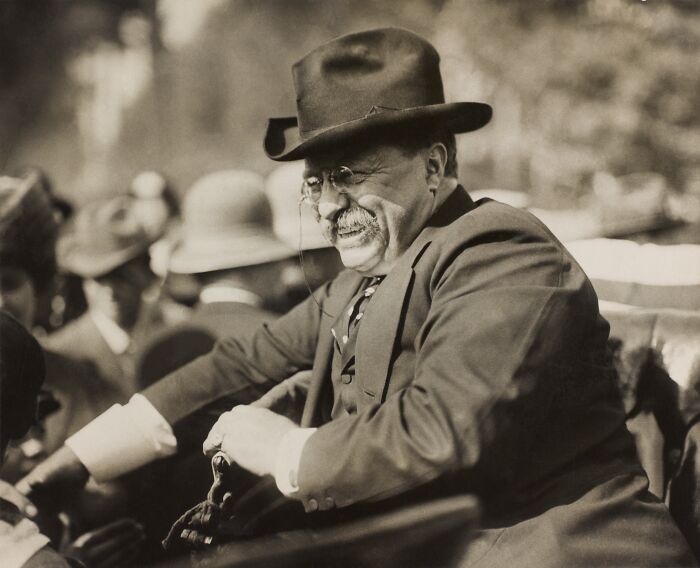
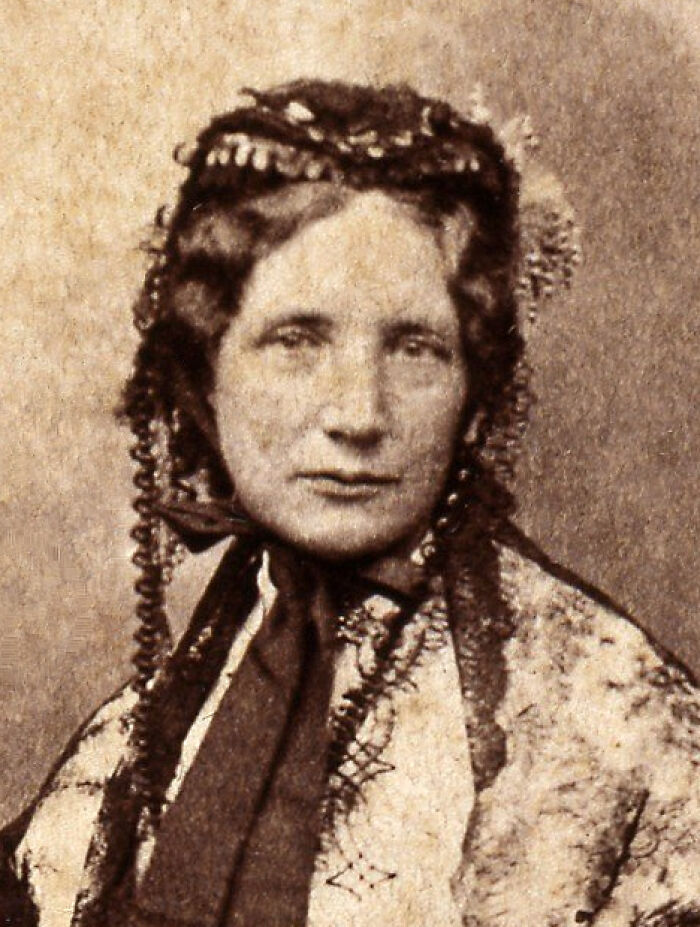
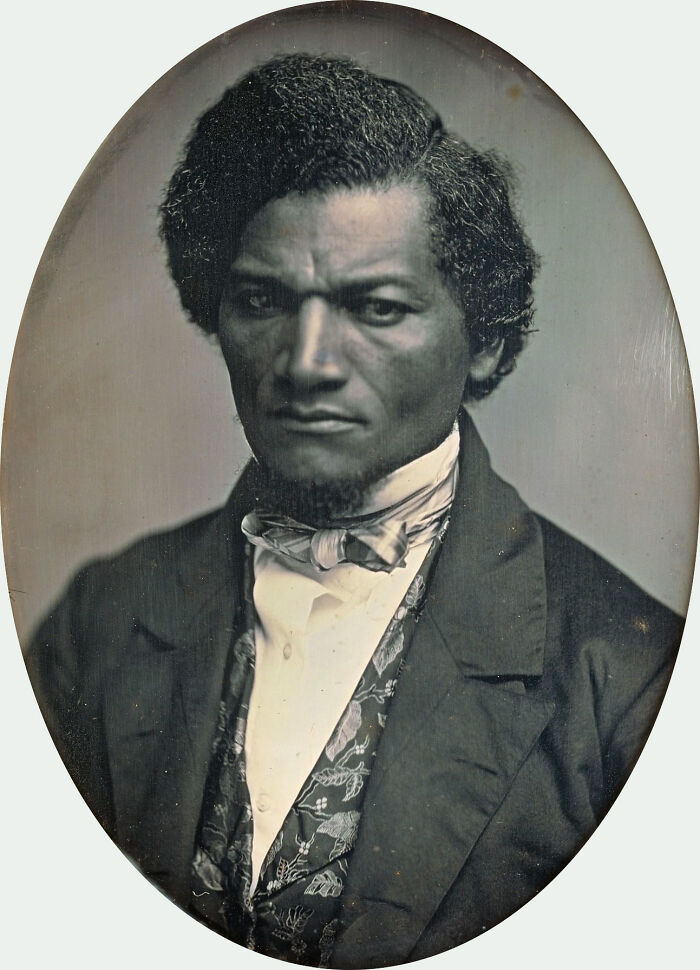
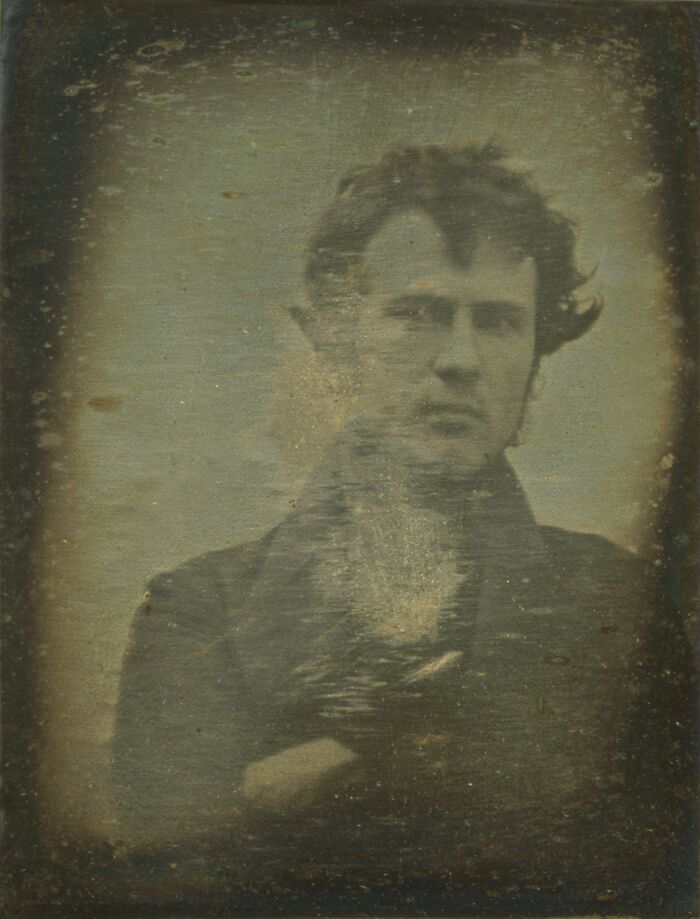
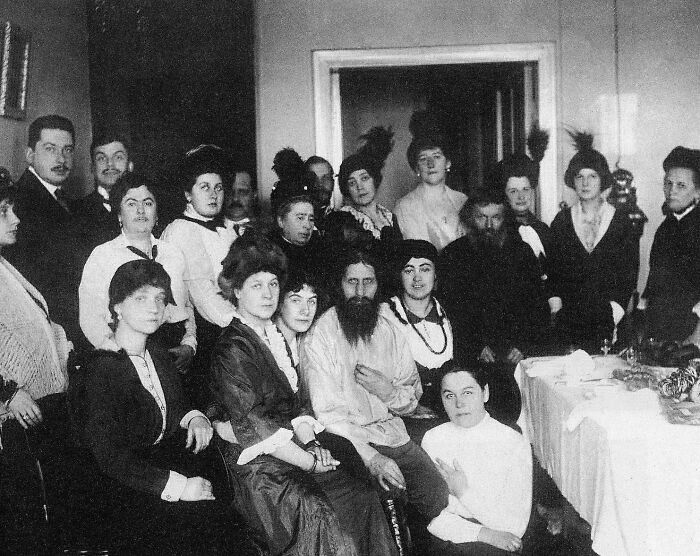
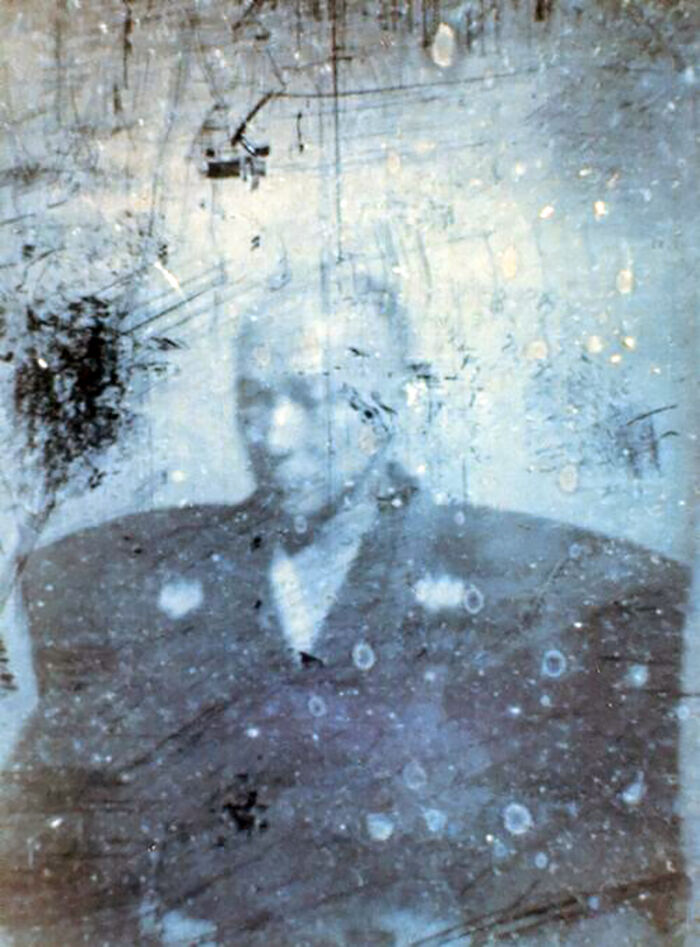
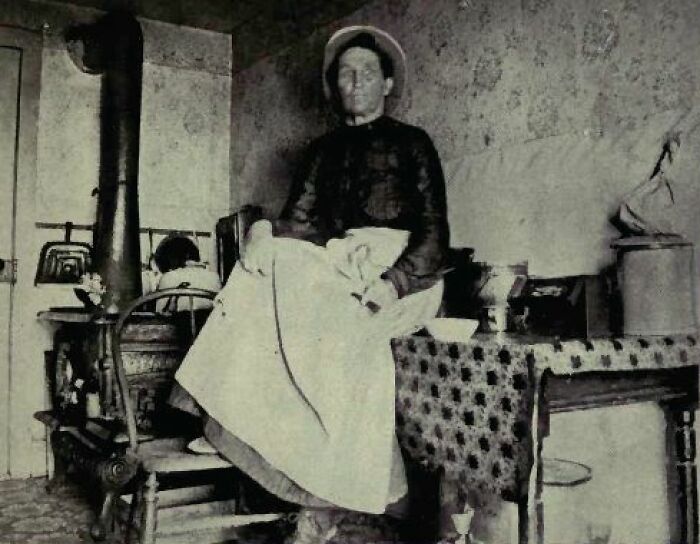
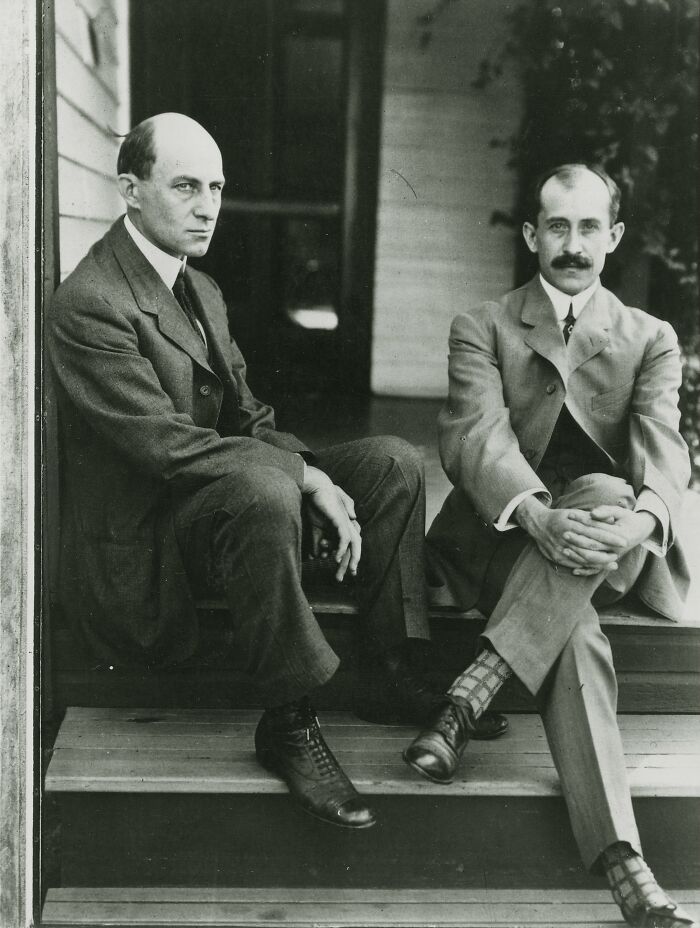
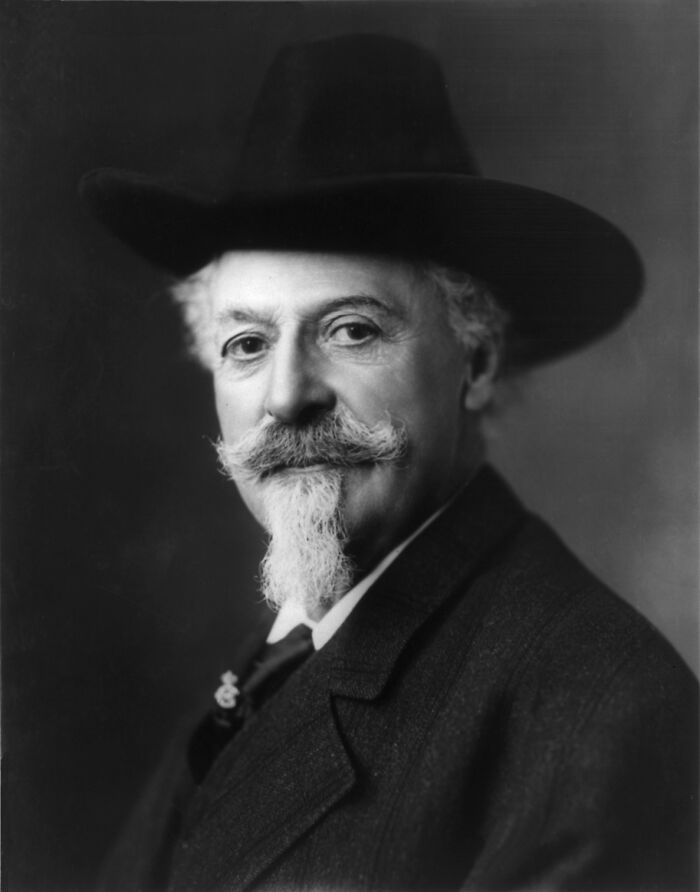
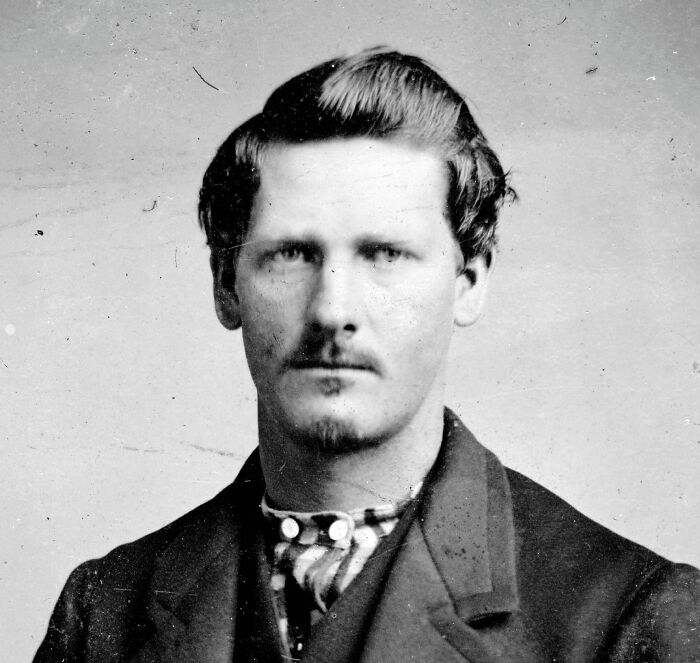
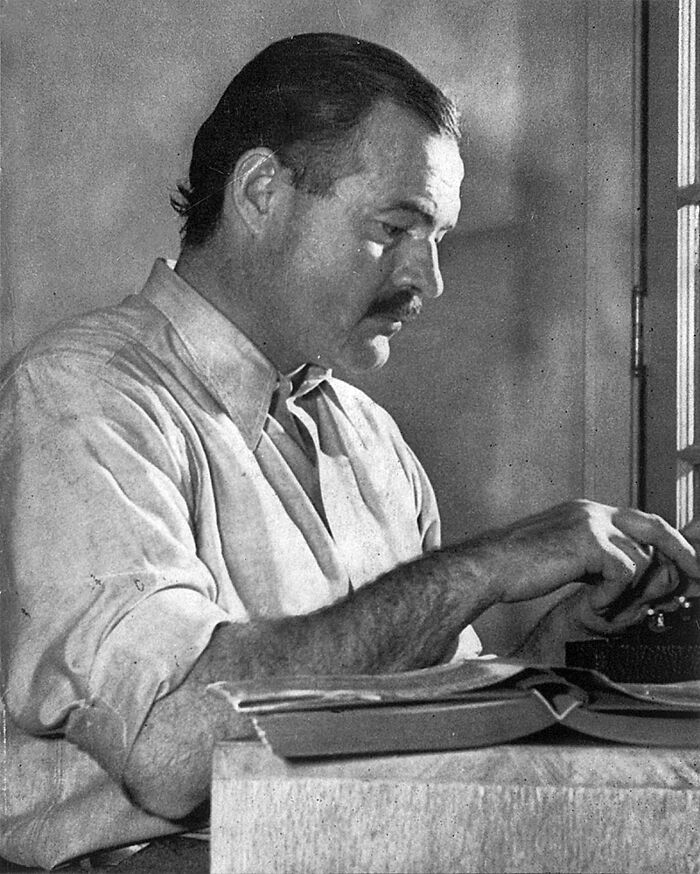
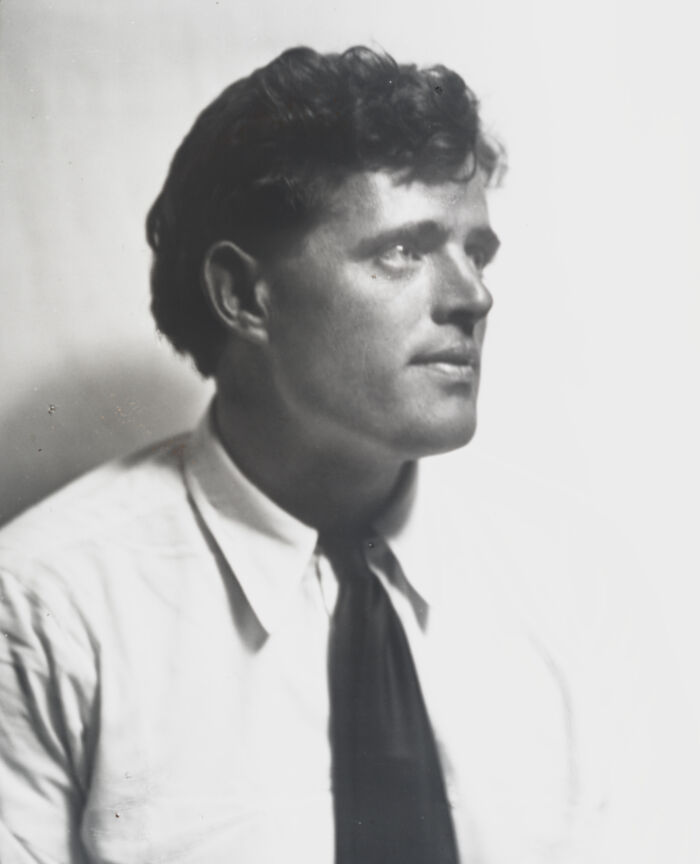
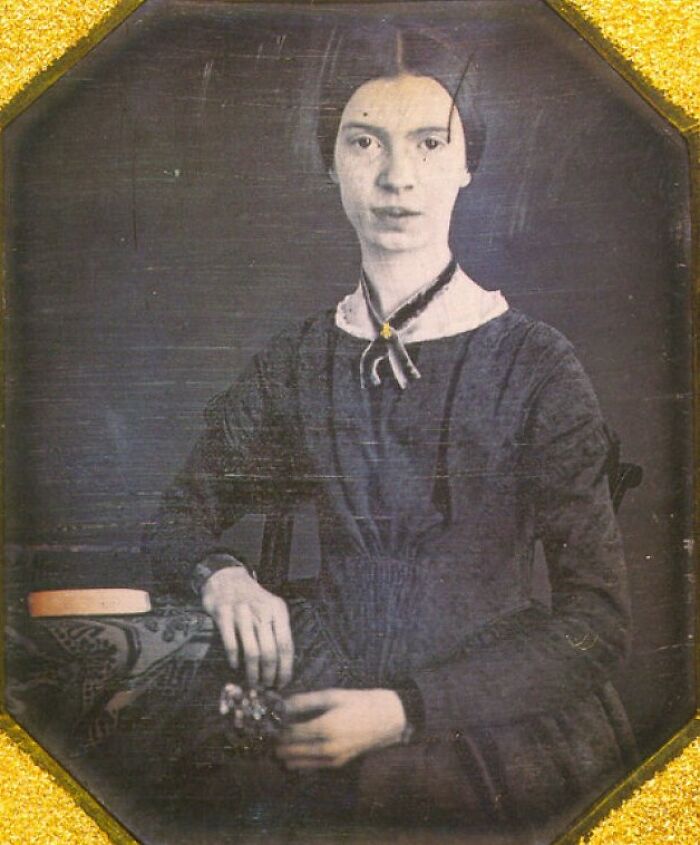
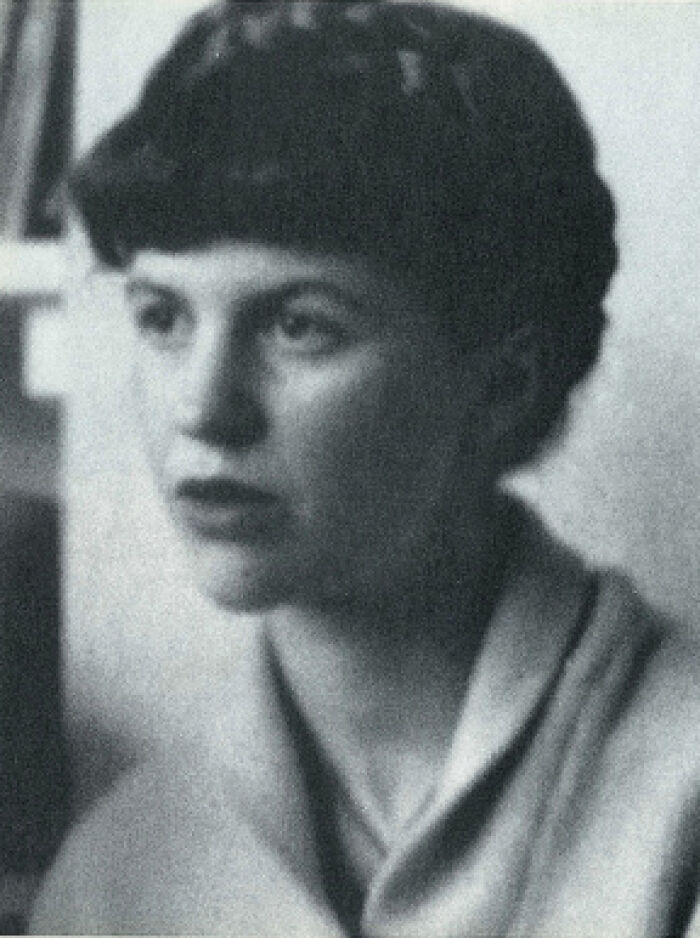
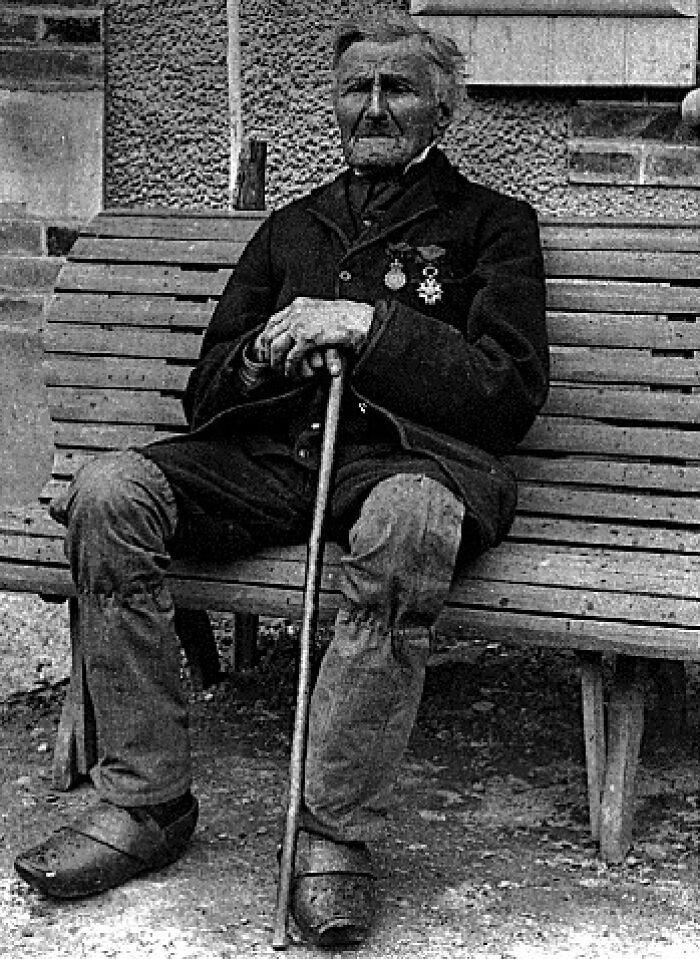
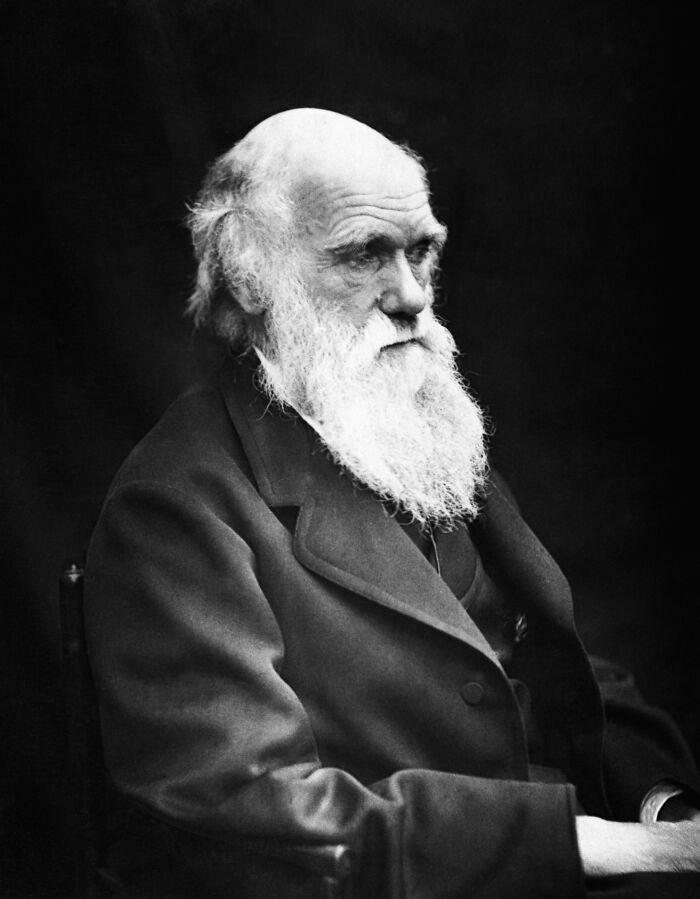
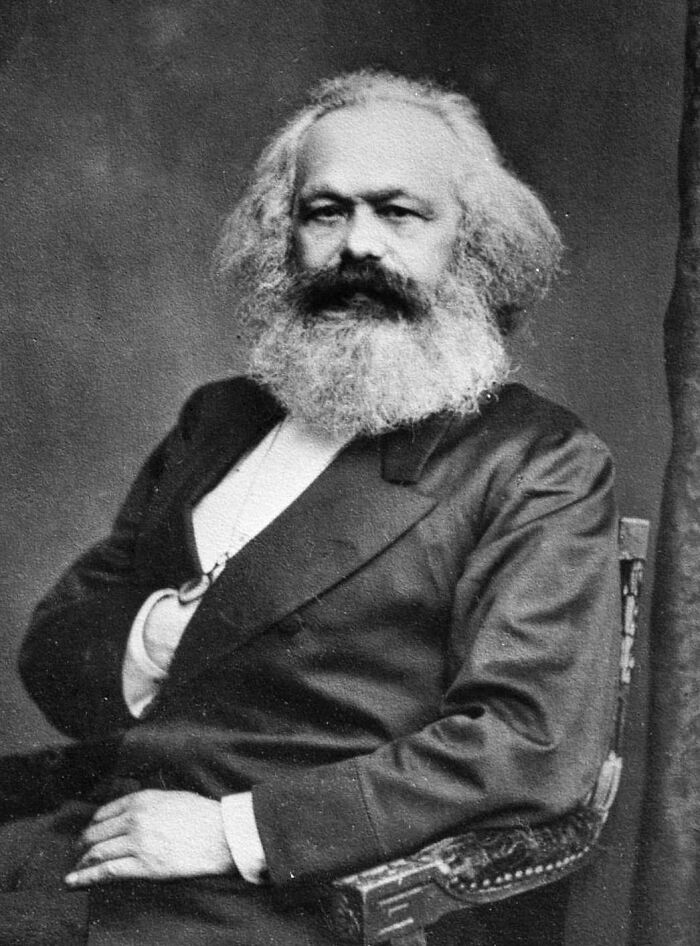
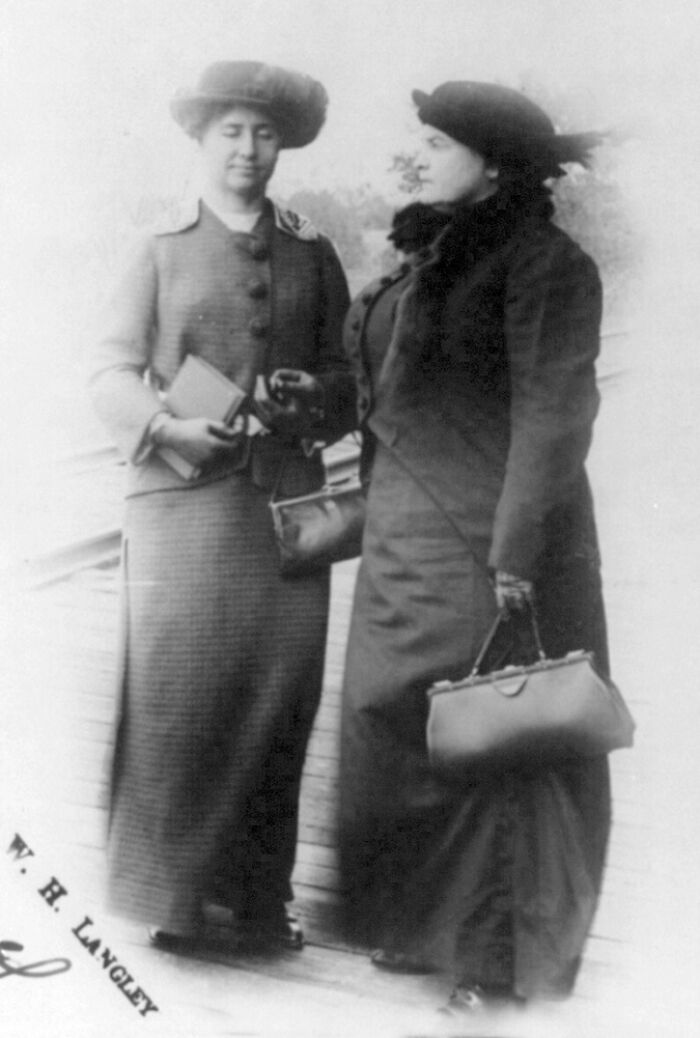
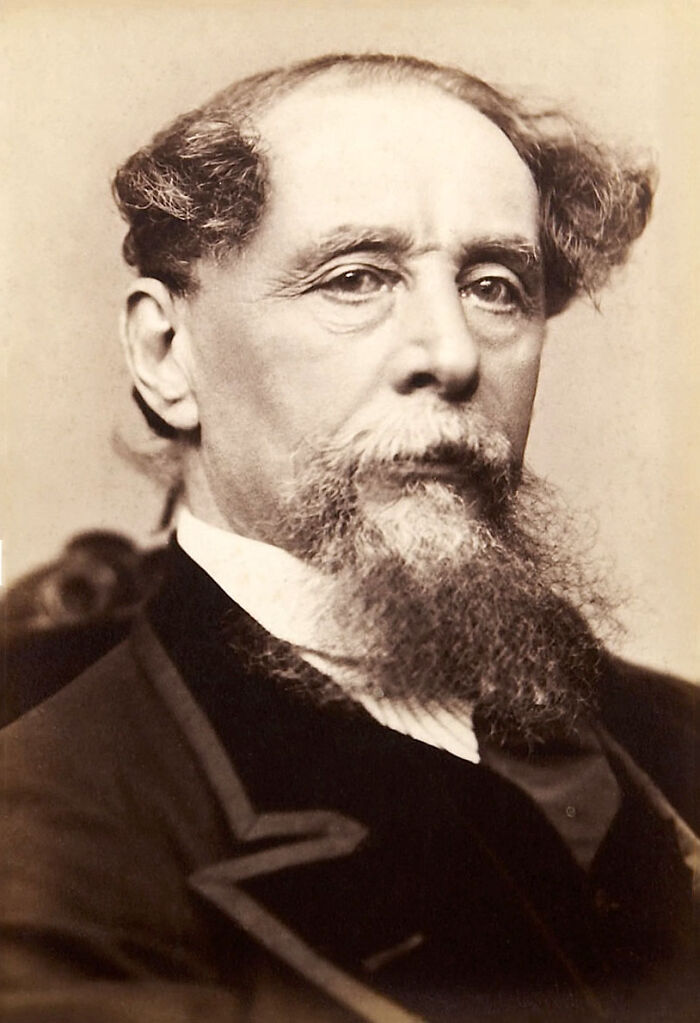
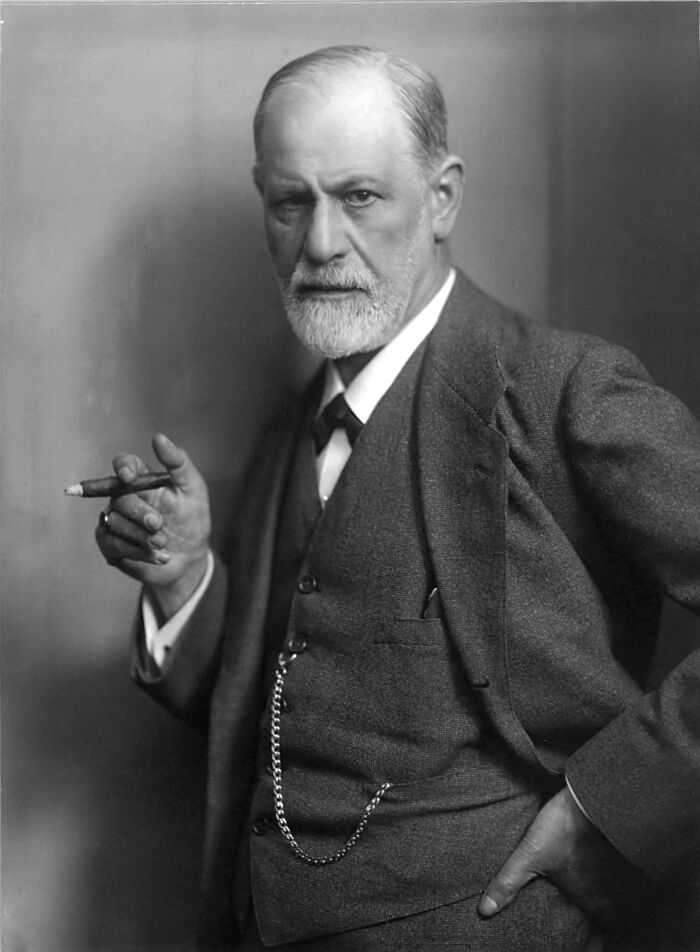
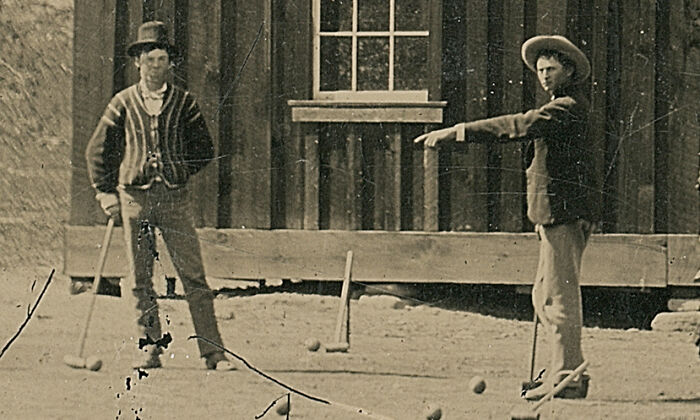
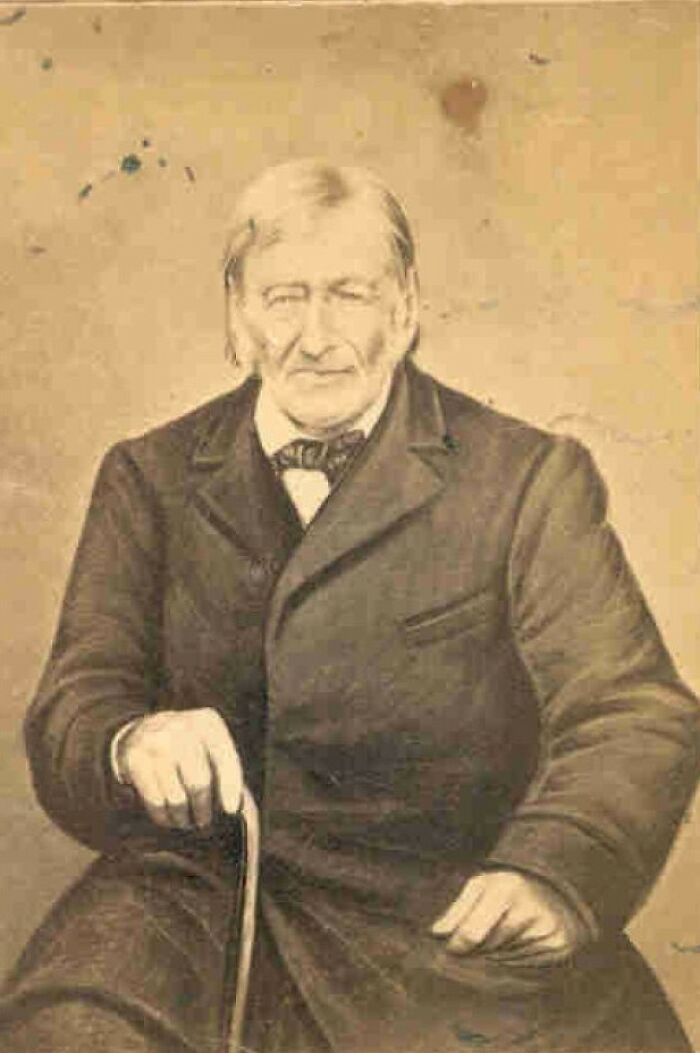
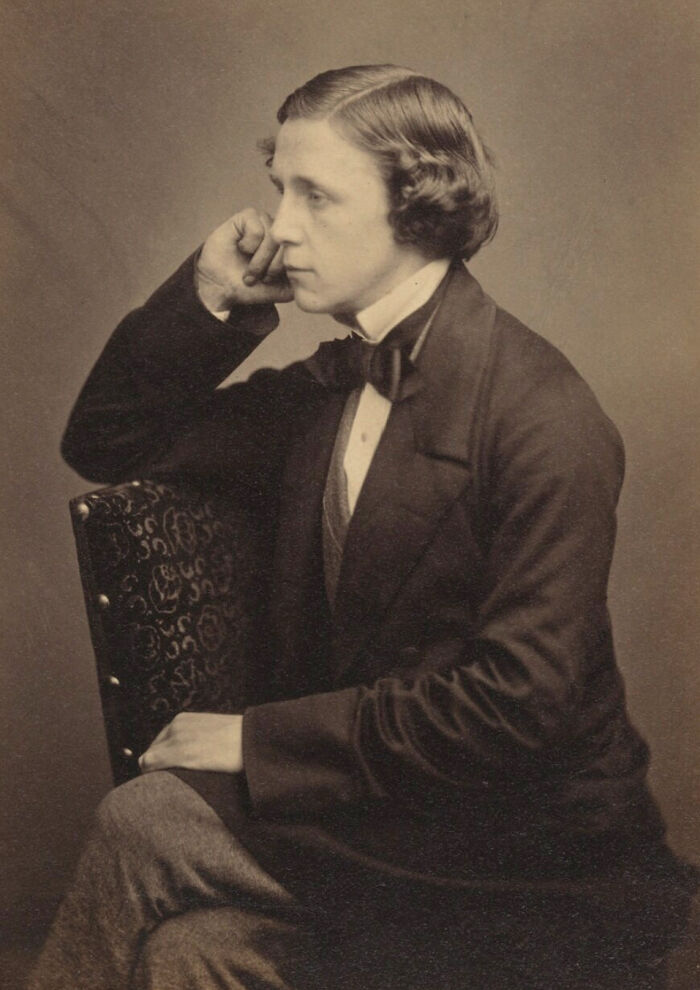
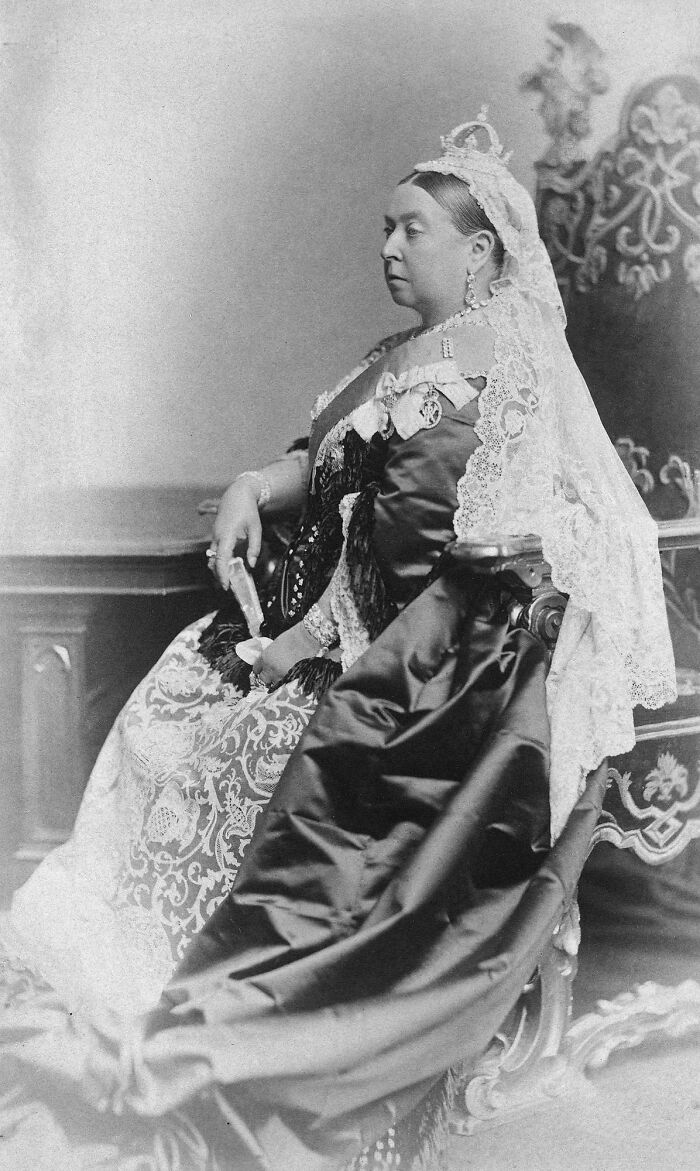
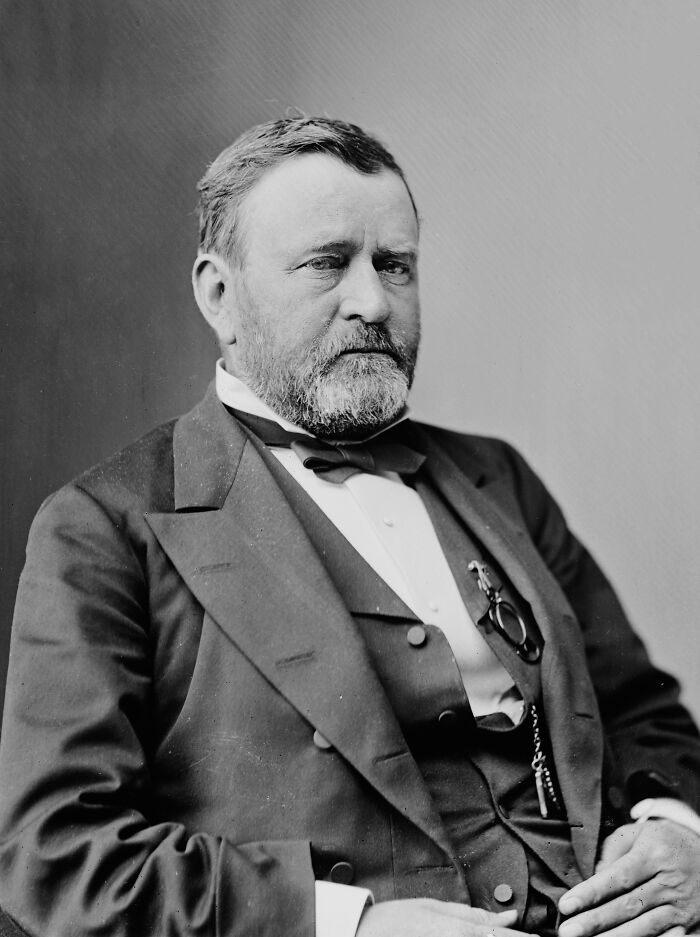
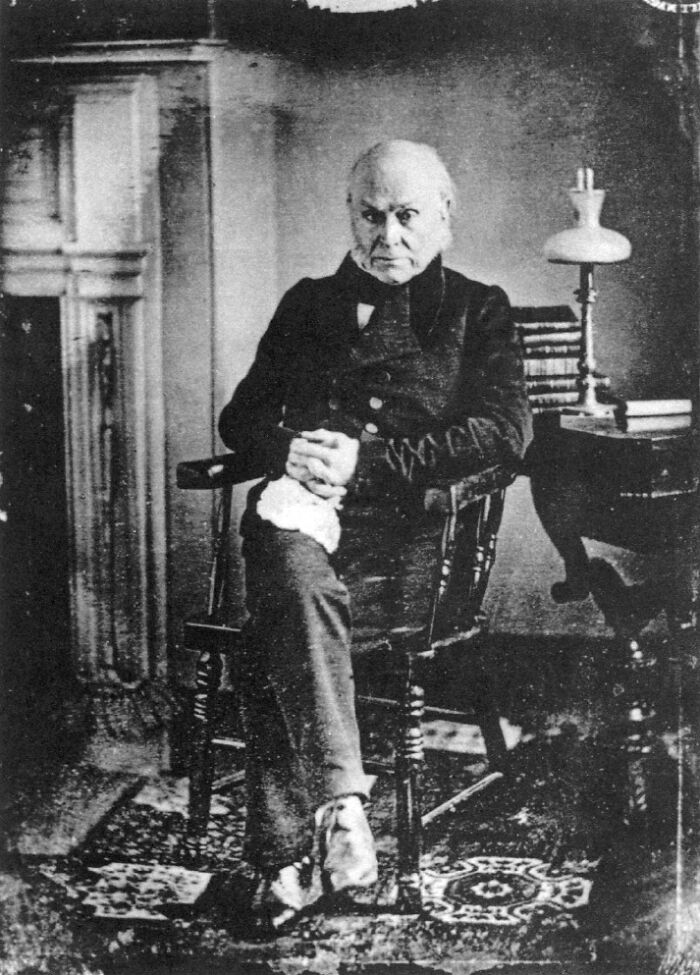
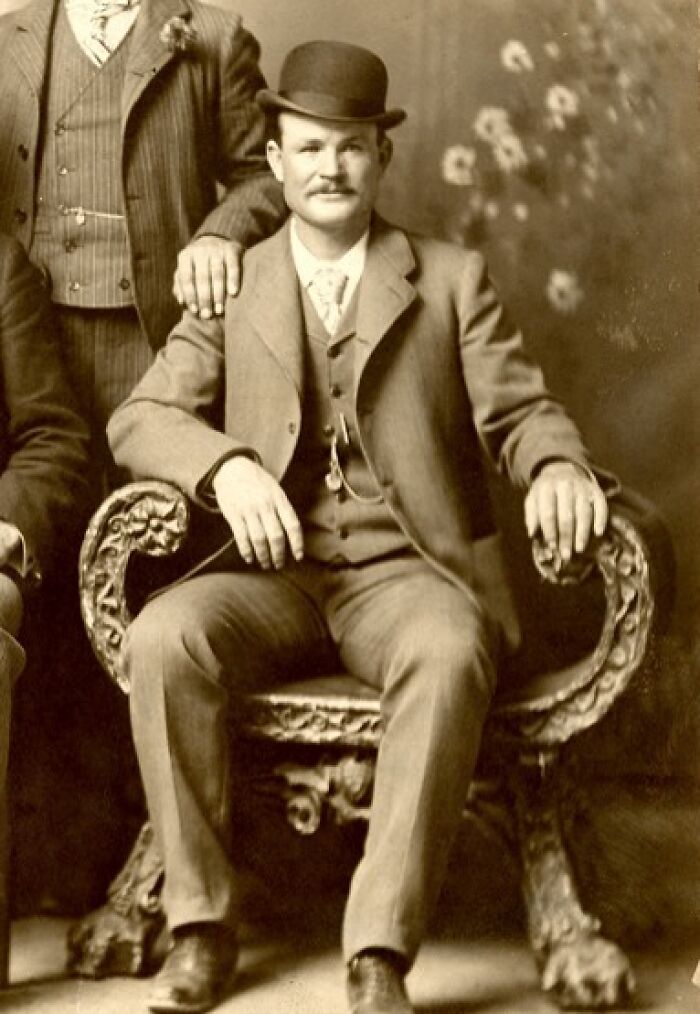
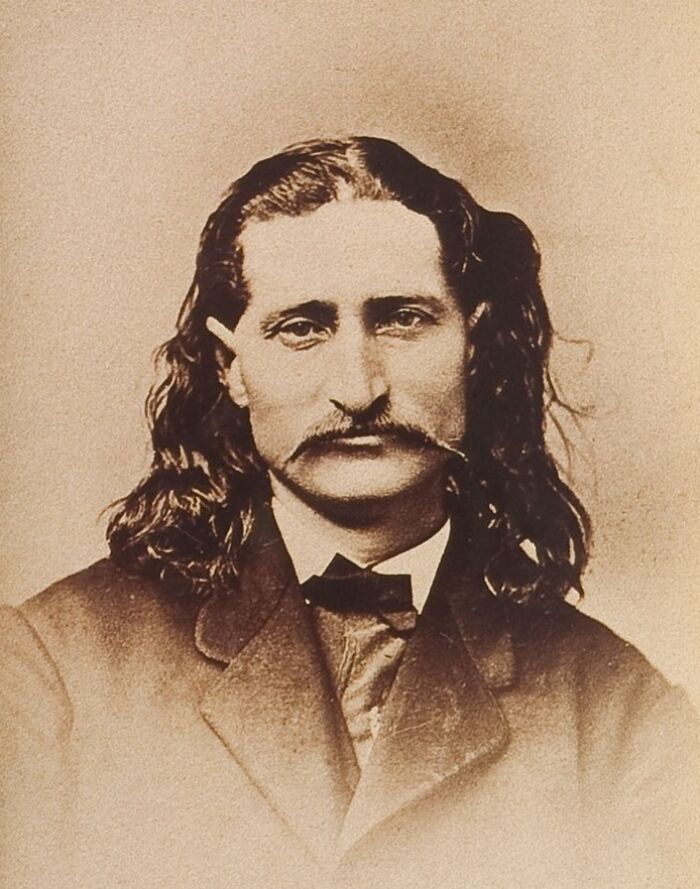
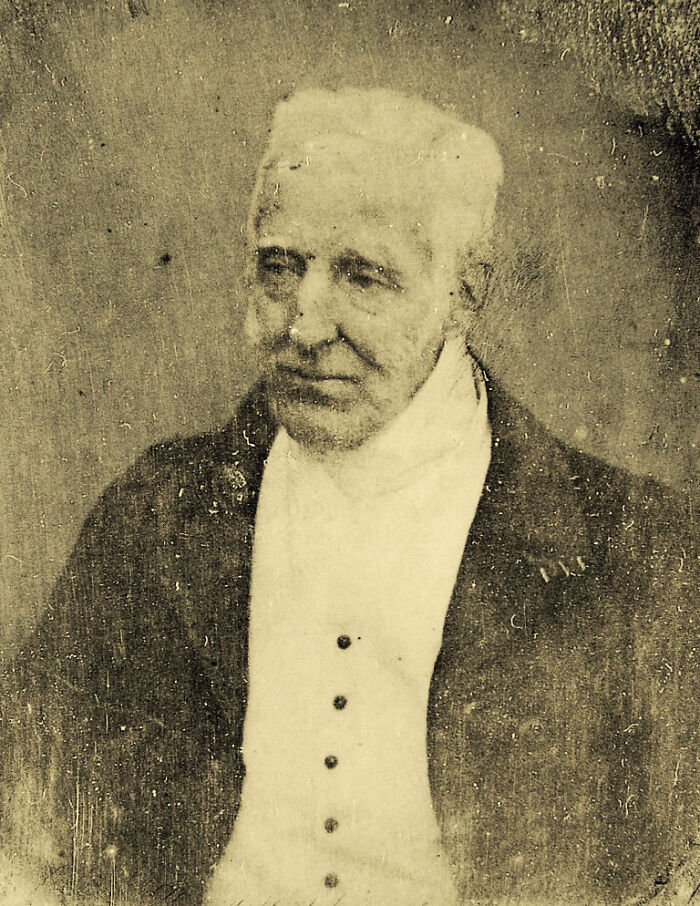
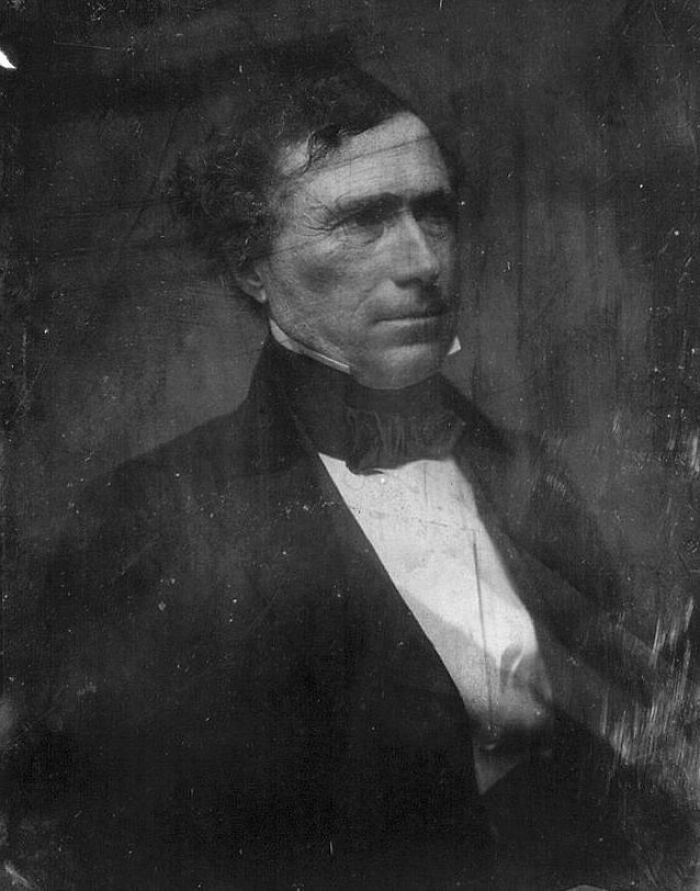
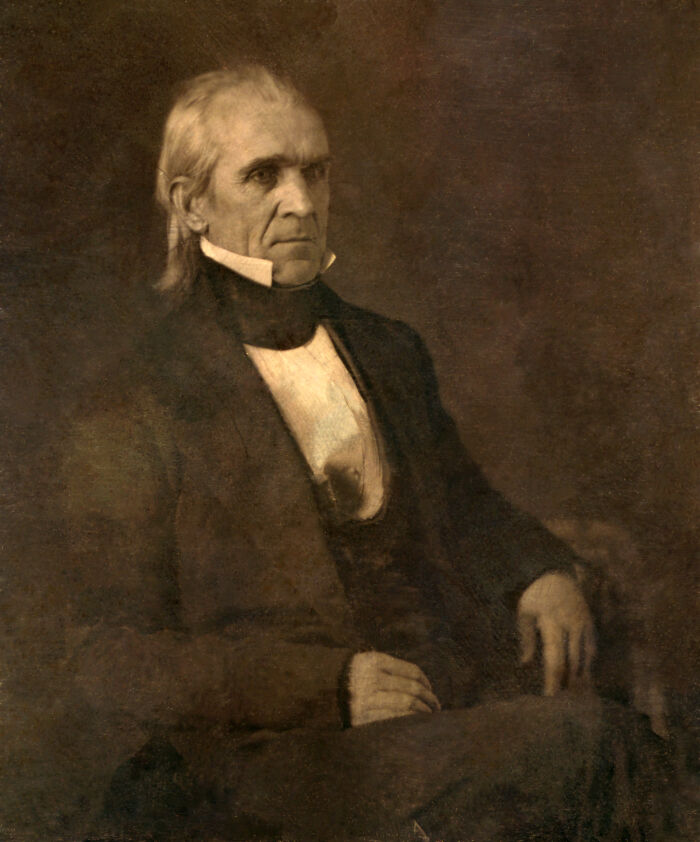
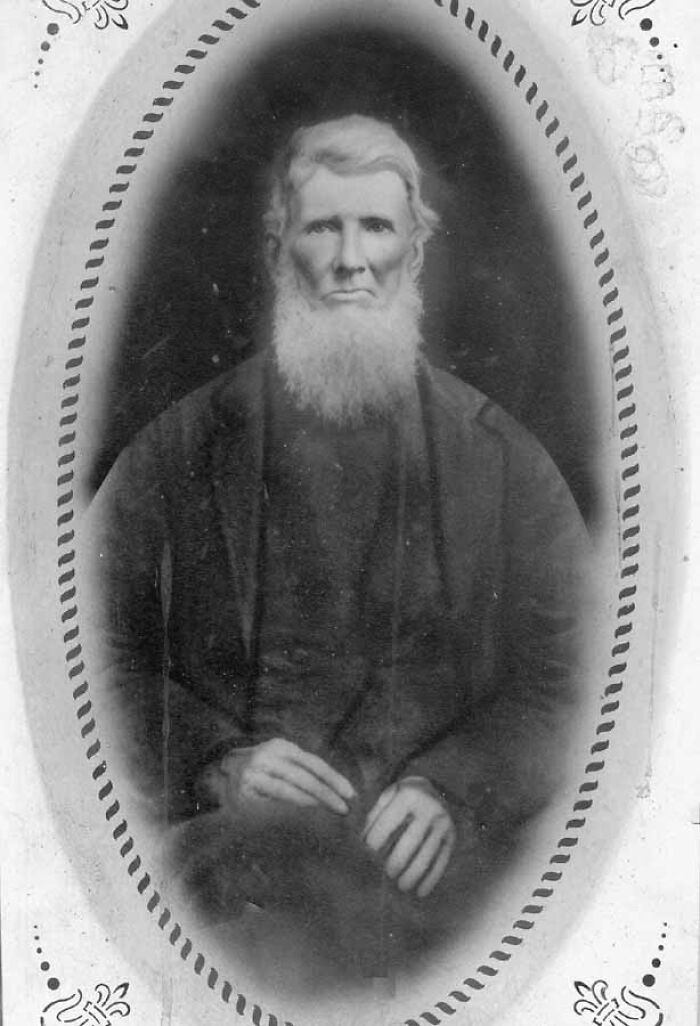
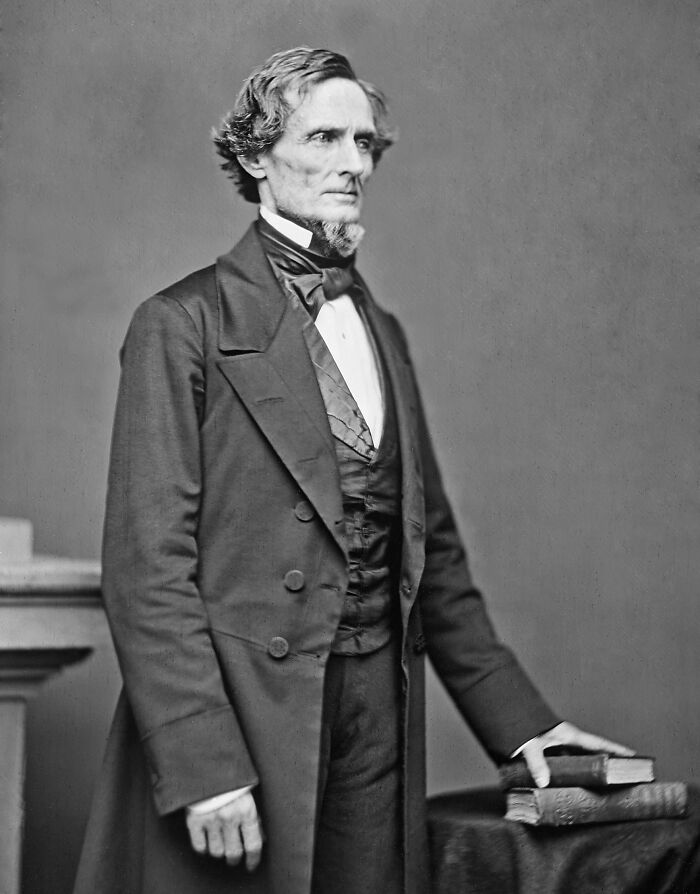
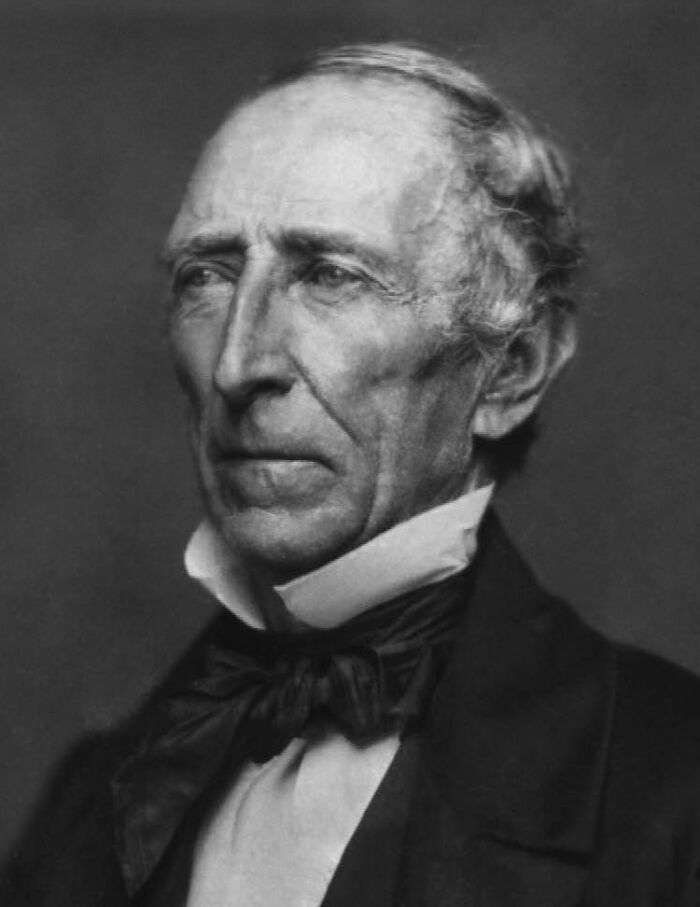
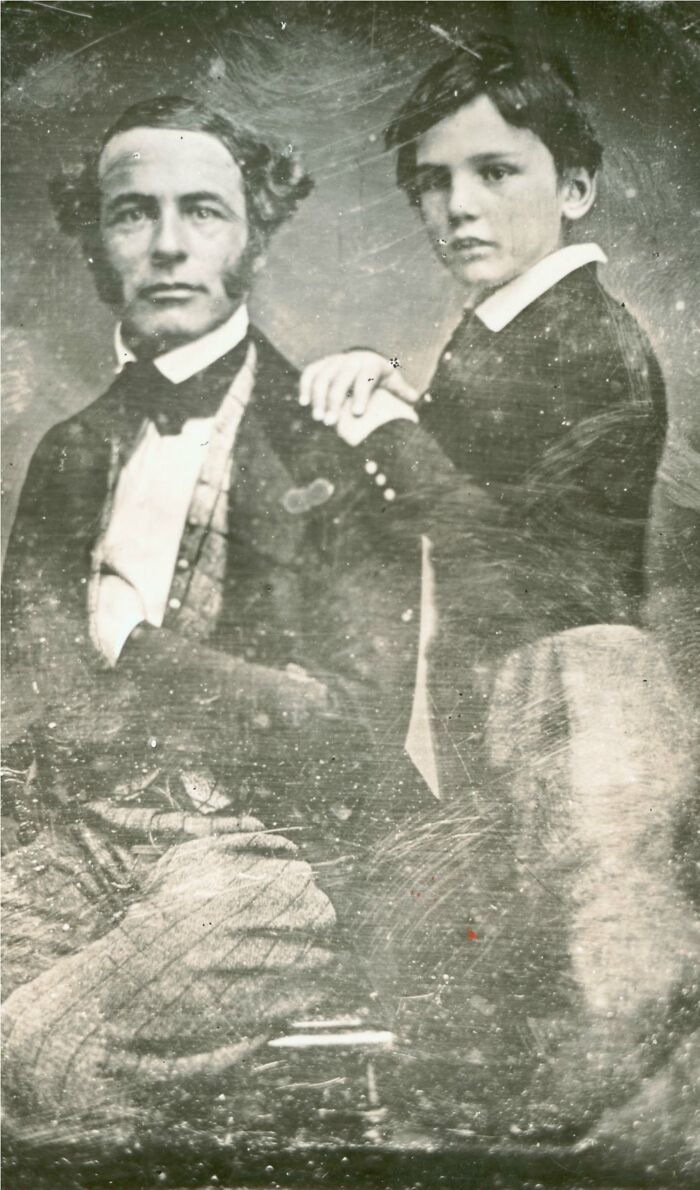
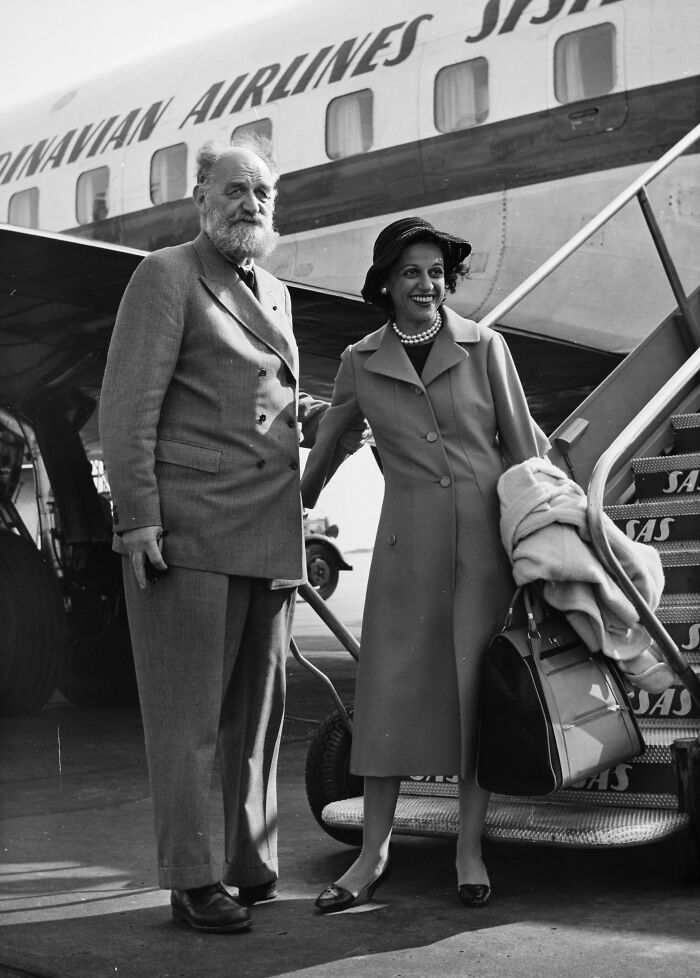
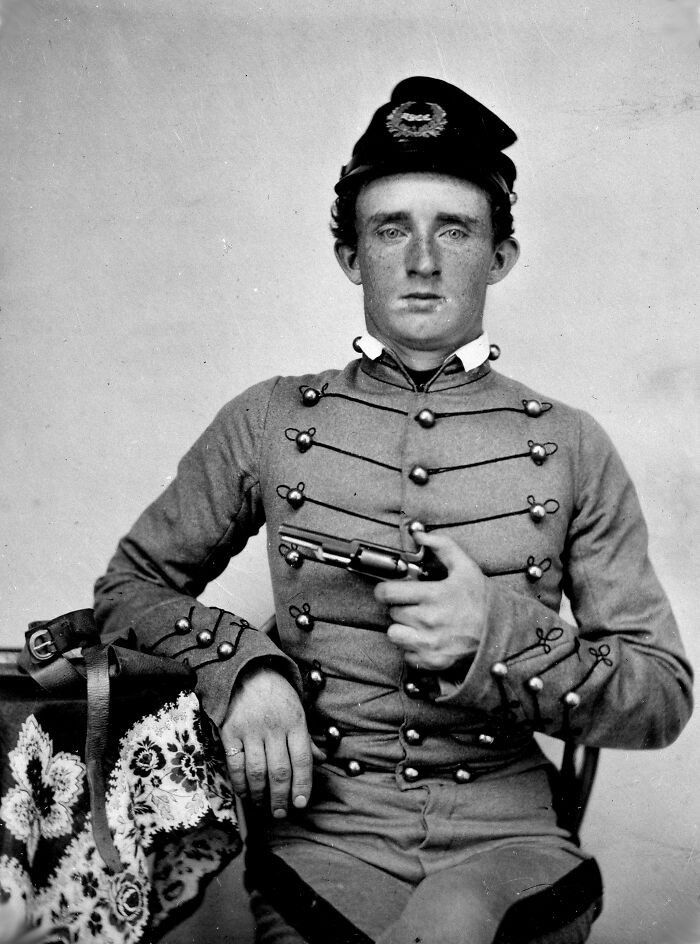
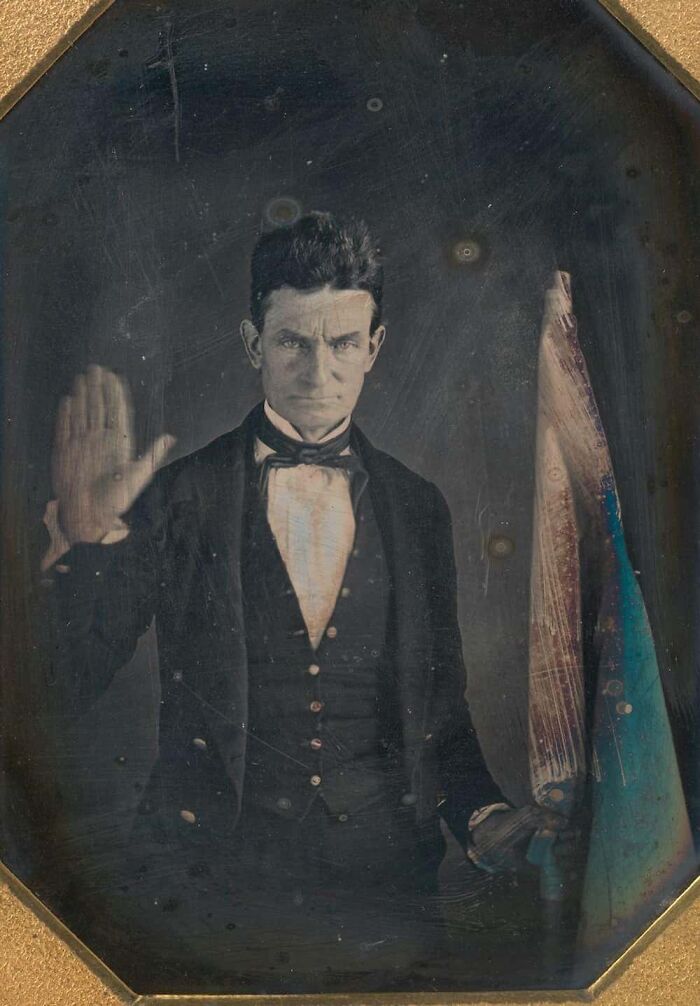
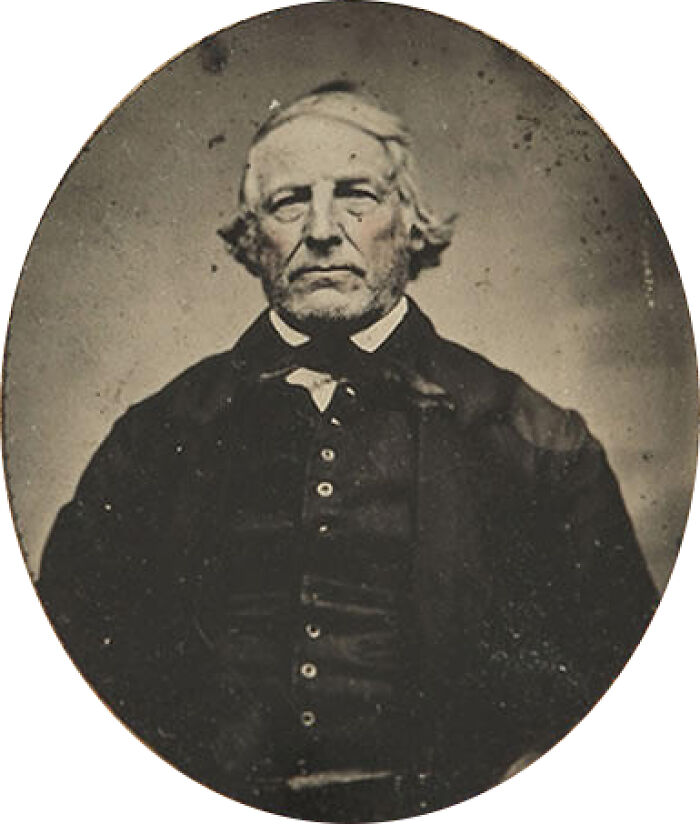
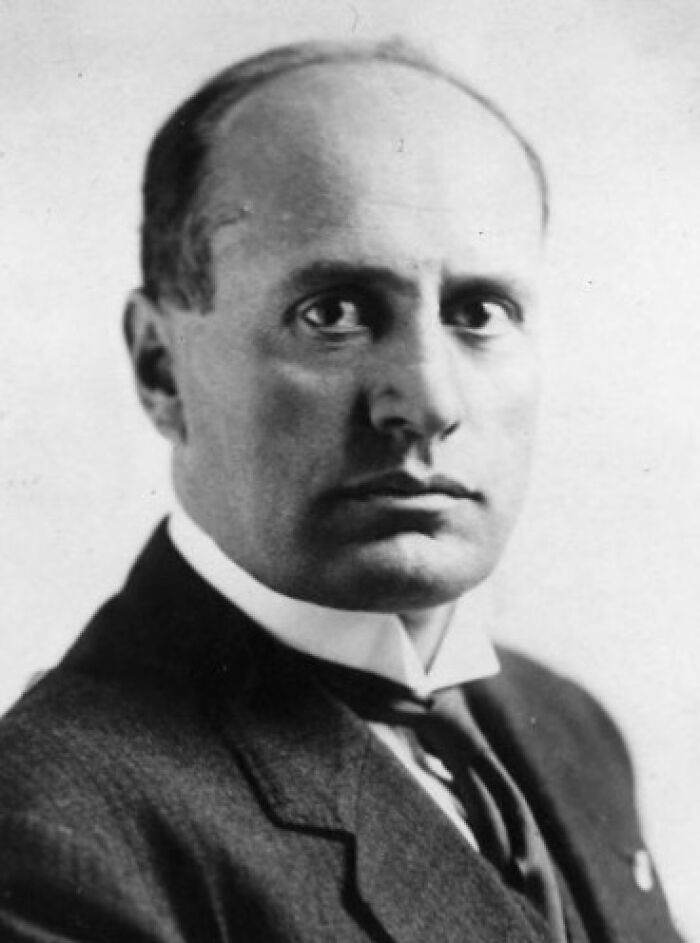
Before the invention of photography, the appearance of famous and historical figures was documented in statues, paintings, engravings, and written sources. However, such depictions aren’t exactly accurate, as artistic limitations and biases can make the person look different from reality. Thankfully, when photography came about, it changed how well-known people are recorded, and now we can see them truly as they were. To celebrate this and remind us how fortunate we are to be able to take such a glimpse into history, Bored Panda compiled a list of historical figures who lived long enough to be photographed. Scroll down to find it below, and don’t forget to upvote those pictures that left you star-struck.
This post may include affiliate links.
1826 was the year when the first photograph was taken, which means that we haven’t had that much time to capture people in photos, which also means that many historical figures went without ever being photographed. Of course, there were other ways their appearance was recorded, but they aren’t very reliable.
For example, the Chandos portrait that is thought to depict William Shakespeare and from which we form our view of the playwright might not be an accurate representation of him at all. To this day, experts can’t definitively say that it’s the playwright who is depicted in the painting. In addition, over the centuries, the portrait has gone through retouching, which has altered the portrait’s true appearance. Experts claim that the subject’s beard and hair have been lengthened, and the varnish has discolored with age.
Many historical figures’ appearances are misrepresented in this way due to artistic conventions, myths, or incorrect interpretations. A few other examples of this include Cleopatra, Mary, Queen of Scots, and Julius Caesar. However, thanks to technological improvements, scientists are trying to debunk the misconceptions about how ancient figures looked.
They are able to do this by using forensic facial reconstruction, which is a process used to recreate an individual's appearance from their skeletal remains, primarily the skull, to help visualize historical figures. Techniques used for this include clay reconstruction, when a forensic artist is working with clay to recreate a face, and CT scans, which can create 3D digital facial models on a computer screen.
But before rendering how the person looked, researchers have to gather as much information about the person they’re reconstructing as possible. They need to understand who they were, where and how they lived, what they ate, and what health they were in. Archaeological and DNA analyses can help reveal details like eye and hair color and even their favorite foods or the climate they inhabited.
An individual’s age, gender, ethnicity, and weight all give information about their features. Skulls also often possess subtle markings that indicate where muscles were once connected to the bone. “Sometimes it’s very easy to see exactly where the muscle was placed, because it leaves stress marks or ridges on the skull,” said the sculptor and forensic artist Oscar D. Nilsson. All this data helps the reconstructionist decide what features go where, resulting in a realistic face model.
However, such reconstructions also spark debates, as there’s no way to know whether the depictions are accurate since reconstructionists use their knowledge and judgment to shape the faces. Nilsson also mentioned that he adds his own touches to his reconstructions, like wrinkles or sunspots to the face of someone who died old, or includes signs of diseases discovered during the DNA research, which might not always be close to the truth.
Nowadays, people also make use of AI to visualize how historical figures might have looked. For instance, in 2022, a digital artist gained popularity for using AI technology to recreate the faces of Roman emperors from their busts. There’s even a Hello History AI tool that allows people to chat with anyone from the past and have lifelike conversations with historical figures.
However, photography still remains the most accurate way that allows us to see historical figures, which we should never take for granted. For more interesting historical photos, make sure to check out this post on more historical figures or this one on rare historical images.



Looking at the current headline of this thread, why would I think that no photographs of these people existed? Especially if they are famous. Especially the 20th century people.

Looking at the current headline of this thread, why would I think that no photographs of these people existed? Especially if they are famous. Especially the 20th century people.





















 No fees, cancel anytime