Get Premium
Dark mode theme is available exclusively for premium users. Learn more about the benefits of subscribing.
No fees, cancel anytime.

 Dark Mode Ad-Free Browsing Unlimited Content
 Ad-Free Browsing Unlimited Content Dark Mode
Join 1.2 million Panda readers who get the best art, memes, and fun stories every week!
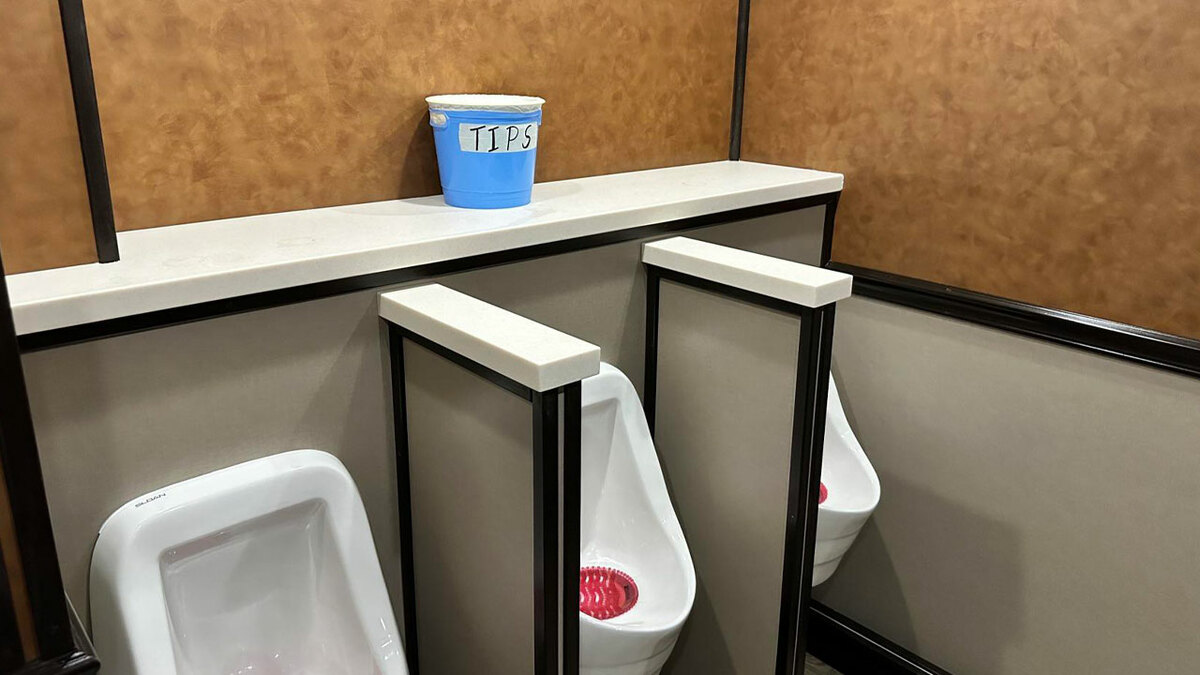
There is a tiny moment in the checkout process that has somehow become one of the most awkward parts of buying something in America. You have your coffee, your food, your haircut, or whatever else you came for. The transaction should be over, but ironically, the screen turns toward you and asks how much you would like to tip.
Now a perfectly ordinary purchase comes with a decision attached. There are buttons to press, percentages to consider, and sometimes a conspicuously small option for saying no. It can feel like the machine itself is waiting for an answer. And because the whole thing happens in a matter of seconds, there is barely enough time to decide what feels reasonable before the payment needs to go through.
Tipping was never supposed to be this complicated. In the traditional version of the arrangement, the idea was that someone provided a service, you decided whether their work deserved something extra, and you left a gratuity accordingly. But somewhere along the way, tipping stopped being confined to a handful of familiar situations and became a much more visible part of everyday spending.
Now, something interesting is happening. The conversation around tipping is changing, and the people on the other side of those screens are starting to look at the practice differently. A new survey offers a glimpse into just how much that relationship may have shifted, and why the seemingly harmless tip prompt has become such a surprisingly loaded part of paying for things.
 Exclusive Content Ad-Free Browsing Dark Mode Exclusive Content Ad-Free Browsing Dark Mode












 No fees, cancel anytime