Get Premium
Dark mode theme is available exclusively for premium users. Learn more about the benefits of subscribing.
No fees, cancel anytime.

 Dark Mode Ad-Free Browsing Unlimited Content
 Ad-Free Browsing Unlimited Content Dark Mode
Join 1.2 million Panda readers who get the best art, memes, and fun stories every week!
27submissions
Finished
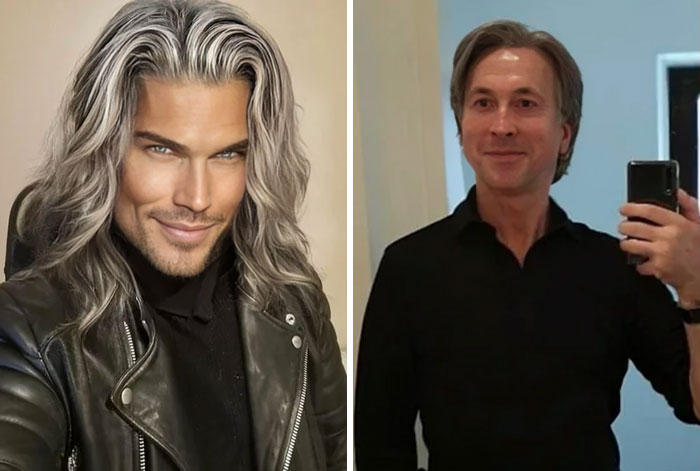
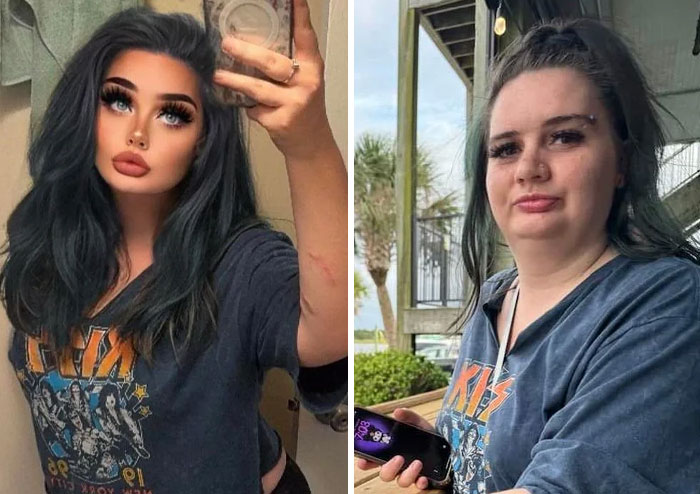
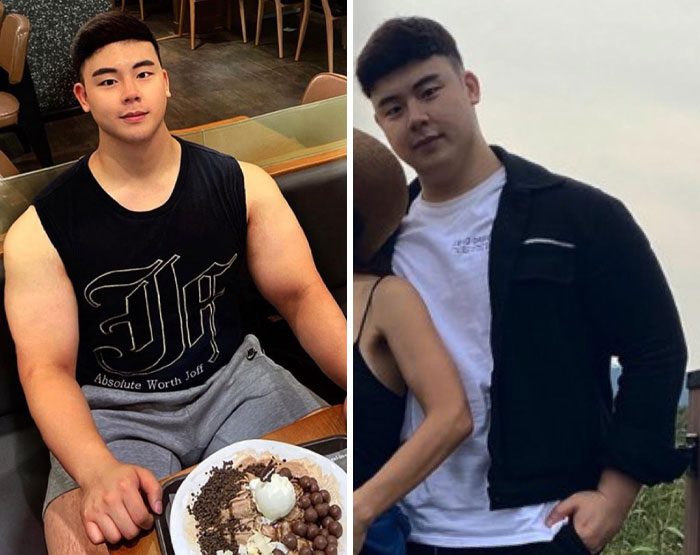
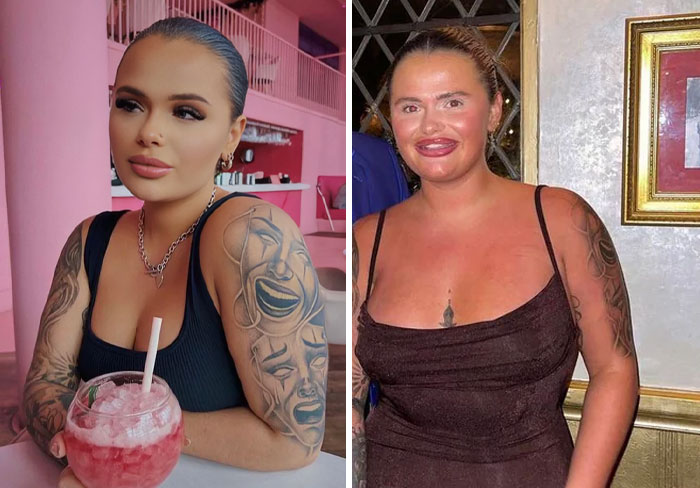
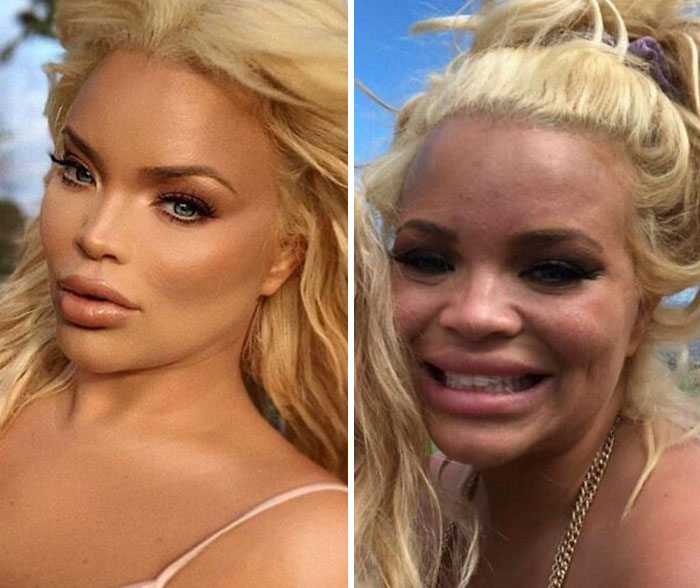
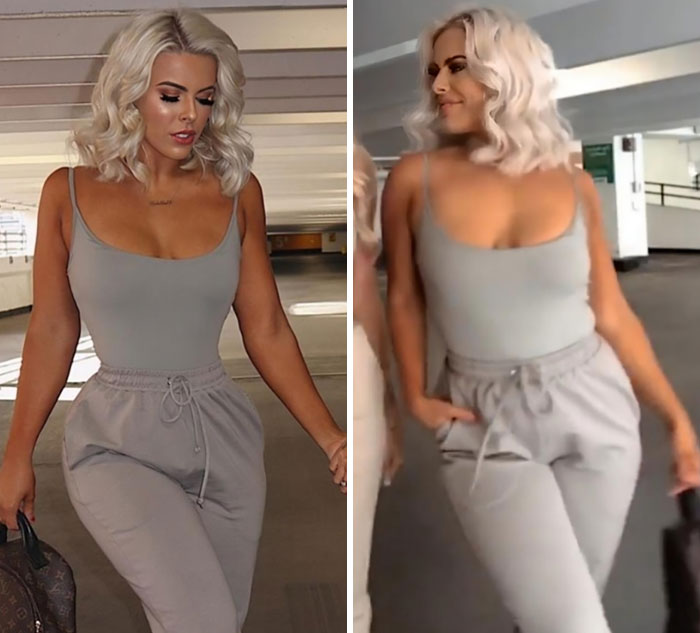
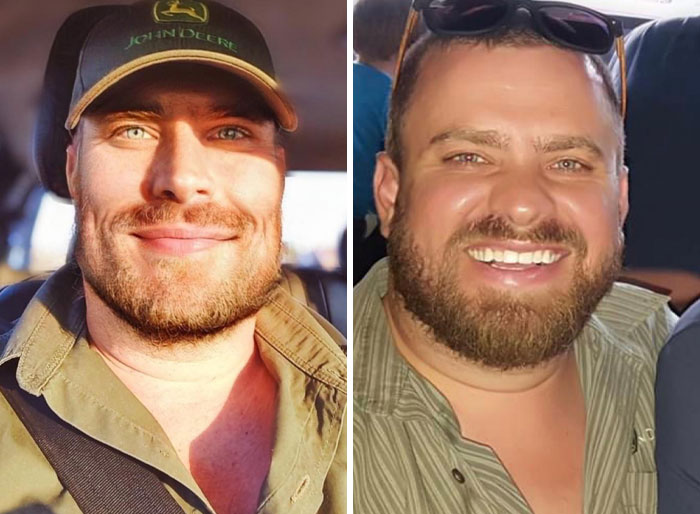
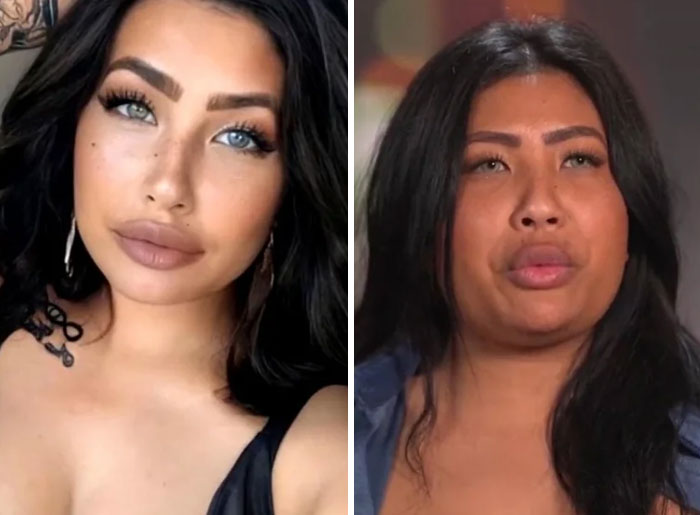
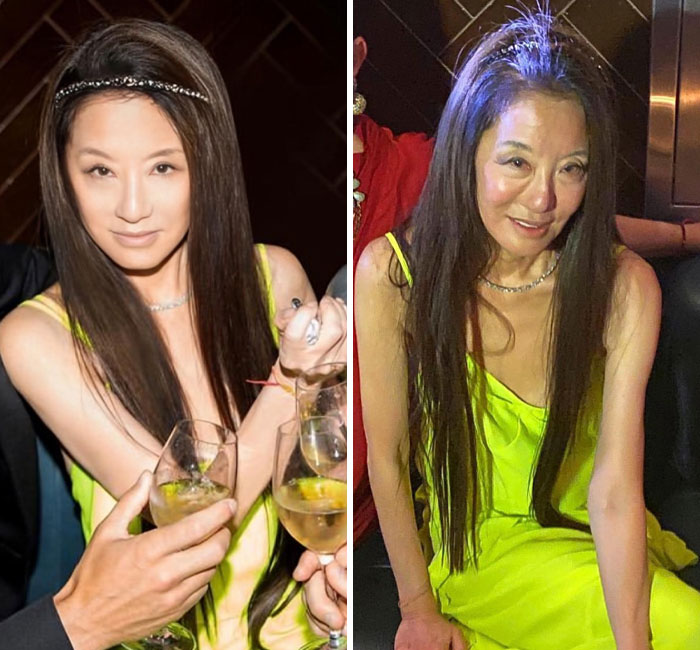
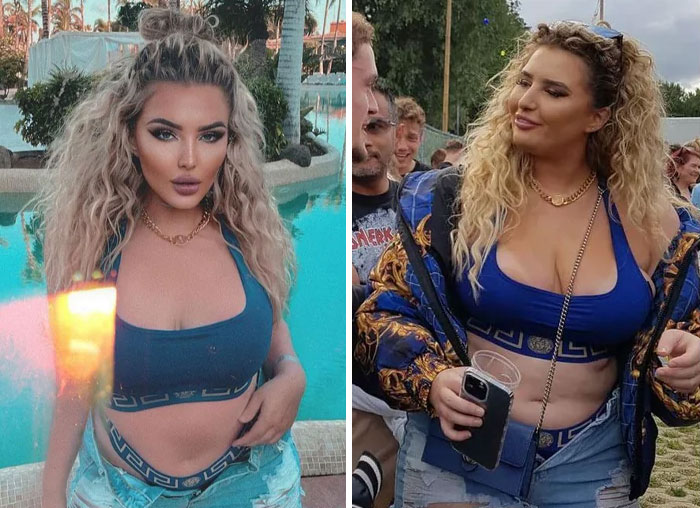
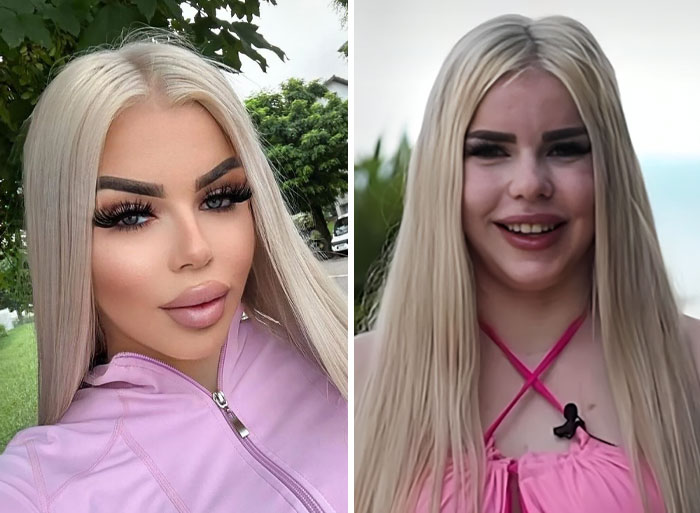
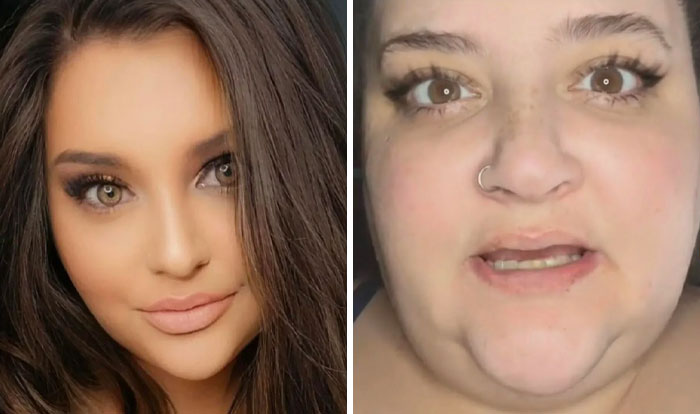
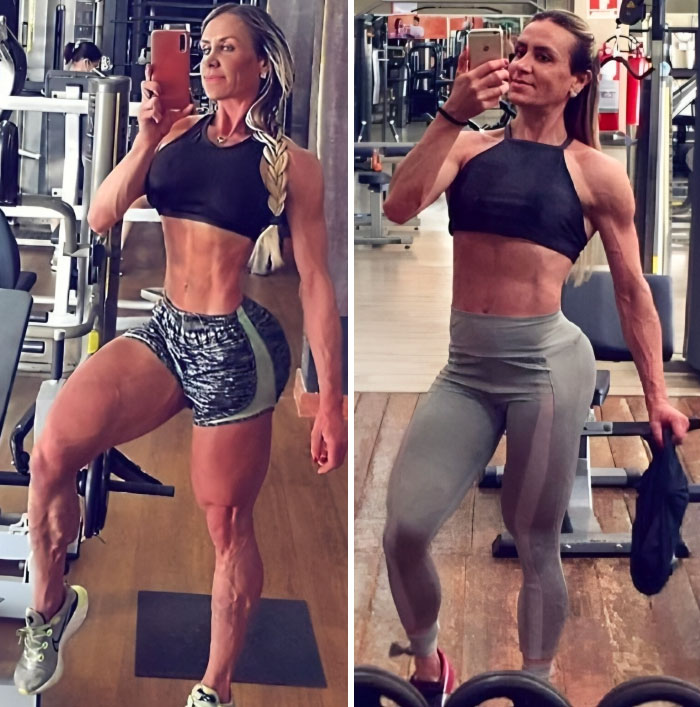
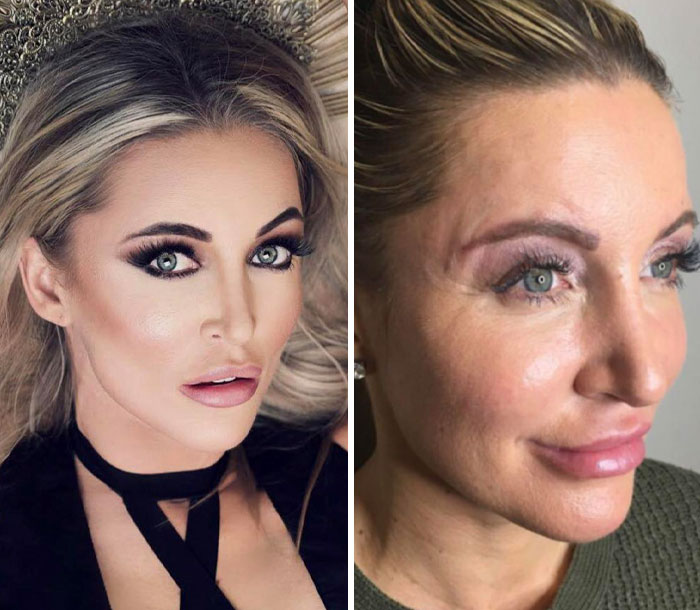
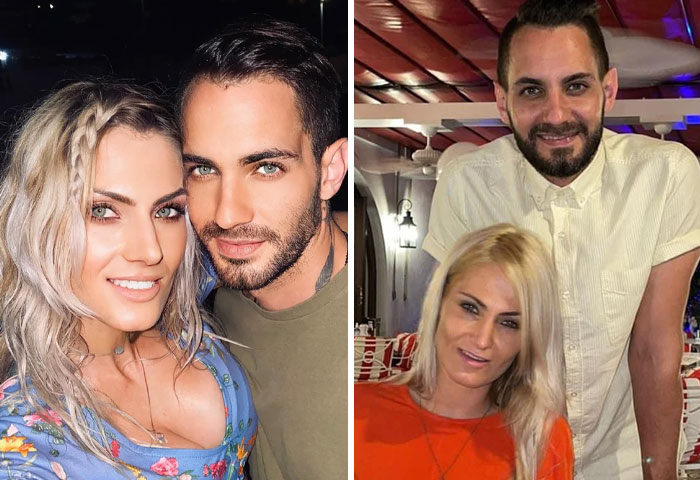
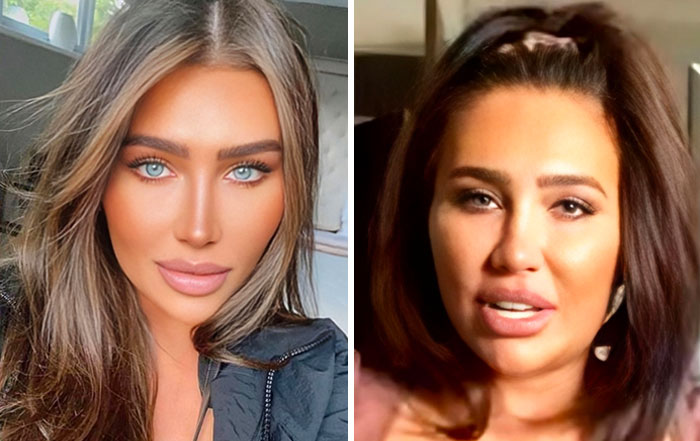
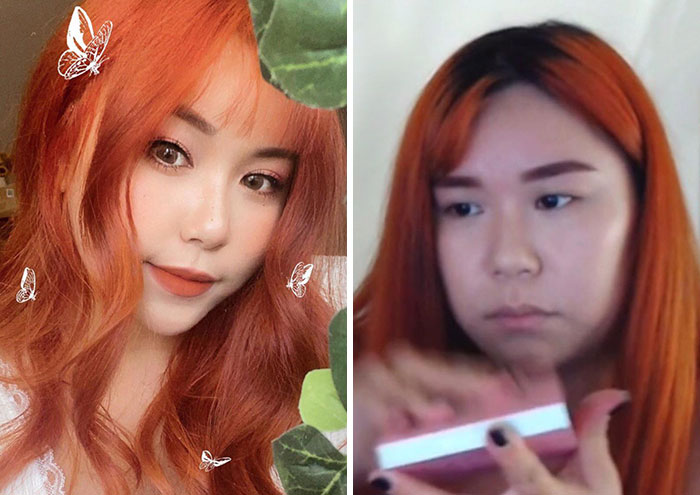
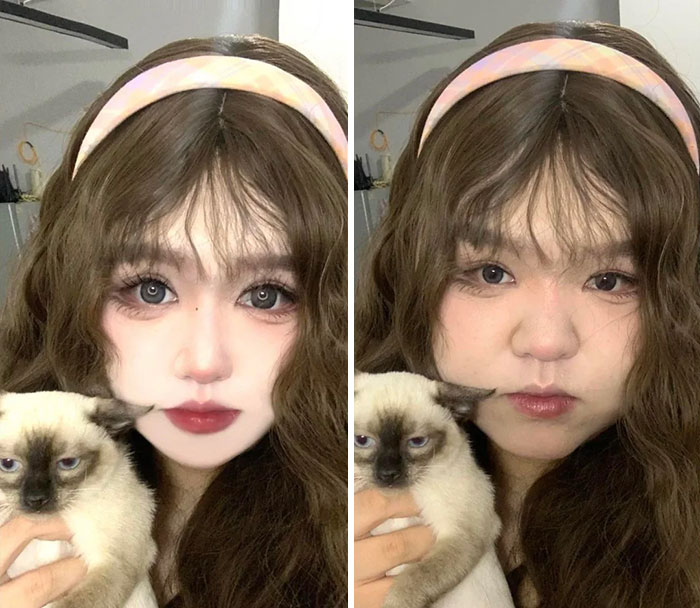
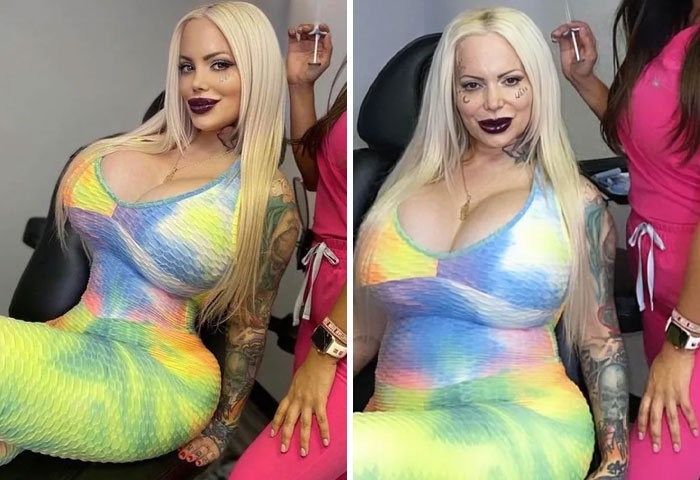
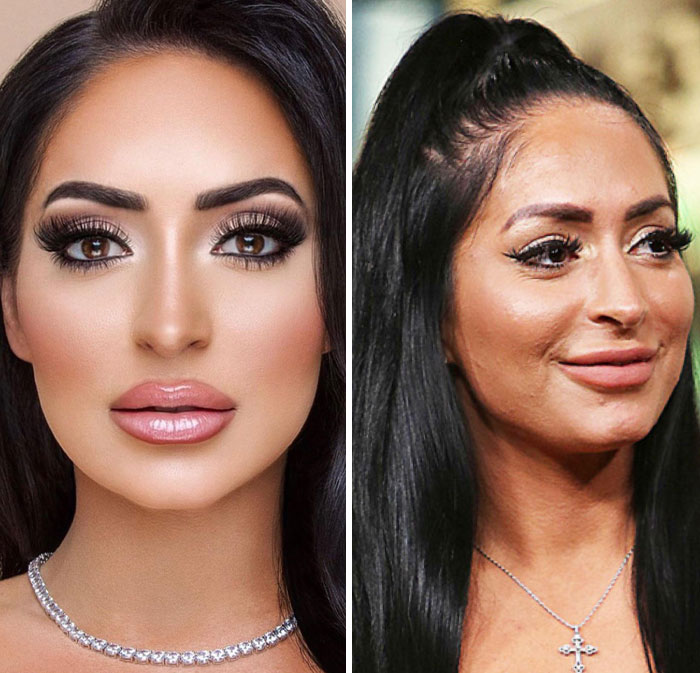
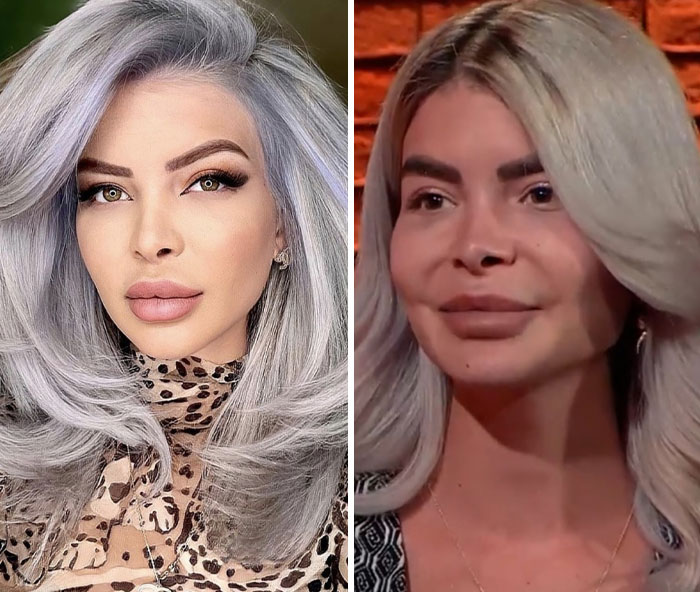
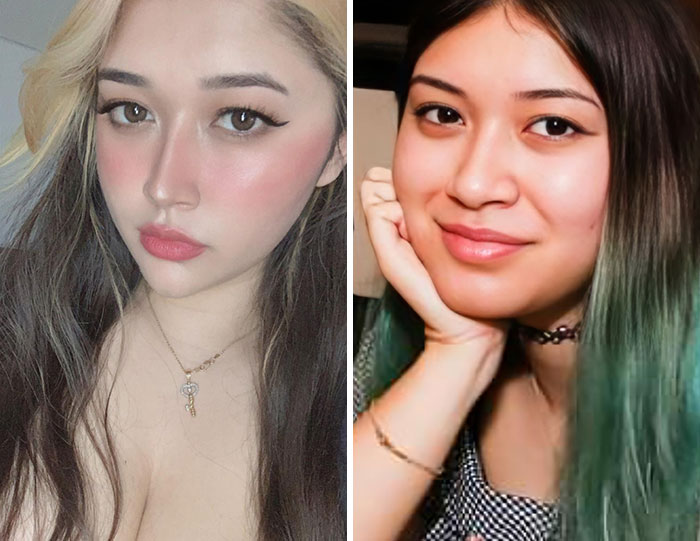
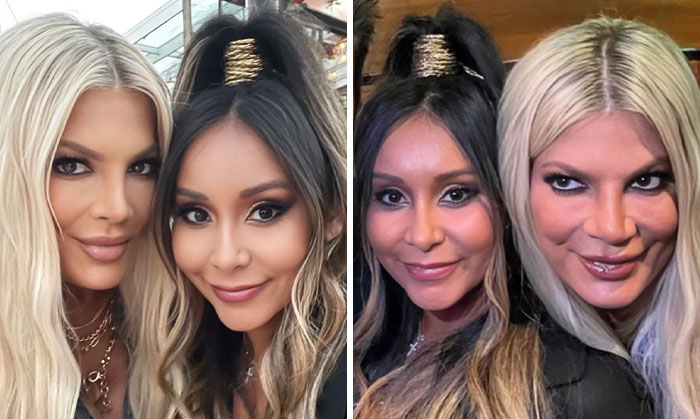
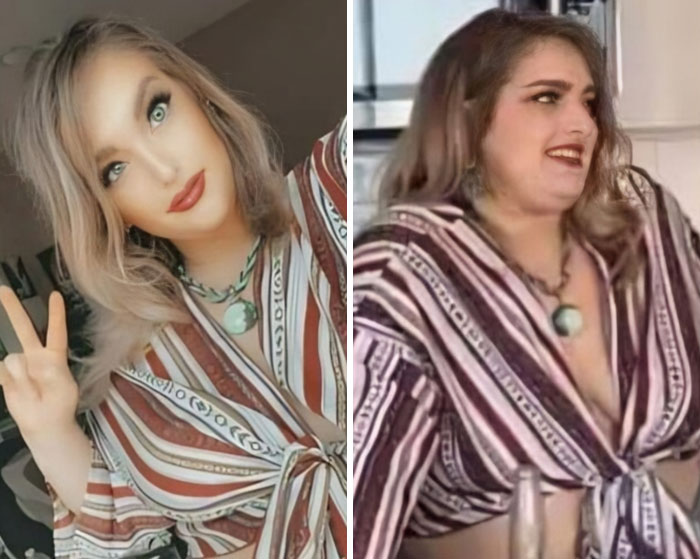
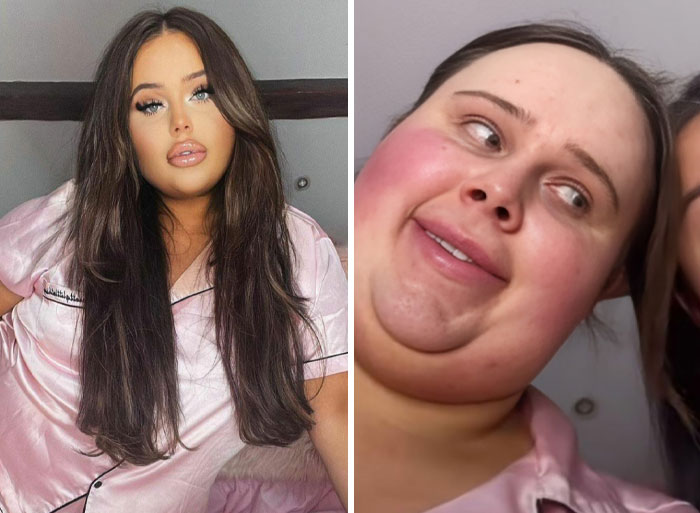
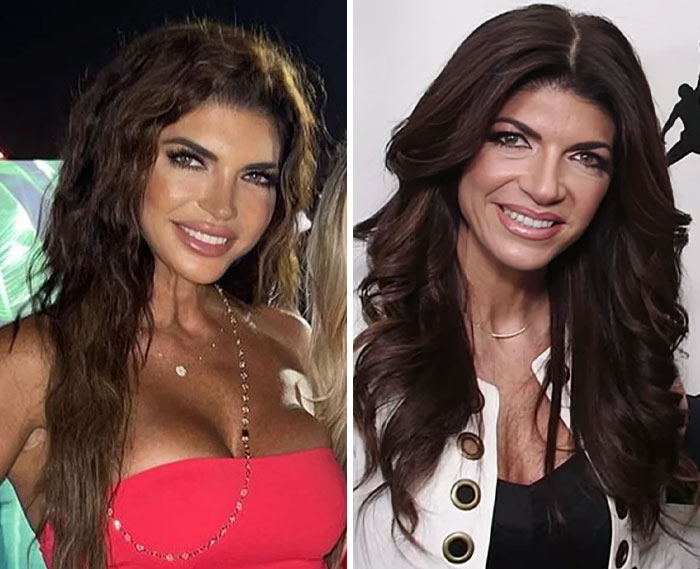
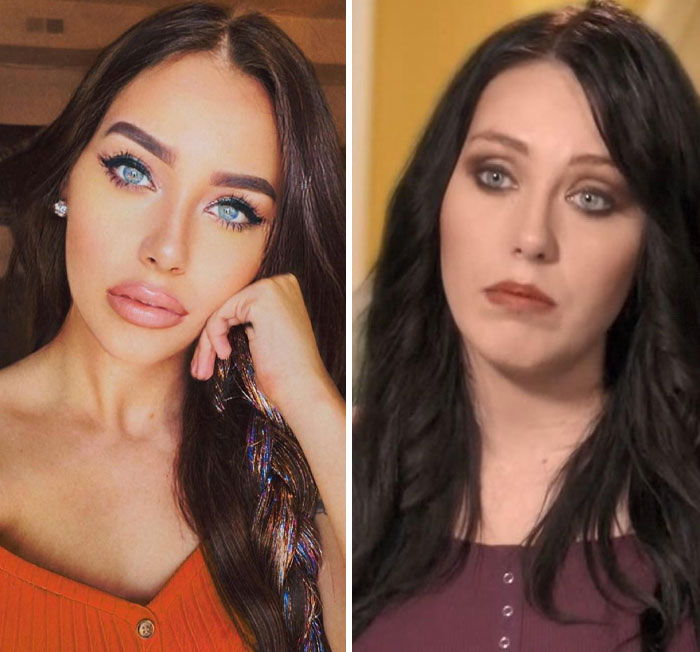
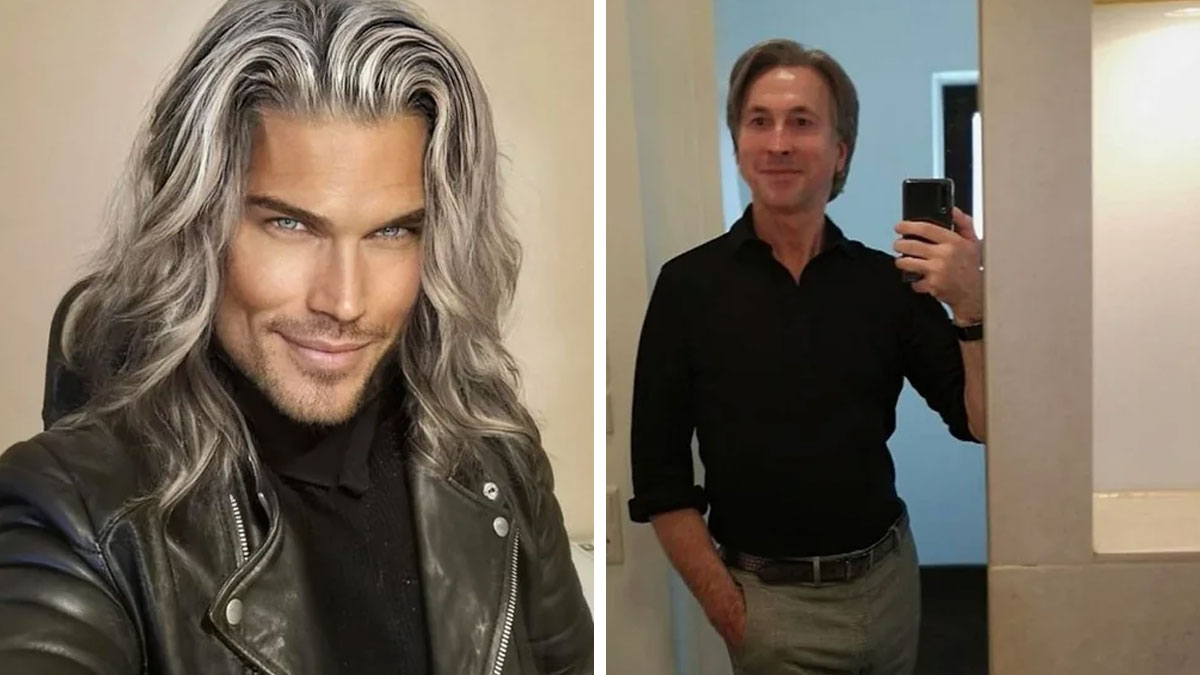
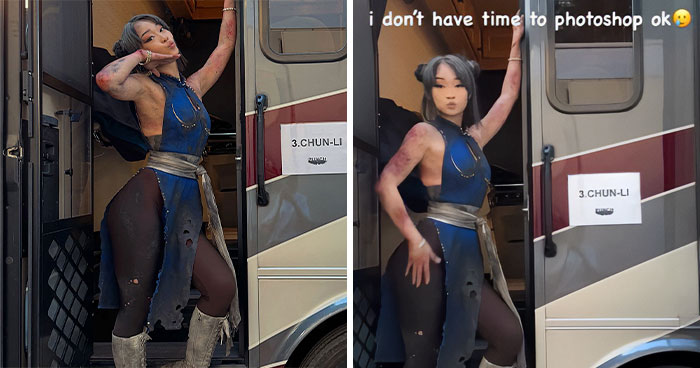
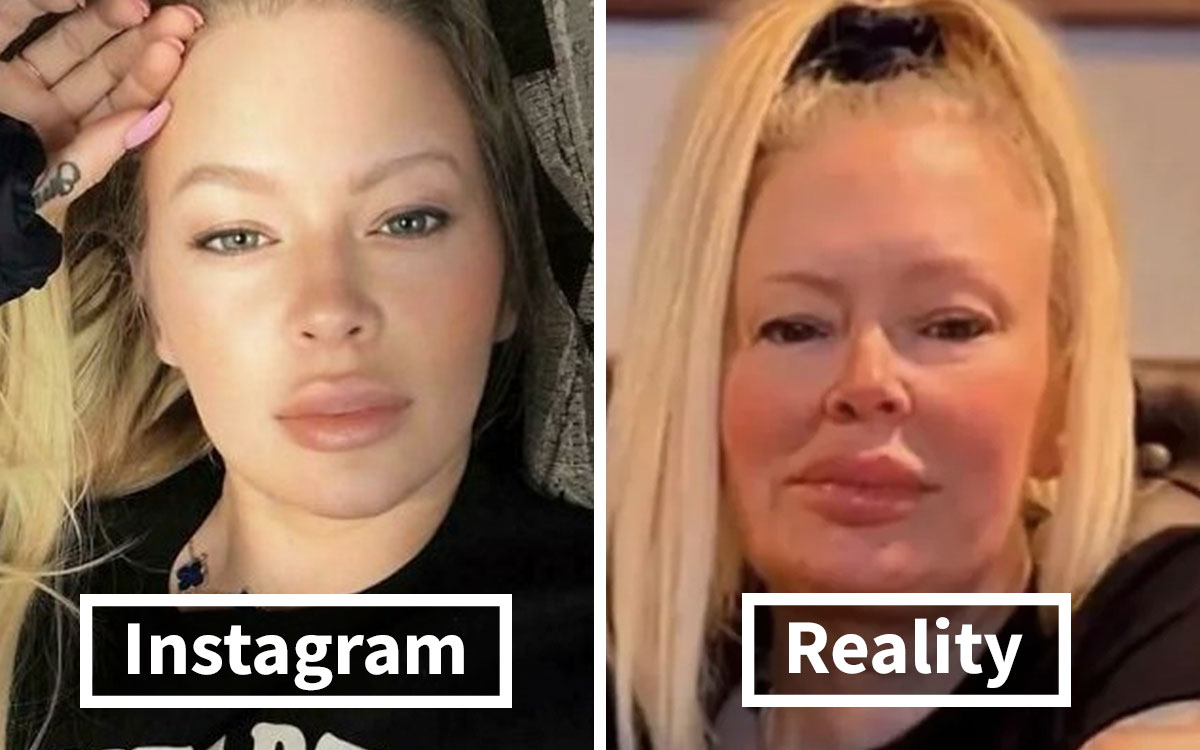
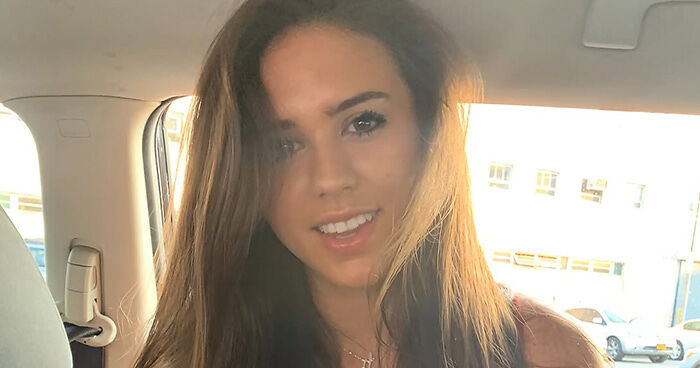
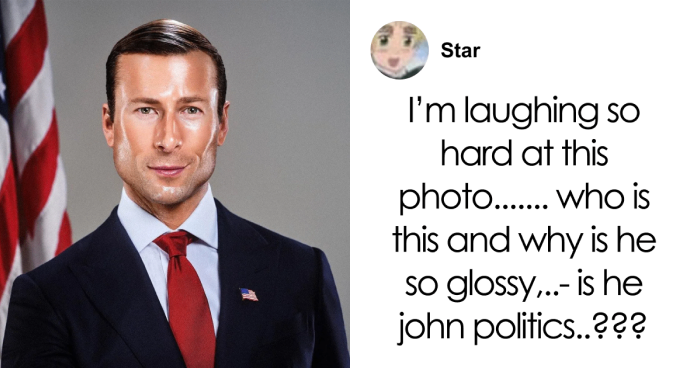
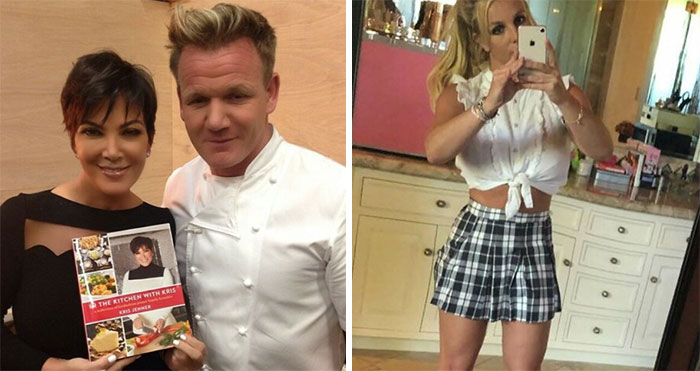
While photo editing has been around for decades, for the first time in history so many people access these powerful digital tools to change their images. And, in such a very human manner, they tend to use these tools to alter their pictures beyond all recognition.
We’ve gathered some examples from across the internet of people who really got carried away with photo editing tools and still posted themselves online. We also got in touch with Dr. Cortney S. Warren, PhD, ABPP, a clinical psychologist and Adjunct Professor of Psychiatry to learn more. So get comfortable as you scroll through, prepare to raise one, if not two eyebrows, upvote the most questionable examples and be sure to share your thoughts in the comments below.
Click here & follow us for more lists, facts, and stories.
This post may include affiliate links.
Bored Panda got in touch with Dr. Cortney S. Warren, PhD, ABPP, a Harvard-trained, California-based board-certified clinical psychologist and Adjunct Professor of Psychiatry at the UNLV School of Medicine to learn more about body image issues. First of all, we wanted to hear her thoughts on the difference between editing photos for “fun” and doing so out of a deeper need for approval or validation.
“A person’s motivation for editing a photo for social media can influence the psychological experience of viewing, posting, and getting feedback about an image. For example, sometimes people play around with photo editing for fun—to be silly, see what they look like with different makeup, or even project what they may look like in the future.”
“If they are doing that on a photo of themselves (or a photo of someone else with that person’s permission), it may be a fun experience that doesn’t influence their own body image in a negative way. However, often people use photo editing because of a sometimes unconscious insecurity about how they look.”
“For example, if someone is editing a photo because they only want to show an idealized image of themselves (for example, they want to look “perfect”) or are looking for “likes” and positive feedback from others, the editing may be an ineffective or even harmful process. For example, if someone is posting an edited image of themselves in hopes of feeling more beautiful, attractive, or wanted but they don’t get enough likes or positive comments, they may feel worse after posting the image more than before,” she shared.
So we wanted to know if social comparison on platforms like Instagram and TikTok played a role. “Many of the idealized images that are presented on social media platforms are highly edited. These can influence a user's body image negatively through a social comparison process.”
“As humans, we naturally tend to compare ourselves to others to determine how we measure up in our community and culture. When people look at idealized, edited images of peers, friends, and celebrities, they are likely to deem themselves as falling short or not meeting cultural expectations. This can make people feel more dissatisfied with their own physical appearance. For example, a recent meta-analysis of 83 studies found that higher social media use was positively associated with body image concerns and eating disorder symptoms.”
So we also wanted to know if there are specific parts of the population that are more “pressured” into presenting a certain body image. “In general, I think people feel pressure to present themselves in the best way possible. That isn’t inherently bad—it makes sense that most of us want to show an image of ourselves that we think looks good.”
“For the most part, celebrities, actors, models, and other influencers post highly idealized images of themselves looking successful, happy, and physically attractive. But, it is important to remember that the images are NOT representative or realistic. In addition, social pressure to be “good looking” can be particularly problematic because it sets many people up to be chronically dissatisfied with how they look.”
“Furthermore, during some developmental phases—especially through adolescence when most teens care about their peers, are often interacting with social media, and want to belong to a similarly-aged group—it can lead to thin-ideal internalization and eating pathology.”
You Might Also Like: 48 Things That Saw People End Their Last Job



 No fees, cancel anytime