Get Premium
Dark mode theme is available exclusively for premium users. Learn more about the benefits of subscribing.
No fees, cancel anytime.

 Dark Mode Ad-Free Browsing Unlimited Content
 Ad-Free Browsing Unlimited Content Dark Mode
Join 1.2 million Panda readers who get the best art, memes, and fun stories every week!
55submissions
Finished
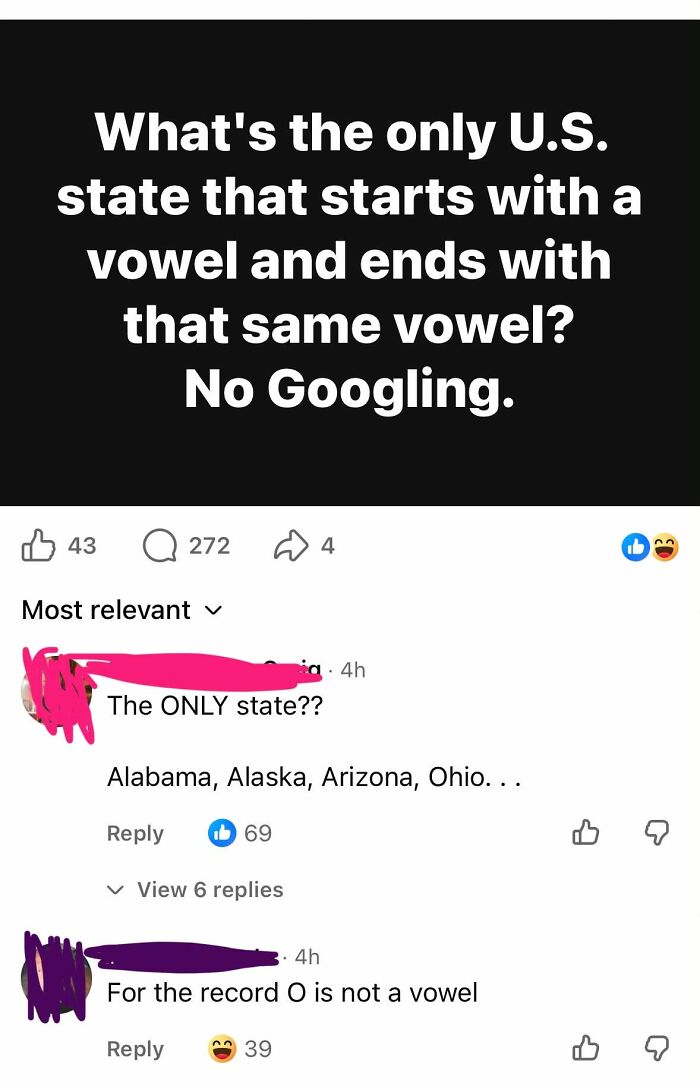
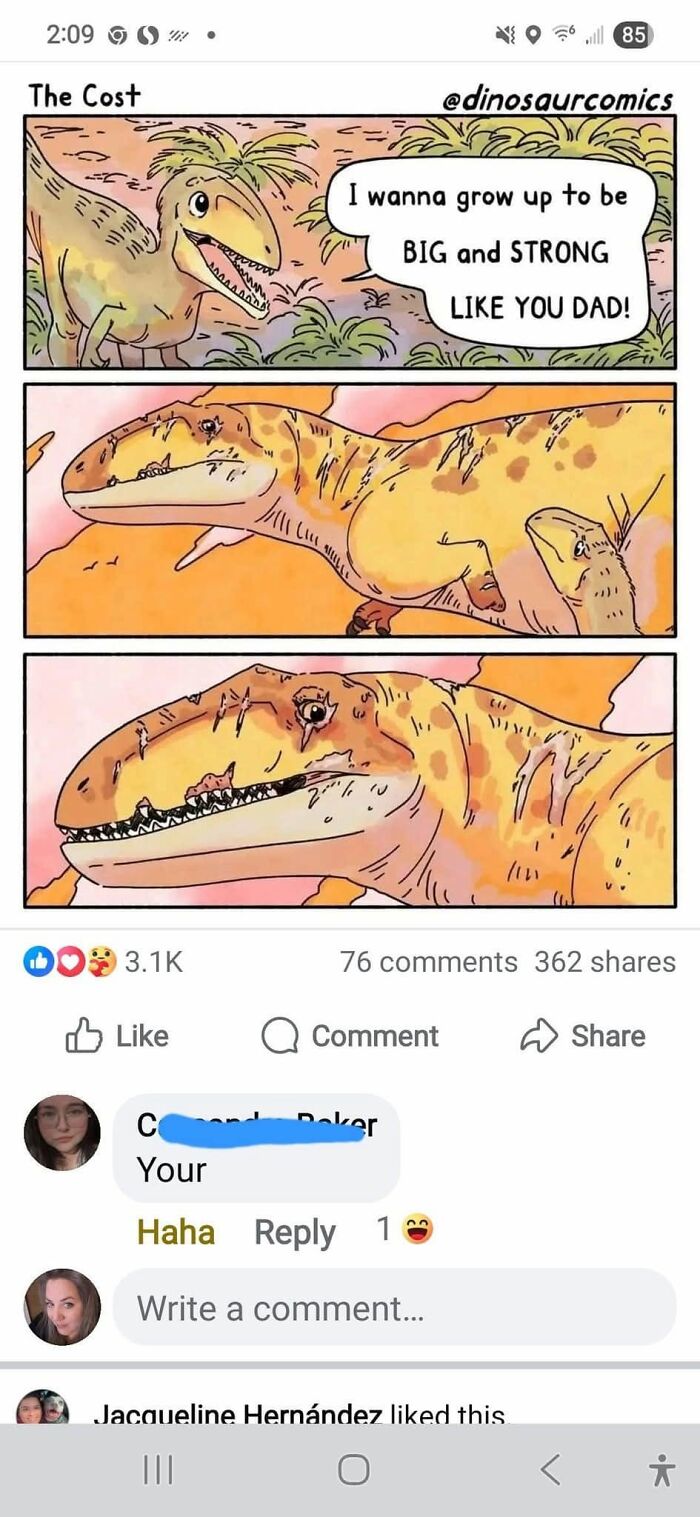
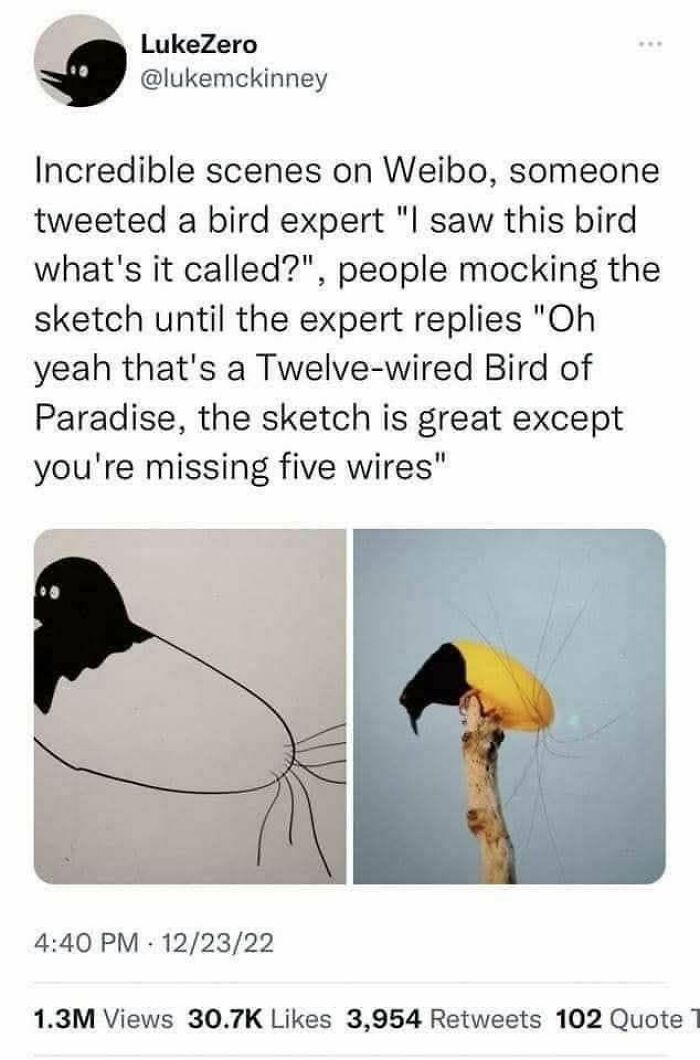
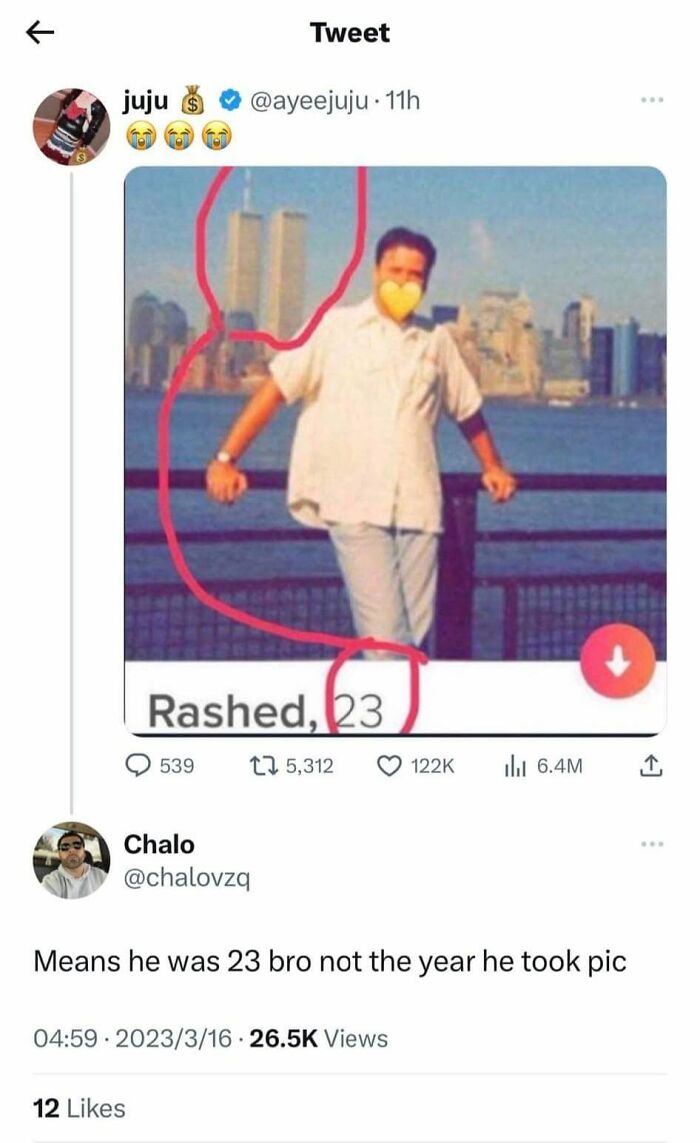
For the ever-so-pedantic, perhaps nothing is quite as satisfying as putting someone who’s confidently incorrect back in their place. I mean, it’s practically a moral duty—to uphold the integrity of this great big worldwide web of ours. And across the internet, sticklers for facts and accuracy do just that.
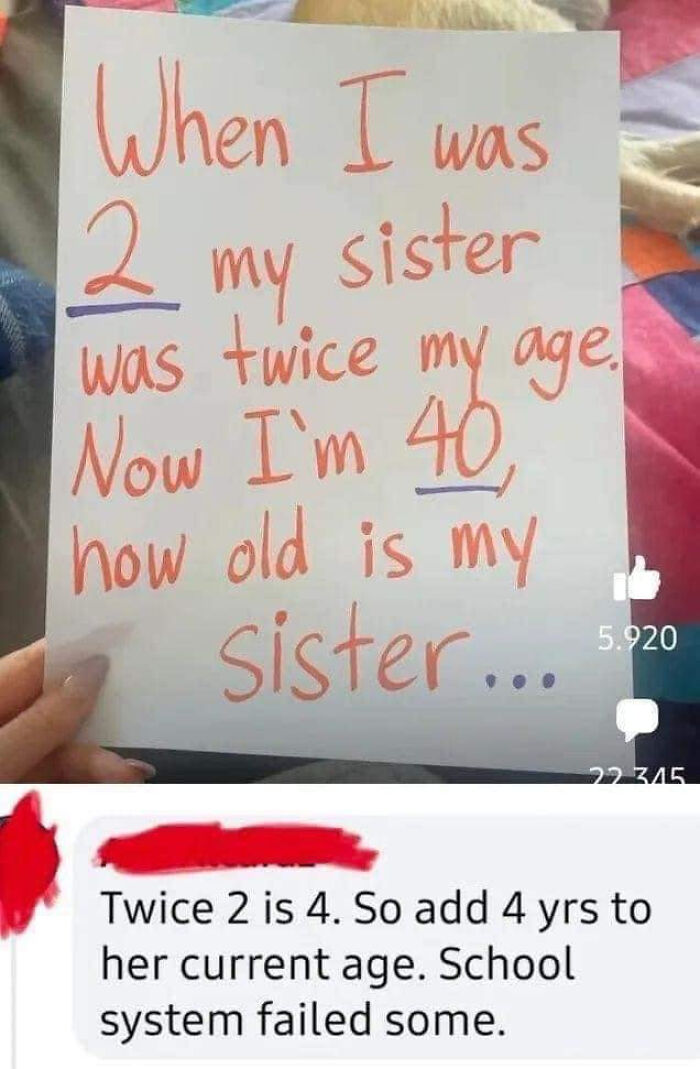
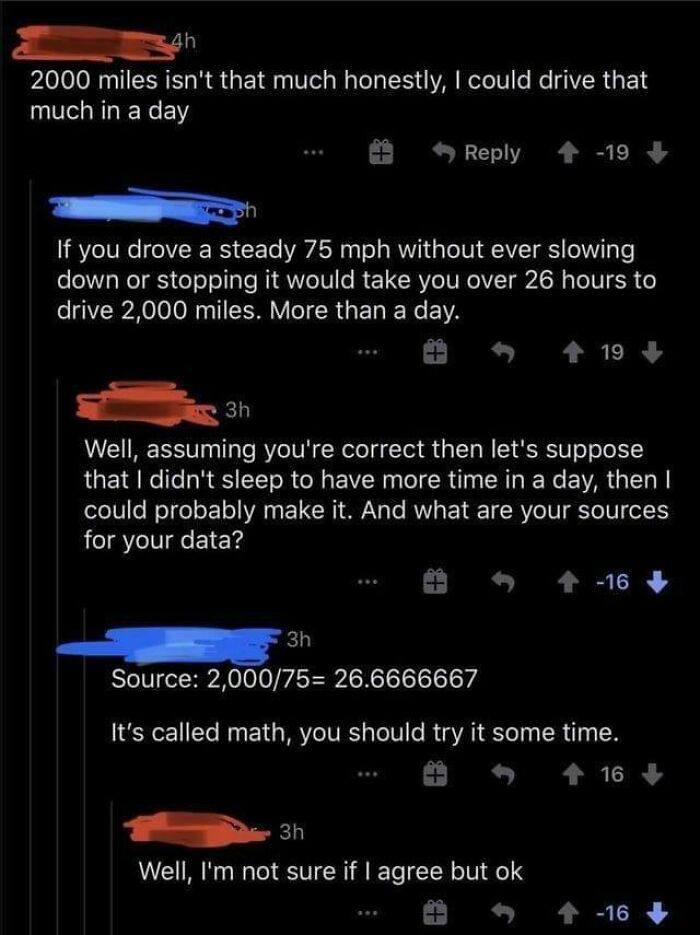
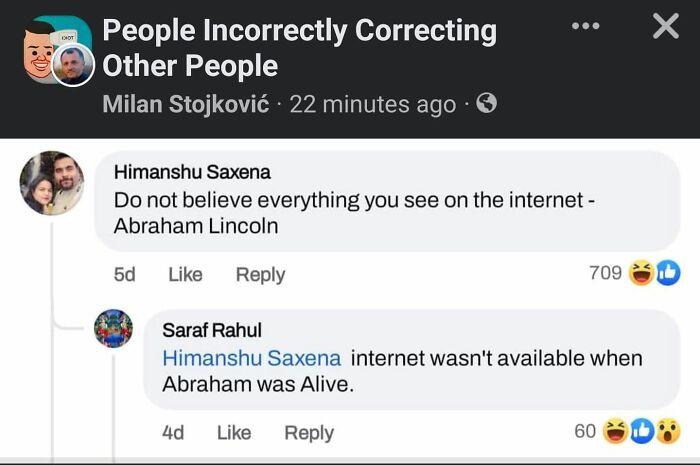
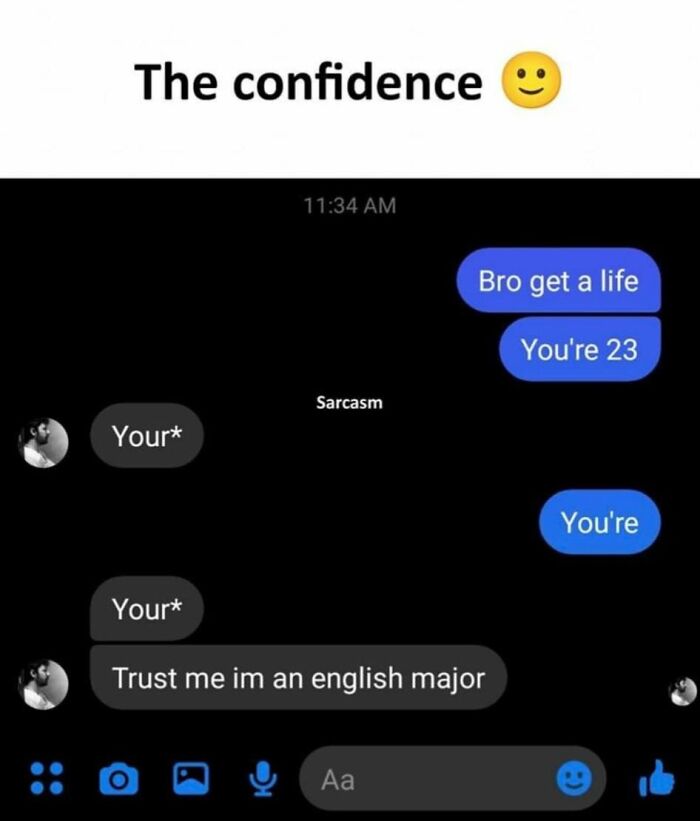
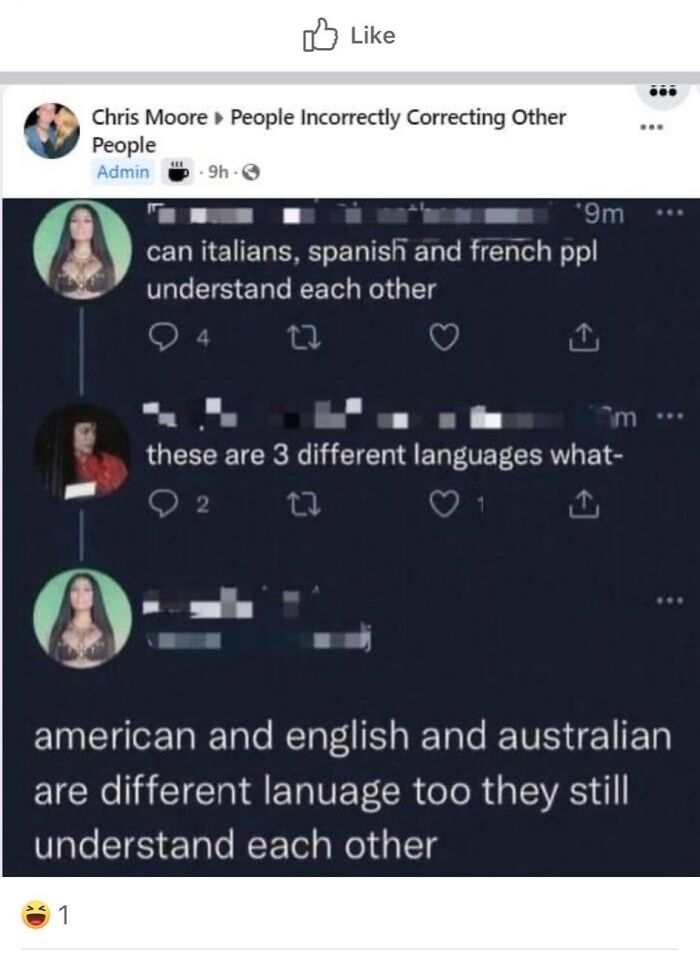
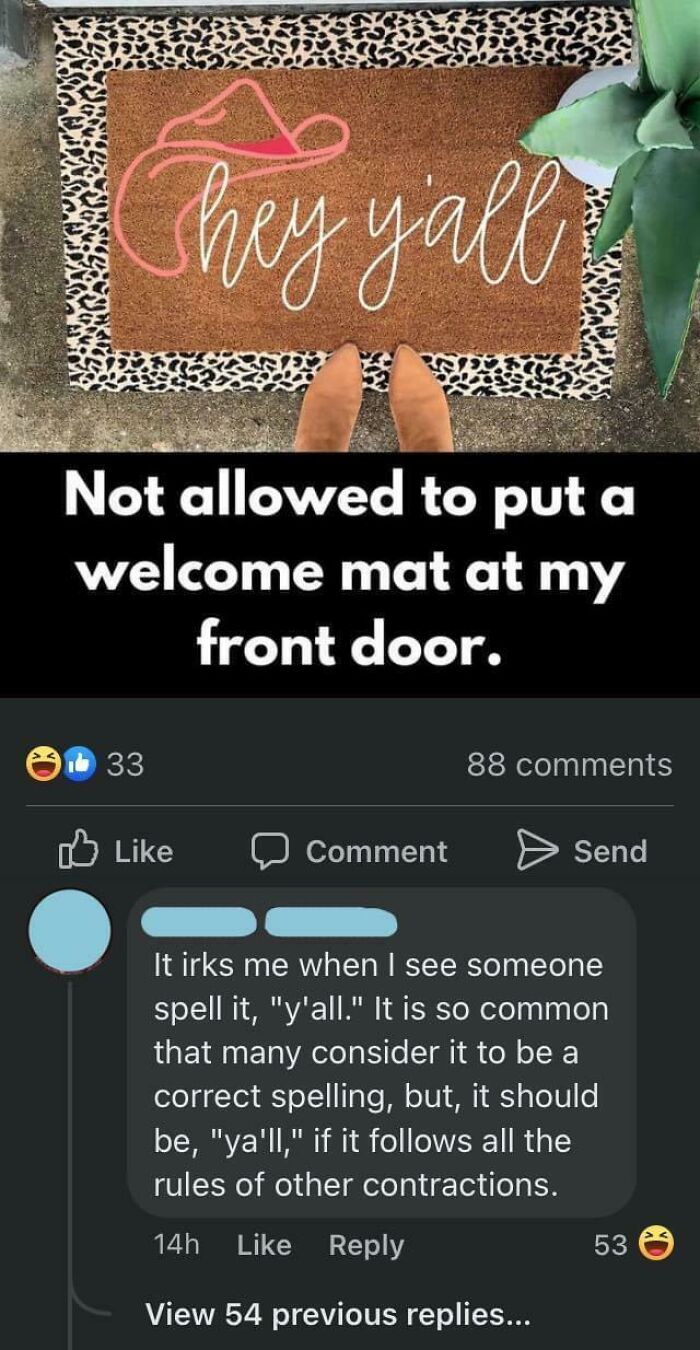
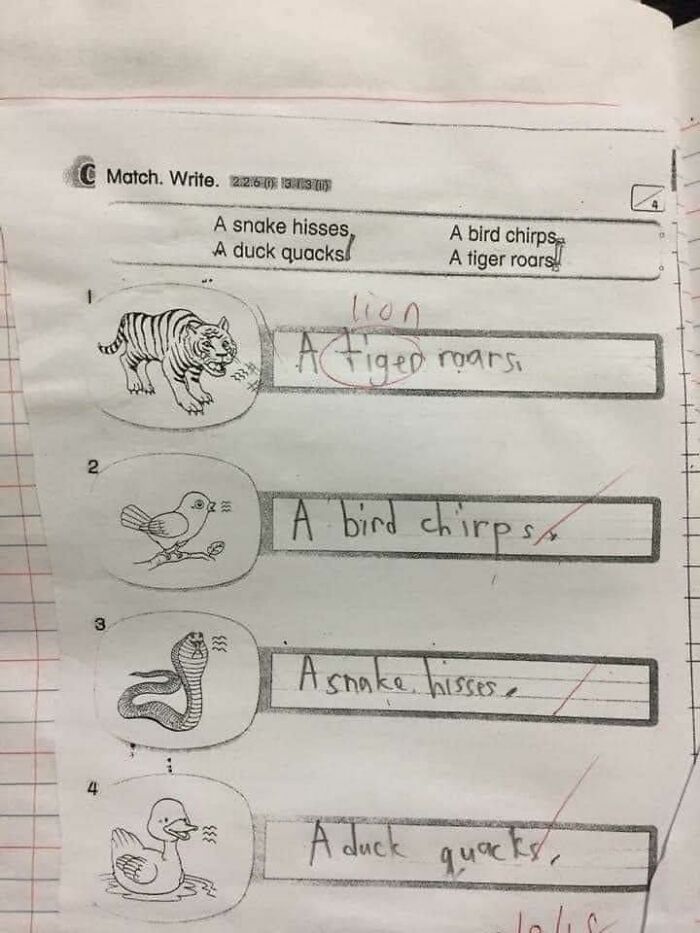
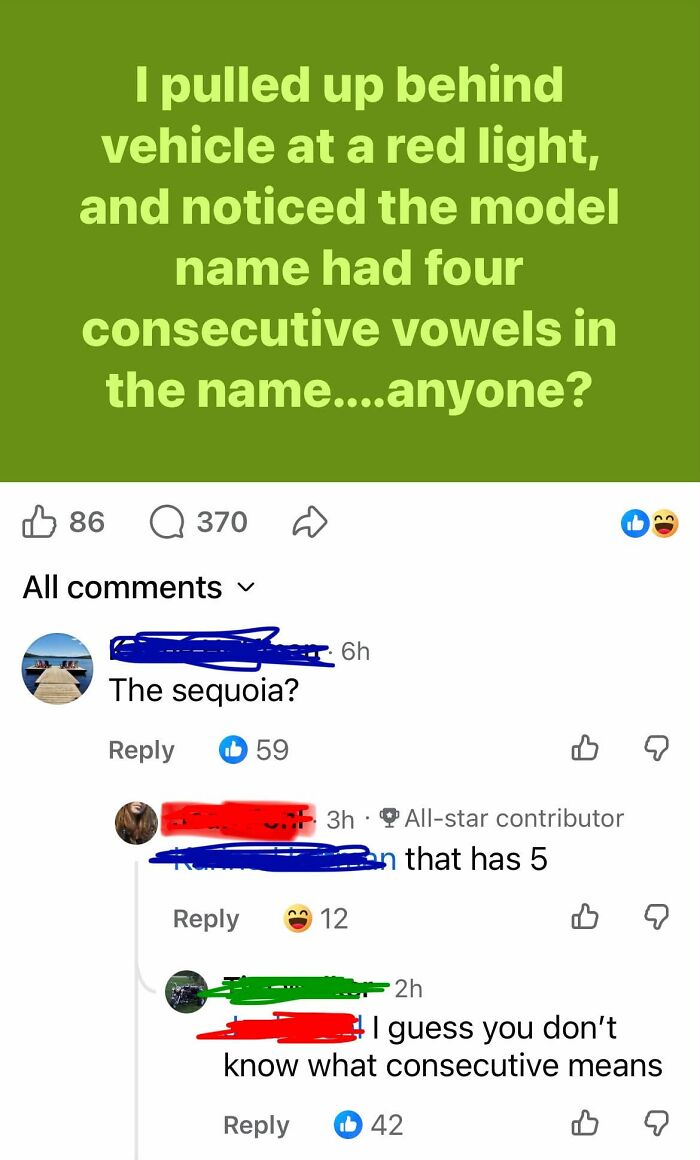
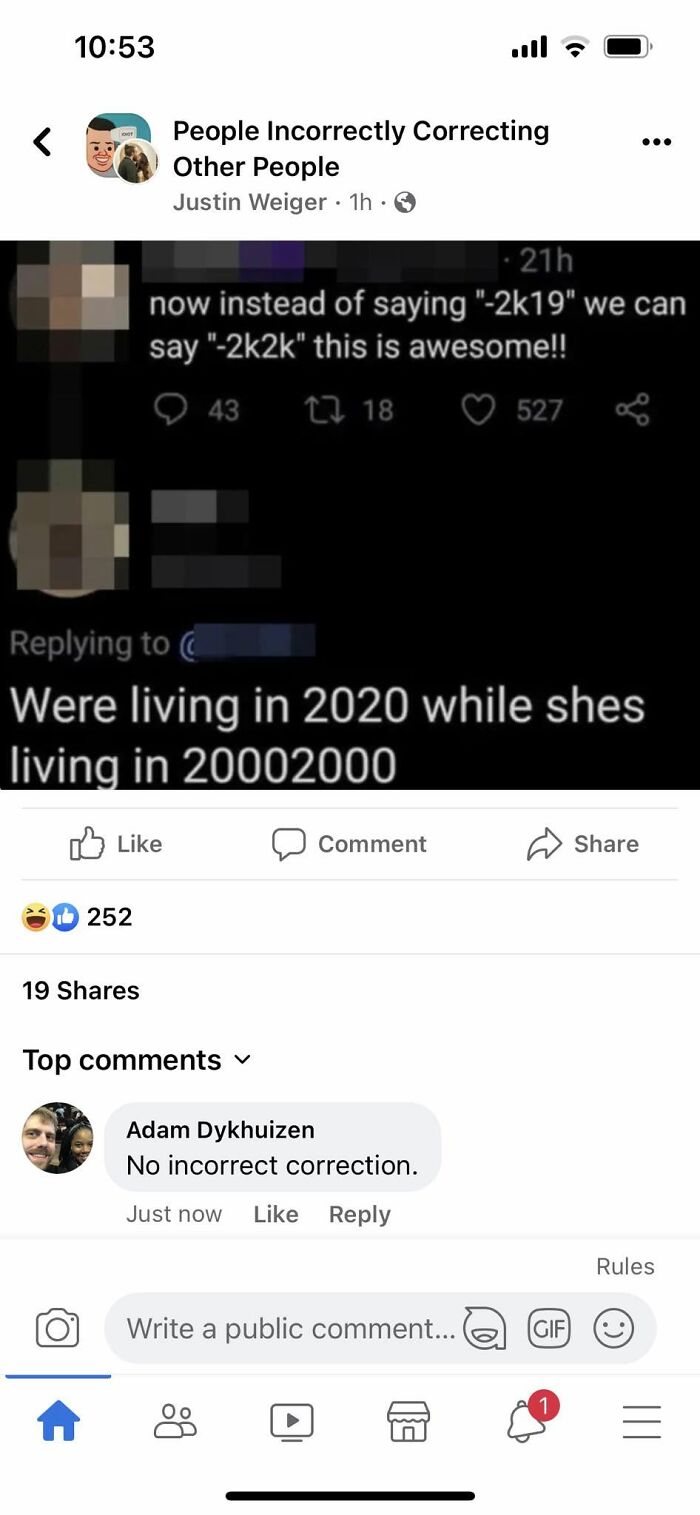
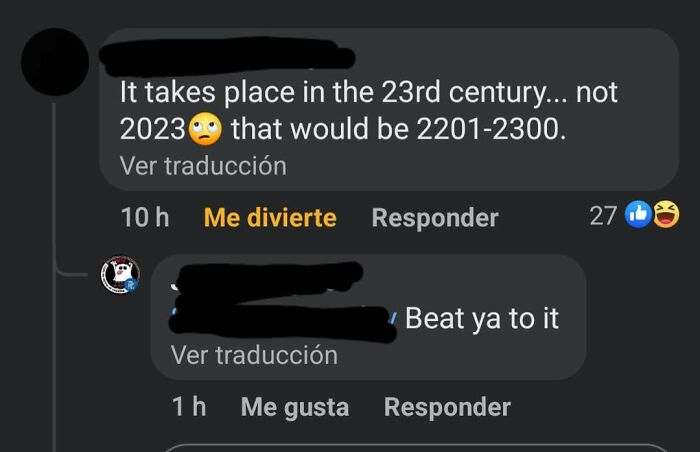
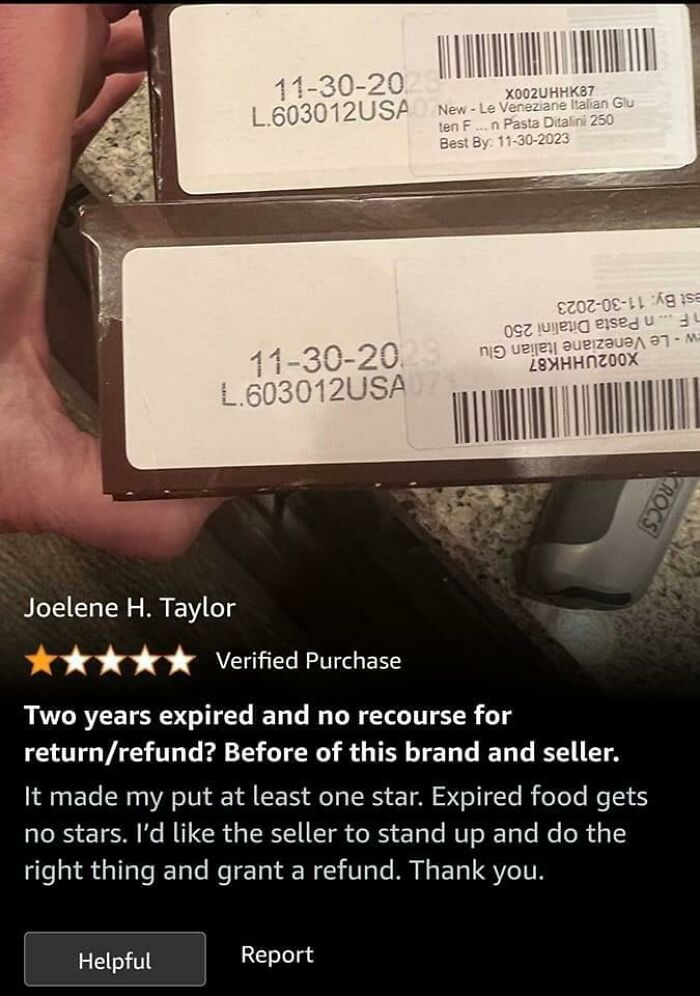
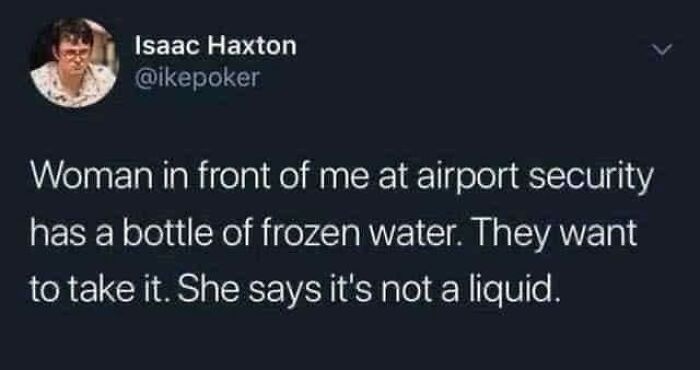
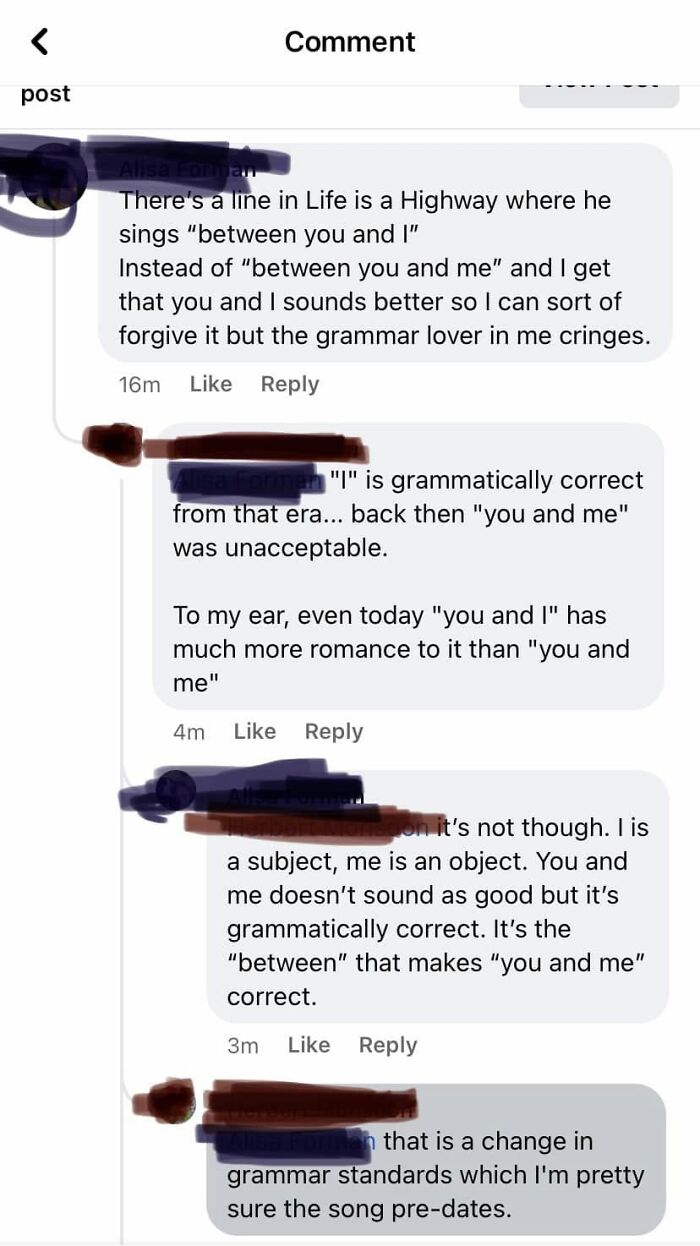
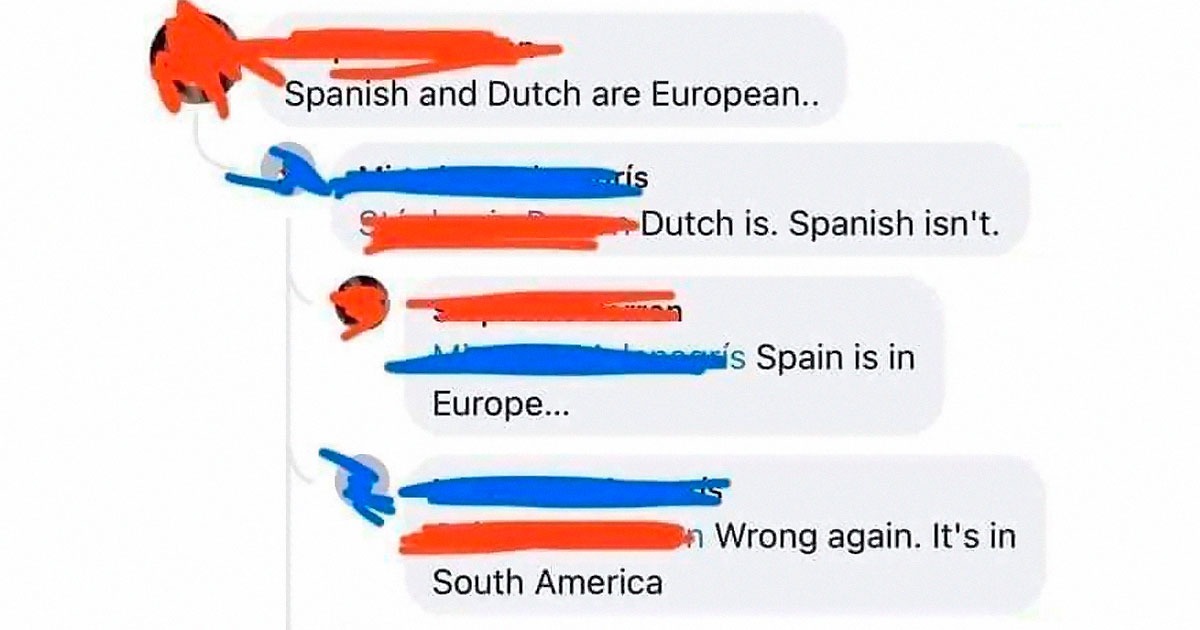
But while some do this with actual correctness on their side, others swing for the fences and miss spectacularly, sharing “corrections” that are somehow more wrong than the original “mistakes.” Various online groups exist to showcase and laugh at the finest work of both camps—from brilliantly accurate corrections to hilariously misguided ones.
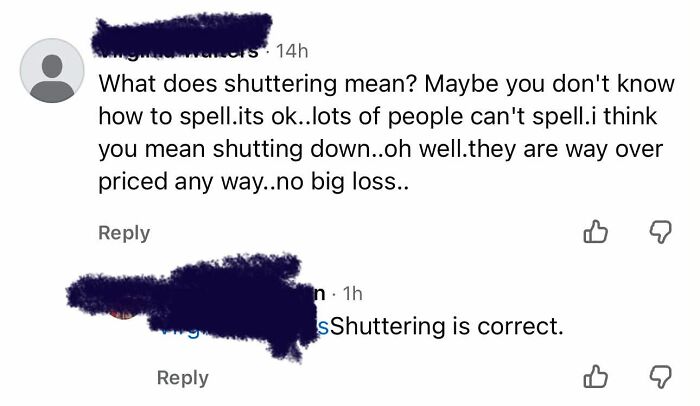
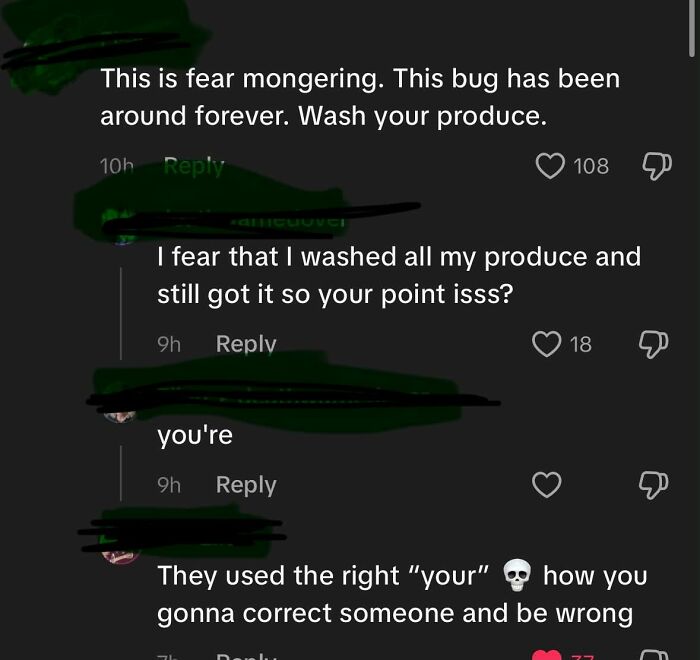
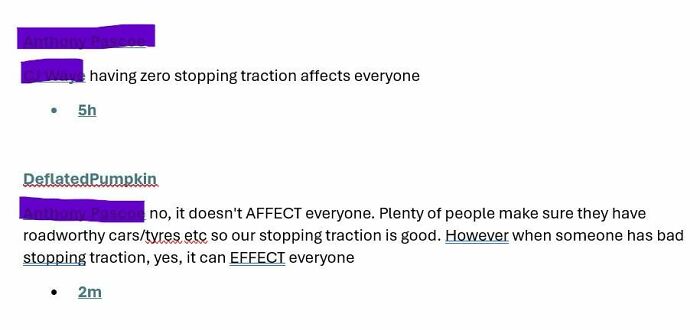
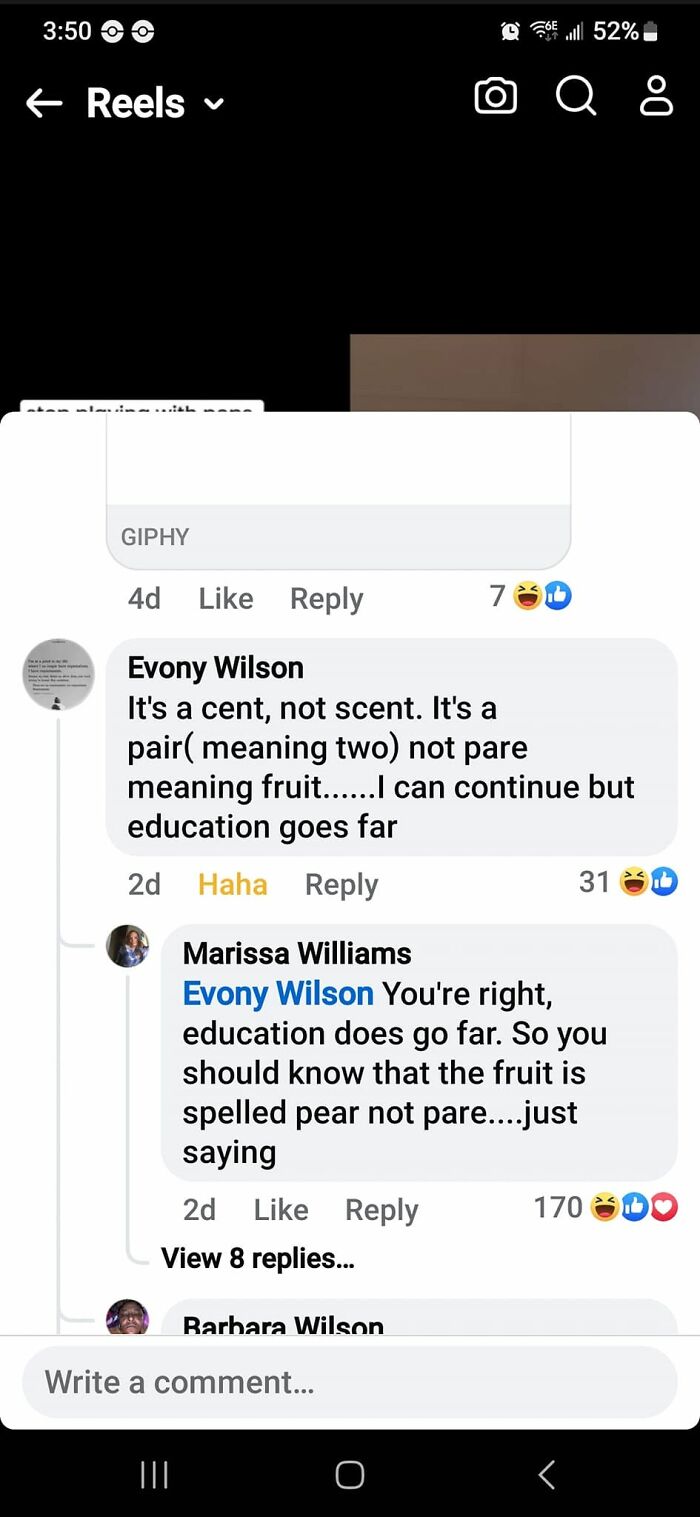
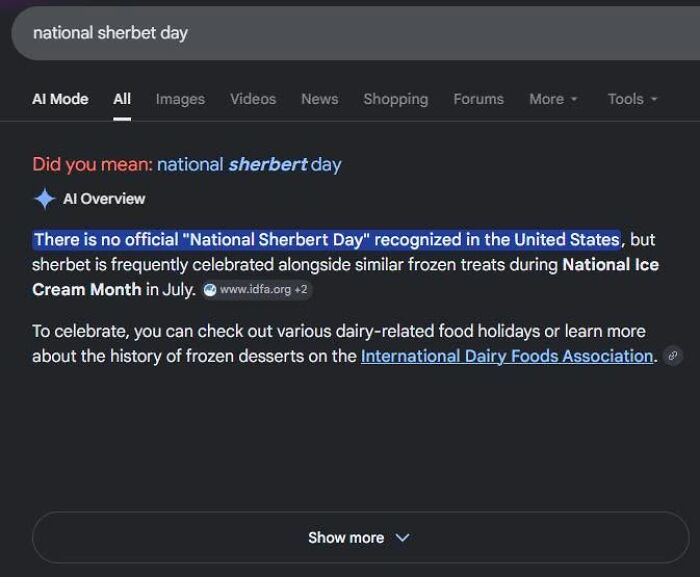
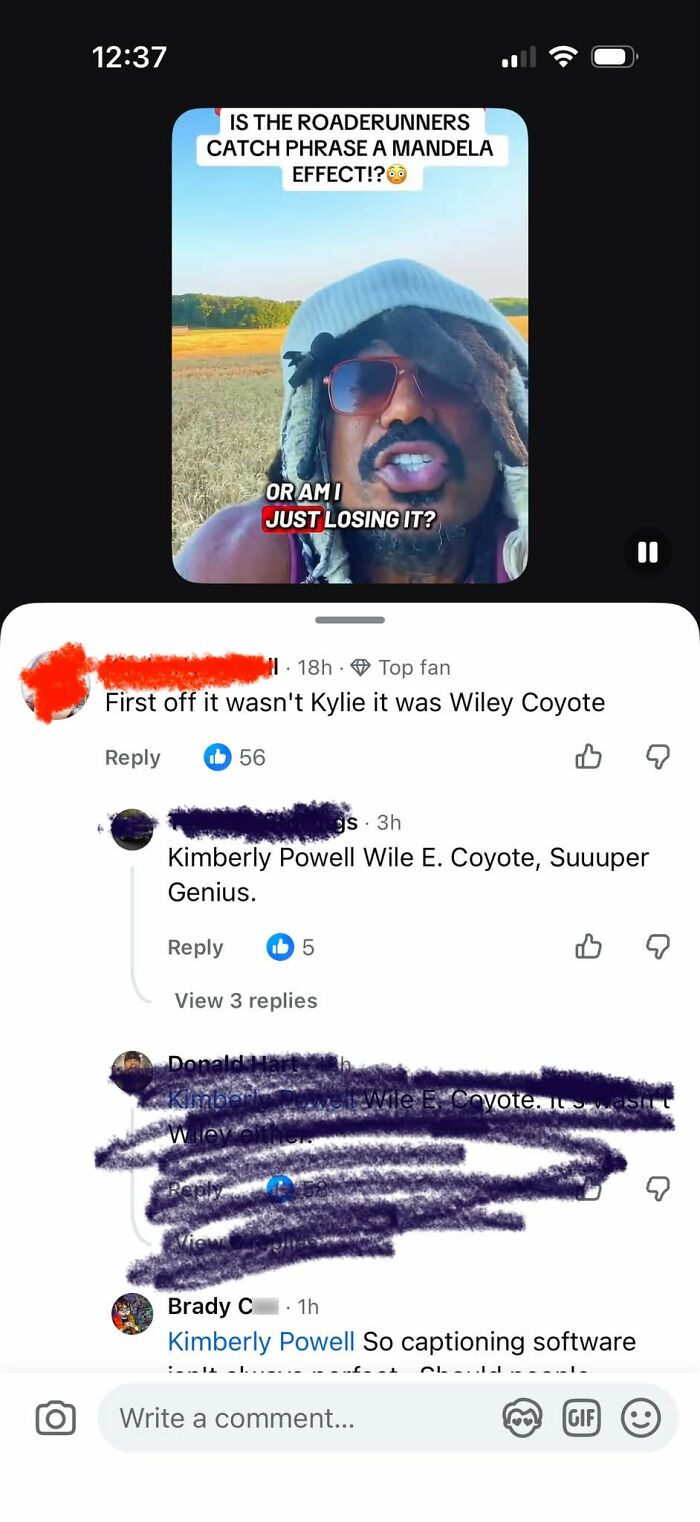
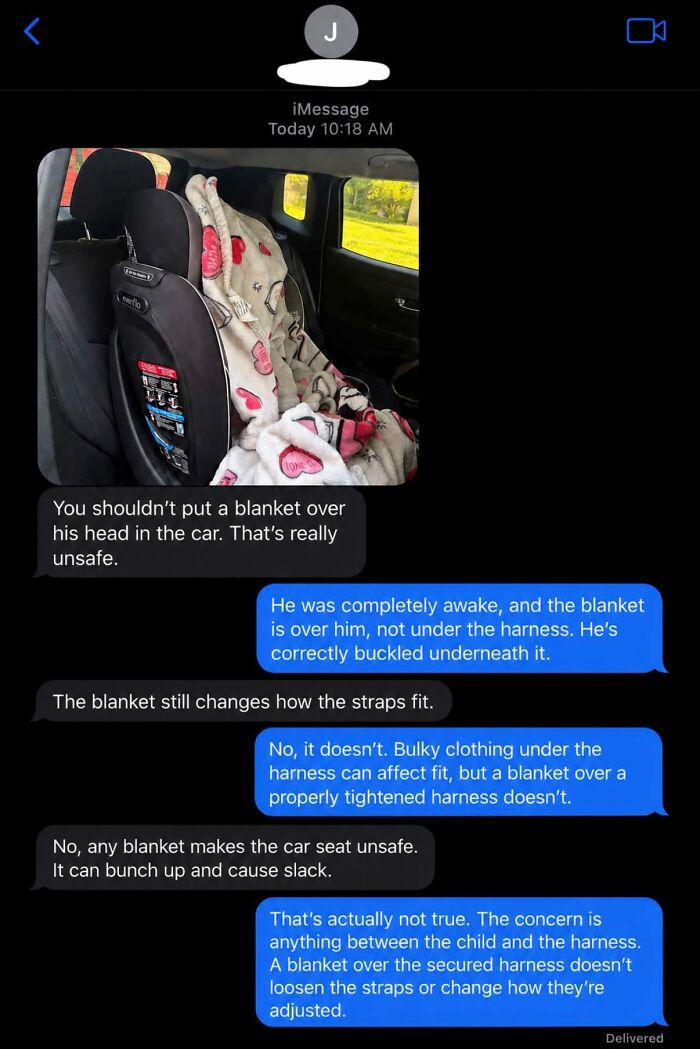
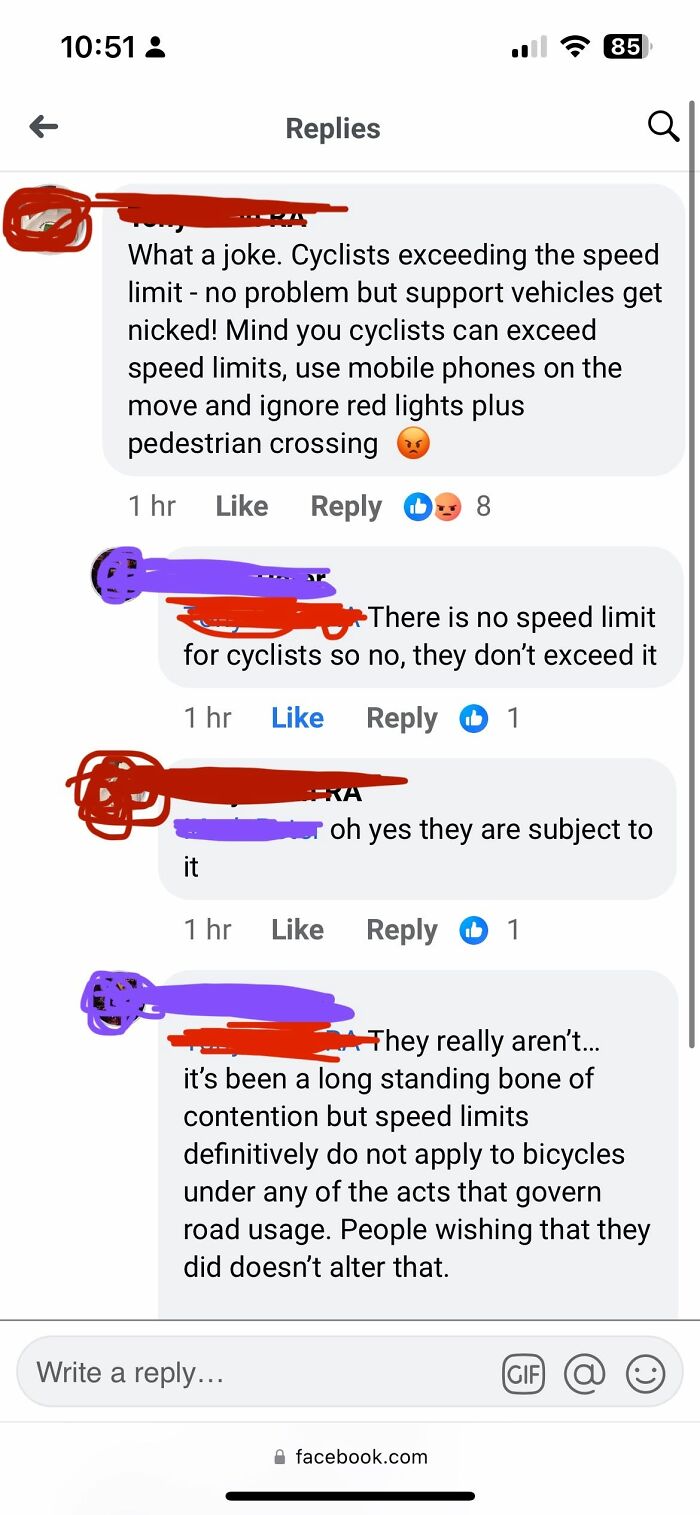
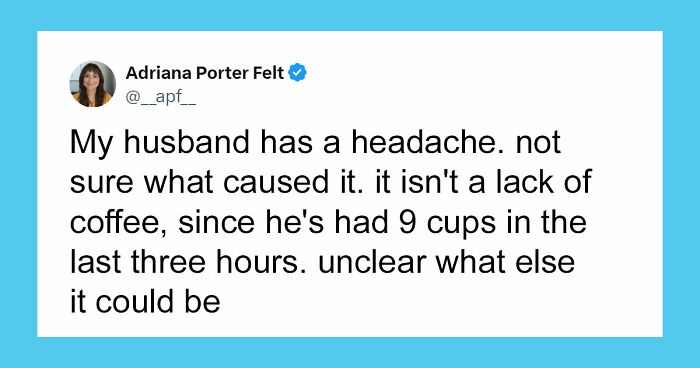
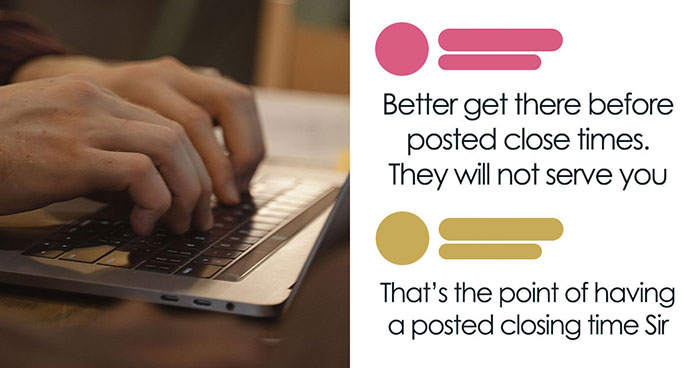
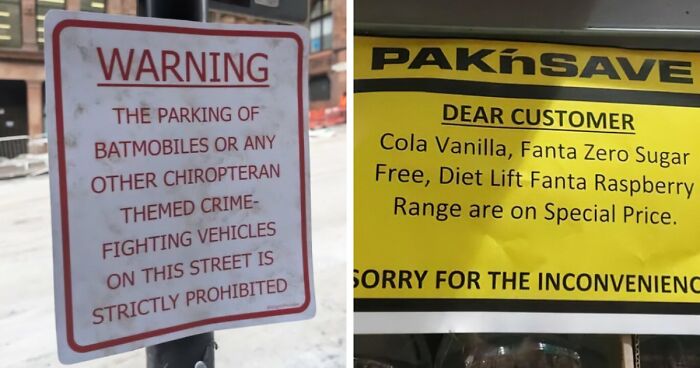
Scroll on for a selection of some of the funniest “confidently botched” and “technically correct” corrections these folks just had to screenshot and share.
Click here & follow us for more lists, facts, and stories.
This post may include affiliate links.
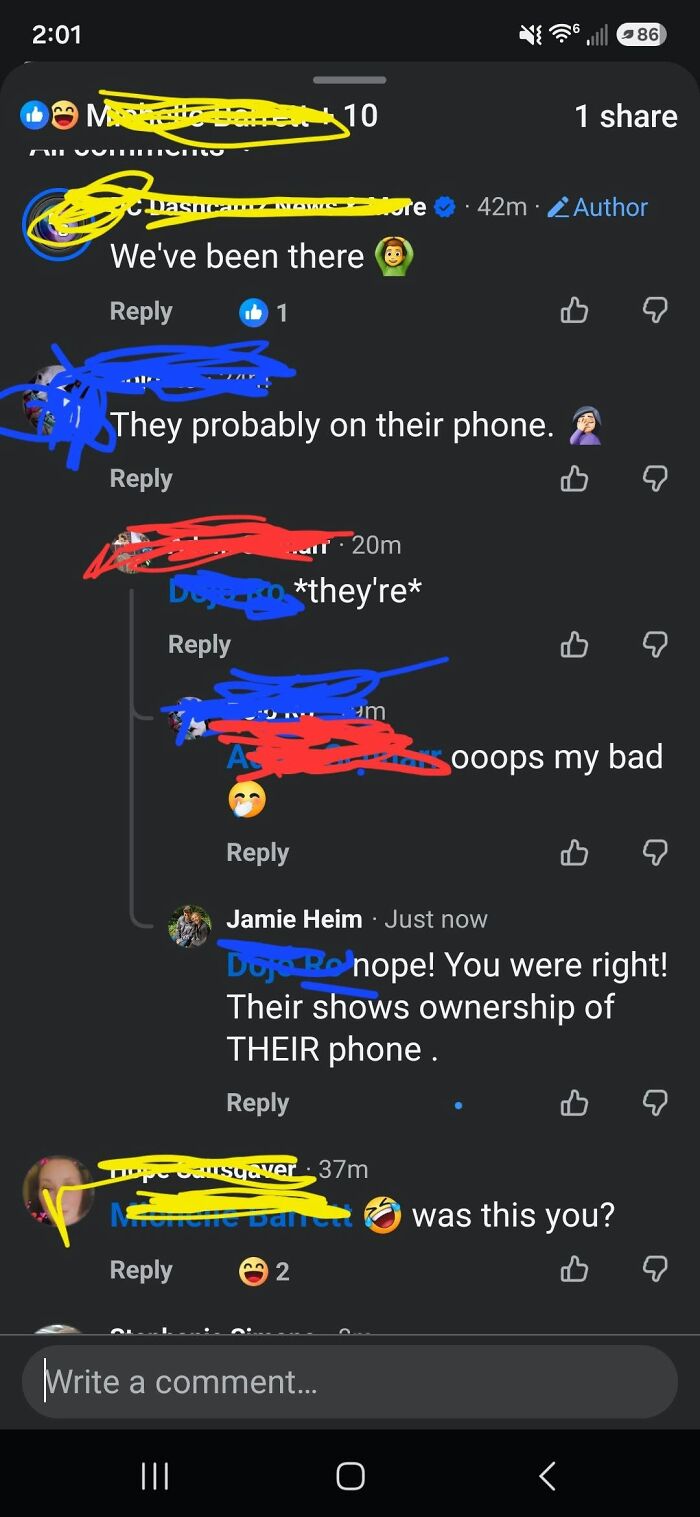
All of us make mistakes. It’s human nature. We might misplace an apostrophe, mix up a homophone (their, there, they’re—we’ve all been there), or sometimes just have a not-so-bright idea that seems brilliantly profound at the time.
Some of us are fortunate enough to display these, err, lapses only in a private text, or maybe in a group chat. But for those who are more, say, extroverted on social media, sometimes our humiliation is more public—and sometimes we’re so oblivious to the blip that we let our post or comment linger long enough for someone to set us straight.
But these are not the kind of errors or corrections we’re dealing with here today.
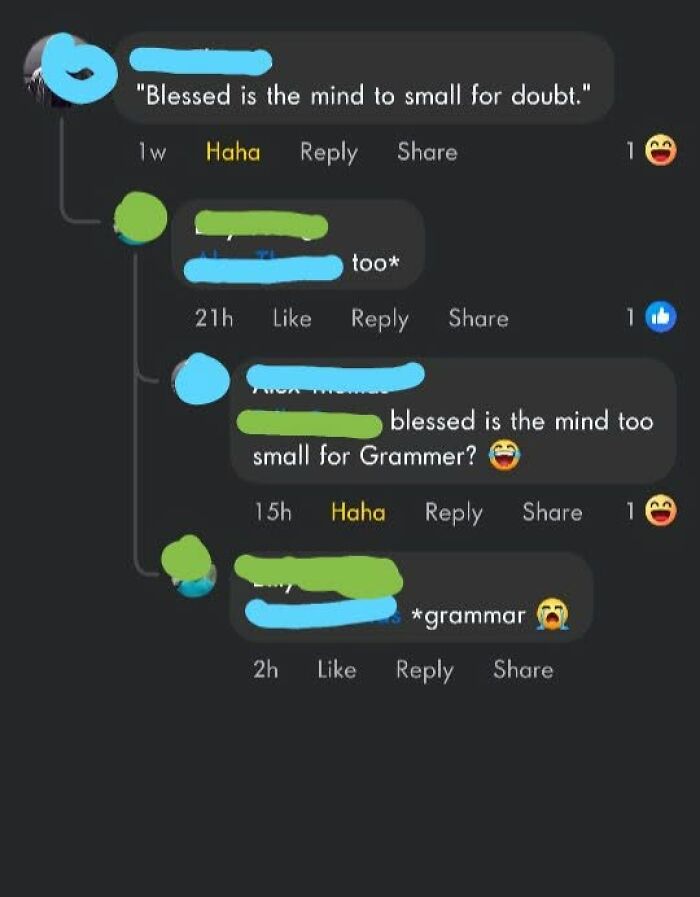
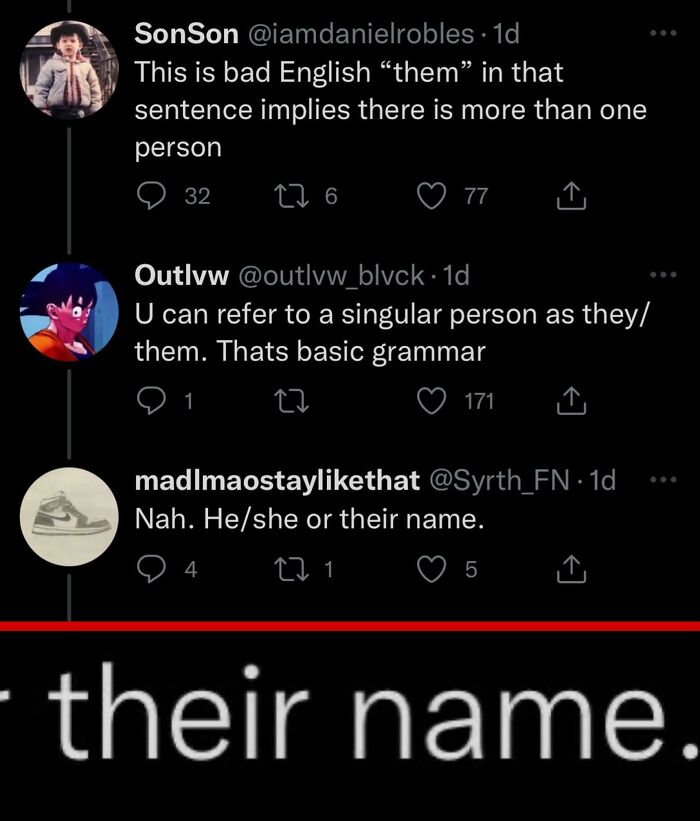
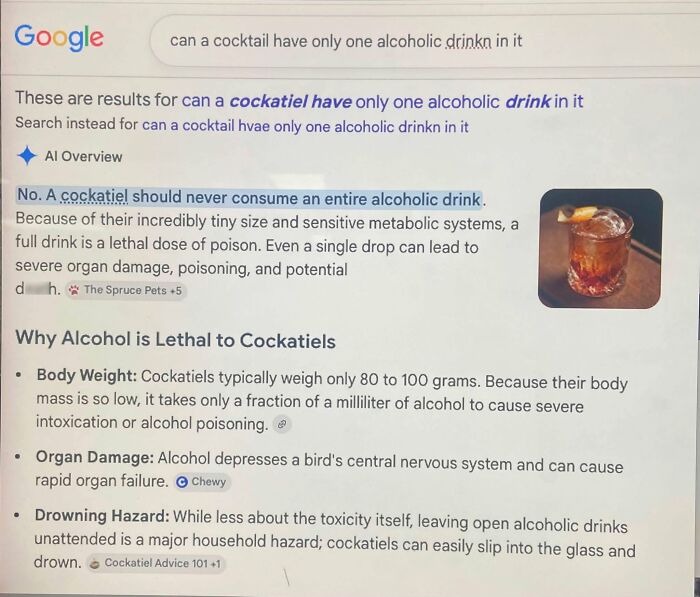
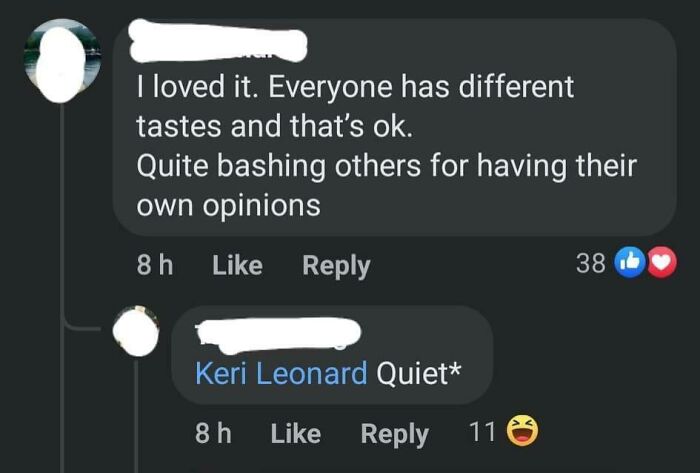
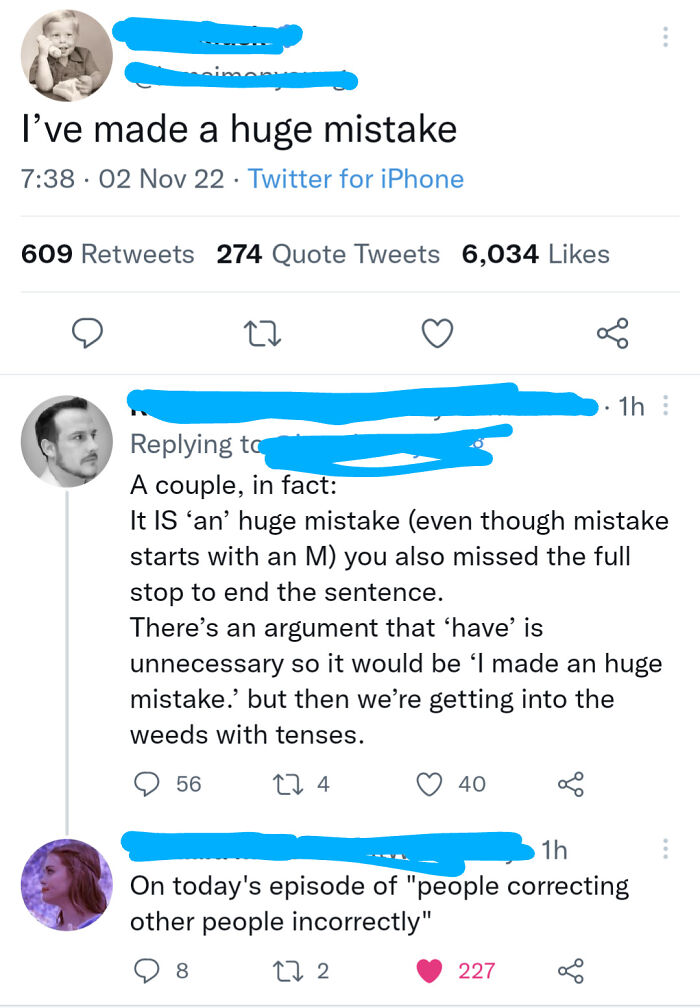
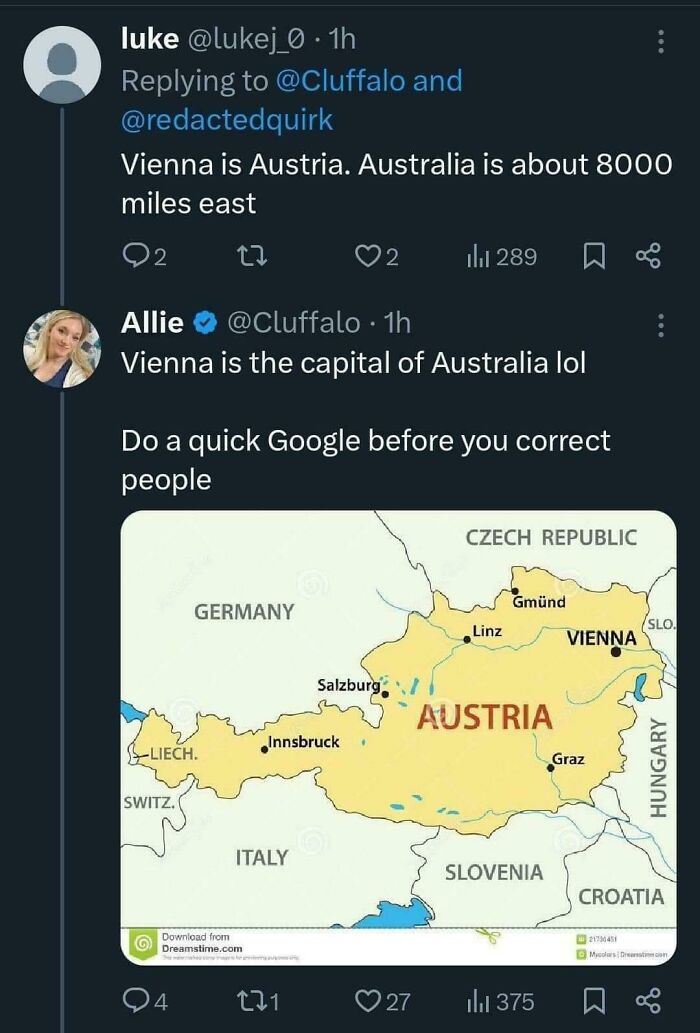
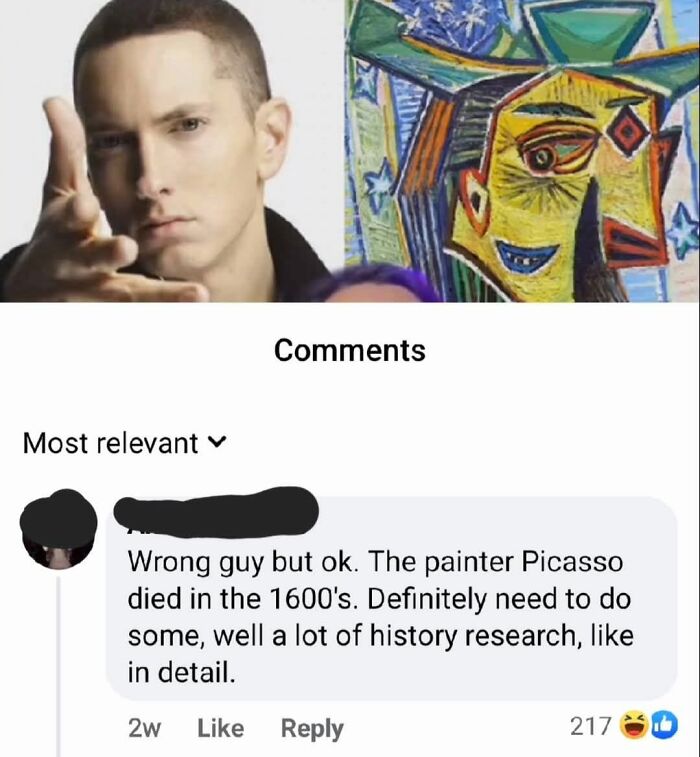
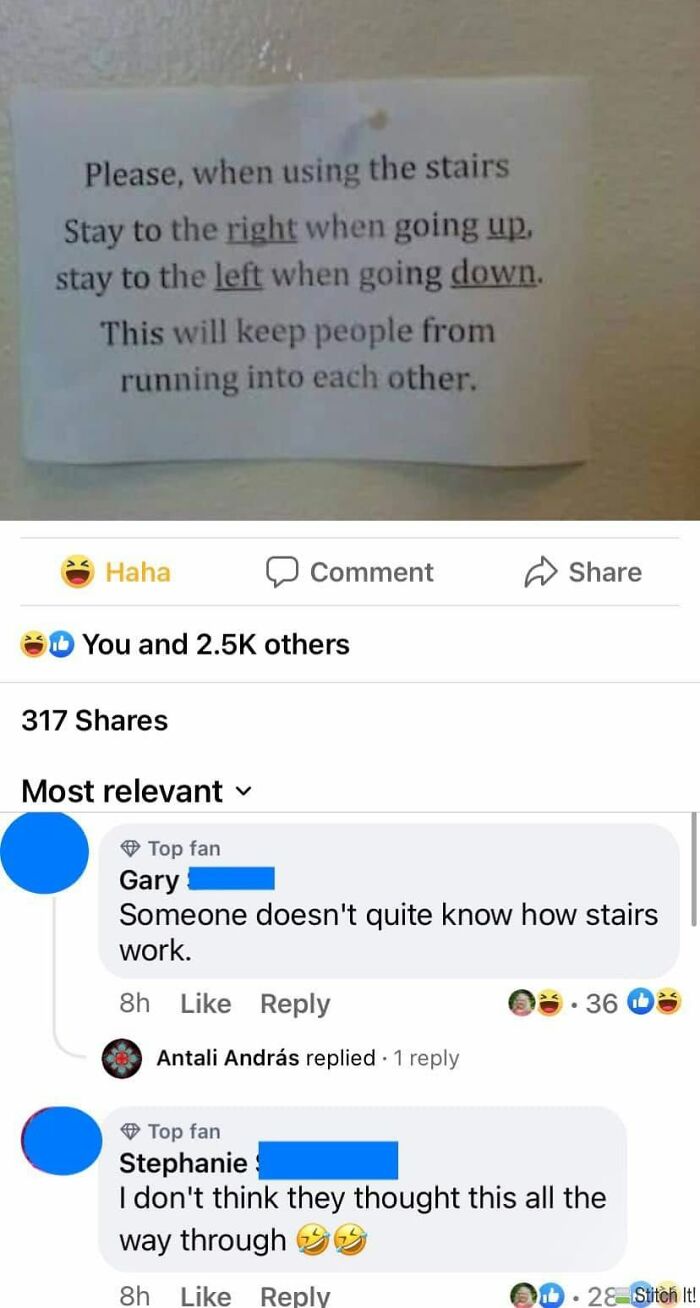
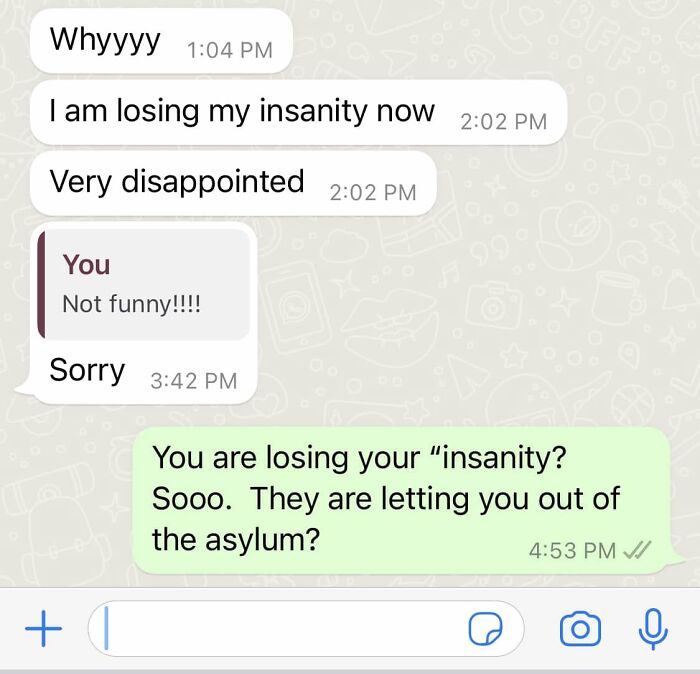
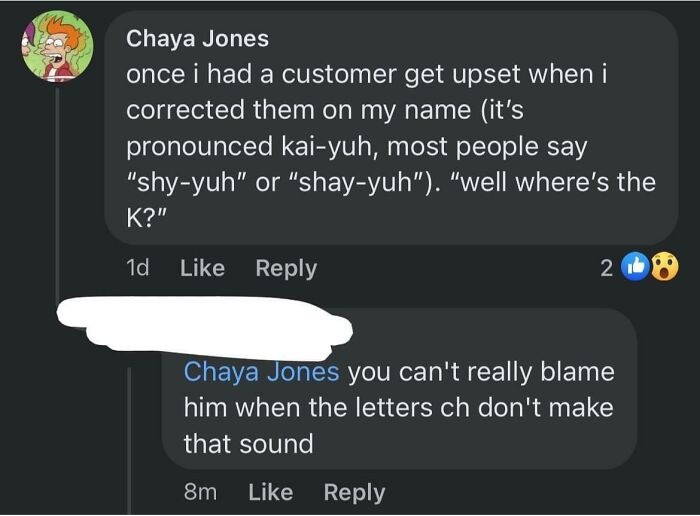
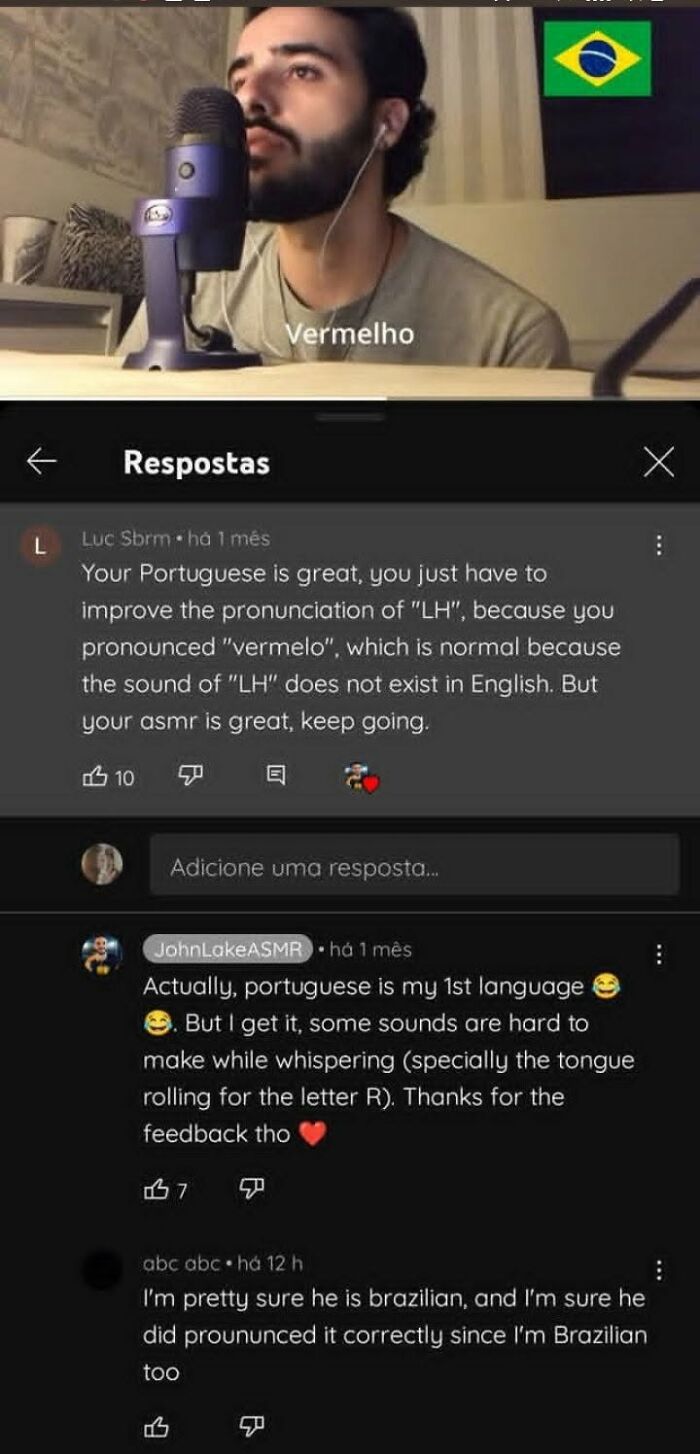
Here, we’re looking at folks so confident in their wrongness that someone had to swoop in, pedantic pants on, and set the record straight. Or, more embarrassingly, at self-appointed correctors so confident in their fix that they never stopped to check it… only to become the ones who needed correcting.
What both examples show is that confidence and correctness, to put it plainly, are not the same thing. And while most of us have experienced this often enough to know it’s painfully true, it turns out there’s actual research that backs it up. It’s called the Dunning-Kruger effect.
Psychology Today describes it as “a cognitive bias in which people wrongly overestimate their knowledge or ability in a specific area,” often because they lack the self-awareness to judge their own skills accurately.
The effect is named after Cornell University psychologists David Dunning and Justin Kruger, who reached this conclusion in a landmark 1999 study testing participants on their logic, grammar, and sense of humor. Here they found that the lowest performers rated their own abilities the highest, while the highest performers tended to underestimate theirs.
In other words: the people who did worst were the most confident among the group.
We’re made hilariously aware of this cognitive bias whenever someone confidently posts something incorrect online—especially when they double down after being corrected, or when the “corrector” ends up becoming the one in need of correcting.
And Dunning and Kruger had an explanation for that, too. As they put it, people with limited knowledge in a domain “suffer a dual burden.” Not only do they make the original mistake, but that same lack of skill leaves them unable to recognize it as a mistake in the first place.
This means that, perhaps despite your best intentions, correcting someone who is confidently wrong online is unlikely to lead to any meaningful growth or learning on their part—because they lack the ability to step back and judge their own understanding accurately.
So why, then, do some people find correcting others online so satisfying—so much so that some are willing to jump right in without checking their own facts first? Why has correcting people become, to quote Stacey Alvarez, LMFT, such “a defining feature of digital interaction”?
Sure, some of the people correcting others in this list may receive some smug sense of mastery (it probably lasts longer when they are indeed correct), but psychology suggests that not everyone who makes a habit of correcting others is simply trying to show off.
Rather, Aastha Raj, writing for the Economic Times, argues, some people simply have a need for accuracy and feel genuine discomfort letting incorrect information go unchallenged. Others are naturally detail-oriented and notice mistakes that many might simply overlook.
In such cases, pointing out someone’s error might be less about proving someone wrong and more about setting the record straight. That is, of course, assuming the record actually gets set straight—and not, as we’ve seen, set even further askew by someone a little too eager to fix something that wasn’t broken to begin with.
And this perhaps leads us to an important distinction: there’s a fine line between being helpful and chasing the thrill of winning an argument—especially on social media, where, as Alvarez notes, private clarification has become a “public performance,” often rewarded with likes, upvotes, and the like.
Because here the stakes are higher. Get the correction right, and you’ve just earned yourself both vindication and online clout; get it wrong, and you’ve just handed the internet a better punchline than the one you set out to fix.
You Might Also Like: 49 moments people realized they were dating or married to a fool















 No fees, cancel anytime