Get Premium
Dark mode theme is available exclusively for premium users. Learn more about the benefits of subscribing.
No fees, cancel anytime.

 Dark Mode Ad-Free Browsing Unlimited Content
 Ad-Free Browsing Unlimited Content Dark Mode
Join 1.2 million Panda readers who get the best art, memes, and fun stories every week!
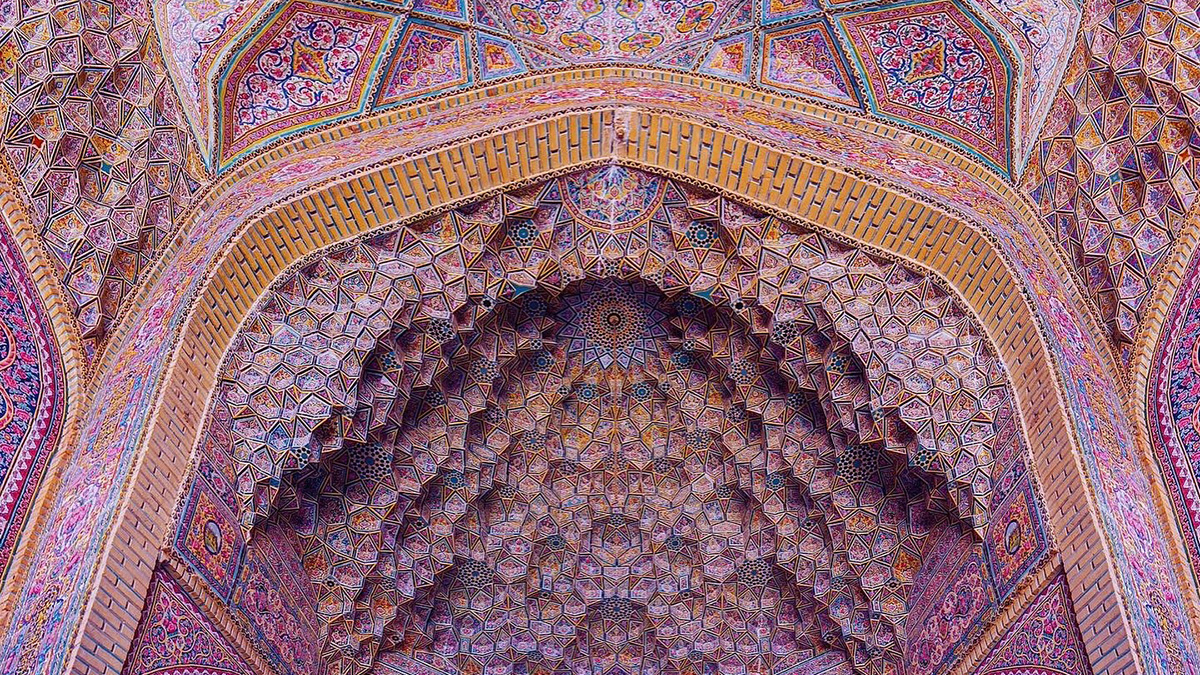
Tehran, Isfahan, and Shiraz form the backbone of what many travelers think of as "Classical Persia," a route that traces the cultural, artistic, and historical heart of Iran. Together, these cities tell a story that spans centuries, from imperial palaces and Safavid masterpieces to poetic gardens and some of the most celebrated examples of Islamic architecture in the world. While each city has its own character, they are connected by a shared visual language: an extraordinary tradition of ornament, geometry, craftsmanship, and color that has shaped Persian art for generations.
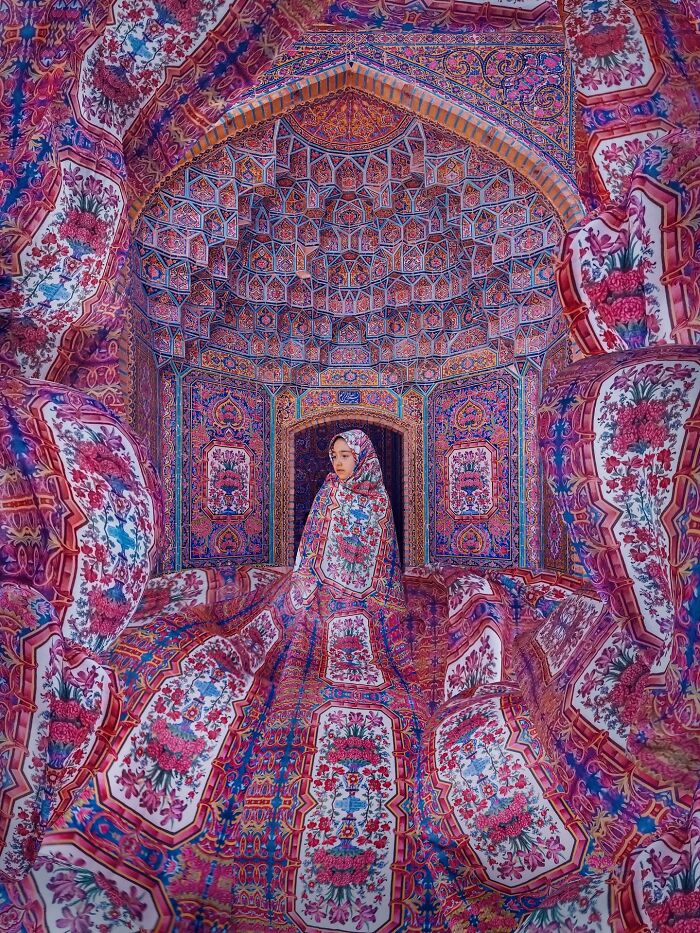
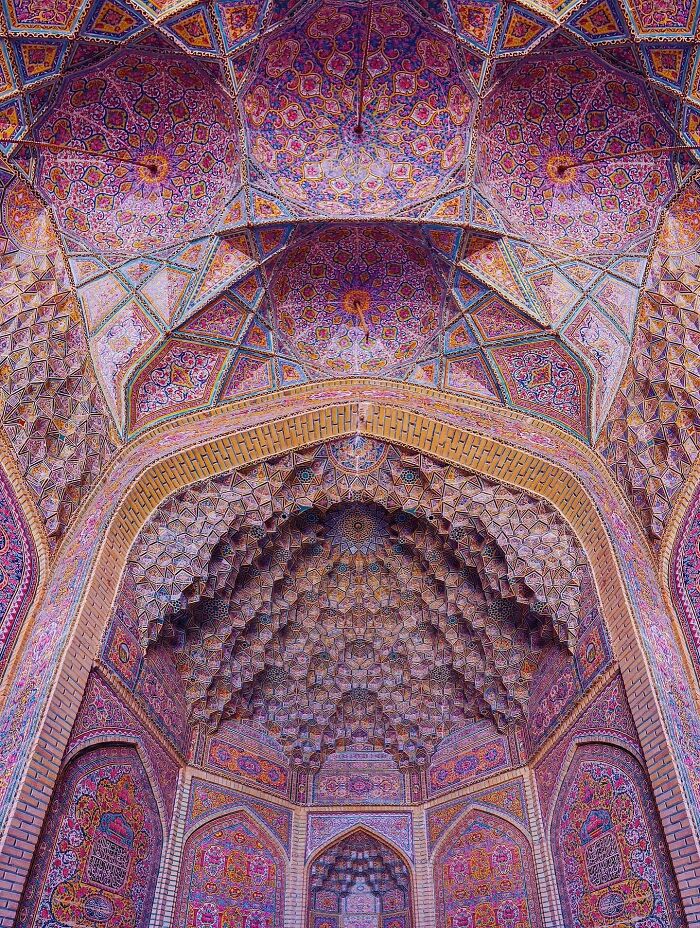
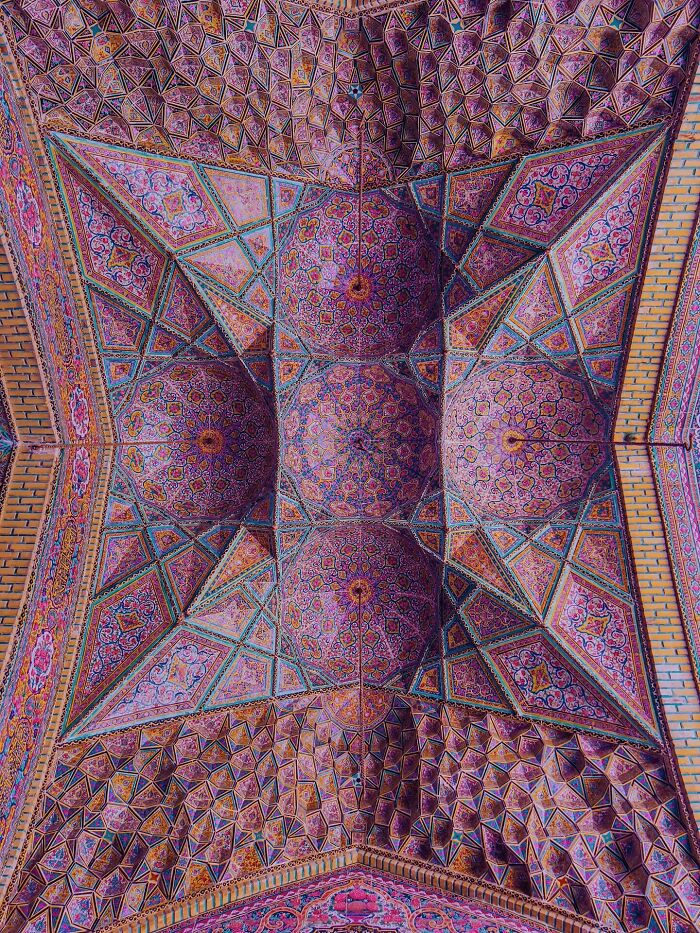
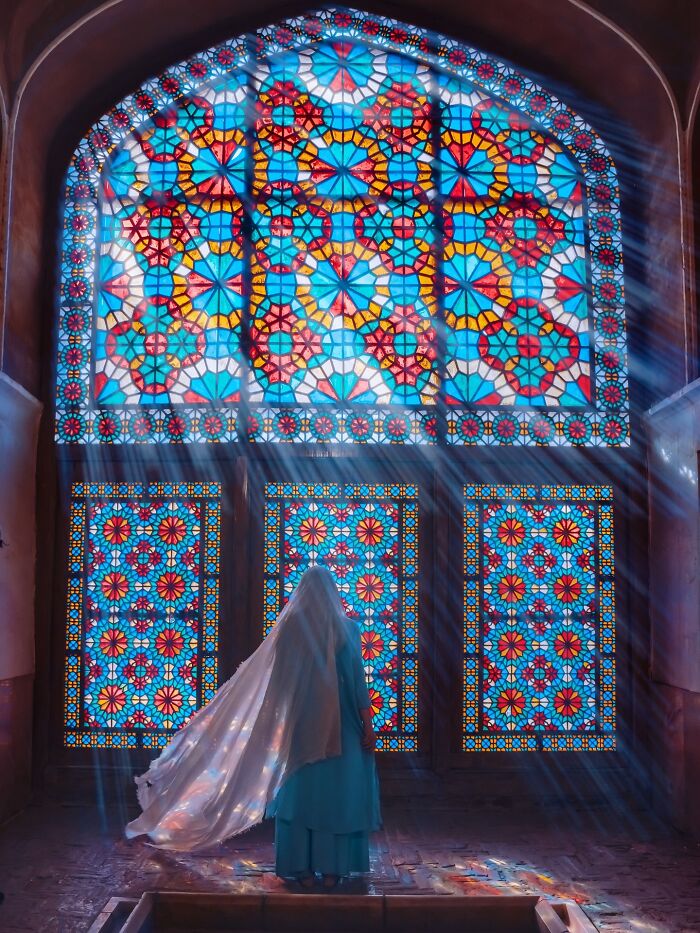
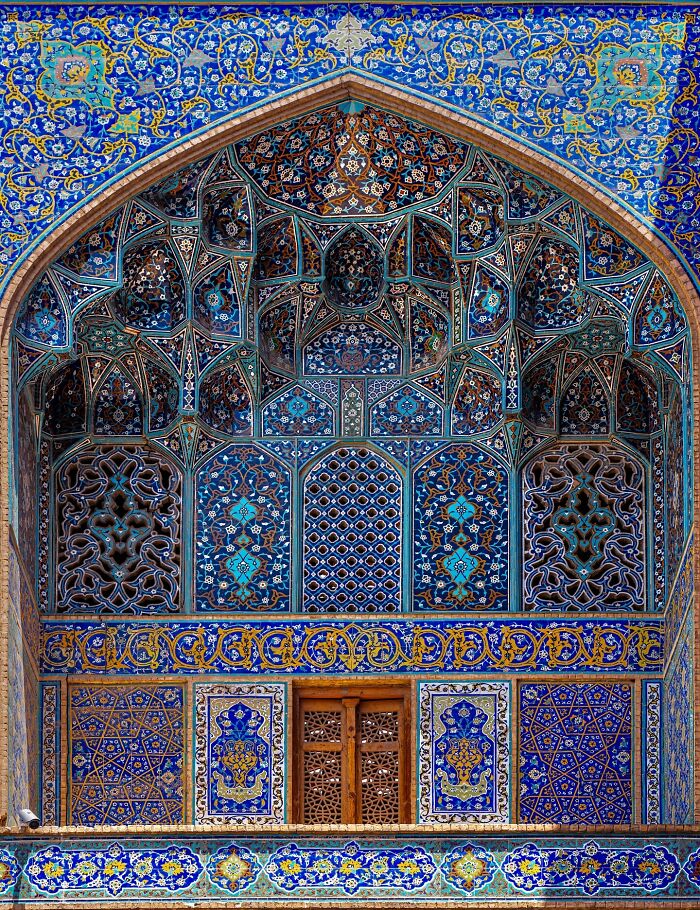
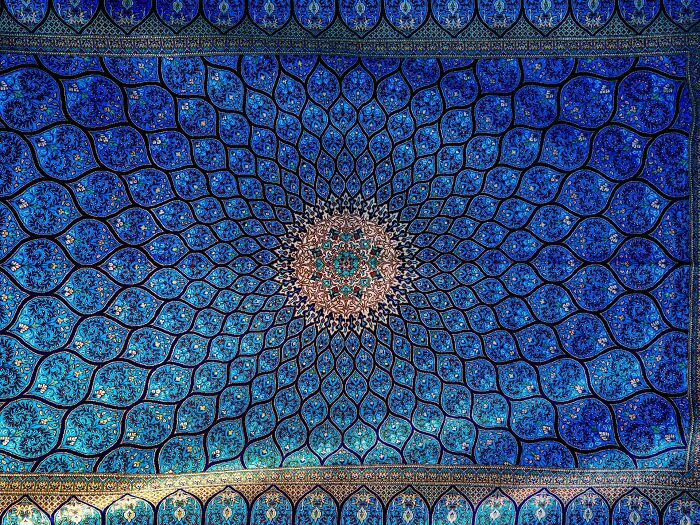
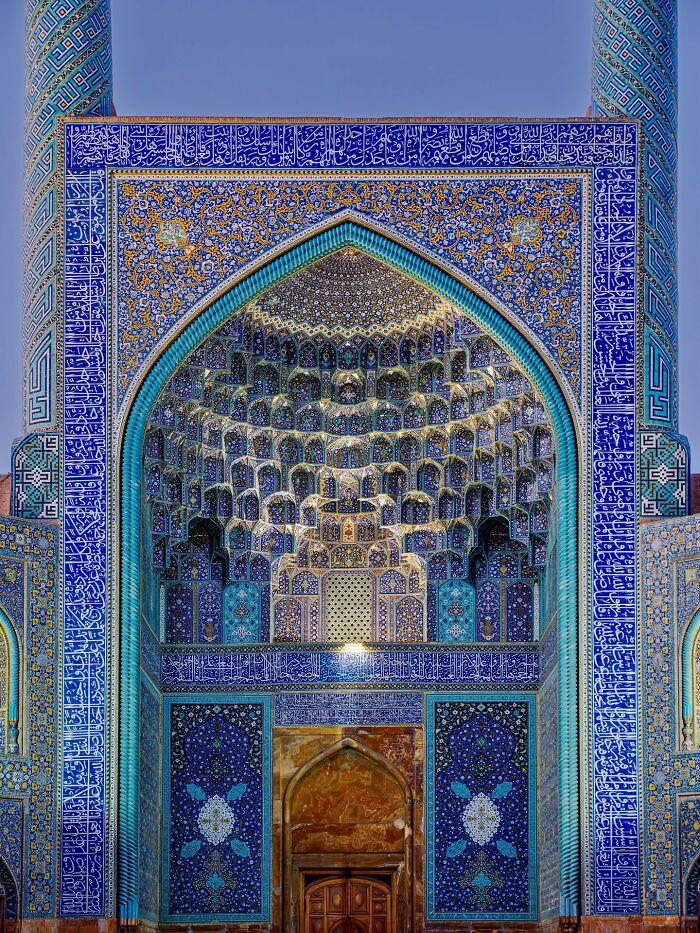
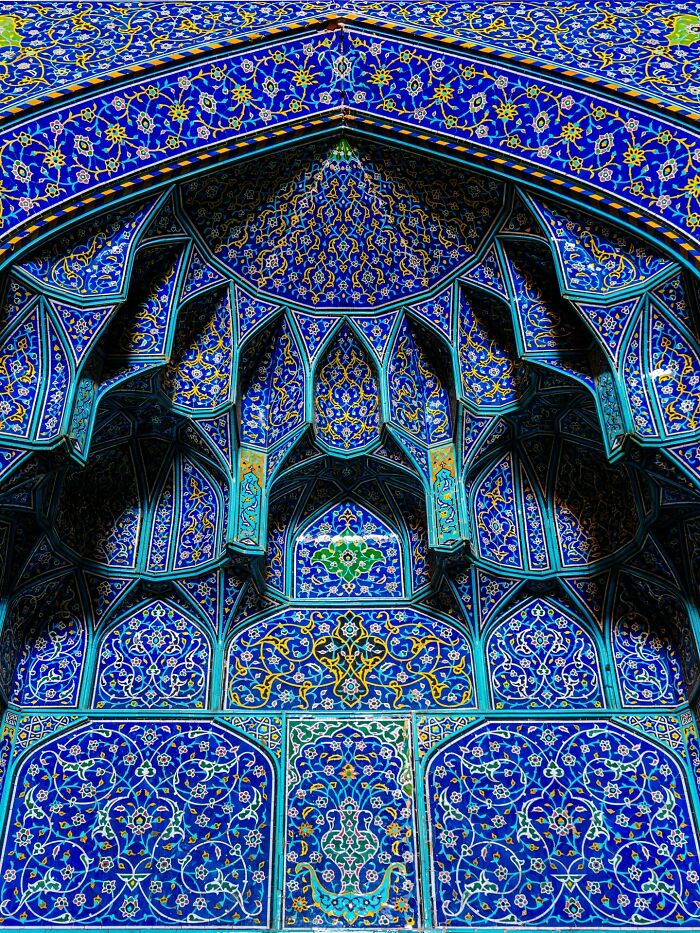
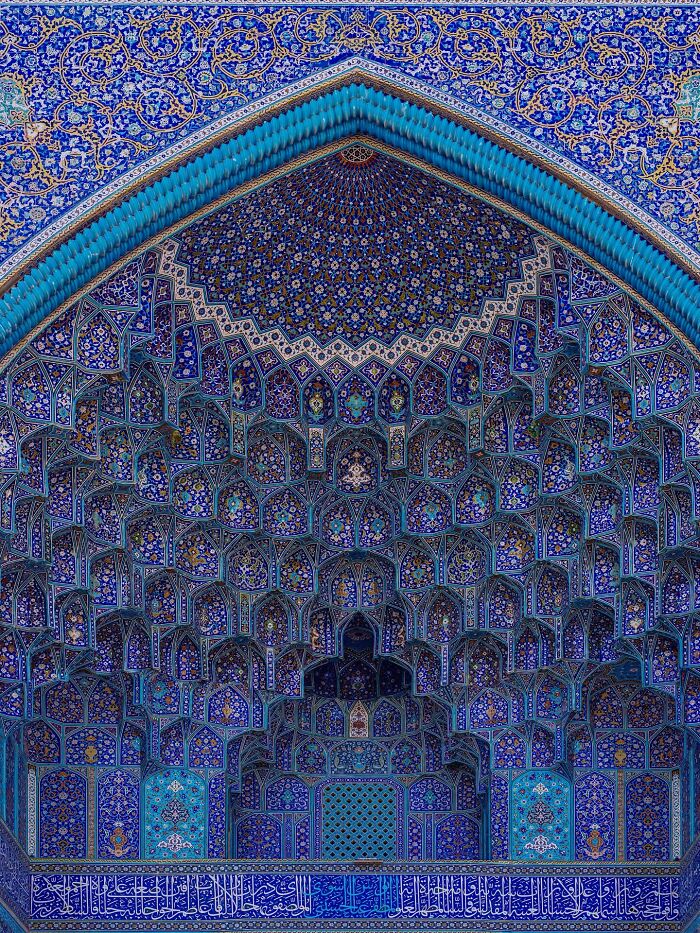
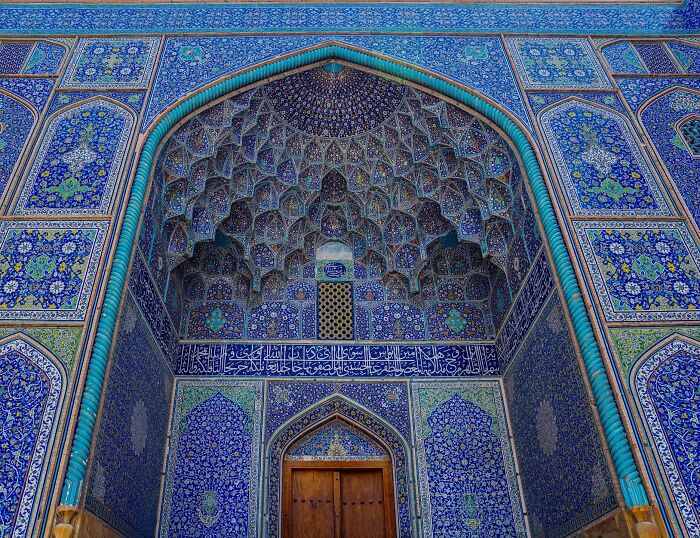
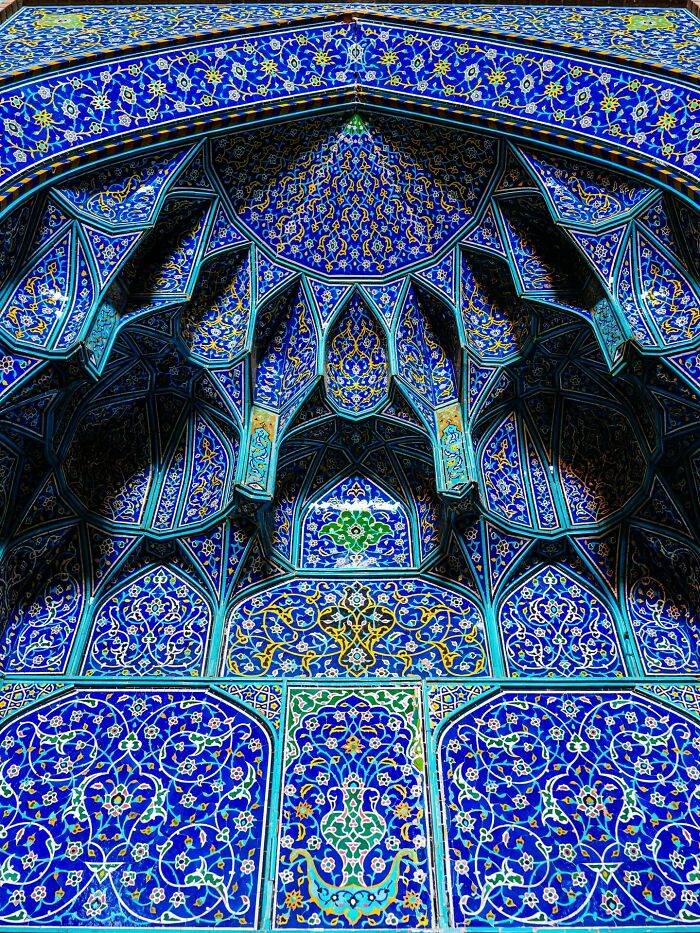
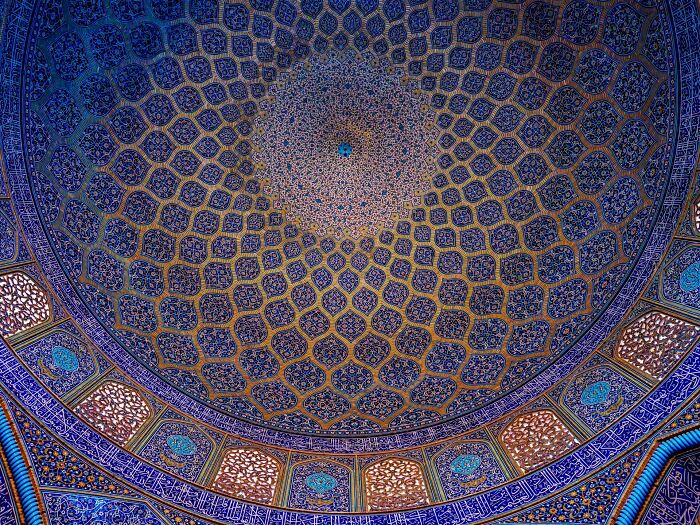
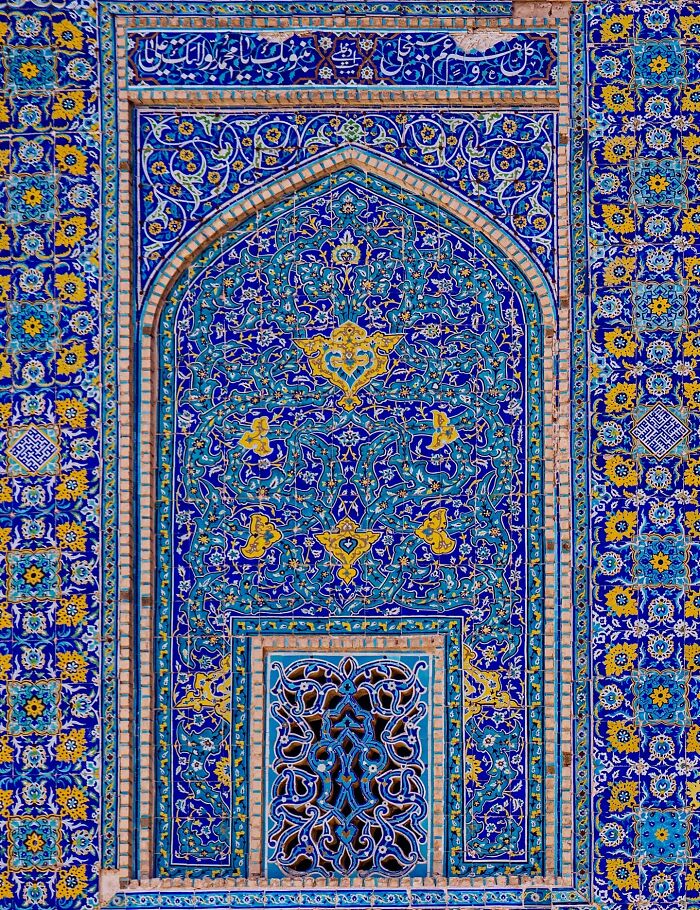
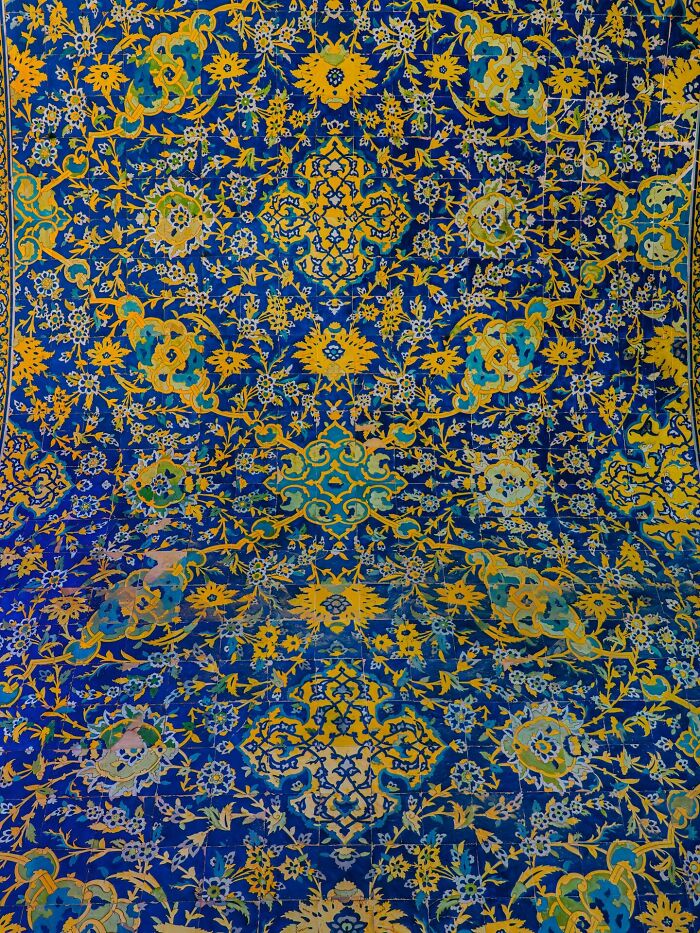
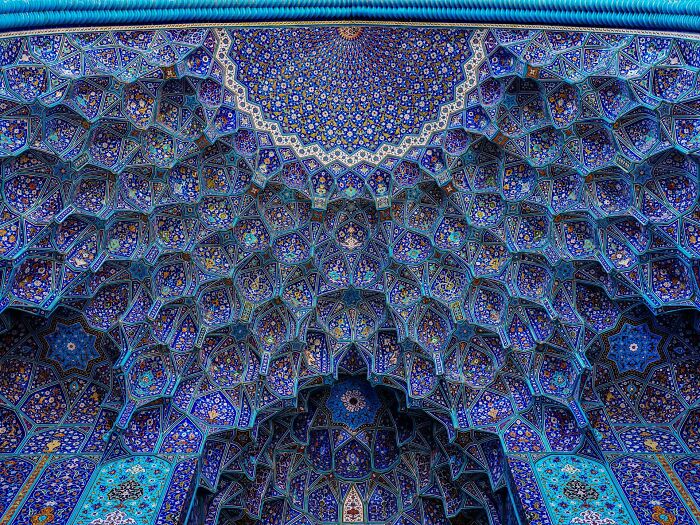
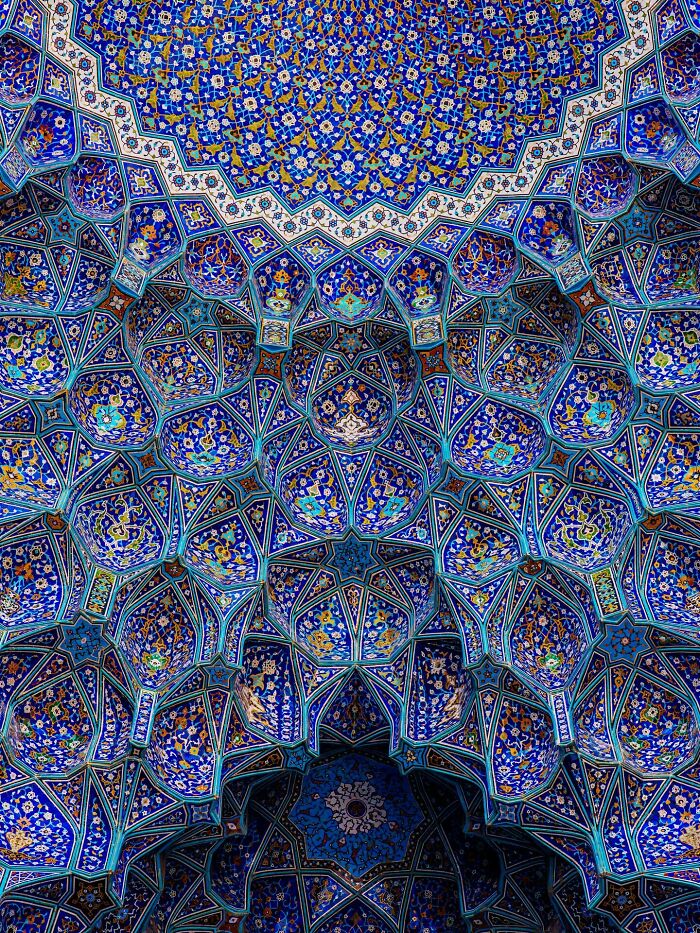
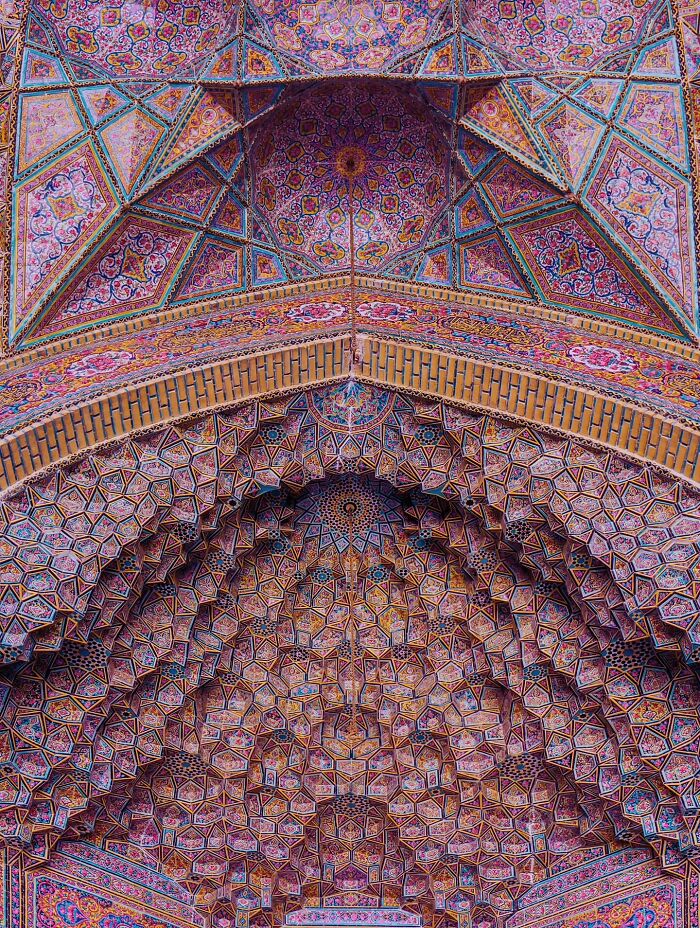
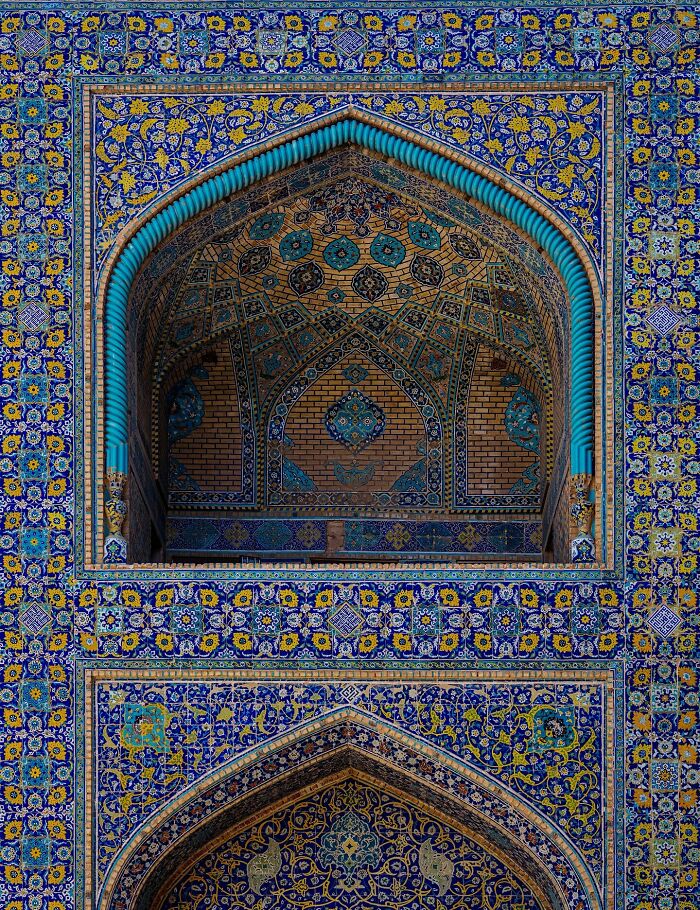
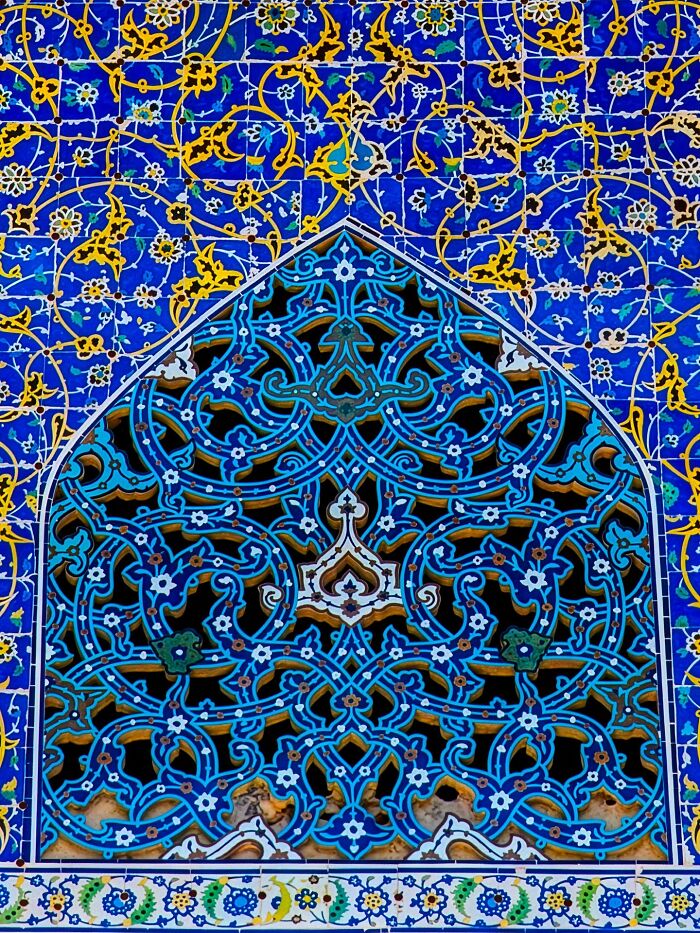
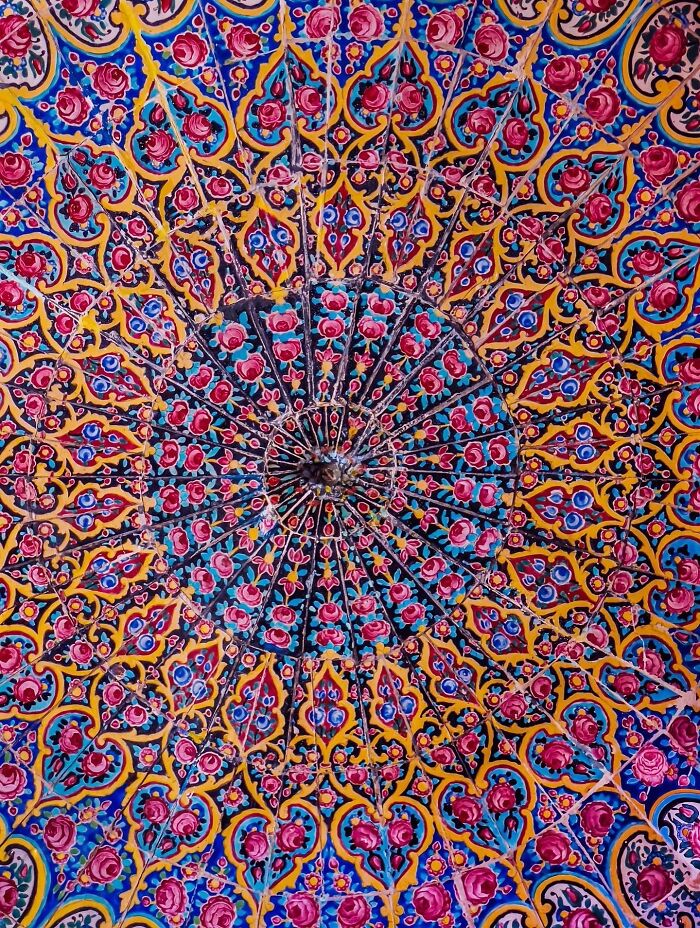
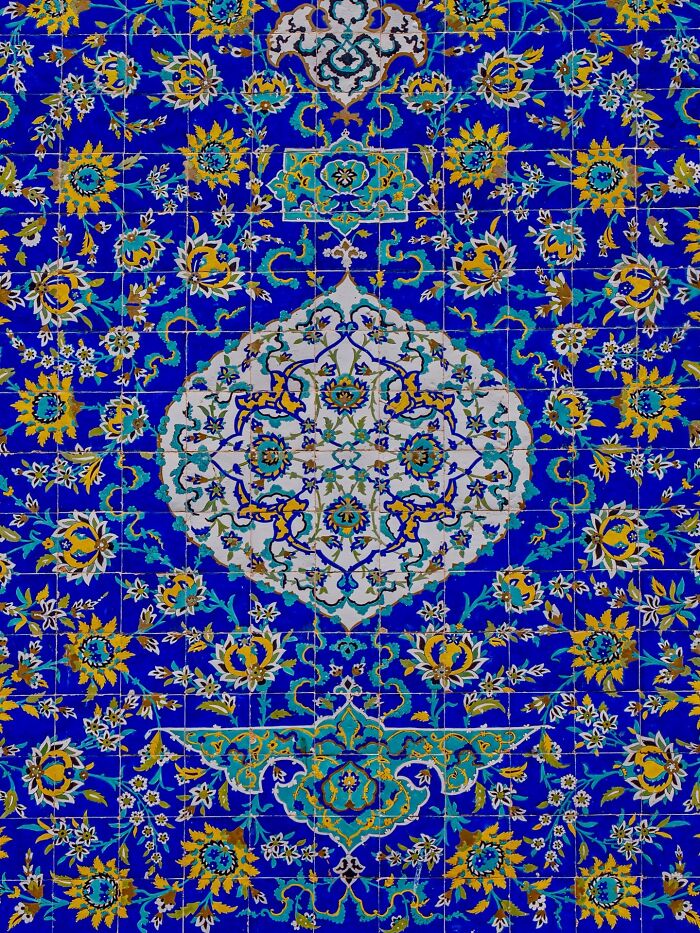
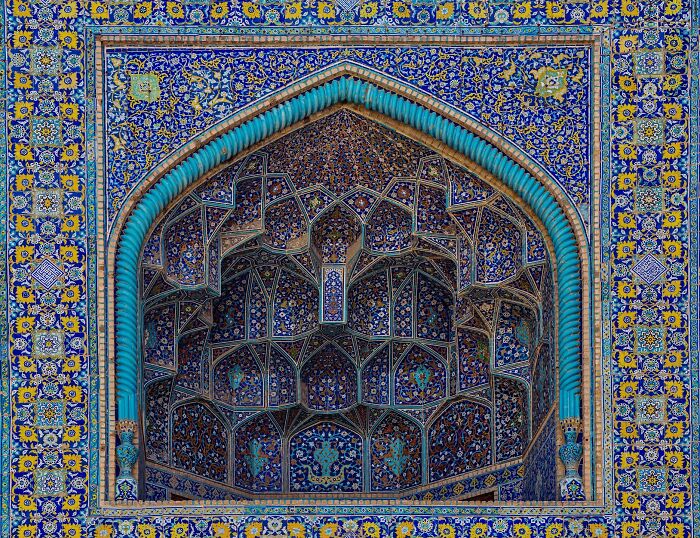
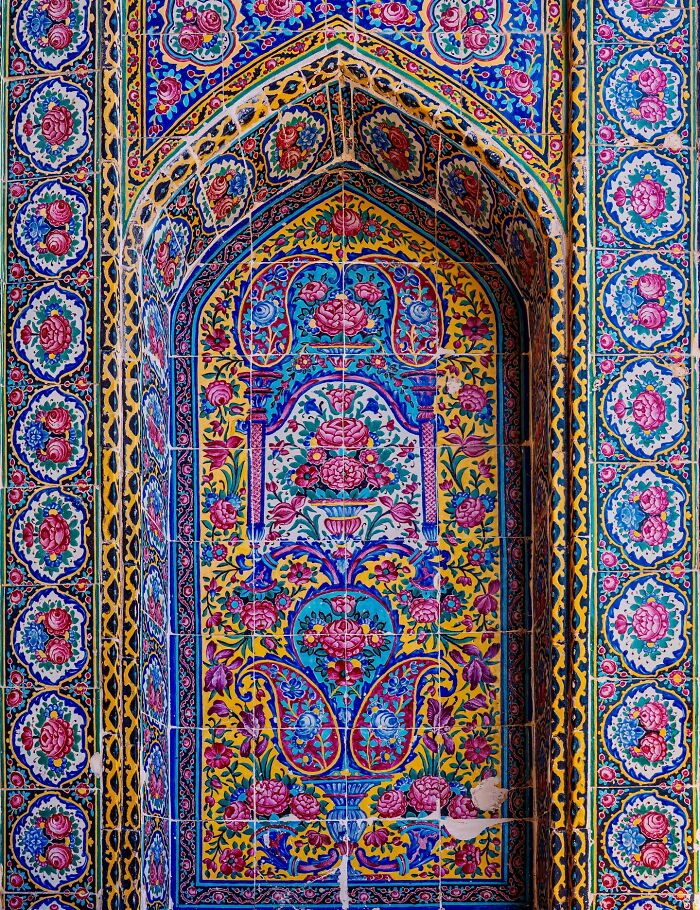
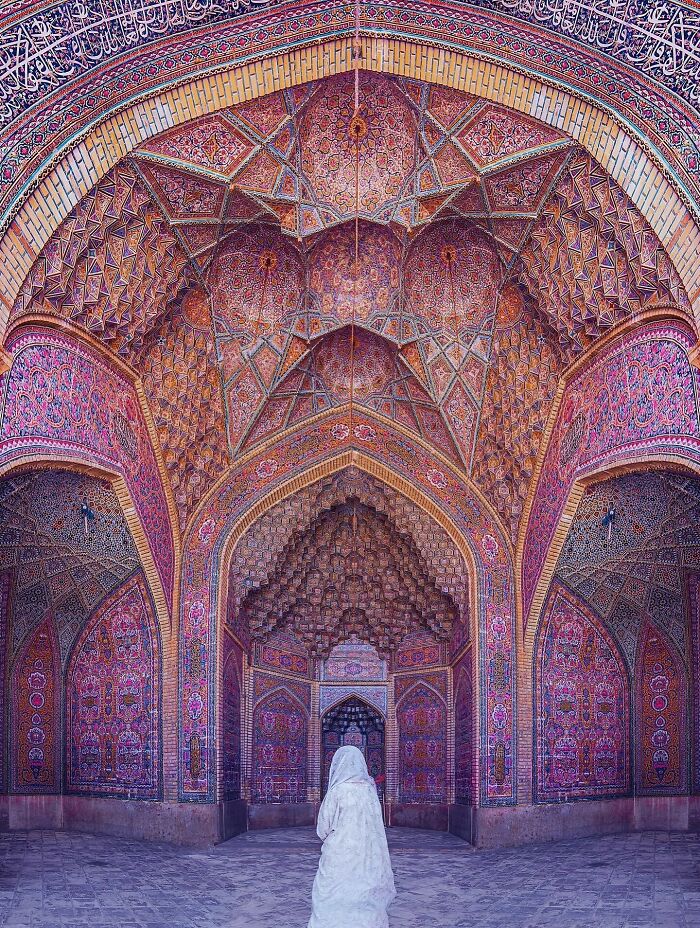
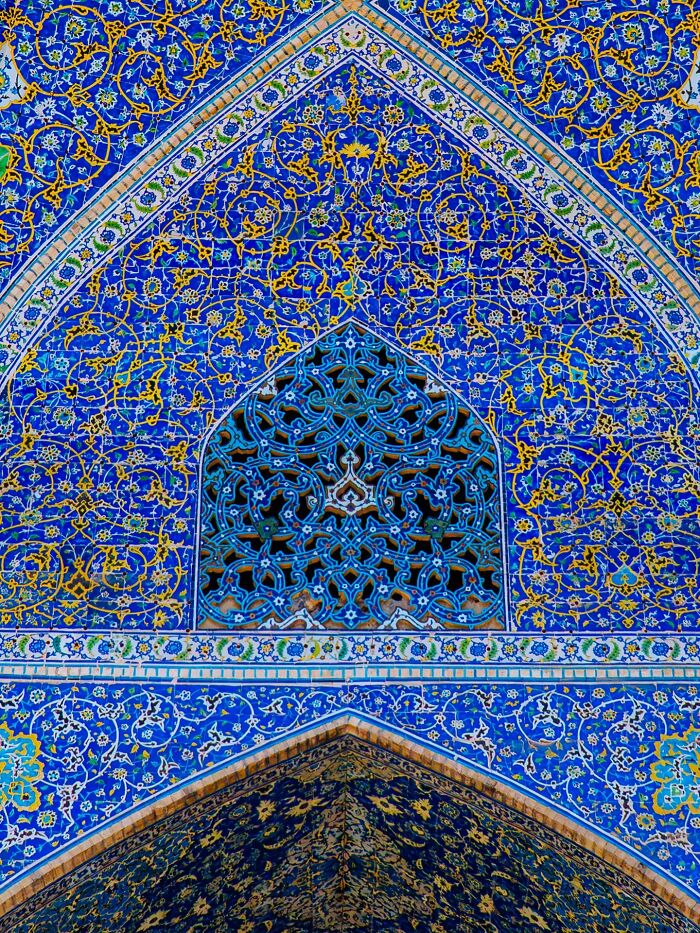
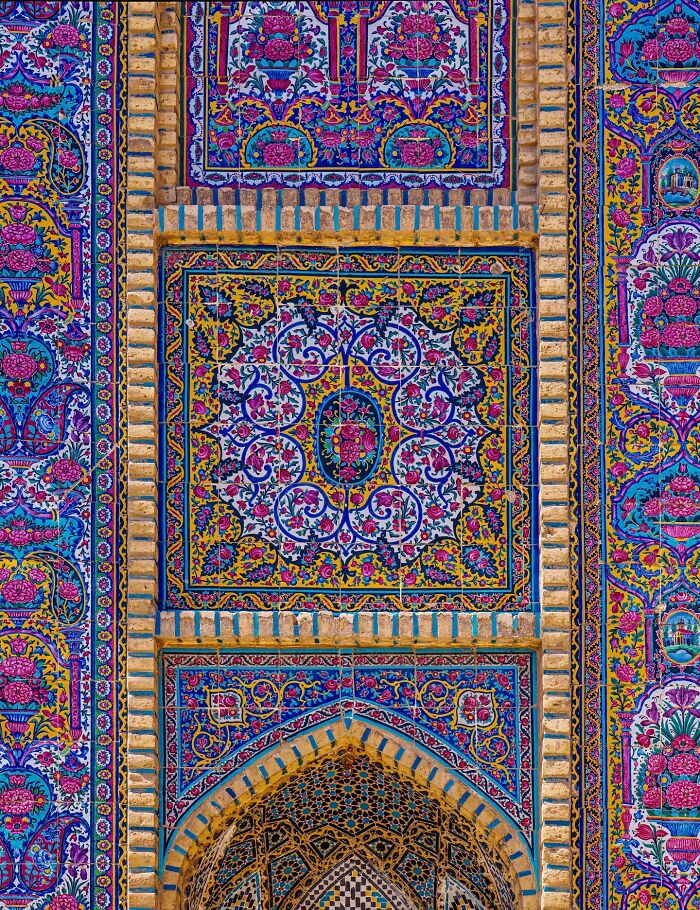
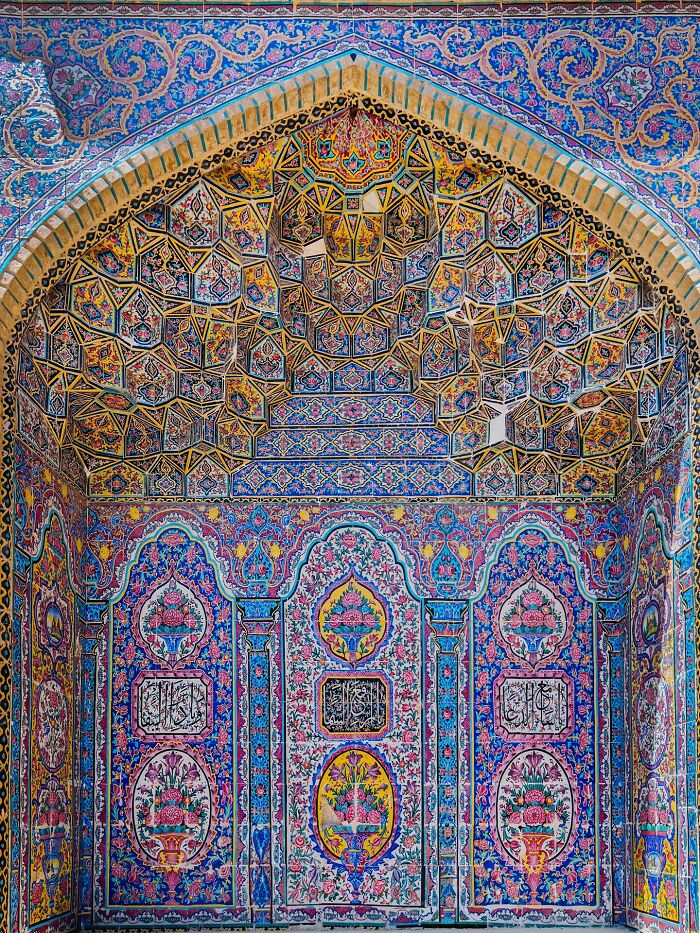
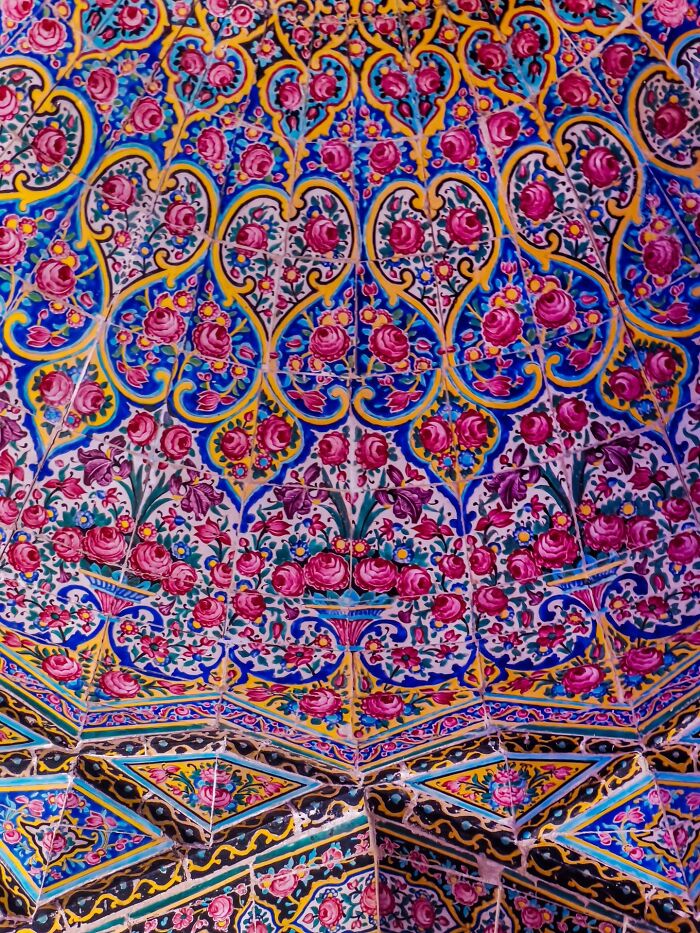
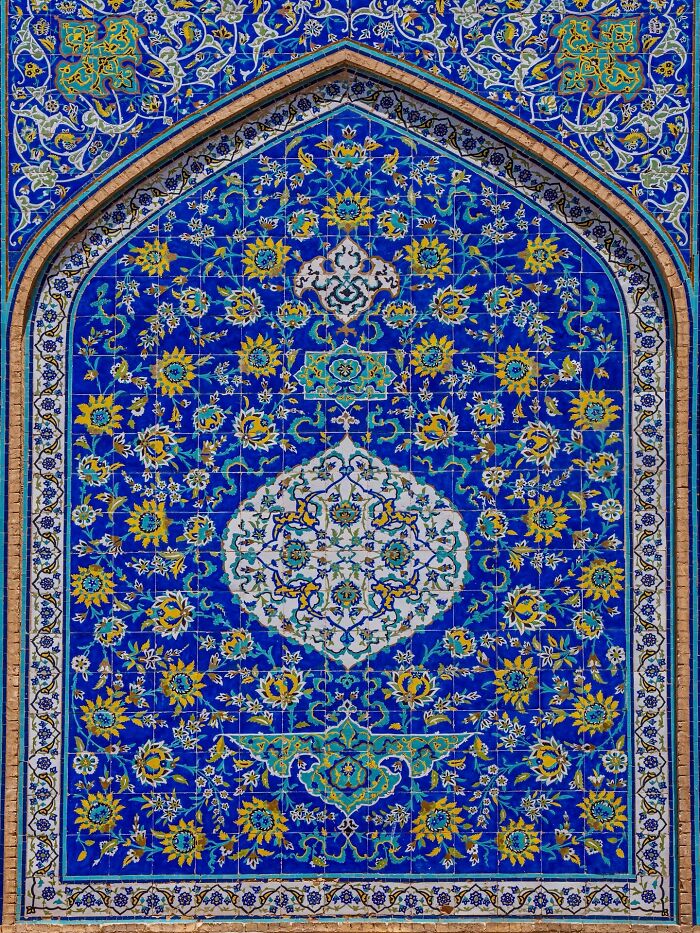
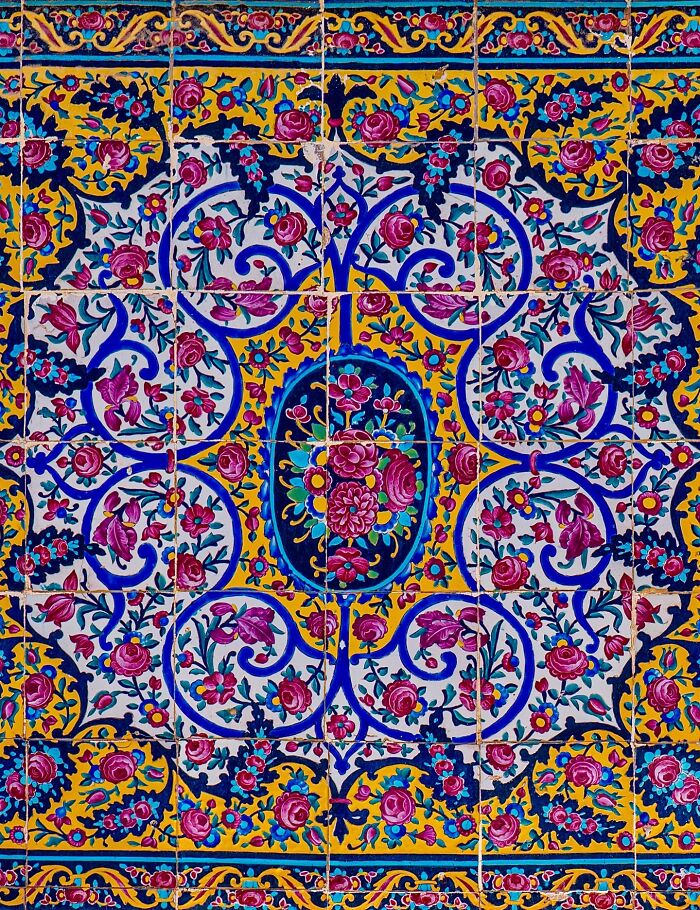
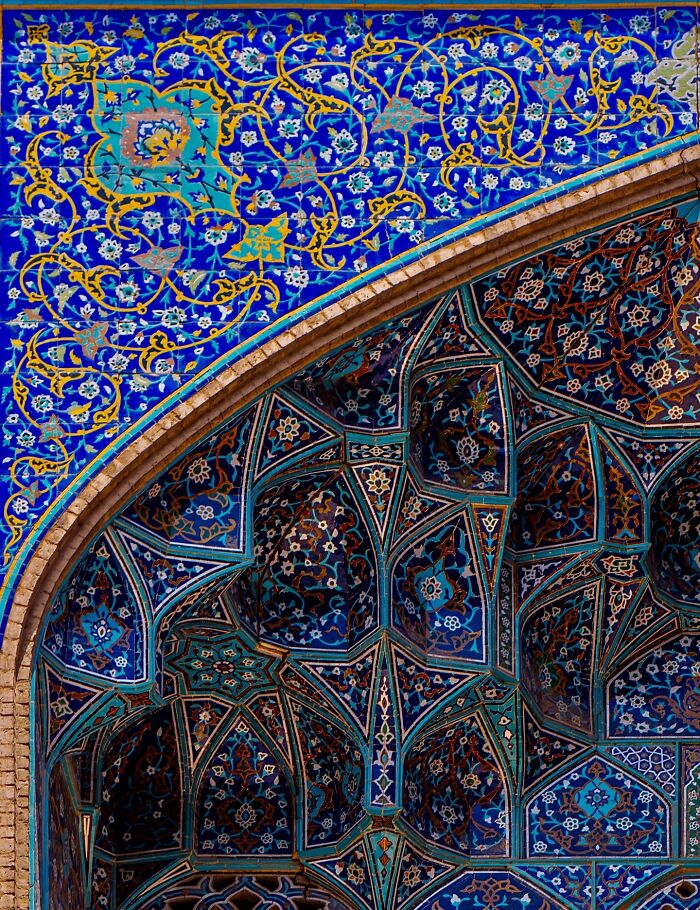
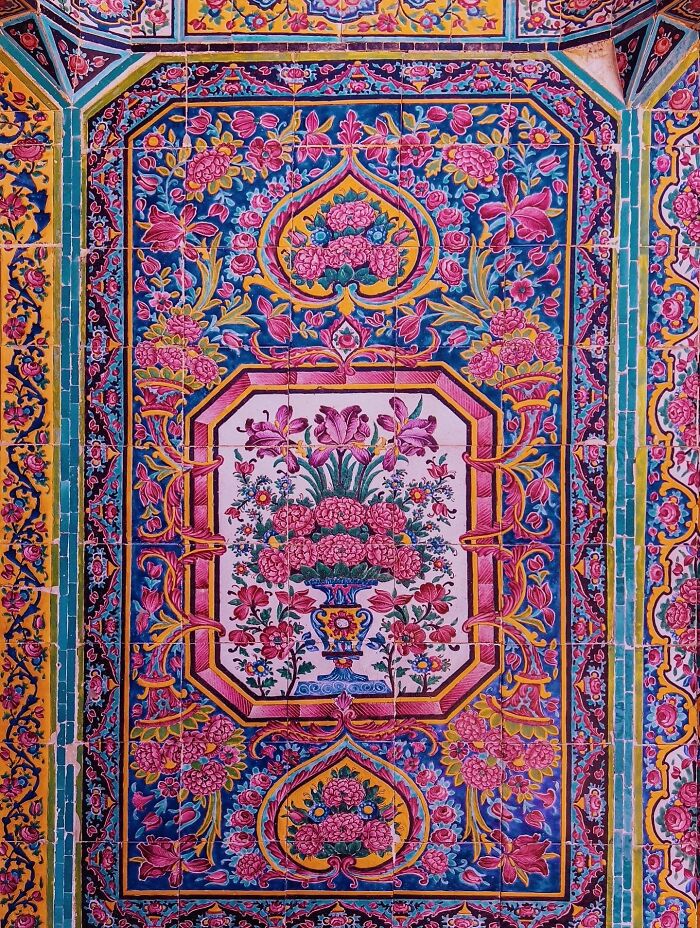
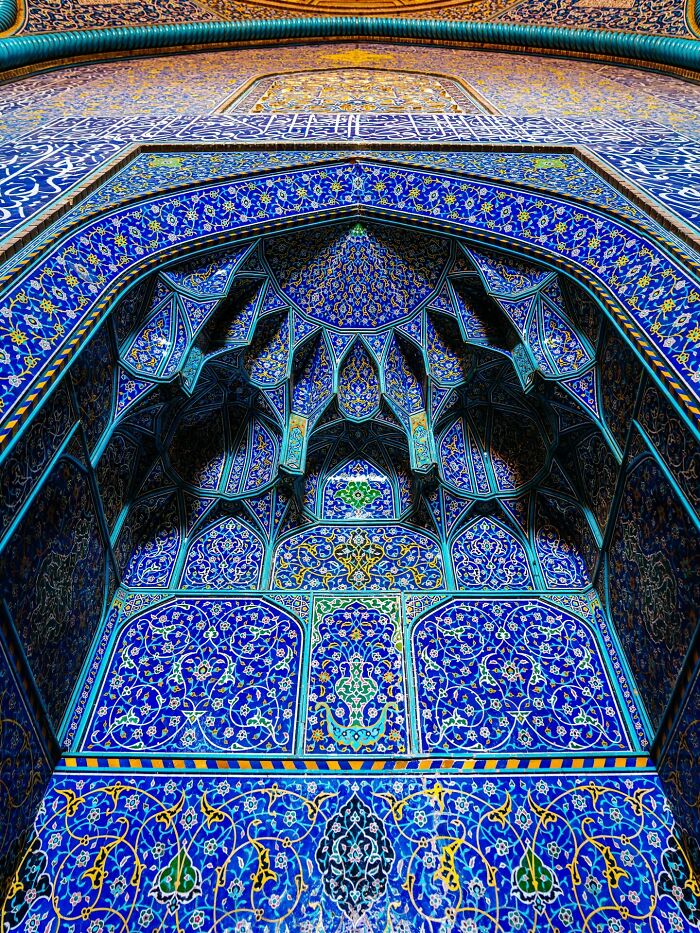
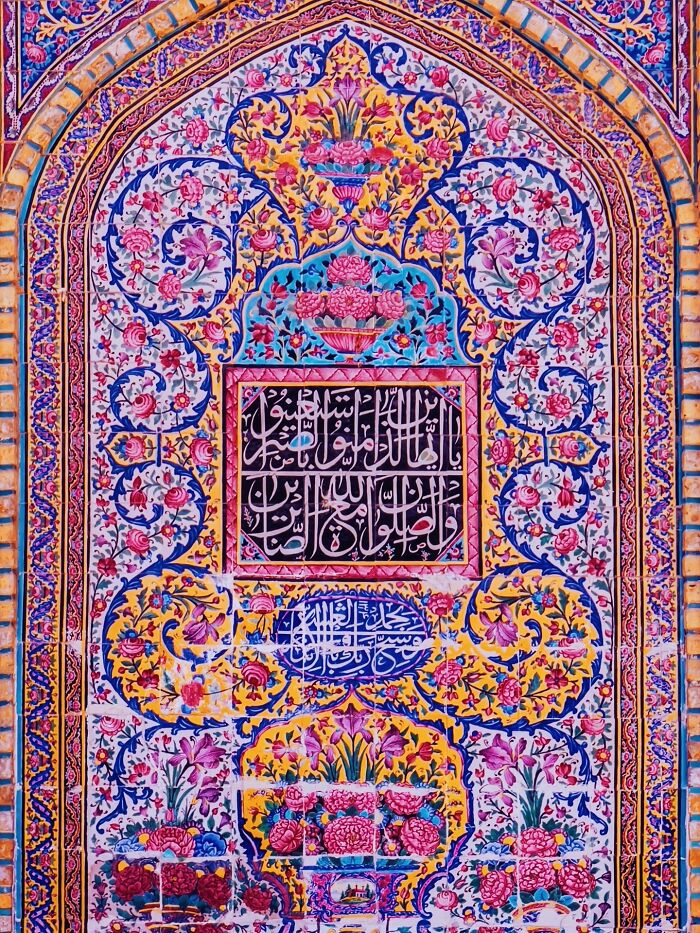
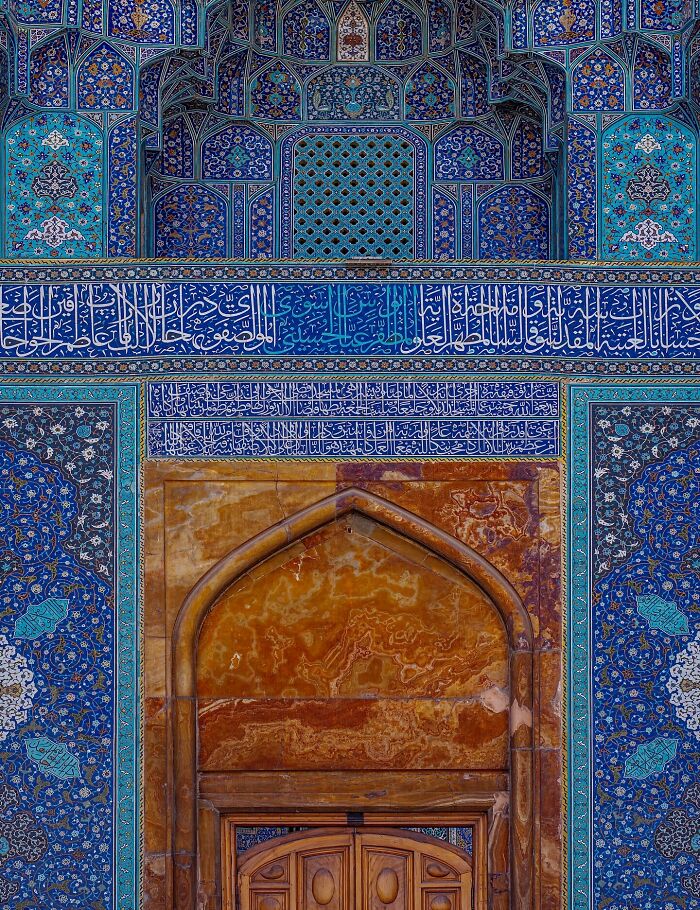
When I traveled through these cities, I found myself repeatedly looking upward. Iran's architecture has a remarkable way of drawing the eye away from the horizon and toward ceilings, domes, arches, windows, and walls covered in layers of geometry, calligraphy, floral motifs, and intricate tilework. What initially appears decorative quickly reveals itself as something much more complex. Across mosques, palaces, shrines, and historic houses, patterns are used not simply as ornament but as a visual language shaped by centuries of mathematics, spirituality, craftsmanship, and artistic innovation. From the royal architecture of Tehran's Golestan Palace to the breathtaking mosques of Isfahan and the kaleidoscopic interiors of Shiraz, every surface seems to tell part of a much larger story.
More info: Instagram | hobopeeba.com | Facebook
This post may include affiliate links.
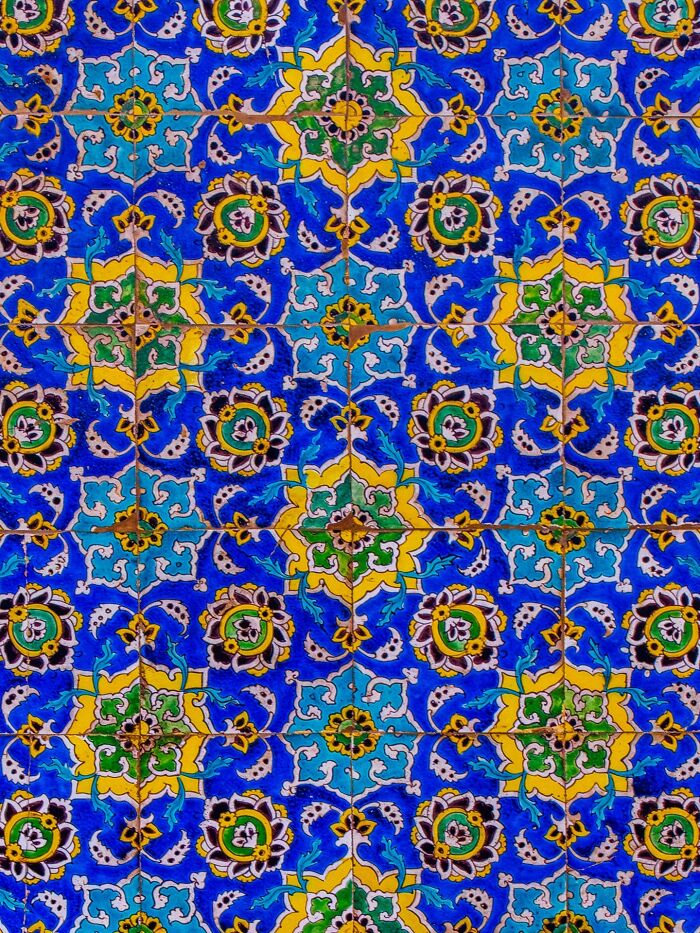
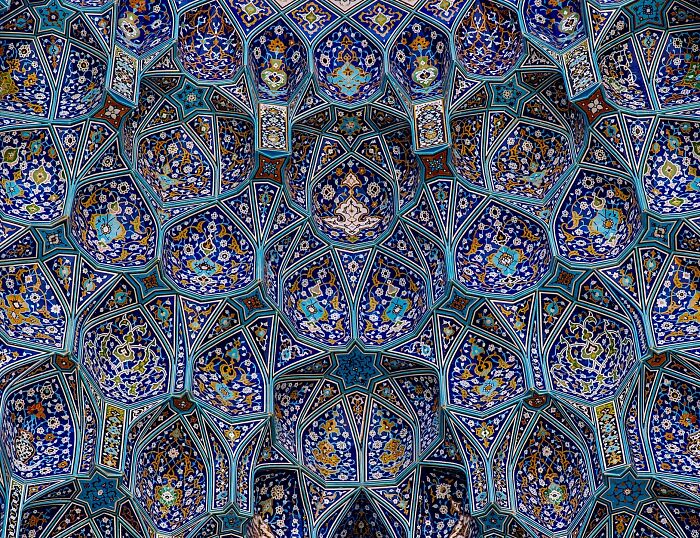
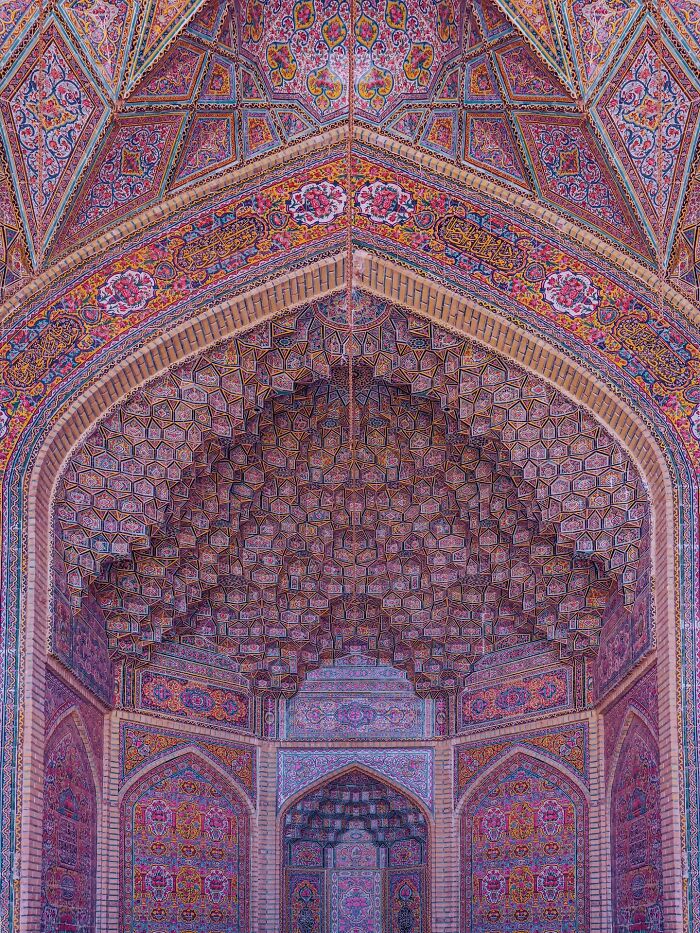
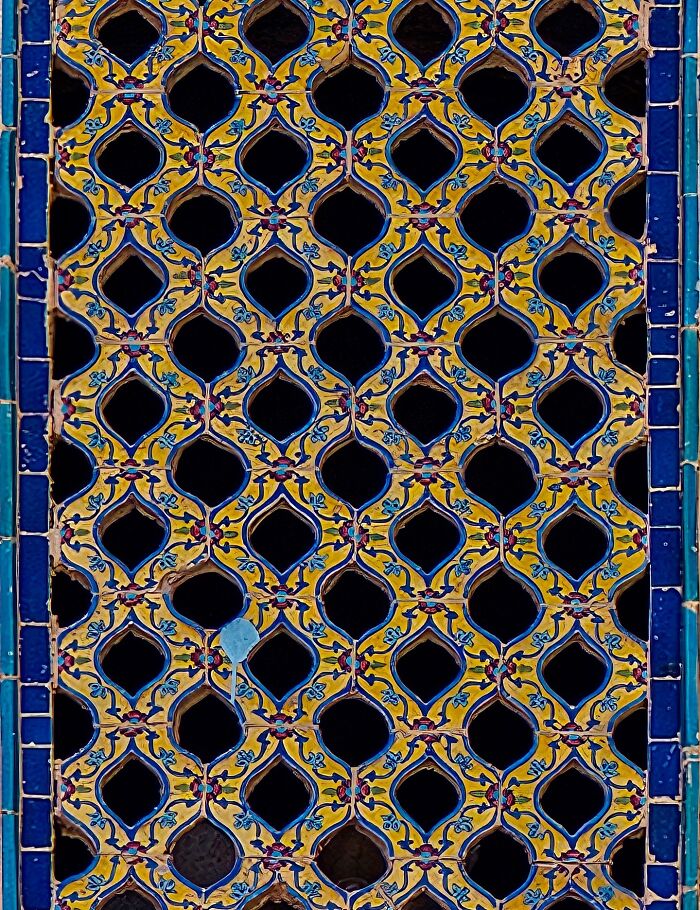
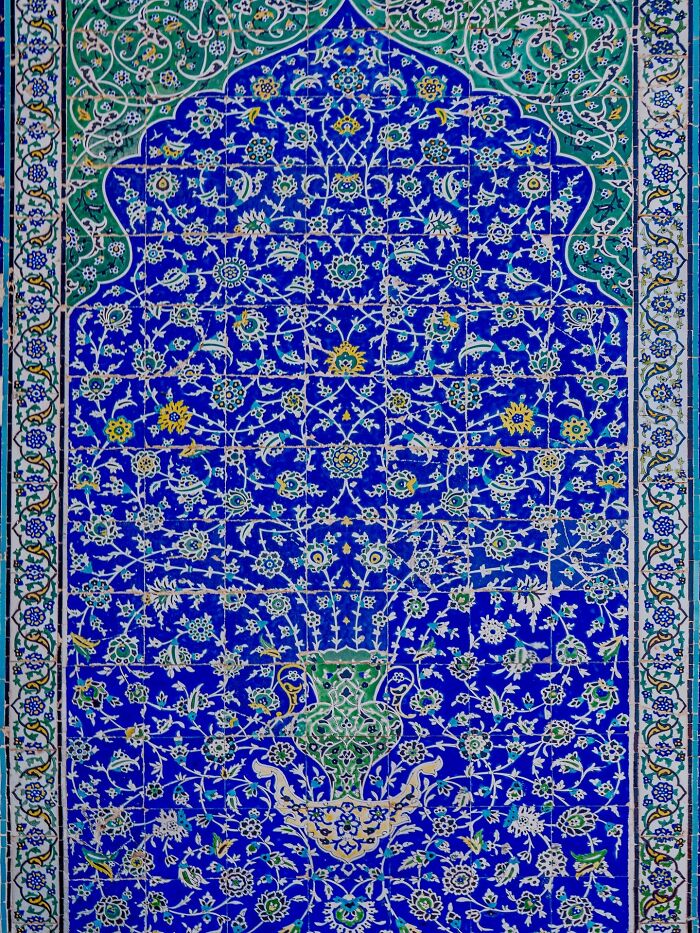
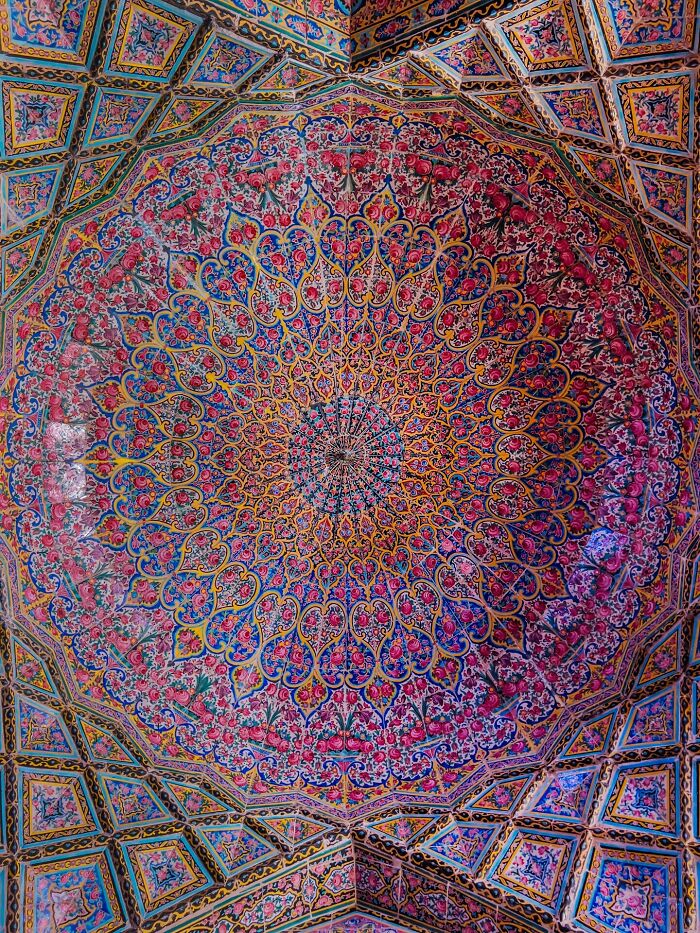
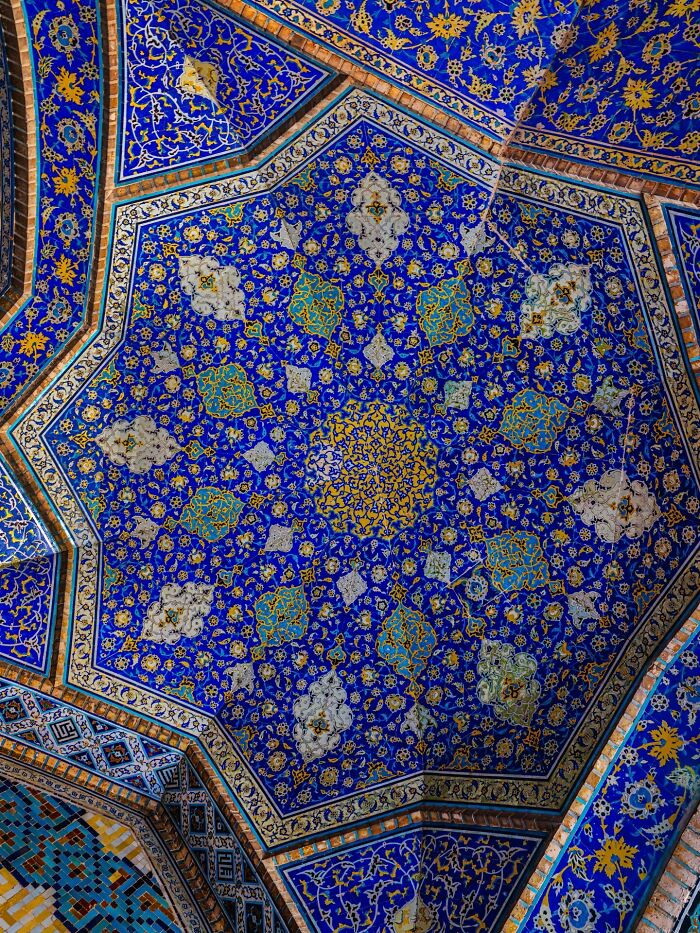
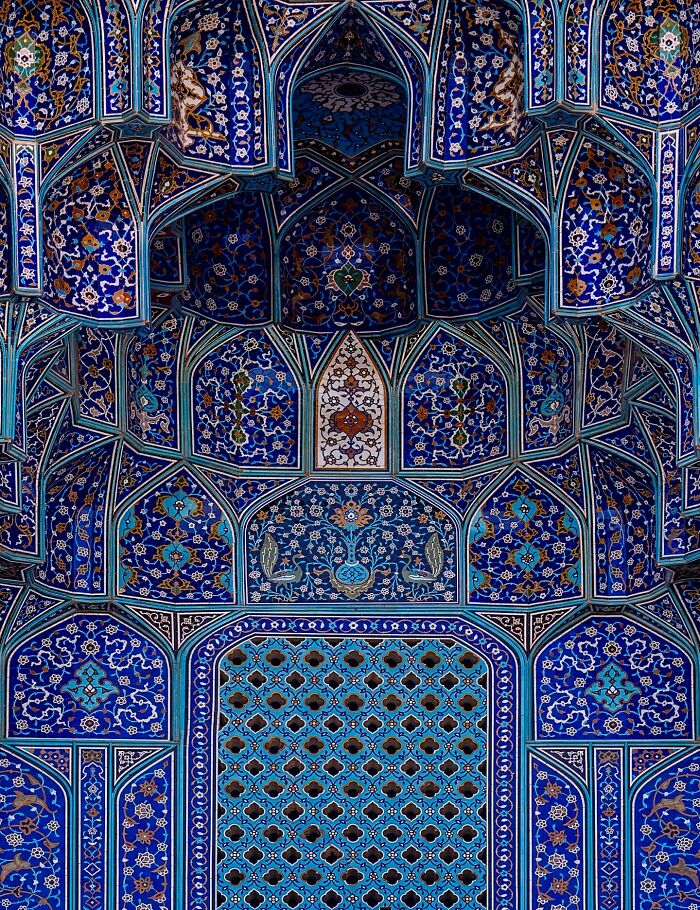
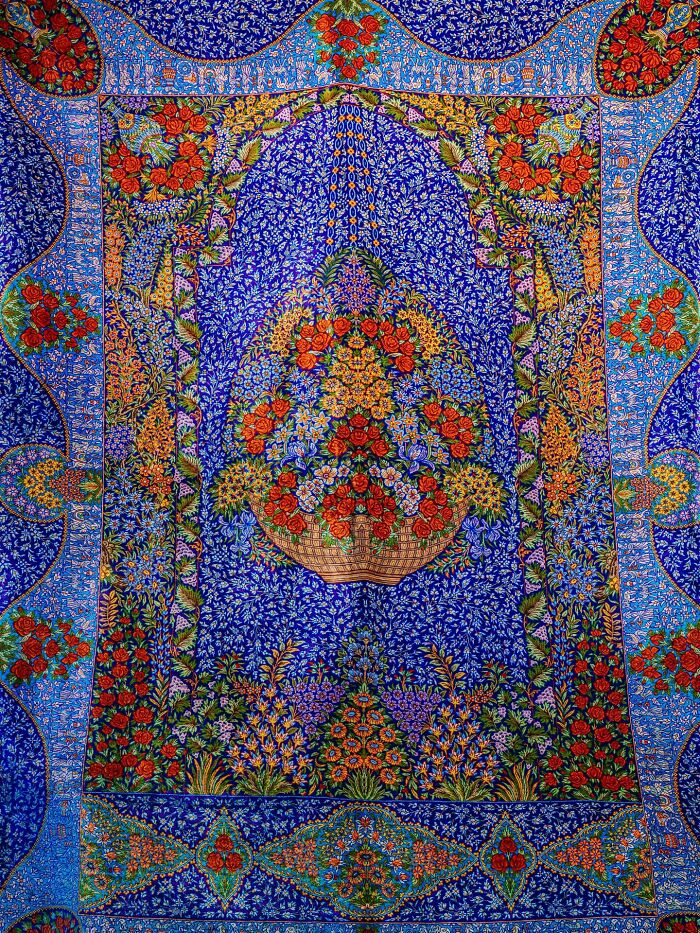
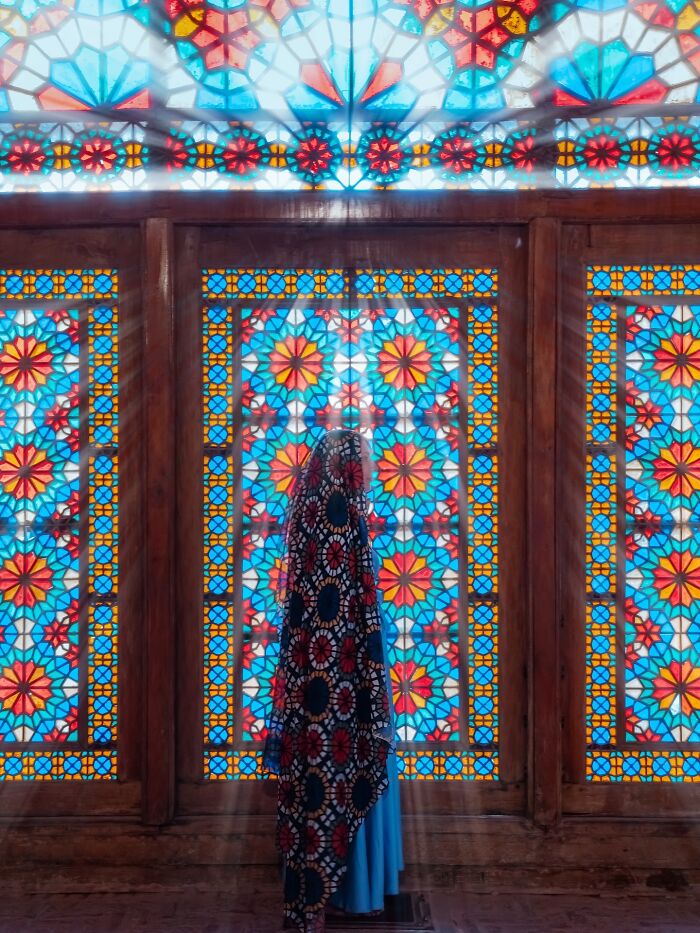
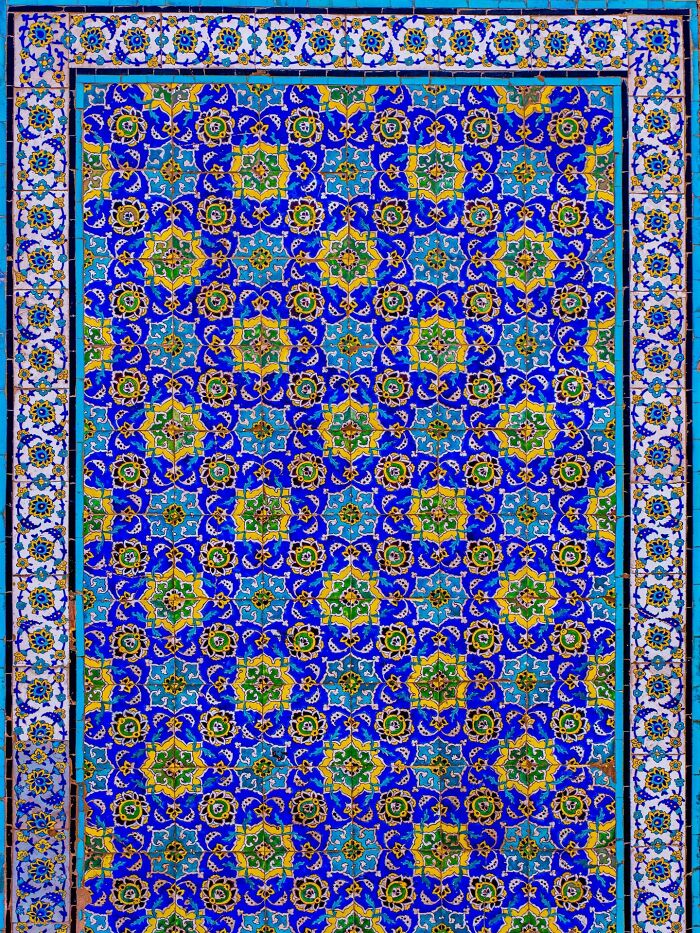
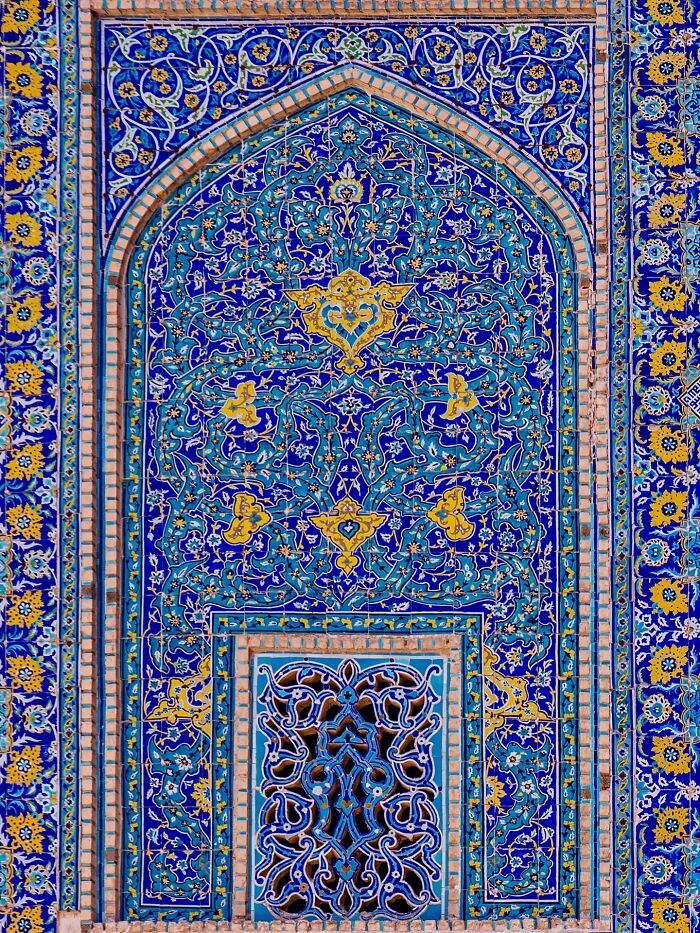
This collection brings together 50 photographs from my journey, focusing on the details that are often overlooked when viewed from ground level. Many of the patterns seen throughout Tehran, Isfahan, and Shiraz were created using techniques perfected over centuries, including intricate mosaic tilework, mirror mosaics, muqarnas vaulting, and geometric designs based on complex mathematical principles. Some of these compositions contain thousands of individually placed tiles, each cut and assembled by hand with extraordinary precision. By isolating fragments of domes, archways, stained-glass windows, and tiled facades, I wanted to draw attention to the remarkable craftsmanship behind them. Viewed up close, these patterns reveal themselves as far more than architectural decoration, they are records of artistic traditions that have been refined, preserved, and passed down through generations of Persian master artisans.
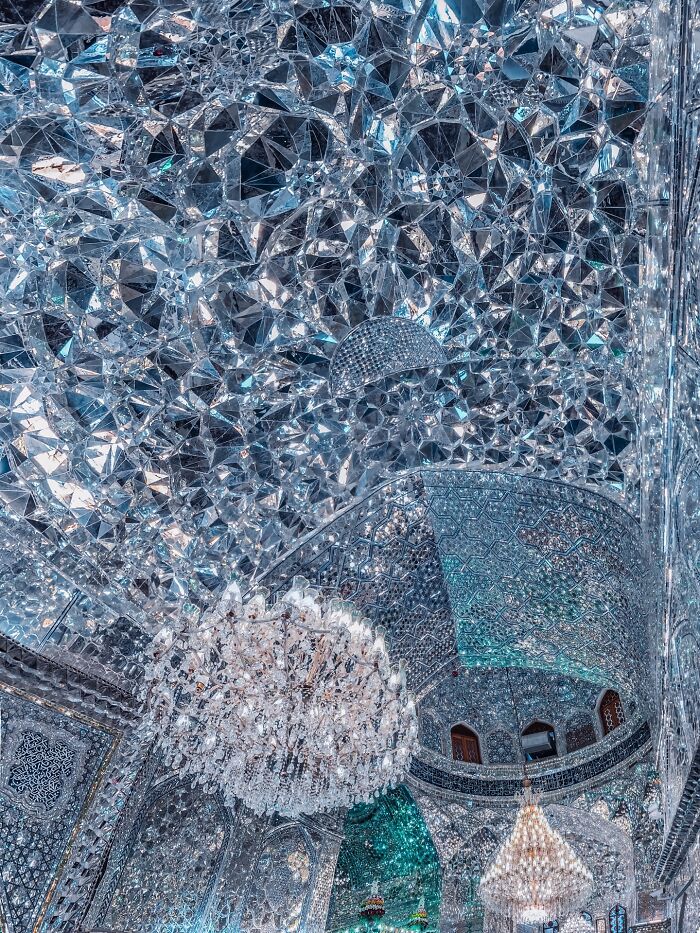
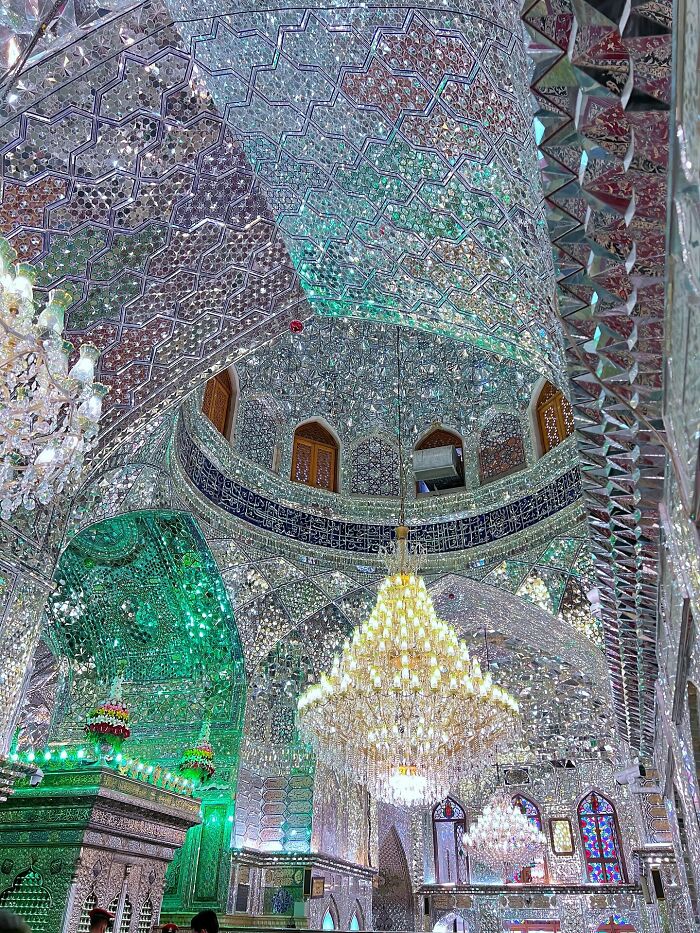
One of the places that captivated me most was Golestan Palace in Tehran, where entire halls are covered in Āina-kāri, the traditional Persian art of mirror mosaics. Standing inside these rooms felt almost surreal. Countless fragments of hand-cut mirrors catch and scatter light in every direction, creating shifting reflections, flashes of color, and endless visual layers that make the space feel larger than reality itself. I found myself mesmerized for hours, watching my own reflection dissolve into a kaleidoscope of light.
At the same time, I couldn't help feeling saddened by signs of damage and the loss of some of the original craftsmanship. The palace is a reminder not only of what has survived, but also of how much beauty can be lost over time if it is not carefully preserved.
The more I learned about Āina-kāri, the more extraordinary it seemed. Perfected during the Safavid era in the 17th century, the technique involves cutting thousands of tiny mirror fragments by hand and embedding them into plaster to create intricate geometric and floral patterns. Some historians believe its roots may stretch even further back, to the Sassanid Empire and Persia's long-standing reverence for light.
The craftsmanship behind these works is difficult to overstate. Artisans spend countless hours handling sharp glass pieces, carefully arranging each fragment to create perfectly balanced compositions. The process is physically demanding, often resulting in cuts to the hands and exposure to glass dust and tiny particles. Just imagining the effort required to cover entire palaces, shrines, and domes with mirror mosaics is astonishing.
The visual effect is unlike anything else. As light strikes the mirrored surfaces, it is refracted thousands of times, producing what many describe as a "light storm"—a dazzling display that can make interiors feel celestial, infinite, and almost dreamlike. Beyond decoration, these patterns carry deeper symbolism, representing divine light, spiritual illumination, harmony, and cosmic order.
Some of the finest examples can be found throughout Iran, including Golestan Palace in Tehran and the Shah Cheragh Shrine in Shiraz. What makes this tradition even more remarkable is that it continues today, with contemporary artists adapting centuries-old techniques for modern architecture and design while preserving the essence of the original craft.





































 No fees, cancel anytime