Get Premium
Dark mode theme is available exclusively for premium users. Learn more about the benefits of subscribing.
No fees, cancel anytime.

 Dark Mode Ad-Free Browsing Unlimited Content
 Ad-Free Browsing Unlimited Content Dark Mode
Join 1.2 million Panda readers who get the best art, memes, and fun stories every week!
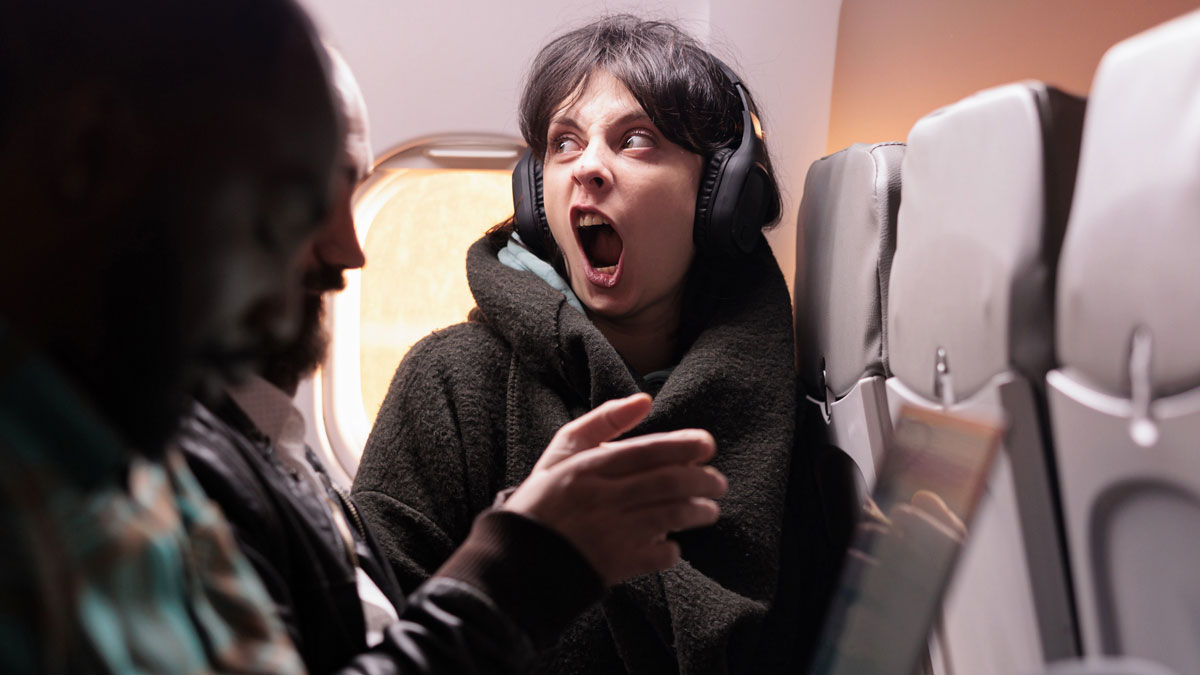
Airplanes have a way of bringing out the unexpected in people. Maybe it’s the cramped seats, the lack of sleep, or being stuck in a metal tube with hundreds of strangers for hours on end but if there’s one place where random drama seems guaranteed, it’s on a flight.
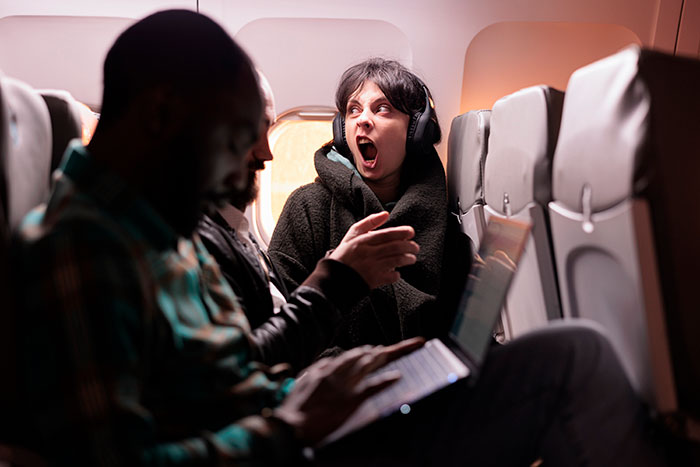
And today’s story is no exception. One traveler shared what should have been a routine overnight flight; until the passenger behind them became fixated on their reclining seat. Convinced the seat was leaning back far more than it should, the passenger repeatedly shoved it forward, turning a simple flight into an increasingly awkward and frustrating standoff. Keep reading for the full story.
Image credits: DC Studio (not the actual photo)
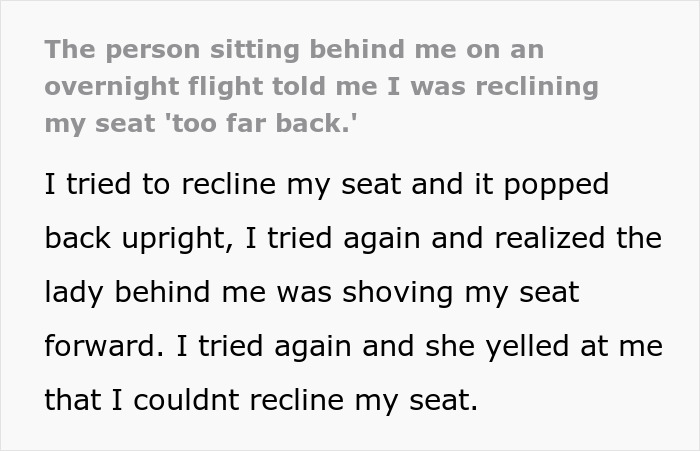
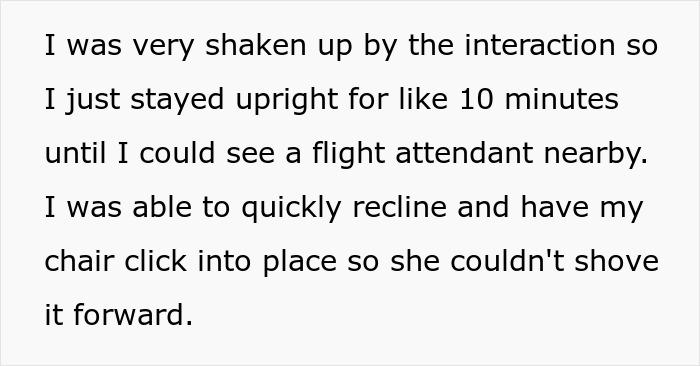
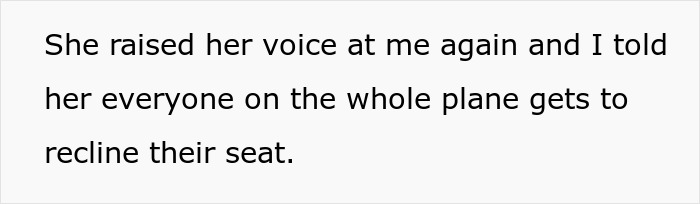
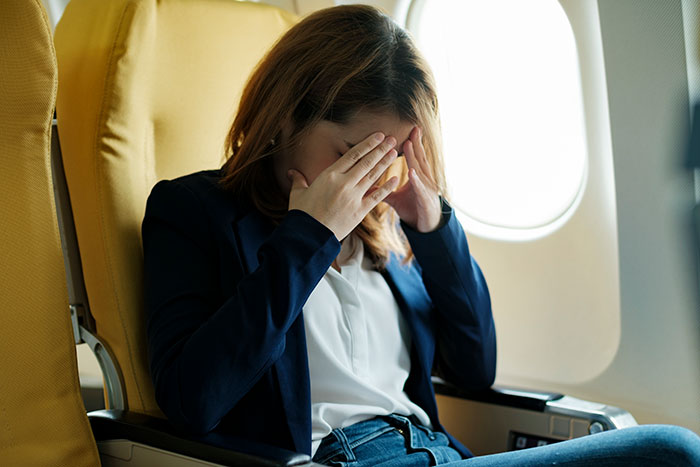
Image credits: ijeab (not the actual photo)
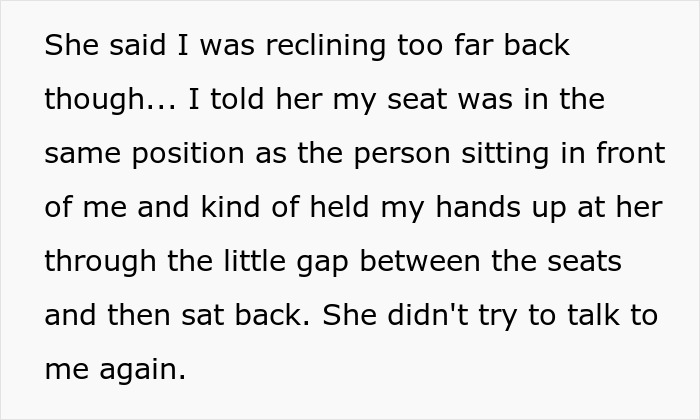
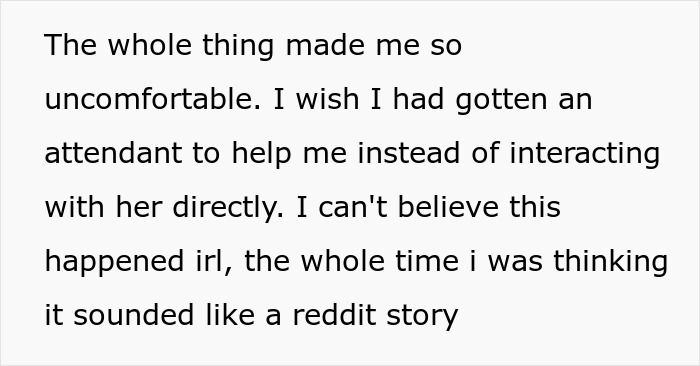
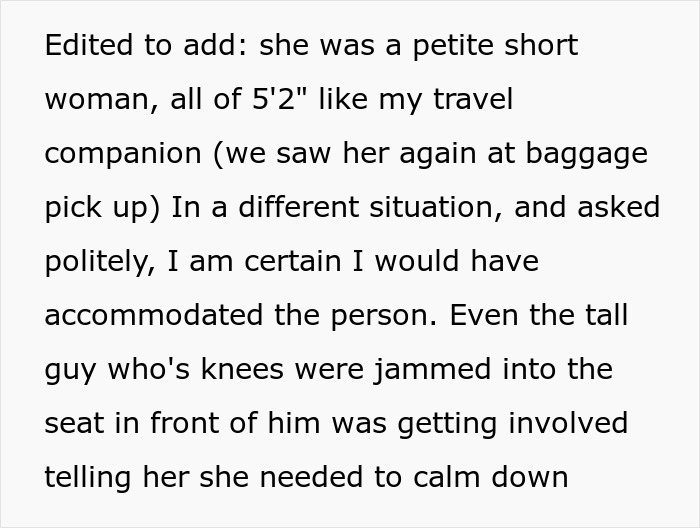
Image credits: Chipmunkpunk98
Flying can be an exciting experience, but it can also test a person’s patience. When hundreds of strangers are packed into a small cabin for hours at a time, even minor inconveniences can feel much bigger than they really are. That’s why airplane etiquette matters. Simple acts of courtesy can make a long flight more comfortable for everyone on board. While travelers may have different preferences and comfort levels, respecting shared spaces is something that benefits everyone. Most in-flight conflicts don’t start because of major issues—they start because someone forgets they’re sharing the space with dozens of other people. A little consideration can go a long way.
One of the easiest ways to be a good passenger is to treat flight attendants with respect. They are responsible for far more than serving drinks and snacks. Flight attendants are trained safety professionals who handle emergencies, medical situations, and passenger disputes while ensuring the flight runs smoothly. Delays, weather issues, and seating problems are usually beyond their control, yet they often bear the brunt of travelers’ frustrations. Being polite, patient, and cooperative can make their jobs significantly easier. In return, it helps create a more positive atmosphere throughout the cabin. After all, everyone wants the same thing: a safe and uneventful flight.
Being considerate of fellow passengers is just as important. Airplane seats aren’t exactly known for being spacious, and everyone is dealing with the same cramped conditions. Keeping conversations at a reasonable volume, wearing headphones when watching videos, and respecting personal space can help avoid unnecessary tension. Small actions, such as being mindful of where your elbows are or avoiding excessive seat kicking, can make a surprising difference. The goal isn’t to become best friends with your seatmates; it’s simply to coexist comfortably for a few hours.
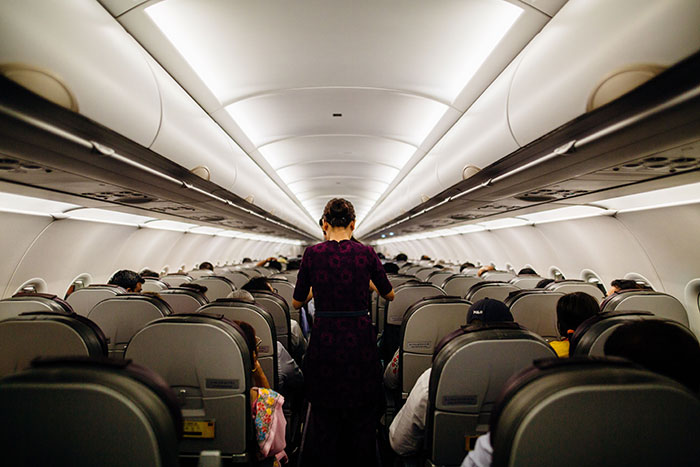
Image credits: K (not the actual photo)
Another often-overlooked part of airplane etiquette involves odors. Airplanes are enclosed environments with limited airflow, which means strong smells can linger much longer than people realize. Heavy perfumes, excessive cologne, and particularly pungent foods can quickly become a nuisance for nearby passengers. While a fragrance might smell great to you, the person sitting next to you may have a very different experience. In fact, research suggests that up to 4.5% of adults may be allergic to fragrance ingredients. For some people, exposure can trigger symptoms such as itchy rashes, swelling, burning sensations, tenderness, or even bumps and blisters on the skin. Others may experience headaches, dizziness, or respiratory irritation.
The boarding and deplaning process is another area where patience pays off. Ally Murphy, a former flight attendant and host of The Red Eye Podcast, explains that proper deplaning etiquette is simple: go row by row, front to back. Not diagonally. Not in zigzags. Not with superhero-level sprinting to the front. Most people are eager to get to their destination, but trying to save a few seconds often creates frustration for dozens of others. A little patience can make the entire process smoother. In most cases, everyone gets off the plane within a matter of minutes anyway.
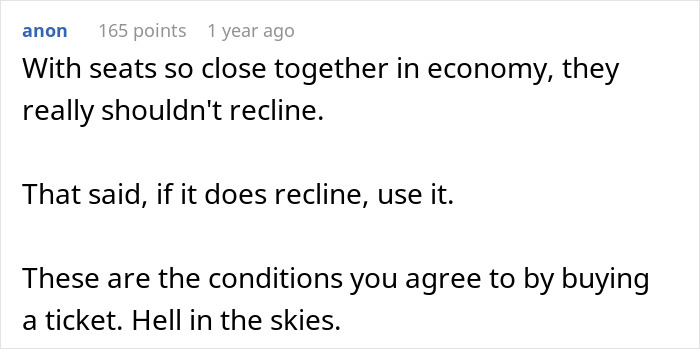
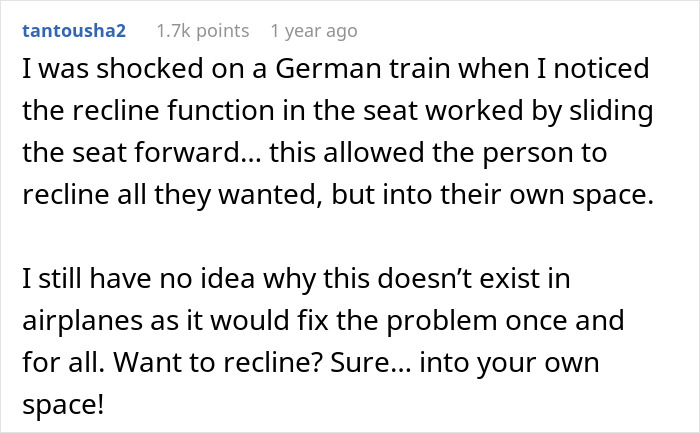
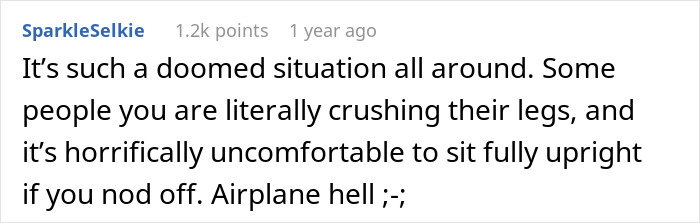
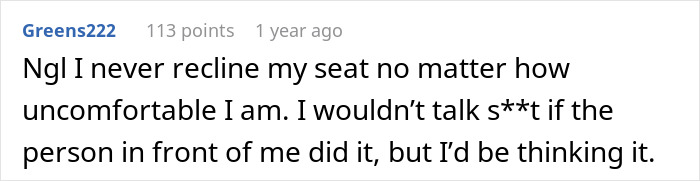
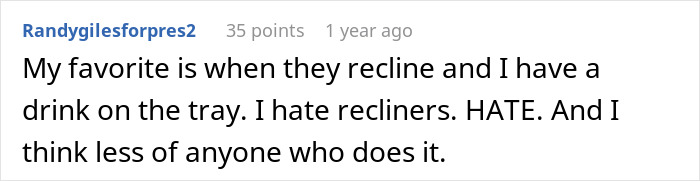
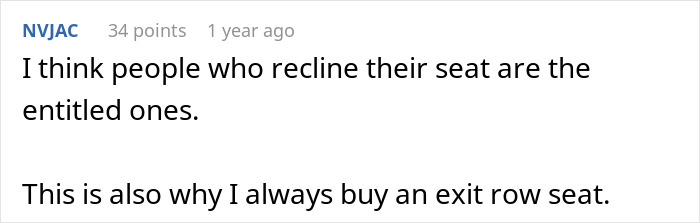
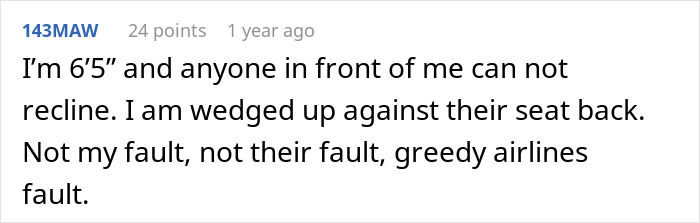
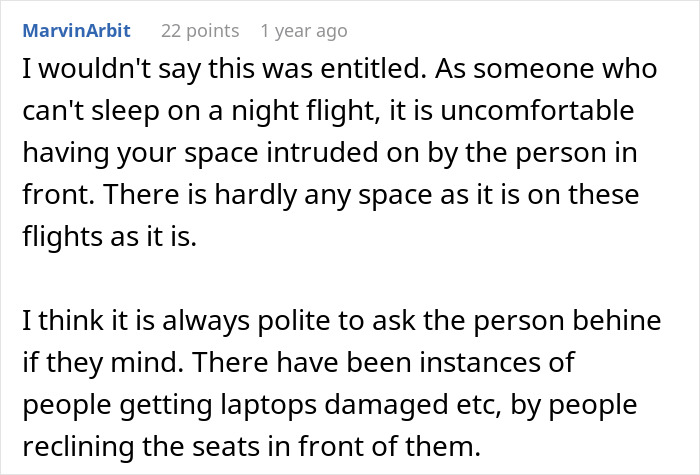
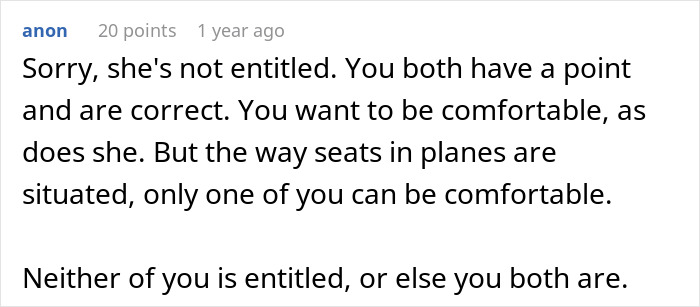
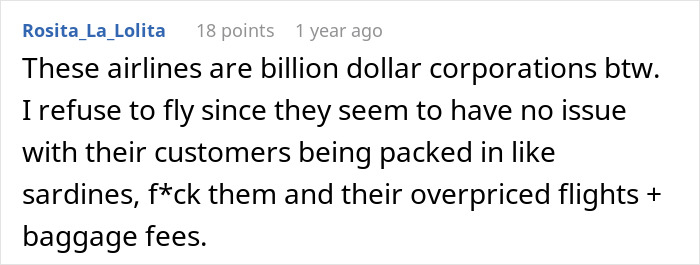
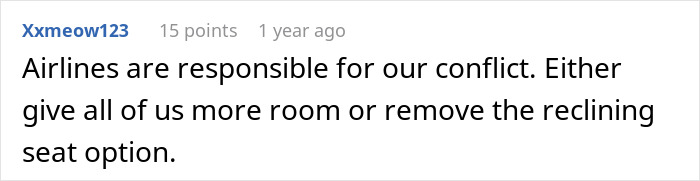
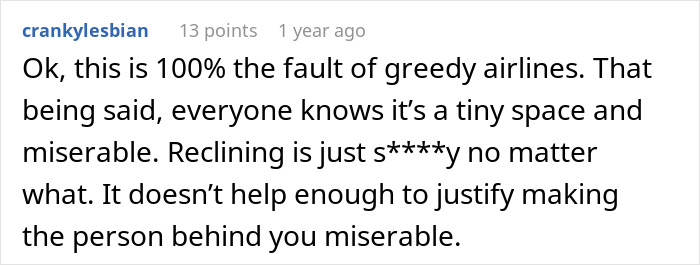
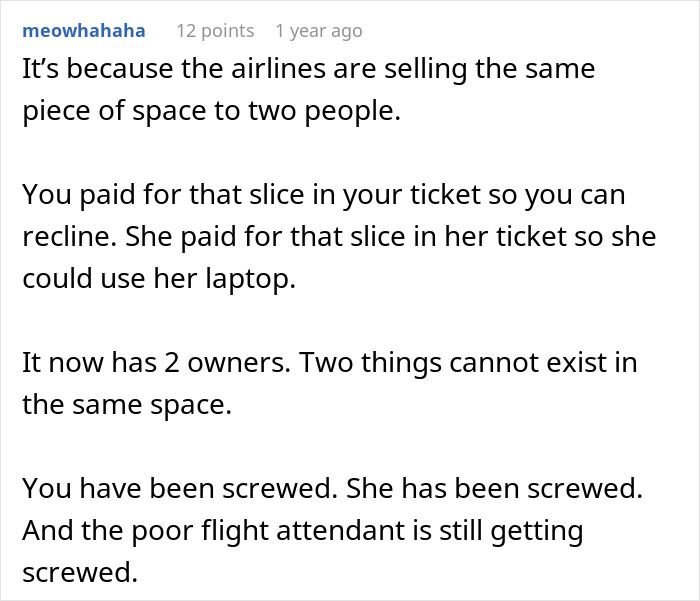
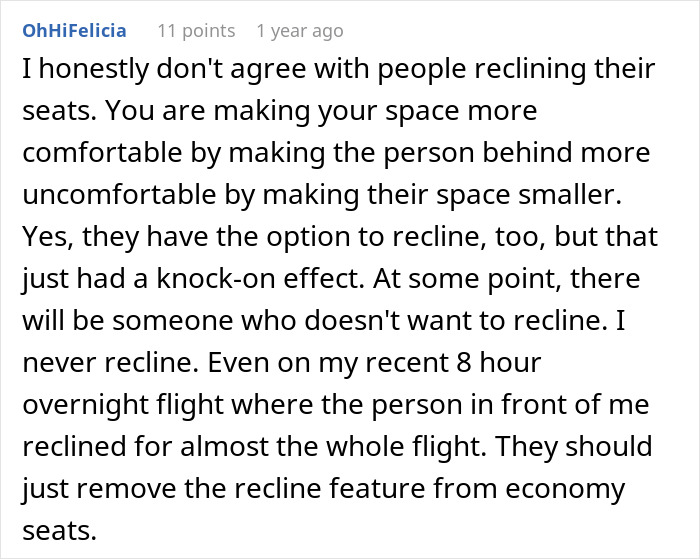
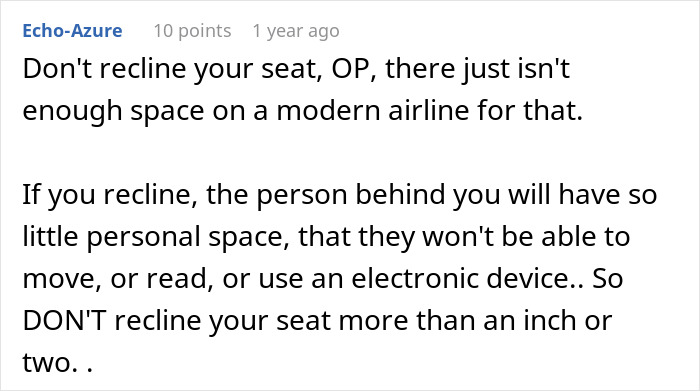
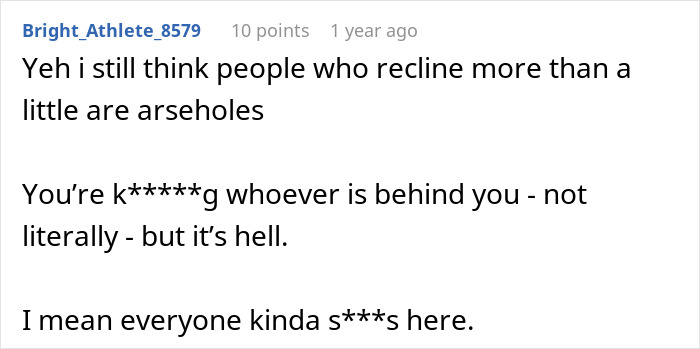
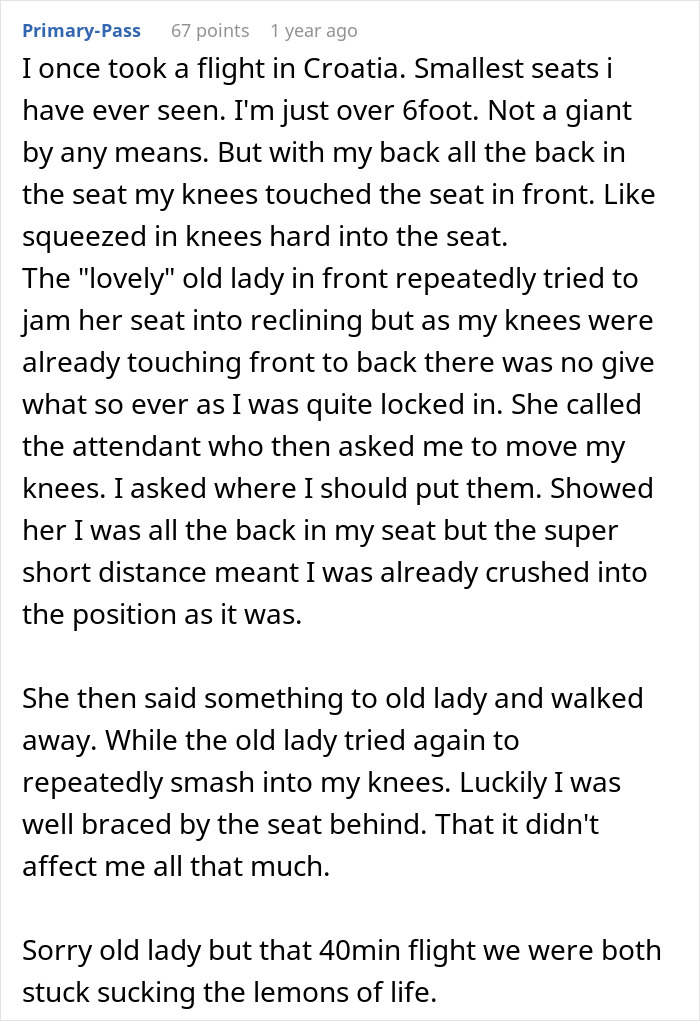
Now for one of the most debated topics in air travel: reclining seats. Few airplane etiquette issues spark stronger opinions. Some passengers see reclining as a basic feature they paid for, while others view it as an invasion of their already limited personal space. According to flight attendant Sarah Sittrop, writing for We Are Travel Girls, passengers are generally entitled to recline their seats if the airline has designed them to do so—especially on long-haul or overnight flights where getting some rest can make a big difference. The main exceptions are during takeoff, landing, and meal service, when seats are typically expected to remain upright.
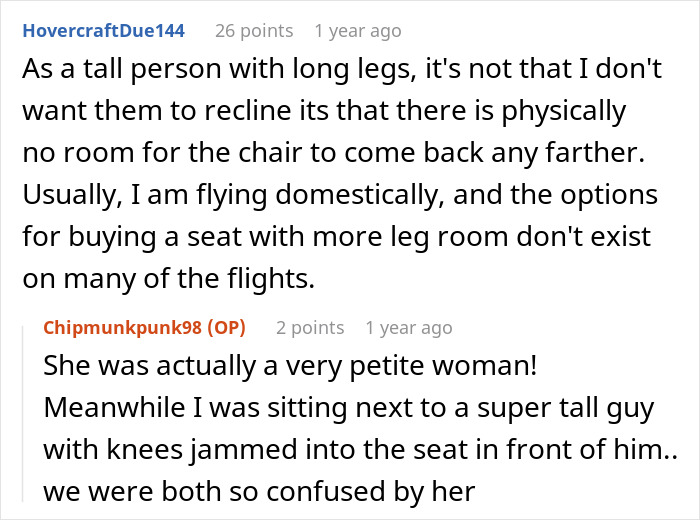
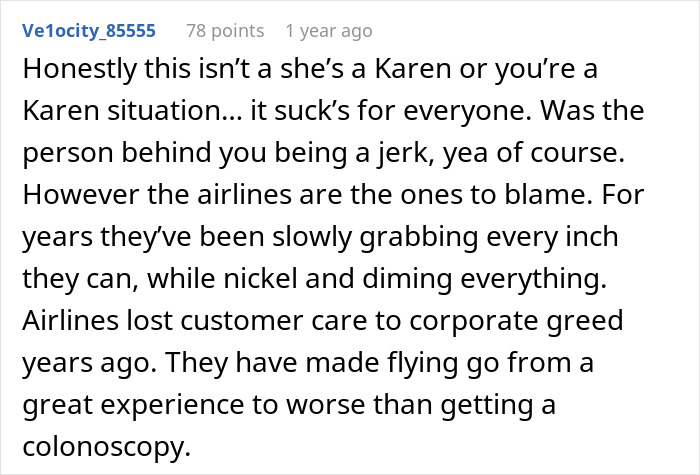
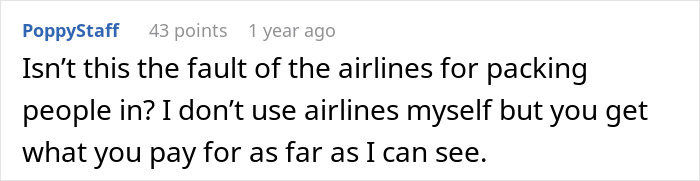
That said, reclining still comes with a bit of common sense and courtesy. Most travel experts recommend reclining slowly rather than abruptly, giving the person behind you time to adjust. At the same time, simply disliking that someone has reclined their seat doesn’t give another passenger the right to interfere. Sittrop notes that cramped seating arrangements may be frustrating, but they don’t give anyone authority over another passenger’s seat. Travelers who need extra room often have options such as exit-row seating, bulkhead seats, or upgraded fare classes. Ultimately, airplane etiquette is about balancing your own comfort with consideration for others—not expecting one person to sacrifice theirs entirely for someone else’s convenience.
All of this brings us to today’s story. The author boarded the overnight flight expecting a fairly routine journey. Instead, they found themselves in a bizarre standoff with the passenger seated directly behind them. Airplane etiquette exists for a reason: to make the journey bearable, maybe even pleasant. Pandas, have you ever encountered a rude passenger? Or had a surprisingly wholesome flight moment? Tell us in the comments below.
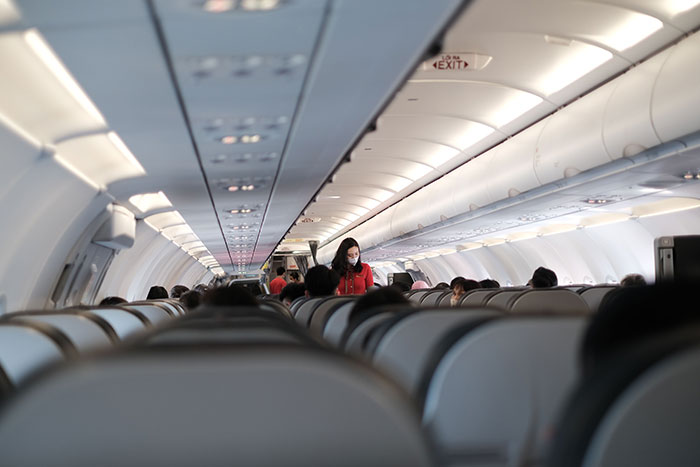
Image credits: Pew Nguyen (not the actual photo)










By entering your email and clicking Subscribe, you're agreeing to let us send you customized marketing messages about us and our advertising partners. You are also agreeing to our Privacy Policy.
Thank you! You've successfully subscribed to newsletters!





And what happens to the last passengers in the row? The ones whose seat backs are flush against a bulkhead?
Load More Replies... And what happens to the last passengers in the row? The ones whose seat backs are flush against a bulkhead?
Load More Replies...



























 No fees, cancel anytime





27
13